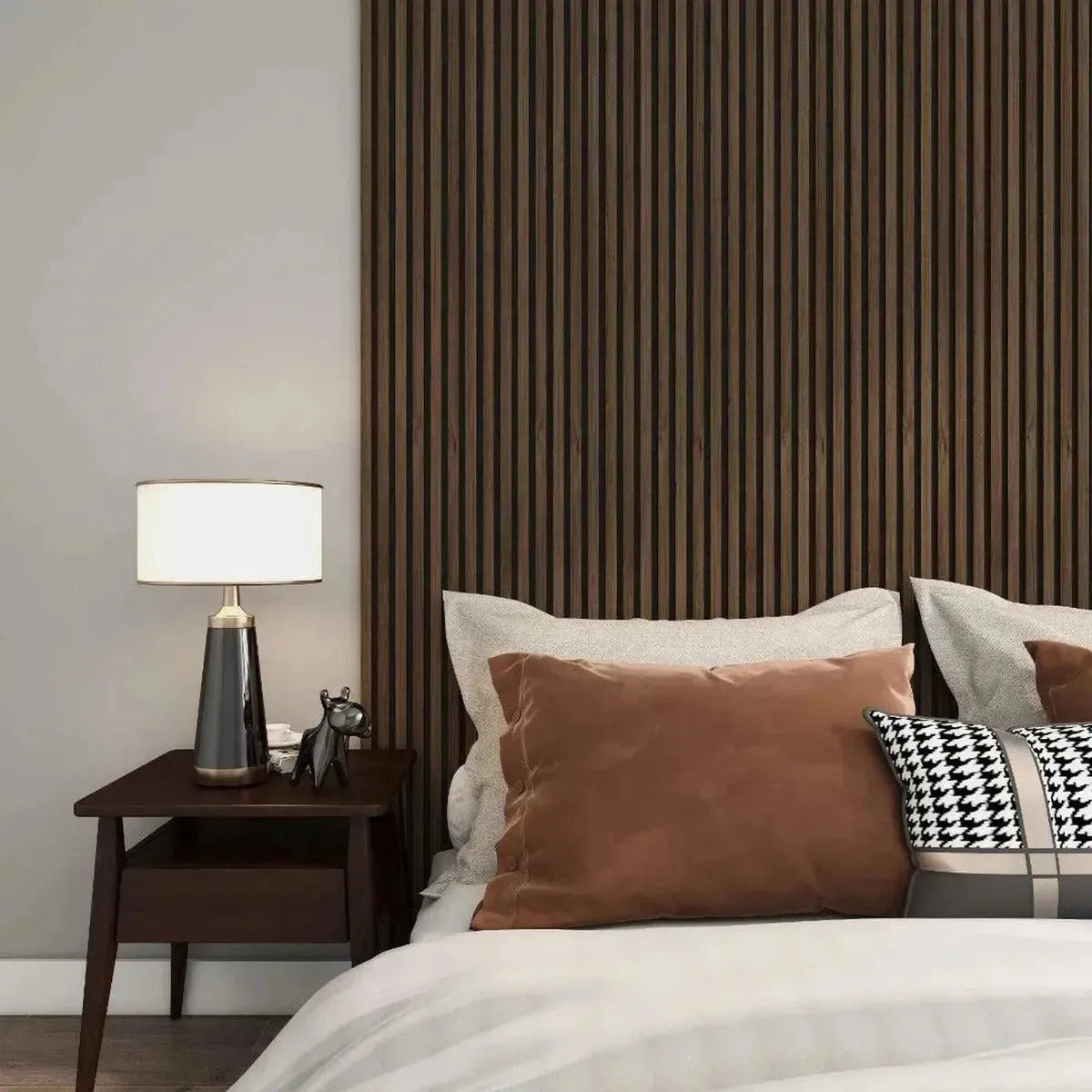
Indoor cricket net training facilities need acoustic panels that survive constant ball impact while cutting the slap-and-echo of hard surfaces, and wood slat or hexagon panels rated for high-traffic commercial use are the practical fix for 2026 builds. A single net lane bouncing sound off concrete block and steel roof decking turns coaching instructions into noise, and that's a facility problem, not a cosmetic one.
- Acoustic panels for indoor cricket nets cut reverberation from hard block, concrete, and metal roof decking common in net facilities.
- Wood slat and hexagon panels with a felt or acoustic backing absorb sound without the fragility of raw foam in a ball-impact zone.
- Akuwood Panel's hexagon acoustic line carries an NRC rating of 0.75, suited to mid-to-high ceiling bays.
- Treat sidewalls and ceiling first in a cricket net facility, not just the back stop, since that's where reflections bounce coaching noise back at players.
- Phase the install bay by bay to keep the facility open during 2026 renovation work.
Why acoustic panels matter for indoor cricket net facilities
A cricket ball hitting a bat, a net, or a hard wall produces a sharp, high-frequency crack, and in a bay lined with block, brick, or steel, that crack bounces for seconds instead of dying instantly. Coaches lose the ability to call out mid-delivery, players can't hear a partner two lanes over, and parents waiting rinkside get a facility that sounds louder than it needs to be.
Indoor cricket, batting cage, and multi-bay training facilities share the same acoustic problem as squash courts and archery ranges: hard parallel surfaces, high ceilings, and repeated impact noise. The fix isn't soundproofing the whole building — it's absorbing the reflections at the surfaces doing the bouncing.
“If you can hear the coach in the next bay clearer than the one standing next to you, the walls are reflecting more sound than they're absorbing.”
Step 1: Measure your facility's current reverberation
Before buying anything, get a sense of how bad the echo actually is. This costs nothing and tells you where to spend first.
- Clap sharply in an empty bay and count how long the echo tail lasts — anything past 1.5 seconds is a problem in a coaching environment
- Walk the perimeter and note which walls are bare block, concrete, or metal versus already carpeted or curtained
- Check ceiling height and material — steel deck roofs above 15 feet amplify high-frequency crack noise more than insulated ceilings
- Ask coaching staff which bays get the most complaints about hearing instructions
- Note whether nets run parallel to a hard back wall, since that's usually the loudest reflection point
Step 2: Target the impact zones first
Don't treat the whole facility evenly on day one. The areas taking direct ball contact and the surfaces facing them need coverage before anything else.
- Prioritize the back wall behind each net, since that's the first hard surface a missed or bowled ball reaches
- Cover sidewalls between adjacent bays to stop cross-bay noise bleed
- Leave floor-level treatment for last — floors take physical wear that wall panels don't
- Skip low-traffic areas like storage or office space until net bays are done
Step 3: Choose a panel material rated for high-impact environments
Foam wedges work in a recording booth. They don't survive a cricket ball at pace. A facility needs a surface finish that absorbs sound and takes contact without crumbling.
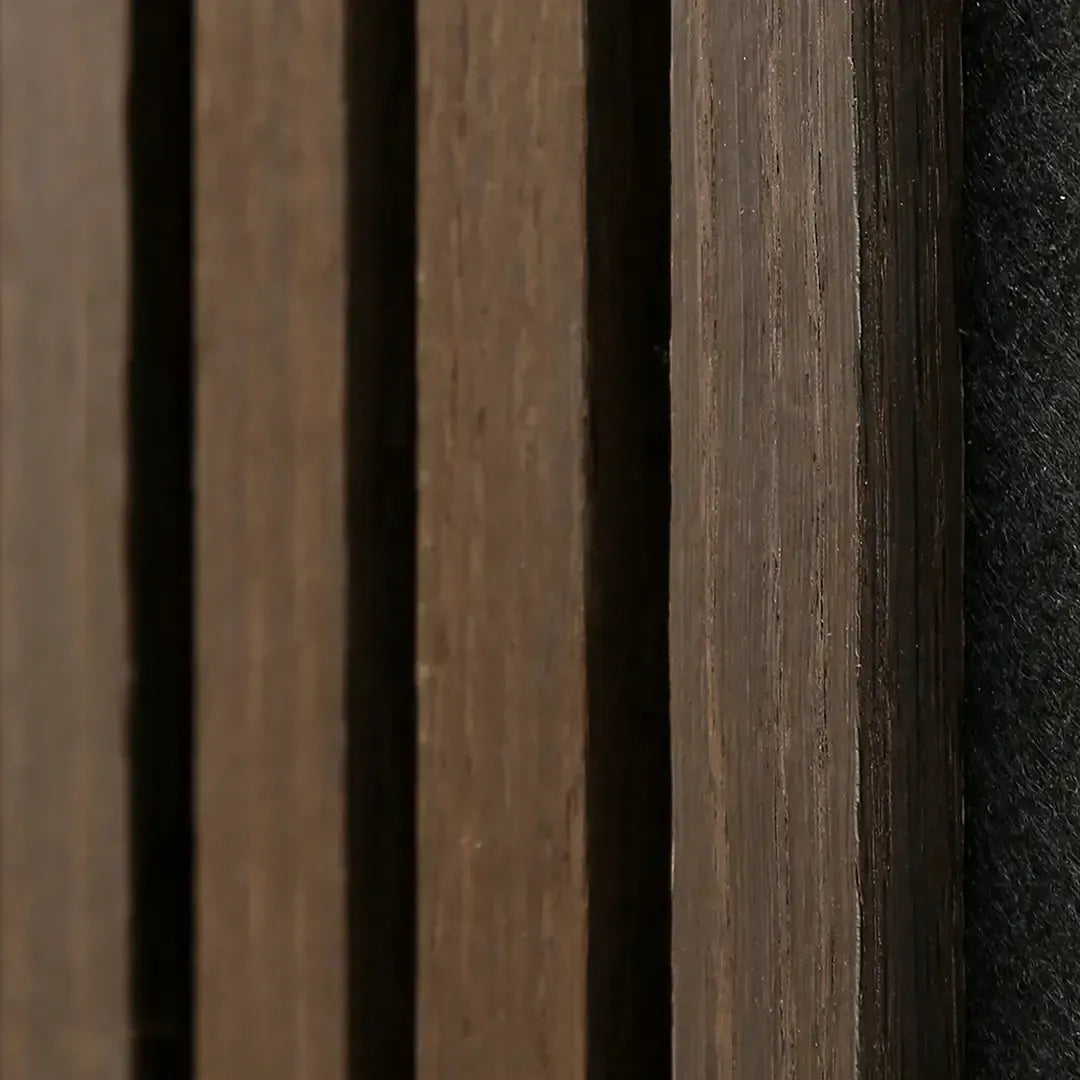
- Real wood veneer slat panels with a felt acoustic backing hold up to incidental ball strikes better than exposed foam
- Hexagon acoustic panels distribute impact across a smaller, thicker panel face rather than one continuous soft surface
- Panels with a 3-sided wood veneer finish resist scuffing better than painted MDF or laminate
- Avoid anything with an exposed fabric face directly in the ball's flight path — reserve fabric-faced panels for ceiling or upper-wall zones out of direct hit range
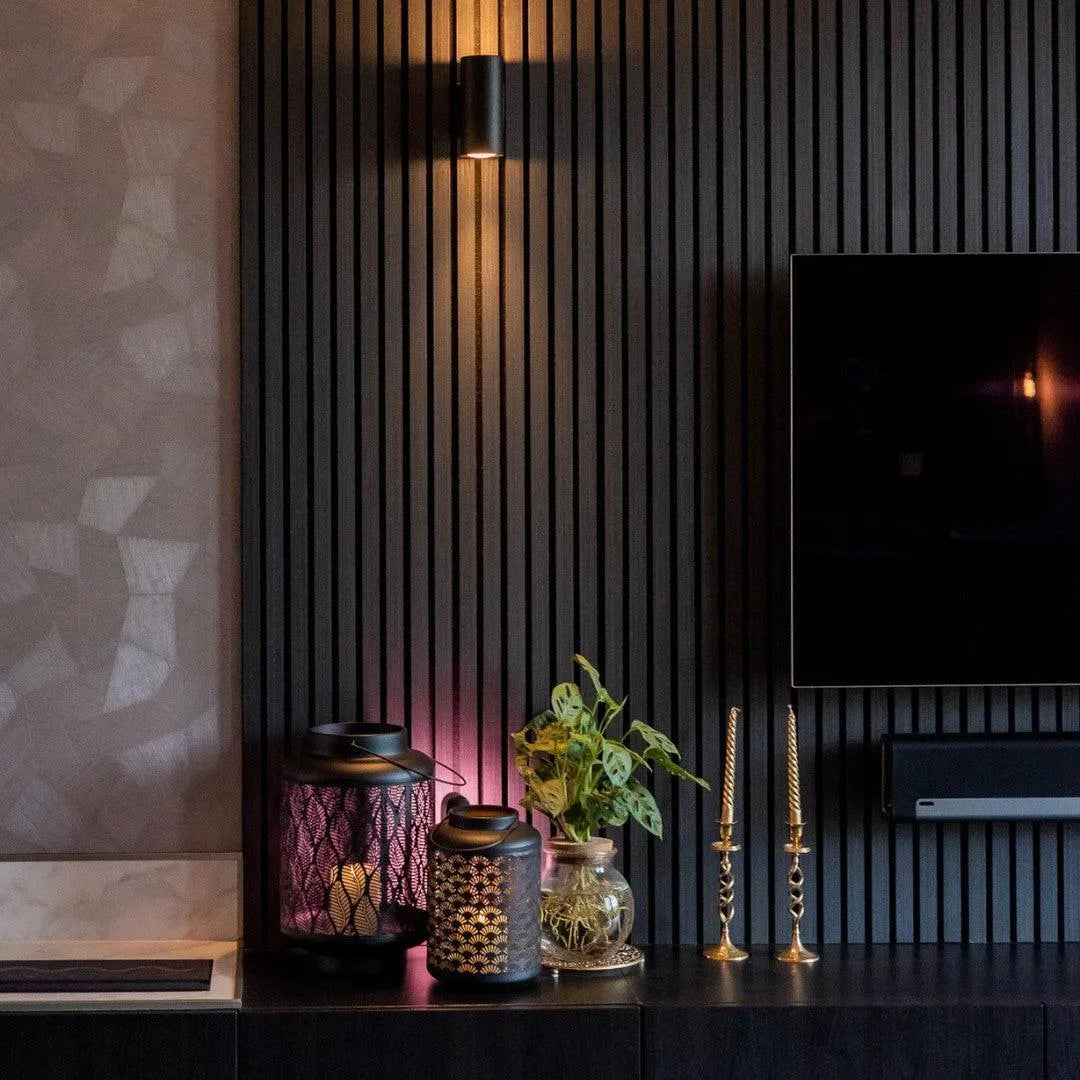
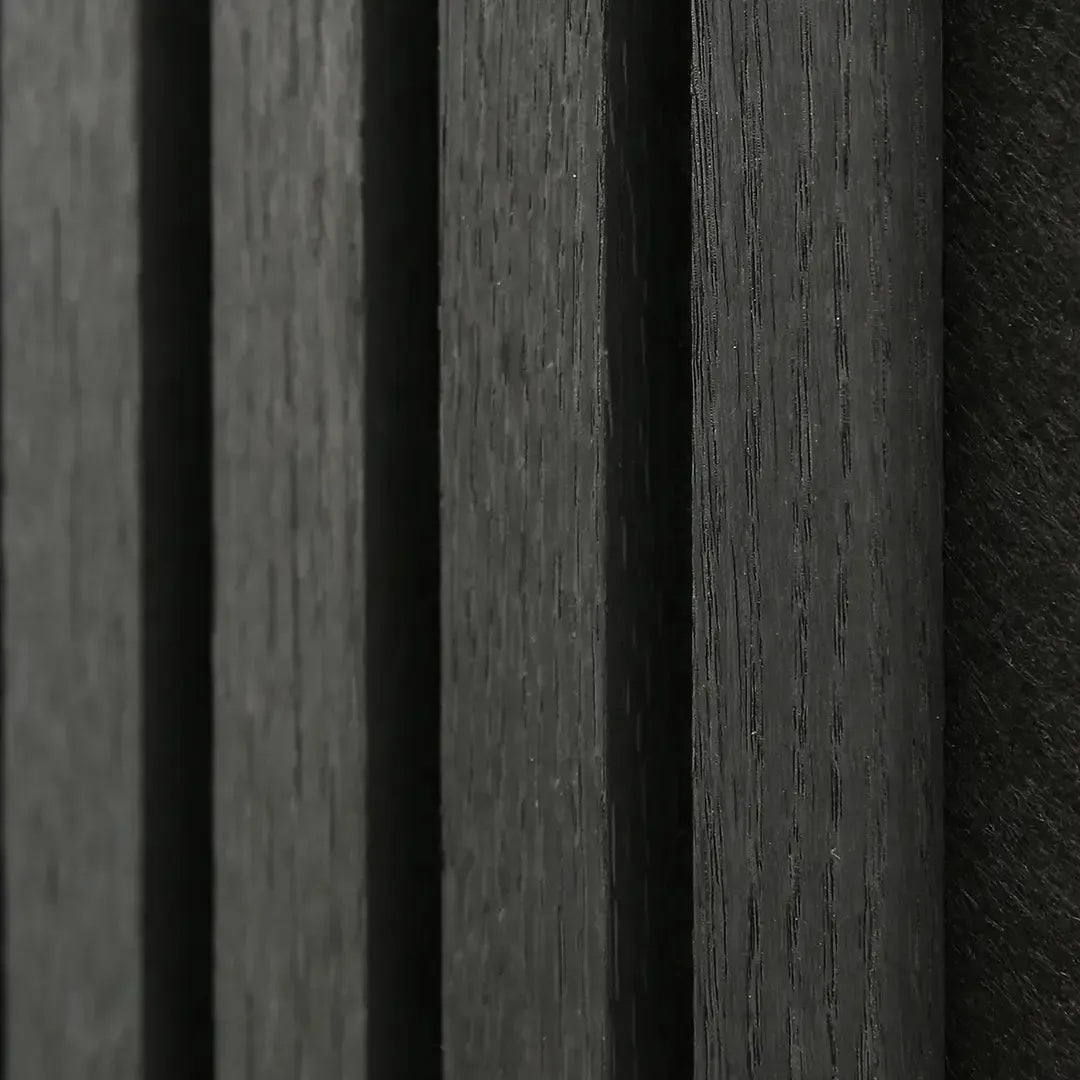
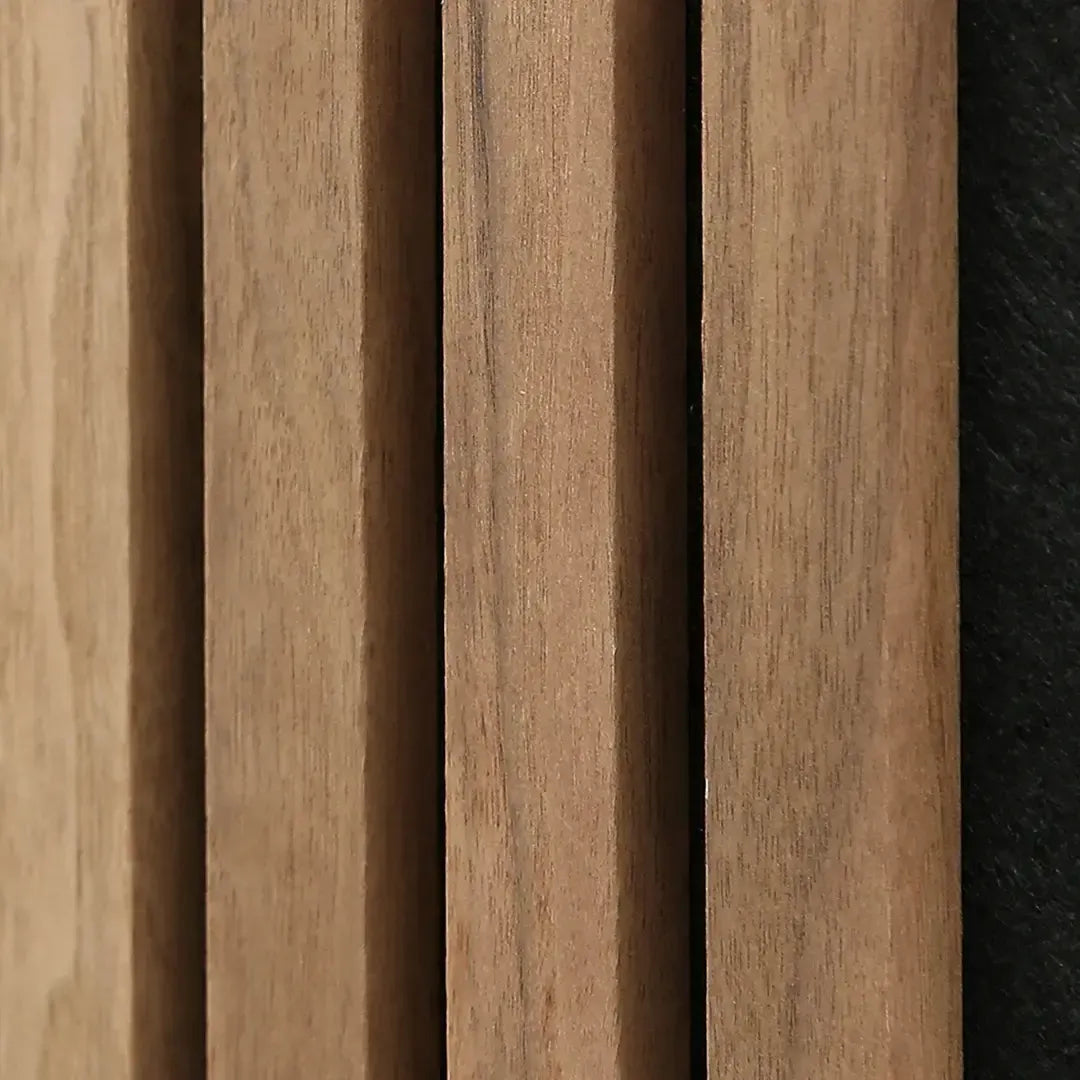
The Akuwood Panel Acoustic Slat Wall Panel in Black Oak is a reasonable starting point for lower-wall zones that take occasional glancing contact, since the wood veneer face is more impact-tolerant than a soft fabric surface. Acoustic Slat Wall Panel Black Oak covers the finish and construction details.
Step 4: Cover ceiling and sidewalls, not just the back wall
Most first-time installs stop at the back stop and call it done. That misses where a lot of the reverberation actually lives — up high, where sound has nowhere to escape.
- Treat the ceiling directly above net lanes if the roof is steel deck or exposed concrete
- Run panels up sidewalls to at least 8 feet, higher in taller bays
- Leave a gap at floor level for cleaning and equipment storage rather than panelling all the way down
- Consider hexagon panels for ceiling zones since their geometric shape breaks up flat reflective surfaces better than a single slat run
Step 5: Separate cricket nets acoustically from adjacent bays
Multi-bay facilities lose coaching clarity fast when sound crosses lanes. A mid-height divider treatment reduces bleed without a full floor-to-ceiling wall build.
- Panel the dividing wall or net-support structure between bays, not just the outer perimeter
- Use a felt-backed slat panel on divider walls for higher absorption per square foot than raw wood veneer alone
- Check for gaps at the top of divider panels where sound leaks over rather than through
Step 6: Protect panels from ball strikes with placement and mounting
Even impact-rated panels benefit from smart positioning. A few inches of clearance and the right mounting method extend panel life significantly.
- Mount panels flush and screwed into a backing rail rather than adhesive-only in direct-impact zones
- Keep panel edges away from net anchor points where balls deflect at odd angles
- Use end pieces to finish exposed panel edges so repeated contact doesn't chip the veneer
- Inspect panels quarterly in high-use bays and replace individual sections rather than full walls when damage shows
Step 7: Budget and phase the install across bays
Few facilities panel every bay in one pass. Phasing by bay keeps the facility operational and lets you validate the acoustic improvement before committing to the full build.
- Start with the bay that got the worst reverberation reading in Step 1
- Order a sample box before committing to a full order across multiple bays
- Reuse leftover panel offcuts on smaller divider sections to reduce waste
- Re-test reverberation after the first bay before finalizing quantities for the rest


Comparison: acoustic treatment options for cricket net facilities
| Option | Best for | Key limitation |
|---|---|---|
| Bare block/concrete (no treatment) | Facilities not yet budgeting for acoustics | Reflects nearly all impact noise, worst option for coaching clarity |
| Foam acoustic wedges | Low-impact zones like offices adjacent to net bays | Tears and dents under repeated ball contact |
| Fabric-wrapped acoustic panels | Ceiling zones out of direct ball flight | Fabric face degrades fast if hit directly |
| Wood slat panels with felt backing (Akuwood Panel) | Back walls and sidewalls in direct or near-direct impact zones | Higher upfront material cost than foam |
| Hexagon acoustic panels (Akuwood Panel) | Ceilings and geometric-break zones | Installation takes more planning around panel shape |
Verdict: for a cricket net training facility with hard block walls and steel roof decking, wood slat and hexagon acoustic panels from Akuwood Panel beat foam and fabric on durability, and that durability is what actually matters in a room taking daily ball impact through 2026 and beyond.
Common mistakes cricket net facilities make
- Treating only the back wall. The sidewalls and ceiling reflect just as much noise, and skipping them leaves the echo problem half-solved.
- Choosing foam because it's cheaper per square foot. Foam doesn't survive ball contact in a live net lane, and replacing it every season costs more than a durable panel upfront.
- Ignoring ceiling height in the acoustic plan. Bays with 15-foot-plus steel decking need more coverage than a standard 8-foot commercial ceiling, and treating them the same under-corrects the echo.
- Skipping the reverberation test before ordering. Facilities that guess at quantities often over-buy for low-impact zones and under-buy for the loudest bay.
- Panelling all the way to floor level. Floor-height panels take the most physical wear and the least benefit — leave that zone bare or use a tougher material.
FAQ
What's the best acoustic panel for indoor cricket nets?
Wood slat or hexagon acoustic panels with a felt or veneer face hold up better to ball impact than foam wedges. Akuwood Panel's slat and hexagon lines are built for high-traffic commercial walls, which fits a cricket net bay's daily impact load.
Do acoustic panels actually reduce echo in a cricket net facility?
Yes — hard surfaces like concrete block and steel decking reflect nearly all impact noise, and absorptive panels on walls and ceilings cut that reflection. Coverage matters more than panel type: treating only one wall leaves most of the echo untouched.
Where should panels go first in a multi-bay cricket facility?
Start with the back wall directly behind the net, since that's the first hard surface a bowled or missed ball reaches. Sidewalls between bays come next to stop sound bleeding across lanes.
Can foam acoustic panels handle ball impact in a cricket cage?
Foam wedges tear and dent under repeated direct ball contact, making them a poor fit for direct-impact zones. Foam works better in low-impact areas like adjoining offices, not the net lane itself.
How high should acoustic panels go on the wall in a cricket net bay?
Run panels to at least 8 feet on sidewalls, higher in taller bays with steel deck roofs. Ceiling treatment above the net lane is often needed too if the roof is exposed concrete or metal.
Is it worth phasing the panel install across bays?
Phasing by bay keeps the facility operational during work and lets you confirm the acoustic improvement before ordering for the rest. Start with the bay that tested worst for reverberation.
What NRC rating should acoustic panels have for a sports facility?
Akuwood Panel's hexagon acoustic panels carry an NRC of 0.75, a solid absorption rating for mid-to-high ceiling training spaces. Higher NRC values absorb more sound energy per panel, reducing how much wall area you need to cover.
Do I need different panels for the ceiling versus the walls?
Wood veneer panels suit direct-impact wall zones better, while fabric or felt-faced panels can go on ceilings out of the ball's flight path. Mixing panel types by zone is standard practice in multi-surface training facilities.
One last thing
Most facility operators budget for the panels and forget the mounting hardware — end pieces and corner trim finish exposed edges so repeated ball contact doesn't chip the veneer over time, and that detail is what separates a wall that looks good on install day from one that still looks good in 2027.


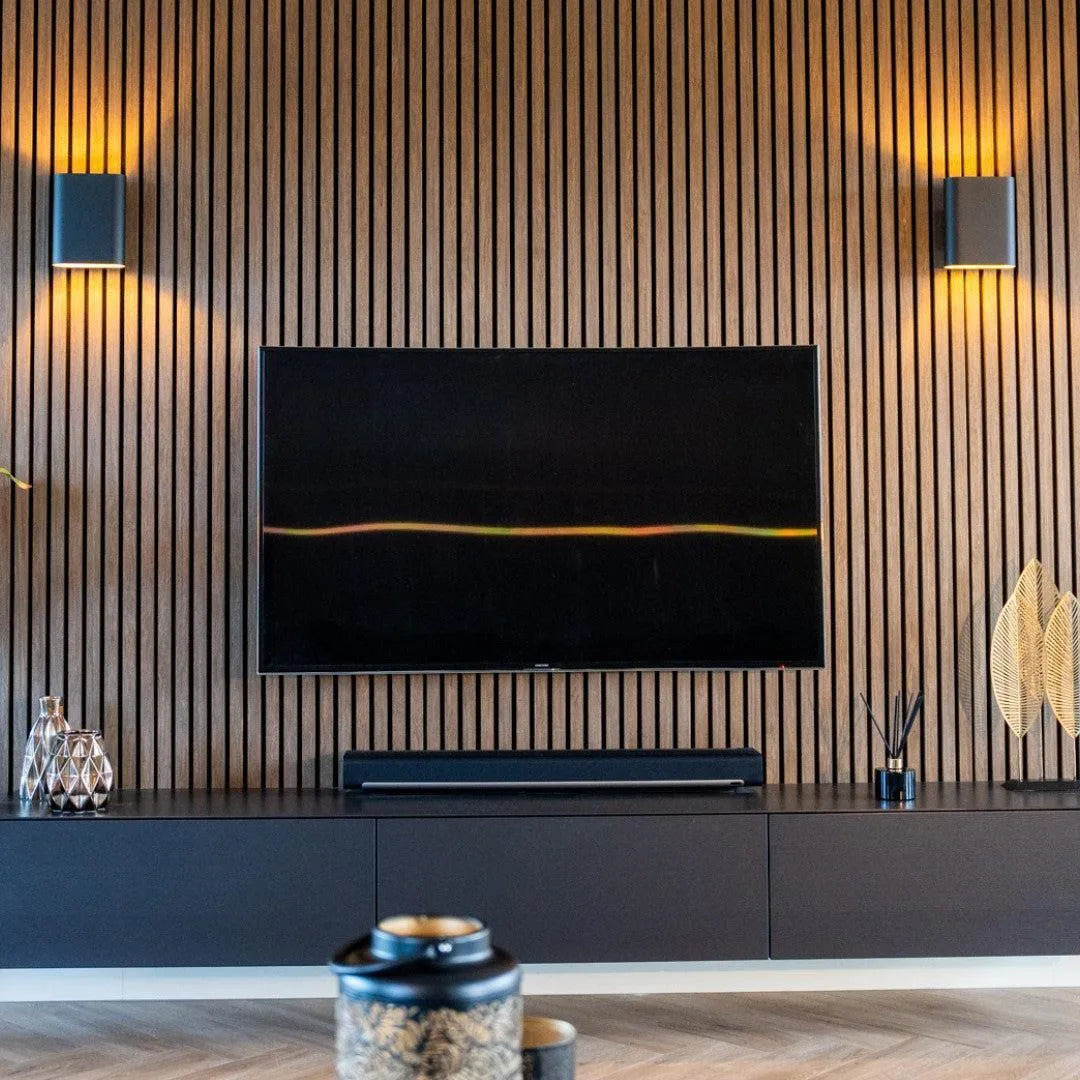
 Better performance and aesthetic appeal
 In Stock