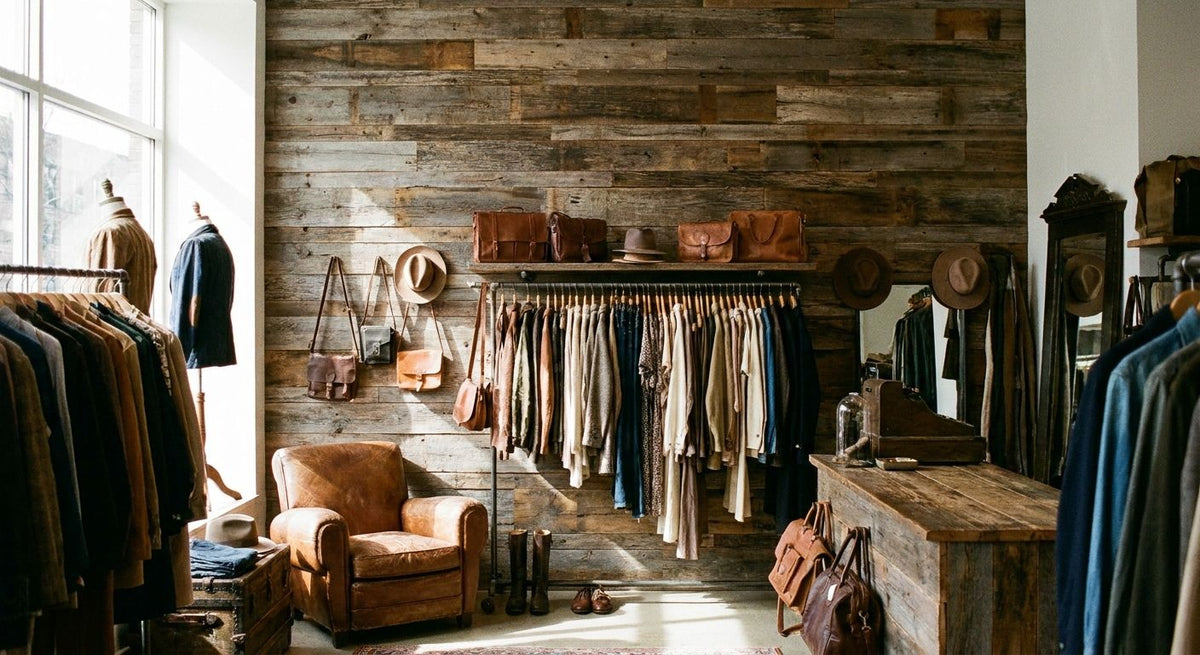
Vintage clothing boutiques need walls that sell the story before the rack does. This guide covers how to choose reclaimed wood wall panels — and real-wood alternatives that deliver the same aged character — for fitting rooms, display walls, and front-of-house in 2026.
- Rustic oak and smoked oak deliver the reclaimed look boutiques need in 2026.
- Prioritize real wood veneer, acoustic backing, and retail-grade durability.
- Skip thin MDF prints and unfinished barn wood in fitting rooms.
- Akuwood Panel rustic and smoked oak slats are the buy for vintage retail walls.
Why this matters
A vintage clothing boutique sells atmosphere as hard as inventory. Hard drywall and white paint flatten that mood. Shoppers walk past racks when the room feels cold or loud. Reclaimed wood wall panels fix both problems: they set a lived-in visual tone and cut echo from hard floors and glass. In 2026, boutique owners also need panels that install fast, clean easily, and hold up under daily foot traffic without splintering or fading under LED spotlights.
Akuwood Panel supplies real wood veneer acoustic and decorative panels that read as reclaimed character without the uneven boards, pest risk, or finish inconsistency of true salvage timber. For a retail floor that must photograph well and stay quiet during fittings, that trade-off is the practical pick.
Who this is for
This guide is for boutique owners, retail fit-out designers, and small multi-location vintage clothing brands who need a feature wall or full-room cladding that feels authentic, not theme-park rustic. You run a space with racks, mirrors, and fitting rooms. You want walls that photograph for Instagram, calm the room when two customers talk at once, and survive hangers, steamers, and weekend rushes. You are not building a barn loft — you are staging product.
What to look for in reclaimed wood wall panels for vintage clothing boutiques
Real wood veneer, not printed film
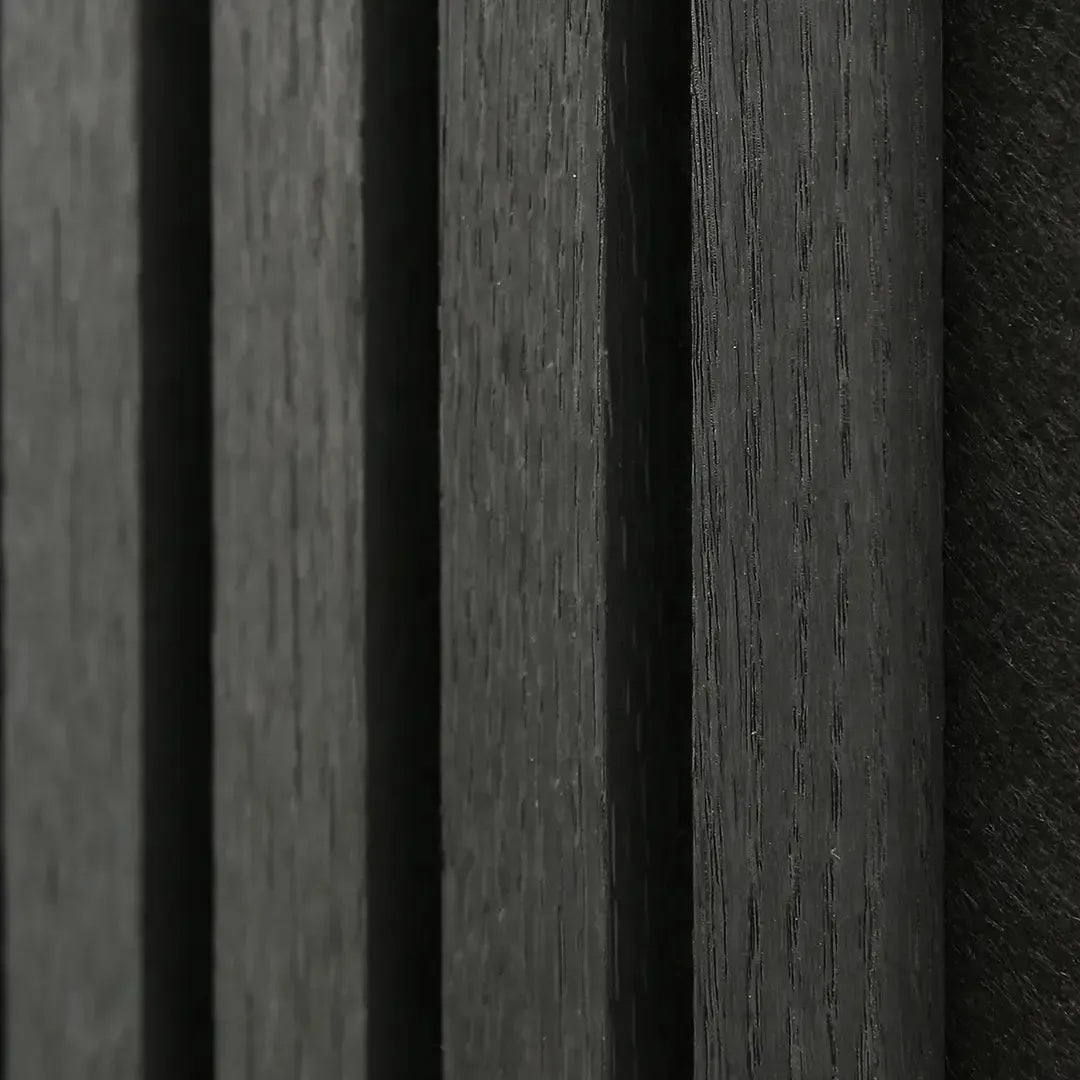
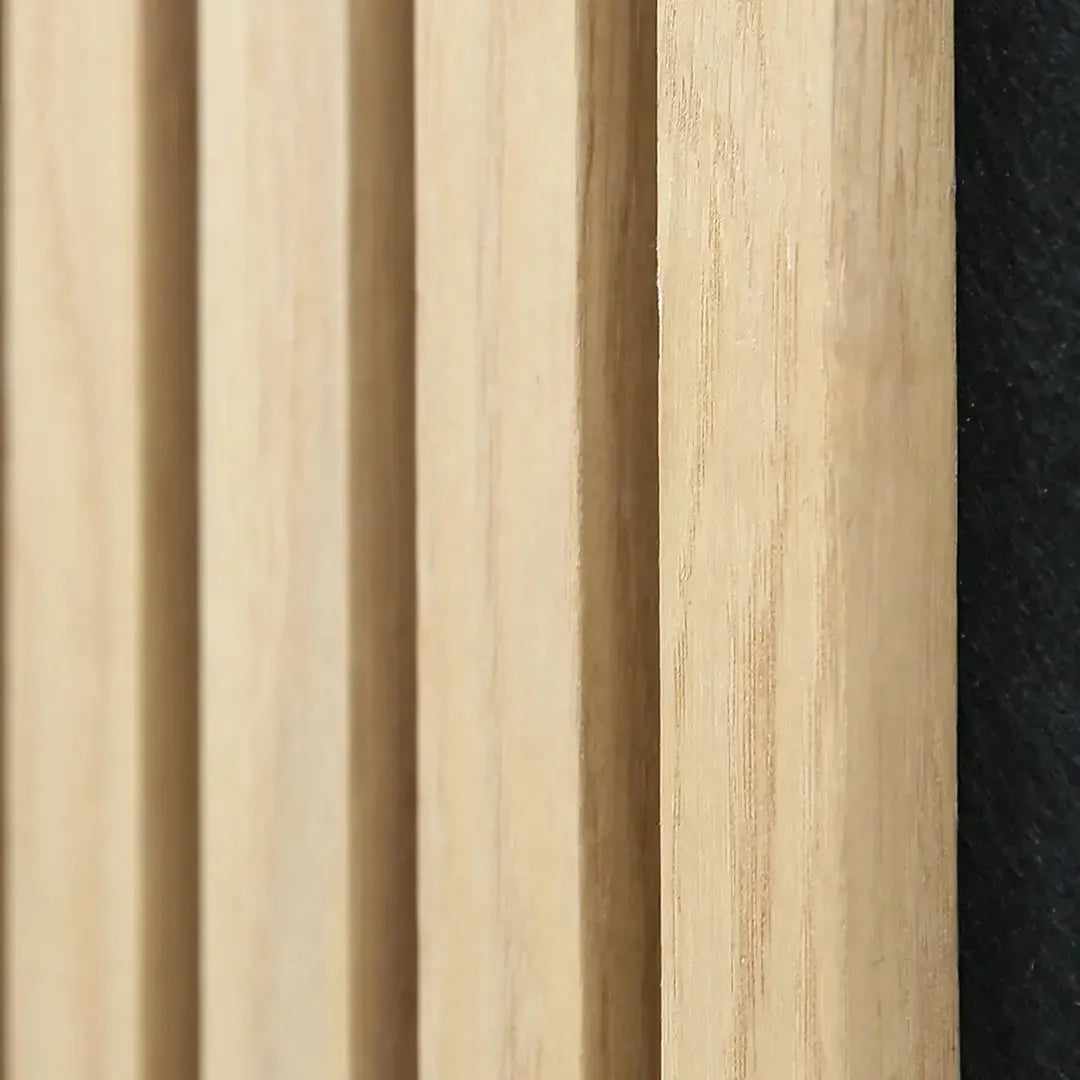
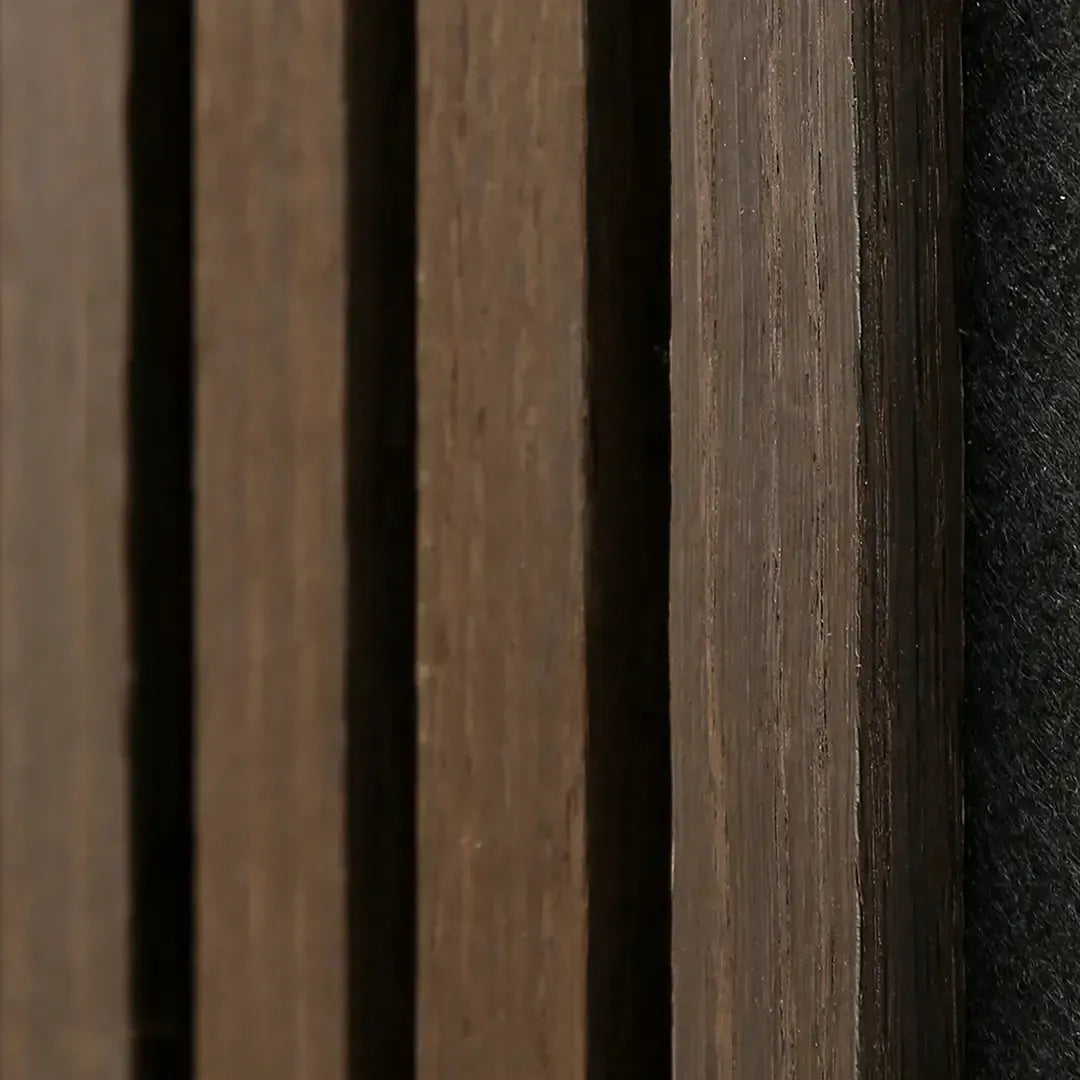
Printed vinyl or paper film peels under steam from garment care and looks flat in photos. Real wood veneer keeps grain depth that reads as genuine under retail lighting. For a vintage clothing boutique, that authenticity is the difference between a set and a shop customers trust. Three-sided veneer wraps edges so cut ends do not flash raw core when you trim around outlets or mirrors.
Acoustic backing that tames fitting-room echo
Fitting rooms and open retail floors bounce sound off glass, tile, and metal racks. Felt-backed acoustic slat panels cut reverberation so staff can talk to customers without raising their voice. That matters more in a boutique than pure decoration — quiet rooms hold shoppers longer. Look for panels built as a wood-and-felt system, not bare planks glued to drywall.
Finish that matches aged inventory, not new construction
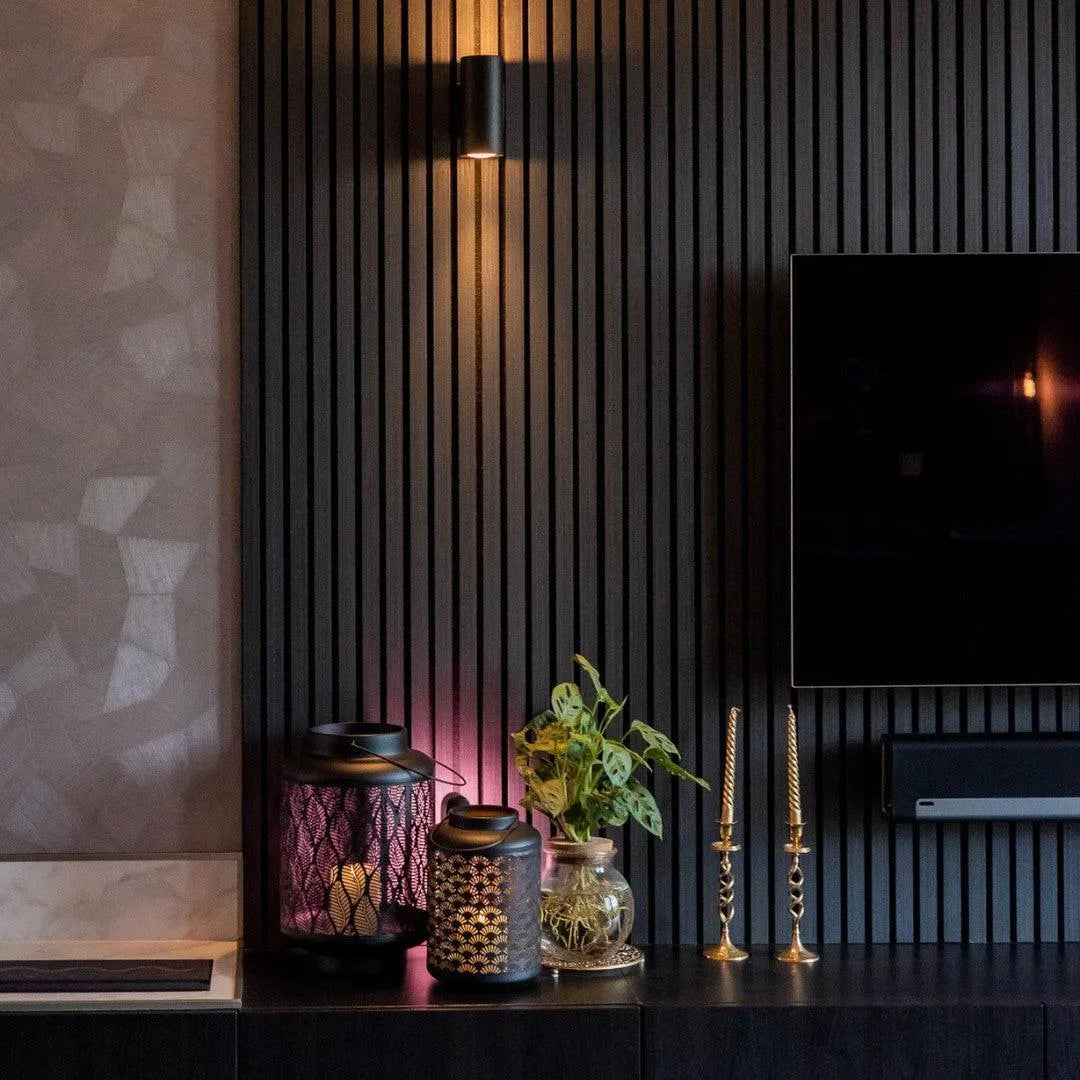
Smoked oak, rustic oak, and deep walnut sit next to thrifted denim, leather, and wool without clashing. Bright blond oak or high-gloss lacquer fights the stock. Choose matte or lightly textured finishes that hide fingerprints from customers browsing near the wall. In 2026 retail fit-outs, darker and mid-tone woods still out-photograph pale panels under mixed LED and daylight.
Modular size and clean edge finishing
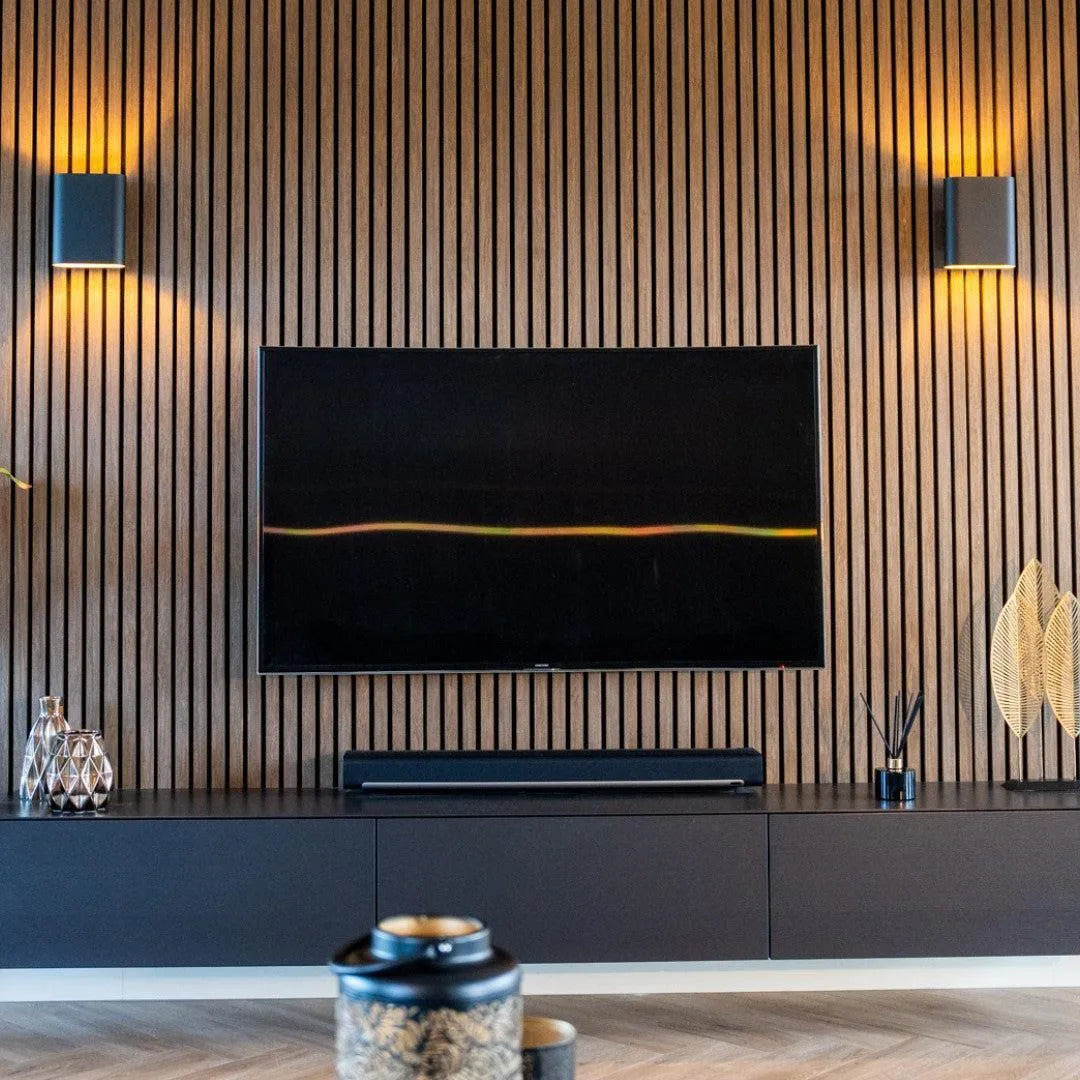
Boutiques change layouts. Modular slat and fluted panels let you rework a display wall without gutting the room. End pieces and trim close exposed edges at corners, door frames, and rack returns so the install looks intentional. Avoid random-length salvage boards that force custom carpentry on every corner.
Durability under retail traffic
Walls near cashwrap, fitting-room doors, and rack ends take bumps. Panels need a stable core and a finish that resists scuffs from hangers and garment bags. Flexible fluted options help on curved columns or tight niches common in older storefronts. Spec for commercial wear, not weekend DIY craft projects.
Sample-first color matching
Lighting in a boutique is rarely the same as a showroom. Order physical samples and hold them against your floor, fixtures, and top-selling garments before you commit to a full wall. A $2.50–$3 sample in 2026 is cheaper than a full-panel return when the tone shifts under your spotlights.
Top picks
The safe pick — rustic oak wood wall panel
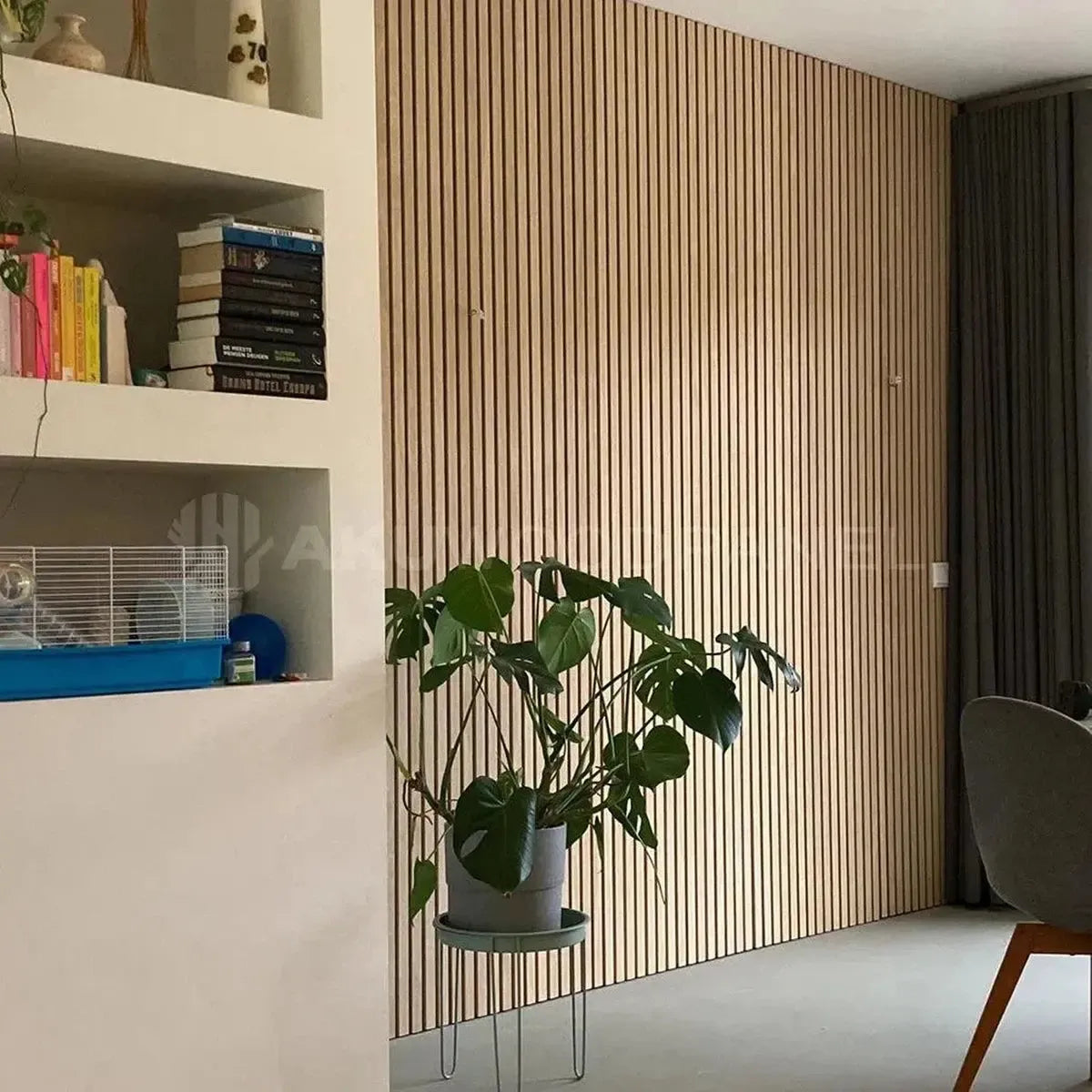
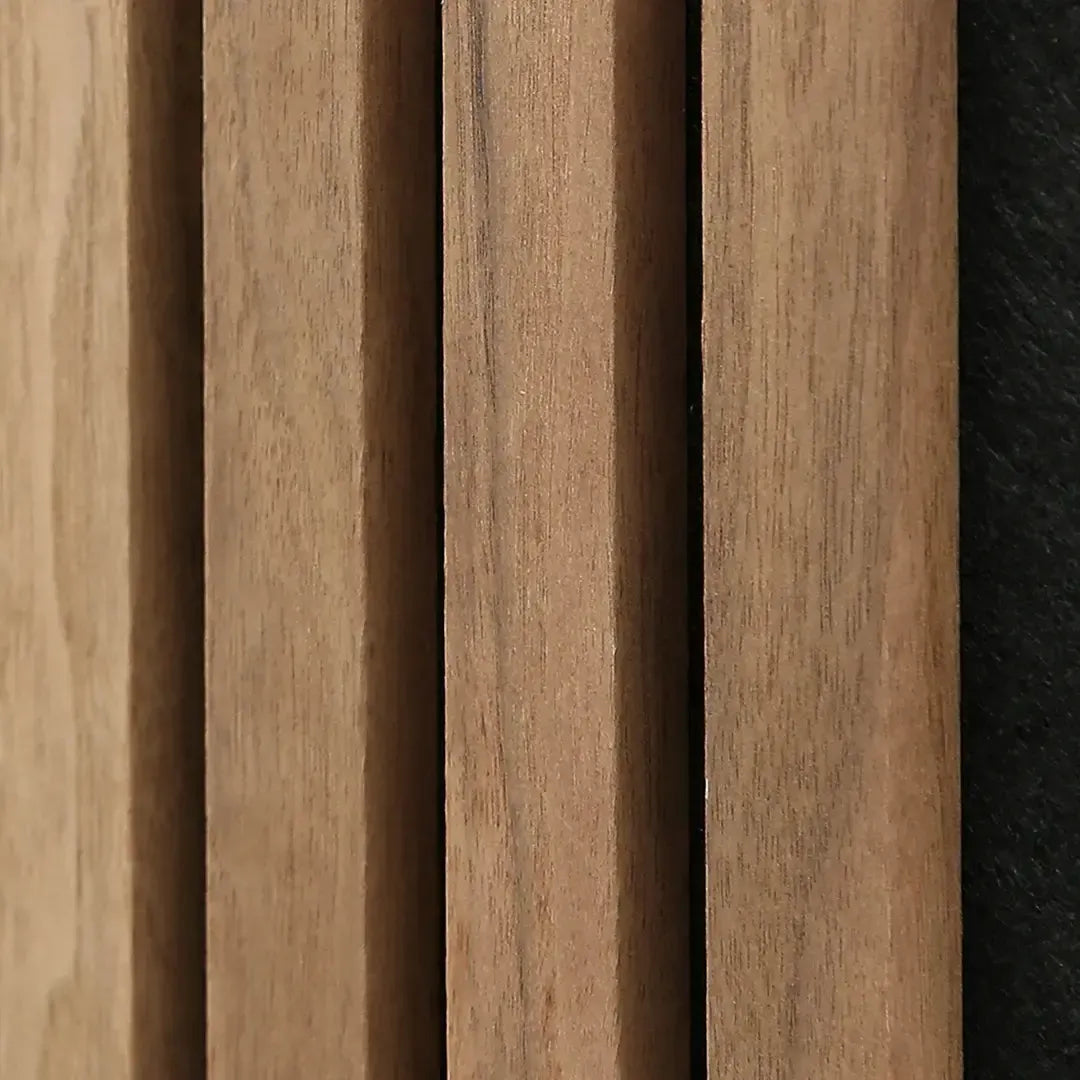
Rustic oak premium wood wall panels bring uneven grain and warm mid-tones that read as reclaimed without splinter risk. Three-sided wood veneer keeps edges honest when you cut around baseboards or mirrors. Buy it for primary sales-floor feature walls behind denim and leather racks.
The quiet workhorse — smoked oak acoustic slat
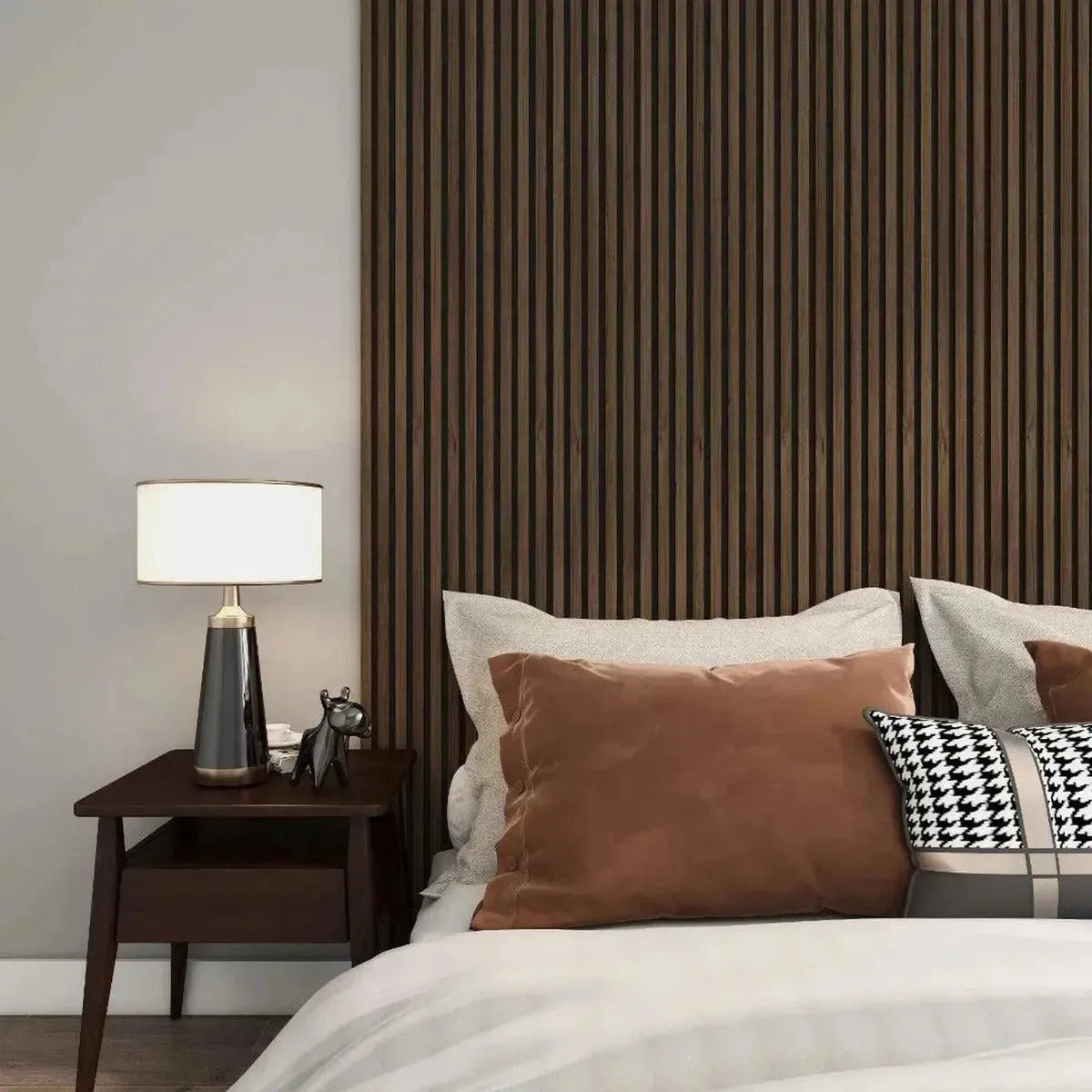
Smoked oak acoustic slat wall panels deepen the room and absorb echo from hard surfaces. The dark tone frames light garments and photographs clean under LED. Buy for fitting rooms and cashwrap walls where noise and mood both matter.
The texture play — fluted rustic oak
Fluted rustic oak at $233.95 per panel adds vertical shadow lines that feel hand-finished. Flexible MDF backing helps on slightly uneven older walls common in vintage storefronts. Consider it for niche walls, columns, and small statement zones where slats would feel too linear.
The premium contrast — walnut acoustic slat
Walnut acoustic slat wall panels give a richer brown that pairs with jewelry cases, curated vintage dresses, and darker fixtures. Real veneer grain holds up in close product photography. Buy when the brand leans elevated thrift rather than barn rustic.
The flexible install — fluted natural oak
Natural oak fluted panels at $233.95 lighten a dark stock room or create a soft backdrop for colorful inventory. Use them where smoked oak would crush the light. Consider for side walls and back-of-house customer paths; Skip as the only finish if your brand identity is already dark and moody.


What to avoid
Unfinished true salvage boards in fitting rooms. Rough reclaimed planks snag garments, shed dust, and fail basic retail cleanliness standards. Customers will not try on silk against a splintered wall.
Thin printed "wood look" sheets. They curl at seams under HVAC swings and look fake in iPhone product shots — the main marketing channel for most boutiques in 2026.
High-gloss or orange-toned stains. They fight muted vintage palettes and create glare under spotlights aimed at racks. Matte smoked, rustic, and walnut finishes stay honest next to aged textiles.
Verdict comparison
| Criterion | Rustic oak wood panel | Smoked oak acoustic slat | Fluted rustic oak | Walnut acoustic slat | Fluted natural oak |
|---|---|---|---|---|---|
| Reclaimed visual match | Excellent | Strong (darker) | Excellent | Elevated thrift | Soft / light |
| Acoustic help | Moderate | Strong | Moderate | Strong | Moderate |
| Fitting-room use | Good | Best | Good | Best | OK |
| Photo performance | High | High | High | High | Medium-high |
| Edge finishing | 3-sided veneer | Slat system | Flexible fluted | Slat system | Flexible fluted |
| Verdict | Buy | Buy | Consider | Buy | Consider |
FAQ
What are the best reclaimed wood wall panels for a vintage clothing boutique in 2026?
Rustic oak and smoked oak real-wood veneer panels are the best match in 2026. They deliver aged character, clean edges, and optional acoustic backing without the hazards of raw salvage boards.
Do reclaimed wood wall panels help with boutique acoustics?
Felt-backed acoustic slat versions do. They cut echo from hard floors, glass, and metal racks so fitting rooms and open floors stay comfortable for conversation.
Is real wood veneer better than printed wood panels for retail?
Yes. Real veneer holds grain depth under retail lighting and resists the peel and glare common with printed film in high-traffic shops.
How much do boutique-ready wood wall panels cost in 2026?
Akuwood Panel fluted oak panels list at $233.95 per panel in 2026. Individual slat samples start at $2.50 so you can match color before a full wall order.
Can I use smoked oak panels in a small fitting room?
Yes. Smoked oak acoustic slats suit fitting rooms because they absorb sound and frame garments without washing out under LED. Pair with good task lighting so the room does not feel cave-like.
Should vintage boutiques use true reclaimed barn wood on sales walls?
Usually no. True salvage often splinters, varies wildly in thickness, and fails cleanliness expectations next to clothing. Engineered real-veneer panels give the look with retail-safe surfaces.
What finish works best behind denim and leather racks?
Rustic oak and smoked oak sit naturally next to denim and leather. Avoid high-gloss and very light blond finishes that fight muted vintage stock.
How do I match panel color to my boutique lighting?
Order samples first and view them under your actual spotlights and window light. A $2.50 smoked or rustic oak sample prevents a full-wall mismatch in 2026.
One last thing
The wall customers photograph is the wall that sells your next online order. In 2026, a single smoked oak or rustic oak feature wall behind your hero rack outperforms a full store of plain paint for brand recall. Start with samples, clad the cashwrap or one fitting-room pair first, then expand once the tone locks to your inventory.
For layout ideas that translate directly to vintage retail, see how slat panels work on antique and vintage furniture showroom walls — the same visual logic applies to clothing boutiques that sell era and texture, not just size.



 Better performance and aesthetic appeal
 In Stock