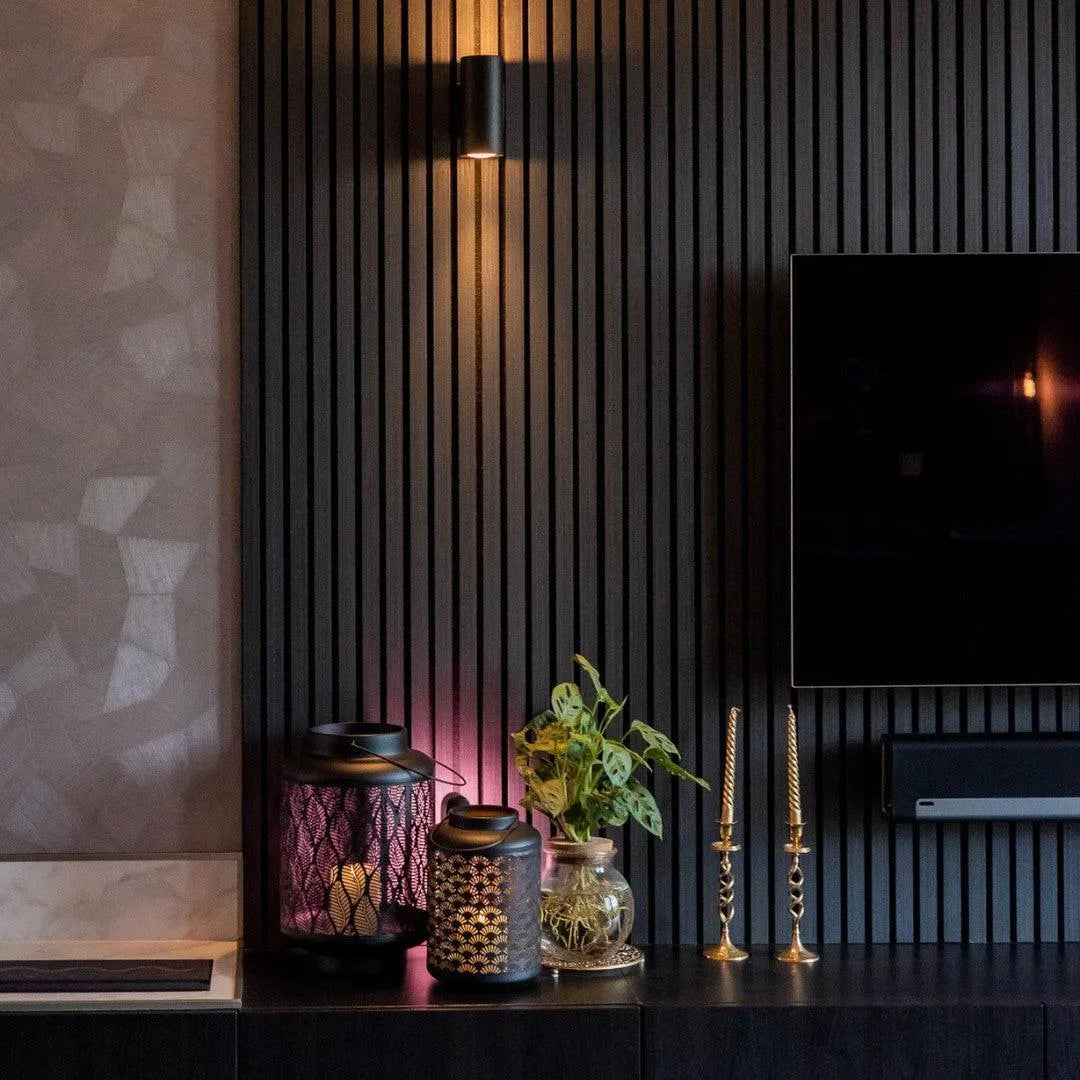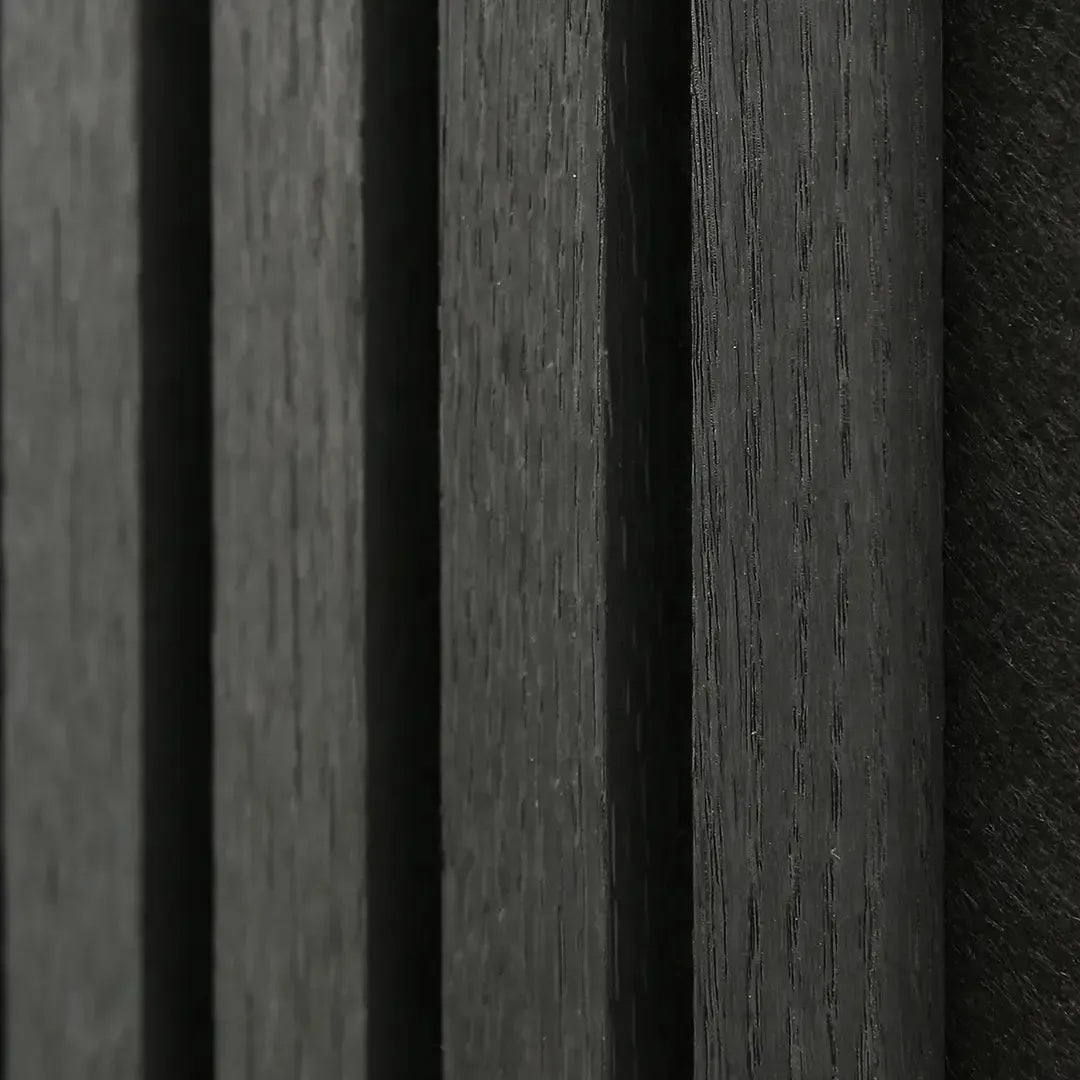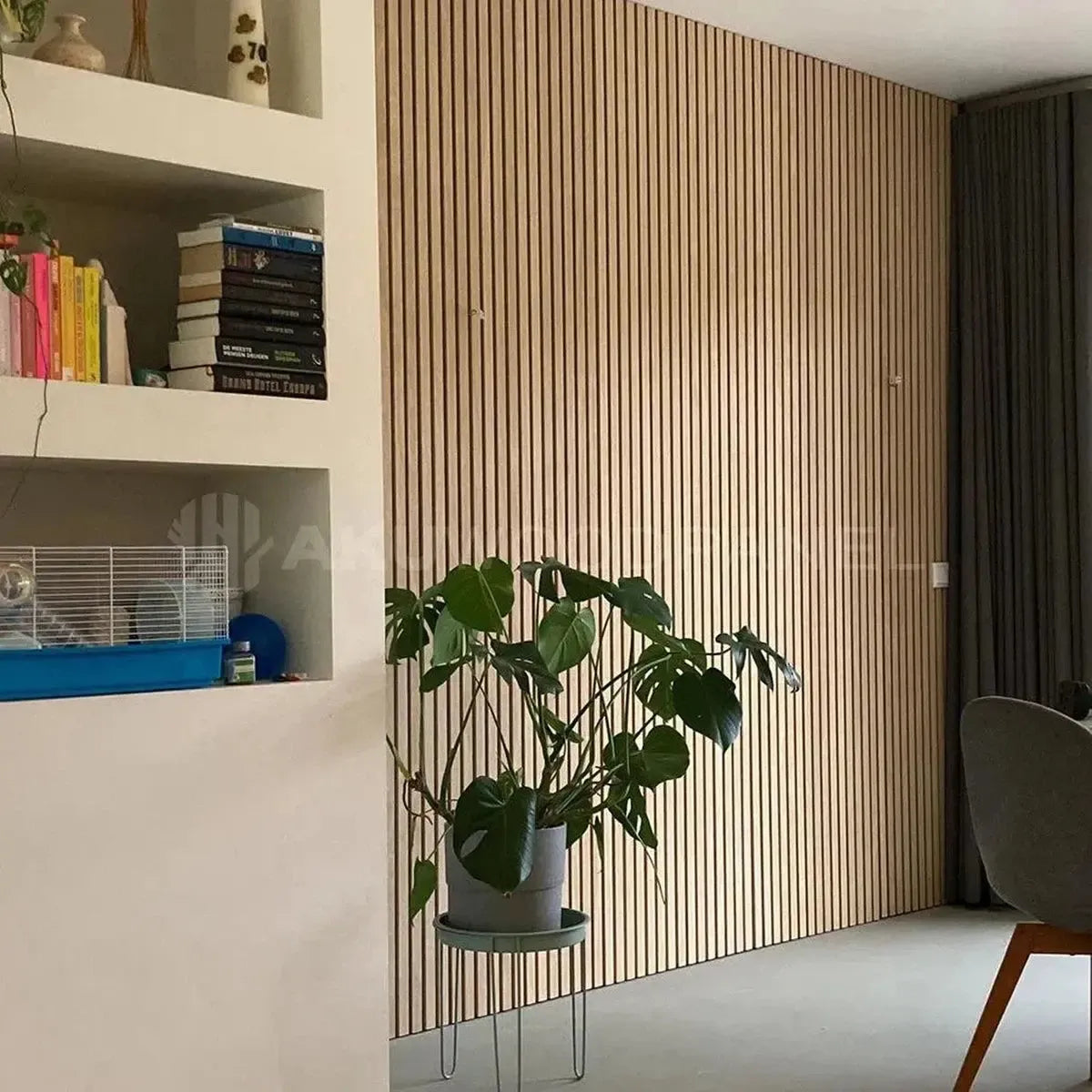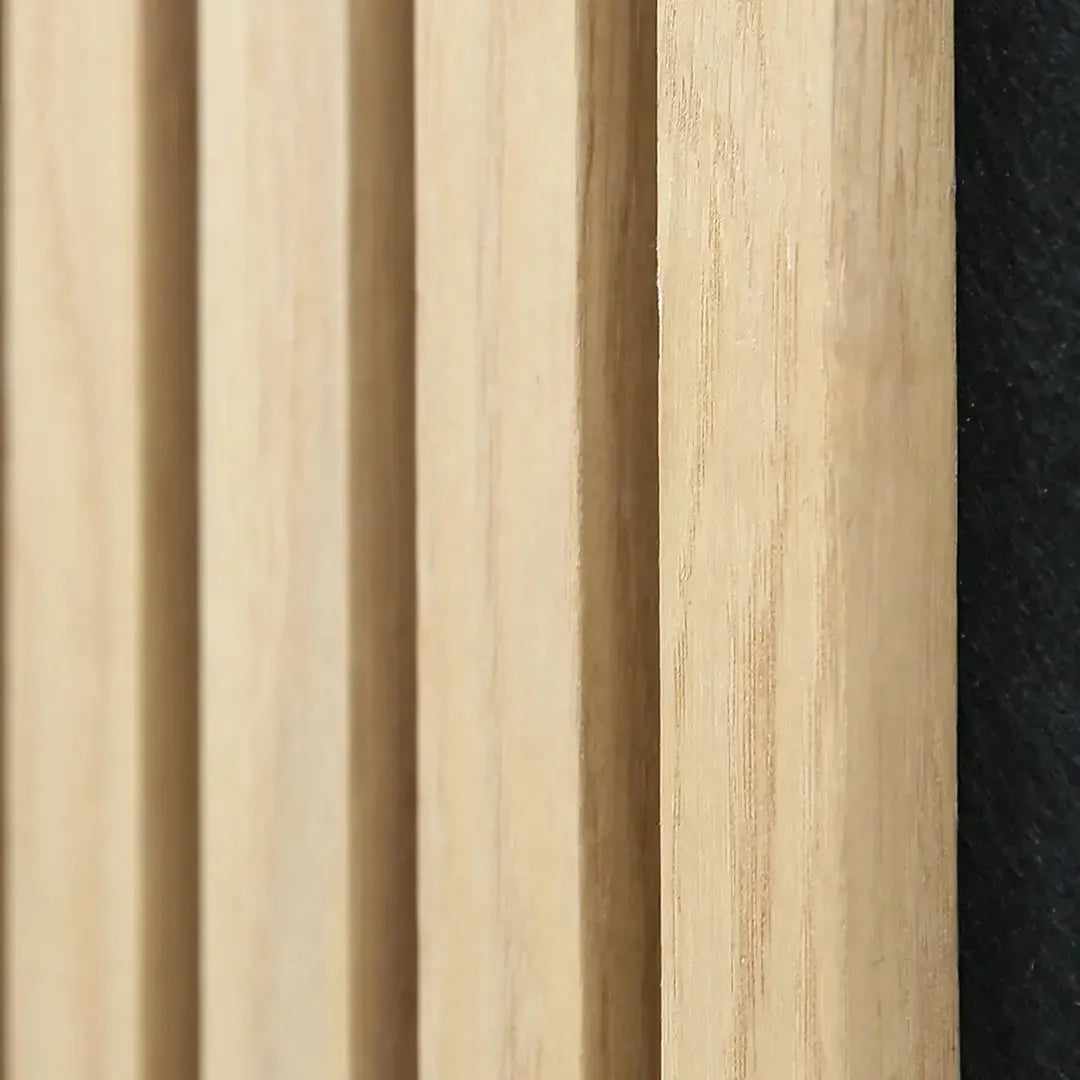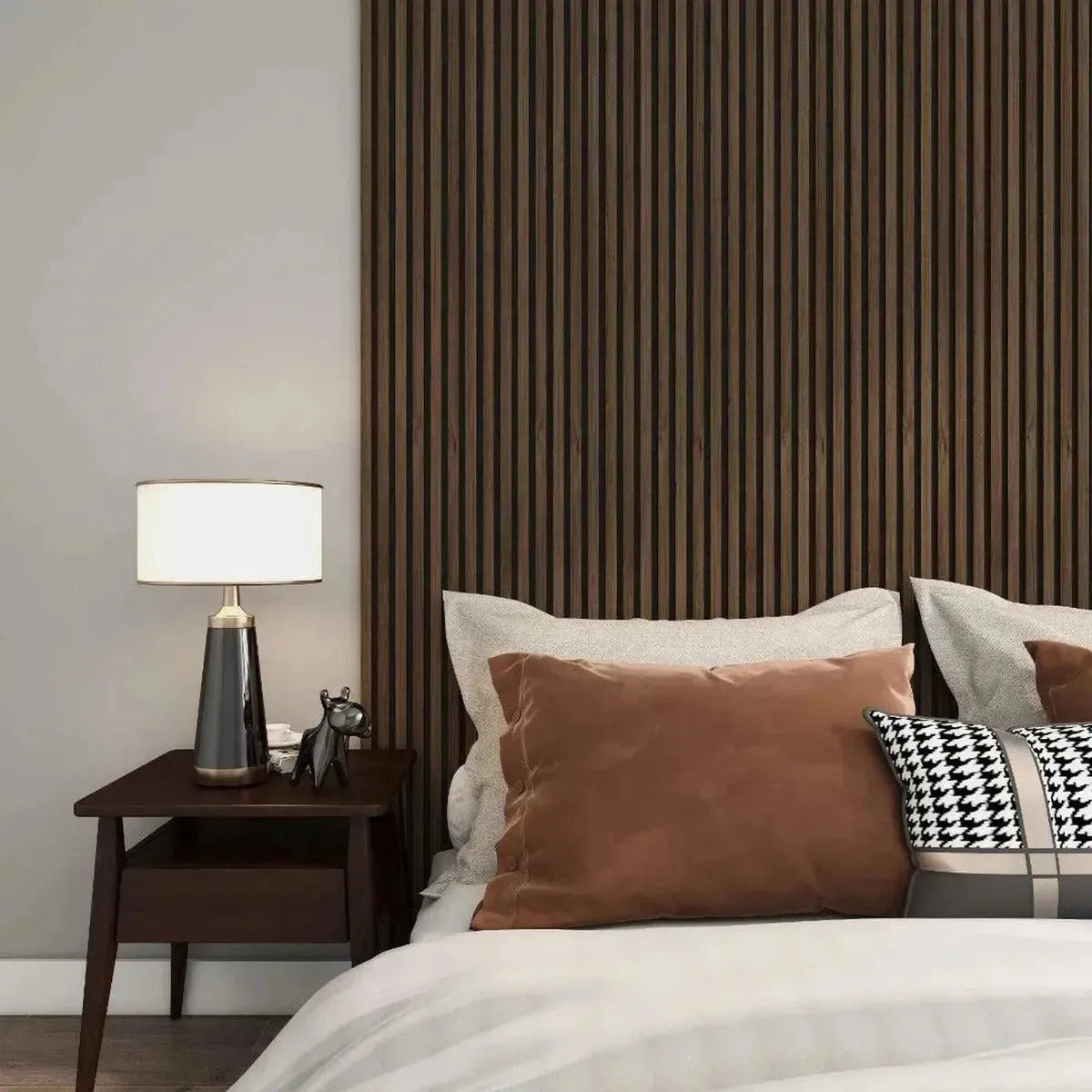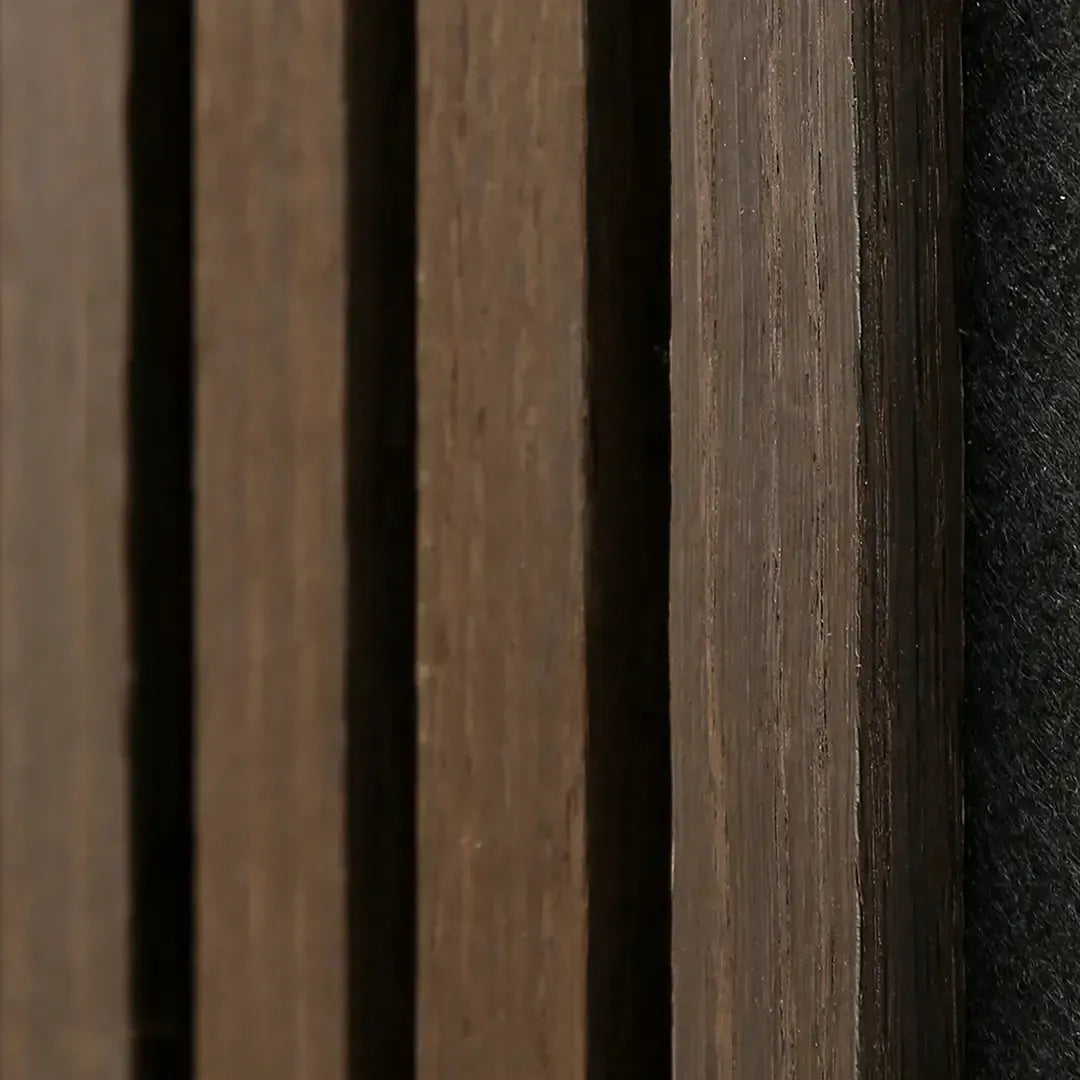
Retail buyers shopping for bamboo veneer wall panels in 2026 need one fact upfront: bamboo is a grass, not a hardwood, and that changes how a panel behaves under daily foot traffic, shelf abrasion, and shopper contact. This guide breaks down what actually holds up on a sales floor and where real wood veneer outperforms bamboo on the metrics that matter for a retail fit-out.
- Bamboo veneer wall panels regenerate in 3-5 years but real oak and walnut veneer resist retail-floor dings better over time.
- Fluted Wall Panel Natural Oak mimics bamboo's linear grain with proven acoustic backing for open retail floors. Buy.
- Hexagon Acoustic Panel Walnut suits biophilic feature walls that want texture instead of uniform bamboo strips. Consider.
- Skip thin laminated bamboo veneer for high-traffic retail; it peels faster than solid wood veneer under HVAC humidity swings.
Why this matters
Eco-conscious retail buyers gravitate toward bamboo veneer wall panels because bamboo carries a strong sustainability story: it's a fast-growing grass, not a slow-maturing tree. That story sells well on a mood board, but a sales floor is a different test than a showroom photo.
Retail interiors get more contact per square foot than almost any other commercial space in 2026 — shopping carts, restocking carts, shoulder bags, and constant cleaning. A panel that looks identical to bamboo veneer but is built from real oak or walnut veneer with an acoustic backing survives that contact better than most bamboo laminates on the market. Akuwood Panel stocks the latter, not the former, and this guide explains why that tradeoff usually favors the buyer.
Who this is for
This guide is for retail store owners, boutique brand designers, and franchise rollout managers who want a wood-look, eco-forward wall treatment for a storefront, fitting room, or feature wall — but who need that treatment to survive daily retail traffic across one location or fifty. If you're outfitting a single pop-up for a season, your tolerance for wear is different than if you're specifying finishes for a multi-location rollout, and this guide covers both.
What to look for in bamboo veneer wall panels for retail interiors
Real wood veneer construction, not printed laminate
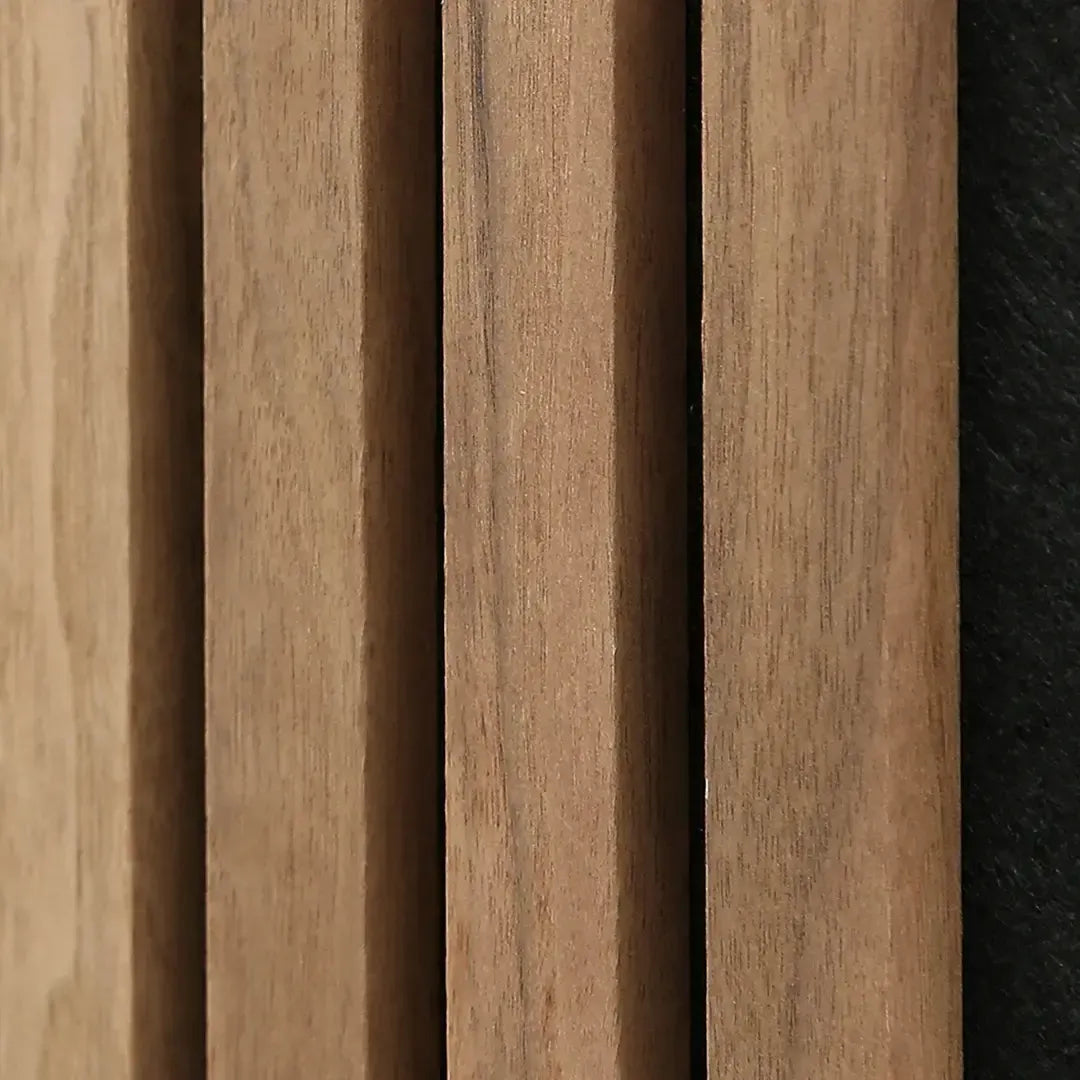
A genuine wood veneer panel has visible grain depth that changes under different light angles — a printed bamboo-look laminate does not. In a retail environment with spotlighting on merchandise, that difference is visible from six feet away and it affects how premium the space reads to a shopper.
Acoustic performance for open-plan retail floors
Hard flooring, glass storefronts, and high ceilings turn most retail floors into echo chambers. Panels with a felt or acoustic backing calm reflected noise near fitting rooms and checkout counters, which matters more in 2026 as more retailers design for both browsing and quick customer-service conversations happening in the same open space.
Commercial fire rating and code compliance
A retail fit-out has to clear local commercial fire code before it clears a design review. Confirm fire rating documentation before a supplier ships panels for a build-out — this is a paperwork step that gets skipped too often on tight renovation timelines.
Grain consistency across a rollout
A single boutique can tolerate some grain variation panel to panel. A ten-location franchise rollout cannot — inconsistent grain across stores reads as a quality problem to customers who visit more than one location.
Install speed for rotating retail buildouts
Seasonal displays, pop-up shops, and fitting-room refreshes move faster than a full store renovation. An interlocking panel system that installs without specialty tools keeps a retail team on schedule when the buildout window is measured in days, not weeks.
Cleaning and maintenance under retail traffic
Retail walls get wiped down with commercial cleaning products more often than residential walls. A veneer finish that tolerates that chemical exposure without dulling saves a reorder six months into the lease.
Top picks for eco-conscious retail interiors
Bamboo veneer wall panels sit high on plenty of retail wish lists, but the panels that actually perform on a sales floor in 2026 tend to be real oak, walnut, and smoked oak veneer instead. Here's how the alternatives stack up.
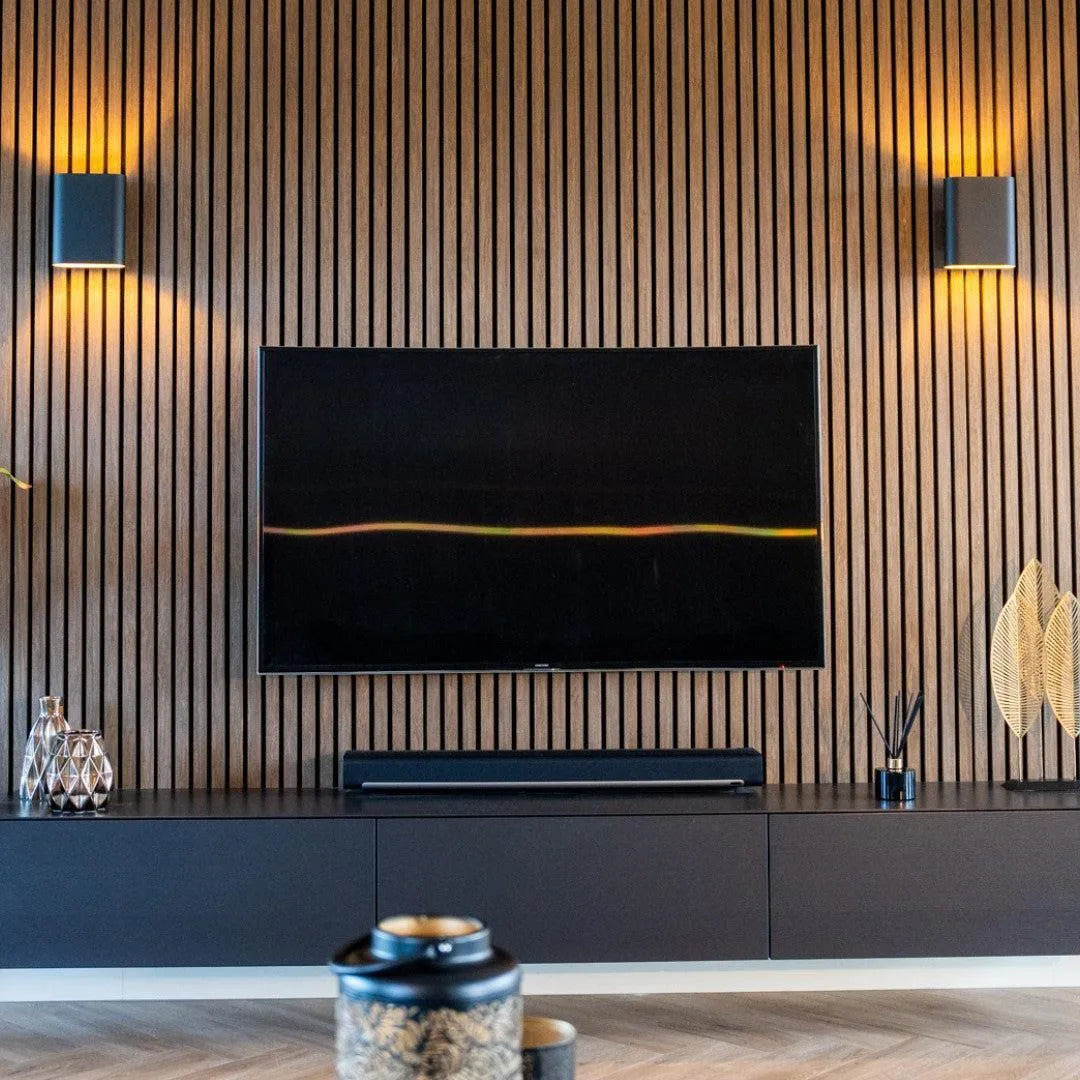
The grain-forward pick: Fluted Wall Panel Natural Oak. Real oak veneer cut into a fluted profile reads with the same organic, linear rhythm shoppers associate with bamboo slats, but with the wear resistance of solid oak veneer instead of a bamboo laminate. It works as a storefront feature wall or a fitting-room backdrop without needing extra acoustic treatment layered in. Buy if you want a grain-forward wall that photographs well under retail lighting.
The biophilic pick: Hexagon Acoustic Panel Walnut. The hex geometry breaks up long, flat wall runs better than straight bamboo strips do, and walnut veneer reads darker and warmer than bamboo's pale tone — useful for boutique lighting schemes built around warm color temperature. Consider this pick for a feature wall near a register or lounge seating area.
The low-light pick: Acoustic Slat Wall Panel Smoked Oak. Smoked oak veneer holds its tone better than lighter veneers under the dimmed lighting common in jewelry and specialty boutiques, where bamboo's pale color can wash out. Consider for dim-lit specialty retail settings.
The accent-wall pick: 3D Wood Wall Panel White Oak. At $28.95 per tile, individual wood tiles let a retailer commit to a fitting-room backdrop or small feature wall without paneling an entire storefront. Buy for accent applications where a full wall isn't in the budget.
The bamboo itself: sourced elsewhere. If a true bamboo veneer is non-negotiable, that material comes from specialty bamboo suppliers, not from Akuwood Panel's oak and walnut veneer catalog. The company's own lineup runs oak, walnut, black oak, and smoked oak veneer because those species hold grain consistency across large production runs better than bamboo does at retail scale. Skip bamboo for high-traffic retail unless the sustainability story outweighs the wear tradeoff for your specific space.


What to avoid
- Print-wrap "bamboo look" vinyl foils marketed as veneer. These aren't real wood and lack the grain depth that makes a retail feature wall look premium under spotlighting.
- Ultra-thin veneer bonded straight to MDF with no acoustic backing. Fine for a quiet lobby. A liability on an open retail floor with hard flooring and constant foot traffic.
- Suppliers who can't produce fire-rating documentation on request. A franchise buyer needs that paperwork before phase two of a multi-location rollout, not after.
Verdict comparison
| Pick | Veneer/material | Best for | Verdict |
|---|---|---|---|
| Fluted Wall Panel Natural Oak | Oak veneer, fluted profile | Grain-forward feature wall | Buy |
| Hexagon Acoustic Panel Walnut | Walnut veneer, hex geometry | Biophilic accent wall | Consider |
| Acoustic Slat Wall Panel Smoked Oak | Smoked oak veneer | Dim-lit boutique interiors | Consider |
| 3D Wood Wall Panel White Oak | Oak veneer tile | Fitting-room accent | Buy |
| Generic bamboo veneer laminate | Bamboo grass laminate | Sustainability-first, low-traffic spaces | Skip for high-traffic retail |
FAQ
What's the best bamboo veneer wall panel for retail interiors?
For high-traffic retail in 2026, real oak or walnut veneer panels like Fluted Wall Panel Natural Oak outperform bamboo veneer laminates on wear resistance. Bamboo's grass structure holds up fine in low-contact spaces but scuffs faster where shoppers and carts brush against walls daily.
Is bamboo veneer more sustainable than oak or walnut veneer?
Bamboo regenerates in 3-5 years, faster than any hardwood used for wood veneer, which is its main sustainability argument. Oak and walnut veneer take longer to source from mature trees but last longer in a retail install, which changes the total lifecycle math over several years.
How much foot traffic can wood veneer panels handle in a retail store?
Solid oak or walnut veneer panels with an acoustic backing handle daily retail contact — carts, bags, shoulder brushes — better than thin bamboo laminates. Panel placement above typical contact height (waist and below near high-traffic aisles) extends the finish's appearance regardless of material.
Do acoustic wall panels help with retail store noise?
Yes, acoustic slat and hexagon panels with felt backing reduce reflected noise from hard flooring and glass storefronts common in retail buildouts. This matters most near fitting rooms and checkout areas where conversations need to stay audible over ambient store noise.
What's the difference between bamboo veneer and real wood veneer panels?
Bamboo is technically a grass, laminated into strips to mimic wood grain, while oak and walnut veneer come from actual hardwood trees with continuous grain depth. The visual difference shows up under angled retail lighting, where real wood veneer reads with more dimension.
How long do wood veneer wall panels last in a commercial retail setting?
Solid oak and walnut veneer panels are built for long-term commercial use when installed correctly and cleaned with non-abrasive products. Thin bamboo laminates without a solid backing wear and peel noticeably faster under the same conditions.
Can wood veneer panels meet commercial fire code for retail buildouts?
Fire rating varies by product and supplier, so confirm documentation before ordering for a commercial retail fit-out. Request the fire rating certificate in writing before finalizing a multi-location rollout order.
Is real wood veneer or laminate better for a franchise rollout?
Real wood veneer holds grain consistency better across large production runs, which matters when customers visit more than one location of the same brand. Laminate is cheaper per panel but shows inconsistency and wear faster across a multi-store rollout.
One last thing
Bamboo is technically classified as a grass, not a wood — which means a lot of "bamboo veneer" marketing is stretching the term. If the sustainability story matters more to your brand than surface wear, that's a legitimate call. But for a retail floor that needs to look the same in month eighteen as it did on opening day in 2026, real oak or walnut veneer is the safer bet.
 Better performance and aesthetic appeal
 In Stock