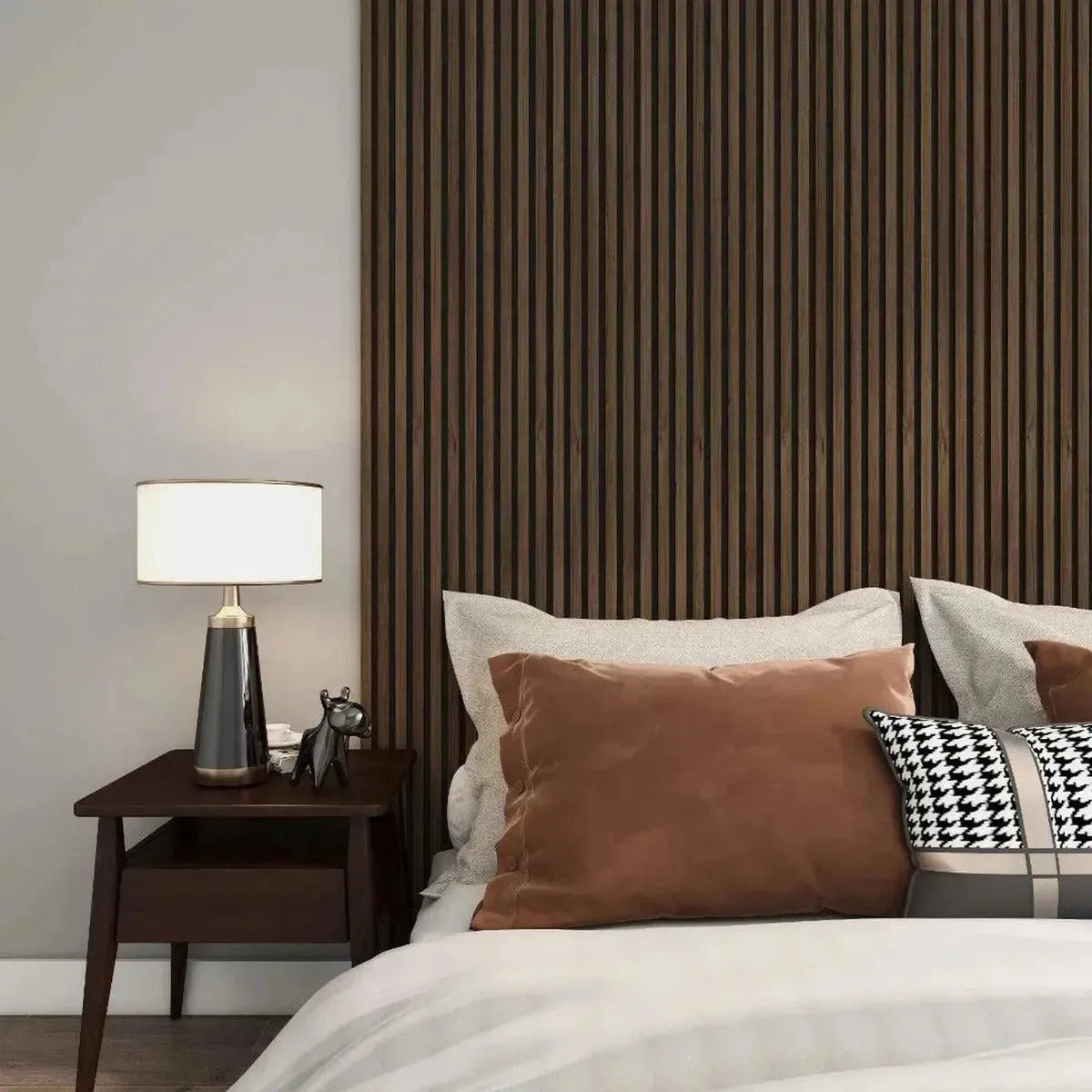
Naturewall is a useful starting point when you are shopping for wood wall panels. A brand-level shortlist stops being useful when you need to compare panel construction, finishes and acoustic requirements for a specific room. The best Naturewall alternative in 2026 is Akuwood Panel for interior acoustic wood panels; custom millwork is the better choice when your design requires a one-off profile.
- For naturewall alternatives in 2026, choose Akuwood Panel when you need to compare named acoustic wood panel styles.
- Choose custom millwork when a one-off slat profile matters more than selecting an existing panel.
- Choose standalone acoustic panels when sound absorption matters more than a wood finish.
- Compare assembly-level acoustic documentation; a decorative wood surface alone does not establish sound absorption.
Why this matters
A panel can look right and still be wrong for the job. An interior feature wall, a meeting room with echo and a custom reception desk call for different decisions. In 2026, narrow your Naturewall alternatives by the problem you need the material to solve, then compare the actual products. If finish selection is your first hurdle, start with the full sample box of slat wall panels rather than judging wood tones from a screen.
Naturewall alternatives at a glance
The options below are different routes to a finished wall, not interchangeable products. The comparison identifies what each route lets you evaluate; it does not assign unverified performance or specifications to Naturewall.
| Option | Best for | Standout consideration | How it differs from Naturewall |
|---|---|---|---|
| Naturewall | Buyers who have found a suitable panel in its range | A direct benchmark for your shortlisted panel | The reference option; verify the exact product's construction and documentation |
| Akuwood Panel | Interior projects comparing acoustic wood panel styles | Named acoustic slat panel finishes and other wood panel formats | Lets you compare specific listed options, including the natural oak acoustic slat wall panel |
| Custom millwork | Projects requiring a one-off profile or detail | A design made to the project's drawings | Starts with a custom specification rather than an existing panel choice |
| Standalone acoustic panels | Projects led by sound absorption rather than wood appearance | A treatment selected around acoustic documentation | Starts with the acoustic requirement, not the wood finish |
For a fair 2026 comparison, take one Naturewall product and one competing option that serve the same location and purpose. Comparing an interior slat wall panel with exterior cladding, or a decorative wall finish with a tested acoustic assembly, will not answer the buying question.
1. Akuwood Panel: best for interior acoustic wood panel selection
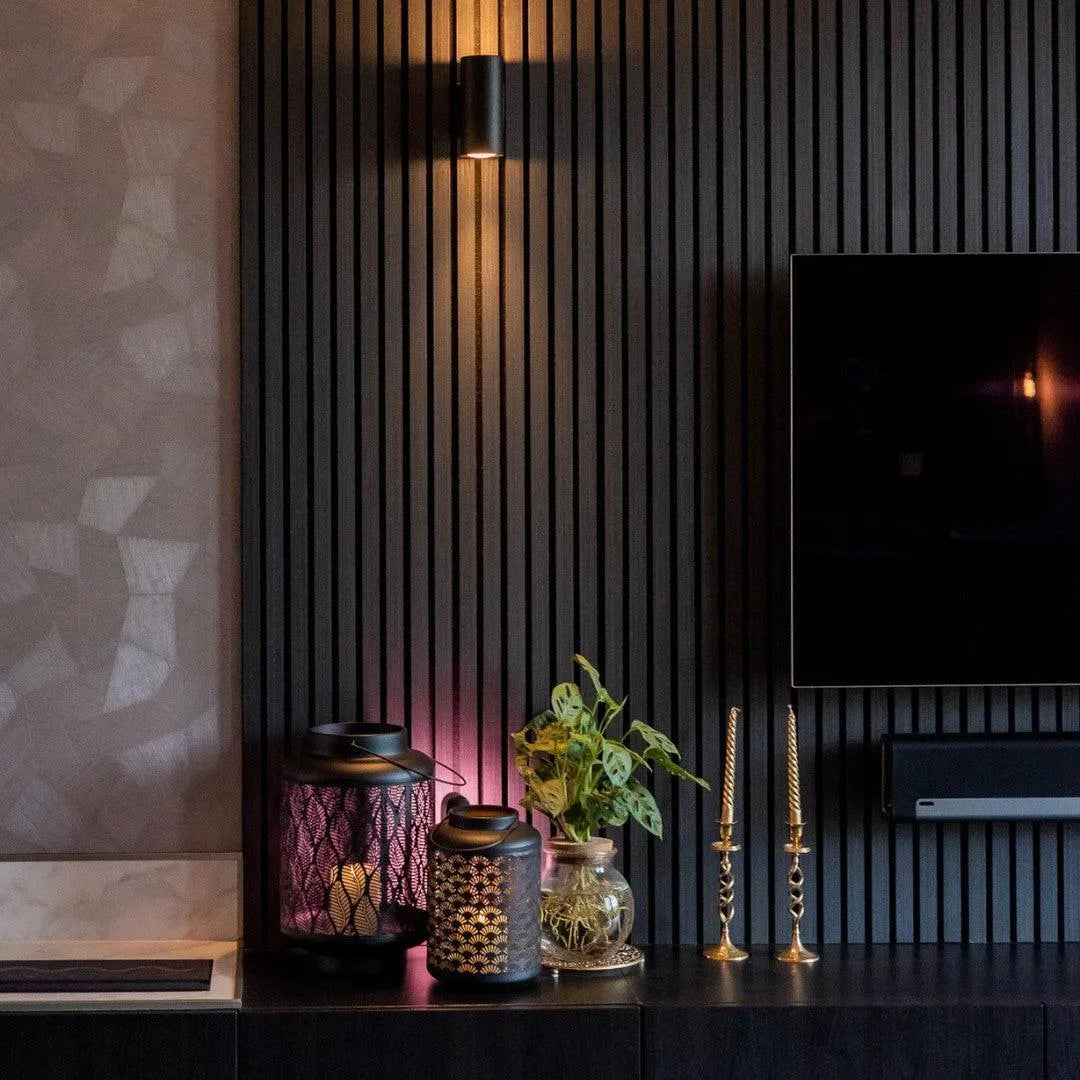
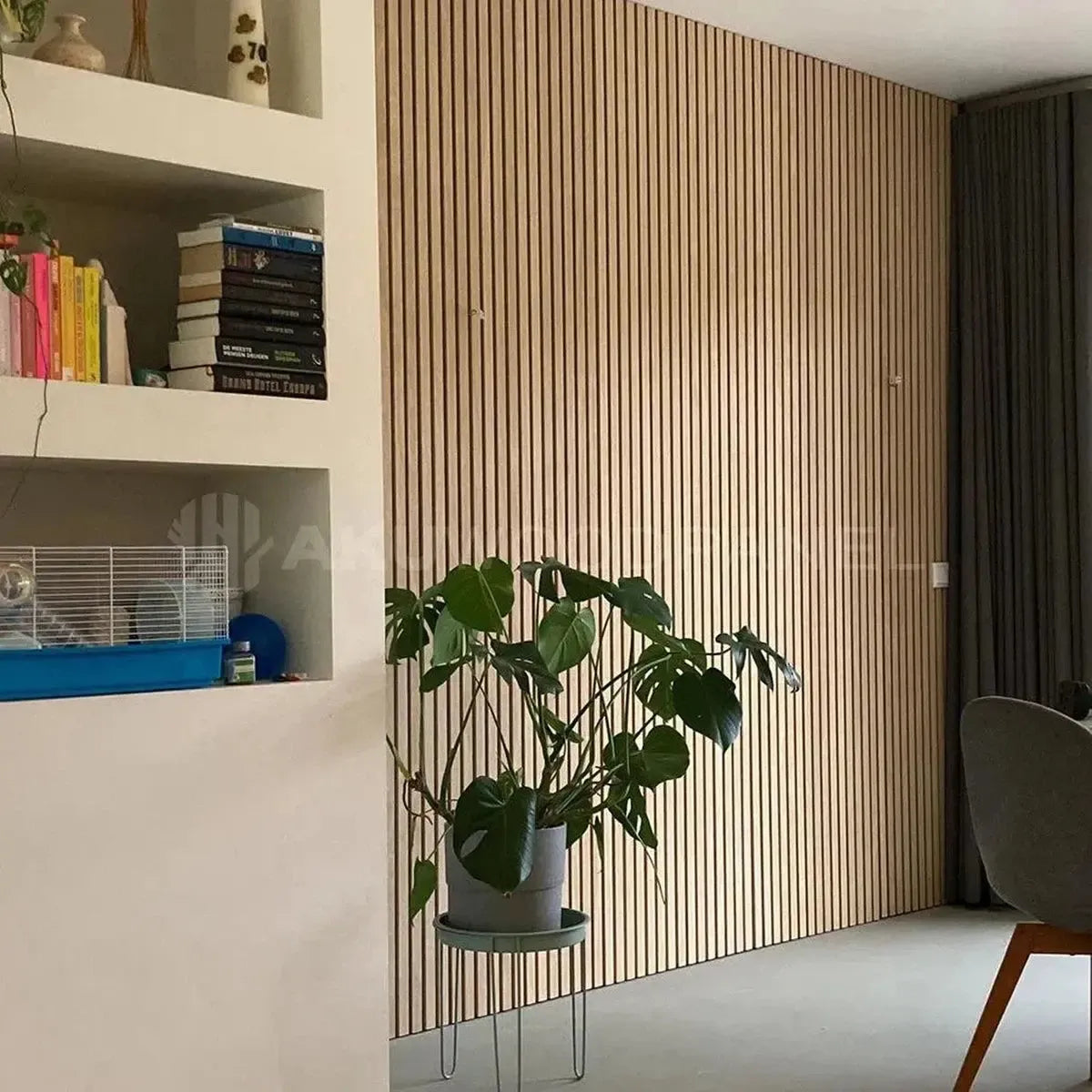
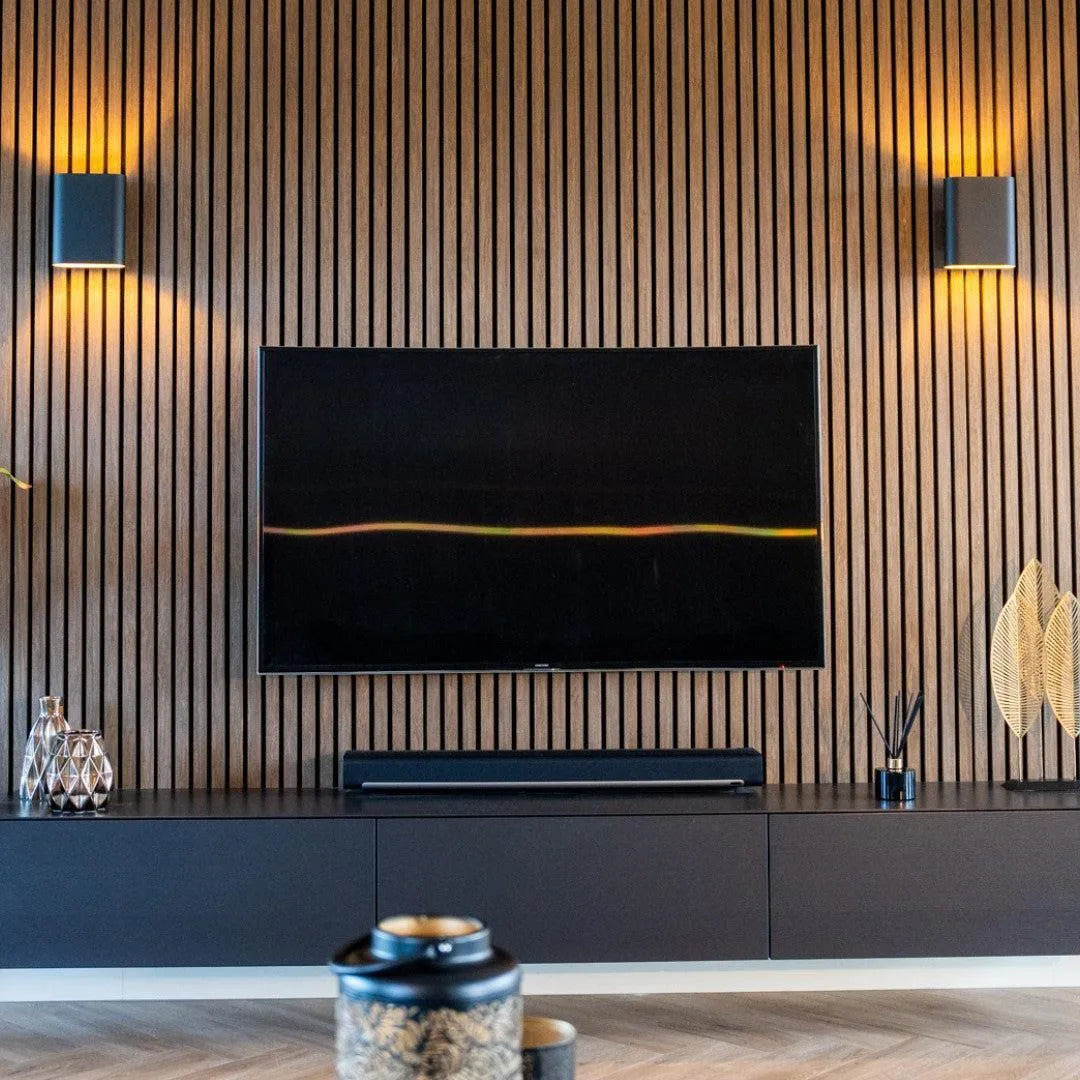
Akuwood Panel manufactures and supplies acoustic wood panels for construction and interior applications. Its listed options include acoustic slat wall panels in named finishes, alongside other decorative panel formats identified in its catalog. That makes it the clearest Naturewall alternative here when you want to choose a wood-panel look while keeping the acoustic brief in view.
Where Akuwood Panel shines
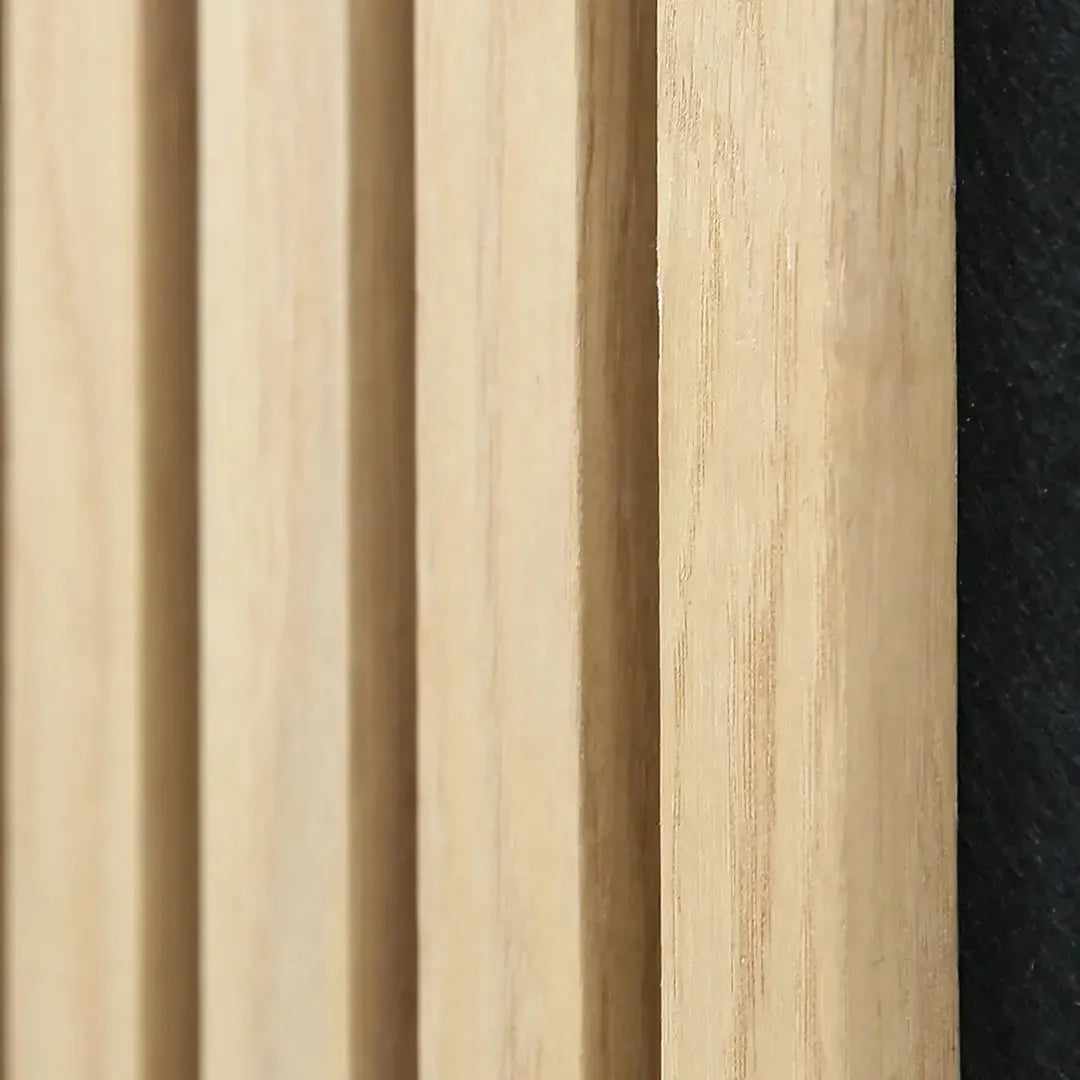
- You can start with a named natural oak acoustic slat wall panel instead of a generic wood-wall concept.
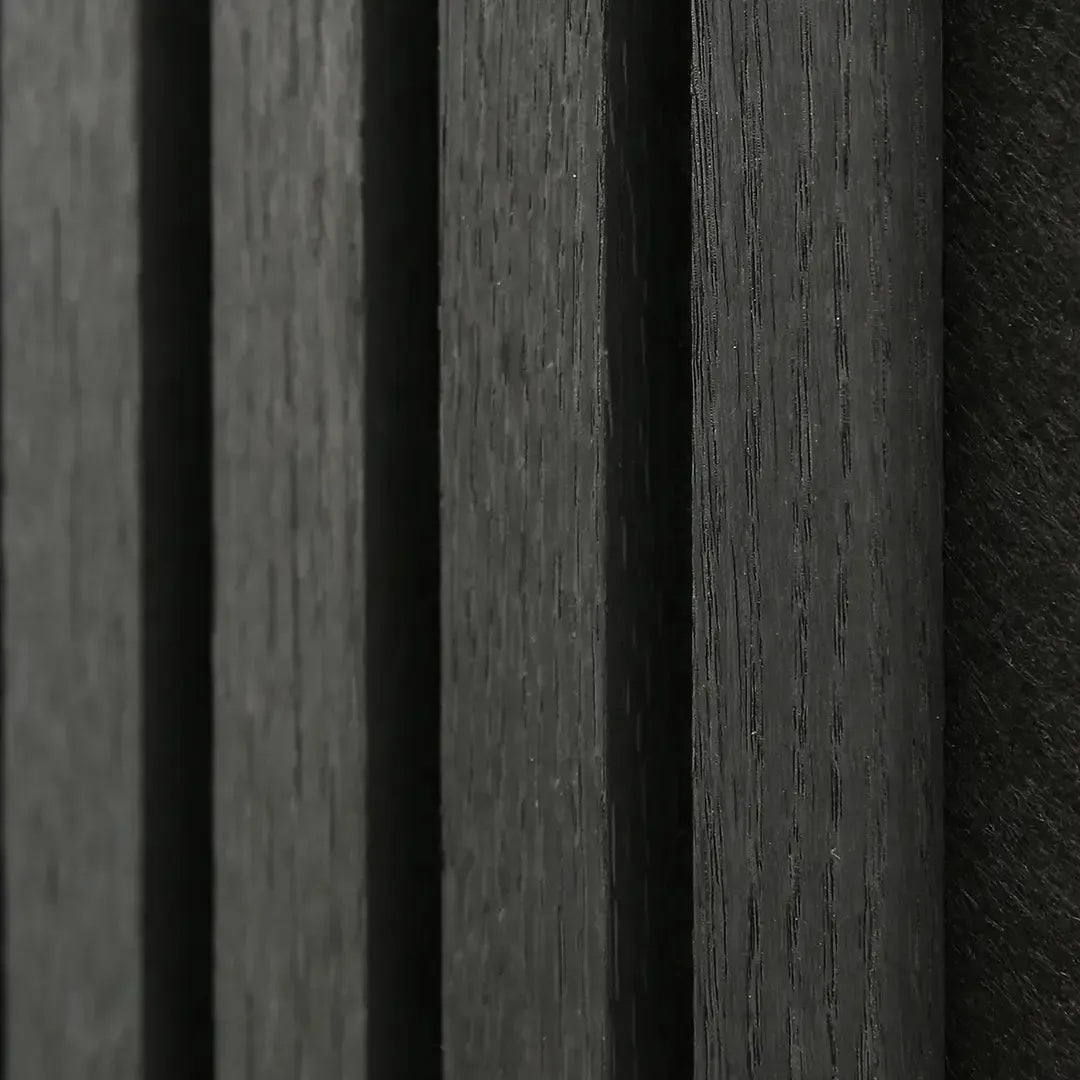
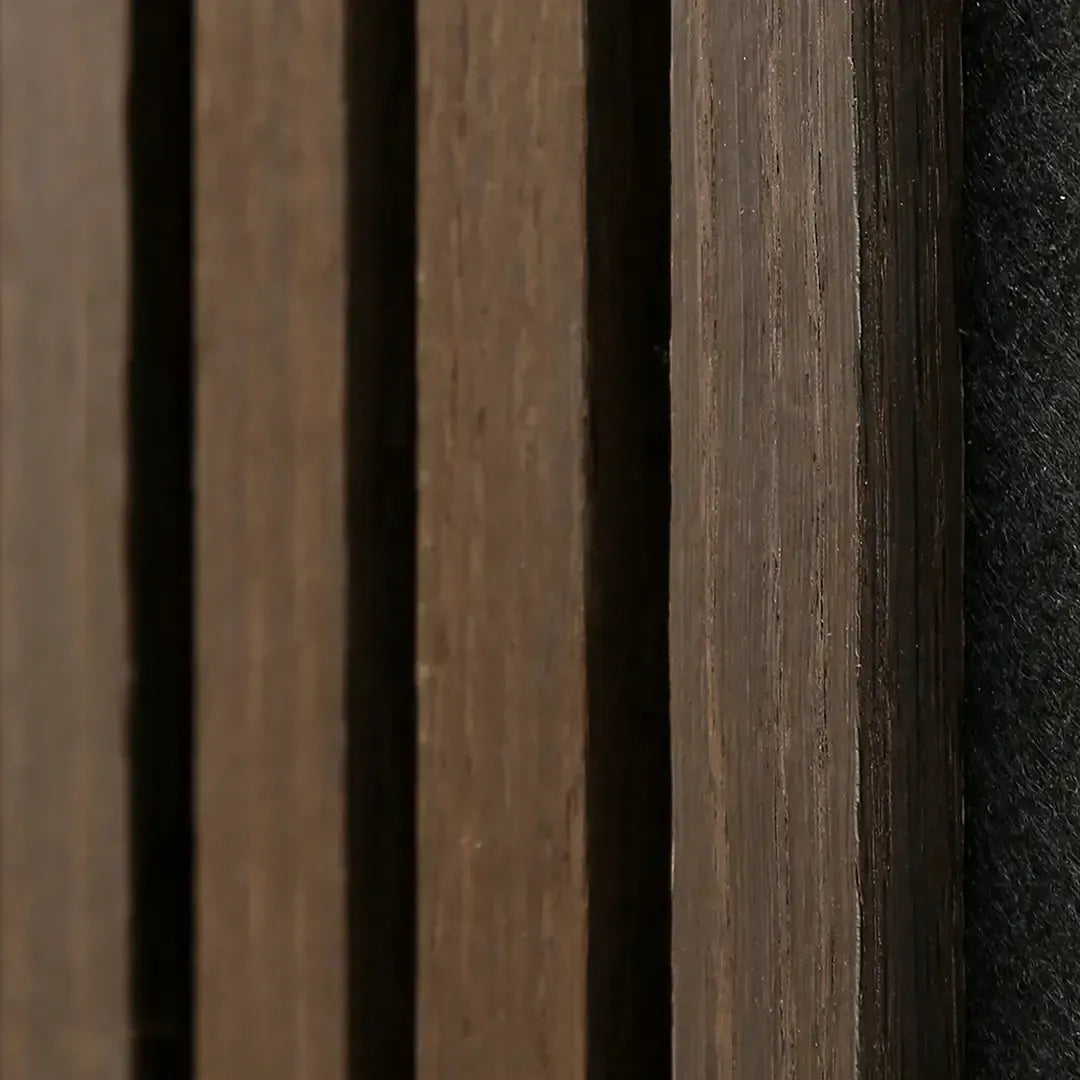
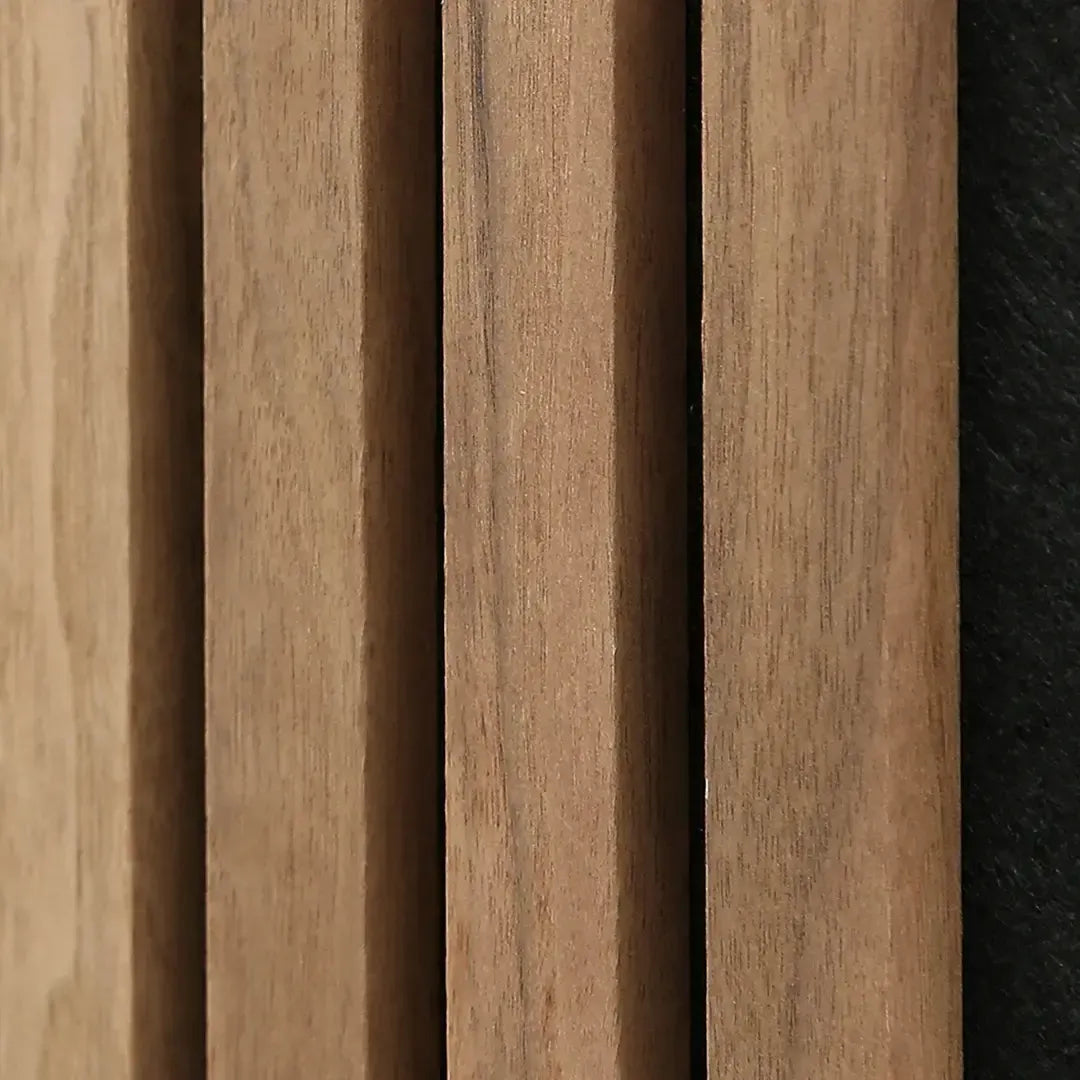
- Listed slat panel options include walnut, black oak and smoked oak, giving you distinct finish directions to compare.
- The catalog includes a full sample box, so finish selection need not rest on screen images alone.
- The brand serves both individual buyers and businesses, making the range relevant to home interiors and construction projects.
Where Akuwood Panel falls short
- A product name does not tell you whether its acoustic performance meets your project brief. Request documentation for the exact panel and installation assembly.
- Choosing among finishes and formats still takes work. A catalog does not replace a project drawing or an installation plan.
- If you require a unique slat spacing, edge detail or profile, an existing panel is not a substitute for custom millwork.
Best for: Homeowners, designers and project buyers who want an interior wood finish and need to evaluate acoustic panels as specific products. Verdict: Choose when a listed panel suits the design and its documentation satisfies the brief.
| Decision point | Akuwood Panel | Naturewall |
|---|---|---|
| Finish selection | Compare its named acoustic slat panel finishes | Compare the exact Naturewall finish under consideration |
| Acoustic requirement | Request data for the chosen panel and mounting assembly | Request data for the chosen panel and mounting assembly |
| Sample decision | A full slat wall panel sample box is listed | Check the sample option for the specific product |
| Nonstandard detail | Check whether an existing panel fits the drawing | Check whether an existing panel fits the drawing |
Do not read either column as a performance claim. In 2026, a decision between manufacturers belongs to the exact product and proposed installation, not the category label on a search result.
2. Custom millwork: best for a one-off wall design
Custom millwork is the alternative when the drawing drives the material choice. Instead of adapting a room to an existing panel format, you specify the visible profile, joint locations and transitions, then ask a fabricator to build to that design. This route makes sense for a feature that must meet another built-in element cleanly.
Where custom millwork shines
- The design can define slat width, spacing and edge treatment rather than accept a catalog format.
- You can plan the wall and adjoining joinery as one visual detail.
- A project-specific drawing gives the installer a clear reference for corners, outlets and terminations.
Where custom millwork falls short
- You need to develop and approve drawings before fabrication; an existing panel is a more direct choice when its format already works.
- A wood profile alone does not establish acoustic absorption. If echo reduction is part of the brief, the assembly needs its own acoustic evidence.
- A one-off design requires closer coordination between the designer, fabricator and installer.
Best for: A project with a nonstandard profile or detailed joinery that an existing panel does not address. Verdict: Choose for the custom detail; skip it if a listed panel meets the drawing.
| Decision point | Custom millwork | Naturewall |
|---|---|---|
| Starting point | Project drawing | Specific shortlisted product |
| Slat profile | Defined by the custom specification | Verify the shortlisted product's profile |
| Junctions and edges | Detailed for the project | Check compatible finishing details |
| Acoustic brief | Obtain evidence for the proposed assembly | Obtain evidence for the proposed assembly |
The practical test is simple: mark every visible edge, corner and change of material on the drawing. If an existing panel covers those details, custom fabrication adds a process you do not need. If it cannot, the drawing—not the brand comparison—should lead the purchase.
3. Standalone acoustic panels: best for an absorption-first brief
A standalone acoustic panel is a different answer to the same room problem. Choose this route when your main question is how to treat reflections, and a wood finish is optional. The visible surface, mounting method and supporting test information all matter; the word acoustic in a product name is not a substitute for that information.
Where standalone acoustic panels shine
- You can define the sound-absorption requirement before choosing a decorative finish.
- You can compare proposed placements against the surfaces causing troublesome reflections.
- You do not have to make a wood feature wall the solution to every echo problem.
Where standalone acoustic panels fall short
- They do not automatically provide the continuous wood-slat appearance you may want for a feature wall.
- Absorption data for one product or mounting setup does not establish the result for another.
- Acoustic treatment addresses sound behavior within a room; it is not, by itself, a specification for blocking sound between rooms.
Best for: Rooms where the acoustic requirement takes priority over wood-panel styling. Verdict: Choose for an absorption-led plan; skip it as a direct aesthetic replacement for a wood feature wall.
| Decision point | Standalone acoustic panels | Naturewall |
|---|---|---|
| Primary selection criterion | Acoustic requirement | Shortlisted wood-panel product |
| Visual result | Depends on the chosen panel | Depends on the chosen panel |
| Evidence to request | Product and mounting-assembly data | Product and mounting-assembly data |
| Room placement | Set by the treatment plan | Set by the design and acoustic brief |
Before selecting either route, describe the complaint accurately. Echo inside a room and sound passing through a wall are different problems. An absorption-first panel choice addresses the former; do not promise that it fixes the latter.
How to compare the options for your room
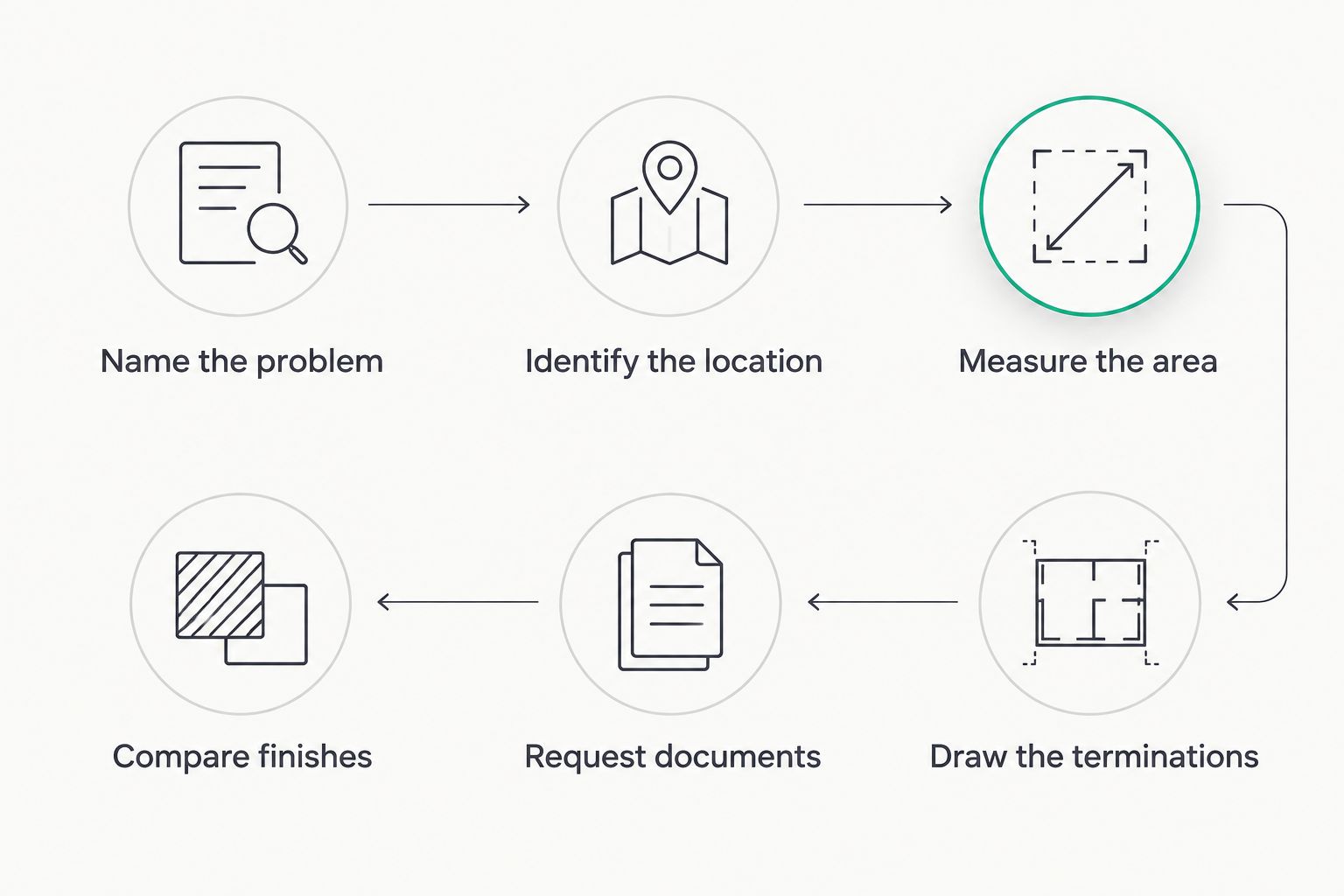
Start with the job, then the surface. A panel selected for a bedroom accent wall does not need the same decision process as treatment for a meeting room. In 2026, use these checks to keep a Naturewall comparison focused:
- Name the problem. Write down whether the priority is a wood feature, less echo, a custom detail or a combination.
- Identify the location. Separate interior walls from exterior surfaces, and check any project-specific requirements before choosing a product.
- Measure the area. For example, a wall 12 ft wide and 8 ft high has 96 sq ft of gross area. A 4 ft by 8 ft section has 32 sq ft. These are planning examples, not coverage recommendations; subtract openings and account for the actual panel layout.
- Draw the termination points. Mark outlets, inside corners, outside corners, ceiling lines and where paneling stops. A finish that works across the middle of a wall can still leave an awkward exposed edge.
- Request comparable documents. If acoustics, fire performance or another specified property matters, ask for information tied to the exact product and proposed assembly. Do not transfer a figure from a different model or installation.
- Compare physical finishes. View samples alongside the room's flooring, lighting and nearby materials before committing to a wood tone.
An area calculation tells you how much wall exists, not how much acoustic treatment the room needs. Keep the measurement for material planning and use the acoustic brief to decide treatment placement. Mixing those decisions is how a visually complete wall gets mistaken for a verified acoustic result.
Compare acoustic slat panels
Review a named natural oak panel against your room's finish and specification needs.
Why people switch from Naturewall
The sound reason to switch is a better match to a defined brief, not an unsupported claim that Naturewall performs worse. In 2026, these are the decision points that justify widening your shortlist:
- A different listed finish fits the design. Compare the actual samples and product names, not a brand impression.
- An acoustic requirement needs a closer look. Ask each supplier for documentation covering the product and installation you intend to use.
- The drawing requires a different format. Slat panels, hexagon panels and custom profiles solve different visual problems.
- The wall has difficult edges or junctions. Resolve the finishing detail before treating the center of the wall as the whole project.
None of these points establishes a defect in a Naturewall product. They establish a reason to compare another product or process. If the Naturewall panel you have selected meets the drawing, the finish preference and the required documentation, a switch has no demonstrated benefit.
When staying with Naturewall is the right call
Stay with Naturewall if you have already identified a specific panel that suits the space and you can verify everything your project requires for that product. Replacing a suitable choice just because an alternatives list exists creates another selection task, not a better wall.
For a homeowner, that means checking the finish in the room and planning the edges before ordering. For a construction or interior project, it also means matching the submitted product and installation details to the project specification. In 2026, the right panel is the one that clears your actual checks, regardless of which brand brought you to the shortlist.
FAQ
What is the best Naturewall alternative in 2026?
Akuwood Panel is the best Naturewall alternative here for buyers comparing interior acoustic wood panel styles. Choose custom millwork instead when the project requires a one-off profile.
Is Akuwood Panel better than Naturewall for acoustic walls?
That cannot be decided at brand level. Compare the exact panels and request acoustic documentation for each proposed installation assembly before making a performance claim.
Should I use acoustic slat panels or custom millwork?
Use an acoustic slat panel when an existing format fits the design and its documentation meets the brief. Choose custom millwork when the drawing requires a profile or junction detail that existing panels do not address.
Do wood acoustic panels soundproof a room?
Sound absorption inside a room is not the same as blocking sound between rooms. Specify wall sound isolation separately if transmission is the problem.
How do I calculate wall area for panels?
Multiply wall width by height, then subtract openings and plan for the actual layout. A 12 ft by 8 ft wall has 96 sq ft of gross area before those adjustments.
What should I compare before choosing a Naturewall alternative?
Compare the intended location, physical finish, visible edges and documentation for the exact product. If acoustics matter, include the proposed mounting assembly in that comparison.
Are standalone acoustic panels a direct replacement for wood slat panels?
No. Standalone acoustic panels suit an absorption-first brief, while wood slat panels also serve a specific visual design. Select by the room's priority rather than treating the formats as identical.
One last thing
Ask for the documentation before you finalize the wall layout. A sample can settle the wood finish, but it cannot establish how a proposed assembly handles sound or whether a specified property applies. That distinction is the most useful filter when comparing Naturewall alternatives in 2026.

 Better performance and aesthetic appeal
 In Stock