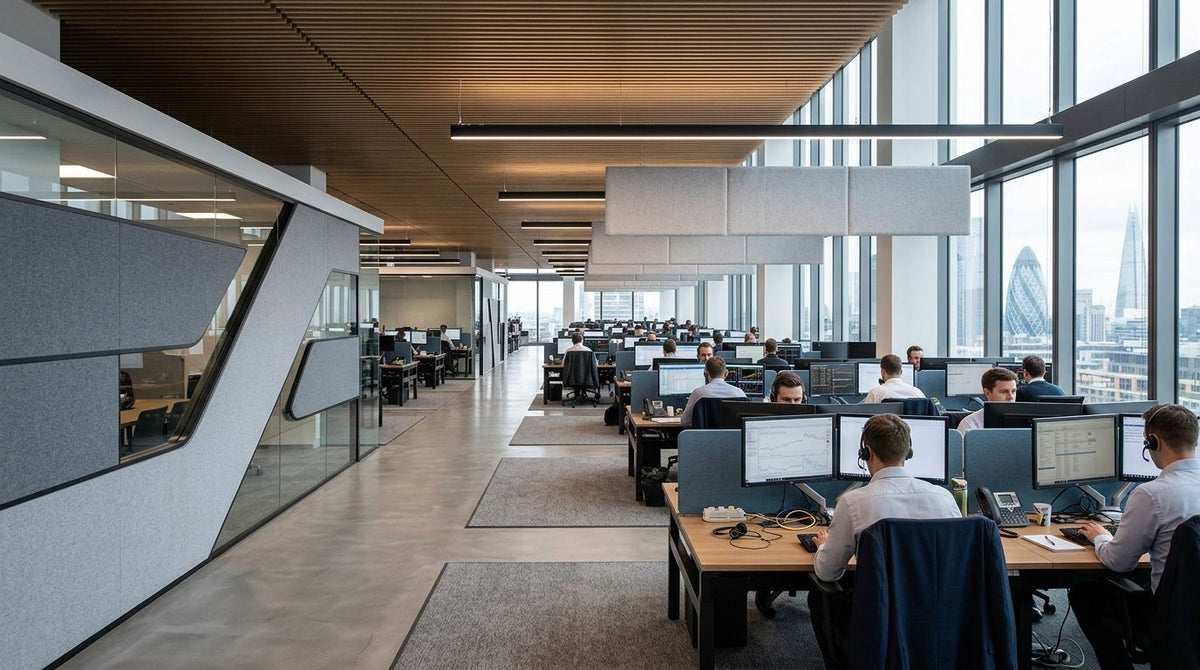
Open-plan trading floors are some of the loudest workspaces in commercial buildings in 2026 — hard flooring, glass walls, high ceilings, and forty phone calls firing at once turn every desk into an echo chamber. The fix isn't a dress code for indoor voices; it's acoustic treatment on the walls, the ceiling, and the floor, applied in that order.
- How to reduce noise in a trading floor starts with wall panels, not desk dividers or white noise machines.
- Akuwood Panel's acoustic slat panels absorb sound at the source instead of masking it.
- Ceiling treatment and zoning matter as much as walls on floors with high or exposed ceilings.
- Sound masking only works after the room's hard surfaces are already treated.
Why this matters
A trading floor packed with monitors, ringing phones, and traders talking over each other doesn't have a noise problem so much as a reflection problem. Every hard surface — glass partitions, laminate desks, polished concrete, bare drywall — bounces sound back into the room instead of absorbing it, so the same phone call effectively gets heard three times over.
Reducing noise in an open office starts with cutting down what's bouncing, not adding more sound to compete with it. Trading floors are worse than a typical open office because desk density is higher and phone volume is louder by necessity — traders can't mute themselves the way a marketing team can. That's the logic behind treating reflection first: fix what the room does to sound before touching anything else.
How to reduce noise in an open-plan trading floor
Five moves, in order of impact:
- Cover exposed hard walls with acoustic panels. Walls are the single biggest reflective surface on most trading floors and the easiest to treat without disrupting desks.
- Break up the ceiling plane. Suspended baffles or panel clusters stop sound from bouncing straight back down onto the desks below.
- Add soft flooring at the loudest zones. Carpet tile under trading desks absorbs footfall and low-frequency rumble that wall panels don't touch.
- Zone loud functions away from quiet ones. Sales desks and voice-broking pits generate more noise than research or compliance — separate them with real distance or a panel divider, not just a low partition.
- Layer sound masking in last. Masking evens out background noise so conversations don't carry as far, but it does nothing to reduce reflected sound if the walls are still bare.
| Treatment | What it fixes | Best for | Verdict |
|---|---|---|---|
| Wall panels | Reflected voice and phone noise off vertical surfaces | Floors with bare drywall, concrete, or glass | Install first |
| Ceiling treatment | Overhead reflection back onto desks | High or exposed-ceiling floors | Install second |
| Soft flooring | Footfall and low-frequency rumble | Loudest desk rows | Install third |
| Sound masking | Raises the threshold before speech becomes distracting | Floors already treated on walls and ceiling | Install last, never first |
Treat the walls first
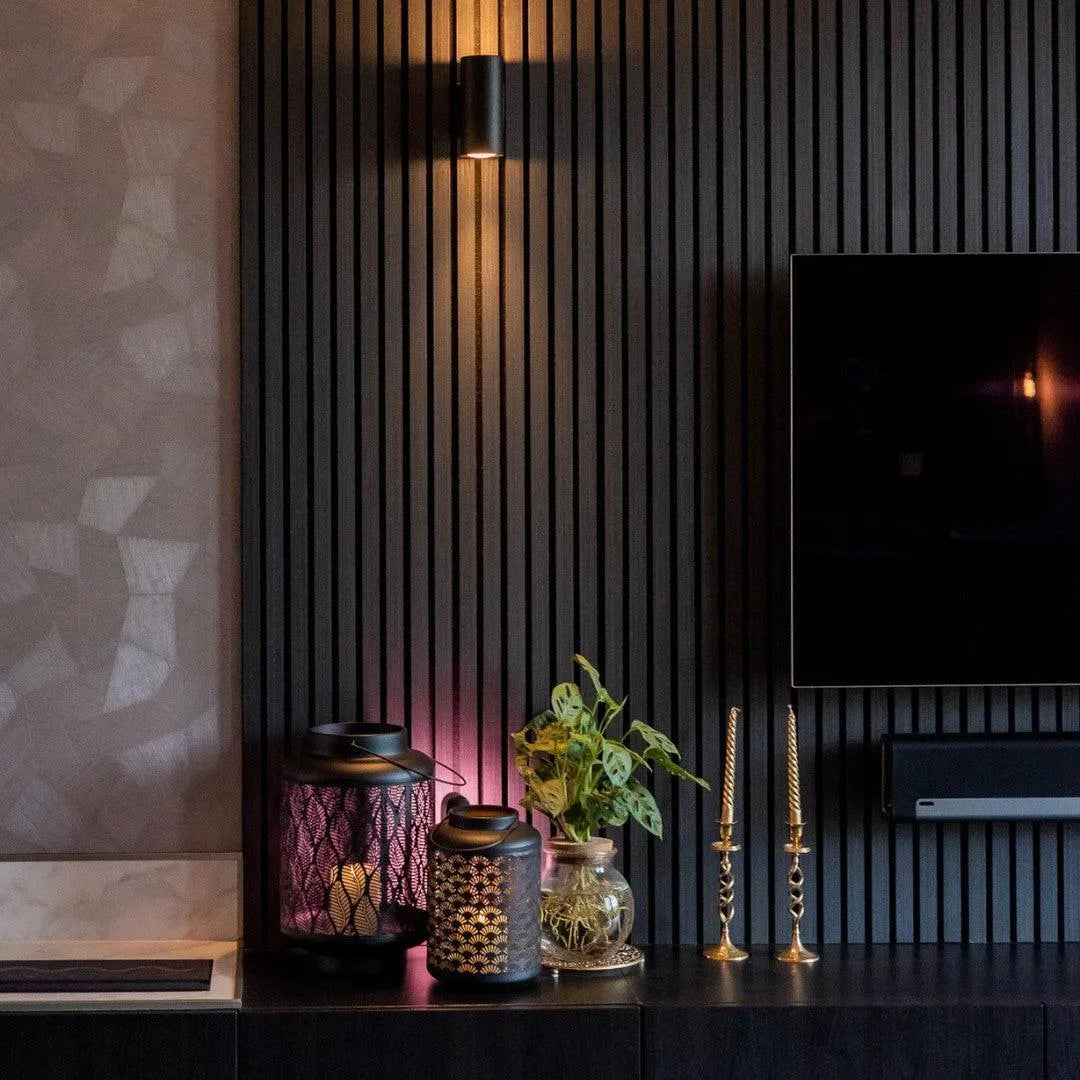
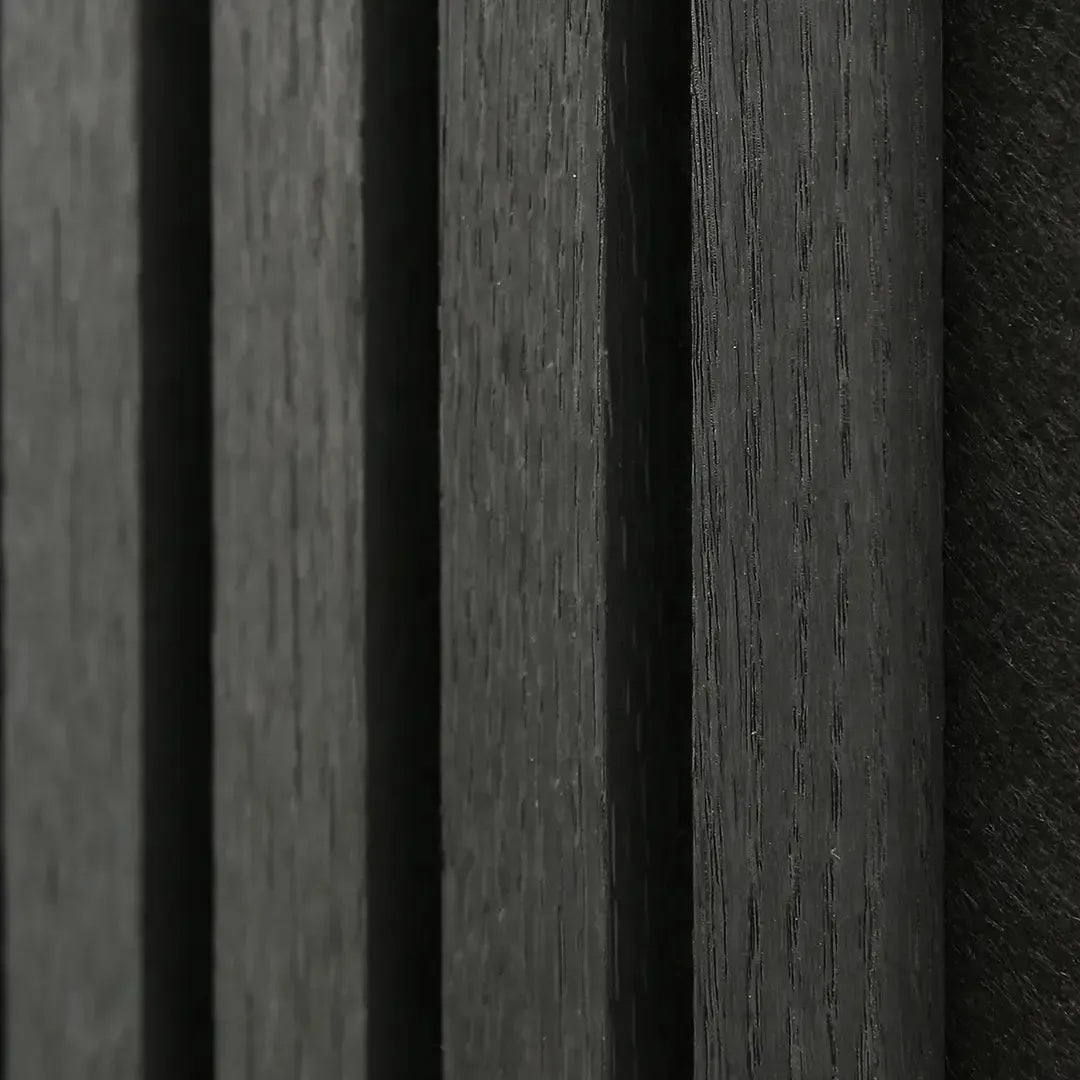
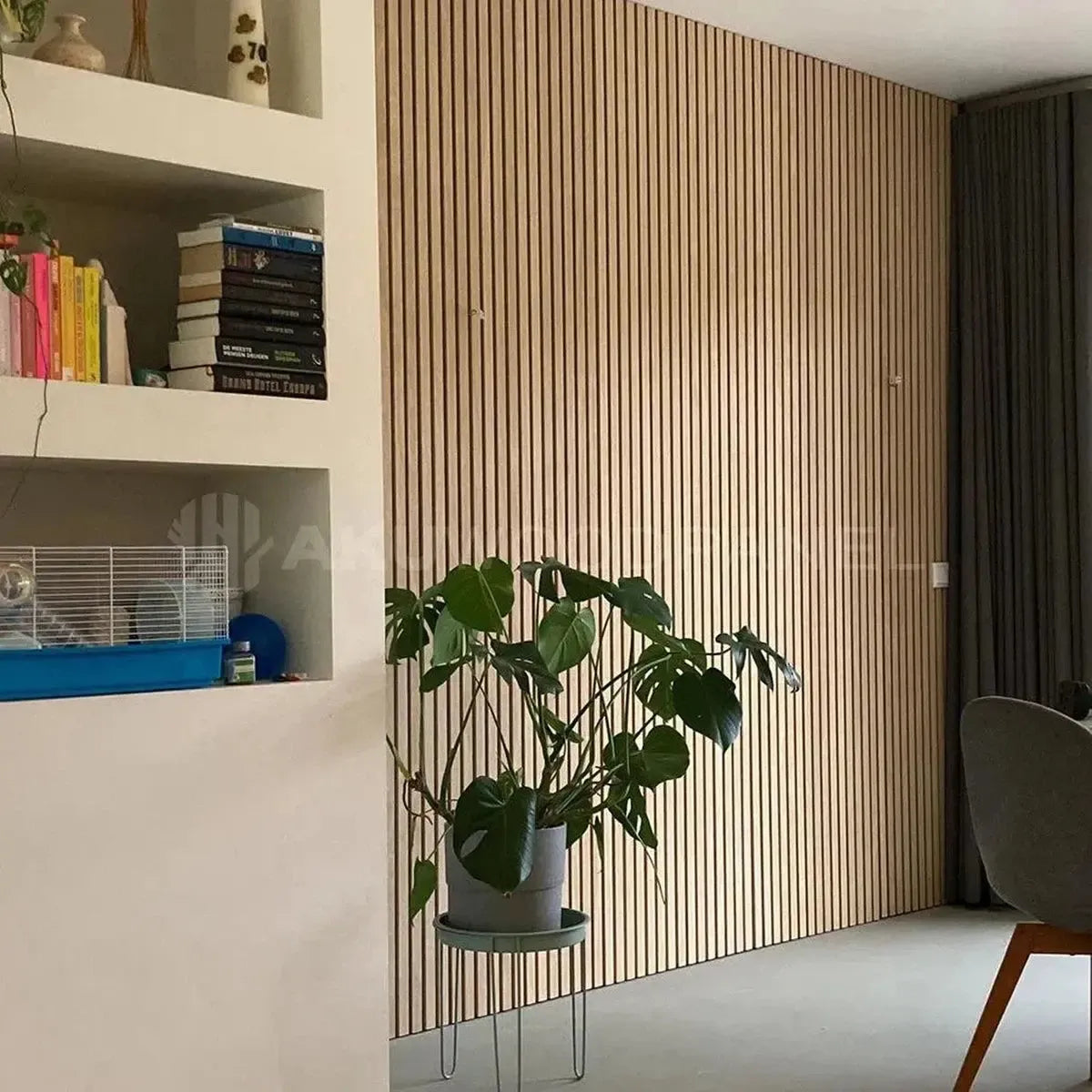
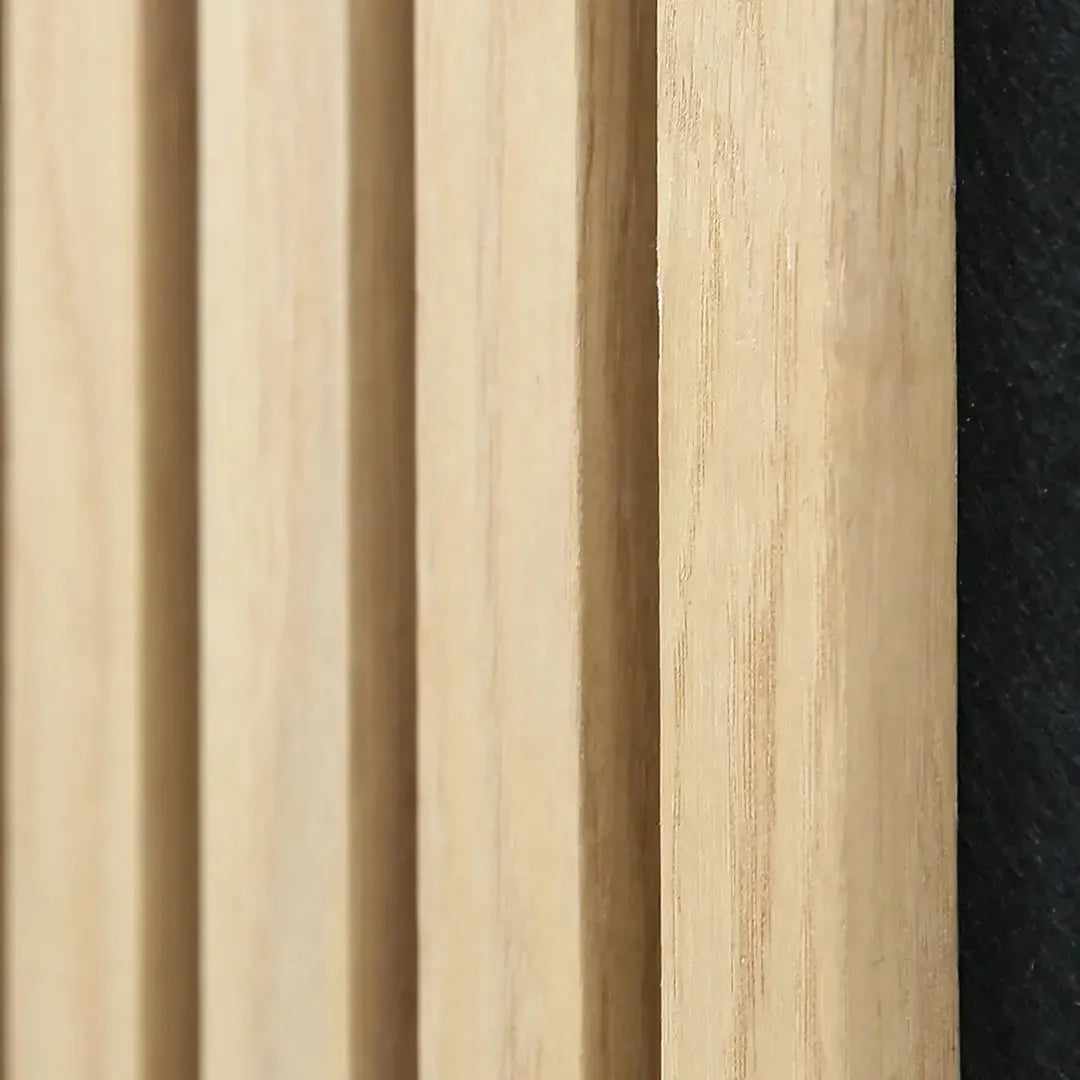
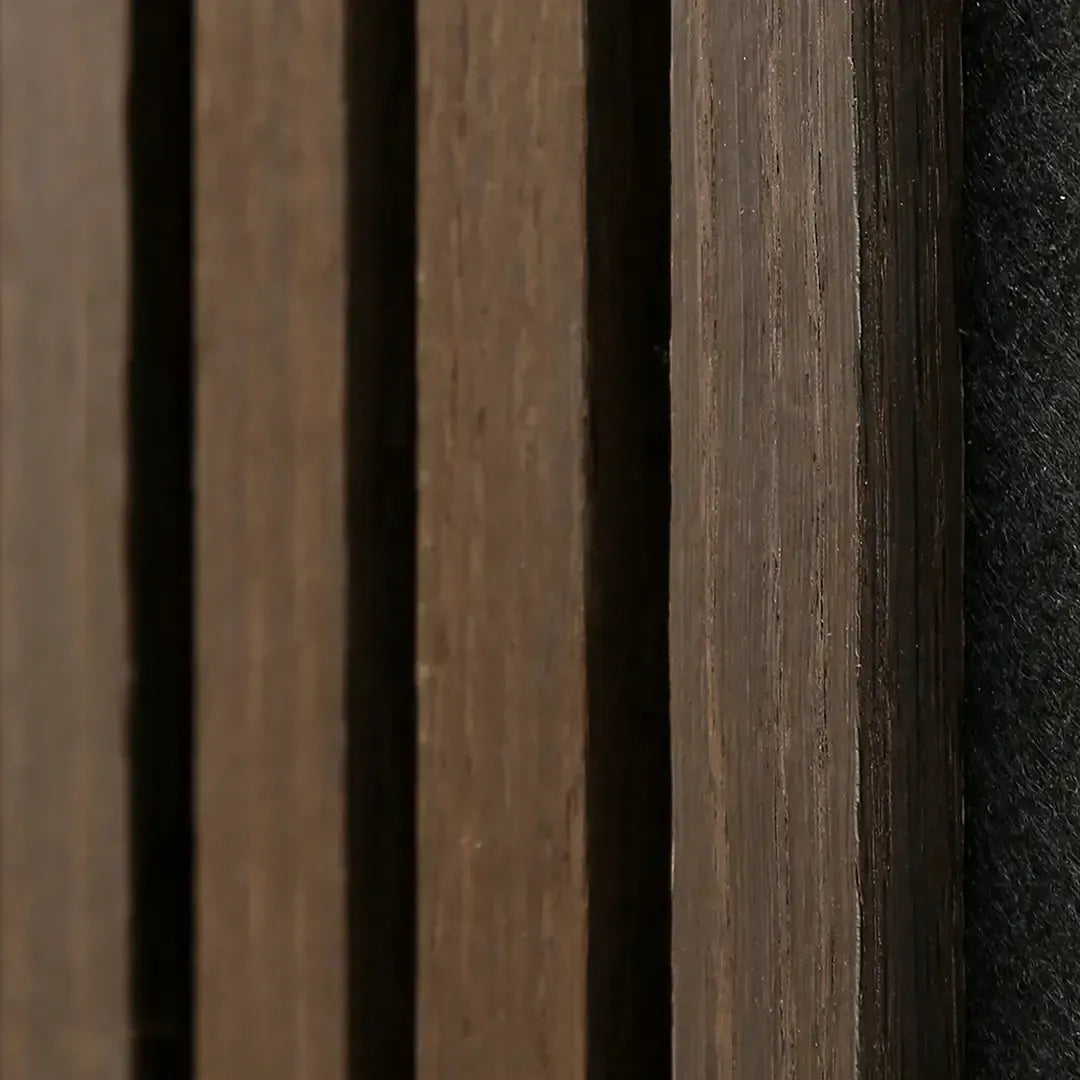
Trading floors usually run long, straight sightlines with glass on one side and drywall on the other — both surfaces reflect nearly all the sound that hits them. Slat-style acoustic panels with a felt or acoustic backing absorb the mid and high frequencies that phone voices and ringing lines sit in. Akuwood Panel's natural oak acoustic slat wall panels install over drywall the same way any wall panel does, so a 2026 trading floor renovation doesn't need to gut the space to add treatment.
Best for: floors with bare drywall, concrete, or floor-to-ceiling glass where the walls are currently doing zero absorption work. The honest limit: wall panels alone won't fix ceiling-reflected sound or footfall noise — pair them with ceiling treatment on floors with exposed structural ceilings.
Ceiling treatment matters almost as much
A trading floor with a high drop ceiling and no acoustic tile turns every voice into a second, delayed echo bouncing off the plane above the desks. Suspended baffles, acoustic ceiling panels, or angled panel clusters break up that reflection before it reaches the next row of desks. Floors with exposed structural ceilings — increasingly common in 2026 office fit-outs that leave ductwork visible for an industrial look — need this step even more, because there's no drop-ceiling tile doing any passive absorption work at all.
Zoning and layout cut noise at the source
No amount of wall treatment fixes a floor plan where the loudest desks sit right next to the quietest ones. Voice brokers, sales desks, and trading pits run louder by function — putting real distance between them and research, compliance, or back-office seating (or adding a panel divider between zones) reduces the noise that has to travel across the room in the first place. This is layout work, not material work, and it costs nothing beyond moving desks.
Sound masking is a layer, not a fix
Sound masking systems emit a steady, low-level background hum that raises the threshold at which a nearby conversation becomes distracting. It works well as a final layer on a floor that already has treated walls and ceiling. Installed alone in an untreated room, masking just adds another noise source competing with the echo instead of reducing it.
“Sound masking is the last step in fixing trading floor noise, never the first.”
Shop Akuwood Panel acoustic panels
Wall panels sized for high-density commercial floors.
Why trading floor noise is hard to control
- Desk density. Trading floors pack more seats per square foot than almost any other office type, so there are simply more voices per square foot of hard surface.
- Phone volume traders can't lower. Voice brokers and sales desks need to be heard over their own noise floor, so they talk louder than a typical office worker — which raises the baseline everyone else has to talk over.
- Hard, reflective surfaces. Glass partitions, laminate desks, and polished concrete or hard tile floors reflect sound instead of absorbing it.
- High or exposed ceilings. Open-plenum ceilings, common in modern 2026 fit-outs, remove the one surface — drop-ceiling tile — that used to do passive absorption work.
- No acoustic separation between functions. Research, compliance, and trading desks often sit on the same open floor with nothing but a low partition between them.
- Monitor and hardware noise. Multi-monitor setups, order-routing hardware, and cooling fans add a constant low hum that raises the room's overall noise floor before anyone even speaks.
More about trading floor acoustics
How many acoustic panels does a trading floor need?
There's no fixed count — it depends on how much hard wall and ceiling surface is exposed, not the square footage of the floor itself. A trading floor with floor-to-ceiling glass on one side needs more panel coverage on the opposite wall than a floor boxed in by drywall on all four sides, because the glass reflects the sound the panels on the other wall are trying to absorb.
Is carpet or acoustic wall panels better for reducing noise?
Wall panels do more work on a trading floor because voices and phone rings travel through the air and hit vertical surfaces first — carpet mainly stops footfall and equipment vibration from traveling through the floor. The two aren't a substitute for each other: a floor with carpet but bare walls still echoes.
Can noise-canceling headphones replace acoustic treatment?
No — headphones control what one person hears, not what the room produces, so the floor keeps getting louder as more people put headphones on and start talking over their own noise floor. Acoustic treatment reduces the room's reflected sound for everyone at once, which is why it's the fix trading floor managers reach for before individual noise-canceling gear.
FAQ
What's the best way to reduce noise in an open-plan trading floor?
The best way to reduce noise in an open-plan trading floor is to treat the hard walls first with sound-absorbing panels, then the ceiling, then add soft flooring at the loudest desks. Sound masking and headphones only help once the room's reflective surfaces are already treated.
Do acoustic wood panels actually reduce echo?
Yes — acoustic wood panels with a felt or acoustic backing absorb the mid and high frequencies that make voices and phone rings echo, instead of just covering the wall decoratively. A solid wood veneer panel without acoustic backing looks similar but won't do the same absorption work.
Why is a trading floor louder than a regular open office?
A trading floor is louder than a regular open office because it packs more desks into the same square footage and the people on it often need to talk over their own noise floor to be heard on calls. Hard surfaces like glass partitions and polished concrete make the reflection problem worse than in a carpeted office with fabric cubicles.
Does sound masking work without wall panels?
Sound masking without wall panels raises the background noise level slightly but does nothing to stop reflected sound from bouncing off bare walls and ceilings. It works best as a final layer added after the room's hard surfaces are already treated with absorptive material.
What causes echo on a trading floor?
Echo on a trading floor comes from sound reflecting off hard, parallel surfaces — glass walls, drywall, polished concrete floors, and exposed ceilings — instead of being absorbed. The more of those surfaces are bare, the longer sound keeps bouncing before it fades.
Are wood acoustic panels as effective as foam panels for offices?
Wood acoustic panels with an absorptive backing perform a similar noise-reduction job to foam panels in commercial spaces, while holding up better to daily wear and looking like a finished interior rather than a treatment retrofit. Foam is common in studios; wood panels are more common in trading floors and offices where the wall is also part of the room's design.
How much wall coverage do you need before you notice a difference?
Partial coverage on a single wall rarely produces a noticeable change because the room keeps reflecting sound off every other bare surface. Noticeable improvement usually requires treating the largest reflective wall in full, plus some ceiling work, rather than spot-treating a small section.
One last thing
The wall trading floor managers skip most often isn't the loudest one — it's the one behind the row of monitors, because nobody wants to move desks to install panels there. That's usually the wall doing the most damage, since it sits closest to the desks and reflects sound directly back onto the people trying to work. Treat that wall before the obviously empty one across the room.



 Better performance and aesthetic appeal
 In Stock