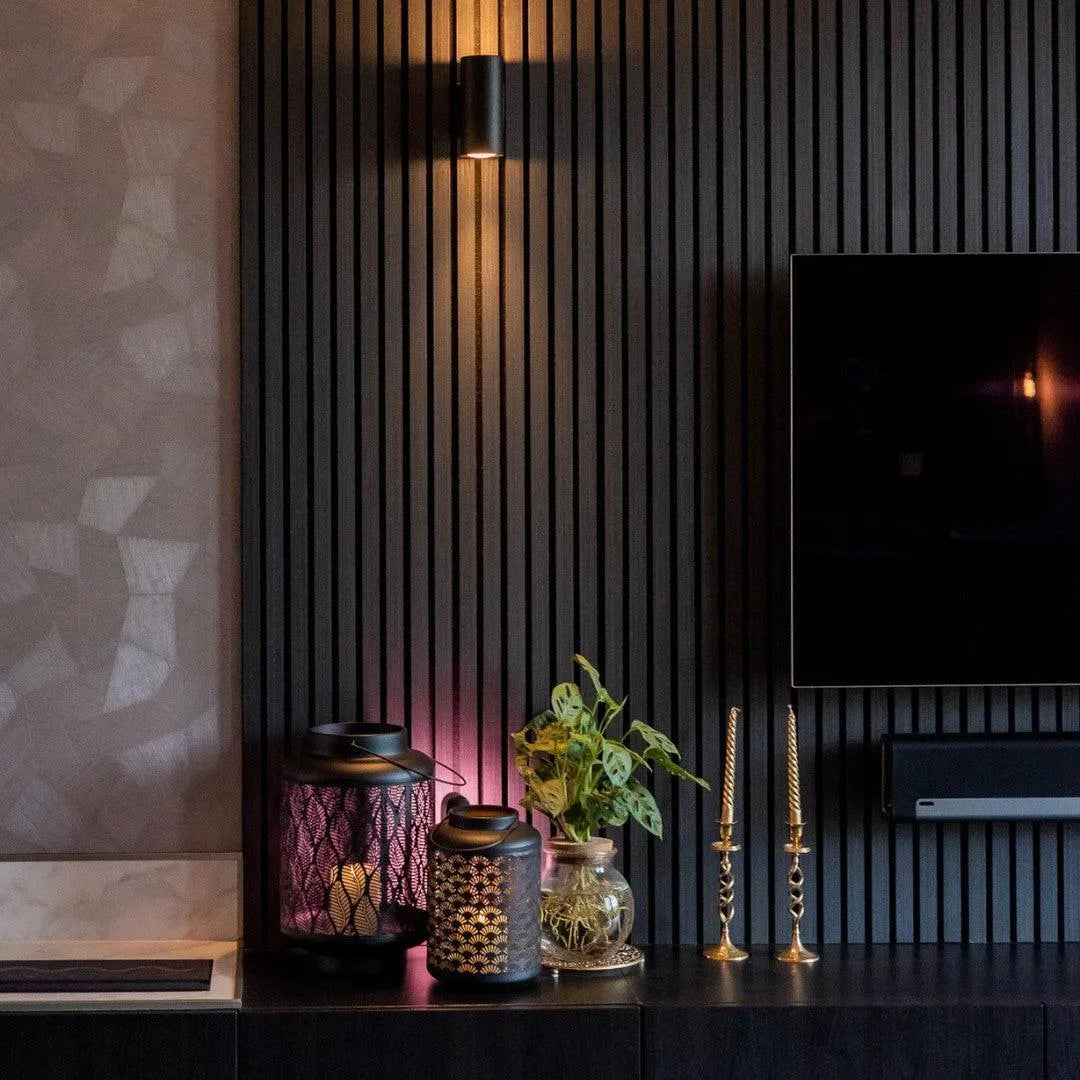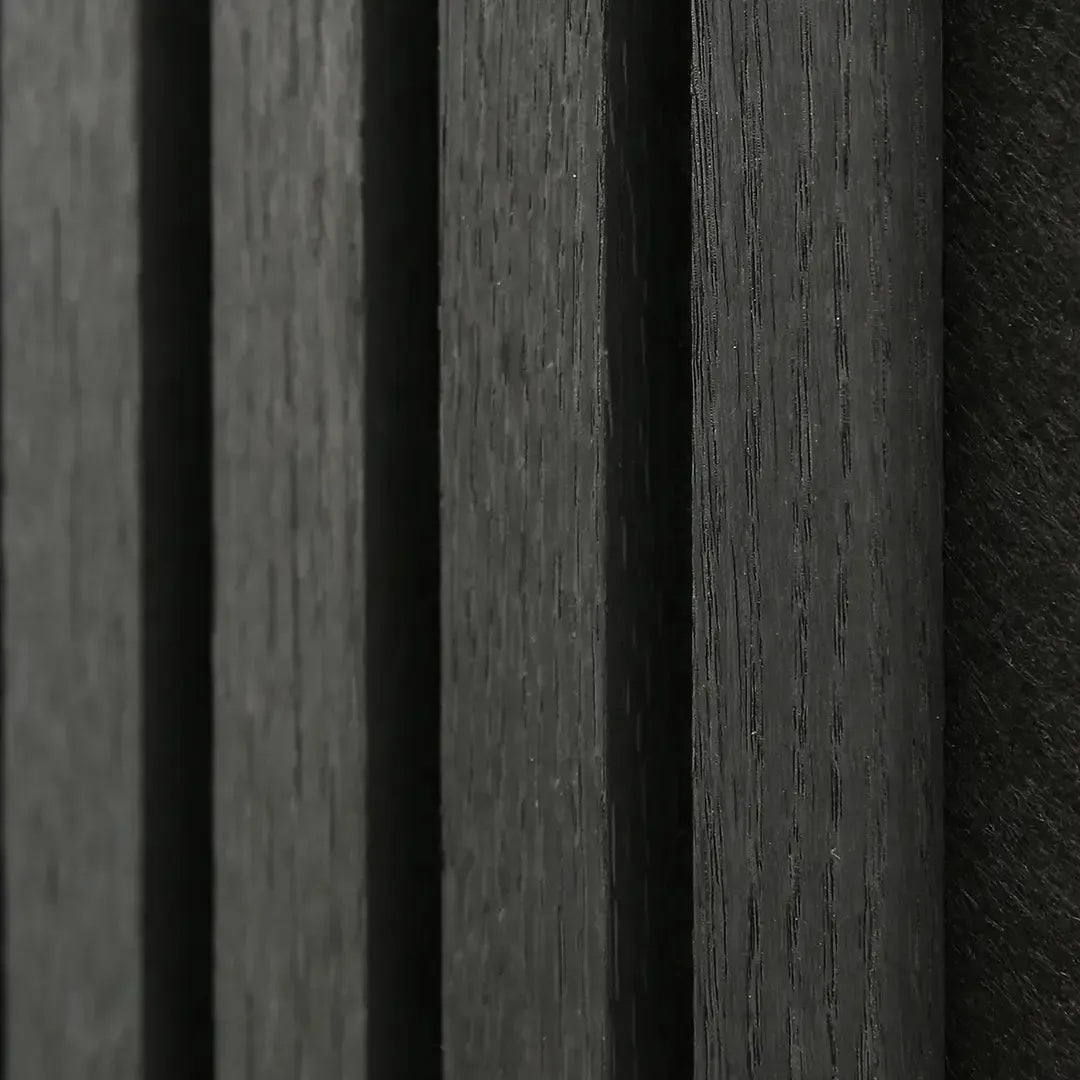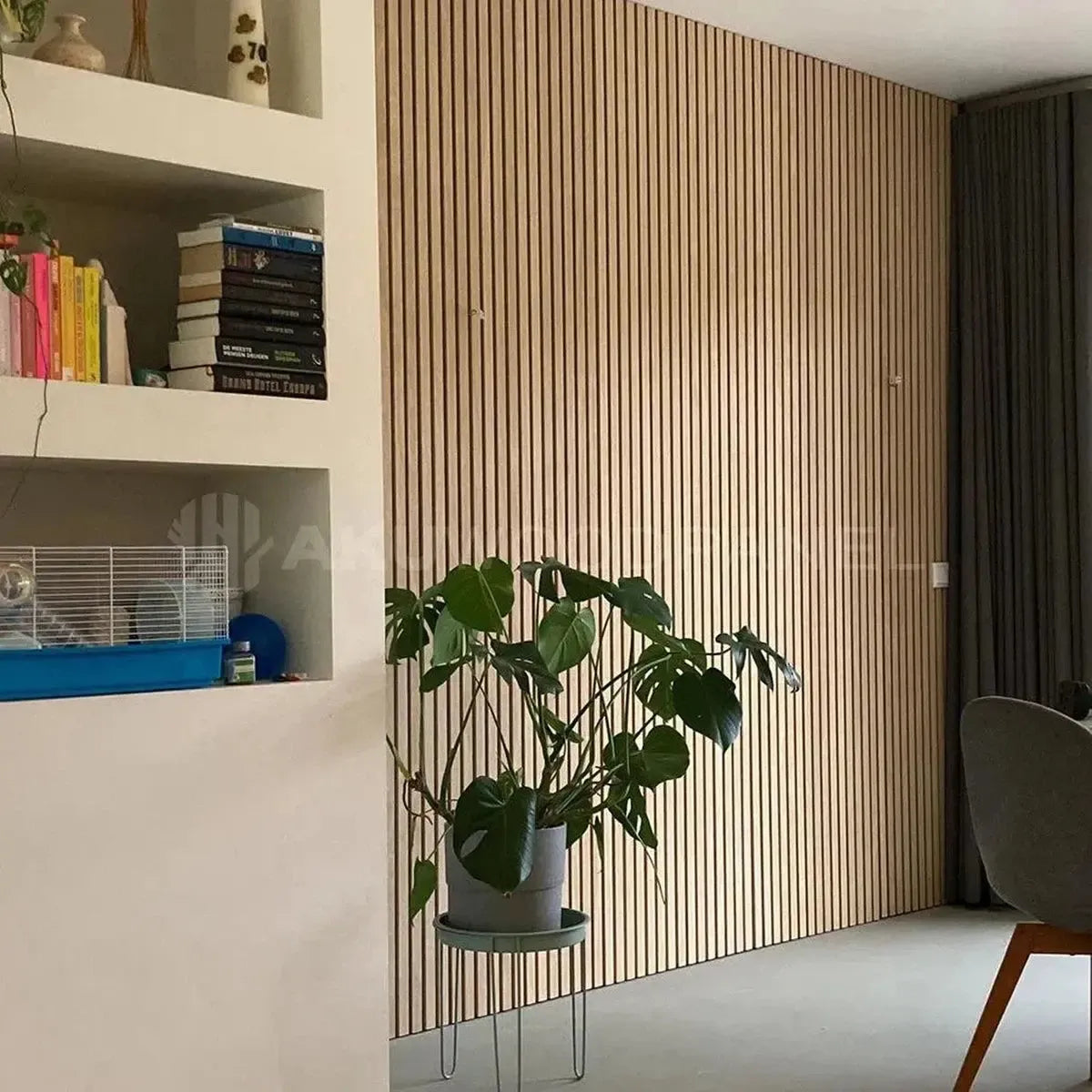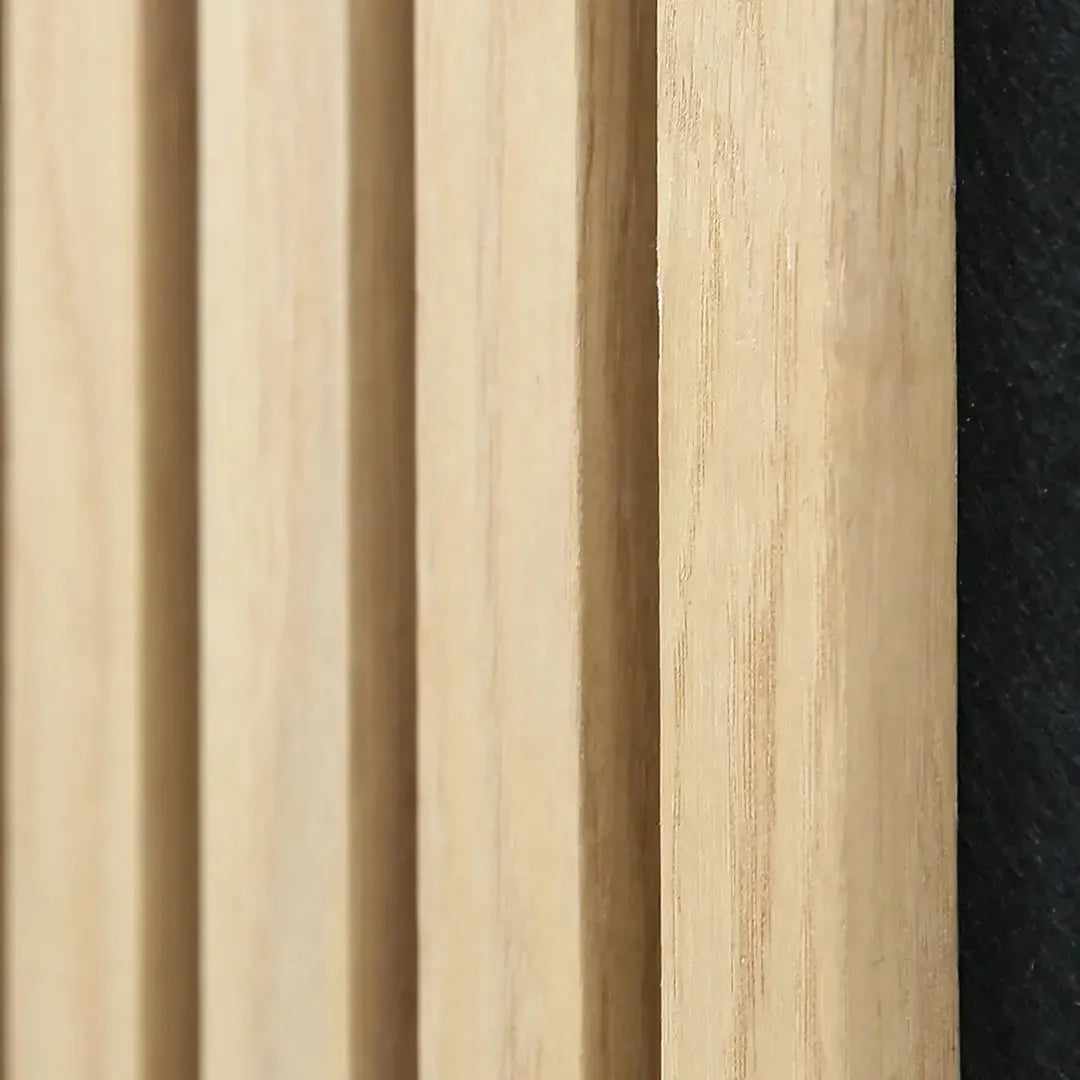
Specifying interior finishes for a LEED-certified project means every material choice needs a paper trail, not just a look. This guide walks through how to evaluate, document, and order wood wall panels — acoustic slat panels, fluted panels, or 3D wood tiles — so they support your credit targets instead of becoming a rejected submittal in 2026.
- Wood panels leed certified building specs hinge on three things: chain-of-custody documentation, VOC/emissions data, and acoustic performance numbers.
- Felt-backed acoustic slat panels with an NRC of 0.75 support Indoor Environmental Quality acoustic credits in open-plan spaces.
- Real wood veneer panels beat laminate on durability and documentation depth for Materials & Resources credits.
- Request FSC chain-of-custody and test reports before shortlisting a supplier, not after the PO is signed.
- Order samples first — finish mismatches between renders and physical panels are the top cause of rejected submittals.
Why this matters
A project team can lose points on a credit they thought was locked in simply because a supplier couldn't produce documentation on request. Reviewers under LEED v4 and v4.1 want chain-of-custody paperwork, emissions test data, and acoustic ratings attached to the submittal, not promised later.
Wood wall panels touch at least three credit categories at once: Materials & Resources (sourcing, recycled content, regional extraction), Indoor Environmental Quality (low-emitting materials, acoustic performance), and sometimes Construction Waste Management if you're specifying offcuts or end pieces. Getting the panel choice wrong in one category rarely tanks a whole certification, but it does turn into change orders and resubmittals mid-build — the kind of delay that costs more than the panels themselves.
What you'll need
- The specific LEED rating system and version your project targets (BD+C, ID+C, v4 vs v4.1 — the documentation thresholds differ)
- A list of the credits you're actually pursuing under MR and EQ, not just "sustainable materials" as a vague goal
- Square footage and wall elevations for the rooms getting panel treatment
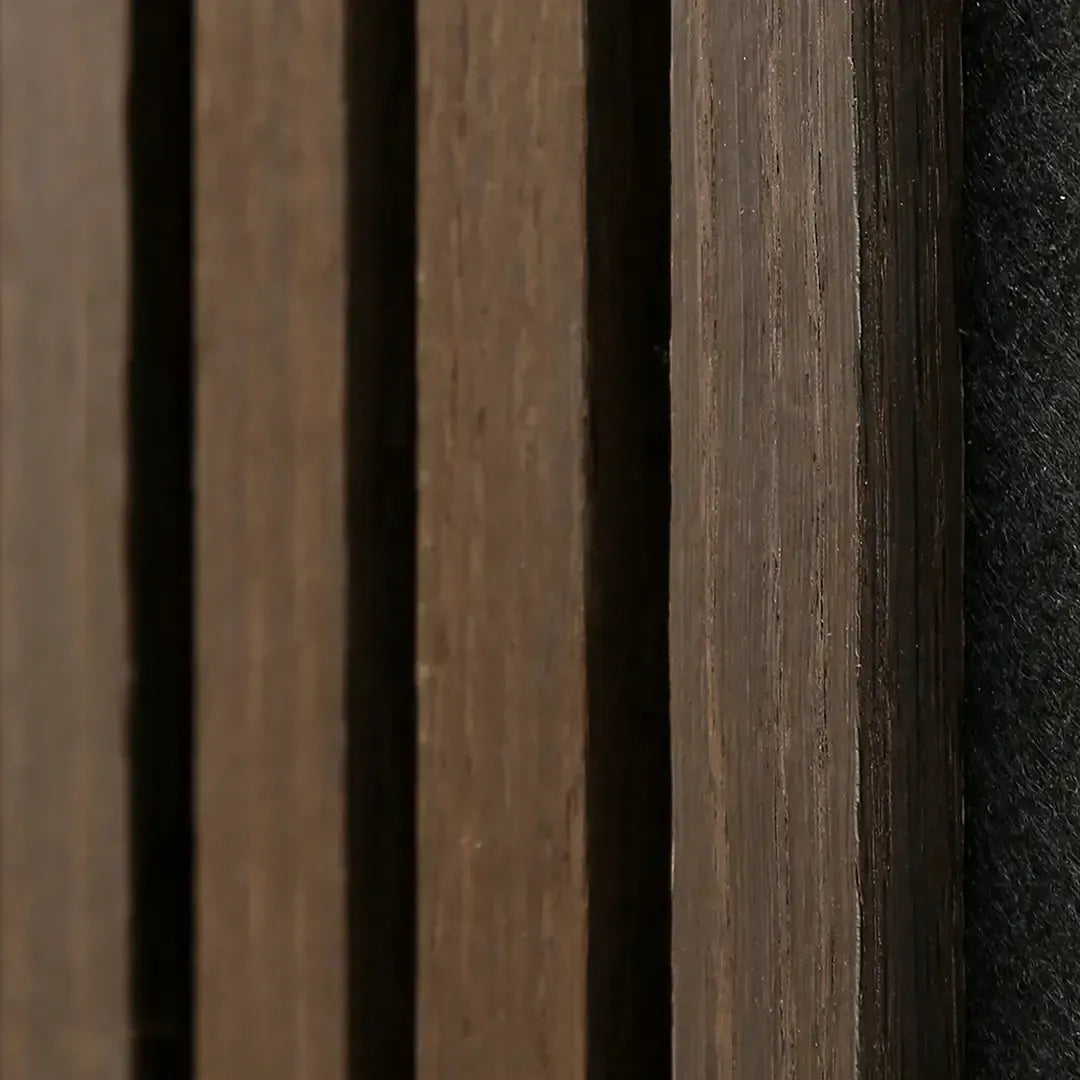
- A felt-backed acoustic slat wall panel sample or comparable acoustic option if the room needs noise control
- Supplier contact for documentation requests — FSC certificate, chain-of-custody number, VOC/emissions test reports, any available EPD
- A sample order placed before the full material order
The steps
1. Confirm your rating system and lock the credit list
Before you touch a product catalog, get the architect or sustainability consultant to confirm which LEED rating system and version applies — BD+C New Construction, ID+C Commercial Interiors, or a Core and Shell project. Each has different point thresholds for Materials & Resources and Indoor Environmental Quality.
Write down the exact credits panels could touch: Building Product Disclosure and Optimization (sourcing), Low-Emitting Materials, and Acoustic Performance if the space needs it. Skipping this step means you'll shop for panels twice — once on instinct, once on the actual scorecard.
Common mistake: treating "eco-friendly materials" as one undifferentiated goal instead of three separate credits with three separate document requirements.
2. Request documentation before you shortlist anyone
Ask every supplier under consideration for FSC or SFI chain-of-custody certification, VOC/formaldehyde emissions test data, and any Environmental Product Declaration on file — before you send a purchase order, not after. A supplier who can produce this paperwork in days rather than weeks is signaling they handle LEED-driven projects routinely.
If a supplier can't answer the documentation question directly, that's a red flag for a certified project regardless of how the panel looks in photos.
3. Match acoustic performance to the actual credit target
If the room targets the Acoustic Performance credit under Indoor Environmental Quality, get the Noise Reduction Coefficient in writing, not a marketing claim. The Hexagon Acoustic Panel in Natural Oak with Gray Felt carries an NRC of 0.75, which is a real, testable number you can cite in a submittal — compare that figure against your room's reverberation target before ordering.
Open-plan offices and multi-tenant buildings usually need higher NRC coverage than a private office or a reception lobby. Don't assume one panel spec covers every room type in the building.
4. Calculate regional material distance for MR credits
LEED v4's regional materials bonus rewards extraction, manufacturing, or purchase within a defined radius of the project site. Get the manufacturing location from the supplier in writing and run the distance calculation before you assume the credit applies — a panel sourced overseas and warehoused domestically doesn't automatically qualify.
This step gets skipped constantly because teams assume "US-based supplier" is enough. It isn't; the credit cares about where the wood was extracted and manufactured, not just where the invoice originates.
5. Choose real wood veneer over faux finishes
Faux-wood laminate panels are cheaper up front but come with thinner documentation trails — fewer verifiable material declarations, less consistent recycled-content data, and shorter service life, which works against you on durability-linked credits. A premium 3-sided wood veneer panel gives you a real material to document, not a printed pattern.
For projects also weighing low-emitting materials requirements, panels marketed with low-VOC finishes deserve a closer look — low-VOC wood wall panels are increasingly common in healthcare and other emissions-sensitive builds and the sourcing logic carries over to LEED submittals.
6. Order samples before the full run
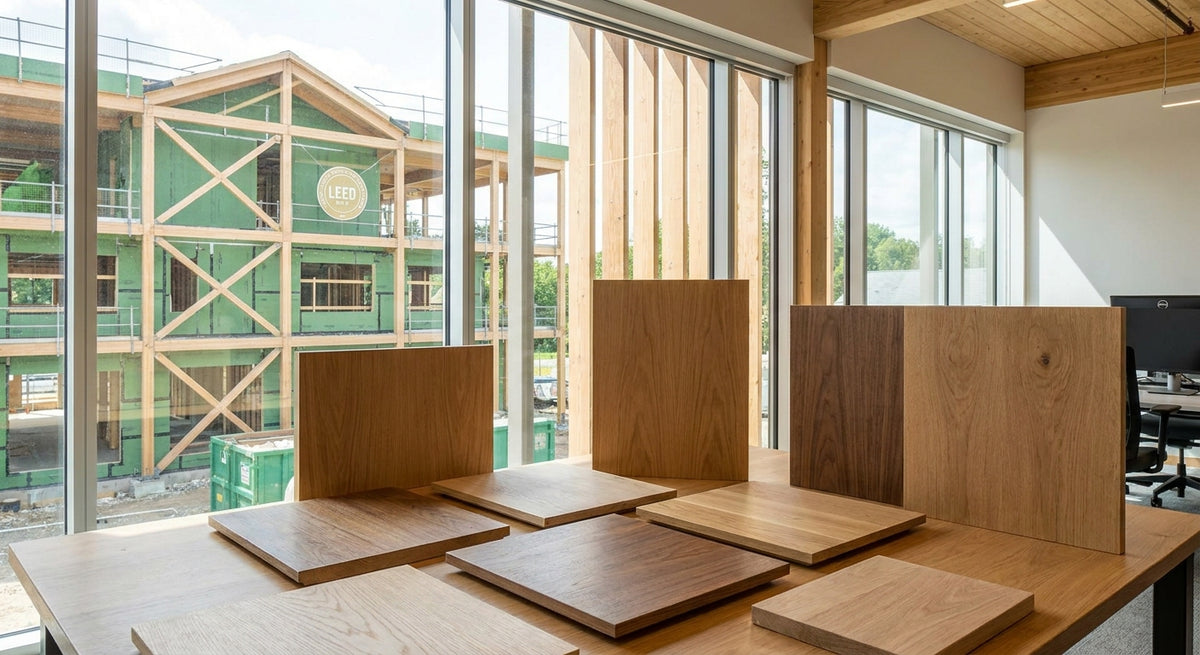
Never place a full order off a rendering or a photo on a spec sheet. Order the physical sample, hold it against your lighting and your other finish selections, and confirm the grain and tone match what's in the submittal package.
Common mistake: approving a submittal based on digital renderings, then discovering the finish reads two shades darker under the building's actual lighting — forcing a resubmittal after installation has already started.
7. Plan for waste diversion on cut pieces
If your project pursues Construction Waste Management credits, plan panel layout to minimize offcuts and specify end pieces and trim where they exist, rather than trimming full panels down. Cutting waste to size and diverting scrap material is easier to document when the layout was planned for it from the start rather than improvised on site.


Troubleshooting
- Supplier can't produce chain-of-custody documentation. Move to a different SKU or supplier rather than betting a credit on paperwork that may never arrive before submittal deadline.
- VOC or emissions data is missing entirely. Ask directly whether third-party emissions testing exists for the finish — silence on this question in 2026 usually means it doesn't, and the credit path needs to change.
- NRC rating is too low for the room's noise target. Swap to a felt-backed slat or hexagon panel rather than layering acoustic treatment on top of a non-acoustic panel after the fact.
- Regional material distance disqualifies the MR bonus. Recalculate the credit without that bonus rather than forcing the math — some projects still hit the base credit without it.
- Physical sample doesn't match the rendering. Hold final approval until the sample arrives under the actual room lighting, not a screen.
- Budget gets blown by custom trim and edge work. Price end pieces and finishing trim into the original estimate instead of treating them as an afterthought once panels are already on order.
Tools and resources
- Specify acoustic wall panels for a construction project — a deeper walkthrough of the specification process itself
- A full sample box before committing to a full room order, so finish and tone get verified against actual project lighting
- Your architect's or sustainability consultant's LEED scorecard, updated as each credit gets confirmed or dropped
- Supplier documentation folder: FSC certificate, chain-of-custody number, VOC/emissions reports, EPD if available
What to do next
Once the panel spec and documentation are locked, the next step is writing the actual submittal language — read best wood panels for architect-specified interior projects for the format and detail reviewers expect to see.
FAQ
What makes wood panels count toward LEED certification?
Wood panels count toward LEED credits through documented sourcing (FSC or SFI chain-of-custody), low-emitting material certification, and in some cases acoustic performance data tied to Indoor Environmental Quality credits. The panel itself doesn't earn points — the paperwork behind it does.
Is real wood veneer better than laminate for a LEED project?
Real wood veneer generally supports a stronger documentation trail than laminate, since chain-of-custody and material declarations are more standardized for solid wood products. Laminate can still qualify but usually comes with thinner sourcing paperwork.
What NRC rating do acoustic wood panels need for LEED credits?
There is no single NRC threshold that applies to every project — it depends on the room's reverberation target set by the acoustic consultant. Felt-backed panels rated at NRC 0.75, like the Hexagon Acoustic Panel in Natural Oak with Gray Felt, are a common starting point for open-plan spaces in 2026.
Do wood wall panels qualify for regional materials credit?
Only if the extraction and manufacturing location falls within the distance defined by your LEED rating system version. Get the manufacturing location from the supplier in writing and calculate the distance before assuming the bonus applies.
How much does it cost to source LEED-compliant wood panels?
Costs vary by finish, veneer type, and volume, so check current pricing directly with the supplier rather than assuming a flat rate. Budget separately for trim and end pieces, which are often left out of the initial panel estimate.
Can I use samples for a LEED submittal or do I need full panels?
Samples are for finish verification, not for submittal documentation — the credit paperwork (FSC certificate, VOC data, NRC rating) needs to reference the full order, not the sample piece.
What's the biggest reason LEED submittals get rejected on finish materials?
Missing or incomplete supplier documentation is the most common cause, followed closely by finish mismatches between renderings and the physical product delivered to site in 2026 projects.
One last thing
Teams chasing acoustic and materials credits at the same time often forget the two requirements pull in slightly different directions — the felt backing that improves NRC adds a layer that some emissions test reports don't cover separately from the wood face. Ask the supplier whether the felt component was tested alongside the veneer, not just the wood alone, before you write the acoustic credit into your submittal.



 Better performance and aesthetic appeal
 In Stock