Requesting a trade discount on wood wall panels in 2026 comes down to one thing: give the supplier a real quote to price, not a vague ask for "a deal." This guide walks through the exact request format that moves contractor, designer, and property-management accounts off retail pricing and onto trade terms.
- A trade discount wood wall panels request needs square footage, SKU list, and a business account, not a phone call.
- Akuwood Panel pricing scales with volume, so quotes for under 10 panels rarely clear retail rates in 2026.
- Order a sample box before you quote; locking the finish first prevents a mid-project re-quote.
- Freight and rush timelines erase discounts faster than the per-panel price itself.
- Business documentation, a resale certificate, a business license, or a project scope, cuts approval time by days.
Why this matters
Most buyers who pay full retail for wood wall panels never actually asked for trade pricing. They asked for "a better price" in a chat widget and got a polite no. Akuwood Panel sells to individual homeowners and to contractors, designers, and hospitality groups on the same catalog, and the difference between a retail invoice and a trade quote is almost entirely about how the request is formatted, not who's asking.
Contractors buying acoustic slat wall panels for a 12-room hotel corridor, or a design firm specifying fluted oak panels across three retail locations, are the buyers who actually get volume pricing. The request has to read like a project, not a purchase. There's a full breakdown of how contractors approach bulk pricing on wood wall panels in the guide on getting bulk pricing for contractors, which pairs directly with the steps below.
Here's the short version: a trade discount conversation starts with numbers (square footage, panel count, finish, timeline) and ends with a written quote you can hold the supplier to. Skip the numbers and you'll get a form-letter response and a retail invoice.
What you'll need
- Project square footage or linear wall footage
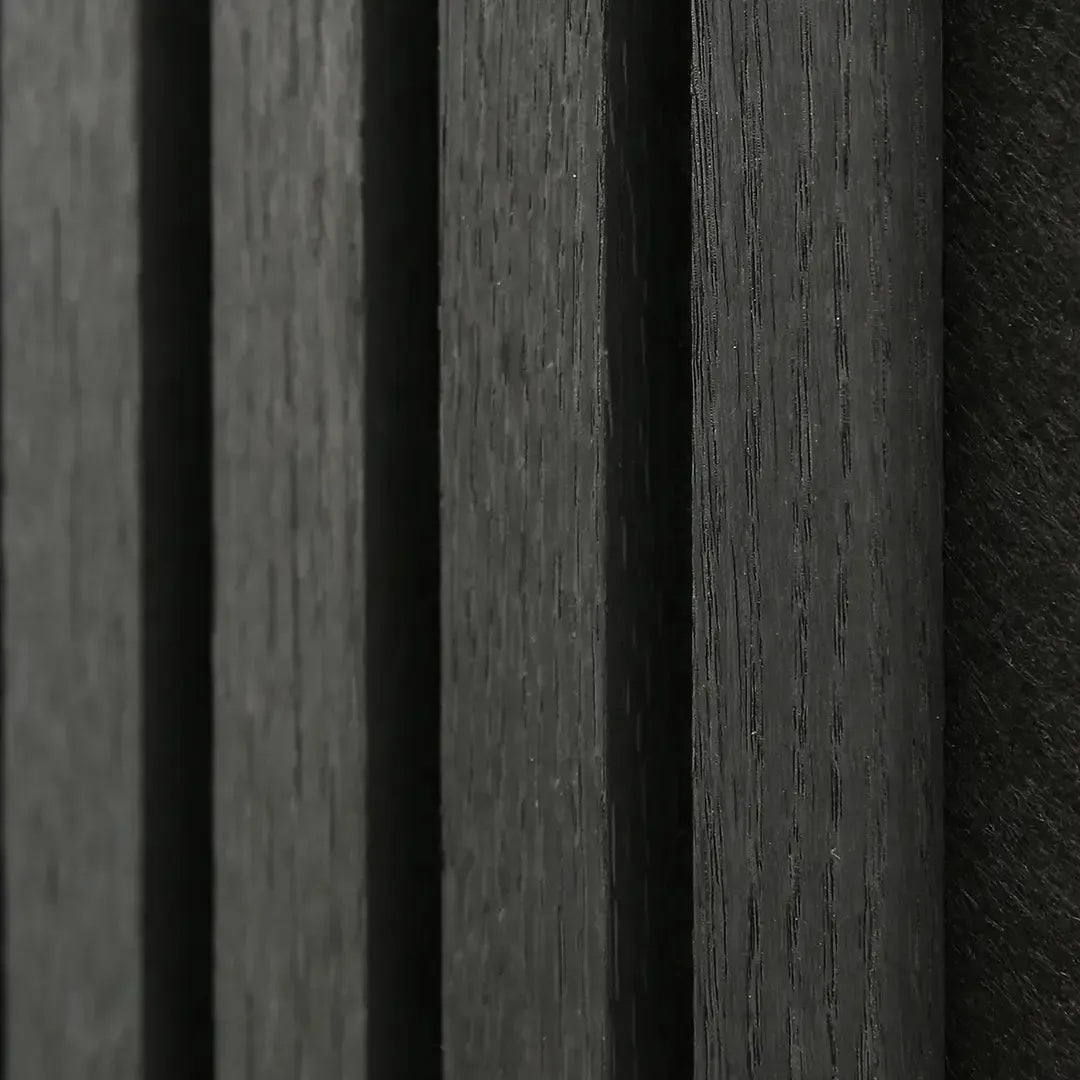
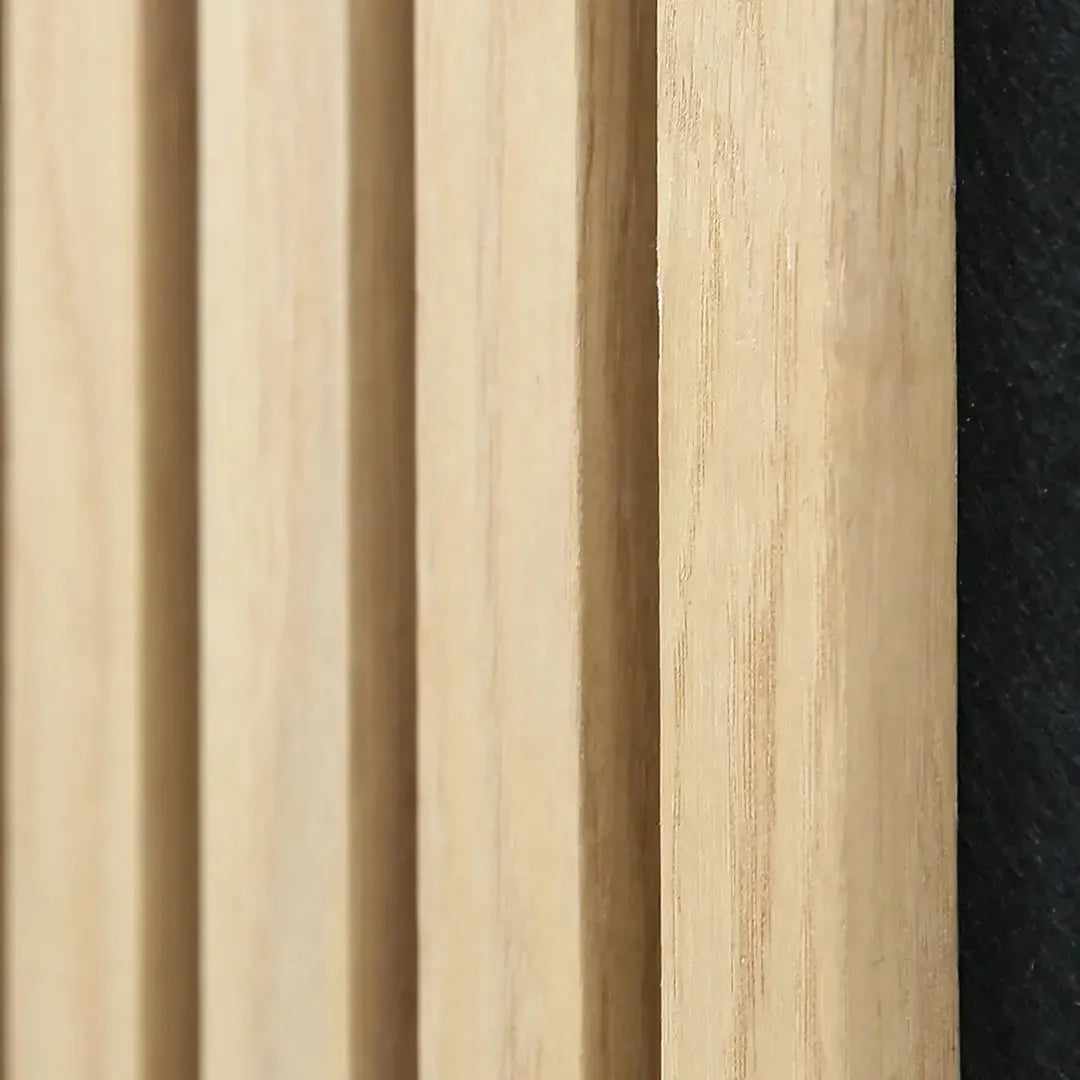
- Finish preference (walnut, natural oak, black oak, smoked oak, or fluted)
- Panel count estimate, even a rough one
- Delivery zip code and target install date
- Business documentation: resale certificate, business license, or a project reference
- A sample or two in hand before you commit to a finish at volume
The steps
1. Define your project scope before you ask for pricing
A request that says "what's your best price on wall panels" gets treated as a retail inquiry, every time. A request that says "400 square feet, natural oak finish, install by Q2 2026" gets treated as a project.
Count your walls, note the finish, and estimate total panels. If you're not sure how to translate square footage into panel count, the guide on how to calculate how many wall panels you need walks through the math before you ever send an email.
Common mistake: asking for "your best price" without specifying finish, quantity, or timeline. Vague requests get vague answers.
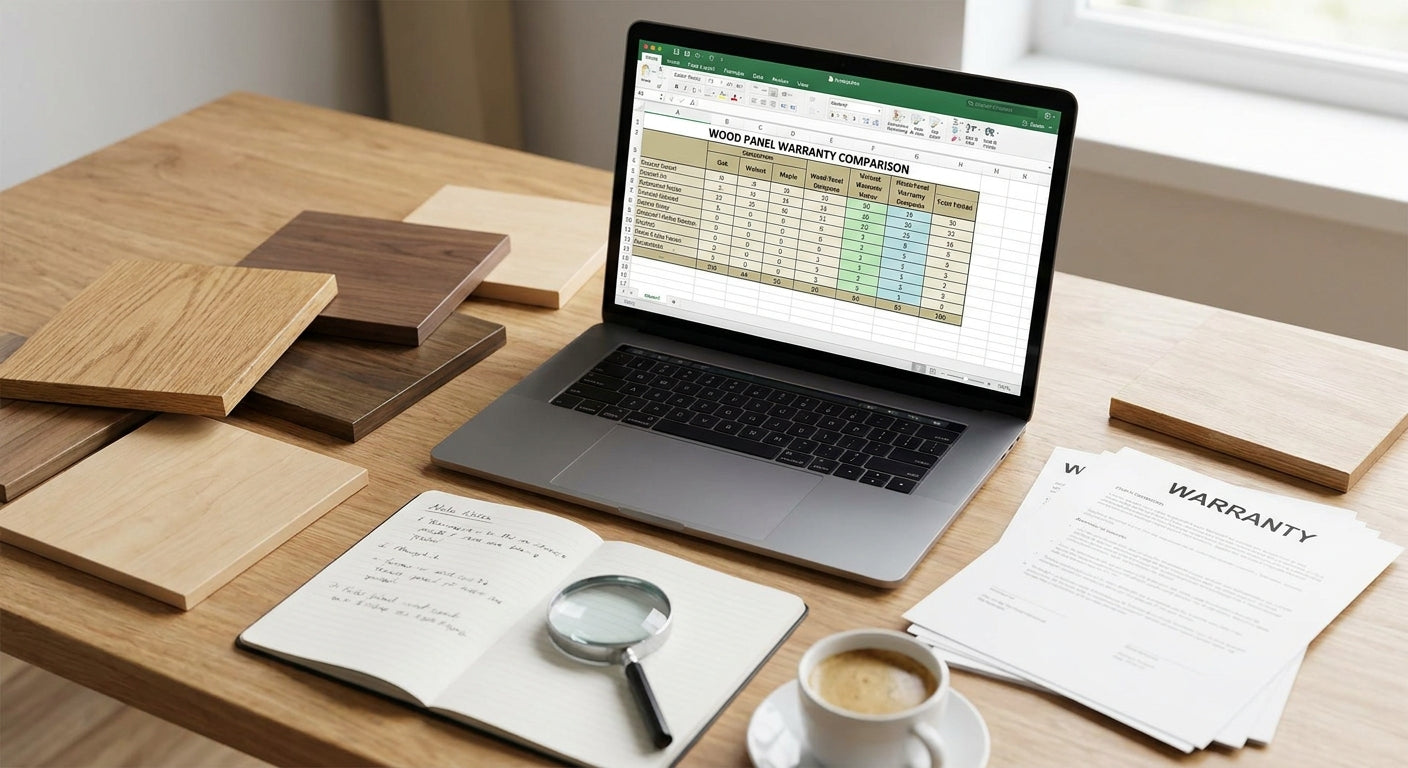
2. Order samples before you lock the spec
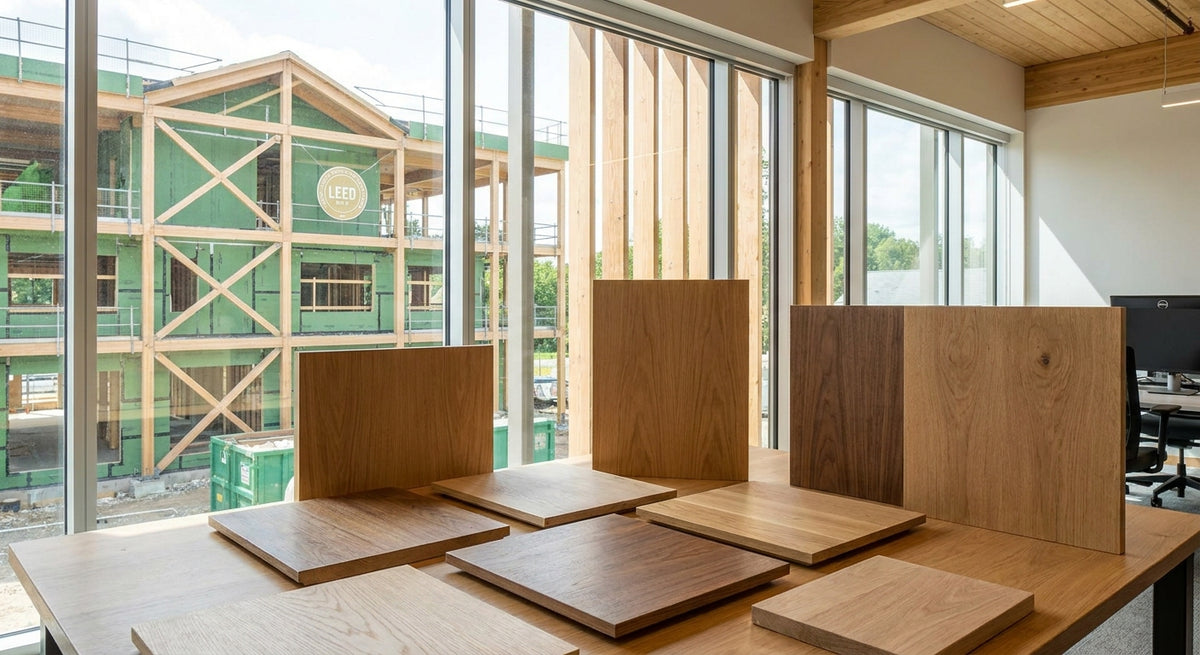
Finish color shifts under different lighting more than buyers expect, and re-quoting a 60-panel order because the finish looked different in the showroom versus the install site costs everyone time. A single sample runs $2.50; a full sample box covers multiple finishes at once.
Get the physical sample in hand before you finalize the SKU list on your quote request. This step alone prevents the single most common reason trade quotes get re-issued.
Common mistake: quoting off product photos alone, then discovering the finish reads differently once installed.


3. Build one itemized quote request, not three emails
A single, complete request signals a business buyer. A trickle of finish-by-finish emails signals someone shopping around and gets deprioritized.
List every SKU, quantity, and finish in one message: for example, 48 walnut slat panels for a restaurant fit-out, 20 matching end pieces for edge finishing, and two bags of oak screws (100 pieces per bag, $34.95 each). That's a quote a supplier can price in one pass instead of five.
Common mistake: splitting the request into separate emails per finish or per room, which forces the supplier to reconcile multiple partial quotes.
4. Submit through a trade or business channel, not the general contact form
General retail support handles order status and shipping questions. It usually doesn't carry discount authority. State clearly that you're a contractor, designer, or property manager buying on behalf of a client, and ask specifically for a business or trade account.
Common mistake: dropping the discount request into checkout notes or a live chat widget meant for order tracking.
5. Attach business documentation up front
A resale certificate, business license, or a project reference (site address, GC name, install date) moves a request out of the manual-review queue faster than a follow-up email ever will.
If you don't have formal paperwork yet, a project brief with scope, timeline, and site address does most of the same work.
Common mistake: sending no documentation, or sending a photo of a business card as the only proof of trade status.
6. Negotiate freight and payment terms, not just the panel price
On multi-pallet orders, freight can outweigh the per-panel discount entirely. Ask for freight quoted as its own line item, confirm whether terms are Net 30 or prepay, and get the delivery window in writing before you sign.
Common mistake: accepting a discounted per-panel price without checking freight, then losing the savings to shipping cost.
“If your quote request doesn't list square footage, you're not asking for a trade discount, you're asking for a favor.”
Troubleshooting
- No response after 3 business days: follow up with the project name and install date in the subject line, not just "checking in."
- Quote comes back at standard retail per-panel pricing: reply asking specifically for volume or trade pricing tied to your quantity, not a general re-quote.
- Finish is backordered at your quoted quantity: ask for a firm restock date before signing, or split the order across two shipments.
- Freight quote is higher than expected: ask about palletized versus boxed shipping; palletized freight on large orders is often cheaper per unit.
- Discount doesn't cover accessories: confirm in writing whether end caps, screws, and trim are included in the trade rate or priced separately.
- Multiple job sites need separate invoices: ask for a single quote with split-ship instructions rather than requesting three separate quotes.
Tools and resources
- A sample box to confirm finish before committing to volume
- An itemized SKU list with quantities and finishes
- Business documentation: resale certificate, license, or project brief
- The bulk pricing guide for contractors referenced above, for a deeper look at how volume tiers typically work in 2026
- A written freight and payment terms confirmation before final sign-off
What to do next
Once your trade quote is confirmed, the next question is usually which panel type and thickness fits the project's acoustic and fire-code requirements. The guide on how to specify acoustic panels for a construction project covers that step in detail, including how NRC ratings and panel thickness factor into commercial specs.
FAQ
What is a trade discount on wood wall panels?
A trade discount is volume-based pricing offered to contractors, designers, and property managers buying wood wall panels for a project rather than a single room. It's applied after a business or trade account is set up and a quote is confirmed, not automatically at checkout.
How much do wood wall panels cost without a trade account in 2026?
Retail pricing on a single fluted wall panel runs around $233.95 in 2026, with samples priced separately at $2.50 to $3 per finish. Trade pricing on multi-panel orders is quoted separately and isn't published as a flat rate.
Do I need a resale certificate to get bulk pricing on wood wall panels?
A resale certificate isn't the only path. A business license or a clear project brief with scope, address, and timeline works as documentation if you don't have a certificate yet.
How many panels do I need to qualify for a volume discount?
There's no fixed public threshold, but requests under 10 panels are typically priced at retail. Multi-room or multi-site projects are where trade pricing conversations actually start.
Is it better to email or call for a trade quote on wood wall panels?
Email is better because it creates a written record of quantities, finishes, and pricing you can hold the supplier to. A phone call is fine for follow-up once the itemized request is already in writing.
How long does a trade discount request take to process?
A complete request with square footage, finish, and business documentation is typically reviewed within a few business days. Incomplete requests missing quantity or documentation take longer because they get bounced back for clarification.
Can homeowners get trade pricing on wood wall panels?
Homeowners doing a large single-project renovation, a full basement or multiple rooms, can sometimes qualify if the request is formatted like a project quote with square footage and finish specified. Small single-wall orders are priced at retail.
Should I order samples before requesting a trade quote?
Yes. Ordering a sample or sample box before finalizing your SKU list prevents a re-quote later if the finish looks different once installed. Samples cost $2.50 to $3 each, far less than re-ordering a wrong finish at volume.
One last thing
Most trade requests that stall don't stall over budget, they stall because the buyer never named the project. Add a project name, site address, and install date to the first email in 2026 and you'll often skip an entire round of back-and-forth that a vague inquiry would have triggered.


 Better performance and aesthetic appeal
 In Stock