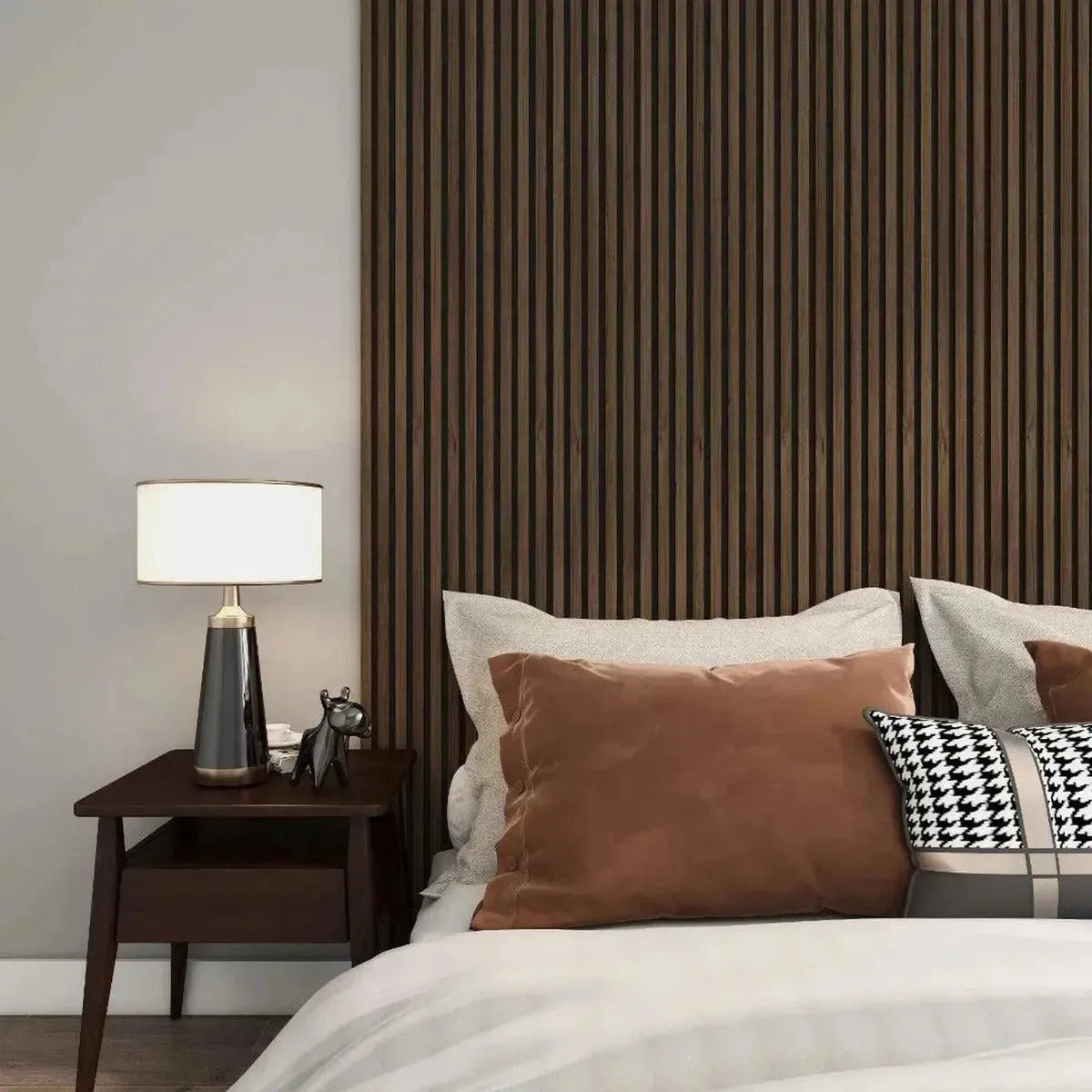
Comparing wood panel warranties before you buy is the difference between a 10-year feature wall and a $2,000 repair bill by year three. This guide breaks down exactly what to check on any wood panel warranty in 2026, in what order, before you sign an order.
- Wood panel warranty comparison means separating structural coverage from finish coverage — most disputes happen at that line.
- A 5-year warranty with full-panel replacement beats a 10-year warranty that only covers the veneer finish.
- Exterior wood wall panels need weather-specific language; interior acoustic panels need humidity and fade clauses instead.
- Get the claims process in writing before you buy — verbal promises about replacement timelines are not enforceable.
- Order samples first: most 2026 warranty denials trace back to installation error, not material defect.
Why this matters
A wood panel warranty only protects you if you know what it actually covers. Most suppliers advertise a warranty length in bold on the product page and bury the exclusions in a linked PDF nobody opens.
The panel itself rarely fails first. Adhesive choice, humidity control, and installation method cause more claims denials in 2026 than manufacturing defects do. That means the warranty comparison you need to run isn't just "how many years" — it's "what voids this, and who decides."
AKU Woodpanel and every other wood wall panel supplier should be able to answer three questions in writing: what's covered, what voids coverage, and how a claim gets filed. If a supplier can't produce that in writing before you order, that's your answer.
What you'll need
- The full written warranty document from each supplier you're comparing, not the summary badge on the product page
- A note of your installation environment (interior dry room, interior wet room like a bathroom, or exterior facade)
- Sample panels or a full sample box to check finish consistency before you commit to a full order
- Your installer's adhesive and fastening method, confirmed against the manufacturer's install guide
- 20-30 minutes per supplier to actually read the exclusions section
The steps
1. Request the full warranty document, not the marketing summary
A product page badge that says "10-Year Warranty" tells you nothing about what's covered. Ask for the actual PDF or terms page before you order in 2026. Suppliers who hesitate to send it are telling you the terms won't hold up to scrutiny. Expected outcome: a document you can read line by line, not a headline number.
Common mistake: accepting a verbal or email confirmation of warranty length instead of the actual document with exclusions listed.
2. Separate structural coverage from finish coverage
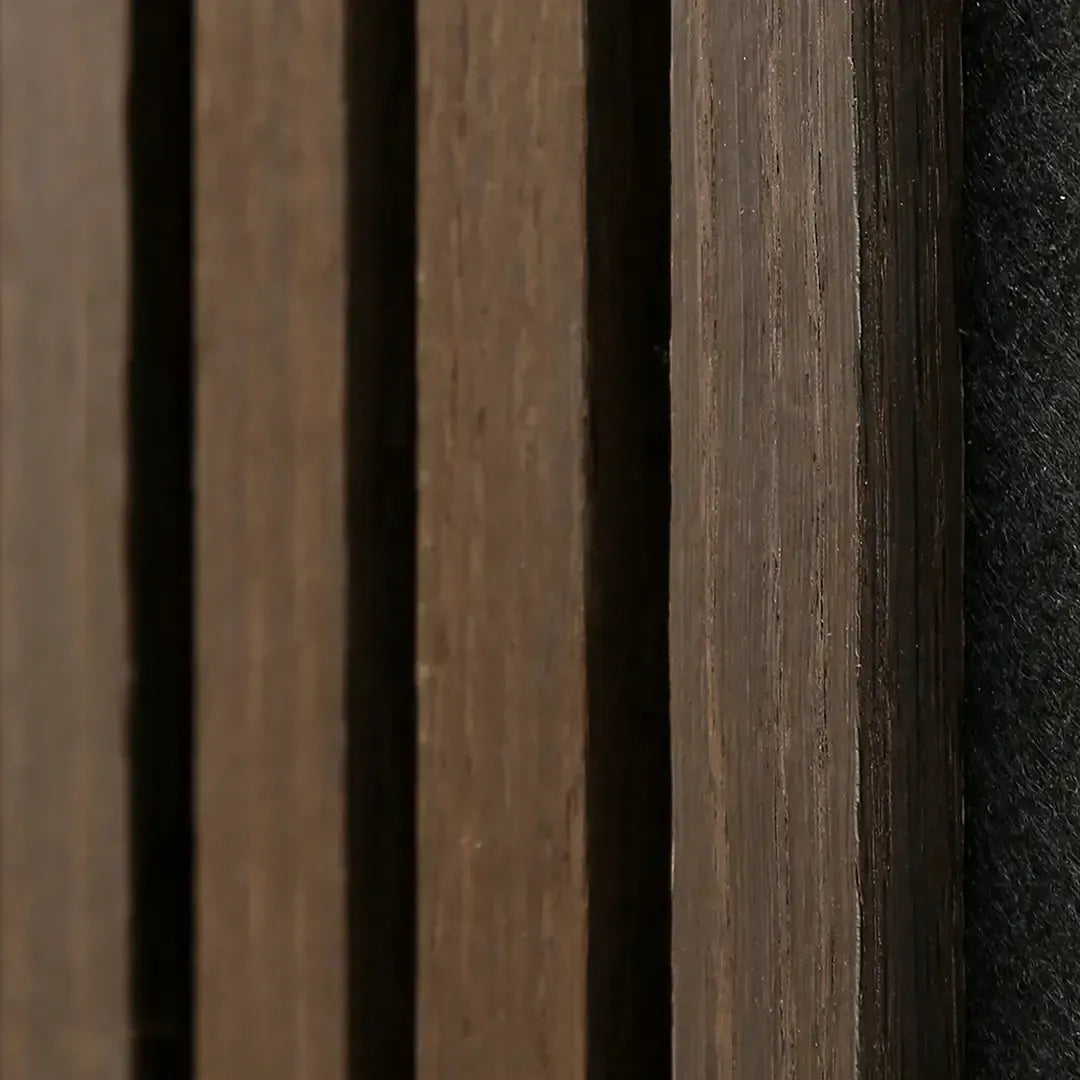
Most wood panel warranties split into two tiers: structural integrity (the panel doesn't crack, warp, or delaminate) and finish (the veneer color and sheen don't fade or peel). A panel described as fully covered by AKU Woodpanel or any manufacturer can still have a 2-year finish clause nested inside a 10-year structural clause. That's a meaningfully shorter warranty than the headline number suggests. If you're choosing between a real wood veneer product and a faux-wood laminate, this is where the gap widens — faux finishes fade on a different timeline than real veneer, and warranty language should reflect that.
Common mistake: assuming the longest number on the page applies to every part of the panel.
3. Check what voids the warranty before you install anything
Adhesive type, fastener spacing, and substrate prep are the top three void triggers across wood wall panel installs in 2026. If the warranty requires a specific construction adhesive or fastening pattern and your installer doesn't follow it, you lose coverage even if the panel itself is defective. Get this list in writing and hand it directly to whoever is installing the panels.
Common mistake: letting a general contractor install panels without cross-checking the manufacturer's approved method.
4. Match warranty length to expected panel lifespan
Acoustic slat panels in a dry living room and exterior cladding facing weather have very different failure timelines. A 5-year warranty on an exterior product exposed to rain and UV is a shorter relative window than a 5-year warranty on an interior panel in a climate-controlled room. Ask each supplier what their warranty length is calibrated against — average interior use, or worst-case exterior exposure.
Common mistake: comparing warranty years across an interior product and an exterior product as if the clock runs the same way.
5. Confirm what "replacement" actually means
"Full replacement" can mean the material only, or it can include freight and reinstallation labor. Ask this directly: if a panel fails structurally in year three, does the warranty cover a new panel shipped to your door, or does it also cover the cost of removing the failed one and installing the replacement? Labor costs on a reinstall frequently exceed the material cost of the panel itself.
Common mistake: assuming "replacement" includes labor when the fine print says material only.
6. Get the claims process documented before you buy
Ask how a claim gets filed, what proof is required (photos, purchase date, install date), and what the response window is. A warranty with no stated claims timeline is functionally unenforceable — you have no way to hold the supplier to a deadline. Compare this across at least two or three suppliers side by side before you place a 2026 order.
Common mistake: discovering the claims process only after you already need to file one.


Troubleshooting
Panel faded within a year and the supplier denied the claim. Check whether the warranty excludes direct sunlight exposure for a product rated for interior use. Some finish warranties explicitly void when a panel is installed within a few feet of a south-facing window.
Installer used the wrong adhesive and the warranty was voided. This is the single most common denial reason for wood wall panel claims in 2026. Get the manufacturer's approved adhesive list before install day, not after.
Warranty only covers the material, not labor to reinstall. Ask for this in writing before you order, especially on exterior wall panel projects where reinstall labor often costs more than the panels themselves.
No response from the supplier after filing a claim. Check the claims document for a stated response window. If none exists, that absence is itself a red flag worth weighing against price.
Panel delaminated in a humid bathroom with no coverage. Confirm before buying whether a given finish is rated for high-humidity rooms — not every acoustic panel is, and installing the wrong one in a wet room is a common cause of denied claims.
Exterior panel warranty didn't mention UV or freeze-thaw cycling. If a warranty document doesn't address weather exposure directly for an exterior wall panel product, that's a gap to flag before you commit to a facade order.
Tools and resources
- The full written warranty document from each supplier, requested before ordering
- A full sample box to test finish and grain consistency
- Your installer's adhesive and fastener spec sheet, cross-checked against the manufacturer's install guide
- A written claims-process summary from each supplier: proof required, response window, replacement scope
- A comparison sheet listing structural vs finish coverage for each supplier under consideration in 2026
What to do next
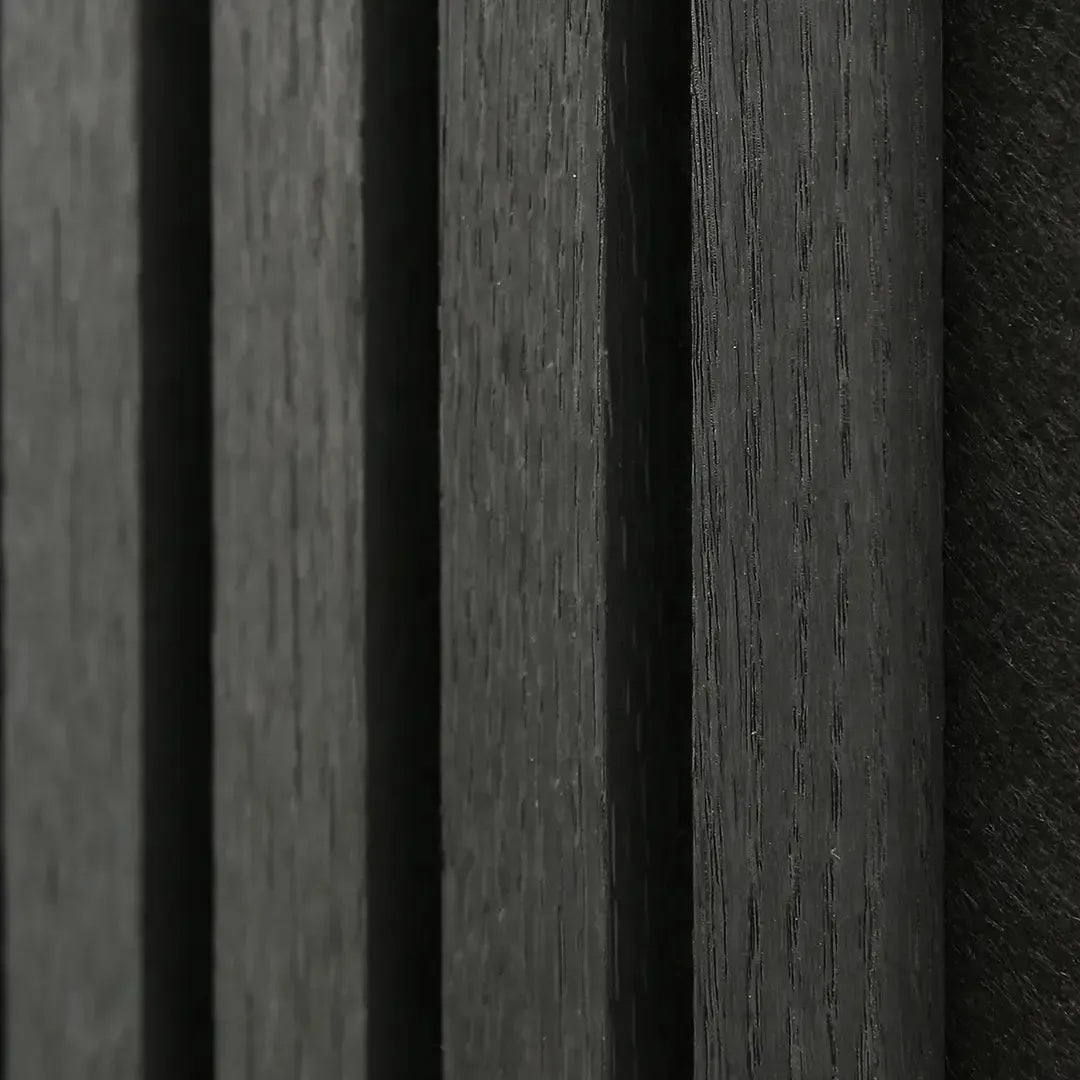
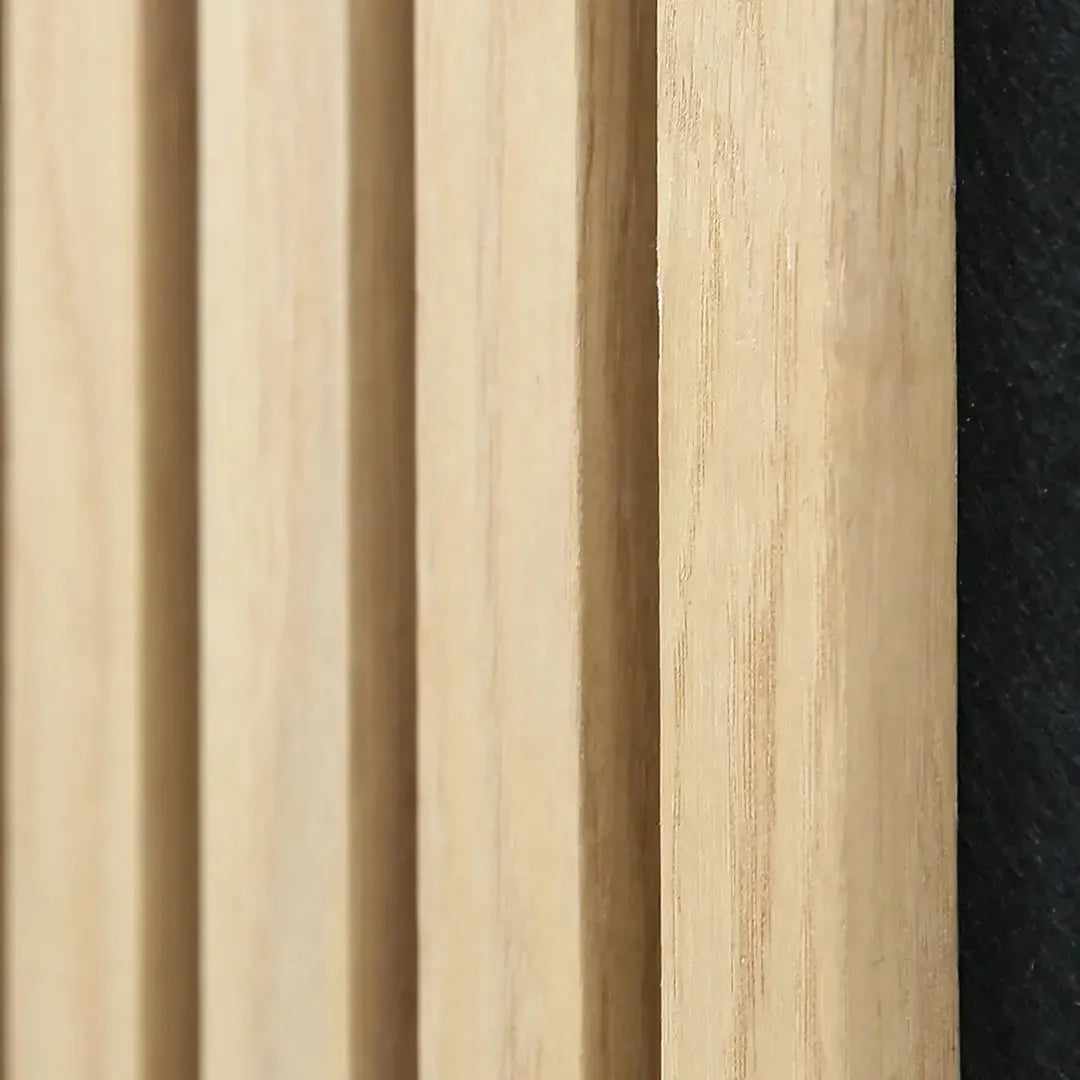
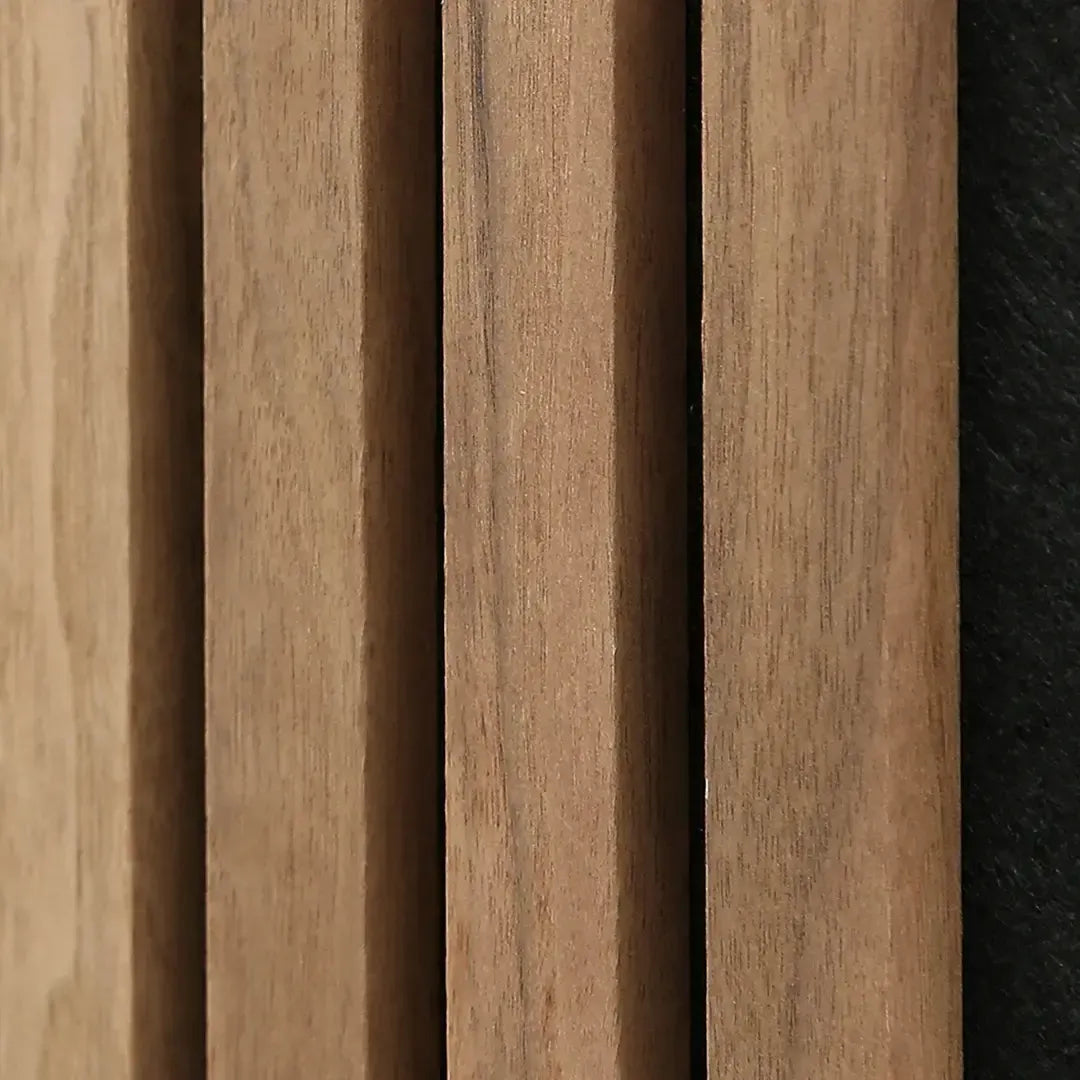
Once you've narrowed suppliers on warranty terms, the next practical step is checking the finish and grain in person rather than trusting a product photo. Order acoustic wall panel samples before buying and compare them against the exact warranty document you collected — a mismatch between what's pictured and what arrives is a common source of disputed claims later.
FAQ
How long should a wood panel warranty last in 2026?
Most interior acoustic wood panels carry warranties in the 5 to 10 year range for structural integrity, often with a shorter finish clause nested inside. Exterior wood wall panels typically carry shorter terms because weather exposure accelerates wear.
Does a wood panel warranty cover installation labor?
Not usually. Most warranties cover material replacement only, not the labor to remove and reinstall panels, so confirm this in writing before you order.
What voids a wood wall panel warranty?
Incorrect adhesive, improper fastener spacing, and installing an interior-rated panel in a high-humidity room are the top three void triggers. Always check the manufacturer's approved install method before work begins.
Is real wood veneer covered differently than faux wood panels?
Yes. Real wood veneer finishes and faux laminate finishes age on different timelines, so their fade and wear clauses are rarely identical even under the same supplier's warranty.
Should exterior wall panels have different warranty language than interior panels?
Yes. Exterior wood wall panels need explicit UV, rain, and freeze-thaw language in the warranty, while interior acoustic panels need humidity and direct-sunlight exclusions instead.
How do I compare warranties across multiple wood panel suppliers?
Request the full written document from each supplier and compare structural coverage, finish coverage, void conditions, and claims process side by side rather than comparing the headline year count alone.
What proof do I need to file a wood panel warranty claim?
Most suppliers require dated photos of the defect, your original purchase receipt, and the installation date. Confirm this list before you buy so you're not scrambling to reconstruct records later.
Can I test a panel's finish before committing to a full warranty comparison?
Yes. Ordering a small sample box lets you check veneer grain and color consistency before a full order, which reduces the odds you'll need to file a finish-related claim later.
One last thing
Most warranty disputes in 2026 never reach the manufacturer at all — they get resolved (or not) at the installer level, because the fastening method used on day one determined whether the warranty was ever valid. Read the install requirements before the warranty terms; if your installer can't confirm they'll follow the approved method, the warranty length you compared doesn't matter.



 Better performance and aesthetic appeal
 In Stock