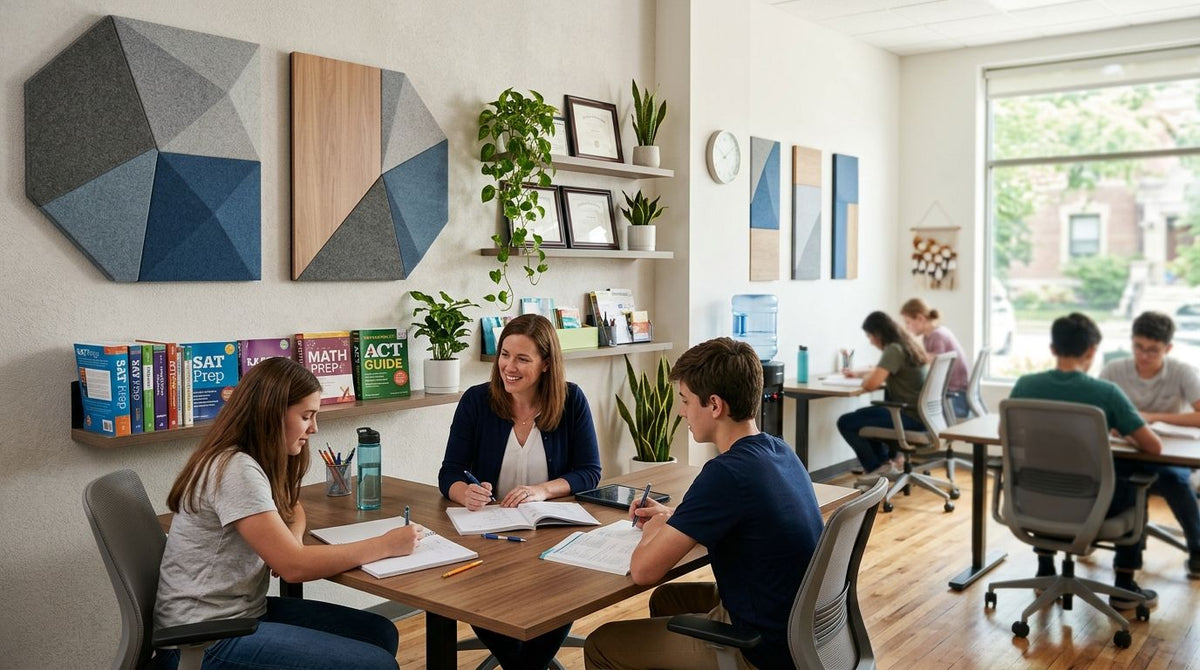
Acoustic panels for tutoring center classrooms solve a specific problem: thin walls between study pods, group discussion rooms, and a reception area that all run at once without bleeding into each other. A tutoring center isn't a home office or a restaurant — it's a small commercial space with multiple simultaneous conversations, and the wrong acoustic fix either looks unprofessional to touring parents or does nothing for speech privacy.
- Acoustic panels for tutoring center classrooms work best on shared pod walls first, not the reception area.
- Felt-backed slat panels and hexagon panels with an NRC of 0.75 absorb speech frequencies that plain drywall reflects.
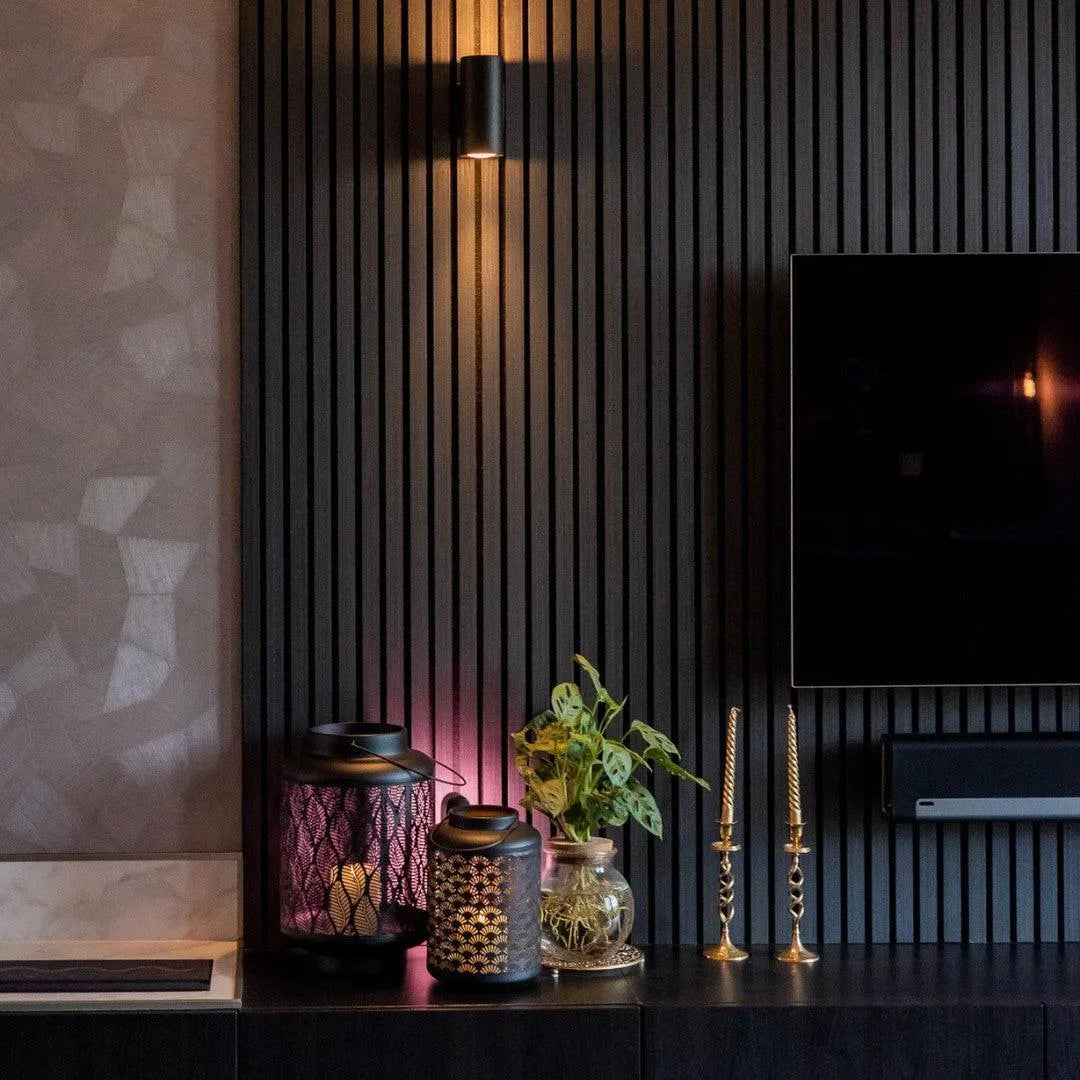
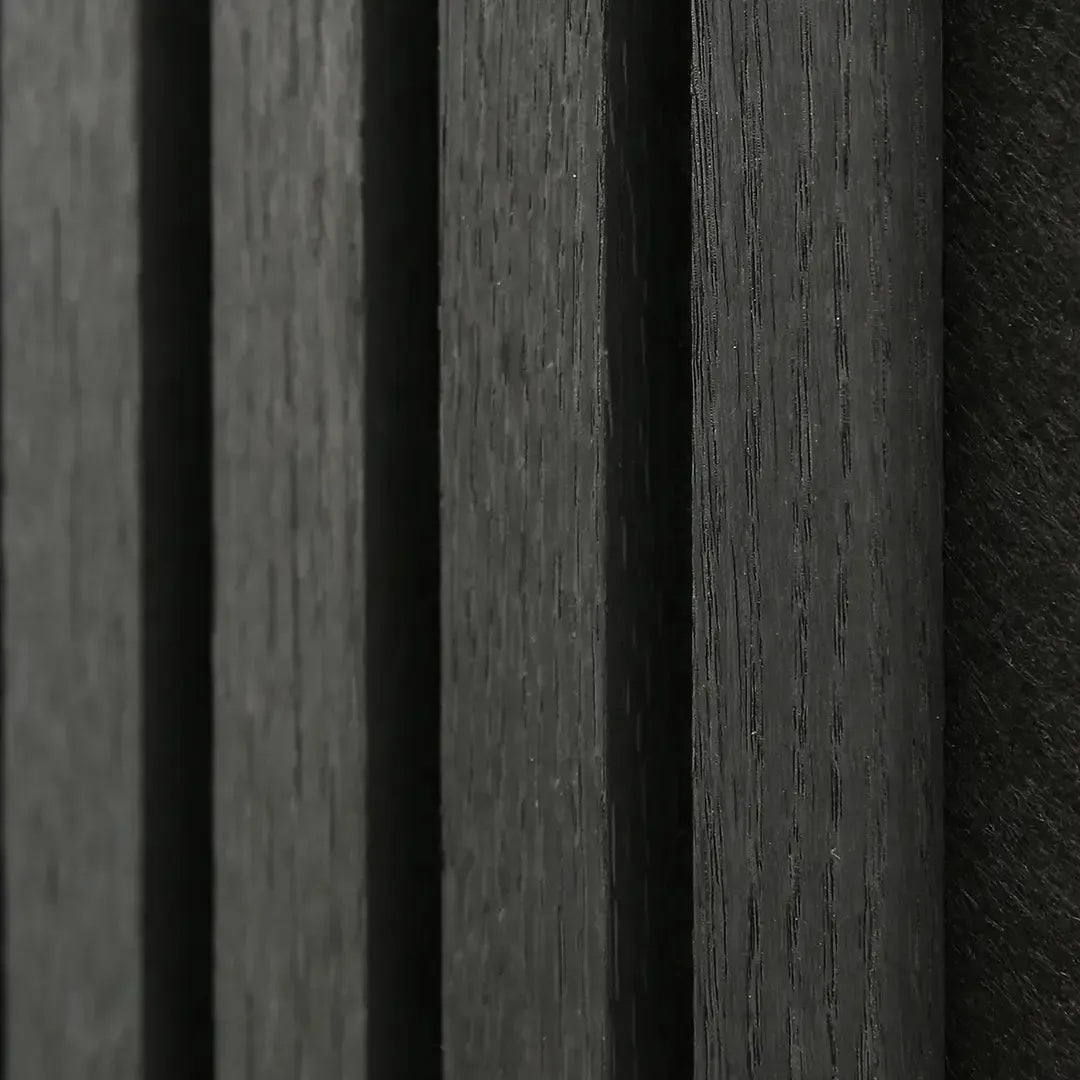
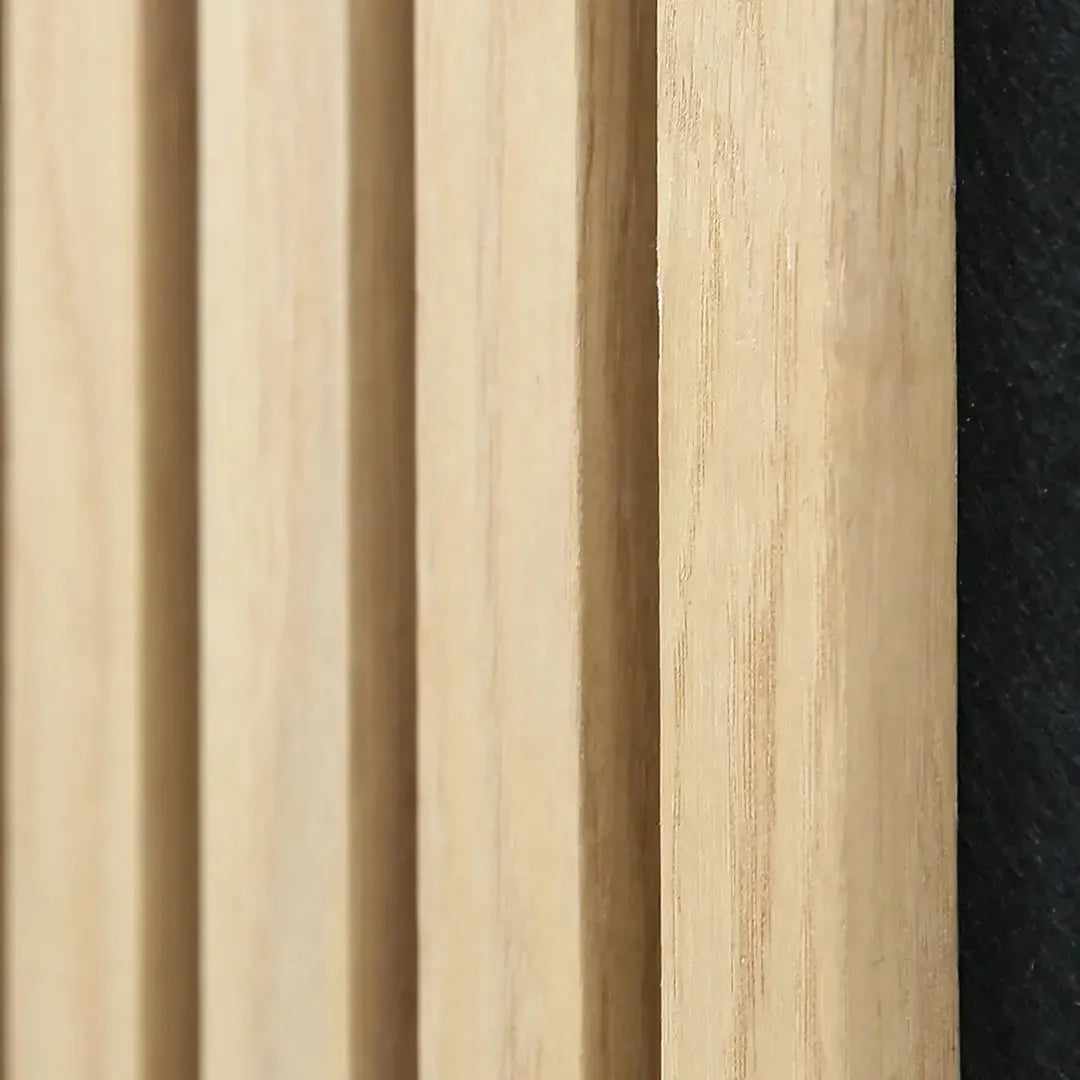
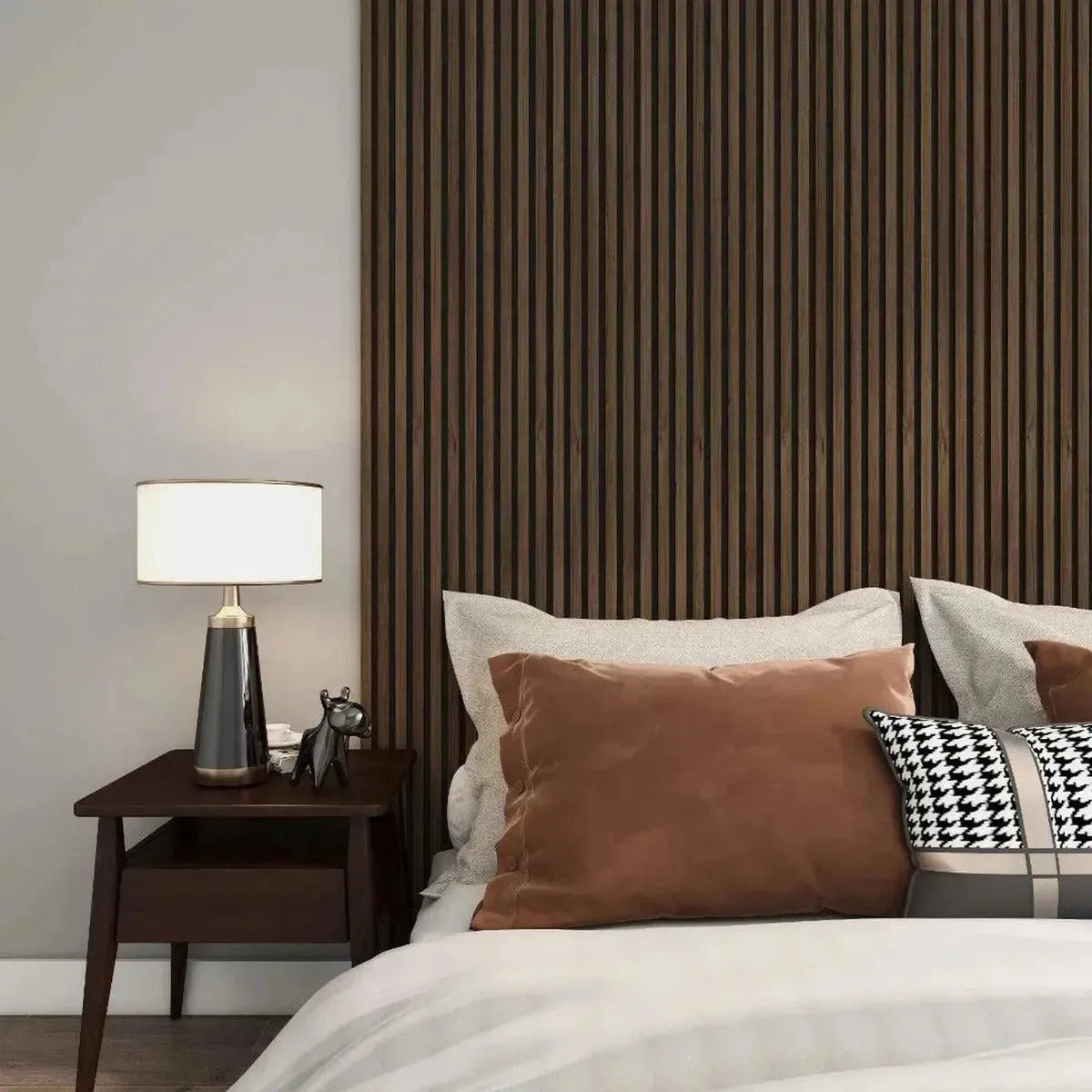
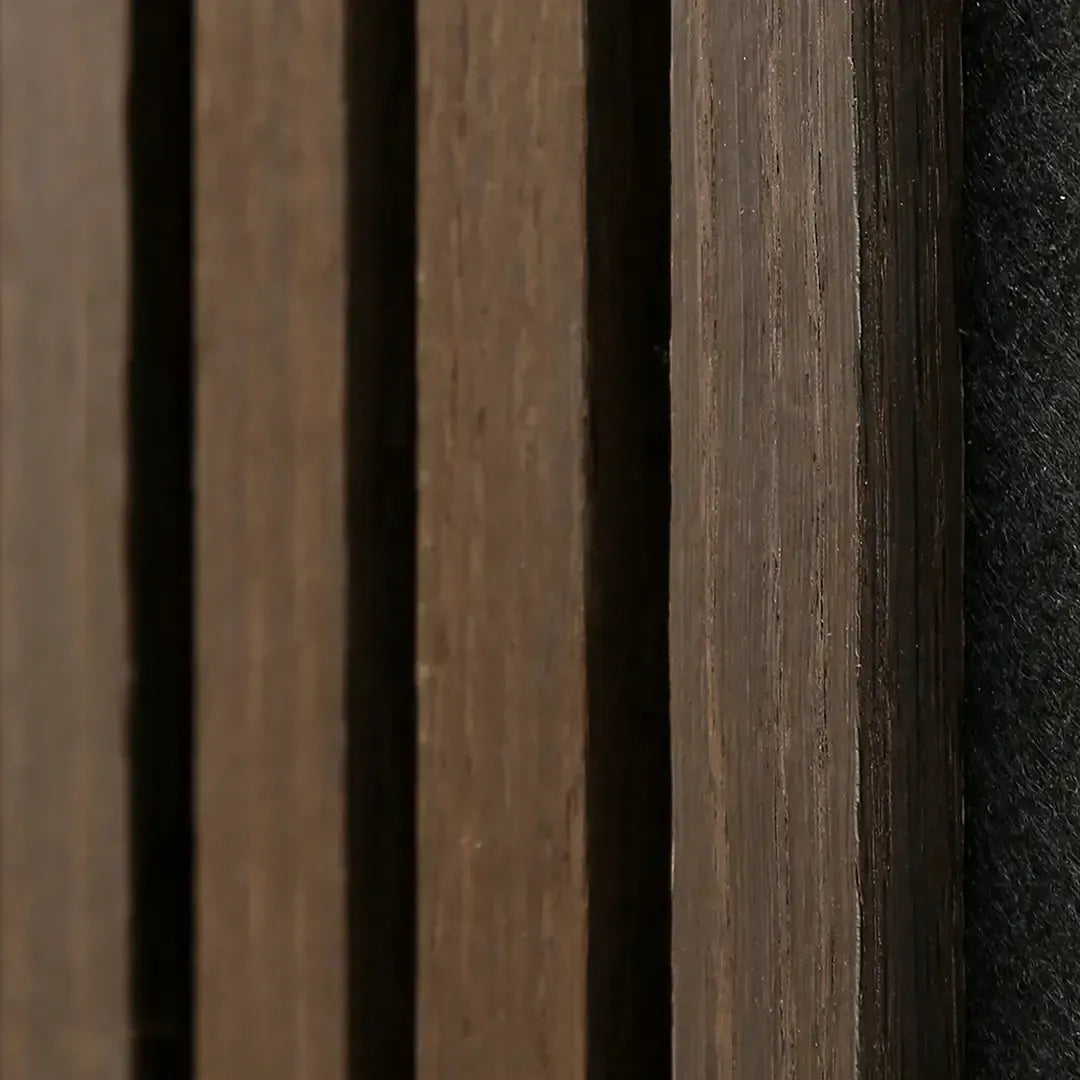
- Akuwood Panel's felt-backed lines pair real wood veneer with sound absorption, not painted foam.
- Aim for 60% wall coverage minimum on shared pod walls, 80% on the loudest ones.
- Do the wall math before ordering — undercoverage is the most common mistake test-prep centers make in 2026.
Why acoustic treatment matters for tutoring and test-prep centers
A test-prep center packs more simultaneous speech into less square footage than almost any other small commercial space. One pod runs a timed reading section in near-silence while the pod next door runs a loud group discussion on essay structure. Drywall alone reflects speech frequencies back into the room and straight through to the neighboring wall.
Parents judge the facility in the first 30 seconds standing in reception. If they can hear a tutor's voice clearly through two walls, that reads as a cramped, poorly-run space — even when the instruction is excellent. Akuwood Panel makes real-wood acoustic panels built to cut that bleed without turning a classroom into a recording studio.
The physics is the same as in the broader acoustic panels for classroom noise control guide, applied to a smaller, higher-density floor plan where every wall does double duty.
Map your noise zones before buying anything
Walk the space and mark three zone types: silent testing rooms, active group-discussion pods, and shared reception areas. Every tutoring center has a different mix, and the panel plan follows the map — not the other way around.
- Note which walls separate a silent room from a loud one; those get treated first
- Flag hard surfaces: tile floors, glass partitions, drop ceilings missing tile
- Count how many pods run simultaneously during peak after-school hours
- Identify the one wall parents and students see first from reception
- Mark any shared wall with a neighboring tenant — that's a landlord conversation too
Treat the shared walls between pods first
The wall separating a quiet one-on-one room from a loud group session generates the most complaints. Start there, before touching decorative walls or the lobby.
- Rearrange furniture so speaking students face away from the shared wall
- Add a rug or carpet tile on hard floors near the shared wall to cut reflection
- Hang heavy curtains on any glass partition between pods as a free first step
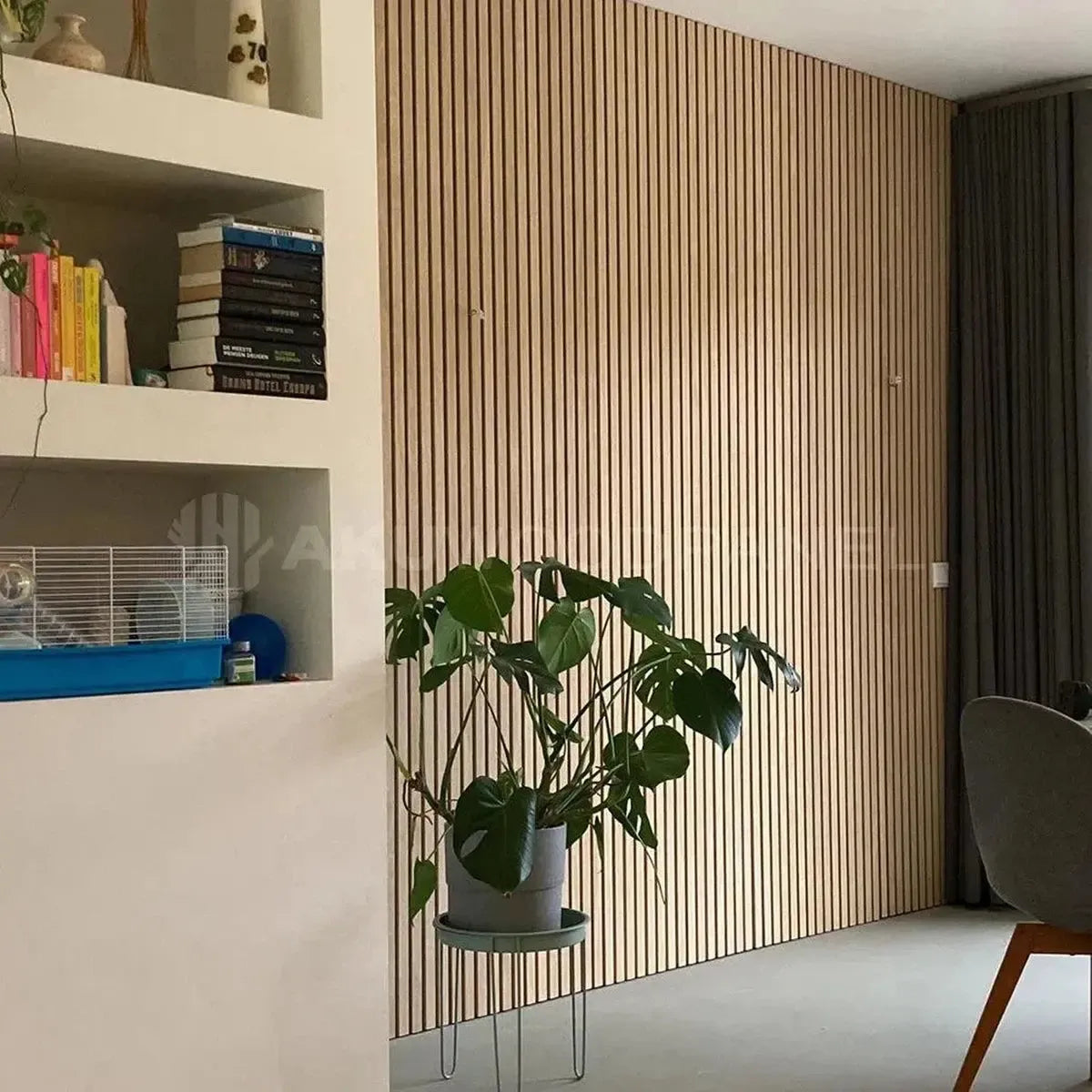
- Install felt-backed acoustic slat panels on the shared wall for real absorption, not just deadening
- Cover at least 60% of that wall surface before expecting a noticeable change
Choose panels with real sound absorption, not decorative texture
Plenty of products sold as acoustic are decorative slats with no absorptive backing. They look the part and do almost nothing. Check the felt layer before buying — that's what pulls sound energy out of the room.
- Confirm the product states an NRC (Noise Reduction Coefficient) rating, not just a wood-grain finish
- The Hexagon Acoustic Panel in Natural Oak with Gray Felt carries an NRC of 0.75 from its felt backing
- Skip anything described as acoustic-style with no felt, foam, or fiber layer behind the veneer
- Prioritize real wood veneer over printed laminate on parent-facing walls — laminate scuffs faster under daily traffic
- Use felt-backed slat panels on long, flat pod walls where you need continuous coverage


Measure and calculate coverage before ordering
Undercoverage is the single most common failure in commercial acoustic projects. A wall treated at 30% barely changes the room. Do the math before placing the order, not after the boxes land.
- Measure wall height and width in feet, then subtract door and window area
- Aim for 60% coverage on shared pod walls, closer to 80% on the loudest walls
- Run the numbers through the acoustic panel coverage guide before ordering boxes
- Order one extra unit per wall for cuts around outlets, thermostats and trim
- Buy a sample box first when choosing a finish for a multi-room rollout in 2026
Cover the reception and waiting area
Reception is the wall every parent actually looks at. It carries a finish decision as well as an acoustic one, because it doubles as the brand impression.
- Use hexagon or fluted panels here for visual interest; reception doesn't need flat continuous coverage
- Keep the finish consistent with pod walls so the space reads as one designed system
- Treat the wall behind the front desk first — waiting-room chatter bounces off it back into the lobby
- Partial accent coverage still cuts reflection when light fixtures make full panels impractical
“If a parent standing in reception can hear the tutor two rooms over, the acoustic problem is bigger than the enrollment problem.”
Reinforce corners and high-traffic edges
Tutoring centers see constant backpack traffic, rolling chairs, and students leaning on walls between sessions. Panel edges near doorways take more abuse than any quiet corporate office wall.
- Use end-piece trim on every panel edge exposed to hallway traffic
- Avoid mounting panels directly behind chair backs without a buffer strip
- Check mounting guidance for solid walls versus lightweight partition walls
- Reassess after the first semester; high-traffic edges wear faster than reception walls
Comparison: acoustic options for tutoring center classrooms
| Option | Best for | Key limitation |
|---|---|---|
| Akuwood Panel felt-backed slat wall panels | Long shared pod walls needing continuous coverage | Needs 60%+ wall coverage to meaningfully cut echo |
| Akuwood Panel felt-backed hexagon panels (NRC 0.75) | Reception walls and accent treatment | Smaller area per panel means more units for full coverage |
| Standard acoustic foam panels | Fast fix in a back office or storage room | Looks unprofessional in parent-facing spaces, degrades over time |
| Fabric-wrapped acoustic panels | Matching a specific brand color scheme | Harder DIY install, usually needs a professional installer |
Verdict: felt-backed slat wall panels win for shared pod walls where speech bleed is the real complaint; felt-backed hexagon panels win for the reception wall where the visual impression matters as much as the absorption. Foam is acceptable in a back office — skip it anywhere a parent will stand.
Common mistakes tutoring centers make
- Treating only the quiet room. The noisy group pod is the source; treating the silent room beside it changes little.
- Skipping reception because it isn't a classroom. It's the first wall every parent judges and often the most reflective surface in the building.
- Ordering by wall count instead of square footage. Two walls of different sizes need different box counts. Measure first.
- Picking finish before function. A good-looking panel with no felt backing does zero acoustic work — check the NRC rating before the color swatch.
- Ignoring landlord rules in a shared suite. Multi-tenant buildings sometimes restrict wall-mounted materials; confirm before ordering a full room's worth.
FAQ
What's the best acoustic panel for a tutoring center classroom?
Felt-backed acoustic slat wall panels work best on shared pod walls because they cover long, flat surfaces continuously. Akuwood Panel's felt-backed lines pair real wood veneer with an absorptive felt layer.
Do acoustic panels actually reduce noise between tutoring rooms?
Yes, when they carry an absorptive backing like felt and cover enough wall surface. A panel with no backing, sold only on its wood-grain look, does far less.
How much wall coverage do I need for a tutoring center?
Aim for at least 60% coverage on shared pod walls and closer to 80% on the loudest walls. Undercoverage is the most common reason a panel install fails to fix an echo complaint.
Is a hexagon or slat panel better for a reception area?
Hexagon panels suit reception better because they add visual interest without needing continuous wall coverage. Slat panels are the stronger choice on long, flat shared walls.
Can I install acoustic panels myself in a rented tutoring center?
Most felt-backed acoustic panels mount with standard hardware, but confirm your lease terms first. Some multi-tenant buildings restrict wall-mounted materials.
What NRC rating should I look for in acoustic panels?
Look for a stated NRC rating rather than relying on the wood-grain finish alone. Akuwood Panel's felt-backed hexagon panels carry an NRC of 0.75.
Should I order samples before buying panels for a multi-room center?
Yes, especially for a multi-room rollout where finish consistency matters across pods and reception. A sample box lets you compare Natural, Smoked Oak and Walnut side by side.
How is a tutoring center different from a regular classroom acoustically?
A tutoring center runs multiple simultaneous conversations at different volumes in adjacent small rooms, unlike one large classroom. Shared walls between pods need treatment before any single-room fix.
One last thing
The reception wall usually gets the design budget, but the wall between a silent testing pod and a loud group session is the one generating complaints. Fix that wall first in 2026, then work outward toward reception — the reverse order is why so many centers spend the money and still hear the noise.

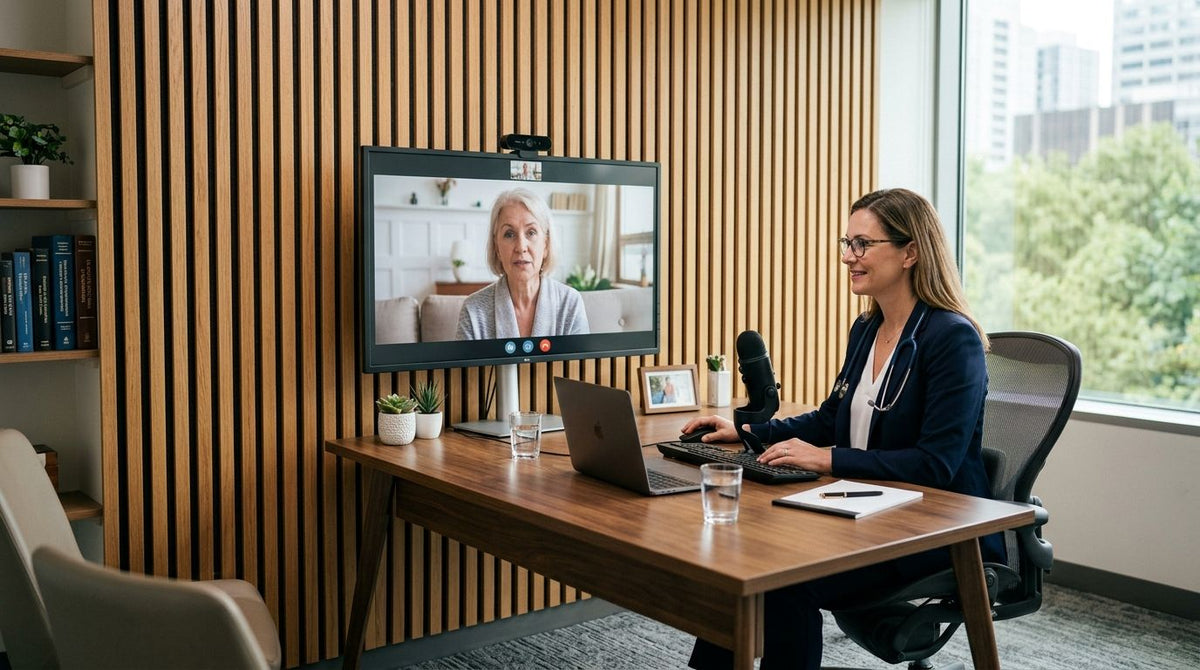
 Better performance and aesthetic appeal
 In Stock