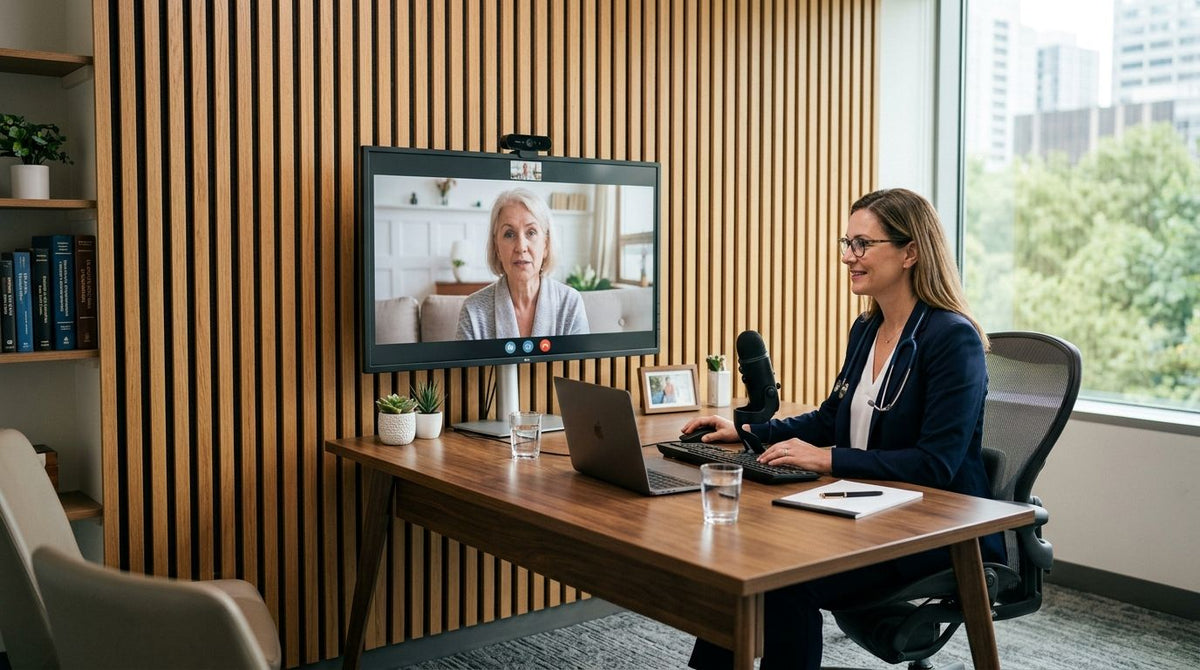
Telehealth visits break down for one of two reasons: bad video or bad audio. Bad audio usually means the room is bouncing sound off bare drywall, and the fix is the same one recording studios have used for decades: acoustic wood panels that absorb reflections instead of letting them ricochet back into the microphone. Here's the ranked breakdown for 2026, covering which panel fits a single-provider booth, a multi-room clinic, or a therapy practice that wants the room to look as calm as it sounds.
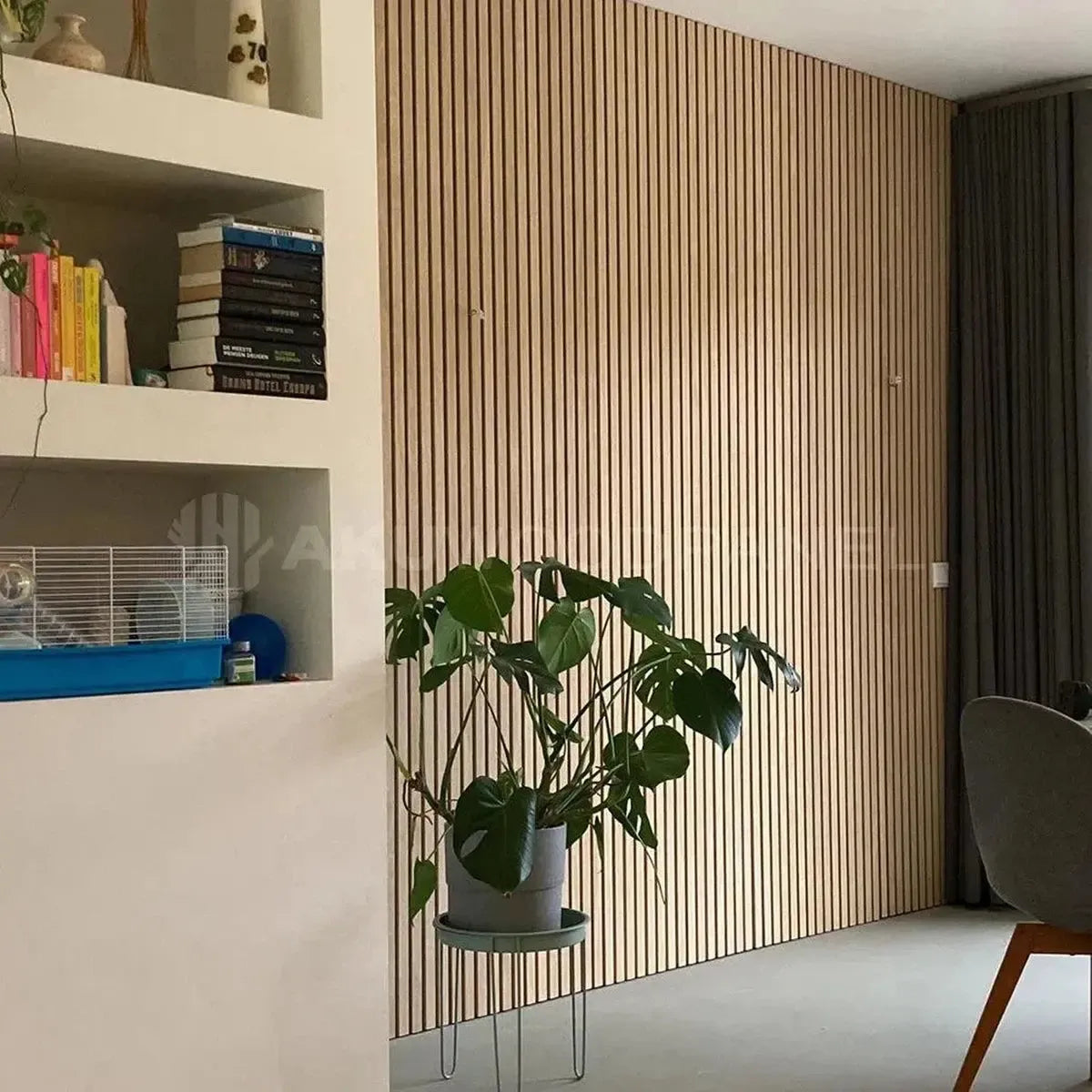
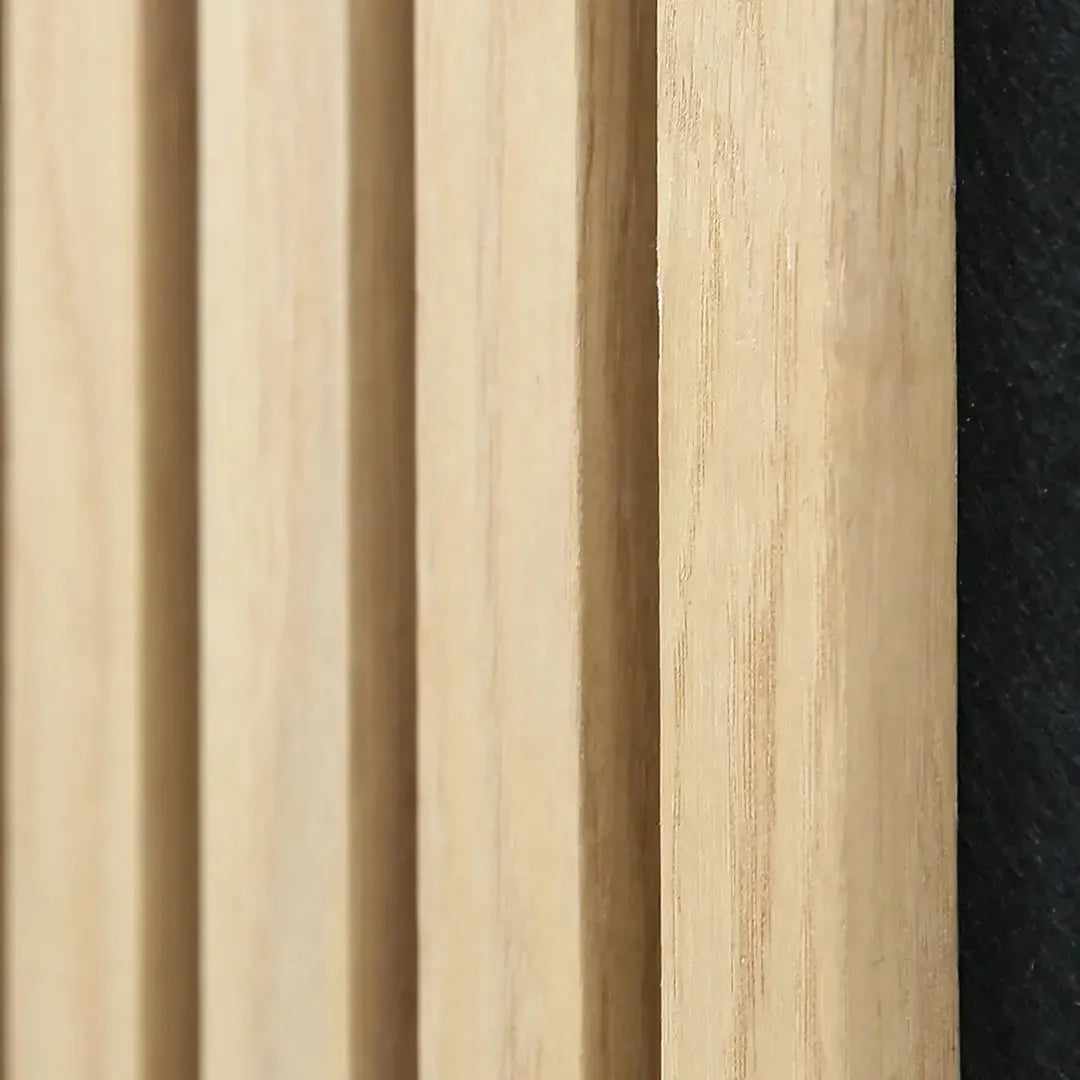
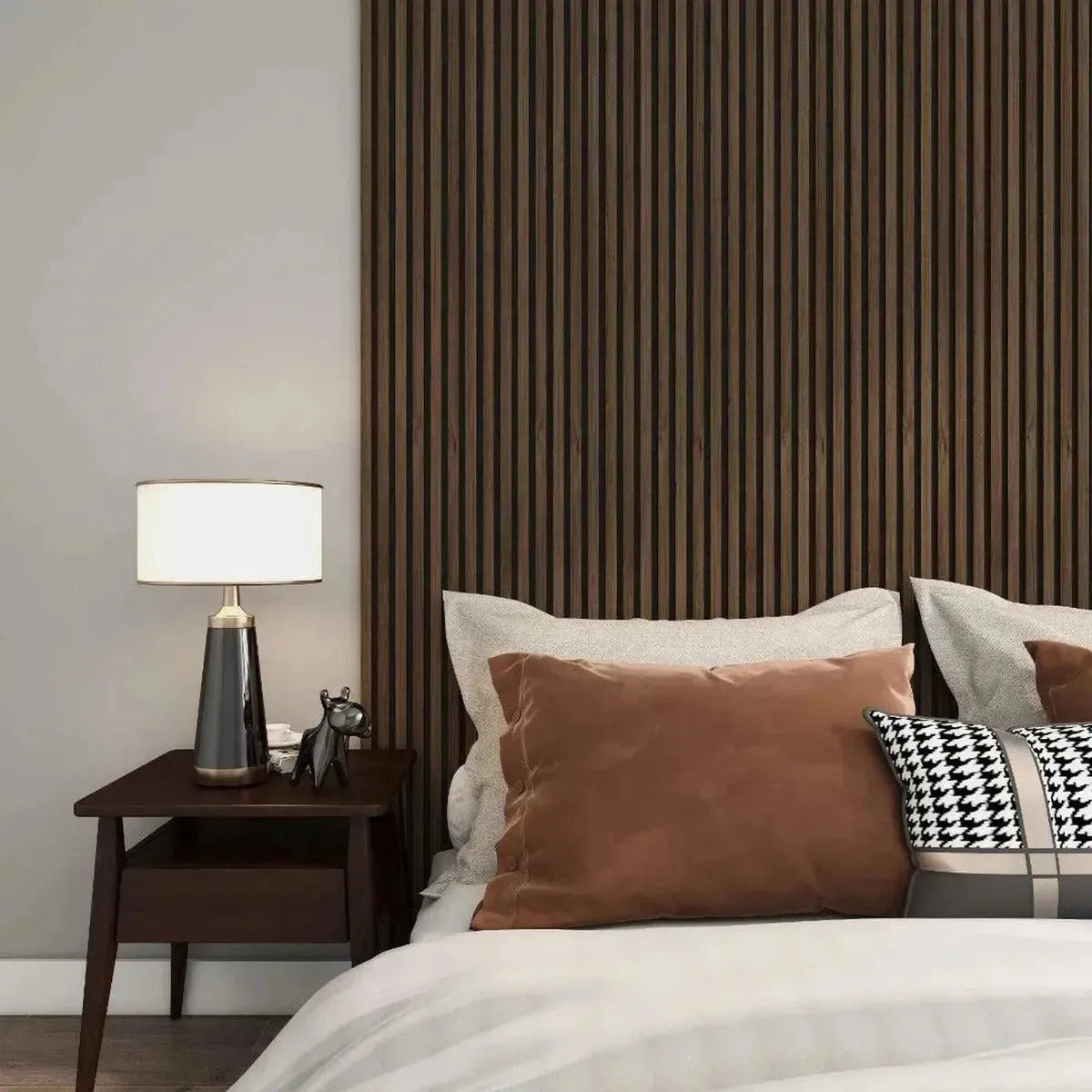
- Acoustic Slat Wall Panel Natural Oak with Gray Felt is the best overall acoustic panel for telehealth room general use in 2026.
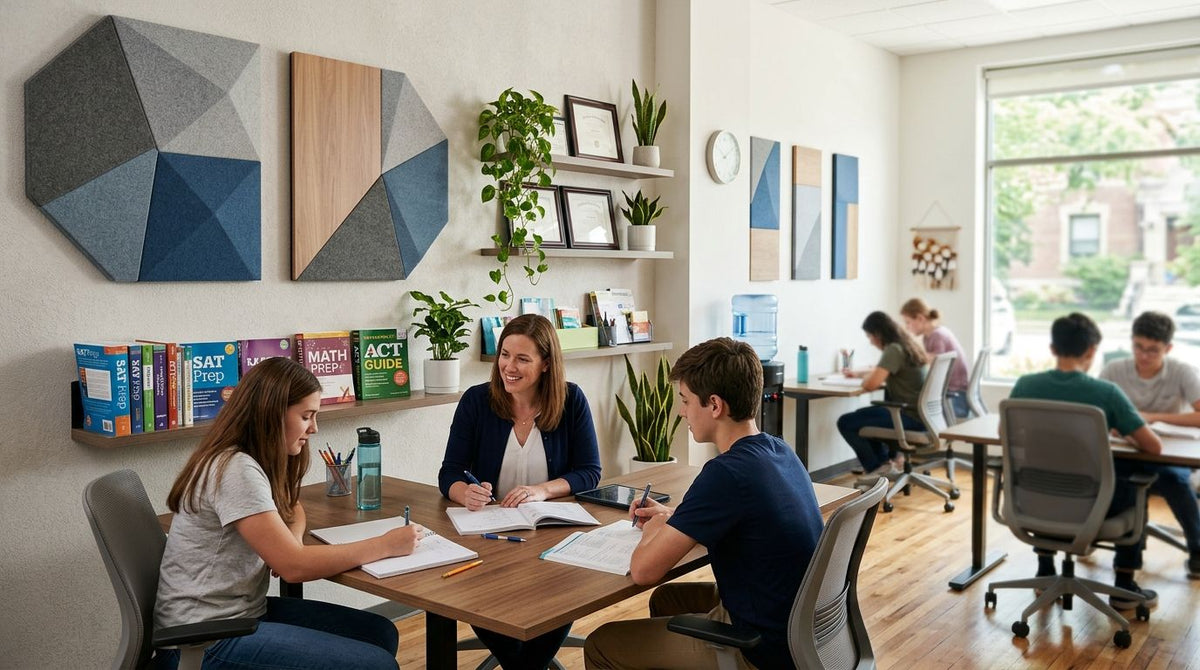
- Hexagon Acoustic Panel Smoked Oak with Gray Felt carries an NRC 0.75 rating in a 32-inch module built for tight exam rooms.
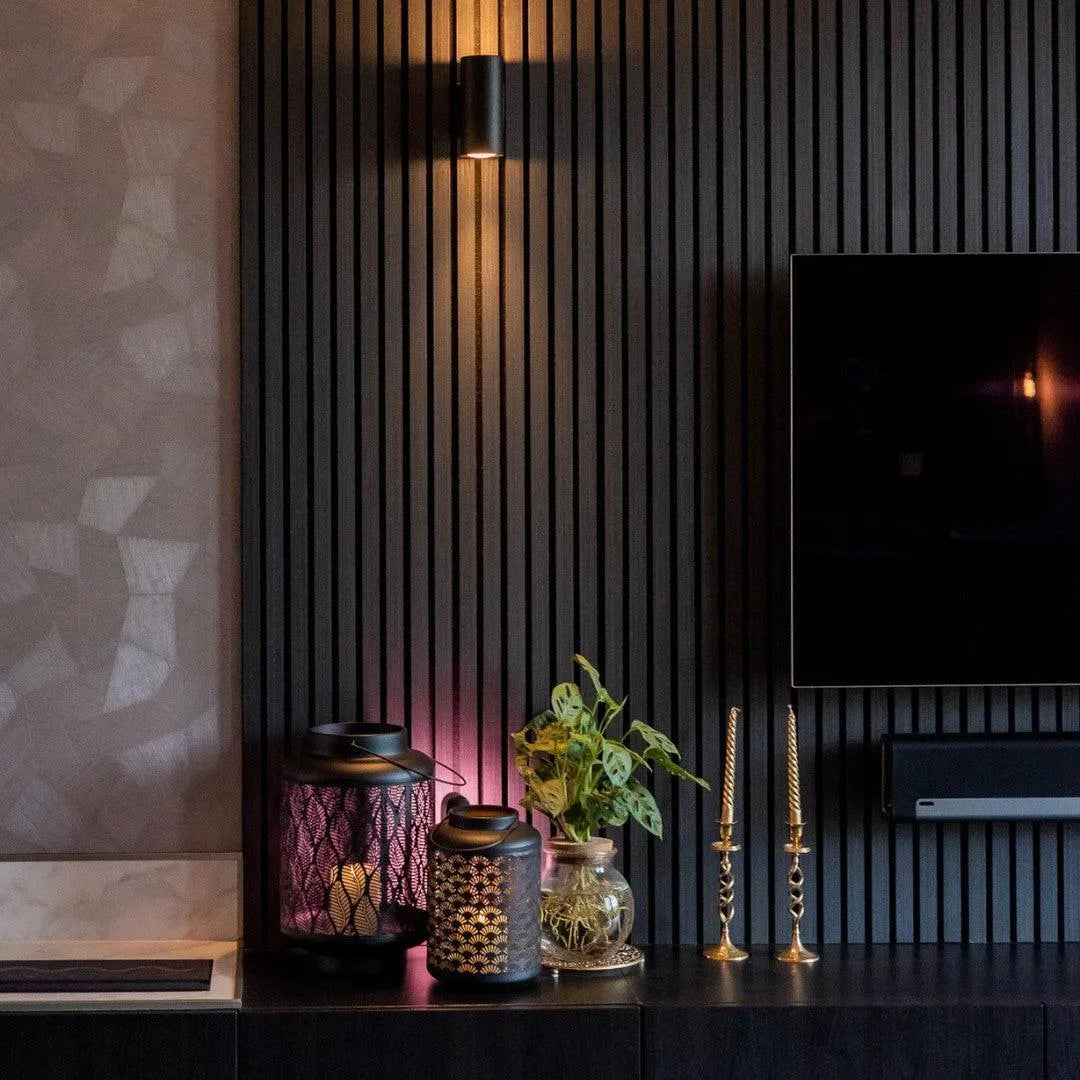
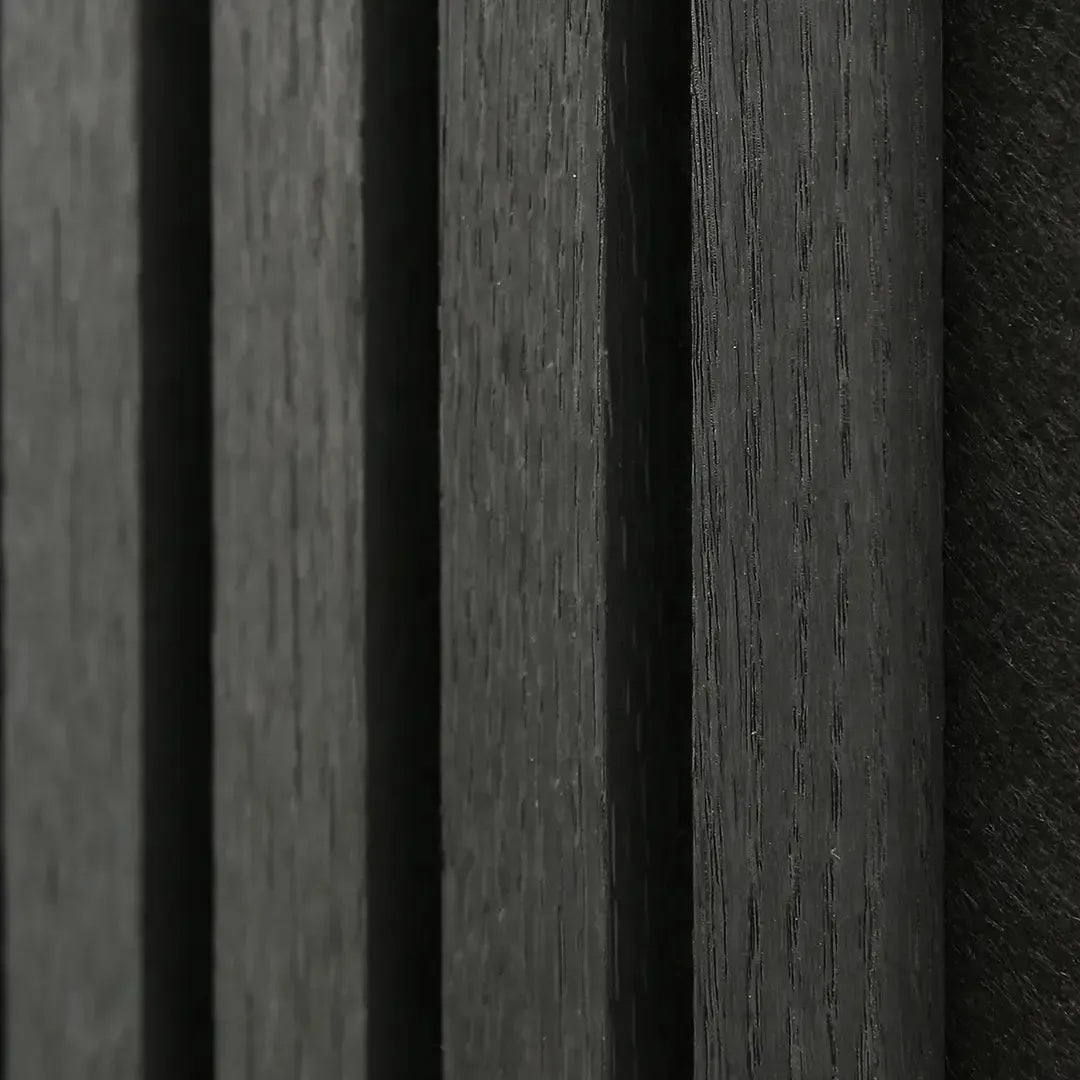
- Acoustic Slat Wall Panel Black Oak holds contrast on webcam auto-exposure better than lighter finishes.
- Tile Acoustic Slat Wall Panel Natural Oak covers just the camera zone for budget-limited partial-wall jobs.
- The Full Sample Box lets multi-location practices test Natural, Smoked Oak, and Walnut finishes before a full rollout.
Why this matters
A patient on a telehealth call is listening through a laptop mic, not a diagnostic-grade headset, so every hard surface in the frame adds reverberation the microphone can't filter out. Clinics moved fast on cameras and lighting in the last few years and mostly ignored the wall behind the provider. That's the gap acoustic wood panels close.
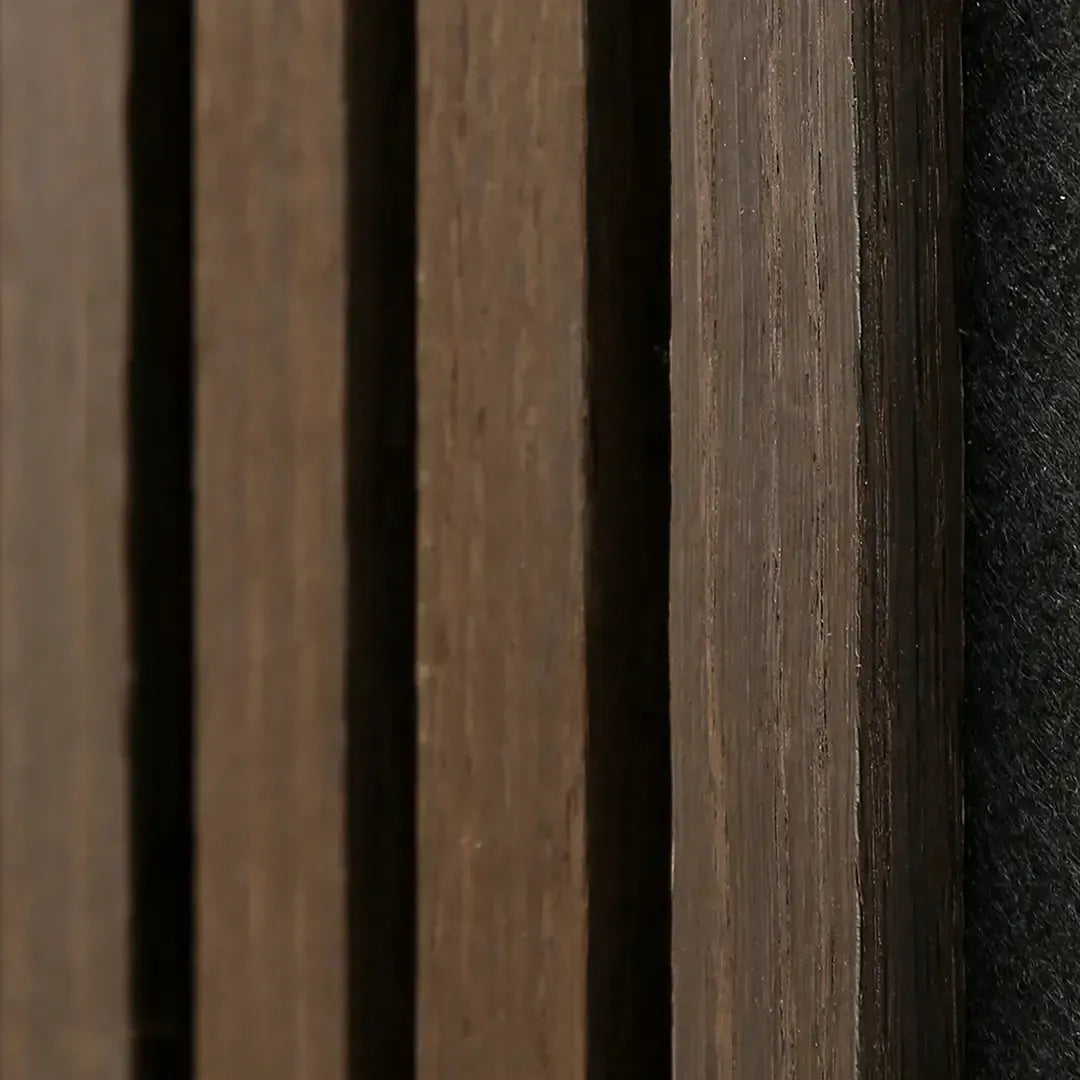
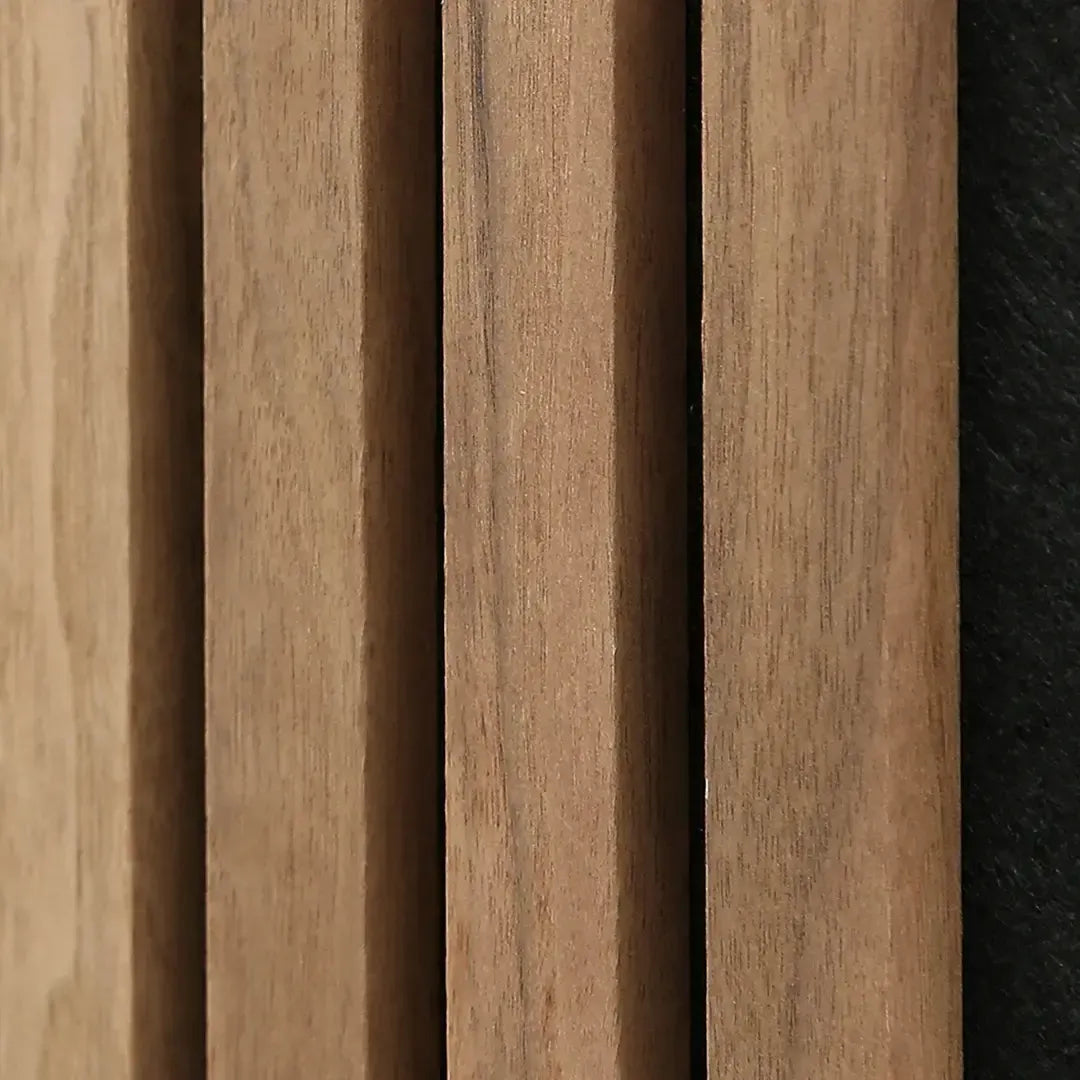
The Acoustic Slat Wall Panel with Gray Felt backing pairs a real wood veneer face with a felt acoustic core, which is the combination that actually cuts reflected sound instead of just looking like it does. For deeper background on why this matters in clinical settings specifically, see this breakdown of wood panels for therapy and counseling room interiors.
What makes the best acoustic panels for telehealth rooms
- Sound absorption performance — an NRC rating (where published) or a felt/foam-backed core, not just a textured surface
- Camera-friendly finish — how the wood tone reads under office lighting on a webcam, not in a showroom
- Coverage flexibility — full panels, tiles, or hexagon modules for rooms that aren't a clean rectangle
- Install effort for a working clinic — a room that can't go offline for a week needs a fast, low-mess mount
- Real wood veneer vs. printed finish — veneer holds up to repeated disinfecting wipe-downs better than a laminate print
- Sample-first buying — the ability to test a finish under your actual exam-room lighting before ordering a full wall
Acoustic panels for telehealth rooms at a glance
| Panel | Best for | Standout feature | Key limitation |
|---|---|---|---|
| Acoustic Slat Wall Panel — Natural Oak with Gray Felt | General telehealth consultation rooms | Felt-backed slats target airborne echo across a full wall run | Needs a clear wall section, not built for tight closets |
| Hexagon Acoustic Panel — Smoked Oak with Gray Felt | Compact telehealth booths and small exam rooms | NRC 0.75 rating in a 32-inch module that tiles into odd corners | More seams to align across a large wall than a single slat panel |
| Acoustic Slat Wall Panel — Black Oak | On-camera video backdrop framing | Dark tone holds contrast against a webcam's auto-exposure instead of blowing out | Shows dust and fingerprints more visibly than lighter finishes |
| Tile — Acoustic Slat Wall Panel Natural Oak | Budget-conscious, partial-wall treatment | Smaller tile format covers just the camera zone without redoing the whole room | Less total absorption than a full slat panel wall |
| Acoustic Slat Wall Panel — Walnut | Warm, private-practice therapy rooms | Deep walnut grain reads calm and residential on video | Darker background needs stronger front lighting to avoid underexposed faces |
| Full Sample Box — Slat Wall Panel | Multi-location practices piloting finishes | Natural, Smoked Oak, and Walnut swatches side by side under real room lighting | Doesn't treat echo on its own — it's a decision tool, not a wall |
1. Acoustic Slat Wall Panel — Natural Oak with Gray Felt: best acoustic panel for telehealth room general use
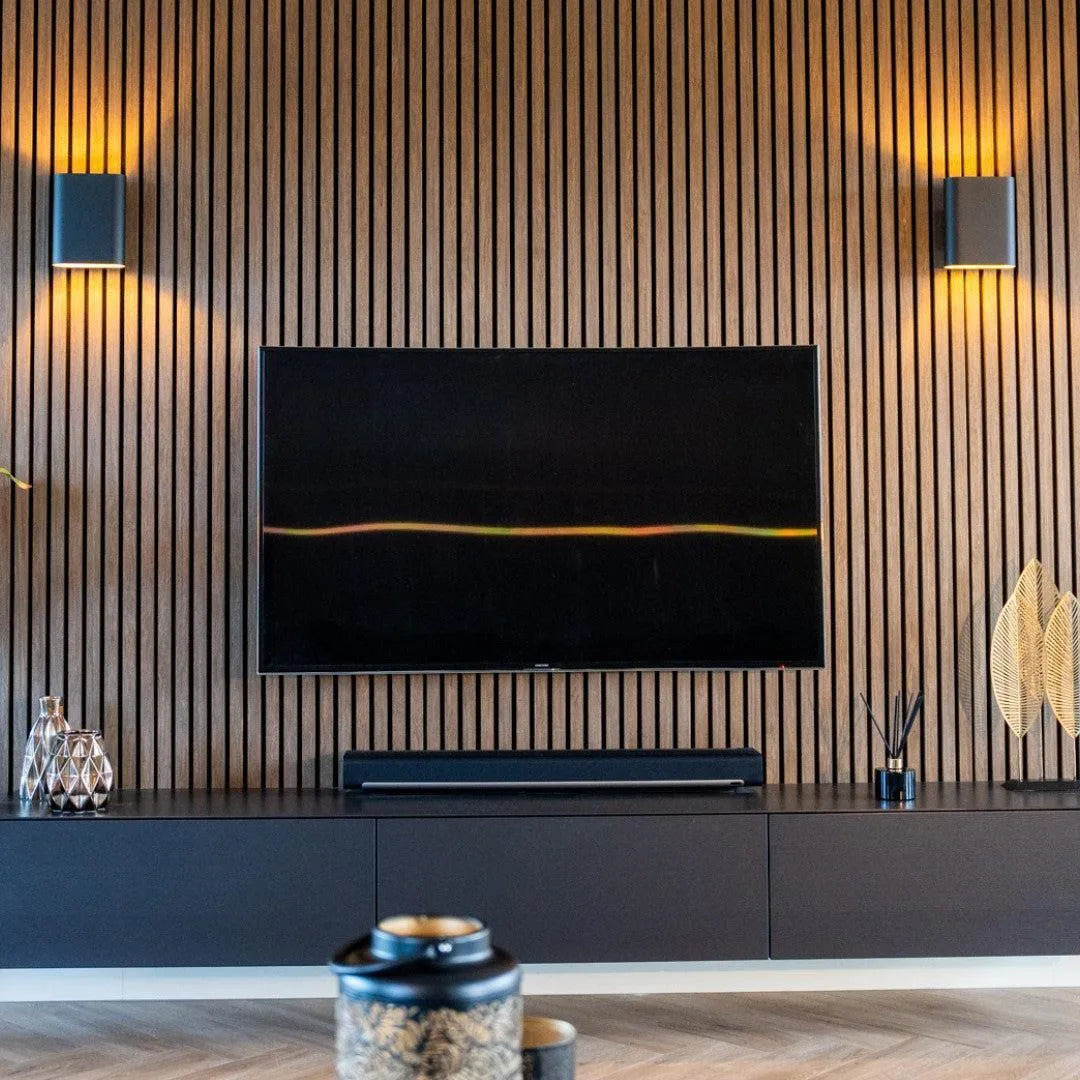
This is the panel most single-provider consultation rooms should default to in 2026. The gray felt backing sits directly behind the real wood veneer slats, so the wall does absorption work instead of just decoration work, and the natural oak tone reads neutral under most LED office lighting.
Acoustic Slat Wall Panel Natural Oak with Gray Felt pros:
- Felt core targets mid-range frequencies where speech and video-call audio live
- Neutral oak finish works behind almost any provider's on-screen framing
- Full-width slats cover a standard consultation-room wall in fewer pieces than a tiled option
Acoustic Slat Wall Panel Natural Oak with Gray Felt cons:
- Full panel format assumes a mostly clear wall, not a wall broken up by shelving or equipment
- Lighter oak grain can wash out slightly under very bright overhead fluorescents
Best for: the default telehealth consultation room with one flat wall behind the desk. Verdict: Buy.
2. Hexagon Acoustic Panel — Smoked Oak with Gray Felt: best acoustic panel for compact telehealth booths
Small exam rooms and single-desk telehealth booths rarely have a full uninterrupted wall to work with. The hexagon format solves that by tiling in modules instead of requiring one long panel run, and this finish carries a published NRC 0.75 rating, the strongest absorption figure in this list.
Hexagon Acoustic Panel Smoked Oak with Gray Felt pros:
- NRC 0.75 rating puts it ahead of most decorative wood panels on raw absorption
- 32-inch modules fit around light switches, monitor arms, and other obstructions
- Smoked oak tone reads darker and moodier than natural oak, useful for framing a calmer on-camera background
Hexagon Acoustic Panel Smoked Oak with Gray Felt cons:
- More individual pieces to align than a single slat panel wall
- Smoked finish can look almost black under warm-temperature bulbs — check your room's lighting first
Best for: a small telehealth booth or exam room with an irregular wall. Verdict: Buy.
3. Acoustic Slat Wall Panel — Black Oak: best acoustic panel for on-camera video backdrop framing
Webcams auto-expose for the brightest thing in frame, which is usually the provider's face against a wall. A bright oak wall can push a webcam to underexpose the person speaking. Black Oak's dark, uniform tone holds contrast instead, so the auto-exposure settles on the face rather than the wall.
Acoustic Slat Wall Panel Black Oak pros:
- Dark uniform tone keeps webcam auto-exposure locked on the provider's face
- Same 3-sided wood veneer construction as the lighter finishes in this lineup
- Reads as deliberate and professional on-screen rather than clinical-beige
Acoustic Slat Wall Panel Black Oak cons:
- Shows dust, fingerprints, and disinfectant streaks more visibly than lighter finishes
- Can feel heavy in a very small room without enough contrasting furniture or trim
Best for: any room where the provider's face is the whole point of the frame. Verdict: Buy.
4. Tile — Acoustic Slat Wall Panel Natural Oak: best acoustic panel for budget, partial-wall telehealth setups
Not every practice needs to re-panel an entire room to fix a telehealth echo problem — often the fix only needs to cover the section of wall directly behind and beside the camera. The tile format, sold four per box, is built for exactly that partial-coverage job.
Tile Acoustic Slat Wall Panel Natural Oak pros:
- Smaller format covers just the camera zone instead of a full wall
- Easier for a single staff member to install without contractor help
- Same natural oak veneer finish as the full-size slat panel
Tile Acoustic Slat Wall Panel Natural Oak cons:
- Covers less total surface area, so absorption is limited to that zone, not the whole room
- Not the right pick if the room's echo problem is bigger than the wall behind the desk
Best for: a single-provider desk that needs a fast, contained fix. Verdict: Buy for spot treatment, Skip for whole-room echo problems.
5. Acoustic Slat Wall Panel — Walnut: best acoustic panel for a warm private-practice aesthetic
Therapy and counseling practices tend to want a room that reads calm and residential rather than clinical. Walnut's deeper grain does that on camera, giving the background a warmer, less institutional feel than the oak finishes.
Acoustic Slat Wall Panel Walnut pros:
- Deep grain reads warm and calming on video, matching a therapy-room brief better than lighter oaks
- Same felt-backed acoustic construction as the rest of the slat panel line
- Distinct enough from standard oak finishes to avoid looking like every other clinic
Acoustic Slat Wall Panel Walnut cons:
- Darker background needs stronger front-facing light to keep the provider's face from underexposing
- Less neutral than natural oak if the room is shared across multiple providers with different framing needs
Best for: a private-practice therapy room where tone matters as much as absorption. Verdict: Buy.
6. Full Sample Box — Slat Wall Panel: best for multi-location practices piloting finishes
A multi-location practice deciding between Natural, Smoked Oak, and Walnut across a dozen consultation rooms shouldn't guess based on a product photo. The sample box puts all three finishes in hand, under the room's actual lighting, before anyone commits to a full order.
Full Sample Box pros:
- Puts Natural, Smoked Oak, and Walnut side by side under real exam-room lighting
- Removes the guesswork before specifying a finish across multiple locations
- Low-risk way to test how a finish photographs on the specific webcam and lighting setup in use
Full Sample Box cons:
- Doesn't treat any echo on its own — it's a decision tool, not a wall installation
- Adds a step before the real order for practices that already know which finish they want
Best for: operations teams standardizing a finish across several clinic locations. Verdict: Buy before you order at scale.


How we ranked these acoustic panels
The order above weighs absorption performance first, camera behavior second, and install effort third. Natural Oak with Gray Felt wins overall because it's the most room-agnostic pick for 2026 telehealth setups. The Hexagon Smoked Oak with Gray Felt earns the compact-room slot on its NRC 0.75 rating alone — no other panel in this list has a published absorption number to match it. Black Oak, the tile, the walnut, and the sample box each solve a narrower problem the top pick doesn't: video contrast, budget coverage, aesthetic warmth, and multi-site testing, respectively.
Which acoustic panel should you choose for your telehealth room?
If you're panelling one consultation room and want a single answer, buy the Acoustic Slat Wall Panel in Natural Oak with Gray Felt. If the room is small or irregularly shaped, go with the Hexagon Acoustic Panel in Smoked Oak with Gray Felt for the NRC 0.75 rating and the 32-inch module flexibility. If the provider's face washing out on webcam is the actual complaint, Black Oak solves that specific problem. Everyone standardizing across more than a few rooms in 2026 should start with the sample box before any of it ships at scale.
FAQ
What's the best acoustic panel for a telehealth consultation room?
The Acoustic Slat Wall Panel in Natural Oak with Gray Felt is the best overall pick for 2026 telehealth rooms because its felt-backed core absorbs mid-range speech frequencies across a full wall. Smaller or irregular rooms do better with the Hexagon Acoustic Panel in Smoked Oak with Gray Felt.
Do acoustic wood panels actually reduce echo on video calls?
Yes, provided the panel has an absorptive backing rather than just a textured face. The Hexagon Acoustic Panel line carries a published NRC 0.75 rating, meaning it absorbs roughly three-quarters of the sound energy that hits it instead of reflecting it back into the room.
Is a full acoustic panel wall better than tiles for a telehealth room?
A full panel wall covers more surface area and absorbs more total sound, which matters if the whole room echoes. Tiles like the Tile Acoustic Slat Wall Panel Natural Oak are better when only the camera zone behind the desk needs treatment.
How much wall coverage does a telehealth room actually need?
Most single-provider rooms only need the wall directly behind and beside the camera treated, not the entire room. Start with a partial-wall option like the tile format and expand to a full panel if echo persists after that.
Does panel color affect video call quality?
Panel color doesn't change sound absorption, but it does affect how a webcam's auto-exposure reads the frame. Darker finishes like Black Oak hold contrast against the provider's face better than very light oak tones under bright office lighting.
Should a multi-location clinic order samples before committing to one finish?
Yes. The Full Sample Box puts Natural, Smoked Oak, and Walnut finishes in hand under the clinic's actual lighting before a full order goes out across multiple rooms, which avoids a costly mismatch at scale.
What's the difference between real wood veneer panels and printed wood-look panels?
Real wood veneer panels, like the 3-sided veneer construction used across this lineup, hold their finish under repeated cleaning and disinfecting far better than a printed laminate surface, which is a real consideration in a clinical room wiped down between patients.
Is walnut or oak better for a therapy room on video?
Walnut reads warmer and more residential on camera, which suits therapy and counseling rooms where the brief calls for a calming, less clinical background. Natural oak is the more neutral, room-agnostic choice for general consultation use.
One last thing
The detail most clinics miss in 2026: the NRC 0.75 rating on the Hexagon Acoustic Panel line is a real published absorption figure, not a marketing number, and it's the only hard spec in this whole category comparison. If a vendor can't tell you the absorption rating of a panel they're pitching for a telehealth room, ask before you order — a panel with no rating attached is a decorative wall, not an acoustic fix.
“If a patient asks you to repeat yourself twice on the same call, the room has an echo problem, not a bandwidth problem.”

 Better performance and aesthetic appeal
 In Stock