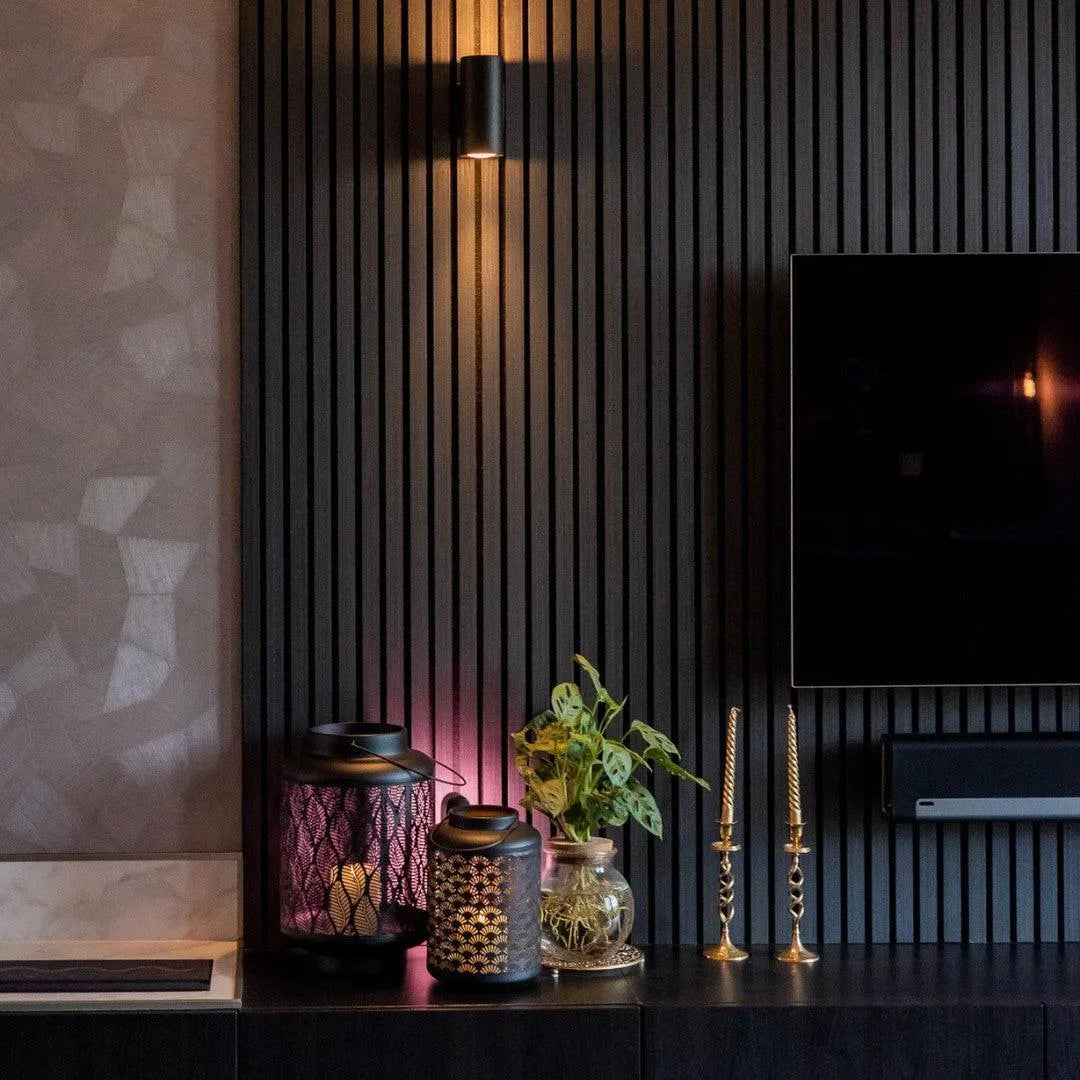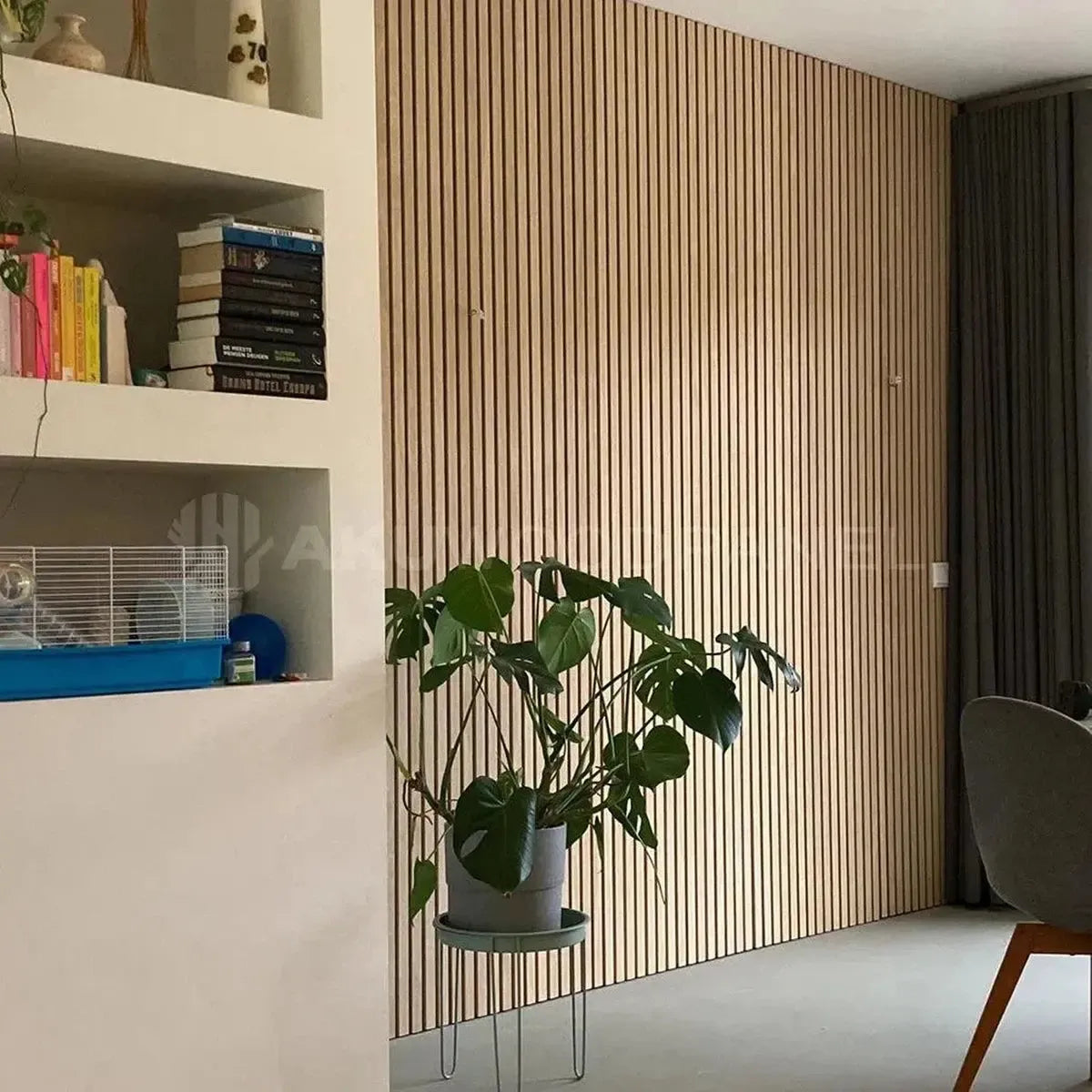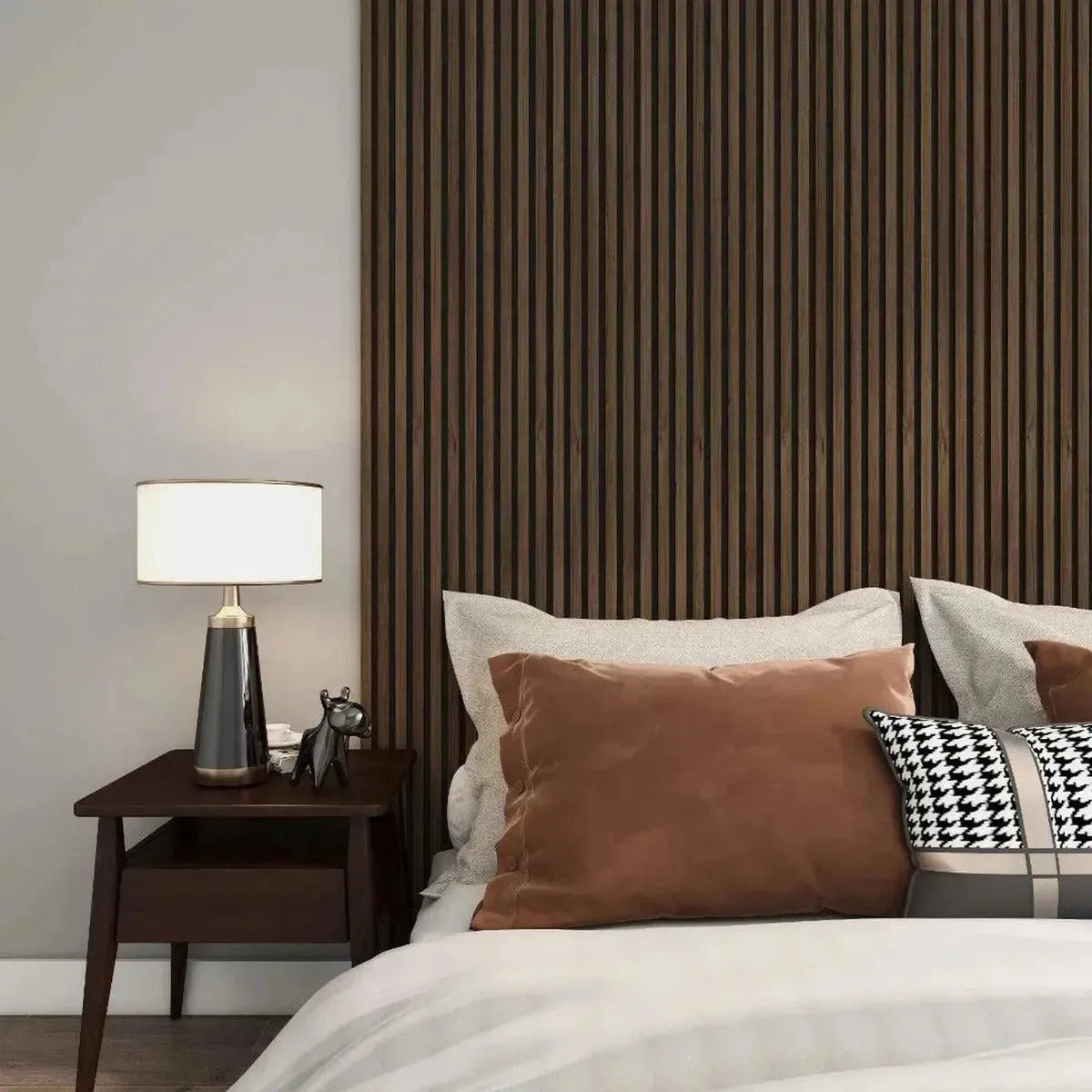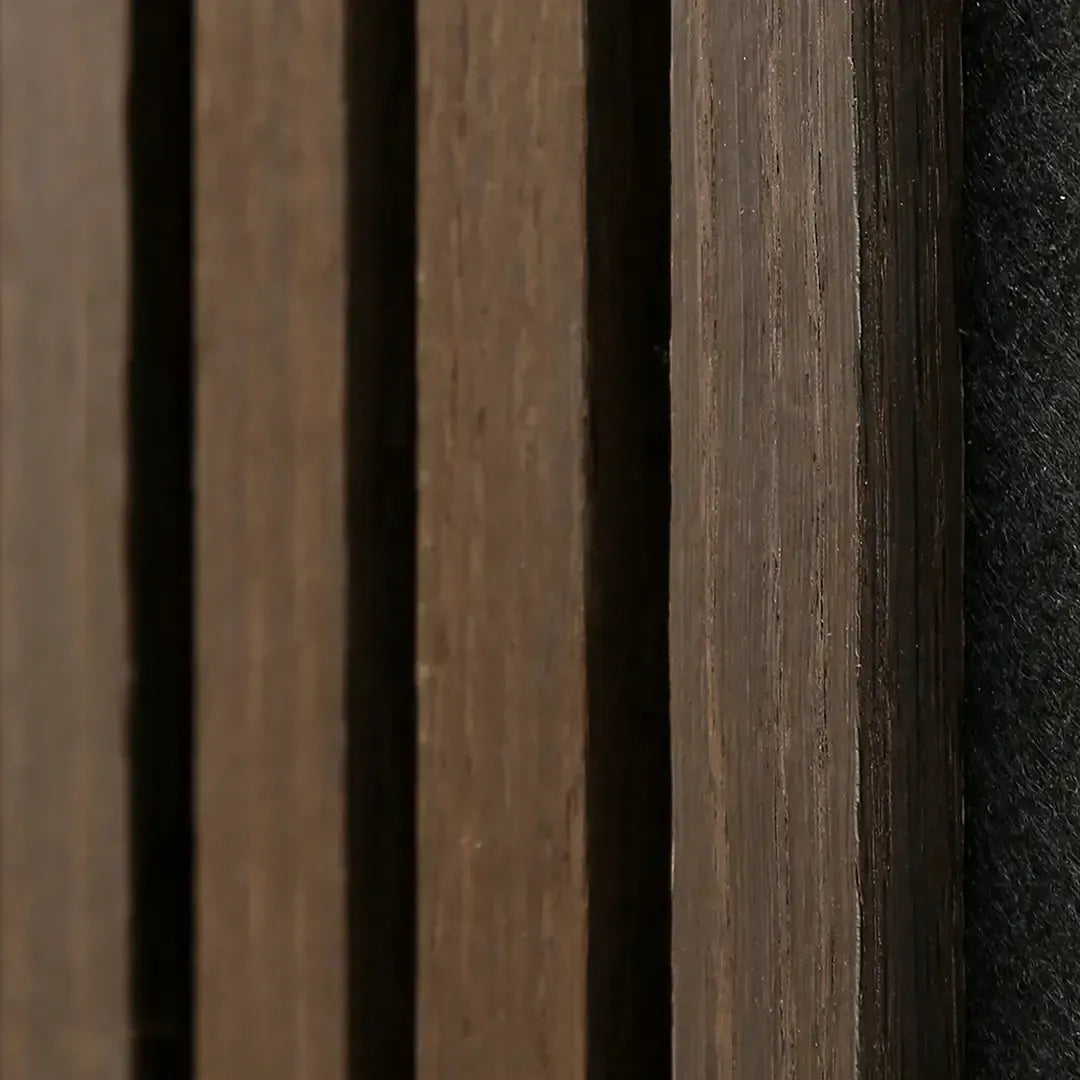
Wood panels for gift shop interiors solve two problems at once: they quiet the hard-surface echo that makes small shops feel chaotic, and they give your merchandise a warm, tactile backdrop that plastic slatwall and painted drywall can't match. A gift shop's needs differ from a boutique or a bakery because the walls do double duty as both acoustic treatment and a retail fixture system, holding hooks, shelves and lighting around impulse-buy displays.
- Wood panels for gift shop interiors cut echo off tile floors and glass cases while warming up merchandise displays.
- Akuwood Panel hexagon acoustic panels carry an NRC of 0.75 — enough to tame a 400-800 sq ft retail floor in 2026.
- Treat the register wall first, then one feature wall. Full coverage rarely pays off in small-format retail.
- Order samples before committing: retail LED lighting shifts oak and walnut tone noticeably.
Why wood panels matter for gift and stationery shops
Gift shops pack a lot of reflective surface into a small footprint: glass display cases, tile or polished concrete floors, mirrors, metal shelving. Sound bounces between all of it. A shop that feels loud during a Saturday rush pushes customers to browse faster and buy less, and staff at the wrap counter end up repeating themselves all day.
The visual side carries equal weight in this category. Stationery and gift retail sells on texture, color and craft — a wall of natural oak acoustic slat panels reads as curated and deliberate where painted drywall reads as generic, and it photographs well for the social traffic most independent gift shops rely on in 2026.
The third factor is fixtures. Gift shop walls have to hold hooks, floating shelves and seasonal display units. That rules out fabric acoustic panels and rules in rigid wood panel systems mounted on battens or directly to a prepped wall.
Assess your walls before you look at any product page
Start with a walk of the sales floor. Most shops over-plan the acoustic side, under-plan the layout side, then discover the panels clash with fixtures installed years ago.
- Note which walls carry the heaviest foot traffic and impulse-buy end caps
- Flag the wall behind the register or wrap station, where echo is worst
- Measure ceiling height — panels read differently in an 8 ft shop than a 14 ft converted loft
- Mark outlets, thermostats and fire pulls that must stay accessible
- List any wall shared with a neighboring tenant, since noise moves both directions
Choose a finish that matches your merchandise story
A shop selling handmade cards and candles reads very differently against natural oak than against black oak. This decision drives the project more than any acoustic spec.
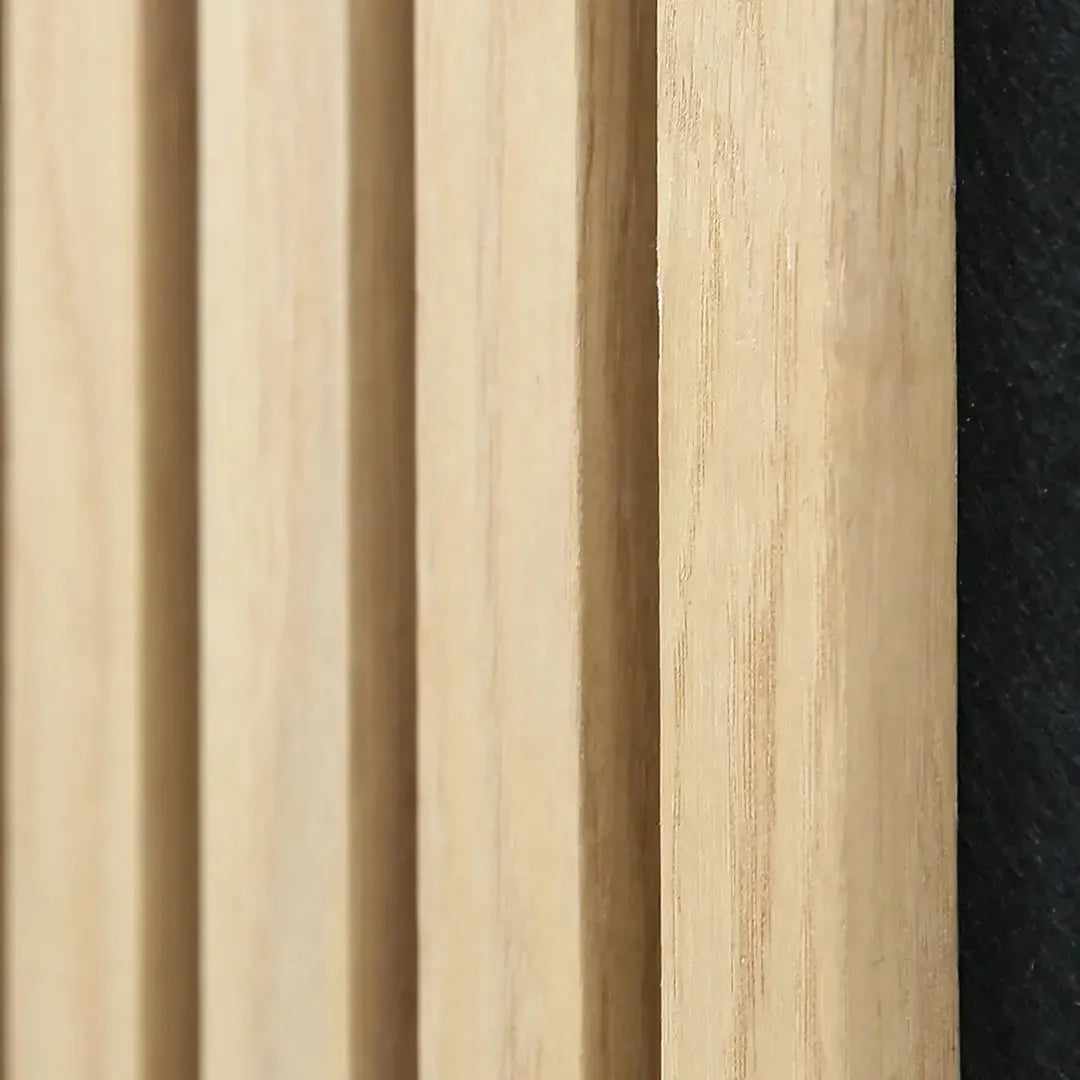
- Natural oak — best for bright, Scandinavian or craft-forward shops
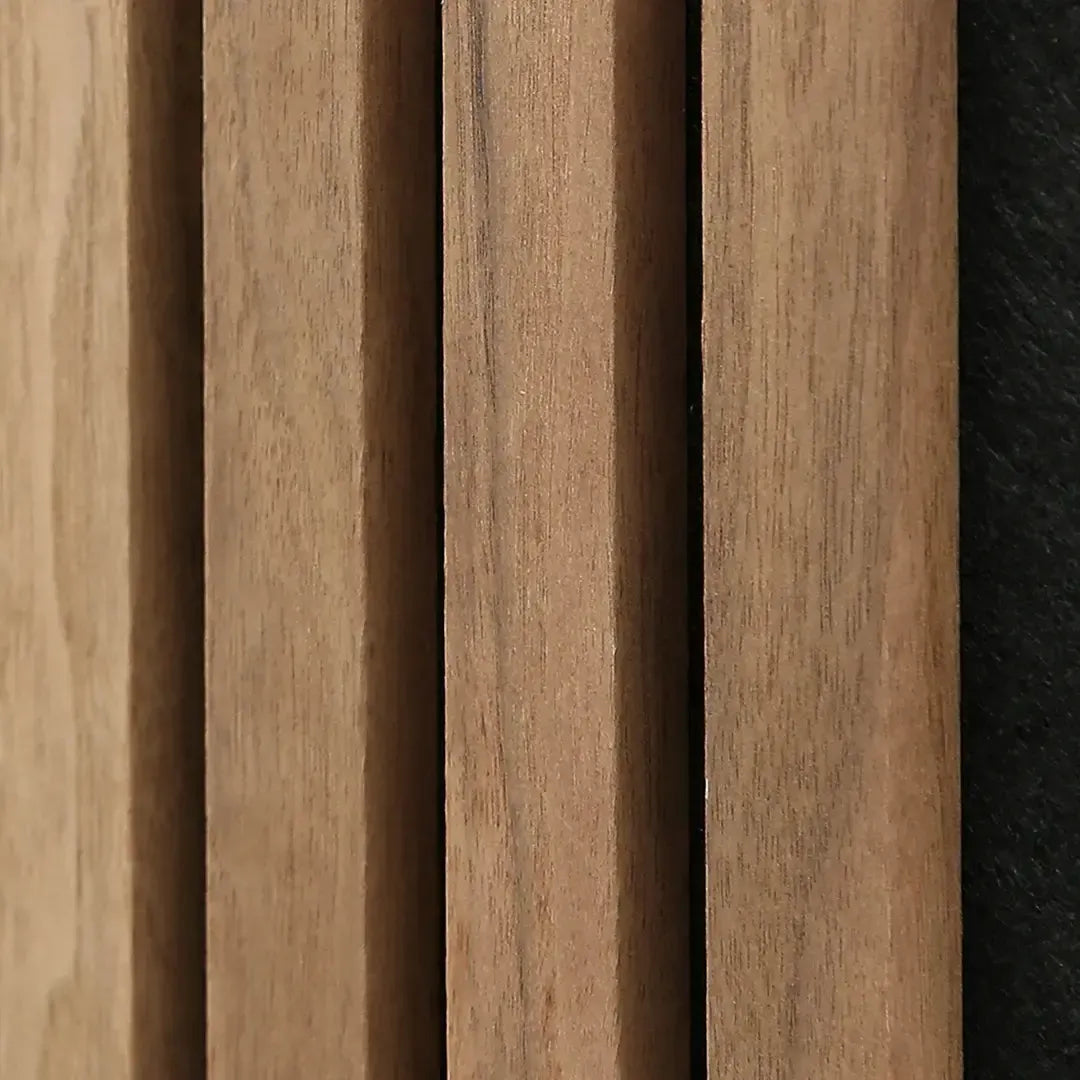
- Walnut — best for leather goods, jewelry and higher-ticket gifts
- Smoked oak — best for moody, apothecary-style interiors
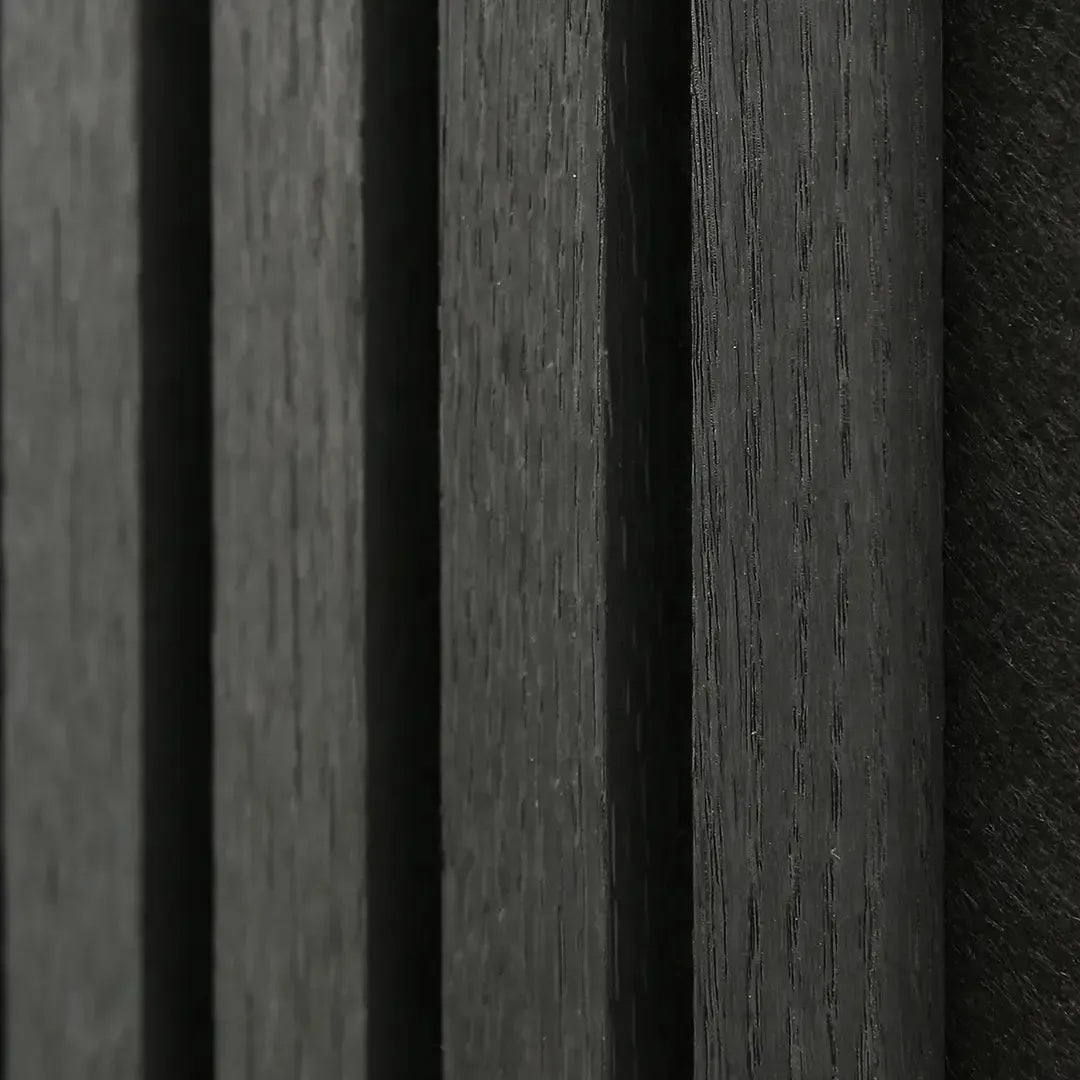
- Black oak — best for minimal, gallery-style gift retail
- Rustic oak — best for shops with a farmhouse or artisan-market feel
Order a sample before committing a wall. Finish tone under 3000K retail LED is not the tone you see in daylight photos.
Pick a panel style per wall, not per store
Gift shops almost never need one style wall to wall. Mixing formats by function keeps the space from looking like one oversized fixture.
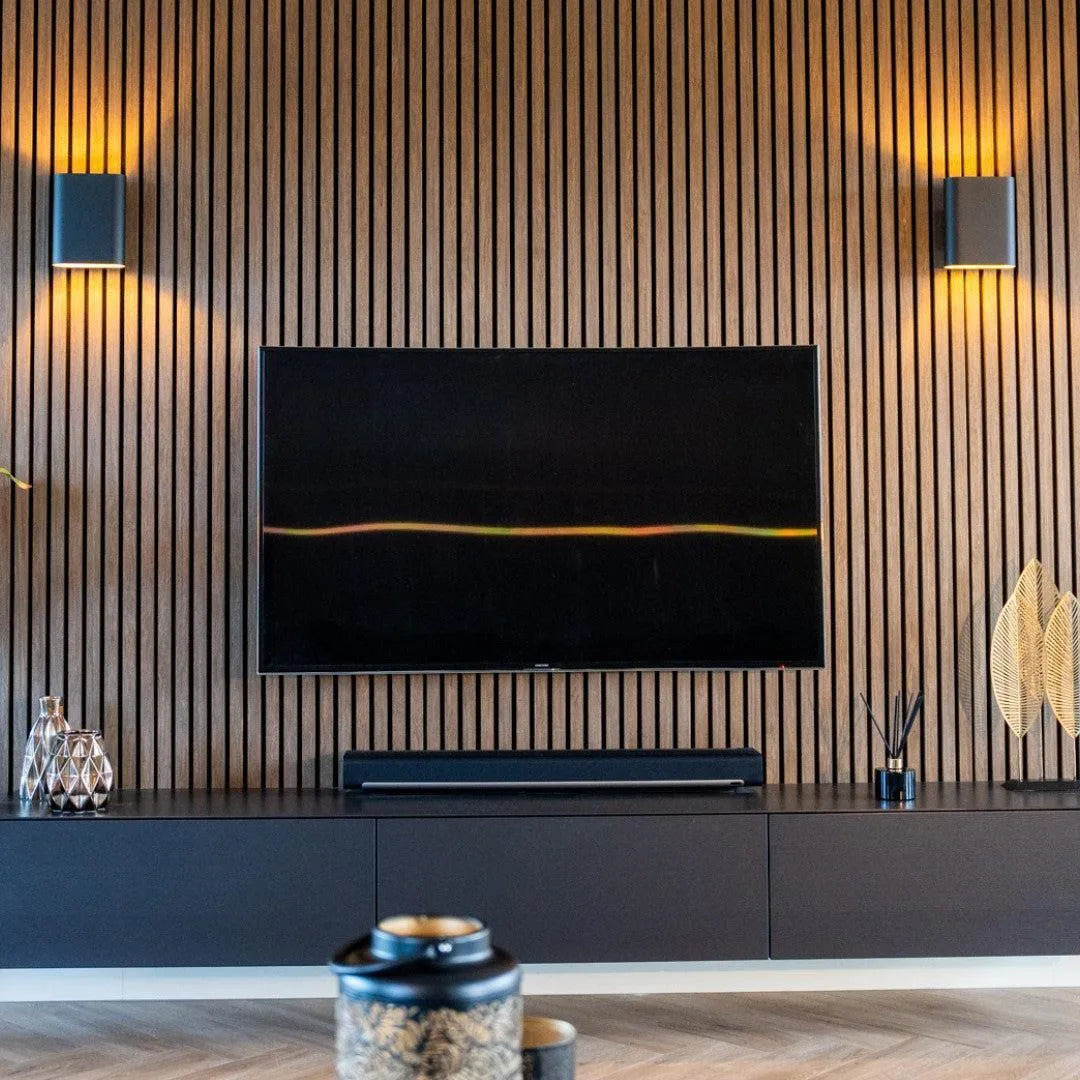
- Full slat panels for register walls and long sales-floor runs
- Hexagon panels for accent walls behind a featured or seasonal collection
- Fluted panels for column wraps and narrow entry walls
- Tile-format slat panels for alcoves and single feature walls under 40 sq ft
- End pieces and corner trim to close exposed panel edges at doorways
This is where the free approach runs out. Painting an accent wall costs almost nothing and does nothing for echo; hanging fabric panels absorbs sound but won't take a shelf bracket. A hexagon acoustic panel in walnut handles both jobs on one wall, which is why more small retailers moved to real wood veneer panels through 2025 and 2026.
Plan placement around fixtures and display lighting
Panels installed after fixtures are set almost always need rework. Map the wall on paper first.
- Mark where hooks, floating shelves or gridwall attach
- Leave clearance around wall-mounted POS screens and card readers
- End panel runs at a corner or doorway, never mid-wall
- Confirm full-height panels won't foul track lighting runs
- Panel both faces of a stockroom-facing wall if noise leaks through it


Budget like a retailer, not a homeowner
Gift shops run tighter margins than restaurants or gyms. Spend where the wall earns its keep.
- Panel the register wall and one feature wall first — that covers most of the acoustic and visual gain
- Reuse offcuts as shelf backers or small alcove infill instead of binning them
- Add roughly 10% material buffer for cuts around outlets and corners
- Check current pricing and sample options on the site before locking a materials list
Install in stages so the shop stays open
No gift shop can afford a week dark in Q4 2026. Panel installs stage cleanly, one wall at a time.
- Do the register wall overnight or before opening
- Schedule feature-wall work midweek, never on a weekend
- Choose removable or click-in systems where lease-end wall damage is a concern
- Keep spare end pieces on hand for post-install touch-ups
Maintain panels in a high-touch retail environment
Gift shops see more hand contact per square foot than most retail categories — browsers touch walls beside displays constantly.
- Dust weekly with a dry microfiber cloth, never a wet one
- Spot-clean eye-level smudges with a barely damp cloth, dried straight away
- Never stick adhesive tape or price labels directly on the veneer
- Vacuum felt-backed panels once a year so dust buildup doesn't dull absorption
Comparison: panel options for gift shop walls
| Option | Best for | Key limitation |
|---|---|---|
| Slat wall panels (natural oak, walnut, smoked oak, black oak) | Register walls and long sales-floor runs | Needs a flat, prepped wall for clean seams |
| Hexagon acoustic panels with gray felt | Feature walls and photo backdrops, NRC 0.75 | Best as an accent, not full-room coverage |
| Fluted wall panels | Columns and narrow entry walls | Less absorption than felt-backed slat panels |
| Tile-format slat panels | Alcoves and feature walls under 40 sq ft | Sized for small runs, not whole walls |
Verdict: for most independent gift and stationery shops, Akuwood Panel felt-backed acoustic slat panels on the register wall plus a hexagon accent wall is the right combination of sound control and merchandising surface in 2026.
For fixture spacing and display-hook layout in more depth, the guide on slat wall panels for retail store wall displays goes further than fits here.
Common mistakes gift shops make with wood panels
- Panelling every wall at once. Two well-chosen walls deliver most of the effect; four walls mostly deliver a bigger invoice.
- Ignoring fixtures until after install. Hooks and gridwall drilled into finished panels chip the veneer edge and there's no clean fix.
- Choosing finish by trend instead of merchandise. A finish that fights your product photography cancels out the visual lift you paid for.
- Skipping samples. Retail LEDs shift oak and walnut tone enough to trigger a full reorder.
- Buying decorative-only panels for a loud shop. Without a felt or acoustic backing, you get the look and none of the echo control.
FAQ
What's the best wood panel for a small gift shop?
Tile-format slat panels or a single hexagon accent wall work best for gift shops under 800 sq ft. Full-wall coverage rarely pays off at that scale in 2026.
Do wood panels actually reduce echo in a retail shop?
Felt-backed acoustic panels rated NRC 0.75 absorb a large share of reflected sound. That's enough to noticeably cut reverberation off tile floors and glass display cases.
Is real wood veneer better than faux wood panels for a gift shop?
Real wood veneer holds up better under close customer viewing and retail lighting. Printed faux finishes flatten out and repeat visibly across a long wall.
Can I install wood panels without closing my gift shop?
Yes. Most installs stage wall by wall, overnight or midweek, so the sales floor stays open throughout.
Which finish works best for a bright craft-style gift shop?
Natural oak reads brightest and suits handmade or Scandinavian merchandise. Walnut and smoked oak fit higher-ticket or moodier gift concepts.
How much of a gift shop needs panelling?
The register wall plus one feature wall covers most of the acoustic and visual benefit. Everything past that is diminishing return in small-format retail.
Can wood slat panels hold retail hooks and shelving?
Slat-format panels take standard hooks and brackets when fixture positions are mapped before installation. Drilling after the panels are finished risks chipping the veneer edge.
How do I clean wood panels in a high-traffic shop?
Dust weekly with a dry microfiber cloth and spot-clean smudges with a barely damp cloth, dried immediately. Avoid wet cleaning and adhesive tape on the veneer.
One last thing
The panels doing the most acoustic work in a gift shop are almost never on the biggest wall. They're behind the register, where staff and customers stand closest together and where sound bounces off a glass counter straight back at both of them. Treat that wall first — before the feature wall everyone photographs.


 Better performance and aesthetic appeal
 In Stock