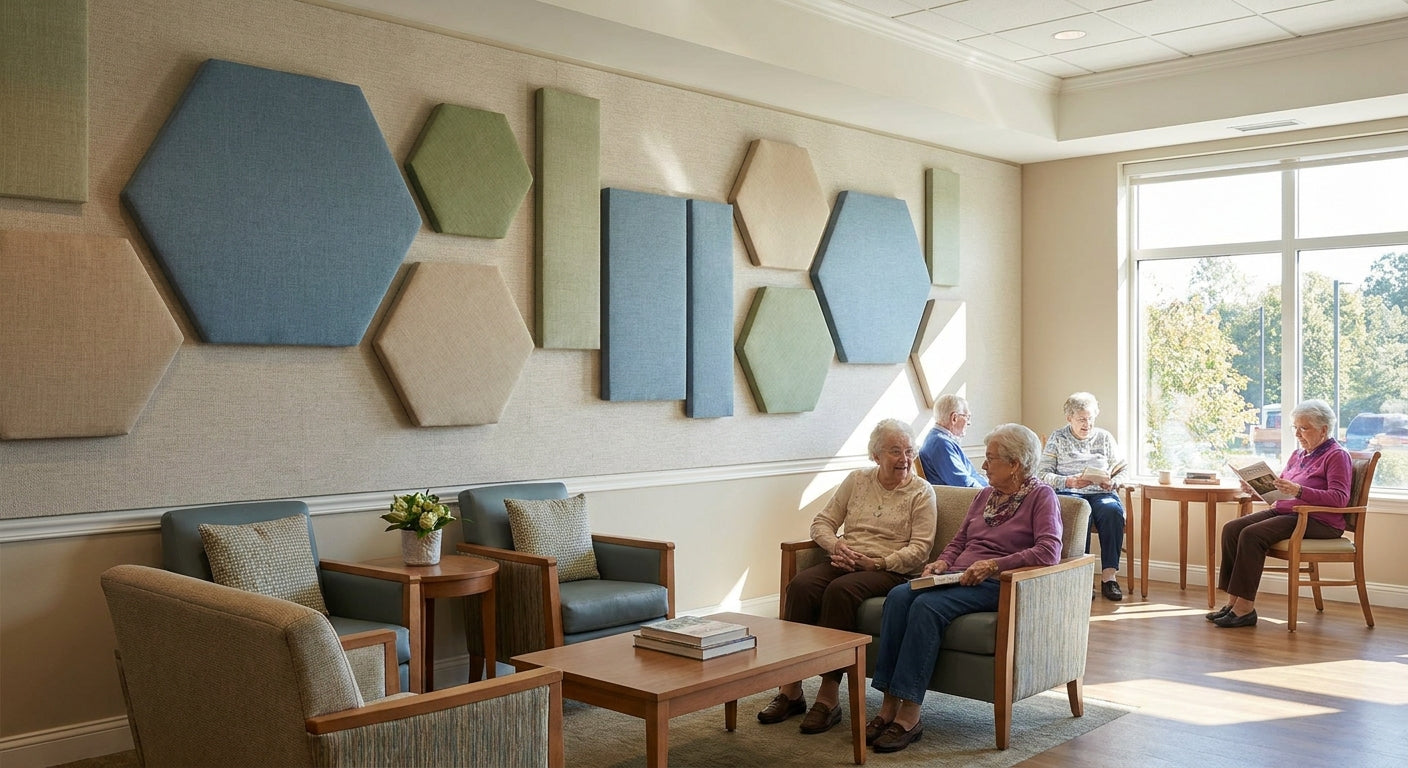
Senior living common rooms take a beating on acoustics: hard flooring for wheelchair access, high ceilings for an open feel, and hearing aids that turn every clatter into a spike. Acoustic panels for senior living common rooms solve the echo problem without the flooring, HVAC, or dining schedule changing at all.
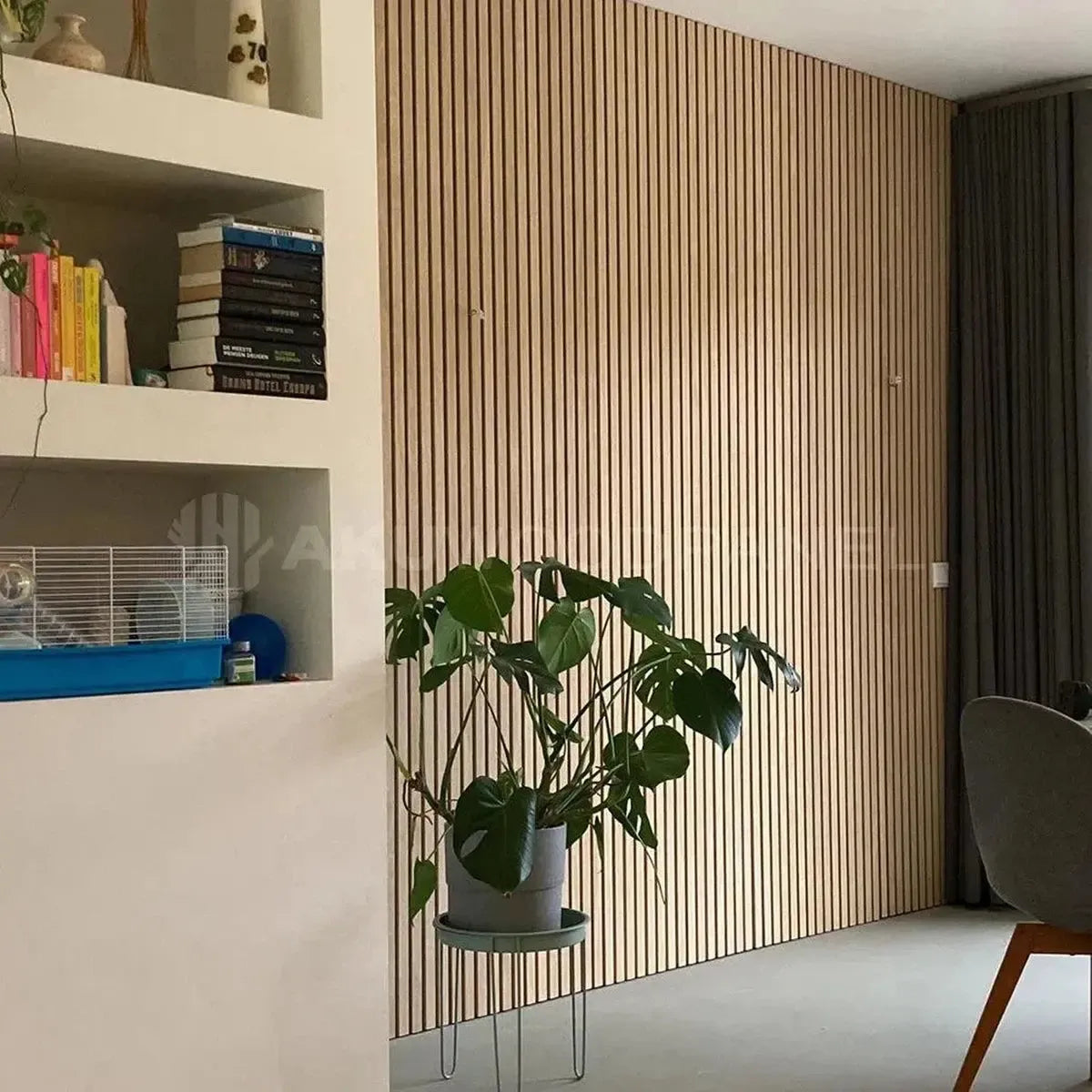
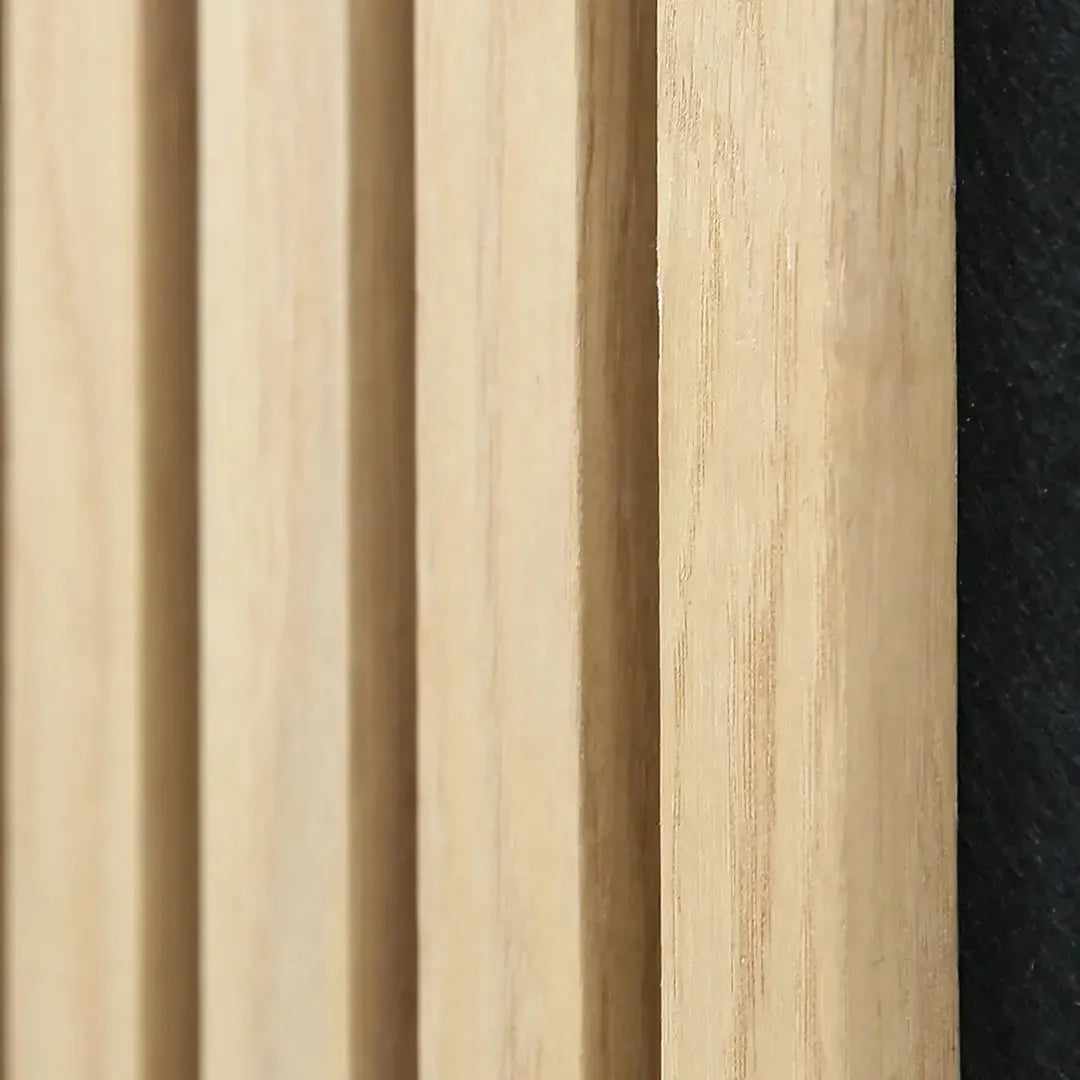
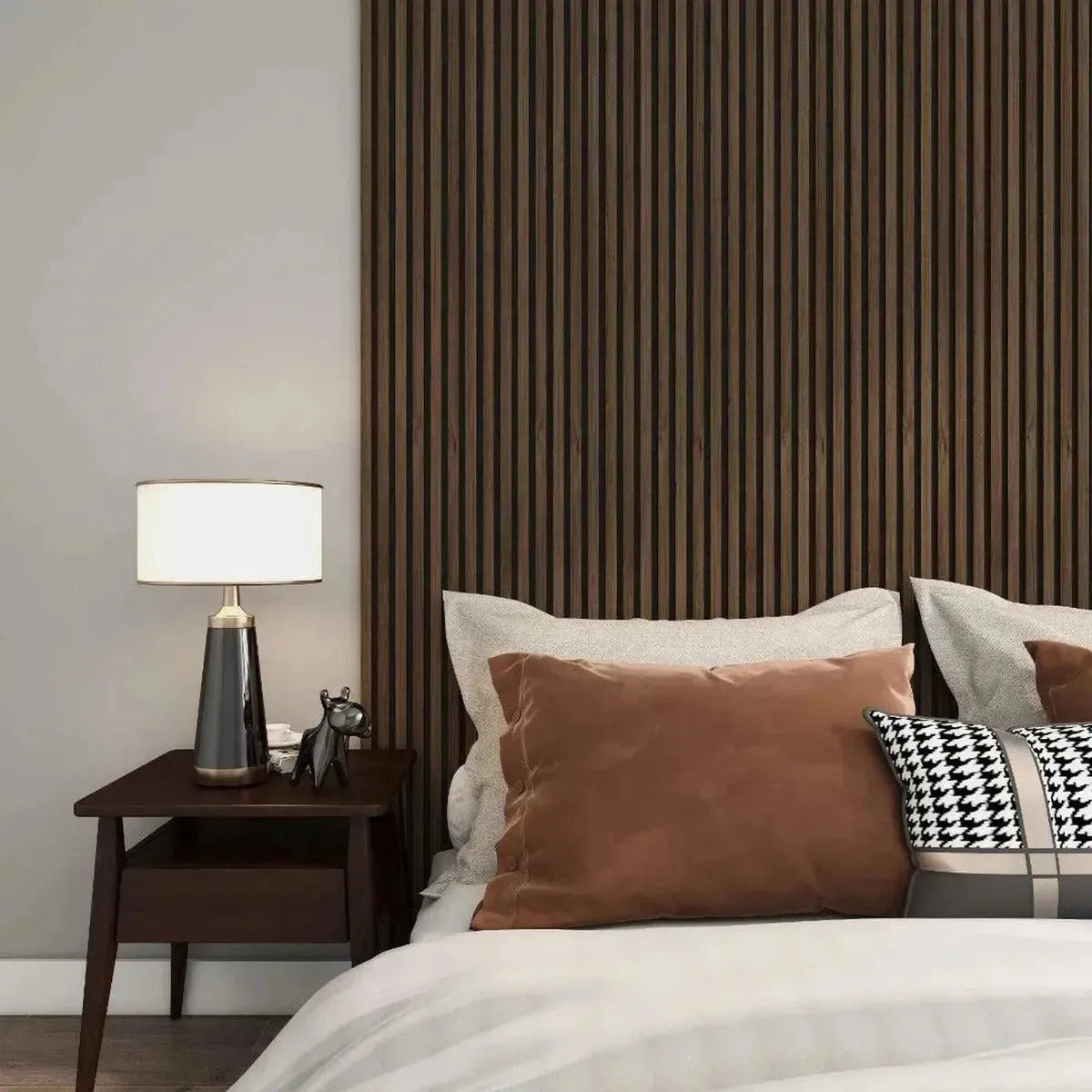
- Acoustic Slat Wall Panel Natural Oak with Gray Felt is the safe pick for senior living common rooms in 2026 at $169.95 — buy.
- Hexagon Acoustic Panel Natural Oak with Gray Felt carries an NRC of 0.75 and breaks up long corridor walls — buy.
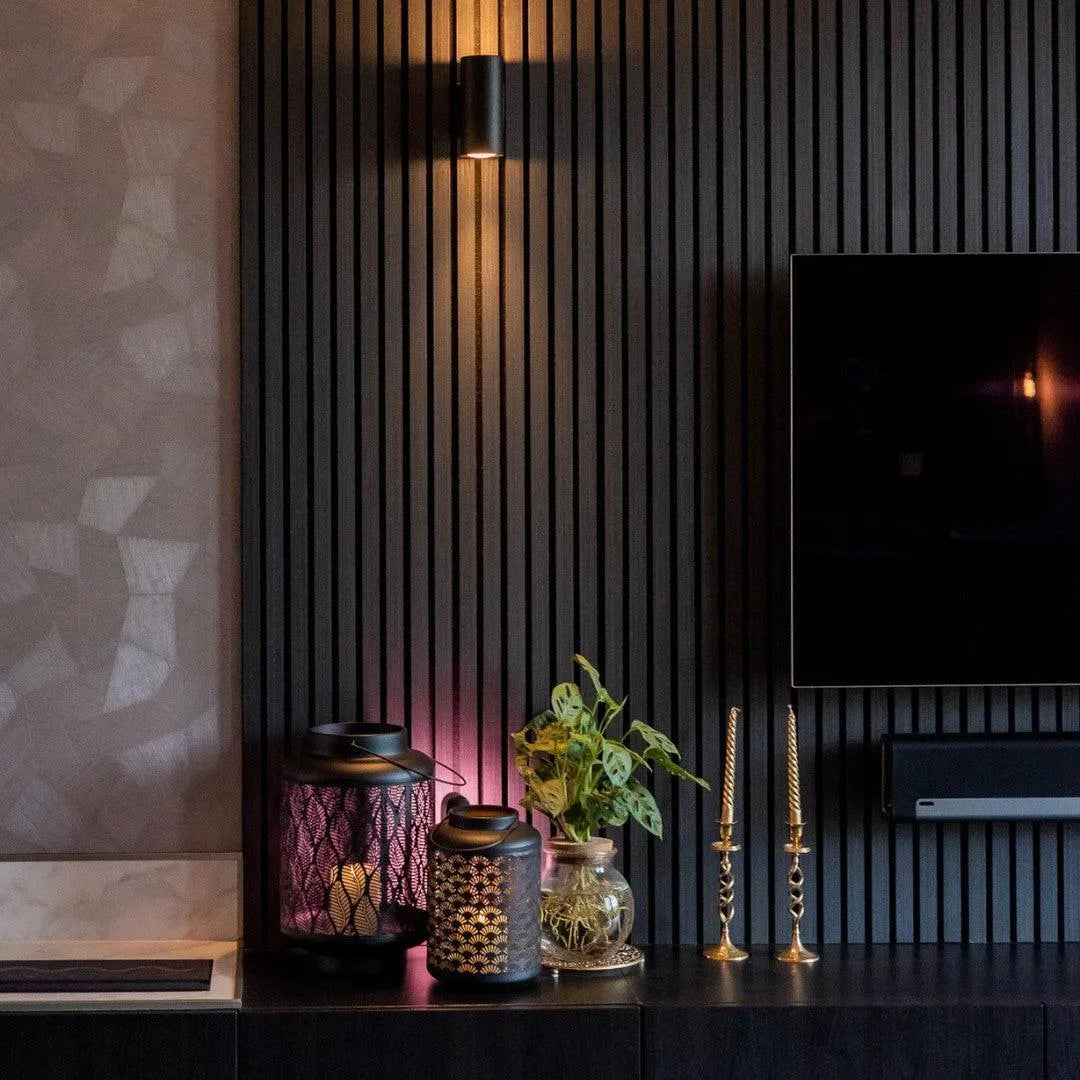
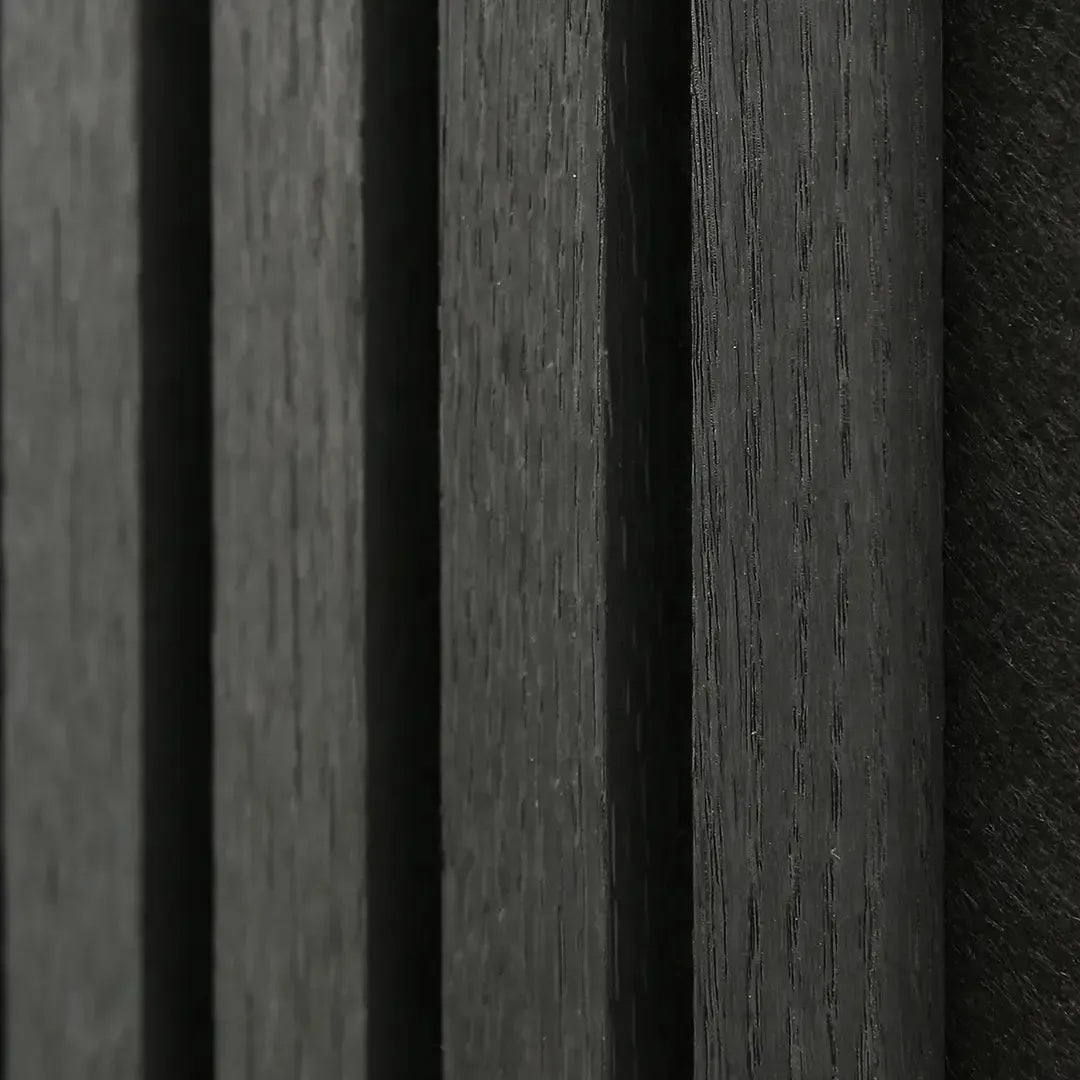
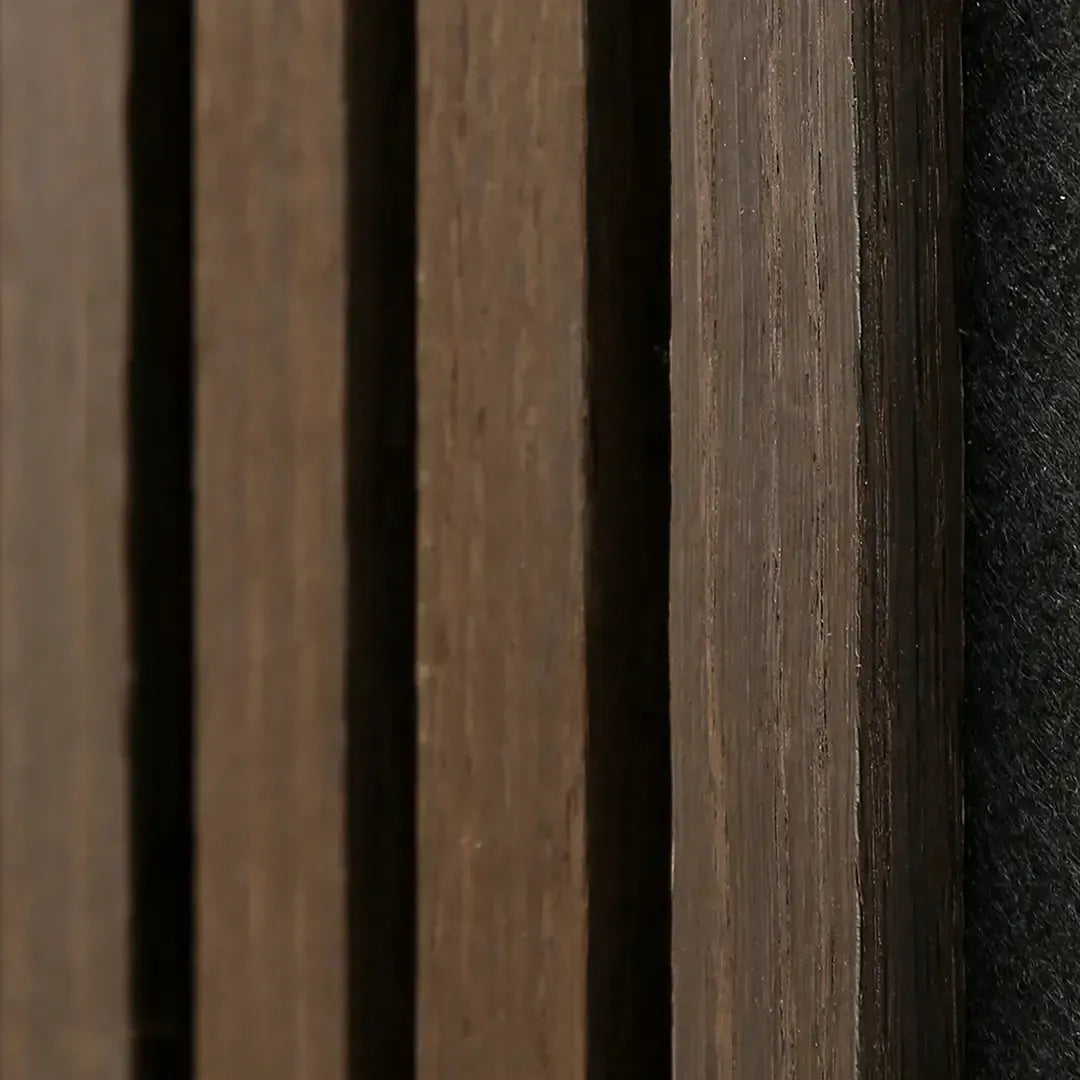
- Smoked Oak with Gray Felt reads moodier and suits low-light lounges, not dementia-care wings — consider.
- A $10 Full Sample Box beats guessing on tone before a bulk common-room order.
Why this matters
Residents with hearing loss lose speech clarity fastest in rooms with hard, parallel surfaces — the exact layout of most senior living common rooms, dining halls, and activity lounges. Echo doesn't just annoy staff; it isolates residents who already struggle to follow conversation. A wall treatment that cuts reverberation without looking like a hospital ward changes how a common room actually gets used in 2026, not just how it measures on paper.
Who this is for
This guide is for facility directors, interior designers, and procurement managers specifying finishes for assisted living, memory care, or independent senior living common areas. You're balancing acoustic performance, a residential (not institutional) look, ease of maintenance for high-traffic areas, and a budget that has to justify itself to an operations committee. You are not shopping for a home theater or a recording booth — the criteria below are tuned for shared, supervised, ADA-adjacent spaces.
What to look for in acoustic panels for senior living common rooms
Sound absorption number, not marketing language
Ask for the NRC (Noise Reduction Coefficient) rating on any panel before you buy a single box. Felt-backed acoustic slat panels in Akuwood Panel's lineup carry a documented NRC of 0.75 — that's the number that predicts whether a dining room actually gets quieter, not the word "acoustic" on the box.
A warm finish that doesn't read institutional
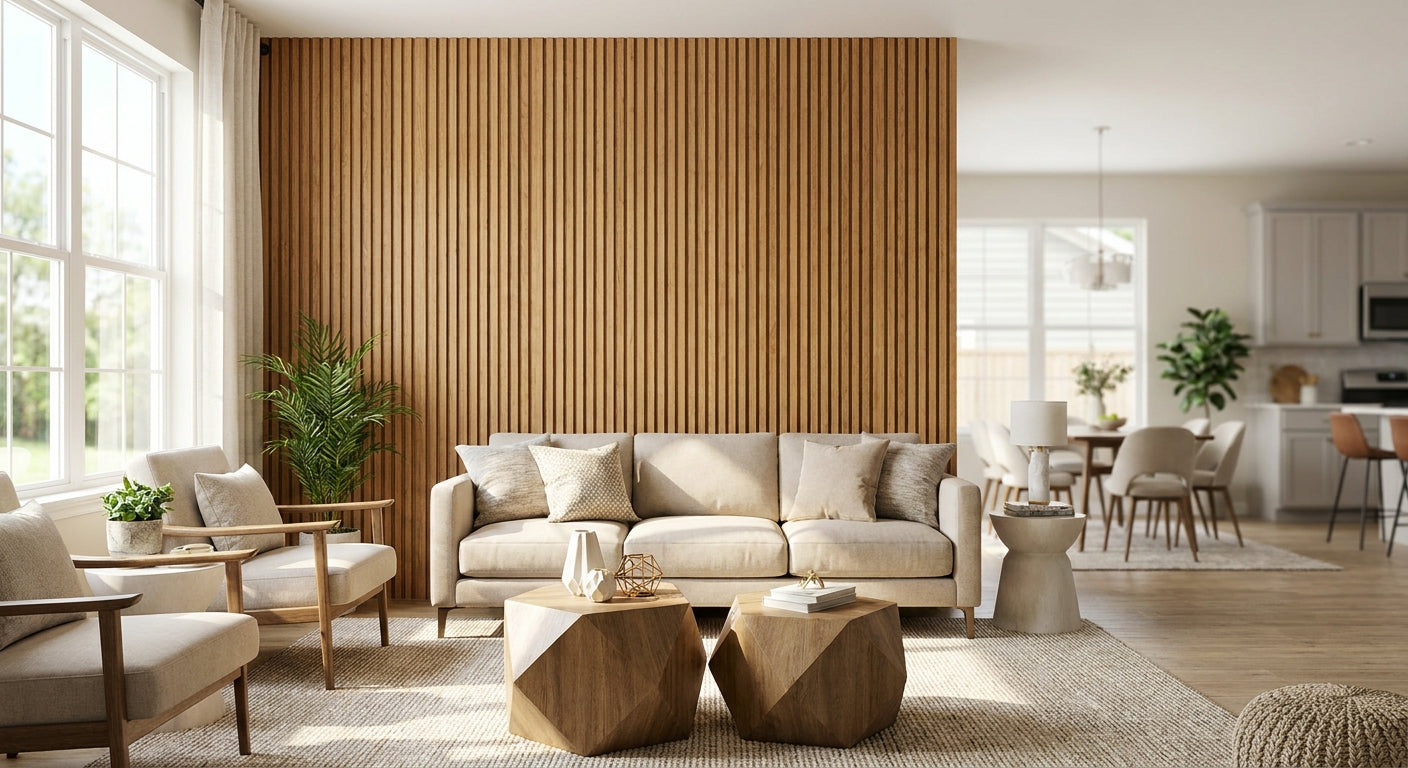
Senior living operators are actively moving away from clinical white walls and vinyl wallcovering because residents and families notice the difference. Real wood veneer in natural oak, walnut, or smoked oak tones signals a residential environment rather than a facility, which matters for both resident wellbeing and marketing tours in 2026.
Retrofit-friendly installation
Common rooms rarely get gutted for a wall treatment — the room stays in service. Panels that mount directly over existing drywall without demolition keep the common room usable during install, which is the difference between a weekend job and a week of displaced activities.
Durability under daily foot and cart traffic
Common rooms see wheelchairs, meal carts, and furniture moved daily. A panel with a solid wood veneer surface holds up to incidental bumps better than foam or fabric-wrapped panels that dent, stain, or fray within a year.
Fire and building code conversations, early
Commercial and senior care facilities carry stricter fire code requirements than a residential living room. Confirm code compliance with your local authority and supplier before finalizing a common room order — this is a conversation to have before purchase, not after installation.
Sample-first purchasing for B2B budgets
Procurement teams shouldn't commit to a full common room order on a photo. A physical sample in hand under the room's actual lighting settles finish debates faster than any product page.


Top picks for senior living common rooms
The safe pick — Acoustic Slat Wall Panel Natural Oak with Gray Felt. Felt-backed slats with a documented wood grain finish read warm without leaning rustic, which suits most common room aesthetics in 2026. At $169.95 per box it's the finish most designers default to when a client hasn't specified a strong preference. Verdict: Buy.
The wildcard — Hexagon Acoustic Panel Natural Oak with Gray Felt. Hexagon geometry breaks up a long, flat common room wall in a way that straight slats can't, and the panel still carries an NRC of 0.75. At $165.95 for a 4-panel box, it's priced close to the slat option but changes the visual rhythm of the room entirely. Verdict: Buy.
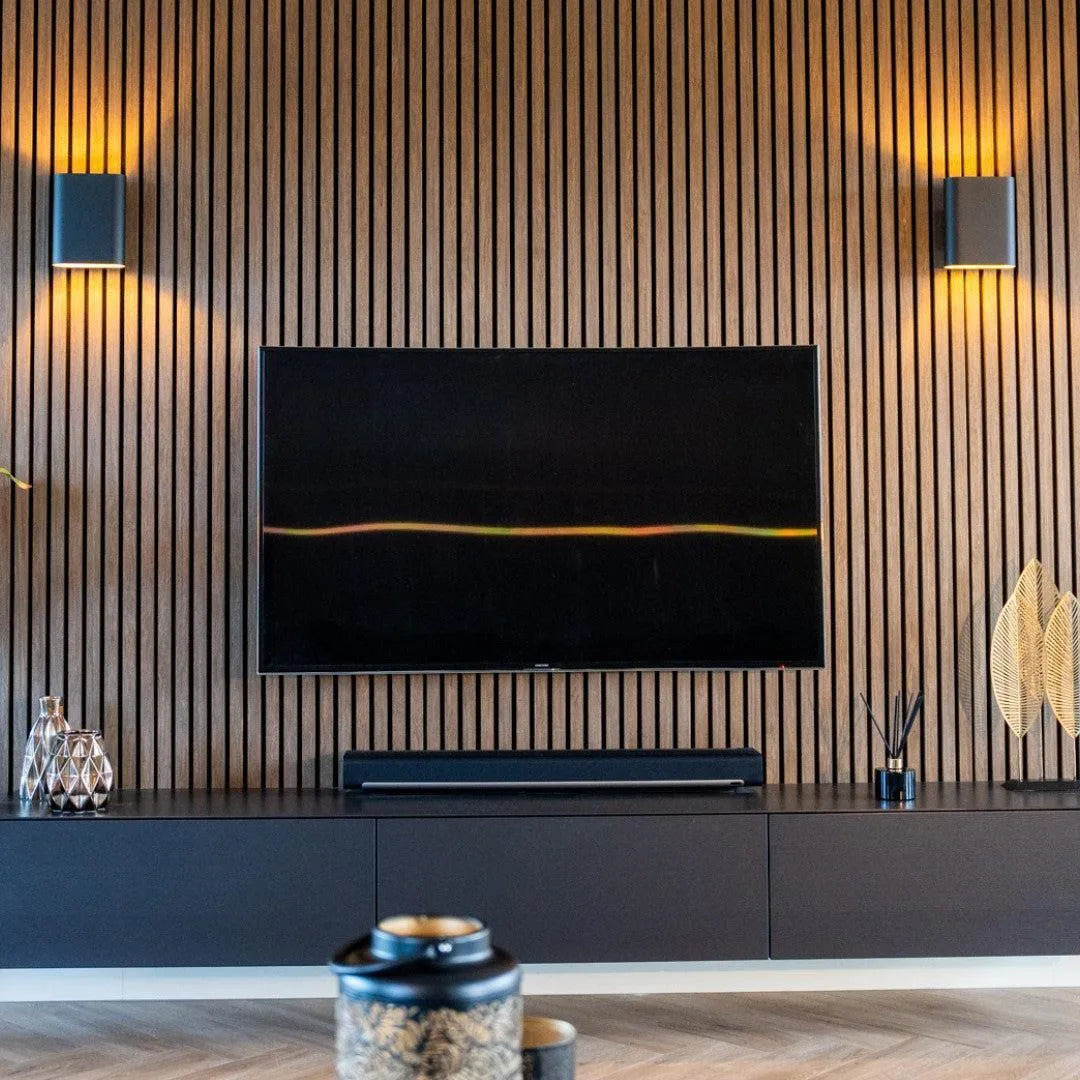
The moodier option — Acoustic Slat Wall Panel Smoked Oak with Gray Felt. Smoked oak reads darker and more formal, which works in an evening lounge or private dining area but can feel heavier in a memory care common room that needs bright, legible surfaces. At $169.95, the price matches the natural oak version — the decision is entirely aesthetic. Verdict: Consider.
The pre-purchase check — Full Sample Box, Slat Wall Panel. Before committing a common room budget to one finish, a $10 sample box with natural, smoked oak, and walnut tones settles the tone debate under the room's actual lighting. Every procurement manager ordering more than a few boxes should start here. Verdict: Buy.
What to avoid
- Reflective, hard-plastic acoustic tiles common in medical waiting rooms. They absorb little sound above a thin foam core and read clinical under fluorescent lighting — the opposite of the residential feel senior living operators are chasing in 2026.
- Unbacked slat panels in high-echo rooms. Slats without a felt or acoustic backing look identical to acoustic panels but absorb far less — check for felt backing specifically, not just the word "acoustic" on the listing.
- Foam-core panels in high-traffic common areas. Foam dents, stains, and discolors under daily cart and wheelchair traffic in a way that solid wood veneer surfaces don't.
Verdict comparison table
| Panel | Backing | Price | Best for | Verdict |
|---|---|---|---|---|
| Slat, Natural Oak with Gray Felt | Felt | $169.95 | General common rooms | Buy |
| Hexagon, Natural Oak with Gray Felt | Felt, NRC 0.75 | $165.95 | Long feature walls | Buy |
| Slat, Smoked Oak with Gray Felt | Felt | $169.95 | Evening lounges | Consider |
| Sample Box (3 finishes) | N/A | $10 | Pre-purchase check | Buy |
For a deeper look at how NRC ratings translate into real-room quiet, the guide on calculating acoustic panel NRC ratings for a room walks through the math procurement teams need before signing off on a bulk order.
FAQ
What's the best acoustic panel for a senior living common room?
Felt-backed acoustic slat panels in a natural oak finish are the safest starting point for senior living common rooms in 2026 because they combine documented sound absorption with a residential, non-institutional look. Hexagon panels with the same felt backing work well on longer feature walls.
How much do acoustic wood panels cost for a common room?
Felt-backed acoustic slat and hexagon panels run $165.95 to $169.95 per box as of 2026. A full common room typically needs multiple boxes, so requesting a $10 sample box first avoids costly finish mismatches.
Do acoustic panels actually help residents with hearing aids?
Yes — reducing reverberation off hard parallel walls improves speech clarity, which matters most for residents relying on hearing aids in a noisy dining or lounge setting. The NRC rating on the panel, not the word acoustic alone, predicts how much it helps.
Are wood acoustic panels safe for dementia care environments?
Warm wood tones generally read calmer than stark white or clinical finishes for dementia care residents, but fire code compliance for the specific facility should be confirmed with local authorities before installation. Lighter finishes like natural oak also stay more legible than dark tones for residents with reduced contrast sensitivity.
Can acoustic panels be installed over existing drywall?
Yes, felt-backed acoustic slat and hexagon panels are built for direct mounting over existing drywall without demolition. That keeps a common room in service during the install instead of shutting the space down for a week.
What NRC rating do you need for a senior living lounge?
An NRC around 0.75, like the felt-backed hexagon and slat panels, meaningfully reduces echo in a typical common room with hard flooring and a high ceiling. Lower NRC panels absorb noticeably less and may not solve a genuine echo problem.
Is natural oak or smoked oak better for a communal space?
Natural oak suits brighter, general-use common rooms and reads more residential across a wider range of lighting. Smoked oak works better in a dedicated evening lounge but can feel heavy in a memory care wing that needs bright, legible walls.
How do you order samples before a bulk purchase?
A Full Sample Box with natural, smoked oak, and walnut finishes costs $10 and lets a procurement team compare tones under the room's actual lighting before committing to a multi-box common room order.
One last thing
The NRC number matters more than the finish name on the listing — a felt-backed panel at 0.75 NRC and an unbacked slat panel with an identical wood grain can look nearly the same in a photo and perform completely differently on the wall. Ask for the backing spec before you ask for the color swatch.


 Better performance and aesthetic appeal
 In Stock