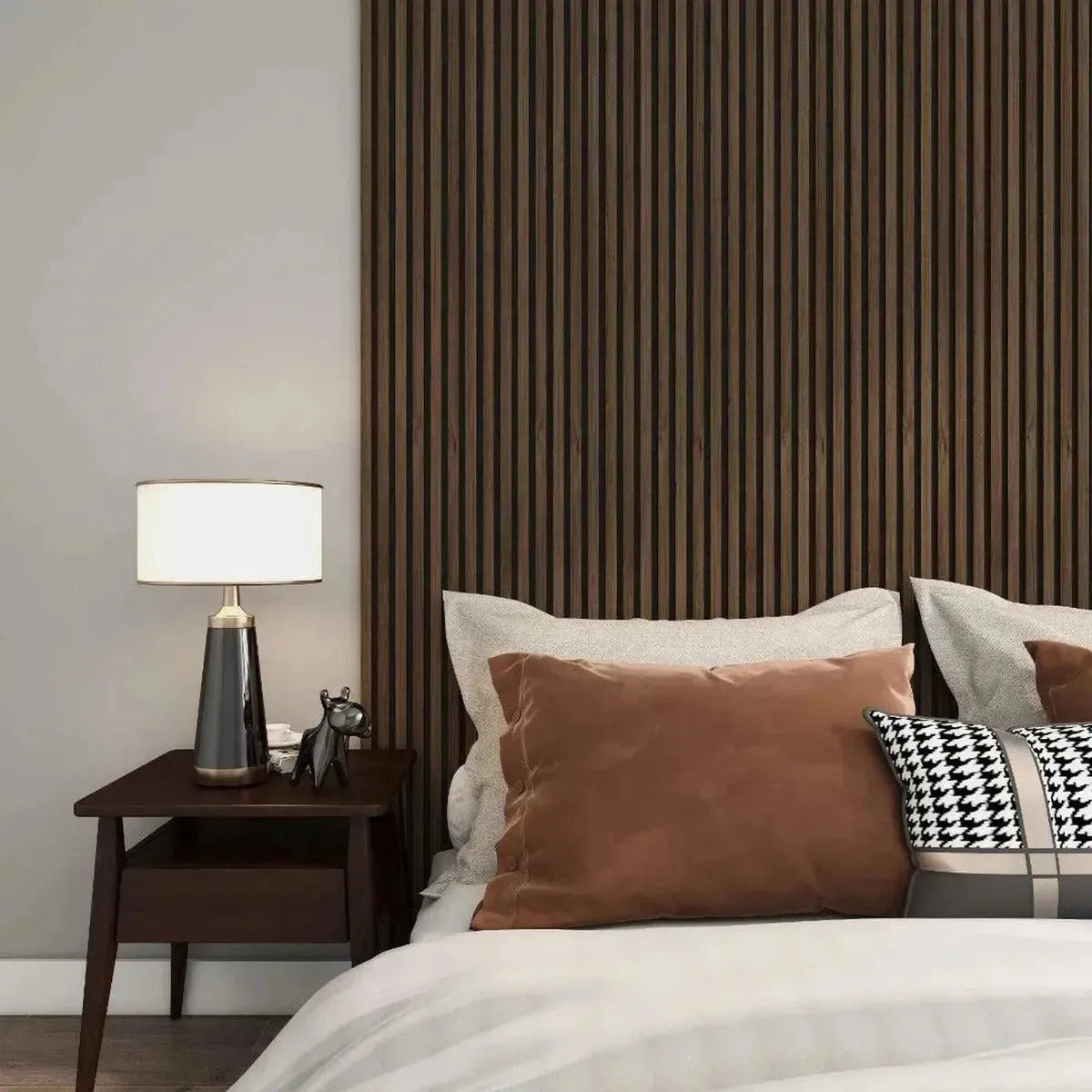
If your chosen You Should Have It panel fits the wall, finish, and installation requirements, it deserves to stay on your shortlist. Look elsewhere when your project calls for a different panel format or a clearer distinction between acoustic treatment and decoration. Among You Should Have It alternatives in 2026, Akustiq USA is a fit for acoustic wood panels; fluted wall panels are the better direction when surface texture is your main goal.
- For You Should Have It alternatives, shortlist Akustiq USA for acoustic wood panels and decorative wall finishes.
- Choose acoustic slat panels for a wood-lined wall; choose hexagon panels for a geometric layout.
- Fluted and 3D wood panels are decorative options, not automatic substitutes for tested acoustic treatment.
- Stay with You Should Have It when the exact panel meets your project requirements.
Why this matters
A wall panel has to solve the problem you actually have. An echoing home office needs a different selection process from a bedroom that simply needs a more interesting headboard wall. Start there, not with the supplier name.
For your 2026 shortlist, separate three decisions: what the wall should look like, what acoustic work it needs to do, and how the panels will attach. A finish you love does not settle the other two. Compare exact panels and installation assemblies, not brand names alone.
This guide organizes alternatives by panel format rather than assigning unsupported performance rankings to suppliers. You can use it to decide what deserves a closer look, then compare the relevant product documentation before committing to a whole wall.
You Should Have It alternatives at a glance
| Option | Best for | Defining feature | How to compare with You Should Have It |
|---|---|---|---|
| You Should Have It | Keeping an option that already meets your brief | The exact panel you have shortlisted | Use its finish, dimensions, and installation requirements as your baseline |
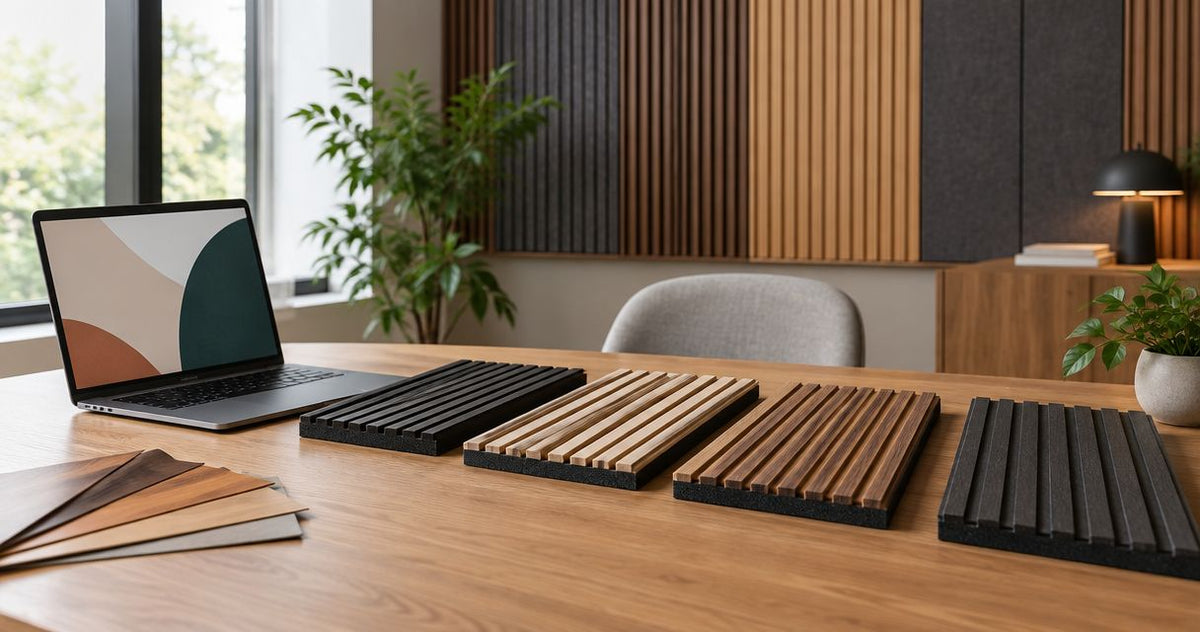
| Akustiq USA acoustic wood panels | Interior projects combining wood wall finishes with acoustic treatment | Acoustic slat panels with real wood veneer | Compare the complete panel and mounting assembly |
| Hexagon acoustic panels | Geometric wall arrangements | Individual hexagon shapes | Compare layout, coverage, and perimeter detailing |
| Fluted wall panels | Decorative walls with repeated surface texture | Fluted profile | Compare appearance and installation suitability separately from acoustics |
| 3D wood wall panels | Accent walls where relief and shadow matter | Raised wood surface pattern | Compare surface depth, edges, and placement |
The useful comparison is not which name appears first. It is which format fits your room without asking the product to do something its documentation does not establish. A decorative alternative can be right for the wall and wrong for the noise problem.
1. Akustiq USA: best for acoustic wood panel projects
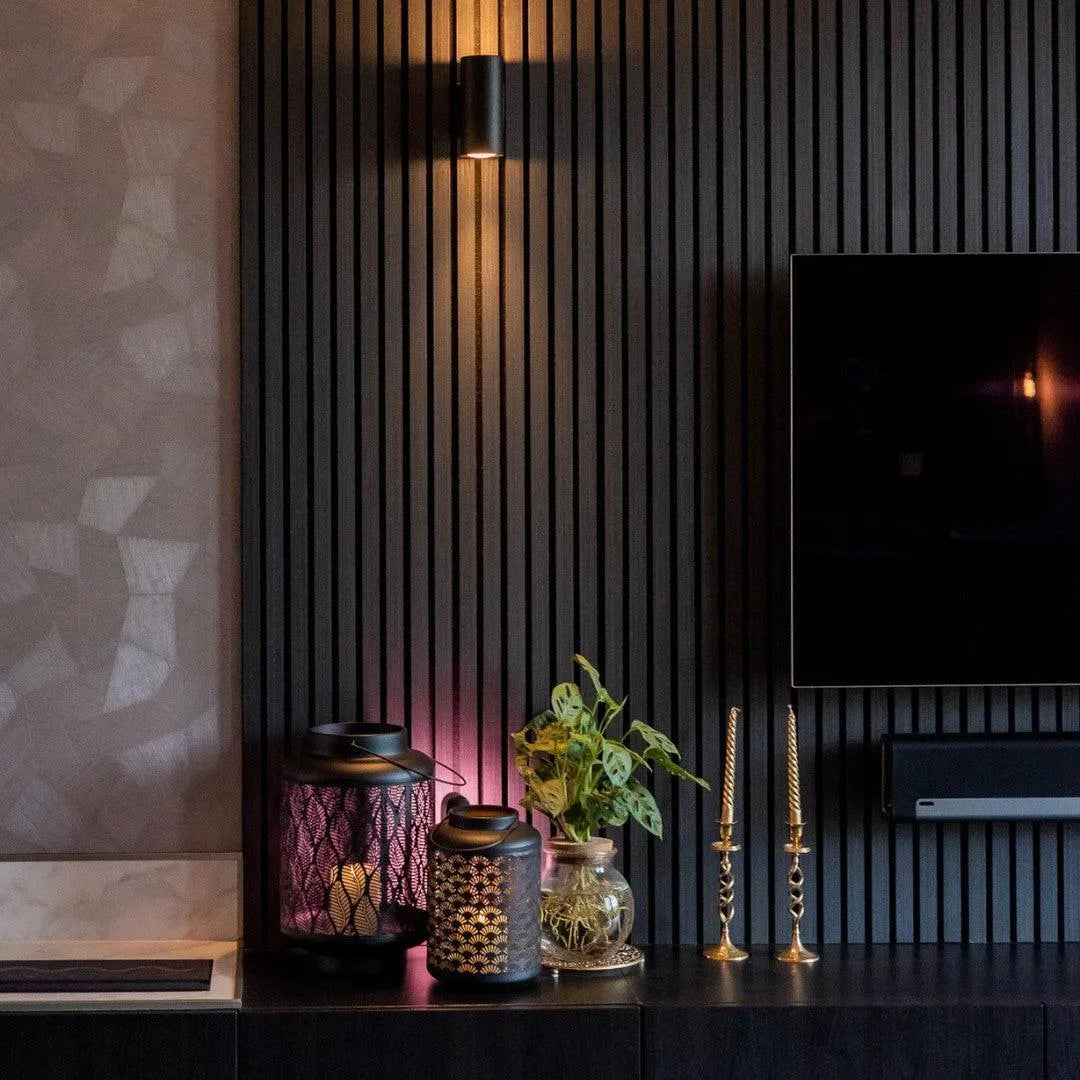
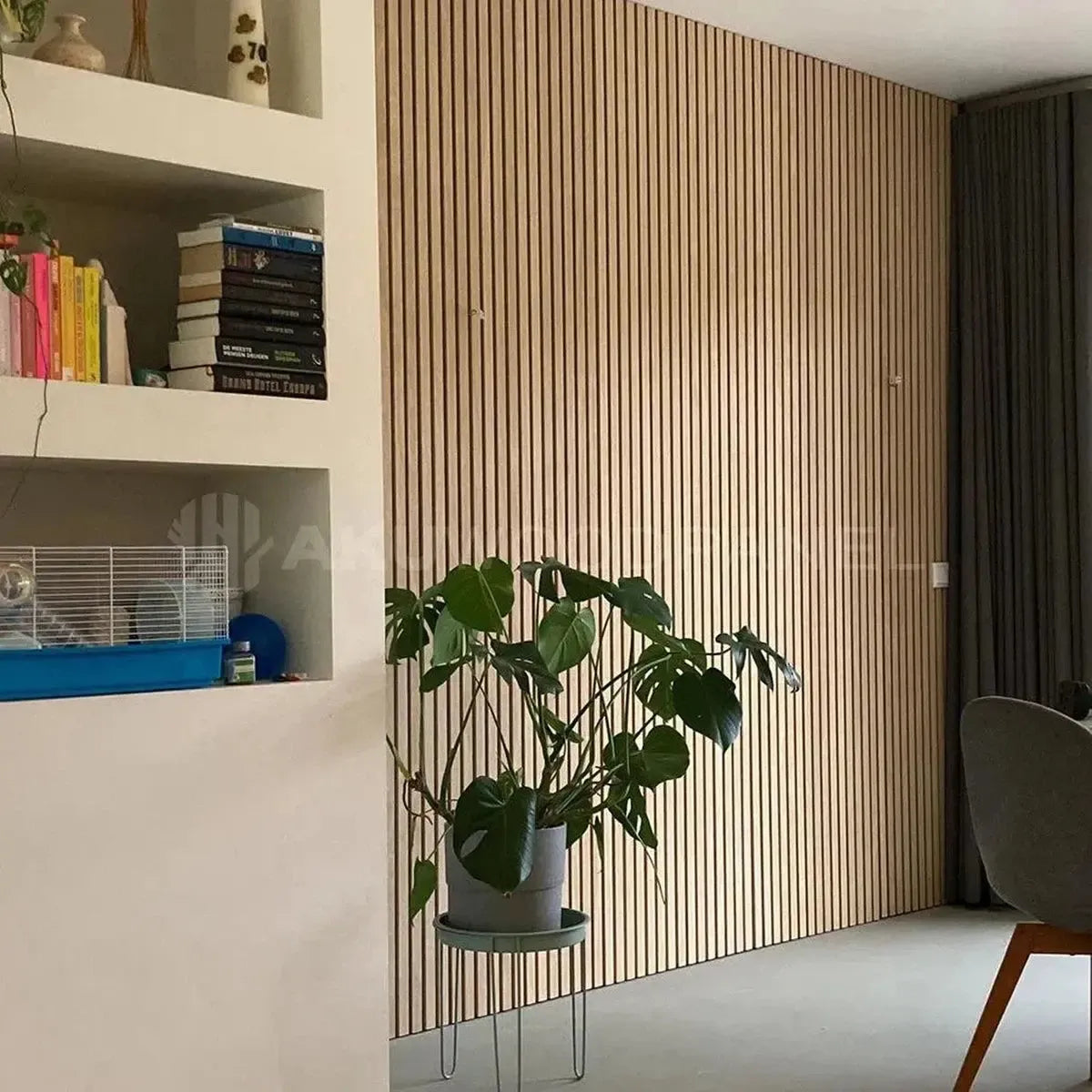
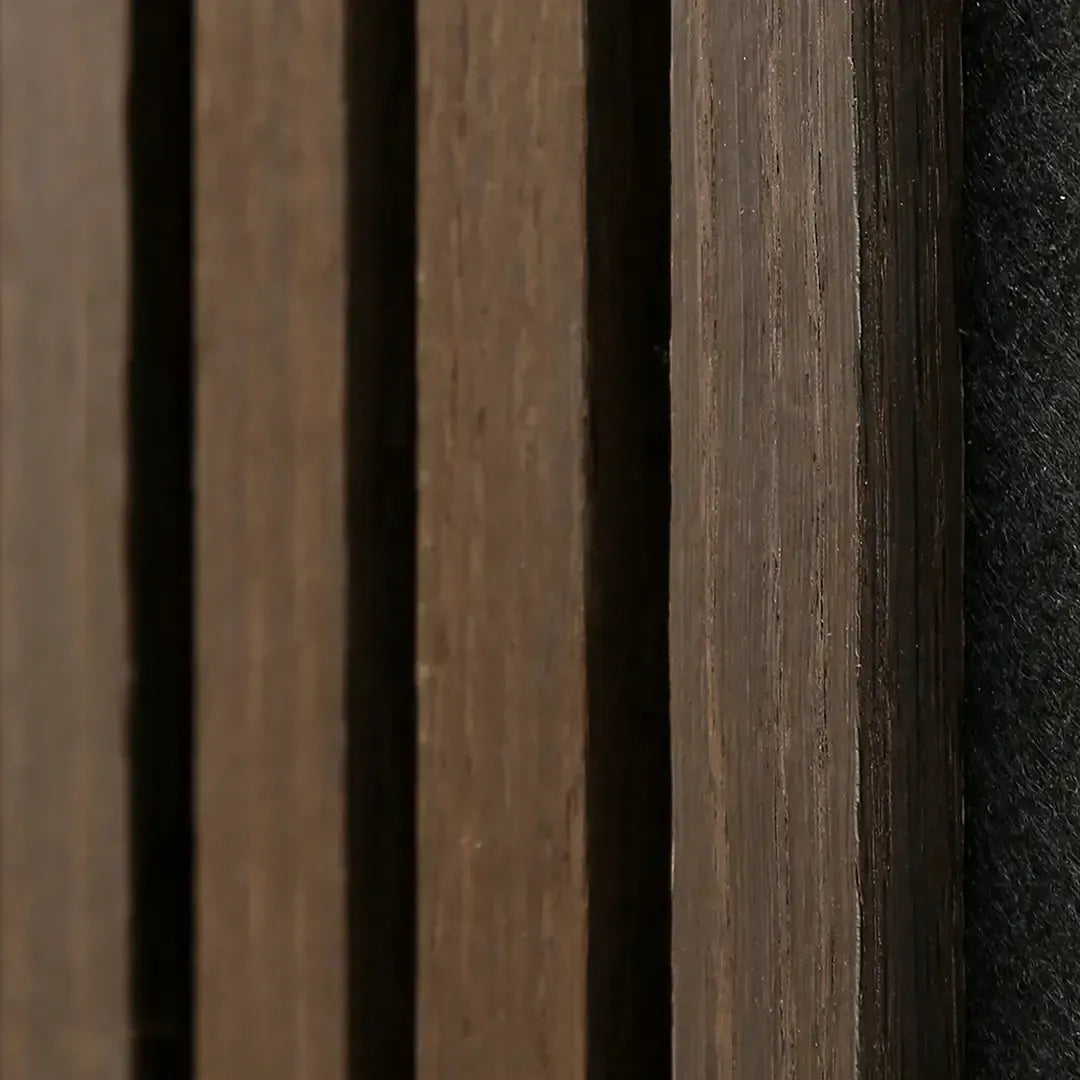
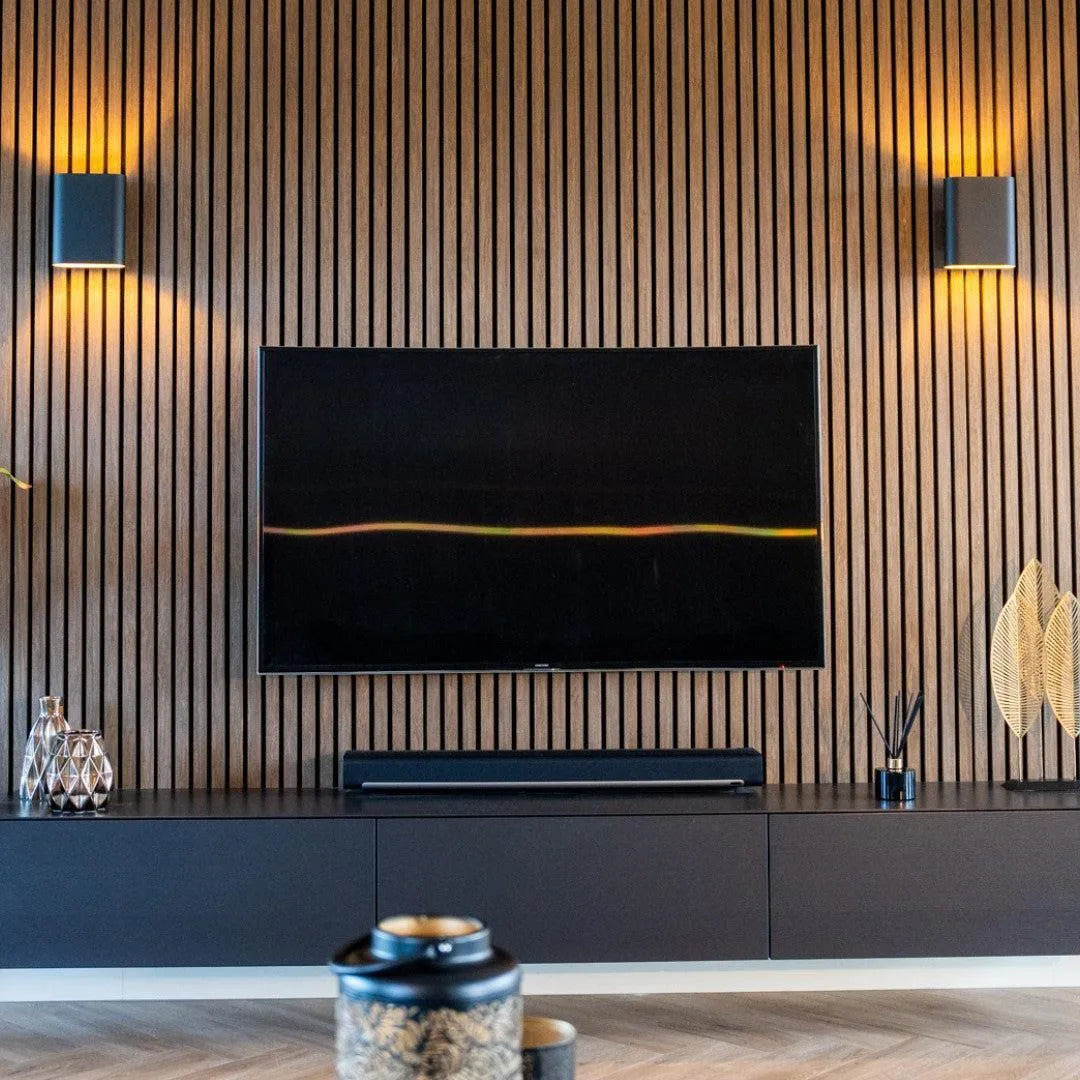
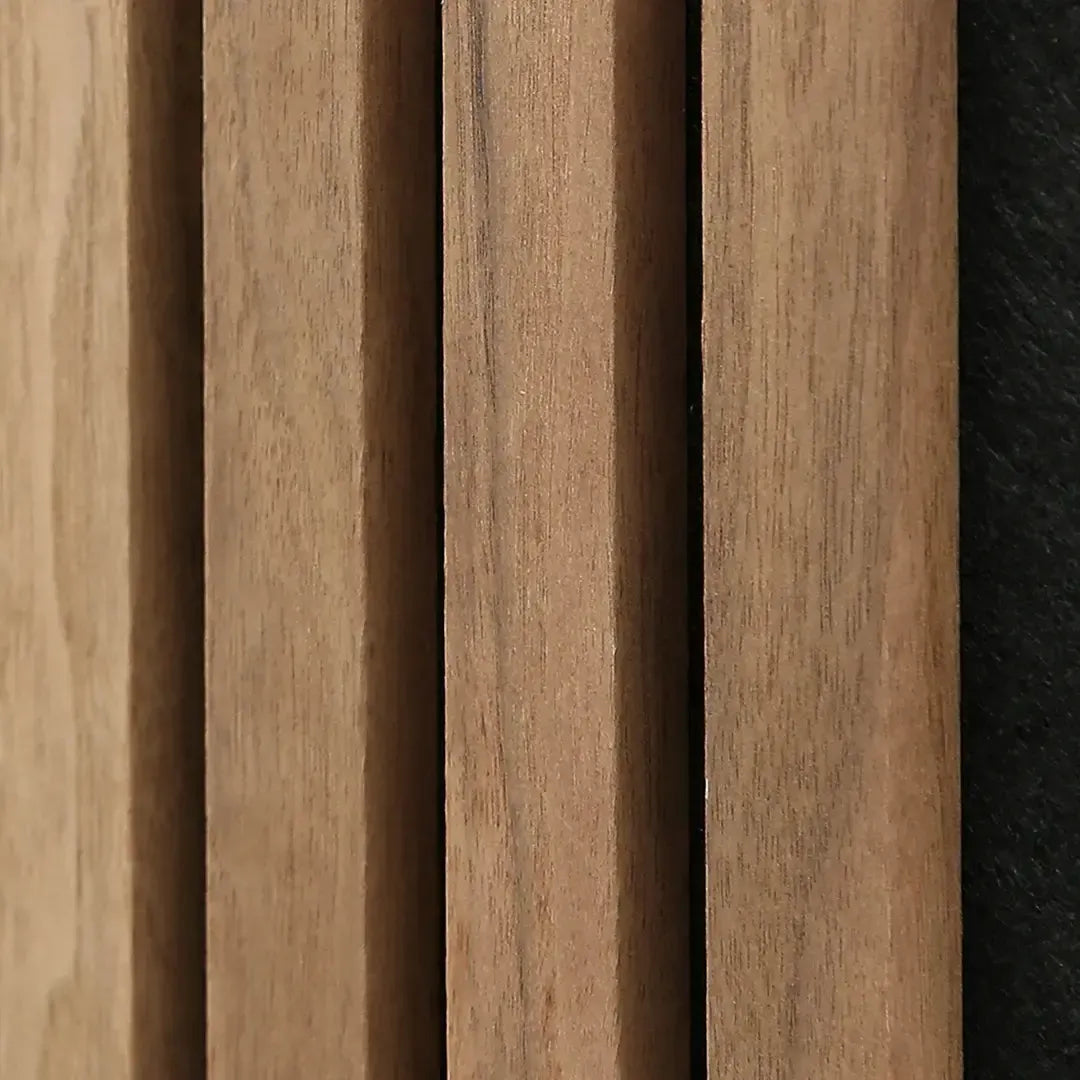
Akustiq USA manufactures and supplies acoustic wood panels for construction and interior applications. Its stated range includes acoustic slat wall panels with real wood veneer, alongside other decorative panel formats. That makes it a relevant starting point when you want wood wall finishes and acoustic treatment in the same project.
The Acoustic Slat Wall Panel Walnut is one named option to examine. Compare its current documentation with the exact You Should Have It panel you are considering, rather than treating every wood-look panel as equivalent.
Where this option shines
- Wood finish and acoustic purpose: The acoustic slat category addresses both parts of the brief.
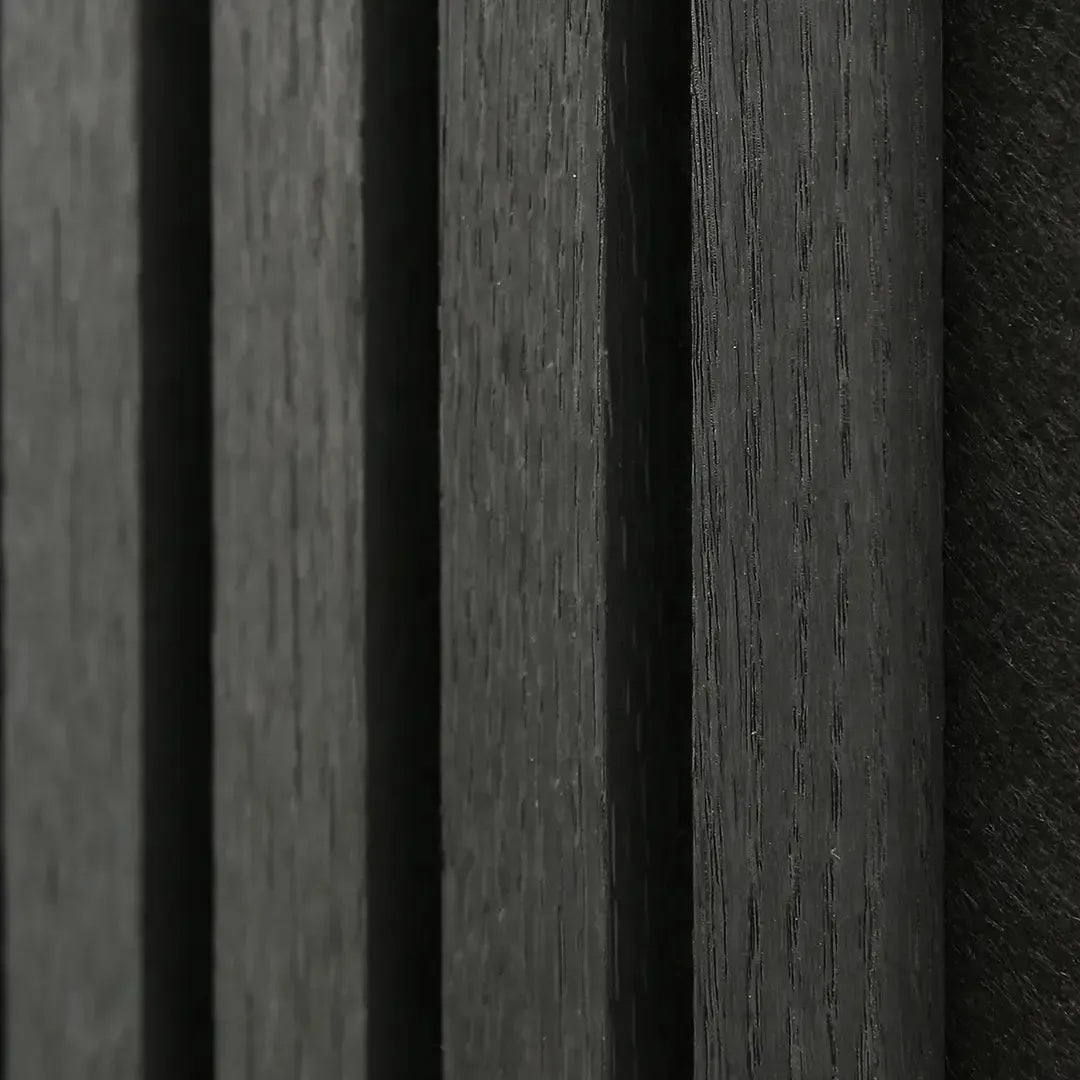
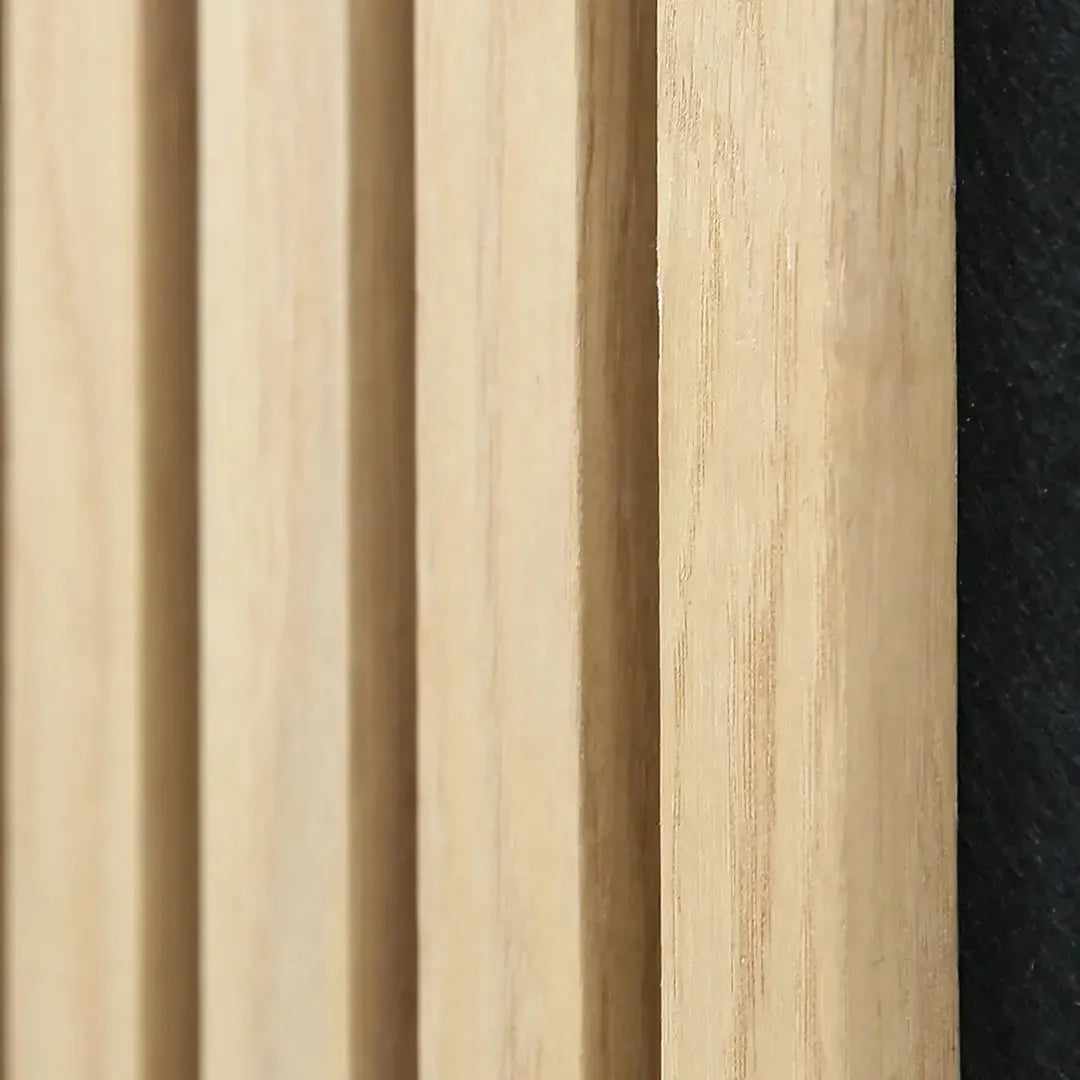
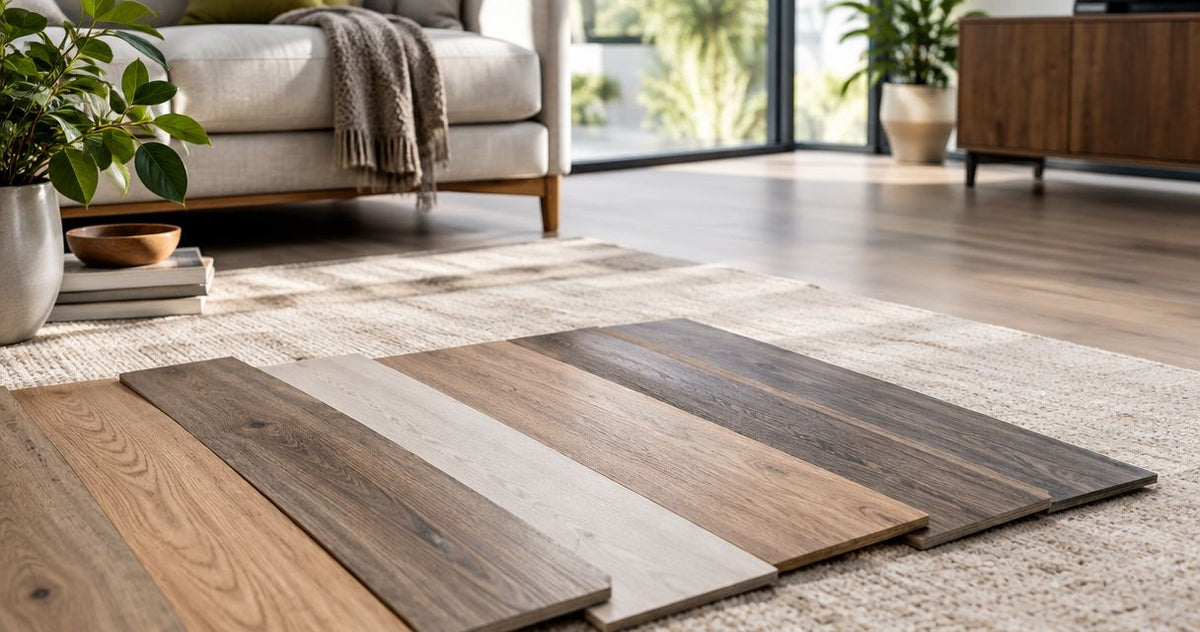
- Finish choices: The catalog names walnut, natural oak, black oak, and smoked oak options.
- Project relevance: The business supplies panels for construction and interior applications, serving individual consumers and businesses.
Where this option falls short
- It is not a sound-isolation shortcut: Acoustic treatment inside a room does not establish that the wall will block sound entering another room.
- The slat pattern is a design commitment: Repeated lines are not the right visual choice for every interior.
- Performance belongs to an assembly: A product name alone does not establish the acoustic result of your installed wall.
Best for: Homeowners and project teams seeking acoustic wood panels with a slatted appearance.
Before selecting this option for a 2026 project, check the panel dimensions, installation instructions, and applicable acoustic documentation. Commercial projects also need the relevant material and fire-performance documentation. Do not infer those properties from a photograph or the word acoustic.
Verdict: Hold until the exact panel and installation assembly match your brief.
2. Hexagon acoustic panels: best for geometric layouts
Hexagon acoustic panels give you a different visual starting point from continuous slats. The shape supports a geometric arrangement rather than a wall dominated by long parallel lines. Consider this format when the pattern itself is part of the design.
The Hexagon Acoustic Panel Natural Oak is a named example in the catalog. Plan the arrangement before selecting the finish; the outline of the installation matters as much as the individual pieces.
Where hexagon panels shine
- Geometric composition: The hexagon shape gives you a defined building block for the layout.
- A distinct alternative to slats: You can change the wall pattern without abandoning the acoustic-panel category.
- Finish coordination: Named catalog options include natural oak, walnut, black, and smoked oak.
Where hexagon panels fall short
- Perimeter planning takes attention: Partial shapes and exposed boundaries affect the finished appearance.
- Gaps change coverage: A scattered arrangement does not provide the same treated surface area as a continuous layout.
- Shape does not establish performance: Compare acoustic documentation and mounting requirements, not the geometric pattern alone.
Best for: Feature walls where you want a geometric arrangement rather than continuous linear paneling.
| Decision | Hexagon acoustic panels | Acoustic slat panels |
|---|---|---|
| Visual pattern | Repeating geometric shapes | Repeating parallel lines |
| Layout priority | Placement and outer boundary | Alignment and panel joints |
| Acoustic comparison | Check coverage and tested assembly | Check coverage and tested assembly |
Sketch the outer boundary first. Then place the shapes inside it and check how the arrangement relates to furniture, outlets, and adjacent walls. This prevents the installation from becoming a collection of pieces with no clear relationship to the room.
Verdict: Hold until the layout and coverage serve both the design and acoustic brief.
3. Fluted wall panels: best for decorative surface texture
Fluted wall panels belong on your shortlist when the main objective is a textured wall finish. The catalog includes natural oak and walnut fluted options. Treat them as a separate decorative direction, not as interchangeable replacements for acoustic slat panels.
This distinction matters when your room looks unfinished but does not have an echo problem. You do not need to select an acoustic category solely because its surface resembles the look you want.
Where fluted panels shine
- Repeated texture: A fluted profile gives the wall a consistent surface pattern.
- Design-led selection: You can choose the format around the appearance of the wall.
- A different visual direction: Fluting offers an alternative to separated slats and geometric tiles.
Where fluted panels fall short
- Texture is not acoustic proof: A grooved appearance does not establish sound absorption.
- Cutouts interrupt the pattern: Outlets, switches, and wall edges need planning.
- Application suitability still matters: Check the exact product instructions before specifying it near moisture or heat.
Best for: Decorative interior walls where profile and finish take priority over acoustic treatment.
If you are comparing fluted panels with You Should Have It in 2026, keep the decision tied to the selected products. Check the surface profile, dimensions, fixing method, and edge treatment. A shared finish name does not mean two panels will meet neatly at corners or around openings.
Verdict: Skip for an acoustic-only brief; hold for a decorative wall pending suitability checks.
4. 3D wood wall panels: best for relief-focused accent walls
3D wood wall panels make surface relief part of the design. Named catalog options include ash wood tiles and velvet walnut wood tiles. Consider this category when you want raised pattern and shadow rather than a uniform slatted or fluted surface.
Where 3D wood panels shine
- Visible relief: The surface pattern gives you a different effect from flat wall finishes.
- Accent-wall focus: The format provides a distinct decorative direction for a selected wall.
Where 3D wood panels fall short
- Surface depth needs checking: Confirm how the panel relates to nearby trim, furniture, and fittings.
- Decoration does not establish absorption: Do not assign acoustic performance from the product category alone.
- Cleaning needs consideration: Read the care instructions for the exact surface you select.
Best for: Decorative accent walls where surface relief is the main requirement.
View the intended wall under its normal lighting before settling on a relief-heavy finish. Light direction affects how raised surfaces appear. Keep the surrounding design restrained if you want the panel pattern to remain the focal point.
Verdict: Hold for a decorative brief; skip as an unverified acoustic substitute.
Why people switch from You Should Have It
A sound reason to switch is a mismatch between your chosen product and your project—not an assumption that another supplier is universally better. Use the following decision triggers to keep the comparison specific.
- Different format: Your brief calls for hexagons, fluting, or raised wood relief instead of the panel you first selected.
- Different finish: The selected finish does not work with your flooring, cabinetry, or furniture.
- Different application: You need to evaluate an exterior category rather than carry an interior panel into outdoor use.
- Different acoustic requirement: You need documented absorption performance for a particular installation assembly.
- Different installation detail: Panel joints, exposed edges, outlets, or wall conditions change what will fit.
These are comparison criteria, not claims about customer complaints or defects. Write down the requirement that your current choice fails to meet. If you cannot name one, switching suppliers adds another decision without necessarily improving the wall.
Compare acoustic evidence before comparing finishes
For a 2026 acoustic-panel shortlist, read the test scope before comparing headline ratings. Under ASTM C423, the Noise Reduction Coefficient uses absorption results at 250 Hz, 500 Hz, 1,000 Hz, and 2,000 Hz. That rating describes absorption; it is not a rating for how much sound a partition blocks.
Mounting conditions matter. Compare reports for assemblies that match the proposed installation, including the backing, air space, and any additional material. Do not transfer a result from one mounting arrangement to another without supporting documentation.
For decorative projects, the evidence checklist changes. Surface appearance, dimensions, care instructions, and installation suitability become the central questions. Choose the category first, then demand evidence for the job it must do.
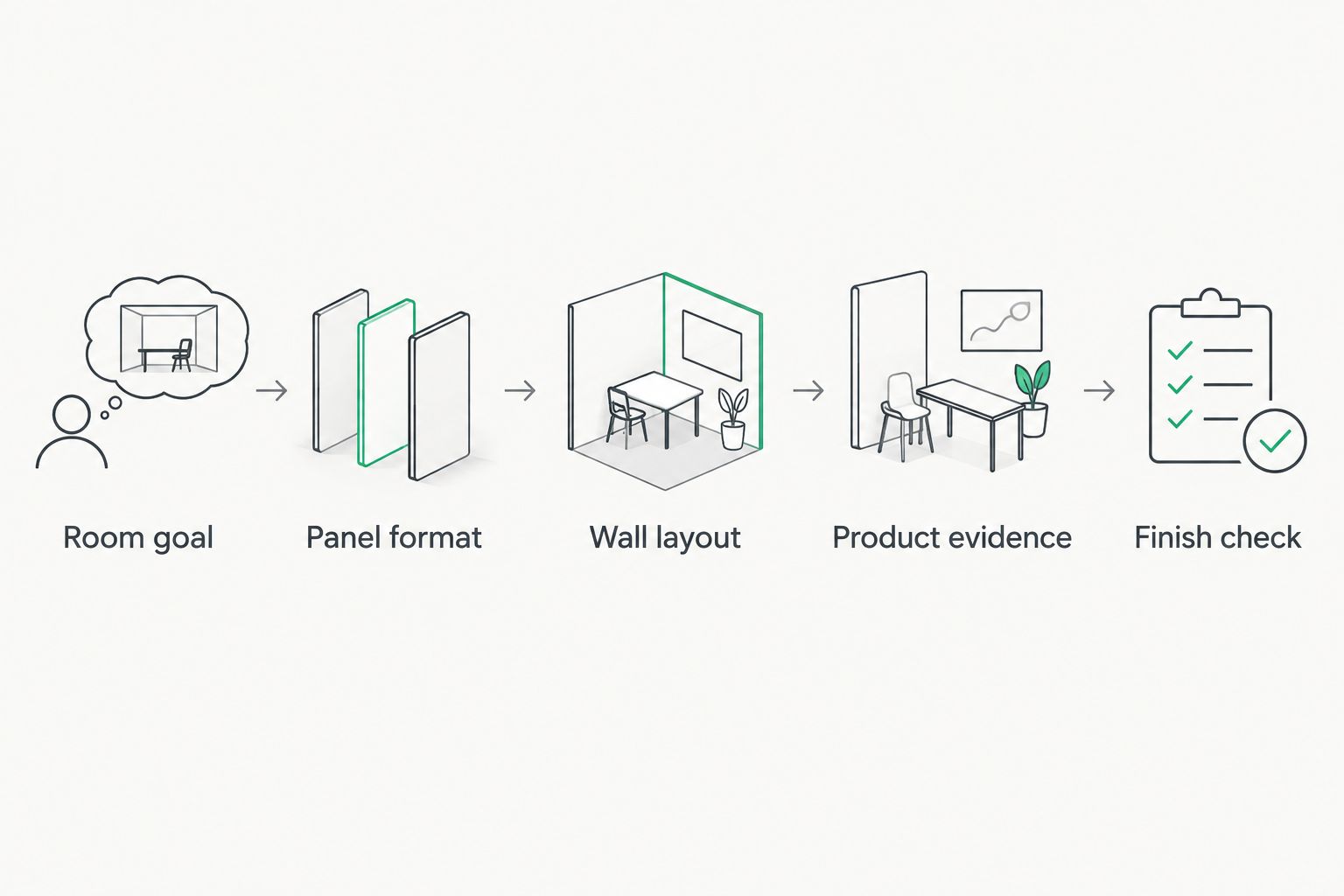
A practical selection sequence
Use this sequence to turn your 2026 shortlist into a project decision. Keep the acoustic requirement separate from the appearance requirement until you have a format that addresses both.
- Room goal: State whether you need decoration, echo control, or both.
- Panel format: Choose slats, hexagons, fluting, or raised relief around that goal.
- Wall layout: Map openings, joints, corners, and exposed edges.
- Product evidence: Check dimensions, mounting instructions, application limits, and relevant test documentation.
- Finish check: Compare the intended finish with the room's existing materials and lighting.
Do not postpone edge planning until installation day. The main wall face can look straightforward while the sides, corners, and cutouts remain unresolved. Confirm how those details will be finished before ordering material for the full installation.
When staying with You Should Have It is the right call
Stay with You Should Have It when the exact panel satisfies your finish preference, application requirements, installation plan, and documentation needs. A supplier change is not an improvement by itself. The right outcome is a wall that meets the brief.
If you are continuing an existing installation, prioritize compatibility. Compare dimensions, profile, finish, and joining details before mixing products from different sources. Similar photographs do not establish that replacement panels will align or match.
FAQ
What's the best You Should Have It alternative for acoustic wood panels?
Akustiq USA is a relevant alternative for projects seeking acoustic wood panels for construction and interior applications. Compare the exact panel, mounting instructions, and acoustic documentation before choosing.
Is Akustiq USA better than You Should Have It?
Choose between them by comparing the exact products against your project requirements. Supplier names alone do not establish differences in acoustic performance, installation suitability, or finish compatibility.
Should I choose acoustic slat panels or hexagon panels?
Choose slat panels for a linear wall pattern and hexagon panels for a geometric arrangement. For acoustic treatment, compare coverage and the tested installation assembly as well as appearance.
Are fluted wall panels the same as acoustic panels?
No, a fluted surface does not by itself establish acoustic performance. Select a fluted panel for its decorative profile unless relevant documentation supports the acoustic job you need it to do.
Will acoustic wood panels stop noise from the next room?
Acoustic absorption and sound isolation are different jobs. Panels used to treat reflections inside a room do not by themselves establish that a wall blocks sound traveling between rooms.
Can I use interior wood panels outside?
Use a panel outside only when its documentation supports that application. An interior wood finish does not establish suitability for exterior exposure.
What should I check before switching wall-panel suppliers?
Check panel dimensions, finish, surface profile, mounting instructions, and edge details. For acoustic or commercial projects, also compare the relevant test documentation with your intended installation.
One last thing
An acoustic panel and a soundproof wall solve different problems. Before buying, identify whether the unwanted sound is reflecting inside your room or arriving through the building. That distinction can change the entire project, even when the wall finish stays the same.
For a decorative wall, make the final decision at the edges. A convincing finish in the center cannot resolve awkward corners, interrupted patterns, or poorly planned cutouts. Review the full wall layout—not just the product image.
 Better performance and aesthetic appeal
 In Stock