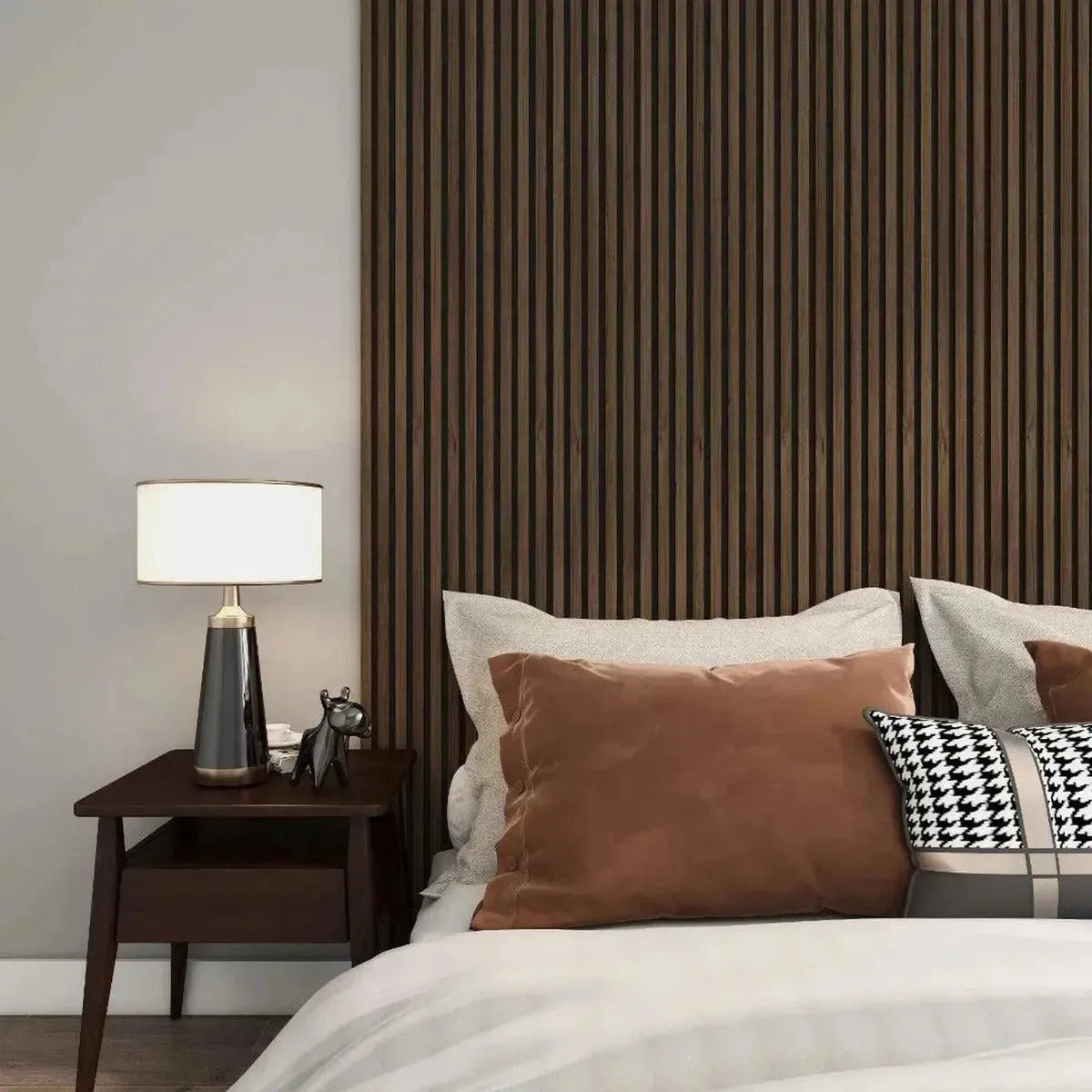
Woodpanelwalls is a starting point for your wood wall panel shortlist. That shortlist stops being useful when appearance alone replaces checks on sound absorption, mounting, and room suitability. The best Woodpanelwalls alternative in 2026 is Akustiq USA if you need real-wood-veneer acoustic slat panels; fabric-wrapped acoustic panels are the better route if sound treatment matters more than a wood finish.
- For woodpanelwalls alternatives, choose Akustiq USA acoustic wood panels when real wood veneer and a slat finish matter.
- Choose fabric-wrapped acoustic panels when sound treatment takes priority over wood grain.
- Choose custom wood slats for a made-to-measure layout, not an assumed acoustic benefit.
- Compare mounting instructions and acoustic test reports before choosing a wall panel supplier.
Why this matters
A wood feature wall and an acoustic treatment are not automatically the same thing. You can like the look of a panel without knowing whether its installed assembly addresses the sound problem in your room.
Start with the problem. Echo during conversation calls for sound absorption; voices coming through a neighboring wall call for sound isolation. Decorative paneling is not a substitute for fixing sound transmission through walls, doors, and gaps.
Your 2026 shortlist should therefore separate three decisions: the finish you want, the acoustic function you need, and the installation your wall can support. Choose the supplier after those decisions, not before them.
Woodpanelwalls alternatives at a glance
The comparison below separates supplier choice from panel type. Woodpanelwalls remains the benchmark option; the alternatives offer different ways to approach a wood feature wall or room treatment, rather than an unsupported ranking of supplier performance.
| Option | Best for | Standout feature or approach | What to compare with Woodpanelwalls |
|---|---|---|---|
| Akustiq USA acoustic wood panels | Real-wood-veneer slat walls for homes and interior projects | Acoustic slat panels, including Acoustic Slat Wall Panel Natural Oak | Compare the exact finish, backing, mounting instructions, and acoustic documentation |
| Fabric-wrapped acoustic panels | Sound-first treatment without a wood requirement | Fabric-covered absorptive material | Compare tested absorption and placement rather than wood appearance |
| Custom wood slats | Made-to-measure spacing and wall layouts | Individually planned slats and edge details | Compare fabrication work, fixing details, and any separate acoustic backing |
| Decorative fluted panels | A textured feature wall where appearance leads | Repeated grooves or raised profiles | Compare surface profile and room suitability; assess acoustics separately |
| Woodpanelwalls | Buyers whose chosen panel already meets the project brief | Your existing supplier or product shortlist | Keep it if the selected product meets your finish, installation, and documentation requirements |
Compare exact products, not brand names alone. A natural oak slat panel, a fabric absorber, and a fluted decorative panel solve different design briefs.
1. Akustiq USA: best for real-wood-veneer acoustic slat walls
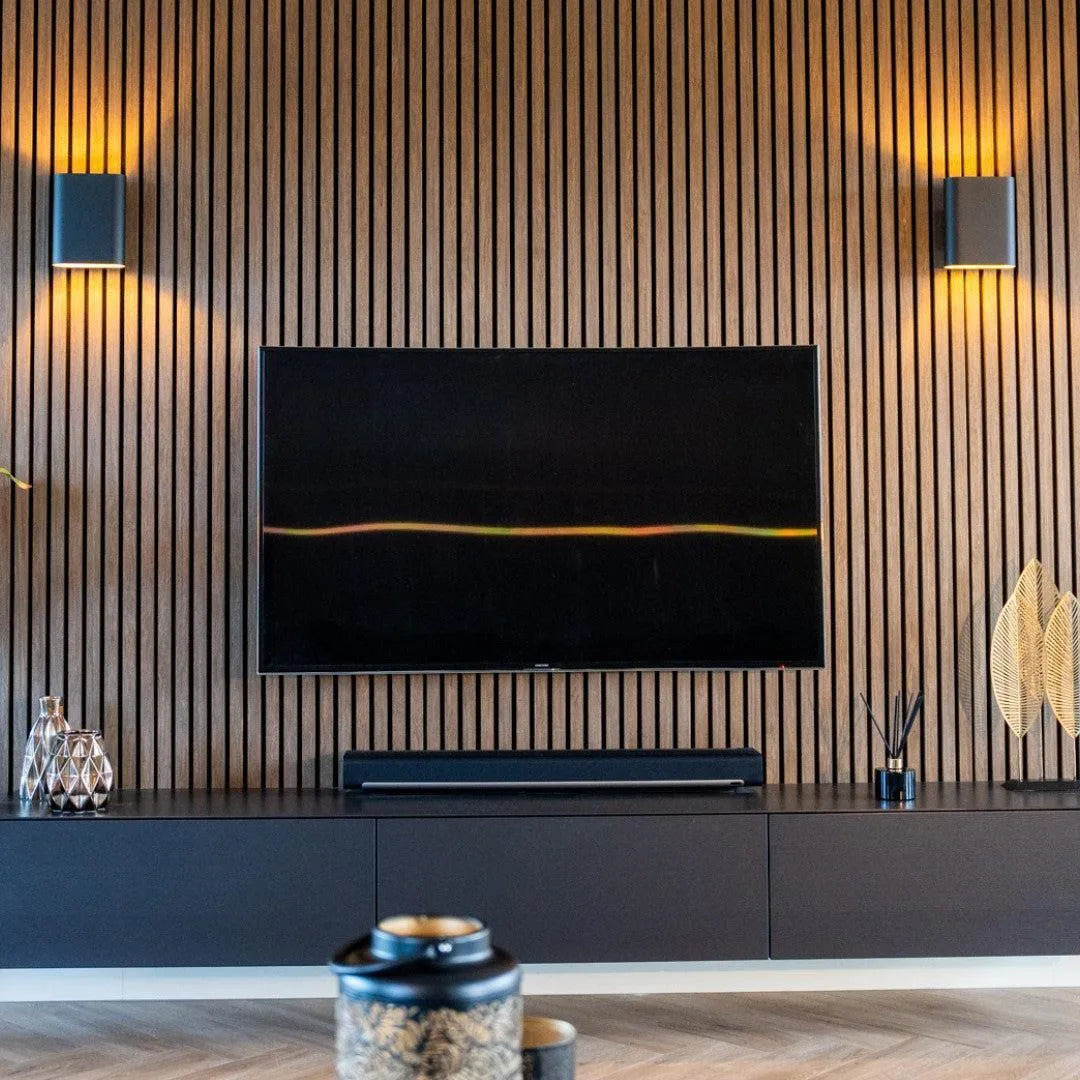
Akustiq USA manufactures and supplies acoustic wood panels for construction and interior applications. Its stated range includes acoustic slat wall panels with real wood veneer, alongside hexagon, fluted, 3D wood, and exterior panel categories. That makes it a relevant starting point when you want a wood finish and are comparing more than one wall treatment format.
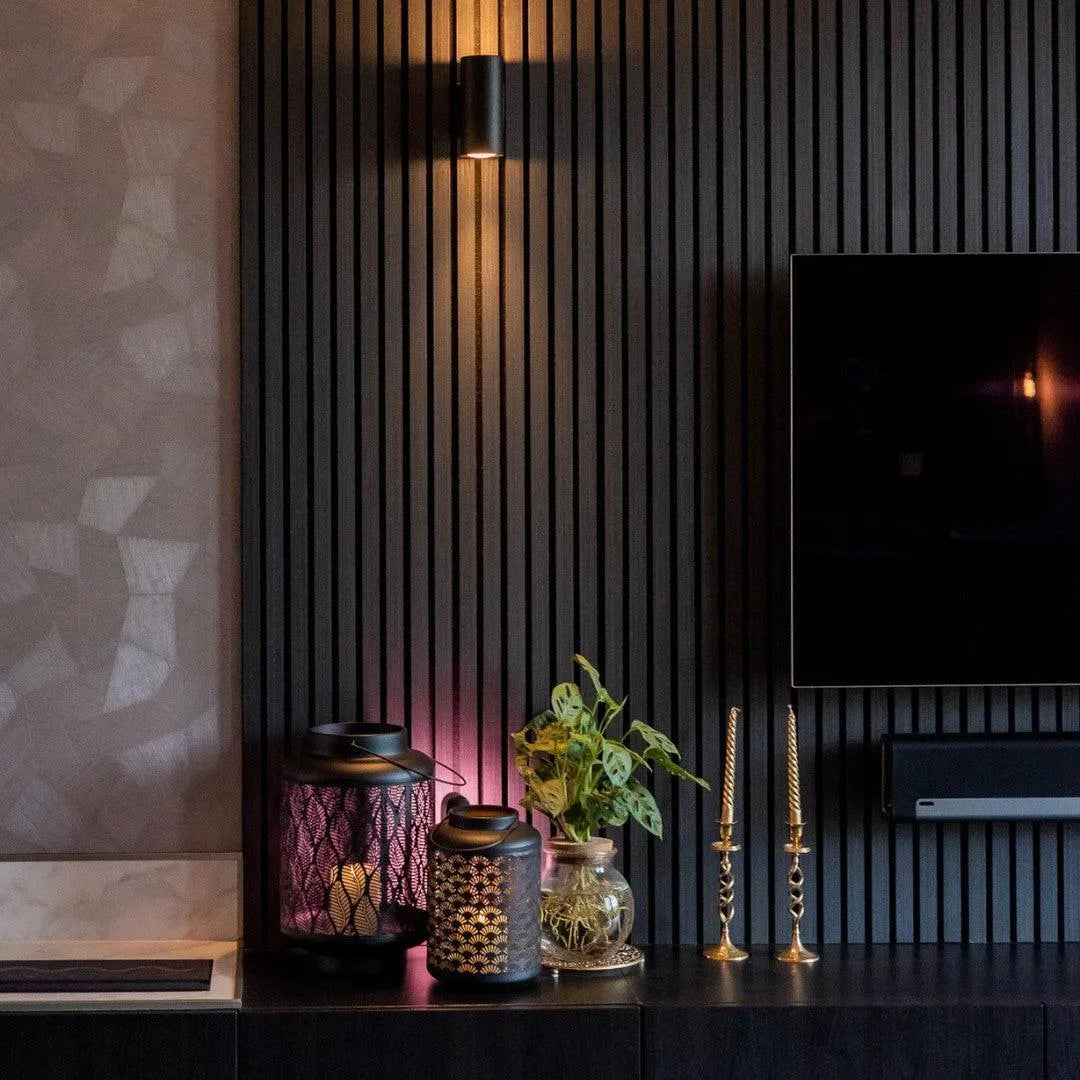
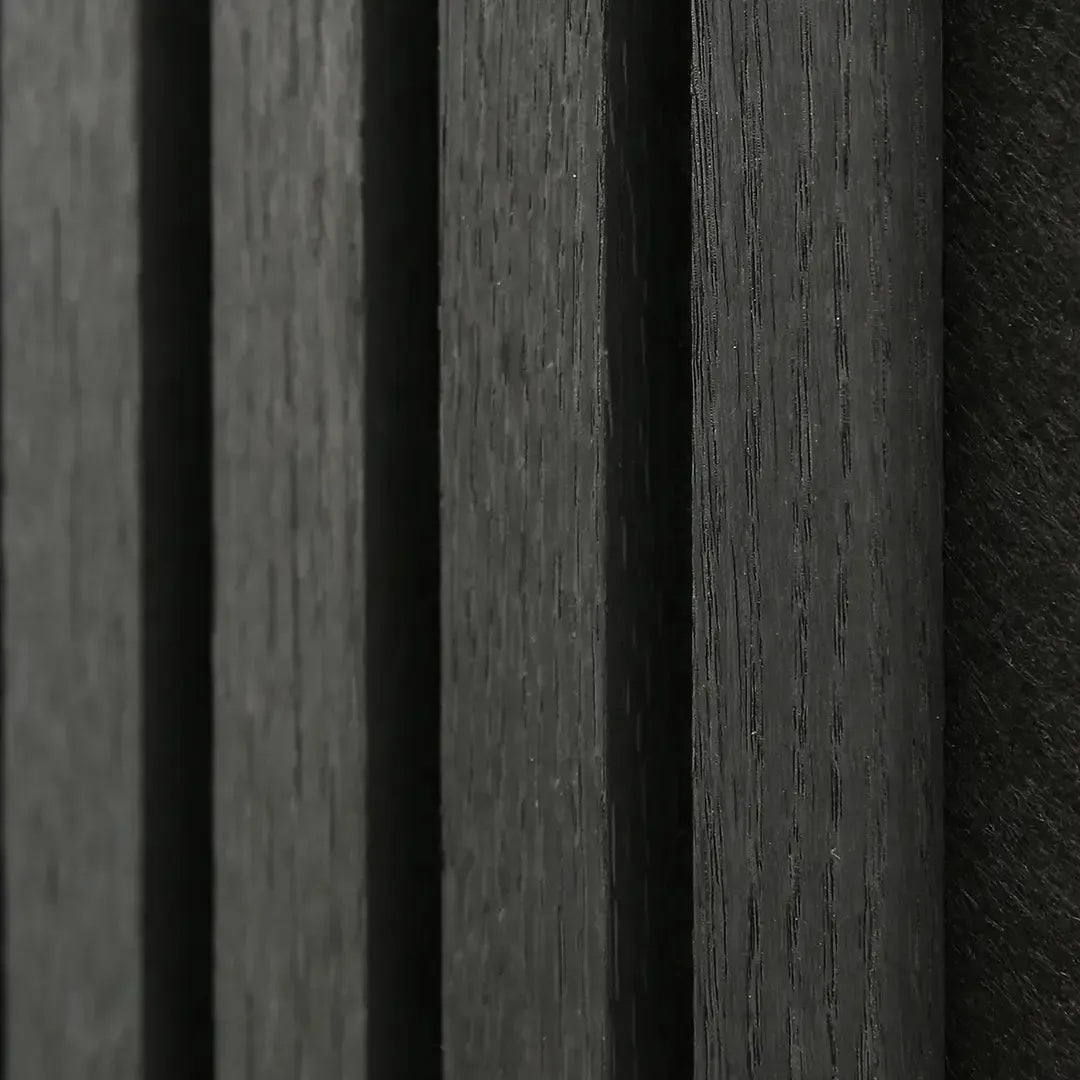
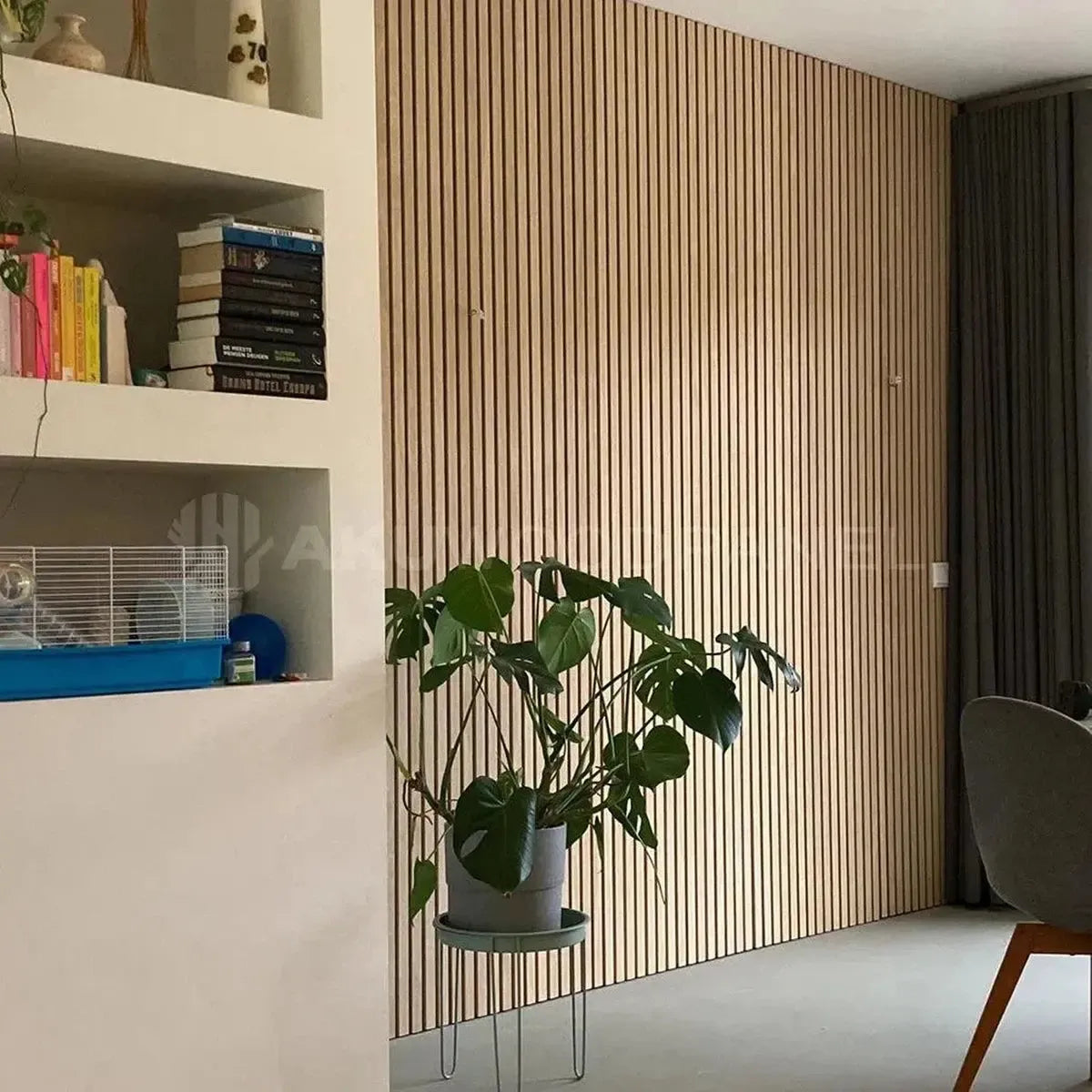
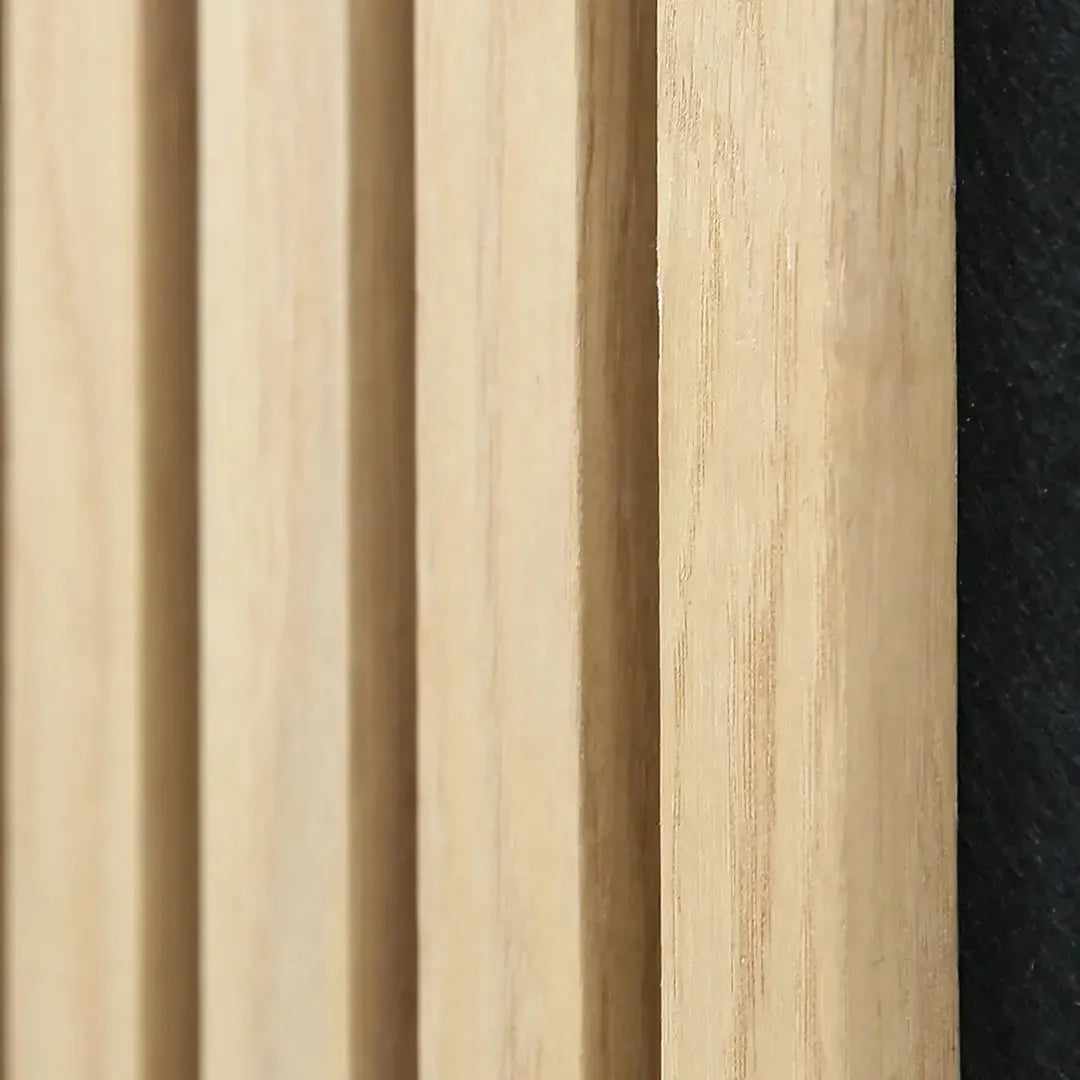
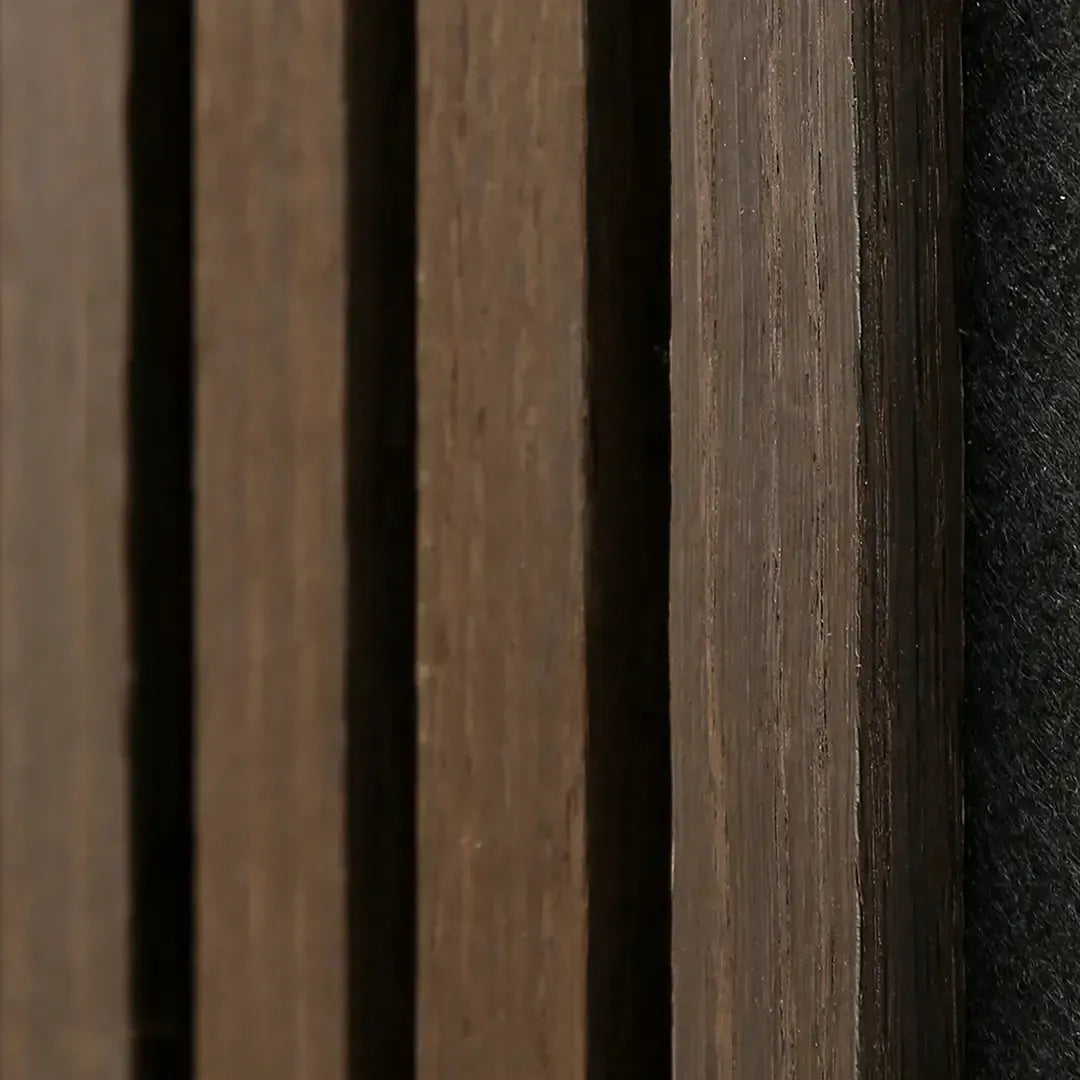
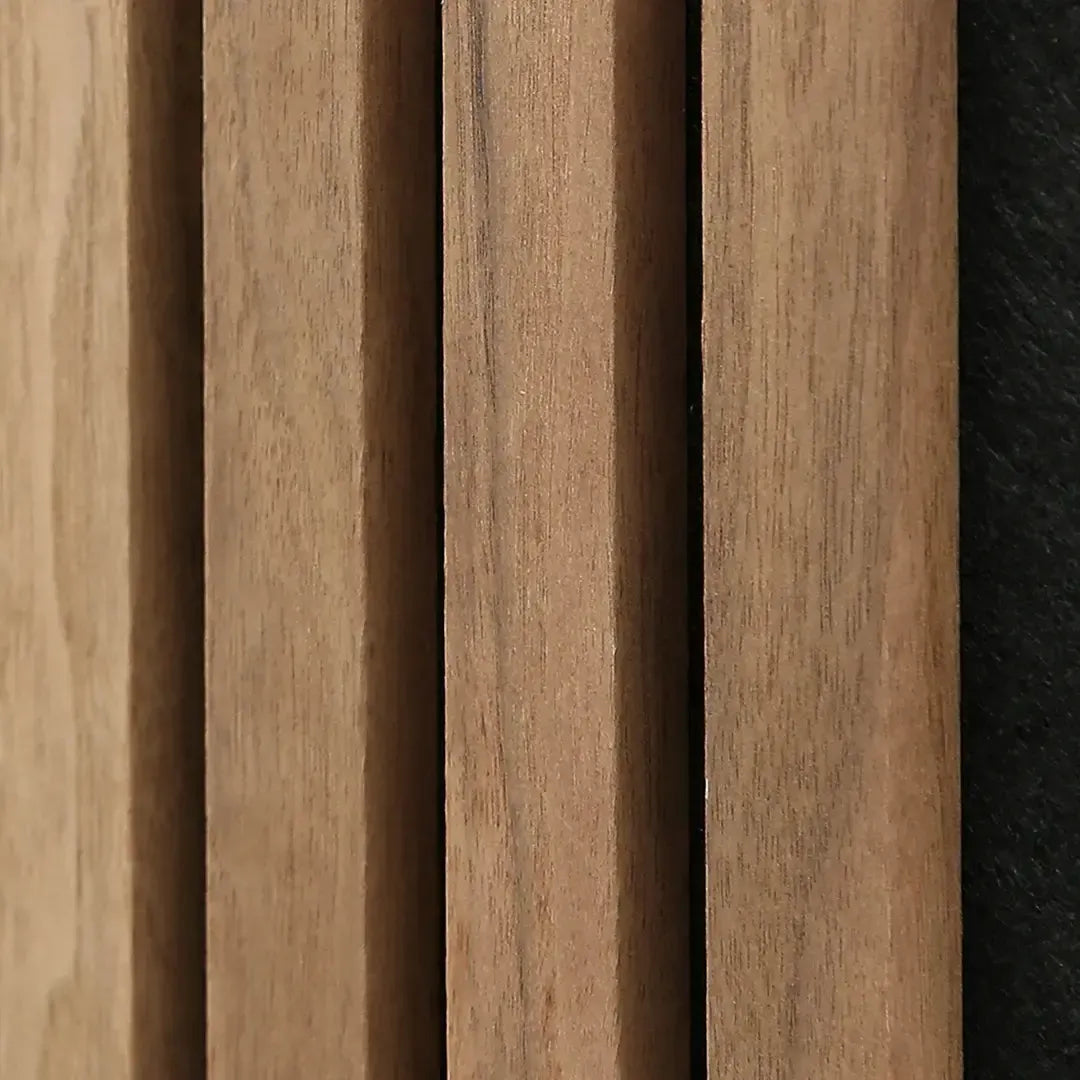
The catalog includes walnut, natural oak, black oak, and smoked oak slat panel options. Choose the finish against your flooring, furniture, and lighting; the wood name alone does not establish acoustic performance.
Where this option shines
- Wood appearance is part of the brief: real wood veneer gives you a wood surface rather than a fabric-covered treatment.
- You want to compare panel formats: slat, hexagon, fluted, and 3D categories offer different visual patterns.
- You need to plan visible edges: the catalog includes slat wall panel end pieces in several named finishes.
- You want a physical finish check: the catalog includes a full sample box and a walnut slat panel sample.
Where this option falls short
- Real wood veneer is not the same construction as solid wood throughout. If solid timber is mandatory, check the complete material specification.
- Acoustic paneling is not a complete soundproofing system. Do not select it solely to stop a neighbor's television coming through a wall.
- A product category does not establish fire classification, wet-area suitability, or an absorption rating. Your exact panel and mounting arrangement need their own documentation.
Best for: homeowners and project buyers who want acoustic wood panels with a real-wood-veneer slat appearance.
Verdict: Buy for a wood-led interior brief after checking the exact panel specification; Hold if your project needs an unconfirmed performance classification.
2. Fabric-wrapped acoustic panels: best for sound-first treatment
Fabric-wrapped acoustic panels place an acoustically transparent covering over an absorptive core. They are a different category of treatment, not a like-for-like wood finish replacement. Choose this route when controlling reflected sound matters more than showing wood grain.
The panel's acoustic test report matters more than the fabric color. Thickness, core material, backing, and mounting arrangement affect absorption, so compare the complete assembly.
Where fabric-wrapped acoustic panels shine
- They let you separate acoustic treatment from a wood feature-wall design.
- You can plan individual absorbers around the room instead of making the entire treatment look like continuous wood cladding.
- A documented absorption test gives you a basis for comparing products for sound treatment.
Where fabric-wrapped acoustic panels fall short
- They do not provide a real wood surface or the shadow lines of timber slats.
- Fabric finish and cleaning requirements need attention in rooms exposed to dirt or frequent contact.
- Thin absorbers are not a universal answer to low-frequency problems; match the treatment to the frequencies causing trouble.
Best for: offices, listening spaces, and home rooms where the acoustic brief takes priority over a wood finish.
Verdict: Buy for a sound-first brief with suitable test documentation; Skip if visible wood grain is non-negotiable.
3. Custom wood slats: best for made-to-measure layouts
Custom wood slats give you control over spacing, timber choice, and how the layout meets doors, shelving, or an unusual wall shape. You are specifying an assembly rather than choosing only a finished panel.
That freedom adds work. Decorative slats require a separate acoustic design if sound absorption is part of the brief.
Where custom wood slats shine
- You can design the spacing and edge details around the room.
- You can coordinate the wall treatment with custom cabinetry or other joinery.
- You can specify solid timber when that construction matters to the project.
Where custom wood slats fall short
- You must resolve the backing, fixing method, and finish rather than assume a ready-made system covers them.
- Repeating the spacing consistently requires careful layout and workmanship.
- A wood slat arrangement without suitable absorptive material is not equivalent to a tested acoustic assembly.
Best for: bespoke interiors with detailed joinery requirements.
Verdict: Buy when custom geometry justifies the fabrication work; Skip when you need a simpler panel-based installation.
4. Decorative fluted panels: best for texture-led feature walls
Decorative fluted panels create a repeated surface profile. They suit a project where you want wall texture but do not need to make sound absorption the main reason for selecting the finish.
Keep the design and acoustic decisions separate. A grooved appearance does not prove an absorption rating.
Where decorative fluted panels shine
- They provide a repeated pattern for a feature wall.
- They offer an alternative to an exposed slat-and-backing appearance.
- You can coordinate the surface profile with the room's other decorative elements.
Where decorative fluted panels fall short
- Decorative profiling alone does not establish acoustic performance.
- Cut edges, corners, and transitions still need an installation plan.
- Moisture and heat suitability must come from the exact product instructions, not its appearance.
Best for: appearance-led living rooms, bedrooms, and interior feature walls.
Verdict: Buy for decorative texture; Skip as an unverified solution to an echo problem.
Why people switch from Woodpanelwalls
A defensible reason to switch is a mismatch between your selected panel and your project brief. A different brand name is not, by itself, an improvement.
For a 2026 project, use these reasons to reopen the comparison:
- Your design changes: you now want hexagon shapes, a fluted profile, or custom slat spacing rather than the panel originally shortlisted.
- Your sound problem becomes clearer: you need documented absorption, not just a textured wall.
- Your installation has awkward details: exposed ends, outlets, corners, or uneven surfaces need a workable fixing and finishing plan.
- Your specification requires evidence: a commercial project needs product-specific documentation that matches its requirements.
These are selection criteria, not claims that Woodpanelwalls lacks a particular feature. Ask each supplier the same questions and compare the answers for the exact products under consideration.
How to compare panels before you commit
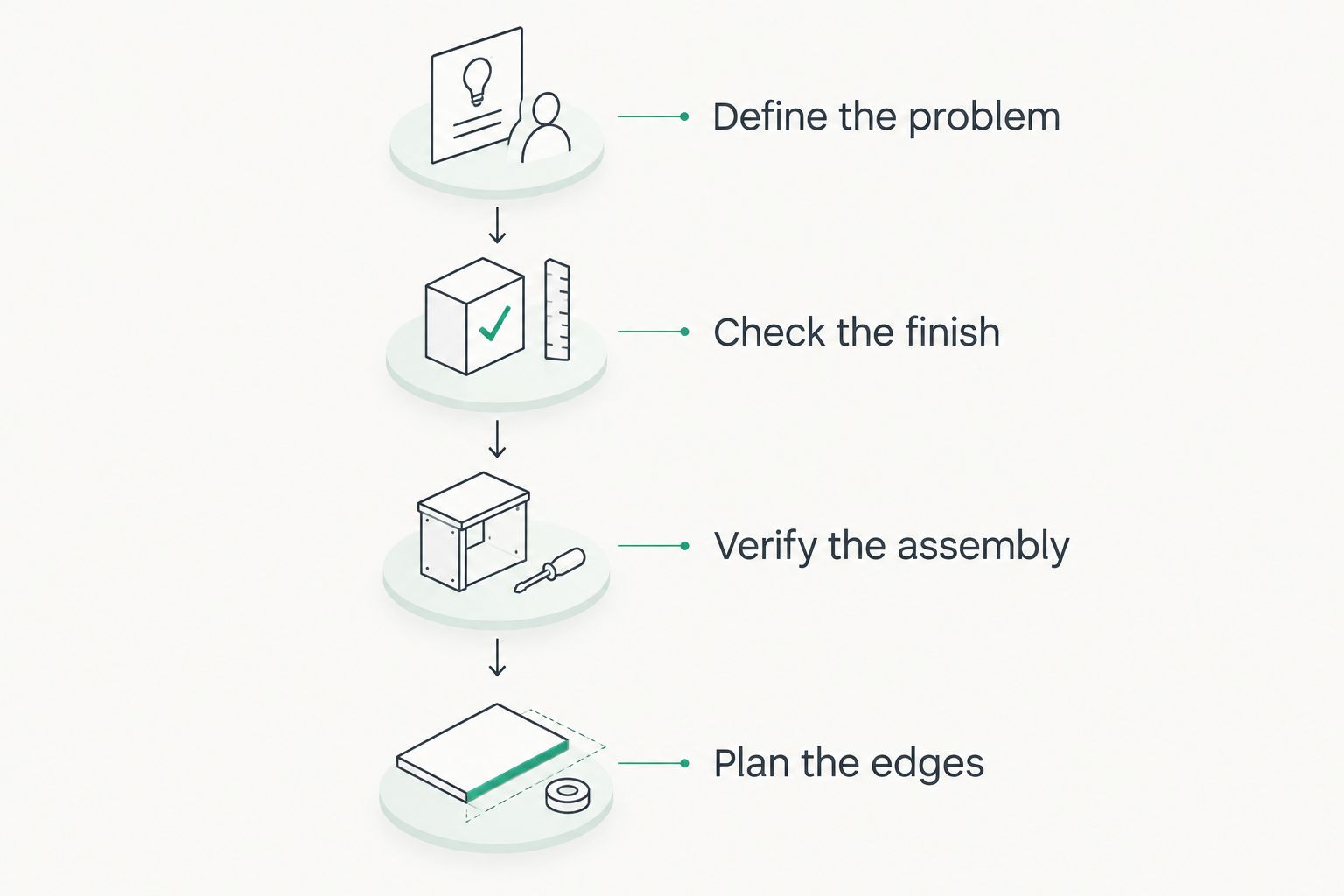
Define the room problem
Write down whether you want a decorative wall, less echo, or less sound entering from elsewhere. If you need more than one outcome, keep each requirement visible in your specification. This prevents a good-looking sample from becoming the answer to the wrong problem.
Check the finish
Look at a physical sample beside your existing floor, furniture, and painted walls. Examine both daylight and the lighting you use in the evening. Screen images are not a dependable substitute for judging wood tone and surface texture in your room.
Verify the assembly
Read the mounting instructions before comparing acoustic claims. Direct fixing, an air gap, and additional absorptive material are different assemblies; a test result for one arrangement does not automatically describe another.
Plan the edges
Mark the panel boundaries, exposed ends, sockets, and corners on your wall drawing. Decide where cuts will land before installation begins. A panel that looks right across the center of a wall still needs a convincing finish at its perimeter.
Read acoustic figures correctly
For your 2026 comparison, ask what each acoustic figure measures. NRC summarizes sound absorption; STC describes sound transmission performance of an assembly. They are not interchangeable scores.
ASTM C423 defines NRC using absorption coefficients at 250 Hz, 500 Hz, 1,000 Hz, and 2,000 Hz, rounded to the nearest 0.05. Those frequencies explain why one summary number does not describe every acoustic issue, especially low-frequency behavior.
Request the full test report and mounting description when acoustic performance is central to the decision. For a commercial installation, also confirm the required fire documentation and installation conditions with the project professional.
Compare wood panel options
Review slat finishes and other panel formats against your room and installation brief.
When staying with Woodpanelwalls is the right call
Stay with Woodpanelwalls when your selected panel already meets the brief. A satisfactory sample, suitable installation instructions, and the required product documentation are stronger reasons to proceed than an alternatives list is to switch.
Do not restart a settled specification just to change suppliers. If your 2026 project already has an approved finish and installation plan, compare any proposed replacement against those requirements before making the change.
FAQ
What's the best Woodpanelwalls alternative in 2026?
Akustiq USA is the recommended alternative when you want real-wood-veneer acoustic slat panels. Choose fabric-wrapped acoustic panels instead when sound treatment matters more than a wood appearance, and compare the exact assembly's test documentation.
Is a wood slat panel better than a fabric acoustic panel?
A wood slat panel is better for a wood-led design brief; a fabric acoustic panel suits a sound-first brief without a wood requirement. Acoustic performance must be compared using product-specific test reports and mounting arrangements, not appearance.
Will acoustic wood panels stop noise from my neighbors?
Acoustic wood panels are not a substitute for a sound-isolating wall assembly. They address sound absorption within a room; noise entering through walls, doors, and gaps needs a separate assessment.
Are fluted wall panels the same as acoustic slat panels?
No, a fluted surface describes a decorative profile, while an acoustic claim requires performance evidence. Check the exact panel construction and test report before treating either product as sound absorption.
Should I choose real wood veneer or solid wood slats?
Choose real wood veneer when a wood surface on a panel construction meets your brief; choose solid wood slats when solid timber is a specific requirement. Compare the complete construction, finish, and installation details rather than the wood name alone.
What should I ask a wall panel supplier before ordering?
Ask for the exact dimensions, material construction, mounting instructions, and required performance documentation. Also resolve visible edges, cutouts, room suitability, and any finishing components before committing.
Does a higher NRC mean a panel is better at soundproofing?
No, NRC measures sound absorption rather than sound isolation. Use absorption data for room treatment and appropriate assembly transmission data when evaluating sound passing between spaces.
One last thing
The exposed edge deserves a place on your shortlist. Before choosing a panel, draw where the installation stops and identify every edge that remains visible. That simple check turns an attractive product choice into a planned wall finish—and exposes missing installation details before you start cutting.



 Better performance and aesthetic appeal
 In Stock