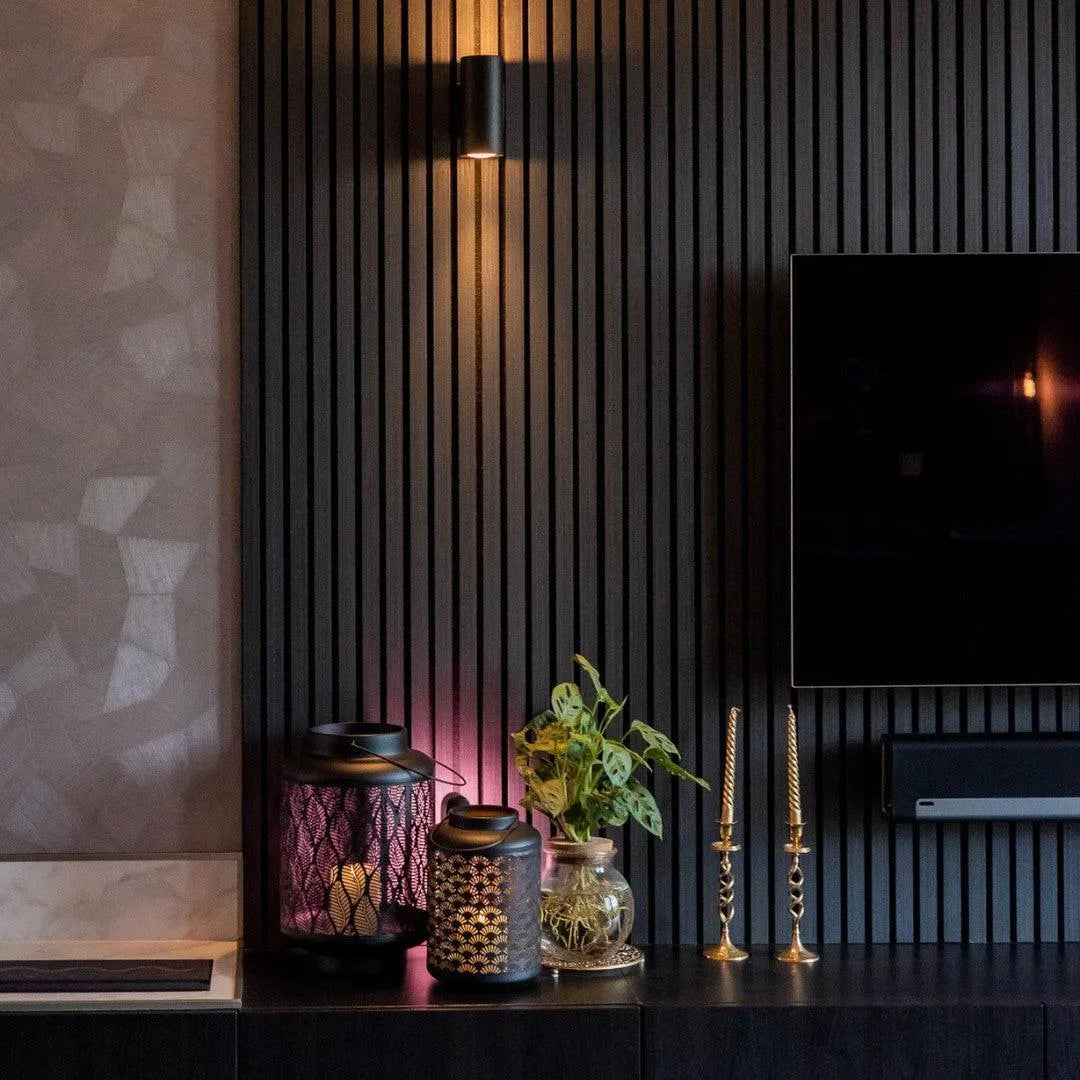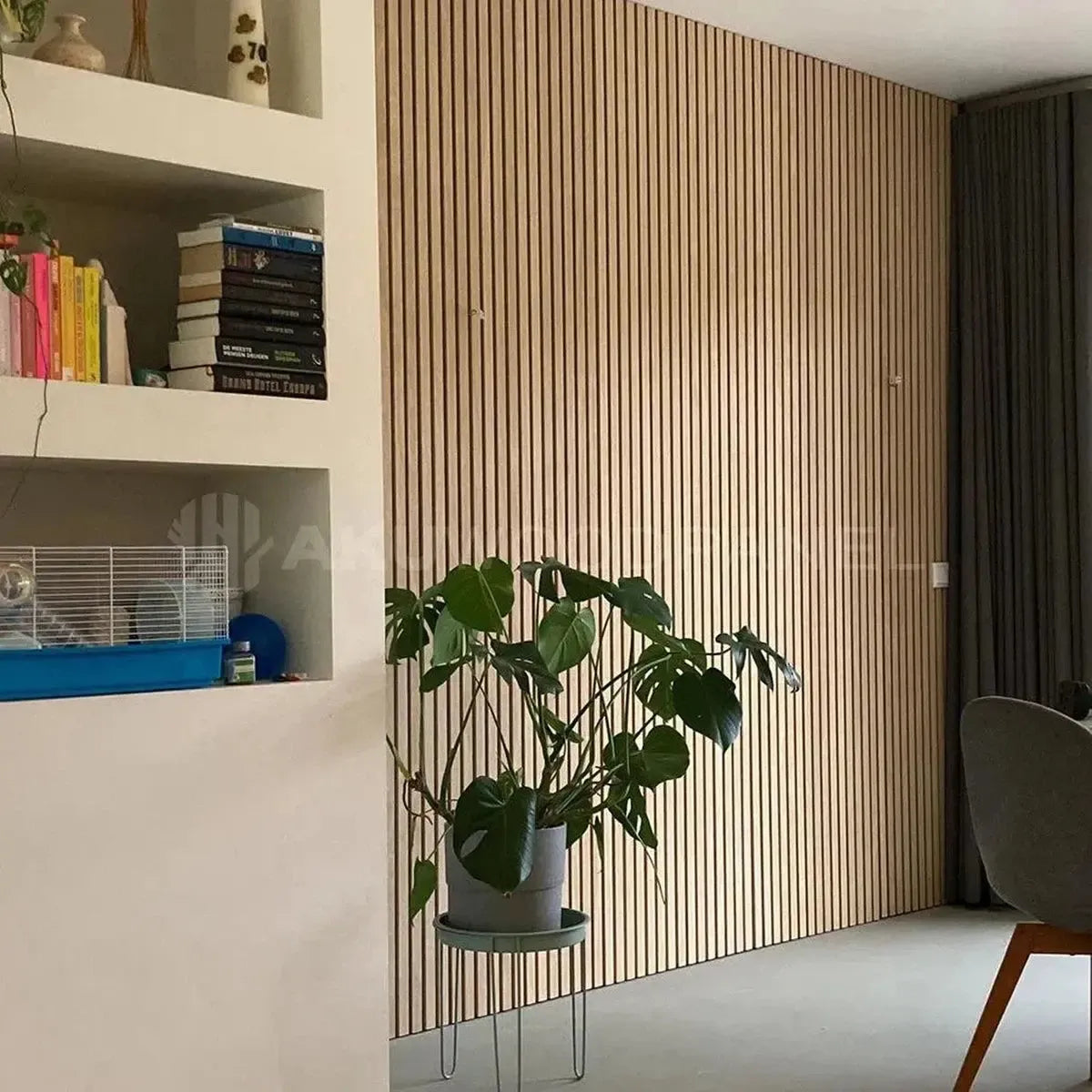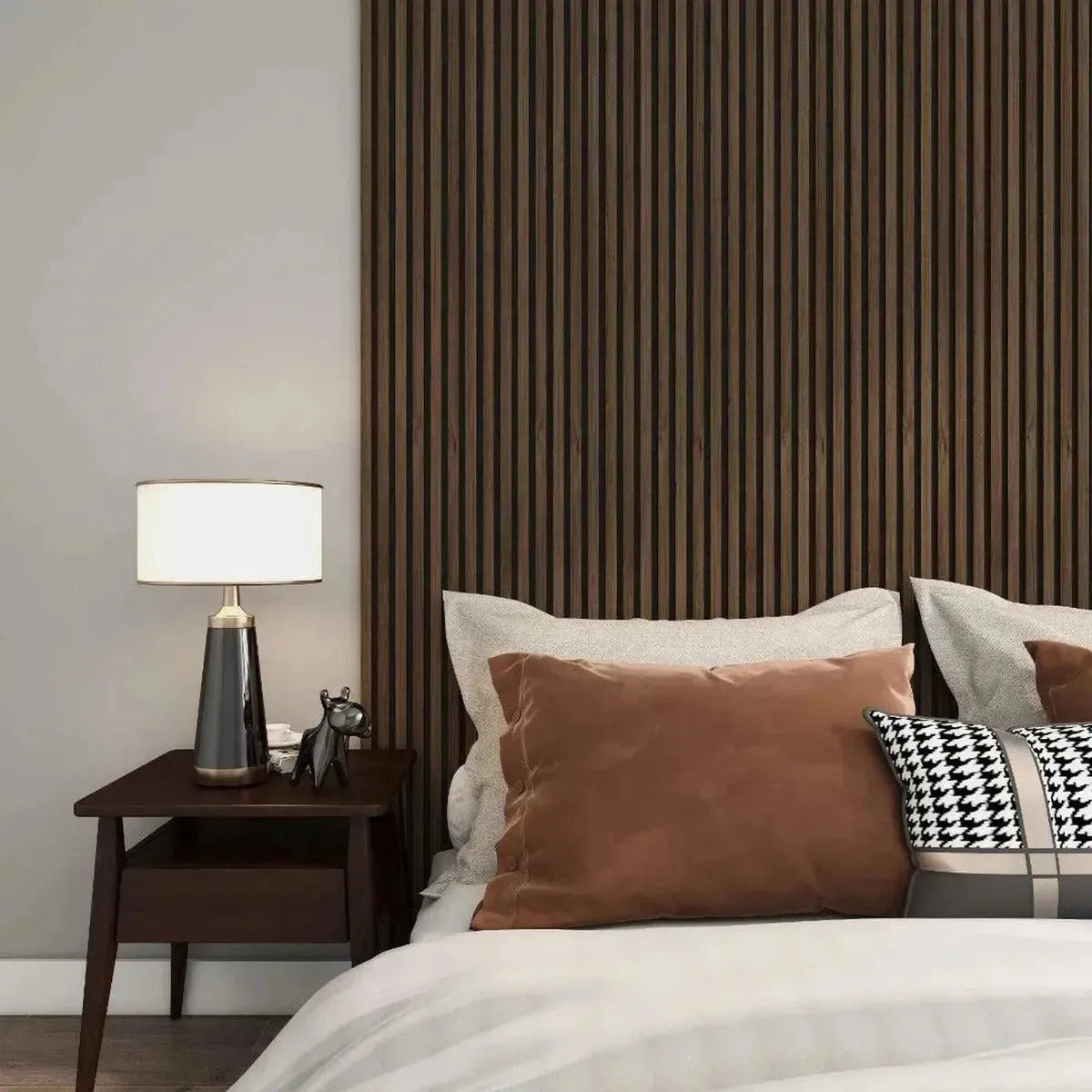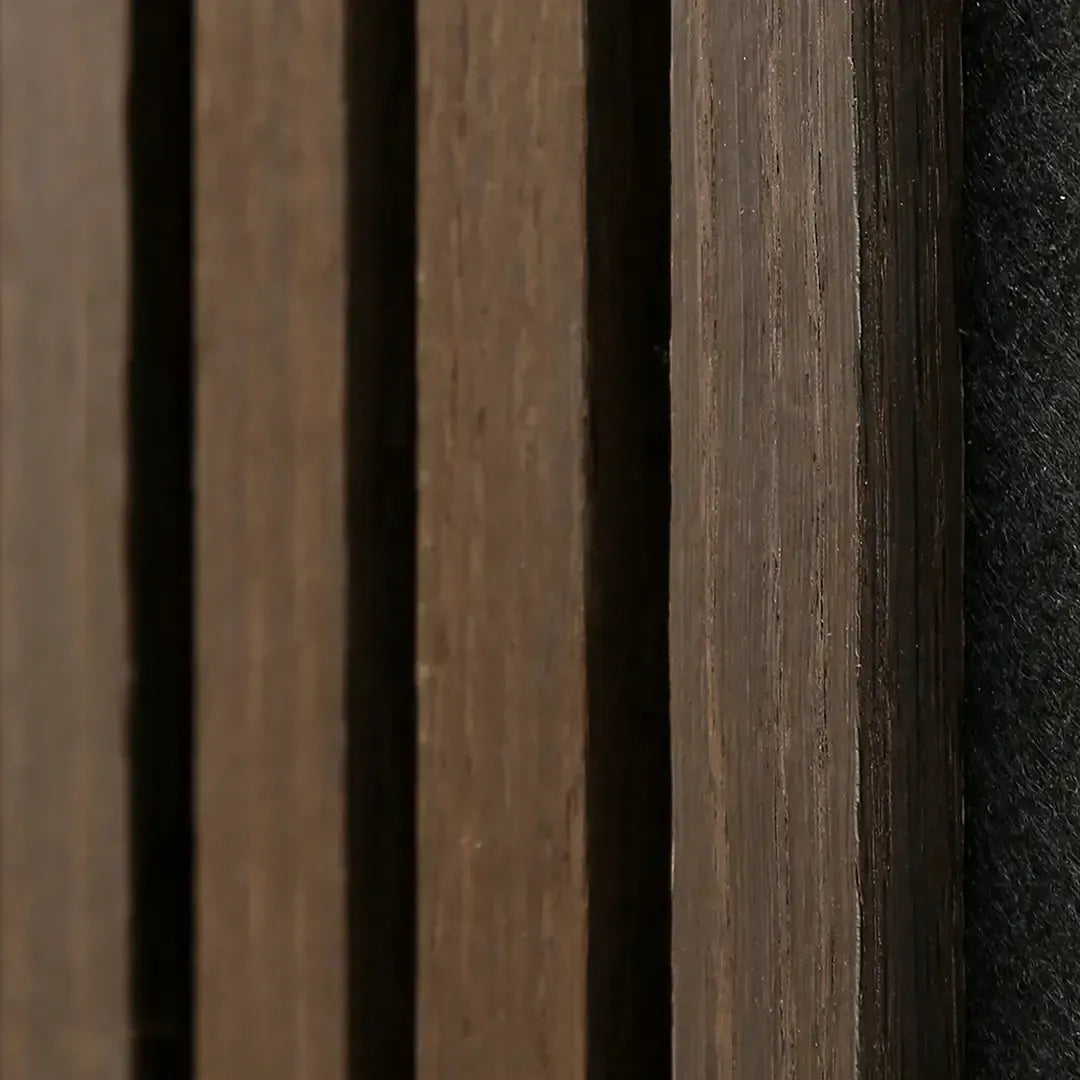
Wood Veneer Hub is a useful starting point when you want a wood-veneer wall, but choosing a supplier by appearance alone does not answer whether you need acoustic treatment, a particular panel shape, or a custom fit. The best Wood Veneer Hub alternative in 2026 is Akuwood Panel if you want to compare acoustic slat panels with other decorative wood formats; choose a local millwork shop if the design must be made to your measurements.
- For wood veneer hub alternatives in 2026, Akuwood Panel is the best fit for comparing acoustic slats and decorative wood formats.
- Choose a local millwork shop when the wall design must be made to your measurements.
- Choose a fabric acoustic panel supplier when sound absorption matters more than a wood finish.
- Compare acoustic ratings for the exact product and installation; a decorative wood surface is not automatically an acoustic treatment.
Why this matters
A wall panel can solve different problems. You might want the vertical lines of wood slats, less echo in a room, or a dimensional feature wall. Those goals overlap, but they are not interchangeable: a product selected for its appearance should not be treated as a verified acoustic solution without specifications for that product and installation.
That distinction makes a 2026 alternatives search more useful than a list of similar-looking sellers. Start with the job the wall must do, then compare material, format, installation requirements, and any acoustic data you need. If you are specifying panels for a business, check the exact product documentation against the project's requirements rather than assuming a residential-looking panel meets them.
Wood Veneer Hub alternatives at a glance
| Option | Best for | What to compare first | How it differs from Wood Veneer Hub |
|---|---|---|---|
| Wood Veneer Hub | Shoppers who want to assess their original choice | The exact product's veneer, dimensions, acoustic documentation, and fitting details | The baseline for this comparison; judge its chosen product against the same checklist |
| Akuwood Panel | Comparing acoustic slat panels with other decorative wood formats | Slat and felt options, samples, and the requirements of the intended wall | Its listed range also includes hexagon, fluted, 3D wood, and exterior panels |
| Local millwork shop | A wood wall designed to project measurements | Drawings, materials, finish, and responsibility for installation | The design is specified around your space rather than chosen solely from a panel listing |
| Fabric acoustic panel supplier | A sound-treatment project where a wood finish is optional | Acoustic test data, mounting method, and appearance | Puts acoustic-panel selection ahead of a wood-veneer look |
The table describes which route to investigate, not a claim that one supplier's unverified panel outperforms another. In 2026, ask for the exact product specification before comparing acoustic performance, finish durability, or suitability for a particular room.
1. Akuwood Panel: best for comparing slat and decorative formats
Akuwood Panel manufactures and supplies acoustic wood panels for construction and interior applications. Its listed products give you several directions to compare: acoustic slat wall panels, hexagon acoustic panels, fluted wall panels, and 3D wood wall tiles. That makes Akuwood Panel the clearest alternative here when you have chosen wood but have not yet settled on the wall format.
Where Akuwood Panel shines
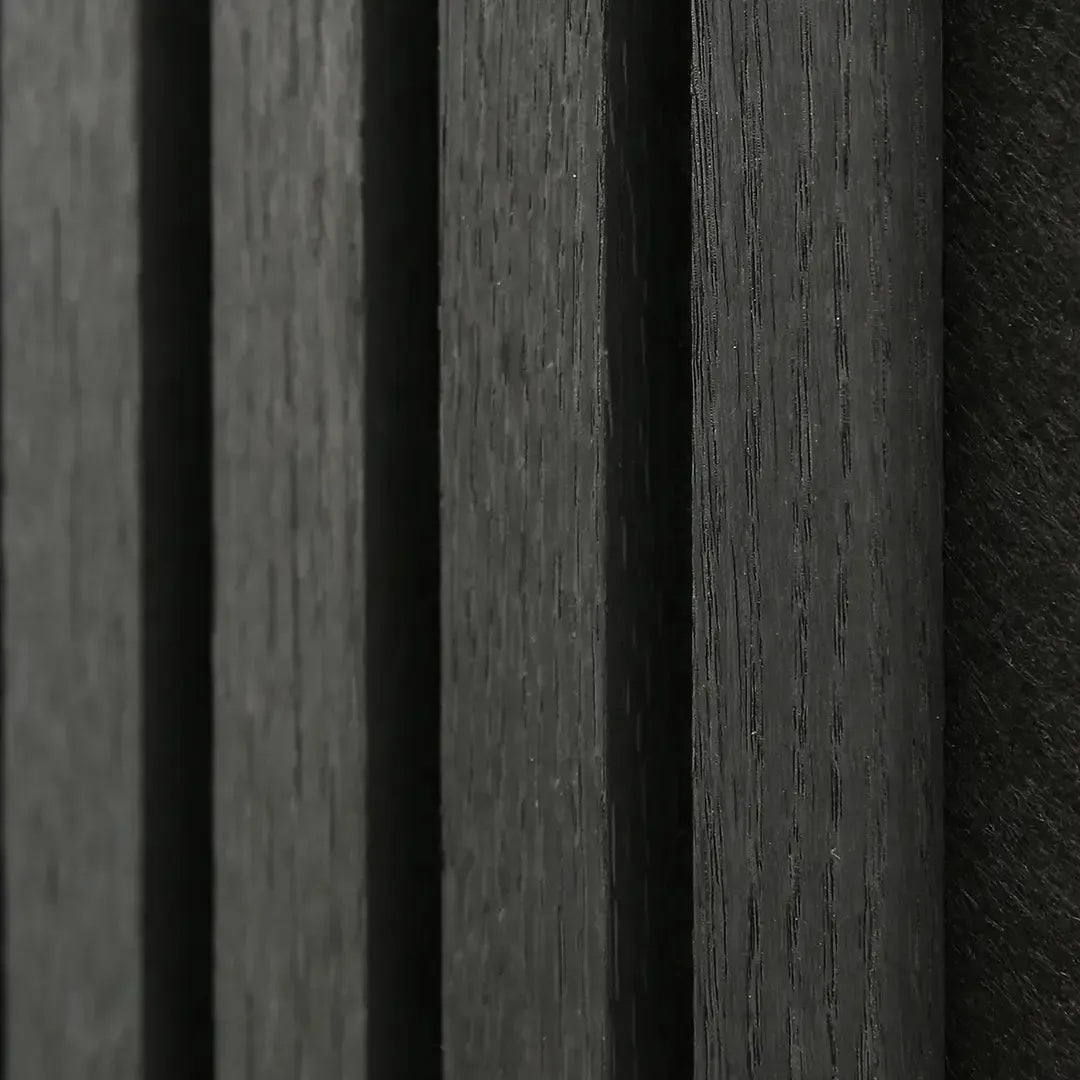
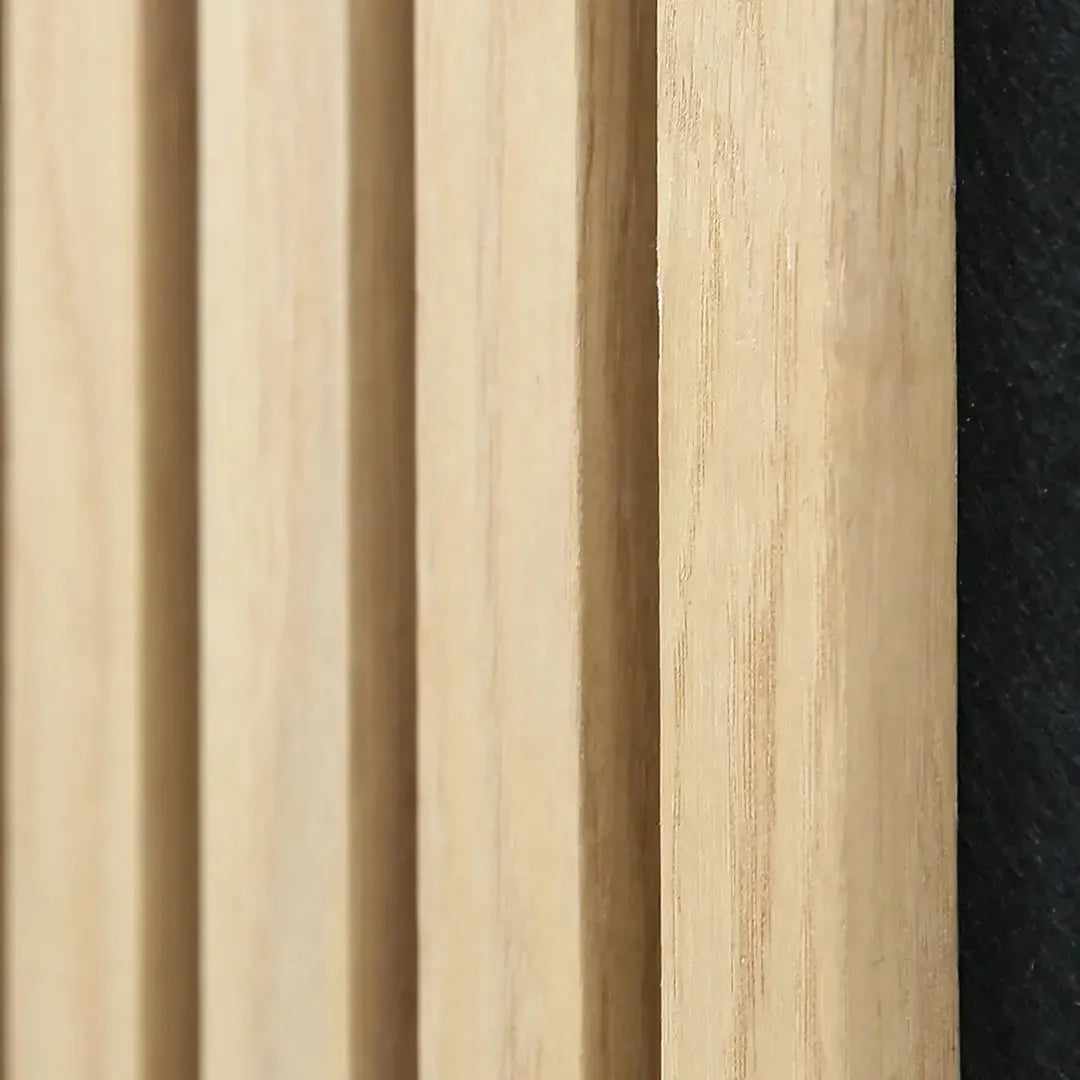
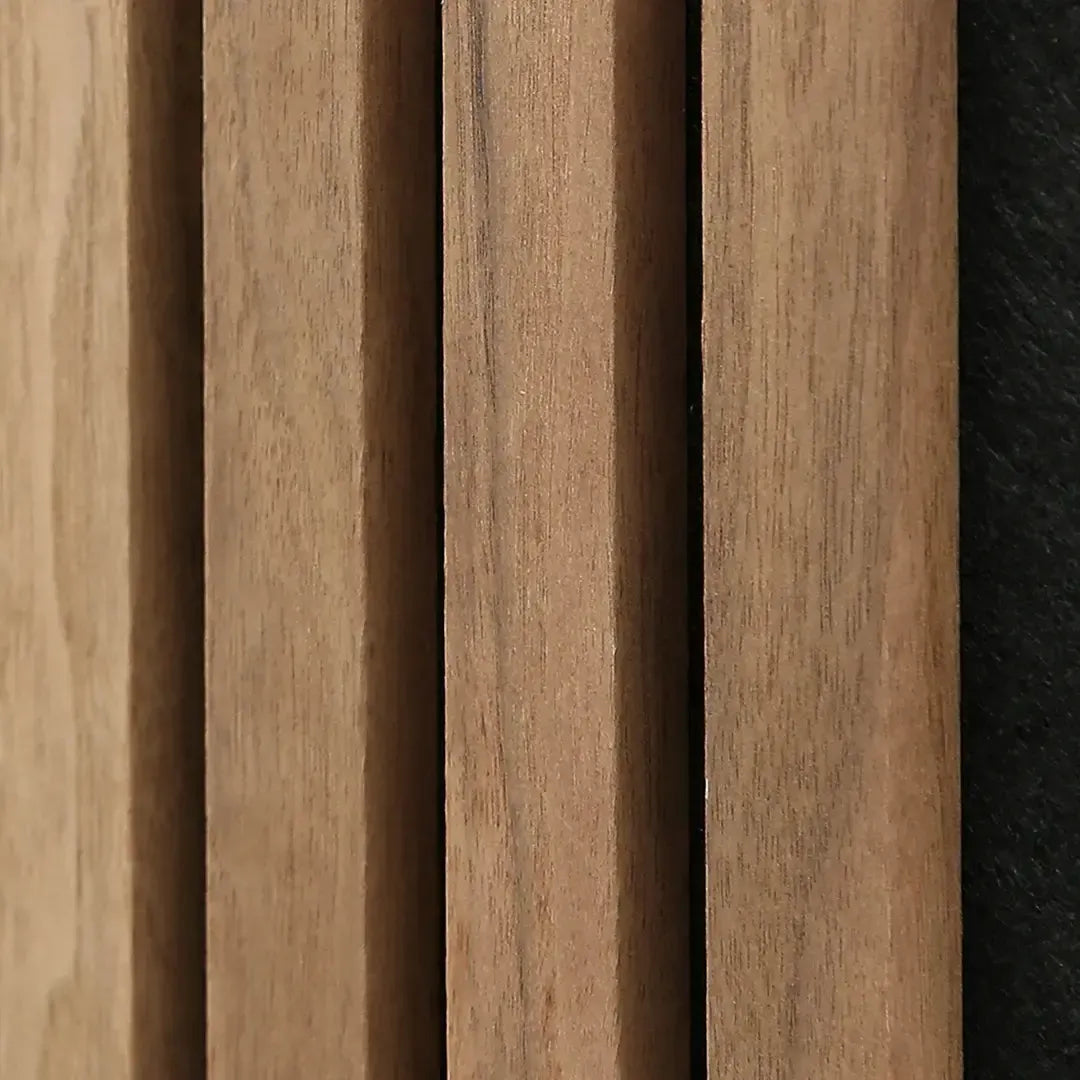
- Slat finish choices: The listed acoustic slat wall panels include natural oak, walnut, black oak, and smoked oak, plus natural oak and smoked oak versions with gray felt. Compare the exact listing if felt color affects the look you want.
- Alternatives to continuous slats: Hexagon acoustic panels, fluted panels, and 3D wood tiles let you consider a different pattern rather than forcing every feature wall into vertical lines.
- A way to assess finishes: The full sample box of slat wall panels is a listed option when color and material need to be judged in the intended room. Check its current contents before using it to make a final selection.
Where Akuwood Panel falls short
- Its range can make the first decision harder: an acoustic slat panel, a fluted panel, and a 3D wood tile serve different design briefs. Do not substitute one for another without checking the product details.
- A listed product name does not establish how much sound a completed wall will absorb. If acoustics are a project requirement, request performance data for the exact assembly you plan to install.
- A catalog panel is not the same as a wall designed from scratch to unusual measurements. A project with intricate built-ins or one-off details calls for a separate fitting plan.
Best for: A homeowner, designer, or business buyer who wants to shortlist wood wall formats before specifying the exact panel and installation.
Akuwood Panel versus Wood Veneer Hub
| Decision | Akuwood Panel | Wood Veneer Hub |
|---|---|---|
| Wood-look direction | Listed slat, fluted, hexagon, and 3D wood options | Check the exact product range you are considering |
| Felt selection | Listed slat variants include gray felt | Check the backing of the exact product |
| Finish check | A slat wall panel sample box is listed | Check the sampling option for the exact finish |
| Acoustic decision | Request data for the selected panel and assembly | Request data for the selected panel and assembly |
For a straightforward slat feature wall, begin with the acoustic slat wall panel in natural oak and compare its listing with any other finish under consideration. For a dimensional feature wall, the store also lists a Deep Dusk Walnut 3D wood tile at 12 × 12 inches and a Wide Shipwood 3D wood tile at 12 × 24 inches. Those dimensions describe different listed tiles; they do not make either tile an acoustic substitute for a slat panel.
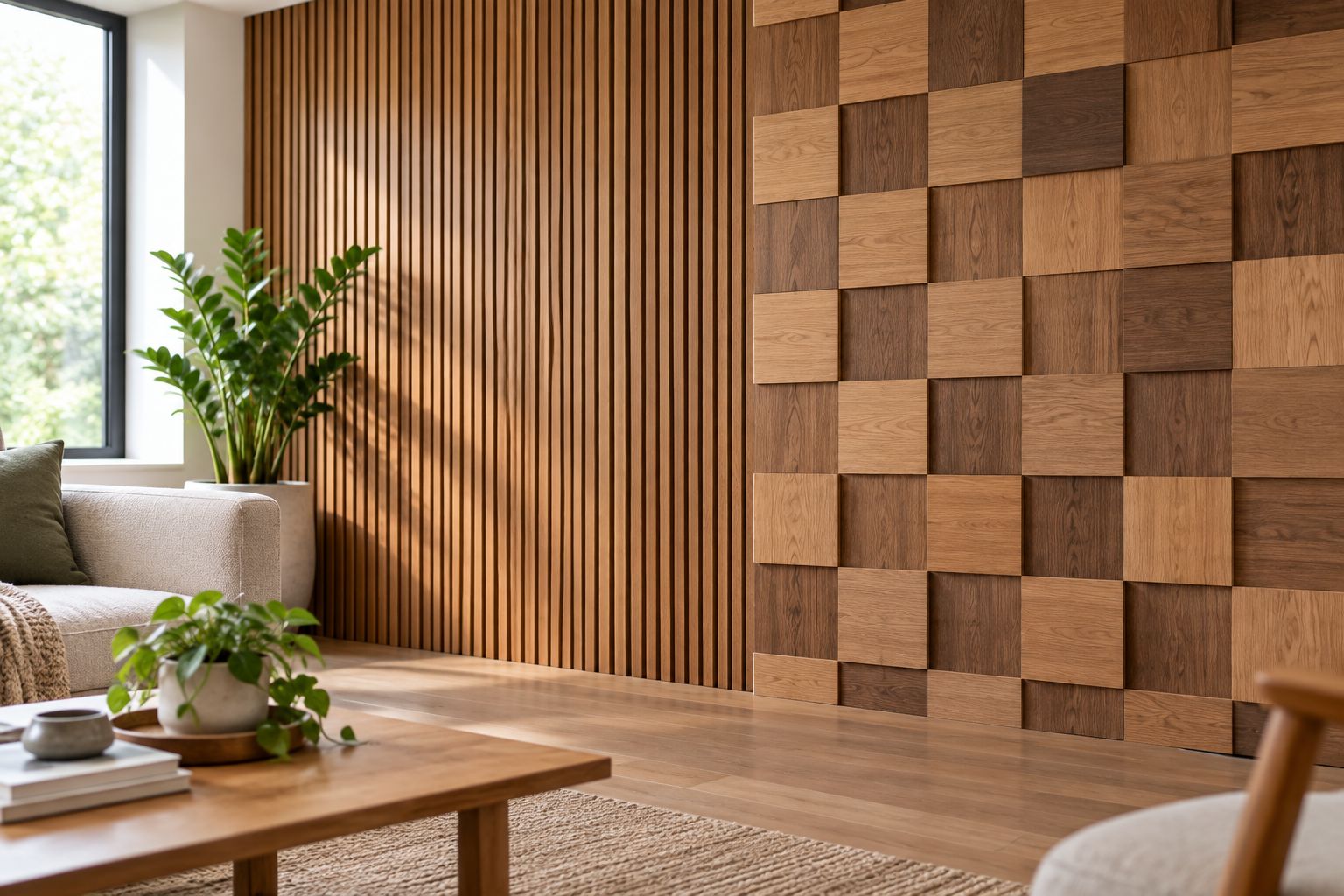
Keep the room's purpose in the decision. A living-room accent wall can be chosen chiefly for its appearance; an echo-prone meeting room needs a separate acoustic brief. Neither project is well served by assuming that every product containing wood veneer performs the same way.


Verdict: Buy from Akuwood Panel when its documented product format fits your wall; wait for the exact acoustic and installation details if performance is part of the brief.
2. Local millwork shop: best for a made-to-measure design
A local millwork shop is the better route when a panel listing cannot define the finished wall. Think of a feature that must meet cabinetry, follow an unusual opening, or continue across built-in elements: the design and the measurements need to be resolved together. The shop and its proposal, not the category name, determine the material and finished result.
Where a local millwork shop shines
- The work can be specified around drawings, site measurements, and a chosen finish instead of a standard product format.
- You can make visible transitions part of the brief: where the wood starts and stops, how it meets trim, and what happens at corners.
- The proposal can identify who measures, fabricates, and installs each element, so responsibilities are clear before work begins.
Where a local millwork shop falls short
- A custom wood design is not automatically an acoustic treatment. Acoustic goals require their own materials, assembly details, and evidence.
- Results depend on the particular shop's proposal and execution. Review the drawings and material schedule rather than treating all millwork as equivalent.
- If an off-the-shelf panel already fits the wall, custom design adds decisions you do not need to make.
Best for: A project where the wall must be designed around exact site conditions or coordinated with built-in elements.
Local millwork versus Wood Veneer Hub
| Decision | Local millwork shop | Wood Veneer Hub |
|---|---|---|
| Starting point | Site measurements and a design brief | A specific product you are evaluating |
| Visible details | Defined in drawings and material selections | Confirm against the chosen product and fitting details |
| Acoustic requirement | Must be specified separately | Must be checked against product and assembly data |
A simple test in 2026 is to sketch the wall and mark every corner, opening, and built-in. If those details define the look, get a measured proposal. If the wall is a regular surface and a listed panel fits the design, compare catalog products first.
Verdict: Buy a made-to-measure solution when the site conditions drive the design; skip it when a documented panel meets the brief.
3. Fabric acoustic panel supplier: best when sound comes first
A fabric acoustic panel supplier is a different kind of Wood Veneer Hub alternative. It belongs on your shortlist when the main problem is echo and a wood-veneer finish is optional. You are then selecting a treatment for the room, not just a wood appearance for the wall.
Where a fabric acoustic panel supplier shines
- The acoustic brief can lead the product search: ask for test results, the tested mounting arrangement, and guidance on where the panels belong.
- You can compare the proposed treatment with the room's actual use, whether people need clearer conversation or a less reverberant listening space.
- Removing the wood-finish requirement gives you another material route to consider.
Where a fabric acoustic panel supplier falls short
- Fabric does not reproduce the grain, slat lines, or dimensional texture of a wood feature wall.
- A test result does not describe every installation. Verify that the proposed mounting arrangement matches the evidence supplied.
- Wall treatment for room echo is not, by itself, proof that sound will stop passing into an adjacent room.
Best for: A room where sound absorption is the priority and a wood finish is not required.
Fabric acoustic panels versus Wood Veneer Hub
| Decision | Fabric acoustic panel supplier | Wood Veneer Hub |
|---|---|---|
| Main brief | Select a documented acoustic treatment | Evaluate the chosen wood-finish product |
| Desired appearance | Fabric-facing options | Check the exact product's wood finish |
| Evidence to request | Test data and mounting details | Test data and mounting details if acoustics matter |
In 2026, do not compare acoustic products by appearance alone. Ask each supplier for evidence tied to the product and mounting method you intend to use, then compare that evidence against the room's goal.
Verdict: Buy a fabric-panel solution when documented sound treatment outweighs the need for a wood wall; skip it when wood is essential to the design.
Why people switch from Wood Veneer Hub
The sound reason to switch is a better match for the job, not an unsupported claim that the original seller is worse. If you want to compare listed slat, hexagon, fluted, and 3D wood formats in one catalog, Akuwood Panel provides those directions. If the wall must be drawn to site measurements, seek a millwork proposal. If echo reduction is the primary goal and wood is optional, start with an acoustic treatment brief.
Use the same questions for every contender in 2026:
- What is the wall meant to do? Separate the visual goal from any measurable acoustic requirement.
- Which exact product and assembly are proposed? A finish name alone does not identify backing, mounting, or performance.
- How does it meet the room? Check corners, openings, edges, and transitions before deciding how much material the wall needs.
- What evidence supports a required claim? For a commercial project, verify the relevant product documentation against the project's specification.
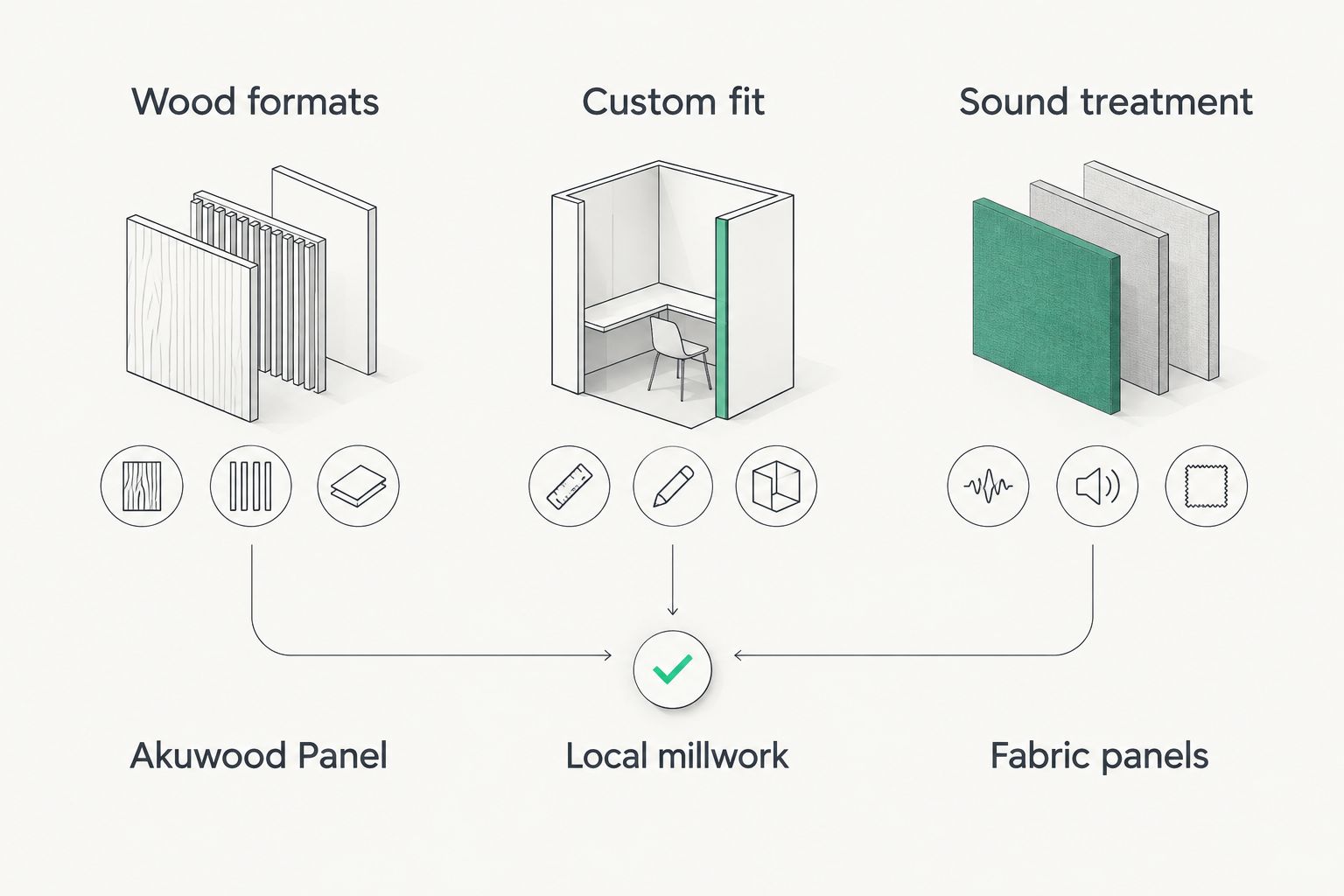
This checklist also prevents a common buying mistake: treating acoustic absorption and sound isolation as the same promise. A panel used to manage reflections within a room does not establish that a wall blocks sound traveling through it. If your problem is noise entering from next door, define that problem explicitly before ordering decorative panels.
When staying with Wood Veneer Hub is the right call
Stay with Wood Veneer Hub if the particular product you selected meets the design brief and its documentation answers your installation and performance questions. Switching suppliers solely because another catalog has more formats creates work without improving the wall. Compare the actual products, not the length of each seller's product list.
For a 2026 decision, place your chosen Wood Veneer Hub product beside the Akuwood Panel product that serves the same purpose. Check finish, dimensions, backing, fitting details, and any required acoustic documentation line by line. If you cannot make a like-for-like comparison, settle the product category first; a 3D tile and an acoustic slat panel are not competing answers to the same brief.
FAQ
What's the best Wood Veneer Hub alternative in 2026?
Akuwood Panel is the best alternative here if you want to compare listed acoustic slat panels with hexagon, fluted, and 3D wood formats. Choose by the exact product and its fit for your wall, not the catalog name alone.
Is Akuwood Panel better than Wood Veneer Hub for acoustic walls?
Neither supplier can be declared the acoustic winner from a brand name or product appearance. Compare test data for the exact panels and installation assemblies under consideration.
Can wood slat panels soundproof a room?
A wood slat panel should not be treated as proof that a room is soundproof. Sound absorption within a room and sound transmission through a wall are different requirements.
Should I choose slat panels or 3D wood tiles?
Choose slat panels when continuous slat lines fit the design; choose 3D wood tiles when a dimensional pattern is the goal. If acoustics matter, check the selected product's documented performance rather than assuming the formats are interchangeable.
When should I use a local millwork shop instead of catalog panels?
Use a local millwork shop when site measurements, built-ins, or unusual transitions must shape the design. Ask for drawings and material details before comparing its proposal with a listed panel.
How do I compare acoustic panel options for an office?
Start with the room's sound problem and request product-specific test data and mounting details. Check the proposed assembly against the office's project requirements before selecting a finish.
Can I compare wood panel finishes before choosing one?
Akuwood Panel lists a full sample box of slat wall panels. Check its current contents and compare samples in the room where the panels will be used.
One last thing
Choose the wall's job before its wood tone. In 2026, that single decision keeps a decorative tile, an acoustic slat panel, and a custom-built wall from being treated as interchangeable. Once you know whether appearance, room acoustics, or a precise fit comes first, the shortlist becomes much easier to defend.


 Better performance and aesthetic appeal
 In Stock