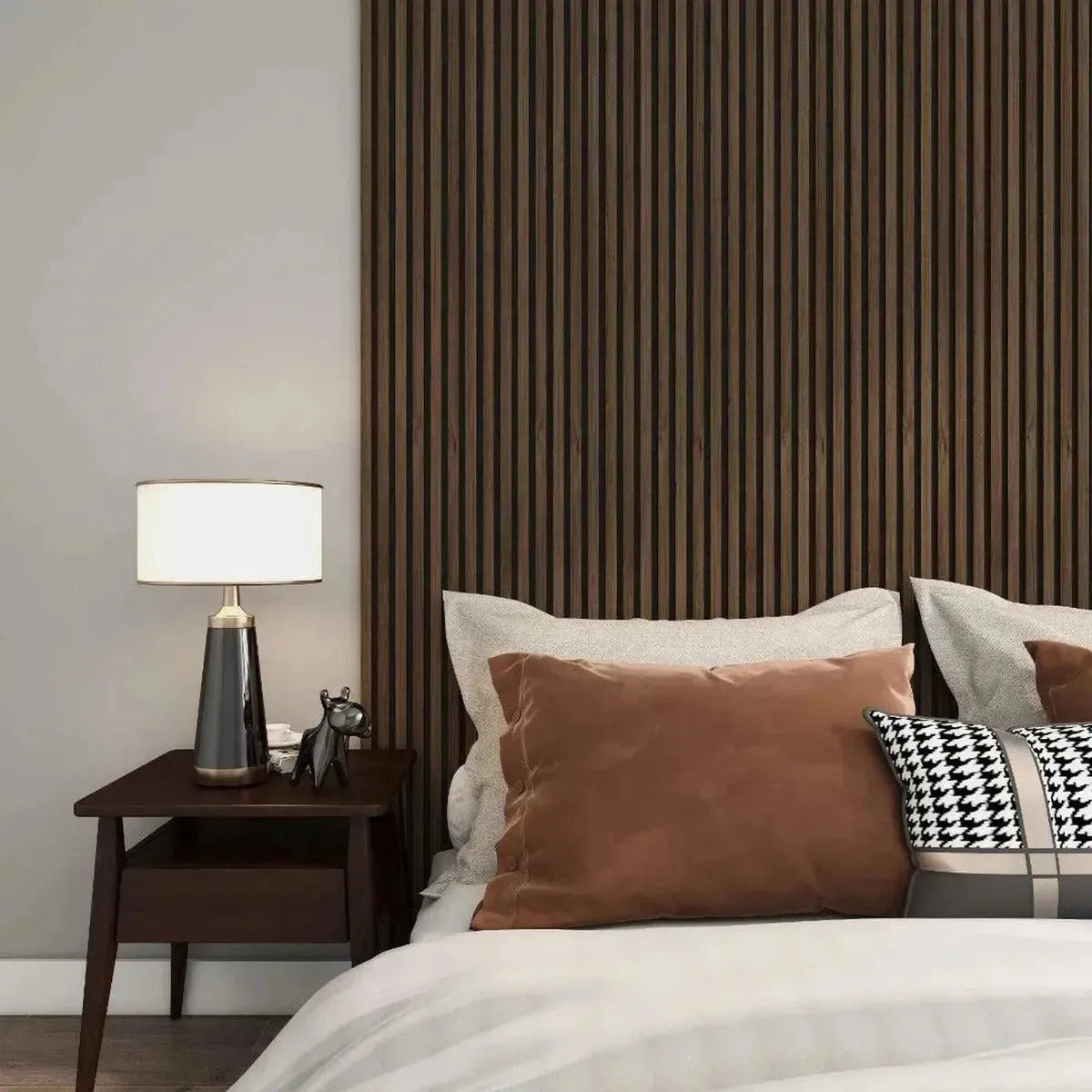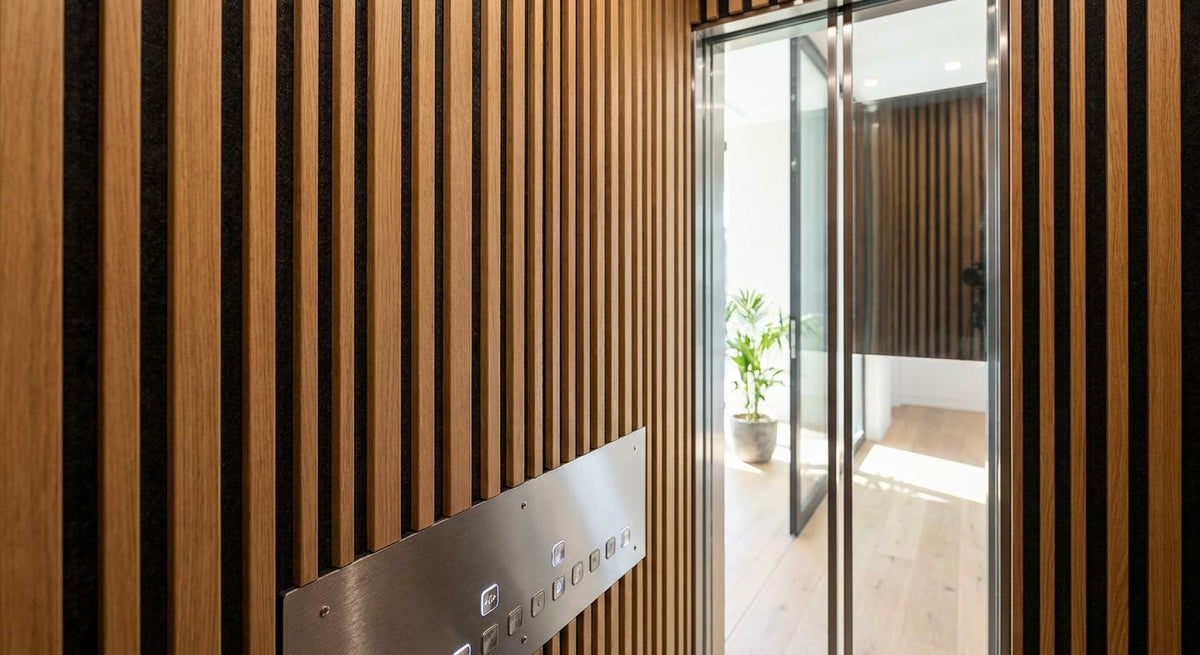
Home elevator cabs are the tightest, most-touched square footage in the house, and a laminate or plastic-clad interior shows every scuff within a year. Real wood slat panels solve the look and the wear problem at once, if you pick the right thickness, finish, and edge treatment for a boxed-in space.
- Acoustic Slat Wall Panel Walnut is the safest pick for elevator interior cladding in 2026 — buy it.
- Black Oak slat panels hide fingerprints and scuffs better than light oak in a high-touch cab.
- Skip full hexagon acoustic panels in a tight cab — the depth eats too much of the interior clearance.
- Fluted Natural Oak panels make a low, narrow cab read taller with vertical grain lines.
- Order end pieces with any slat panel order — raw edges in a metal elevator frame look unfinished fast.
Why this matters
An elevator cab isn't a wall — it's a sealed box that gets touched, leaned on, and bumped by grocery bags and wheelchairs every single day. Standard drywall finishes crack at the corners within a couple of years, and vinyl wraps peel at the seams once the cab door starts rattling.
Wood slat panels with a real veneer face solve the durability problem and the acoustic one. A small enclosed cab amplifies motor hum and door clatter, and a felt-backed acoustic panel takes the edge off that noise in a way flat paneling never will. That's the whole case for wood slat panels for elevator interior cladding over anything flat or synthetic in 2026.
Who this is for
This guide is for homeowners finishing a residential elevator cab — new install or a retrofit on an aging unit — who want a wood interior instead of stock vinyl or laminate panels. It's also useful for contractors and elevator installers speccing finishes for a client who wants something warmer than a stainless or plastic cab liner.
What to look for in wood slat panels for elevator interiors
Slim profile that doesn't eat cab clearance
Elevator cabs run small by design, and every inch of applied panel depth is an inch you lose off the interior width. A slim slat or 3D wood tile profile keeps the finished cab close to its rated clearance instead of shrinking it.
Acoustic backing to cut the hum
A sealed metal box reflects motor noise and door clatter back at the rider. Felt-backed acoustic panels absorb that instead of bouncing it, which matters more in a 4-foot box than it does on an open living room wall.
A finish that hides scuffs, not just one that looks good on day one
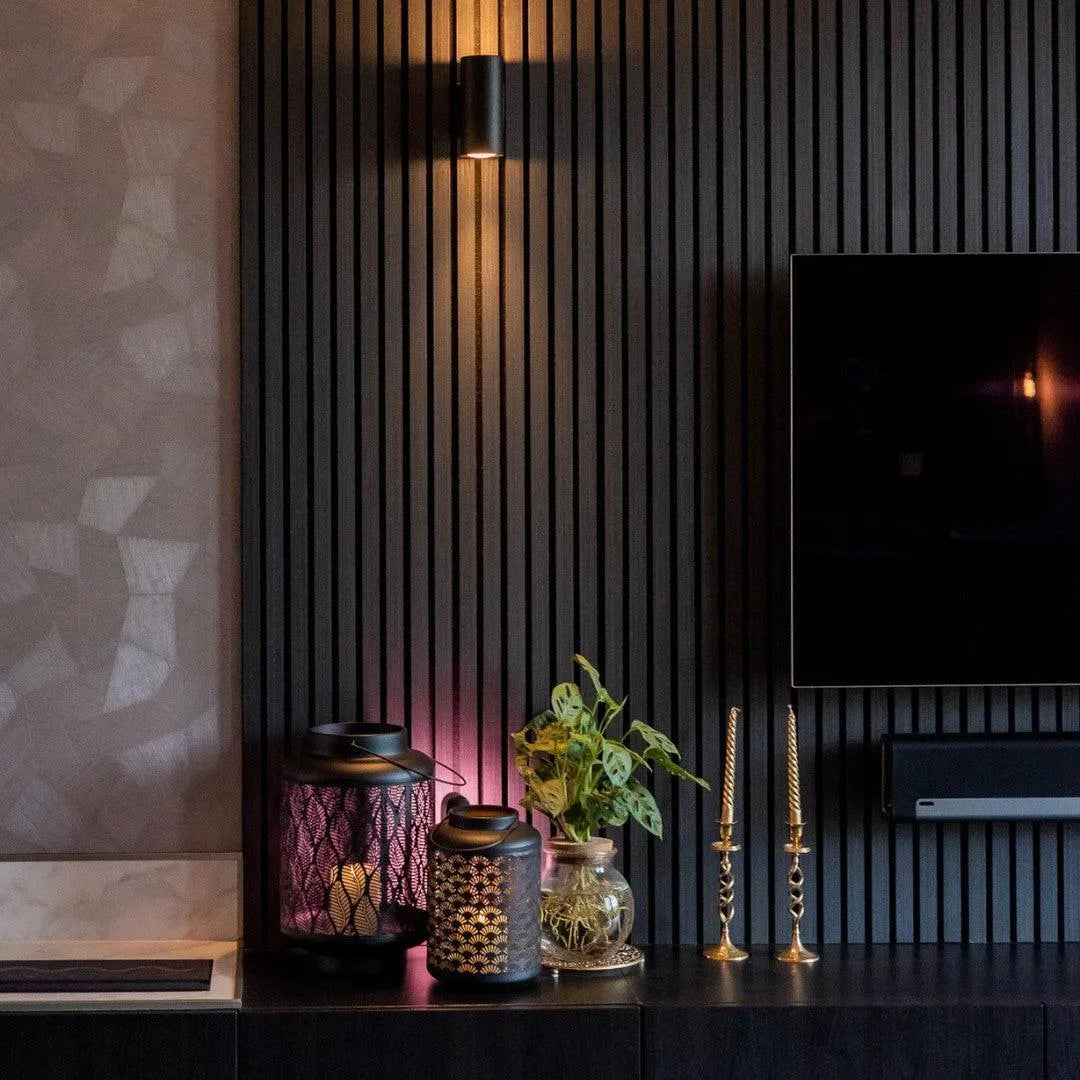
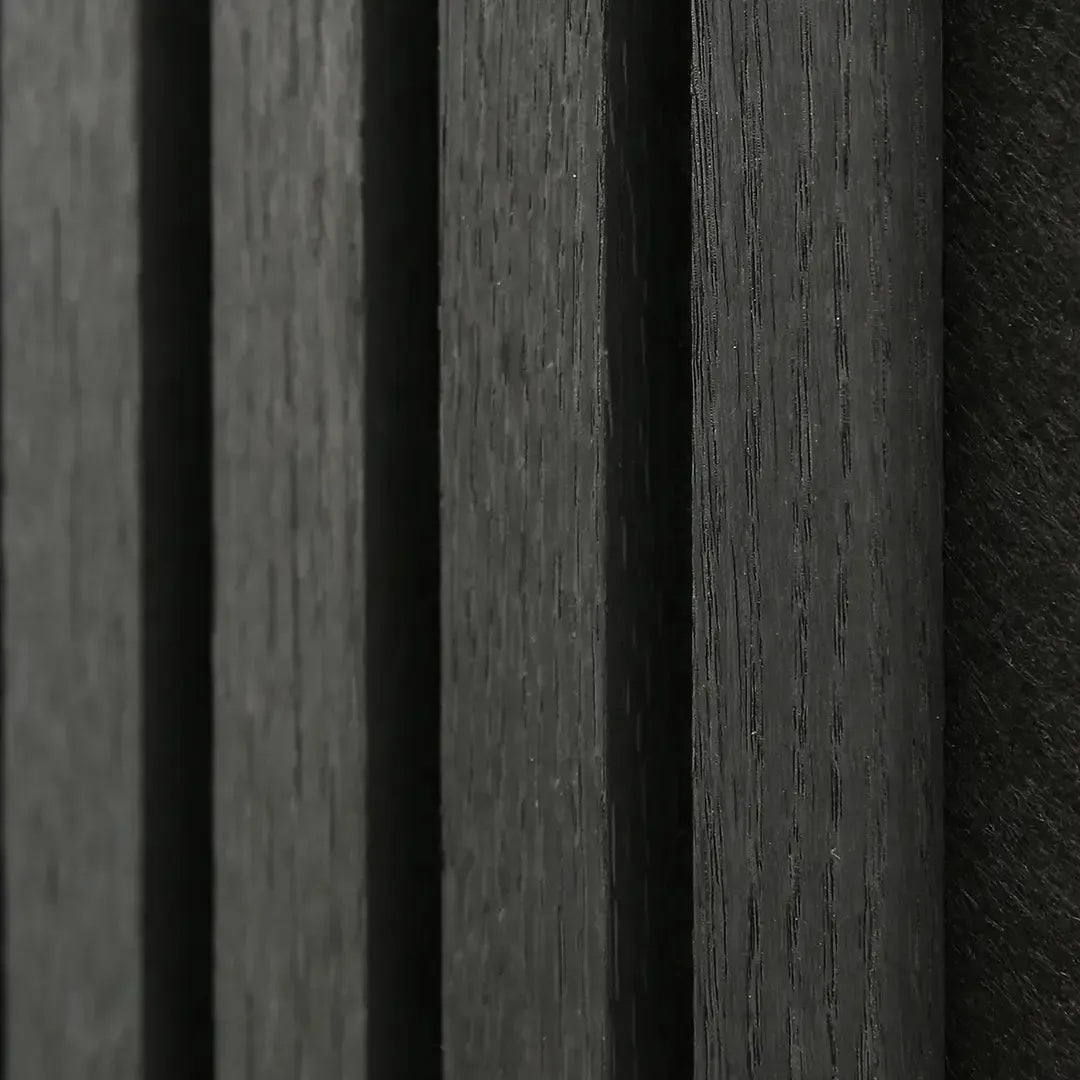
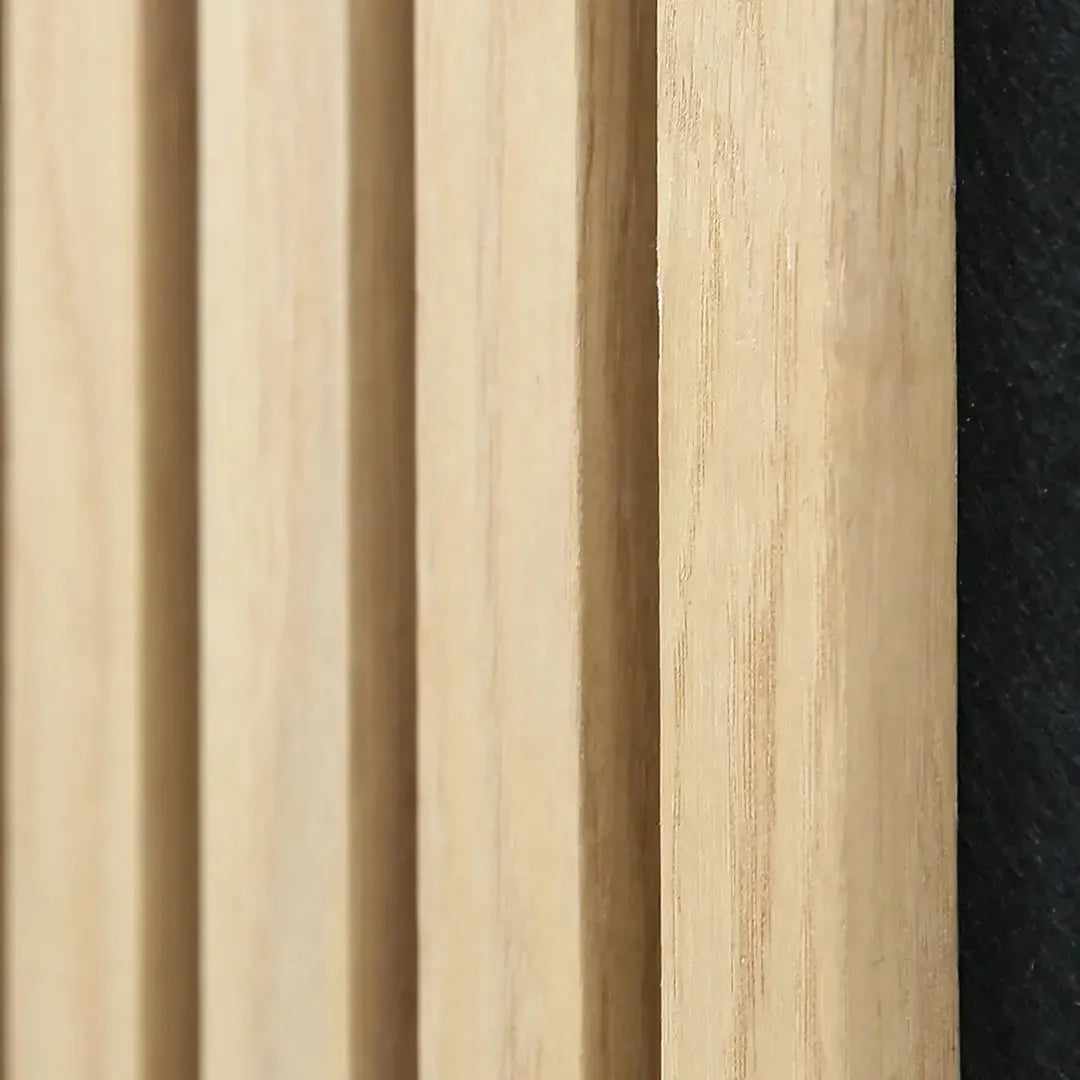
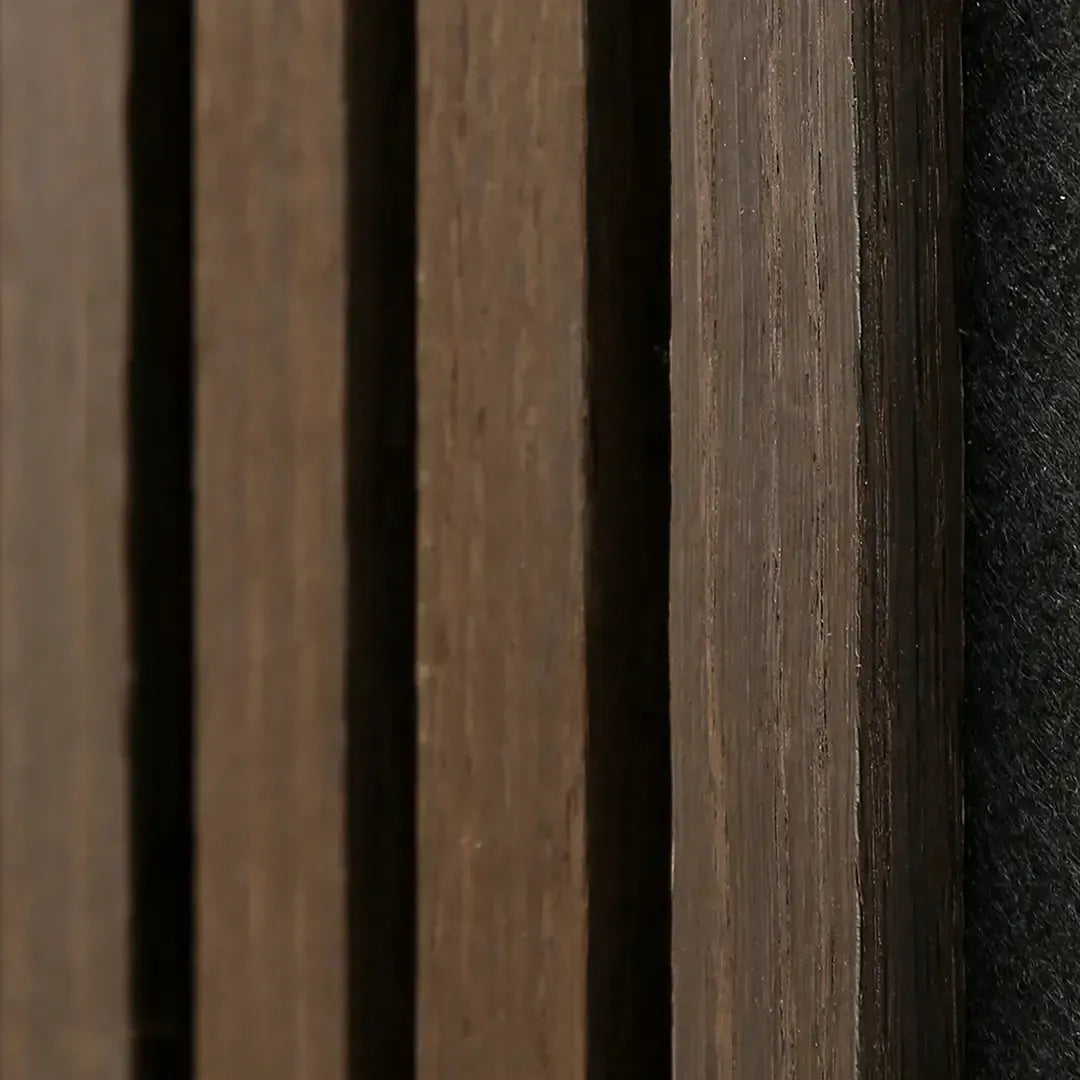
Light natural oak looks clean in a showroom photo and shows every scuff mark by month six in a high-touch cab. Darker finishes like black oak or smoked oak hide fingerprints and bag scrapes far better under daily use.
Clean edge termination at corners and the door frame
An elevator cab has more corners per square foot than almost any other room in the house — two side walls, a back wall, and a door frame all meeting in a tight box. Panels without a matching end piece leave raw, unfinished edges exactly where riders will notice them.
Panel orientation that works with a short, narrow box
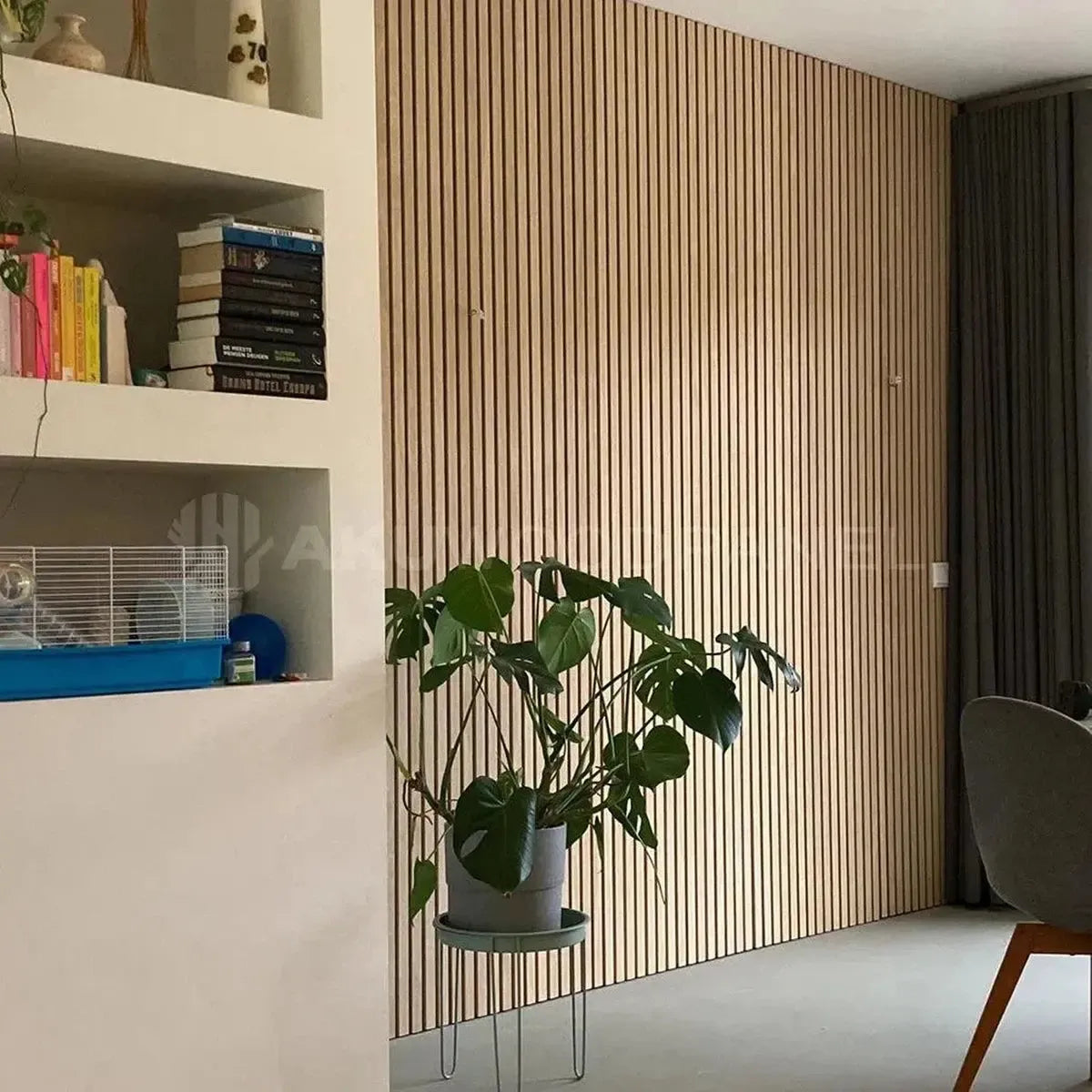
Most residential cabs are shorter and narrower than a standard room wall. Vertical slat or fluted orientation reads taller in a low cab; horizontal runs can make an already-narrow box feel more cramped.
Top picks for elevator interior cladding
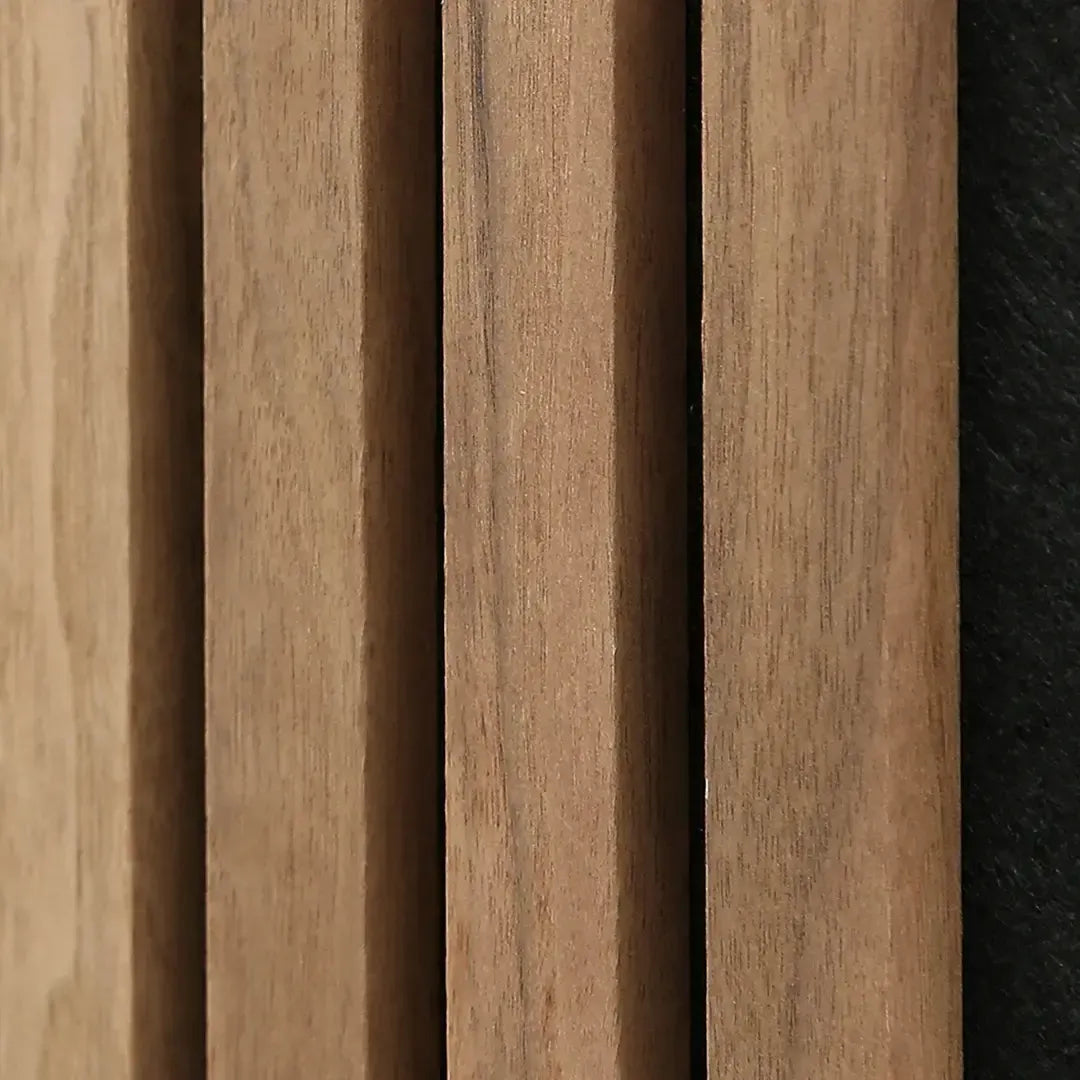
Acoustic Slat Wall Panel Walnut — the safe pick. Acoustic Slat Wall Panel Walnut pairs a real walnut veneer face with a felt acoustic backing, which covers both the durability and the noise problem in one product. It reads warm without going dark-and-moody, which makes it the pick for anyone who isn't sure yet what the rest of the cab hardware will look like. Buy.
Acoustic Slat Wall Panel Black Oak — the scuff-hider. Acoustic Slat Wall Panel Black Oak is the pick for households running the elevator daily with kids, dogs, or grocery hauls banging the walls. Dark finishes mask contact marks that would show immediately on a lighter oak. Buy if the cab sees heavy daily use.
Fluted Wall Panel Natural Oak — the vertical-line pick. Fluted Wall Panel Natural Oak uses a continuous rounded groove instead of flat slats, and the vertical lines do more visual work stretching a short cab ceiling. It's a better match for a cab under 7 feet tall than a wide flat panel. Consider for low-ceiling installs.
Acoustic Slat Wall Panel Smoked Oak — the low-light pick. Smoked Oak reads almost black under warm cab lighting and hides wear the longest of any finish in the line, but it can look flat under cold LED fixtures without a warmer accent trim. Consider if your cab lighting runs warm; Skip if it runs cool white.


“If a panel needs a full trim kit to fit the corner cleanly, it's the wrong panel for an elevator cab.”
What to avoid
- Full-depth hexagon acoustic panels as the primary wall surface. The Hexagon Acoustic Panel line delivers a 0.75 NRC rating and ships 4 panels per box, which is a real acoustic upgrade — but its depth is built for open living-room walls, not a box where every inch of clearance counts. Use it as an accent above the door line, not the full cab.
- Unfinished panel edges at the door frame. A slat panel that stops flush against a metal jamb with no end piece looks unfinished within weeks of daily contact. Match every slat order to the correct end piece before it ships.
- Skipping the thickness question because the panel looks fine online. Panel thickness that works on a 12-foot living room wall can be too thick for a code-constrained cab; see how to choose panel thickness for high-traffic commercial walls before ordering for a small enclosed space.
Verdict comparison
| Panel | Best for | Finish tone | Acoustic backing | Verdict |
|---|---|---|---|---|
| Acoustic Slat Wall Panel Walnut | General-purpose cab cladding | Mid-warm | Felt-backed | Buy |
| Acoustic Slat Wall Panel Black Oak | Heavy daily use, scuff-hiding | Dark | Felt-backed | Buy |
| Fluted Wall Panel Natural Oak | Low-ceiling cabs | Light | None | Consider |
| Acoustic Slat Wall Panel Smoked Oak | Warm-lit cabs | Very dark | Felt-backed | Consider |
| Full hexagon acoustic panel as primary wall | Open rooms, not cabs | Varies | Felt-backed, NRC 0.75 | Skip for cab walls |
FAQ
Are wood slat panels for elevator interior use durable enough for daily riders?
Real wood veneer slat panels hold up to daily elevator use better than laminate wraps because the veneer face doesn't peel at the seams. Darker finishes like Black Oak or Smoked Oak also hide contact scuffs longer than light oak.
Do acoustic slat panels actually reduce noise in an elevator cab?
Felt-backed acoustic slat panels absorb reflected sound in a sealed cab instead of bouncing motor hum and door clatter back at the rider. The Hexagon Acoustic Panel line, for comparison, carries an NRC of 0.75 as an accent option.
What finish hides scuffs best in a home elevator?
Black Oak and Smoked Oak hide fingerprints, bag scrapes, and daily contact marks better than Natural Oak in a high-touch cab. Save light oak for cabs with lower daily traffic.
Should elevator cab panels be horizontal or vertical slats?
Vertical slat or fluted orientation reads taller in a short, narrow cab, which describes most residential elevators. Horizontal runs work better on wider, taller walls than a typical cab offers.
Do I need end pieces for a slat wall panel in an elevator?
Yes — a matching end piece finishes the raw edge where the panel meets the door frame or corner. Without it, the cut edge shows within weeks of daily contact in 2026-installed cabs.
Can fluted wood panels handle a low-ceiling elevator cab?
Fluted Wall Panel Natural Oak works well under a 7-foot ceiling because the continuous vertical groove stretches the visual height of the box. Flat wide slats do less of that work.
Is hexagon acoustic paneling a good full-wall choice for an elevator?
No — hexagon panels carry more depth than a tight cab can spare as a full-wall surface. Use them as an accent band above the door line instead.
How much clearance does wood panel cladding take from an elevator cab?
Slim slat and 3D wood tile profiles take up less depth than deeper acoustic panel formats, which matters most in cabs already close to their rated interior width. Check the panel's stated depth before ordering for a code-constrained cab.
One last thing
The detail most people skip: order the end piece and the wall panel in the same batch. Veneer lots vary slightly between production runs, and an end piece ordered three months later in the same finish name won't always match the grain tone of the original panel run in your cab.
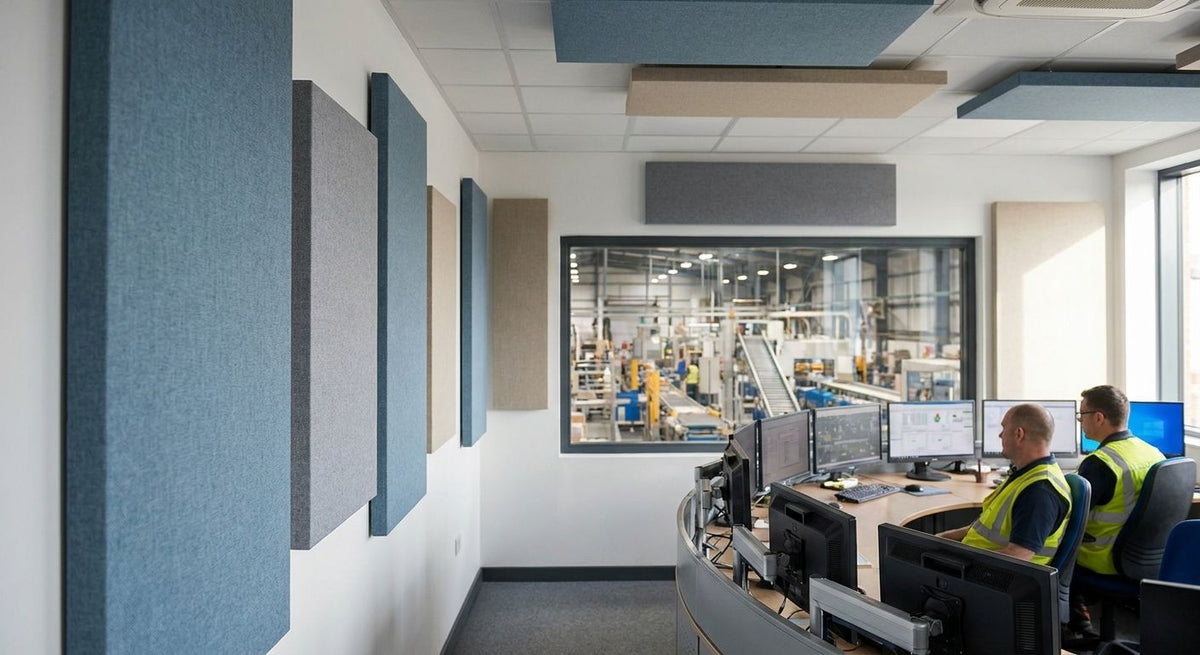
 Better performance and aesthetic appeal
 In Stock