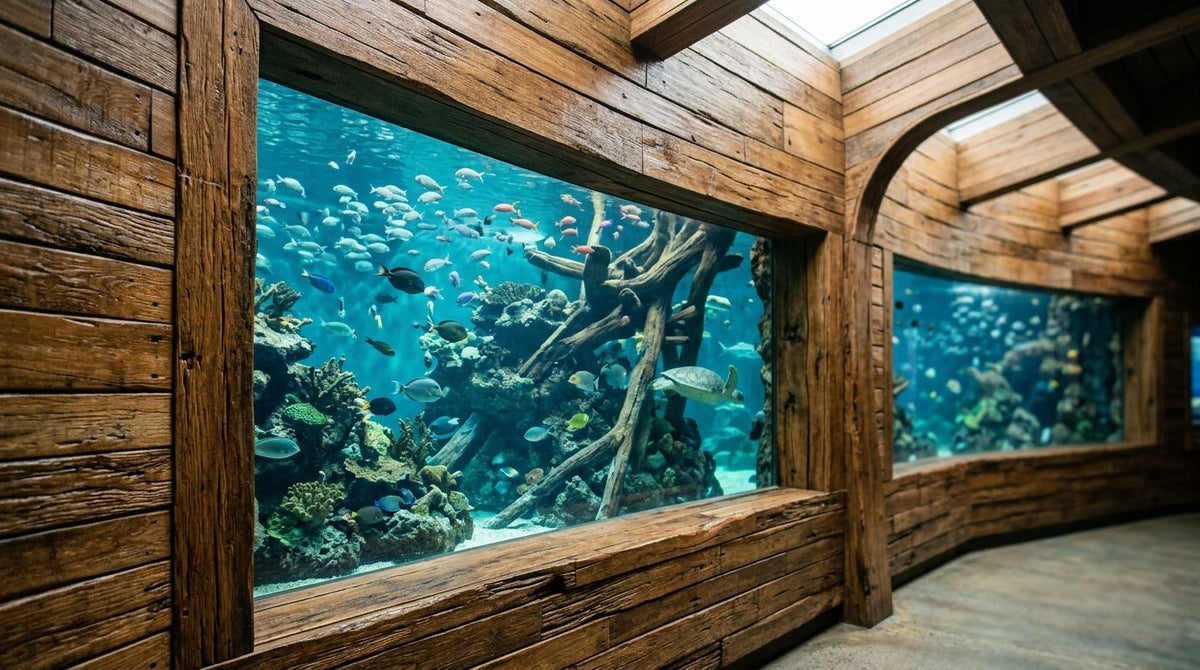
Wood panels for aquarium exhibit interiors solve a specific problem: galleries built from glass, concrete, and standing water turn every footstep and school group into a wall of echo. The right panel system quiets that noise in lobbies, corridors, and dry viewing zones without warping, swelling, or discoloring near tanks and misting displays.
- Wood panels for aquarium interiors belong in lobbies, corridors, and dry viewing galleries, not inside splash zones.
- Hexagon Acoustic Panel with Gray Felt carries an NRC of 0.75, enough to cut echo in tall, hard-surfaced exhibit halls.
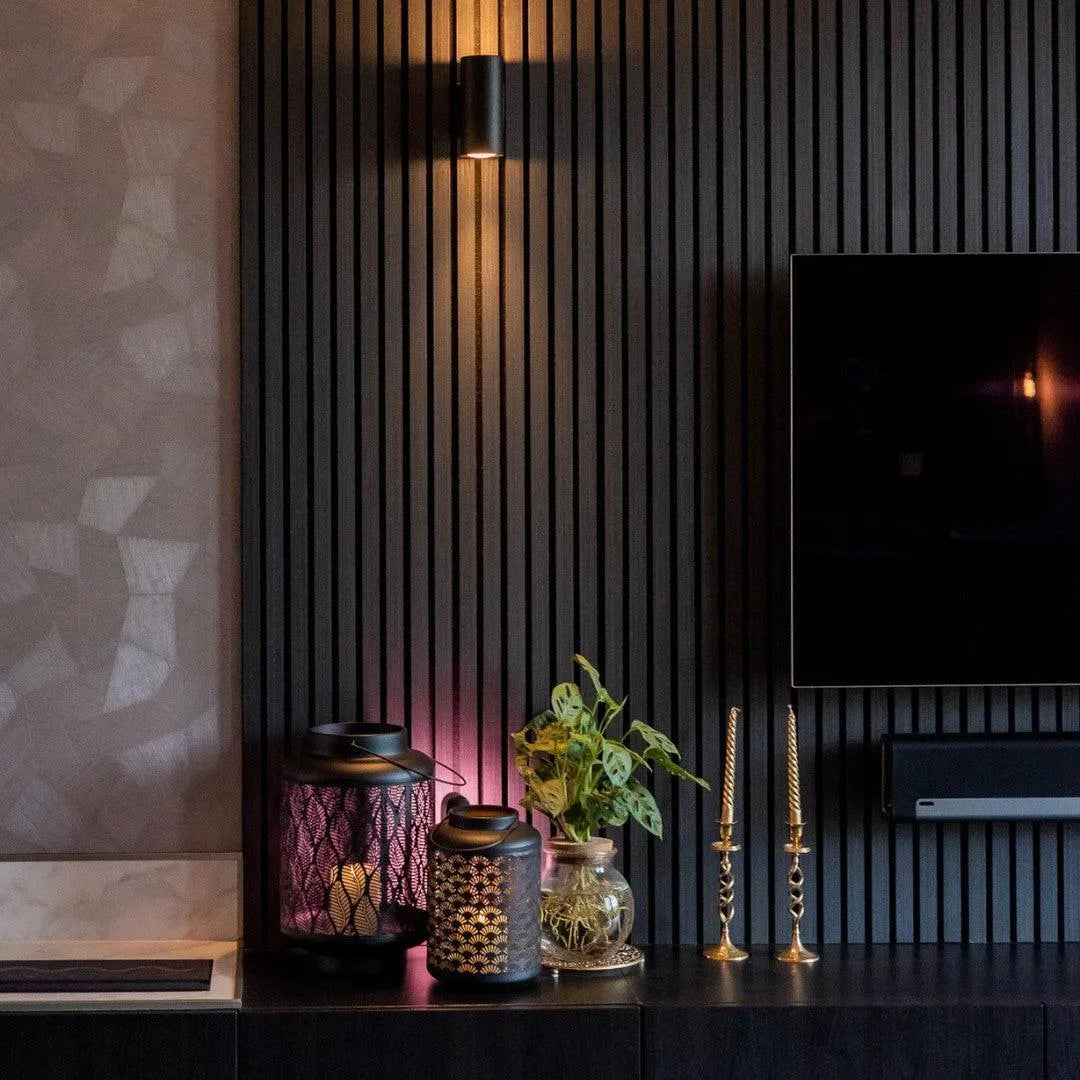
- Smoked Oak and Black Oak read better than pale finishes in dim, tank-lit exhibit spaces in 2026 renovations.
- Real wood veneer needs distance from direct spray; composite exterior panels handle wet connector zones instead.
- Fire ratings for public assembly occupancy have to be confirmed before any panel goes on an exhibit wall.
Why wood panels matter for aquarium exhibit interiors
Aquarium exhibits are acoustically brutal spaces. Glass tanks, poured concrete, tile floors, and moving water all reflect sound instead of absorbing it, so visitor noise stacks up fast in tall galleries with hard ceilings. Facility teams researching this problem overlap heavily with the same audience specifying wood panels for museum exhibit interiors — both need panels that calm a room acoustically while still reading as premium material next to a lit exhibit.
The difference for aquarium interiors is moisture. Museum halls stay dry; aquarium halls sit near tank overflow, misting nozzles, and humidity swings that a typical drywall gallery never sees. Panel choice, placement, and trim detailing all have to account for that in 2026 specifications, not just acoustic performance.
Map the echo zones before you spec anything
Walk the exhibit floor plan and mark which rooms actually need acoustic treatment versus which just need a wood finish for atmosphere.
- Flag double-height galleries and atriums first — reverberation time climbs fastest where ceilings run tall and walls are bare concrete.
- Note where crowds cluster: touch tanks, feeding demonstrations, and the entrance lobby are the loudest points on a busy day.
- Separate quiet corridors (connector hallways between tank rooms) from loud open galleries — they don't need the same panel density.
- Mark any wall within splash distance of a tank, overflow drain, or misting display as a no-wood-veneer zone.
Separate wet zones from panel-ready walls
Real wood veneer is not rated for direct water contact, and no amount of finish changes that. Draw a hard line between walls that get panels and walls that get tile, resin, or sealed masonry instead.
- Keep a minimum buffer between any acoustic slat wall panel and a tank's splash radius or misting nozzle throw distance.
- Route condensation and overflow drainage away from panel-ready walls during the mechanical design phase, not after installation.
- Use panels in lobbies, gift shops, corridors, and dry viewing bays where humidity stays closer to normal indoor range.
- For outdoor holding pens or loading docks that connect exhibit buildings, plan on composite exterior panels rather than interior wood veneer.
Choose tones that work in low-light exhibit galleries
Most aquarium galleries run dim on purpose — low ambient light keeps the focus on the lit tanks. Pale natural oak washes out under that lighting; darker finishes hold their grain and contrast.
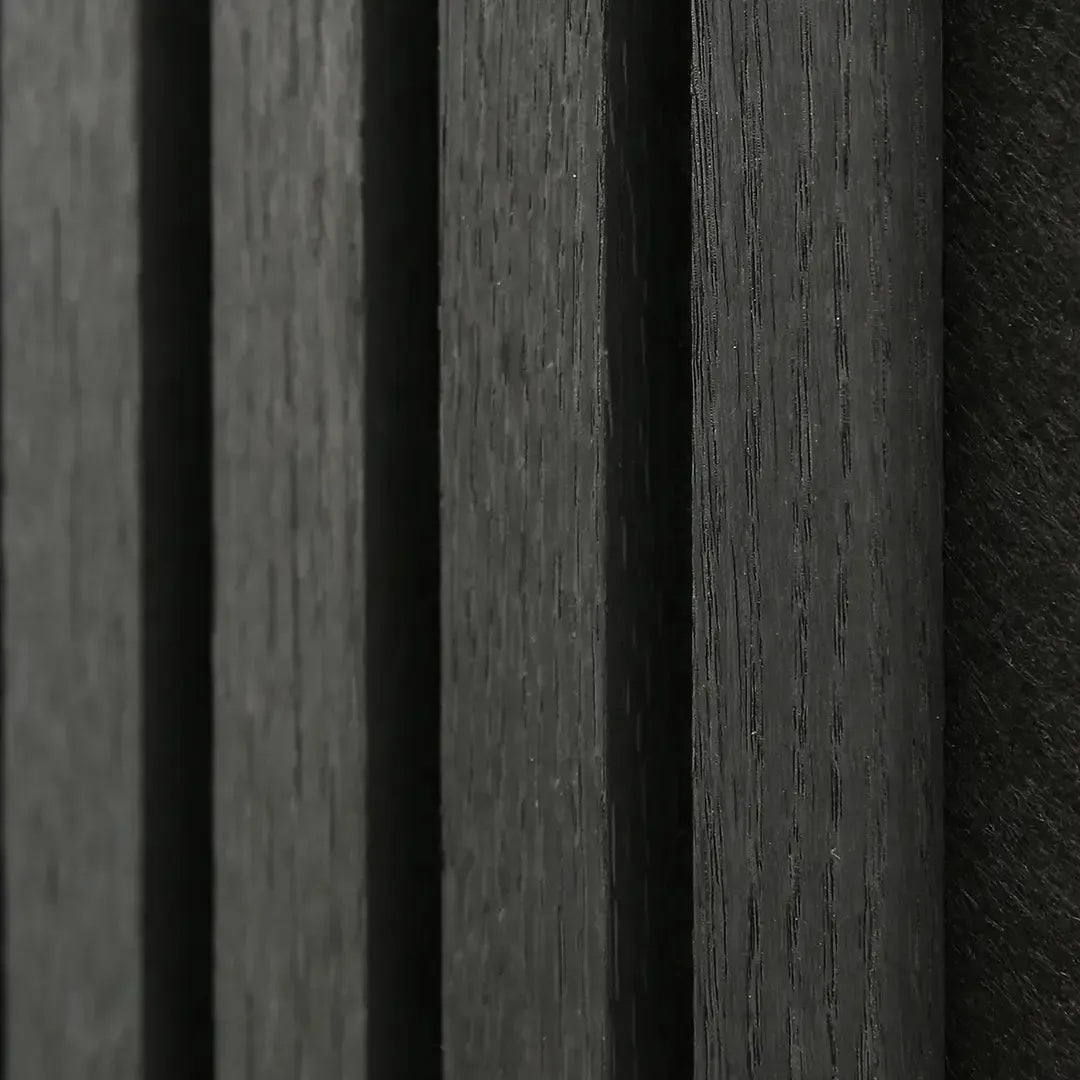
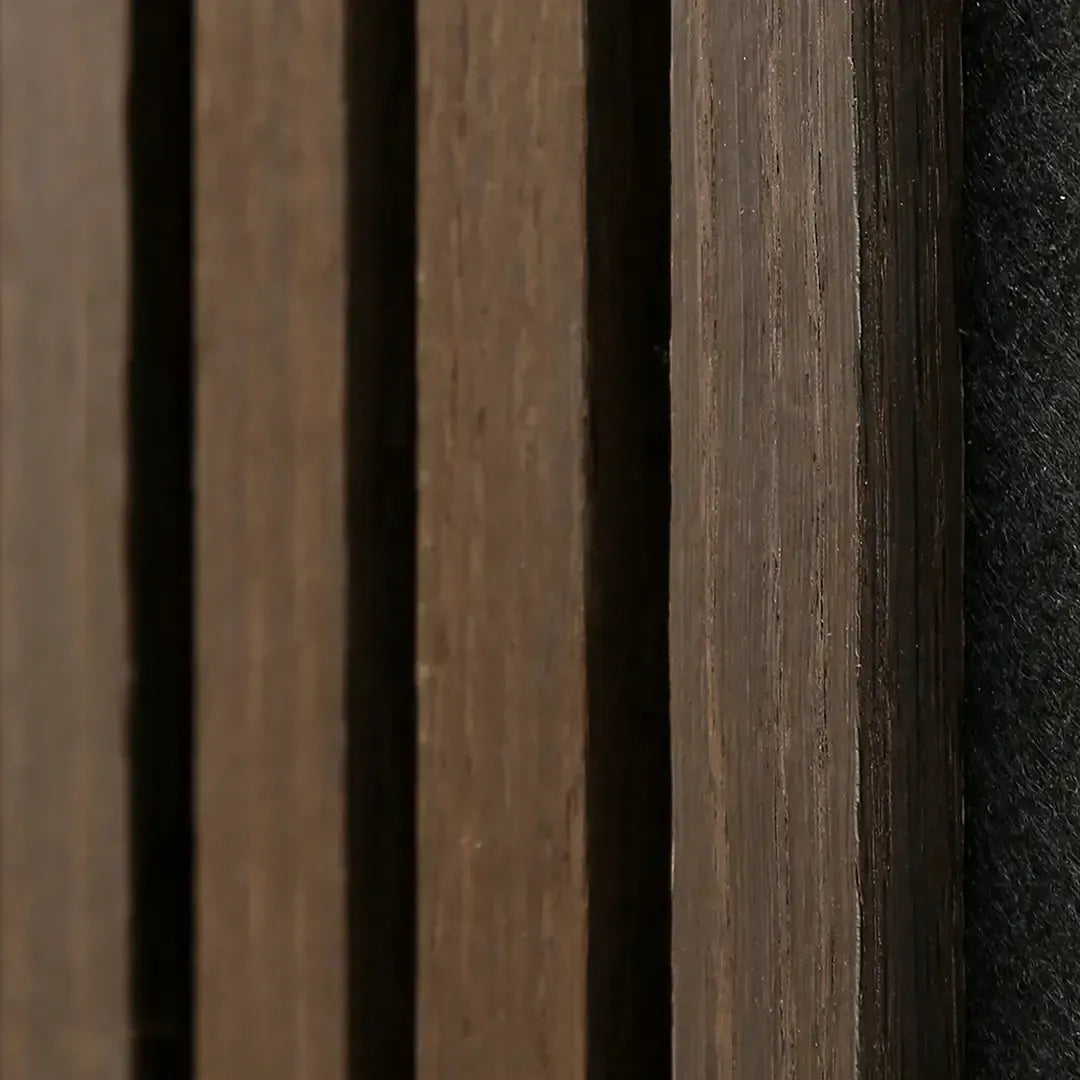
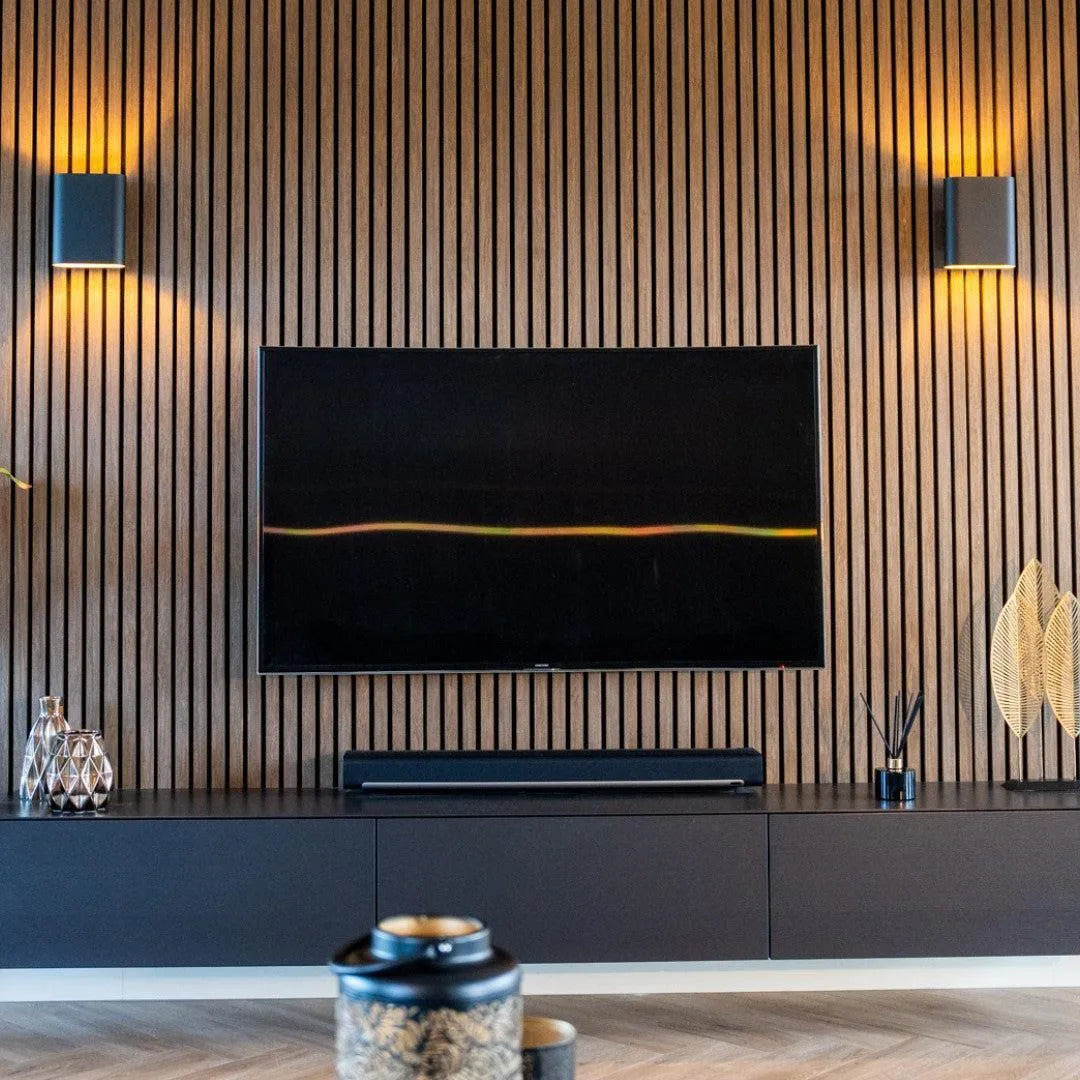
- Smoked Oak and Black Oak slat panels read as intentional, moody backdrops rather than disappearing into the dark.
- Walnut splits the difference: dark enough for dim galleries, warm enough for lobbies with more daylight.
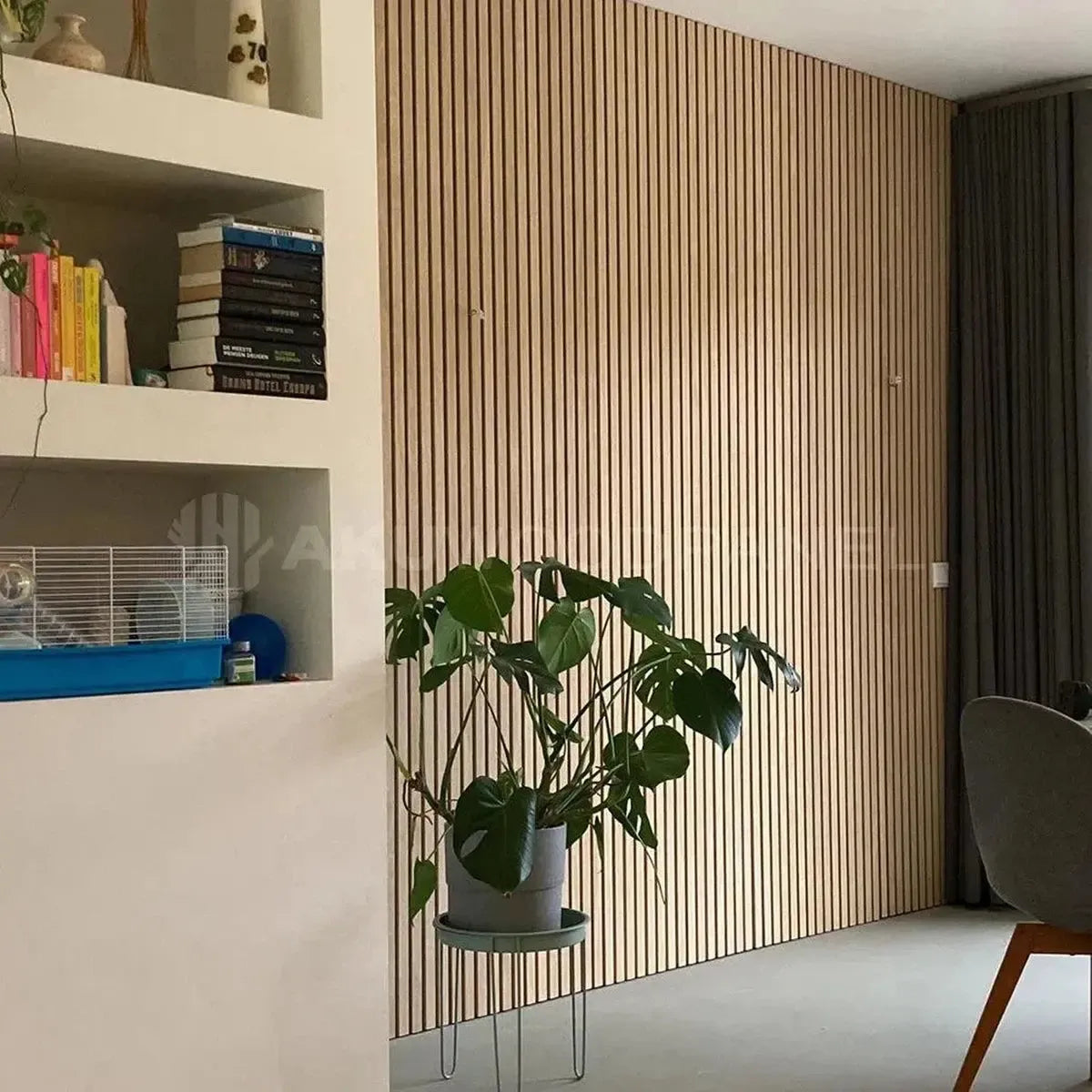
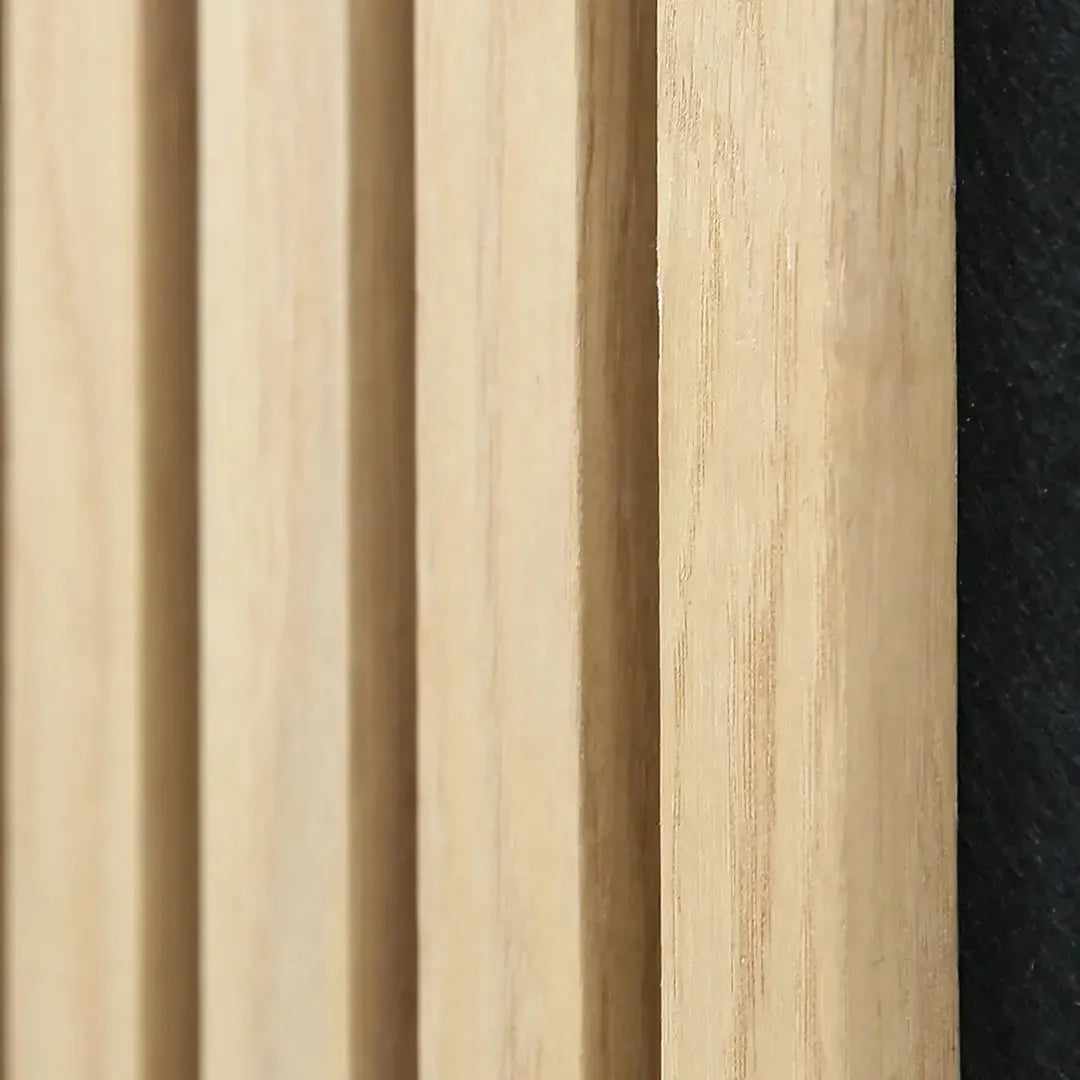
- Reserve pale Natural Oak for bright, daylight-facing entrance areas rather than the tank galleries themselves.
- Test a sample panel under the actual gallery lighting before ordering a full run — showroom light and exhibit spotlighting are not the same.
The Acoustic Slat Wall Panel in Smoked Oak is the tone most exhibit designers land on for dim tank galleries, since it holds visible wood grain without competing with the lighting on the tanks themselves.
Match NRC ratings to the size of your hall
Acoustic performance isn't a nice-to-have in a public aquarium hall — crowd noise compounds fast when a gallery is packed with school groups.
- Use felt-backed panels in the largest, tallest halls where sound has the most distance to travel before it hits a soft surface.
- Budget more coverage for rooms with concrete floors and glass walls than for carpeted corridors.
- Check that felt backing sits clear of any humid or splash-adjacent wall — trapped moisture behind felt backing is a maintenance problem, not just an acoustic one.
- Treat ceiling height, not floor area, as the driver of how much acoustic panel coverage a hall needs.
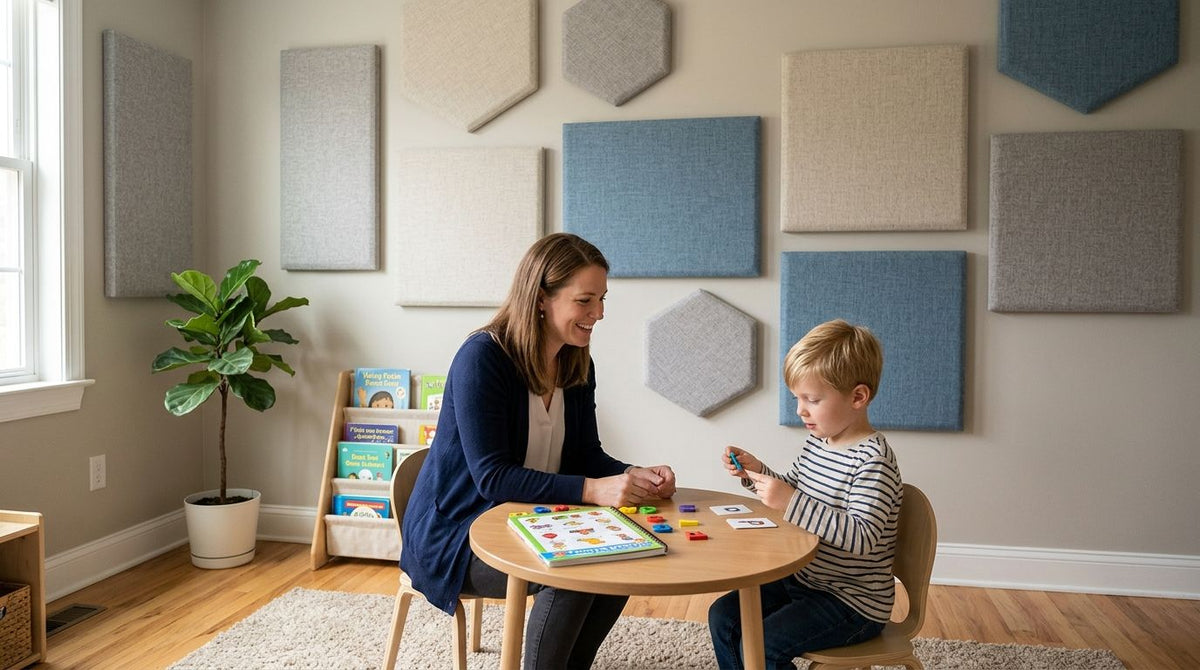
The Hexagon Acoustic Panel with Gray Felt carries an NRC of 0.75, which is the kind of absorption rating that actually moves the needle in a tall, hard-surfaced exhibit hall rather than a token gesture toward acoustics.


Confirm fire ratings for public assembly space
An aquarium open to paying visitors is a public assembly occupancy, and that changes what wall finish is allowed where.
- Get the fire rating documentation for any panel before it's approved for a public gallery, not after installation.
- Check whether local code treats an exhibit hall differently from an office or retail interior — assembly occupancies often carry stricter finish requirements.
- Keep fire rating paperwork on file for the building inspector, especially for large-format halls with high visitor counts.
- Loop in the project architect early; retrofitting a non-compliant finish after installation costs more than specifying correctly the first time.
Plan the framing and trim before installation day
Aquarium walls rarely run flat and square — glass viewing ports, curved tank surrounds, and mechanical access panels break up the wall plane.
- Order end pieces and corner trim to finish exposed panel edges around glass viewing windows cleanly.
- Plan panel layout around access panels for tank filtration and lighting so nothing gets covered permanently.
- Account for curved or angled walls near circular tank displays — flexible fluted panels handle curves that rigid slat panels can't.
- Sequence installation so panels go up after wet-trade work (tank sealing, plumbing) is finished and tested.
Wood panel options for aquarium exhibit interiors
| Option | Best for | Key limitation | Verdict |
|---|---|---|---|
| Acoustic Slat Wall Panel (Natural Oak, Walnut, Smoked Oak, Black Oak) | Lobbies, corridors, dry viewing galleries | Real wood veneer isn't rated for direct water spray | Buy for dry public zones |
| Hexagon Acoustic Panel with Gray Felt | Large, tall halls needing NRC 0.75 sound absorption | Felt backing can trap moisture if placed too close to misting displays | Buy for high-ceiling galleries |
| Fluted Wall Panel (Natural Oak) | Curved walls and column surrounds near circular tanks | Adds texture and grain, not acoustic absorption on its own | Consider for aesthetics-first zones |
| Exterior Wall Panel (composite, Birch/Oak/Black) | Outdoor holding pens, loading docks, breezeways between buildings | Composite finish, so tone won't match interior wood veneer exactly | Buy for wet or outdoor connectors |
Real wood veneer panels earn their place in the lobby and gallery walkways of an aquarium exhibit, not on any surface a tank can splash.
Common mistakes aquarium exhibit teams make
- Installing veneer panels beside overflow drains or misting nozzles — the panel looks fine at handover and fails within a season of humidity cycling.
- Defaulting to pale Natural Oak in dim tank galleries — the finish disappears under low, focused exhibit lighting instead of framing it.
- Skipping fire rating checks until inspection — public assembly occupancy rules catch teams off guard late in a 2026 build-out schedule.
- Designing acoustics for an empty room — reverberation measured before opening day understates what a hall sounds like full of a school group.
- Leaving raw panel edges around glass viewing ports — end pieces and trim exist specifically to finish those transitions cleanly.
FAQ
What's the best wood panel for aquarium exhibit interiors?
Acoustic slat wall panels in Smoked Oak or Black Oak work best in dim exhibit galleries, and hexagon acoustic panels with gray felt add more sound absorption in tall, hard-surfaced halls. Keep any real wood veneer panel out of direct splash range from tanks or misting displays.
Can real wood veneer panels handle humidity near fish tanks?
Real wood veneer tolerates normal indoor humidity but is not rated for direct water spray or standing moisture. Use veneer panels in lobbies, corridors, and dry viewing bays, and route drainage and misting away from any panel-ready wall.
How much sound absorption do aquarium exhibit halls need?
The largest, tallest halls with concrete floors and glass walls need the most absorptive coverage. A felt-backed panel rated at NRC 0.75, like the Hexagon Acoustic Panel with Gray Felt, is built for that kind of hard-surfaced space.
Are wood panels safe near saltwater tanks?
Wood panels are fine on walls set back from splash and misting zones regardless of tank type. The concern is moisture and spray reaching the panel and its backing, not the water chemistry itself.
Do aquarium exhibits need fire-rated wall panels?
Public aquarium galleries are assembly occupancies, which typically carry stricter finish requirements than office or retail interiors. Confirm fire rating documentation with the project architect before a panel is approved for an exhibit wall.
What's the difference between acoustic slat panels and hexagon panels for exhibit walls?
Slat panels give long linear wood grain lines that suit corridors and long gallery walls, while hexagon panels break a wall into a repeating geometric pattern that reads well on shorter feature walls. Both come in felt-backed acoustic versions.
Can wood panels go outside near outdoor tanks or holding pens?
Interior wood veneer panels are not built for outdoor exposure. Composite exterior wall panels in Birch, Oak, or Black cover outdoor holding pens, loading docks, and breezeways instead.
How do you install wood panels around glass viewing windows?
Order end pieces and corner trim sized for the panel run so exposed edges around a glass viewing port get finished cleanly rather than left raw. Sequence panel installation after glass and plumbing work is complete.
One last thing
Most aquarium panel specs get measured acoustically in an empty room, and that number is close to meaningless — a gallery packed with a field trip group absorbs sound very differently than the same room at 7am before opening. Budget acoustic coverage for the crowded version of the room, not the quiet one, and the panel choice that looked marginal on paper usually turns out to be the right call by the first busy Saturday of 2026.


 Better performance and aesthetic appeal
 In Stock