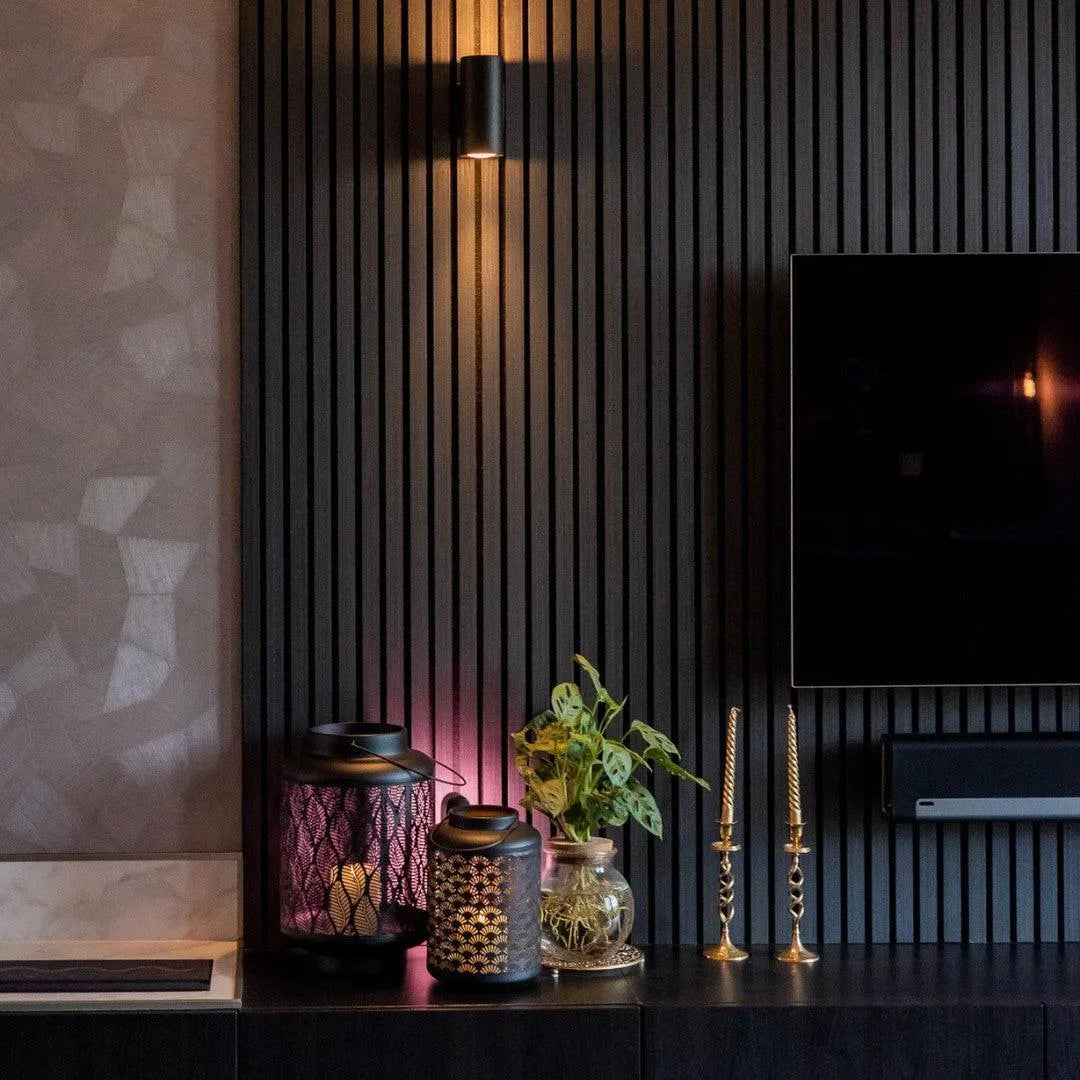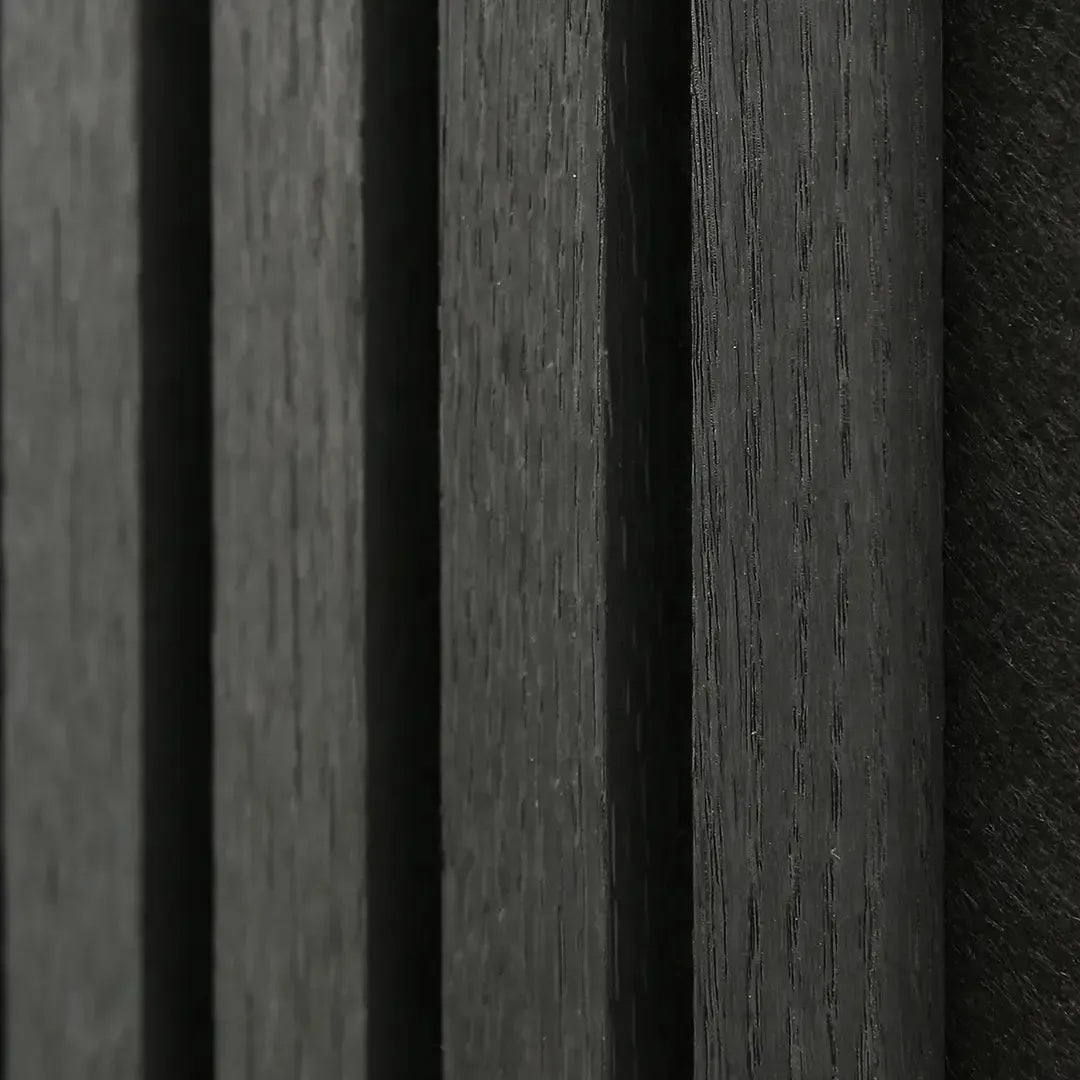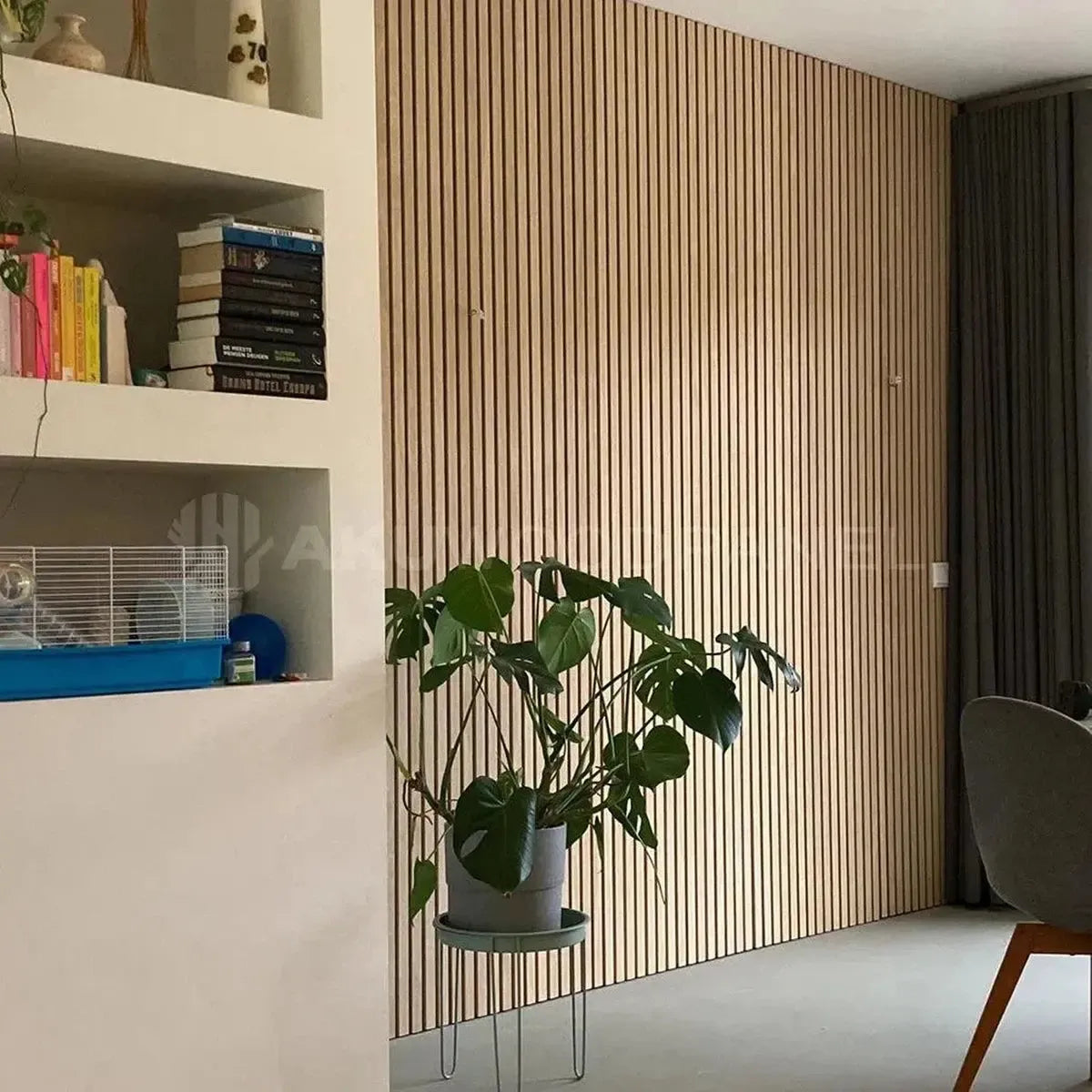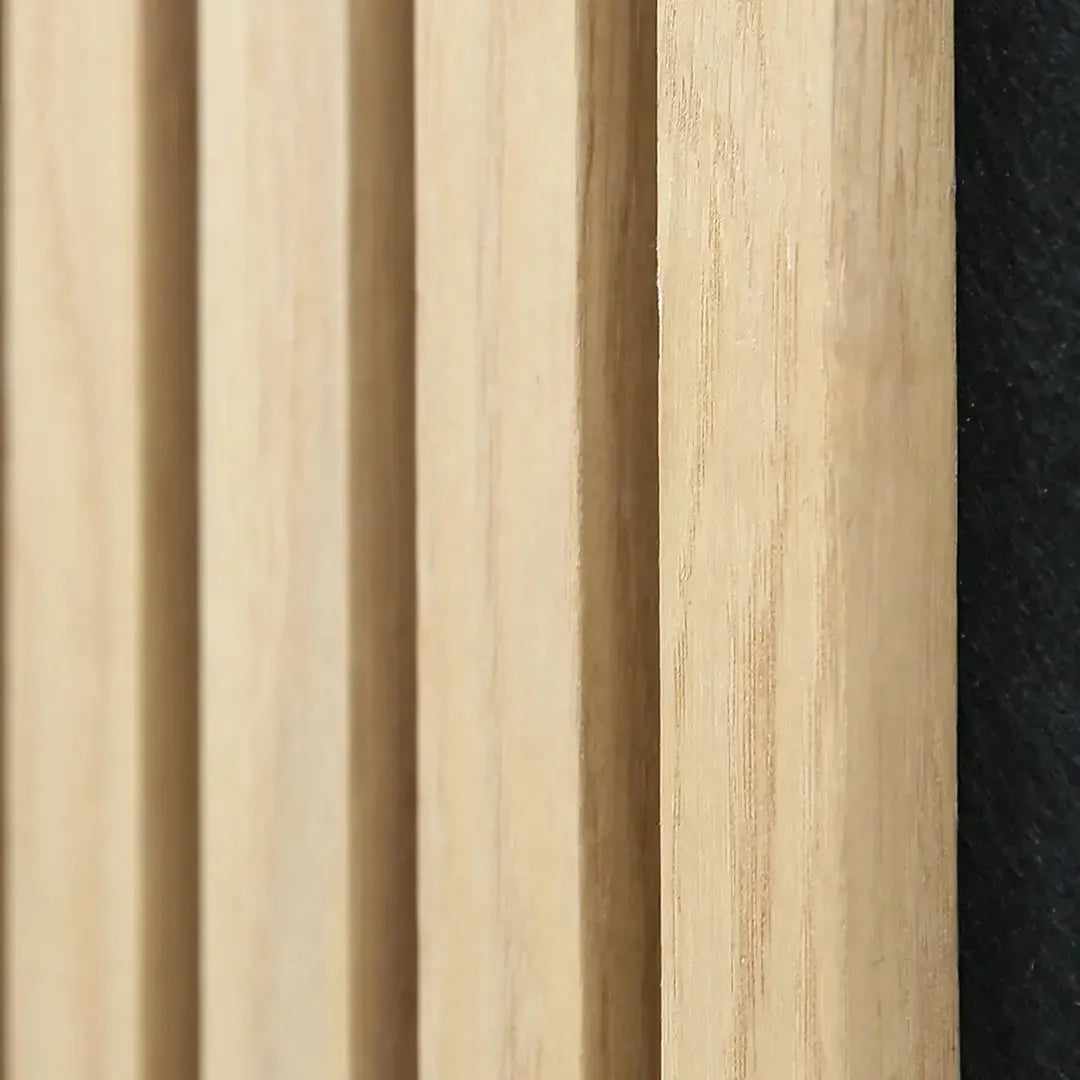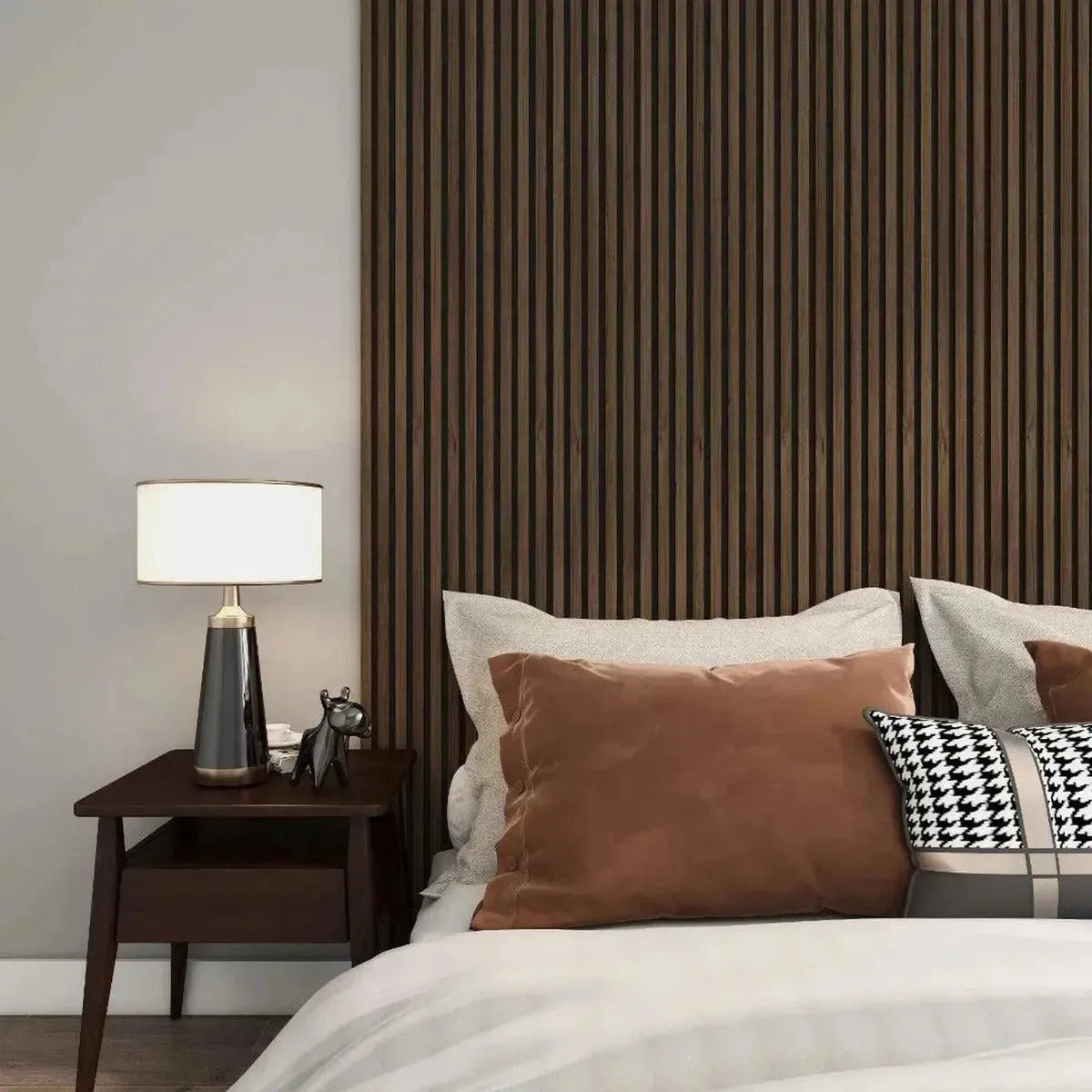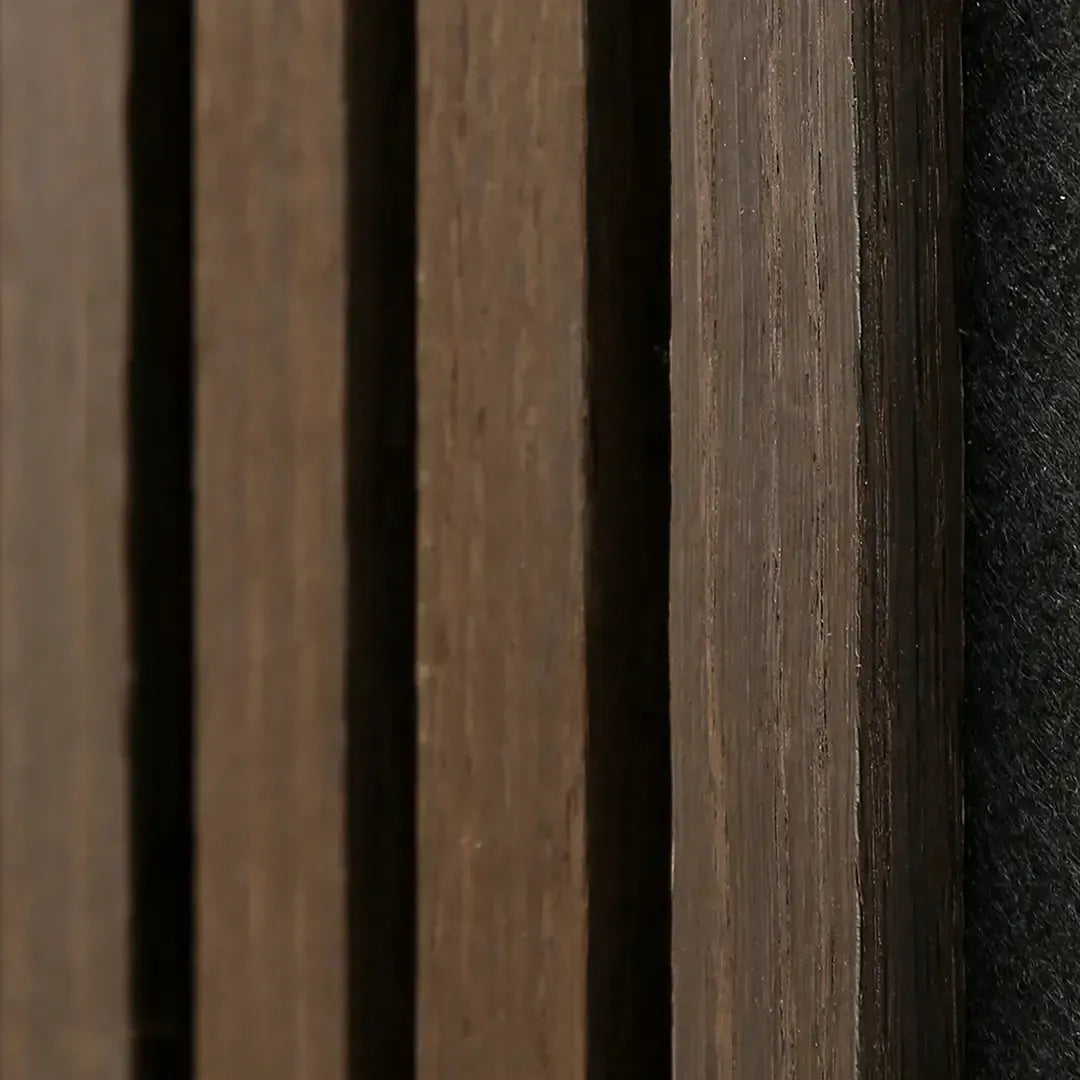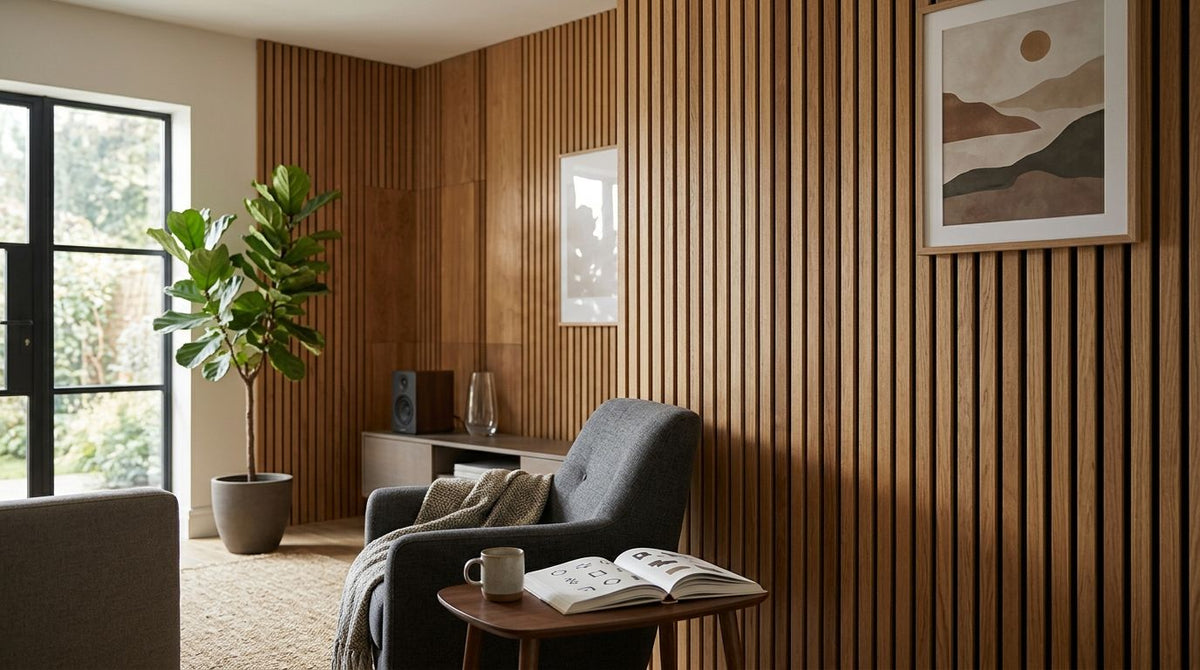
Wood acoustic paneling is worth it in 2026 if you have a hard-surface echo problem and want the wood grain visible on the wall — felt-backed panels carry a documented NRC rating of 0.75, enough to noticeably cut reverberation in a living room, home office, or media room. The catch nobody mentions upfront: plain slat, fluted, and 3D wood tile styles look almost identical on a product photo but carry no published sound-absorption number, so they add texture without measurable acoustic performance. Pick the felt-backed style when noise control is the goal, and the plain veneer style when you just want a wood accent wall.
- Felt-backed hexagon acoustic panels carry an NRC rating of 0.75 — the only wood panel style with a documented sound-absorption number.
- Plain slat, fluted, and 3D wood tile panels add real wood veneer to a wall but have no published NRC rating.
- Is wood acoustic paneling worth it in 2026? Yes for echo control plus visible wood grain, not if you need a certified rating without checking the spec sheet first.
- Natural oak, walnut, black oak, and smoked oak finishes all install the same way — the acoustic difference comes from felt backing, not color.
Why this matters
Open floor plans, hardwood floors, and floor-to-ceiling glass are standard in 2026 builds, and all three reflect sound instead of absorbing it. That's why a room can look finished and still feel loud — voices bounce, TV dialogue blurs, and video calls pick up echo. Acoustic wood panels get pitched as a fix for this, but "acoustic" on a product page doesn't always mean the same thing. Some panels are engineered for sound absorption with a felt layer behind the veneer; others are wood veneer over MDF with gaps cut for a slat look, and the gaps alone don't do much.
Knowing which is which before you order matters more than the finish color you pick.
Is wood acoustic paneling worth it in 2026?
Here's how the main acoustic slat wall panels and related wood panel styles stack up when sound performance, not just looks, is the deciding factor:
| Panel type | Wood veneer options | Sound absorption | Best for | Verdict |
|---|---|---|---|---|
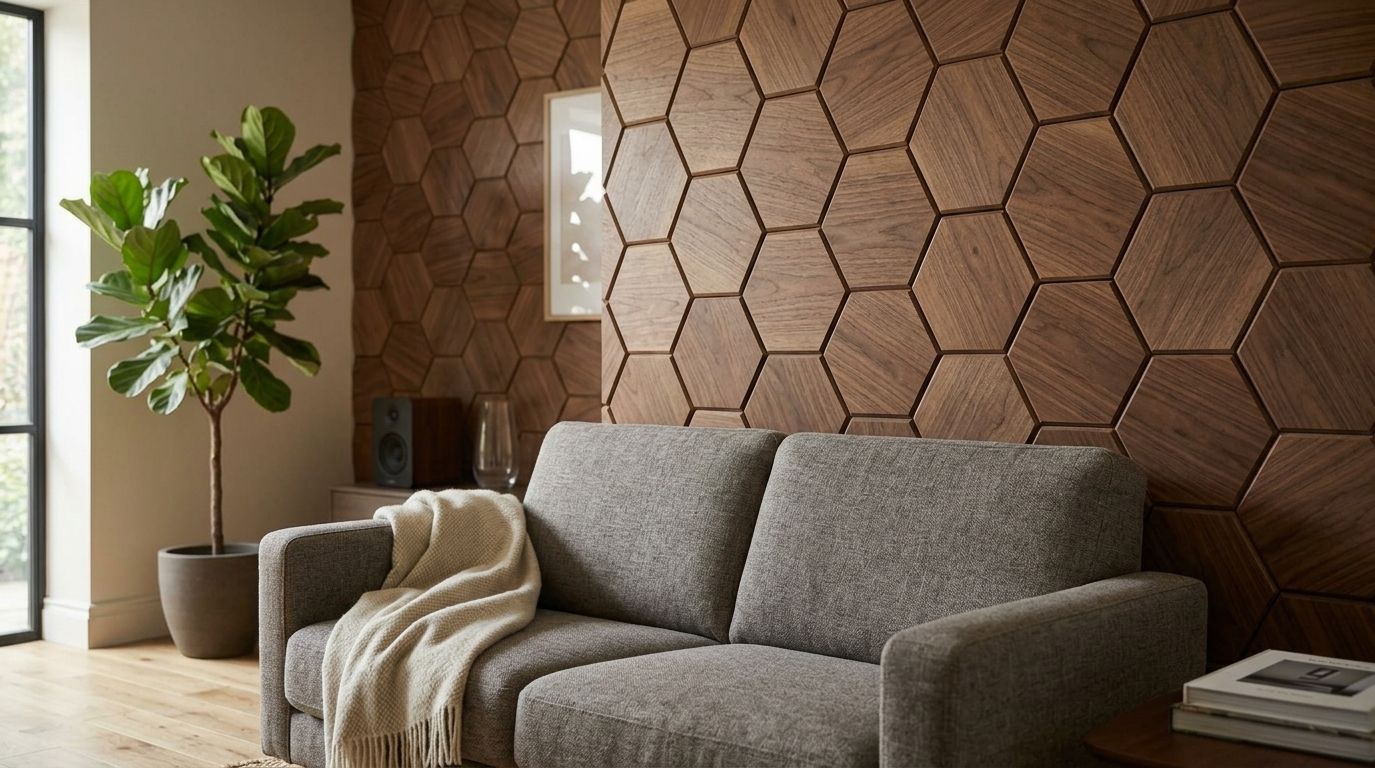
| Felt-backed hexagon panel | Natural oak, walnut | NRC 0.75 (documented) | Living rooms, home offices with hard floors | Buy |
| Felt-backed slat wall panel | Natural oak, walnut, smoked oak | Felt backing behind veneer, no published NRC | Bedrooms, media rooms | Buy |
| Plain slat wall panel (no felt) | Natural oak, walnut, black oak, smoked oak | Decorative gaps only, no rating | Accent walls, low-noise rooms | Hold |
| Fluted wall panel | Natural oak, walnut | Decorative grooves, no rating | TV walls, hallways | Skip for acoustics |
| 3D wood wall tile | Walnut, pine, rubberwood | Decorative texture only | Small feature walls | Skip for acoustics |
The verdict in one line: felt-backed wood panels are worth it for real echo reduction, and plain wood veneer panels are worth it only if you're buying for the look. That distinction matters more in 2026 than the finish color does, because oak, walnut, black oak, and smoked oak veneers all install the same way and cost the same in labor.
Felt-backed hexagon panels: NRC 0.75
The hexagon acoustic panel with gray felt backing is the one product in this category with a stated sound-absorption number: an NRC rating of 0.75. NRC (Noise Reduction Coefficient) runs from 0 to 1, where 1 means the surface absorbs essentially all sound that hits it and 0 means it reflects nearly all of it. A rating of 0.75 puts these panels solidly in absorptive-material territory, comparable to what you'd expect from a mid-weight acoustic ceiling tile.
The felt sits behind the visible oak or walnut veneer, so the wall still reads as wood, not as a felt panel with a wood trim. That's the actual selling point over foam or fabric acoustic panels: you get the NRC 0.75 performance and a finished, furniture-grade look at the same time.
Pros: documented NRC rating, real wood veneer face, mounts like any other slat or hexagon panel. Cons: felt backing adds panel depth and weight versus plain veneer styles, and the rating applies to the felt-backed variant specifically, not the whole catalog.
Plain slat, fluted, and 3D wood tile panels: no NRC rating, still adds real wood texture
Standard slat wall panels without felt, fluted wall panels, and 3D wood wall tiles are built the same way structurally — real wood veneer over a panel substrate — but none of them ship with a published sound-absorption number. The slats and grooves do break up some sound reflection compared to a flat painted wall, which is basic room-acoustics behavior, but that's a different claim from a rated NRC figure.
If the wall you're treating is a bedroom accent wall or a TV feature wall where echo isn't the complaint, this distinction doesn't matter. If the room has a documented noise problem — an open-plan kitchen-living space, a home office used for calls all day — the felt-backed option is the one worth paying attention to.
Pros: same real-wood look as the felt-backed line, wider style range (fluted grooves, hexagon, 3D tile textures). Cons: no measurable acoustic claim to point to if a client or landlord asks for one.


Why acoustic performance varies
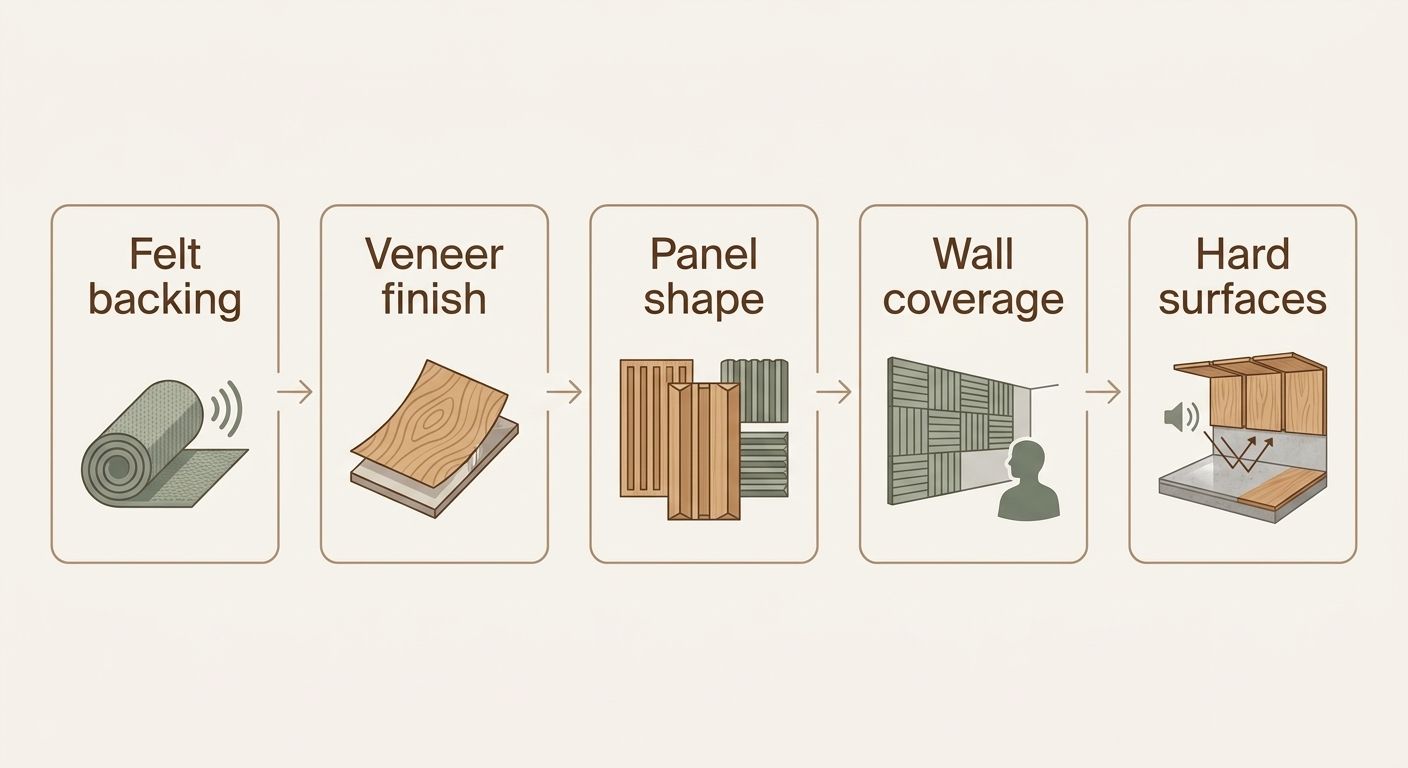
Sound absorption in a panelled room depends on more than the panel spec sheet. Before assuming a wall of wood panels will fix an echo problem, check these factors:
- Felt backing — this is what produces the documented NRC 0.75 rating on the hexagon panels; plain veneer panels skip this layer.
- Veneer finish — natural oak, walnut, black oak, and smoked oak change the look, not the sound absorption.
- Panel shape — hexagon, slat, and fluted profiles change how much wall surface area gets broken up, which affects reflection patterns even without a felt layer.
- Wall coverage — a single accent wall of panels does less for room-wide echo than covering two or three walls.
- Existing hard surfaces — glass, tile, and bare hardwood floors work against any acoustic treatment, so the more of those a room has, the more coverage you need to notice a difference.
For a room-by-room breakdown of how to size a felt-backed panel installation, see how to calculate acoustic panel NRC rating for a room.
Does wood acoustic paneling actually reduce echo?
Felt-backed hexagon panels reduce echo with a documented NRC rating of 0.75, which is high enough to noticeably soften reflections in a room with hard floors and bare walls. Plain veneer slat or fluted panels without felt backing don't carry that same rating, so they help less with echo even though they look similar on the wall.
Is real wood veneer worth it over faux wood panels?
Real wood veneer is worth it if you want the surface to age and feel like actual wood rather than a printed laminate, since veneer panels use a genuine wood layer over the substrate. The trade-off is care: real veneer needs the same basic handling as any wood surface, while faux wood tolerates more abuse in high-traffic commercial settings.
Do plain slat panels without felt backing do anything for sound?
Plain slat panels without felt backing break up some sound reflection compared to a flat painted wall simply because the surface isn't flat, but they carry no published NRC rating like the felt-backed hexagon panels do. Treat them as a decorative upgrade first and an acoustic upgrade second.
FAQ
Is wood acoustic paneling worth it in 2026?
Yes for echo control, provided you choose a felt-backed style — the felt-backed hexagon panel carries a documented NRC rating of 0.75. Plain veneer slat and fluted panels look similar but have no published rating.
What NRC rating do wood acoustic panels have?
The felt-backed hexagon acoustic panel has an NRC rating of 0.75, meaning it absorbs roughly three-quarters of the sound energy that hits it. Plain wood veneer panels without felt backing don't list an NRC figure.
Do acoustic wood panels work as well as foam panels?
An NRC of 0.75 on the felt-backed wood panel line is comparable to mid-weight foam acoustic tiles, with the difference being the visible wood veneer finish instead of exposed foam. Foam panels typically cost less per square foot but don't double as a finished wall surface.
Which wood veneer finish absorbs the most sound?
Finish color doesn't affect sound absorption — natural oak, walnut, black oak, and smoked oak all perform the same once felt backing is present. The felt layer, not the veneer, is what drives the NRC 0.75 rating.
Can I install acoustic wood panels myself?
Slat, hexagon, and fluted wood panels are designed to mount to drywall, plaster, or stud walls without specialty tools, similar to any tongue-and-groove wall panel. Check the specific panel's installation notes before starting, since mounting hardware can differ by shape.
Do I need to cover a whole wall for acoustic panels to work?
Partial coverage still helps, but a single small accent area does less for a room's overall echo than covering two or three walls. Rooms with more hard surfaces like tile or glass need more panel coverage to notice a real difference.
Are fluted wood panels acoustic panels?
Fluted wall panels are decorative grooved wood veneer panels with no published NRC rating, so they shouldn't be treated as an acoustic solution. Choose a felt-backed slat or hexagon panel instead if sound absorption is the goal.
One last thing
The detail buyers miss most in 2026: the NRC 0.75 rating belongs specifically to the felt-backed hexagon panels, not to "acoustic wood panels" as a category. If a room genuinely has an echo problem, check the felt-backed spec before ordering plain slat or fluted panels for the same wall — the wood grain looks identical from across the room, but only one of them is doing anything measurable to the sound.
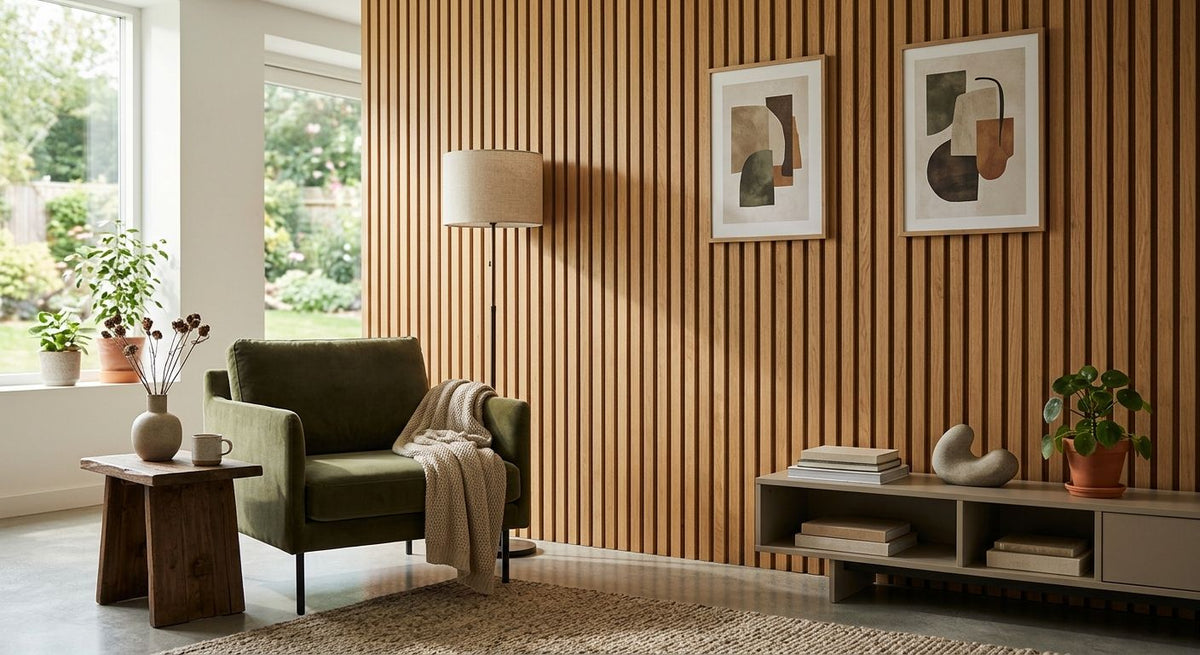


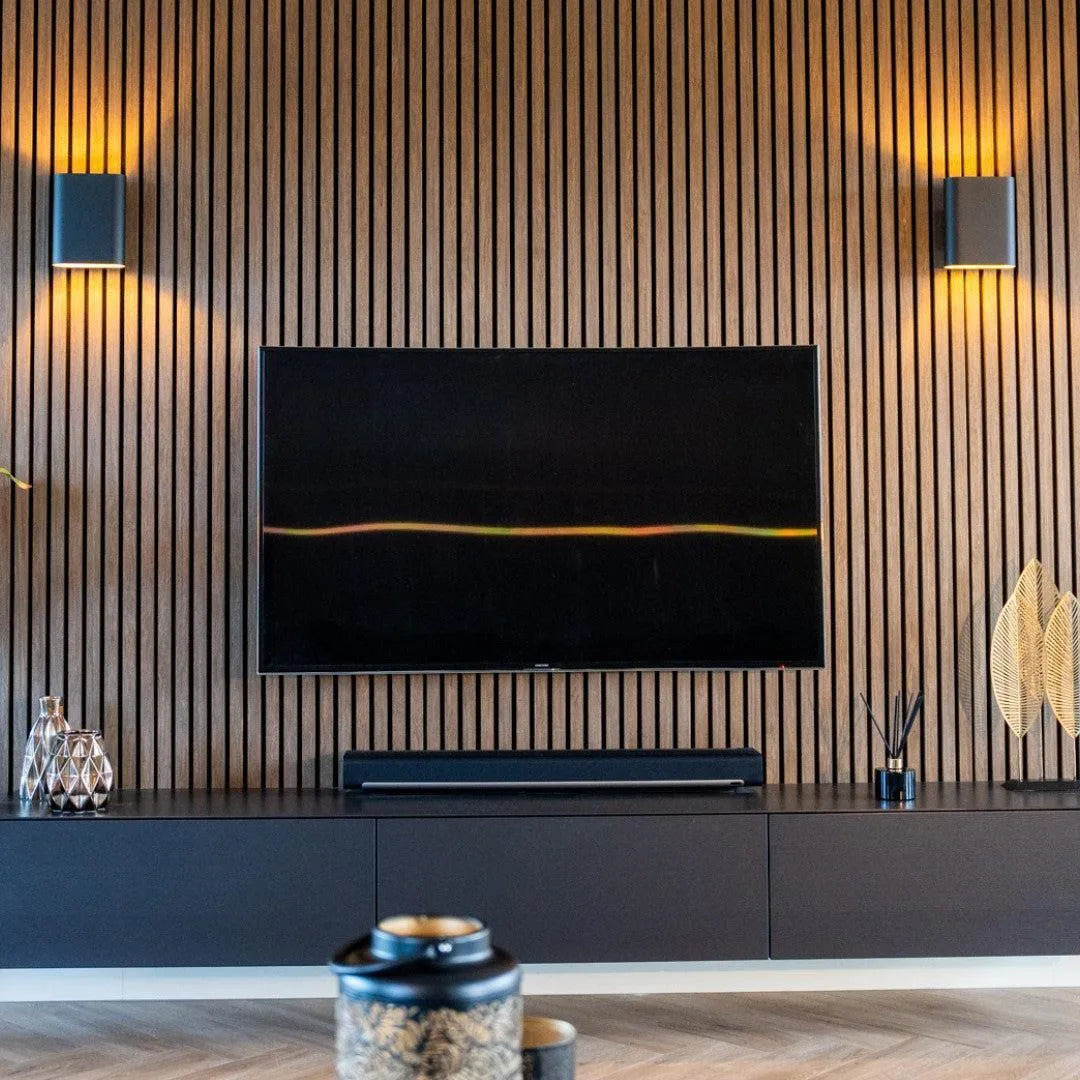
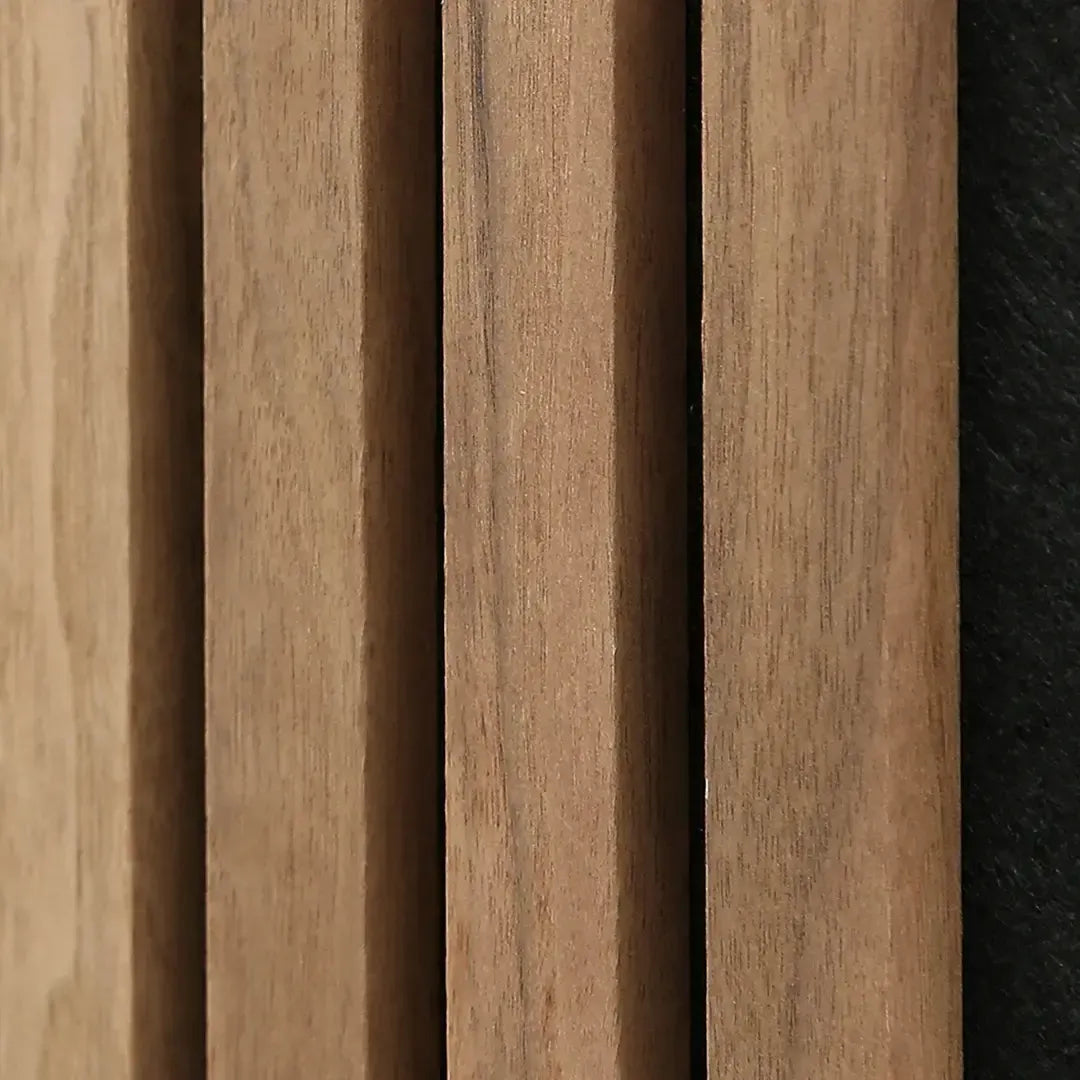
 Better performance and aesthetic appeal
 In Stock