Facilities and HR teams rarely lose acoustic panel budget on the pitch itself — they lose it because the request shows up as a line item for "office decor" instead of a wellness investment with a payback story. This guide walks through building that case for acoustic panel investment for workplace wellness step by step, using Akuwood Panel's real product lineup as the reference point.
- Acoustic panel investment for workplace wellness pays back through fewer sick days and less presenteeism, not just quieter meeting rooms.
- Start with a $10 Akuwood Panel sample box before committing budget to a full wellness room build-out in 2026.
- Pitch leadership on decibel reduction and reclaimed focus-hours, not square footage of panel installed.
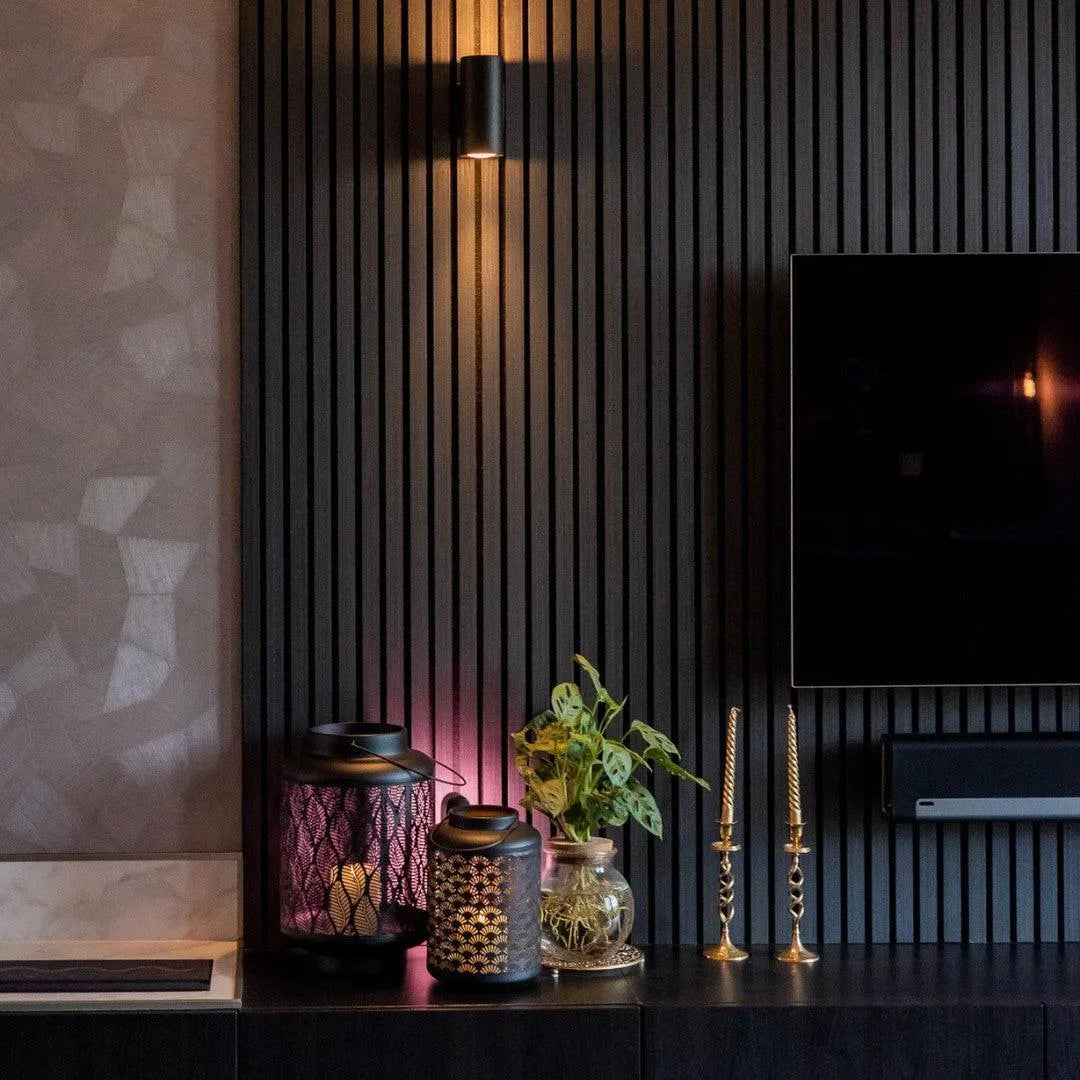
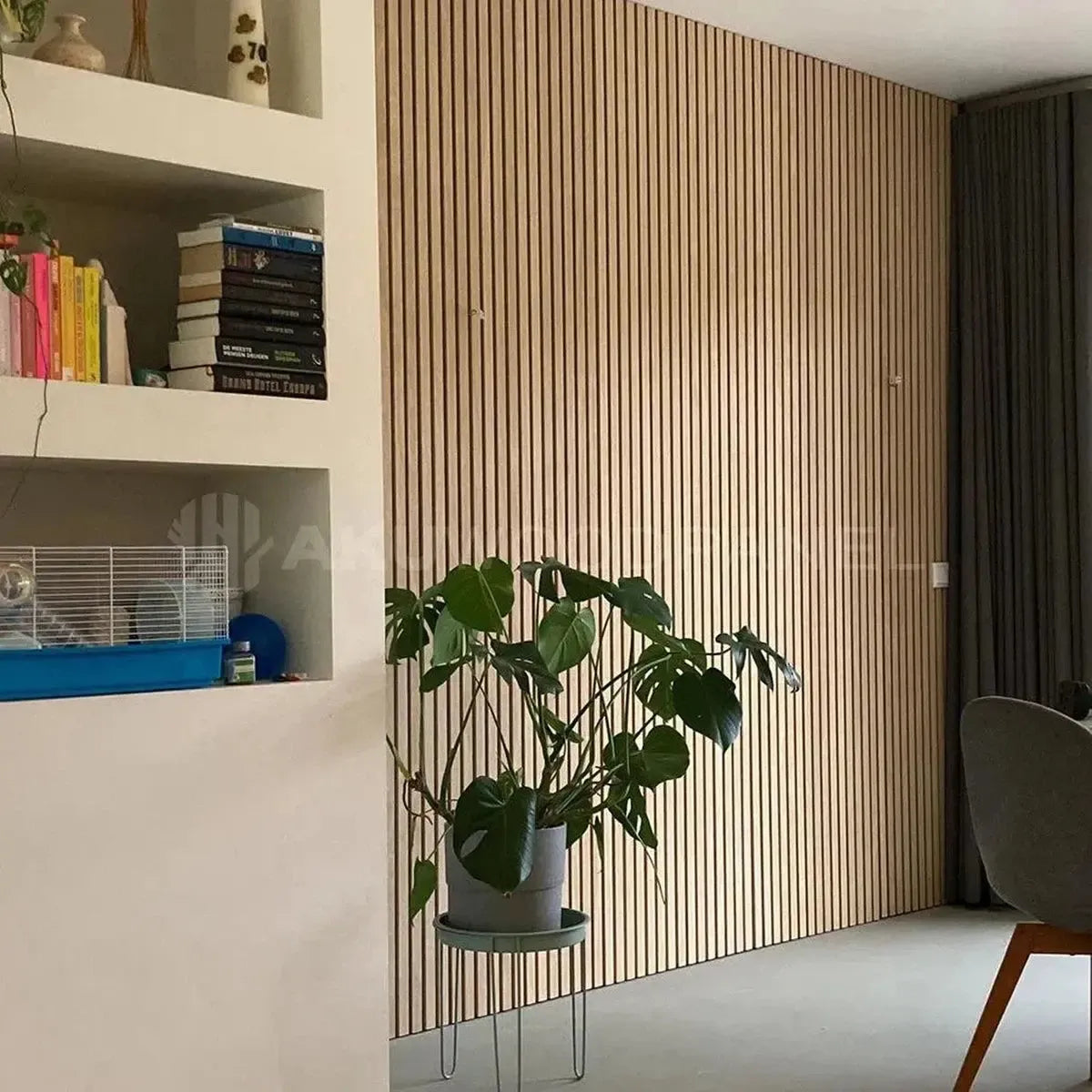
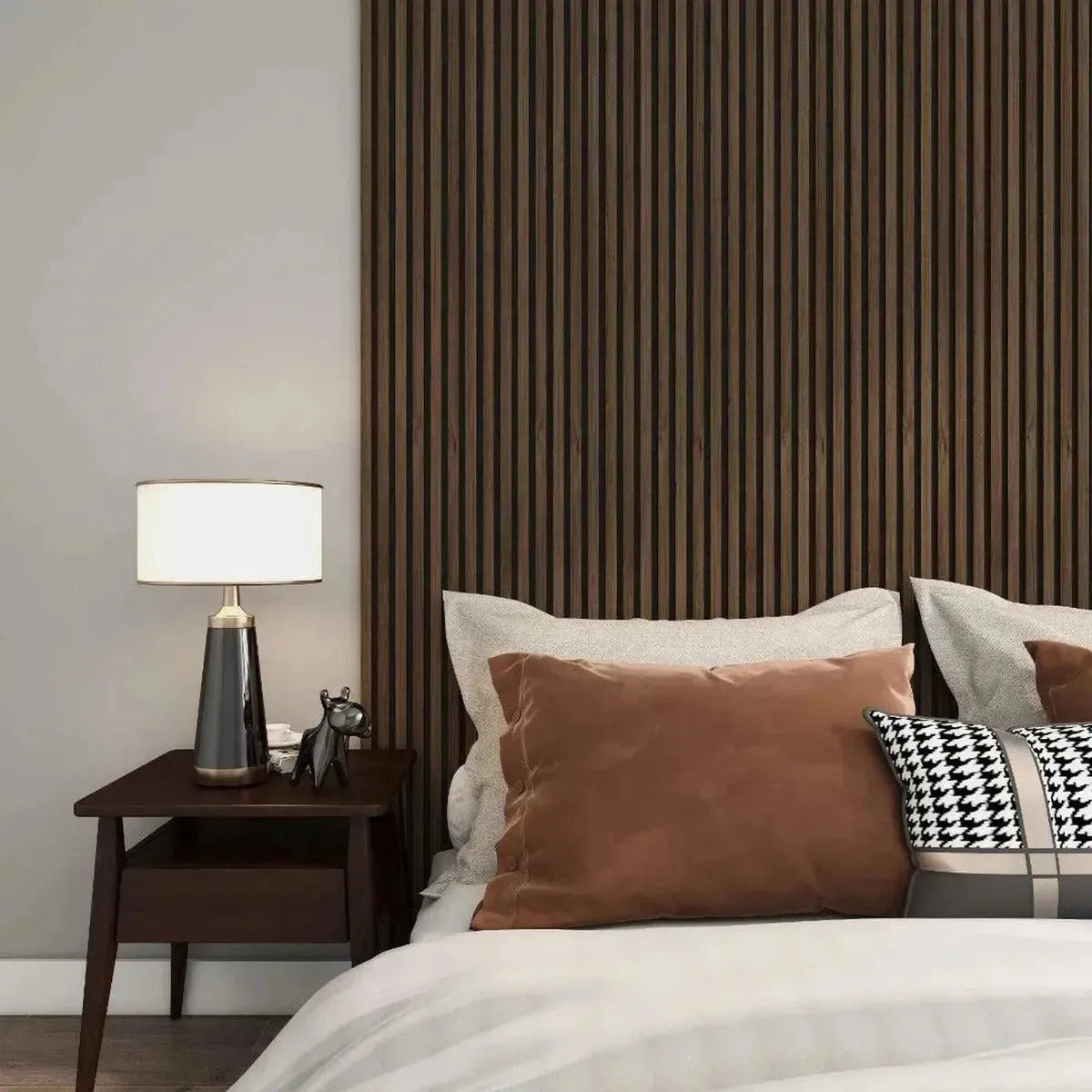
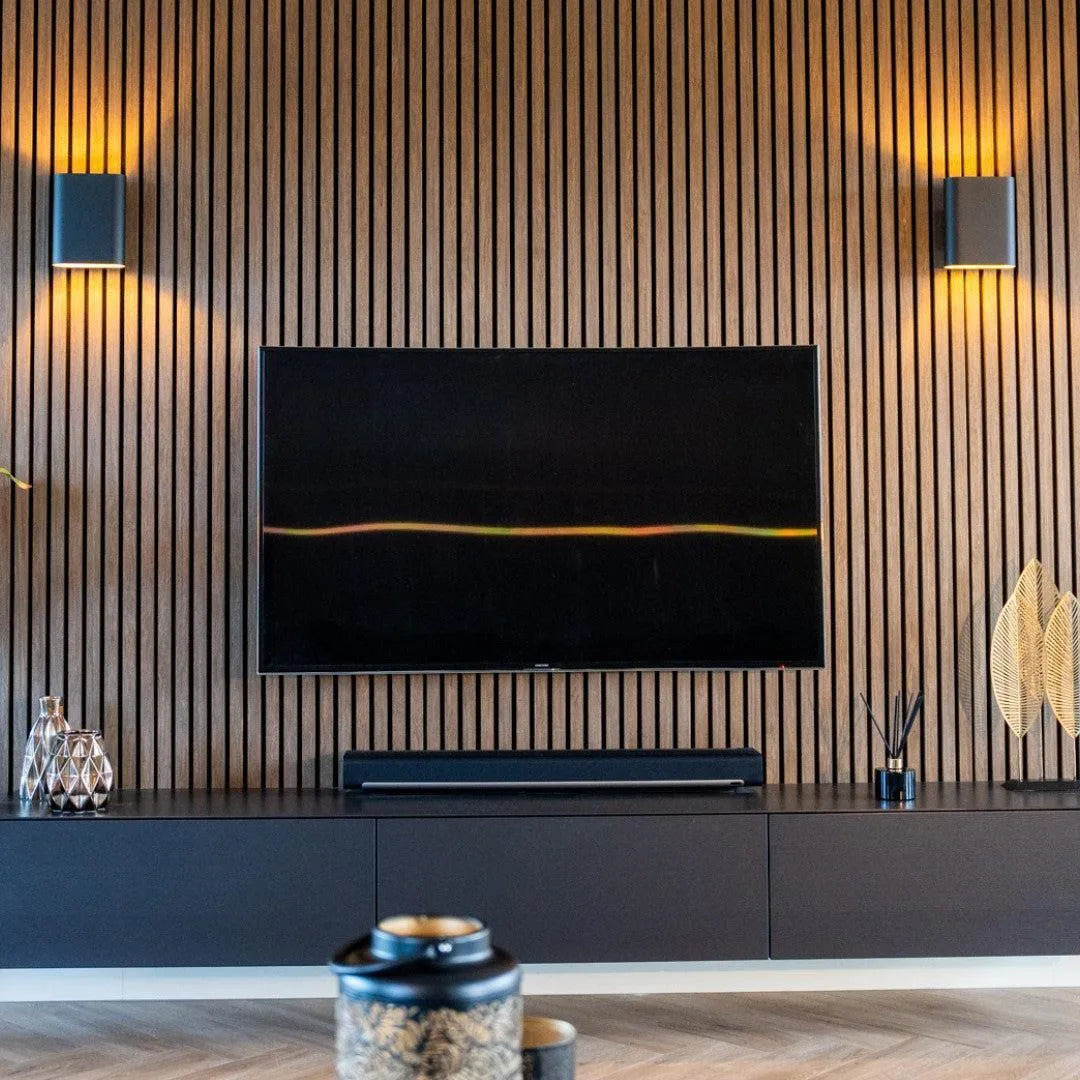
- Fluted Wall Panel Natural Oak covers breakout-room feature walls without the acoustic-foam look most executives veto.
Why this matters
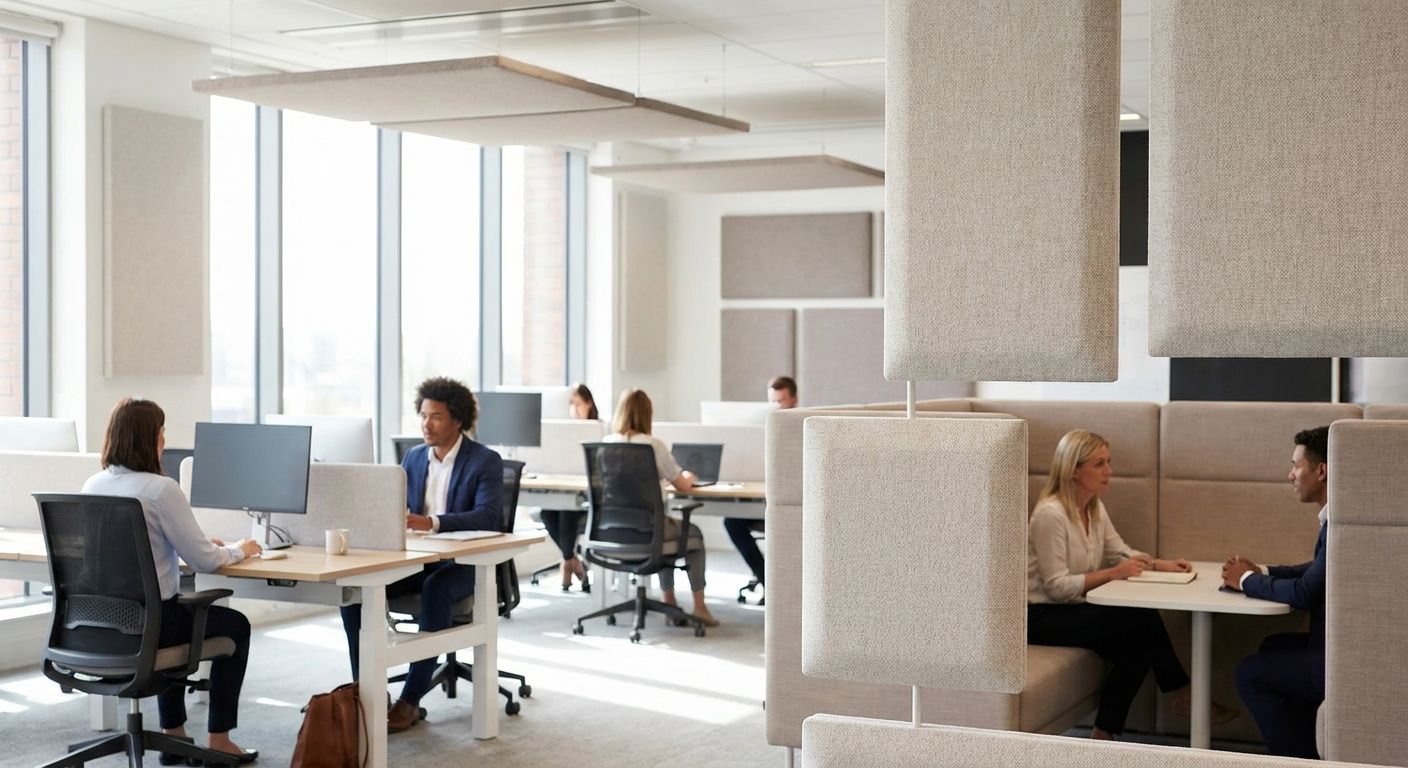
Open floor plans solved real estate cost problems and created a new one: nobody can concentrate. Hard surfaces — glass partitions, concrete floors, drywall — bounce sound instead of absorbing it, so a single phone call turns into ambient noise for twenty people. That's the acoustic problem HR calls "stress" and facilities calls "complaints."
The WELL Building Standard and LEED both include acoustic comfort criteria for a reason: sound is a measurable environmental stressor, not a soft perk. When you frame acoustic panel investment for workplace wellness as a health-and-performance line item tied to those standards, it stops competing with the snack budget and starts competing with the ergonomic chair budget — a fight facilities usually wins.
What you'll need
- A noise complaint log or a quick employee survey (facilities or HR usually already has one)
- A tape measure and photos of the walls in question
- A $10 Akuwood Panel full sample box to hand around before the budget meeting
- A rough square footage of the target wall or room
- Two comparable cost lines: what you're spending now on complaints/turnover-adjacent issues, and what the panel project costs
- 2026 pricing pulled directly from the product pages you plan to spec
The steps
1. Document the actual noise problem, not the vibe
Walk the space and note where complaints cluster — usually open-plan zones near high-traffic paths, breakout rooms with glass walls, or call-heavy departments. A vague "it's loud in here" gets ignored by finance; a list of six specific zones with employee quotes does not.
Common mistake: skipping this step and going straight to a panel quote. Without documented pain points, the request reads as aesthetic, and aesthetic requests get deferred every budget cycle.
2. Translate the noise problem into a wellness metric
HR already tracks absenteeism, engagement scores, and exit interview themes. Cross-reference those against the noisiest zones you documented — if the loudest department also has the highest voluntary turnover or lowest engagement pulse-survey scores, you have your business case. Reducing noise in open offices is the kind of environmental fix that shows up in engagement data within a quarter or two, not years.
Common mistake: presenting acoustic comfort as a standalone metric leadership has never seen before. Attach it to a KPI they already report on.
3. Order samples before you order a room
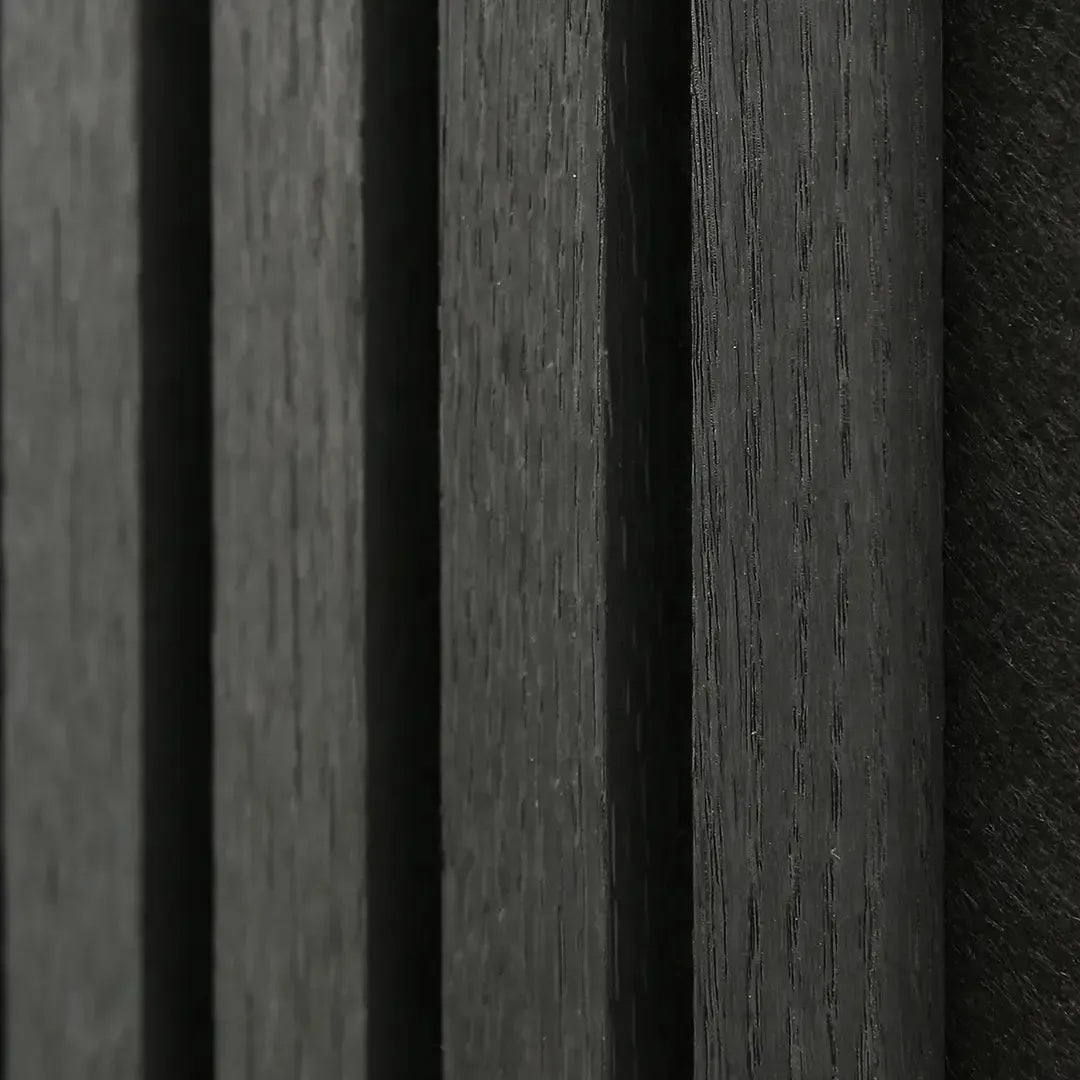
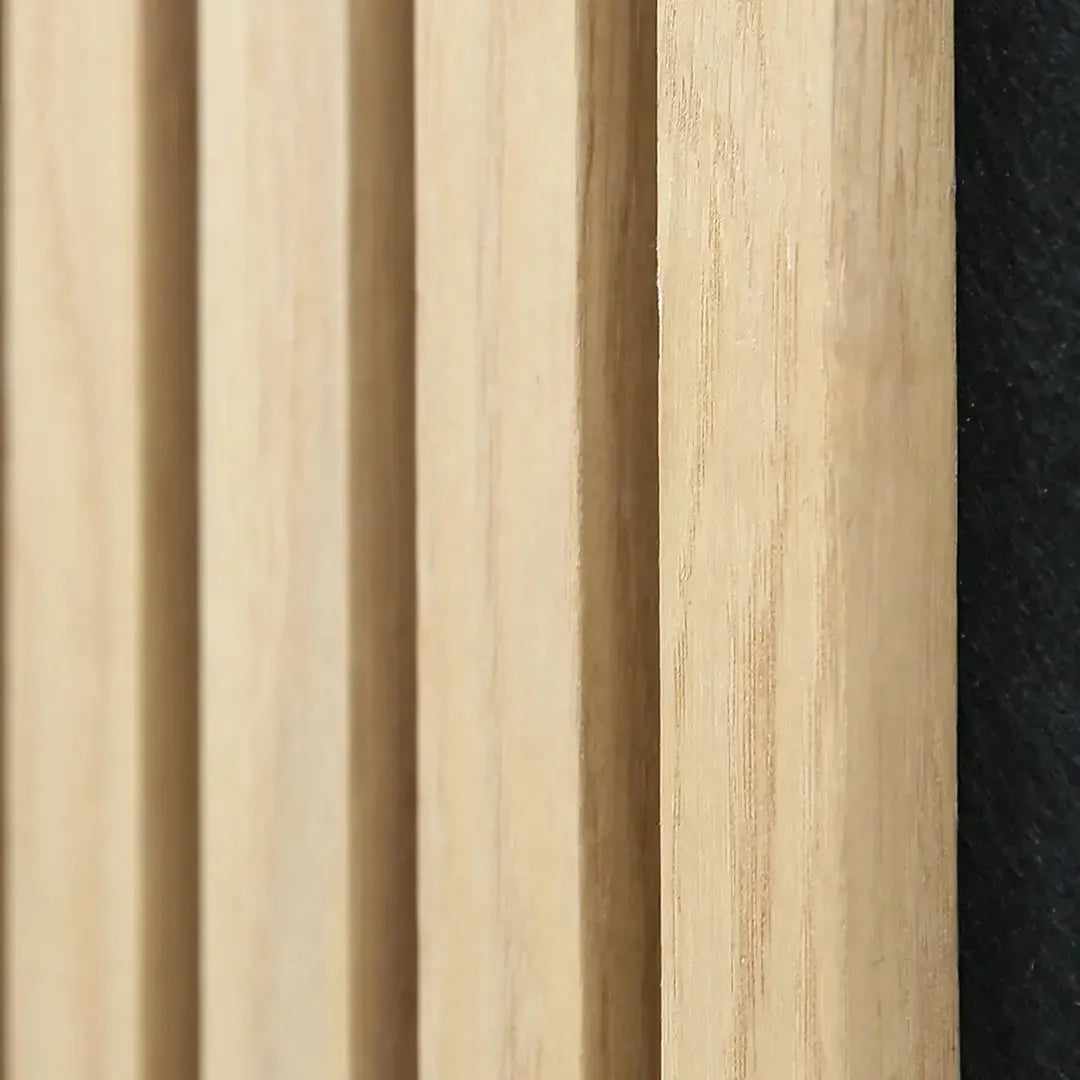
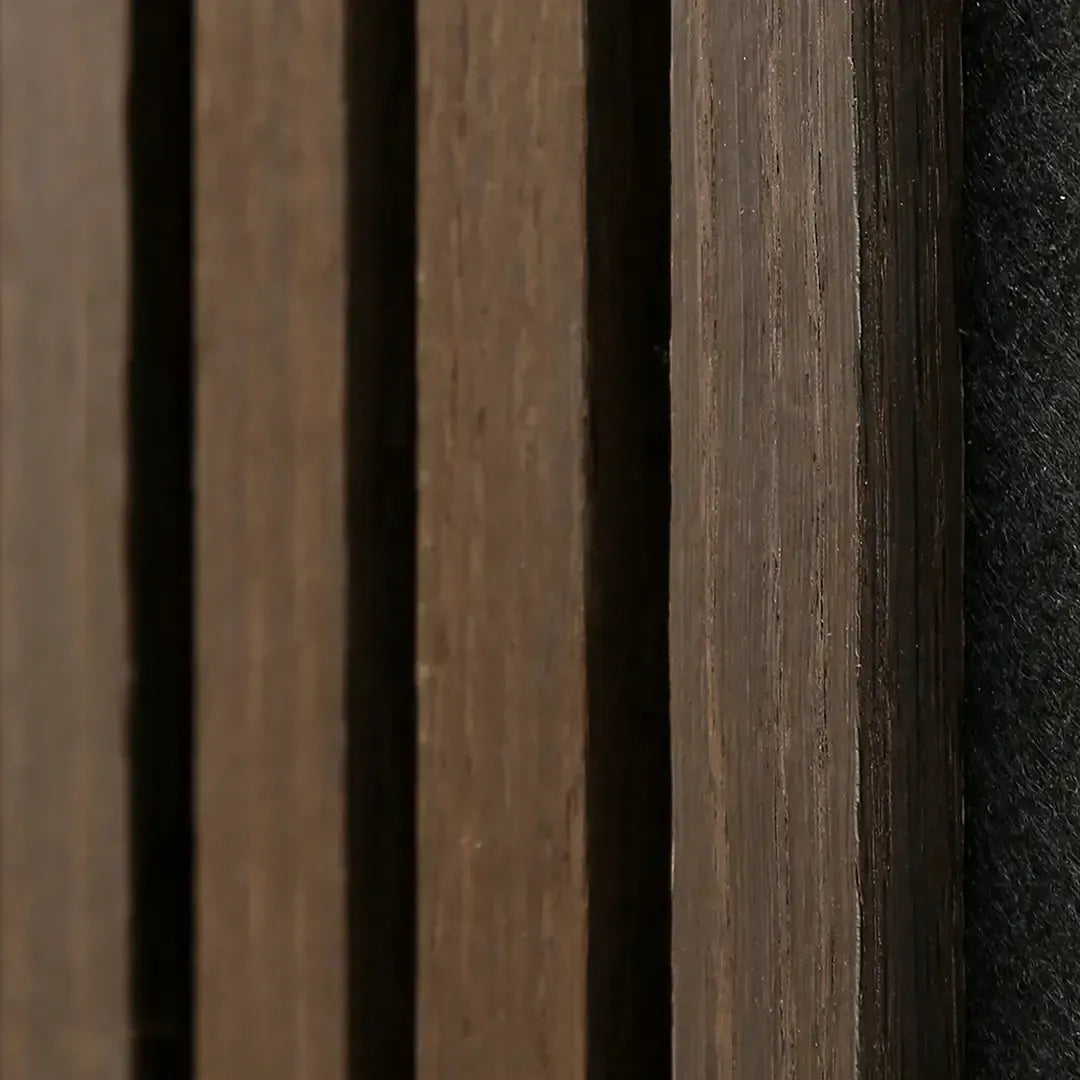
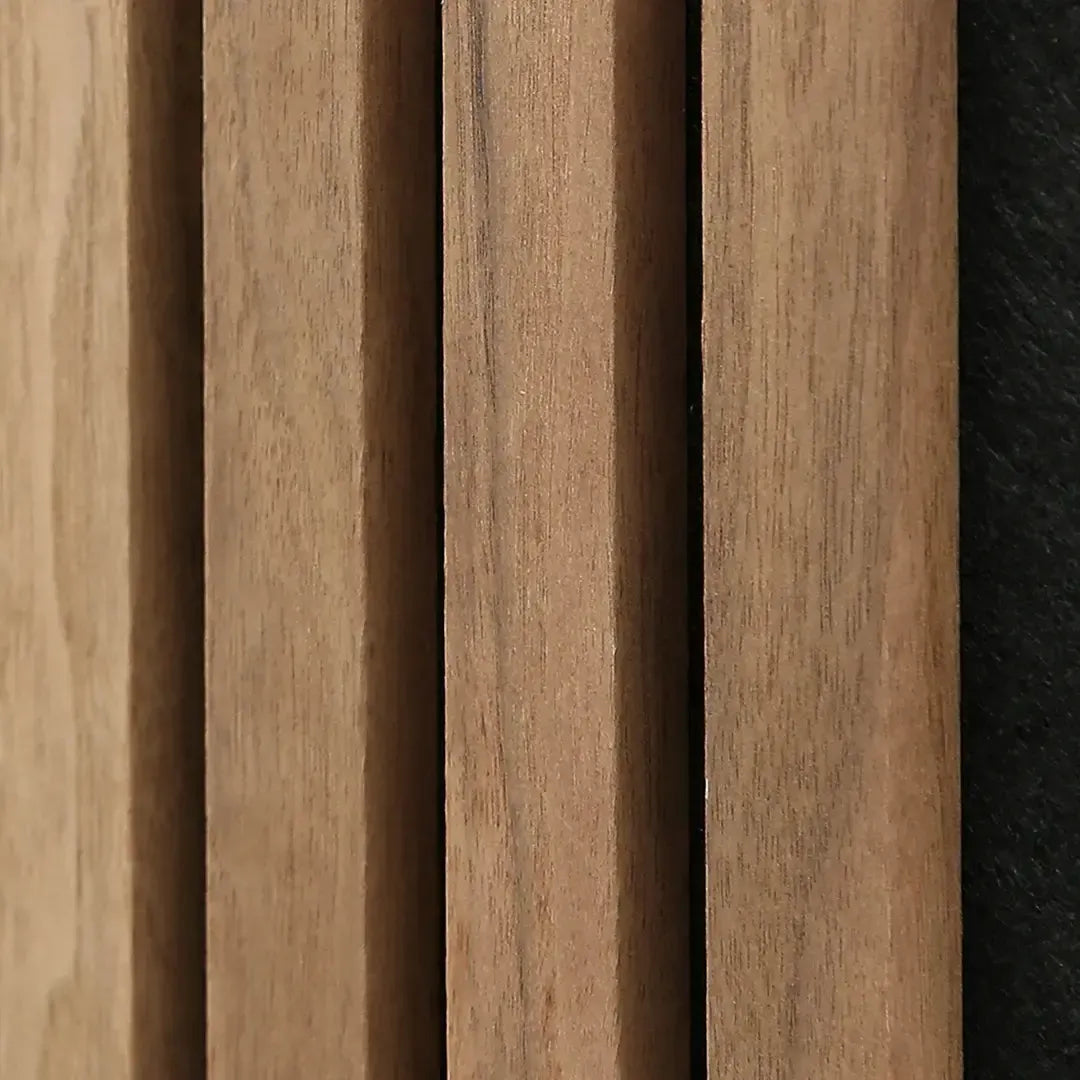
Before anyone signs off on a five-figure install, get physical samples in front of decision-makers. Akuwood Panel's full sample box ships for $10 and includes finishes in natural, smoked oak, and walnut — enough for a facilities manager to hold up in a Tuesday meeting and say "this is what we're proposing."
This step accomplishes two things at once: it de-risks the aesthetic argument (nobody vetoes a wall finish they've touched) and it signals fiscal discipline to whoever controls the budget.
4. Price a pilot zone, not the whole floor
Pick the single loudest or most visible zone — a breakout room, a wellness room, or the executive corridor — and price panels for that space only. A Fluted Wall Panel in Natural Oak runs $233.95 and covers a feature wall without reading as industrial acoustic foam, which is exactly the objection that kills these proposals in design review.
Smaller decorative accents work too: a 3D Wood Wall Panel in Deep Dusk Walnut at $41.95 can dress a single wellness-room accent wall for a fraction of a full-room budget, giving leadership a visible pilot before a bigger commitment.


5. Build the ROI slide before the meeting, not during it
Compare the pilot cost against a cost you can already point to: recruiting spend against turnover in the noisiest department, or the cost of the wellness room going unused because it sits next to a loud kitchen. Walk through how to calculate ROI of acoustic treatment before you present, so you're not doing math live in front of finance.
Common mistake: presenting cost without a comparison point. A number in isolation invites debate; a number next to what you're already spending invites approval.
6. Frame the ask as phased, not all-or-nothing
Pitch phase one as the pilot zone from step 4, with phase two contingent on a defined check-in — an engagement survey re-run, a noise-complaint count, or a wellness-room utilization rate. Phased asks get approved more often than single large capital requests because they cap first-year risk.
7. Get the install scheduled around business hours, not around convenience
Once approved, coordinate install timing with facilities so the pilot zone is out of service for the shortest window possible — most single-wall acoustic panel jobs run a few days, not weeks, when the wall is prepped and measured in advance. This is also the point to loop in whoever specified the panels on corporate wellness room walls elsewhere in the building, so finishes stay consistent across phases.
Troubleshooting
Finance asks for a payback period you can't produce. Reframe the ask around risk reduction (turnover, complaint volume) rather than a hard ROI number if you don't have clean before/after data yet — commit to reporting results after the pilot phase instead.
Leadership vetoes anything that "looks like a recording studio." Show the wood-finish samples, not a foam-panel photo. Real wood veneer reads as design upgrade, not acoustic retrofit, which is usually the objection driving the veto.
IT or facilities worries about cable runs and outlets behind the wall. Confirm panel depth and mounting method against the wall's existing infrastructure before ordering — this is a five-minute site check that prevents a change order later.
The pilot zone gets picked for visibility, not for noise data. Push back and use the complaint log from step 1. A pilot in the wrong zone produces weak results and kills phase two funding.
Employees don't notice a difference after install. Confirm the panel coverage matches the room's reflective surface area — a single accent wall in a large glass-walled room won't move the needle the way a full wall treatment will.
Tools and resources
- Akuwood Panel full sample box for stakeholder buy-in before spend
- Fluted Wall Panel in Natural Oak for feature-wall pilots
- The noise complaint log or engagement survey your HR team already runs
- Reducing noise in open offices for zone-specific treatment ideas
- ROI calculation for office acoustic treatment for the finance conversation
What to do next
Once the pilot zone is approved and installed, don't stop at one wall. Map the rest of the building's noisiest zones using the same complaint-log method, and phase the rollout by department priority instead of by floor plan convenience — that's how a single acoustic panel investment for workplace wellness pilot becomes a building-wide standard by the next budget cycle in 2026.
FAQ
What's the best way to justify acoustic panel investment for workplace wellness?
Tie the request to a metric HR or facilities already tracks, like turnover or complaint volume, rather than presenting it as a standalone design upgrade. A pilot install in the loudest documented zone, priced against that existing metric, gets approved faster than a whole-floor proposal.
Is workplace acoustic treatment worth it for a small office?
Yes, small offices often have the worst ratio of hard surfaces to people, which amplifies noise disproportionately. A single feature wall, like a Fluted Wall Panel in Natural Oak at $233.95, can address the loudest zone without a full renovation.
How much do acoustic wood panels cost for an office in 2026?
Pricing depends on finish and coverage — Akuwood Panel's sample box starts at $10 for testing, while a fluted feature-wall panel runs $233.95 and 3D wood accent tiles start around $41.95. Full-room quotes scale with square footage.
Do acoustic panels actually reduce workplace stress?
Uncontrolled noise is a documented environmental stressor, which is why acoustic comfort is written into standards like WELL and LEED. Reducing reflected sound in high-complaint zones addresses a root cause rather than masking symptoms with white noise machines.
How long does an acoustic panel installation take in an occupied office?
A single pilot wall typically installs in a few days once the wall is measured and prepped in advance. Scheduling around off-hours or a slow week minimizes disruption to the team using that space.
What's the difference between acoustic foam and acoustic wood panels?
Acoustic foam is functional but reads as industrial or studio-like, which is often the objection that kills office proposals. Real wood veneer panels, like Akuwood Panel's slat and fluted lines, deliver sound absorption while looking like a design upgrade.
Should HR or facilities own the acoustic panel budget?
Facilities usually owns the capital line, but HR should co-sponsor the request since the payoff shows up in engagement and retention data. Joint ownership also makes the case stronger when it competes against other capital requests.
Can acoustic panels help with return-to-office resistance?
Noise is a recurring complaint in return-to-office feedback, ranking alongside commute time and desk availability. Visibly addressing it with a wellness-room or breakout-area pilot signals that leadership acted on employee feedback rather than just mandating attendance.
One last thing
The detail that gets acoustic panel proposals approved isn't the finish or the brand — it's that the pilot zone was picked from a documented complaint list instead of whichever wall looked worst in a walkthrough. Skip that one step and the rest of the pitch, no matter how well-priced, reads as decor spend in 2026 budget season.

 Better performance and aesthetic appeal
 In Stock