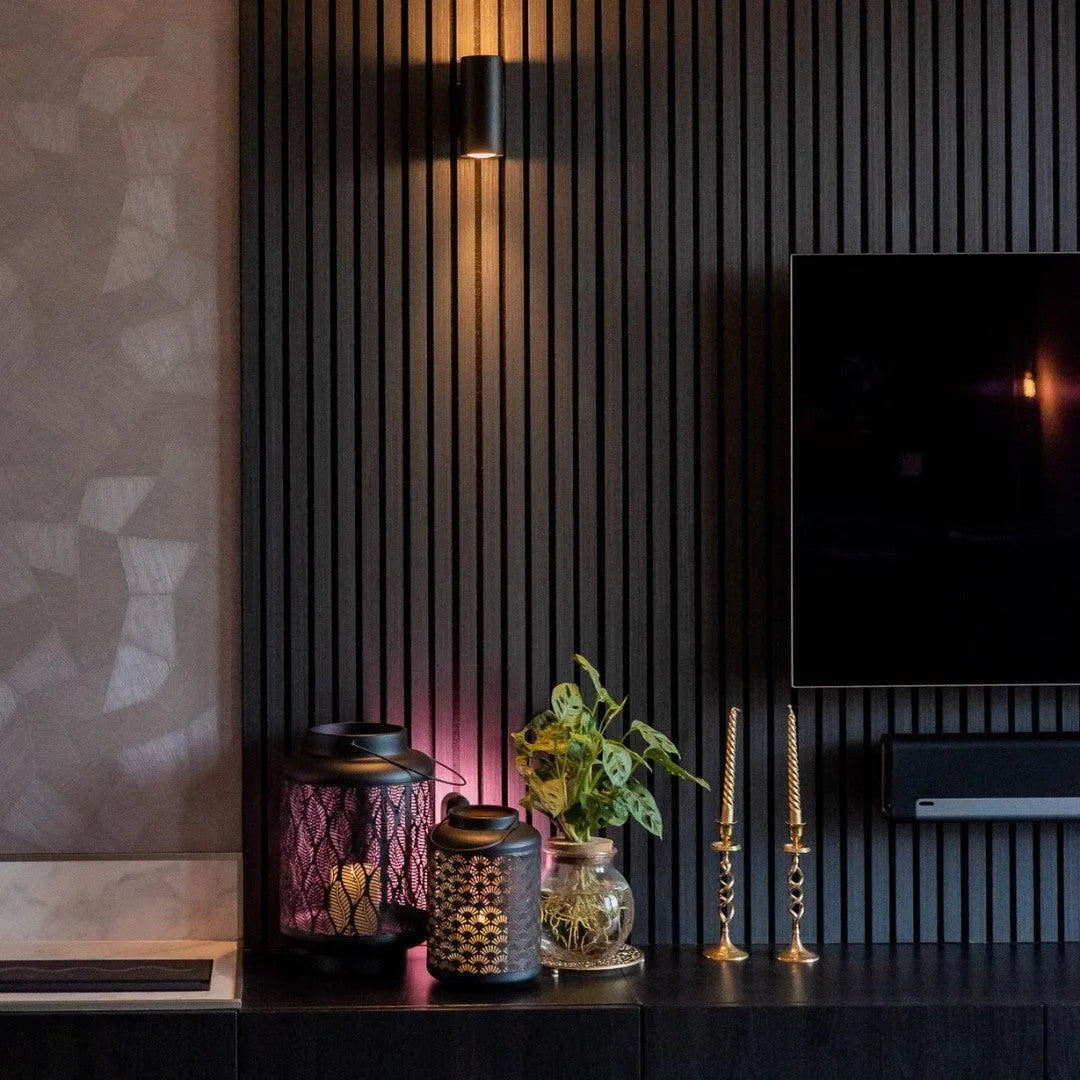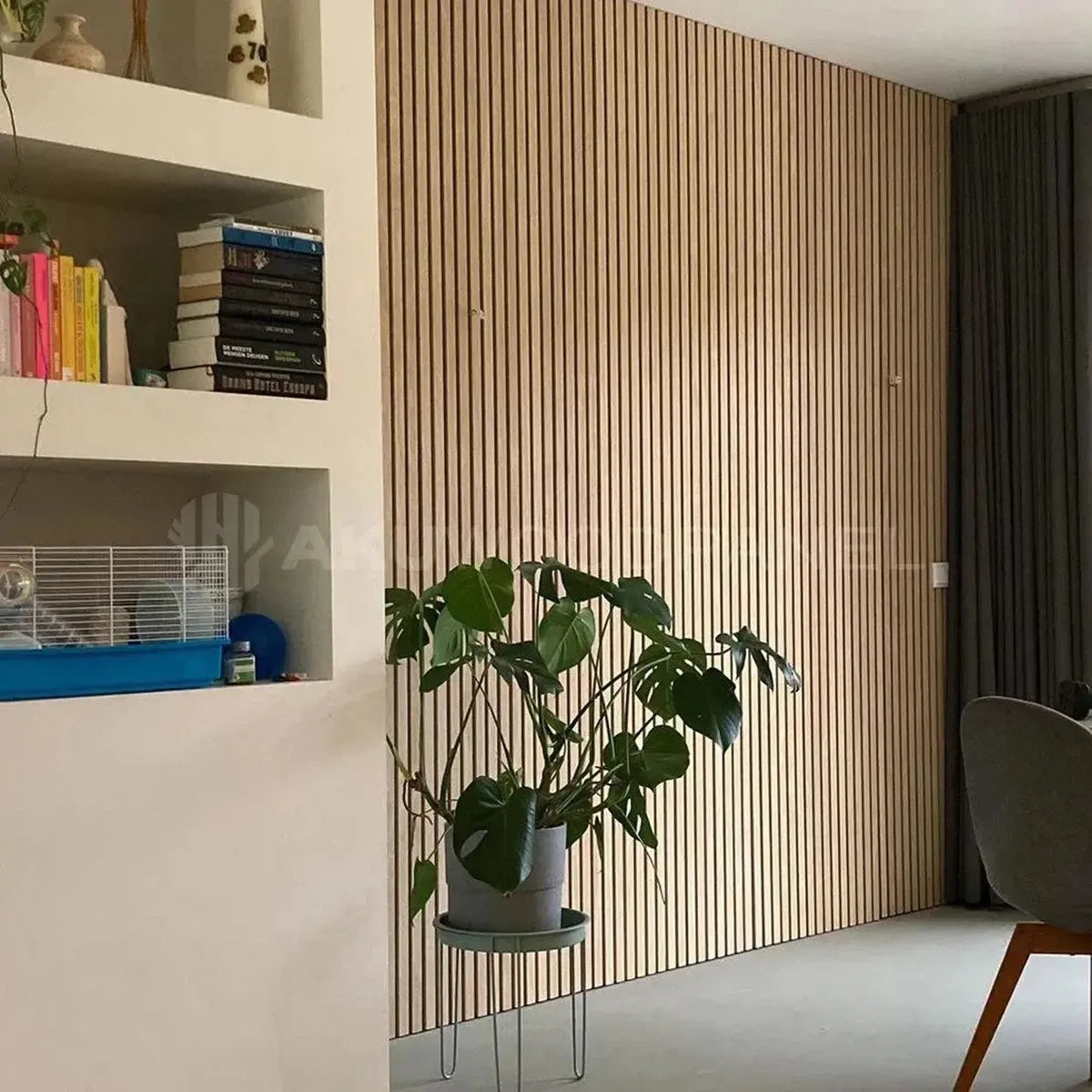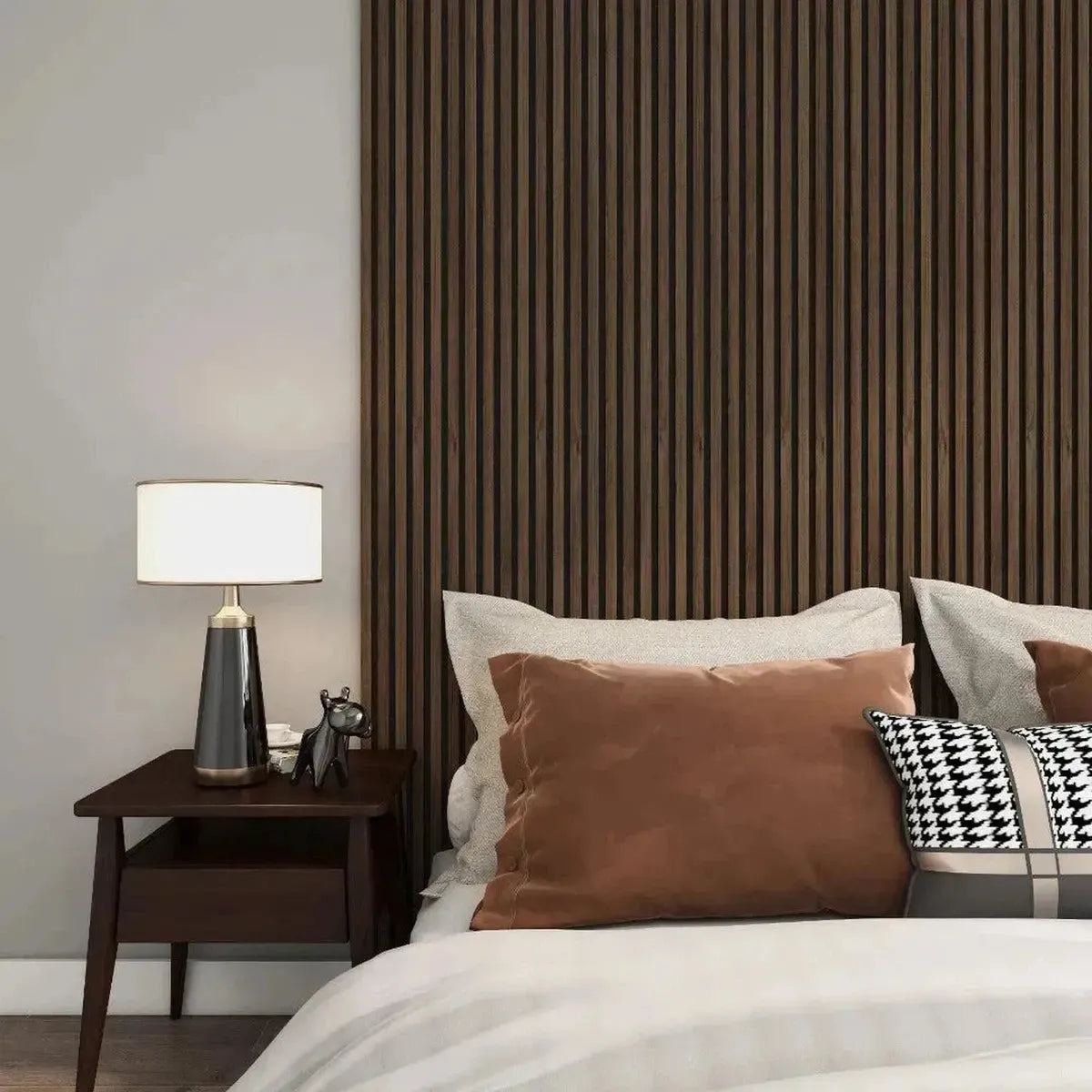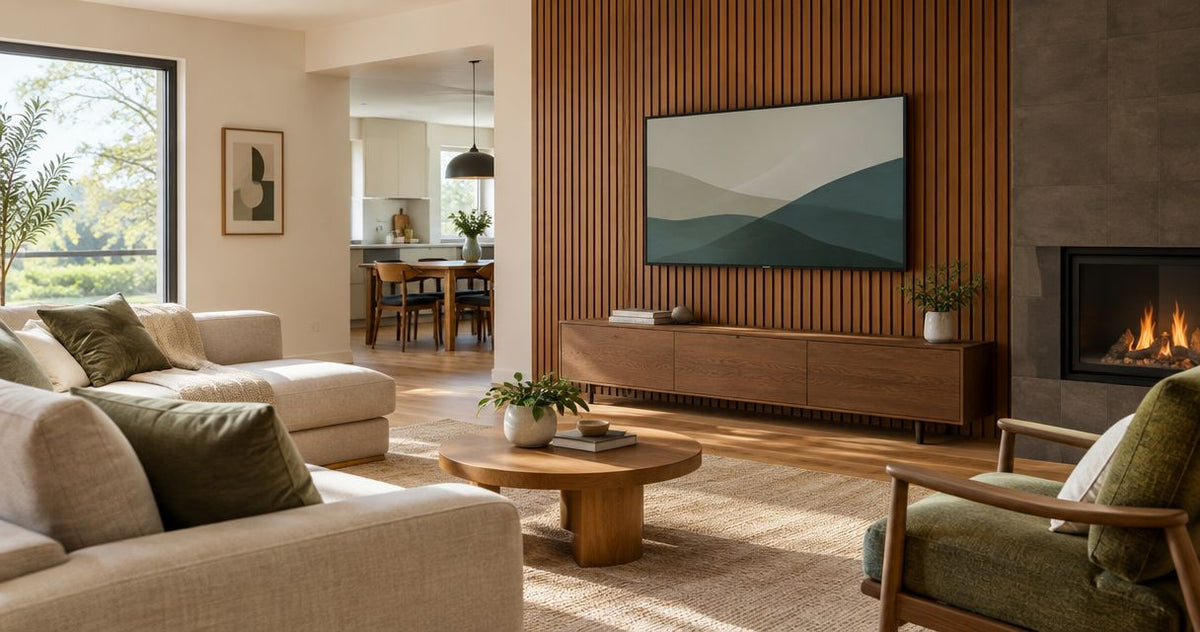
Wood accent walls can improve a home's presentation, but they do not guarantee a higher resale price or repayment of your installation costs. For a 2026 sale, treat paneling as a design decision: choose it when it improves the room, fits your budget, and leaves necessary repairs fully funded.
- Do wood accent walls add resale value? Treat a feature wall as a presentation upgrade, not a guaranteed return.
- Akustiq USA acoustic wood panels suit decorative interior projects; their product specifications do not establish a resale premium.
- Compare paneling with repairing and repainting before committing to a permanent installation.
- Separate acoustic performance, buyer appeal, and appraised value when evaluating a wood accent wall.
Do wood accent walls add resale value to a home?
Do not assign a fixed resale premium to a wood accent wall without property-specific valuation evidence. An attractive installation and a measurable increase in sale price are different outcomes. A finished wall shows what you installed; it does not show what a buyer would have paid without it.
For a 2026 listing, compare the project with simpler ways to prepare the same room. Start by checking the existing surface, lighting, trim, and flooring. Before choosing a finish, review how to choose panel color to match existing flooring.
| Approach | Best for | Main advantage | Main limitation |
|---|---|---|---|
| Repair and repaint | A damaged or inconsistent wall | Addresses the underlying surface and restores a plain finish | Adds no wood texture or acoustic treatment |
| Decorative wood accent wall | A room where you specifically want wood texture | Creates a defined feature without changing the entire room | Adds installation work and a finish the next owner must accept or change |
| Acoustic wood accent wall | A room needing both a wood finish and acoustic treatment | Combines a decorative surface with a sound-treatment purpose | Results depend on the product, coverage, and mounting assembly |
Use the table to choose the job you need done. It is not a ranking of financial returns.
Why this matters
You pay for the project before knowing the eventual sale result. That makes a resale-only installation a different decision from a wall you will enjoy while living in the home.
Separate your budget into necessary work and optional decoration. Correct an active leak, damaged substrate, or unsafe electrical condition before adding a finish. Paneling is not a substitute for repairing the wall behind it. Covering an unresolved problem leaves the problem in place and makes future access more involved.
If you are staying, judge the wall partly on daily use. If you are selling immediately, ask your listing agent whether the existing room needs a new feature at all. Keep the question specific: what problem would paneling solve that repair, paint, furniture placement, or better lighting would not?
Buyer appeal is not the same as appraised value
A wood feature wall is easy to describe and photograph. Its separate financial contribution is harder to establish. Do not turn a favorable comment about the room into a forecast for the sale price.
Presentation
Presentation concerns what someone sees during a showing or in listing photographs. Inspect alignment, exposed edges, outlet cuts, and transitions to adjacent surfaces. These are observable details you can improve without predicting buyer behavior.
Use photographs to check the whole composition, not just the wood grain. A close-up hides unfinished corners and awkward relationships with doors or furniture. Review the wall from the room's entrance, where its placement is easier to judge.
Valuation
A property's valuation concerns the home as a whole and evidence from its market. An invoice documents expenditure; it does not establish the same amount of added value.
For a 2026 sale, ask a local real estate professional to distinguish a presentation recommendation from a supported valuation adjustment. If the recommendation is simply that the wall would look attractive, evaluate it as decoration. Do not record an expected return that nobody has substantiated.
Personal use
Your own enjoyment is a separate benefit. A wall you want behind your bed or desk does not need to earn its entire justification through a future transaction.
Keep that distinction explicit. Choose a design you can afford on its own merits, then treat any eventual resale benefit as uncommitted rather than money already earned.
Why a wood accent wall's resale impact varies
Evaluate the actual installation rather than assuming every wood wall has the same effect. These factors belong in your decision checklist:
- Wall condition: Check for dampness, damaged drywall, and loose material before planning a decorative covering. Resolve the cause before installation.
- Room compatibility: Compare the panel finish with flooring, cabinetry, doors, and trim. Decide whether you want a coordinated finish or a deliberate contrast.
- Installation quality: Plan straight boundaries, consistent panel alignment, and finished exposed edges. Include outlets and switches in the layout rather than cutting around them as an afterthought.
- Project scope: Define where the feature starts and stops. Include surface preparation, cutting, edge finishing, and any necessary electrical work in the scope.
- Acoustic purpose: Choose acoustic panels for a real sound-treatment need, not just the word acoustic in a product name. Check evidence for the intended mounting arrangement.
- Future changes: Understand how the panels attach and what removal would involve. Do not assume screws, adhesive, or a backing system leave the original wall untouched.
For your 2026 plan, write down which factors you can control. Finish selection and workmanship belong on that list; the next buyer's preferences do not.
Which wall should you panel before selling?
Choose a wall with clear boundaries and a clear purpose. Sketch the room before choosing the panel quantity. Include door swings, windows, outlets, furniture, and any equipment attached to the wall.
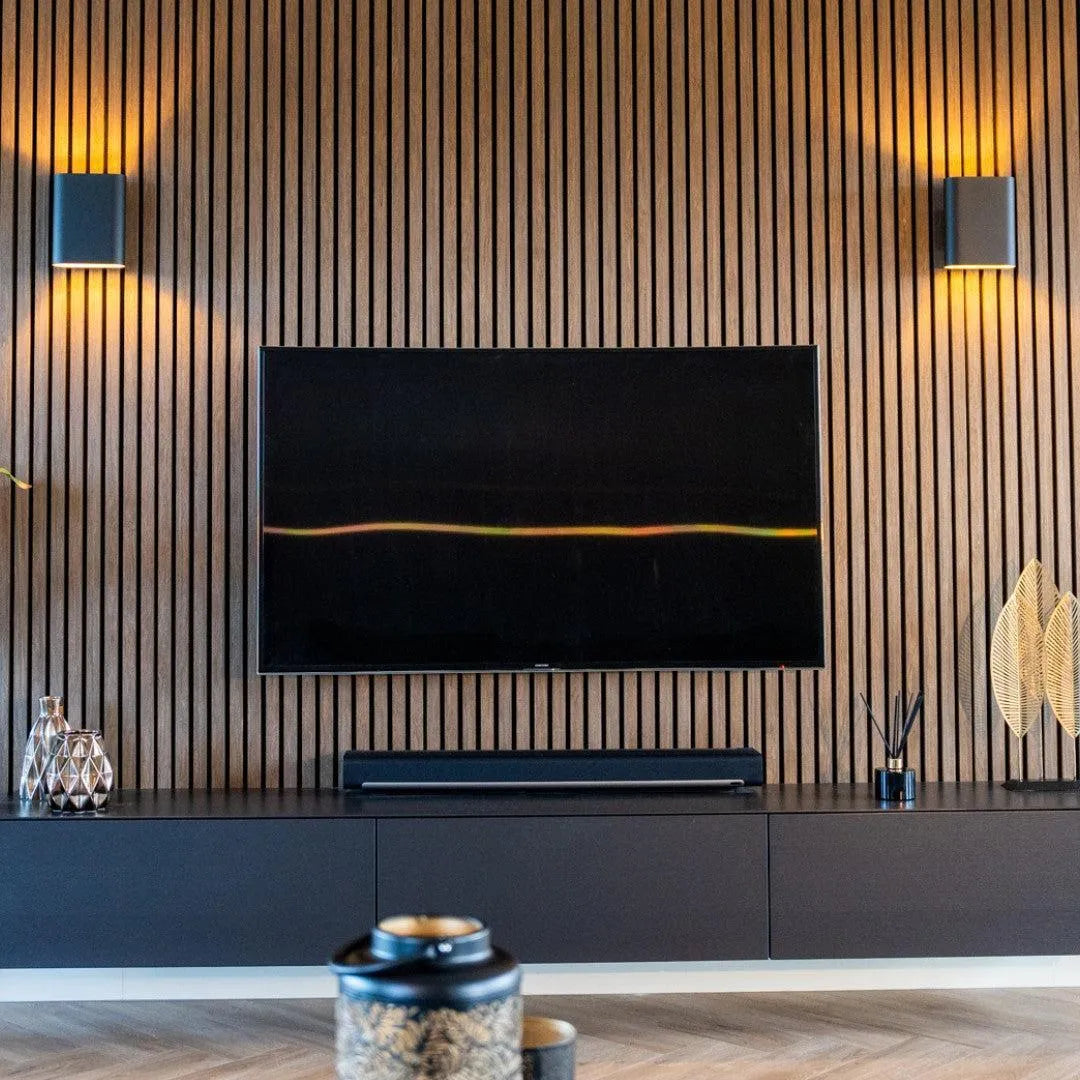
A bedroom feature should work with the bed position without requiring a particular headboard to hide unfinished areas. A living-room feature should remain coherent when the television or console changes. In a home office, keep receptacles and cable routes accessible rather than burying practical details behind the finish.
Do not automatically extend the treatment around corners. First decide whether the feature still makes sense without your current furniture and accessories. A sale transfers the fixed finish, not necessarily the arrangement that makes it look complete.
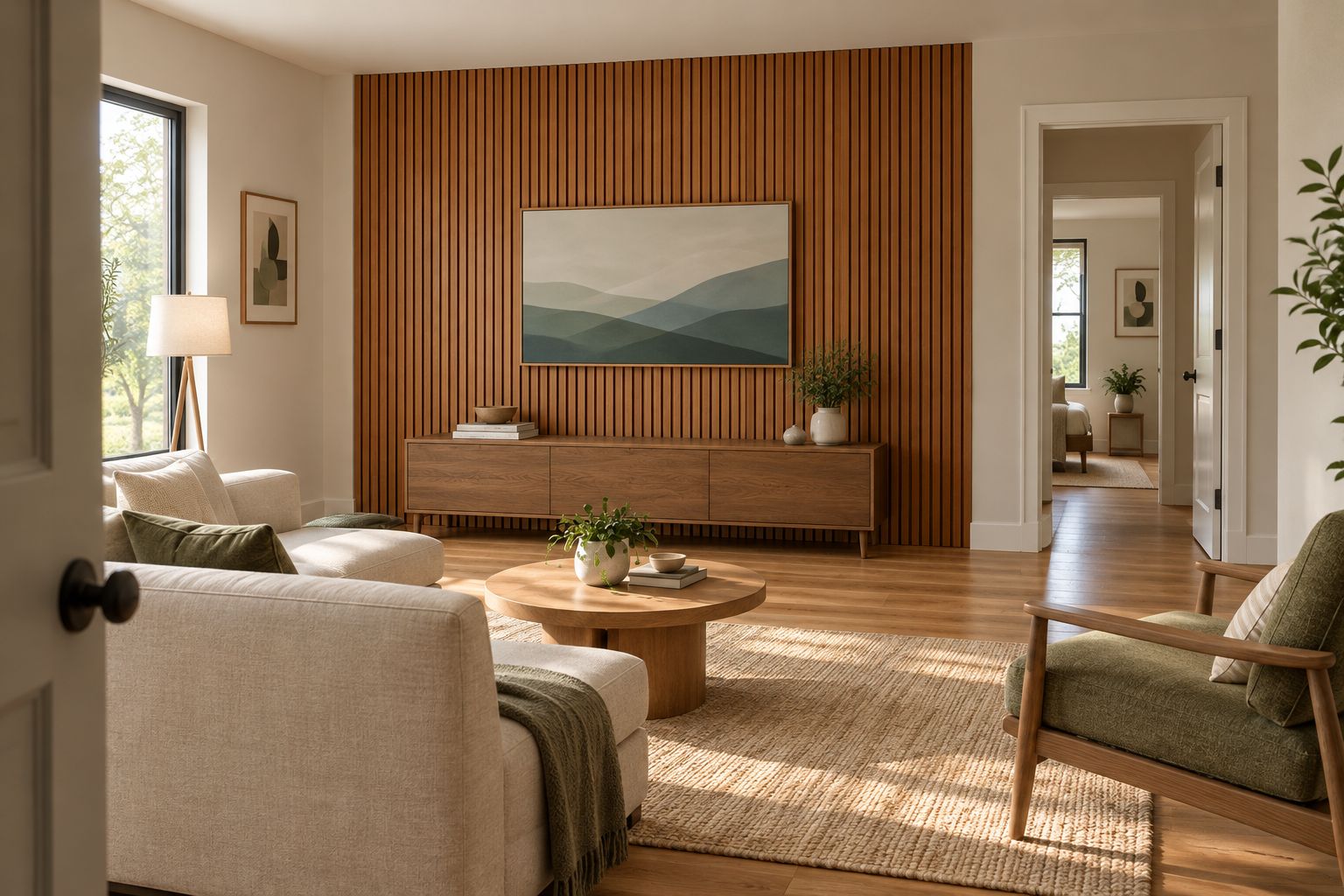
Check the proposed layout in daylight and with the room's normal lamps switched on. Compare physical samples against the surfaces that will stay after the sale. Do not rely on a screen image to settle a finish decision.
How should you decide whether to install a wood accent wall?
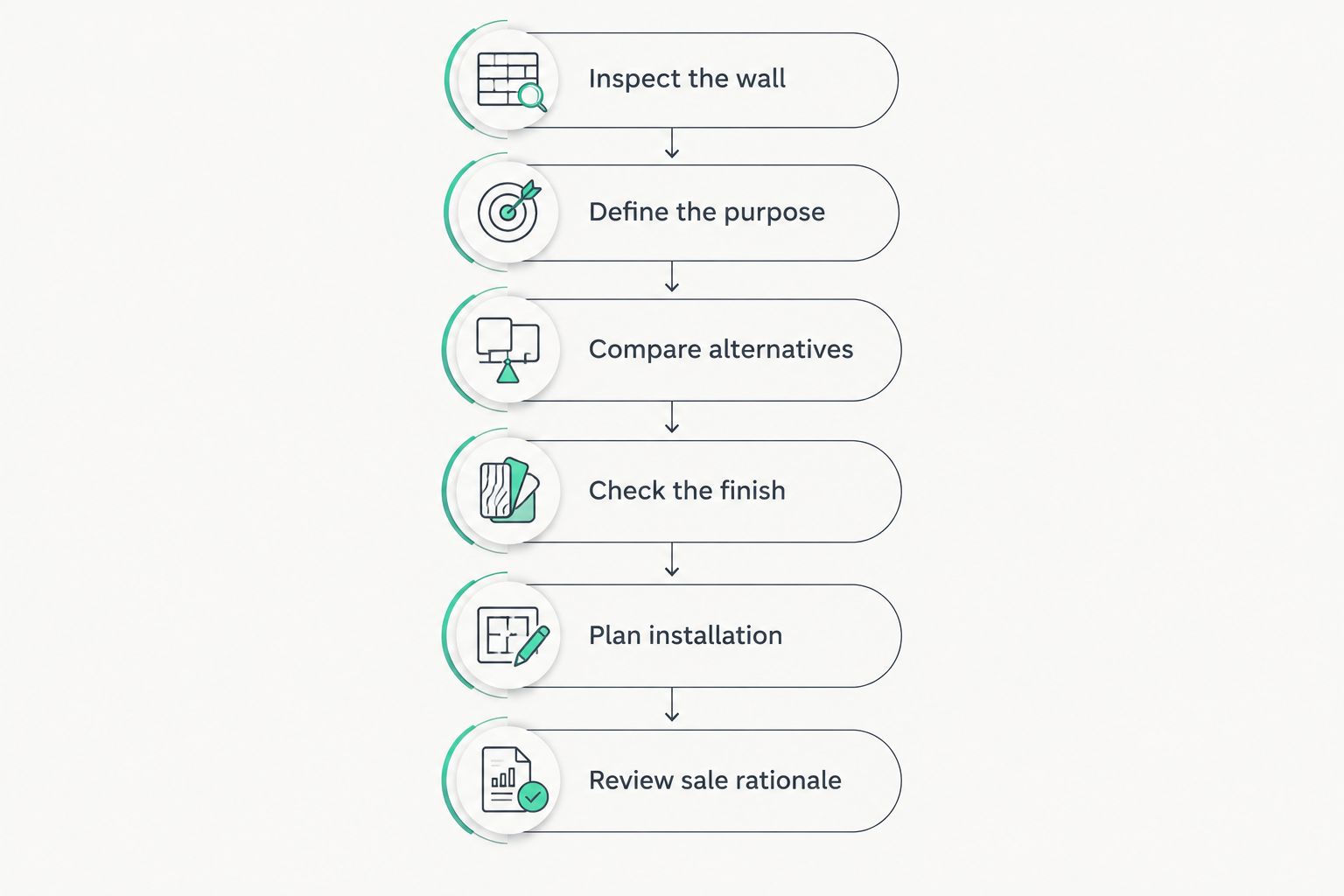
Use this sequence before ordering. It keeps the decision focused on the home rather than an assumed financial payoff.
- Inspect the wall. Identify moisture, surface damage, and anything requiring professional attention. Do not design a covering around an unresolved defect.
- Define the purpose. Write down whether you want decoration, acoustic treatment, or both. A purely decorative goal does not require an unsupported sound-performance promise.
- Compare alternatives. Review repairing and repainting alongside paneling. Compare the completed result and the work involved, not just the material purchase.
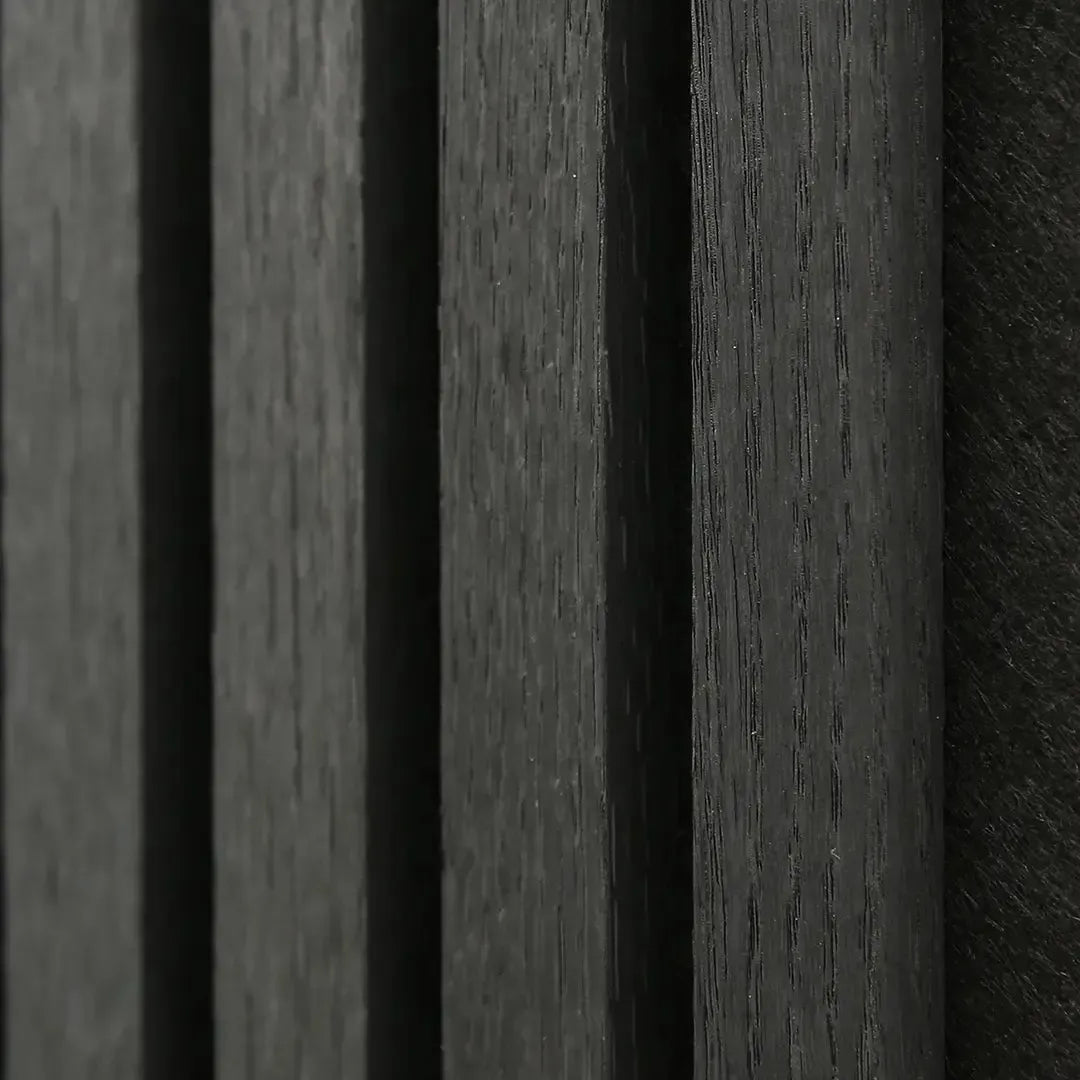
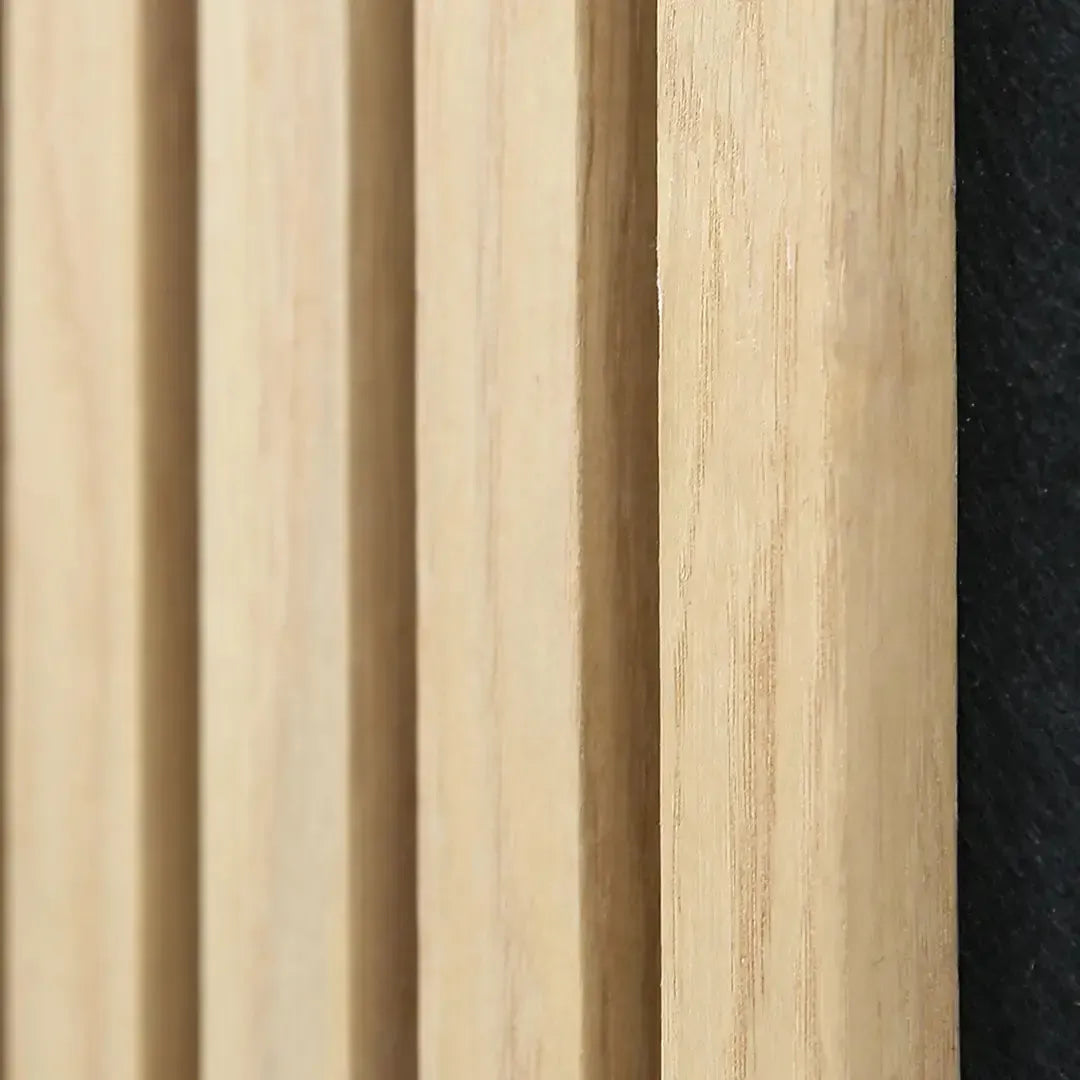
- Check the finish. View samples with the existing floor, trim, and cabinetry. Inspect them under the lighting you actually use.
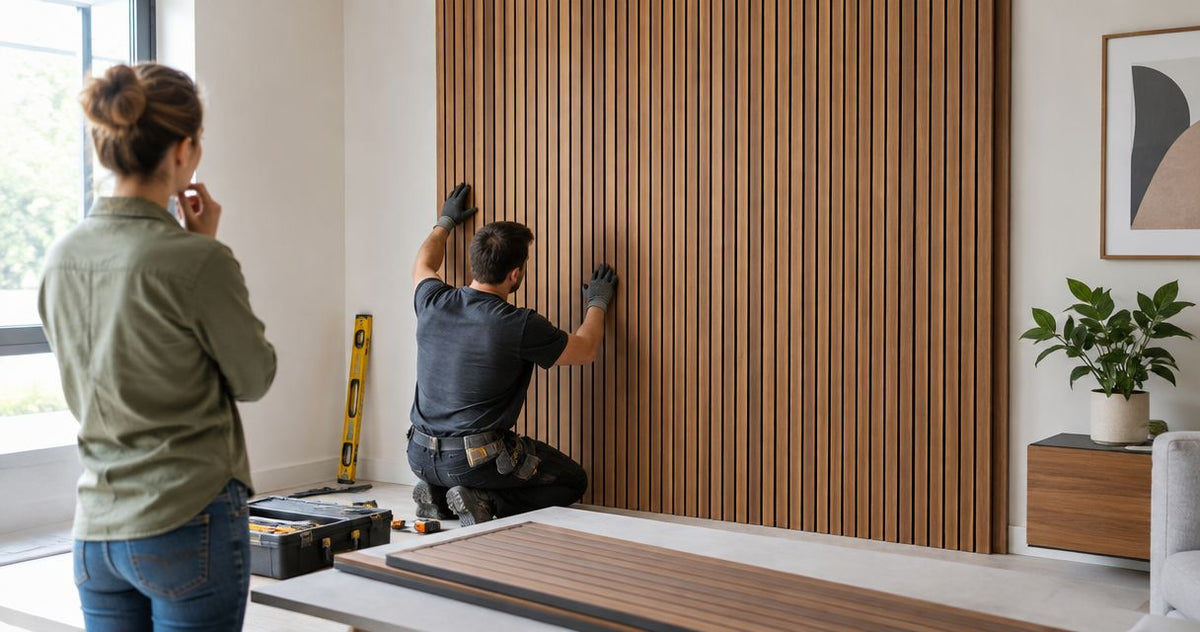
- Plan installation. Mark boundaries, joints, exposed edges, and electrical fittings. Confirm the manufacturer's requirements before choosing fixings or adhesives.
- Review the sale rationale. Ask your agent what the project contributes to the listing. Approve it only if you accept the decision without a guaranteed resale premium.
These are planning checks, not a substitute for product instructions. Have a qualified professional assess electrical changes, questionable substrates, and other work outside your skills.
Before committing, photograph the existing room and annotate the proposed boundaries. Keep the installation scope beside that image. This gives your installer and agent the same project to review instead of different interpretations of a feature wall.
Where do acoustic wood panels fit into the decision?
Akustiq USA acoustic wood panels are best for homeowners seeking a decorative wood feature with an acoustic-treatment purpose, not a guaranteed resale return. The brand supplies acoustic wood panels for interior applications; choose them against that practical requirement.
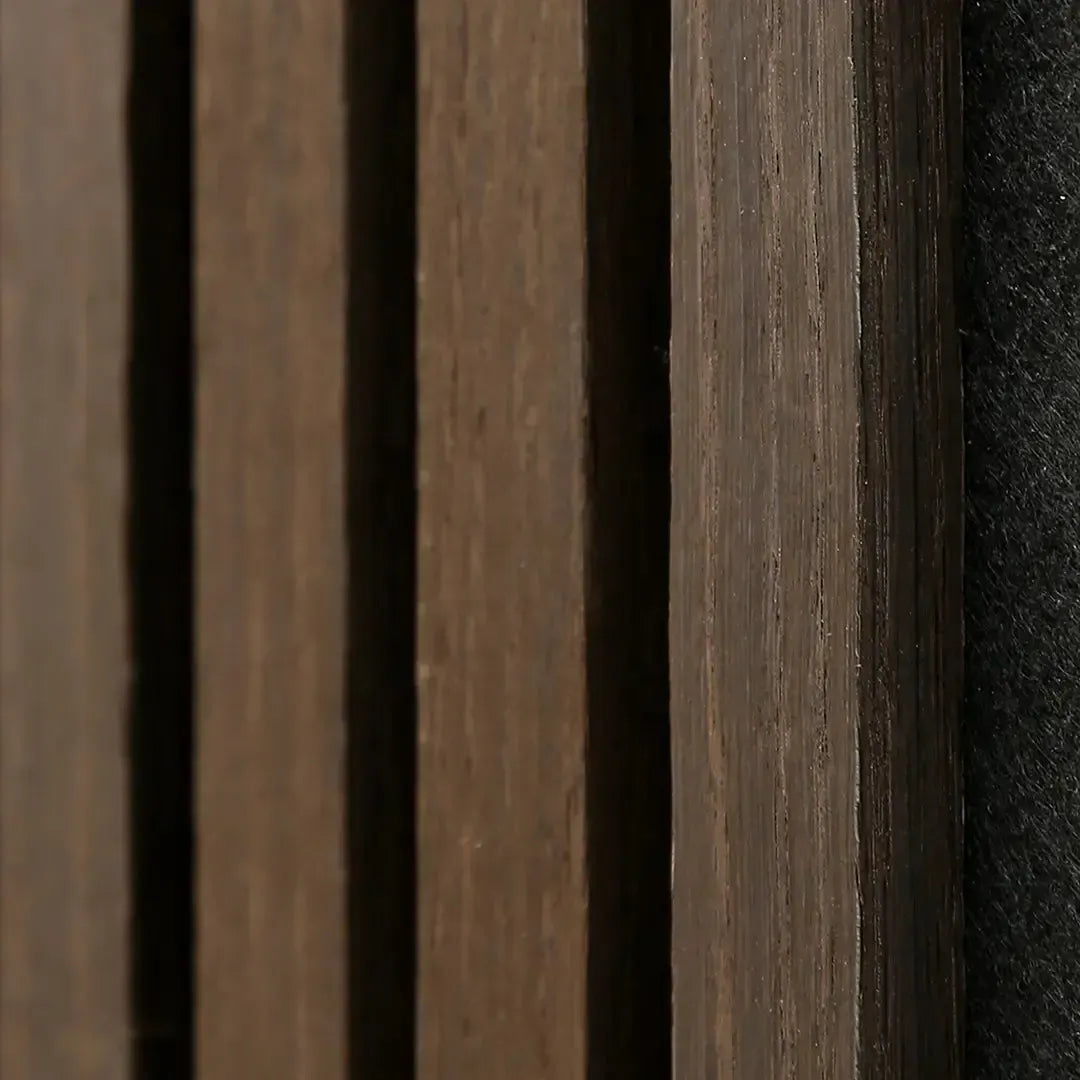
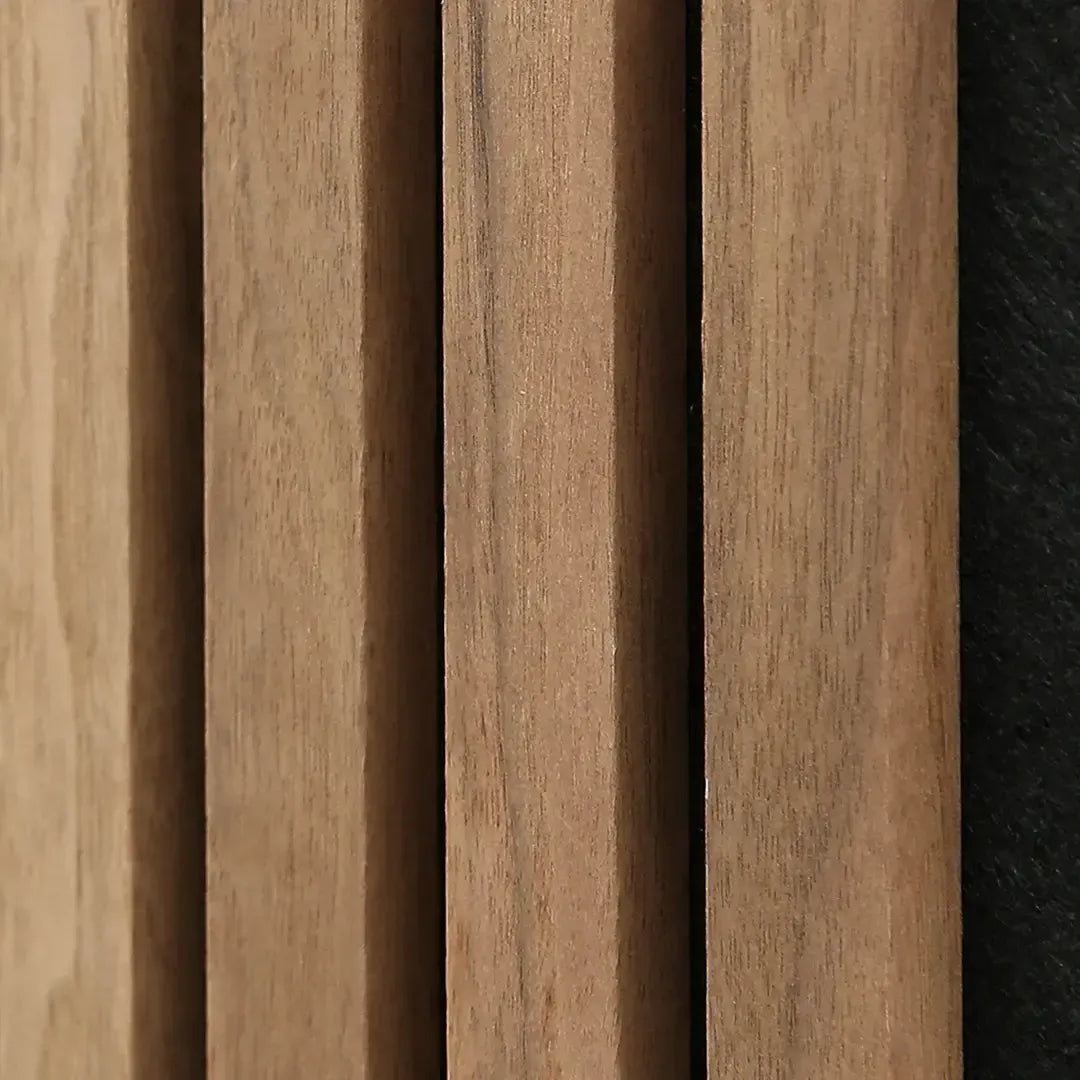
For example, the Natural Oak acoustic slat wall panel is identified as having 3-sided wood veneer. That is a material detail to examine when comparing visible faces and edges. It is not evidence of a higher appraisal, a soundproof room, or a particular reduction in noise.
Ask Akustiq USA for the installation instructions and applicable acoustic documentation before specifying the assembly. Match any performance claim to its tested configuration, including backing, mounting, and coverage. Do not assume a decorative installation reproduces a different test setup.
The advantage is the combination of a wood surface and an acoustic-treatment purpose. The limitation is that you still need suitable installation, appropriate coverage, and a finish that works in your room. Choose the assembly for its documented function; keep resale expectations separate.
Are acoustic panels better than ordinary wood paneling for resale?
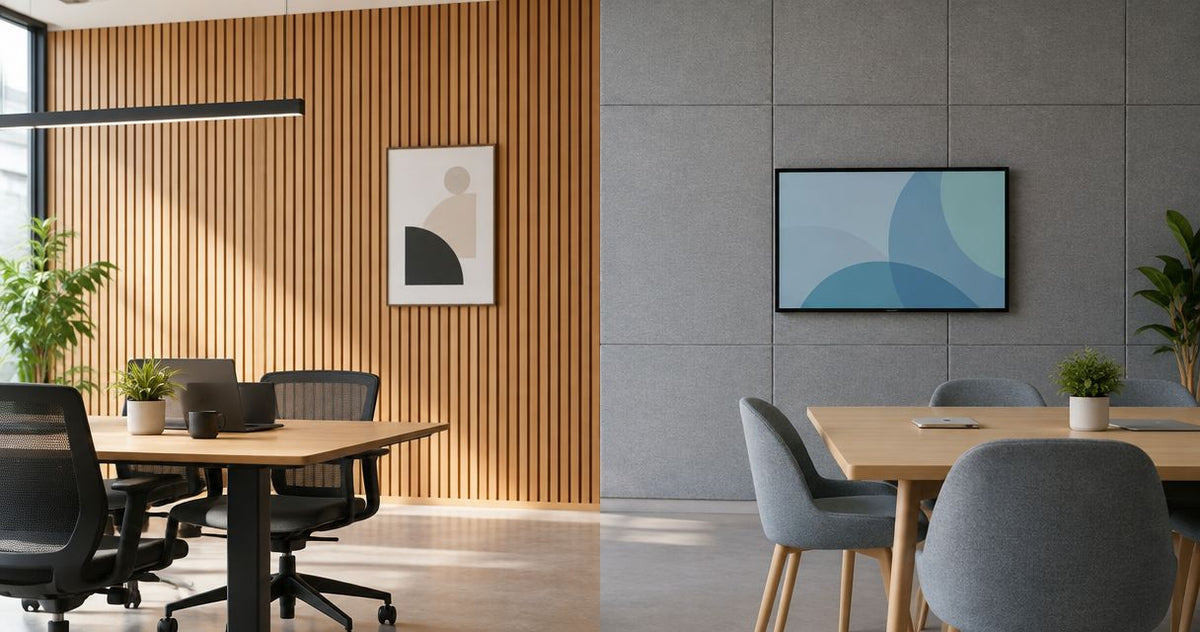
Neither category establishes a resale premium by itself. Acoustic treatment addresses sound within a space, while decorative paneling principally addresses appearance; compare them against your room's actual needs.
Sound absorption and sound isolation are also different jobs. Do not describe a treated room as soundproof unless the complete construction supports that claim. For a home office or media room, explain the installed feature accurately instead of promising silence or a higher selling price.
Should you remove an existing wood accent wall before listing?
Inspect the existing wall before deciding to remove it. Keep the assessment focused on condition, finished edges, compatibility with the room, and any problems hidden behind or around the installation.
If the wall is damaged or incomplete, compare repair with removal and restoration. Removal itself creates work, so establish how the panels attach before starting. Ask your agent to assess the room as it stands rather than assuming either bare paint or wood is always preferable.
What should you keep for the next owner?
Keep the product identification, installation instructions, finish information, and relevant purchase records. Include documentation for any work carried out around electrical fittings. These records describe what is present and help the next owner plan maintenance or alterations.
Label any retained offcuts or spare pieces by the room where they belong. Store them according to the manufacturer's guidance rather than leaving unidentified material behind. Documentation supports an orderly handover; it does not prove a financial return.
FAQ
Do wood accent walls add resale value to a home?
Wood accent walls do not guarantee a higher resale price. Evaluate the wall as a design improvement and seek property-specific advice before assigning it a financial return.
What's the best wood accent wall for selling a house?
The best choice is a finished design that fits the existing room and your sale-preparation budget. Compare paneling with repair and repainting before choosing a permanent feature.
Will I get back everything I spend on a wood feature wall?
Do not assume you will recover the full project expense. An installation invoice records what you spent, not the wall's separate contribution to the sale price.
Are acoustic wood panels the same as soundproofing?
Acoustic wood panels are not the same as a complete sound-isolating construction. Check documented sound-absorption performance and installation requirements rather than promising a soundproof room.
Should I install wood panels over a damaged wall?
Repair the underlying problem before installing panels. A decorative covering does not resolve moisture, loose material, or an unsafe electrical condition.
Should I choose a wood finish from online photos?
Use physical samples before making the final finish choice. Compare them with your flooring and trim under daylight and your normal room lighting.
Should I add a wood accent wall just before listing in 2026?
Add a wood accent wall only if the completed project makes sense without a guaranteed resale premium. Ask your listing agent to compare it with simpler preparation work before you commit.
One last thing
Judge the proposed wall without your furniture in front of it. Remove the console, headboard, artwork, and styling from your sketch. Check whether the remaining boundaries, outlet locations, and exposed edges still form a finished design.
For a 2026 sale, that is a useful final test before ordering Akustiq USA acoustic wood panels. The next owner can change the furniture immediately; the fixed wall should not depend on yours to conceal unfinished work.

 Better performance and aesthetic appeal
 In Stock