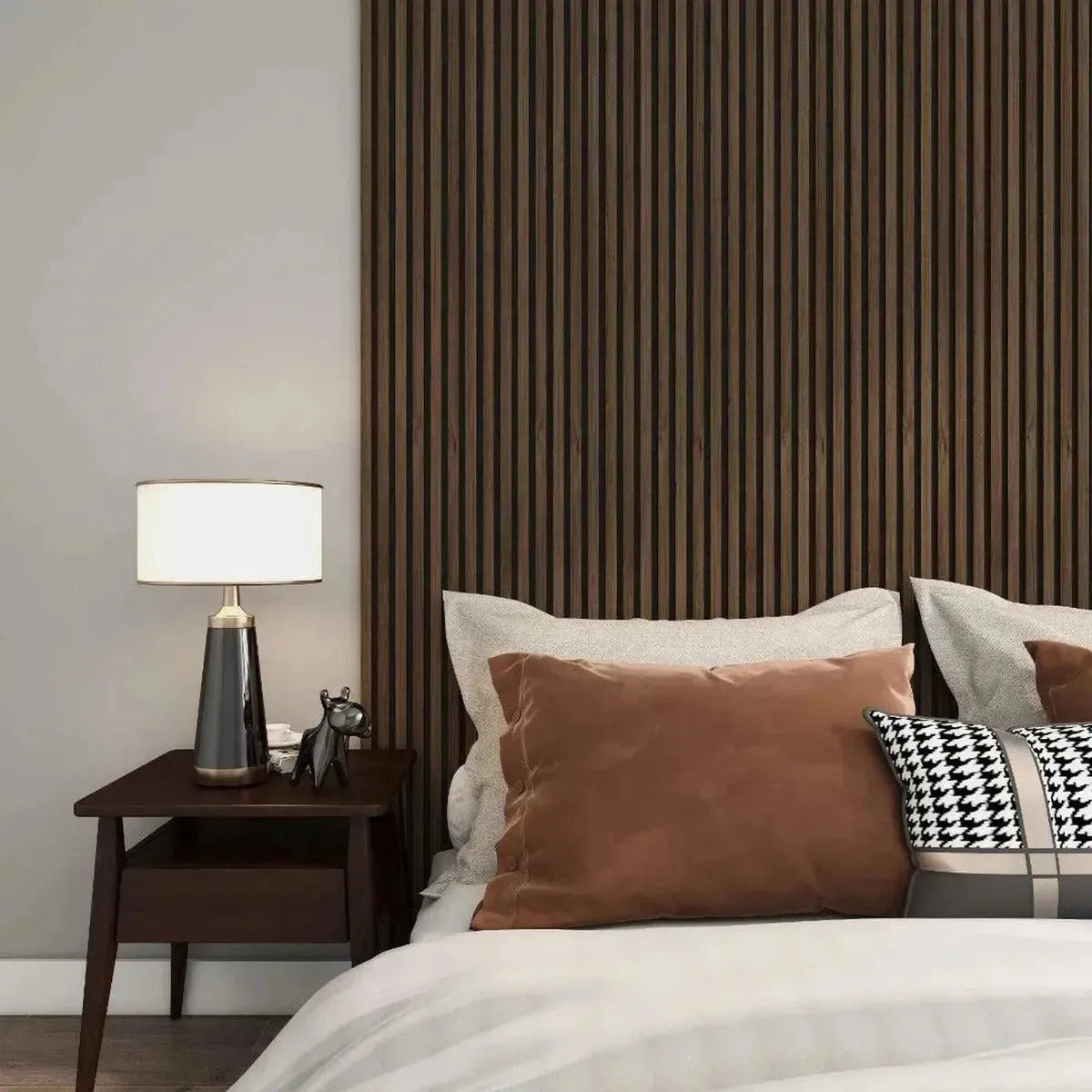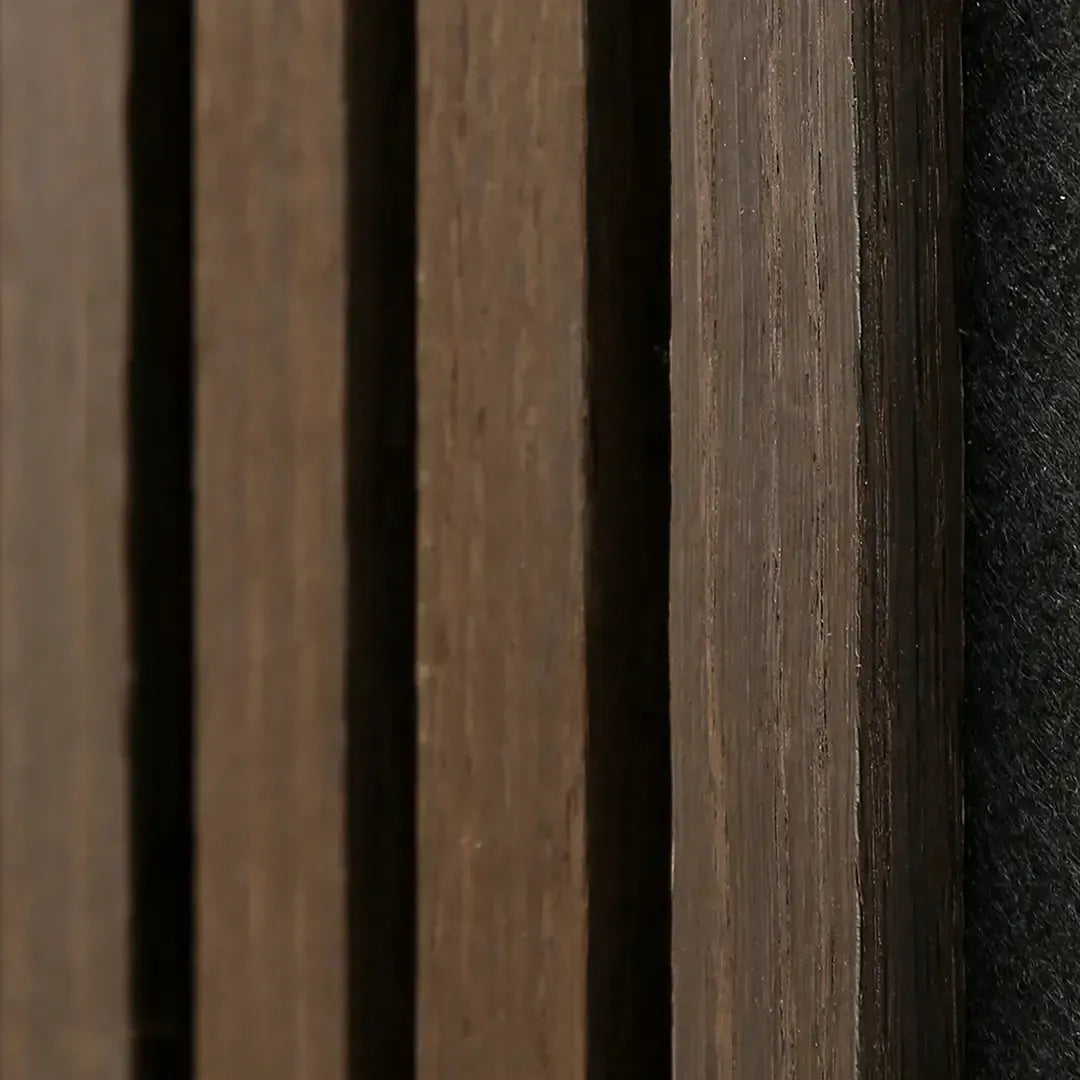
Matching wood panel color to your existing floor comes down to reading undertone, not chasing the same wood species — get the undertone wrong and even a $165.95 hexagon panel box reads like a mismatched patch job on the wall.
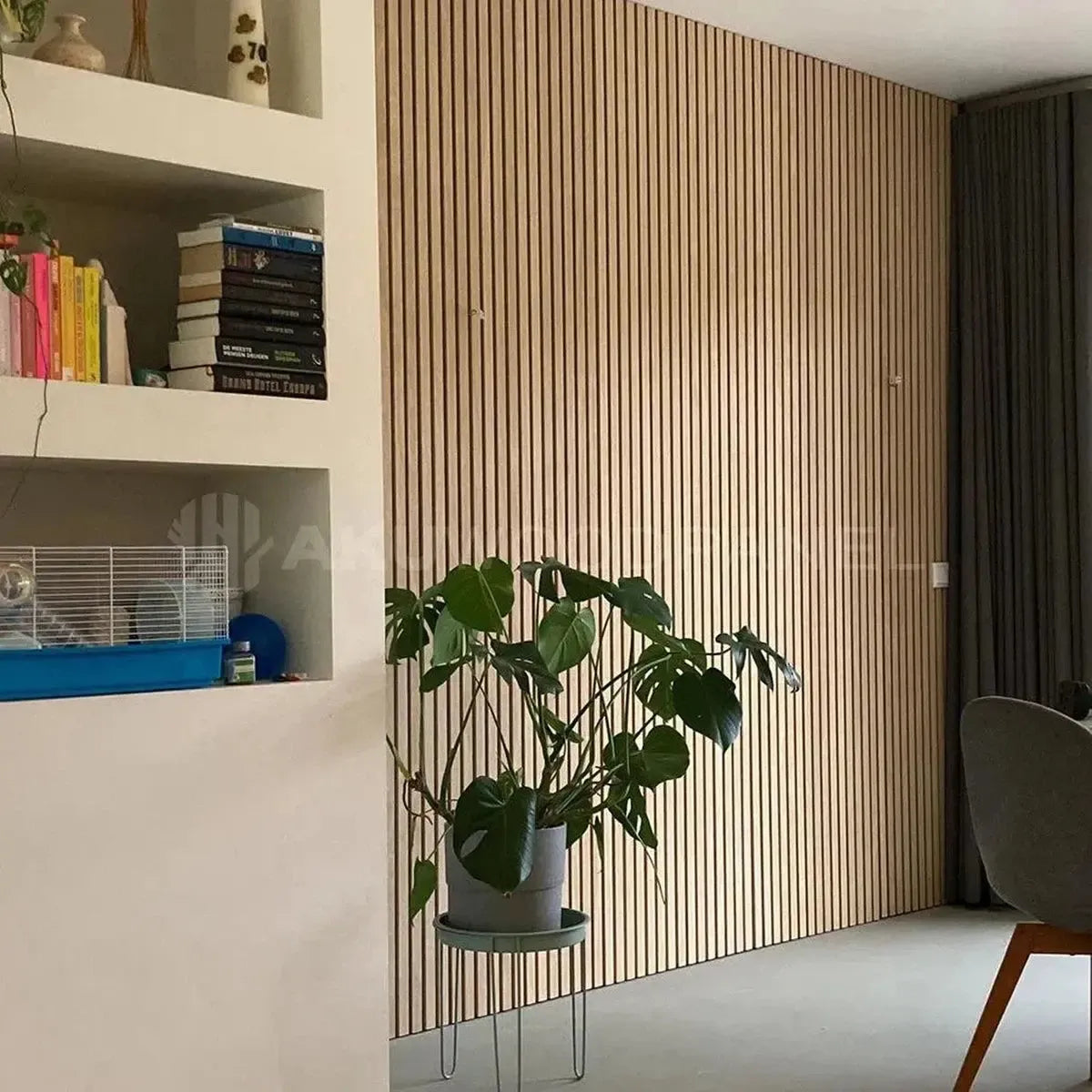
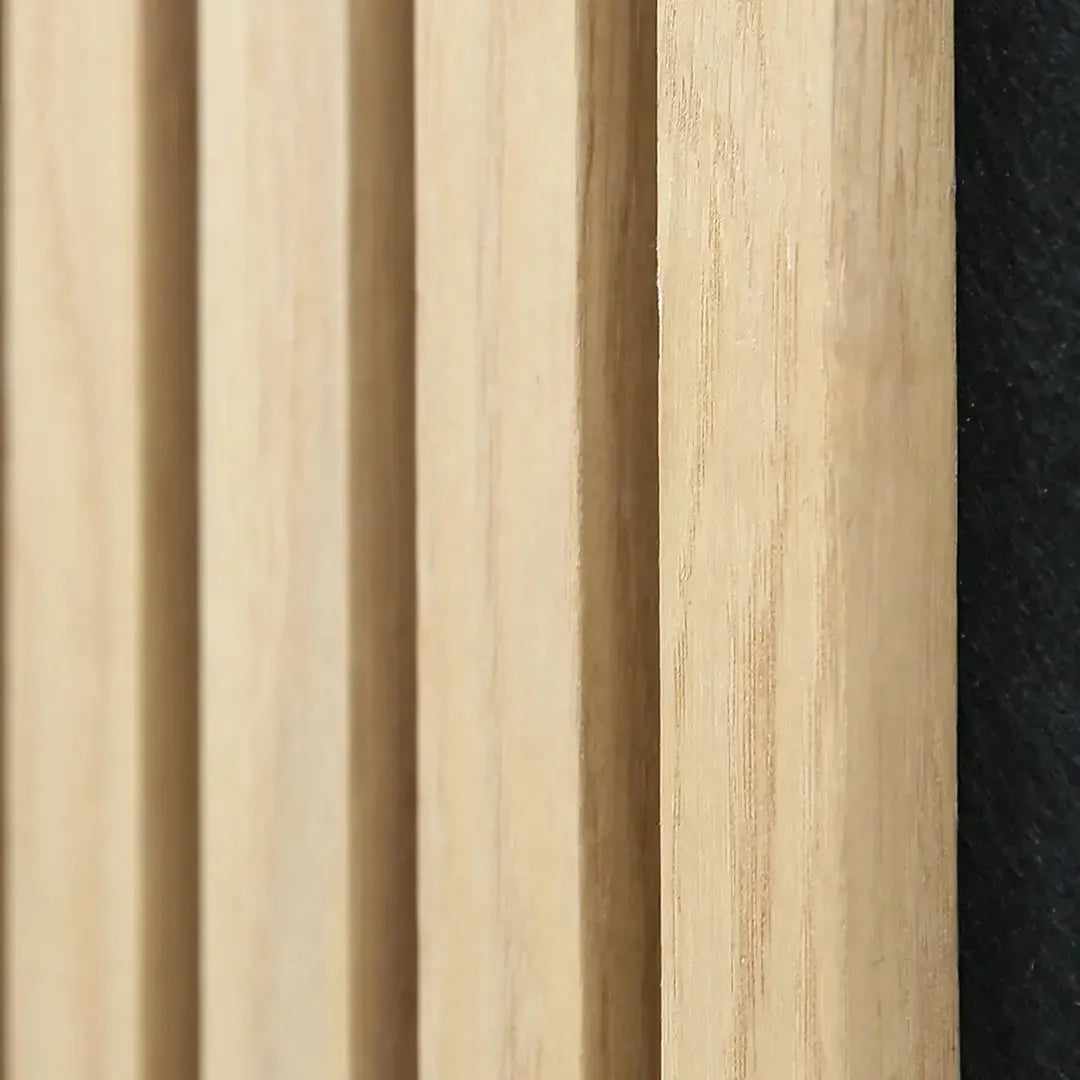
- Match wood panel color to flooring by undertone first, species second — warm honey floors pair with Akuwood Panel Natural Oak.
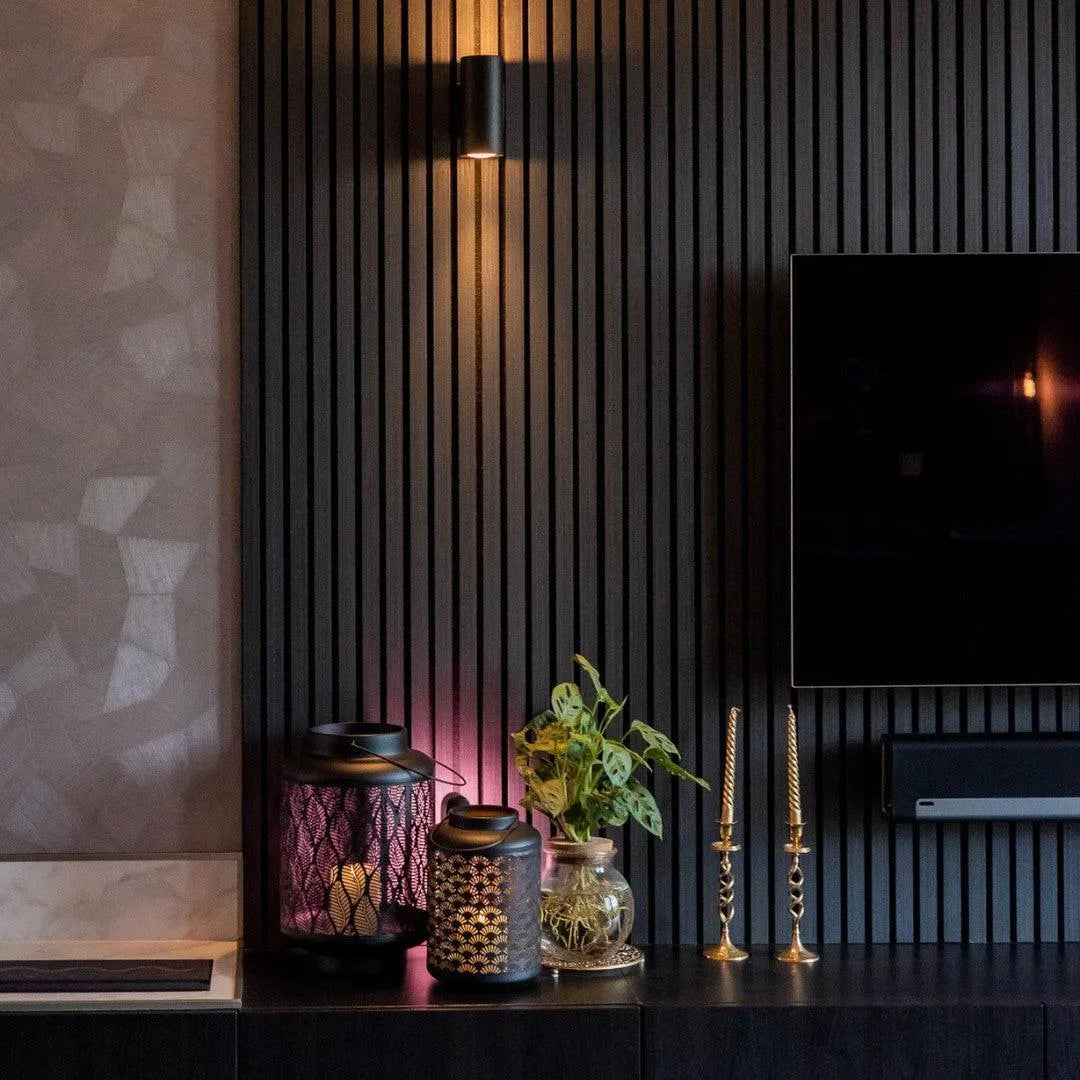
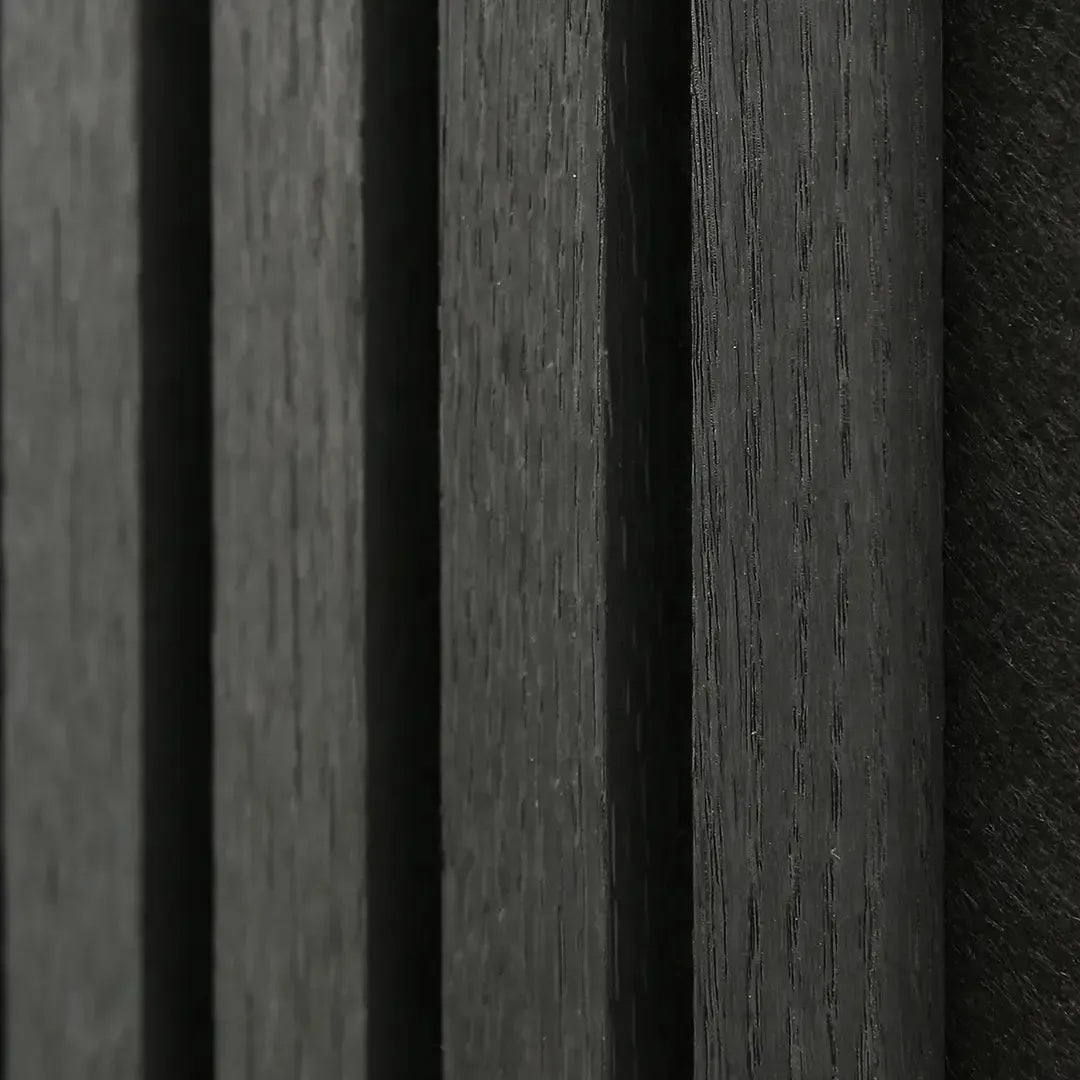
- Cool gray or greige floors pair best with Smoked Oak or Black Oak panels — Buy a sample before a full order.
- Walnut wood wall panels clash with red-oak flooring more than any other pairing seen in 2026 remodels — test it.
- Order the $10 Full Sample Box before committing to a full panel run — color-matching by product photo alone is the top return reason.
Why this matters
A wood panel wall competes with your floor for visual attention in every room it's installed in, whether that's a living room, an office, or a rental unit you're staging in 2026. Get the undertone wrong and the panel wall either fights the floor for warmth or disappears into it entirely — neither reads as intentional.
Most color-matching mistakes aren't about picking an ugly panel. They're about matching wood species (oak-to-oak, walnut-to-walnut) instead of matching undertone. A honey-toned oak floor and a gray-washed oak panel are the same species and completely wrong together.
What you'll need
- A clear view of your floor in daylight and under your room's actual bulbs
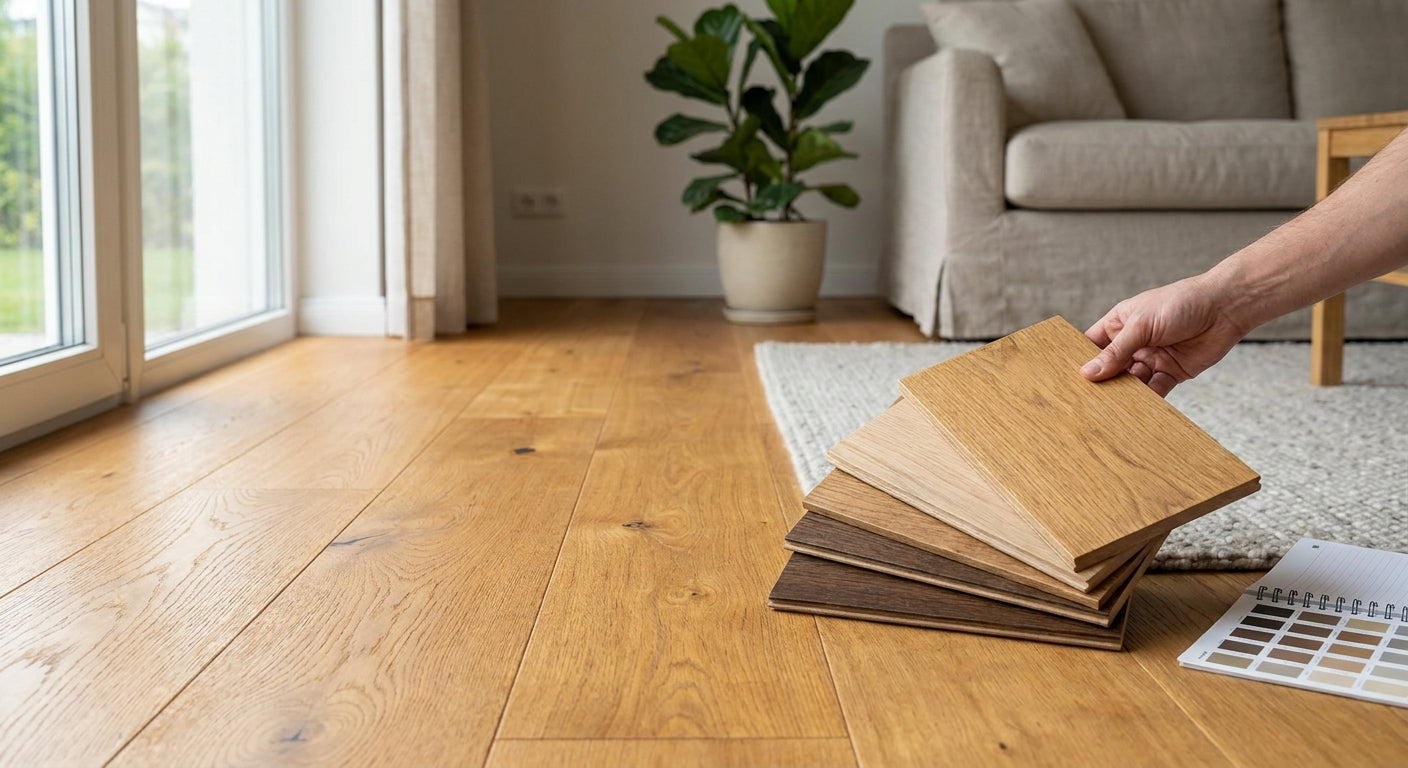
- One sample of each panel finish you're considering — Natural Oak, Walnut, Smoked Oak, and Black Oak all read differently against the same floor
- A tape measure or your flooring plank width, to check grain scale
- 48 hours of undisturbed viewing time before you commit to a full wall
- A phone camera, to photograph the sample against the floor at three times of day
The steps
1. Identify your floor's undertone
Stand at the doorway of the room in natural daylight and squint at the floor for five seconds. Warm floors read honey, amber, or reddish-brown. Cool floors read gray, ashy, or slightly blue. Greige floors sit in between — neither warm nor cold, just muted.
This single call determines 80% of whether your panel wall works. Skip it and you're matching blind.
Common mistake: deciding undertone from a photo on your phone. Screens shift color temperature and will lie to you about whether a floor is warm or cool.
2. Pull the panel finish that complements — not mirrors — the undertone
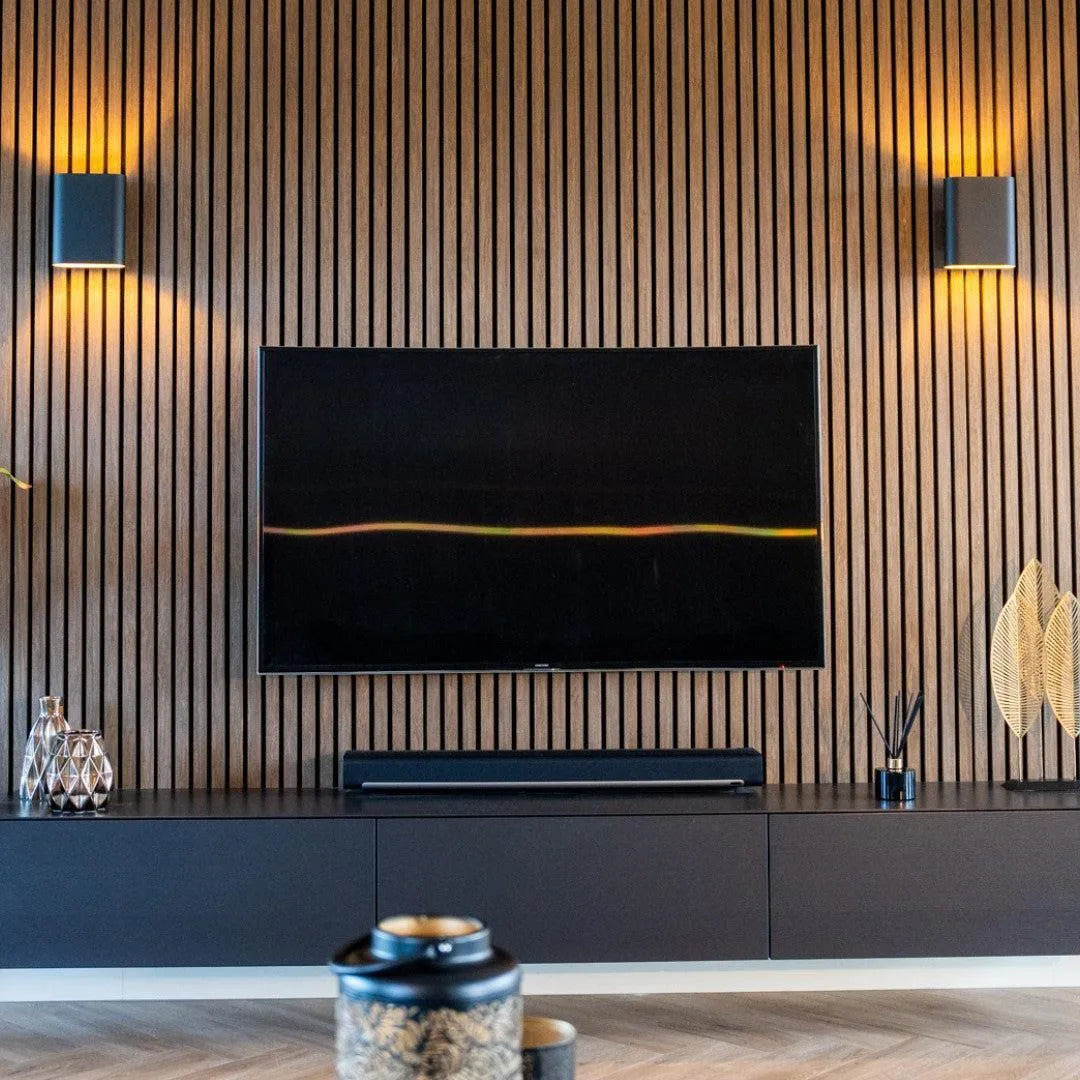
Warm honey and amber floors pair with Akuwood Panel's Natural Oak or the Natural Oak with Gray Felt finish, which softens the warmth without fighting it. Cool gray and ashy floors pair with Smoked Oak or Black Oak wood wall panels, both of which read neutral-to-cool and won't clash.
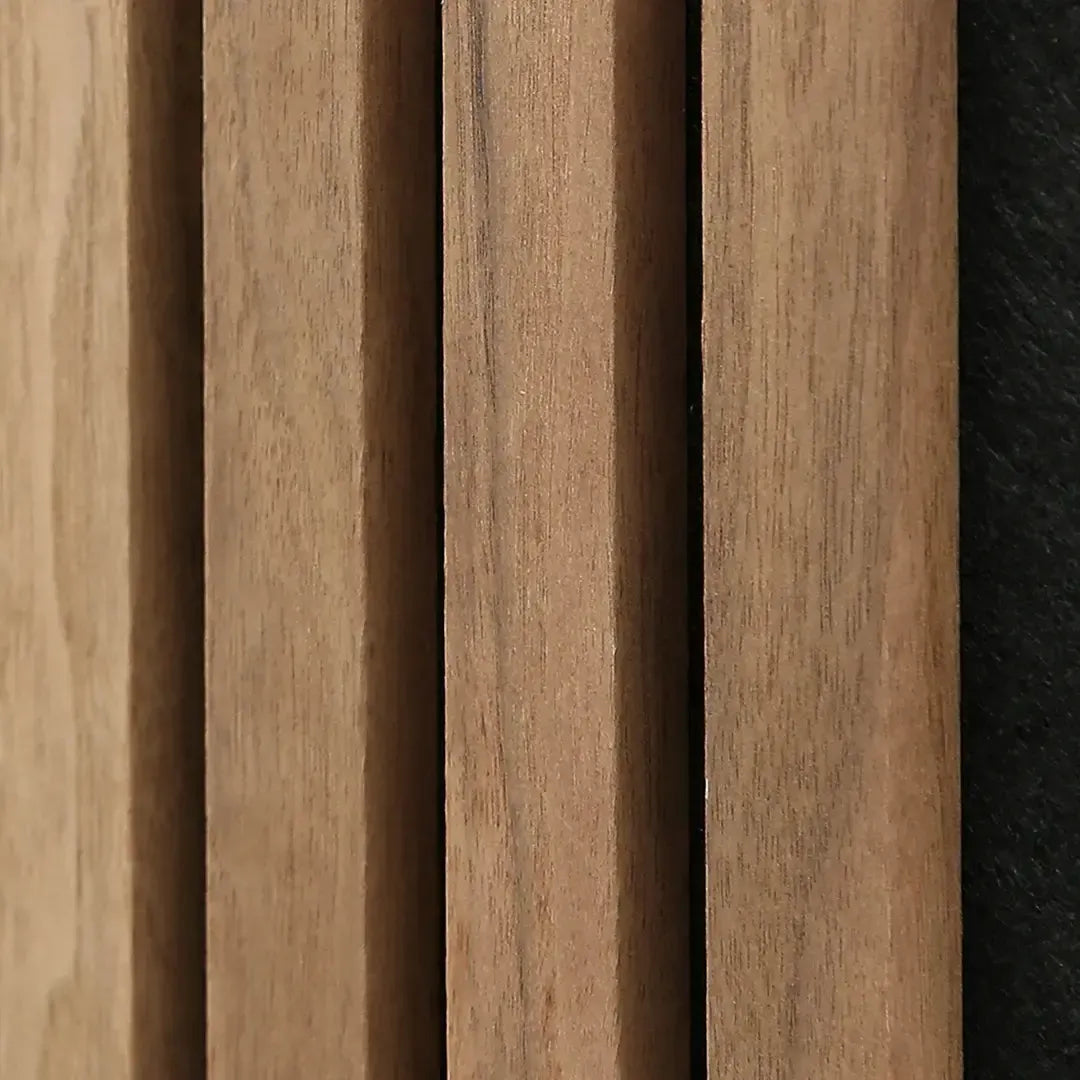
Greige floors are the easiest to work with — Walnut panels add contrast and depth without introducing a competing undertone, since walnut's brown-purple base sits outside the warm/cool argument entirely.
3. Order samples and test for 48 hours minimum
Hold each sample flat against the floor, in the actual room, for a full two days. Check it in morning daylight, midday, and under your evening lighting — LED bulbs run cooler than incandescent and can shift a panel's undertone by a full shade.
A sample that looks perfect at noon can look muddy or too red by 8pm under warm bulbs. The Full Sample Box covers three of the most common finishes for $10, which is cheaper than reordering a full panel run.
4. Check grain scale and direction against your plank width
A wide-plank floor (7 inches or more) next to a tight, narrow slat panel can look busy rather than complementary. Match panel slat width to plank scale where possible, or intentionally contrast wide floor planks with narrow slats for a deliberate visual break.
Grain direction matters too — if your floor planks run one direction, install panels vertically to create contrast, or horizontally to echo the floor's line. Both work; matching both floor and panel direction usually reads flat.
5. Decide your contrast level on purpose
Three options exist: match closely (same undertone, similar depth), complement (same undertone, different depth — like Natural Oak floor with Walnut panel), or contrast deliberately (opposite undertone, used as a design choice in dark-academia or moody interiors).
Picking one of these on purpose beats stumbling into an accidental clash. Verdict: complement, don't match exactly — a panel that's a shade or two off the floor reads intentional; an identical match reads accidental and flat.
6. Test one full panel against baseboard and trim before installing the wall
Baseboards and door trim are usually painted white or a stained wood that may not match either your floor or your panel choice. Hold a single panel against the baseboard corner before ordering the full quantity.
If the panel undertone fights the trim as badly as it might fight the floor, you have two mismatches to solve instead of one.
“If the panel's undertone fights the floor's undertone, no amount of careful lighting fixes it — swap the finish before you swap the bulbs.”


Comparison: floor tone to panel finish
| Floor tone | Best panel finish | Contrast level | Verdict |
|---|---|---|---|
| Warm honey oak | Natural Oak | Complement | Buy |
| Gray or ashy LVP | Smoked Oak | Match | Buy |
| Greige hardwood | Walnut | Complement | Buy |
| Dark walnut hardwood | Black Oak | Contrast | Consider |
| Red-toned oak | Walnut | Contrast | Skip without a sample test |
Troubleshooting
Panel looks orange or red against a gray floor. You matched species, not undertone — swap to Smoked Oak or Black Oak, both of which sit outside the warm-red range.
Panel is too dark and the room feels smaller. Dark panels absorb light in rooms under 100 square feet. Pull back to a single accent wall instead of covering all four walls, or switch to Natural Oak.
Panel matches the floor so closely the wall disappears. This is the most common 2026 install complaint. Move one shade lighter or darker than the floor rather than matching it exactly.
Panel undertone shifts between daylight and evening bulbs. Incandescent and warm LED bulbs push every finish toward orange. Test under your actual bulbs, not a showroom's daylight-balanced lighting.
Panel and baseboard clash even though the panel and floor work. Repaint or re-stain the trim, or pick a panel finish that splits the difference between floor and trim tone.
Tools and resources
- The $10 Full Sample Box — three finishes, cheaper than a reorder
- A wood panel visualizer to preview a finish against a photo of your room before ordering samples
- A flooring sample or offcut, held next to the panel sample in the same light
- Your floor manufacturer's undertone description, if you kept the original spec sheet
What to do next
Once you've picked a finish, plan the actual layout — panel width, slat direction, and how many boxes you need — before ordering the full run. A color match on a bad layout still looks wrong on the wall.
FAQ
What's the best wood panel color for oak flooring?
For warm honey oak floors, Natural Oak wood wall panels complement without clashing. For gray-washed oak floors, switch to Smoked Oak or Black Oak instead, since matching the same warm oak tone too closely makes the wall disappear.
Is walnut panel better than oak panel for dark floors?
Walnut works better than oak against dark walnut or espresso-stained floors because it adds a deliberate contrast layer rather than blending into a floor that's already dark. Oak panels on dark floors can look washed out under evening lighting.
How much does it cost to test panel colors before buying?
A Full Sample Box costs $10 for three finishes in 2026, which is the cheapest way to test color match before ordering a full panel run. Full hexagon panel boxes run around $165.95 for four panels, so a $10 test is worth it.
Should wood panels match or contrast with the floor?
Complement rather than match exactly — a panel one or two shades off the floor's undertone reads intentional, while an identical match often reads flat and accidental. Full contrast is a valid design choice but should be deliberate, not accidental.
Do LED bulbs change how a wood panel color looks?
Yes, LED bulbs run cooler than incandescent and can shift a warm panel finish toward gray, or a cool finish toward flat. Always test samples under your room's actual bulbs for 48 hours before ordering a full panel wall.
What panel color works with gray LVP flooring?
Smoked Oak or Black Oak wood wall panels pair best with gray LVP flooring because both finishes read neutral-to-cool rather than warm. Natural Oak against gray LVP tends to clash unless the room has heavy warm lighting to balance it.
Can I mix two panel colors in one room?
Yes, mixing two finishes works when one anchors the main wall and the other trims an alcove, niche, or ceiling detail. Keep both finishes within the same warm or cool family as the floor to avoid competing undertones.
One last thing
The single biggest color-match failure in 2026 isn't a bad finish choice — it's skipping the sample step entirely and ordering a full panel run off a product photo. Screens compress undertone differences that are obvious in person; a $10 sample box catches that mistake before it costs $165.95 four times over.


 Better performance and aesthetic appeal
 In Stock