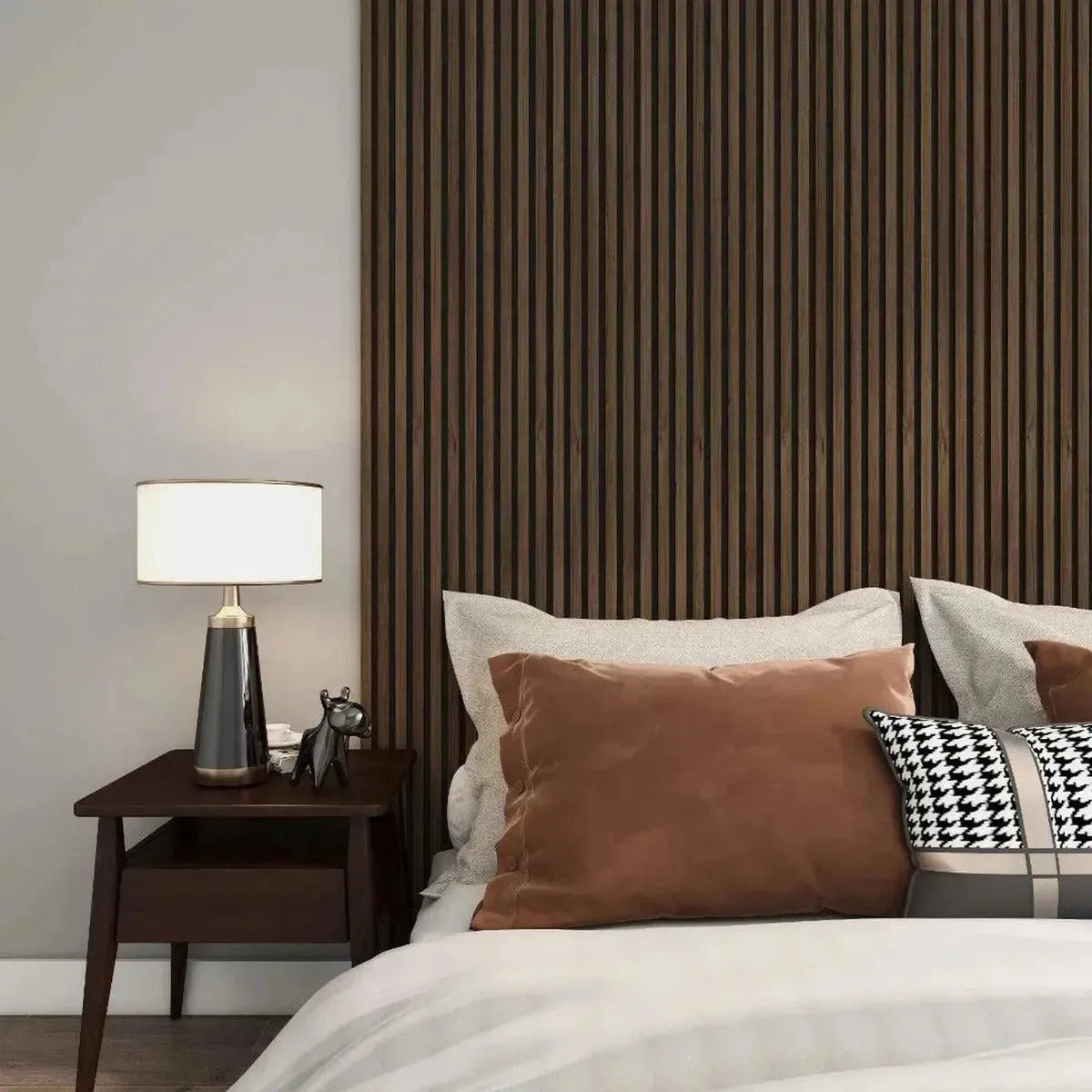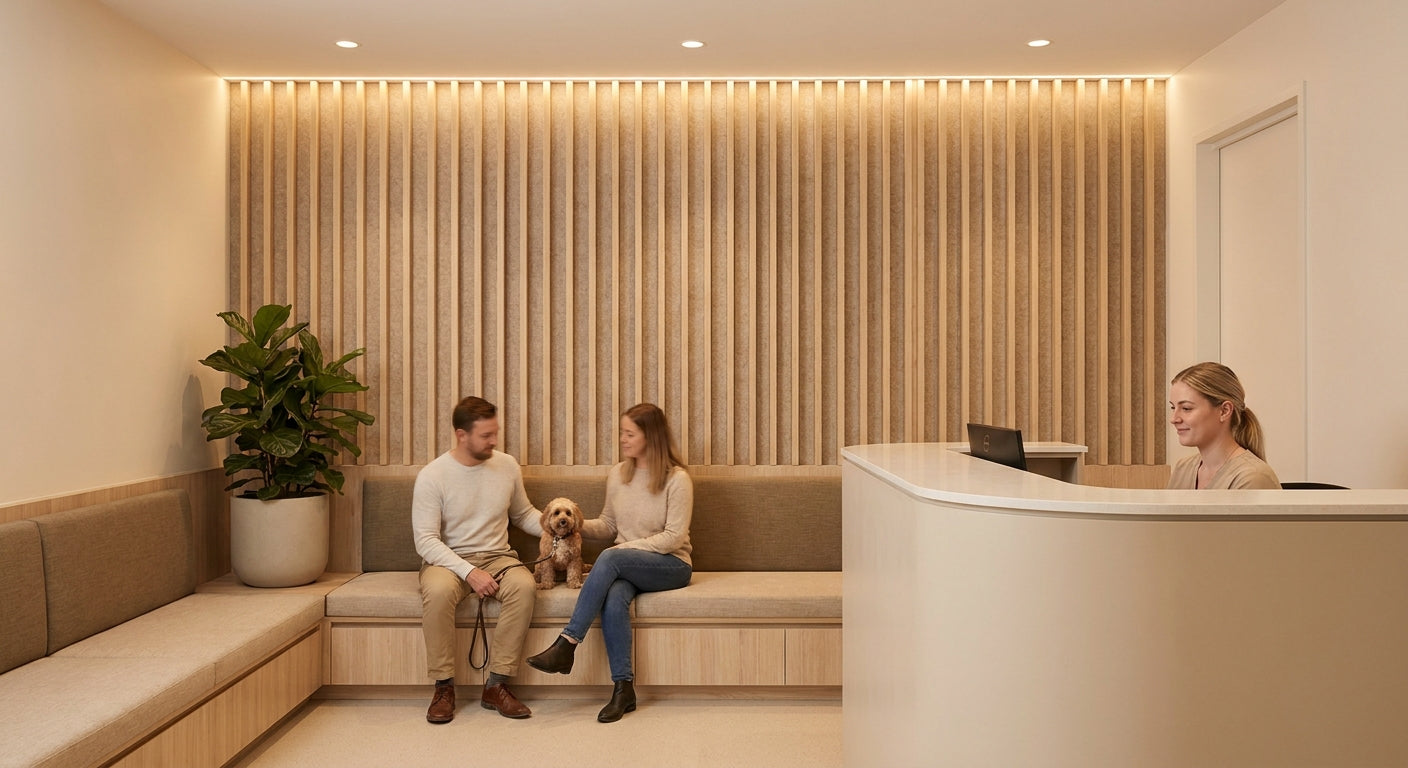
Veterinary clinic waiting rooms are loud by design — carriers clatter, dogs bark at each other through thin partitions, and hard floors bounce every sound back at the front desk. Acoustic slat wall panels solve the noise problem while giving the lobby a finish that actually looks intentional instead of clinical.
- Acoustic panels for veterinary clinic waiting rooms work best in felt-backed slat designs — Smoked Oak with Gray Felt is the workhorse pick at $169.95 a box in 2026.
- Dark finishes like Black Oak hide carrier scuffs and leash marks far better than light natural oak on high-traffic walls.
- Hexagon Acoustic Panel Natural Oak with Gray Felt works as a reception accent wall, not full-room coverage, at $165.95 per box of four.
- Skip glossy laminate 'acoustic' panels in vet waiting rooms — they reflect sound instead of absorbing it.
Why this matters
A waiting room with hard drywall and tile floors turns a single barking dog into a wall of noise that stresses every other animal in the room. Staff end up shouting over it, clients get anxious, and reviews start mentioning "chaotic" or "loud" front desks. Adding acoustic wood wall panels to at least one full wall knocks down reflected sound without touching HVAC, flooring, or the lease.
Acoustic wood wall panels are built for exactly this — a wood veneer face over an acoustic core that absorbs mid and high frequencies instead of bouncing them. That's the same core noise problem dental practice reception areas deal with, and the panel logic carries over directly to vet clinics.
Who this is for
This guide is for practice managers, clinic owners, and interior contractors specifying finishes for a veterinary waiting room — whether it's a single-doctor practice retrofitting an existing suite or a multi-location group building out a new lobby. If your front desk staff has ever asked clients to "hold on, I can't hear you," this is your problem to fix.
What to look for in acoustic panels for a veterinary clinic
Sound absorption rating (NRC)
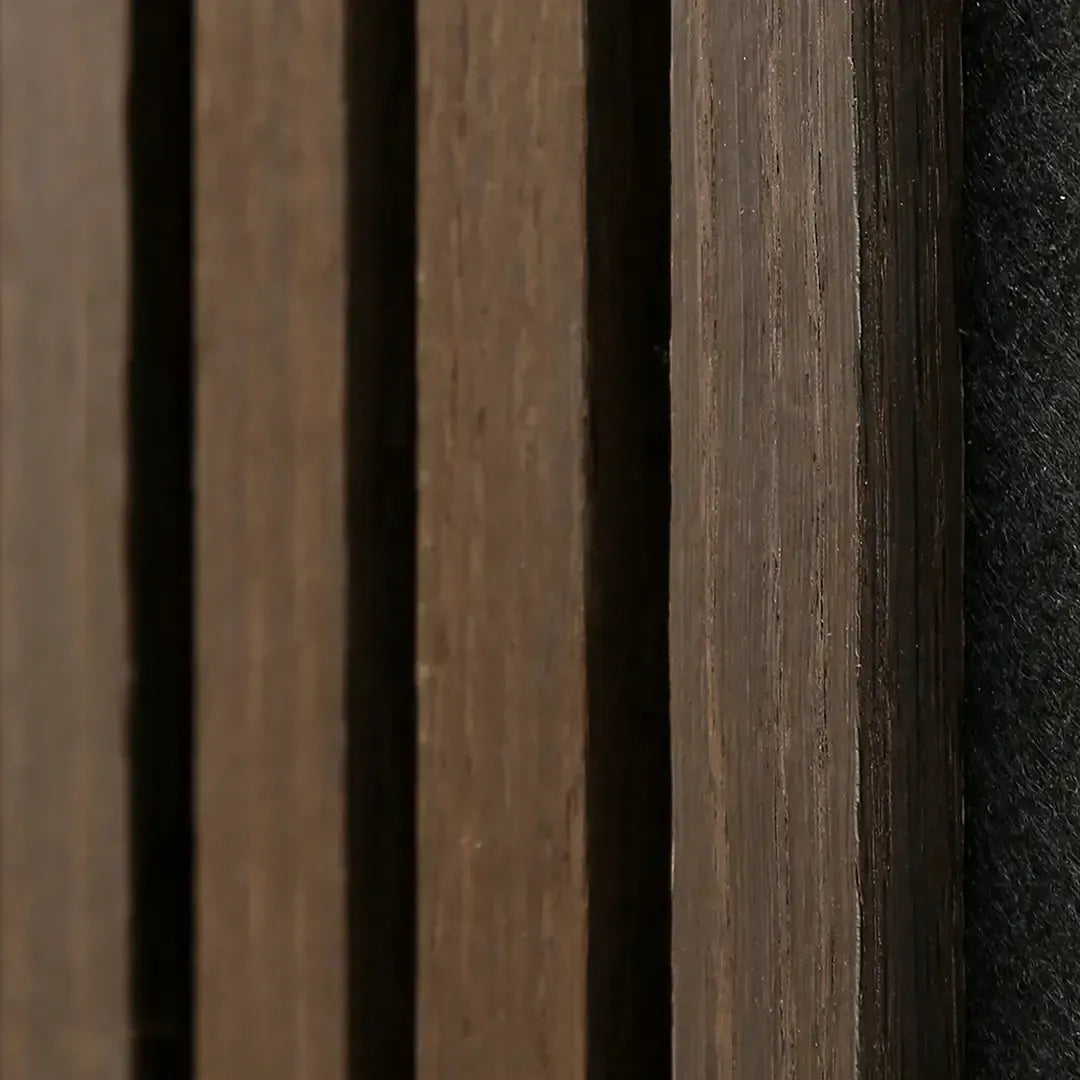
An NRC (Noise Reduction Coefficient) tells you what fraction of sound energy a panel absorbs versus reflects. Felt-backed acoustic slat panels rated around 0.75 NRC absorb roughly three-quarters of incoming sound at mid frequencies — the exact range a barking dog and a ringing phone both sit in. A panel without a felt or acoustic-foam backing is decorative, not acoustic, no matter how the slats look.
Easy-clean, wipe-down surface
Vet waiting rooms get disinfected constantly, and panels near the reception counter take hand contact, nose prints, and the occasional accident. A sealed wood veneer face wipes clean with a damp cloth; raw or unfinished wood absorbs odor and stains over time. Confirm the finish is sealed before it goes anywhere near a client-facing wall.
Scratch and scuff resistance
Carrier corners, leash clips, and rolling scale carts hit walls at knee height all day. Darker finishes like black oak or smoked oak hide these marks far better than pale natural oak, which shows every scrape under clinic lighting.
Retrofit-friendly installation
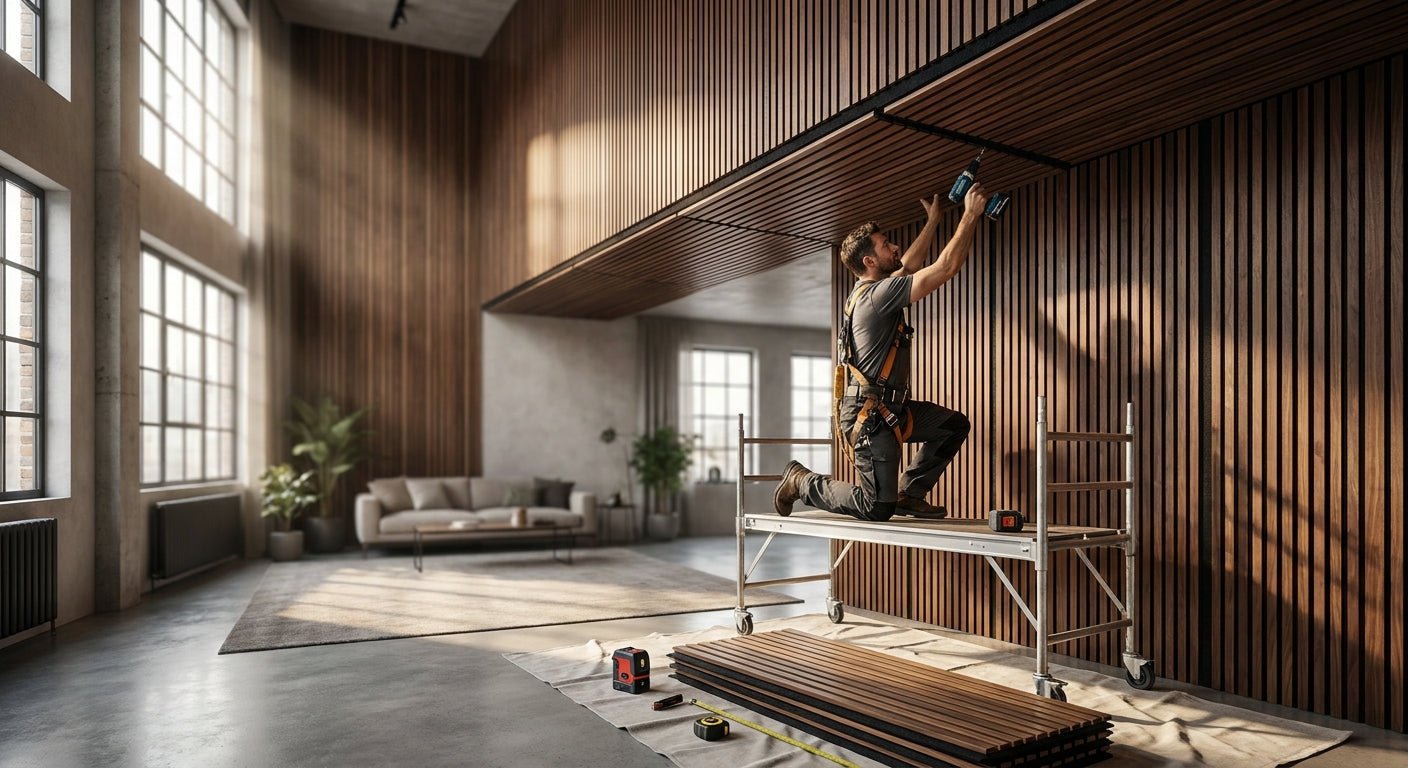
Most clinics operate out of leased space, so panels need to go up without demolition or drywall replacement. Slat and hexagon panels that mount directly to existing drywall let you finish a wall in a weekend without closing the clinic.
Cost per square foot at lobby scale
Waiting rooms run anywhere from a single accent wall to full four-wall coverage. Pricing panels by the box before committing avoids surprise overspend — a full wall adds up fast even at $165 to $180 per box.
Finish that reads calm, not clinical
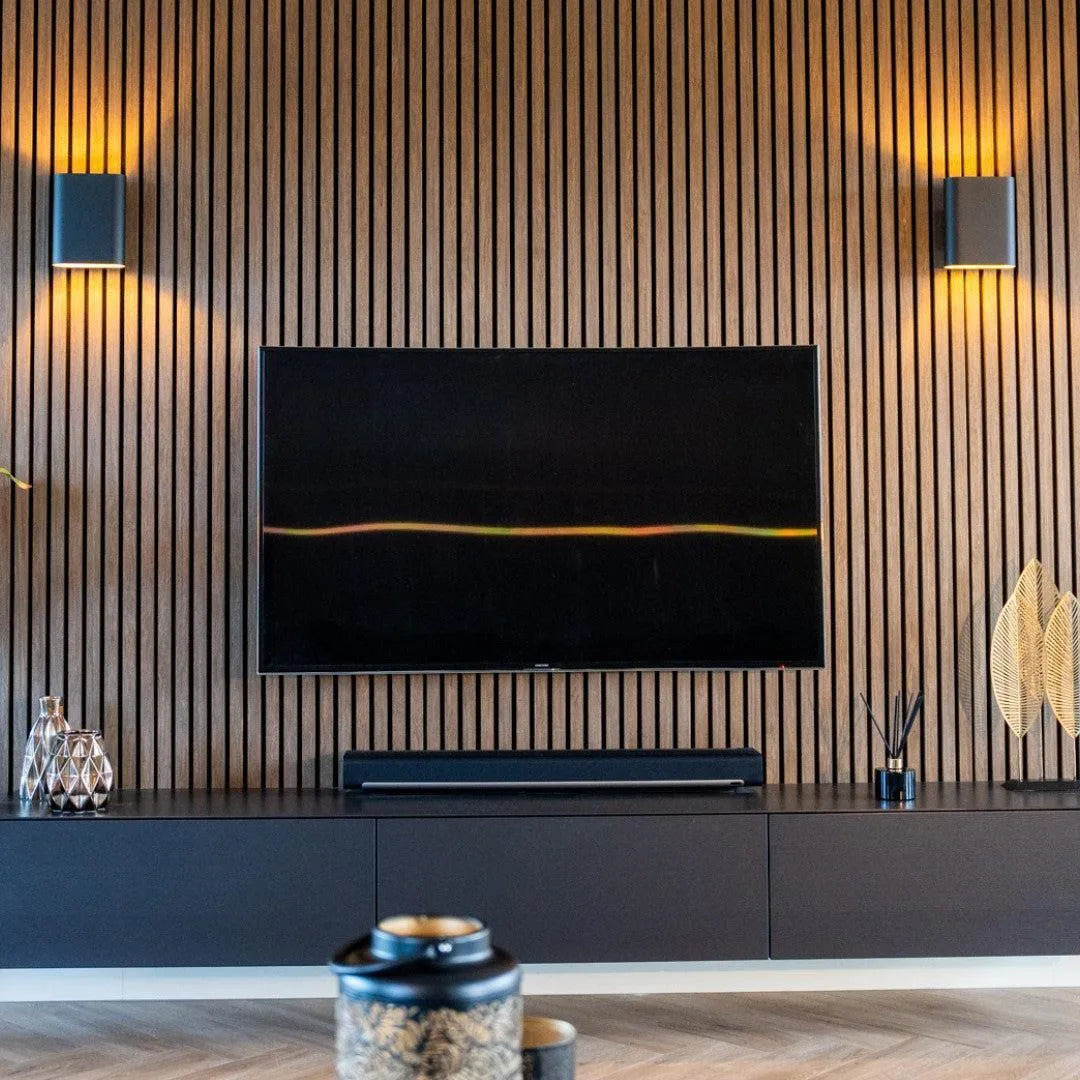
Harsh white walls and vinyl flooring already make a vet lobby feel sterile. A warm wood tone does more acoustic work per square foot than foam panels while making the space feel less like an exam room and more like a place a nervous pet owner can sit for ten minutes.
Top picks for veterinary waiting rooms
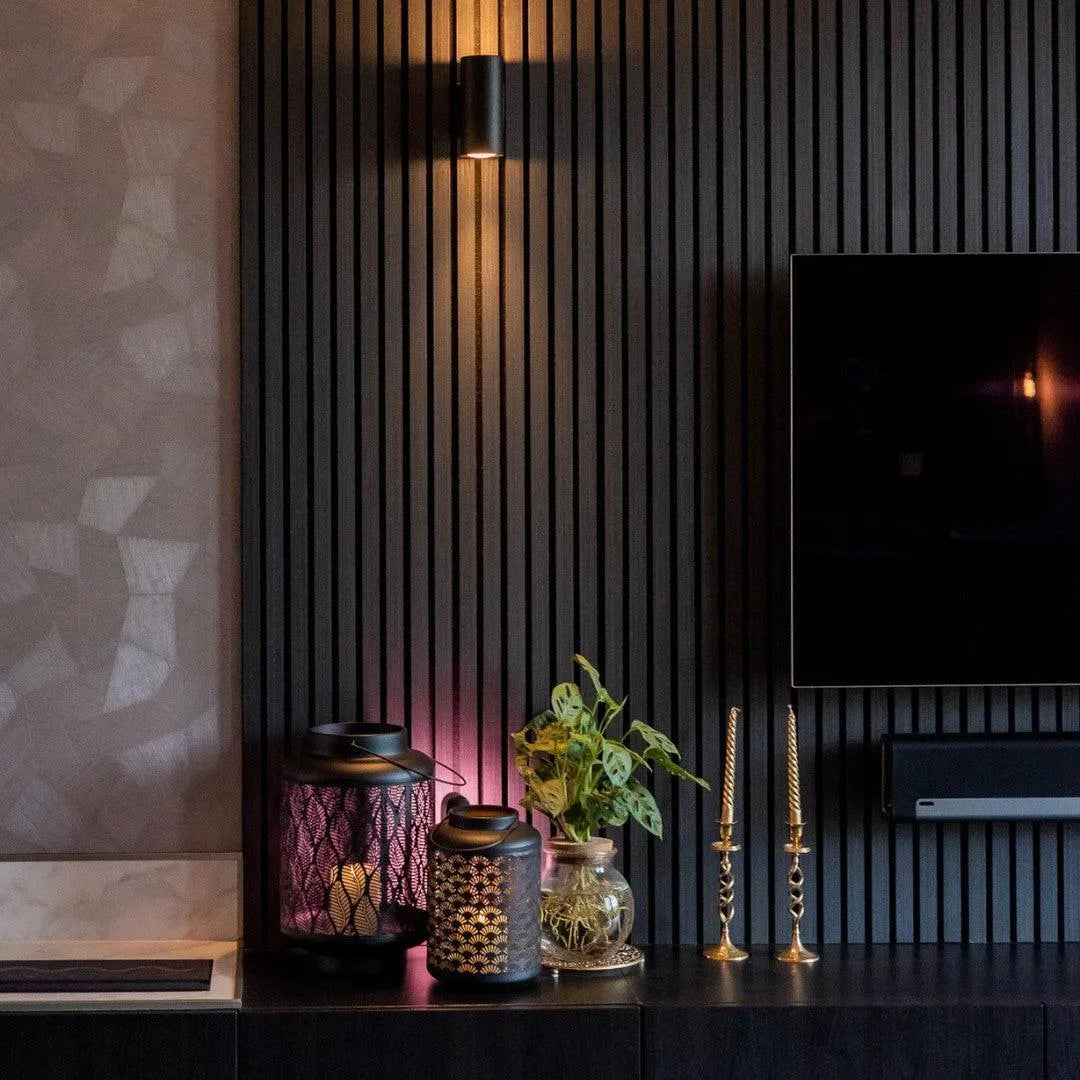
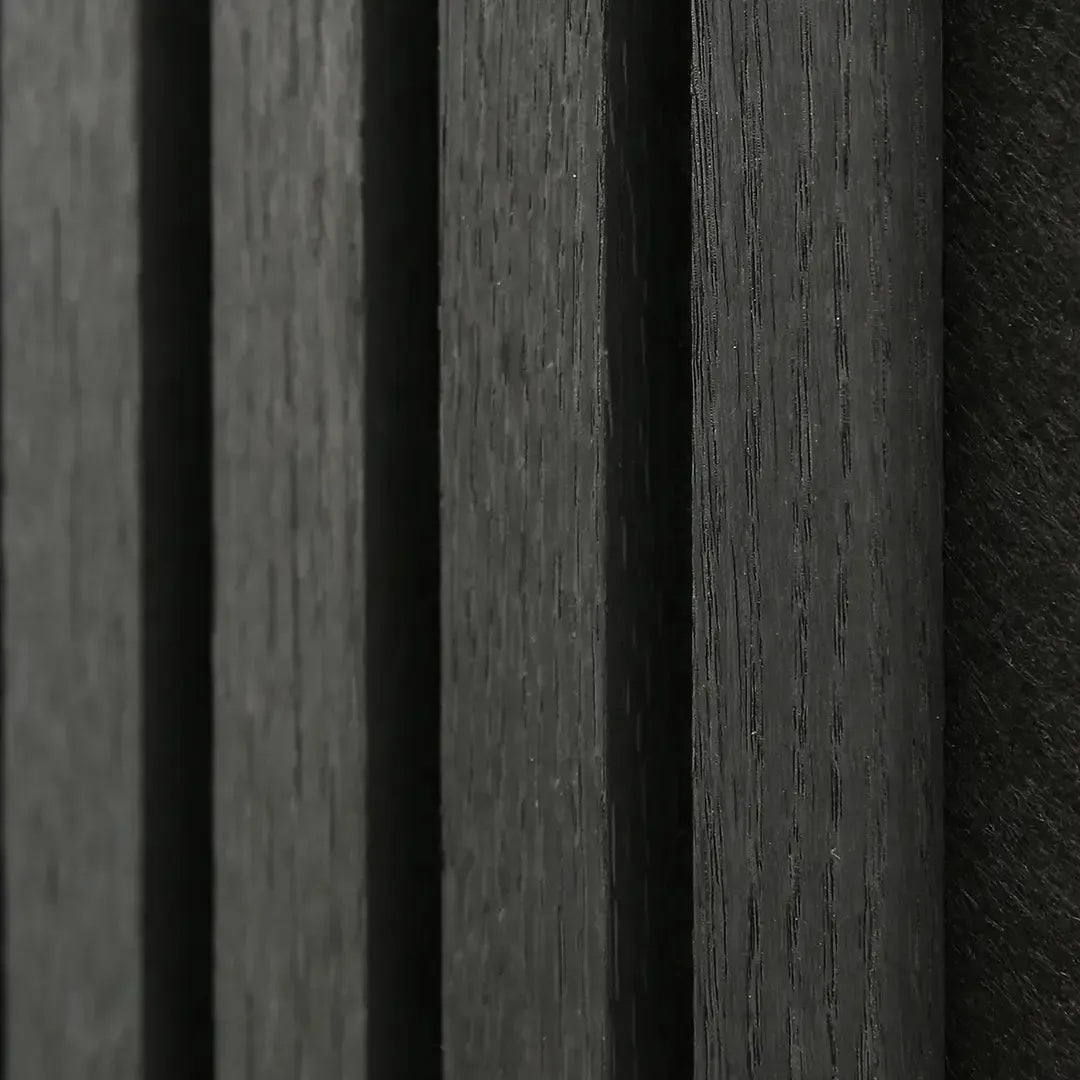
Acoustic Slat Wall Panel — Smoked Oak with Gray Felt — the workhorse pick. Priced at $169.95, this panel pairs a smoked oak veneer with a gray felt acoustic backing that hides both dirt and reflected sound in one finish. It works as a full accent wall behind reception or along the seating wall where carriers get set down. Buy. See the Smoked Oak with Gray Felt panel.
Hexagon Acoustic Panel — Natural Oak with Gray Felt — the reception accent. At $165.95 for a box of four 32-inch panels, this is built for a feature wall behind the front desk rather than full-room coverage, and the geometric layout breaks up an otherwise flat lobby wall. Buy for accent placement, skip if you need to cover more than one wall on a budget. Check the Natural Oak Hexagon panel.
Acoustic Slat Wall Panel — Black Oak — the low-maintenance pick. At $177.95, the dark finish is the one that still looks clean after six months of carrier traffic and disinfectant wipe-downs, though it reads heavier in a small room. Consider for high-traffic waiting areas, skip for a bright, kid-friendly clinic look.
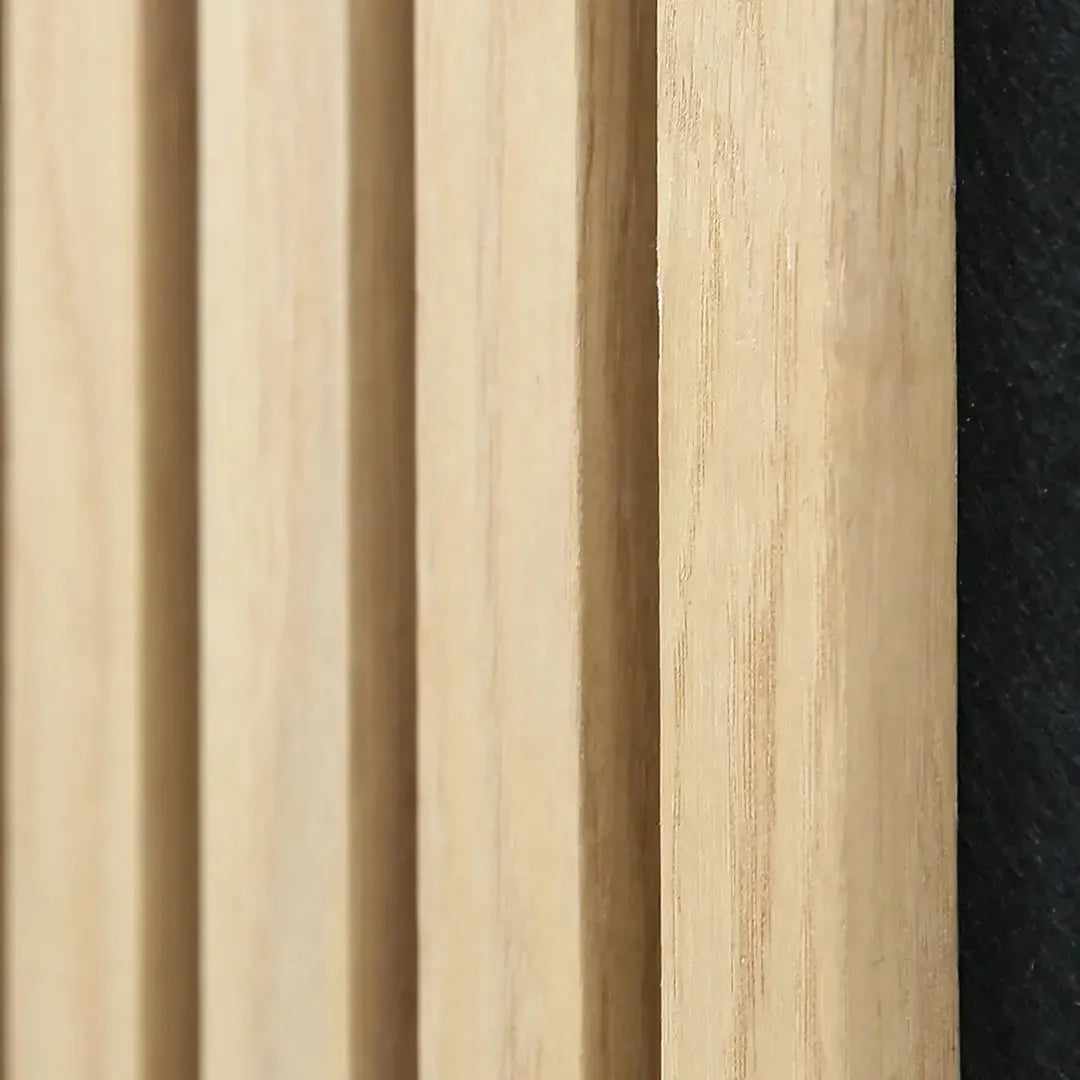
Full Sample Box — Slat Wall Panel — the safe first step. At $10 for four color samples including natural, smoked oak, and walnut, this lets a practice manager hold actual wood against the reception counter lighting before ordering a full run. Buy before any large order.
What to avoid
- Glossy laminate "acoustic" panels that look like wood but have no absorptive core — they reflect noise instead of killing it, defeating the entire purpose in a waiting room.
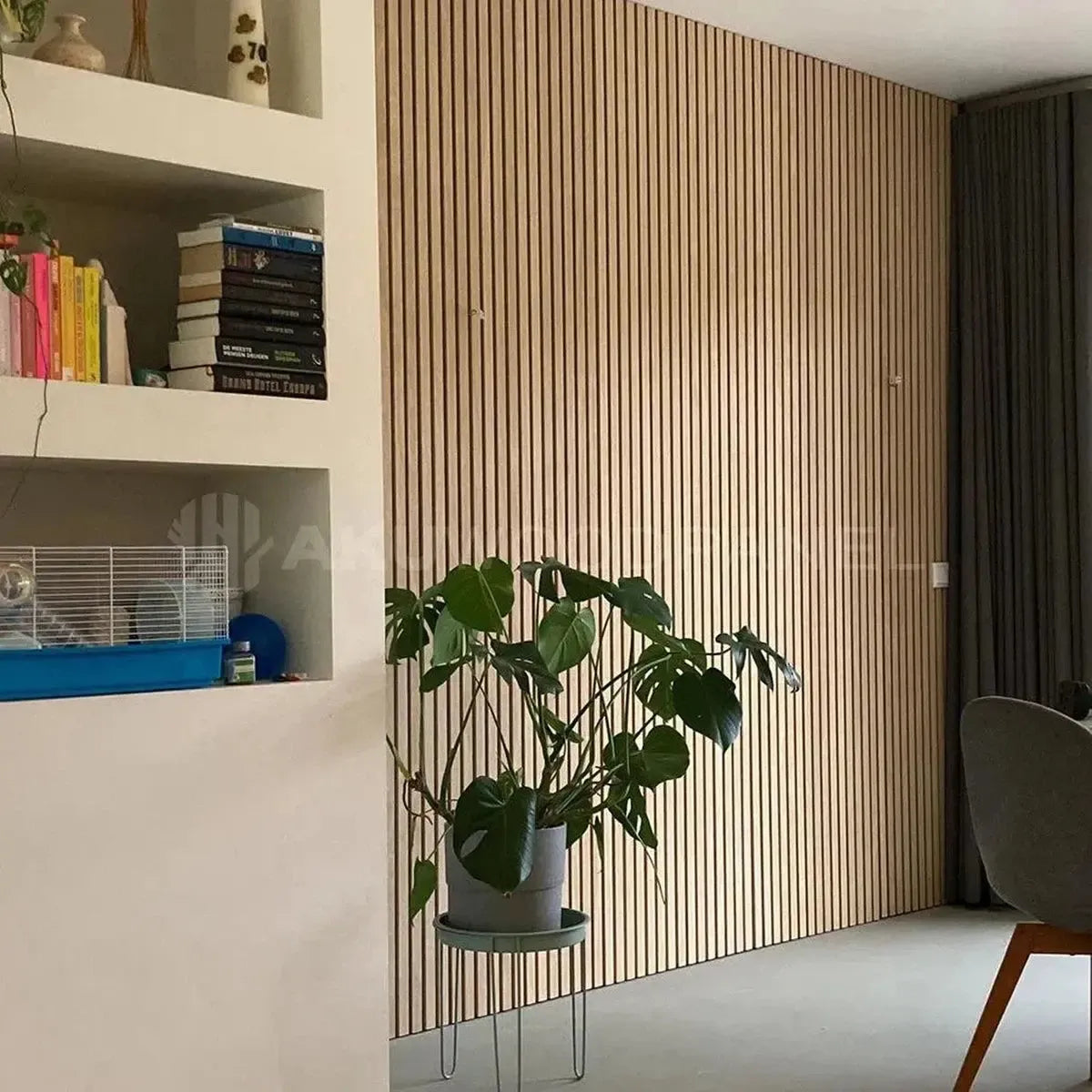
- Full light-oak coverage on knee-height walls — natural oak shows scuffs and scratches within months in a space where carriers and leashes make constant contact.
- Foam acoustic tiles marketed for offices — they handle echo but look institutional, and most aren't rated for the wipe-down cleaning a vet clinic needs daily.


Verdict comparison
| Panel | Price | Best use | Verdict |
|---|---|---|---|
| Smoked Oak with Gray Felt | $169.95 | Full seating wall | Buy |
| Hexagon Natural Oak with Gray Felt | $165.95 | Reception accent wall | Buy |
| Black Oak | $177.95 | High-traffic, scuff-prone wall | Consider |
| Natural Oak (no felt) | $169.95 | Low-traffic secondary wall only | Consider |
| Full Sample Box | $10 | Pre-purchase color check | Buy |
A quick rule before you order a full wall's worth of panels:
“If the wall gets hit by a carrier at knee height, put the dark finish there and save natural oak for the wall nobody touches.”
FAQ
What's the best acoustic panel for a veterinary clinic waiting room?
A felt-backed acoustic slat panel like Smoked Oak with Gray Felt is the best fit for most veterinary waiting rooms in 2026 because it absorbs sound and hides scuffs in one finish. Light natural oak without felt backing works only on low-contact walls.
How much NRC do vet clinics need for noise control?
Panels rated around 0.75 NRC handle most waiting room noise, since that range absorbs the mid-frequency sound of barking and conversation. Anything lower on a full wall won't cut echo enough to notice.
Are wood slat acoustic panels easy to clean in a vet clinic?
Sealed wood veneer panels wipe clean with a damp cloth and standard disinfectant. Unsealed or raw wood finishes should be avoided near reception counters since they absorb odor and stain over time.
How much do acoustic panels cost for a veterinary waiting room?
Slat and hexagon acoustic panels run $148.95 to $182.95 per box in 2026, depending on finish and felt backing. A single accent wall behind reception typically needs two to four boxes.
Do acoustic panels actually reduce the sound of barking dogs?
Acoustic panels absorb reflected sound rather than blocking the original noise at its source, so a barking dog is still audible but the echo that amplifies it across the room drops sharply. That's the difference between one dog barking and the whole waiting room sounding like a kennel.
Can acoustic wood panels handle pet hair and moisture in a clinic?
Sealed veneer panels shed pet hair with a quick vacuum pass and tolerate incidental moisture from wet coats or spills. They aren't rated for direct water exposure, so keep them away from wash-down areas.
Is a hexagon panel or a slat panel better for a small waiting room?
Hexagon panels work better as a focused accent wall behind a reception desk in a small room, while slat panels cover more linear wall space efficiently. Most small clinics use hexagon for the desk wall and skip full-room coverage entirely.
How long do acoustic wood panels last in a commercial vet clinic?
Premium 3-sided wood veneer panels are built for continuous commercial use and hold their finish under daily cleaning without special maintenance beyond routine wiping. Dark finishes like black oak show wear the slowest in high-contact zones.
One last thing
Most clinics over-plan the wall coverage and under-plan the placement. A single properly felt-backed wall behind the reception desk — not all four walls — does most of the acoustic work in a standard 12-by-16 waiting room, because that's the wall closest to where sound bounces hardest off the front counter. Save the budget for one dark, felt-backed wall done right instead of stretching a thin natural oak finish across the whole room.
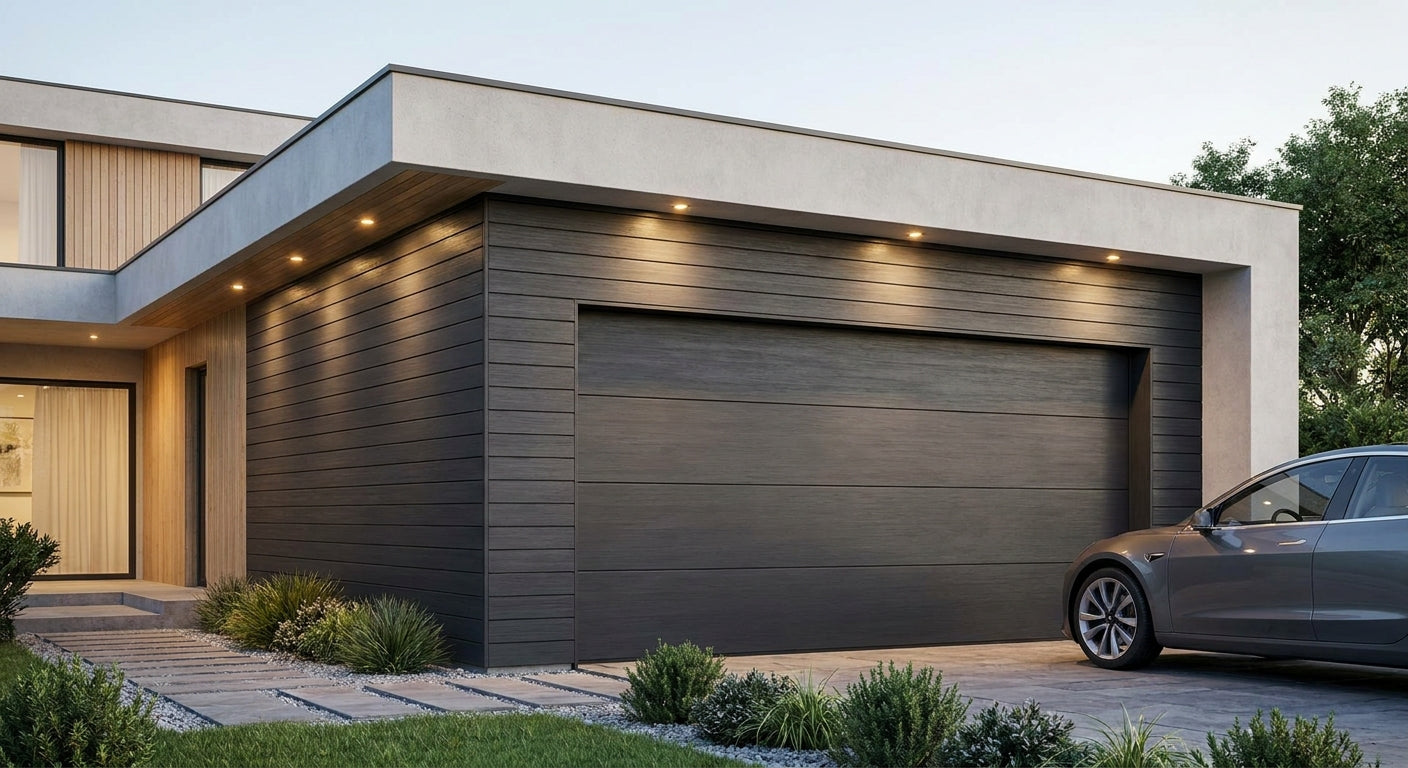


 Better performance and aesthetic appeal
 In Stock