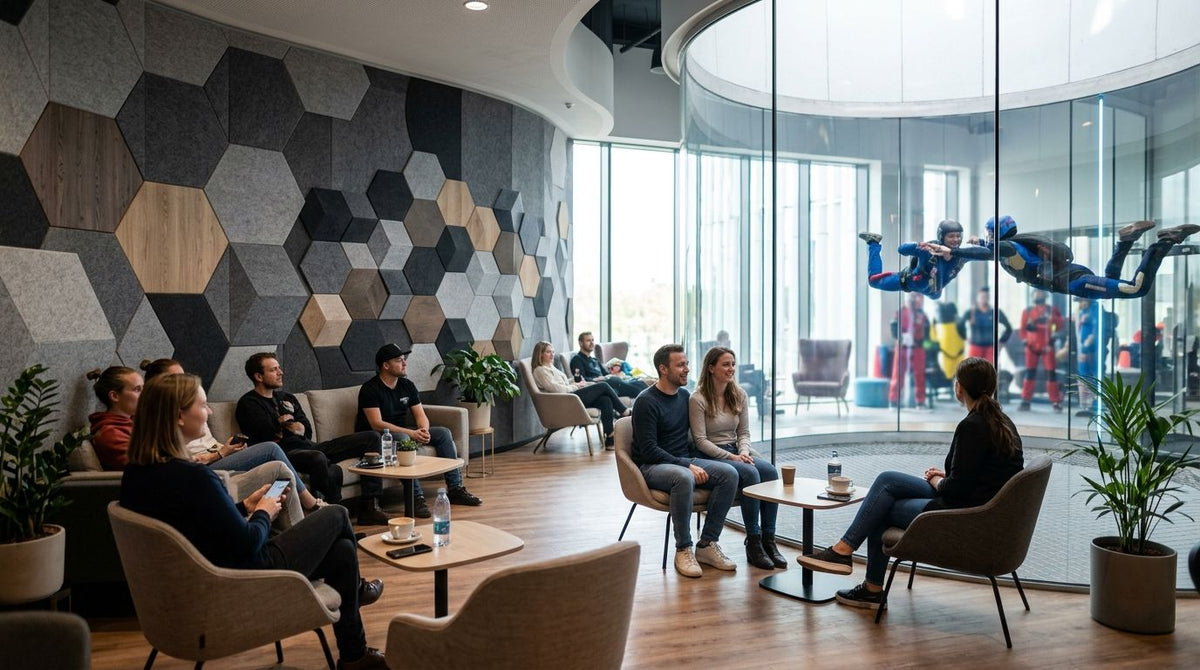
Indoor skydiving tunnel lounges need wall treatment that cuts turbine roar and wind-tunnel rumble without covering the glass everyone came to look through, and that's exactly the gap acoustic panels for indoor skydiving fill. This segment's constraint is different from a typical retail lobby: the loudest wall in the building sits a few feet from where customers wait, buy tickets, and watch flights through glass.
- Acoustic panels for indoor skydiving lounges cut turbine noise bleed into waiting and viewing areas.
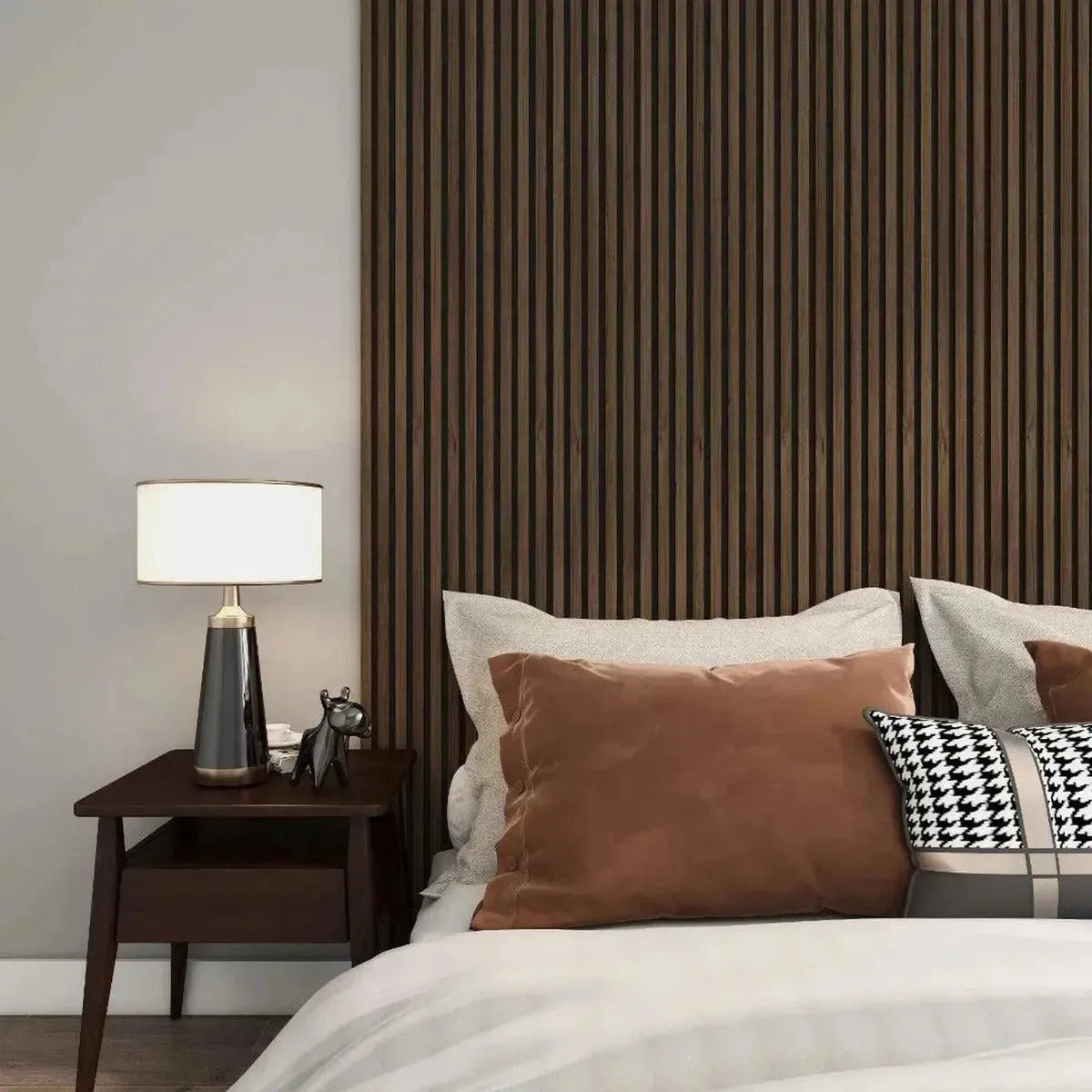
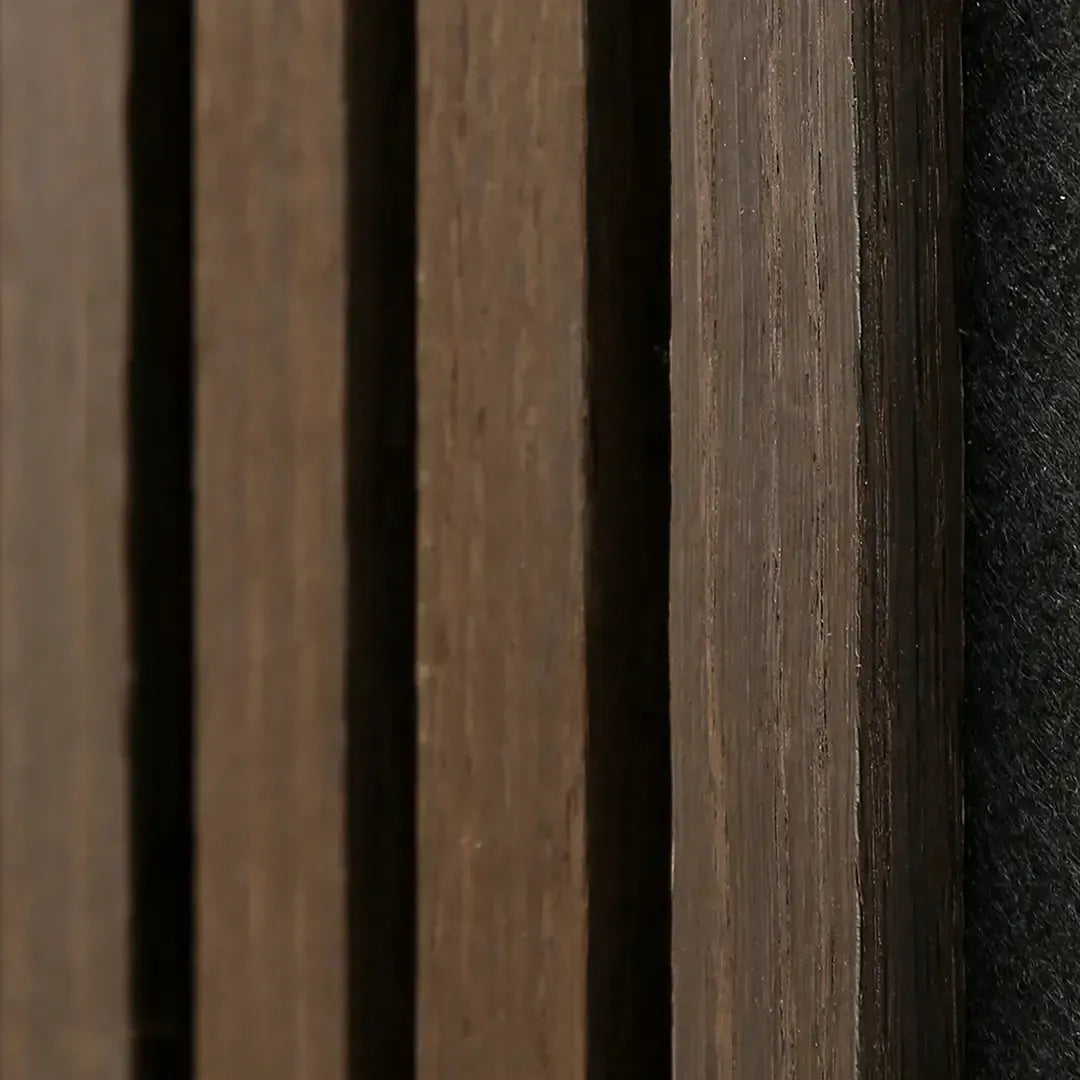
- Akuwood Panel's slat and hexagon panels use real wood veneer with felt backing for absorption plus a finished look.
- Hexagon Acoustic Panel finishes carry a documented NRC of 0.75, absorbing roughly three-quarters of sound hitting the panel.
- Foam works in back-of-house mechanical rooms in 2026 builds, not in customer-facing lounges.
- Verdict: pair slat panels on flat lounge walls with hexagon panels around the viewing gallery for full coverage.
Why acoustic panels matter for indoor skydiving tunnel lounges
Most flight chambers sit next to an observation deck separated by glass and a thin stretch of hard flooring. Sound from the turbine and airflow bleeds through concrete and glass into the lounge, and the lounge itself usually compounds the problem — tile floors, glass railings, and bare drywall reflect noise instead of absorbing it. A lounge with no sound-absorbing surface turns turbine hum into a constant background rumble that makes conversation at the check-in desk or bar genuinely difficult.
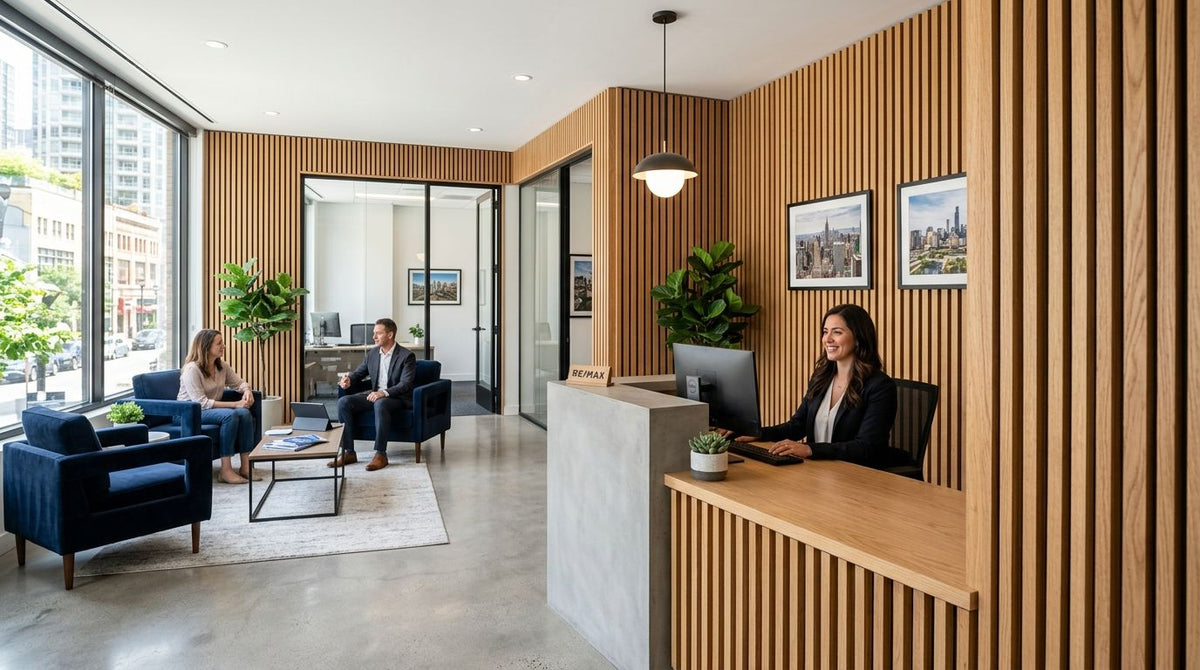
Wood veneer acoustic panels from Akuwood Panel solve this without blacking out the windows or dulling the visual energy a skydiving facility is supposed to have. The Hexagon Acoustic Panel line carries a documented NRC of 0.75 — meaning the panel absorbs roughly 75% of the sound energy that hits it instead of bouncing it back into the room. That's the kind of number worth checking before you order a wall's worth of any acoustic product in 2026.
The panels that work here do two jobs at once: they absorb sound and they read as a finished interior, not a treatment slapped on after the fact.
Update your lounge in six steps
Map the noise sources in your lounge
Walk the space during a live flight session before buying anything. Note where the racket is worst and where guests actually stand and talk.
- Flag where the flight chamber wall meets the lounge — usually the loudest zone in the building
- Mark hard-surfaced areas: tile floors, glass partitions, bare drywall
- Note high-traffic spots like the check-in desk and viewing bleachers
- Identify HVAC and turbine intake vents adding mechanical hum on top of the flight noise
- Run a phone decibel app during peak hours, not during a quiet walkthrough
Treat the largest reflective walls first
Handle the free fixes before spending on panels. Some walls will stop echoing with nothing more than soft furniture.
- Move upholstered seating away from the loudest wall
- Add rugs over tile or polished concrete floors
- Hang heavy curtains near glass viewing walls where blackout isn't required
- Re-test noise levels after these fixes, before ordering panels
- Budget panel coverage only for walls still echoing after this pass
Choose a wood veneer finish that matches the flight-deck look
This is where panels enter the plan — after the free fixes, not before them.
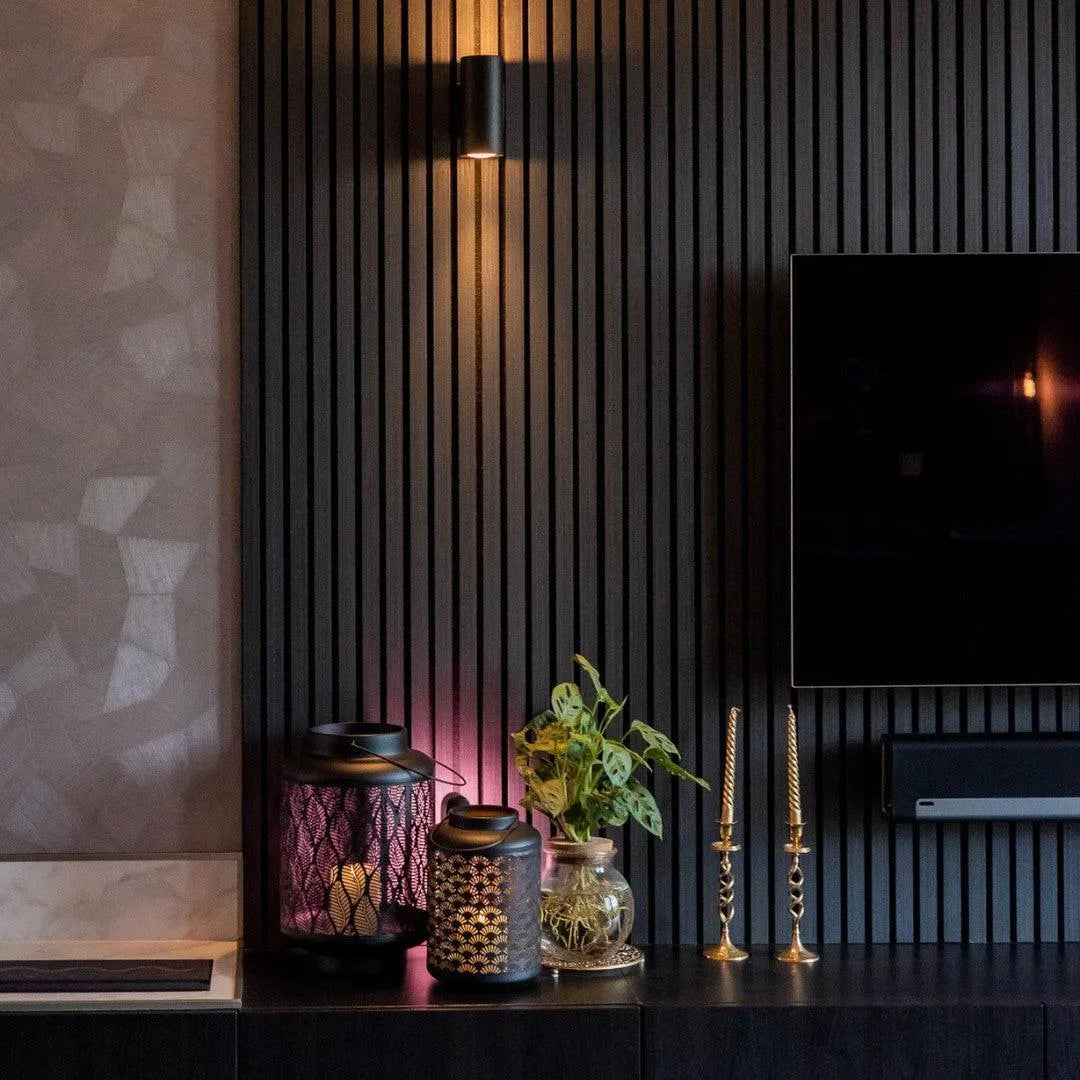
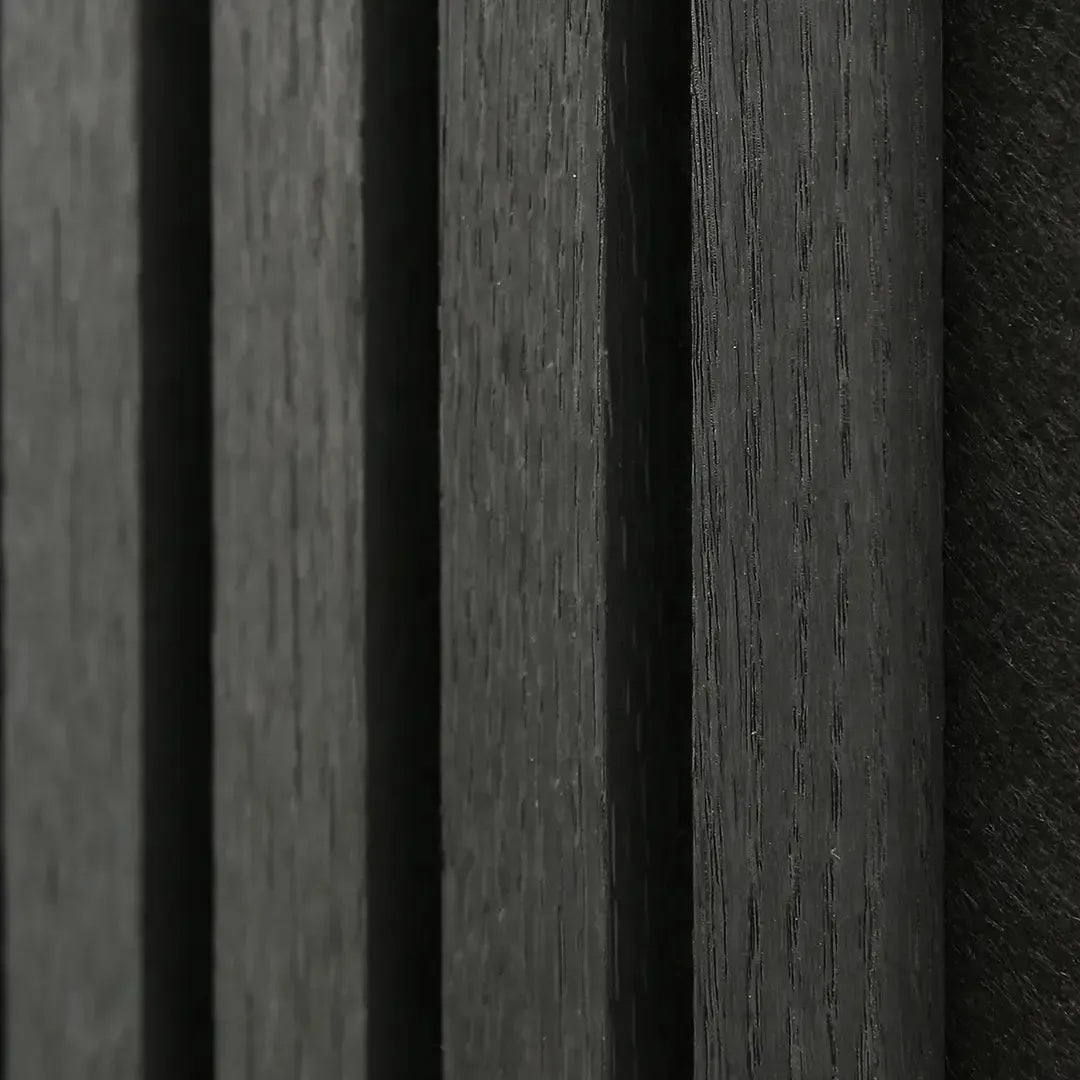
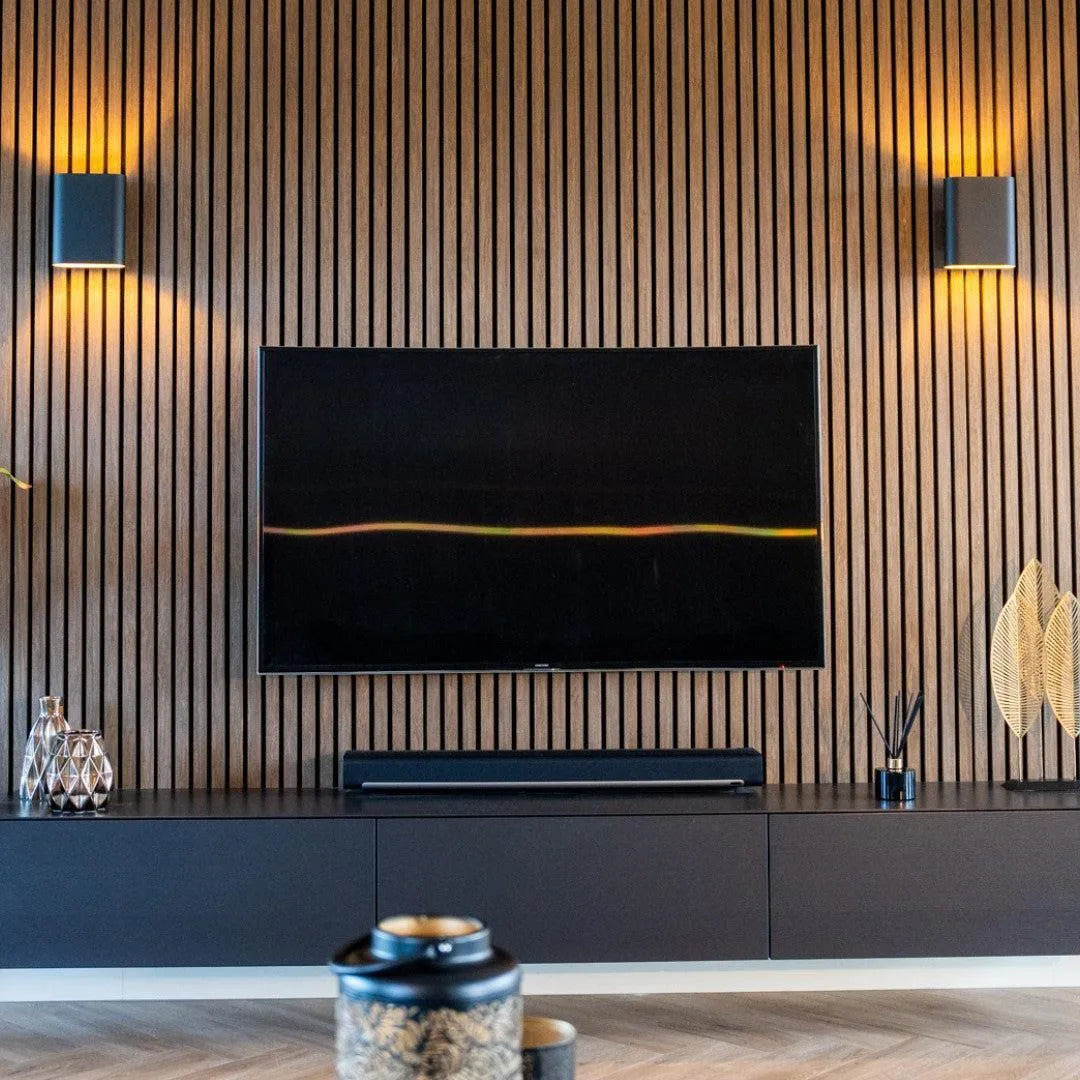
- Pick a dark, modern slat finish for walls near black-and-chrome tunnel equipment; the black oak acoustic slat panel suits that look without looking like an afterthought
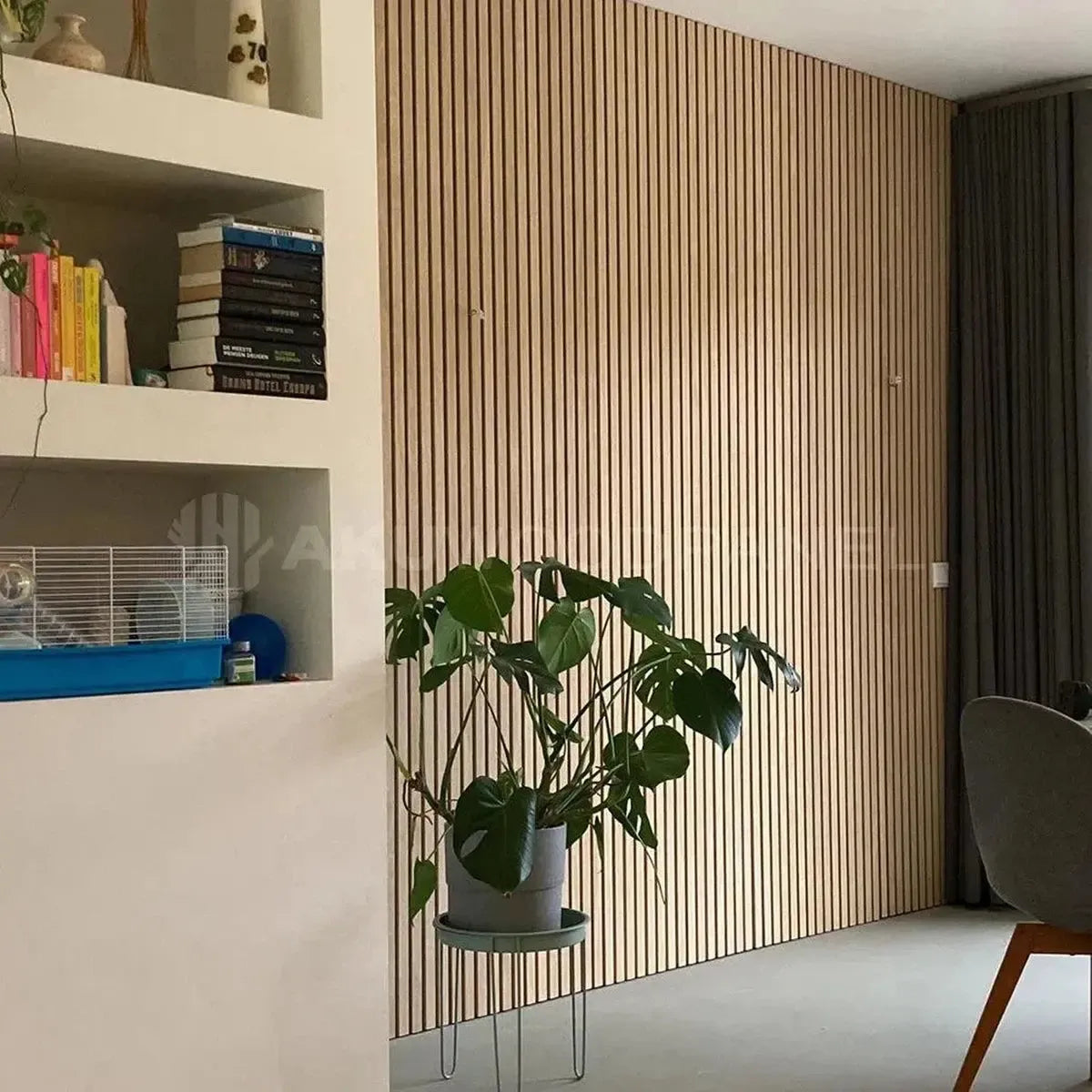
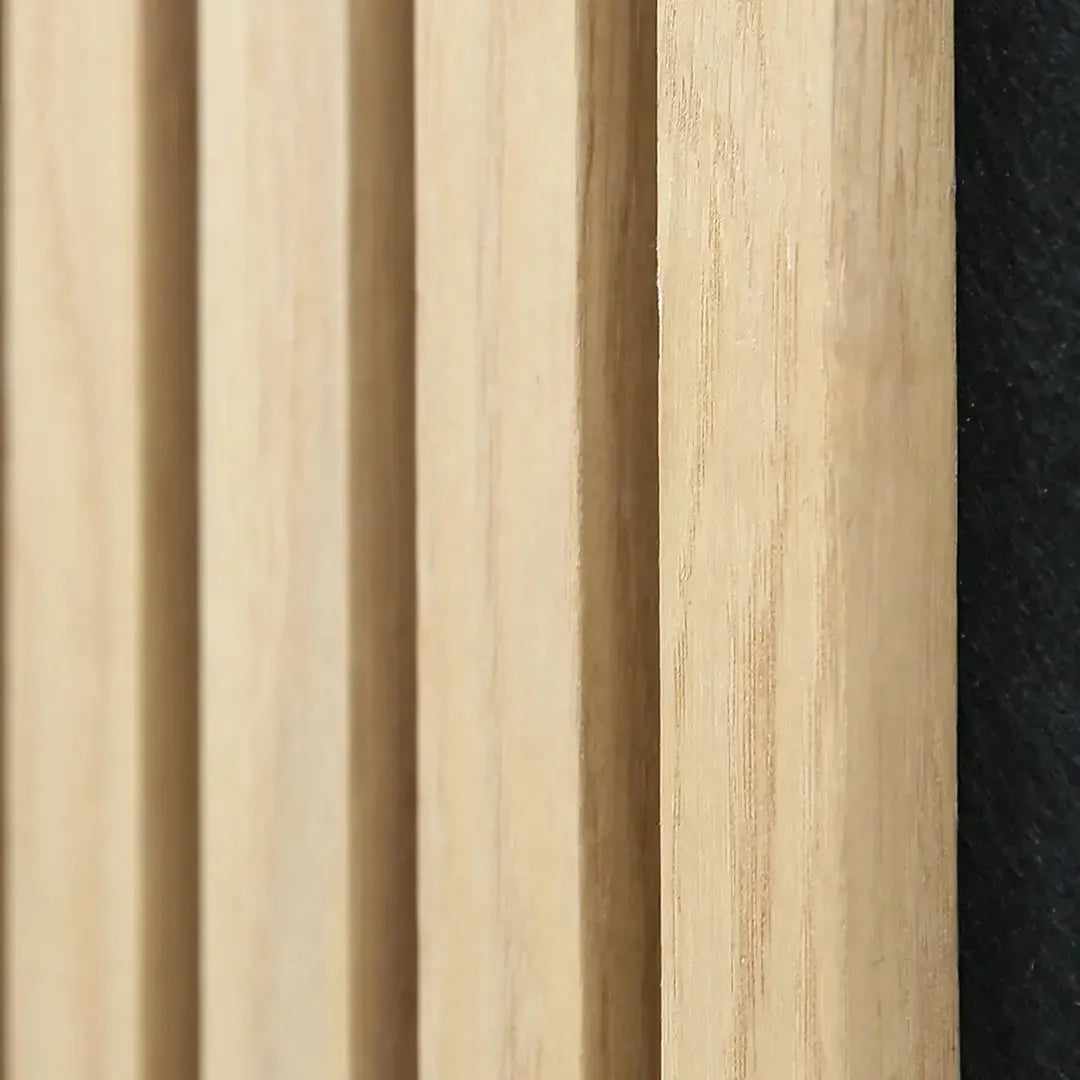
- Use lighter oak tones near natural-light viewing areas to avoid a cave effect
- Match panel tone to existing branding colors rather than defaulting to whatever's cheapest
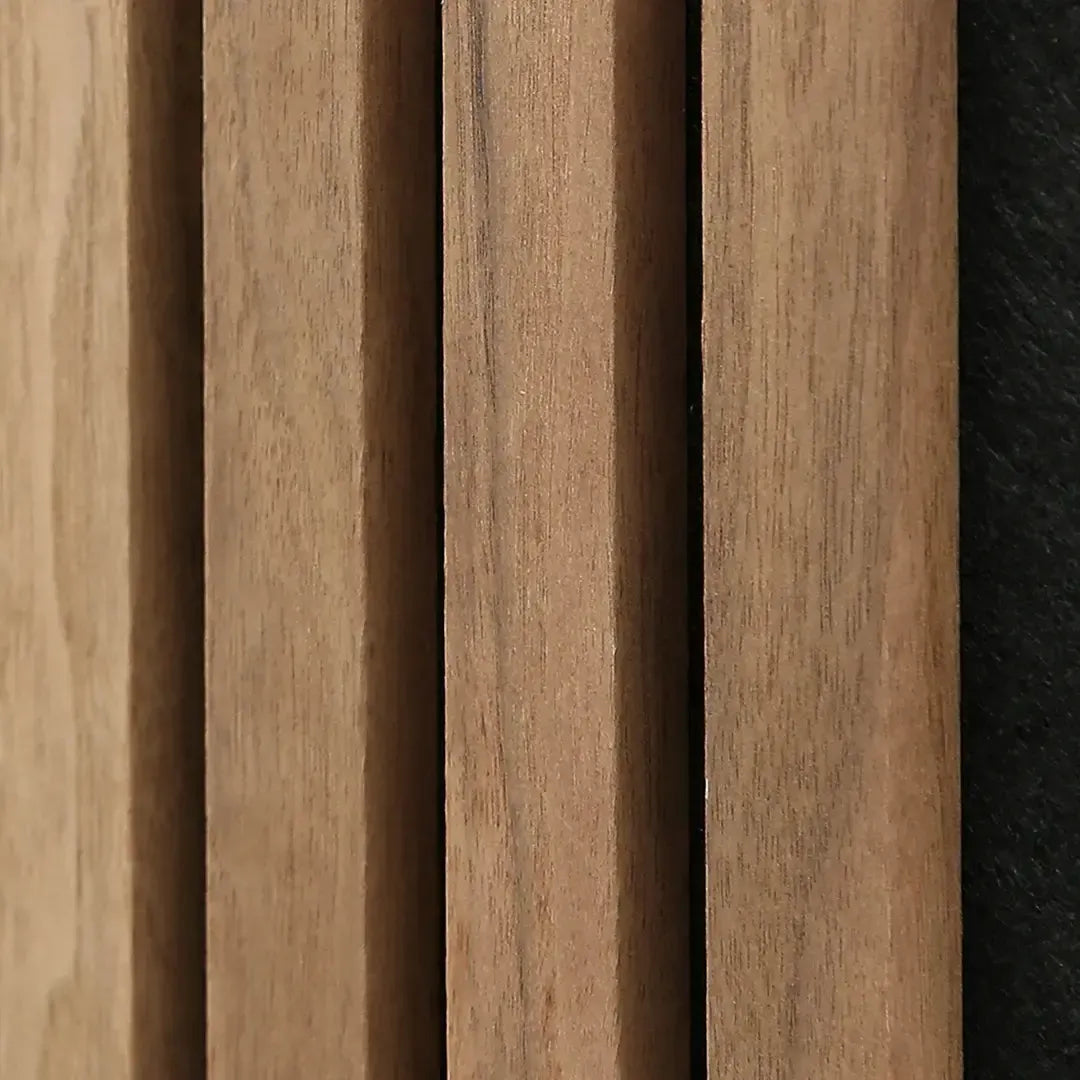
- Order a sample panel before committing — grain and tone shift under LED lighting
- Check felt-backing color (gray felt versus none) against the wall color you're pairing it with
Mount panels clear of splash, impact, and mechanical zones
Installation location matters as much as the panel choice in a lounge that runs at full capacity most weekends.
- Keep panels several inches back from turbine access panels and vents
- Avoid mounting directly behind bar taps or drink stations where spills happen
- Use furring strips or a mounting track on uneven concrete walls
- Leave clearance around fire exits and emergency signage per local code
- Route lighting or speaker wiring before the panel goes up, not after
Layer decorative hexagon panels around the viewing gallery
Slat panels handle flat walls; hexagon panels handle the accent work around glass.
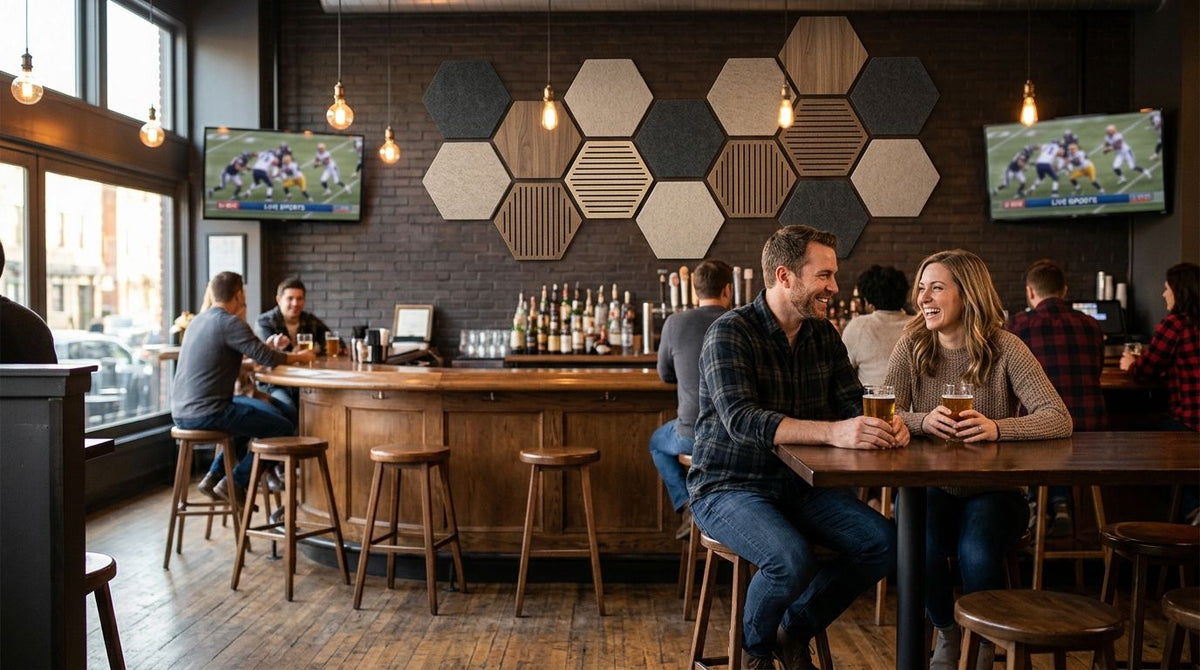
- Use hexagon acoustic panel sections to break up long, flat runs beside the viewing glass
- Alternate two tones to draw the eye away from mechanical housing near the tunnel
- Keep hexagon runs below sightline height so spectators still see the flight chamber clearly
- Group hexagon clusters near seating pods rather than spreading them evenly across the whole wall
Test after opening and adjust
A quiet pre-opening walkthrough won't tell you what a Saturday afternoon will.
- Re-run the decibel check during peak flight hours
- Add coverage to any wall still reading above comfortable conversation levels
- Watch for finish changes near turbine cooling vents, where humidity runs higher
- Log guest noise complaints for the first 90 days and treat repeat trouble spots directly


Options compared for skydiving tunnel lounges
| Option | Best for | Key benefit | Key limitation | Verdict |
|---|---|---|---|---|
| Acoustic slat wall panel (wood veneer) | Flat lounge walls behind seating | Continuous coverage, finished wood look | Needs a flat or furred-out surface | Buy for main walls |
| Hexagon acoustic panel | Viewing gallery accent walls | NRC 0.75, breaks up flat glass-adjacent runs | Covers less area per box than slat panels | Buy for accents |
| Bare drywall with hung decor | Budget-zero interim fix | No upfront cost | Reflects sound, doesn't absorb turbine hum | Skip for customer areas |
| Spray-applied acoustic foam | Back-of-house mechanical rooms | Cheap per square foot | Industrial look, wrong tone for a guest lounge | Skip for guest-facing space |
Indoor trampoline park walls face a similar problem — high-energy, high-decibel activity a few feet from customers who came to watch, not just to wait. The wall treatment logic carries over directly: absorb where the noise reflects, decorate where guests actually look.
“If guests can't hear the person next to them over the tunnel, the lounge needs absorption, not more decor.”
Common mistakes in skydiving tunnel lounges
- Treating only the flight chamber wall. The check-in desk and seating area are where guests actually complain about noise, and they're often left untreated.
- Defaulting to foam because it's familiar. Foam belongs in back-of-house mechanical rooms; it clashes with the branded, premium feel most tunnel operators want up front.
- Running panels too high on the viewing-glass wall. Blocking sightlines to the tunnel defeats the point of a viewing gallery.
- Mounting flush against turbine intake vents. Skipping clearance around mechanical equipment risks warping or trapped moisture over time.
- Under-ordering by measuring flat wall area only. Corner returns and window surrounds get missed, and teams run short mid-install — one of the most common issues in 2026 fit-outs.
FAQ
What's the best acoustic panel for an indoor skydiving tunnel lounge?
For lounges needing coverage plus a finished look, Akuwood Panel's wood veneer slat panels handle flat walls near seating, while hexagon panel finishes suit accent walls around the viewing gallery. Hexagon panels carry a documented NRC of 0.75, absorbing roughly three-quarters of the sound striking them. Slat panels cover more wall area per box, which makes them the better pick behind bars and reception desks.
Do acoustic wood panels actually reduce turbine noise in a skydiving lounge?
Yes, but only on the surfaces they cover — panels absorb sound reflecting off the wall they're mounted to; they don't block noise transmitted through the shared wall with the flight chamber. Treating the lounge-side walls with felt-backed panels reduces the echo that makes turbine hum feel louder than it actually is.
Is real wood veneer better than foam for a customer-facing lounge?
For customer-facing space, yes — wood veneer panels hold a finished, branded look that foam doesn't, and they double as wall decor. Foam belongs in back-of-house mechanical rooms, not in the area where guests wait and watch flights.
How much wall coverage does a skydiving lounge need for noticeable noise reduction?
There's no universal square-footage rule — coverage depends on ceiling height, glass area, and proximity to the flight chamber wall. Start with the wall shared with the tunnel and any hard-surfaced walls flagged during a walkthrough, then re-test after that first pass.
Can hexagon acoustic panels go around a glass viewing wall?
Yes, hexagon panels work well framing a glass viewing wall as long as they stay below sightline height so spectators can still see the tunnel. Running them too high blocks views and defeats the point of a viewing gallery.
Do wood acoustic panels need a fire rating for a commercial skydiving facility?
Commercial installs typically require checking local fire code before installation, since requirements vary by jurisdiction and building type. Confirm the rating needed with your local authority before ordering panels for a public-facing venue in 2026.
How do I know if my lounge needs more acoustic treatment after installing panels?
Re-test decibel levels during peak flight hours, not during a quiet walkthrough, since turbine noise and crowd noise compound during busy sessions. If conversation at the reception desk is still difficult, add panel coverage to the next-loudest wall.
What's the difference between slat and hexagon acoustic panels for this use case?
Slat panels run in long horizontal or vertical runs and cover more square footage per box, which makes them efficient for flat lounge walls. Hexagon panels come in smaller geometric pieces suited to accent walls and viewing galleries where a decorative break matters more than raw coverage.
One last thing
Order a sample before committing to a full lounge wall. Akuwood Panel's sample box ships in three finishes so you can hold Natural, Smoked Oak, and Walnut against your lounge's LED lighting before locking in a 2026 install — grain and tone read differently under tunnel lighting than they do in daylight photos.
 Better performance and aesthetic appeal
 In Stock