Acoustic panels for sports bar interiors cut the shouting-over-the-game noise that comes from hard floors, bare drywall, high ceilings, and a wall of flat-screen TVs all competing for the same air. A sports bar has a specific acoustic problem: multiple audio sources running at once, a crowd that gets louder every time someone scores, and almost no soft surfaces to soak any of it up.
- Acoustic panels for sports bar interiors work best on the TV wall and the bar-back wall, where echo peaks hardest.
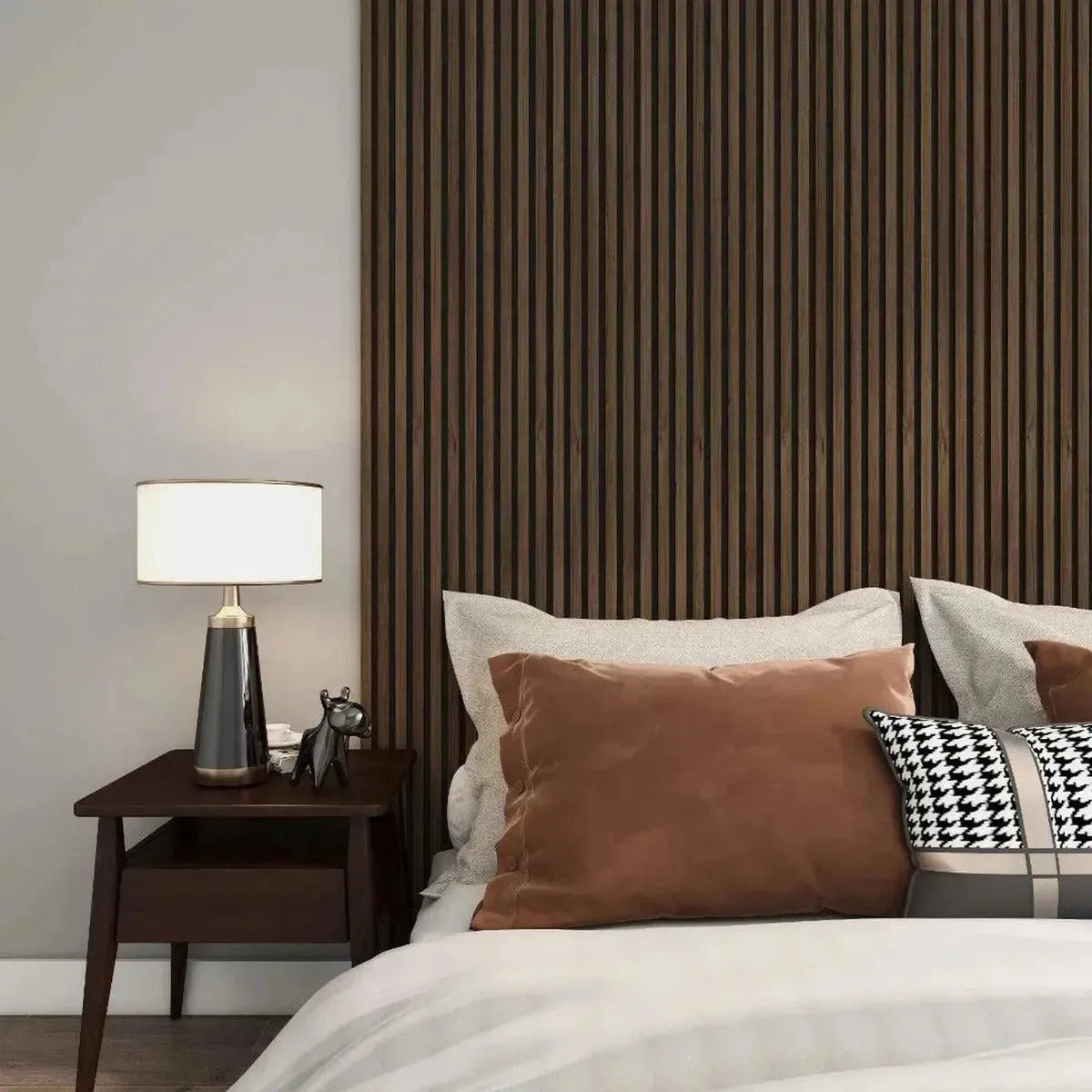
- Wood slat panels in Black Oak or Smoked Oak match dark sports bar finishes while cutting reverberation off hard walls.
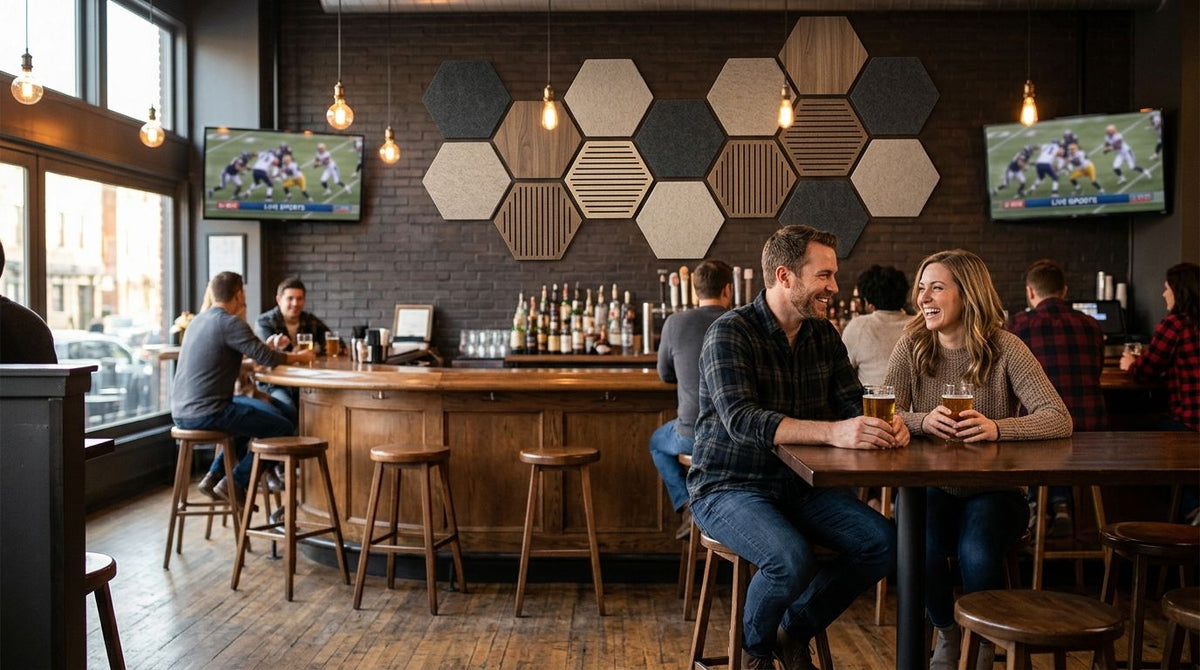
- Hexagon acoustic panels carry an NRC of 0.75 per the manufacturer spec, useful for spot-treating booth walls.
- Budget acoustic treatment into a bar renovation before the drywall goes up, not after the paint has dried.
Why acoustic panels matter for sports bars
A sports bar layout works against you acoustically. Concrete or LVT flooring, a bank of TVs each running its own commentary track, and a room built to hold a loud, standing crowd on game night means sound has nowhere to go but back at your customers. That's the exact environment Akuwood Panel gets asked about most often for commercial fit-outs — a room where people already have to raise their voice to order a beer.
Unlike a quiet dining room, a sports bar can't rely on carpet or heavy drapery to solve the problem — those surfaces get destroyed by spilled beer and foot traffic within a season. Wood-faced acoustic panels with a felt or fiber backing solve the same reverberation problem while standing up to a bar's abuse. That's the specific fit this segment needs: sound absorption plus a finish that wipes clean, in 2026 or any year after.
Map the noise sources in your sports bar
Before ordering anything, walk the room and note where sound actually originates and where it bounces.
- Hard flooring — concrete, tile, or vinyl plank that reflects sound instead of absorbing it
- Bare drywall behind the bar and along booth walls
- High or vaulted ceilings common in converted warehouse or strip-mall spaces
- A bank of flat-screen TVs each running audio at the same time
- Packed booths and high-top tables with no soft furniture nearby
Target the loudest walls first
You don't need to panel every wall in the building to notice a difference — start where the echo is worst.
- The wall directly behind the main TV bank, which reflects commentary audio straight back into the room
- The bar-back wall facing the seating area
- Any wall directly opposite hard flooring with no furniture between
- Corners, where sound bounces twice before it reaches a customer's ear
- Walls close to ceiling or wall-mounted speakers
Choose a wood veneer that matches your bar's finish
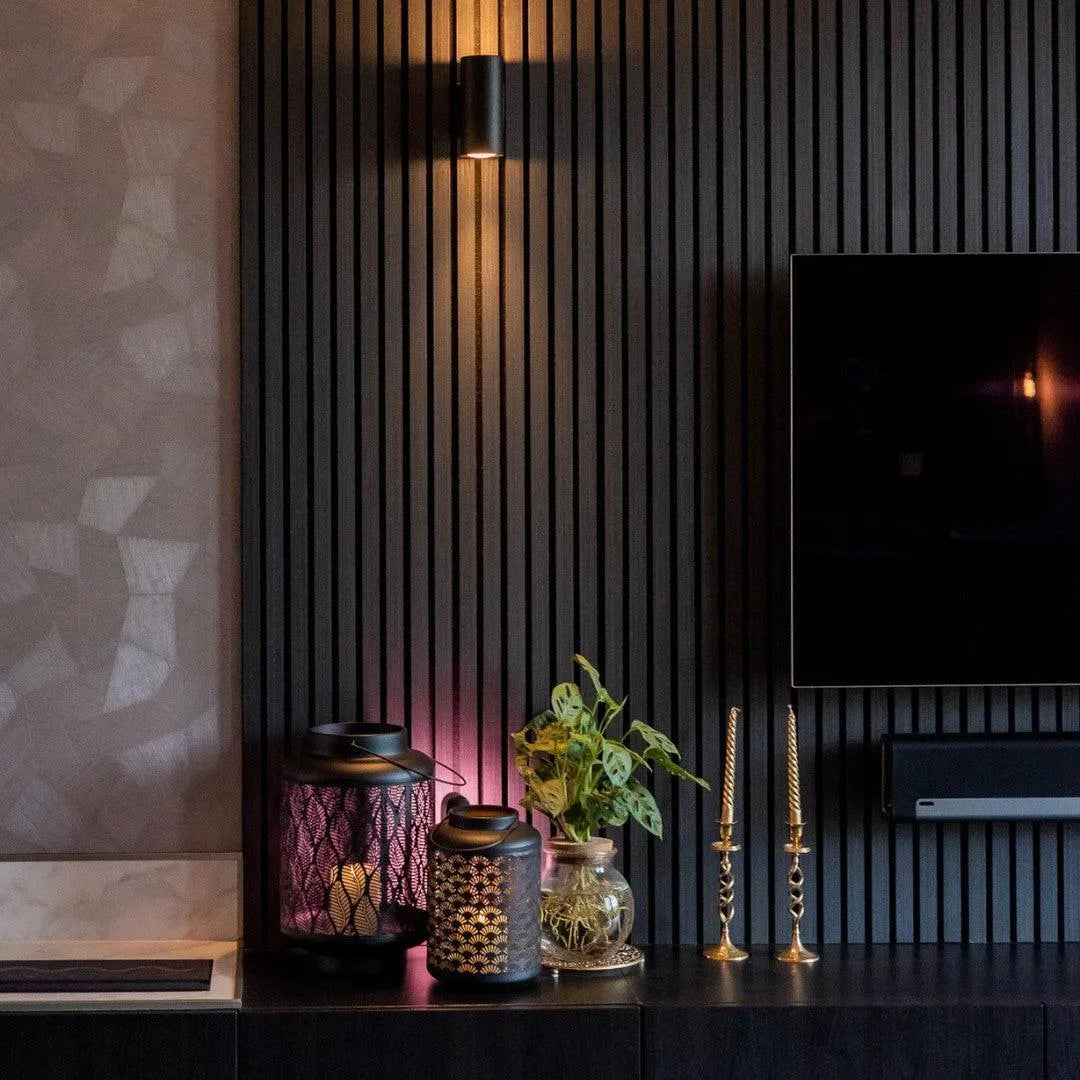
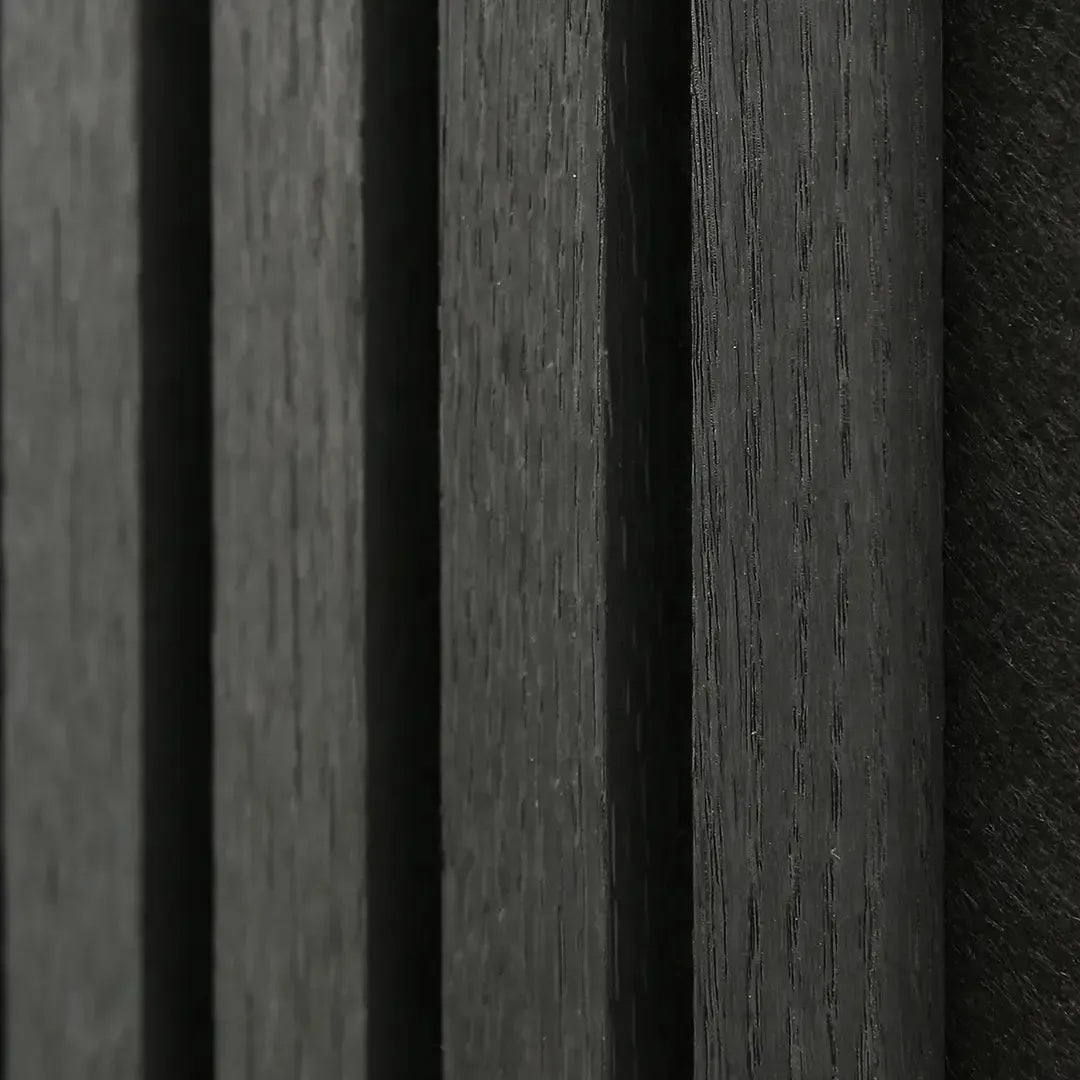
Most sports bars lean dark — black trim, dark wood, low lighting — so the panel finish has to work with that palette instead of fighting it. Acoustic Slat Wall Panel Black Oak works for a moody, dark sports bar interior, while Smoked Oak splits the difference between dark and warm without going fully black.
- Dark finishes hide fingerprints, grease, and general bar-top grime better than pale wood
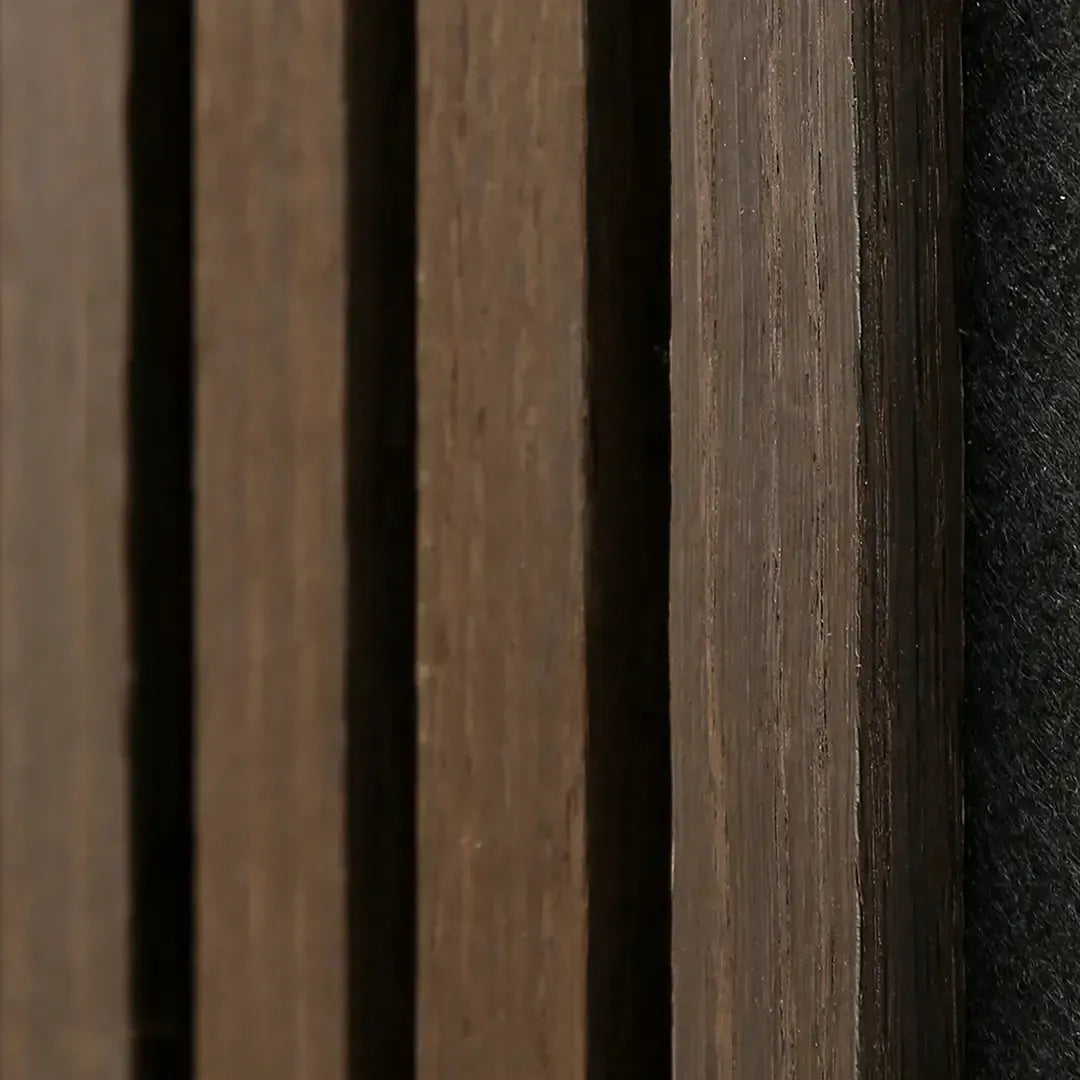
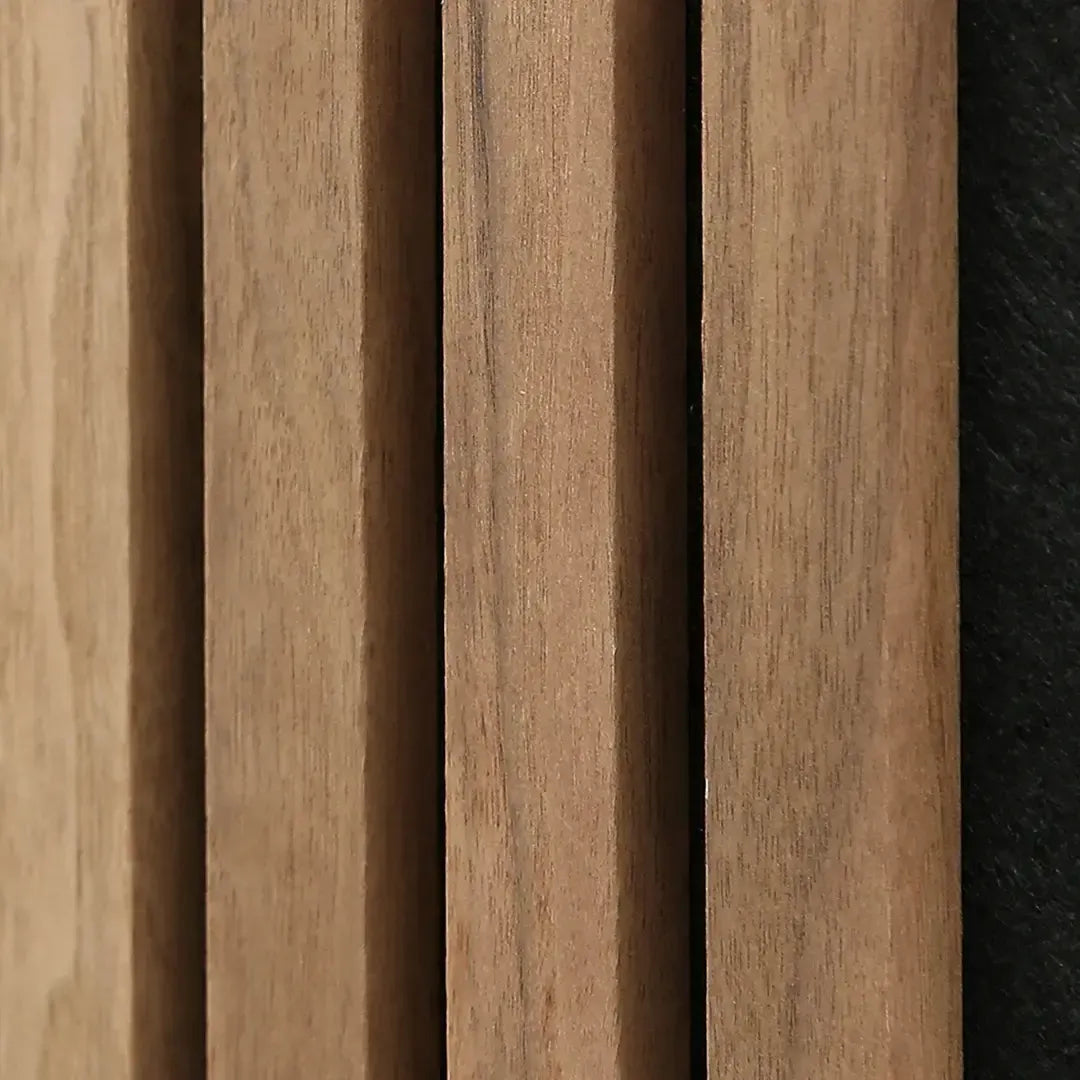
- Acoustic Slat Wall Panel Black Oak uses a real 3-sided wood veneer rather than a printed laminate
- Smoked Oak reads warmer under string lights or neon signage than a flat black finish
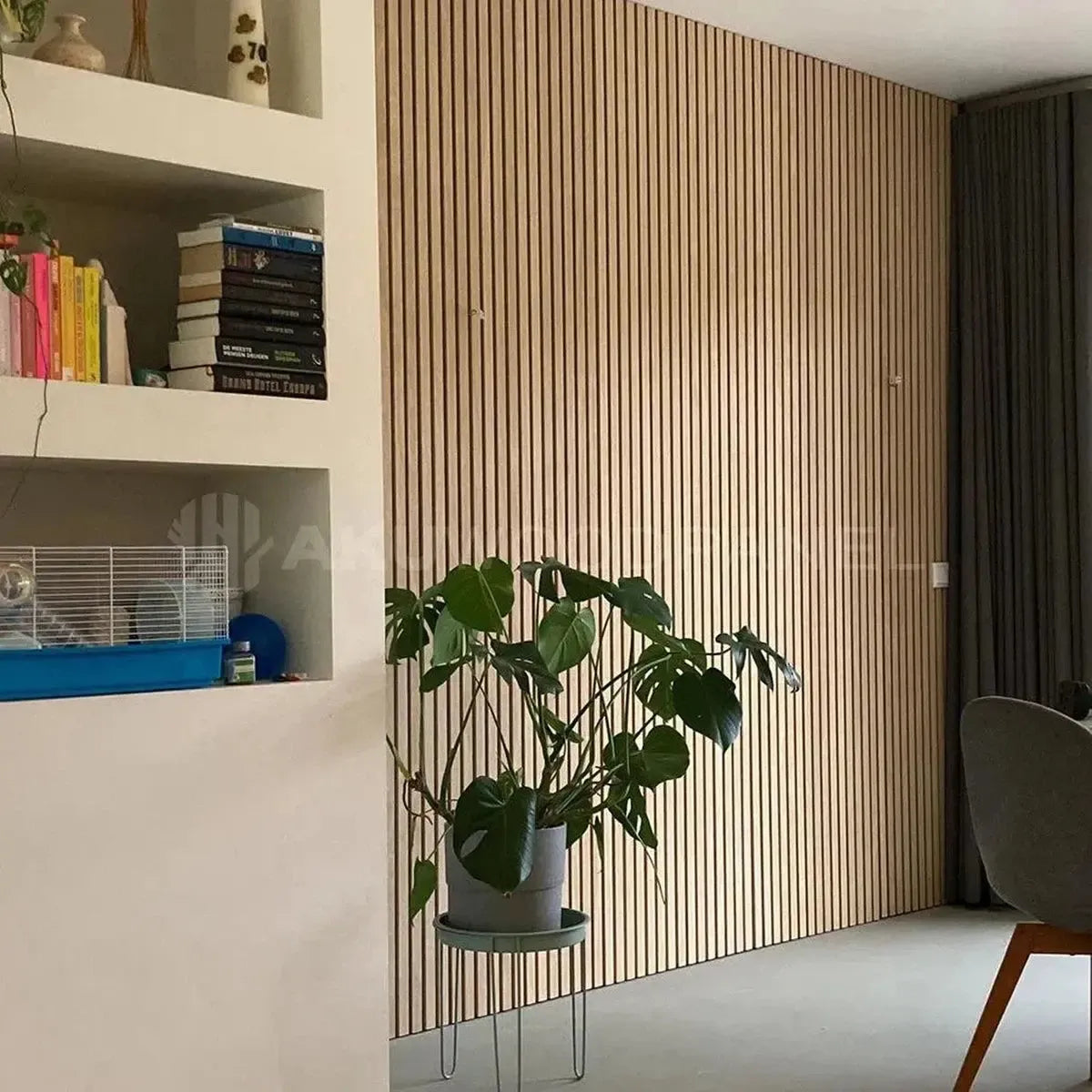
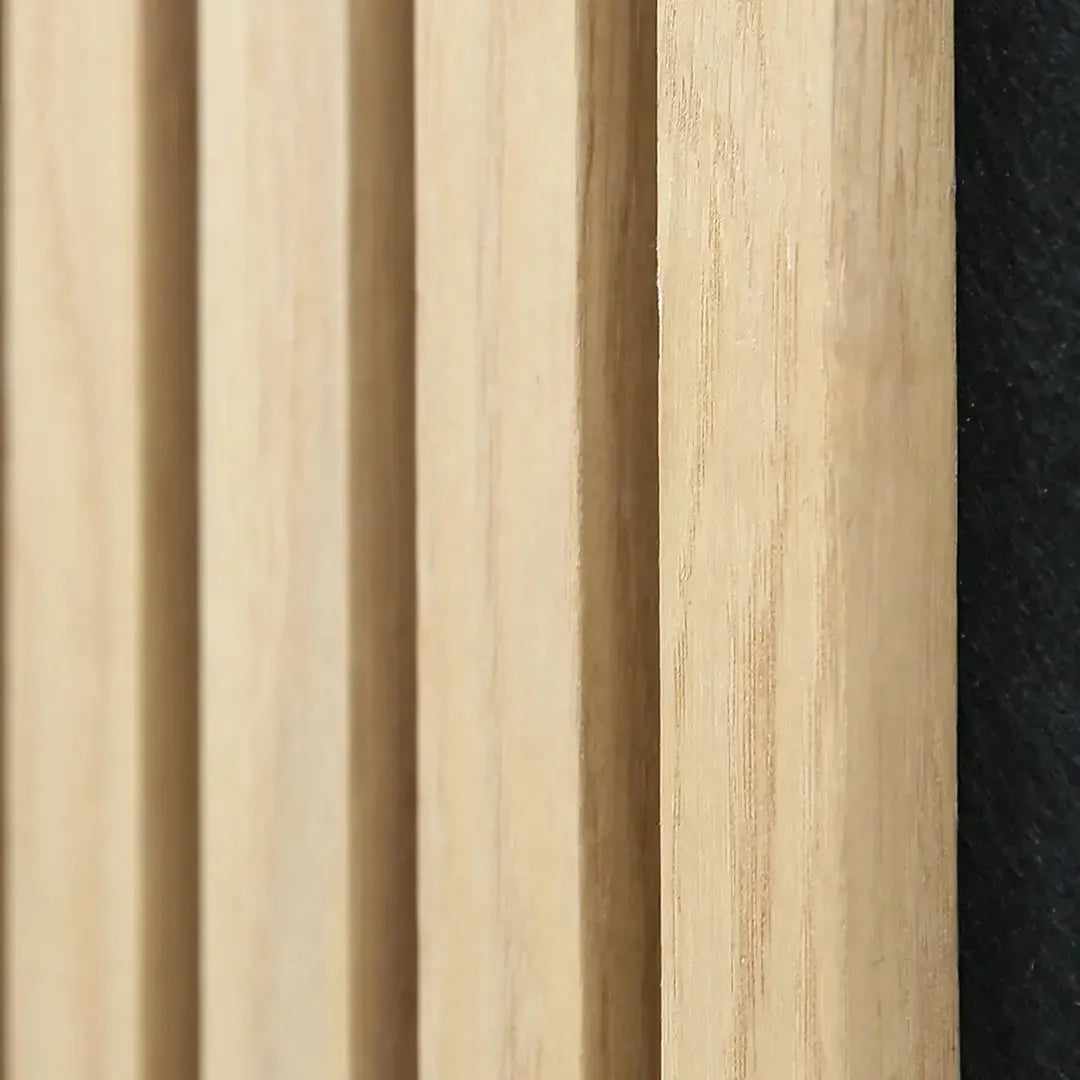
- Natural Oak or Walnut fit sports bars going for a craft-beer, less-industrial look
- Felt-backed versions add a visible texture break that reads as intentional design, not a retrofit
Mix slat and hexagon panels for wall texture
A single unbroken run of slat panels down one long wall looks like an afterthought. Breaking up the wall with a second panel shape reads as a designed feature, not a sound-dampening patch job.
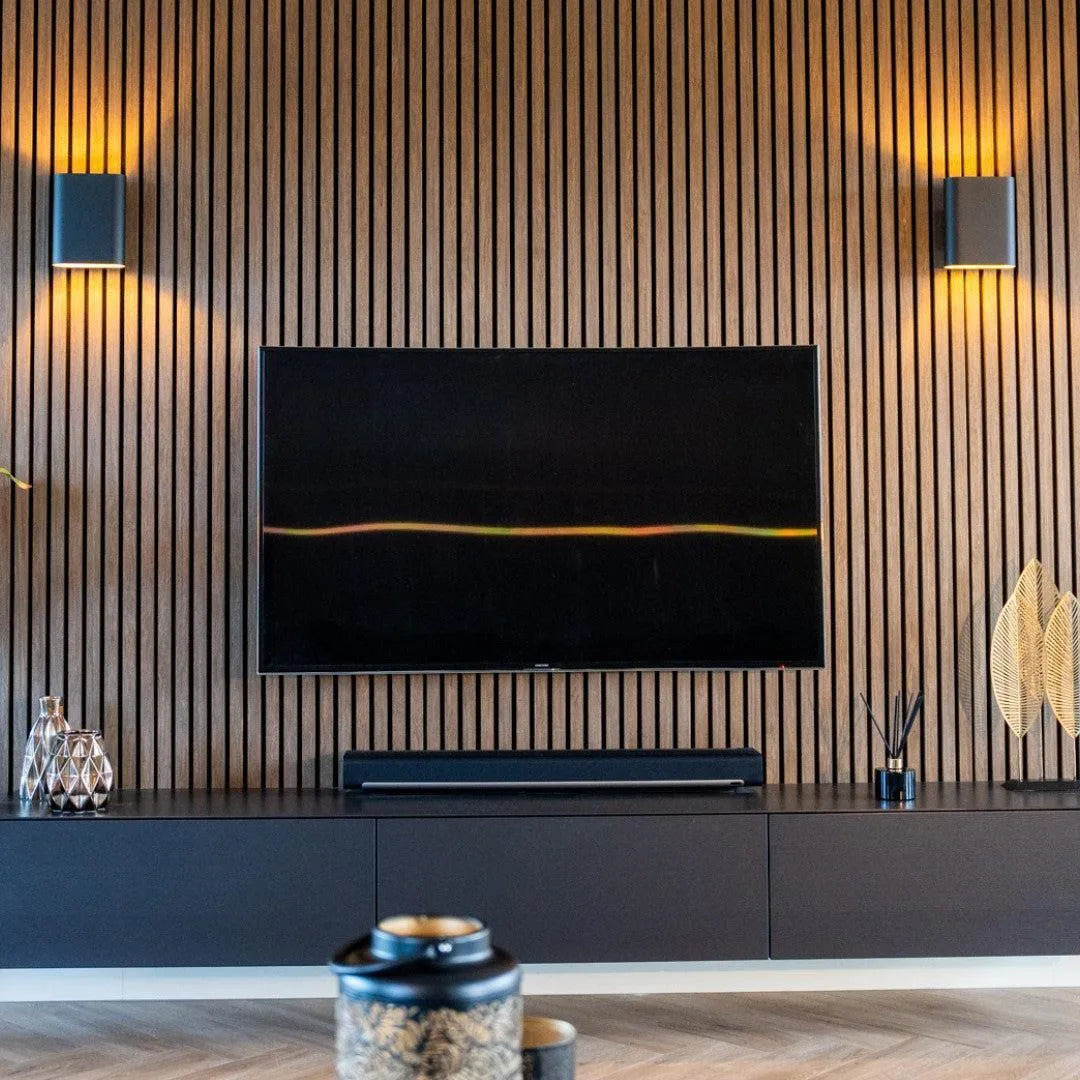
- Run slat panels behind the bar for a continuous, linear look
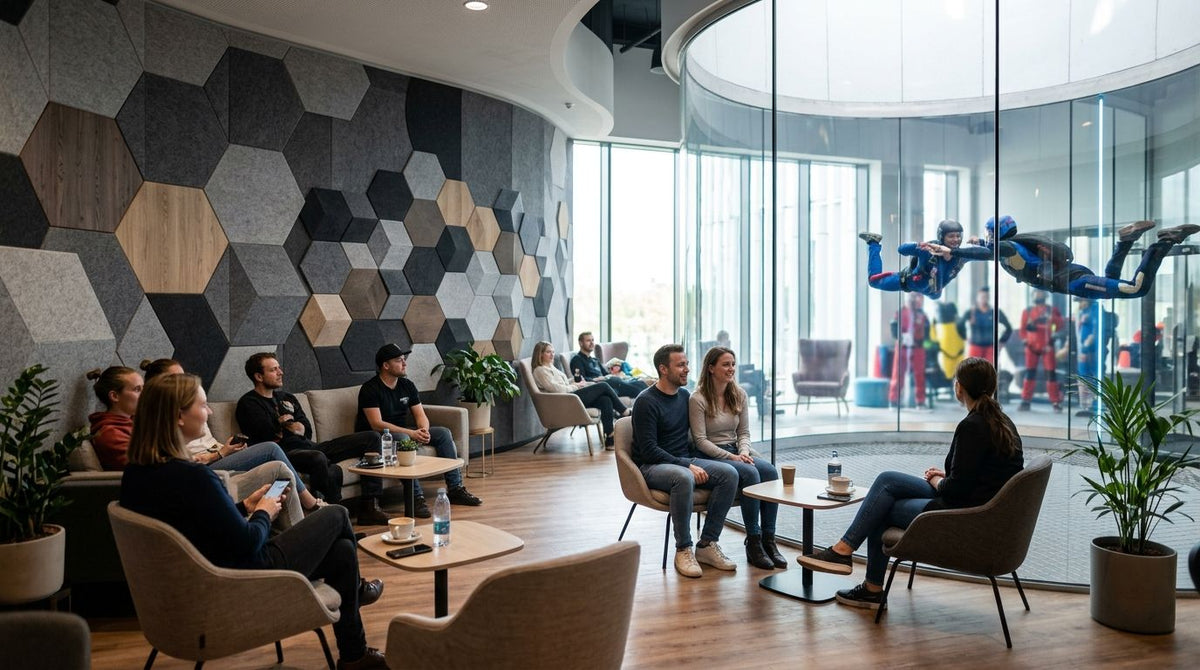
- Use hexagon panels around booth seating or a feature column to break up flat surfaces
- Fluted wall panels work well wrapping a support column near the entrance
- Keep panel direction consistent on each wall — mixing horizontal and vertical slats on the same plane looks unplanned
- Leave a visible reveal or trim line where two panel types meet


Install panels around TVs and speaker zones
TV walls generate the most reflected audio in a sports bar, so panel placement matters most right there.
- Frame the TV bank with panels rather than covering only the space directly behind each screen
- Leave clearance around wall-mounted speakers so panels don't muffle the intended sound path
- Extend panels a few feet past the edge of the TV wall to catch side reflections
- Treat the ceiling directly above the TV wall in rooms with exposed or vaulted ceilings
- Avoid mounting panels flush against a mirror or glass surface, which just reflects sound back
Budget the acoustic treatment as part of a reno
Acoustic panels get cut from the budget when they're treated as decoration instead of a fix for a known problem. Price the wall treatment alongside flooring and lighting, not after those line items are locked.
- Get panel quantity and wall square footage locked before finalizing electrical and TV mounting positions
- Phase treatment to the highest-noise walls first if the full room can't be done at once
- Order a sample box before committing to a full wall so the finish gets checked under your actual bar lighting
- Factor install labor into the same budget line as the panels themselves
- Revisit the plan if the layout changes — a moved TV bank means moved panel coverage
Maintain panels in a high-traffic, high-spill environment
A sports bar wall gets hit with spilled beer, wing sauce, and constant hand contact near booths — plan cleaning into the install, not as an afterthought.
- Wipe wood veneer surfaces with a damp cloth rather than soaking them
- Keep felt-backed panels away from direct splash zones near the tap line
- Inspect end pieces and trim edges near booth seating, where the most contact happens
- Address any loose panel section immediately — a gap invites more wear at the seam
- Avoid harsh solvent cleaners on the wood veneer finish
Comparing panel options for a sports bar wall
| Option | Best for | Key limitation |
|---|---|---|
| Acoustic slat wall panels (walnut, oak, black oak, smoked oak) | Long runs behind the bar or TV bank | Full wood veneer needs a flat, dry substrate underneath |
| Hexagon acoustic panels | Breaking up booth walls and columns | Coverage math is trickier than a straight slat run |
| Fluted wall panels | Wrapping columns and bar-front cladding | Grooved profile absorbs less directly than a felt-backed slat |
| Standard fabric-wrapped foam panels | Low-visibility walls with tight budgets | Fabric face tears and stains fast under bar traffic |
Acoustic Slat Wall Panel in Black Oak or Smoked Oak is the strongest verdict for a sports bar TV wall in 2026 — real wood veneer holds up to bar-level wear better than a fabric-faced foam panel, and the dark finish matches the moody look most sports bars already go for.
Common mistakes sports bars make with acoustic panels
- Treating only the TV wall and ignoring the ceiling — in a room with 12-foot or vaulted ceilings, untreated overhead surfaces keep bouncing sound down into the crowd
- Buying thin foam panels sight unseen online because they're the cheapest option, then replacing them within a year once bar traffic tears the fabric face
- Installing panels flush against speaker mounts without clearance, which muffles the exact audio the TV wall is supposed to deliver
- Skipping a sample order and committing to a full wall of a finish that looks different under bar lighting than it did in a product photo
- Waiting until after the reno is finished to think about acoustics, which means retrofitting panels around already-mounted TVs and fixtures
FAQ
What are the best acoustic panels for a sports bar?
Wood-faced slat panels with a felt or fiber backing, such as Acoustic Slat Wall Panel in Black Oak or Smoked Oak, work best for sports bar TV walls and bar-back walls in 2026. They combine real sound absorption with a finish tough enough for bar-level wear.
Do acoustic panels actually reduce noise in a bar?
Yes — panels with a felt or fiber backing absorb sound energy instead of reflecting it, which cuts the echo that builds up on hard-surfaced walls. Hexagon acoustic panels in this category carry a manufacturer-rated NRC of 0.75.
Where should acoustic panels go in a sports bar?
Start with the wall behind the main TV bank and the bar-back wall, since those reflect the most audio directly into the seating area. Corners and walls opposite hard flooring are the next priority.
Is wood veneer or foam better for a sports bar wall?
Wood veneer slat and hexagon panels hold up better to spills, grease, and constant hand contact than fabric-wrapped foam panels, which tear and stain fast in a bar environment. Foam works only on low-visibility walls with minimal contact.
Can acoustic panels be mixed with TVs and speakers on the same wall?
Yes, as long as clearance is left around speaker mounts so the panel doesn't muffle the intended sound path. Panels should frame the TV bank rather than sit directly against speaker hardware.
How many acoustic panels does a sports bar wall need?
Coverage depends on wall square footage and which walls carry the most noise — the TV wall and bar-back wall should be prioritized before spreading panels to lower-impact walls. A sample box helps confirm finish and spacing before ordering full coverage.
Do dark acoustic panels work in a sports bar?
Black Oak and Smoked Oak finishes suit the dark, low-lit look most sports bars already use, and dark finishes hide fingerprints and grime better than pale wood. Natural Oak or Walnut fit a lighter, craft-beer style bar instead.
Should acoustic panels be installed before or during a bar renovation?
Panels should be priced and planned alongside flooring, lighting, and TV mounting during a renovation, not added afterward. Retrofitting panels around already-mounted TVs and fixtures costs more and limits placement options.
One last thing
Most sports bar owners fixate on the TV wall and stop there — the ceiling above it usually gets ignored, and in a room with 12-foot-plus ceilings that untreated overhead surface keeps bouncing crowd noise straight back down onto the same TV wall you just paneled. Treat the ceiling section directly above the loudest wall before calling the job finished, and order a sample box first so the finish gets checked under your bar's actual lighting instead of a product photo.
 Better performance and aesthetic appeal
 In Stock