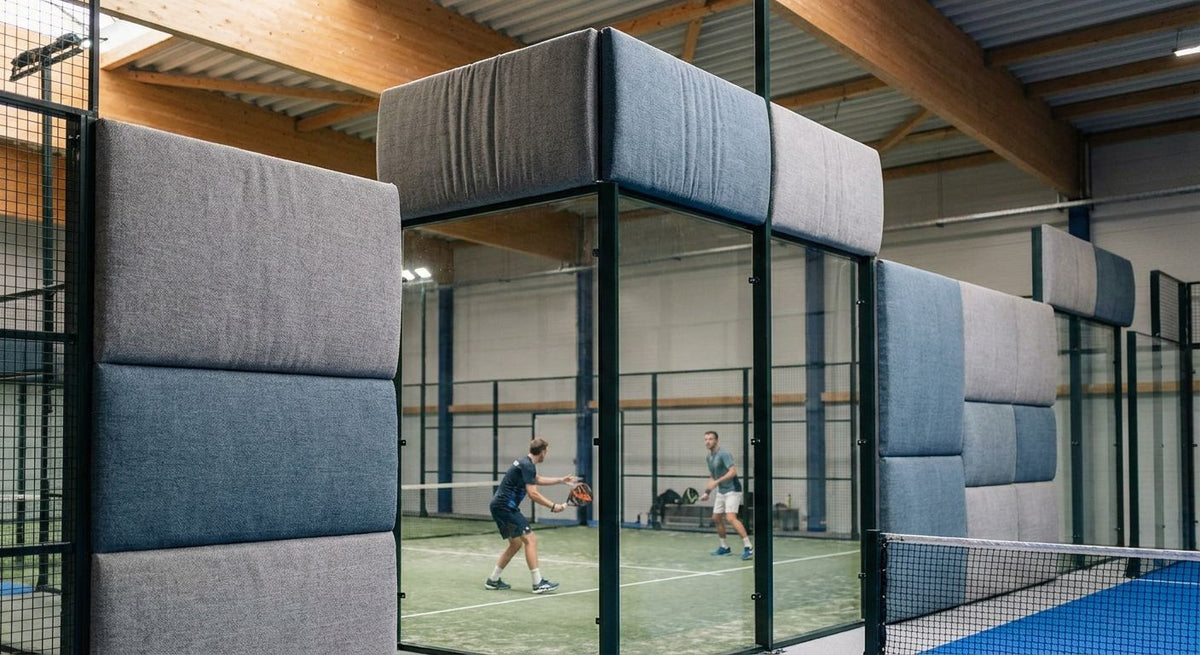
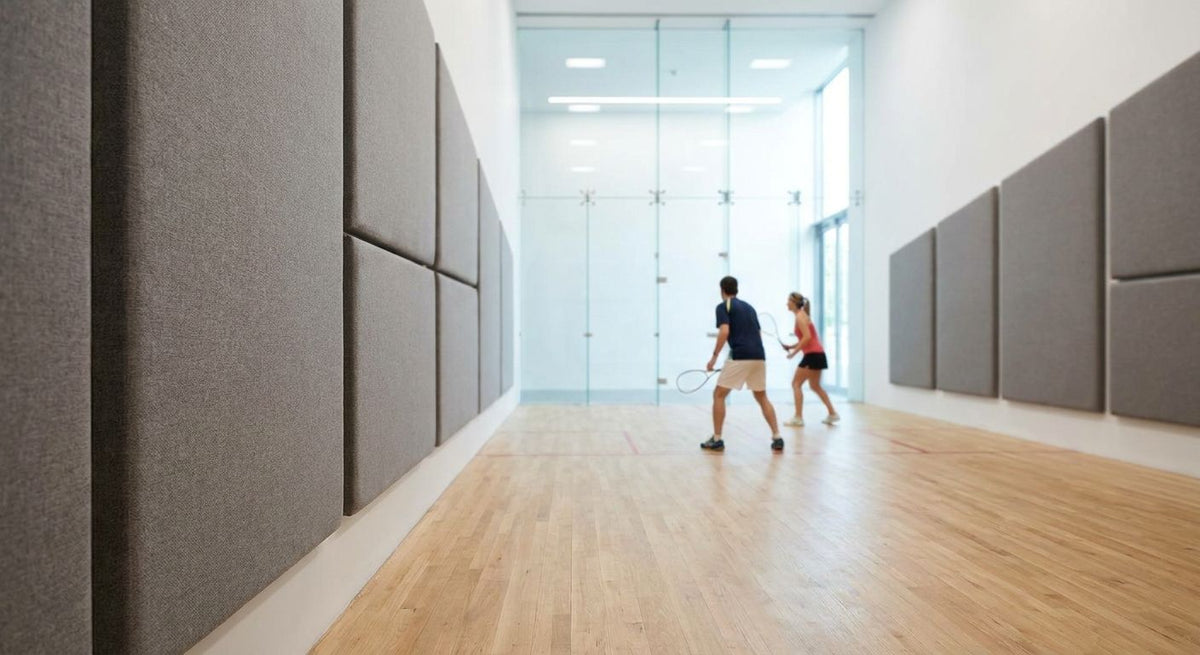
Indoor padel halls are boxes of glass, concrete, and steel mesh — exactly the surfaces that turn every rally into an echo chamber. Acoustic panels for padel court walls solve that on the surrounding structure (lobbies, corridors, spectator walls, clubhouse rooms), not on the glass and mesh that form the actual court cage.
- Acoustic panels for padel court facilities target the concrete and glass reverb around the cage, not the court walls themselves.
- Hexagon Acoustic Panel Smoked Oak carries an NRC of 0.75 and is the sound-first buy for lobbies and corridors in 2026.
- Acoustic Slat Wall Panel Black Oak at $177.95 is the safe pick for high-traffic entry walls near the courts.
- Skip decorative foam panels with no commercial rating in enclosed sports halls — confirm flame-spread class before bulk orders.
Why This Matters
A padel court's glass panels and steel mesh reflect sound instead of absorbing it, and a concrete or drywall shell amplifies that reflection across the whole hall. Add four courts side by side and the reverberation compounds — players can't hear their partner call the ball, and staff at the front desk are shouting over the din by 7pm.
The fix isn't touching the court cage itself. It's treating the walls around it — entry corridors, viewing lounges, the walls behind reception — with a material that actually absorbs rather than just decorates. Clubs solving indoor pickleball court walls noise face the same physics problem: hard surfaces, high ceilings, constant crowd noise. The solutions overlap.
Who This Is For
This guide is for padel club owners, facility managers, and contractors specifying interior finishes for a new or renovated indoor padel facility in 2026. If you're fitting out a single-court home setup, the acoustic load is lower and a lighter treatment plan works. If you're running four-plus courts under one roof with a bar, lounge, or pro shop attached, treat this as a commercial acoustic project, not a decorating afterthought.
What To Look For In Acoustic Panels For Padel Court Facilities
Sound absorption rated in NRC, not marketing copy
An NRC (Noise Reduction Coefficient) number tells you how much sound a panel actually absorbs versus reflects. A panel with a stated 0.75 NRC is doing real work against the glass and concrete around a padel cage; a panel with no rating at all is a guess dressed up as decor.
Commercial-grade impact and scuff resistance
Entry corridors and lounge walls near a padel court take foot traffic, bag straps, and the occasional stray ball off a mis-hit. A veneer finish built for residential accent walls scuffs and dents faster than one specified for commercial traffic.
Fire and building-code compliance
Enclosed sports halls fall under stricter flame-spread requirements than a living room. Confirm the flame-spread class required by your local commercial building code before you commit to a full-facility order — this is a code question your contractor or fire marshal answers, not something to assume off a product page.
Moisture and climate tolerance
Indoor padel halls run HVAC hard to manage player comfort, and condensation risk goes up near glass walls in humid months. A solid wood veneer panel handles normal indoor humidity swings better than a laminate or MDF product prone to swelling.
Visual match with glass, mesh, and flooring
Most padel interiors already mix glass, steel mesh, and dark synthetic turf. A warm wood tone like walnut or black oak reads intentional against that palette; a pale, glossy finish can wash out under overhead court lighting and show glare on camera during livestreamed matches.
Top Picks For Padel Court Walls
The sound-first pick: Hexagon Acoustic Panel Smoked Oak This panel carries a stated NRC of 0.75, sold four panels per box at $165.95. That absorption number is the highest documented rating in this lineup, which makes it the strongest choice for the corridor walls directly facing the court glass, where reflected ball noise concentrates. Verdict: Buy.
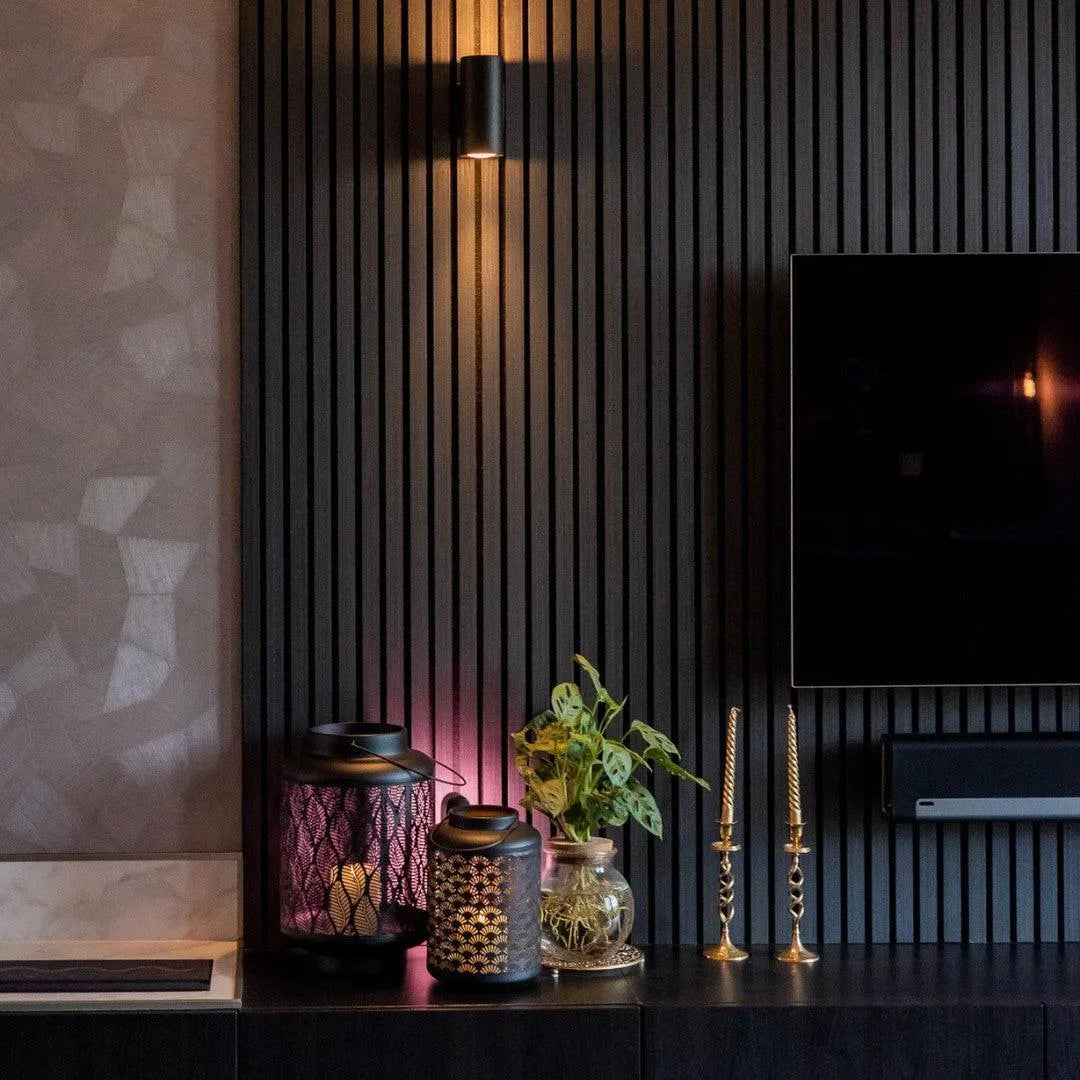
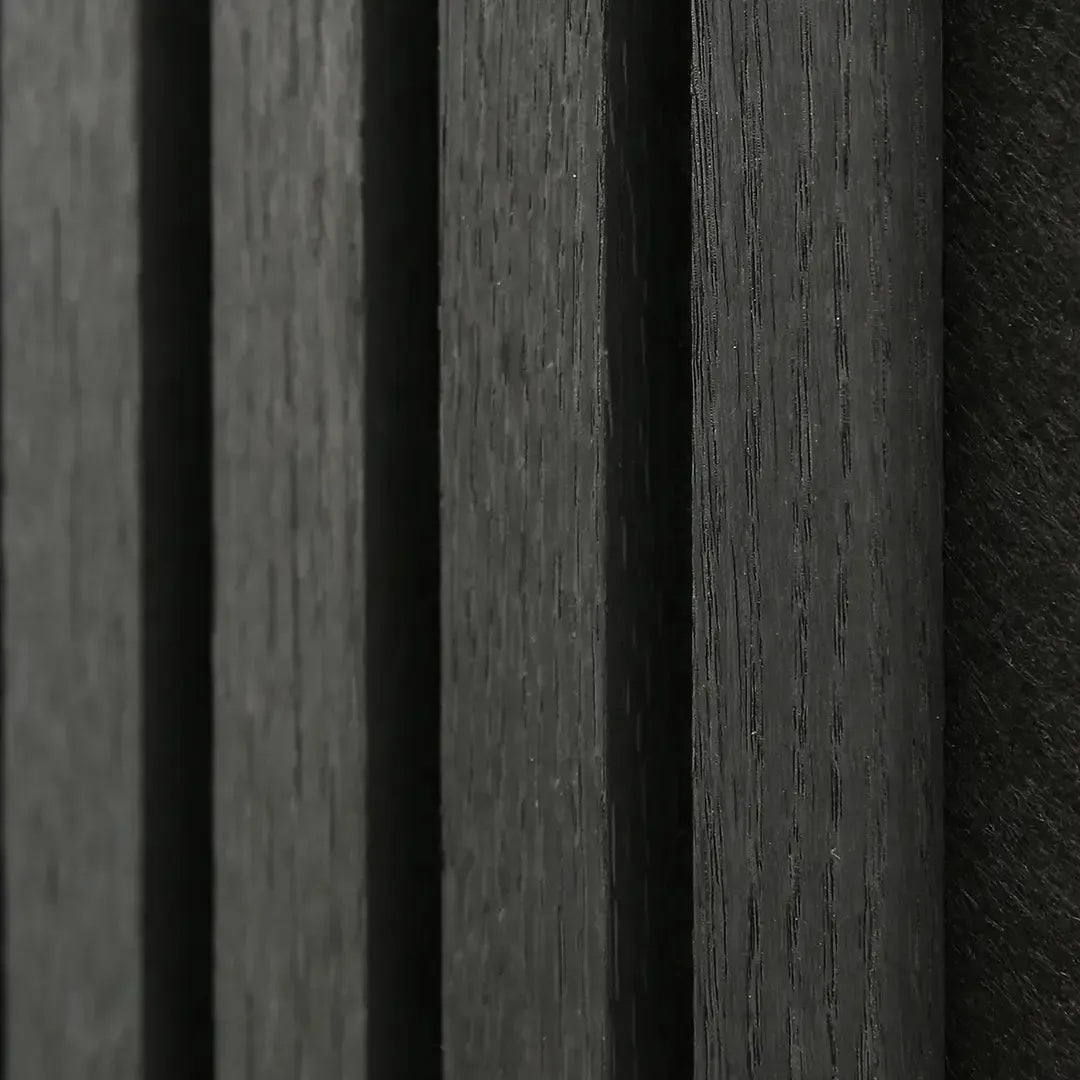
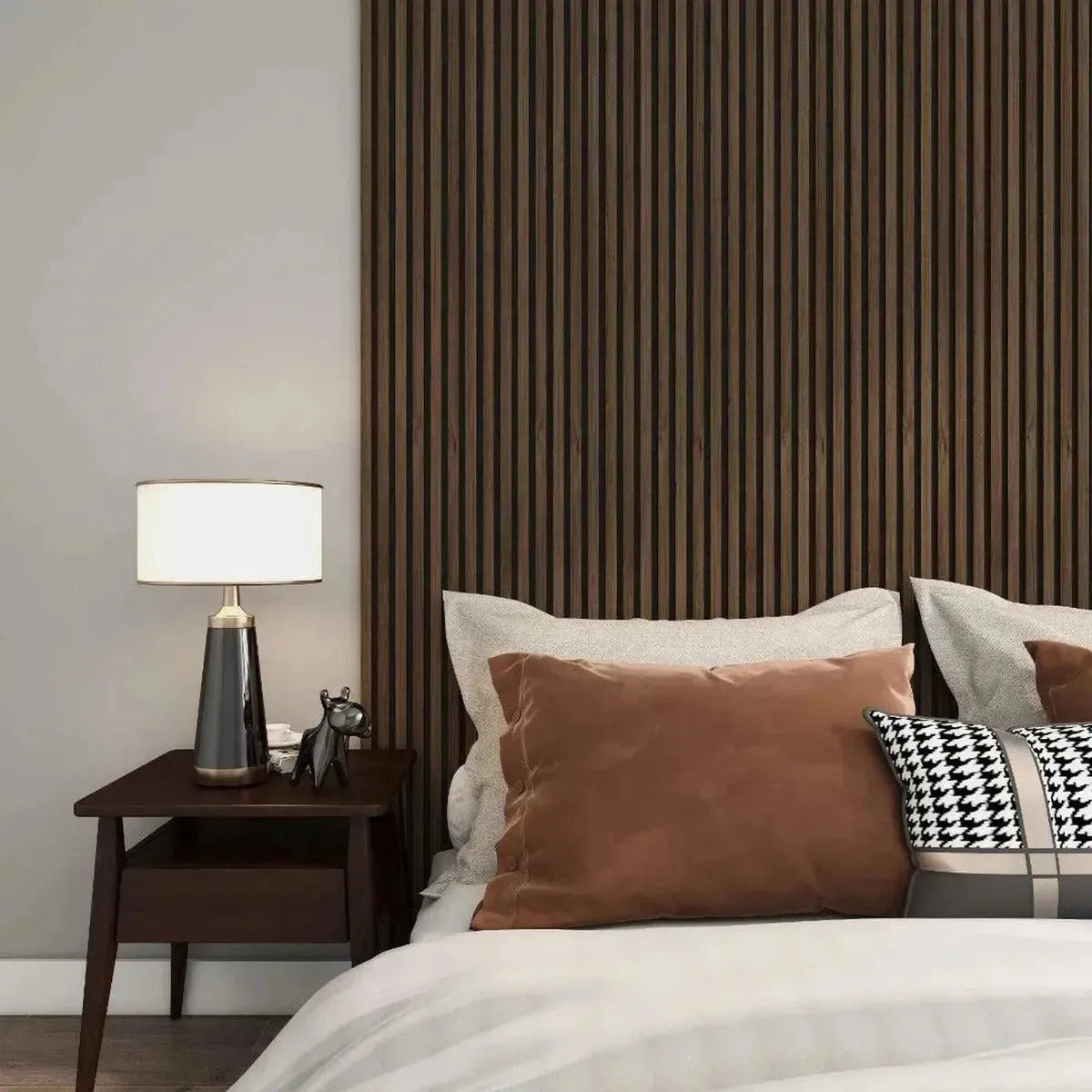
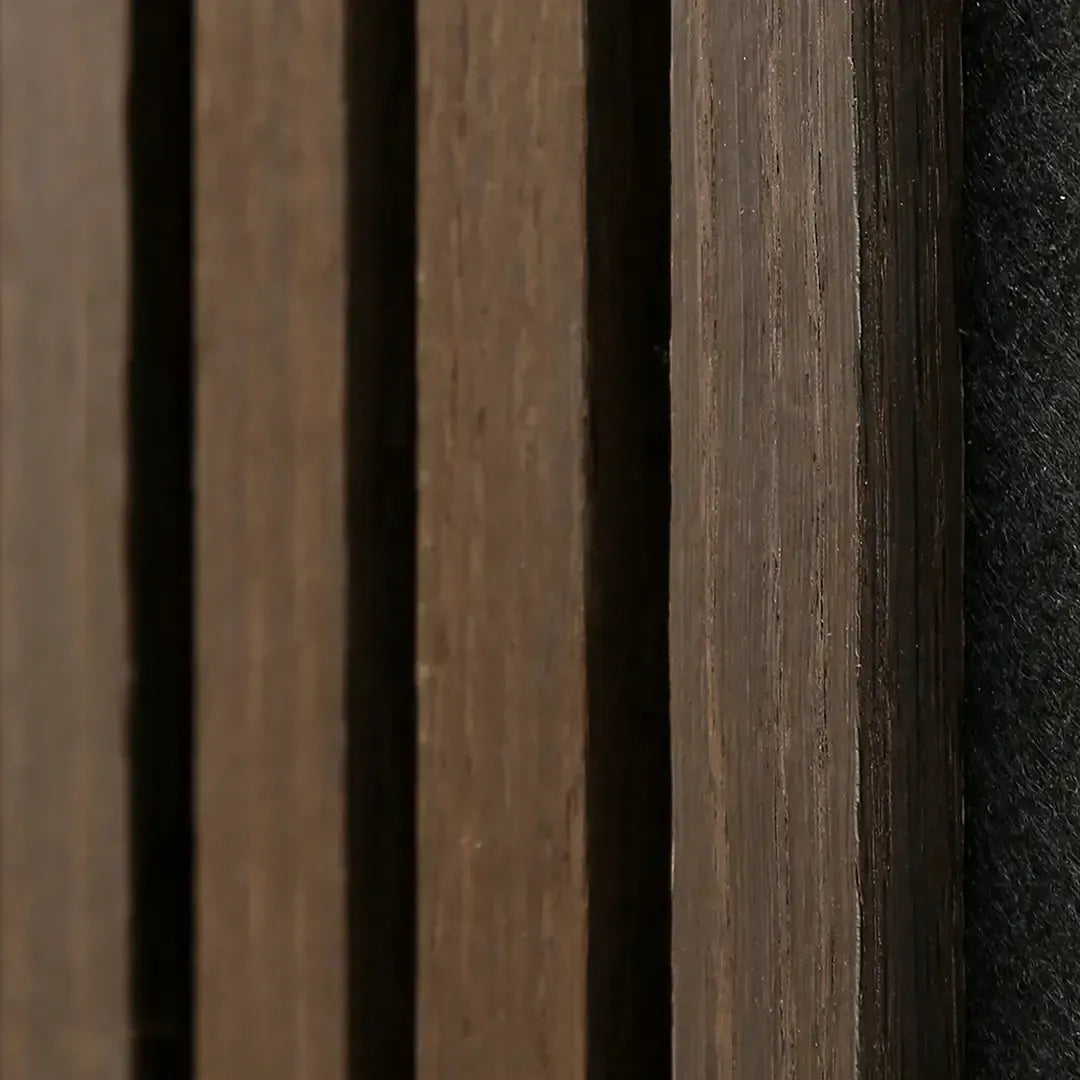
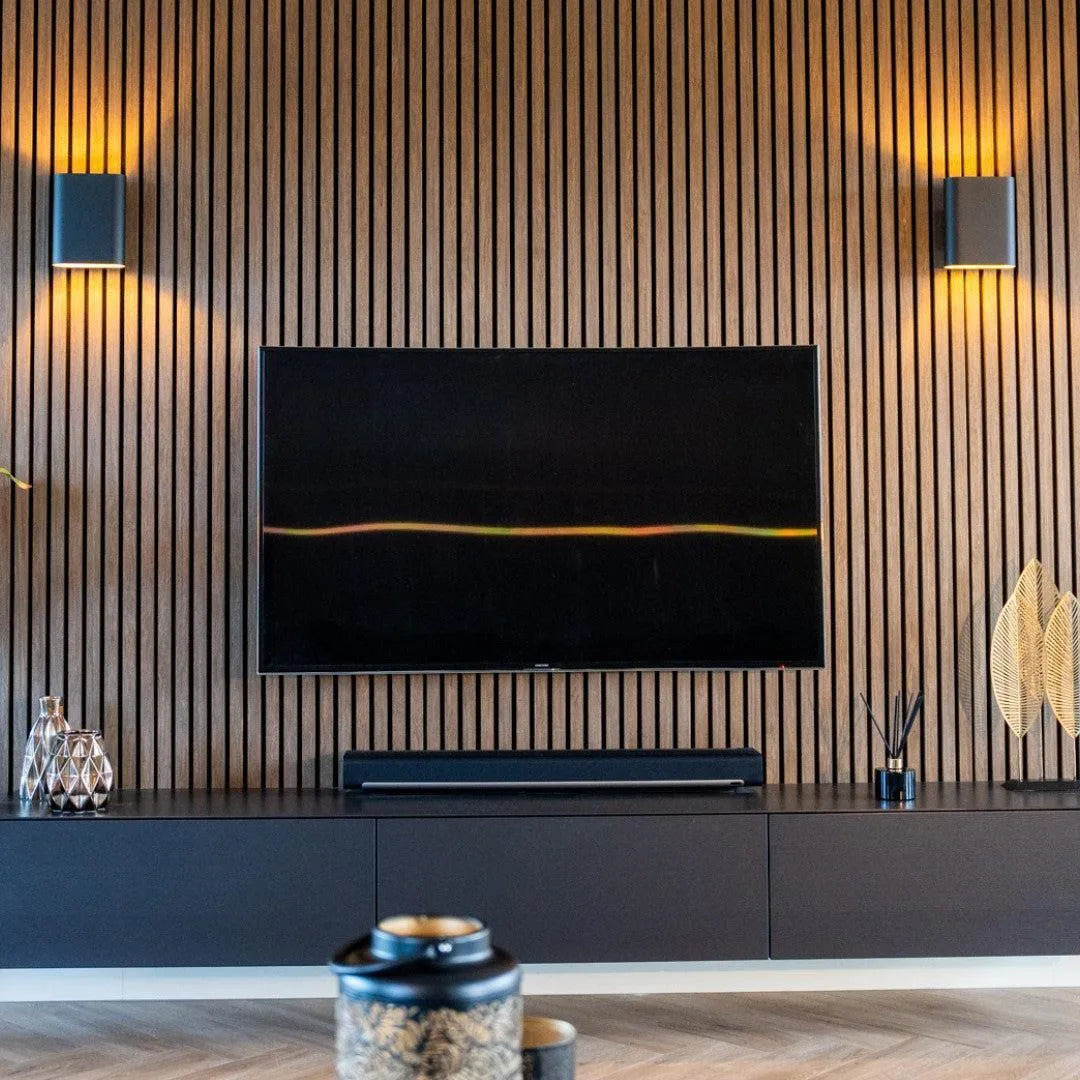
The safe pick: Acoustic Slat Wall Panel Black Oak Built with a 3-sided wood veneer finish at $177.95, this is the panel to run along entry walls and reception areas that take the heaviest daily traffic. Dark oak tones hide scuffs better than a pale finish under bright court lighting. Verdict: Buy.
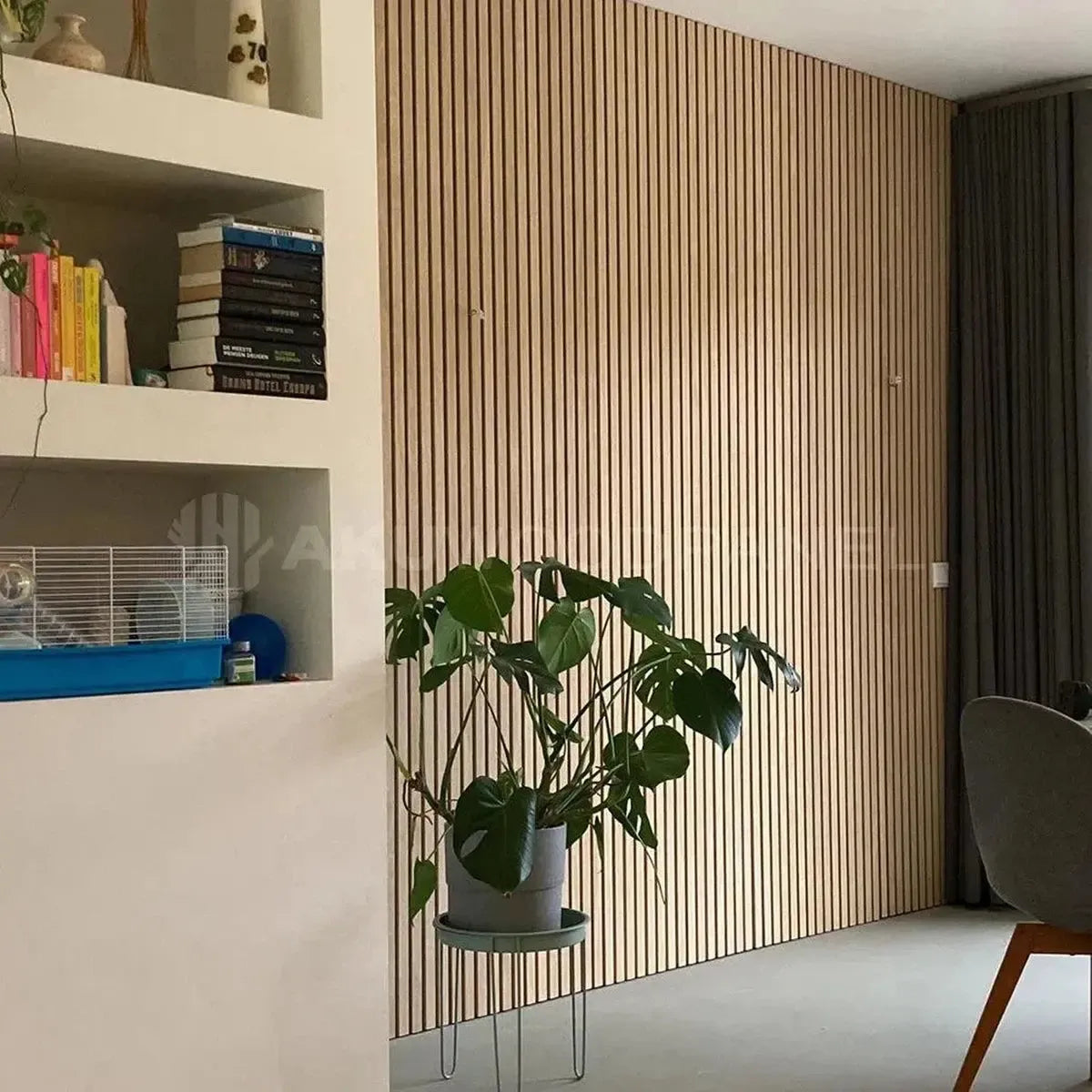
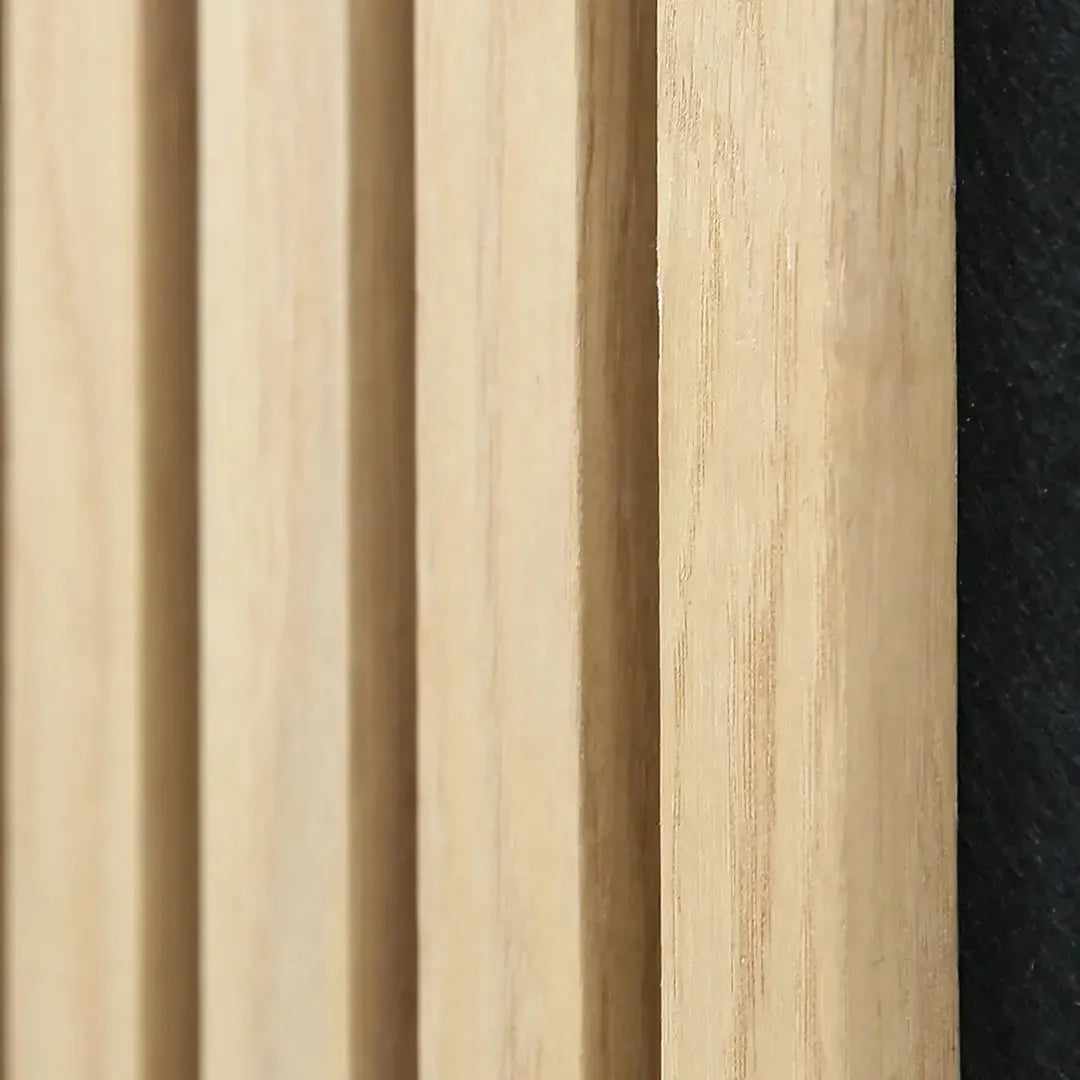
The bright-court pick: Acoustic Slat Wall Panel Natural Oak with Gray Felt The felt backing adds extra absorption behind the wood veneer, and the natural oak tone works in spectator-facing lounges that want a lighter look than black oak. At $169.95, it's priced in the same band as the rest of the slat lineup. Verdict: Consider for bright, glass-heavy lounges; skip it for high-scuff entry zones.
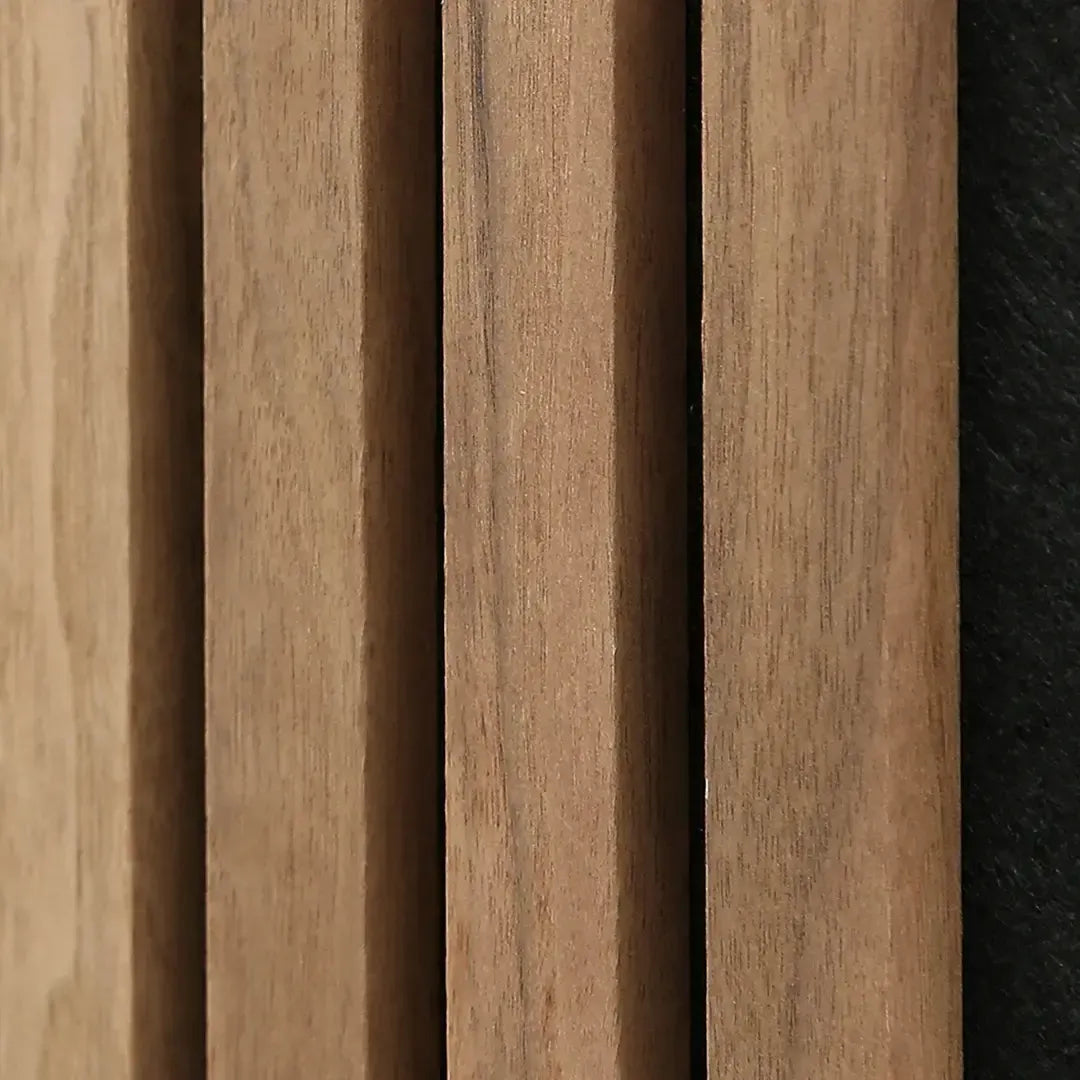
The low-risk pick: Full Sample Box (Slat Wall Panel) At $10 for a box covering Natural, Smoked Oak, and Walnut finishes, this is the move before you commit to a multi-court order. Hold a sample against your actual court lighting and glass tint before ordering pallets. Verdict: Buy — every facility project should start here, not with a full order.


What To Avoid
- Decorative foam panels with no NRC rating. They look like acoustic treatment but do little against a concrete-and-glass hall; if the listing doesn't state a number, assume it's not tested for this job.
- Panels specified for residential accent walls only. A finish rated for a bedroom feature wall won't hold up to the daily traffic of a four-court facility with a bar and pro shop attached.
- Glossy or high-shine finishes near the court glass. Glare under overhead lighting reads worse on camera and in person than a matte or brushed wood veneer, and it does nothing extra for absorption.
Verdict Comparison
| Panel | Sound Rating | Price | Best For | Verdict |
|---|---|---|---|---|
| Hexagon Acoustic Panel Smoked Oak | NRC 0.75 | $165.95 (4 panels) | Corridors facing court glass | Buy |
| Acoustic Slat Wall Panel Black Oak | 3-sided wood veneer | $177.95 | High-traffic entry walls | Buy |
| Acoustic Slat Wall Panel Natural Oak with Gray Felt | Felt-backed veneer | $169.95 | Bright spectator lounges | Consider |
| Full Sample Box | N/A | $10 | Testing finish before bulk buy | Buy |
FAQ
What's the best acoustic panel for a padel court facility?
Hexagon Acoustic Panel Smoked Oak is the strongest pick for 2026, with a stated NRC of 0.75 at $165.95 per 4-panel box. It's built for corridors and lobby walls facing the court glass, where reflected sound concentrates.
Do acoustic panels go directly on padel court glass walls?
No. Padel court cages use tempered glass and steel mesh by design, not wood panels. Acoustic panels are installed on the surrounding structure — entry corridors, lounges, and reception walls — to cut the echo those hard surfaces create.
How much do acoustic wall panels cost for a padel club?
Slat and hexagon panel boxes in this lineup run from $165.95 to $177.95 depending on finish, with a $10 sample box available to test finishes before a bulk order in 2026.
What NRC rating do padel facility walls need?
There's no single mandated NRC for padel halls, but a rating of 0.75 or higher, like the Hexagon Acoustic Panel line, meaningfully reduces reflected noise against concrete and glass compared to unrated decorative panels.
Are wood acoustic panels durable enough for commercial sports facilities?
A 3-sided wood veneer panel built for commercial traffic, like the Acoustic Slat Wall Panel Black Oak, holds up to daily foot traffic and bag contact better than panels designed for residential accent walls only.
Can acoustic panels handle humidity in an indoor court building?
Solid wood veneer panels tolerate normal indoor humidity swings from HVAC systems better than laminate or MDF alternatives, though condensation risk near glass walls should still be checked with your HVAC contractor.
Should I order a full panel run or test samples first?
Order a sample box first. At $10, it covers Natural, Smoked Oak, and Walnut finishes so you can hold them against your actual court lighting and glass tint before committing to a multi-court order.
Is padel court echo actually a real problem?
Yes. Glass cages, concrete shells, and high ceilings reflect rather than absorb sound, and multi-court facilities compound that reflection across the whole hall, which is why untreated walls around the courts get loud fast.
One Last Thing
The detail most facility owners miss in 2026: the loudest walls in a padel hall usually aren't the ones closest to the court glass — they're the flat drywall behind the reception desk and the corridor connecting courts, because sound bounces down that corridor before it ever reaches the lobby. Treat that corridor first, not just the viewing lounge.

 Better performance and aesthetic appeal
 In Stock