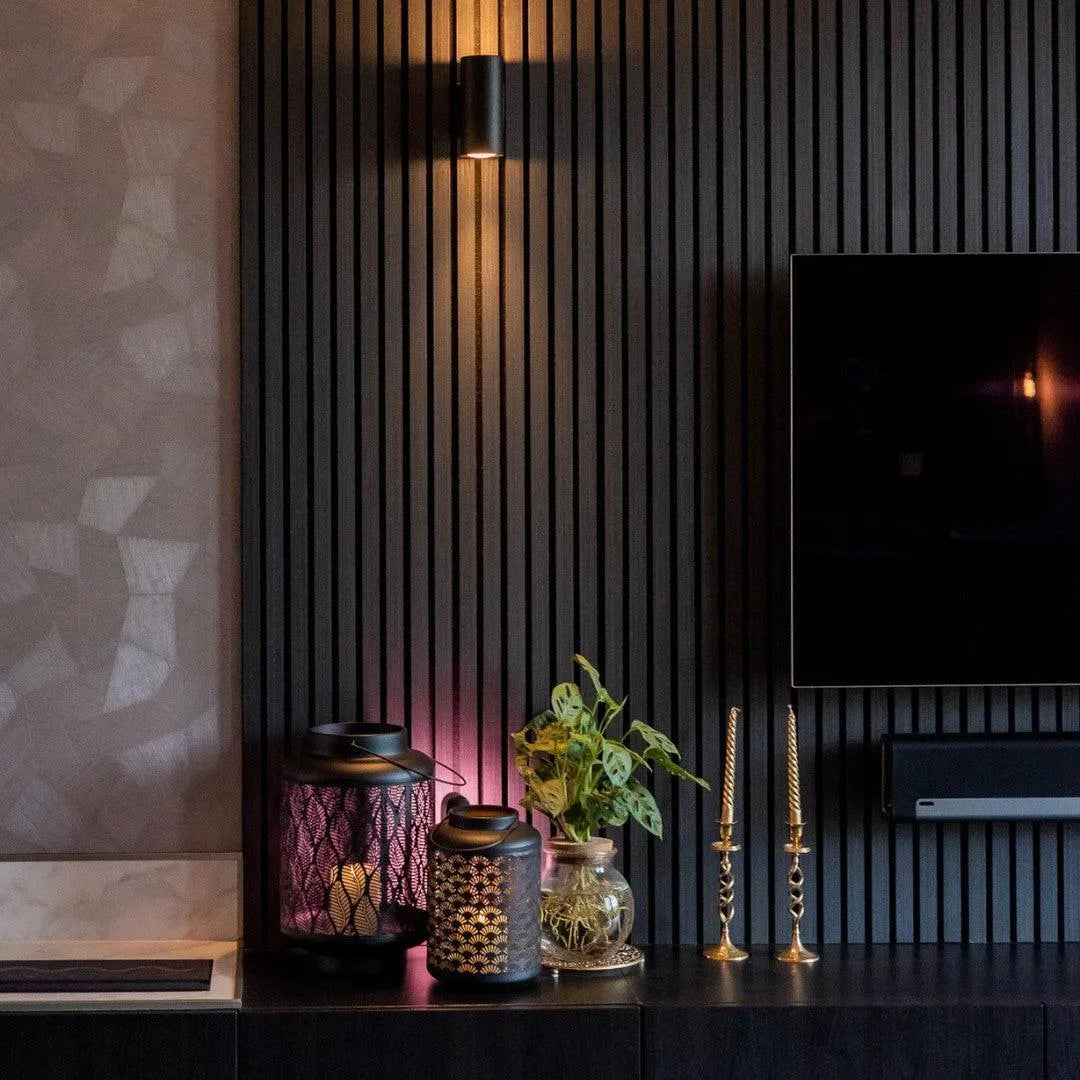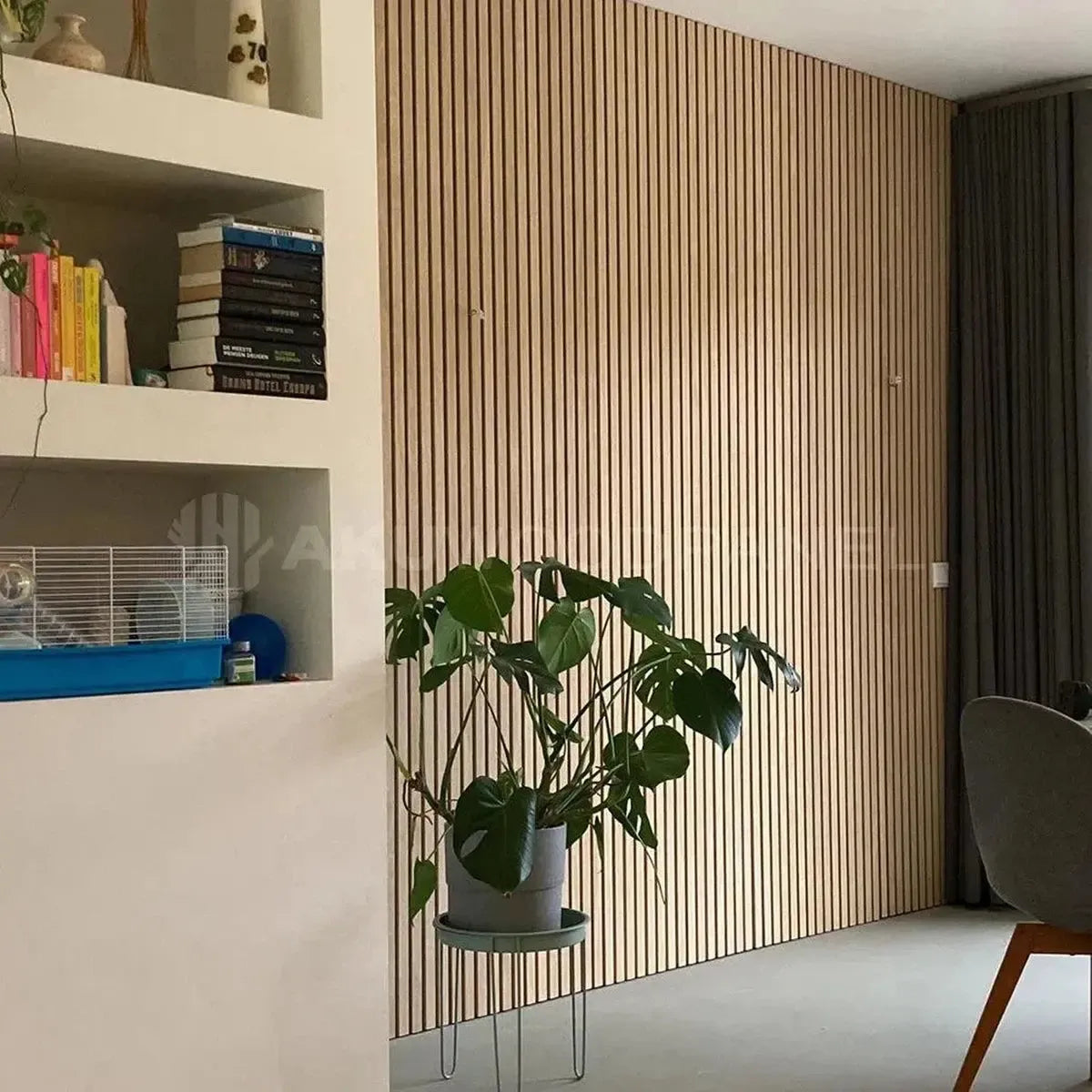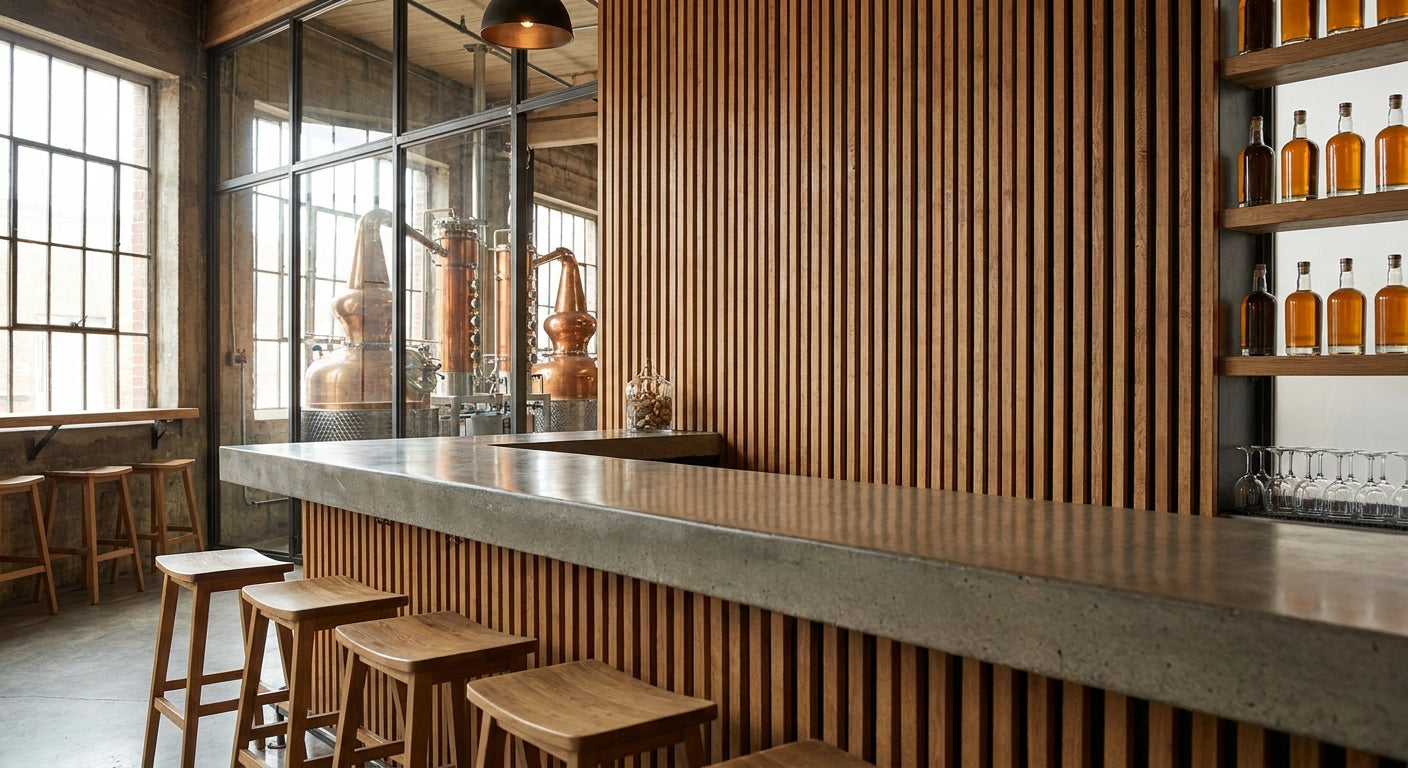
Craft distillery tasting rooms fight the same acoustics problem every time: concrete floors, steel tanks, and open ceilings turn conversation into an echo chamber. Wood slat panels for distillery tasting room walls fix that while giving the room the warm, premium look guests expect from a spirits brand, not a warehouse.
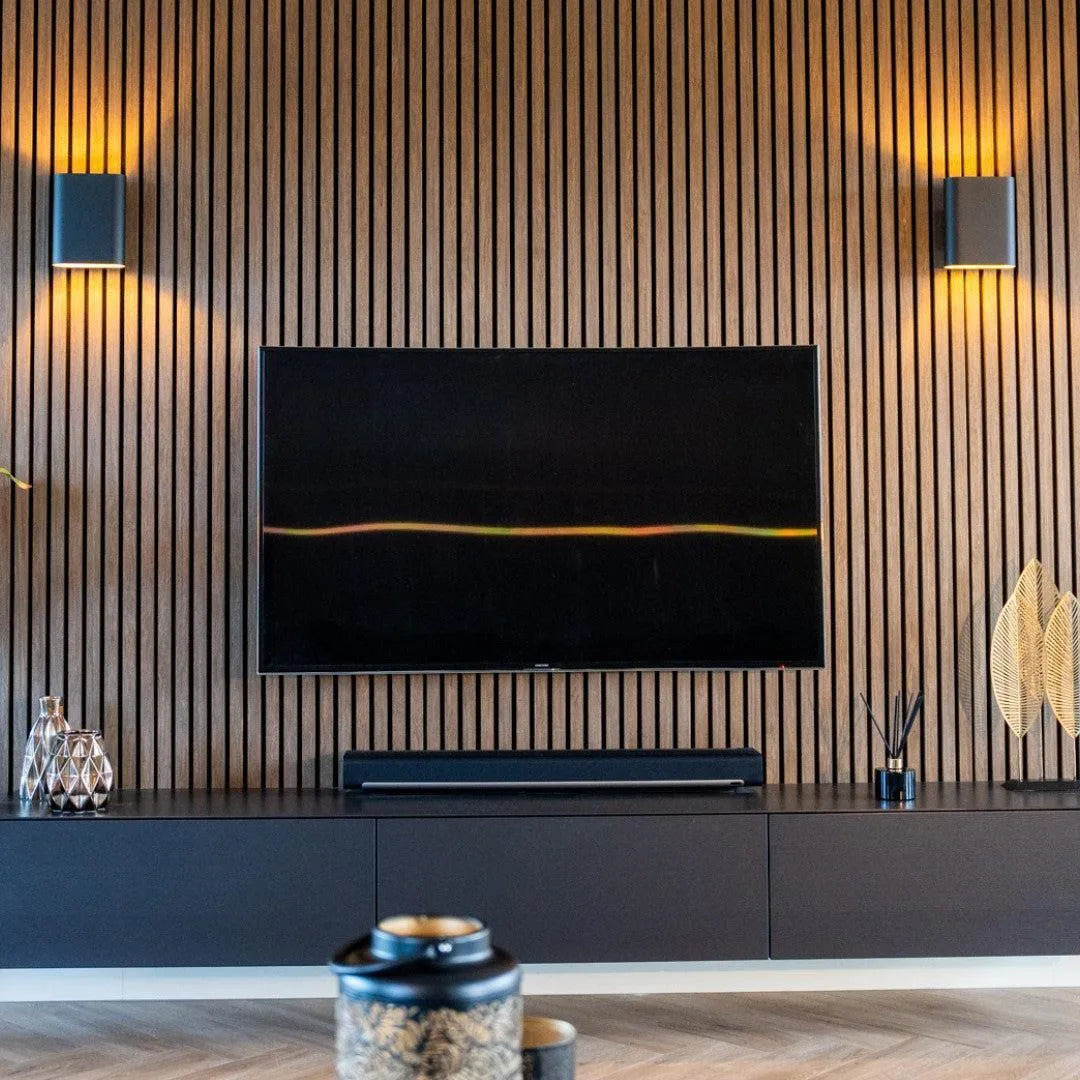
- Acoustic Slat Wall Panel Walnut absorbs sound at an NRC of 0.75 and reads as oak, not office carpet tile — Buy for wood slat panels for distillery tasting room walls.
- Skip laminate 'wood-look' panels near stills and windows — UV and vapor exposure fades them within 12-18 months.
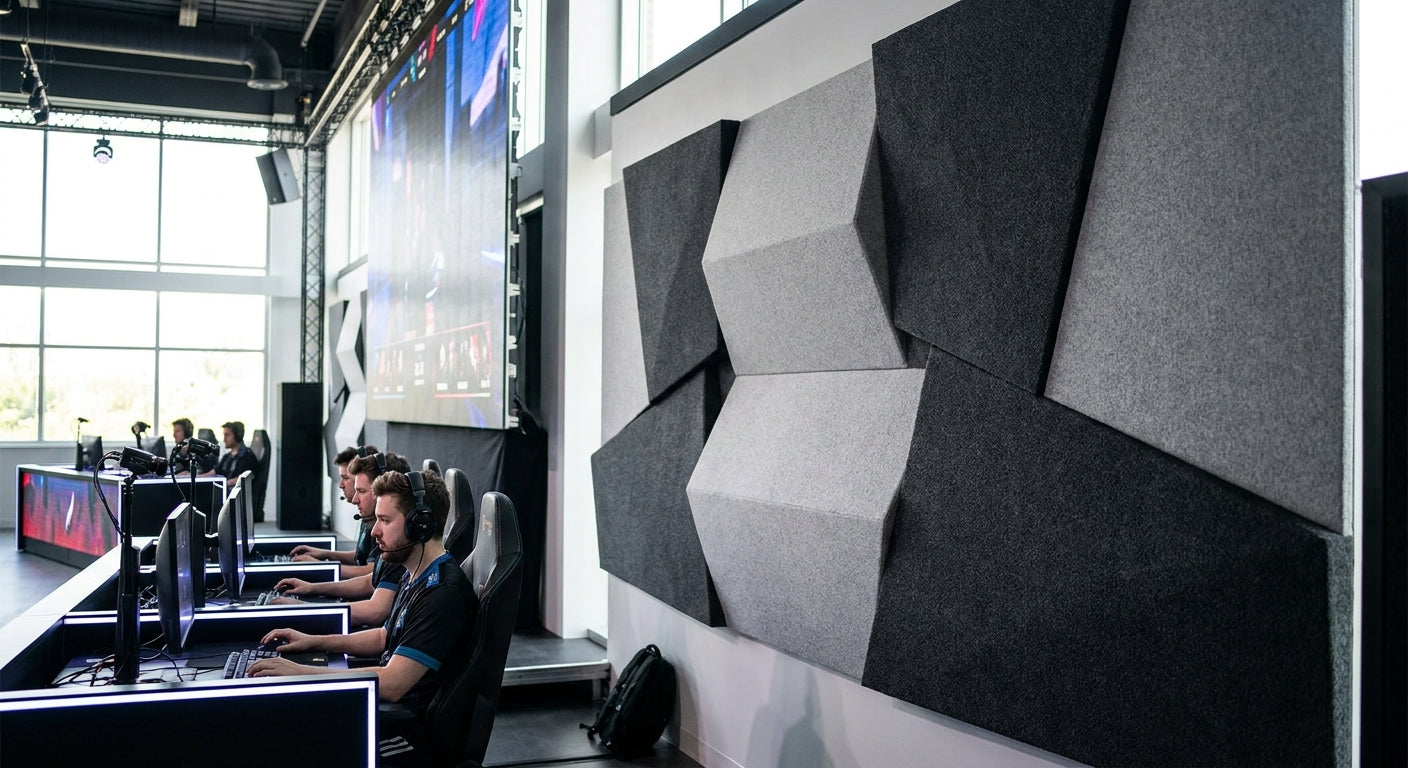
- Hexagon Acoustic Panel Walnut works as a feature wall behind the bar in 32-inch modules, 4 panels per box — Consider.
- Real wood veneer over MDF or plastic slats holds up better through the humidity swings a working distillery produces.
Why this matters
A tasting room next to a still floor deals with humidity spikes, ethanol vapor, and hard surfaces that reflect every clink of a glass. Aku Woodpanel sells acoustic wood panels built for exactly this mix of noise control and interior branding, and 2026 distillery openings are leaning on real wood veneer over concrete more than plastic cladding.
Most distilleries pour money into the still and the bar, then treat wall finish as an afterthought. That's backwards for a tasting room — guests spend 45 to 90 minutes in that space, and the acoustics decide whether it feels intimate or like a loading dock.
Who this is for
This guide is for craft distillery owners, taproom designers, and contractors finishing a tasting room in a converted warehouse, barrel house, or new-build production facility. If your tasting room shares a wall or ceiling with the still floor, or sits inside a steel-frame building with concrete flooring, the acoustic and moisture concerns below apply directly to you.
What to look for in wood slat panels for a distillery tasting room
Acoustic performance in concrete-and-steel rooms
A tasting room built inside a converted warehouse has almost zero natural sound absorption — every surface bounces noise back into the crowd. Felt-backed acoustic slat panels rated at an NRC of 0.75 pull a meaningful chunk of that reflected sound out of the room, which is the difference between guests hearing the tasting notes and guests shouting over each other.
Real wood veneer over laminate
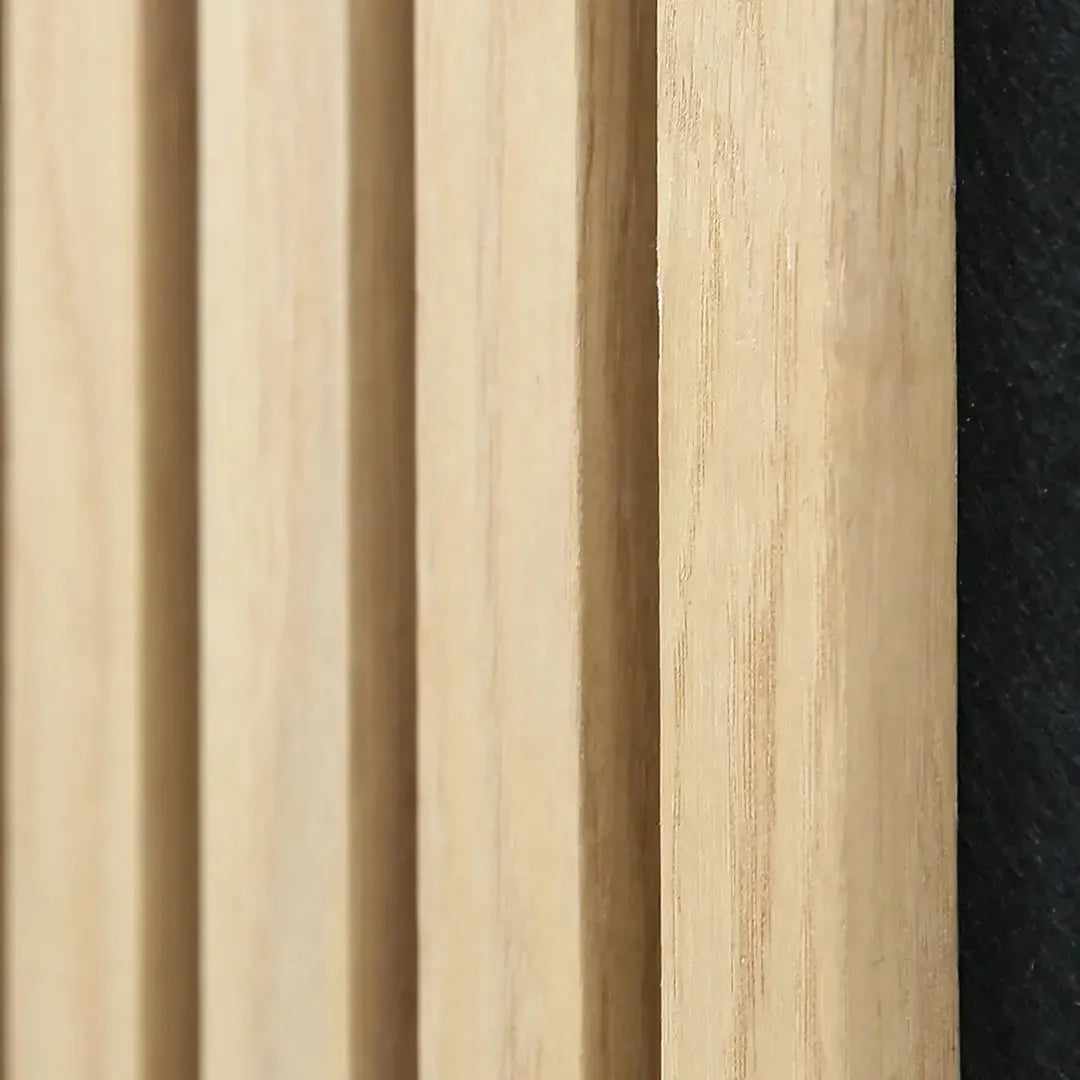
A tasting room sells an experience tied to the brand, and laminate or PVC slats read as cheap the moment a guest gets within arm's reach. Real wood veneer over an MDF or engineered core holds grain detail under bar lighting and photographs better for the Instagram shot every visitor takes anyway.
Vapor and humidity resistance near stills and barrels
Ethanol vapor and barrel-room humidity swings are not the same load a living room wall handles. Panels with a stable veneer bond and a felt or acoustic-fiber backing resist warping better than raw MDF slats, which can start delaminating within a season near a working still.
Panel format that works around bars, taps, and plumbing
Tasting rooms are full of obstacles — tap towers, POS mounts, glass racks, outlets. Slat panels in standard widths cut cleanly around fixtures, while hexagon and 3D tile formats let you frame a feature wall without running a single slat into a beer line or conduit.
Fire-safe, food-service-grade finish
A tasting room is a licensed food-and-beverage space, and some jurisdictions inspect wall finishes near cooking or heat sources. Confirm the fire rating on any panel going near a demo still, heat lamp, or open flame element before installation, not after.
Top picks for distillery tasting rooms
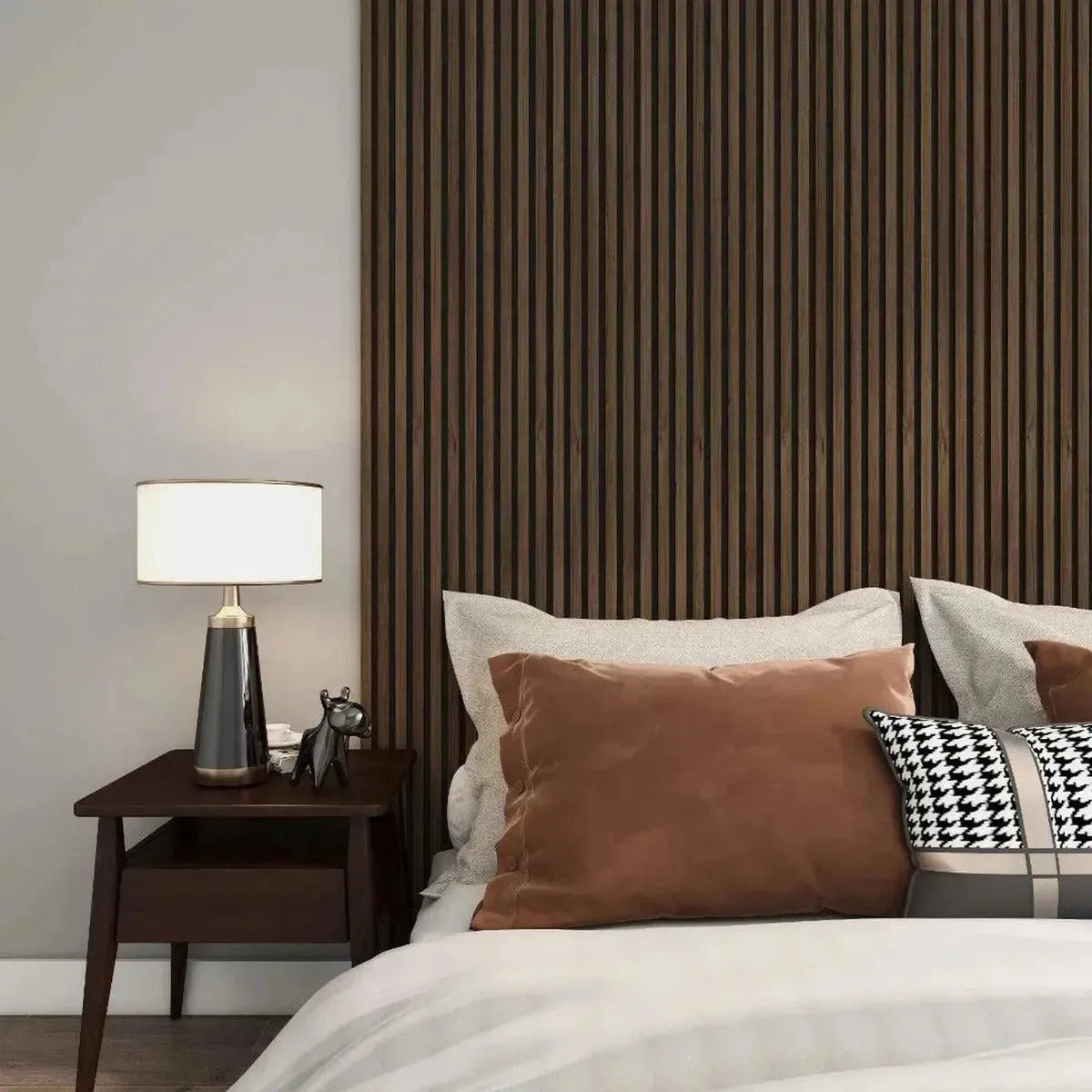
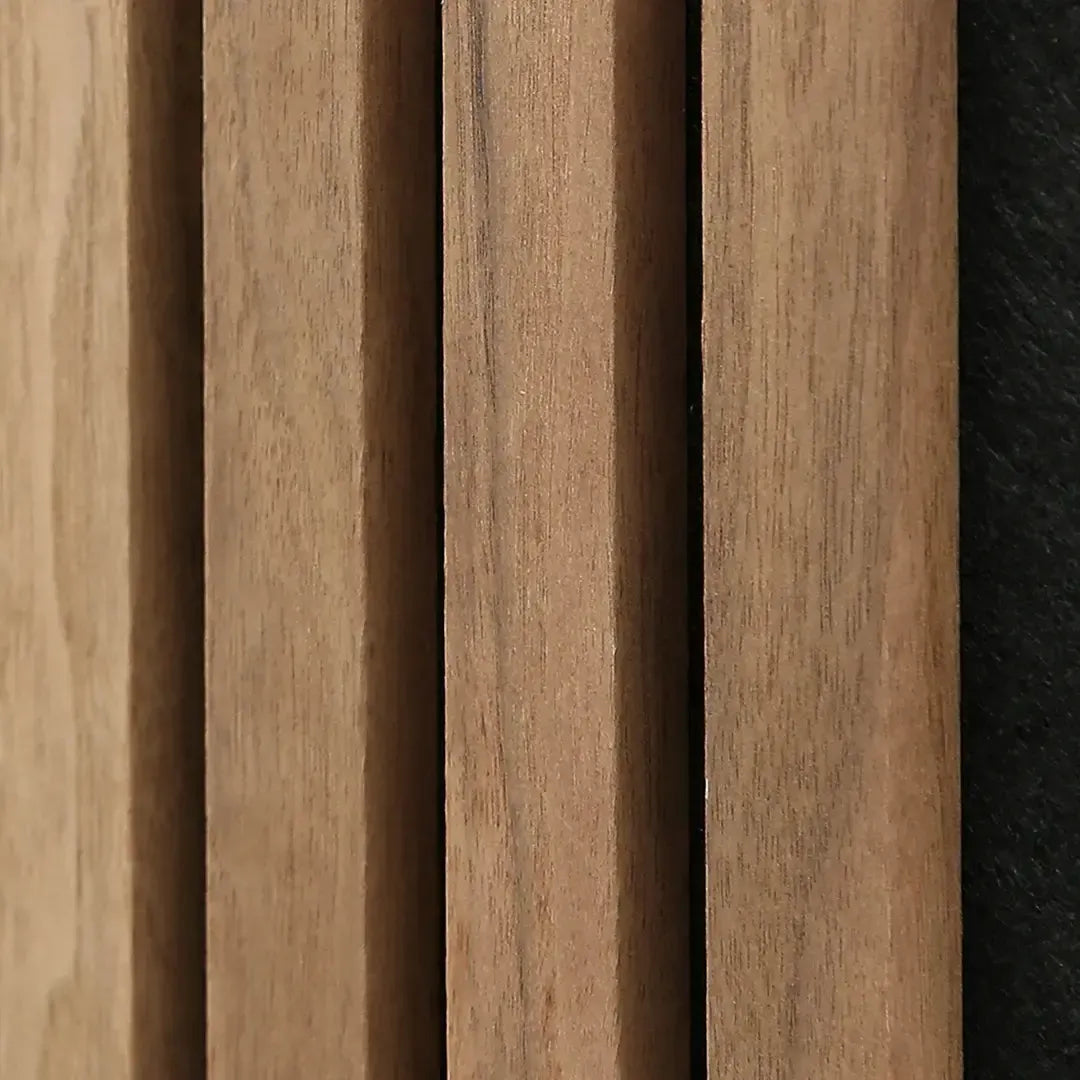
Acoustic Slat Wall Panel – Walnut — the anchor pick. Felt-backed slats rated at NRC 0.75 in a walnut veneer that reads warm under amber bar lighting. This is the panel most craft distilleries default to for the main tasting-room wall in 2026, and it's the one to budget for first. Buy. Acoustic Slat Wall Panel Walnut
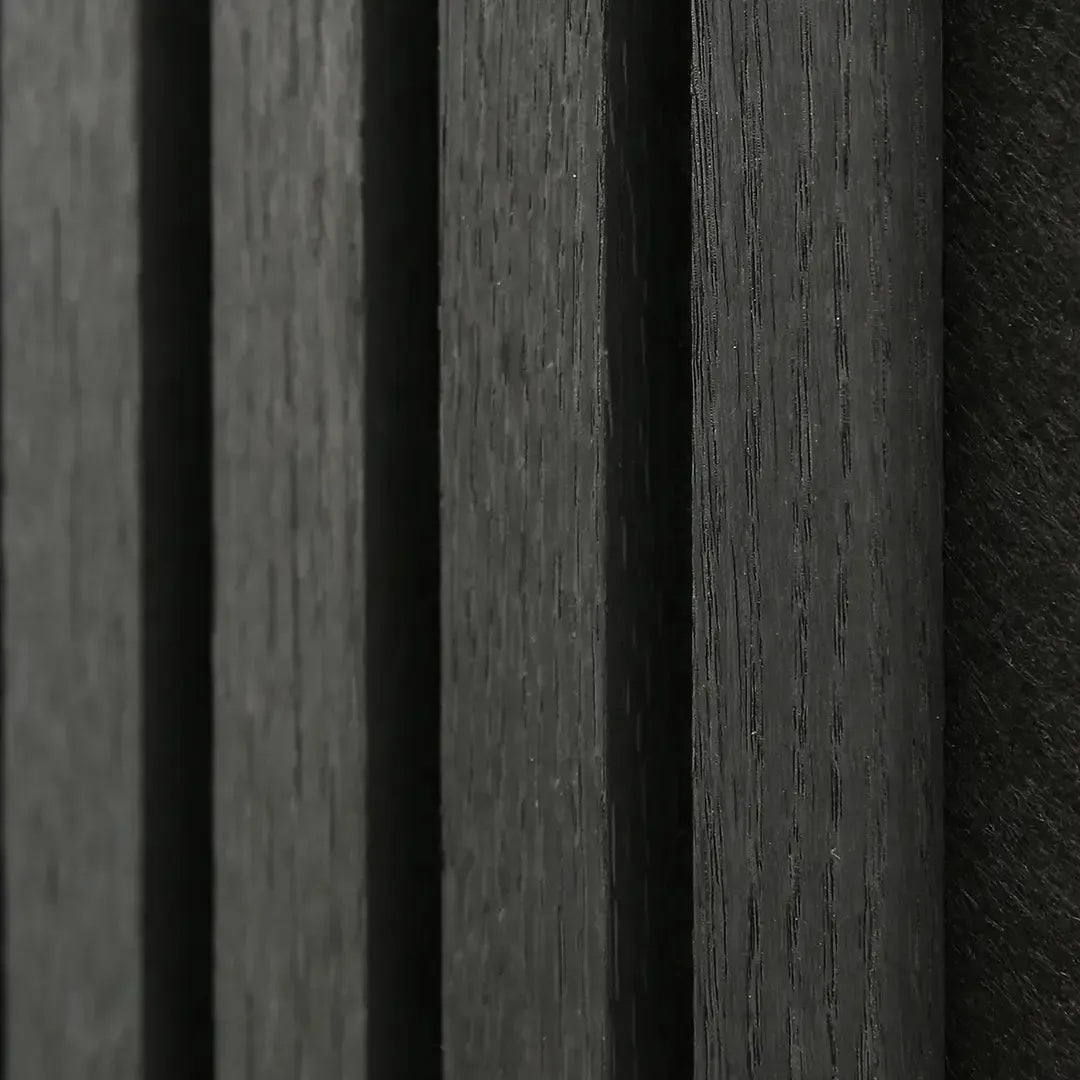
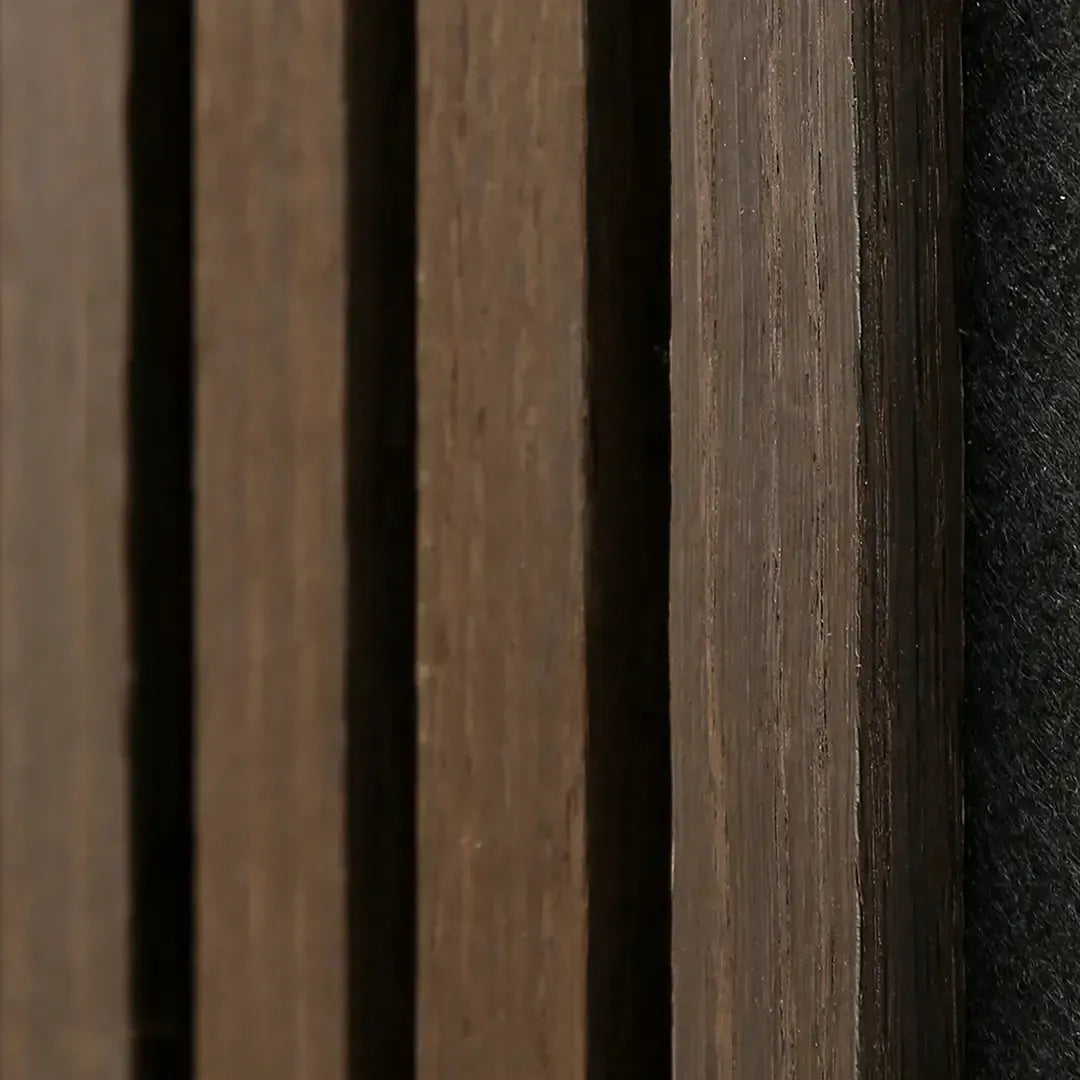
Acoustic Slat Wall Panel – Smoked Oak with Gray Felt — the moody backbar pick. Darker smoked-oak veneer paired with gray felt backing suits a back-bar wall lit for a whiskey or dark-spirit brand. It absorbs sound at the same NRC 0.75 rating as the walnut version but sets a more industrial tone. Buy. Acoustic Slat Wall Panel Smoked Oak with Gray Felt
Hexagon Acoustic Panel – Walnut — the wildcard. Sold in 32-inch modules, four panels per box, hexagon panels break up a flat slat wall and work well behind a tasting bar or as a standalone feature wall near the entrance. It's a design accent more than the primary acoustic workhorse. Consider.
Fluted Wall Panel – Natural Oak — the budget flex. Fluted profile in natural oak gives vertical texture at a lower material cost than felt-backed acoustic slats, useful for accent columns or a host stand where sound absorption matters less than look. Consider.
3D Wood Wall Panel – Slim Walnut — the detail piece. These 7.9×15.8-inch solid wood tiles suit a small accent zone, like a barrel-display nook or a host-stand backdrop, but covering a full tasting-room wall with them gets expensive fast. Skip for full walls, consider for accents.


What to avoid
- Plastic or laminate "wood-look" slats. They look fine in a catalog photo and start bleaching or peeling near tap lines and windows within a year or two of foot traffic and ethanol vapor.
- Bare MDF-core panels with no moisture protection. A tasting room next to a barrel room or still floor runs humid; unprotected MDF cores swell and the veneer bond separates at the edges.
- Ultra-thin acoustic foam wedges. They absorb sound but look like a recording studio, not a spirits brand — wrong tone for a paid tasting experience.
Verdict comparison
| Panel | Acoustic rating | Veneer | Best use in a tasting room | Verdict |
|---|---|---|---|---|
| Acoustic Slat Wall Panel – Walnut | NRC 0.75 | Real walnut | Main tasting-room wall | Buy |
| Acoustic Slat Wall Panel – Smoked Oak w/ Gray Felt | NRC 0.75 | Smoked oak | Back-bar wall | Buy |
| Hexagon Acoustic Panel – Walnut | NRC 0.75 | Real walnut | Feature wall / entrance | Consider |
| Fluted Wall Panel – Natural Oak | Not acoustic-rated | Natural oak | Accent columns, host stand | Consider |
| 3D Wood Wall Panel – Slim Walnut | Not acoustic-rated | Solid wood | Small accent zones | Skip for full walls |
FAQ
What's the best wood slat panel for a distillery tasting room?
Acoustic Slat Wall Panel Walnut is the strongest default for 2026 tasting-room installs — an NRC of 0.75 handles concrete-and-steel echo while the veneer holds up under bar lighting. Smoked oak with gray felt is the pick for a darker, whiskey-forward room.
Do acoustic wood panels actually cut noise in a tasting room?
Yes — felt-backed slat panels rated NRC 0.75 absorb roughly three-quarters of the sound energy that hits them, which matters most in rooms with concrete floors and steel structure. Untreated hard-surface rooms reflect nearly all of that sound back.
Is real wood veneer better than laminate for a distillery wall?
Real wood veneer resists the humidity and ethanol vapor swings common near stills better than laminate, which can bleach or peel within 12 to 18 months in that environment. Veneer also photographs and ages more convincingly for a spirits brand's tasting room.
Can wood slat panels handle humidity near a still?
Panels with a stable veneer bond and felt or fiber backing hold up better than raw MDF slats, which delaminate faster under repeated humidity swings. Keep panels a few feet clear of direct steam or vapor sources regardless of material.
How many panels does a typical distillery tasting room wall need?
Coverage depends on wall height and width, but most tasting-room feature walls run 150 to 400 square feet once you exclude doors, windows, and bar fixtures. Measure the wall and subtract openings before ordering.
Are hexagon acoustic panels good for a distillery feature wall?
Hexagon Acoustic Panel Walnut works well as an accent behind a bar or near an entrance, sold in 32-inch modules at four panels per box. It's better suited to a feature zone than as the primary acoustic treatment for a full room.
Do I need a fire-rated panel for a tasting room?
Check local code if the panel sits near a demo still, heat lamp, or open flame element, since tasting rooms are licensed food-and-beverage spaces in most states. Confirm the fire rating before installation, not after the wall is up.
What's cheaper — slat panels or fluted panels — for a distillery wall?
Fluted Wall Panel Natural Oak generally costs less than felt-backed acoustic slats because it skips the acoustic backing layer. It works for accent columns or a host stand, but it won't do the sound-absorption job a full acoustic slat wall does.
One last thing
Most tasting rooms plan their wall around the bar and skip the ceiling — but a flat drywall ceiling above a concrete floor cancels out a lot of the sound work the wall panels just did. If the room still sounds loud after the wall install, the ceiling is usually where the echo is coming back from.

 Better performance and aesthetic appeal
 In Stock