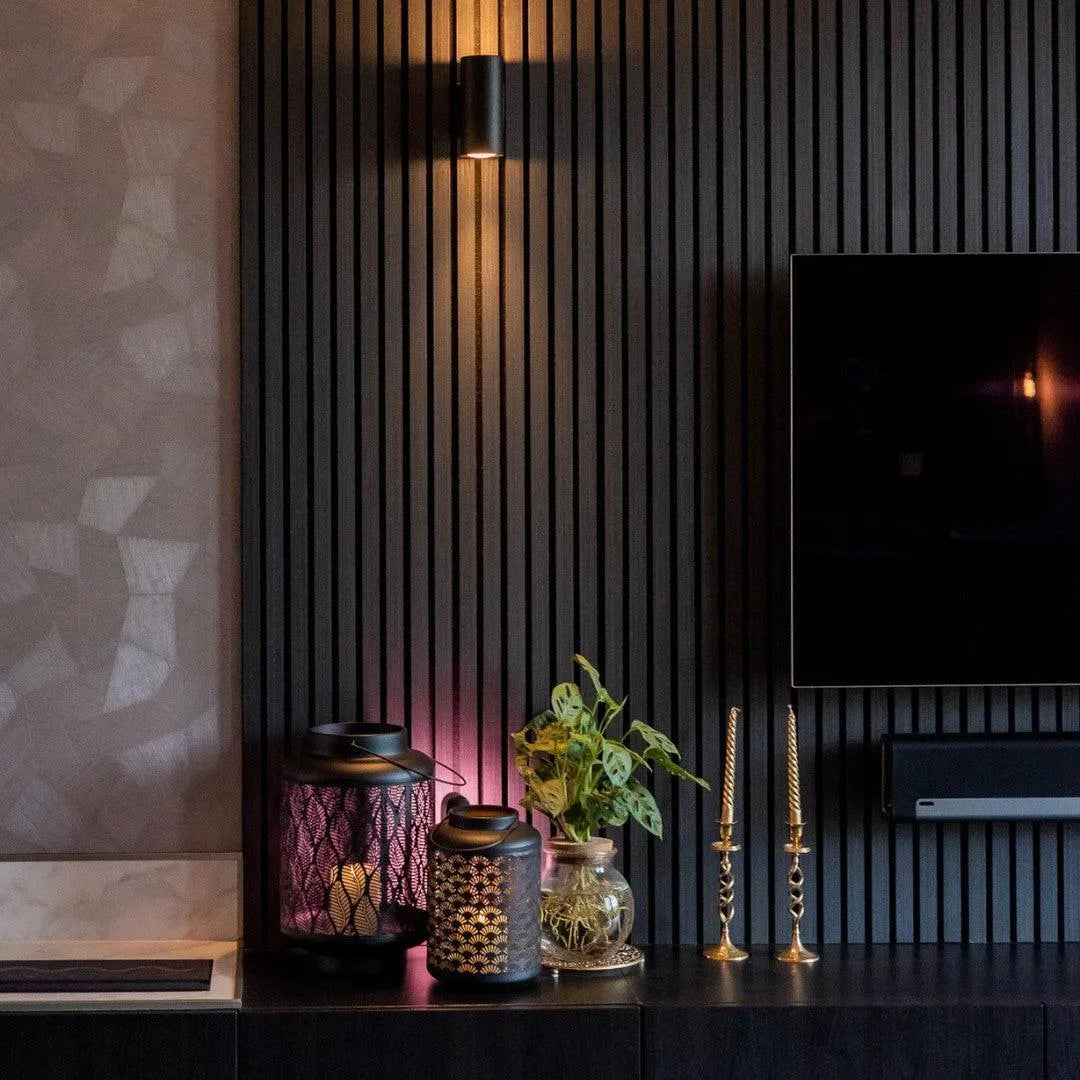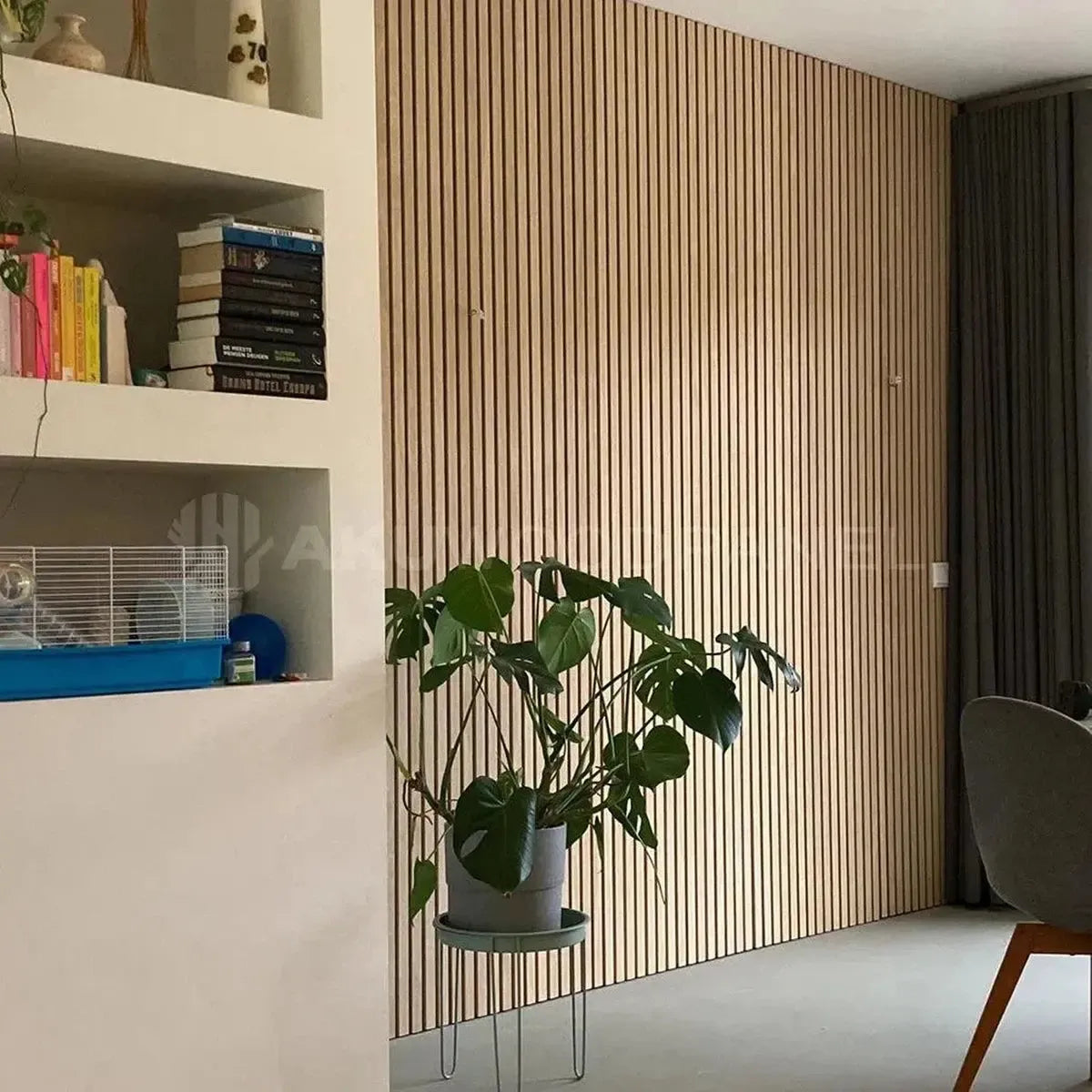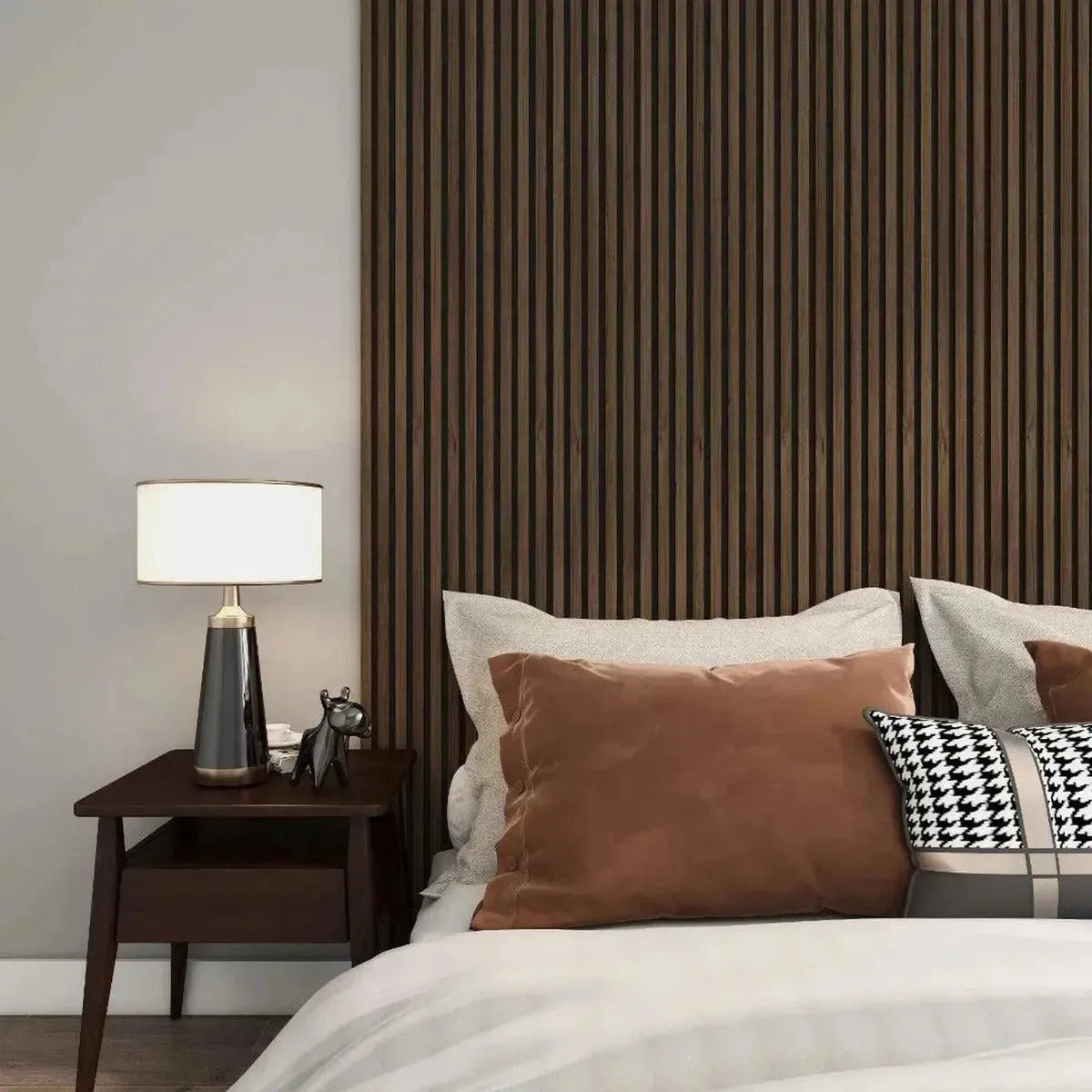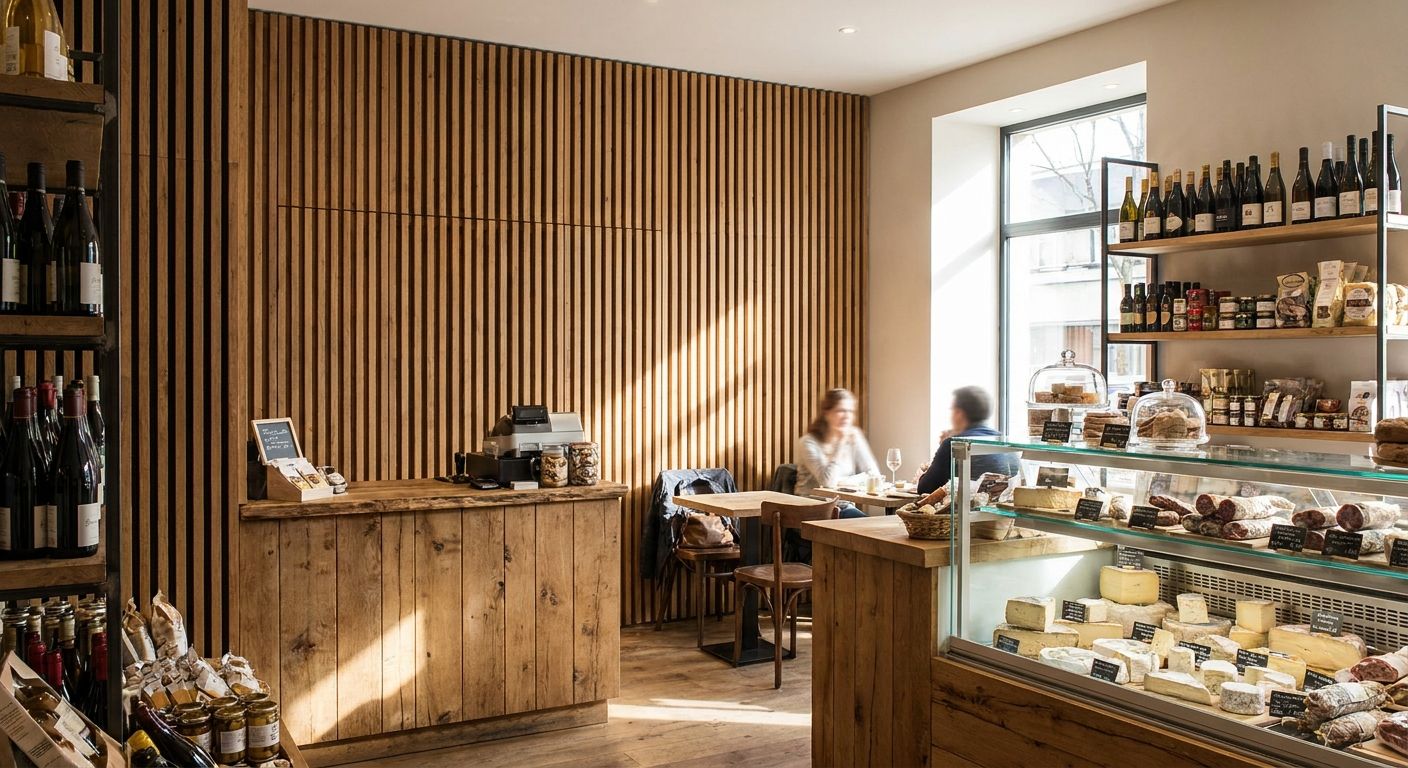
Wood slat panels for a charcuterie shop interior give boutique cheese and cured meat retailers a durable, acoustic-dampening wall finish that cuts the echo off glass display cases while framing product in warm, food-adjacent wood tones. A charcuterie counter deals with hard surfaces on every side — tile floors, refrigerated glass, stainless scales — so the wall is often the only surface left to soften sound and carry the shop's character.
- Acoustic slat wall panels in walnut or oak cut counter-area echo in a charcuterie shop — start there in 2026.
- Hexagon acoustic panels rated NRC 0.75 fit tight tasting rooms where slat depth won't clear a doorway.
- Fluted natural oak panels add vertical texture to counter fronts without full acoustic-slat felt cost.
- Exterior oak wall panels pull foot traffic to a charcuterie storefront before shoppers reach the case.
Why wood slat panels matter for charcuterie and cheese shop interiors
A charcuterie counter is a small, hard-walled room by design — refrigerated cases, tile, and glass all reflect sound instead of absorbing it. Customers standing close to a case, asking a counter clerk about a wedge of cheese, compete with every other conversation bouncing off those same surfaces.
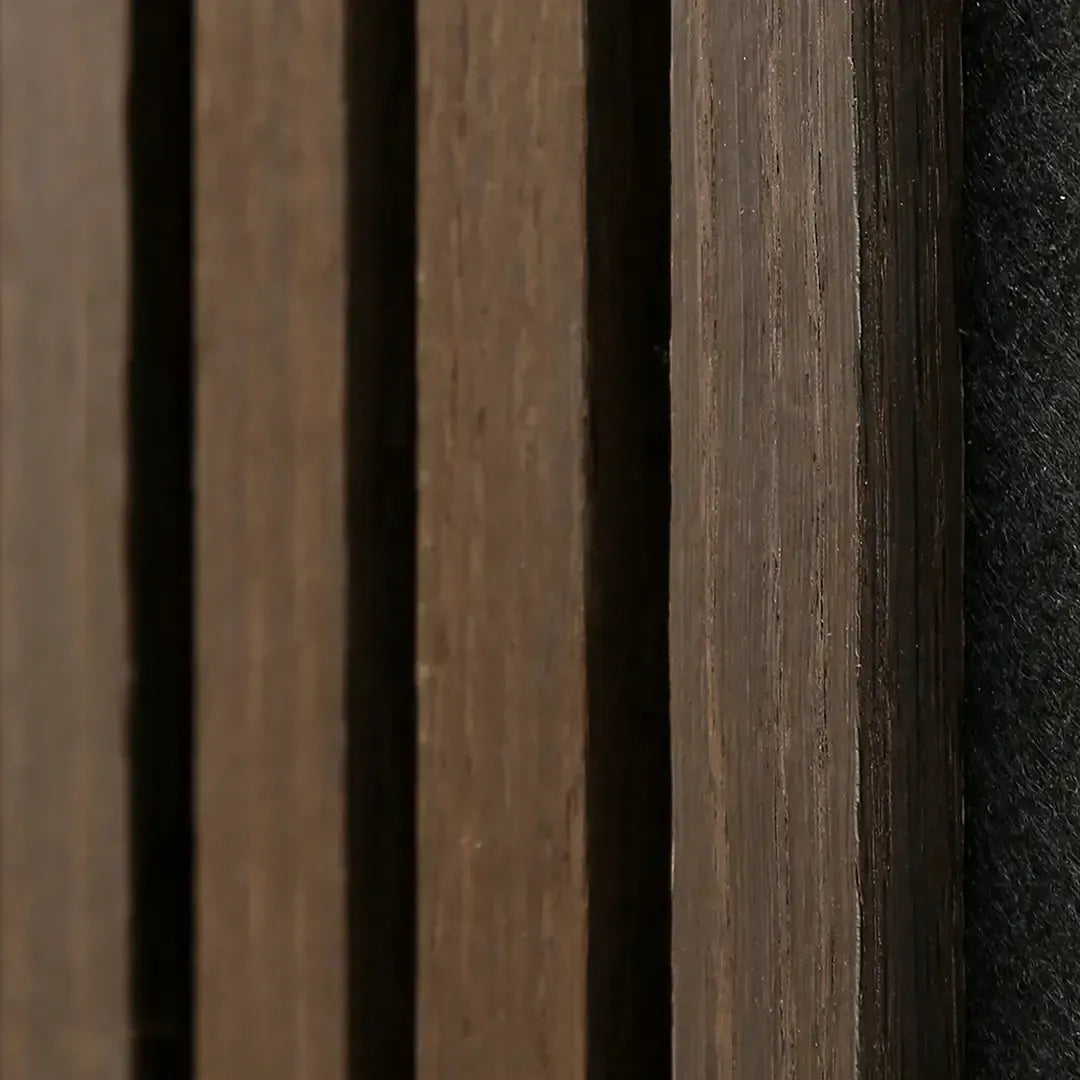
The fix isn't more square footage. It's a wall material that absorbs sound and looks intentional at the same time, which is where Akuwood Panel slat and hexagon panels do double duty — acoustic felt backing on one side, real wood veneer on the visible face. That combination matters more here than in a typical retail store because a cheese and charcuterie shop lives or dies on the sensory experience: customers taste, smell, and talk, and echo undercuts all three.
Choose a panel material that survives refrigerated cases and daily humidity
Refrigerated display cases push moisture into the air around them all day. A panel finish that isn't rated for that environment will cup, gap, or dull faster than it should.
- Confirm the veneer is real wood, not a printed laminate, so seasonal humidity swings don't telegraph through the finish
- Keep panels at least a few inches back from direct condensation drip lines on older cases
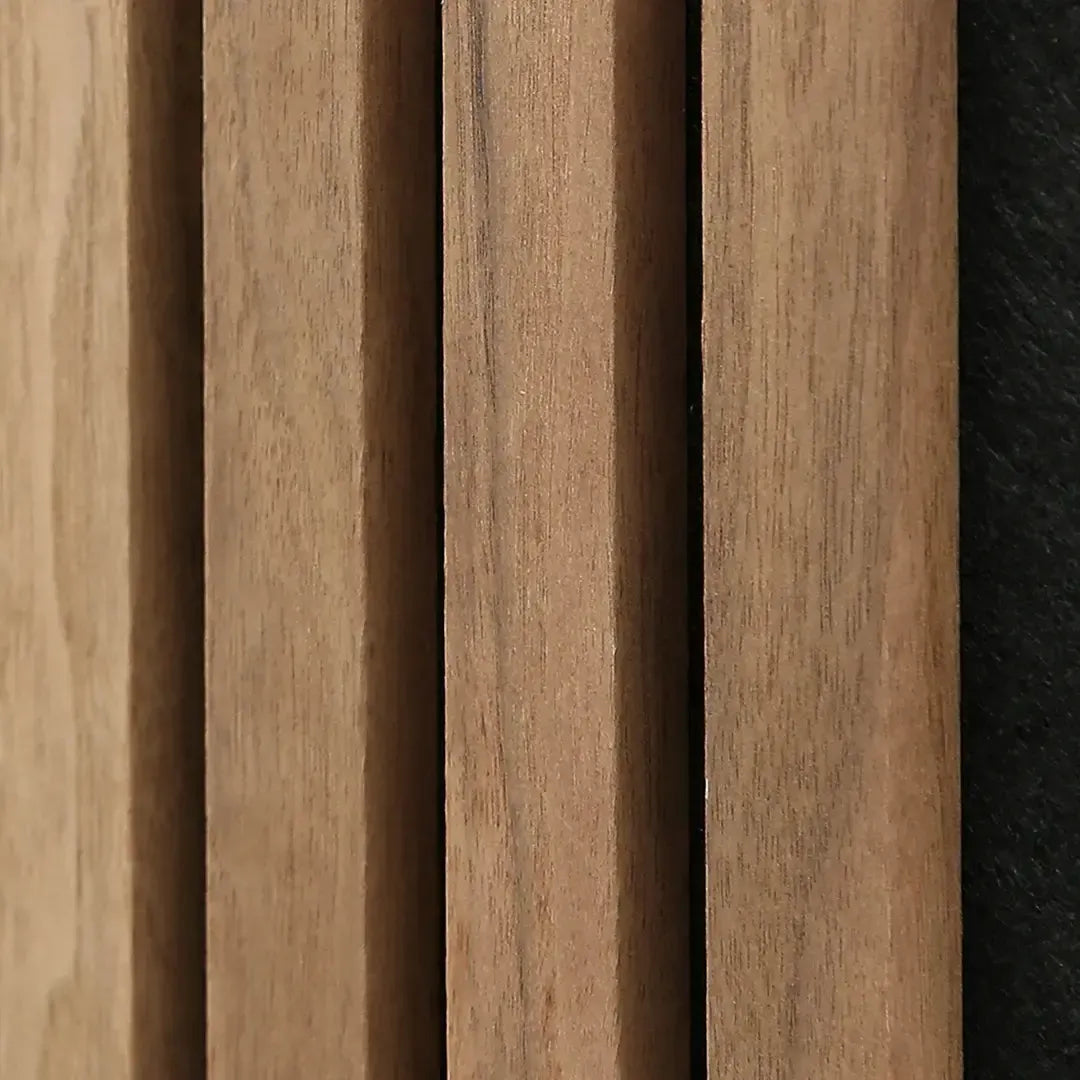
- Favor oak and walnut veneers over softer woods near refrigeration units — they resist surface dents from bumped carts
- Check the felt backing material before ordering if the wall sits behind an open case rather than a sealed one
- Ask about panel thickness before specifying a run behind heavy equipment or shelving brackets
Match panel tone to your cheese and cured meat color palette
Cheese wheels, wax rinds, and cured meats run warm — cream, amber, rust, deep red. A cool gray panel fights that palette; a warm oak or walnut panel supports it.
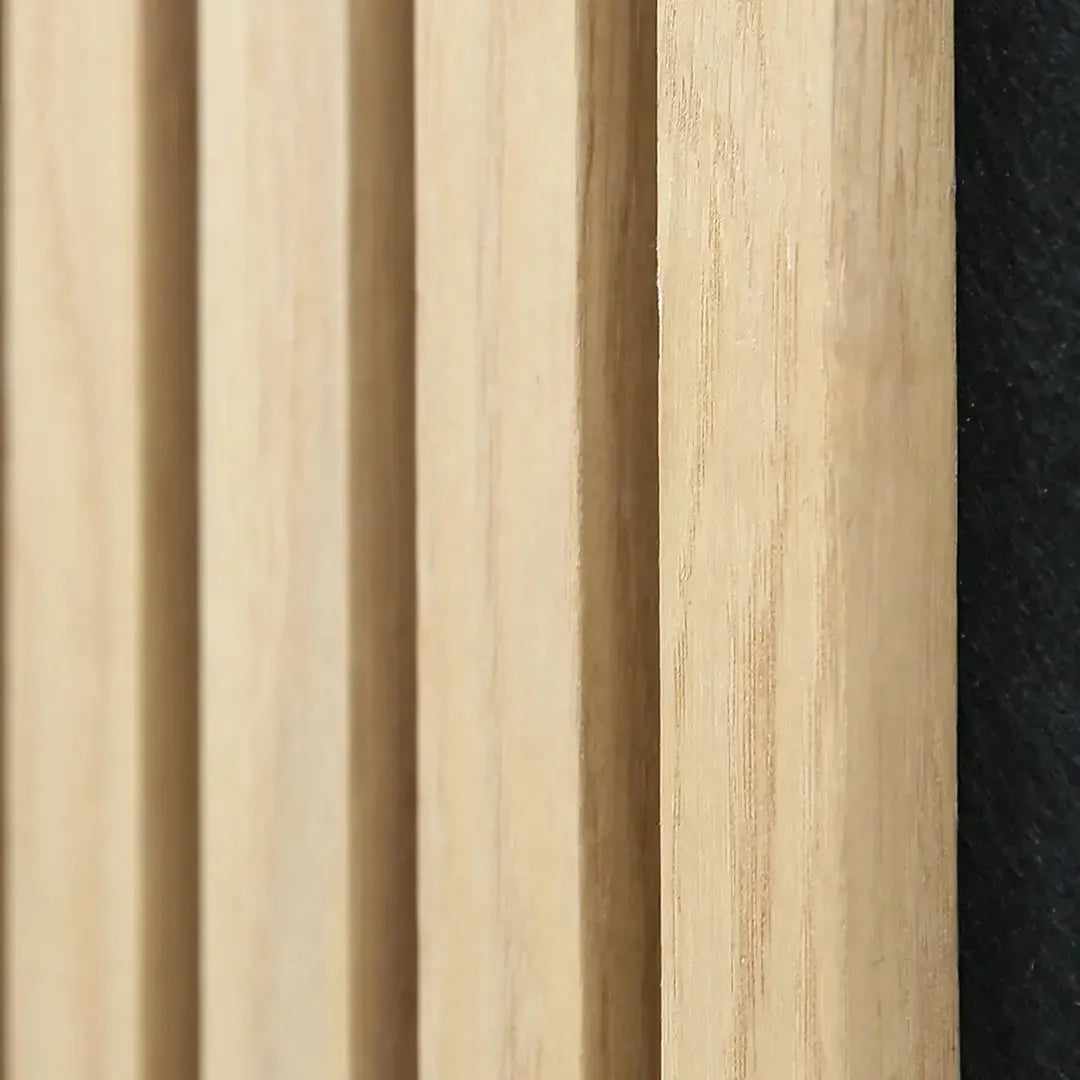
- Natural oak reads light and bright, good for daytime retail counters with big front windows
- Walnut and smoked oak read darker and moodier, better suited to evening wine-and-cheese service
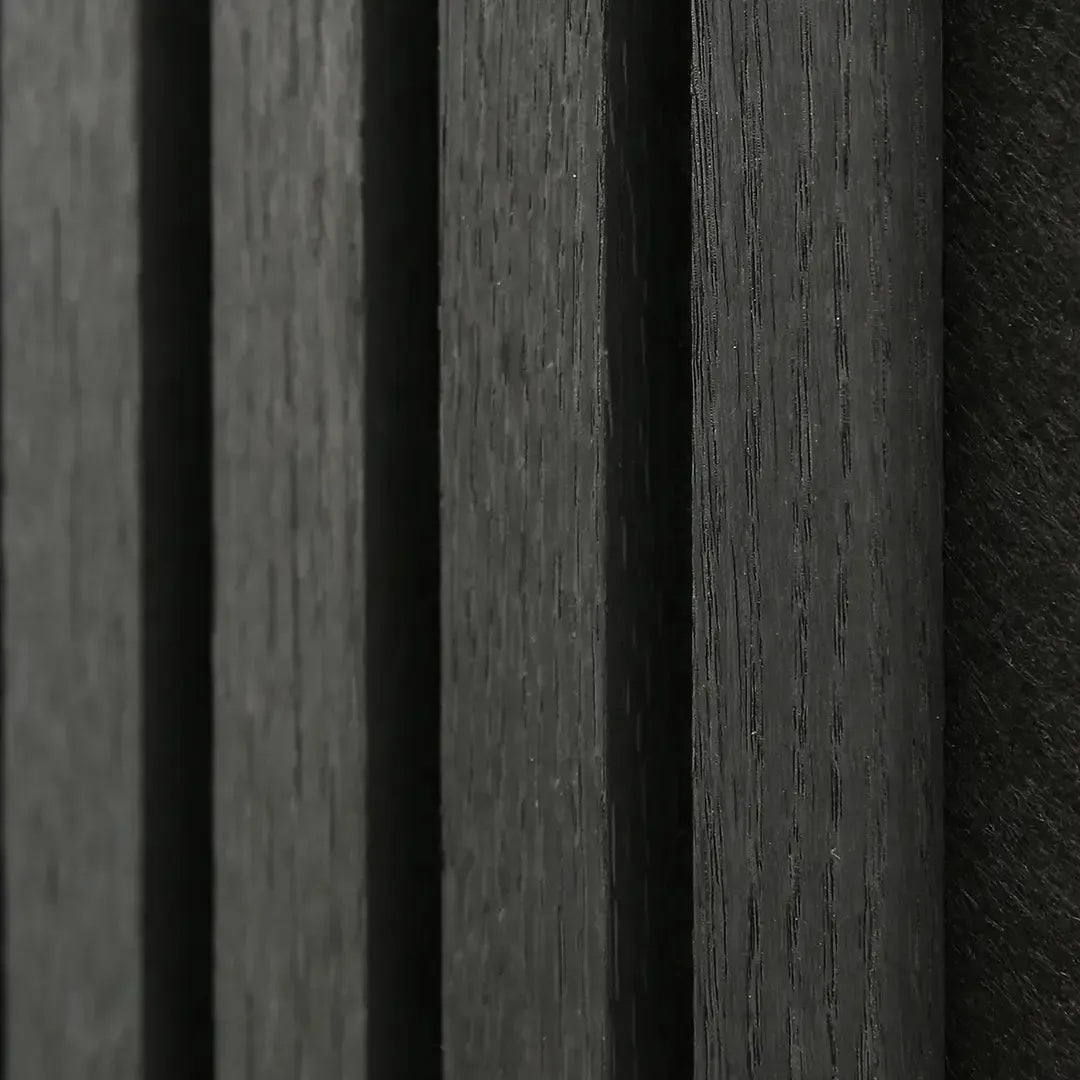
- Black oak works as an accent strip, not a full wall, in most charcuterie layouts
- Pull a physical sample against your actual cheese case lighting before ordering a full run — LED case lighting shifts wood tone more than daylight does
Layer acoustic treatment where echo actually hurts the experience
Don't panel the whole shop. Panel the zones where people talk and where sound bounces hardest — behind the counter, on the wall facing the case, and any tasting nook.
- Start with the wall directly behind the service counter, since that's where staff and customer voices compete most
- Add hexagon acoustic panels in a tasting corner where seating puts guests close to hard surfaces
- Skip full paneling on load-bearing prep walls where health code requires a washable, non-porous finish instead
- Treat ceiling-adjacent wall sections first if your shop has exposed ductwork or a high ceiling, since sound collects there
- Leave register and payment areas unpaneled if code requires a wipeable surface at point of sale
Build a feature wall behind the counter that photographs well
Charcuterie shops live on Instagram and word of mouth as much as foot traffic. The wall behind the counter is the backdrop for every board photo a customer posts.
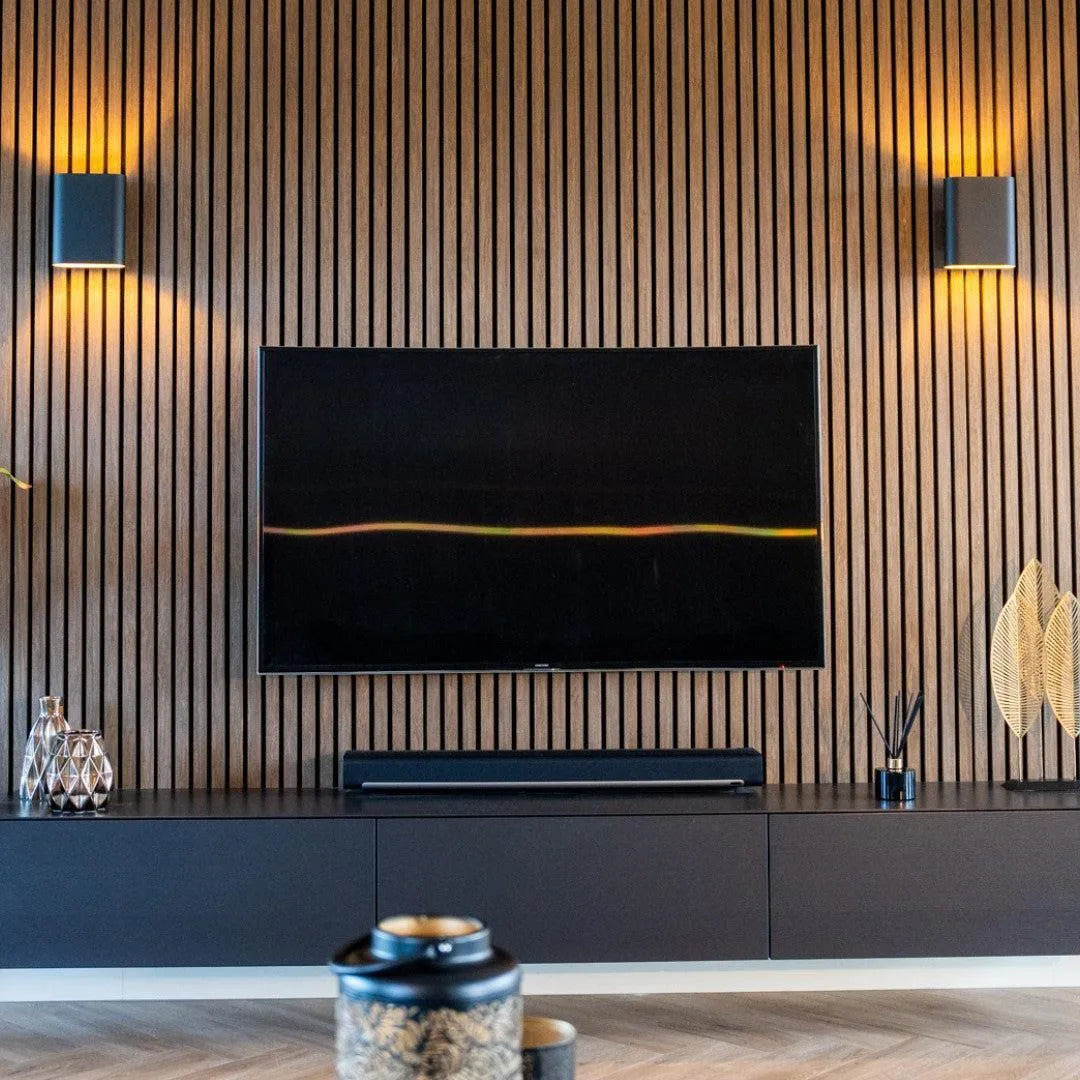
- Run slats vertically behind the counter to draw the eye up and make a narrow shop feel taller
- Frame the panel run with a contrasting trim color if your shop branding uses black or dark accents
- Keep panel width consistent across the visible run — mixed widths read as unfinished in photos
- Light the panel wall with a warm-temperature fixture, not the same cool case lighting used over the cheese
Protect panels from grease, brine, and daily cleaning
Charcuterie shops handle oil-cured meats, brined pickles, and soft cheeses that stain. A panel finish that can't handle a damp wipe-down every closing shift won't hold up past a season.
- Keep panels back from direct splash zones near slicers and prep sinks
- Use a soft, dry cloth for daily dusting and a barely damp cloth for occasional wipe-downs, never a soaked rag
- Avoid ammonia-based cleaners on real wood veneer — they strip finish faster than plain water
- Position panels above counter-splash height where possible, reserving the lower foot of wall for a washable material
Budget the install around linear footage, not guesswork
Most charcuterie shop walls run 10 to 25 linear feet behind the counter. Measure the actual run before ordering rather than estimating from memory — panel width and coverage per box vary by style.
- Measure floor to ceiling and wall to wall, then subtract door and window openings
- Order a sample first to confirm tone and texture against your case lighting before committing to a full run
- Add 5-10% extra material for cut waste around outlets, switches, and corners
- Use end pieces to finish exposed panel edges instead of leaving raw cuts visible at doorways
Handle the storefront exterior to pull foot traffic in
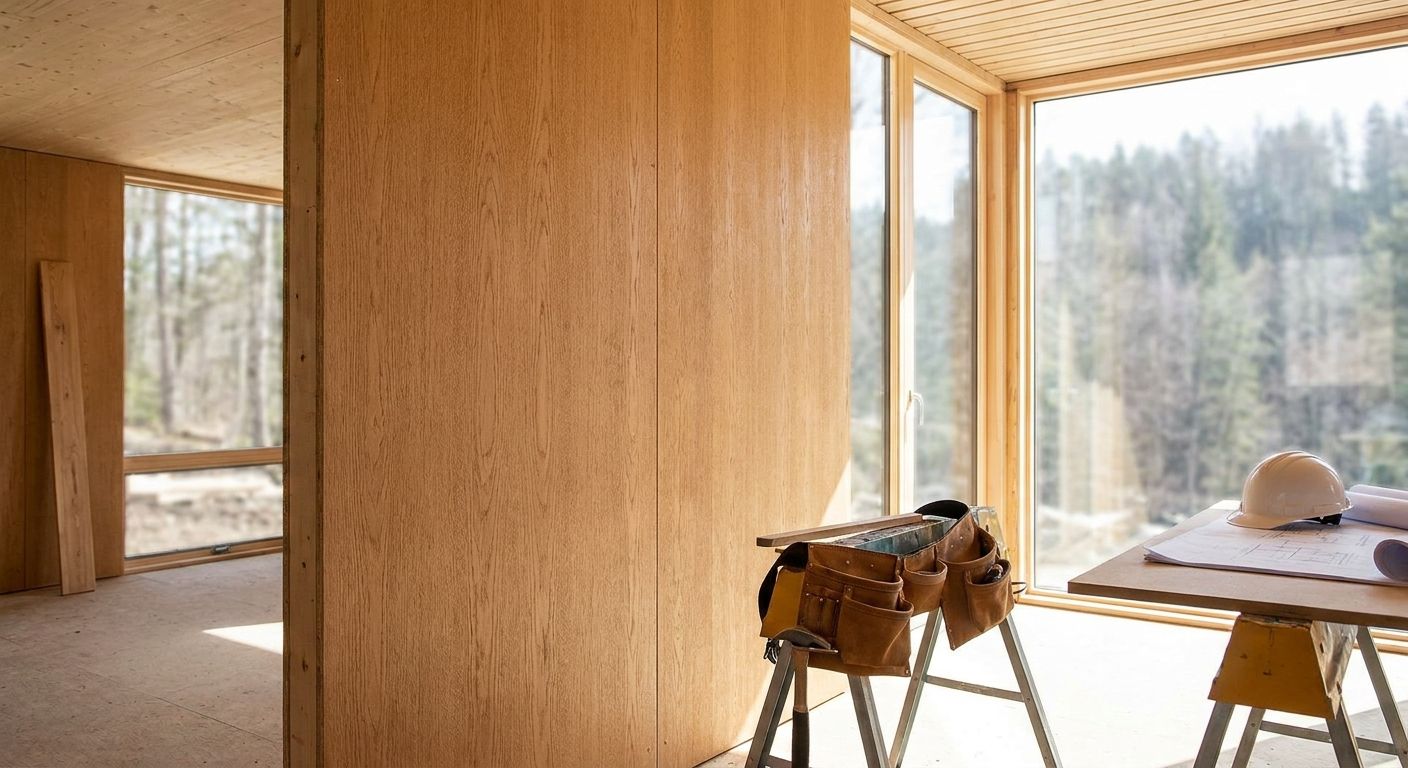
A charcuterie shop competes for attention on a retail strip. Exterior oak cladding around the entry or window frame signals "artisan" before a shopper ever sees the case inside.
- Use exterior-rated oak panels rated for UV and weather exposure, not interior slat stock, on any street-facing wall
- Add finishing trim at panel edges to keep a clean line where cladding meets glass or brick
- Keep exterior runs to entry alcoves or window surrounds rather than full facades on a rented storefront
- Check local signage and facade codes before altering a shared storefront wall in a strip mall or historic district
Comparing wall panel options for a charcuterie shop
| Option | Best for | Starting price | Key limitation |
|---|---|---|---|
| Acoustic slat wall panel, walnut | Feature wall behind the deli counter | Check current pricing | Needs furring strips for a clean mount over drywall |
| Fluted wall panel, natural oak | Vertical texture on counter fronts and columns | Check current pricing | Less acoustic dampening than felt-backed slat panels |
| Hexagon acoustic panel, walnut | Tight tasting corners with hard tile floors | Check current pricing | Higher install labor per square foot than flat slat runs |
| 3D wood wall panel, white oak tile | Small accent behind a register or cheese case | $28.95 per tile | Decorative only, no acoustic value |
| Exterior wall panel, oak | Storefront entry and window surround cladding | Check current pricing | Requires exterior-rated trim and screws for weatherproofing |
Verdict: acoustic slat wall panels in walnut or natural oak are the strongest starting point for most charcuterie shops in 2026 — they carry the acoustic felt backing that flat decorative tiles skip, and the wood tone works with cheese and cured meat displays without extra styling.


Common mistakes charcuterie shops make with wall panels
- Paneling the whole shop instead of the acoustic hot spots — the counter wall and tasting nook do the real work; a full-shop install wastes budget on walls that don't carry sound problems
- Picking a panel tone that fights the product — a gray or black wall behind amber wax rinds and cured meats reads cold instead of artisan
- Skipping exterior-rated material on storefront cladding — interior slat stock left exposed to weather cups and fades faster than exterior-rated panels
- Ordering by eyeball instead of measured linear footage — short orders mean a second freight charge and a visible seam where the run stops
- Ignoring humidity from refrigeration units — placing veneer panels too close to a case's condensation zone shortens the finish's life well before 2026's end
FAQ
What's the best wood panel for a charcuterie shop wall?
Acoustic slat wall panels in walnut or natural oak work best for most charcuterie shops because the felt backing dampens counter-area echo while the real wood veneer face matches the warm tones of cheese and cured meat displays.
Do acoustic slat panels actually reduce noise in a small cheese shop?
Yes, felt-backed slat and hexagon panels absorb reflected sound off tile floors and glass display cases, which is where most of the noise buildup happens in a small charcuterie counter area.
Can wood slat panels go near a refrigerated display case?
Yes, but keep panels a few inches back from direct condensation drip lines and choose oak or walnut veneer, which handles humidity swings better than softer wood finishes.
How much wall coverage does a hexagon acoustic panel box provide?
Hexagon acoustic panels ship 4 panels per box at 32 inches each, so coverage depends on how tightly you pack the hexagon pattern across your counter wall.
Is fluted paneling or slat paneling better for a charcuterie counter front?
Slat paneling with felt backing gives more acoustic benefit for counter-area echo, while fluted paneling suits vertical texture on columns or counter fronts where sound absorption matters less than visual detail.
How do you clean wood wall panels in a food retail space?
Dust with a dry cloth daily and wipe occasionally with a barely damp cloth, avoiding ammonia-based cleaners that strip the wood finish faster than plain water.
Can these wood panels be used on a charcuterie storefront exterior?
Yes, exterior-rated oak wall panels are built for UV and weather exposure and work well framing an entry alcove or window surround, though interior slat stock should not be used outdoors.
What's the difference between acoustic and purely decorative wood panels?
Acoustic panels carry a felt or foam backing that absorbs sound, rated by NRC value, while decorative 3D wood tiles offer texture and visual interest with no sound-dampening function.
One last thing
Most charcuterie shops over-panel the sales floor and under-panel the one wall that matters: the counter backdrop where staff and customers actually talk over the case. Order a physical wood sample against your case lighting before committing to a full run in 2026 — LED case lighting shifts oak and walnut tone more than most owners expect, and a sample catches that mismatch before a full order ships.

 Better performance and aesthetic appeal
 In Stock