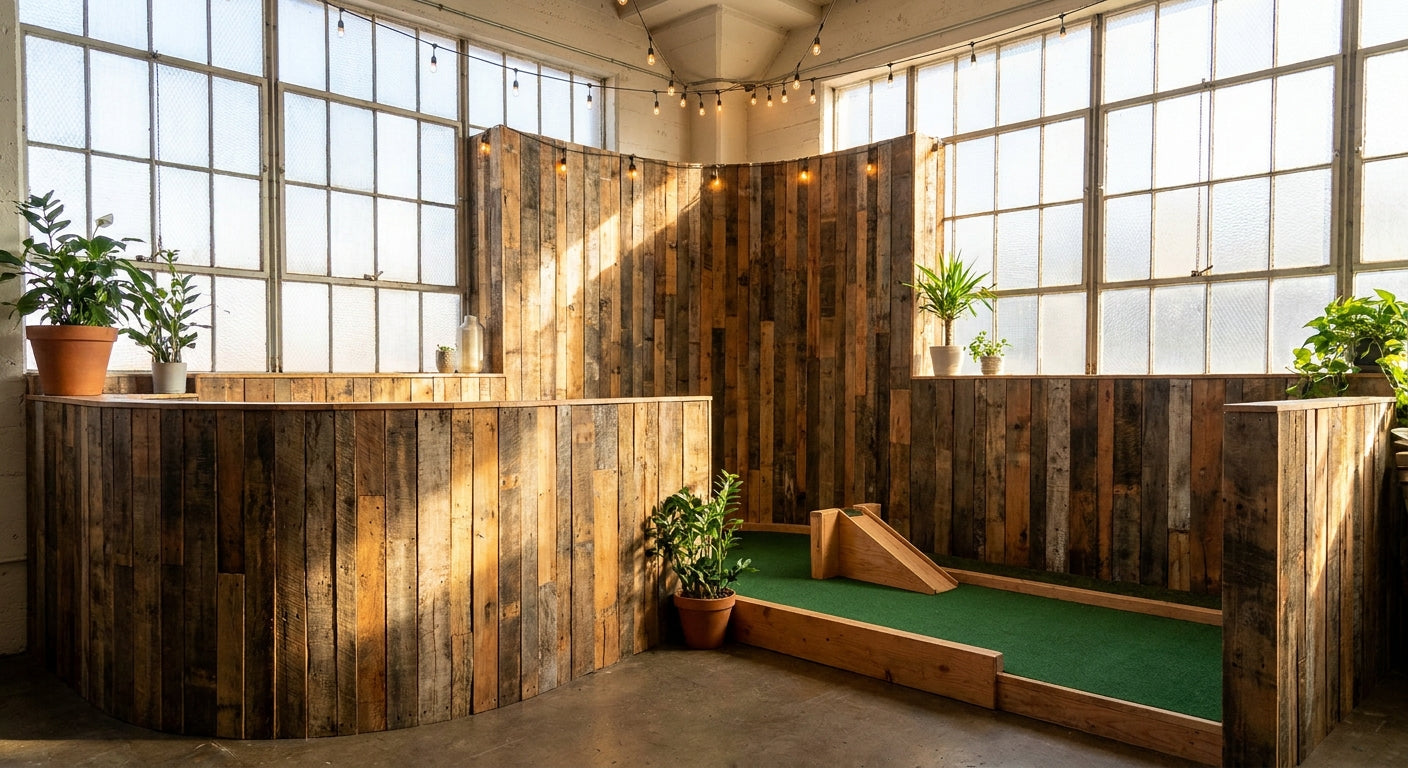
Indoor mini golf walls take a beating that living rooms never see — golf balls, putters, birthday-party crowds, and blacklight paint all hit the same surface. This guide breaks down which wood wall panels hold up in a course environment and which ones just look good in a showroom.
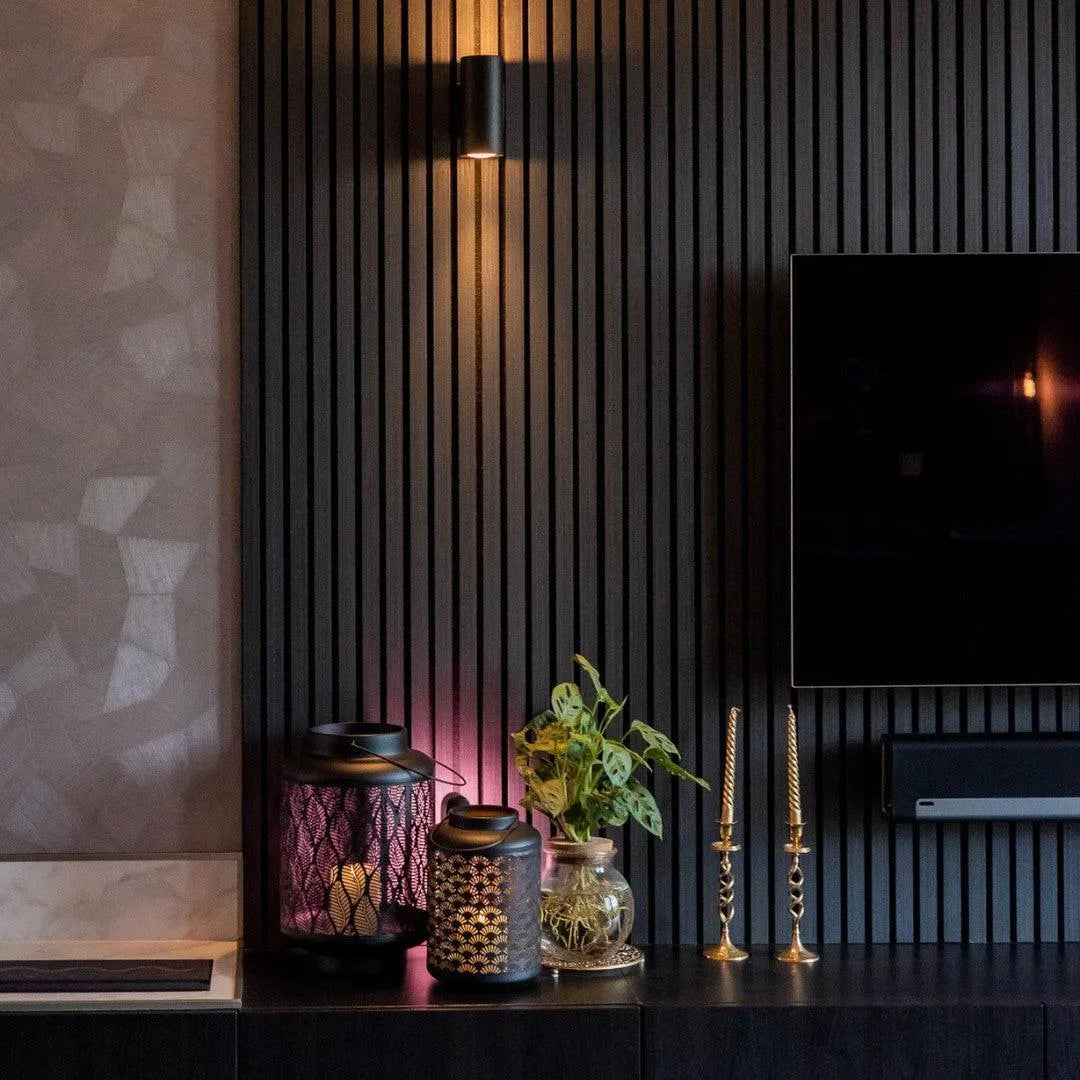
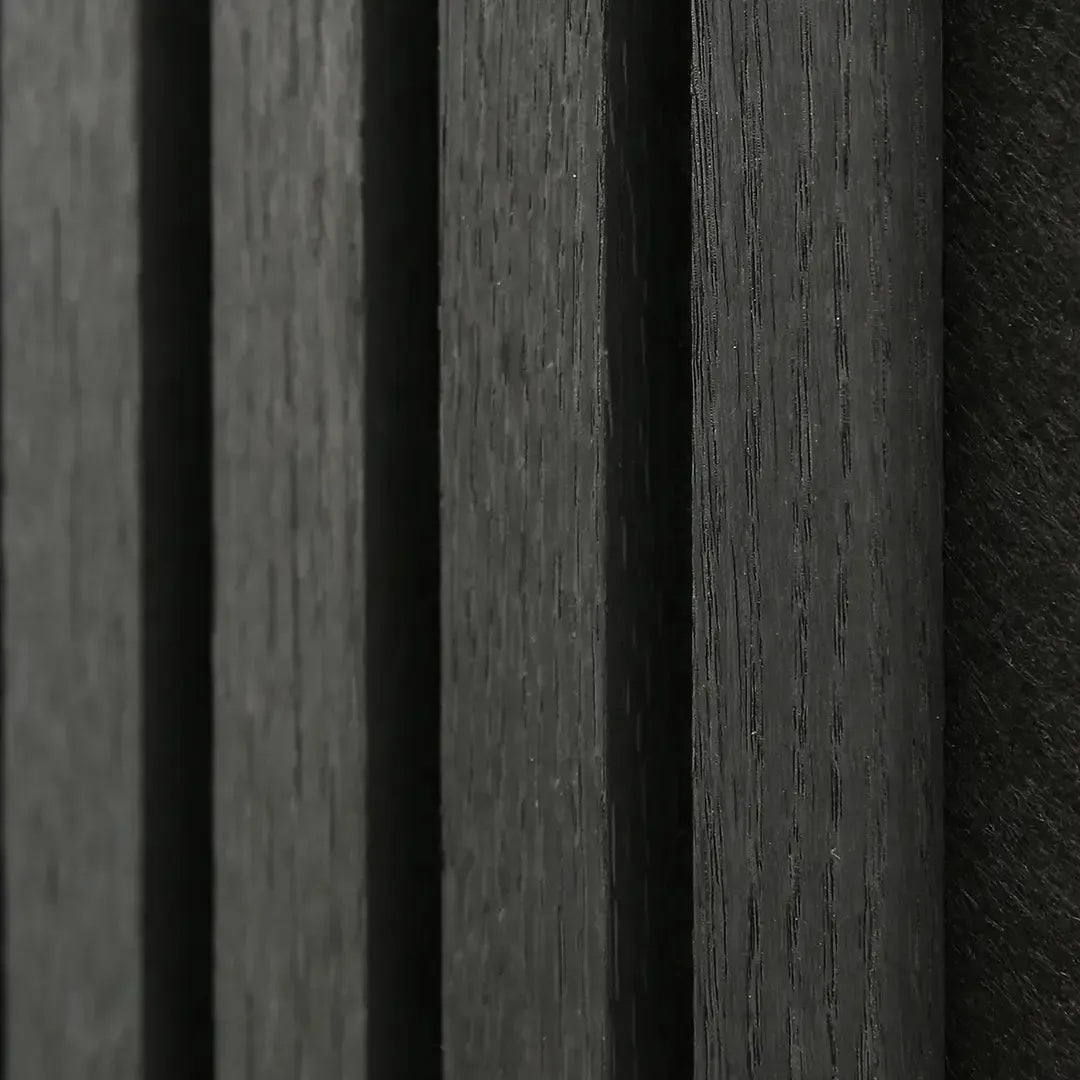
- Acoustic Slat Wall Panel Black Oak is the safe buy for mini golf course walls at $177.95 a panel — it hides scuffs and cuts echo.
- Hexagon Acoustic Panel Walnut carries an NRC of 0.75 and works as a themed obstacle backdrop — Buy for feature holes.
- Fluted Wall Panel Walnut bends around curved holes without cutting — Consider it for winding course layouts.
- Skip painted MDF slat lookalikes near putting greens in 2026 — moisture and ball impact chip the finish within months.
Why this matters
Most indoor mini golf operators default to painted drywall or laminate because that's what the general contractor knows. Neither survives a birthday-party crowd for more than a season. Real wood veneer wood wall panels, like the catalog at Akuwood Panel, solve two problems at once: they absorb sound in a space that's usually one giant echo chamber, and the veneer face resists the scuffing that painted panels can't shake off.
Course operators care about three things: noise, durability, and how fast a wall section can be swapped out after a group of ten-year-olds finds the one spot a putter reaches. Wood panels for mini golf course walls need to answer all three, not just look good in a rendering.
Who this is for
This guide is for indoor mini golf and family entertainment center (FEC) operators, builders fitting out a new course, and designers specifying finishes for putt-putt, glow golf, or arcade-adjacent venues. If you're covering walls around holes 1 through 18 and need something that survives foot traffic, spilled soda, and the occasional errant swing, keep reading.
What to look for in wood panels for mini golf course walls
1. Impact and scuff resistance
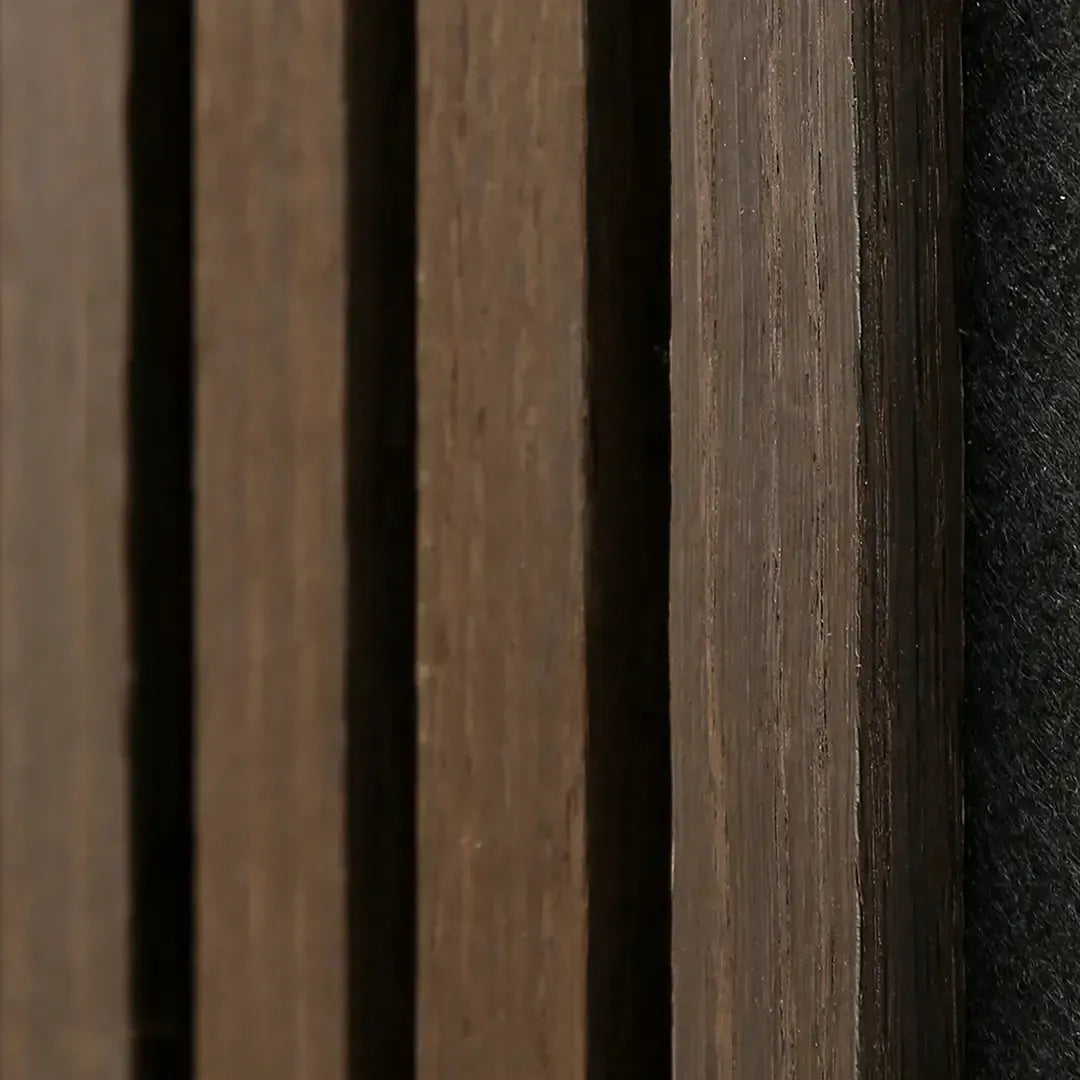
A golf ball at close range and a wandering putter both hit walls harder than any residential use case. Real wood veneer over an engineered core takes a hit better than thin laminate skins, which chip and reveal the substrate underneath. Ask what's under the veneer — MDF core with a 3-sided wood veneer wrap holds its edge longer than a printed vinyl wrap over particleboard.
2. Acoustic performance (NRC rating)
An 18-hole indoor course with concrete floors, arcade machines, and a snack bar is loud. Acoustic slat and hexagon panels with an NRC rating around 0.75 absorb mid-to-high frequency noise — the range that makes group chatter and machine bells feel like a wall of sound. A course without any absorptive surface just amplifies every birthday party into a single roar.
3. Moisture and easy-clean surfaces
Spilled drinks, humid air from thirty people breathing in an enclosed space, and the occasional mop pass all test a wall finish. A sealed wood veneer wipes clean; an unsealed or painted surface stains and swells. Confirm the panel's finish before it goes anywhere near a beverage station or restroom corridor.
4. Curved-wall and obstacle flexibility
Mini golf holes rarely run in straight lines. Flexible fluted panels that bend around a radius let you wrap a curved obstacle wall or a rounded tee box without notching every panel by hand. Rigid slat panels work fine on straight runs but fight you on anything with a curve tighter than a few feet.
5. Cost per square foot at course scale
An 18-hole indoor course easily covers 3,000 to 6,000 square feet of wall. At $169.95 to $177.95 per panel for premium slat designs, material cost adds up fast — budget for it early rather than discovering the number mid-build in 2026.
Top picks for indoor mini golf course walls
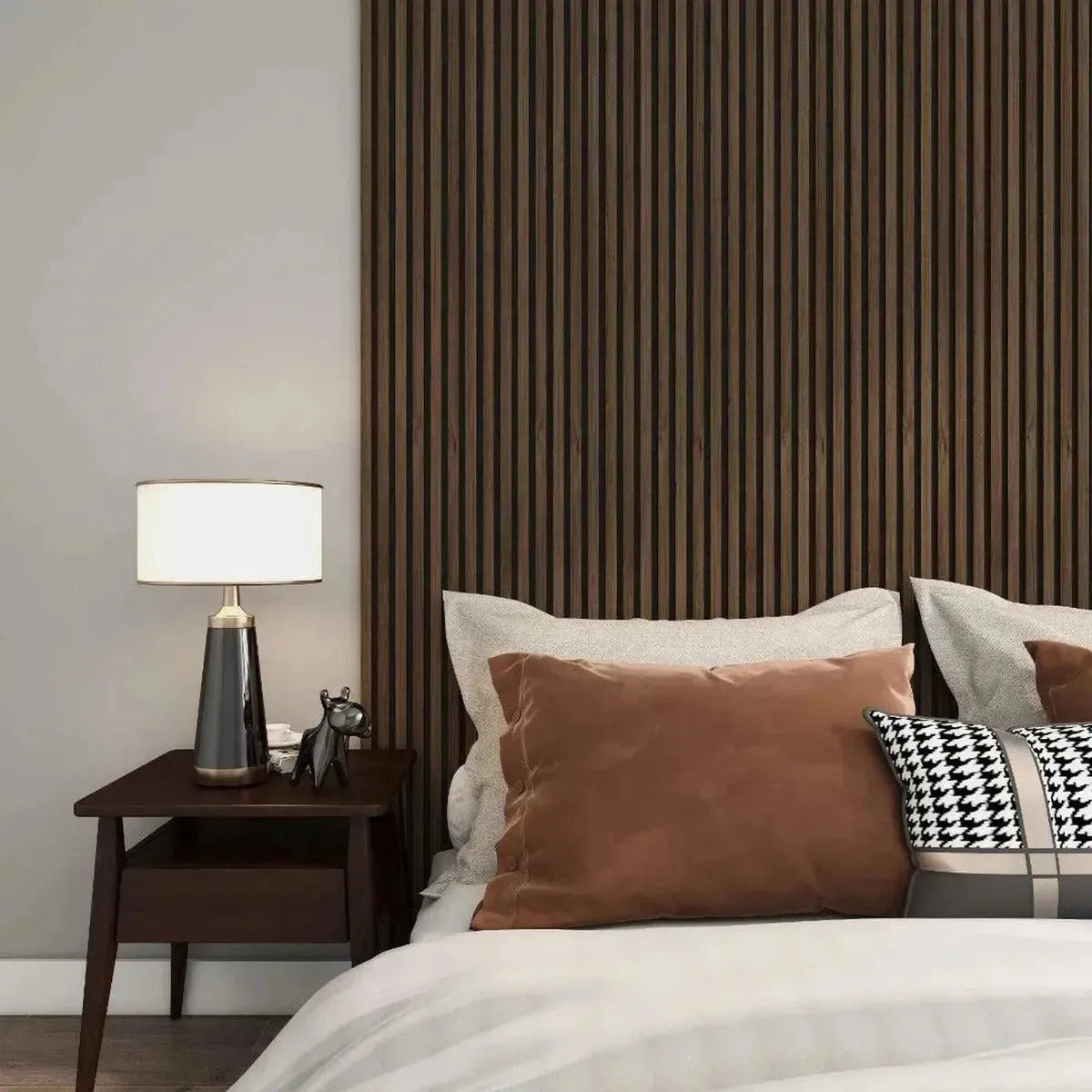
The safe pick: Acoustic Slat Wall Panel Black Oak — $177.95. Dark tone hides scuffs and scratches better than lighter finishes, and the 3-sided wood veneer construction survives repeated contact along low-traffic perimeter walls. Runs well behind holes with heavy foot traffic where a lighter panel would show every mark within a year. Buy for main corridor walls.
The wildcard: Hexagon Acoustic Panel Walnut — geometric hexagon shape breaks up a flat wall and doubles as a themed backdrop for a signature hole. The NRC 0.75 rating on hexagon panels in this line means the decorative choice also does acoustic work, not just aesthetic work. Buy for feature holes or entrance walls where you want something photographable.
The flexible option: Fluted Wall Panel Walnut, modern flexible design — bends around curved obstacle walls and rounded tee boxes without custom cutting every piece. Slower to source than flat slat panels but saves labor hours on any hole with a radius. Consider it specifically for curved or circular course sections; skip it for straight corridor runs where a rigid slat panel is cheaper per square foot.
The budget backdrop: tile-format acoustic slat panels. Smaller tile-format acoustic slat panels cover accent walls or small obstacle faces without committing to full-size panels across an entire hole. Useful for testing a finish on one feature wall before ordering enough panel for the full course. Consider for pilot sections; Skip as the sole finish on high-traffic corridors since smaller format means more seams to maintain.


What to avoid
- Printed vinyl wrap over MDF. Looks like real wood veneer in photos but the print wears through at the first scuff. On a mini golf wall, that's within the first season.
- Unsealed raw wood. Fine for a one-off residential accent wall, wrong for anything near a beverage counter or restroom hallway where moisture is constant.
- Panels with no published NRC rating. If a supplier can't tell you the acoustic performance number, assume it's purely decorative and won't touch the echo problem.
Verdict comparison table
| Panel | Impact resistance | NRC rating | Curved-wall friendly | Verdict |
|---|---|---|---|---|
| Acoustic Slat Wall Panel Black Oak | High (dark tone hides marks) | Not published for this SKU | No | Buy |
| Hexagon Acoustic Panel Walnut | Medium-high | 0.75 | No | Buy |
| Fluted Wall Panel Walnut (flexible) | Medium | Not published for this SKU | Yes | Consider |
| Tile-format acoustic slat panels | Medium (more seams) | Not published for this SKU | No | Consider for pilots |
FAQ
What's the best wood panel for mini golf course walls?
Acoustic Slat Wall Panel Black Oak is the strongest all-around choice for 2026 builds because its dark finish hides scuffs and its slat structure absorbs echo in a loud arcade-style room. Lighter finishes show wear faster on high-traffic corridor walls.
Do acoustic wood panels actually reduce noise in an indoor course?
Yes, slat and hexagon panels with an NRC rating around 0.75 absorb a meaningful share of mid-to-high frequency sound. That's the frequency range where crowd chatter and arcade machine bells live, so a bare drywall room sounds noticeably louder than one lined with acoustic panels.
Are real wood veneer panels durable enough for a family entertainment center?
A 3-sided wood veneer over an engineered core holds up better than printed laminate or vinyl wrap because the veneer doesn't peel or show through when scuffed. It still needs a sealed finish near moisture-heavy areas like beverage stations.
Can wood slat panels bend around curved mini golf obstacles?
Flexible fluted panel designs bend around a radius wall without custom notching each piece, which makes them a better fit for curved holes than rigid slat panels. Straight corridor walls don't need the flexible version and cost less with a standard rigid slat panel.
How much does it cost to panel an indoor mini golf course in wood?
Premium acoustic slat panels run $169.95 to $177.95 per panel in 2026, and an 18-hole indoor course commonly covers 3,000 to 6,000 square feet of wall. Budgeting panel count against square footage early avoids a mid-project cost surprise.
Is black oak or natural oak better for a mini golf wall?
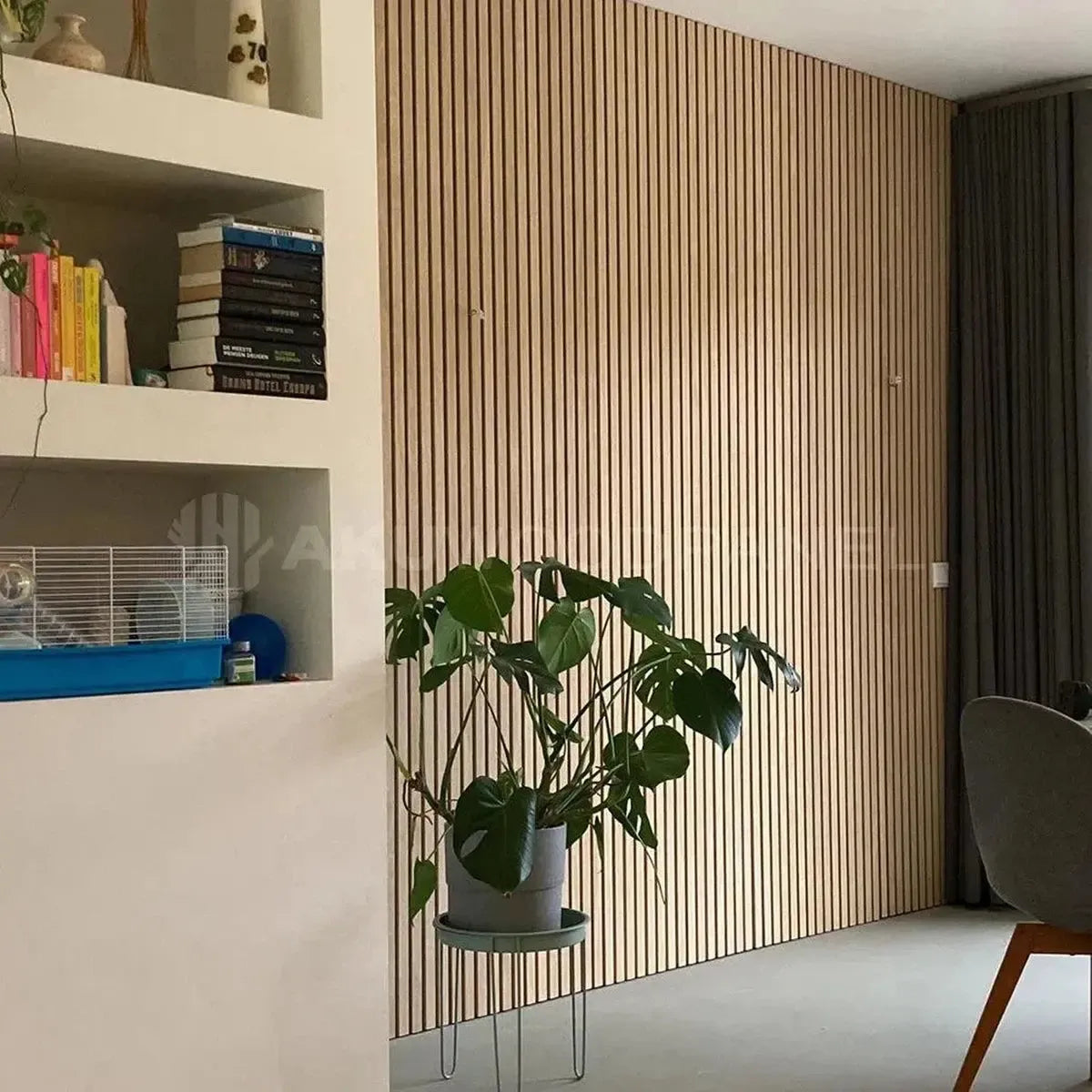
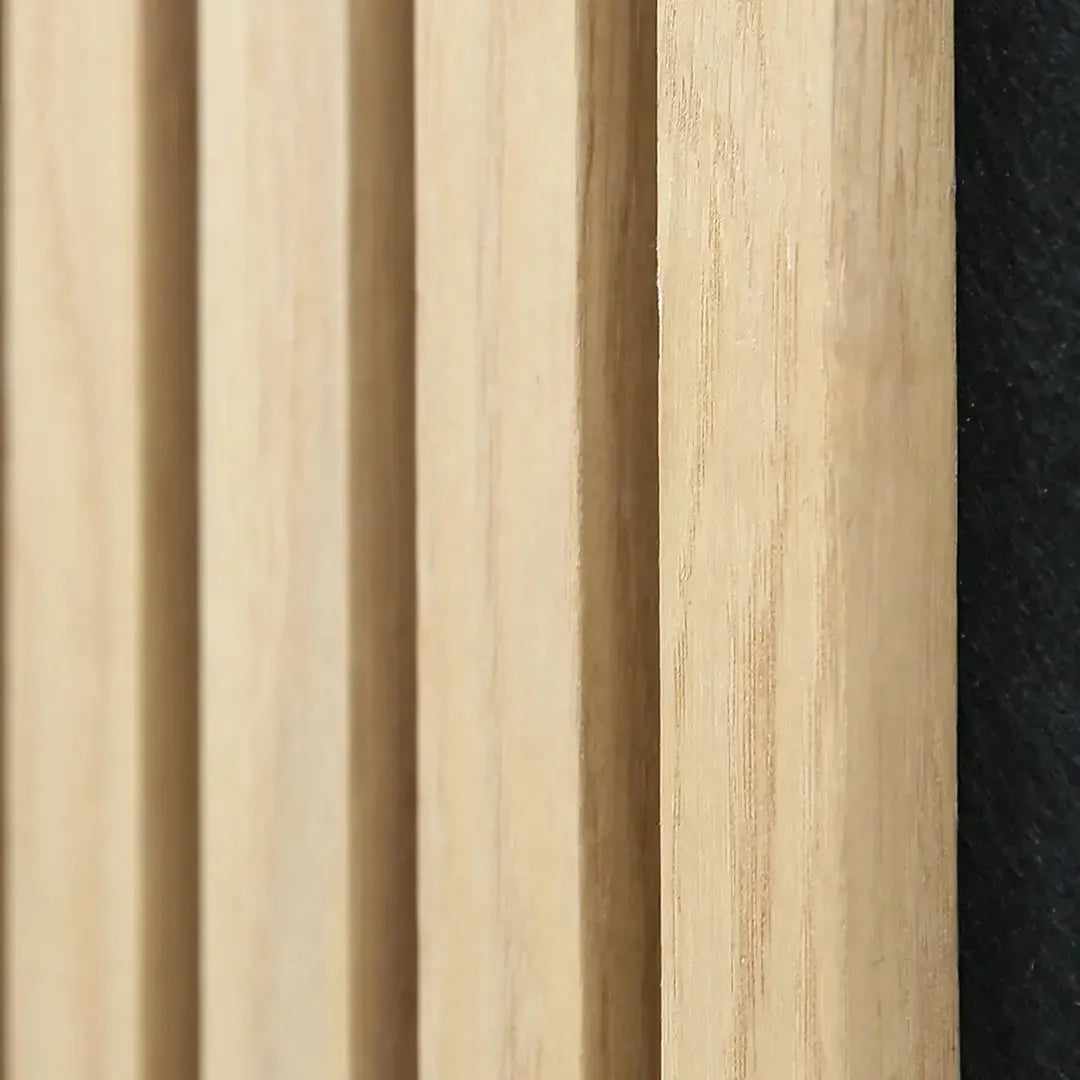
Black oak hides scuffs and dirt better on high-traffic perimeter walls, while natural oak reads brighter and works well on feature walls with good lighting. Pick black oak for corridors, natural oak for photo-op zones.
What NRC rating should I look for in acoustic panels for a loud venue?
An NRC around 0.75, like the rating on hexagon acoustic panels in this range, provides solid absorption for a space with crowd noise and arcade equipment. Anything without a published NRC number should be treated as decorative only.
Do peel-and-stick or tile-format panels work for mini golf feature walls?
Tile-format acoustic panels work for smaller accent walls or a single feature hole but aren't the right primary finish for long, high-traffic corridors because of the added seams. Use them to test a finish before committing to full panel runs.
One last thing
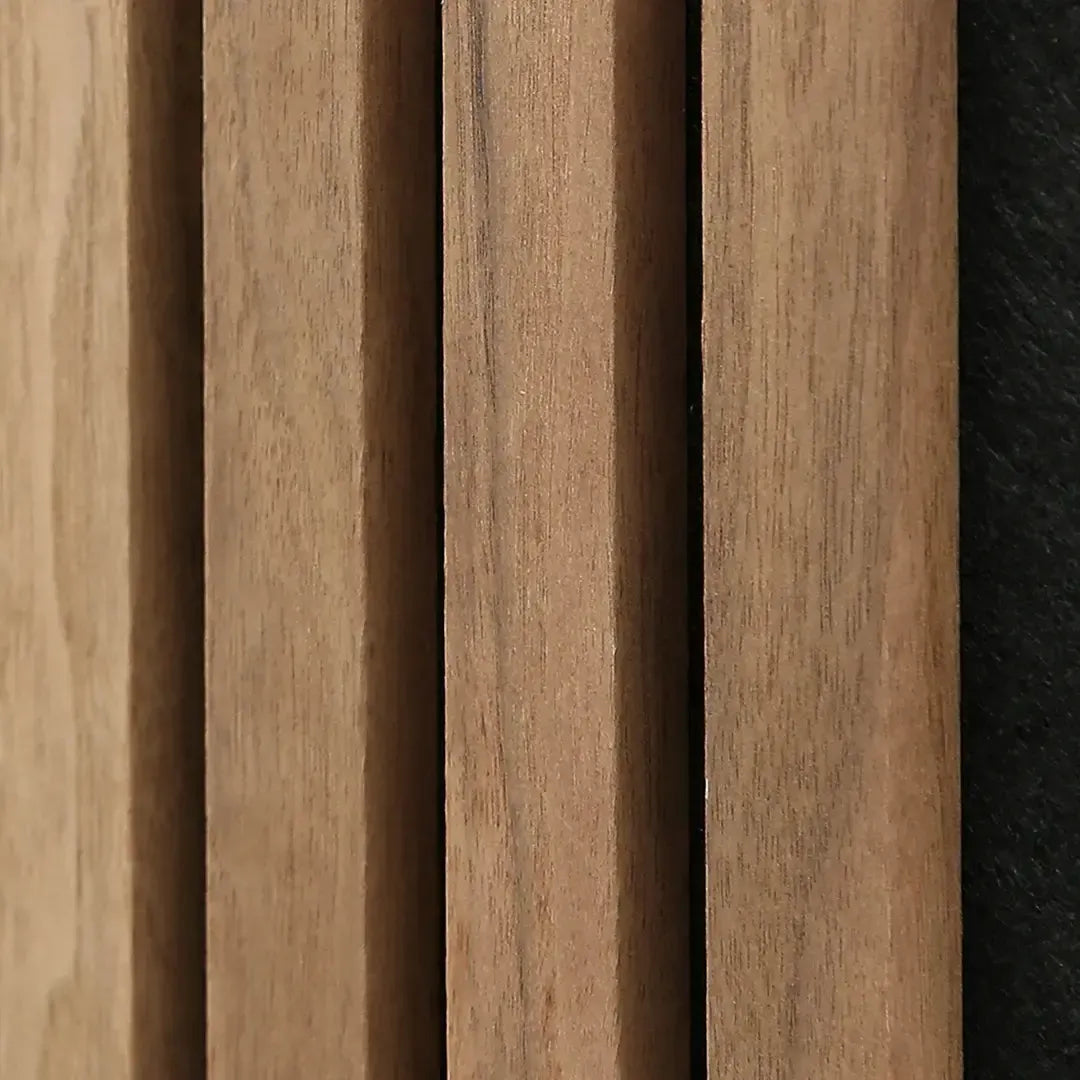
The detail most builders miss: hexagon and slat panels with a felt backing do double duty under blacklight sections. The gray felt backing on panels like the natural oak with gray felt variant reads darker under UV lighting than a bare wood back, which matters if any hole runs a glow-golf theme. Check the felt-backed options before finalizing a blacklight hole's wall spec.

 Better performance and aesthetic appeal
 In Stock