Exterior wall panels split into five material categories, and only two of them shrug off freeze-thaw cycles, UV exposure, and driving rain the way a facade needs to survive a decade outdoors. This guide ranks the main exterior wall panel types by real weather resistance so you buy for your climate, not just your color scheme.
- Wood veneer composite exterior wall panels handle moderate climates well when installed with a drainage gap.
- Fiber cement wins outright on exterior wall panels weather resistance for coastal and freeze-thaw zones.
- Vinyl panels resist moisture but soften under sustained direct heat and sun-reflected glare.
- Aluminum composite panels shed weather hardest of all but cost more to fabricate and install.
- Solid wood cladding looks best fresh but needs the most upkeep against sun and rain.
Why this matters
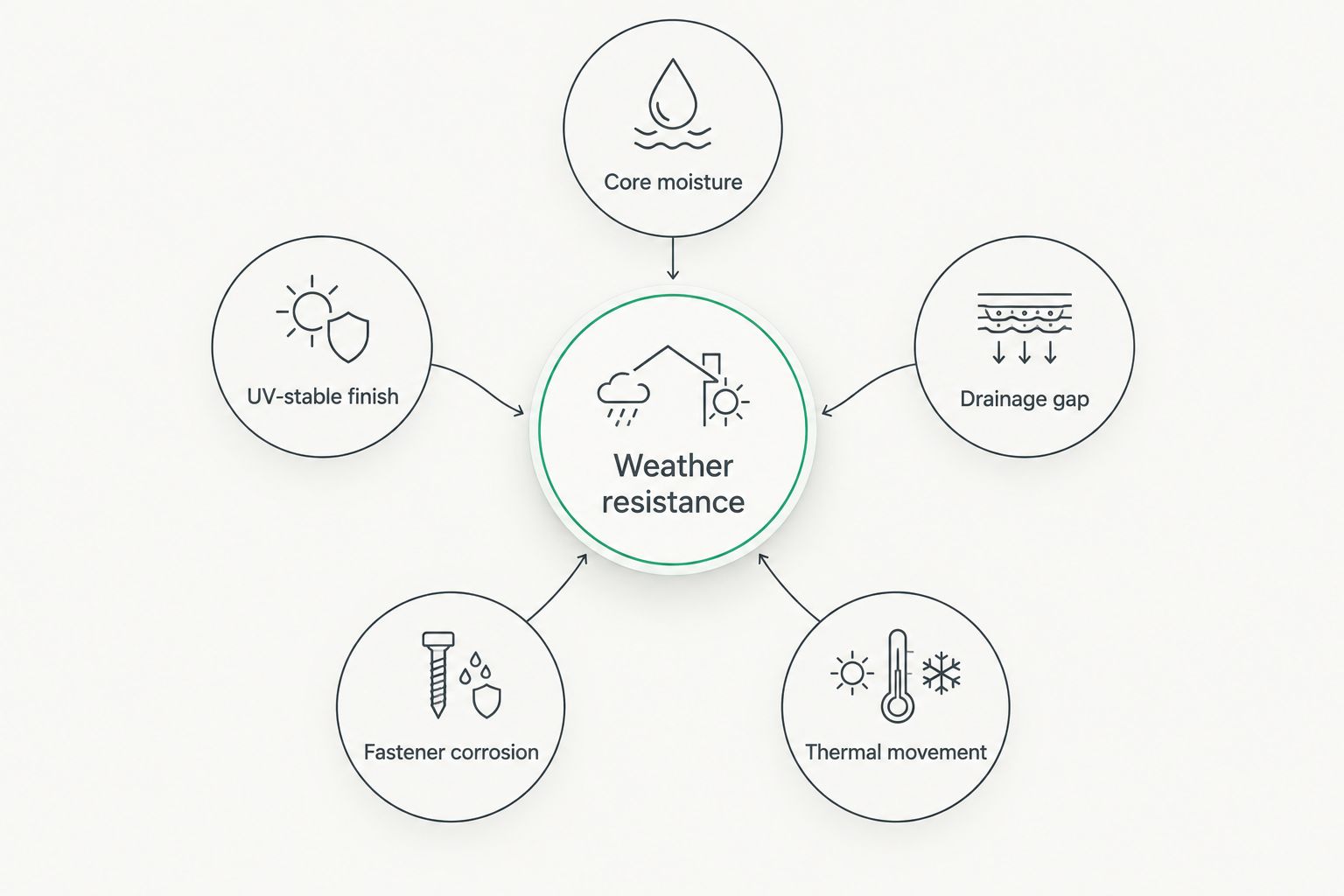
An exterior wall panel that looks great on install day but lets water behind the substrate turns into a five-year problem instead of a fifteen-year investment. Moisture trapped behind cladding rots sheathing, feeds mold, and voids most manufacturer warranties long before the visible finish shows damage. Weather resistance isn't one property — it's core material, surface finish, fastener corrosion resistance, and how the panel manages the water that inevitably gets behind it.
Akuwood's Birch exterior wall panel is built around an engineered composite core faced with real wood veneer, which puts it in a specific weather-resistance bracket compared to fiber cement, vinyl, aluminum composite, or solid wood cladding. Buyers researching exterior wall panels weather resistance in 2026 usually land on one of these five categories, and picking the wrong one for a coastal or freeze-thaw climate is the most common facade mistake homeowners make.
Best overall for weather resistance: fiber cement exterior panels. Best for a real-wood look with manageable upkeep: composite wood veneer exterior wall panels. Best budget option: vinyl exterior wall panels.
What makes the best exterior wall panels for weather resistance
- Core moisture resistance — does the base material swell, absorb, or rot when wet
- UV-stable finish — does color and texture hold up under years of direct sun
- Drainage design — is there a gap behind the panel for water to escape instead of pool
- Fastener corrosion resistance — do the screws and clips survive salt air and humidity
- Thermal movement allowance — does the panel handle freeze-thaw expansion without cracking
- Maintenance burden — how much upkeep is required to keep that weather resistance intact
At a glance: exterior wall panels ranked by weather resistance
| Panel type | Best for | Standout feature | Key limitation |
|---|---|---|---|
| Wood veneer composite exterior panels | Real-wood look, moderate climate | Engineered core resists swelling better than solid lumber | Finish needs periodic maintenance |
| Fiber cement panels | Coastal and freeze-thaw climates | Noncombustible, dimensionally stable core | Heavy, needs professional install |
| Vinyl exterior panels | Budget-driven full re-siding jobs | Low maintenance, molded-through color | Softens under sustained direct heat |
| Aluminum composite panels | High-wind and commercial facades | Metal skin sheds UV and moisture with no topcoat | Higher fabrication and install cost |
| Solid wood cladding | Authentic wood, upkeep accepted | Ages naturally, repairable board by board | Highest maintenance, most rot exposure |
1. Wood veneer composite exterior wall panels: best for a real-wood look with moderate upkeep
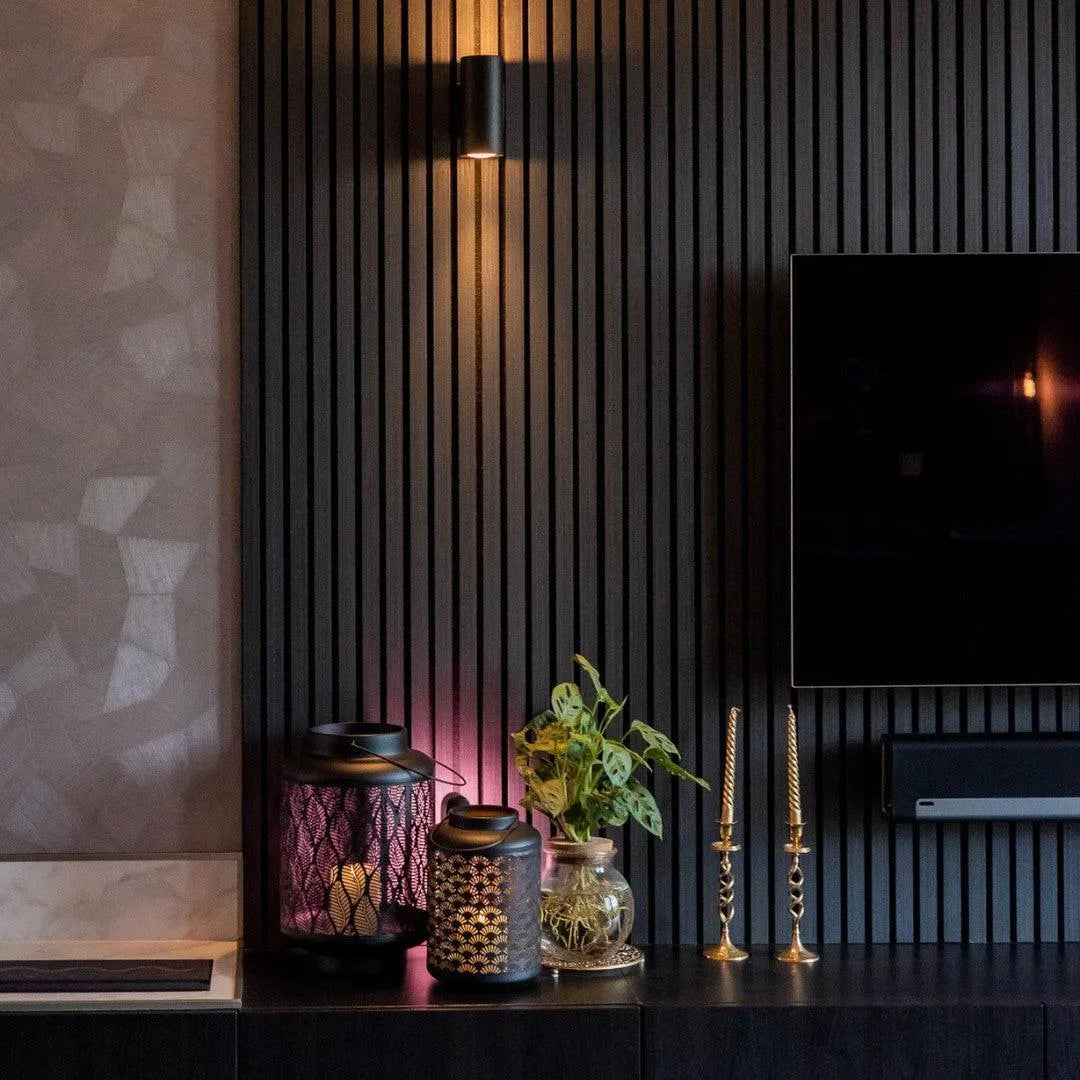
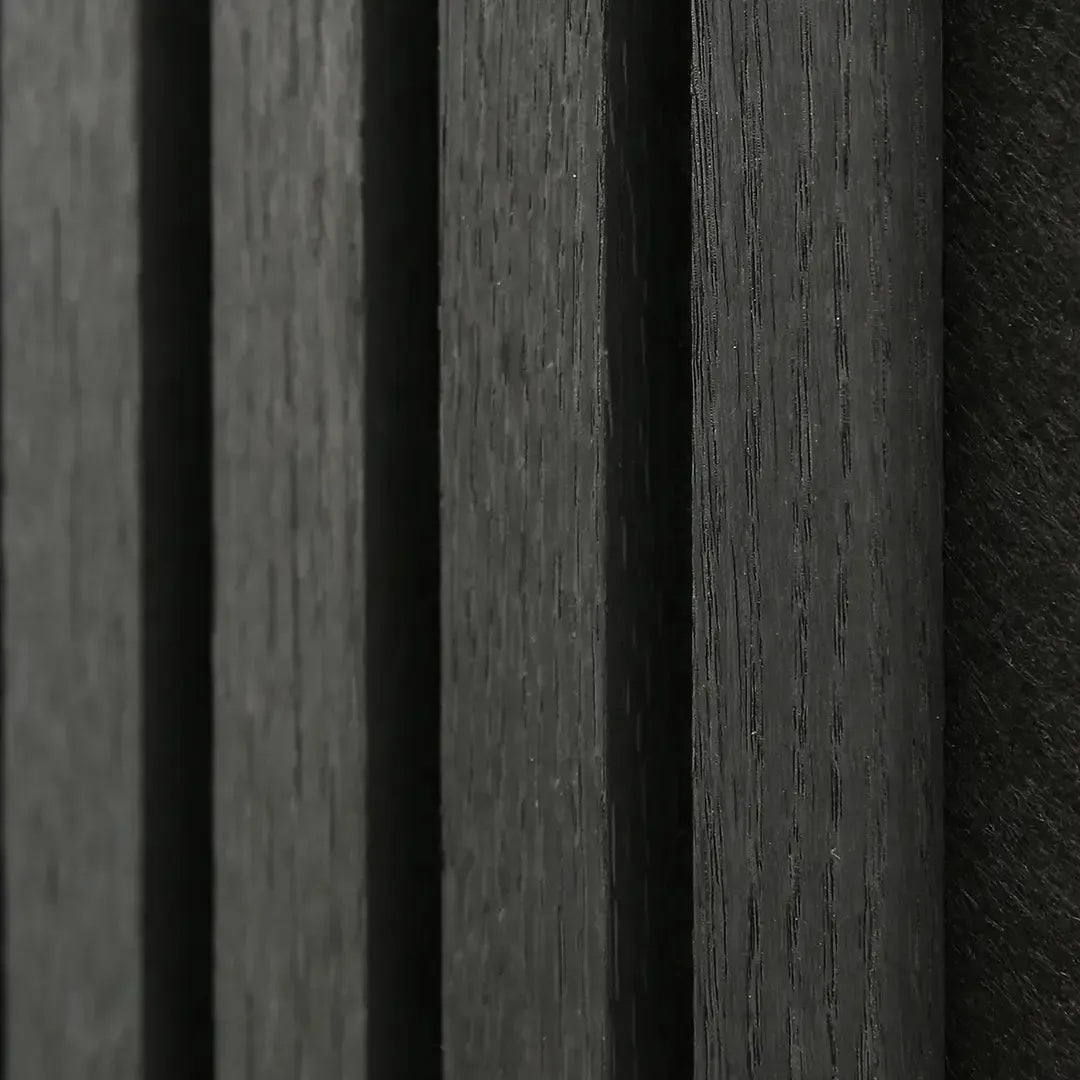
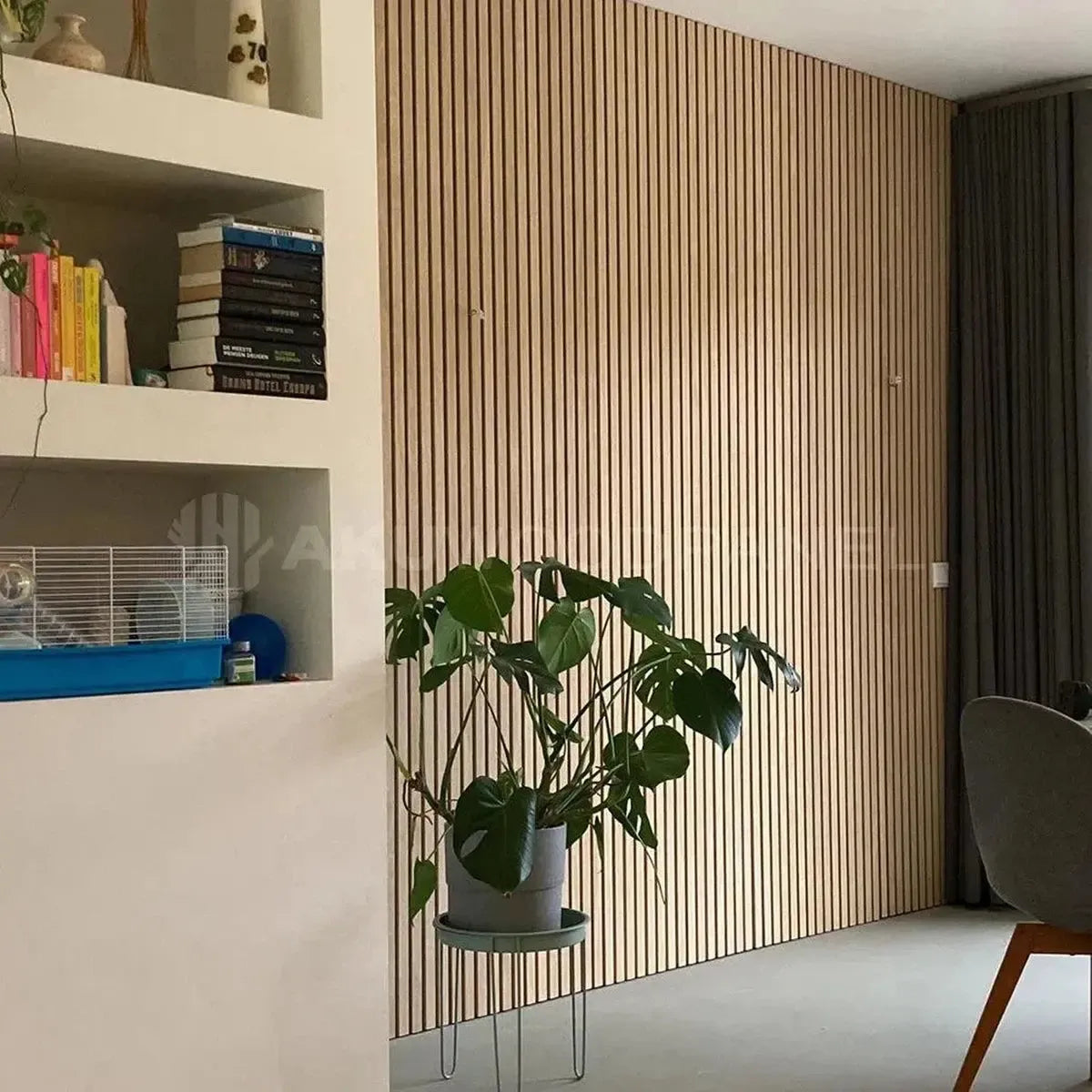
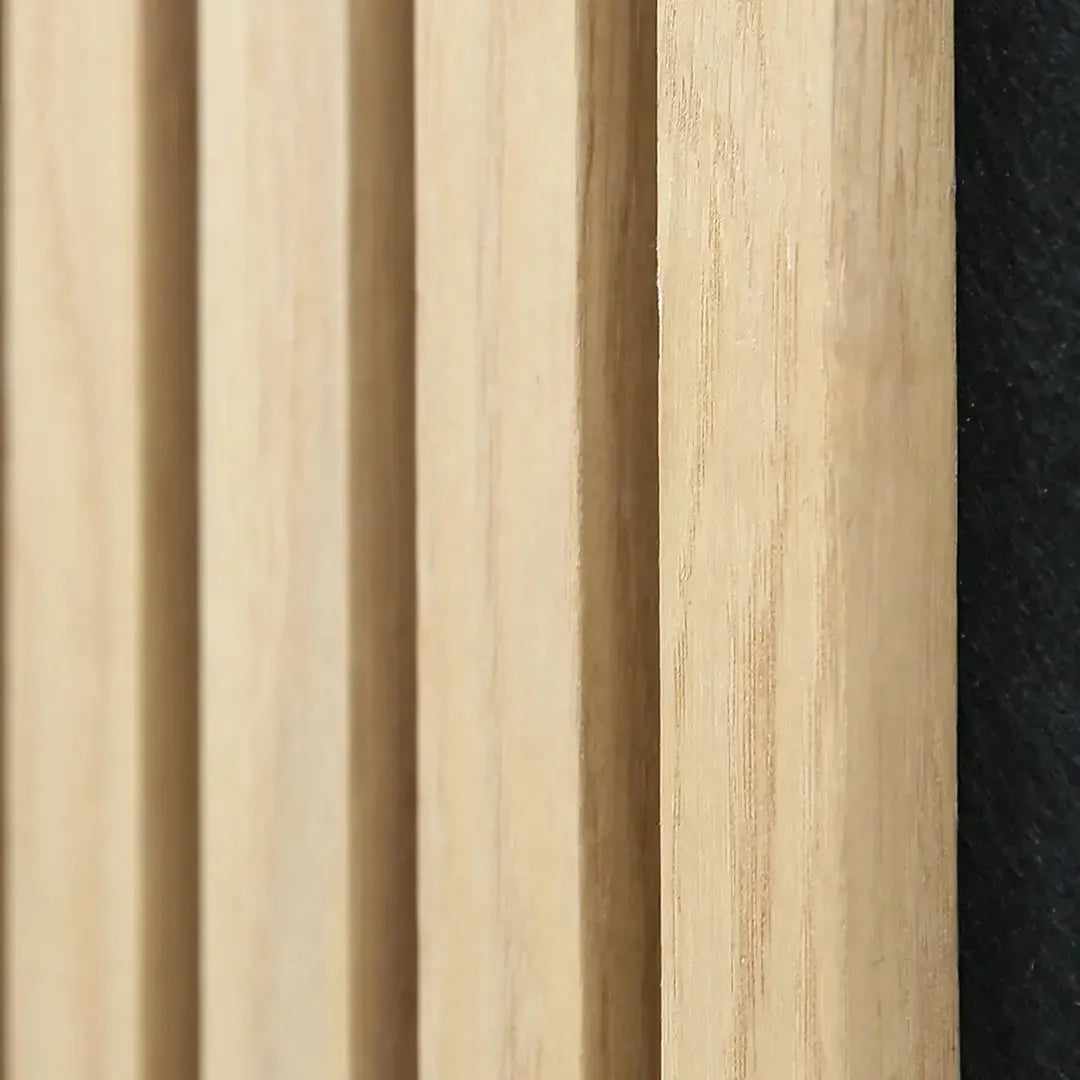
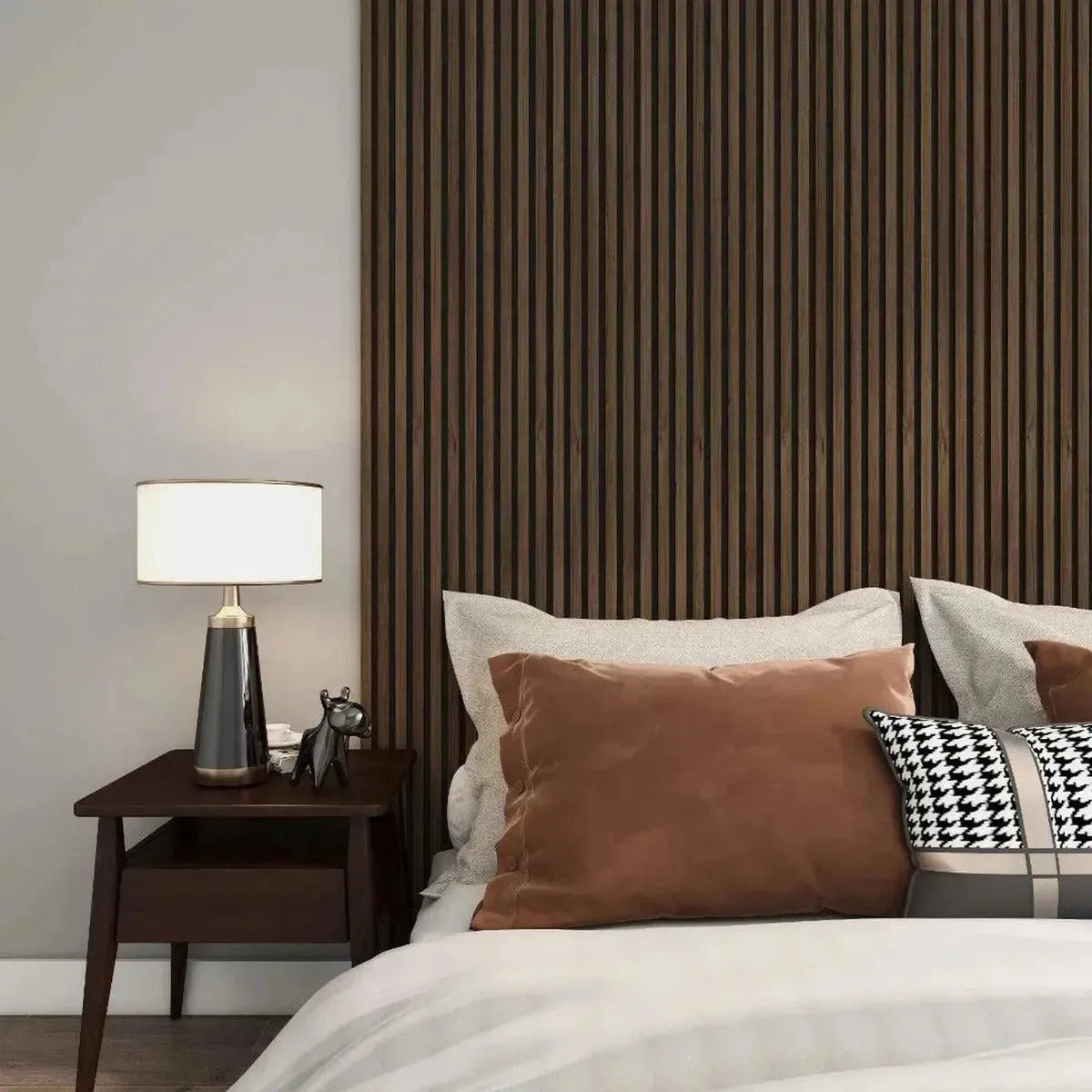
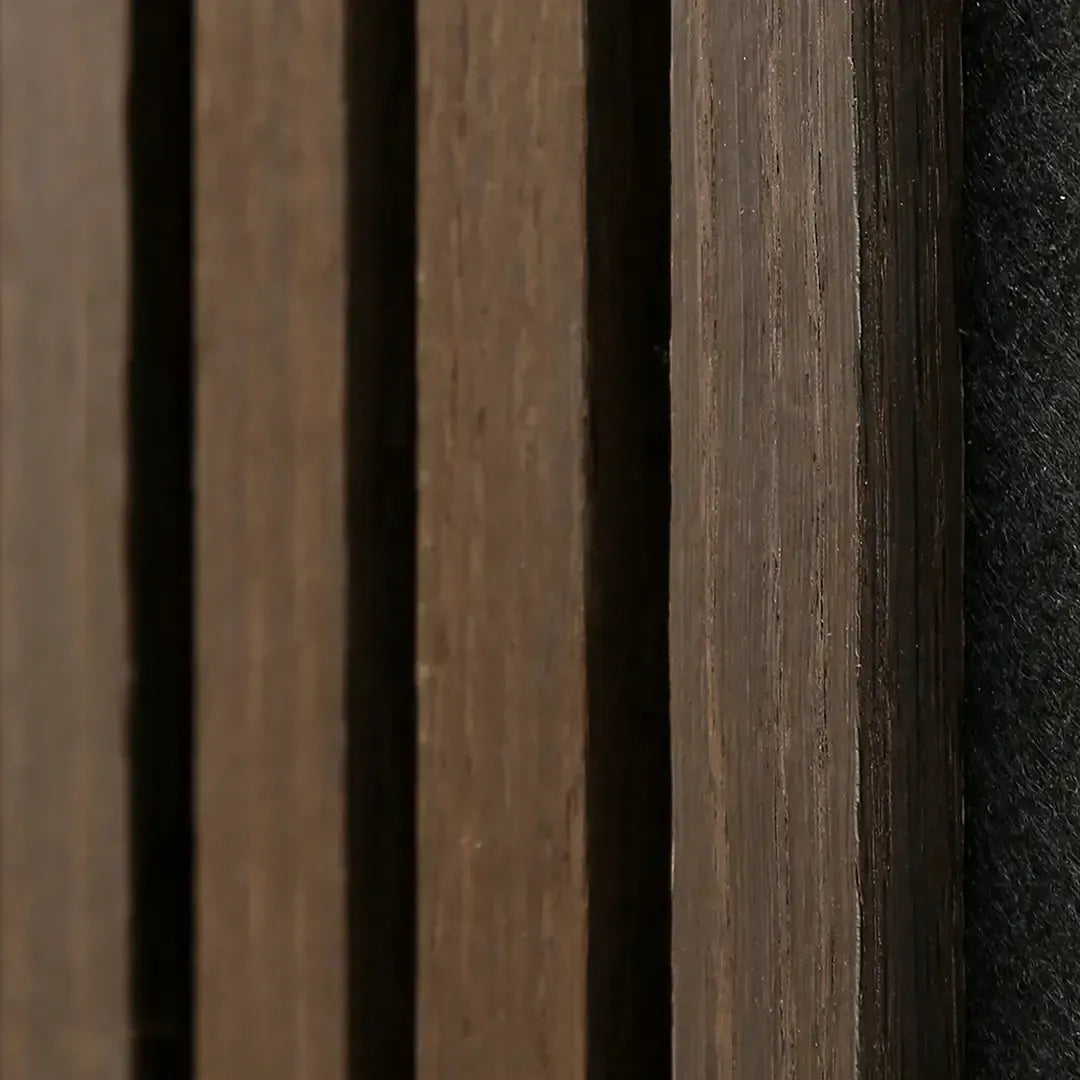
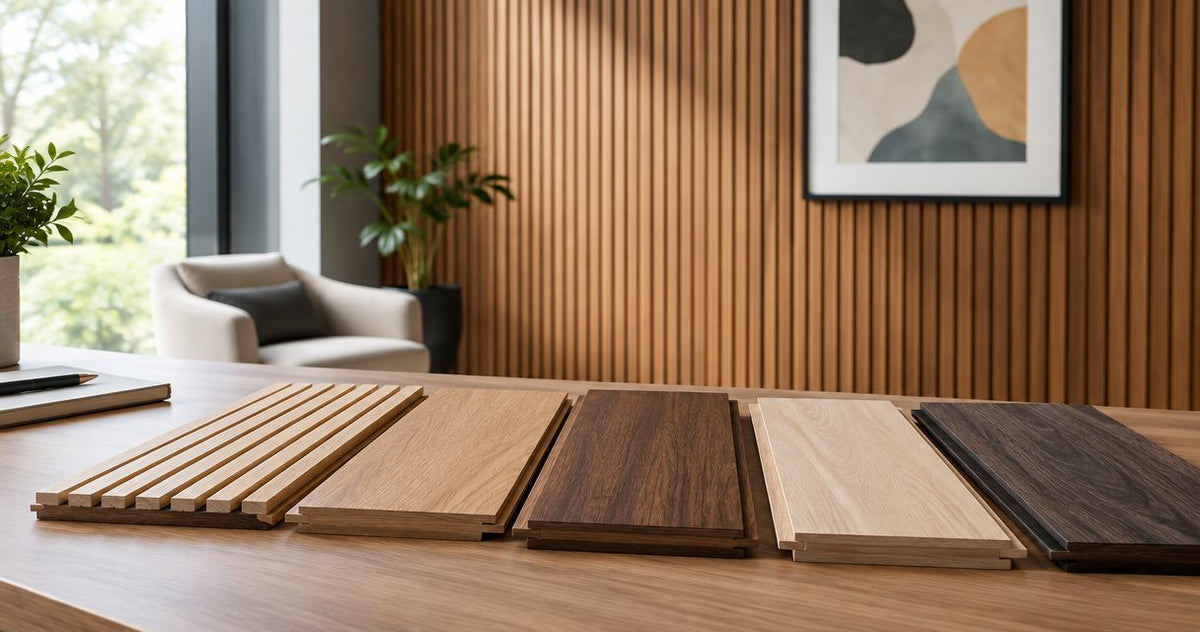
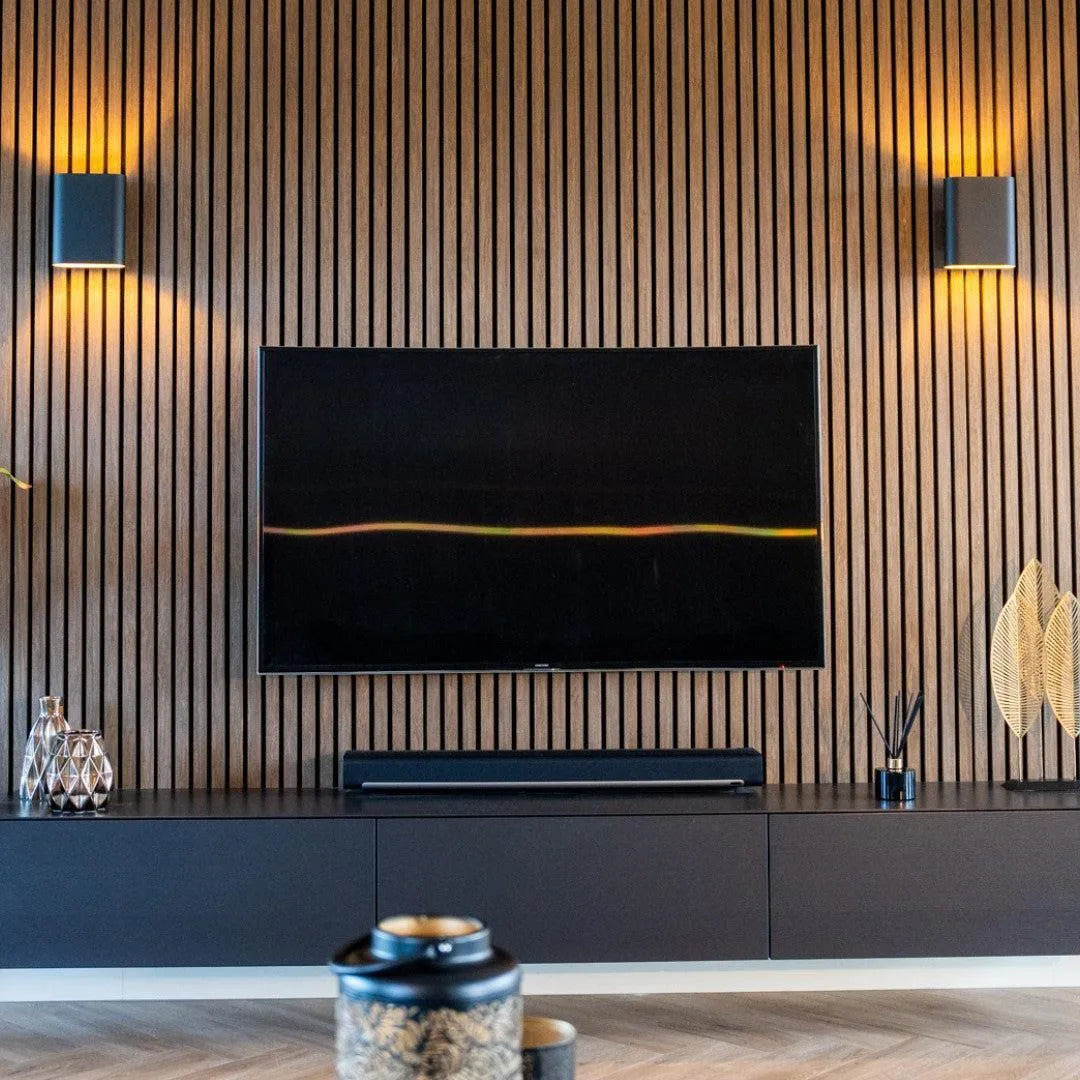
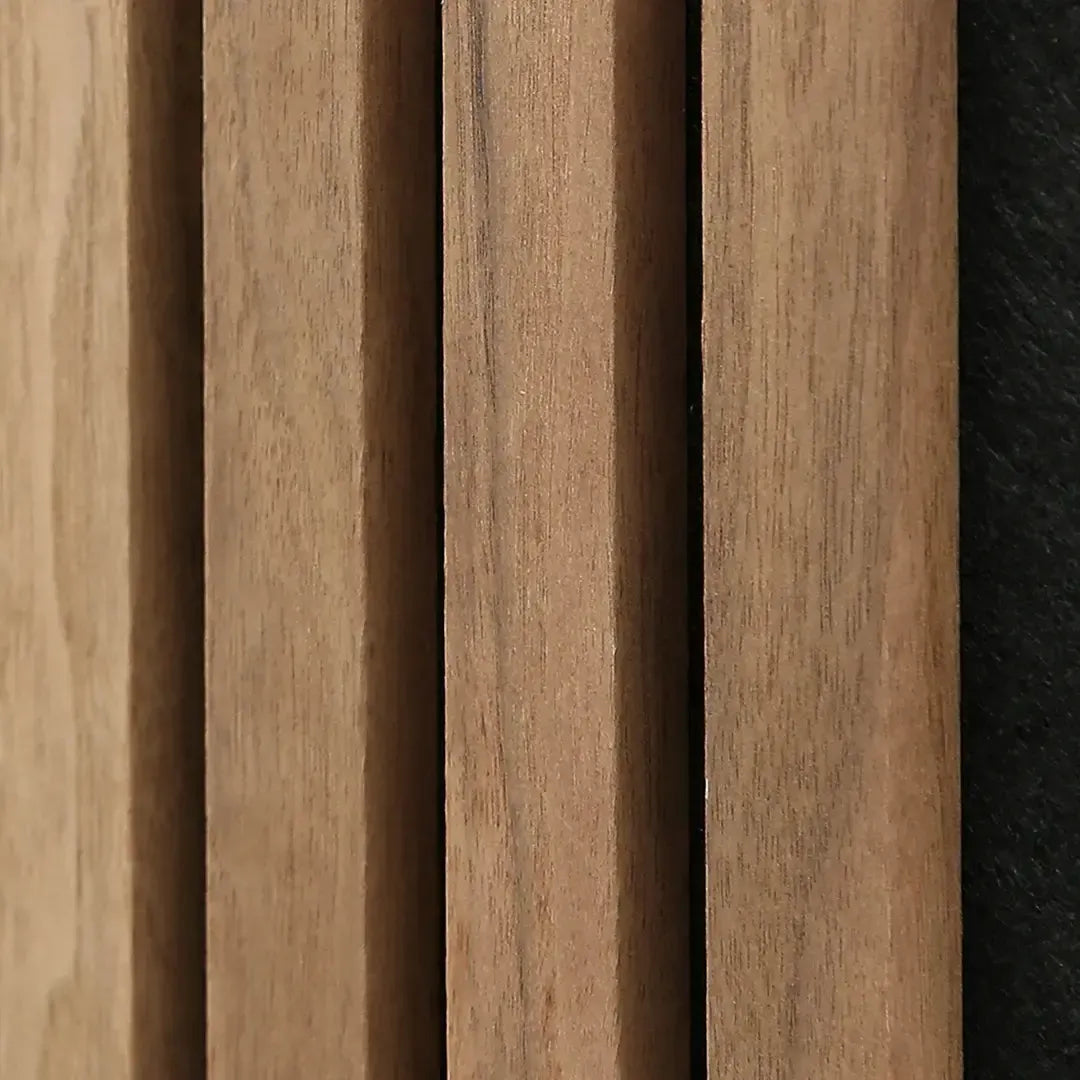
Akuwood's exterior wall panel line uses an engineered composite core faced with genuine wood veneer, sold across four finishes — Birch, Oak, Stone Gray, and Black. The composite core resists swelling and cupping better than raw lumber siding, while the veneer keeps grain and color detail a painted composite panel can't replicate.
Wood veneer composite exterior panels pros:
- Real wood grain and color variation, not a printed pattern
- Engineered core resists swelling and cupping better than solid lumber
- Four finish options without repainting
- Lighter than fiber cement, easier for a DIY install
Wood veneer composite exterior panels cons:
- Needs a maintained sealed finish to hold up against direct sun and rain
- Not built for direct ocean-spray coastal exposure the way fiber cement is
- Darker finishes like Black show UV fading faster than lighter finishes
Best for: homeowners who want an authentic wood exterior in a moderate climate without solid-wood upkeep. Verdict: Buy for moderate climates; Hold if the home sits directly on the coast.
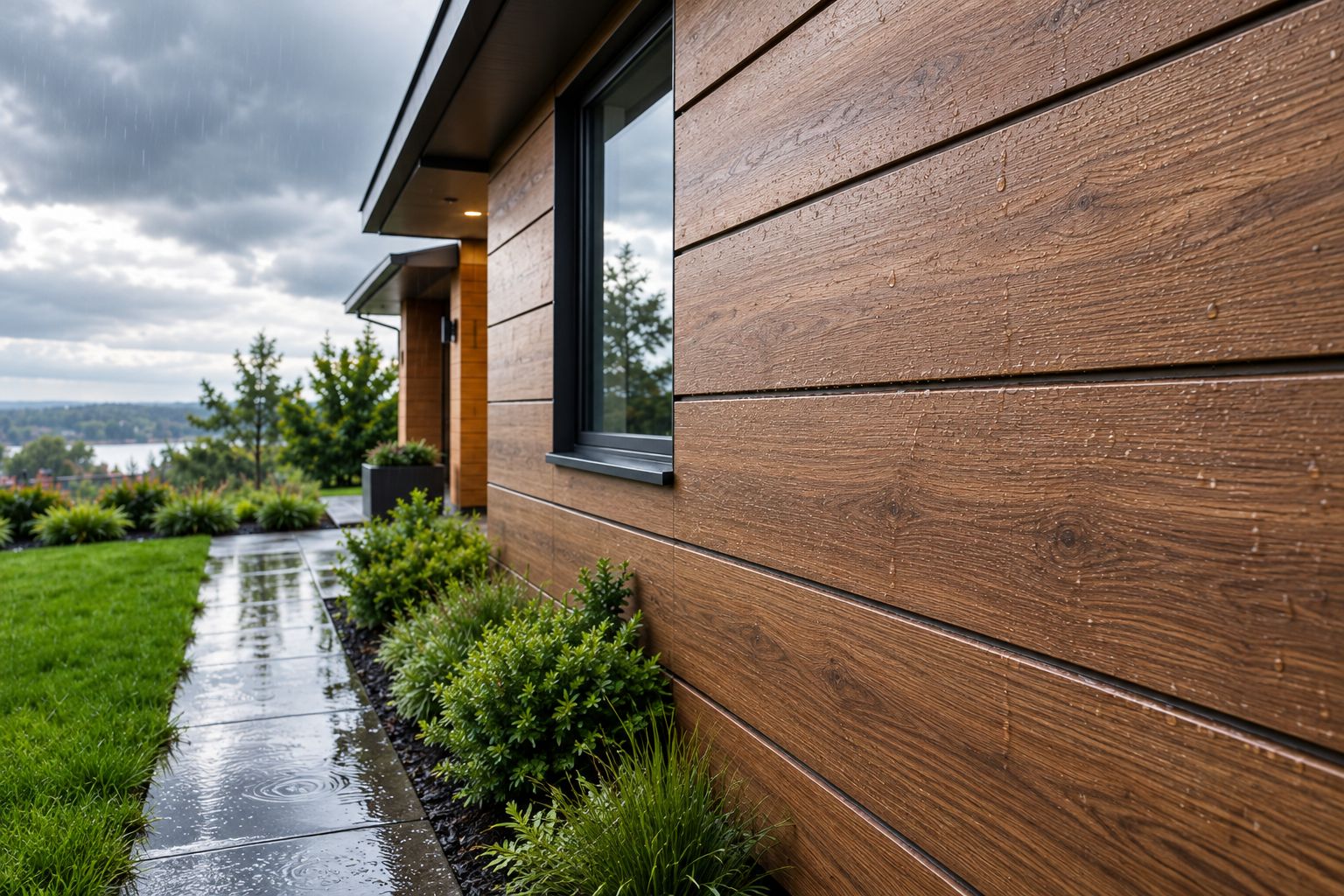
2. Fiber cement panels: best for coastal and freeze-thaw climates
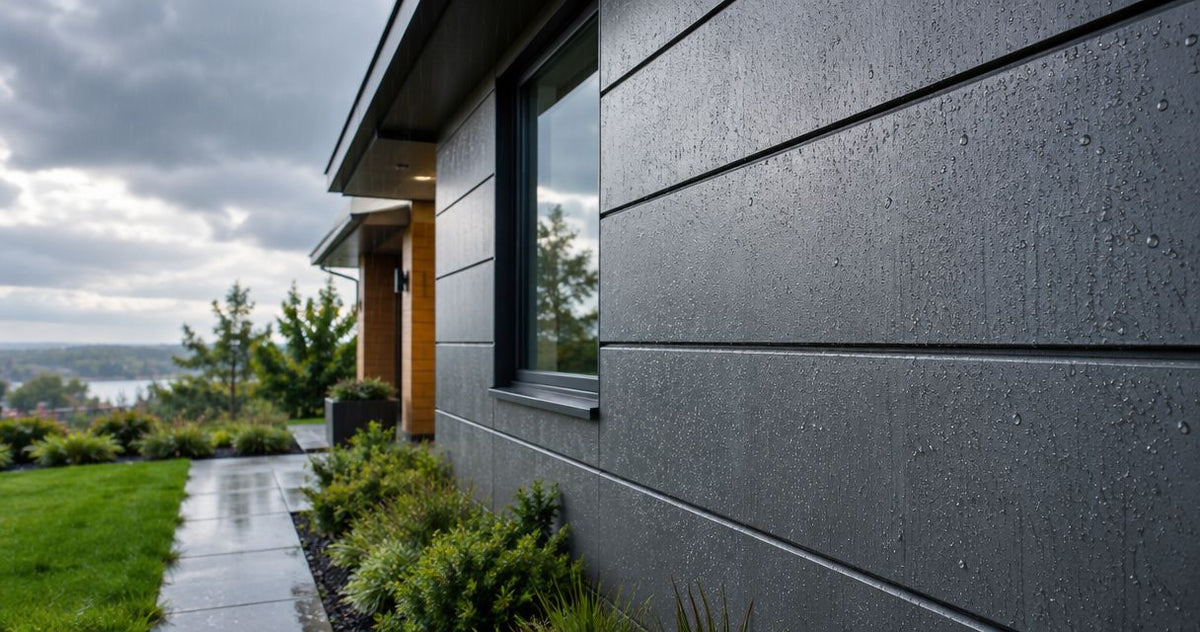
Fiber cement panels mix Portland cement, sand, and cellulose fibers into a rigid board that doesn't absorb water the way wood-based products do. The material is noncombustible and holds its finish through repeated freeze-thaw cycles, which is why it dominates coastal new-construction specs.
Fiber cement panels pros:
- Doesn't rot, warp, or feed insects
- Noncombustible core, useful where fire codes matter
- Holds dimensional stability through freeze-thaw cycles
- Long track record in coastal and high-humidity climates
Fiber cement panels cons:
- Heavy — usually a two-person install or a professional crew
- Cutting produces fine dust and needs proper tools
- Costs more upfront than vinyl
Fiber cement handles wall-side moisture, but cladding is only half of a building envelope's weather defense. Pairing a rainscreen wall assembly with proper attic-side soffit vent options keeps moisture from building up on both the exterior wall and the roof deck, which matters as much in freeze-thaw zones as the panel choice itself.
Best for: coastal homes, freeze-thaw regions, and anyone prioritizing weather resistance over real-wood texture. Verdict: Buy for harsh climates.
3. Vinyl exterior wall panels: best for budget-driven full re-siding jobs
Vinyl panels are extruded PVC formed into wood-grain or lap profiles, with color molded through so the finish doesn't peel. They're the lowest-maintenance option on this list and the easiest to source pre-primed for a fast re-siding turnaround.
Vinyl exterior wall panels pros:
- Never needs painting; color is molded through, not applied
- Doesn't rot or attract insects
- Lightest panel type to install
- Widely stocked, easy to source replacement pieces
Vinyl exterior wall panels cons:
- Softens and can warp under sustained direct heat or sun-reflected glare
- Looks the least like real wood up close
- Can crack in hard freezes if struck
Best for: budget re-siding projects where upkeep matters more than authentic material texture. Verdict: Buy for budget jobs; Skip for high-heat, high-glare walls.
4. Aluminum composite panels: best for high-wind and commercial facades
Aluminum composite panels sandwich a core between two aluminum skins, the same construction used on rainscreen systems for commercial buildings. The metal skin sheds UV and moisture without a topcoat, and the panel resists wind uplift better than lighter siding materials.
Aluminum composite panels pros:
- Metal skin sheds UV and moisture without a finish coat
- Strong wind and impact resistance
- Doesn't rot, warp, or support insects
- Standard in commercial rainscreen systems for a reason
Aluminum composite panels cons:
- Higher fabrication and installation cost than the other four options here
- Cut edges need sealing or they corrode over time
- Reads as commercial or modern, a mismatch for traditional-style homes
Best for: high-wind zones, commercial facades, and modern architectural styles. Verdict: Buy for commercial and high-wind projects; Skip for a traditional-home look.
5. Solid wood cladding: best for buyers who want authentic real wood and accept the upkeep
Solid wood cladding — cedar, redwood, or similar species — is milled lumber, not an engineered panel, so it has no composite core managing moisture for it. Species like cedar carry natural oils that help resist rot, but the board itself still expands, contracts, and grays under UV exposure faster than any engineered option on this list.
Solid wood cladding pros:
- Most authentic real-wood look and texture available
- Naturally rot-resistant species exist, like cedar and redwood
- Repairable board by board instead of full-panel replacement
- Easy to source and refinish locally
Solid wood cladding cons:
- Highest maintenance of the five options here — resealing or restaining on a recurring schedule
- Most exposed to insect damage and moisture-driven warping
- Requires careful installation gaps to avoid trapped moisture
Best for: buyers prioritizing authentic wood over low maintenance, willing to reseal on a schedule. Verdict: Hold unless upkeep is part of the plan; Skip for low-maintenance priorities.
How we ranked
Each panel type above is scored against the same five factors: core moisture resistance, UV-stable finish, drainage design, fastener corrosion resistance, and ongoing maintenance burden. Fiber cement and aluminum composite score highest because their cores don't absorb water at all. Solid wood scores lowest because the board itself is the weather-exposed surface, with no engineered buffer behind it.
“If a cladding panel can't shed water at the seams, the finish underneath doesn't matter.”
Which exterior wall panels should you choose?
If you're still undecided, fiber cement is the safe default for anyone in a coastal or freeze-thaw climate in 2026 — it costs more upfront but removes most of the weather-driven failure modes on this list. If your home sits in a moderate climate and you want the wood grain fiber cement can't replicate, composite wood veneer exterior wall panels are the better match, provided the finish gets maintained. Skip vinyl for high-heat, glare-exposed walls, and treat solid wood cladding as a maintenance commitment rather than a set-and-forget purchase.
FAQ
What's the best exterior wall panel for weather resistance in 2026?
Fiber cement panels rank highest for weather resistance in 2026 because the core doesn't absorb water and holds up through freeze-thaw cycles. Coastal and cold-climate homes see the most benefit from that stability.
Is fiber cement better than vinyl for weather resistance?
Yes, fiber cement outperforms vinyl in extreme heat and freeze-thaw conditions because it doesn't soften or warp. Vinyl still resists rot and moisture well in milder, moderate climates.
Do wood veneer exterior panels need to be resealed?
Wood veneer composite exterior panels need a maintained sealed finish to keep their weather resistance intact over time. Skipping resealing shortens how long the finish holds up against sun and rain.
Can exterior wall panels handle high wind?
Aluminum composite panels handle high wind and impact best among the options ranked here, which is why they show up on commercial rainscreen systems. Lighter materials like vinyl are more vulnerable in sustained high-wind zones.
Are aluminum composite panels worth the extra cost?
Aluminum composite panels are worth the added fabrication and install cost for high-wind zones and commercial facades where weather resistance outweighs budget. For a standard residential moderate climate, the extra cost usually isn't necessary.
Can solid wood cladding be used in coastal climates?
Solid wood cladding can be used in coastal climates but requires the most frequent maintenance of any option ranked here. Fiber cement or aluminum composite are more weather-resistant choices for direct coastal exposure.
What's the difference between exterior wall panels and traditional siding?
Exterior wall panels are typically larger, engineered units installed with fewer seams than traditional lap siding. Fewer seams generally means fewer points where water can get behind the cladding.
How long do exterior wall panels last outdoors?
How long exterior wall panels last depends on the material and the climate, not a single fixed number. Fiber cement and aluminum composite hold up longest in harsh conditions, while solid wood and composite finishes depend heavily on maintenance schedules.
One last thing
The four finishes in Akuwood's exterior wall panel line — Birch, Oak, Stone Gray, and Black — share the same composite core, so picking a finish is a design decision, not a weather-resistance decision within that line. The material category above it is what actually changes the weather math, and that's the choice worth making first.
 Better performance and aesthetic appeal
 In Stock