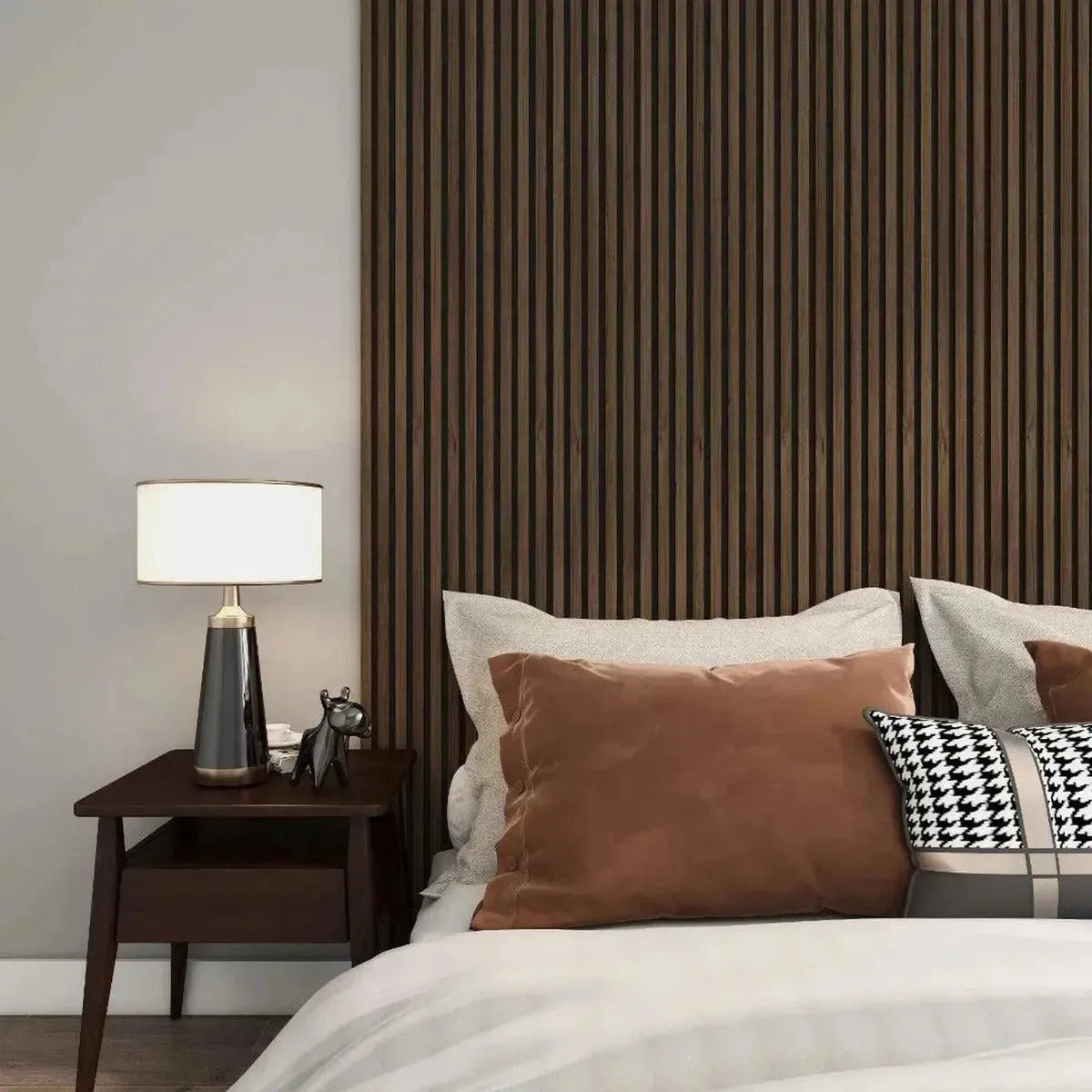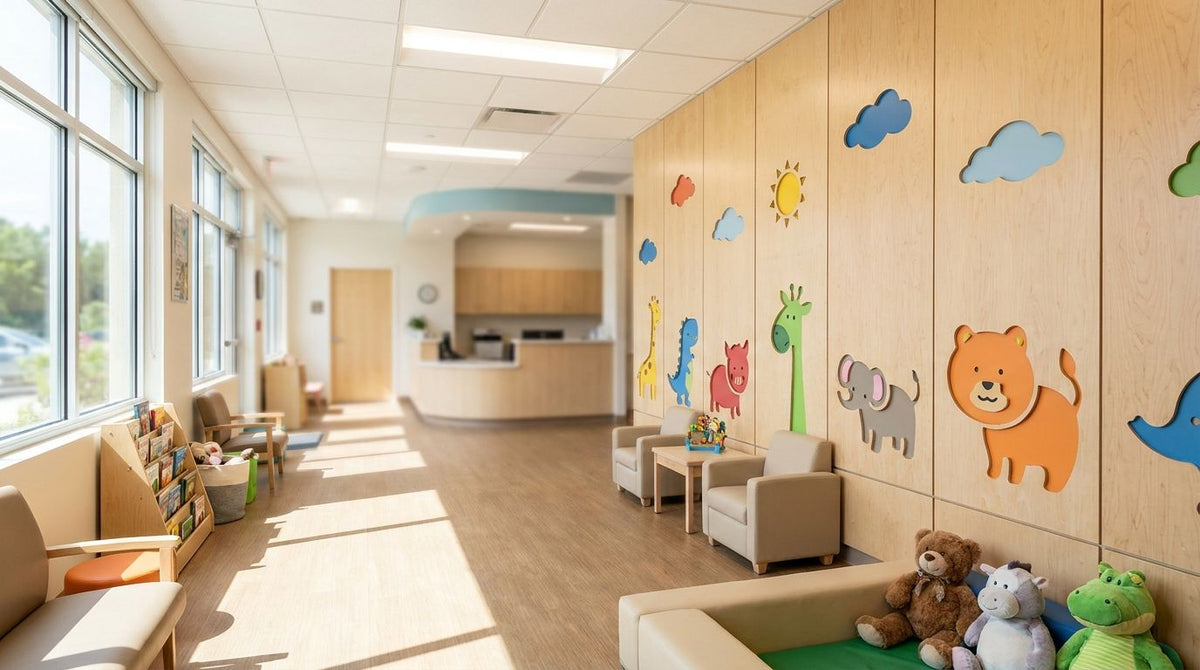
Acoustic Slat Wall Panel Natural Oak wins overall for pediatric clinic waiting rooms in 2026, Acoustic Slat Wall Panel Natural Oak with Gray Felt takes the sound-absorption crown for loud, high-traffic rooms, and Hexagon Acoustic Panel Natural Oak is the pick for a playful geometric accent wall kids actually notice. This guide ranks the wood wall panels that hold up in a pediatric waiting room: hard floors, constant cleaning, crying toddlers, and a front desk that never really goes quiet.
- Acoustic Slat Wall Panel Natural Oak is the best wood wall panel for pediatric clinic waiting rooms overall in 2026.
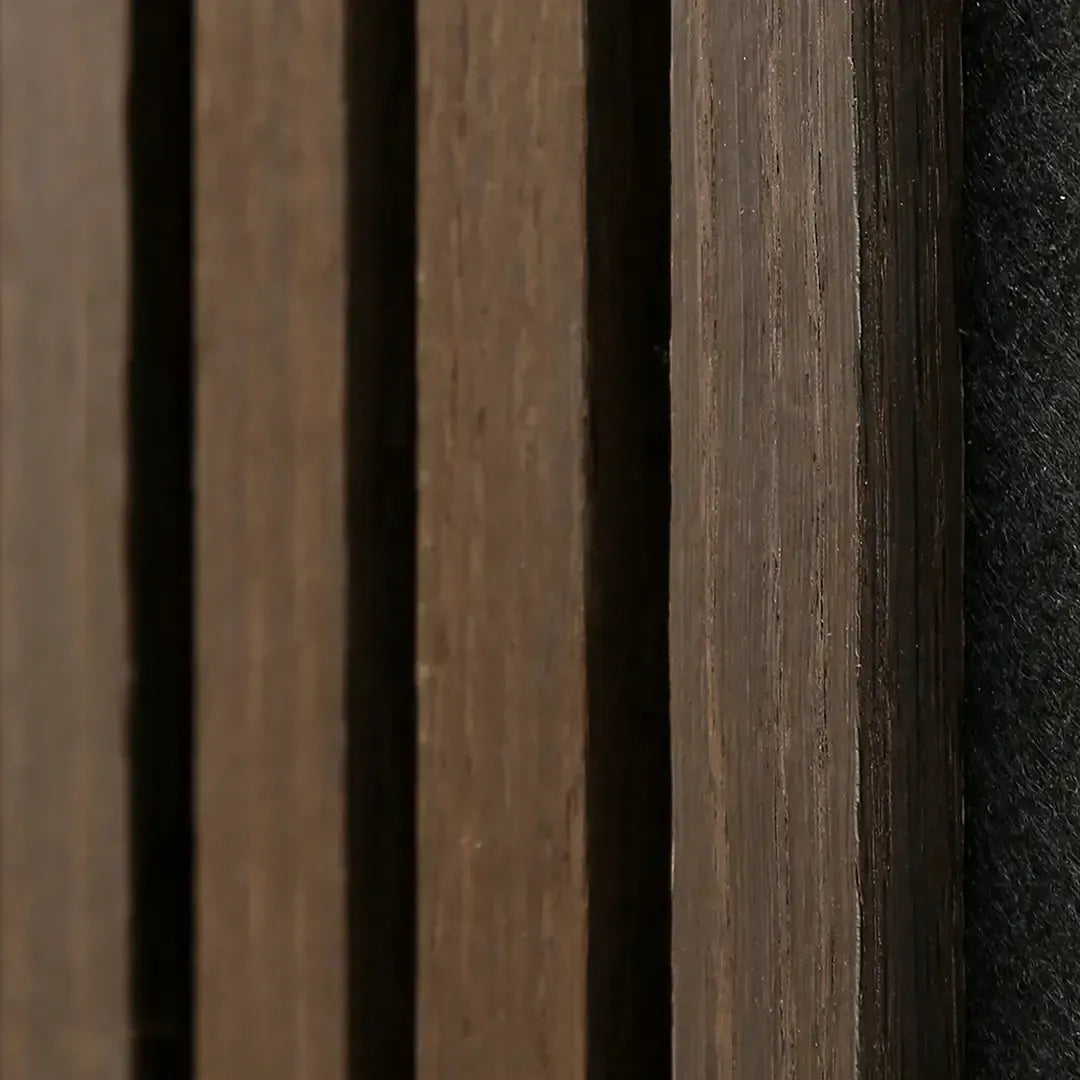
- Gray felt-backed slat panels add a second absorption layer for the loudest waiting areas.
- Hexagon Acoustic Panel Natural Oak fits a playful geometric accent wall without going juvenile.
- Smoked Oak slat panels hide hand marks and cart scrapes better than lighter finishes.
- Fluted Wall Panel Natural Oak bends around curved reception counters for a seamless check-in wall.
Why this matters
A pediatric waiting room is one of the loudest rooms in any medical building. Hard flooring, glass partitions, and a ceiling built for cleanability all bounce sound instead of absorbing it, so one crying infant turns into a room-wide echo within seconds.
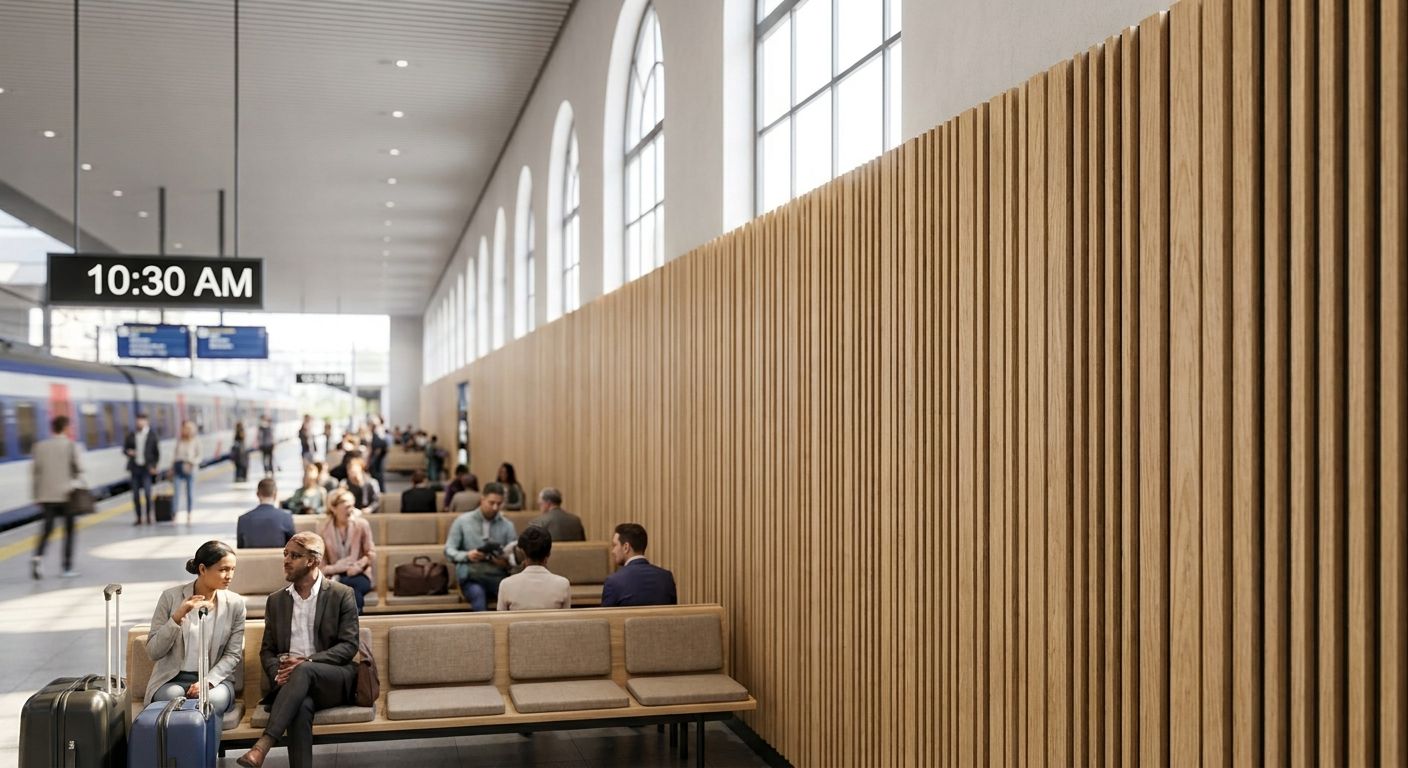
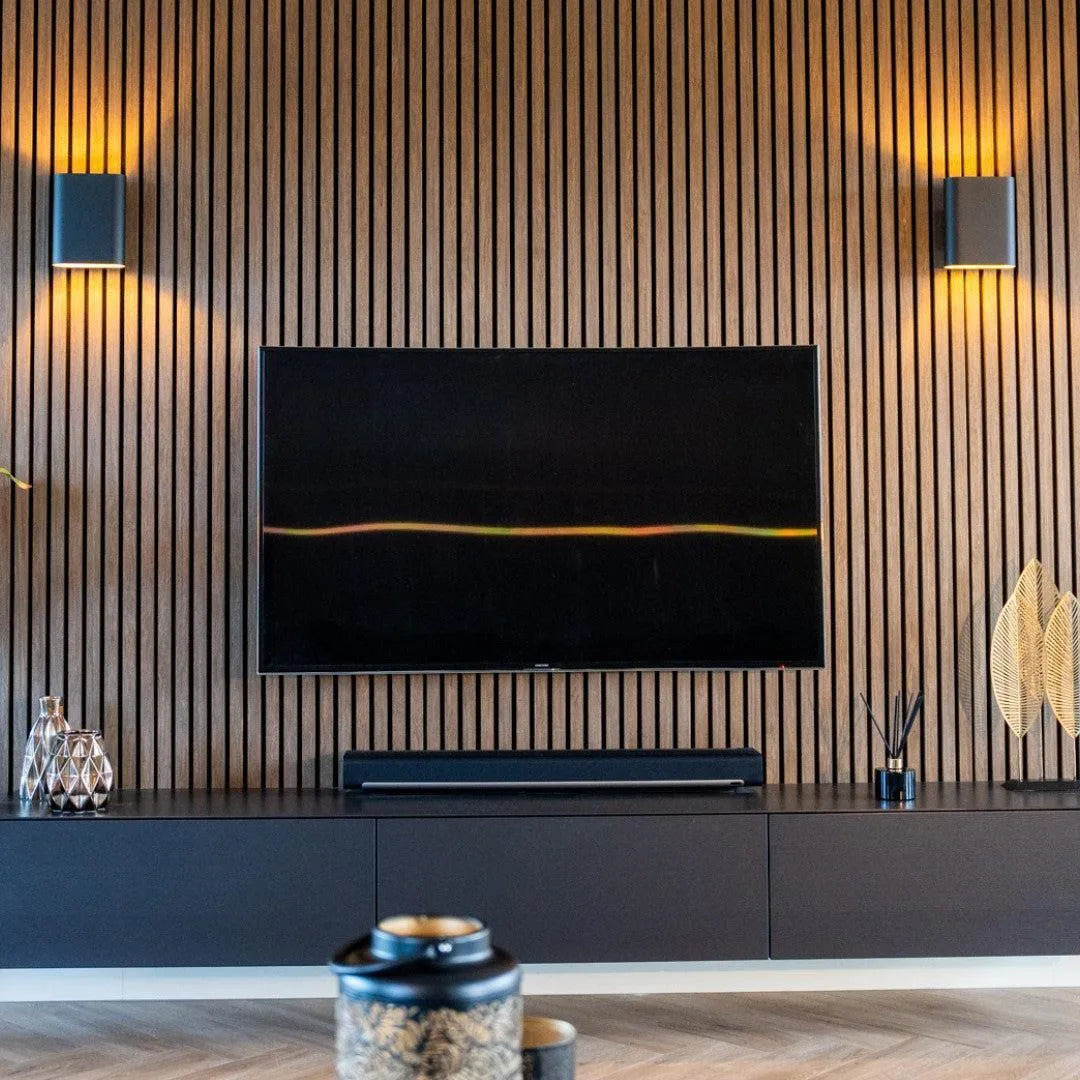
Wood wall panels solve two problems at once: they cut reverberation and they soften a space that otherwise reads clinical and cold. Acoustic slat wall panels do this by pairing a real wood veneer face with gaps that let sound pass into an absorptive core, instead of slapping it back at the next crying kid.
Not every panel style earns a spot in a healthcare waiting room, though. Some are built for acoustic performance first, some for durability against constant cart traffic, and some purely for the visual break from beige drywall. Ranking them by actual use case matters more than ranking them by looks alone.
What makes the best wood wall panels for a pediatric clinic
- Sound absorption — slat and hexagon panels with an open or felt-backed profile absorb more than flat, solid panels
- Low-VOC, child-safe construction — real wood veneer over an engineered core rather than laminate printed to look like wood 2026 building codes increasingly ask for documentation on interior finish emissions in pediatric and healthcare spaces, so this is worth confirming before you order.
- Scuff and scrape resistance — waiting rooms take rolling cart traffic, stroller bumps, and constant hand contact at chair-rail height
- A calming, non-clinical look — real wood grain softens a room built mostly from vinyl flooring and painted drywall
- Straightforward installation — most facility teams install after hours, so a panel that doesn't require specialty tools matters
- Fire-rated construction — commercial code compliance is non-negotiable in any medical building
Wood wall panels for pediatric clinics: at a glance
| Panel | Best for | Standout feature | Key limitation |
|---|---|---|---|
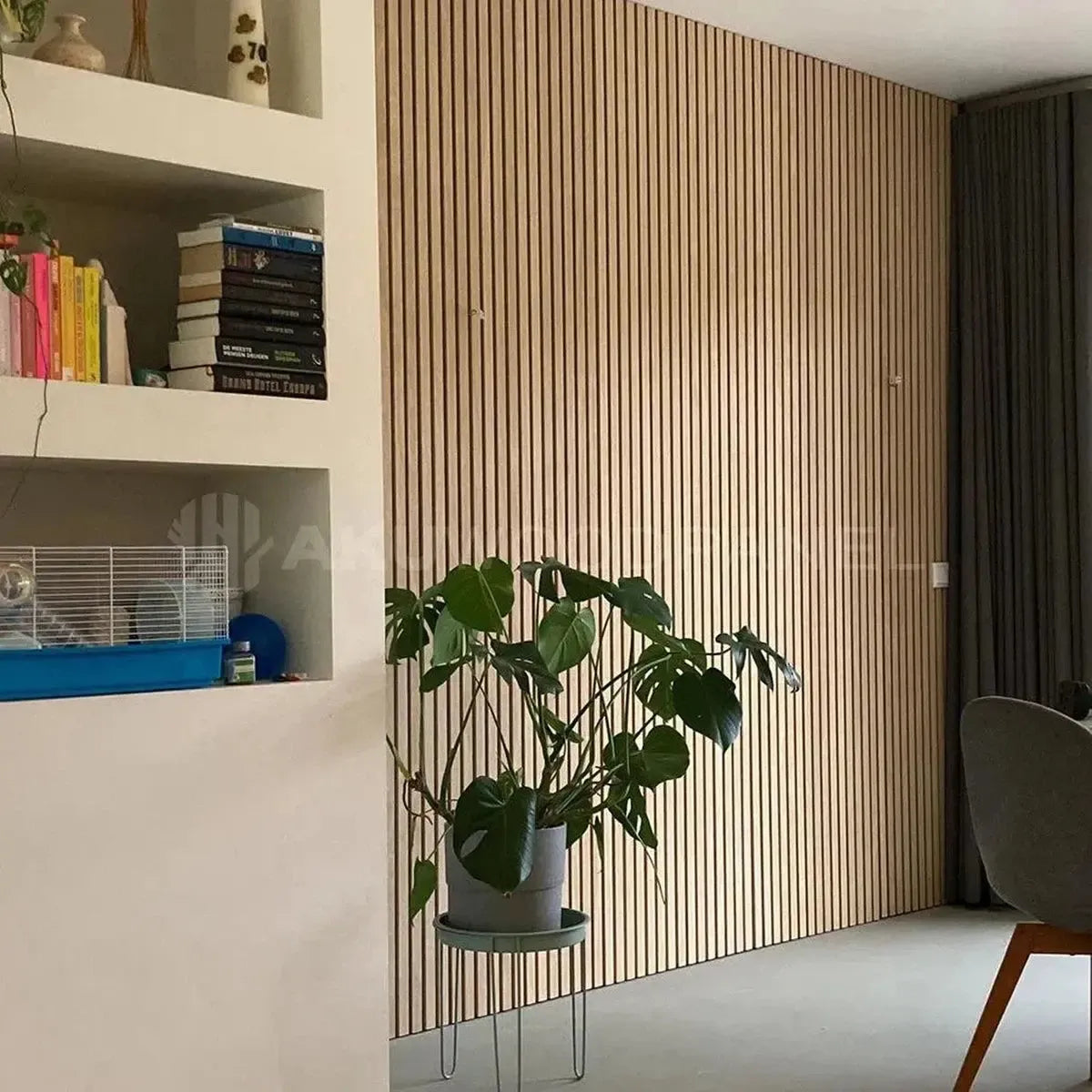
| Acoustic Slat Wall Panel – Natural Oak | Overall waiting room noise control | Real wood veneer over an acoustic core that dampens echo | Full acoustic benefit needs proper wall prep before install |
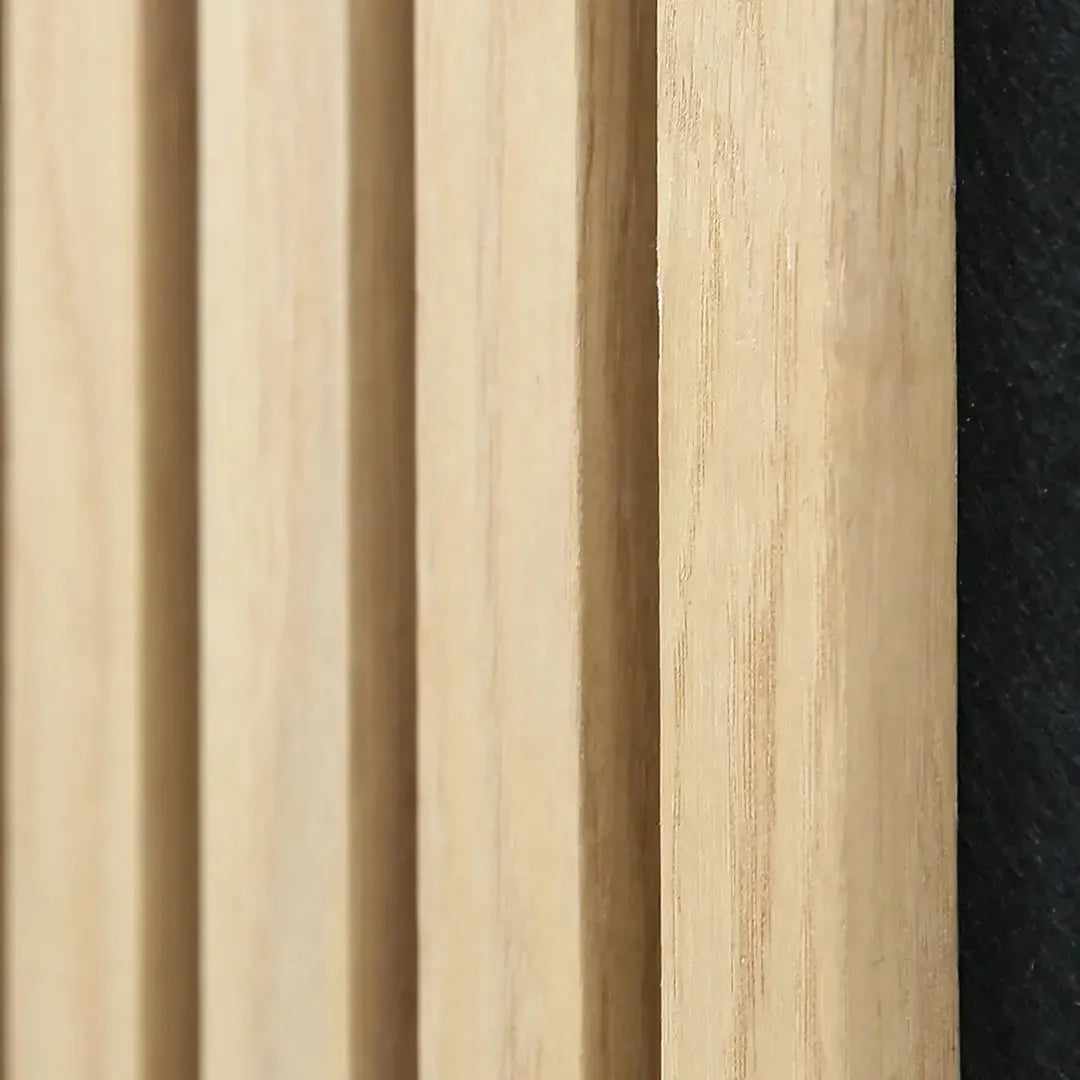
| Acoustic Slat Wall Panel – Natural Oak with Gray Felt | Maximum sound absorption in loud rooms | Gray felt backing adds a second absorption layer behind the slats | Felt is only visible through the gaps, not a design statement on its own |
| Hexagon Acoustic Panel – Natural Oak | Playful geometric accent wall | Modular hex shape builds a custom pattern kids notice | More layout planning than a straight slat run |
| Fluted Wall Panel – Natural Oak | Reception desk and check-in feature wall | Flexible MDF backing bends around curved counters | Grooved profile collects dust faster than a flat panel |
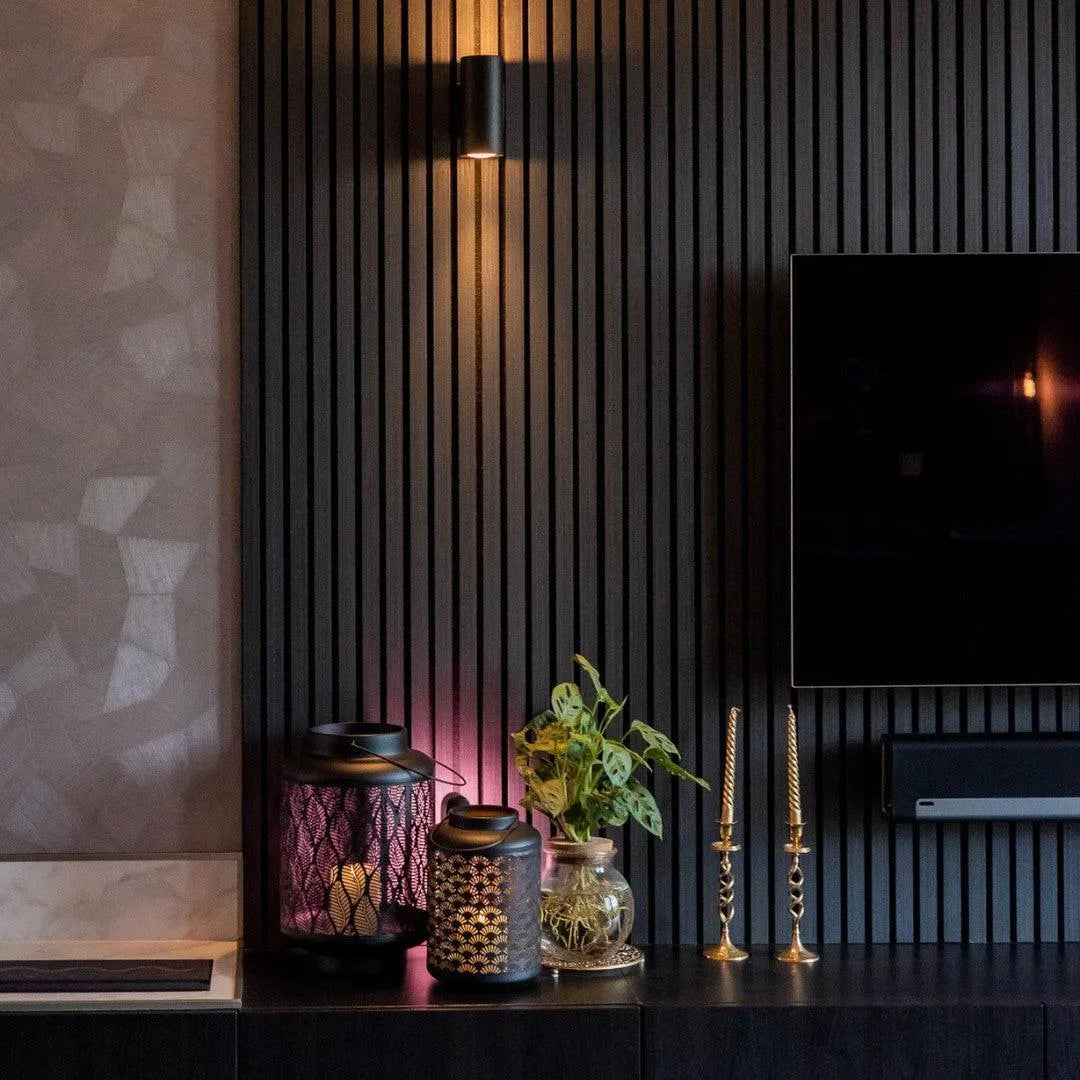
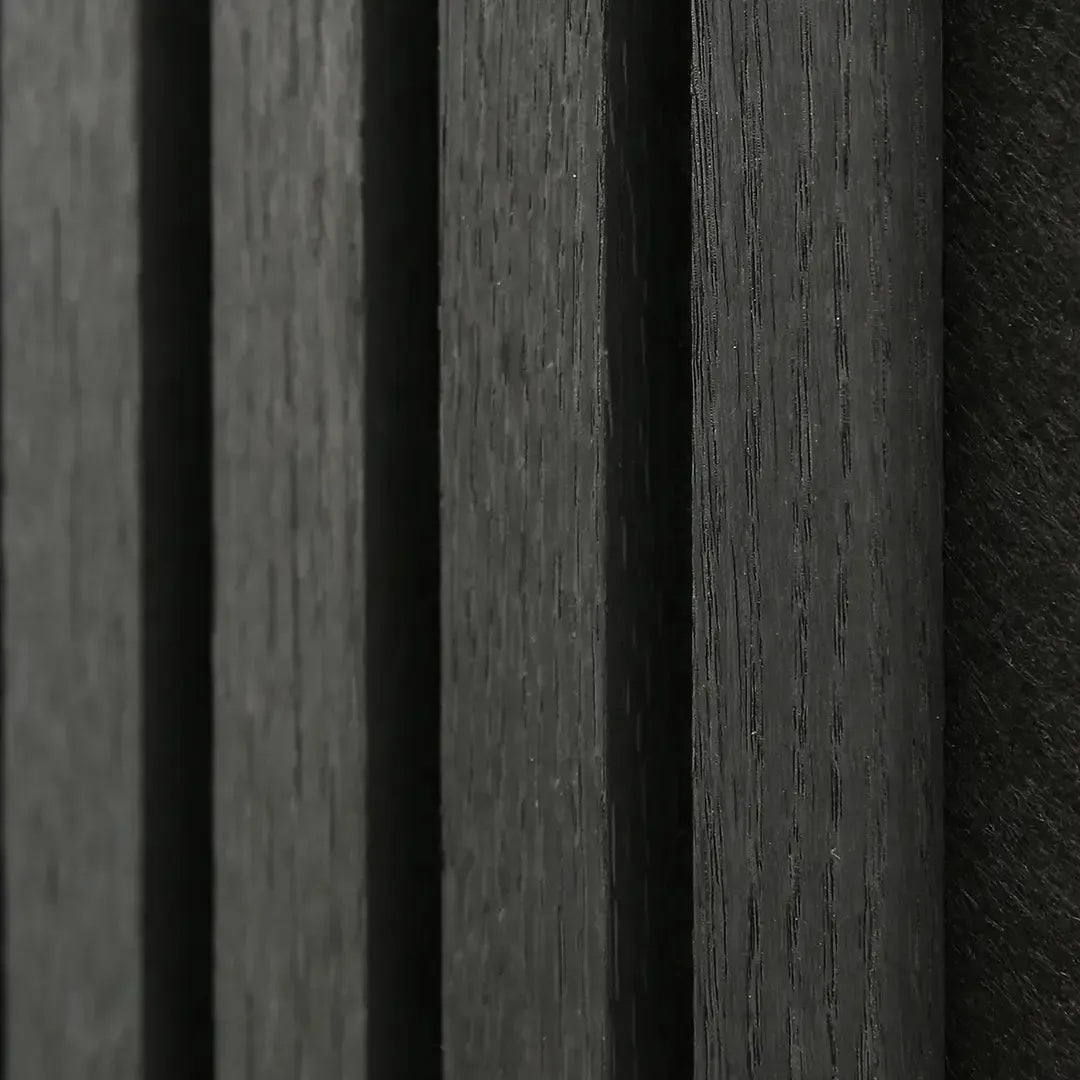
| Smoked Oak Acoustic Slat Wall Panel | Hiding scuffs on high-traffic walls | Darker tone masks hand marks and cart scrapes between cleanings | Can make a small waiting room feel tighter |
1. Acoustic Slat Wall Panel Natural Oak: best overall for waiting room noise control
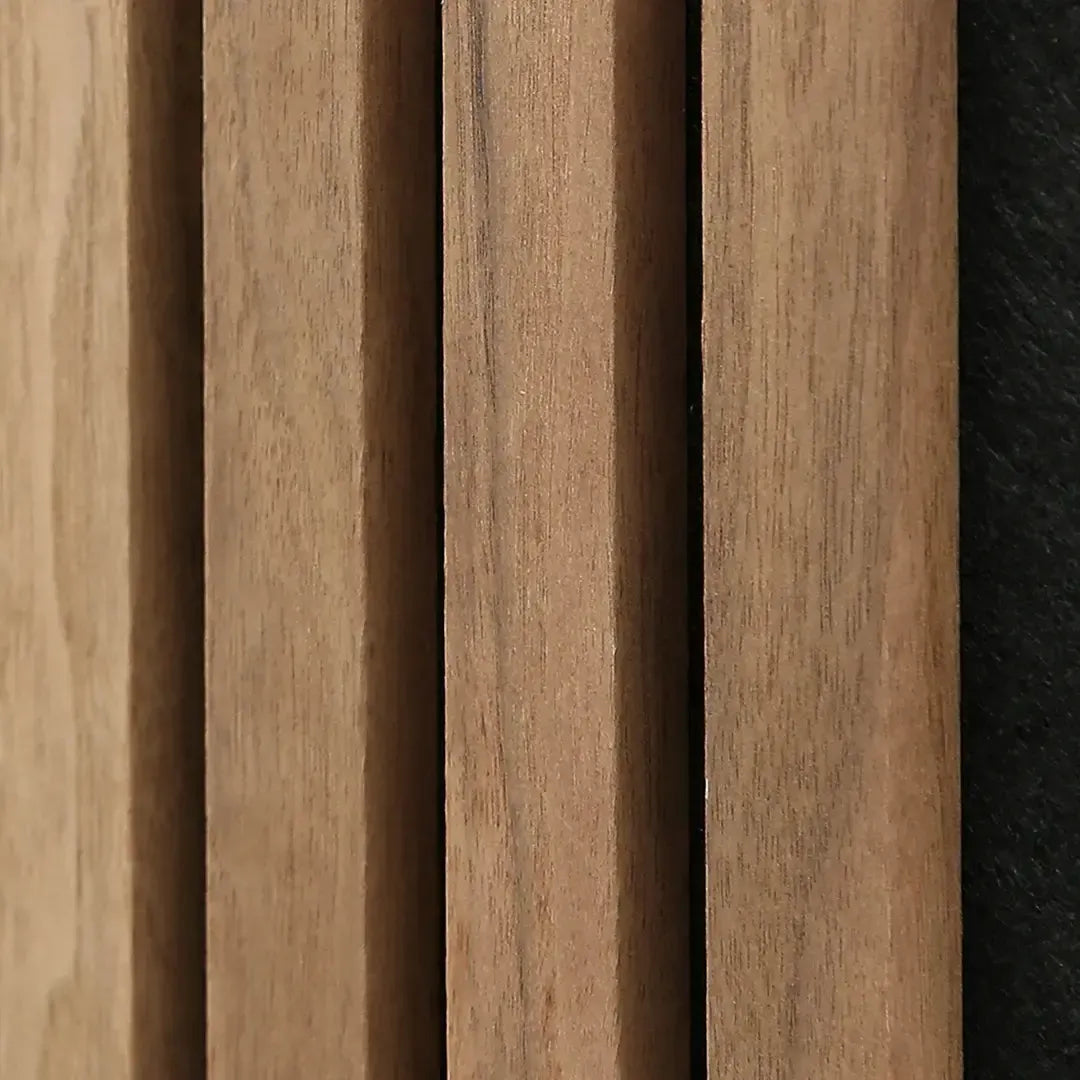
This is the default pick for most pediatric waiting rooms in 2026 because it does the acoustic job without demanding a design decision from staff. It's built with the brand's 3-sided real wood veneer over a slotted core, so it reads as genuine wood grain from any angle in the room, not a printed pattern.
Acoustic Slat Wall Panel Natural Oak pros:
- Real wood veneer grain, not a laminate print
- Neutral oak tone works with almost any existing clinic color scheme
- Absorbs sound instead of reflecting it back into a crowded room
Acoustic Slat Wall Panel Natural Oak cons:
- Needs a flat, prepped wall for the acoustic gaps to sit correctly
- Natural oak shows dust in the slot lines faster than a darker finish
Best for: clinics that want one panel doing double duty on noise and looks. Verdict: Buy.
2. Acoustic Slat Wall Panel Natural Oak with Gray Felt: best for maximum sound absorption
When the waiting room backs onto a hallway, an elevator bank, or a shared reception desk, the standard slat panel sometimes isn't enough. The gray felt backing sits behind the slats and adds a second layer of sound-absorbing material, which matters most in rooms with hard ceilings and no carpet.
Acoustic Slat Wall Panel Natural Oak with Gray Felt pros:
- Extra absorption layer for rooms that echo the worst
- Same real wood veneer face as the standard slat line
- Gray felt reads as a subtle texture, not a loud design choice
Acoustic Slat Wall Panel Natural Oak with Gray Felt cons:
- The felt is only visible between slats, so the added cost buys performance, not visual drama
- Overkill for a small waiting room with soft flooring already in place
Best for: loud, hard-surfaced waiting rooms next to check-in desks or hallways. Verdict: Buy.
3. Hexagon Acoustic Panel Natural Oak: best for a playful accent wall
A flat slat wall is safe. A hexagon layout is the one wall in the room a five-year-old will actually stop and look at. The modular hex pieces let you build a pattern that breaks up an otherwise sterile waiting room without resorting to cartoon wallpaper.
Hexagon Acoustic Panel Natural Oak pros:
- Geometric layout adds visual interest without looking like a kids' theme
- Modular pieces make partial-wall or accent placements easy
- Still built as an acoustic panel, not purely decorative
Hexagon Acoustic Panel Natural Oak cons:
- Layout takes more planning time than a straight slat run
- Best used as an accent, not the full-room solution
Best for: clinics that want one standout wall instead of full-room coverage. Verdict: Buy for an accent wall.
4. Fluted Wall Panel Natural Oak: best for reception desk and check-in walls
Check-in counters are rarely flat. Fluted Wall Panel Natural Oak uses a flexible MDF backing that bends around curved reception fronts and half-walls, which a rigid slat panel can't do without extra cutting.
Fluted Wall Panel Natural Oak pros:
- Flexible backing wraps curved or angled surfaces
- Vertical grooves add depth without needing a full acoustic install
- Same real wood veneer finish as the rest of the line
Fluted Wall Panel Natural Oak cons:
- Grooves collect dust faster than a flat panel, which matters for daily clinic cleaning
- Less acoustic absorption than the slat or hexagon lines
Best for: the reception desk or check-in wall specifically, not the seating area. Verdict: Buy for the desk wall.
5. Smoked Oak Acoustic Slat Wall Panel: best for high-traffic scuff resistance
Waiting room walls take a beating from rolling supply carts, stroller wheels, and constant hand contact at chair height. A darker finish like smoked oak hides those marks between cleanings far better than a light natural tone.
Smoked Oak Acoustic Slat Wall Panel pros:
- Darker grain masks scuffs, hand oils, and cart scrapes
- Same acoustic slat construction as the natural oak version
- Reads as a more grounded, less clinical tone
Smoked Oak Acoustic Slat Wall Panel cons:
- Can make a small or windowless waiting room feel tighter
- Less forgiving with bright, high-key clinic color schemes
Best for: high-traffic walls behind seating rows or near the entrance. Verdict: Buy for durability-first walls.


How we ranked these panels
Each panel is measured against the six criteria above: absorption, low-VOC construction, scuff resistance, calming look, ease of install, and fire rating. No panel wins on every axis, which is why the list splits by use case instead of stacking every panel against the same job.
Installation matters more in a working clinic than in a typical home reno, because most crews only get after-hours access. If the existing wall has dents, old anchor holes, or bulletin-board damage, it's worth deciding whether to repair the drywall first before hanging any panel — a flat substrate is what makes the veneer sit tight and the acoustic gaps actually work as designed.
“A panel that doesn't sit flat on the wall won't absorb sound the way the spec sheet promises.”
Which wood wall panel should you choose?
For most pediatric waiting rooms in 2026, Acoustic Slat Wall Panel Natural Oak is the safe default — it handles noise, looks calm rather than clinical, and works with almost any existing color scheme. Step up to the gray felt version if the room sits next to a loud hallway or open reception desk. Use Hexagon Acoustic Panel Natural Oak as a single accent wall if the goal is a wall kids actually stop to look at, and reach for Smoked Oak on any wall that takes daily cart and stroller traffic.
FAQ
What's the best wood wall panel for a pediatric clinic waiting room?
Acoustic Slat Wall Panel Natural Oak is the best overall choice for pediatric clinic waiting rooms in 2026 because it combines sound absorption with a calm, non-clinical look. Rooms with heavier noise from hallways or open desks do better with the gray felt version for added absorption.
Are wood wall panels low-VOC enough for a children's health space?
Real wood veneer panels over an engineered core generally emit less than laminate finishes printed to look like wood. Confirm current emissions documentation for the specific panel line before specifying it on a healthcare project.
Do acoustic wood panels absorb enough sound for a busy waiting room?
Slat and hexagon panels with open gaps or felt backing absorb noticeably more sound than a flat solid panel because sound passes into the gaps instead of bouncing straight back. Felt-backed versions add a second absorption layer for the loudest rooms.
Is hexagon panel a good fit for a pediatric waiting room?
Hexagon Acoustic Panel Natural Oak works well as an accent wall in a pediatric waiting room because the geometric pattern reads as playful without looking like a themed kids' space. It's best used on one wall rather than the full room.
How do wood wall panels hold up to high-traffic clinic cleaning?
Darker finishes like smoked oak hide hand marks, cart scrapes, and daily wipe-downs better than lighter natural tones. Panels with a real wood veneer face also clean more predictably than printed laminate over time.
Should I order a sample before specifying panels for a clinic project?
Yes. Clinic lighting, usually fluorescent or LED, changes how a wood tone reads compared to natural light, so a sample piece against the actual wall and lighting avoids a mismatch after a full order ships.
Can wood wall panels wrap a curved reception desk?
Fluted Wall Panel Natural Oak uses a flexible MDF backing built to bend around curved or angled reception counters, which a rigid slat panel cannot do without extra cutting.
One last thing
Most clinics over-plan the seating wall and under-plan the check-in desk, but the desk is where staff and parents stand closest to the wall for the longest stretch of time. Put the durability-first finish there, not just on the biggest wall in the room.
 Better performance and aesthetic appeal
 In Stock