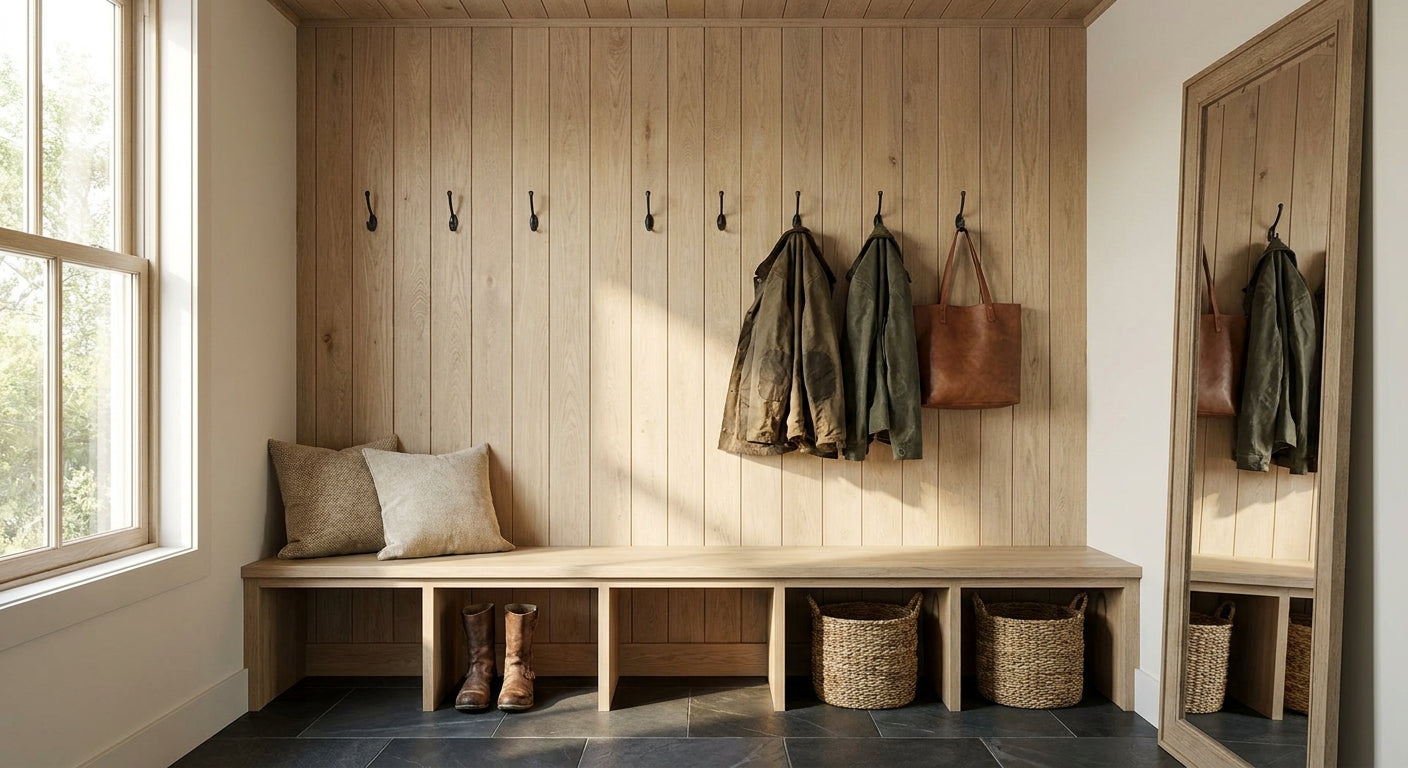
Mudrooms and entryways take the hardest hit in any house — wet boots, dog paws, backpacks dragged along drywall — and the wall usually looks tired within a year or two. This guide ranks the wood panel styles that hold up in that kind of traffic in 2026, with a verdict for each.
TL;DR
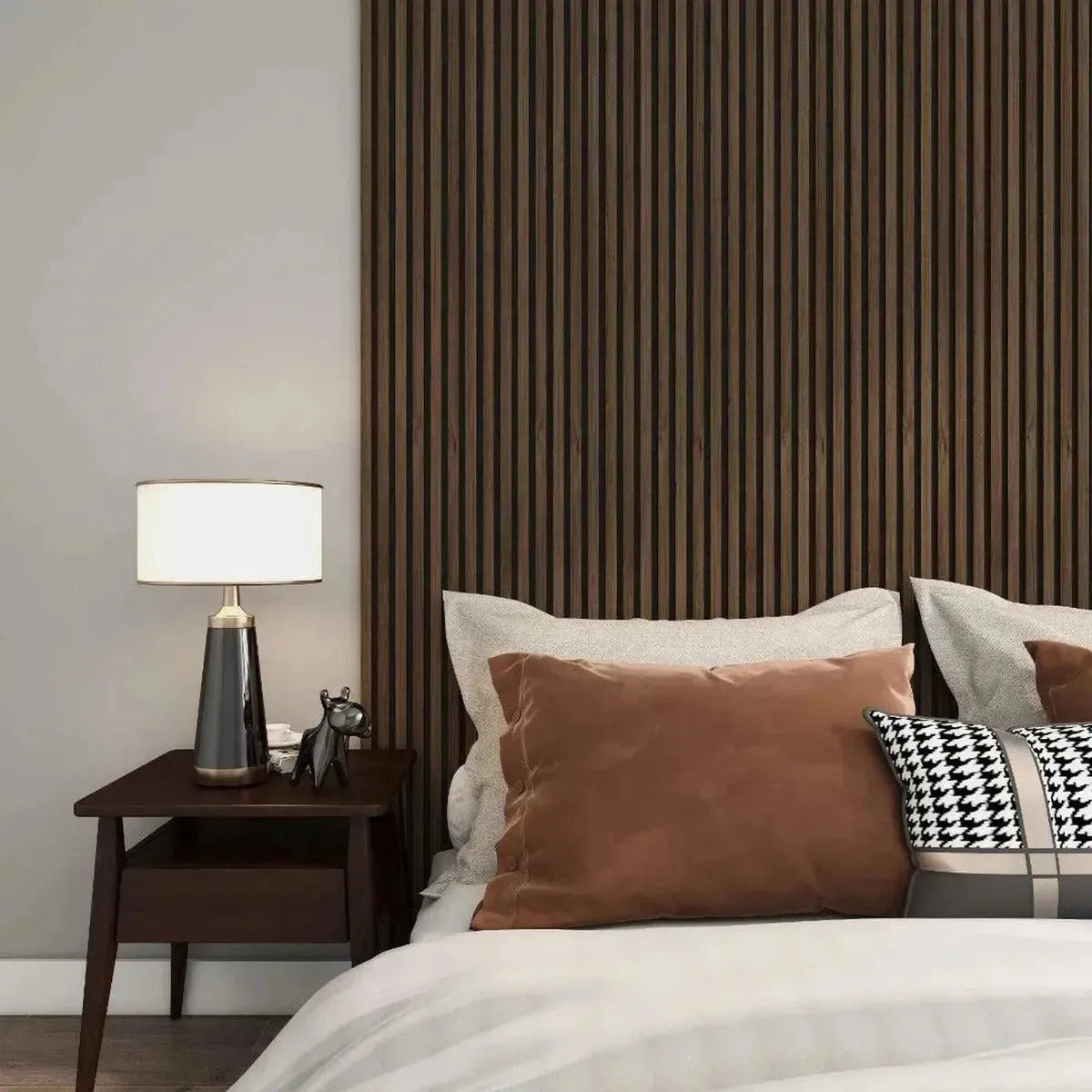
For most entryways, the Acoustic Slat Wall Panel in Natural Oak is the Buy — it hides scuffs, dampens the noise of a door slamming, and installs over drywall in an afternoon. If the mudroom sits next to a garage or exterior door exposed to moisture, the Exterior Wall Panel in Oak is the safer Consider. Skip anything with exposed MDF edges near a coat hook zone — moisture and constant bumping will chip it within a season. This roundup of wood panels for mudroom and entryway wall cladding covers six picks, what to avoid, and a side-by-side comparison table.
Why this matters
Entryway walls get scratched by keys, bikes, and umbrellas more than any other surface in the house, and a flat painted wall shows every mark. Wood panel cladding solves two problems at once: it protects the drywall underneath and it kills the hollow echo that mudrooms are famous for, since most are small, hard-surfaced rooms with tile floors and no soft furniture to absorb sound. A detailed entrance hall feature wall breakdown covers layout options if you're still deciding where the panel run should start and stop. The keyword behind this guide pulls roughly 310 searches a month with a difficulty score of just 20 out of 100 in 2026 — low competition, which means the buyers searching it are close to a purchase decision, not just browsing inspiration boards.
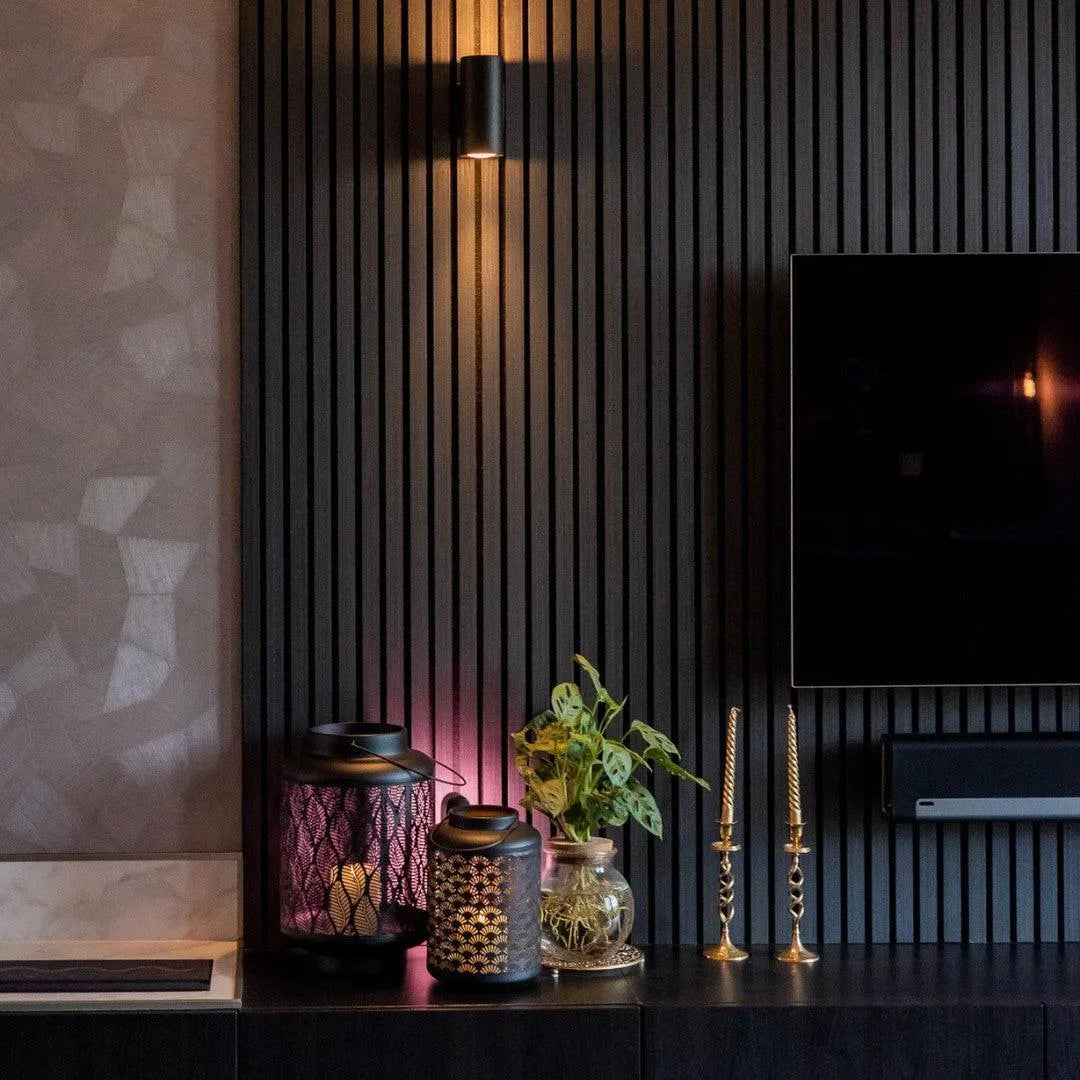
How we ranked
Each pick below is scored against four things that matter specifically in a mudroom: impact resistance, moisture tolerance, ease of spot-cleaning, and how well the finish hides scuffs between cleanings. Panels built for pure acoustic treatment in a living room or studio rank lower here even if they look similar, because entryways need durability first and sound dampening second. Anything without a documented install method for drywall or masonry got dropped from consideration outright — a panel that can't go up cleanly in a tight hallway is a skip regardless of finish.
The ranked list
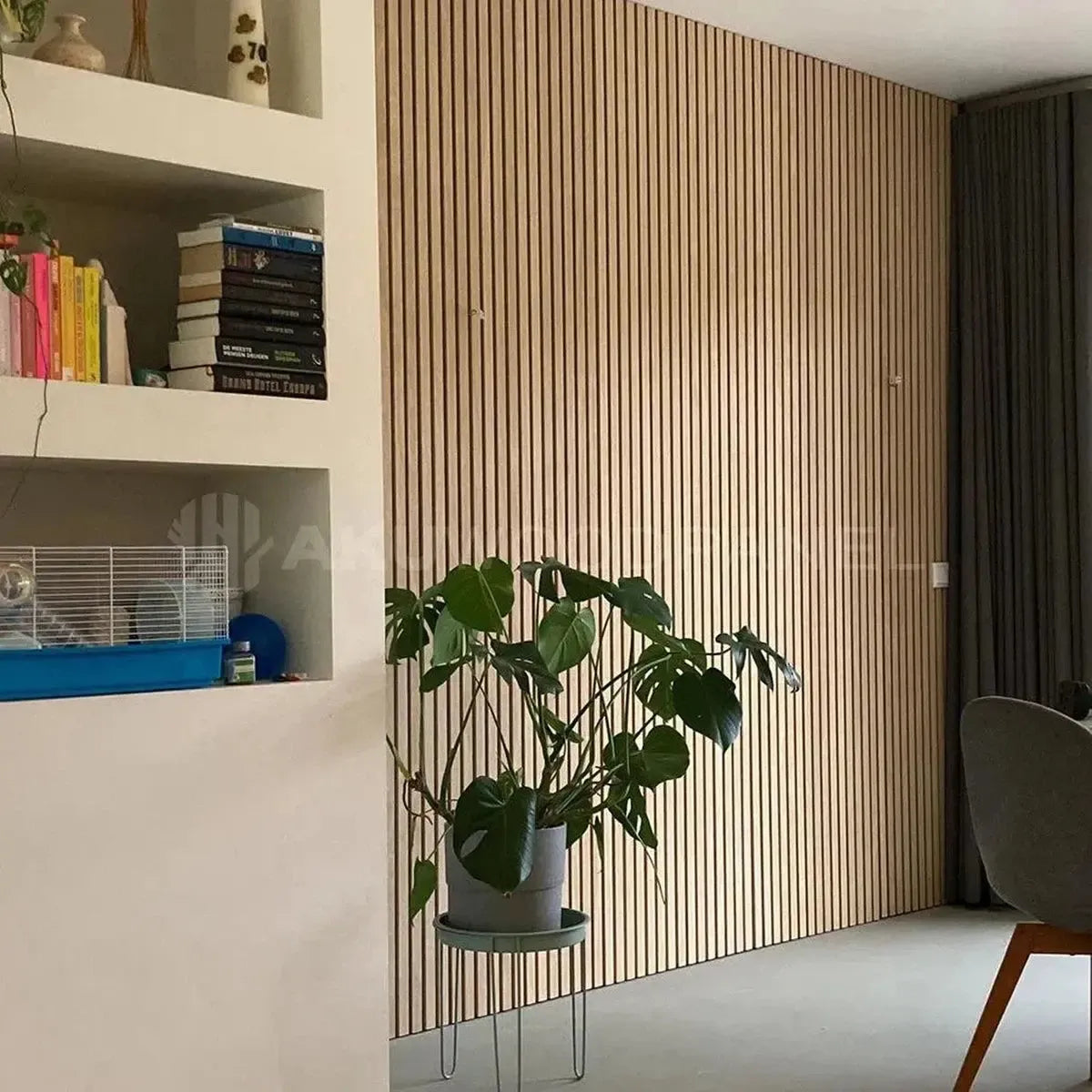
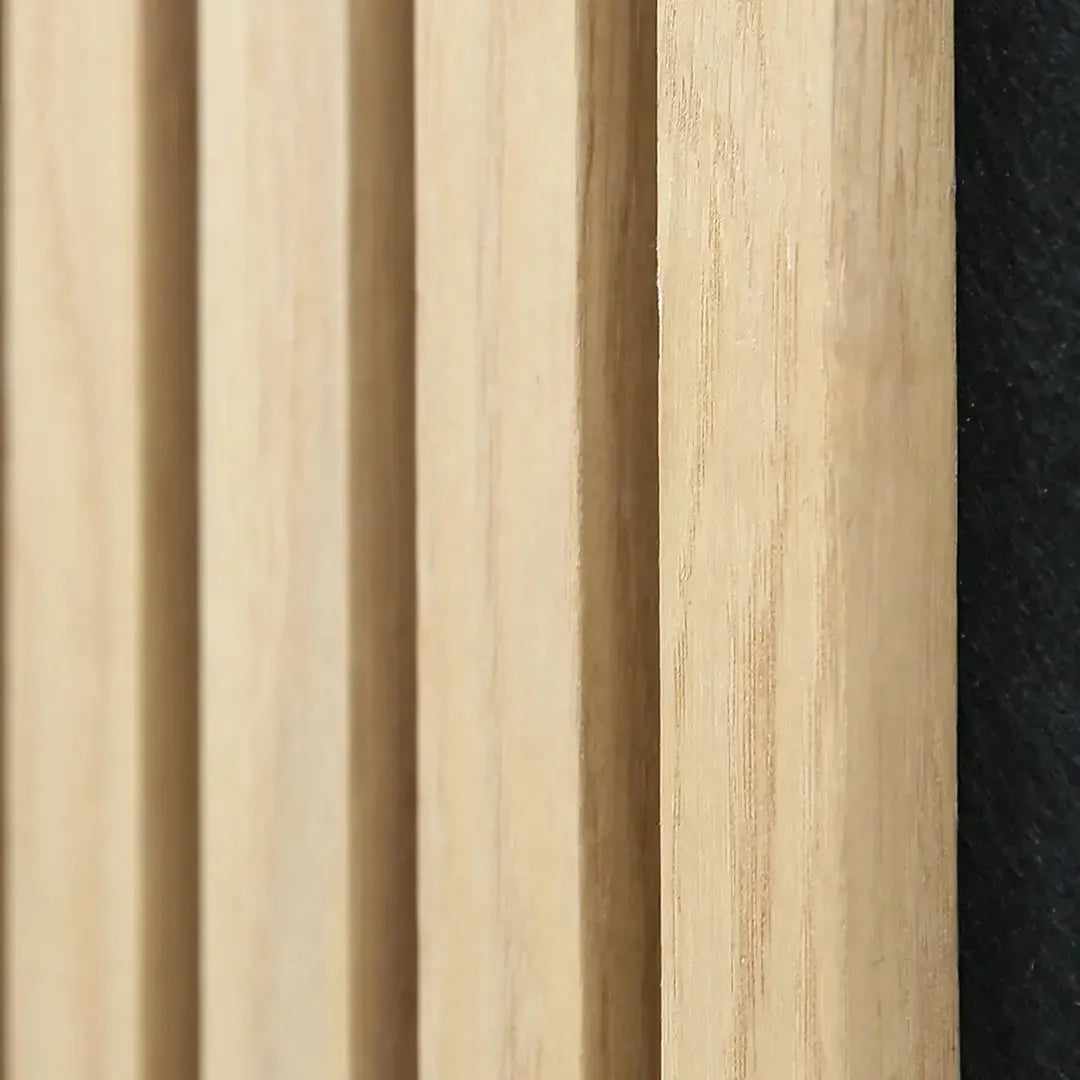
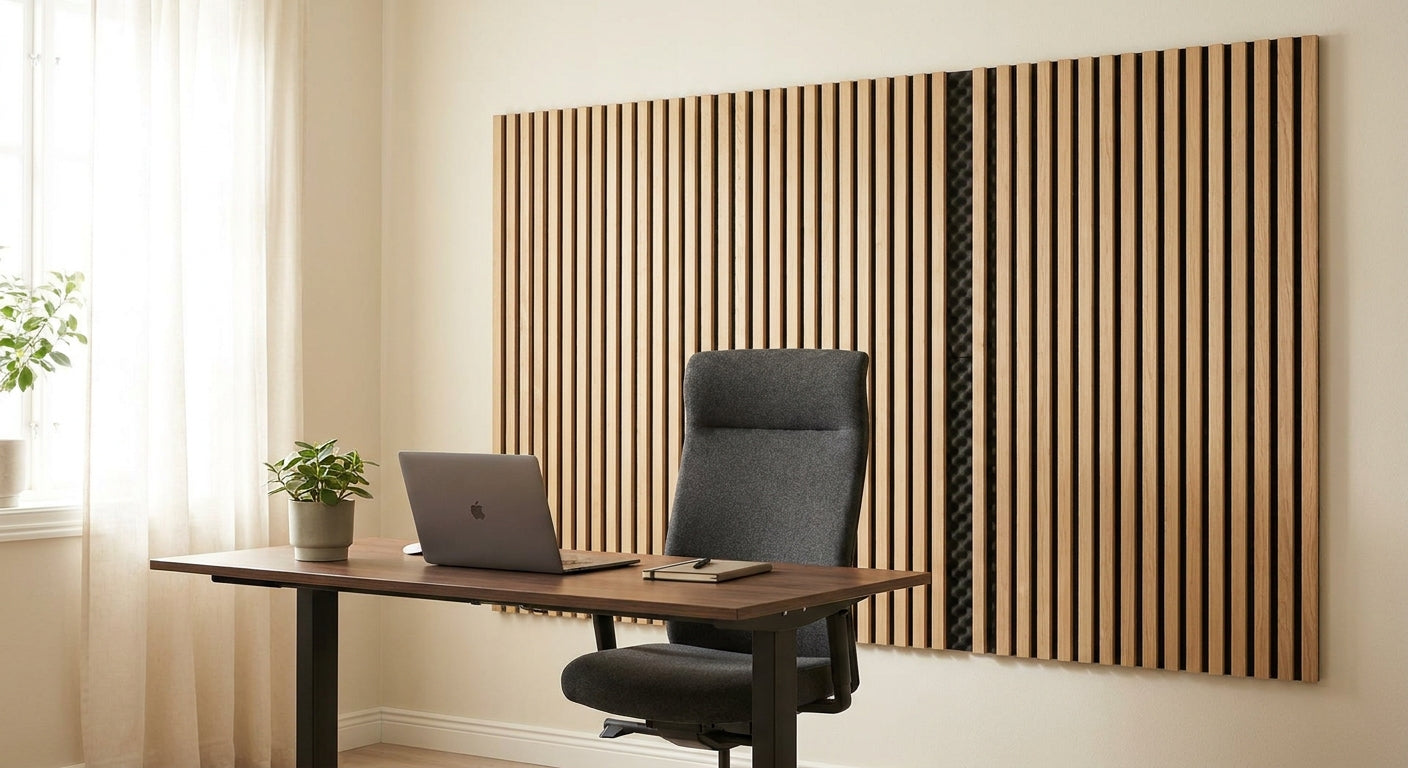
1. Acoustic Slat Wall Panel — Natural Oak
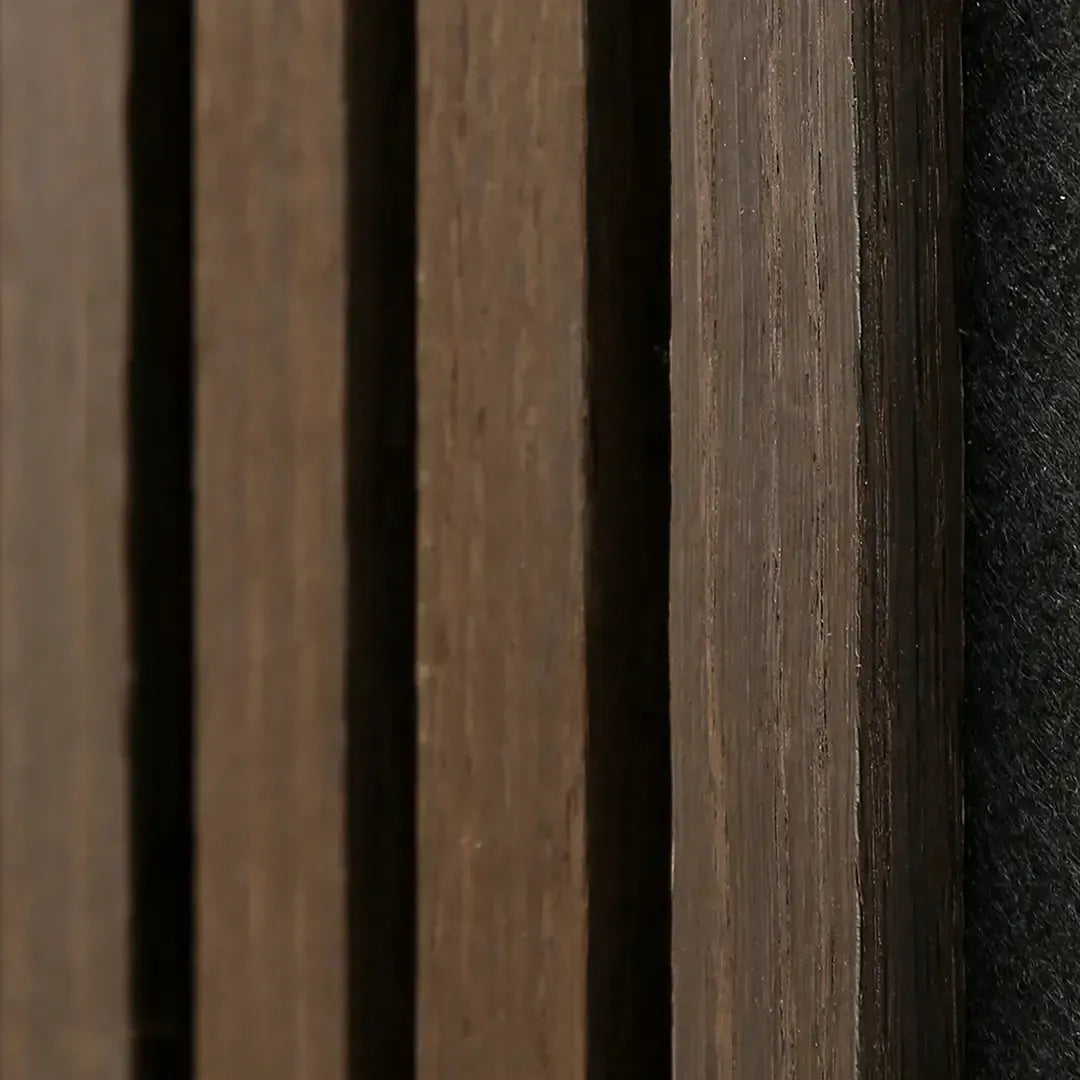
The all-rounder. This panel pairs a real oak veneer slat face with a felt backing, so it's doing double duty: hiding the daily wear of an entryway and cutting the echo that bounces off tile floors and glass storm doors. The natural oak grain also hides light scuffs better than darker finishes, since scratches show less contrast against a lighter wood tone. Buy the Acoustic Slat Wall Panel in Natural Oak if you want one product that solves both the noise and the durability problem in a single install. Verdict: Buy.
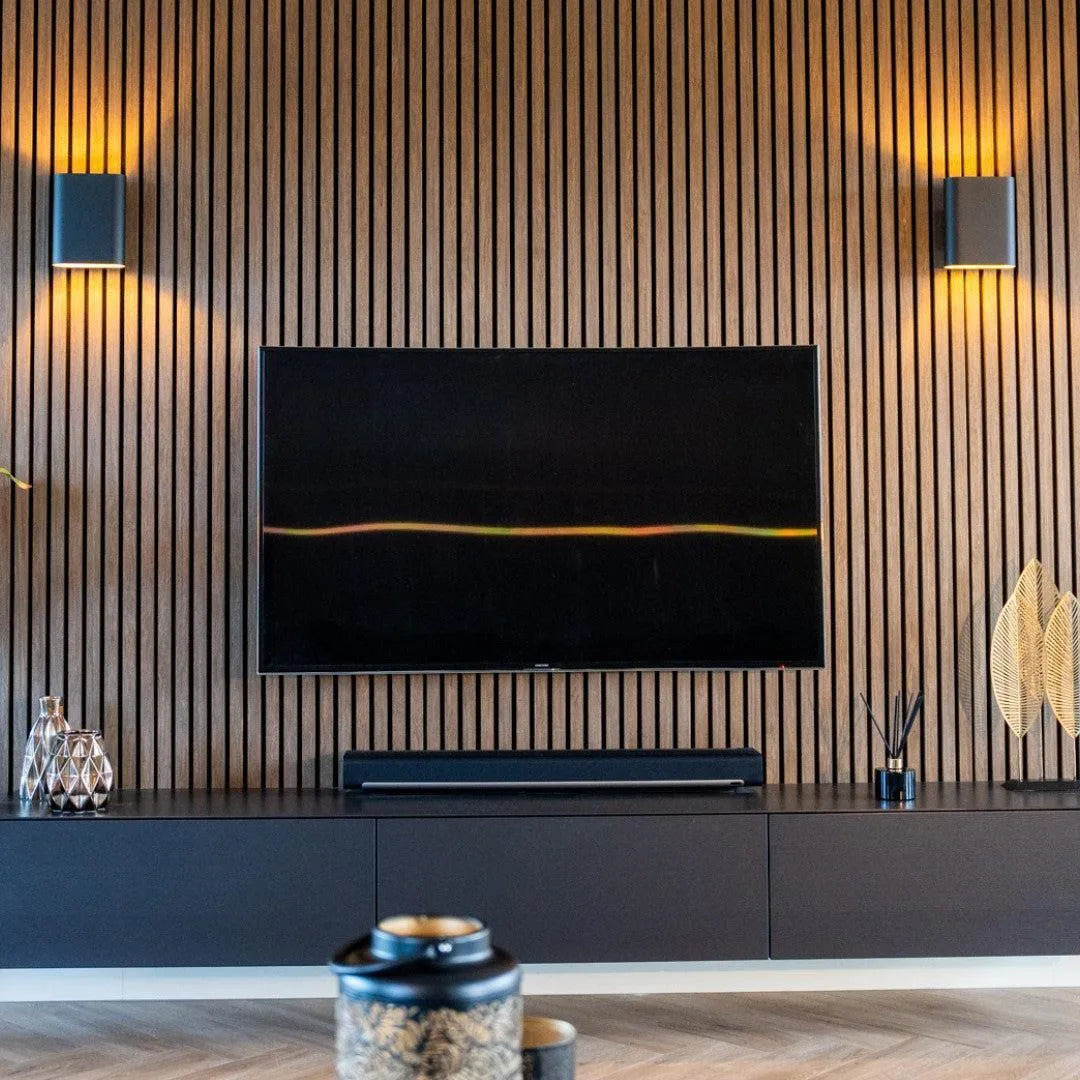
2. Fluted Wall Panel — Walnut
The design upgrade. Vertical fluting reads more architectural than a flat slat run, which matters in an entryway because it's the first wall guests see. The flexible backing on this panel makes it easier to work around corners near a coat closet or a stairway landing without cutting new panel sections. Consider the Fluted Wall Panel in Walnut if the entryway is small and you want vertical lines to make the ceiling read taller. Verdict: Consider.
3. Hexagon Acoustic Panel — Black
The wildcard. Hexagon panels break the box shape of a standard entryway wall and hide dust and hand smudges better than a light finish does, since black surfaces show less contrast against everyday grime. This is the pick for a mudroom that's more transitional space than formal entrance — mixed-use rooms near a garage door or laundry hookup. The Hexagon Acoustic Panel in Black works best as a half-wall accent rather than full coverage. Verdict: Consider.
4. Exterior Wall Panel — Oak
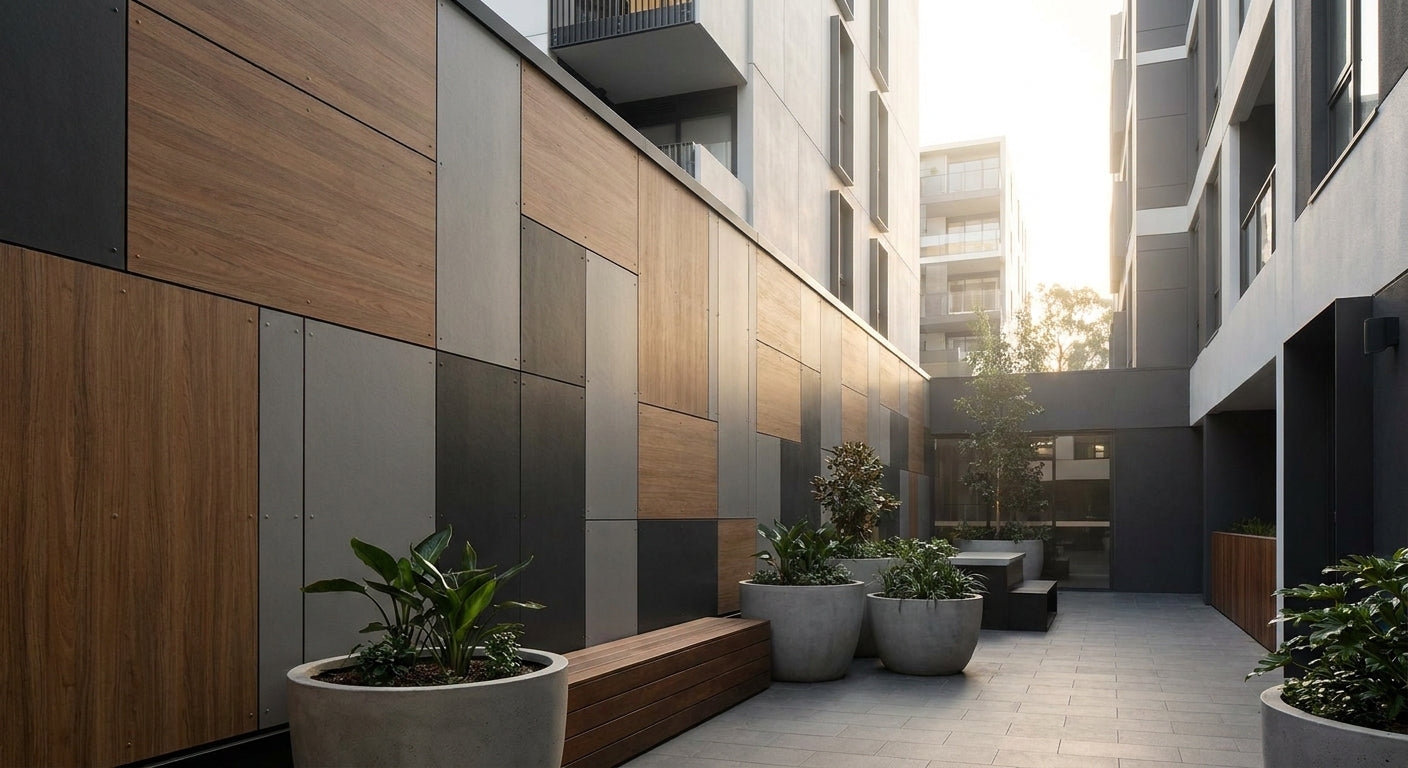
The moisture play. If the entryway wall sits on an exterior-facing surface, or the mudroom door opens straight to the outside, an interior-rated finish is the wrong call. Exterior-rated panels are built to handle temperature swings and damp air that interior slat panels aren't designed for. Buy the Exterior Wall Panel in Oak for any entryway that borders an unheated garage, a covered porch, or a mudroom with a door that's open half the year. Verdict: Buy.
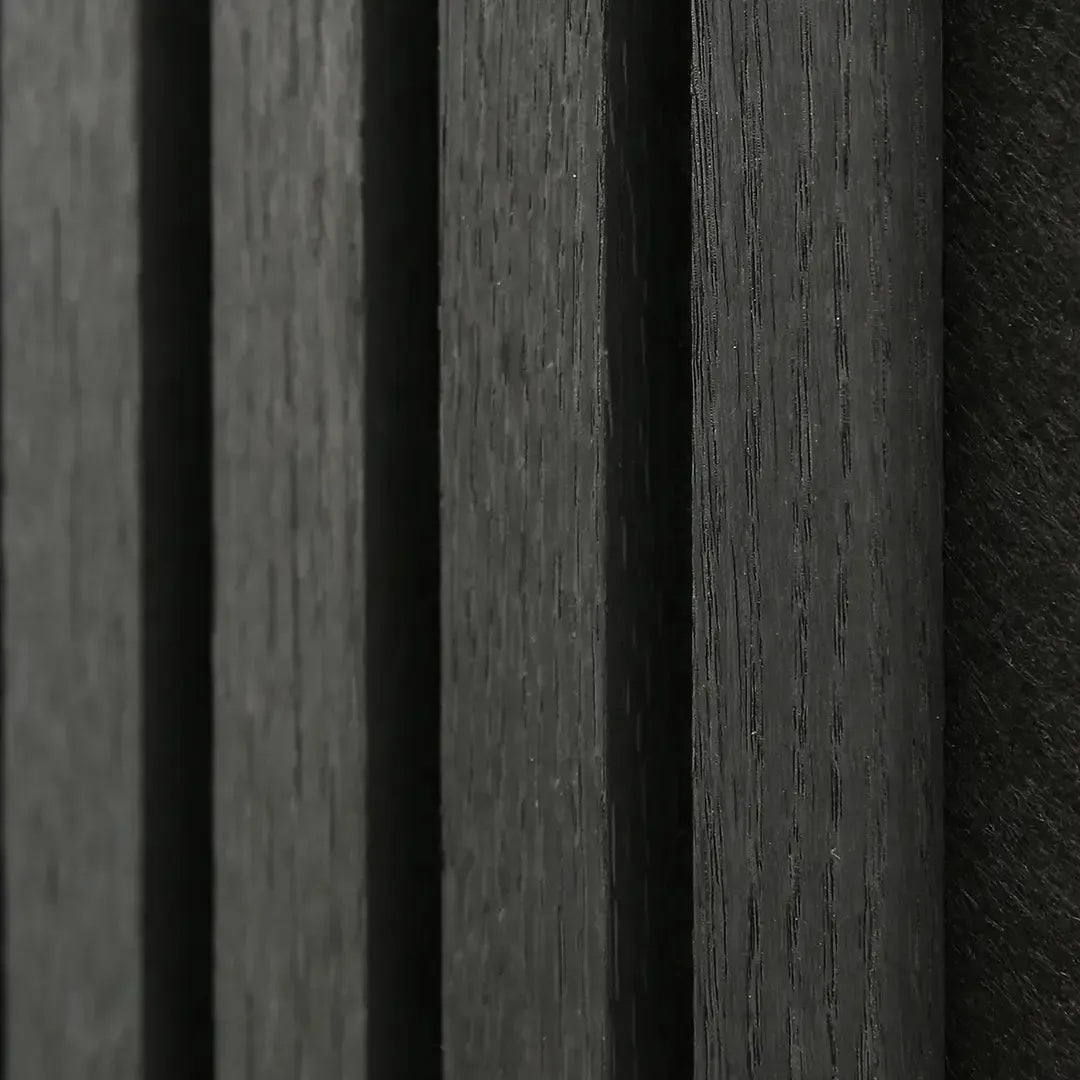
5. Smoked Oak Acoustic Slat Panel
Darker smoked oak hides shoe scuffs and boot marks well, but the tradeoff is that dust and pet hair show up faster against the deeper tone in a high-traffic zone. It's a strong pick for a mudroom that gets cleaned weekly rather than daily. Verdict: Consider.
6. Peel-and-Stick Backsplash Tile
These were built for kitchen splash zones, not floor-to-waist-height impact areas near a boot bench. The adhesive backing isn't rated for the kind of repeated bumping an entryway wall takes from bags and bikes. Verdict: Skip.
What to avoid
- Anything with exposed MDF core edges at bump height. A mudroom wall gets hit at knee-and-hip level constantly; exposed composite edges chip fast.
- Pure acoustic foam panels with no wood face. They kill sound but look out of place next to a front door and don't survive being brushed against.
- Full-coverage floor-to-ceiling installs in a wet-boot zone. Cladding the bottom third in a moisture-rated finish and leaving the upper wall painted is more practical than one continuous panel run in 2026 mudroom layouts.
Comparison table
| Pick | Best For | Finish Tone | Moisture Tolerance | Verdict |
|---|---|---|---|---|
| Acoustic Slat Wall Panel — Natural Oak | All-purpose entryway | Light oak | Interior only | Buy |
| Fluted Wall Panel — Walnut | Design-forward foyer | Dark walnut | Interior only | Consider |
| Hexagon Acoustic Panel — Black | Mixed-use mudroom | Black | Interior only | Consider |
| Exterior Wall Panel — Oak | Garage-adjacent entry | Oak | Exterior-rated | Buy |
| Smoked Oak Acoustic Slat Panel | Low-light entryways | Smoked oak | Interior only | Consider |
| Peel-and-Stick Backsplash Tile | Kitchen splash zones only | Varies | Not rated for impact | Skip |
Where to buy
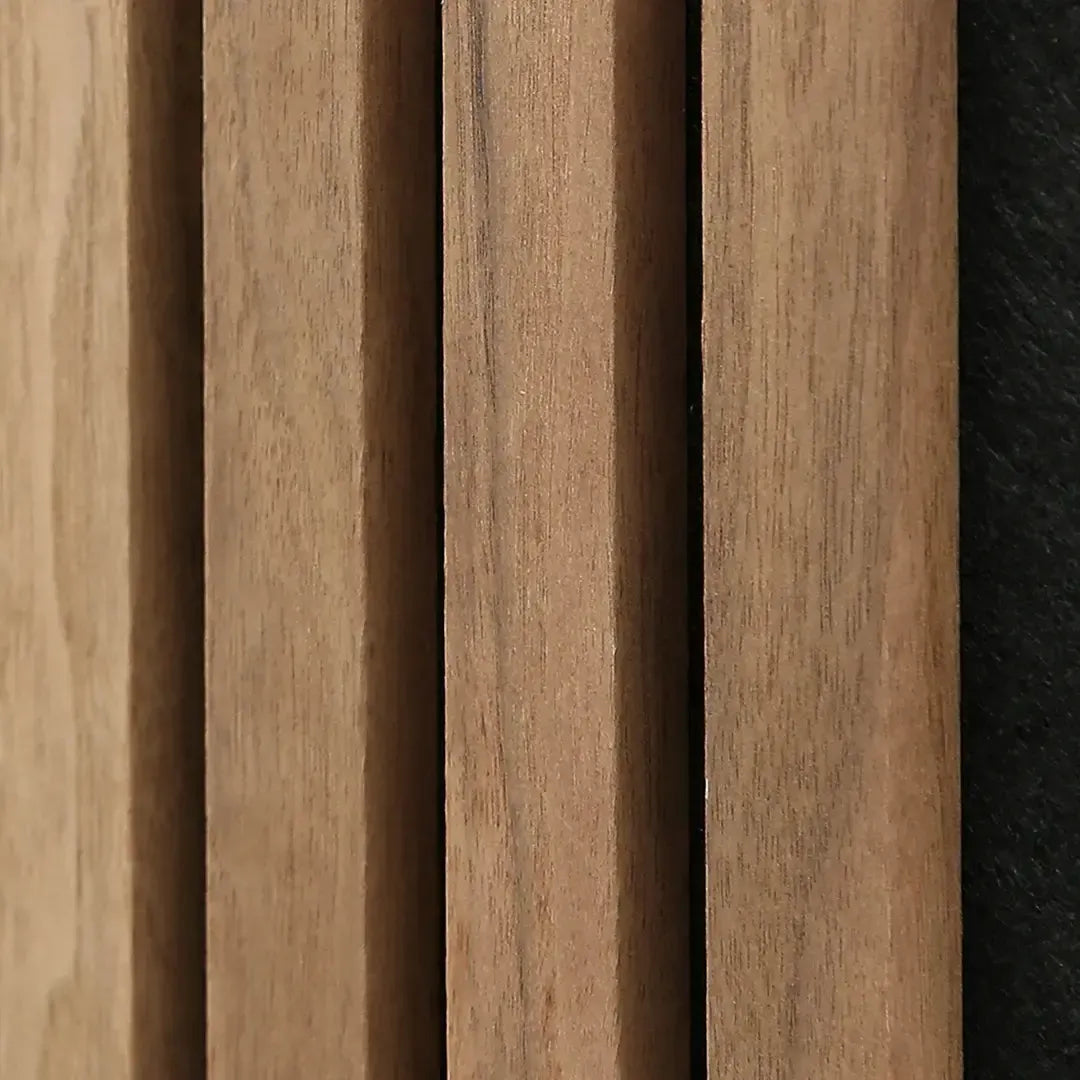
- Order a sample first. Wood tone reads differently under entryway lighting than it does on a screen — a physical swatch against your actual wall color prevents a costly reorder.
- Buy from a supplier that lists finish and backing together. A panel description that separates the veneer species from the acoustic backing spec usually means the acoustic performance wasn't tested as a combined product.
- Check the return policy on cut panels before ordering for an odd-shaped entryway. Mudrooms often have angled walls or door cutouts, and custom cuts aren't always returnable.
FAQ
What's the best wood panel for a mudroom? The Acoustic Slat Wall Panel in Natural Oak is the strongest all-around pick for 2026 because it combines scuff resistance with sound dampening in one install, which matters in small, hard-surfaced entry spaces.
Is wood panel cladding better than paint for an entryway? For high-traffic zones, yes — panel cladding resists dents and scuffs that painted drywall shows within months, and it doesn't need repainting every year or two like a high-traffic wall does.
Do I need an exterior-rated panel for a mudroom? Only if the wall borders an unheated garage, a covered porch, or a door that stays open seasonally; standard interior entryways don't need exterior-rated moisture protection.
How much wall coverage does a mudroom actually need? Most mudrooms only need panel coverage on the lower two-thirds of the wall where bumping and scuffing happens, not a full floor-to-ceiling install.
Can slat panels handle a mudroom bench or hook rail mounted on top? Yes, provided the mounting hardware anchors into the studs behind the panel rather than the panel material alone — check stud spacing before drilling.
Do dark wood tones show dirt faster in an entryway? Darker finishes hide scuffs better but show dust and pet hair more visibly, while lighter oak tones do the reverse — it's a tradeoff based on how often the wall gets wiped down.
What's the difference between acoustic slat panels and fluted panels for an entryway? Slat panels use a felt backing for sound absorption, while fluted panels are primarily a visual texture choice with less acoustic benefit — pick slat if echo is the bigger complaint.
Is a hexagon panel practical for a small entryway? Yes, when used as a partial accent rather than full wall coverage — hexagon shapes work best breaking up a half-wall rather than covering a narrow hallway top to bottom.
One last thing
The detail most people skip: measure the swing radius of the entry door before ordering panel depth. A slat or fluted panel adds real thickness to a wall, and in a tight mudroom that extra half-inch can be the difference between a door that closes flush and one that catches on the frame every single time in 2026 and beyond.
 Better performance and aesthetic appeal
 In Stock