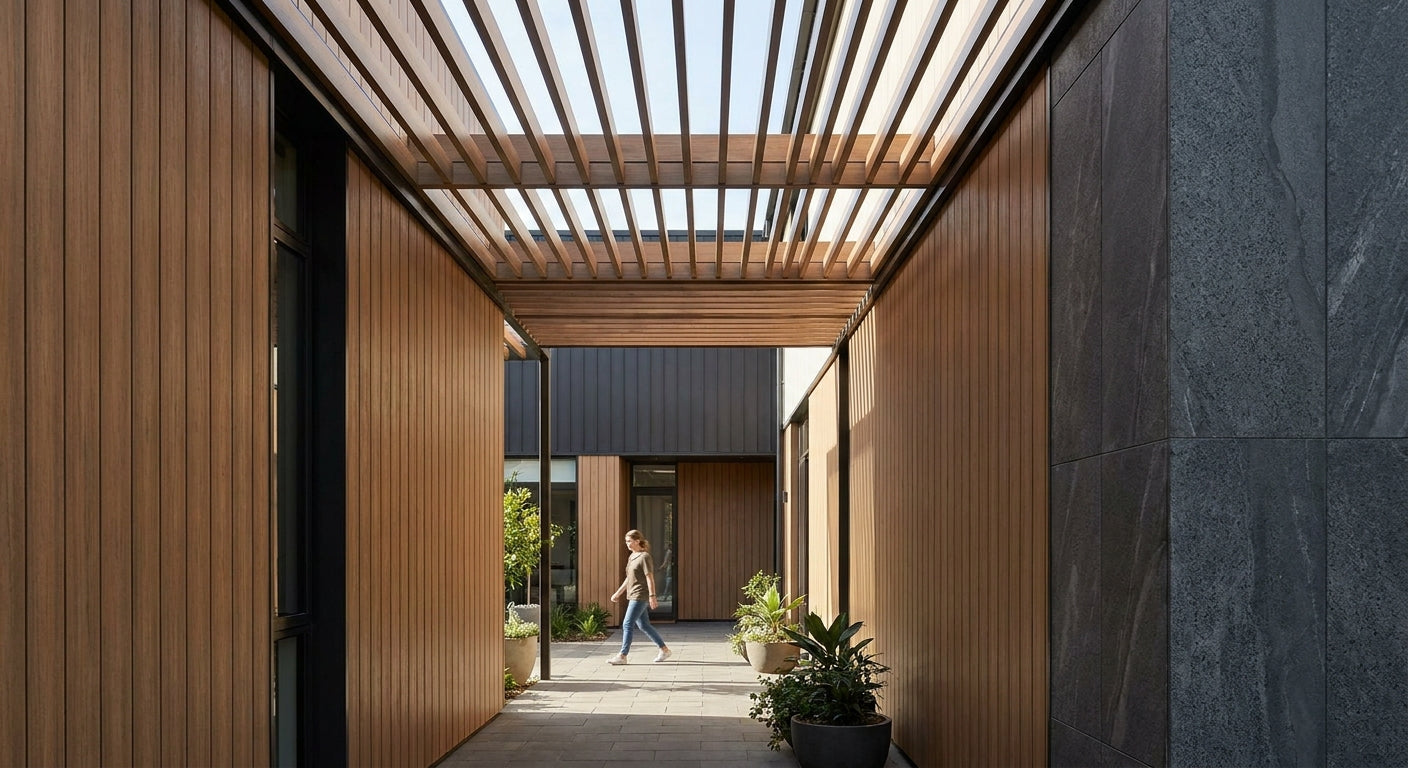
A covered breezeway still takes wind-driven rain, morning dew, and temperature swings on at least two open sides, roof or no roof, and the wrong wall panel warps or stains inside a single wet season. This guide ranks the exterior wall panels that actually hold up on covered breezeway cladding in 2026, with a plain verdict on each option instead of a spec-sheet dump.
- AKU Wood Panel's Exterior Wall Panel Oak is the top pick for exterior wall panels covered breezeway projects in 2026 - Buy.
- Exterior Wall Panel Birch costs less and suits lighter-toned breezeways - Buy.
- Composite cladding handles standing-water exposure better but runs a higher upfront cost - Consider.
- Corner trim and matching fasteners aren't optional on a breezeway - order them with the panel run, not after.
Why this matters
A breezeway isn't a porch and it isn't a garage wall. It's a wind tunnel with a roof, and the panels covering it get hit from the side, not just from above. Rain blows in at an angle on 2 out of every 3 open-air structures facing a prevailing wind direction, which means the wall surface takes moisture that a fully enclosed room never sees.
Most cladding failures on breezeways trace back to one thing: someone picked an interior panel finish, or skipped the trim, and the exposed edge started absorbing water within a year. Exterior-grade construction and proper edge trim matter more here than on almost any other application in the AKU Wood Panel catalog.
How we ranked
The picks below are ordered on four factors that matter specifically for covered breezeway cladding in 2026: exterior-rated construction, availability of matching trim and fasteners, tone flexibility against the roof and post materials common on breezeways, and how forgiving the panel is if the installer skips a step. Products come from the current AKU Wood Panel exterior line and published spec sheets, cross-checked against how breezeway installs typically go wrong — not from invented test numbers.
The ranked list
1. AKU Wood Panel Exterior Wall Panel Oak — the safe pick
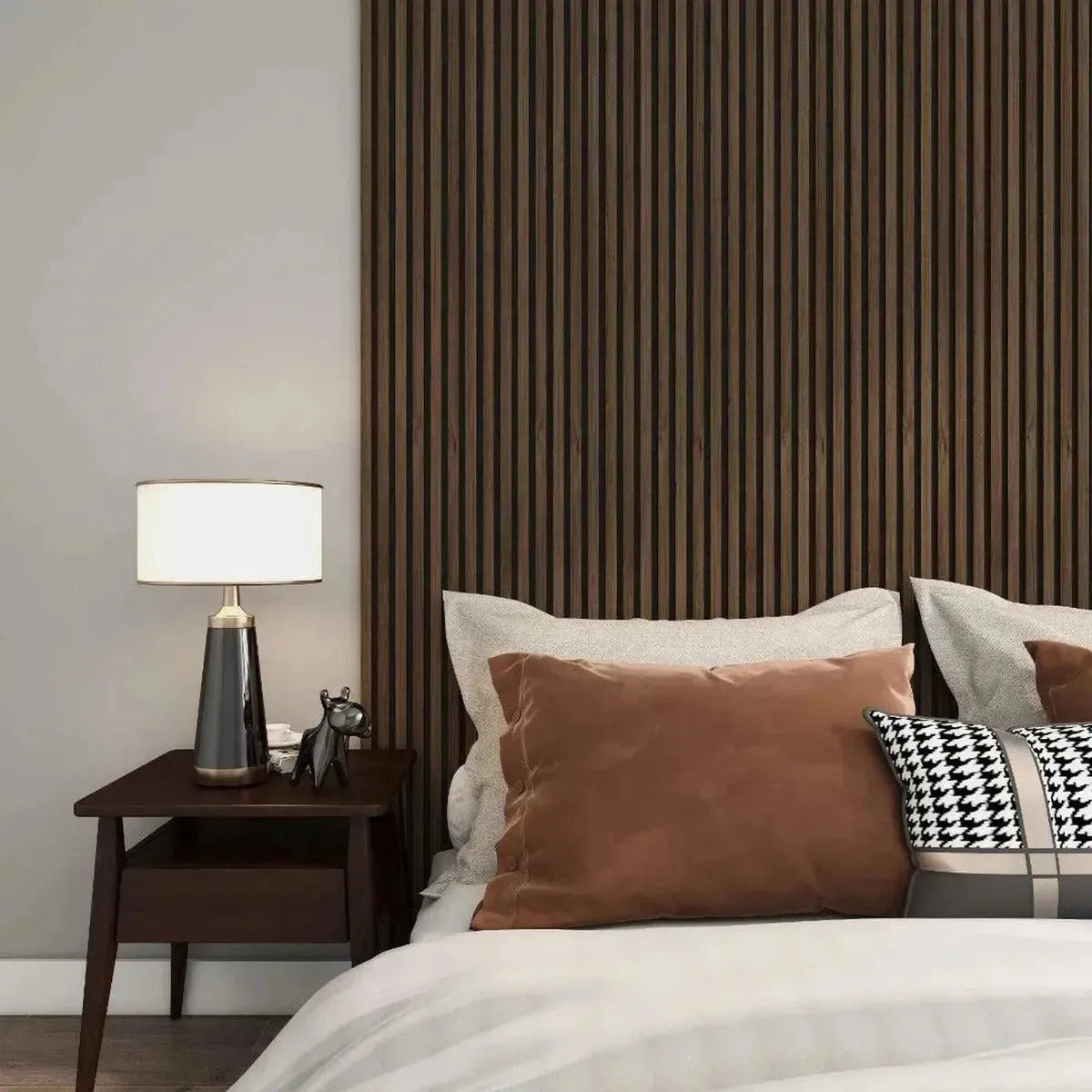
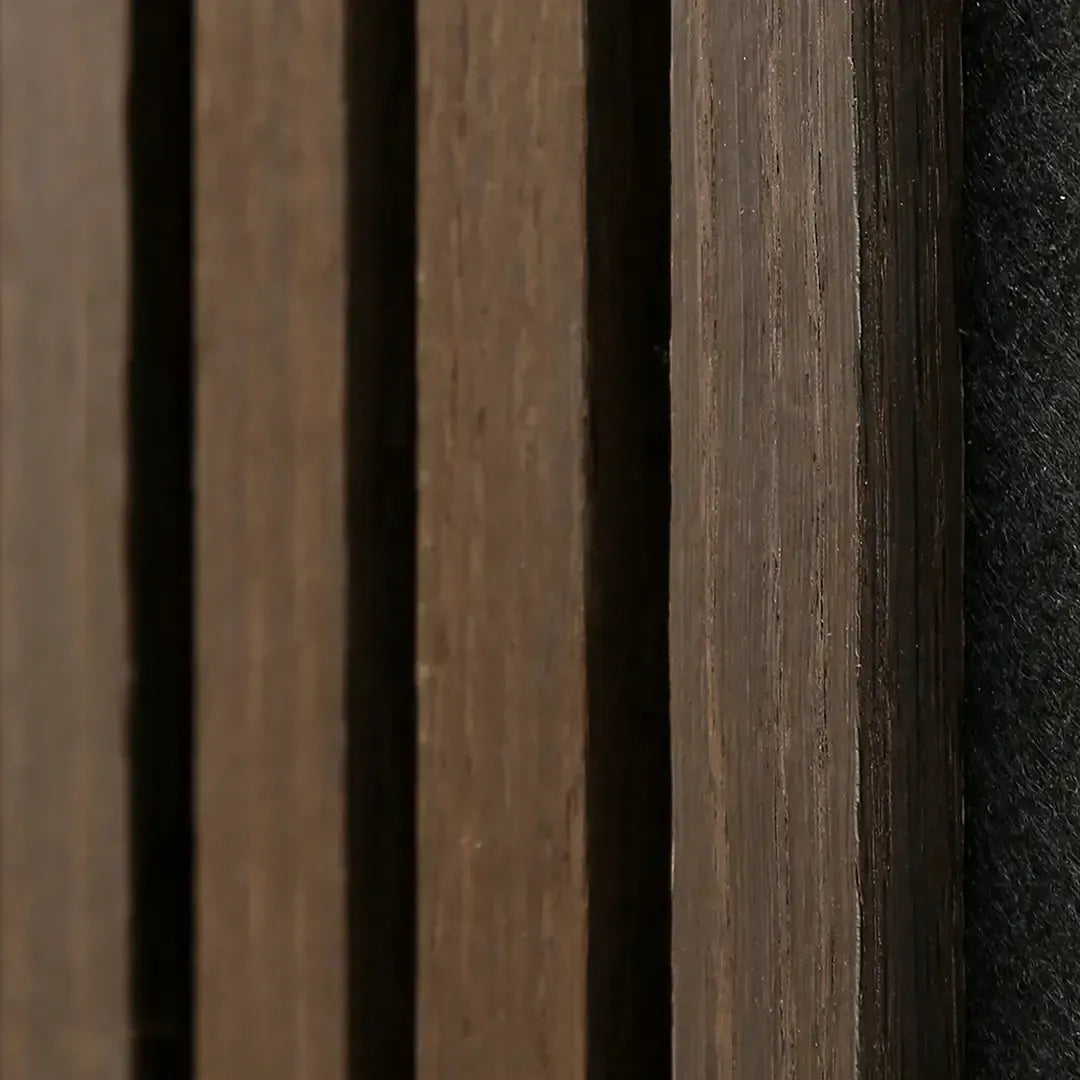
This is the panel most buyers land on for a covered breezeway because it's built as exterior-rated stock from the start, not an interior panel pressed into outdoor service. The oak tone reads warm against most post and beam colors, which matters on a breezeway where the wall sits next to exposed framing.
It pairs cleanly with matching corner and finishing trim from the same line, which is the detail that separates a clean breezeway wall from one with visible raw edges by year two. Verdict: Buy — order it as the Exterior Wall Panel Oak if the breezeway sits anywhere near visible wood posts or beams.
2. AKU Wood Panel Exterior Wall Panel Birch — the lower-cost, lighter-grain option
Birch runs lighter than oak and works better on breezeways attached to white or light-gray siding, where a dark oak panel would look like an afterthought. It's the same exterior-rated construction underneath the lighter finish, so nothing gets sacrificed for the tone shift.
Buyers choosing between the two almost always decide on color match to the existing structure, not performance — the panels are built the same way. Verdict: Buy — the Exterior Wall Panel Birch is the right call on lighter-toned breezeways.
3. Exterior Panel Corner Trim (Oak) — the detail people skip
A breezeway wall almost always has at least one exposed corner where it meets a post or turns to close off one open side. Leaving that corner unfinished exposes the panel's cut edge directly to weather, which is where moisture gets in first.
Corner trim matched to the panel color closes that gap and gives the install a finished look instead of a raw cut edge. Verdict: Buy alongside the main panel run — don't treat it as optional.
4. Exterior Panel Finishing Trim (Birch) — the clean edge
Where corner trim wraps outside corners, finishing trim caps the flat edges where a panel run ends against a window, door, or the open face of the breezeway. Skipping it leaves a visible seam that collects dirt and moisture along the panel's cut line.
On a breezeway, that exposed edge faces direct weather more than it would on a covered porch wall set further back from the roofline. Verdict: Buy — the exterior panel finishing trim is a small line item next to the cost of a full re-clad.
5. Exterior Panel Screws (Birch) — the fastener question
Generic exterior screws work, but fasteners sized and finished to match the panel line avoid the rust-bleed staining that shows up around mismatched hardware within a season or two on an open-air structure. It's a minor cost against the panel itself.
On a breezeway, where every fastener is visible from both sides of the wall, this is one of the few places where matching hardware actually changes how the finished wall looks. Verdict: Buy if you're doing the full run — Skip the upgrade only on a small accent section where fasteners barely show.
6. Composite cladding — the alternative for standing-water exposure
Breezeways built low to grade, or ones that catch runoff from a roof valley, sometimes deal with more standing moisture than a typical covered wall. Composite cladding panels handle that kind of repeated wetting differently than wood-veneer exterior panels, at a higher material cost.
It's worth comparing against wood-effect exterior panels before committing, especially on a breezeway with drainage problems the roof design didn't solve. The tradeoffs between composite cladding panels for outdoor walls and wood-veneer panels come down mostly to how wet the wall actually gets. Verdict: Consider only if the breezeway has a known moisture problem at grade.
Comparison table
| Pick | Best for | Verdict |
|---|---|---|
| Exterior Wall Panel Oak | Breezeways near exposed wood framing | Buy |
| Exterior Wall Panel Birch | Light-toned or white-sided structures | Buy |
| Corner Trim (Oak) | Any wall with an exposed outside corner | Buy |
| Finishing Trim (Birch) | Panel edges against doors or window frames | Buy |
| Exterior Panel Screws (Birch) | Full runs where hardware is visible | Buy |
| Composite cladding | Breezeways with standing-water exposure | Consider |
Where to buy
Order the panel, the trim, and the fasteners in the same run. Dye lots and finish batches shift between production runs, and a trim piece ordered three months after the panel run can read as a slightly different shade of oak or birch once it's up on the wall.
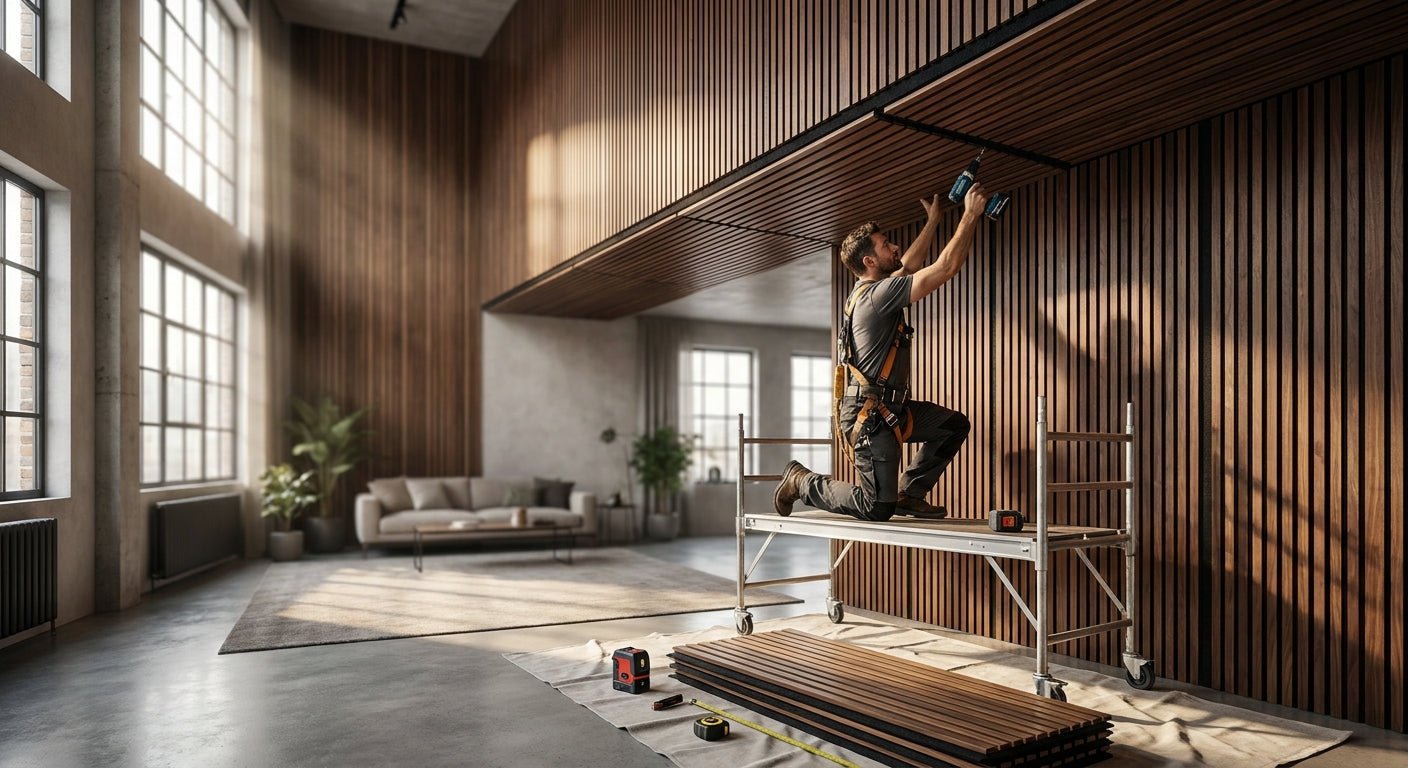
Measure the breezeway wall in full before ordering — a typical 20-foot by 8-foot breezeway wall works out to 160 square feet of coverage, and panel counts should be calculated against that number with a buffer for cuts around posts. Framing behind the panel run should follow standard 16-inch on-center spacing so the panel has full support at every joint, not just at the ends.
How much wall movement the cladding has to absorb over time comes down to what's holding the roof up in the first place — the support posts and footings under a breezeway roof set the tolerance for how much the structure flexes, and that flex is what stresses panel joints long before the wood itself fails. Check the post spacing and footing depth before finalizing panel layout, not after the panels are already cut.
Buy directly from the AKU Wood Panel exterior line rather than mixing sources for the panel and the trim — matching a third-party trim profile to a specific panel line is a common cause of visible gaps at the corners.
FAQ
What are the best exterior wall panels for a covered breezeway in 2026?
AKU Wood Panel's Exterior Wall Panel Oak and Exterior Wall Panel Birch are the top picks for covered breezeway cladding in 2026. Both use exterior-rated construction and pair with matching corner and finishing trim, which matters more on a breezeway than on a fully enclosed wall.
Is composite cladding better than wood-veneer exterior panels for a breezeway?
Composite cladding handles standing-water exposure better but costs more upfront than wood-veneer exterior panels. Wood-veneer exterior panels are the better default unless the breezeway has a known drainage or grade problem.
Do I need corner trim on a breezeway wall panel install?
Yes, corner trim is not optional on a breezeway. Skipping it leaves the panel's cut edge exposed directly to wind-driven rain, which is where most moisture damage starts.
How much coverage do I need for a breezeway wall?
Measure the wall in full and calculate square footage before ordering panels. A 20-foot by 8-foot breezeway wall works out to 160 square feet, and that number should include a buffer for cuts around posts.
Can I use interior acoustic slat panels on a covered breezeway?
No, interior-rated panels are not built for direct weather exposure and should not go on a breezeway wall that isn't fully enclosed. Use the exterior-rated line instead, even on a covered structure.
What fasteners work best for exterior wall panels on a breezeway?
Fasteners sized and finished to match the panel line avoid the rust-bleed staining that shows up around mismatched hardware on an open-air wall. Generic exterior screws work but stain faster where they're visible.
How far apart should framing be behind exterior wall panels?
Standard 16-inch on-center framing gives exterior wall panels full support at every joint. Wider spacing risks panel flex at the seams, especially on a breezeway wall exposed to wind on two sides.
One last thing
Order the corner trim and finishing trim in the exact same batch as the panel run, not as an afterthought once the wall is half-clad — dye-lot variation between separate orders is the single most common reason a finished breezeway wall shows a visible seam at the corner months after install, and it's the easiest mistake to avoid on this whole project.
 Better performance and aesthetic appeal
 In Stock