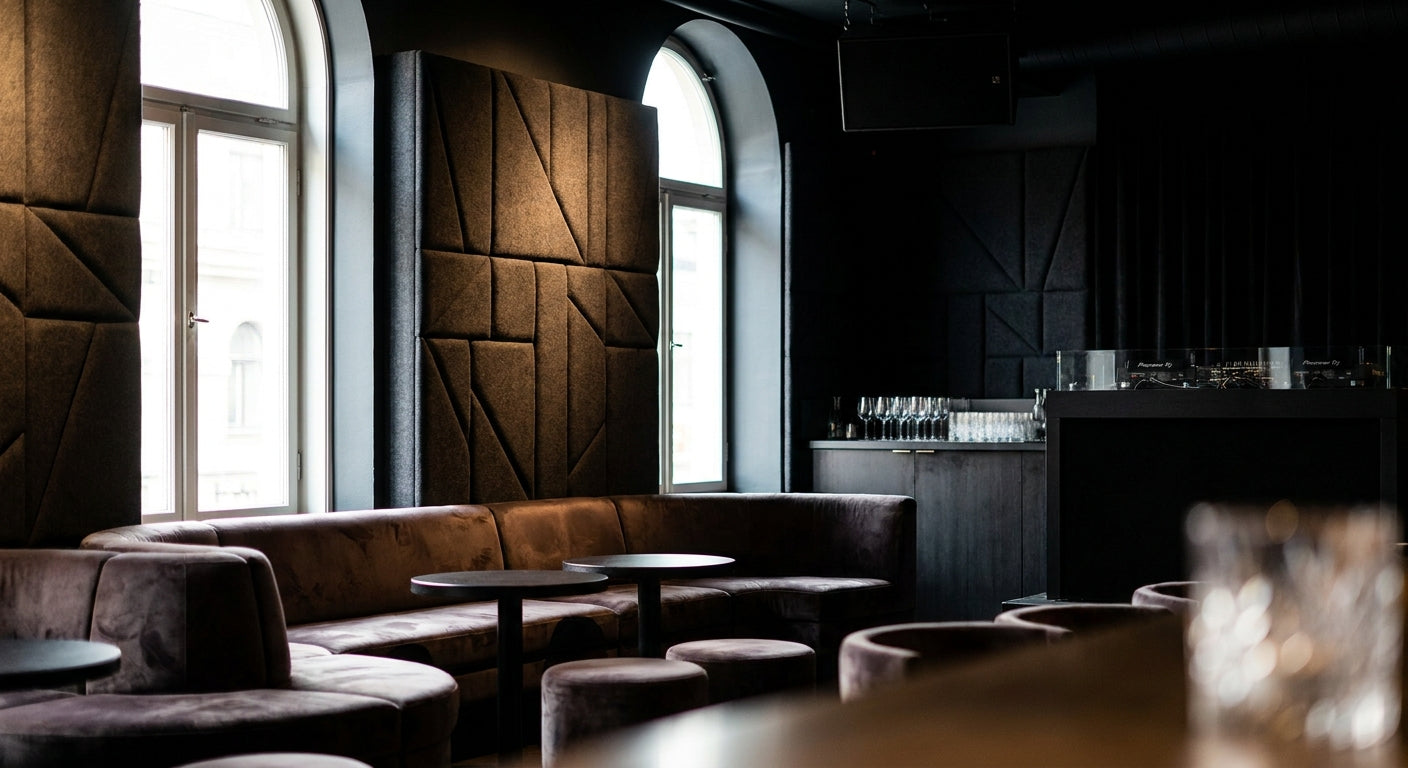
Nightclub walls take a beating that showroom acoustic panels were never built for: sweat, bass, spilled drinks, and strobes hitting the finish six nights a week. This guide breaks down what actually holds up on a dance floor perimeter and which acoustic panels for nightclub walls are worth the order in 2026.
- Black Oak Acoustic Slat Wall Panel at $177.95 is the safe buy for VIP and lounge walls in 2026 — Buy.
- Hexagon Acoustic Panel Black runs $148.95-$165.95 across the finish line and rates NRC 0.75 for bass-heavy rooms — Buy.
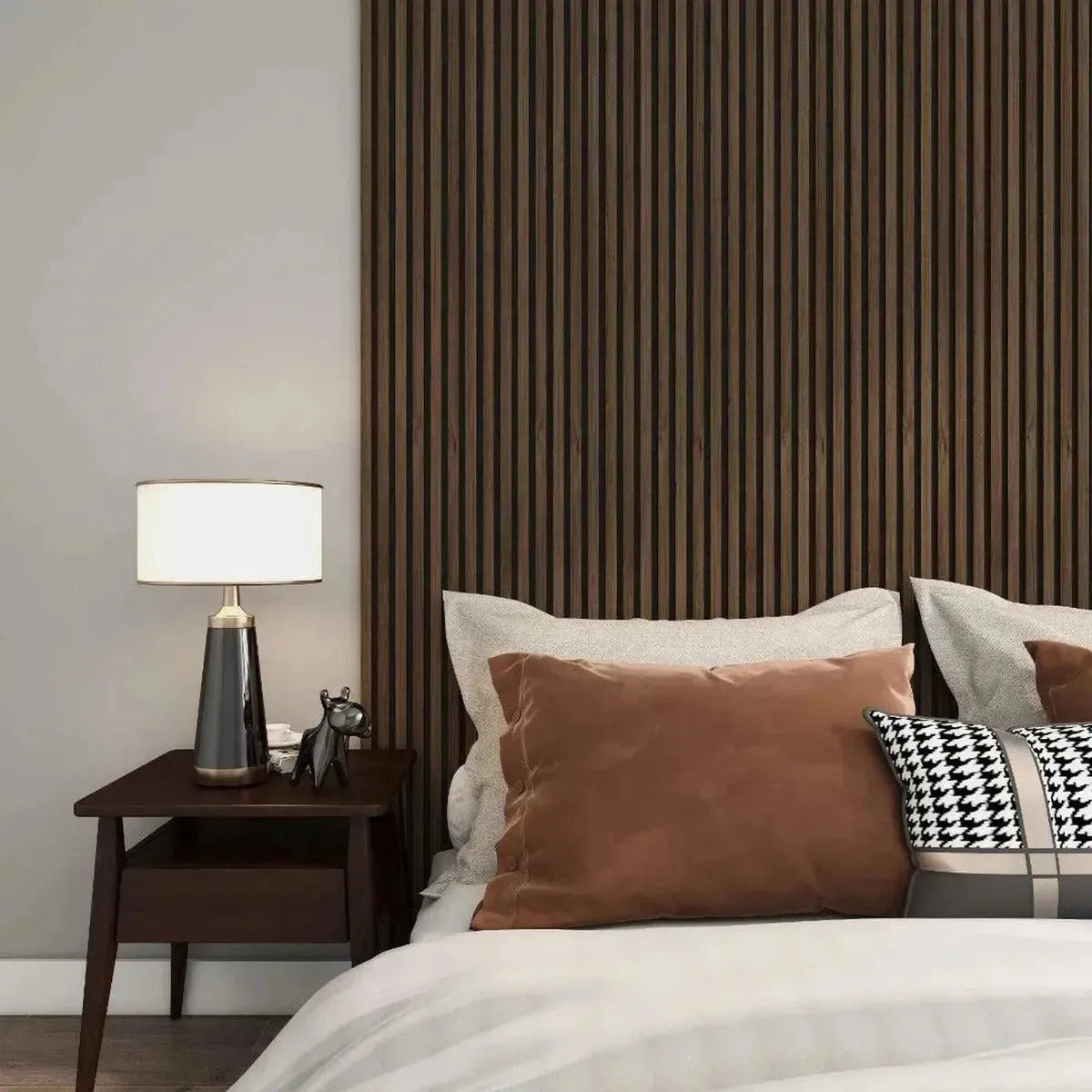
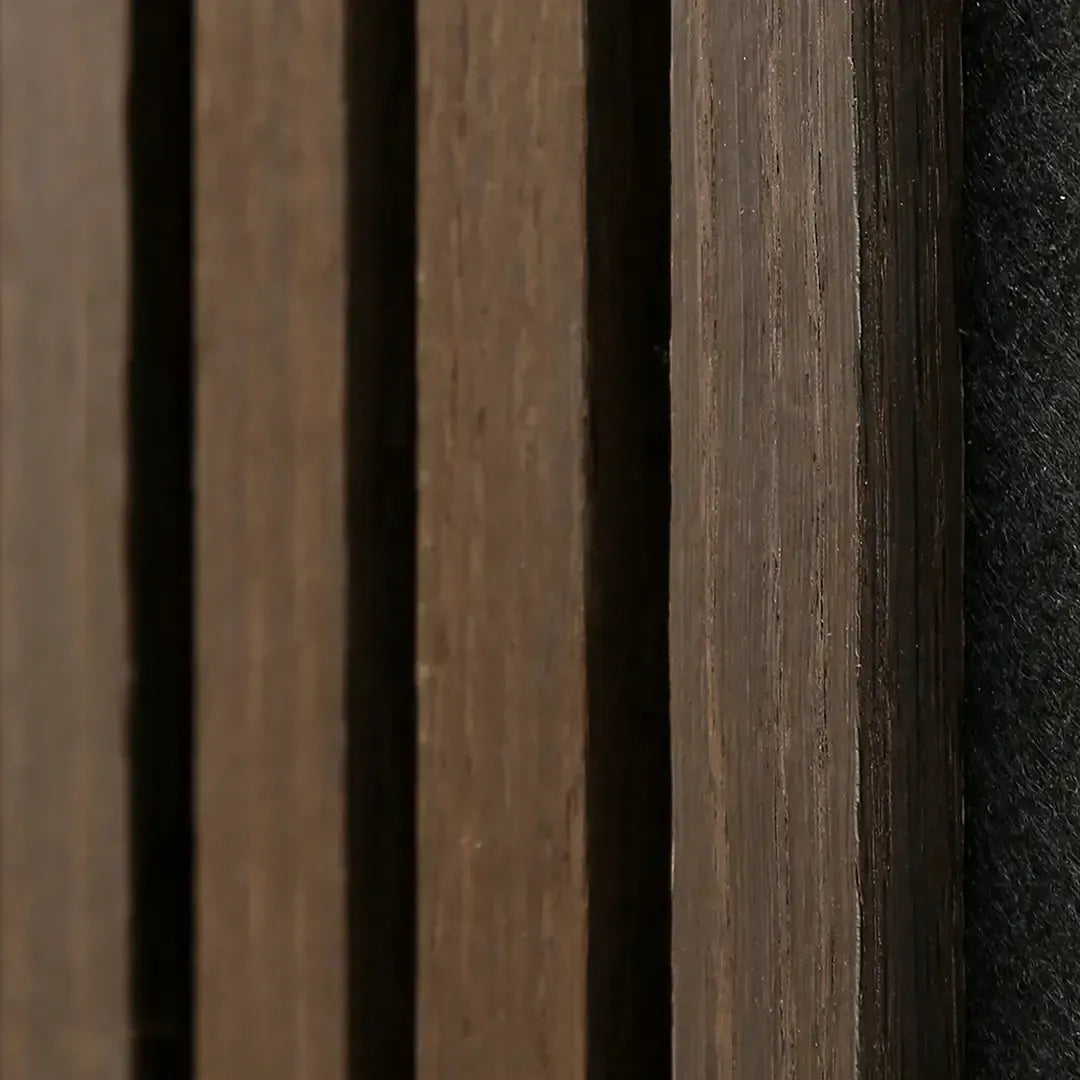
- Smoked Oak with Gray Felt at $169.95 adds a felt absorption layer behind the veneer — Buy for DJ booths and low ceilings.
- Skip fabric-wrapped panels and peel-and-stick decorative tile on any wall crowds actually touch.
- Order the $10 Full Sample Box before committing to a full room — Consider.
Why This Matters
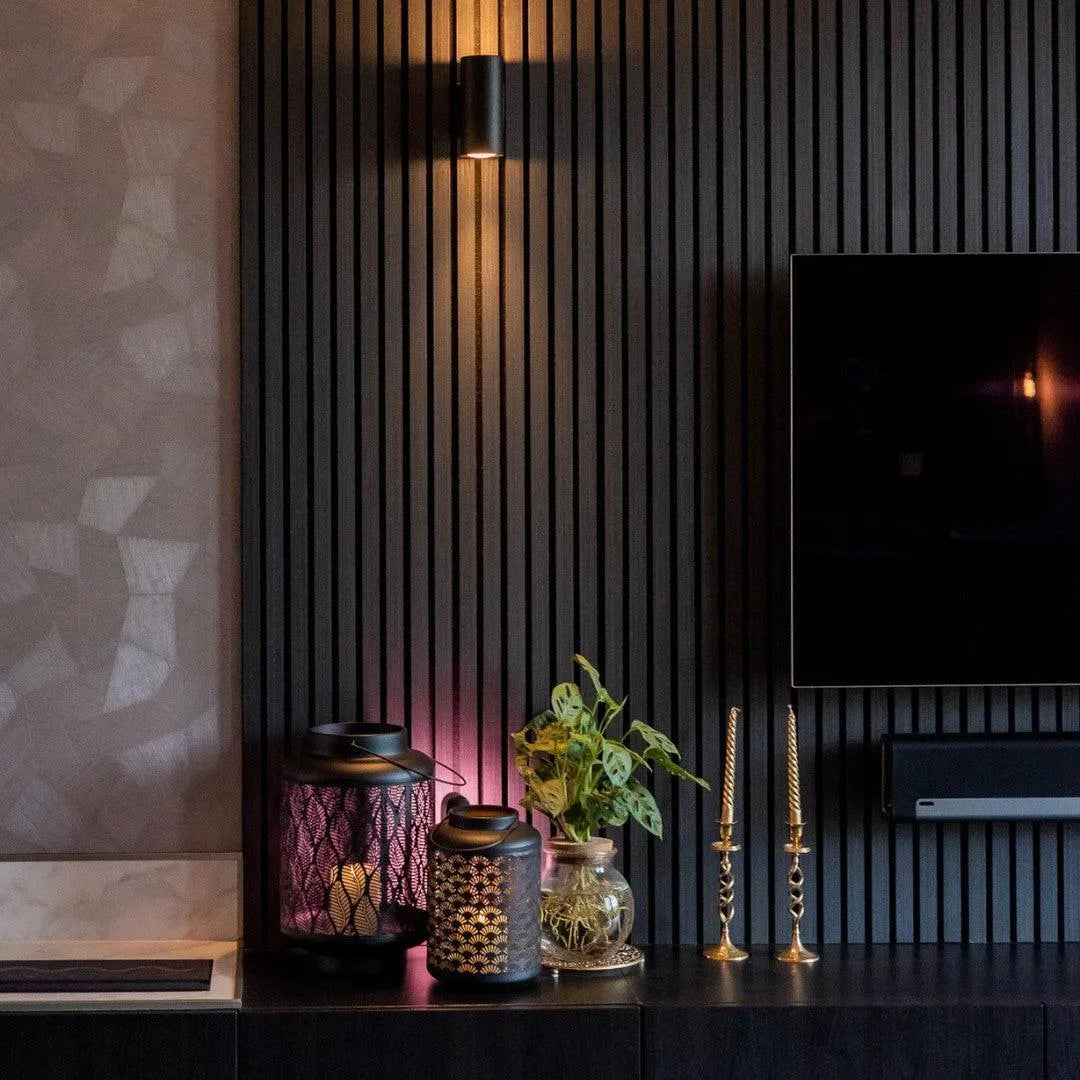
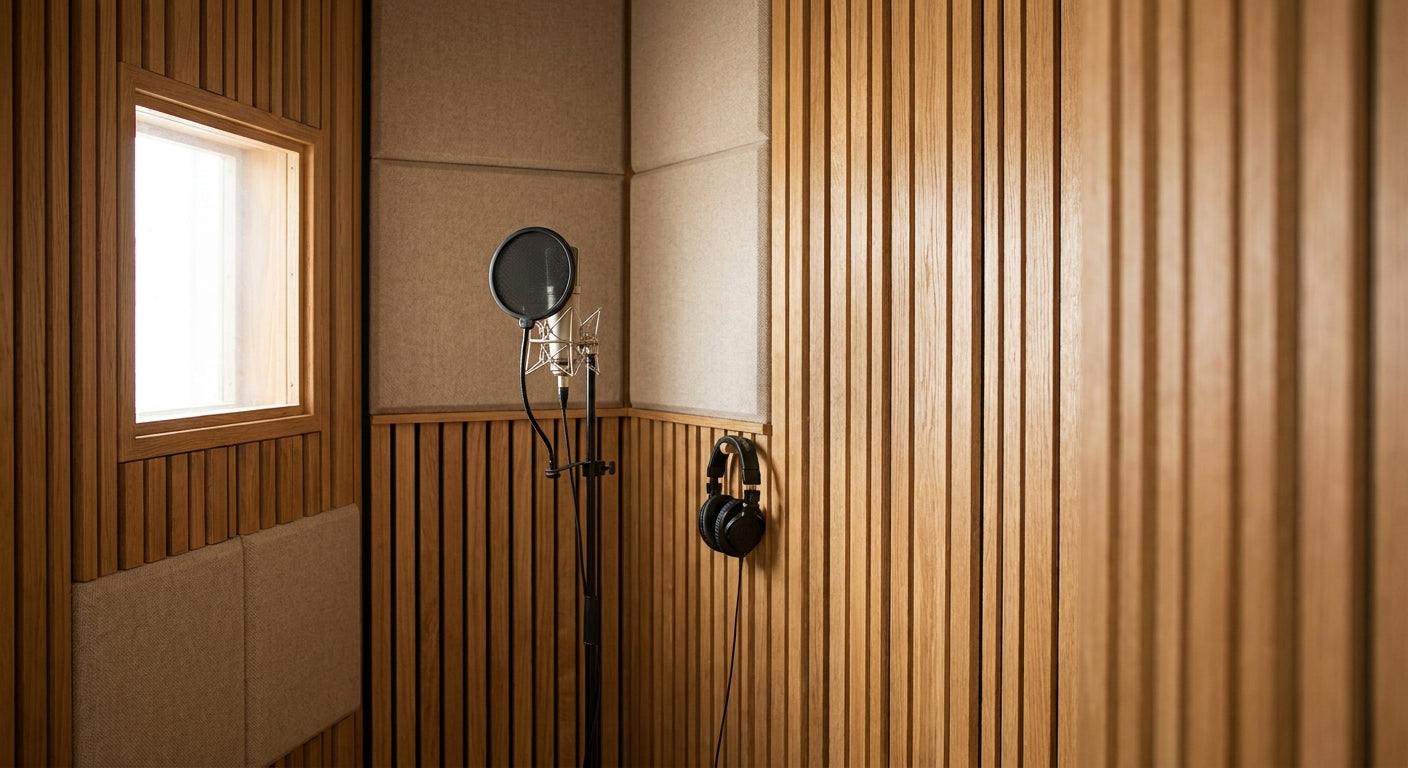
A nightclub isn't a living room with louder speakers. Bass frequencies bounce off bare drywall and concrete, guests generate heat and moisture all night, and a wall finish that looks premium on day one needs to survive spilled drinks by month three. Acoustic slat panels finished in smoked oak with gray felt backing solve two problems at once — they cut slap-back echo off hard surfaces and they hide scuffs better than a painted wall ever will.
Get this wrong and you're repainting a feature wall every quarter or fielding noise complaints from the unit above the club. Get it right and the wall finish becomes part of the brand — dark, textured, and durable enough that a Saturday crowd doesn't wreck it by Tuesday.
Who This Is For
This guide is written for club owners, GMs, and interior designers specifying wall finishes for a new build or a renovation — anyone deciding what goes on the walls around a DJ booth, dance floor, or VIP section before the contractor shows up. If you're managing acoustics for a listening room or a quiet lounge bar, look for felt-heavy assemblies; if you're managing a room built around bass and crowd noise, prioritize durability and low-light finish over raw absorption numbers.
What To Look For In Acoustic Panels For Nightclub Walls
Sound absorption that targets bass-heavy rooms
Most nightclub complaints aren't about mid and high frequencies — they're about low-end bleed and slap-back off hard perimeter walls. Panels rated around 0.75 NRC, like the hexagon acoustic panel line, knock down enough reflected sound to make conversation possible near the bar without killing the energy on the floor.
Heat and humidity tolerance
A packed dance floor runs warm and humid for hours at a stretch. Veneer panels that aren't sealed against moisture swell, delaminate, or discolor within a season. Real wood veneer over an engineered core holds up better than laminate wraps under repeated humidity cycles.
A finish that hides scuffs under low light
Nightclub lighting is dim, colored, and constantly moving — a light finish shows every mark under a blacklight, while dark tones like black oak or smoked oak mask contact wear. This matters more for nightclubs than almost any other commercial interior category.
Fire rating for licensed venues
Most jurisdictions classify nightclubs as assembly occupancy, which triggers stricter fire code requirements than a retail store or office. Confirm fire rating documentation before you specify any wall panel for a licensed venue — don't assume it's covered just because the panel is wood veneer over MDF.
Cleaning and maintenance under heavy traffic
A panel that needs specialty cleaner or can't handle a damp wipe-down is the wrong choice for a room that gets mopped and wiped every closing shift. Textured slat and hexagon profiles hide dust and grime better than flat panels between deep cleans.
Installation speed during a renovation window
Clubs lose revenue every night the room is closed. Panels that click or clip into place cut install time compared to wet-applied finishes that need cure time before the room reopens.
Top Picks For Nightclub Interiors
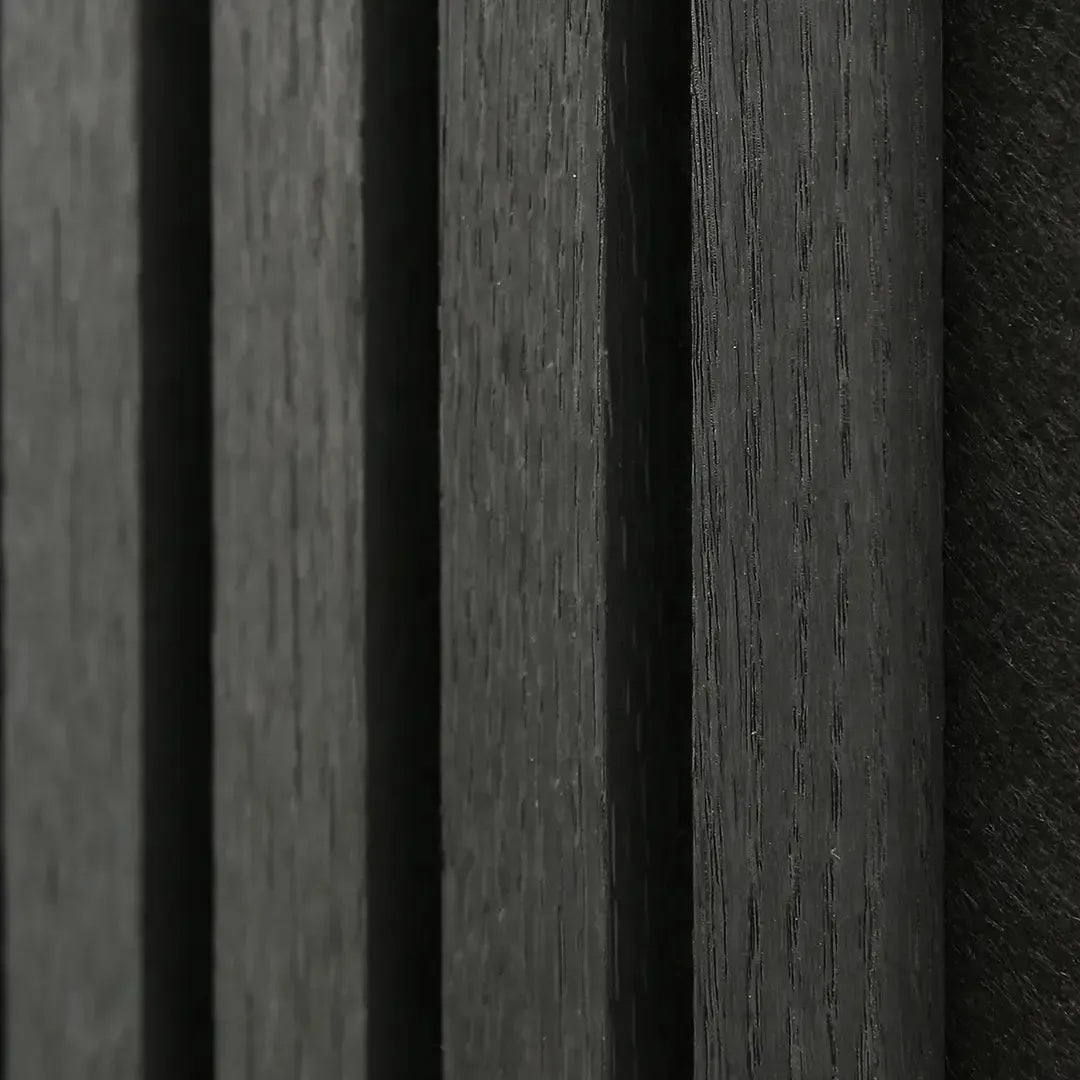
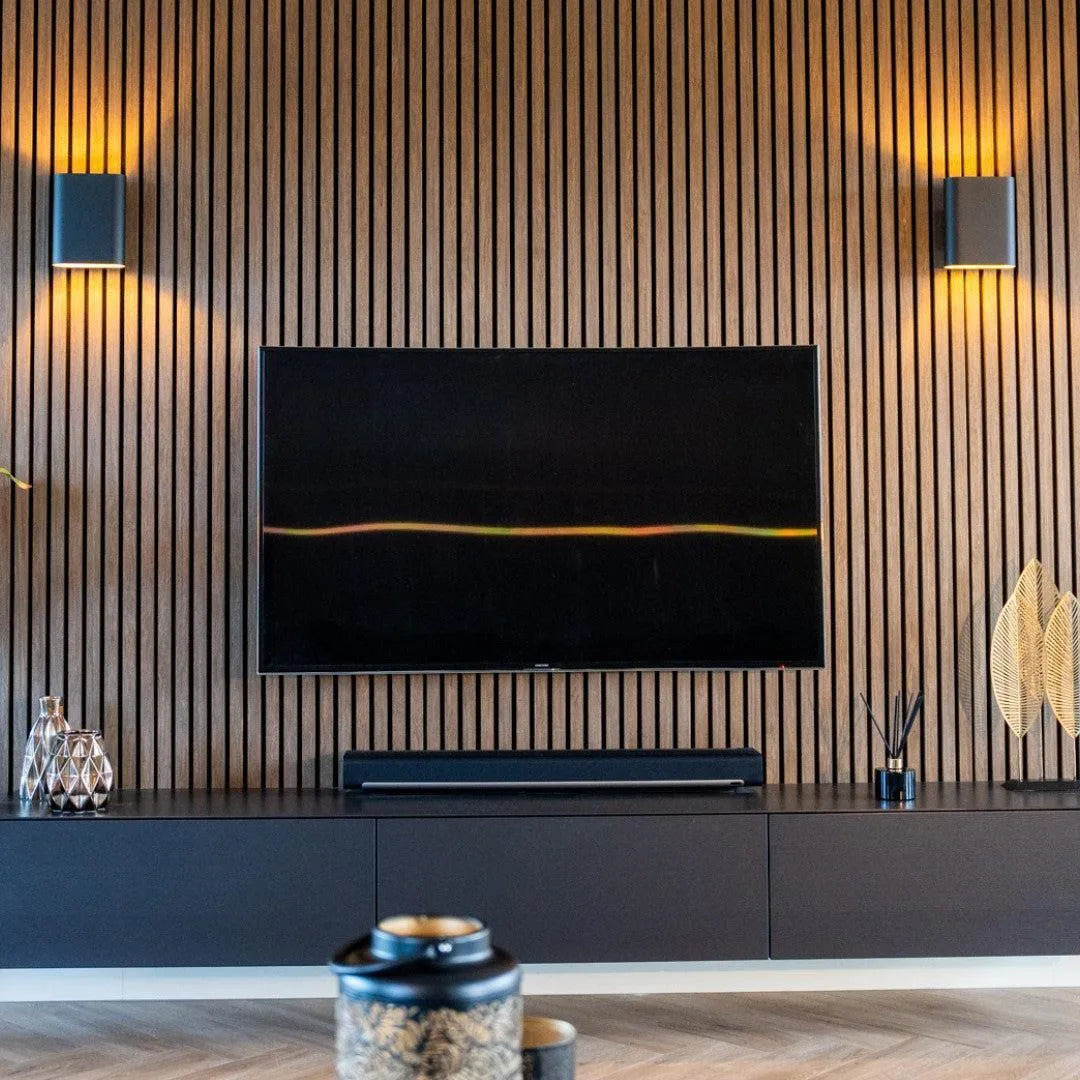
The safe pick: Black Oak Acoustic Slat Wall Panel This is the finish that works in almost every nightclub layout — dark enough to hide wear, textured enough to break up sound, and priced at $177.95 per panel set. It reads as premium under both white light and colored wash without looking like it's trying too hard. Black oak acoustic slat panels work on DJ booth surrounds, bar backs, and entry corridors alike. Buy.
The wildcard: Hexagon Acoustic Panel Black Geometric hexagon panels break the monotony of straight slat runs and read as more architectural under club lighting. The line carries an NRC rating of 0.75 and finishes across the hexagon family price between $148.95 and $165.95 depending on veneer. Black hexagon acoustic panels suit feature walls behind the DJ or a statement wall near the entrance rather than full-room coverage. Buy for one accent wall, not the whole club.
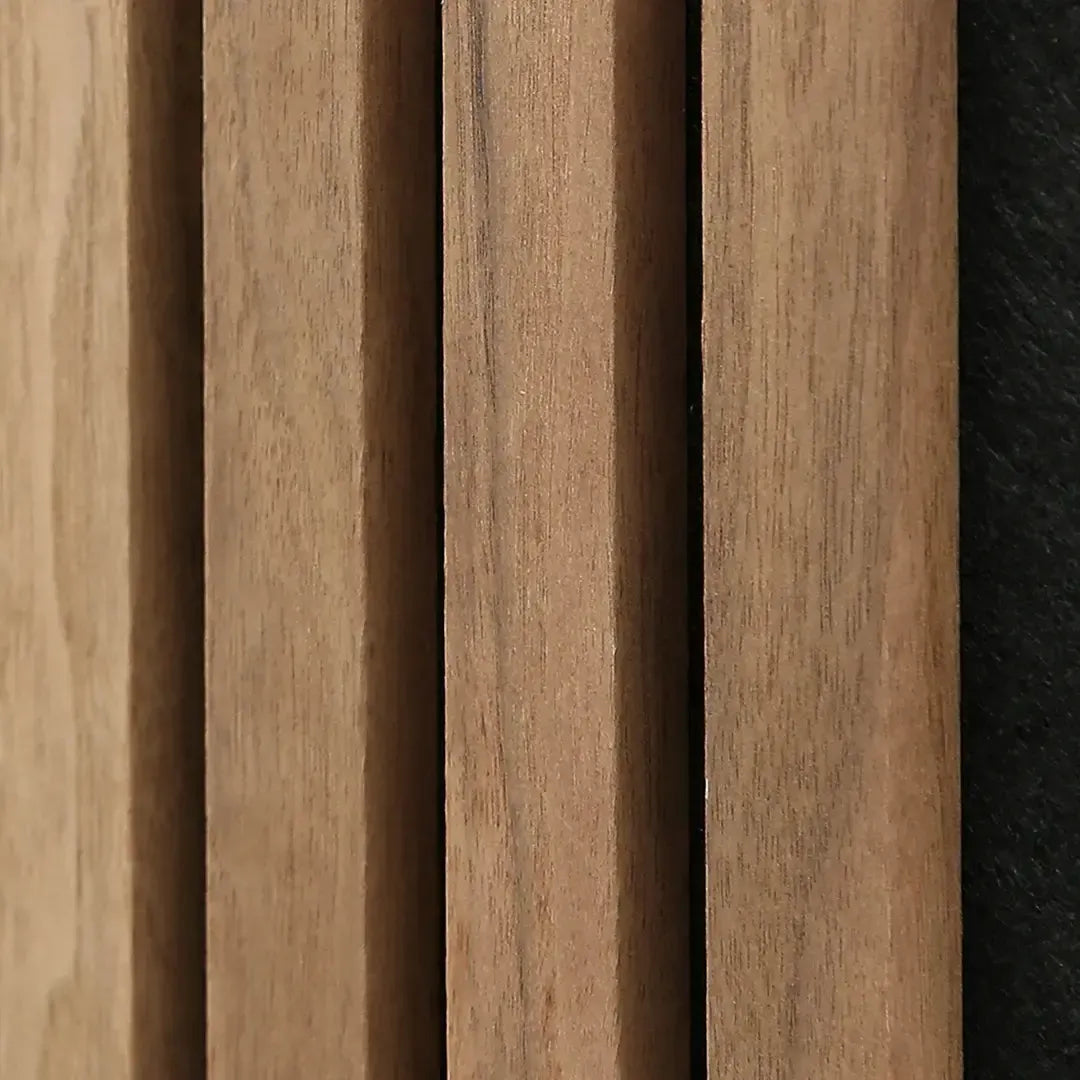
The acoustic workhorse: Smoked Oak with Gray Felt Already flagged above for its felt-backed absorption layer, this $169.95 panel is the pick when the room's real problem is bass reflection off a hard back wall near the speakers. The felt layer adds absorption the plain veneer versions don't carry. Buy for DJ booth surrounds and low-ceiling rooms where slap-back is worst.
The low-risk tester: Full Sample Box At $10, ordering a sample box before committing to a full room order is the cheapest insurance in this whole guide. Club lighting changes how every finish reads, and a sample under your actual fixtures beats a product photo every time. Consider before any order over a few hundred dollars.
If the venue also books live bands or DJ sets that push beyond typical club playback levels, the wall treatment needs different from a standard dance floor and the live music venue wall treatment guide covers that gap.


What To Avoid In A Nightclub Acoustic Panel Buy
- Fabric-wrapped panels without a washable surface. They absorb sound well in a quiet office, but spilled drinks and sweat soak into fabric facing and hold odor in a way wood veneer never does.
- Peel-and-stick decorative tile on any wall crowds touch. Those finishes are built for kitchen backsplashes and light-contact accent walls, not the perimeter of a dance floor where people lean, bump, and spill.
- Any panel without published fire rating documentation. Assembly occupancy code is stricter than most commercial spaces — don't install a wall finish in a licensed venue on the assumption it's covered.
Nightclub Acoustic Panel Comparison
| Panel | Best for | Price | Verdict |
|---|---|---|---|
| Black Oak Acoustic Slat Wall Panel | Bar backs, corridors, general coverage | $177.95 | Buy |
| Hexagon Acoustic Panel Black | DJ booth accent wall | $148.95-$165.95 | Buy (accent wall) |
| Smoked Oak with Gray Felt | Bass-heavy walls near speakers | $169.95 | Buy |
| Full Sample Box | Testing finish under club lighting | $10 | Consider |
FAQ
What's the best acoustic panel material for nightclub walls?
Real wood veneer over an engineered core, in a dark finish like black oak or smoked oak, holds up best against heat, humidity, and heavy contact in a nightclub. Fabric-wrapped panels absorb odor and stain faster in the same conditions.
How much do acoustic panels for nightclub walls cost in 2026?
Slat wall panels run roughly $169.95 to $177.95 depending on finish, and hexagon panels run $148.95 to $165.95 in 2026. A $10 sample box is the cheapest way to test a finish before ordering a full room.
Do acoustic wood panels reduce bass echo on a dance floor?
Yes, panels rated around 0.75 NRC cut reflected sound off hard perimeter walls, which reduces the slap-back that makes bass sound muddy near speakers. Full absorption of sub-bass still needs bass traps, not just wall panels.
Are wood acoustic panels fire-rated for commercial nightclub use?
Fire rating depends on the specific panel and the core material behind the veneer, and requirements vary by jurisdiction since nightclubs are assembly occupancy. Always confirm documentation before installing in a licensed venue rather than assuming coverage.
Is felt-backed acoustic panel better than plain wood veneer for clubs?
Felt-backed panels like the smoked oak with gray felt option add an absorption layer behind the veneer, which helps more in DJ booths and low-ceiling rooms. Plain veneer panels are easier to clean and hold up slightly better in high-contact areas.
How do you clean acoustic wood panels in a high-traffic venue?
A damp wipe-down during closing shift handles most wood veneer panels without specialty cleaner. Textured slat and hexagon profiles hide dust and light grime between deep cleans better than flat surfaces.
Can you order samples before buying acoustic panels for a nightclub?
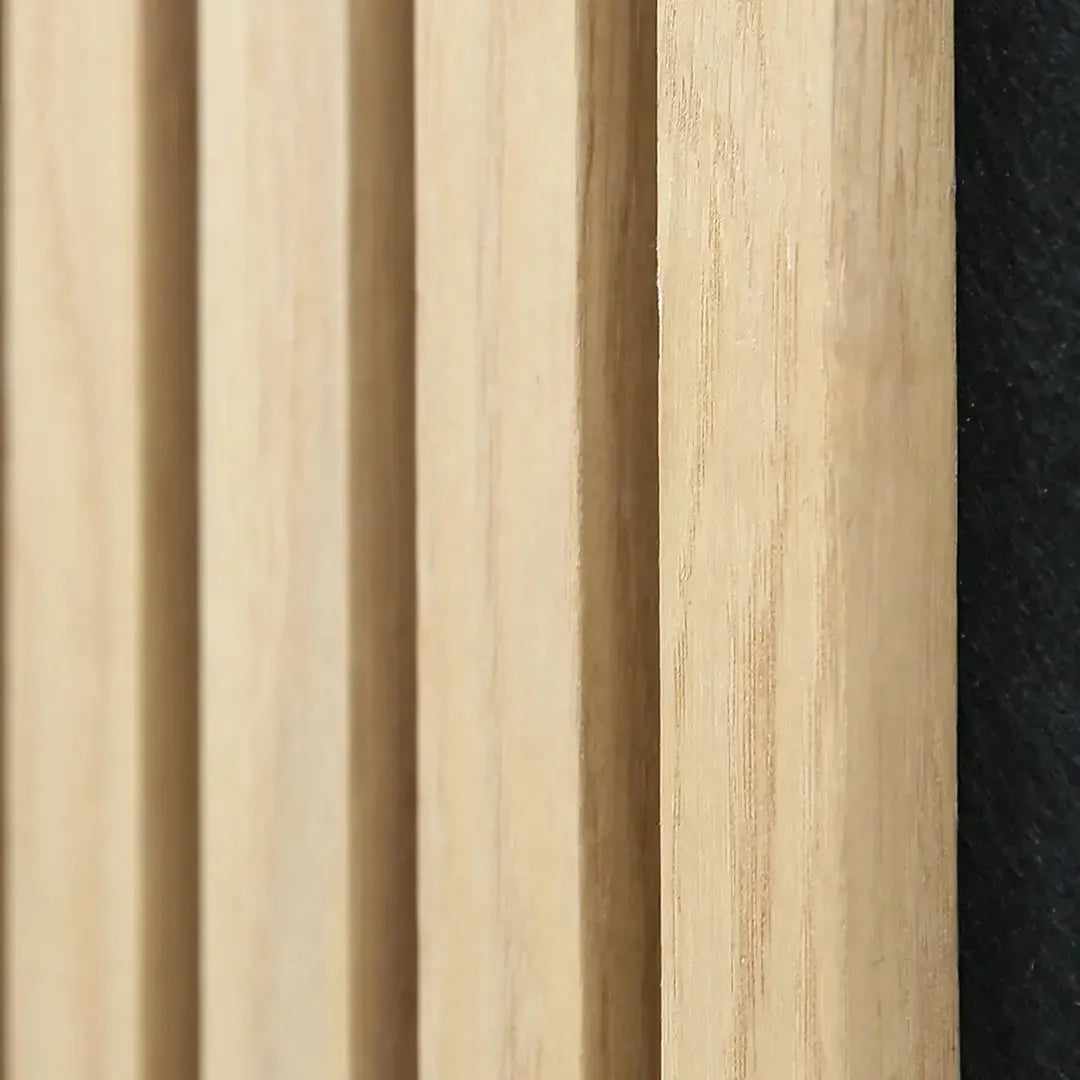
Yes, a $10 full sample box covers natural, smoked oak, and walnut finishes so you can see how each reads under your actual club lighting. This is worth doing before any order covering a full room.
What's the difference between hexagon and slat acoustic panels for clubs?
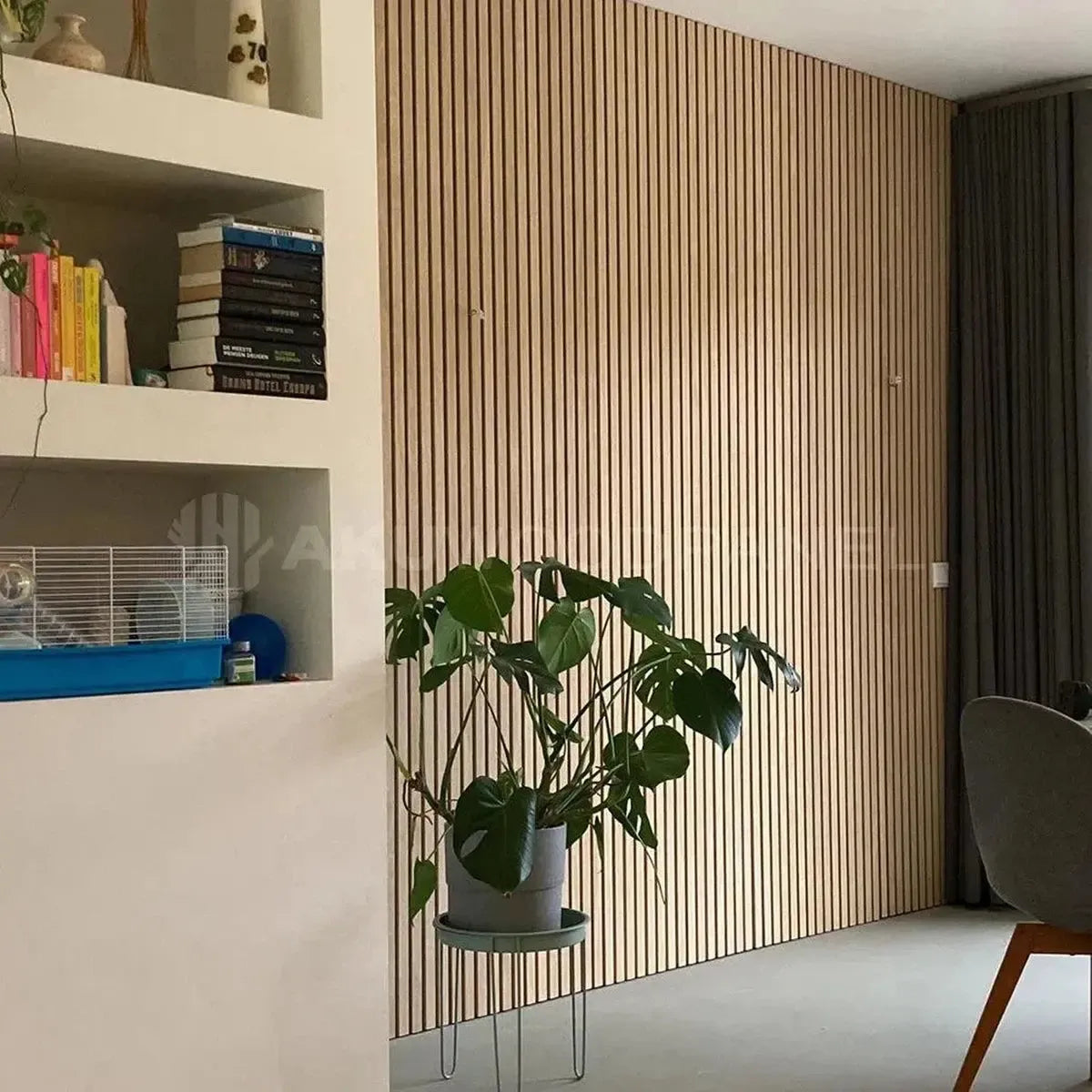
Hexagon panels create a geometric, architectural look best suited to a single accent wall, while slat panels cover larger runs like bar backs and corridors more economically. Both come in dark finishes suited to low-light club interiors.
One Last Thing
The single biggest mistake club owners make on wall finish isn't the panel choice — it's skipping the sample step and finding out under real lighting that the finish reads differently than the product photo. A $10 sample box against your actual fixtures in 2026 costs less than repainting a wall once the club is already open.
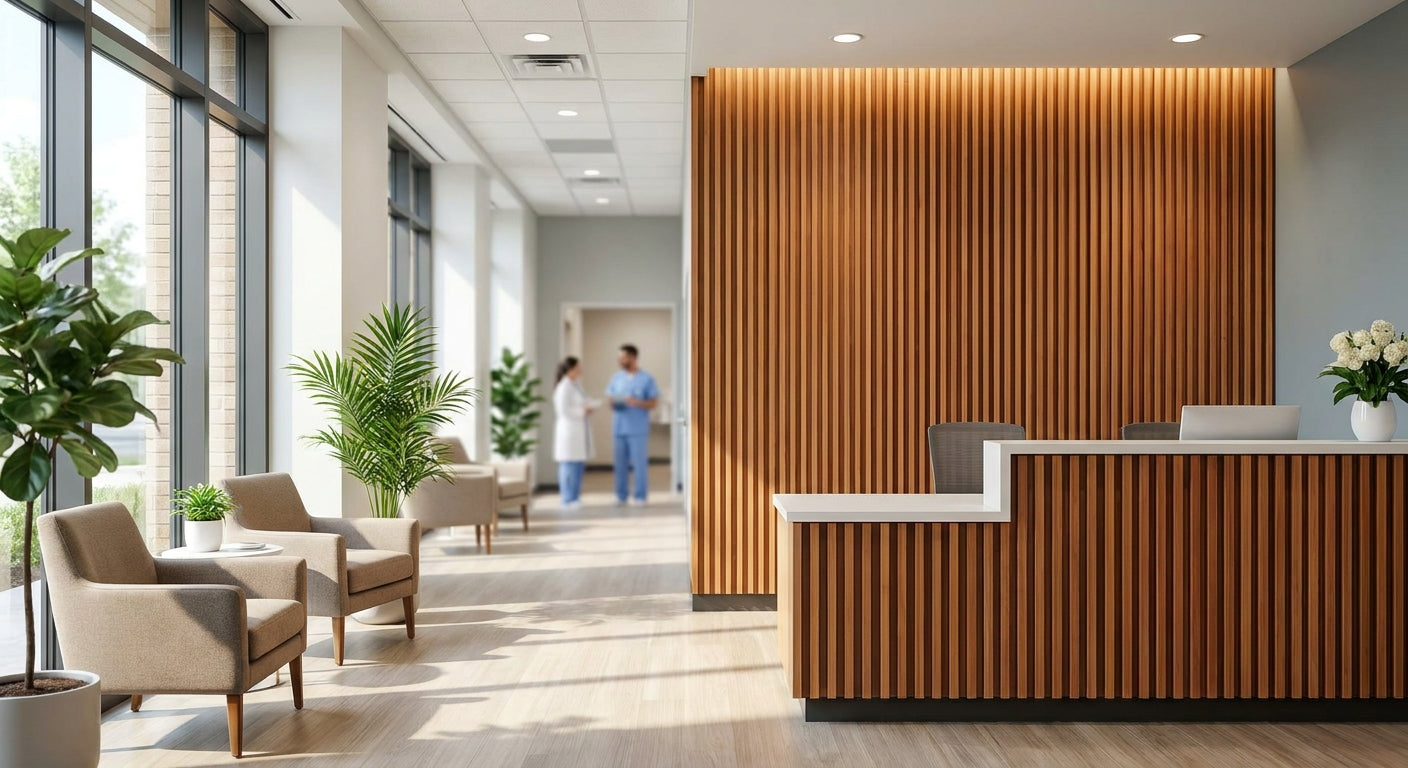
 Better performance and aesthetic appeal
 In Stock