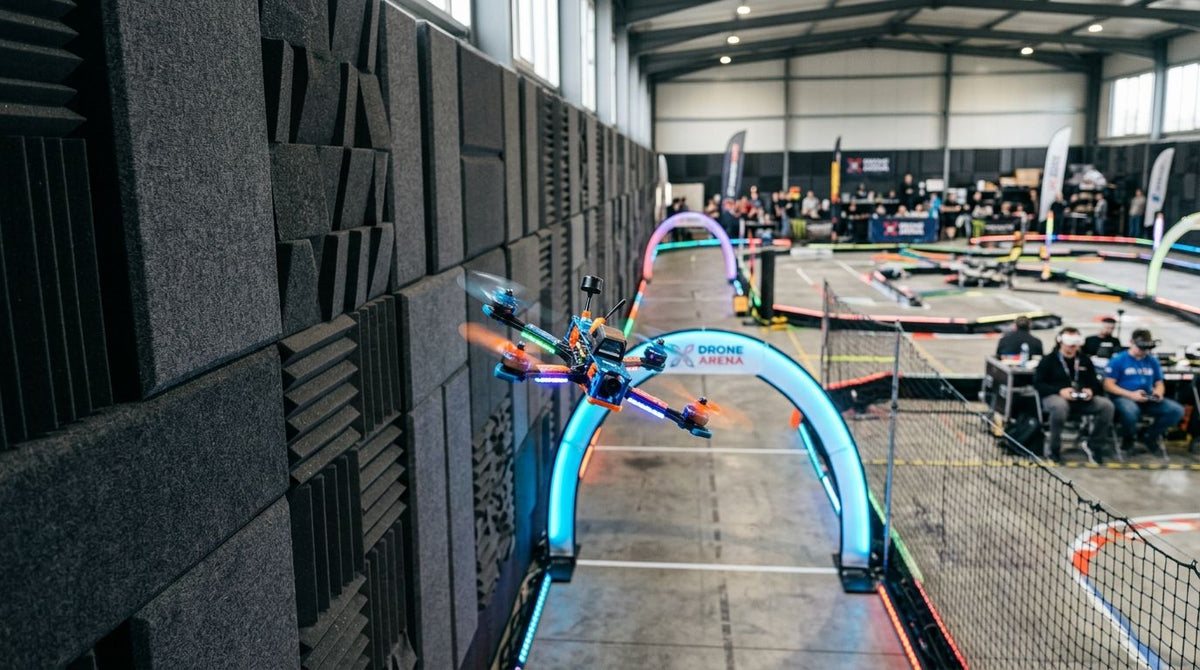
Acoustic panels for drone racing arenas cut the metallic echo and flutter reverberation that turn commentator audio, pilot radio callouts, and crowd noise into an unintelligible wall of sound inside converted warehouses and sports halls. FPV race tracks live in some of the worst acoustic environments going in 2026 — concrete slab floors, exposed metal roof decking, block walls — and none of that was built with sound in mind.
- Acoustic panels for drone racing arena walls need an NRC near 0.75 to tame metal-roof echo; foam mats alone don't do it.
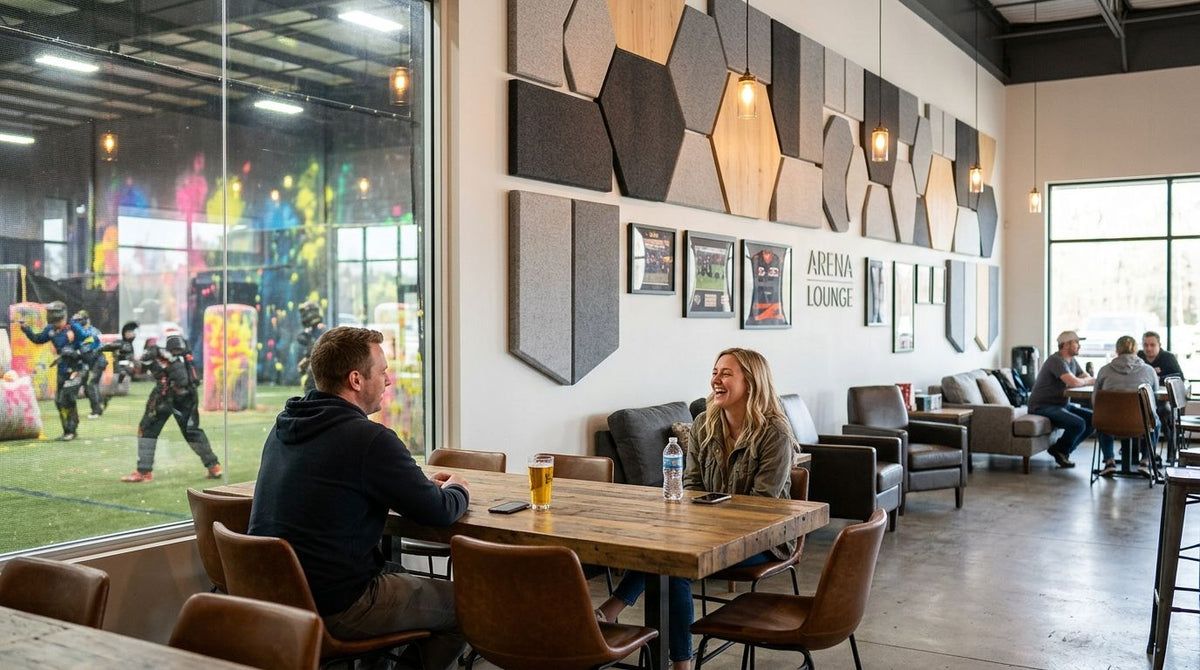
- Hexagon Acoustic Panel in Smoked Oak from Akustiq USA (NRC 0.75) works as spot treatment behind commentary booths and finish-line walls.
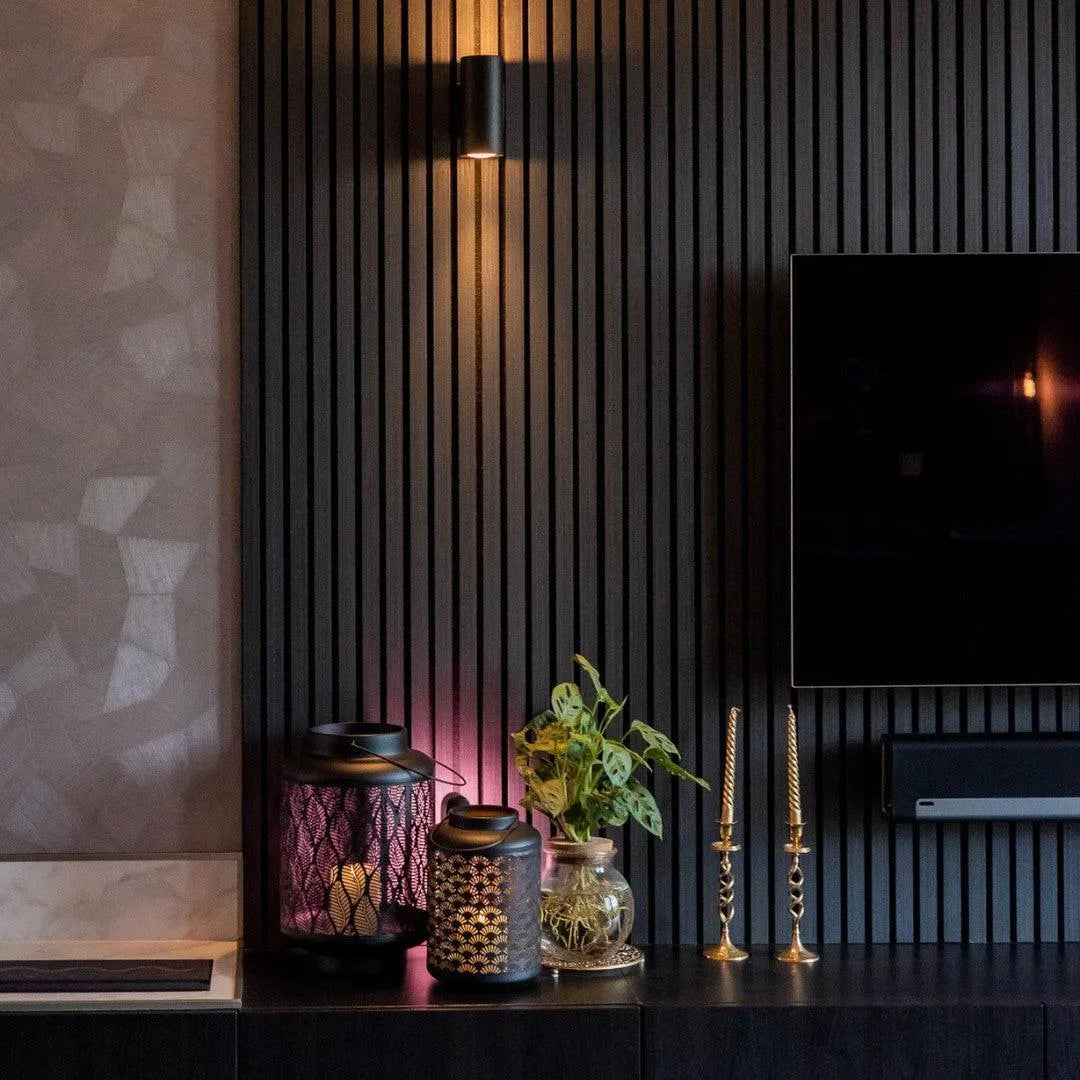
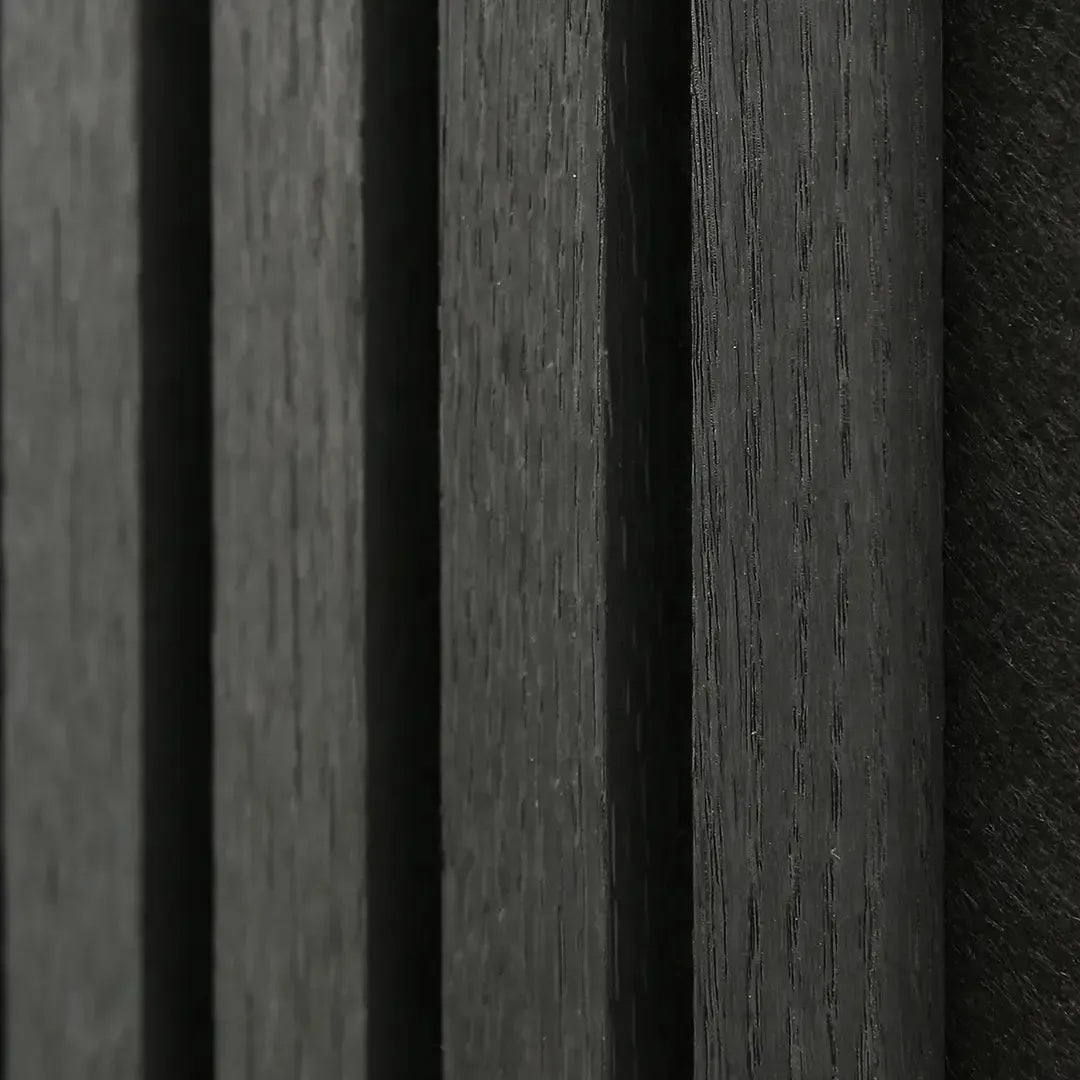
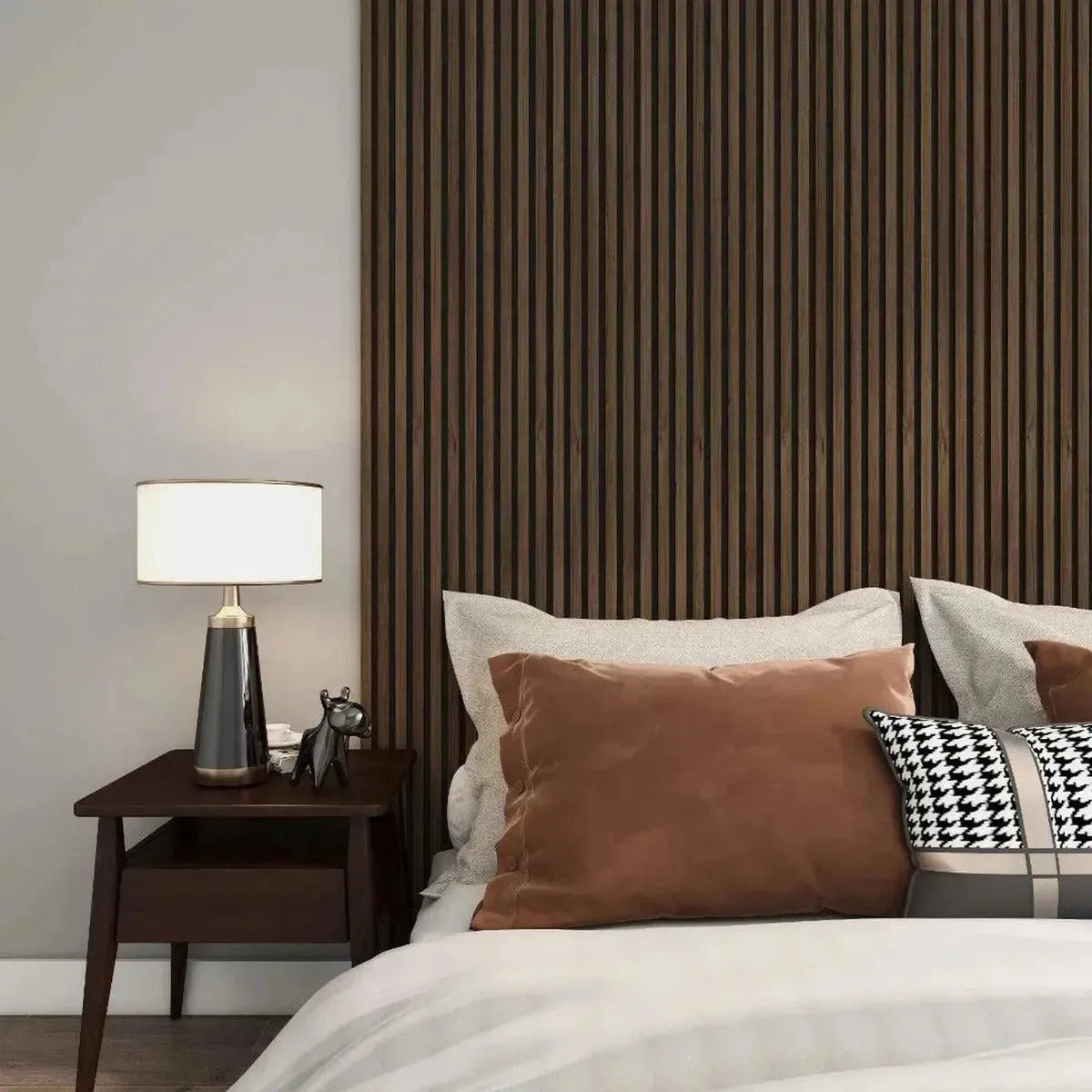
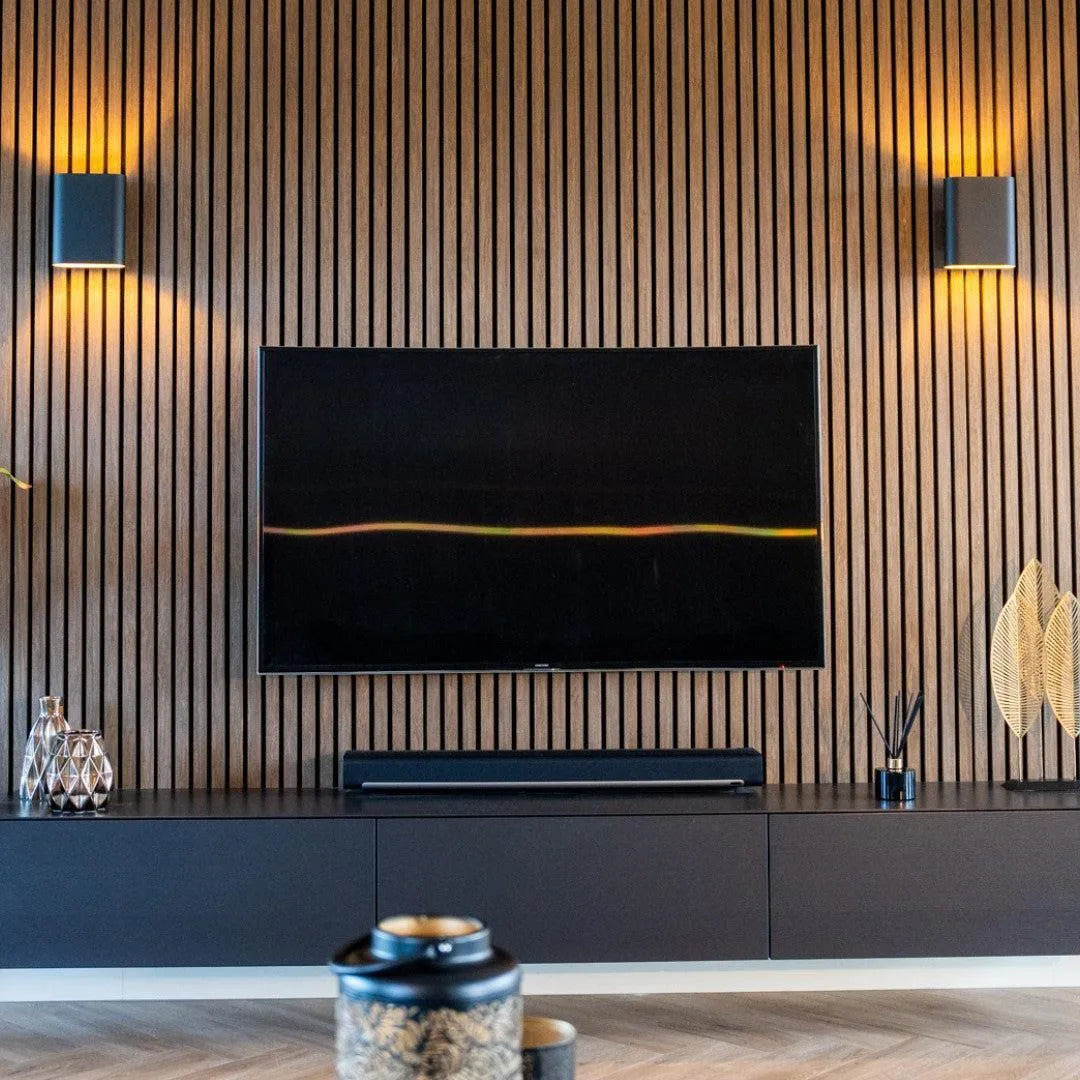
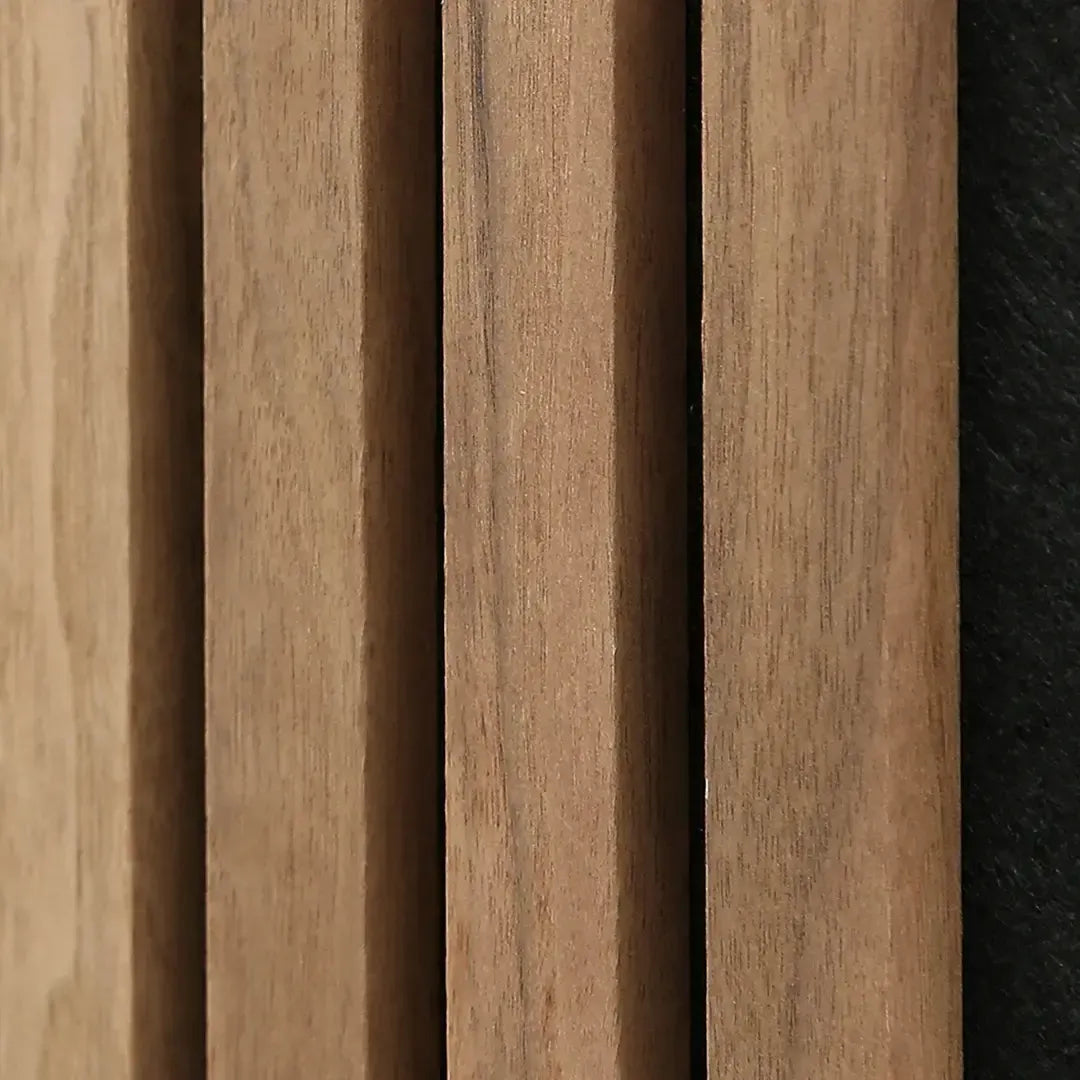
- Acoustic Slat Wall Panel in Black Oak covers long perimeter runs along the flight course without turning the venue into a padded box.
- Treat the commentary booth and finish-line zone first in 2026 builds — that's where broadcast audio and pilot callouts break down fastest.
Why acoustic panels matter for drone racing arenas
Most indoor FPV tracks aren't purpose-built. They're repurposed warehouses, distribution centers, or old sports halls with metal roof decking that reflects sound far more aggressively than a drywall ceiling. Add a concrete floor, block walls, and a PA system running commentary over a crowd, and you get flutter echo that stacks reflection on reflection.
That's not just an annoyance. Marshals and pit crew rely on spoken callouts across the flight line. Commentators narrating a heat for a livestream need clean audio, not a wash of reverb bouncing off bare walls. Akustiq USA supplies acoustic wood panels rated for exactly this kind of large-volume industrial space, and the fix starts with knowing where the reflections actually happen before a single panel goes up.
Map the echo before you buy anything
Walk the arena during a mock heat and listen for where sound breaks down.
- Run a clap test or phone SPL app at 8-10 points around the flight course perimeter
- Flag flutter echo zones: exposed metal roof deck, block walls behind bleachers, glass viewing windows, HVAC ductwork
- Note where pilots huddle for goggle handoffs and battery swaps — those spots need the clearest audio
- Mark the commentary booth and PA speaker line separately from the general perimeter
- Log floor material (bare slab vs. epoxy coat) since hard flooring compounds every other reflective surface
Treat the commentary booth walls first
This is where broadcast audio and race narration fall apart fastest, and it's the smallest area to fix in a first pass.
- Cover the wall directly behind the announcer table and the wall facing the booth
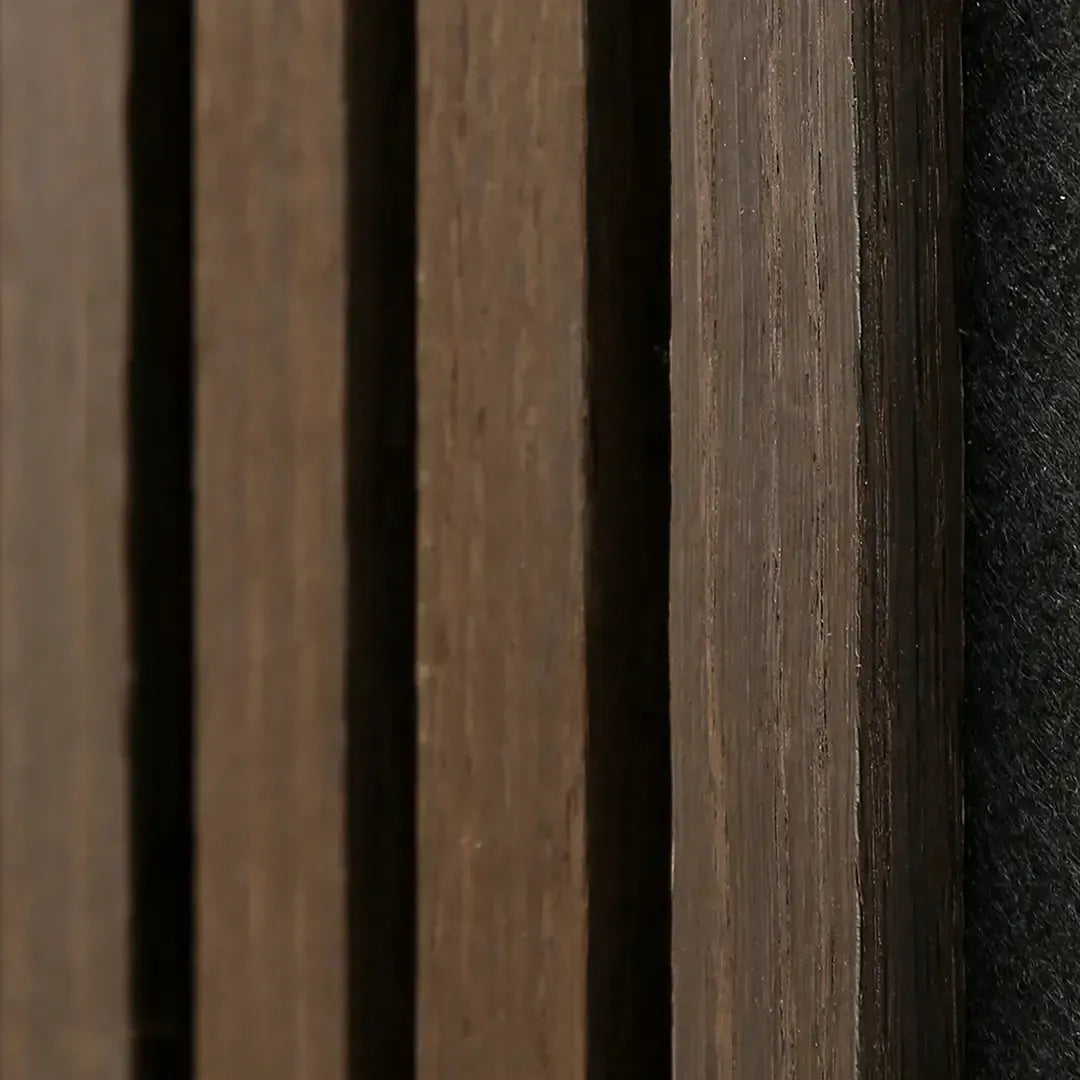
- Use a panel with felt or acoustic backing, not a decorative-only veneer
- Prioritize NRC over pattern — the Hexagon Acoustic Panel in Smoked Oak carries an NRC of 0.75, built for spot treatment like this
- Mount panels at or above head height so mic pickup clears reflective drywall below
- Run a booth mic test during a practice heat before locking mounting positions
Cover the flight course perimeter walls
Long block or drywall runs bordering the racecourse are where radio calls get swallowed.
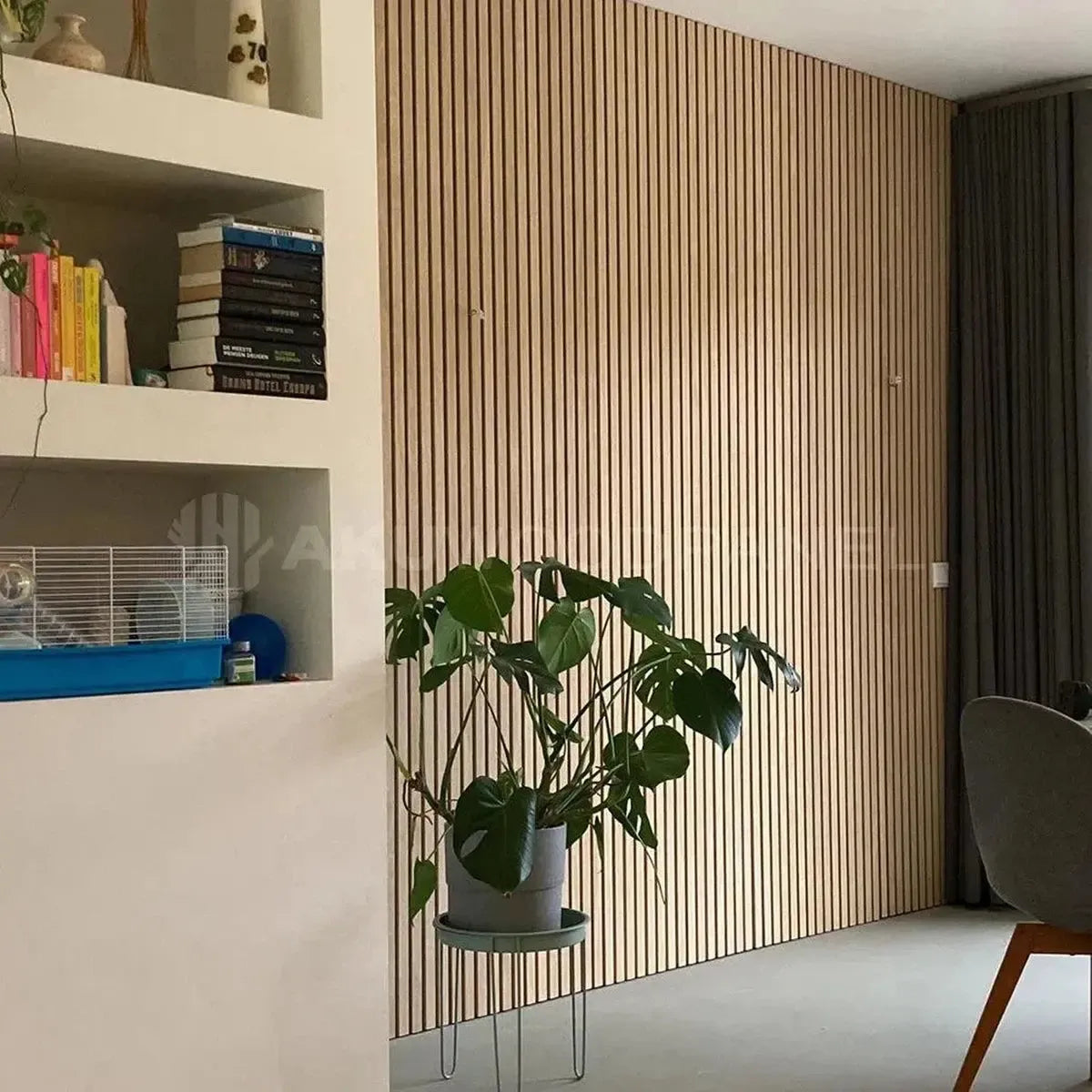
- Run acoustic slat wall panels along the sections pilots and marshals stand closest to
- Prioritize walls near gates and the start box over sections already broken up by doors or signage
- Choose a felt-backed slat option like the Acoustic Slat Wall Panel in Black Oak for long runs facing the gate area
- Leave gaps near fire exits rather than forcing full wall coverage
- Skip full-wall treatment on sections with windows or existing sponsor signage
Address the ceiling and roof deck
Metal roof decking is the single biggest reflector in most converted arenas.
- Target overhead treatment near the finish line gate and start box first, where the PA runs loudest
- Use suspended or clipped baffle systems rather than full wall panels on open metal-roof structures
- Leave clearance for lighting rigs, netting, and camera rail runs
- Treat the worst 20-30% of ceiling area on a first pass — full ceiling coverage rarely pencils out in 2026 budgets for a first install
Separate the pit and paddock from race floor noise
Battery-swap chatter and crowd noise bleed straight into the flight line without a buffer.
- Add a partial wall or room divider between pit benches and the flight line
- Treat the paddock side facing the crowd, since spectator noise bounces back at pilots mid-swap
- Keep panel runs low enough to muffle voice-level chatter without blocking sightlines to the race floor
- Use end pieces to finish exposed panel edges in high-traffic pit zones where gear gets bumped
Run a race-day audio check before spending more
Don't guess whether phase one worked.
- Record commentary audio during a practice heat before and after the first treated wall goes up
- Ask marshals and pit crew whether radio callouts and PA announcements read clearer
- Note which zones still echo — that's where phase two panels go
- Compare recordings side by side instead of trusting your ear in a live, noisy room
Plan for crash zones and daily wear
Drones clip walls. Batteries pop. Panels near the flight line take abuse a living room wall never sees.
- Mount lower panel runs above typical crash-debris height near the racecourse
- Pick darker finishes — smoked oak and black oak hide scuffs better than pale natural finishes in high-traffic zones
- Budget for end pieces and corner trim so edges don't chip loose under vibration from PA subwoofers
- Keep spare panels from the same production run on hand so color matches after a repair


Panel options for a drone racing arena
| Option | Best for | Key limitation | Verdict |
|---|---|---|---|
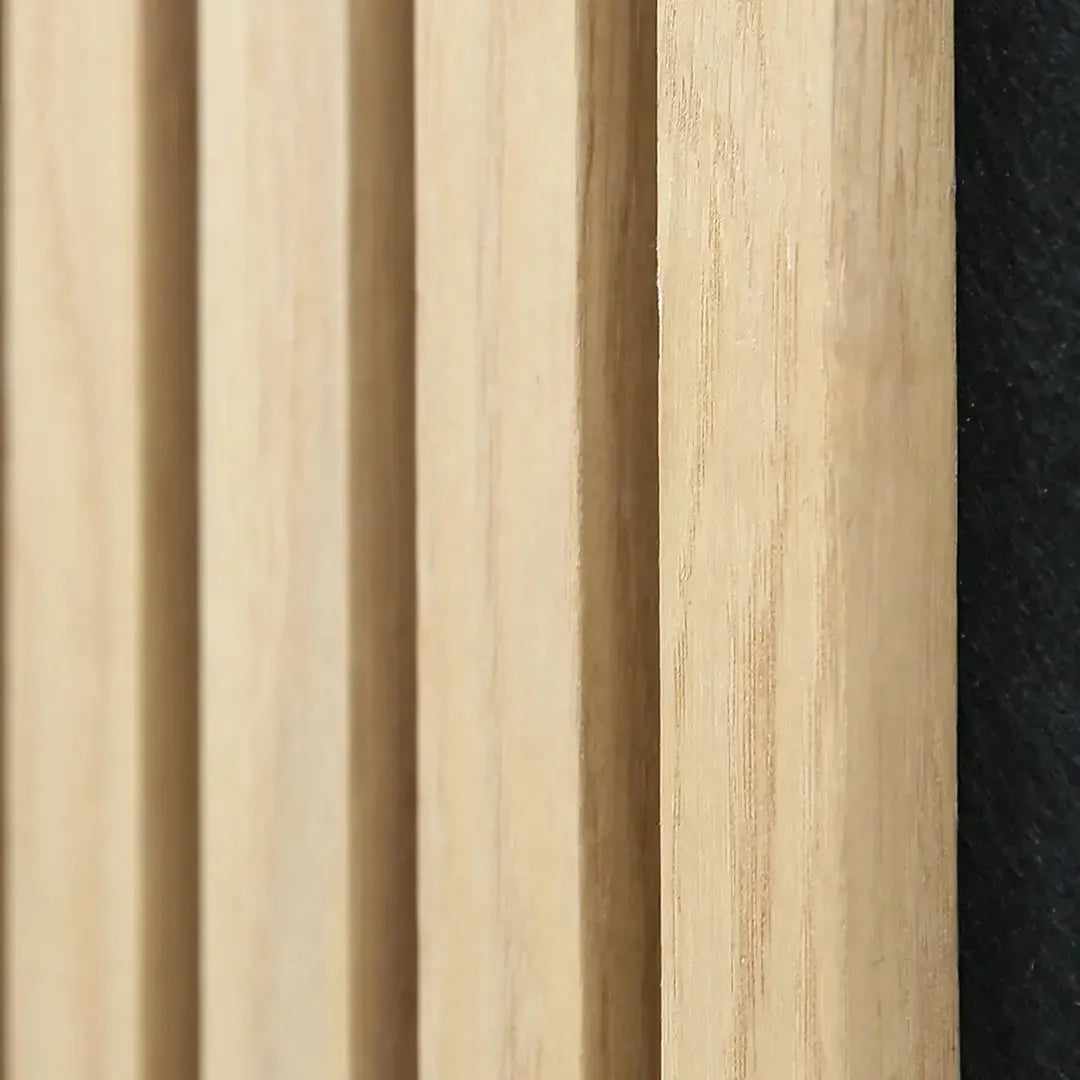
| Acoustic slat wall panel (walnut, oak, black oak) | Long perimeter runs along the flight course | Needs a flat backer surface or furring strips over uneven concrete block | Buy |
| Hexagon acoustic panel | Spot treatment behind the commentary booth, sponsor walls | Smaller per-panel coverage means more units for a full-wall run | Buy |
| Exterior wall panel (birch, oak, stone gray) | Open bay doors, loading dock entries exposed to weather | Built for weather resistance, not sound absorption | Skip for acoustics, use only at open-air entries |
| Foam mats or moving blankets | Temporary pop-up tracks on a tight budget | Minimal NRC improvement, no durability against drone strikes | Wait |
Akustiq USA's hexagon and slat panels win for permanent drone racing arena installs where the commentary booth and race-day audio have to hold up week after week.
Common mistakes drone racing arenas make with acoustics
- Treating only the spectator bleacher wall and skipping the flight course perimeter, where radio callouts actually break down.
- Buying decorative panels with no felt or acoustic backing because the wood grain looked good in photos — pattern doesn't fix reverberation.
- Mounting panels at spectator eye level instead of above crash-debris height, so the first race weekend chips the finish.
- Waiting until after the venue opens to test commentary audio instead of running a dry-run heat during install.
- Treating the whole ceiling in one pass instead of prioritizing the worst 20-30% near the finish line and start box.
FAQ
What's the best acoustic panel for a drone racing arena?
A felt-backed wood panel with an NRC near 0.75, like Akustiq USA's Hexagon Acoustic Panel in Smoked Oak, works best for commentary booths and finish-line walls in a 2026 arena build. Long perimeter runs suit slat wall panels instead.
How much sound absorption do I need for a warehouse-converted drone arena?
Aim for panels rated around NRC 0.75 on the walls closest to the commentary booth and flight line. Metal-roofed, concrete-floored spaces reflect more sound than a typical sports hall, so lower-NRC decorative panels won't cut the echo.
Are wood acoustic panels durable enough for a drone racing venue?
Yes, when mounted above crash-debris height near the racecourse. Darker finishes like smoked oak and black oak hide scuffs better than pale finishes in high-traffic zones.
Do acoustic panels stop radio interference for FPV drones?
No. Acoustic panels absorb sound reflections, not radio frequency interference. They fix echo and reverb so marshals and commentators can be heard clearly, which is a separate problem from FPV signal noise.
Do I need to treat the ceiling in a drone racing arena?
Treat the ceiling near the finish line gate and start box first, since metal roof decking reflects sound more than drywall. Full ceiling coverage is rarely the first move — most arenas get better results treating walls first, then the worst 20-30% of ceiling area.
How many acoustic panels does a drone racing arena need?
It depends on arena size and how many walls border the flight course, but most tracks start with the commentary booth and finish-line walls before expanding to the full perimeter. Map echo hot spots first, then phase the install.
What's the difference between slat panels and hexagon panels for arenas?
Slat wall panels cover long, continuous wall runs efficiently, while hexagon panels work better as spot treatment on smaller feature walls like the commentary booth or sponsor zones. Both carry comparable NRC ratings in Akustiq USA's lineup.
Can I use exterior wall panels inside a drone racing arena?
Exterior wall panels are built for weather resistance, not sound absorption, so they're a poor fit for interior acoustic treatment. Save them for open bay doors or loading dock entries exposed to outdoor conditions.
One last thing
Metal roof decking reflects sound more aggressively than a drywall gym ceiling, which is why most drone racing arenas converted from warehouses need ceiling treatment sooner than a typical sports hall conversion would. Start there in your second phase, not your last.

 Better performance and aesthetic appeal
 In Stock