Acoustic panels for paintball arena lounges cut the echo, shouting, and buzz-over-buzz problem that comes from concrete floors, glass check-in counters, and metal lockers. Real wood veneer slat panels from AKU Woodpanel absorb sound where players actually gather instead of masking it with louder speakers, and the fix takes an afternoon of panel installation, not a full renovation.
- Acoustic panels for paintball arena lounges cut reverb fast on concrete, glass, and metal surfaces.
- AKU Woodpanel's slat wall panels absorb sound behind seating bays, not just on stage-facing walls.
- Hexagon acoustic panels add visual break-up and sound diffusion at bars and check-in counters.
- Order a sample box before a full wall order — finishes shift under arena LED lighting.
Why acoustic panels for paintball arena lounges matter
Paintball arena lounges combine every surface that reflects sound: poured concrete floors, drywall, glass partitions at the check-in desk, and metal storage racks for gear. None of that absorbs anything. Add a crowd waiting between matches, referee radios, and a speaker system, and conversation at normal volume stops working.
Hard, parallel surfaces in a room this size create flutter echo — sound bouncing wall to wall in a rhythmic pattern that makes speech sound hollow. Acoustic slat wall panels fix this by breaking up flat reflective surfaces with grooved wood veneer over an absorptive backing, and they do it while looking like an upgrade instead of a retrofit.
A lounge that only treats the stage wall or the bar front misses the seating bays where most of the crowd noise actually builds. The panels need to go where players decompress after a match, not just where staff greet them.
Update your noise assessment before buying anything
Start by measuring the problem, not guessing at it.
- Clap once from the center of the lounge and count how long the echo tail lasts — anything over a second signals a reverberant room
- Note every hard, flat, parallel surface: concrete floor, drywall, glass check-in panels, metal lockers
- Check ceiling height — vaulted or open-truss ceilings amplify reverberation more than standard 8 to 9 foot drop ceilings
- Identify the loudest source: PA speakers, radio chatter, or the crowd itself waiting for the next game
- Walk the room during peak weekend hours in 2026, not during a quiet weekday shift, since traffic changes the acoustic picture completely
Add soft surfaces before you touch a single panel
The free fix comes first. Rugs, cushioned bench seating, and heavy curtains near entry doors absorb a surprising amount of mid-range noise on their own.
- Lay area rugs under seating clusters instead of leaving bare concrete exposed
- Swap hard plastic chairs for upholstered bench seating where the budget allows
- Hang heavy curtains or drapes near airlock doors to dampen the burst of noise every time a group enters
- Add felt pads under tables and gear racks to stop scraping and rattle noise
- Break up large glass check-in panels with printed film or partial curtains, which also cuts glare
These steps buy you time and reduce the load on any panel system you add next, but they rarely solve a lounge with 12-foot ceilings and a full concrete slab on their own.
Install acoustic slat wall panels on the loudest wall
Once the room still echoes after soft-surface fixes, the loudest wall — usually the one facing the field entrance or the seating bays — is where panels earn their keep.
- Pick the wall the crowd faces most during downtime, not the one staff see from behind the counter
- Cover the section directly behind seating banks first, since that's where conversation actually happens
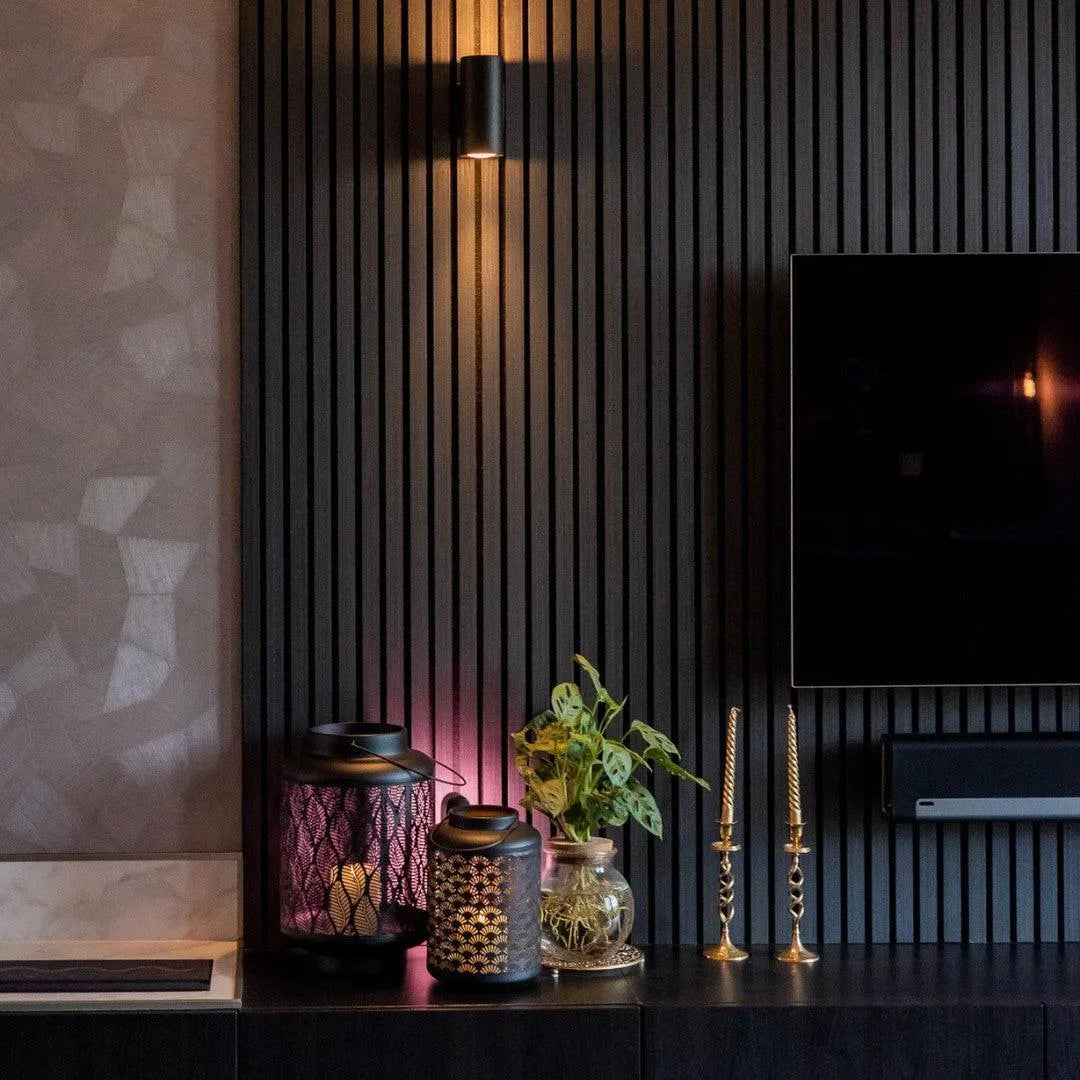
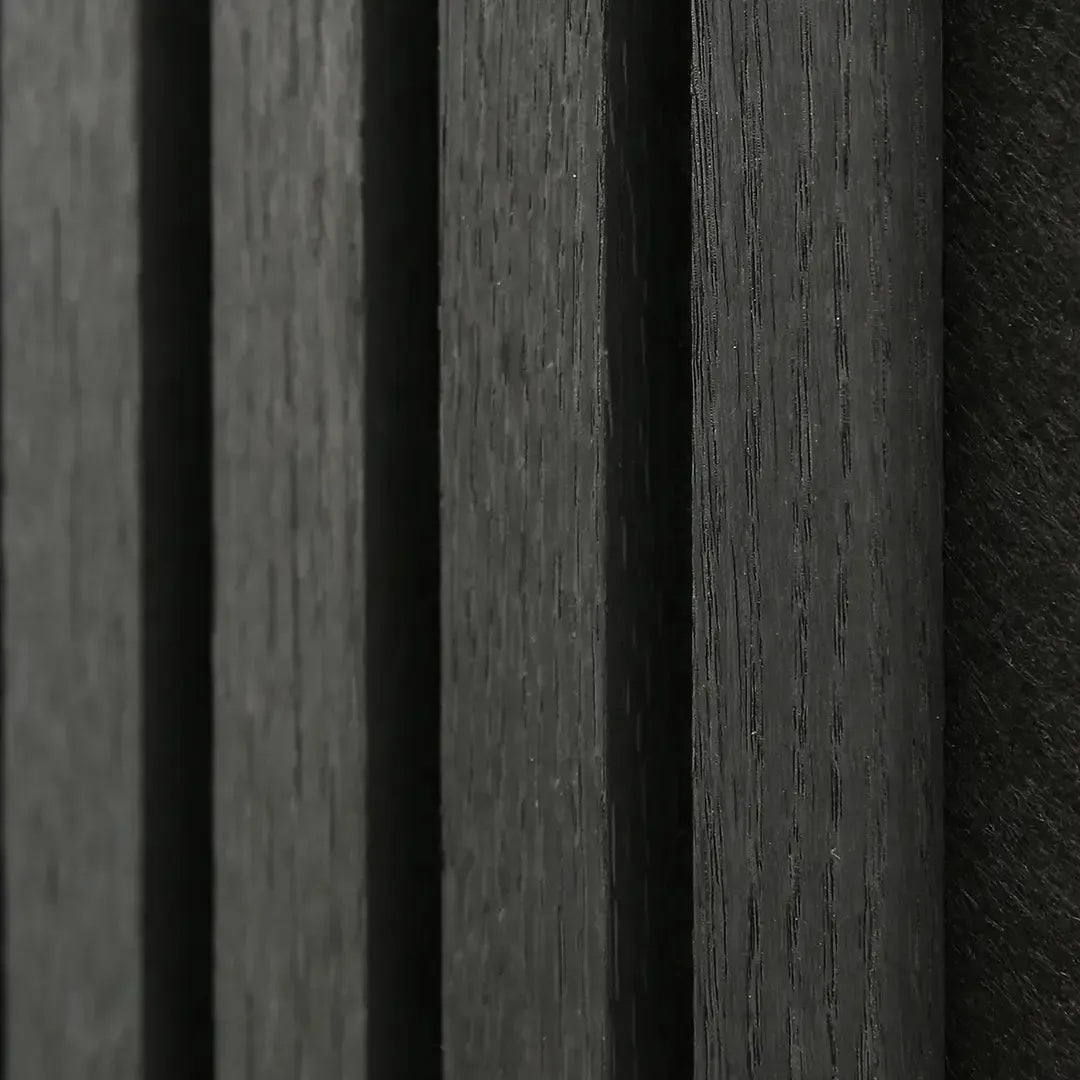
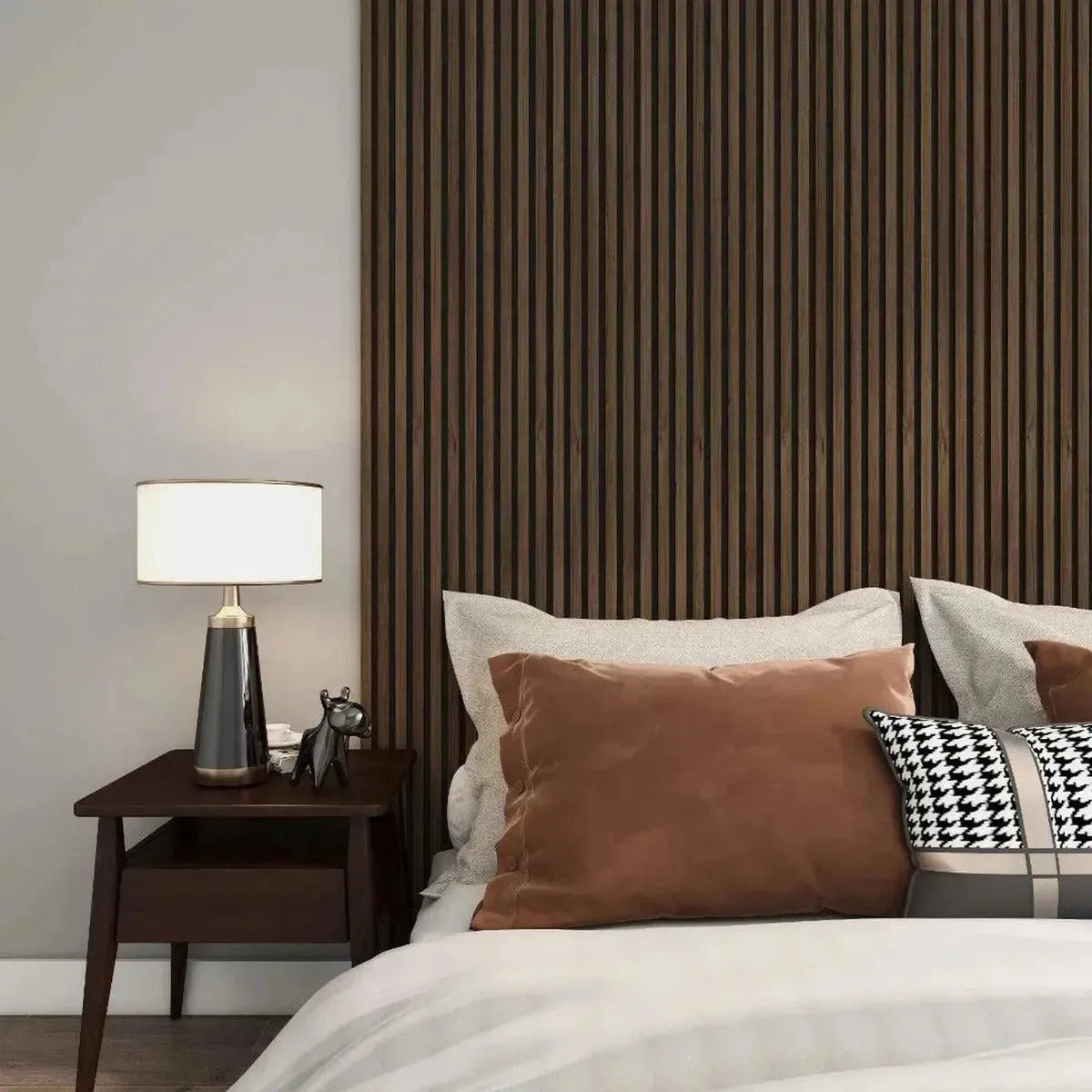
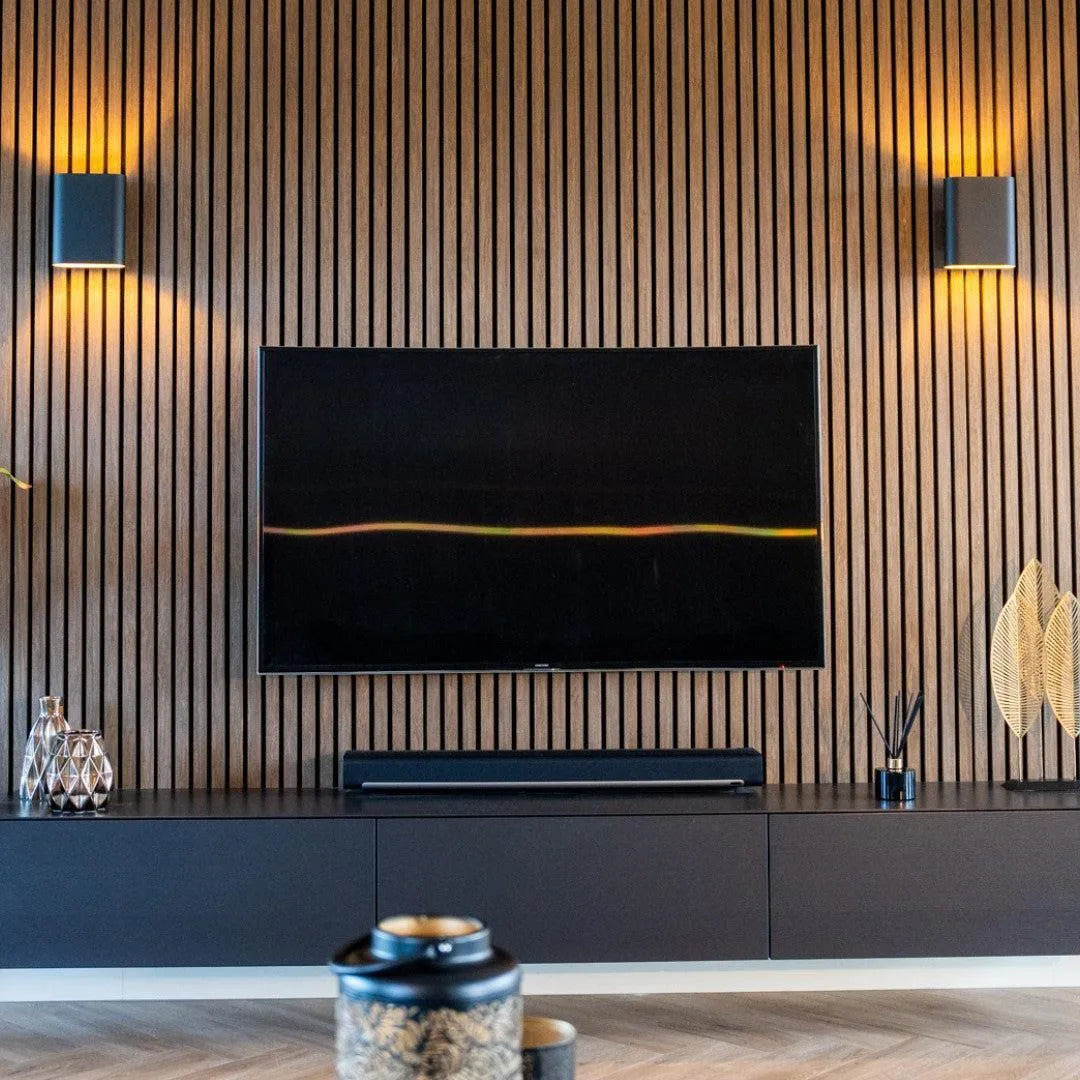
- Choose a dark finish like the Black Oak acoustic slat wall panel to match tactical, industrial-style lounge décor without looking like an office retrofit
- Leave the manufacturer-specified gap behind the panel for the felt or acoustic backing to do its job — mounting flush against drywall without an air gap cuts absorption
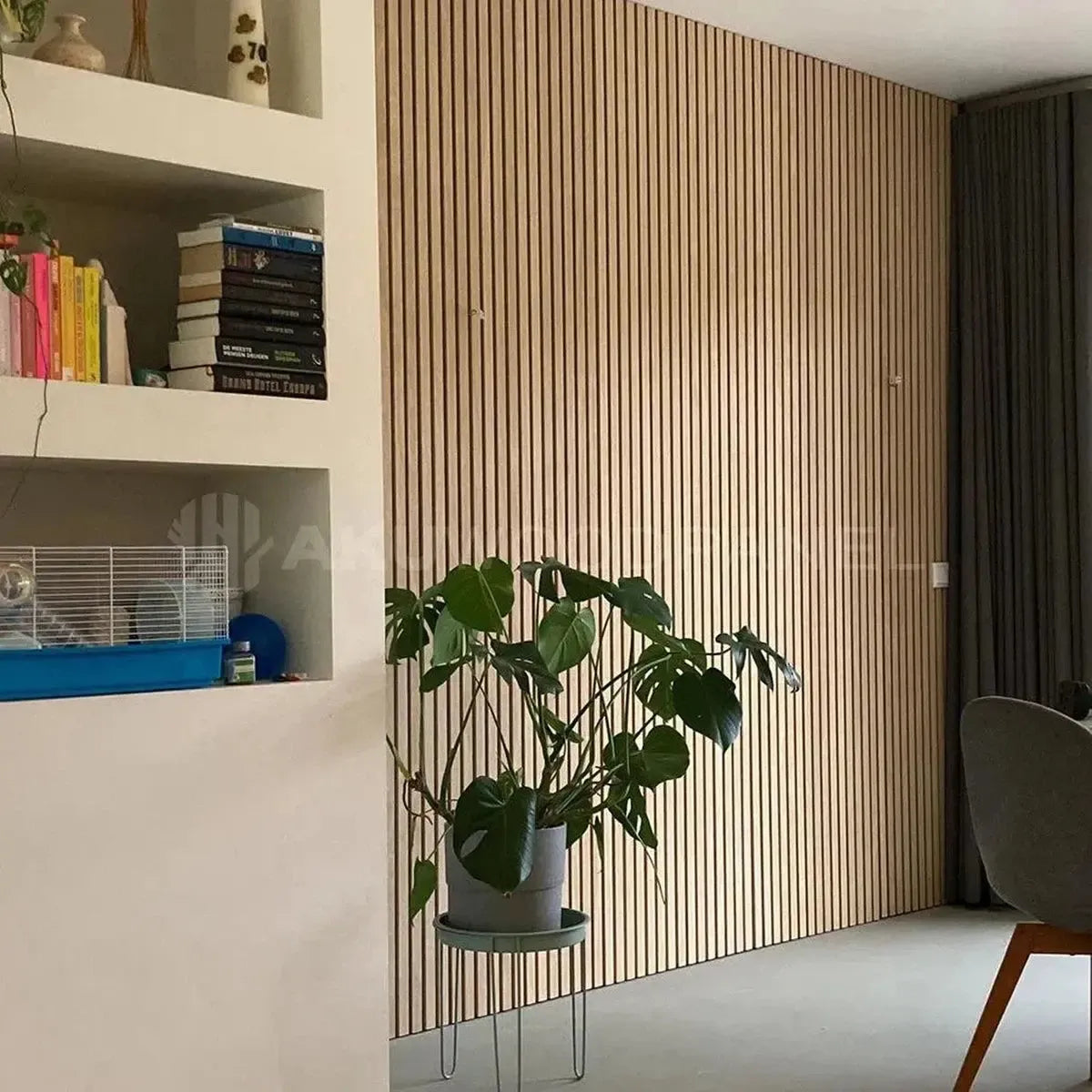
- Run panels vertically behind bench seating and horizontally above eye level near the bar for a mixed layout that reads intentional, not patchwork
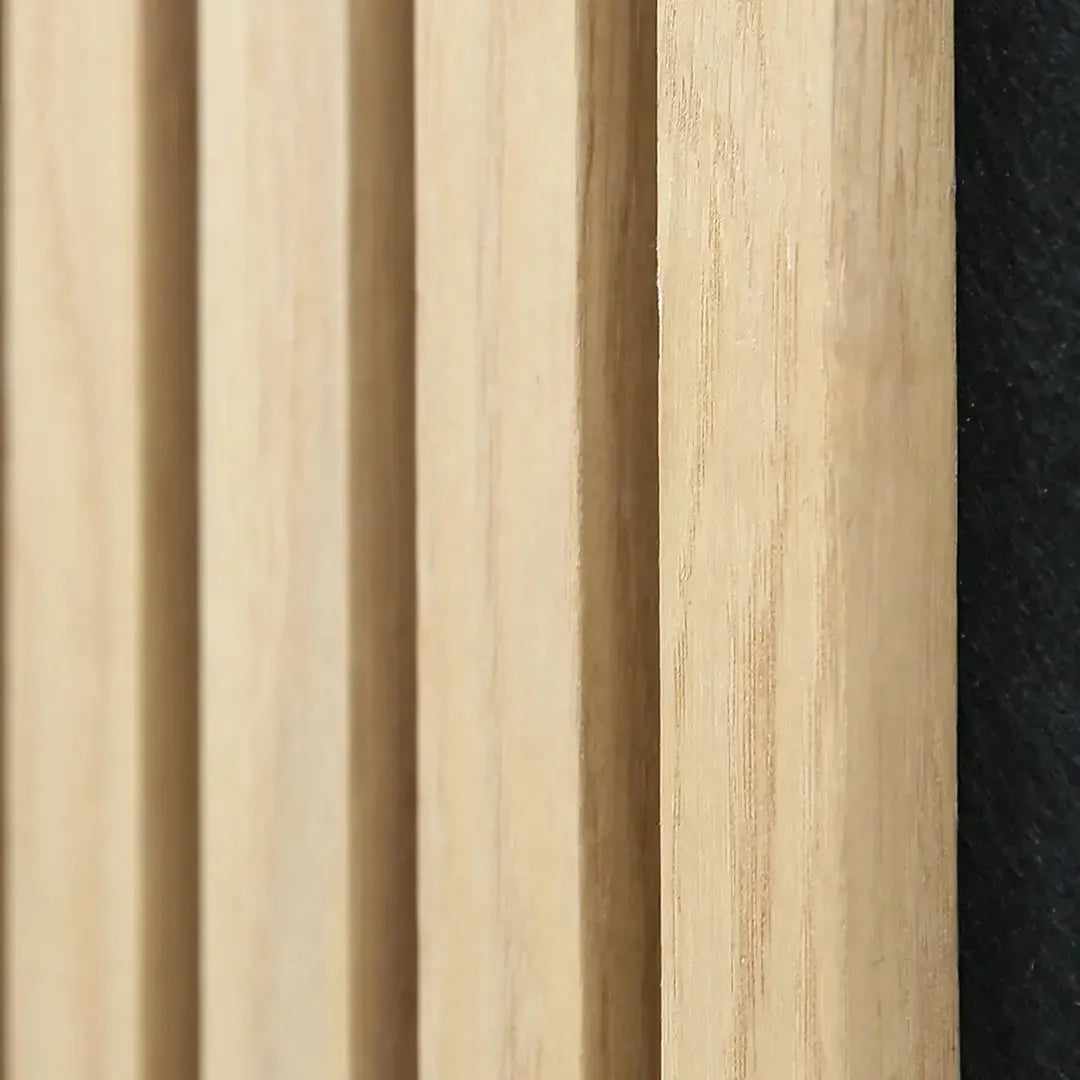
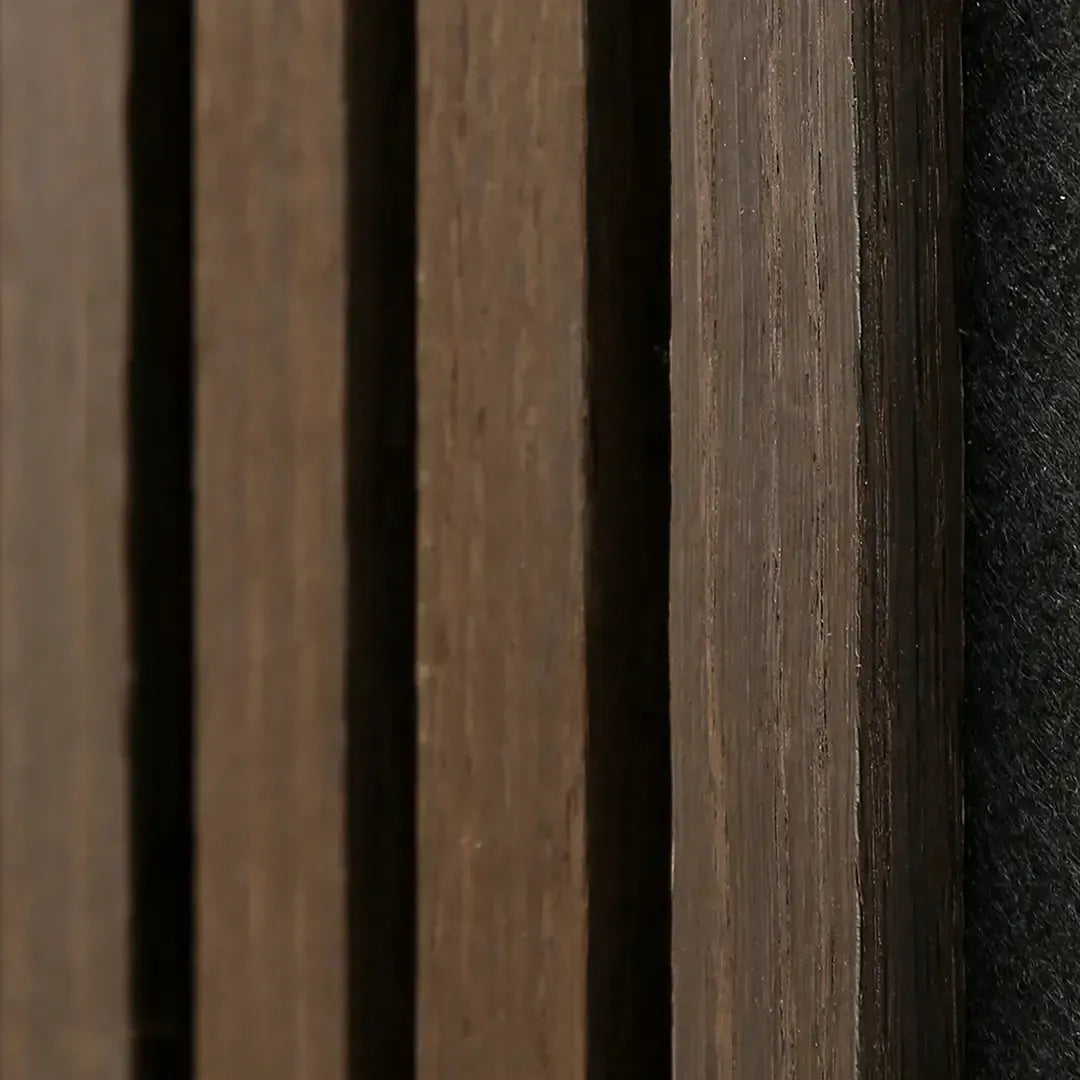
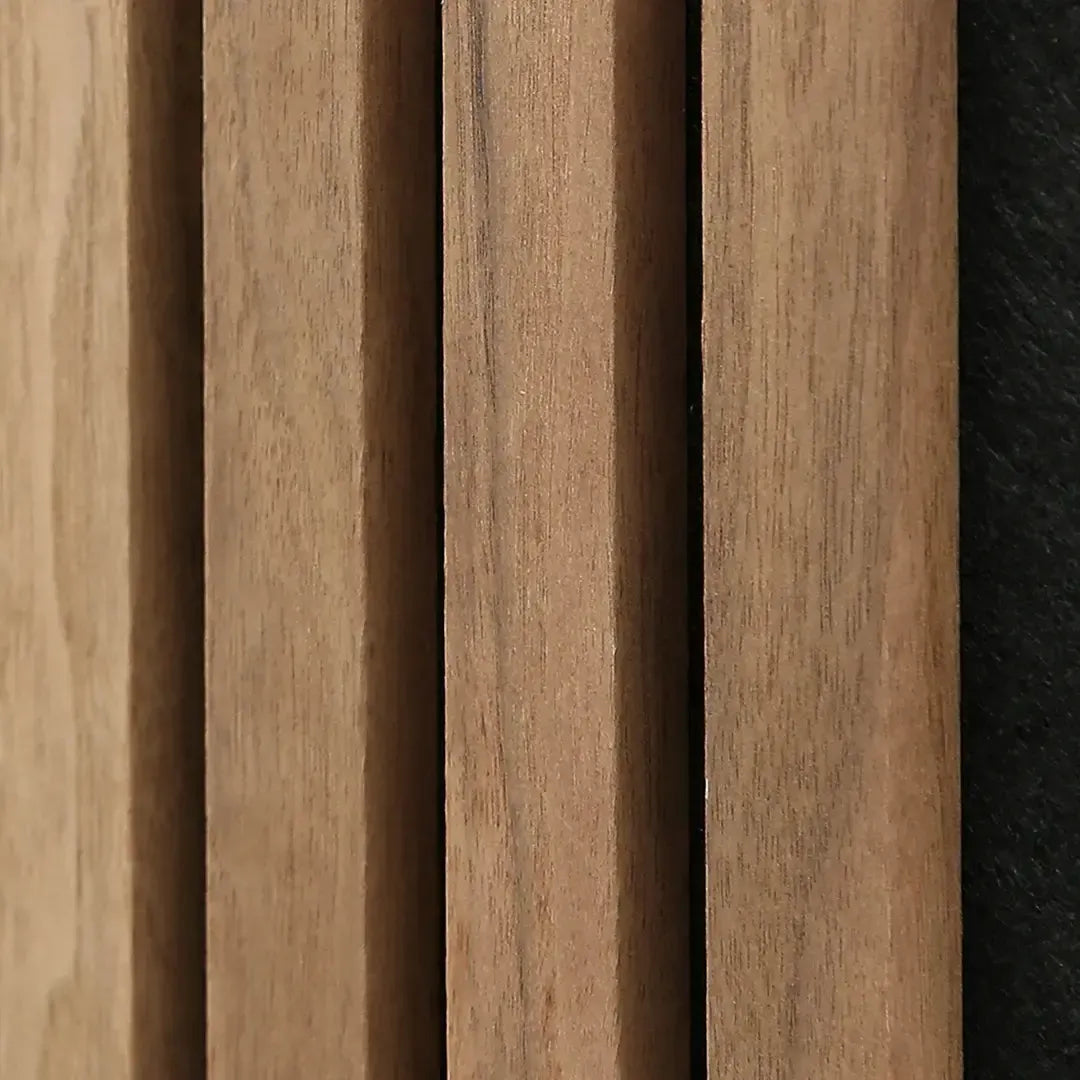
AKU Woodpanel's slat panels use a three-sided wood veneer finish, so the grain reads as real wood from any angle in the room, not just head-on.
Break up bar and check-in walls with hexagon acoustic panels
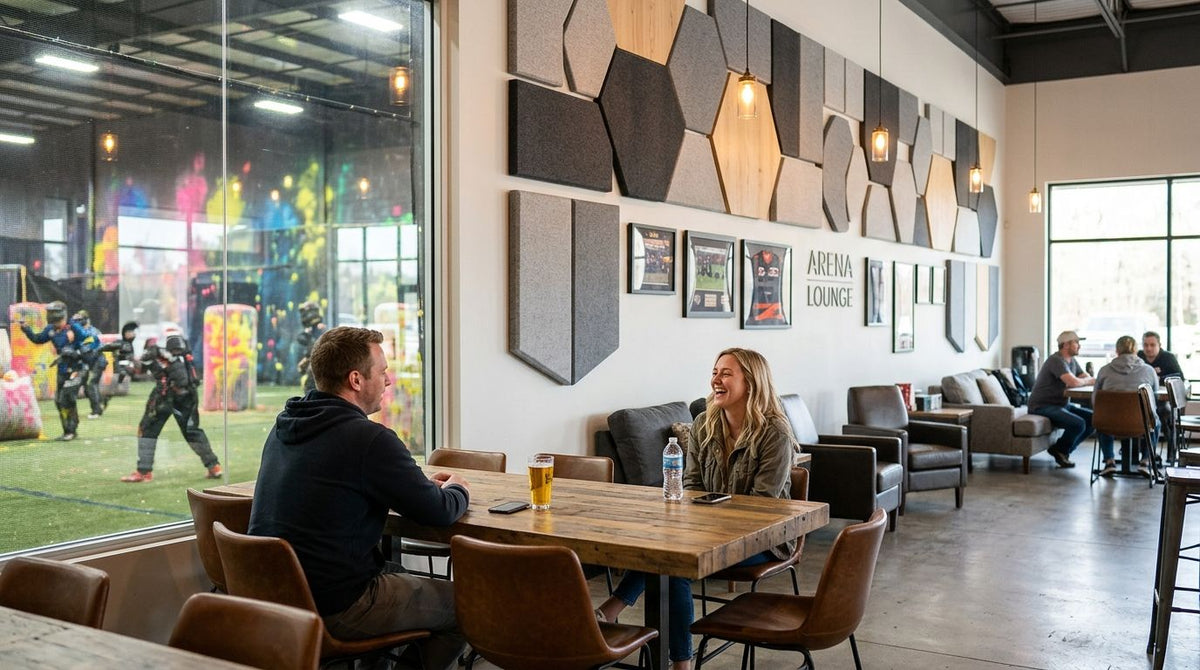
Slat panels handle large flat walls. Hexagon panels handle the smaller, awkward zones around a bar front, a check-in desk, or a column that a full slat wall would overwhelm.
- Mount hexagon panels at ear height around the check-in counter, where staff and waiting groups actually talk over each other
- Mix a smoked oak and a lighter oak hexagon finish for visual zoning between the bar and the seating area
- Use hexagon panels around support columns instead of trying to wrap a flat slat panel around a curve
- The smoked oak hexagon panel line carries a documented NRC rating of 0.75, useful when a facility manager needs a number for a renovation file
Treat the ceiling if reverberation still lingers
Wall panels alone won't fix a room where sound is bouncing floor-to-ceiling instead of wall-to-wall.
- Add suspended acoustic baffles over the loudest seating cluster if the ceiling structure allows for hanging hardware
- Consider felt-backed panel cladding on ceiling sections directly above bench seating
- Check whether HVAC ductwork or exposed truss work is adding its own rattle and resonance before blaming the walls
- Prioritize ceiling treatment over the field-viewing area last — that section tolerates more noise than the social lounge does
Order samples before committing to a full wall
A lounge under arena LED strip lighting reads color and grain differently than a product photo does.
- Order the full sample box of slat wall panels and hold each finish up under the actual lounge lighting before ordering a full run
- Compare natural, smoked, and walnut tones side by side rather than relying on memory between browser tabs
- Test how each felt-backed finish photographs under LED versus daylight if the lounge doubles as a photo spot for group bookings
- Confirm the felt backing color reads correctly against existing flooring and seating fabric
Maintain panels through high weekend traffic
A paintball lounge sees heavier foot traffic than a living room wall ever will, and dirt, paint residue, and spilled drinks travel with the crowd.
- Wipe panels with a dry or barely damp cloth — never soak the wood veneer or felt backing
- Spot-treat paint or CO2 residue immediately instead of letting it set into the grain
- Inspect panel edges and end pieces after busy weekends for loosening or impact damage near seating
- Keep panels away from direct spray zones near cleaning stations or gear rinse areas


Comparison: options for a paintball arena lounge
| Option | Best for | Key limitation | Verdict |
|---|---|---|---|
| Acoustic slat wall panels | Full-wall coverage behind seating bays and bays | Needs a flat, stable mounting surface | Buy |
| Hexagon acoustic panels | Accent zones at bar fronts and check-in columns | Covers less square footage per panel than slat runs | Buy |
| Standard fabric-wrapped foam panels | Low-traffic office or back-of-house walls | Fabric wears fast under heavy weekend foot traffic | Skip for the lounge floor |
| Suspended ceiling baffles | Vaulted or open-truss ceilings with lingering echo | Installation needs ceiling access equipment | Consider |
A lounge that pairs slat panels on the seating walls with hexagon panels at the bar solves both the reverb and the flat-surface problem in one pass.
Common mistakes paintball arena lounges make
- Treating only the check-in or stage wall while the seating bays — where the crowd actually sits and talks — stay untreated
- Choosing fabric-wrapped foam panels that can't survive the paint, dirt, and spray tracked in from the field
- Skipping a sample order and picking a finish that looks different under arena LED strip lighting than it did in a product photo
- Ignoring the concrete-floor-plus-hard-ceiling combination — wall panels alone won't stop a slap echo bouncing floor to ceiling
- Assuming decorative panels double as durable ones; a high-traffic lounge needs a finish rated for foot traffic, not just looks
“A lounge that treats only the check-in wall and skips the seating bays is treating the wrong half of the room.”
FAQ
What's the best acoustic panel for a paintball arena lounge?
Acoustic slat wall panels installed behind seating bays handle the largest source of reverb in a paintball lounge. AKU Woodpanel's slat panels pair a three-sided wood veneer face with an absorptive backing, which works better on flat walls than foam tiles do in a high-traffic room.
How many acoustic panels does a paintball lounge need?
Coverage depends on the room's hard surfaces and ceiling height, not a fixed formula. Start with the loudest wall behind seating, add hexagon panels at the bar and check-in counter, and reassess with a clap test before ordering a second wall.
Do acoustic wood panels work over concrete walls?
Slat and hexagon acoustic panels need a flat, stable mounting surface, and concrete qualifies once furring strips or a mounting frame are in place. A bare, unprepared concrete wall is not a direct mounting surface for wood veneer panels.
Is real wood veneer better than foam for arena lounges?
Wood veneer panels hold up to foot traffic, bumps, and cleaning better than foam tiles, which shed and stain under heavy weekend use. Foam is cheaper for a quiet back office but wears fast in a lounge with hundreds of visitors passing through it every weekend.
How much sound do hexagon acoustic panels absorb?
AKU Woodpanel's hexagon acoustic panel line carries an NRC rating of 0.75, meaning it absorbs roughly three-quarters of the sound energy that hits it. That's a strong rating for a decorative panel used at bar and check-in zones.
Can acoustic panels handle heavy foot traffic and spills?
Wood veneer slat and hexagon panels tolerate foot traffic near them fine since they're wall-mounted, not floor-level. Wipe spills and residue off the surface promptly with a dry or barely damp cloth rather than letting paint or drink residue set into the grain.
Should I order samples before buying a full wall of panels?
Yes — arena LED lighting shifts how wood grain and felt-backed tones read compared to product photos. A full sample box with natural, smoked oak, and walnut finishes settles the color question before a full wall order ships.
What's the difference between slat and hexagon acoustic panels?
Slat wall panels cover large flat walls efficiently and suit seating bays. Hexagon panels are smaller, modular, and better suited to accent zones like a bar front, a column, or a check-in counter where a full slat wall would be too much.
One last thing
The hexagon acoustic panel line's documented NRC 0.75 rating is worth writing into a renovation file if a facility manager needs a number to justify the spend in 2026 — most operators only think to document the slat panels and skip the smaller accent pieces doing real absorption work at the bar.


 Better performance and aesthetic appeal
 In Stock