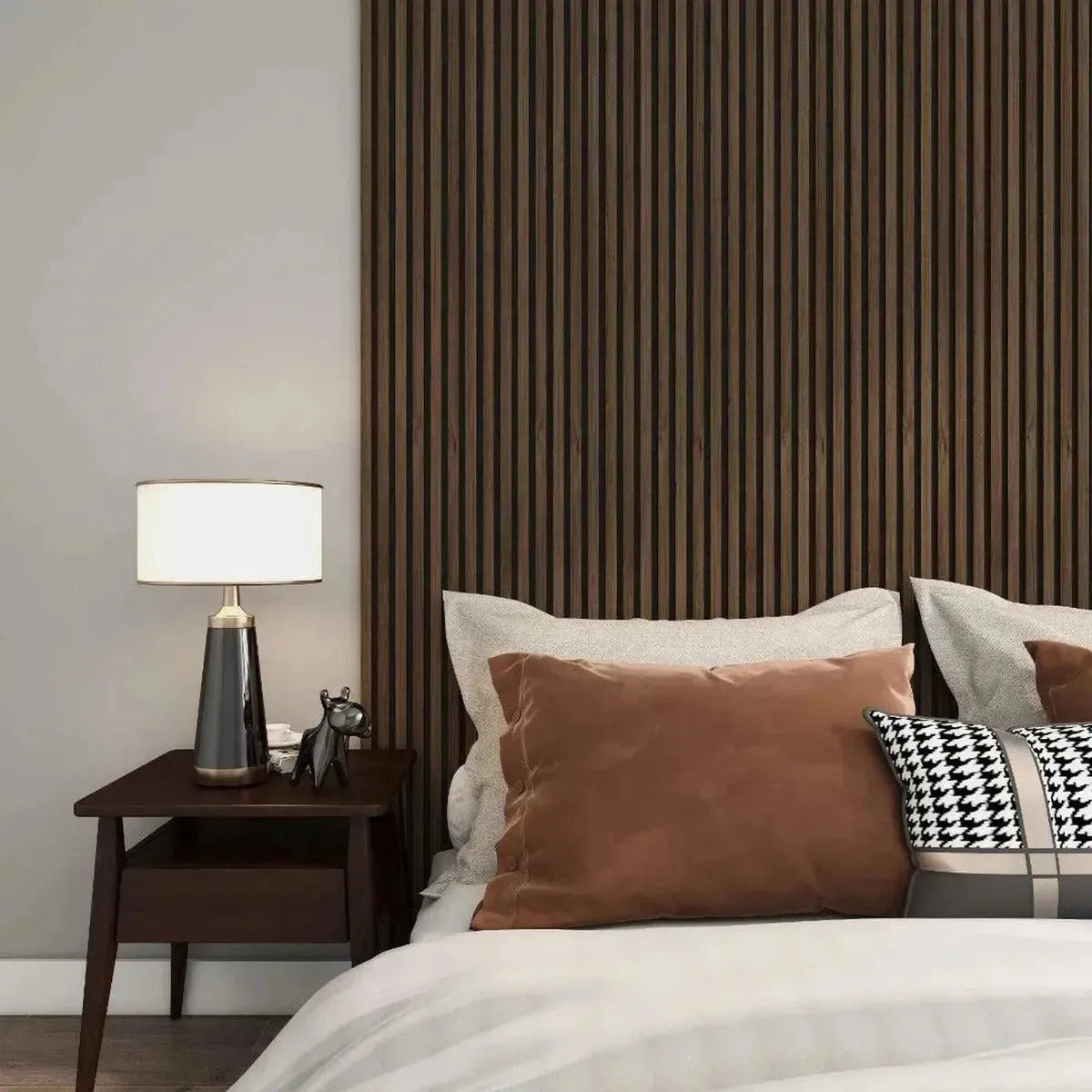
Museum exhibit halls are some of the hardest rooms in commercial design to get right — hard floors, tall ceilings, and open floor plans turn footsteps and voices into an echo chamber, and every material choice has to answer to a curator, a fire marshal, and a designer at the same time. Wood wall panels for museum exhibits solve the acoustic problem without turning the room into a design distraction, if you pick the right specs.
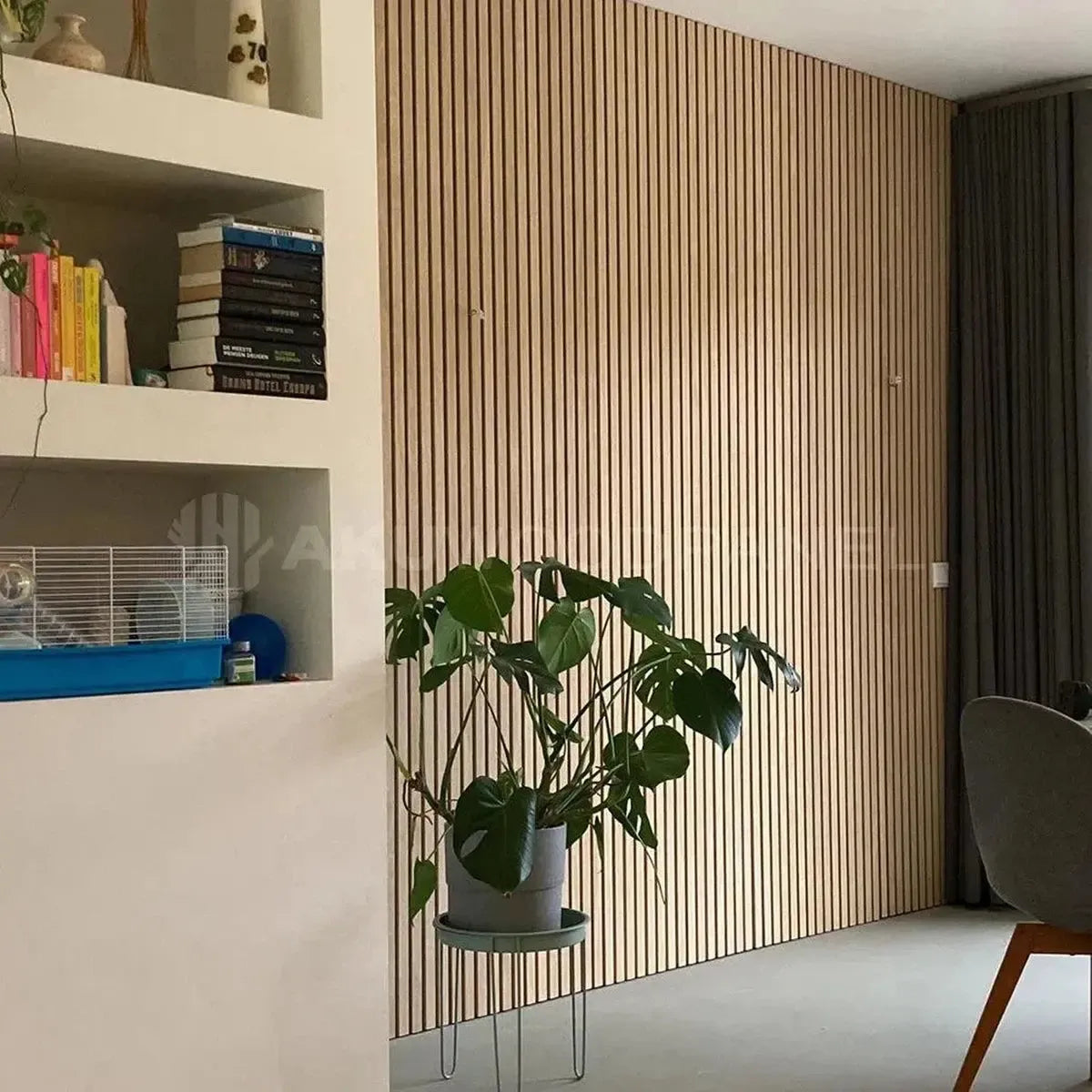
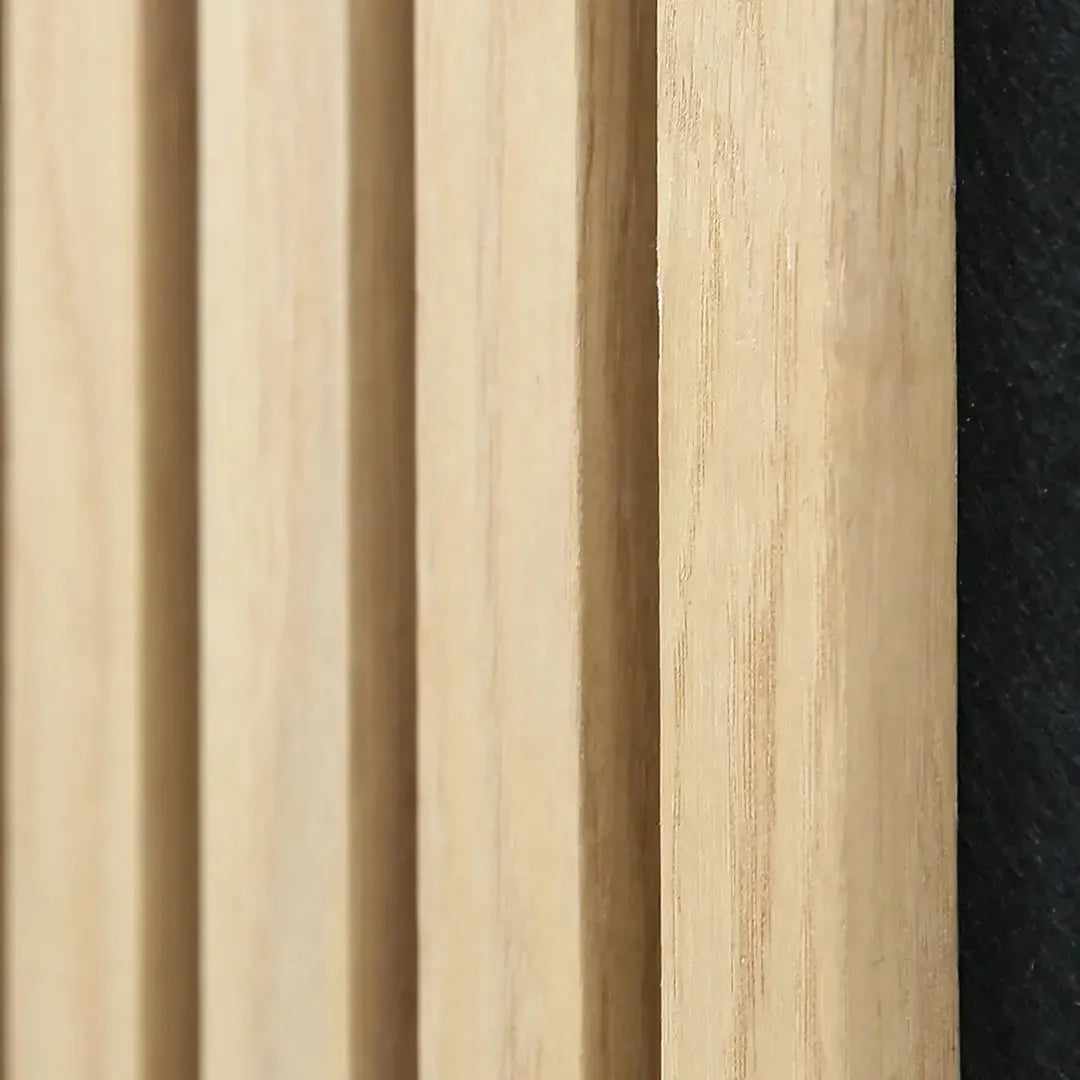
- Fluted Wall Panel Natural Oak is the safe neutral backdrop for gallery walls in 2026 — Buy.
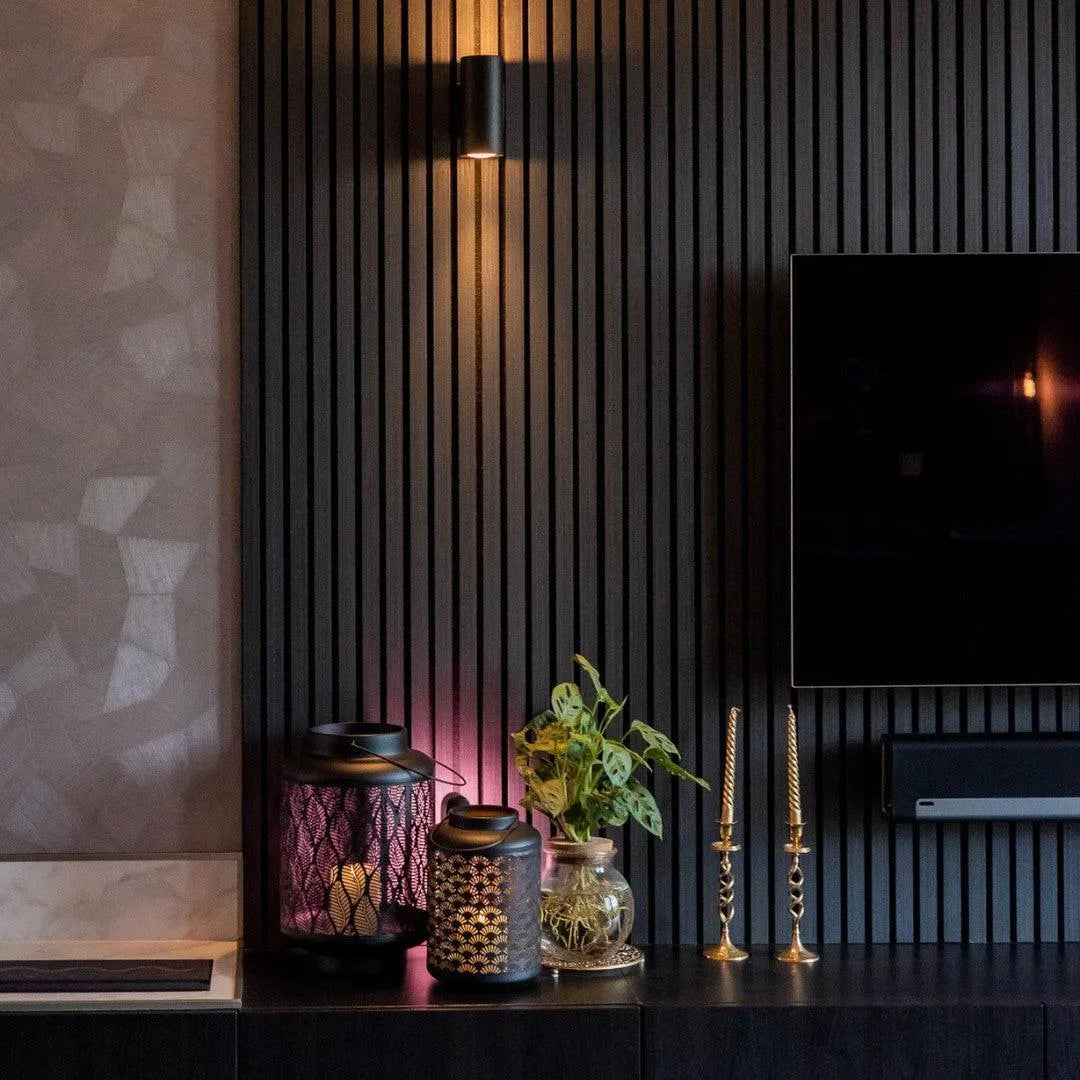
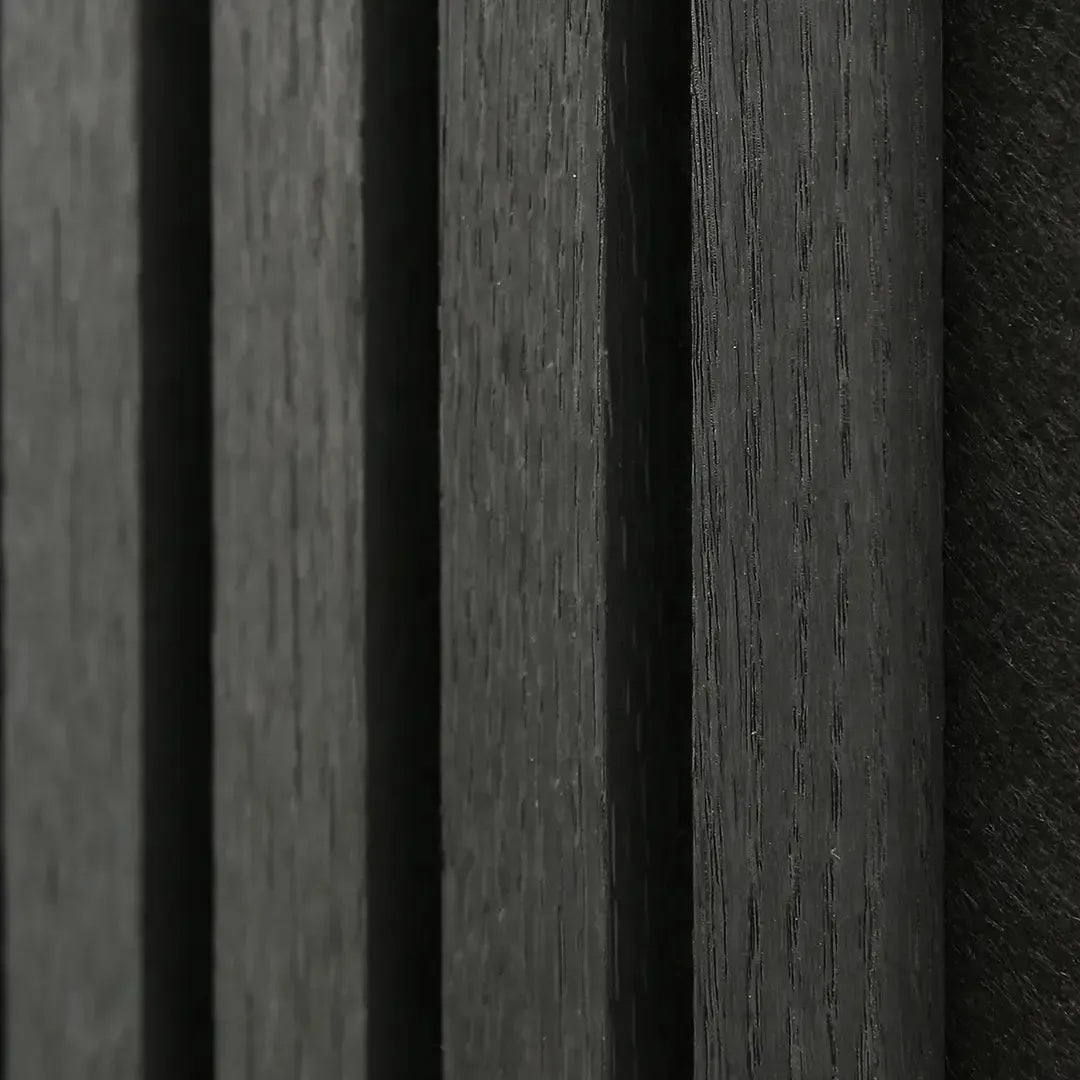
- Acoustic Slat Wall Panel Black Oak controls echo in dim, spotlighted exhibit rooms — Buy.
- Hexagon Acoustic Panel Walnut works for interactive or children's zones but reads busy behind fine art — Consider.
- Skip painted MDF panels sold as wood wall panels for museum exhibits — off-gassing and peeling are common within 18 months.
Why this matters
A typical gallery has 12-to-16-foot ceilings, concrete or polished stone floors, and almost no soft furnishing to absorb sound — that combination is exactly what makes voices bounce and tour groups sound like a crowd of triple the size. Acoustic wood panels from Akuwood Panel address that by combining a real wood veneer face with a slotted or perforated backing that pulls sound energy out of the room instead of reflecting it back.
The stakes are higher than a living room reno. Museum walls sit near irreplaceable objects, under fire code review, and under a lighting designer's spotlights — get the finish or the fire rating wrong and the whole install gets pulled before opening day. This guide breaks down what a facilities manager or exhibit designer should check before specifying wood wall panels for museum exhibits in 2026, plus which panels from the current catalog actually hold up.
Who this is for
This guide is written for museum facilities managers, exhibit designers, and general contractors building out gallery, lobby, or education-wing walls where echo control, fire compliance, and a finish that doesn't compete with the art all matter at once. If you're specifying for a single traveling exhibit or a permanent wing renovation, the criteria below apply either way — the difference is mostly in mounting flexibility, covered in the fourth criterion.
What to look for in wood wall panels for museum exhibits
Acoustic performance (NRC rating)
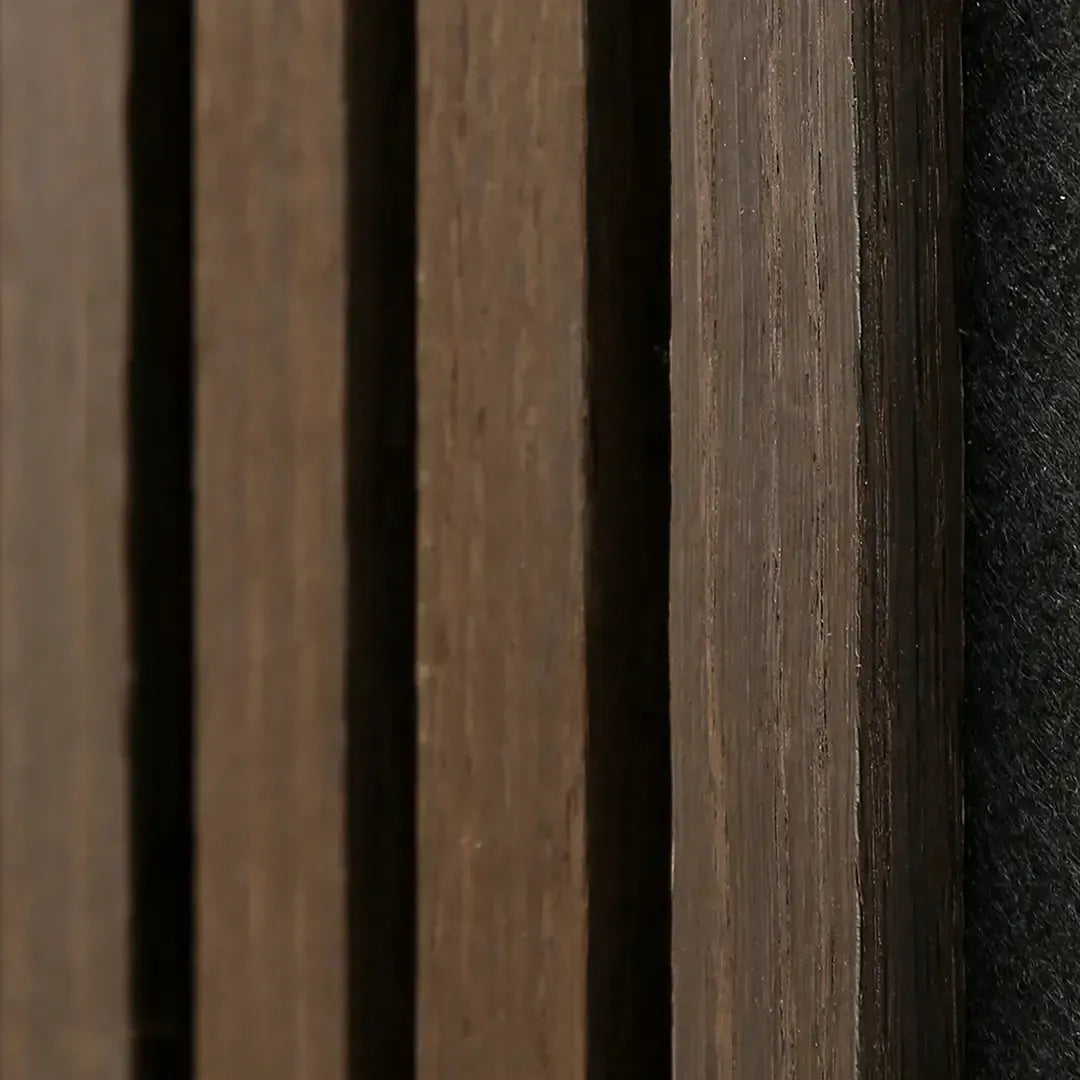
An NRC (Noise Reduction Coefficient) rating between 0.65 and 0.90 is the target range for open gallery spaces with hard flooring — anything lower barely dents the echo problem in a room this size. Slotted and perforated slat panels with an acoustic felt or foam backing hit that range; solid flat veneer panels with no backing layer do almost nothing for sound and exist purely for looks.
Fire rating and code compliance
Museums are public assembly occupancies, which means local fire codes typically require a Class A or Class B flame spread rating on wall coverings in circulation and exhibit areas. Ask for the panel's flame spread documentation before you order — a panel that looks identical to a compliant one but lacks the fire-retardant treatment can hold up a final inspection by weeks.
Low-VOC, conservation-safe finish
Artifacts and paper-based works are sensitive to off-gassing from adhesives and finishes, so panels near display cases need a low-VOC or zero-VOC topcoat. This matters more in the first 60-90 days after install, when new finishes off-gas the most — plan installs with a lead time before objects go on display.
Color and light reflectance
Gallery lighting is calibrated to the art, not the walls, so a panel with high sheen or a busy grain pattern pulls attention away from what's being exhibited. Matte, low-reflectance finishes in natural oak, black oak, or smoked oak tones read as a backdrop rather than a feature — that's the goal in most exhibit rooms.
Mounting flexibility for rotating exhibits
Traveling and rotating exhibits need wall systems that can be patched, removed, or reconfigured without a full re-drywall job. Panels with matching end pieces and trim let a facilities team swap a damaged section or extend a run without re-ordering an entire wall's worth of material.
Durability under high foot traffic
Galleries see thousands of visitors a month, and hands, bags, and strollers make contact with lower wall sections constantly. A 3-sided real wood veneer construction holds up to that traffic far better than a thin laminate wrap, which chips and delaminates at the edges within a year or two of heavy public use.
Top picks for museum exhibit interiors
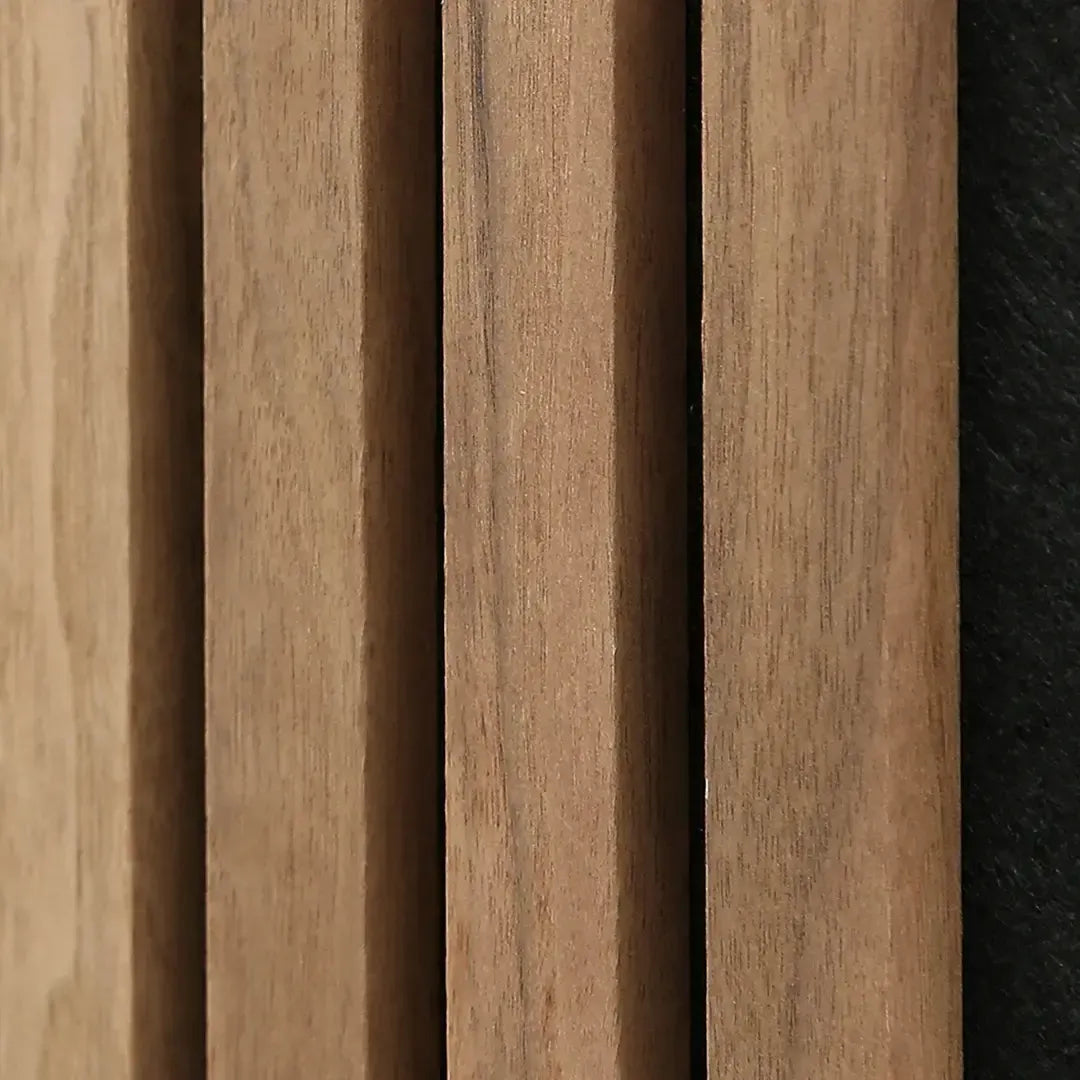
Fluted Wall Panel Natural Oak — the neutral backdrop. Priced at $233.95, it's built with real wood veneer over a flexible MDF backing, so it reads as warm and understated rather than showy under gallery lighting. The fluted profile adds just enough shadow depth to feel intentional without pulling focus from the art on the opposite wall. Verdict: Buy for entrance halls and rotating gallery corridors where you want texture without competing with exhibits — see the fluted wall panel natural oak spec sheet.
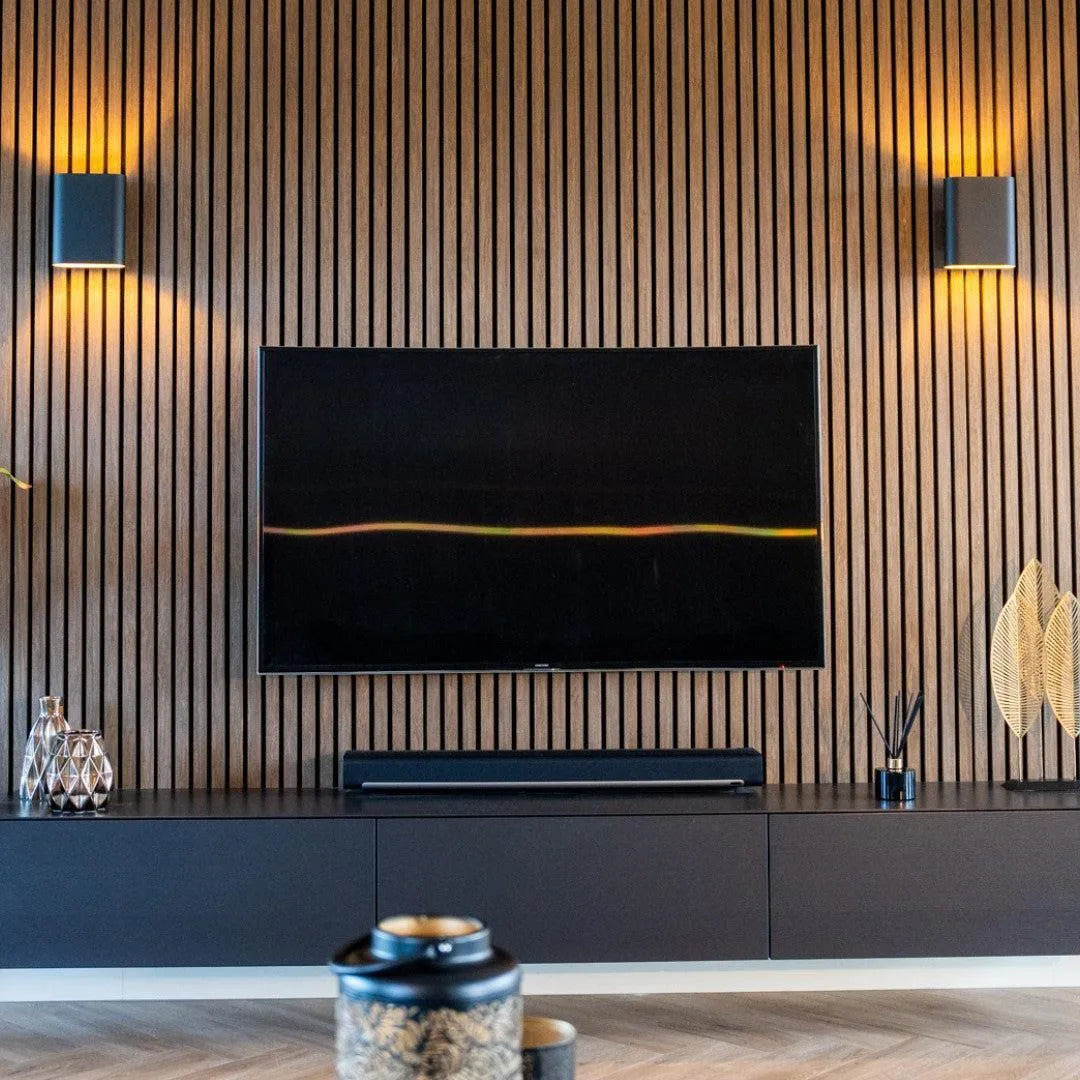
Acoustic Slat Wall Panel Black Oak — the dark-gallery pick. Built for rooms running dim, spotlighted lighting schemes common in photography and artifact wings, its dark tone absorbs stray light instead of bouncing it back toward display cases. The slat-and-felt backing construction is what actually earns it a place on this list — it's doing acoustic work, not just decoration. Verdict: Buy for any exhibit room where the lighting designer wants matte black walls that also kill echo — check the acoustic slat wall panel black oak listing for finish details.
Hexagon Acoustic Panel Walnut — the wildcard. The geometric hexagon layout breaks up a wall in a way flat slats don't, which makes it a strong fit for children's education zones, interactive touch-screen alcoves, or museum cafés — anywhere the room is meant to feel more playful than a fine-art gallery. It's less at home behind framed paintings or archival objects, where a busier pattern competes with the work. Verdict: Consider for interactive and family-programming spaces, and check the hexagon acoustic panel walnut page before specifying it for a formal gallery wing.


What to avoid
- Painted MDF panels marketed as "wood." They look right in a product photo but peel or chip at the veneer edge within 12-18 months of public foot traffic — a real veneer construction is worth the difference for a public-facing install.
- High-gloss topcoats. Anything with a glossy sheen throws spotlight glare directly back at visitors and display cases, which is the opposite of what a gallery wall should do.
- Panels with no documented fire rating. If the spec sheet doesn't state a flame spread class, assume it won't clear a public assembly inspection and don't order it for a museum project.
“If the panel finish competes with the artwork, the finish is wrong for a museum wall.”
Verdict comparison
| Panel | NRC-relevant construction | Best exhibit use | Verdict |
|---|---|---|---|
| Fluted Wall Panel Natural Oak | Real veneer, flexible MDF | Entrance halls, rotating corridors | Buy |
| Acoustic Slat Wall Panel Black Oak | Slat + felt backing | Dim, spotlighted galleries | Buy |
| Hexagon Acoustic Panel Walnut | Slat-style acoustic backing | Interactive/education zones | Consider |
| Painted MDF (generic) | None | Not recommended for public galleries | Skip |
FAQ
What NRC rating do wood wall panels need for a museum gallery?
Target an NRC between 0.65 and 0.90 for open galleries with hard flooring in 2026 — slat or hexagon panels with a felt or foam backing hit that range, while flat veneer panels without backing do little for echo.
Are wood wall panels fire-rated for public buildings?
Fire-rated performance depends on the specific panel construction and treatment, so always request the flame spread documentation before ordering for a museum or other public assembly space.
Is real wood veneer better than faux wood panels for exhibit walls?
Real 3-sided wood veneer holds up to public foot traffic and repeated cleaning far better than painted or laminate-wrapped faux wood, which tends to chip and peel at panel edges within a year or two of heavy use.
How much do acoustic wood wall panels cost for a museum project?
Fluted and slat wall panels in the current catalog run around $233.95 per panel as of 2026, with matching end pieces and trim priced separately — order a sample before committing to a full-room quantity.
Can wood wall panels be reconfigured for rotating exhibits?
Panels with matching end pieces and trim let a facilities team patch or extend a wall section without redoing the entire run, which is the key requirement for traveling or rotating exhibit spaces.
Do wood wall panels off-gas near artifacts?
New finishes off-gas most in the first 60-90 days after install, so schedule the panel installation with a lead time before sensitive objects go on display and confirm the finish is low-VOC.
What color wood panel works best behind fine art?
Matte, low-reflectance tones like natural oak, black oak, or smoked oak read as a neutral backdrop under gallery lighting, while high-gloss or busy-grain finishes pull visual attention away from the art.
Are hexagon wood panels appropriate for a formal gallery?
Hexagon panels work better in interactive, education, or café zones where a geometric pattern feels intentional — they read as busier than flat slat or fluted panels behind framed paintings or archival objects.
One last thing
Order a physical sample before specifying a full gallery run — a screen or spec sheet can't show how a matte oak finish behaves under the specific spotlight temperature a lighting designer has already locked in, and swapping finish after installation costs far more than a $2.50 sample would have.


 Better performance and aesthetic appeal
 In Stock