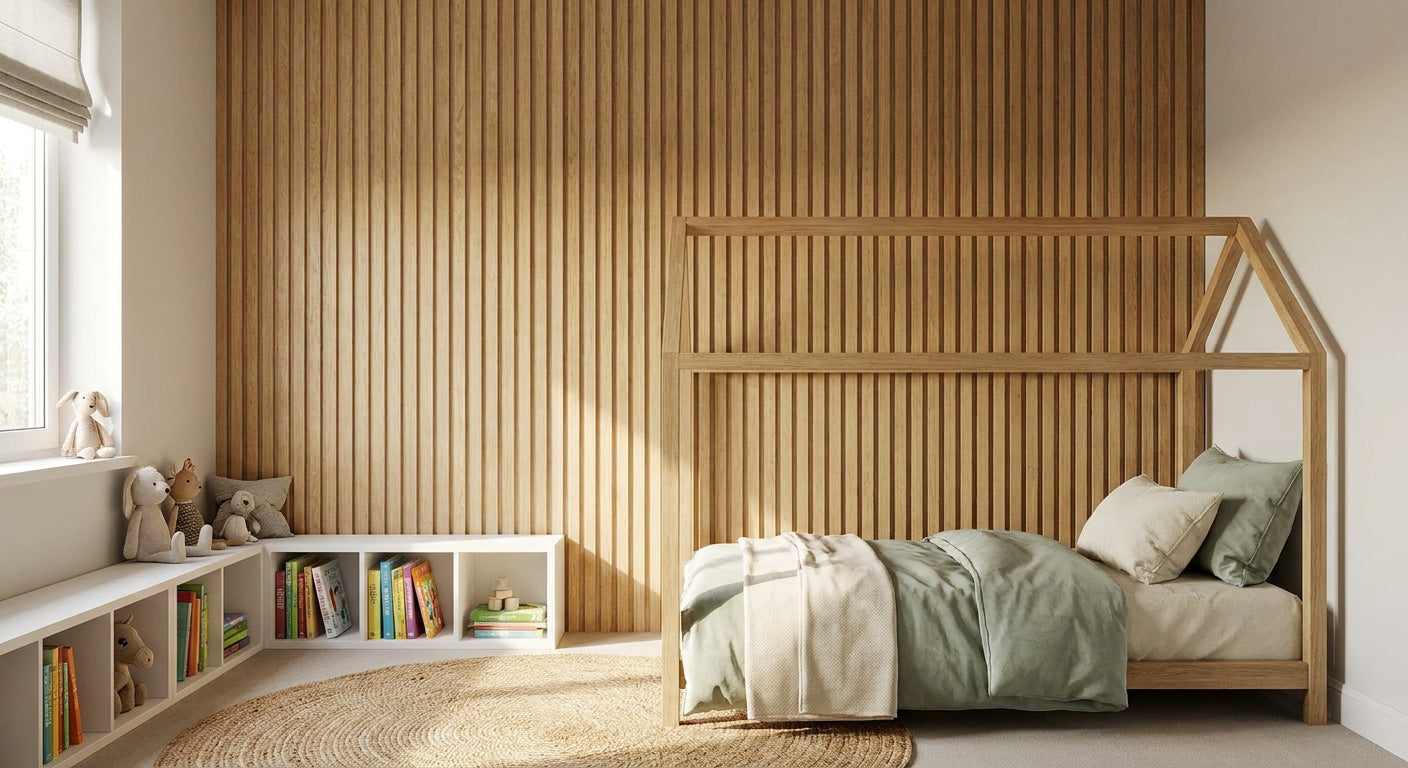
Kids grow out of murals and stick-on decals fast, but a slat panel accent wall in a child's bedroom holds up through toddler years into the teenage bedroom-redo phase, and it tames the echo that bounces off drywall and bare closet doors in a small room.
TL;DR
Wood slat panels for a children's bedroom feature wall work best when you pick a felt-backed option for sound absorption, keep the palette light (natural oak or gray oak, not black), and order a sample before committing to a full wall. Verdict: Buy the felt-backed natural oak slat panel for most kids' rooms in 2026 — it softens noise, hides scuffs better than paint, and reads as a design choice rather than a phase. Skip solid black oak in a nursery; it reads heavy and shows dust in daylight.
Why this matters
Kids' bedrooms are small, hard-surfaced, and loud — laminate flooring, a closet mirror, a bare ceiling — and that combination bounces sound around instead of absorbing it. A felt-backed acoustic panel built for kids' spaces cuts down on that bounce while giving the wall texture that a poster or paint job can't. That matters more in 2026 than it did a decade ago, since more families are converting dens and home offices into second bedrooms, which means thinner walls and less natural sound absorption to begin with.
A feature wall also solves a real parenting problem: kids scuff walls, lean chairs against them, and stick tape everywhere. A textured wood surface hides that wear far better than a flat painted wall does.
Who this is for
This guide is for parents and caregivers planning or refreshing a child's bedroom — nursery through preteen — who want a feature wall that looks intentional now and still works in five years, not a wall they'll have to repaint when the dinosaur phase ends. It's also useful for anyone finishing a shared kids' room where noise between two beds is a daily complaint.
What to look for in wood slat panels for a kids' bedroom
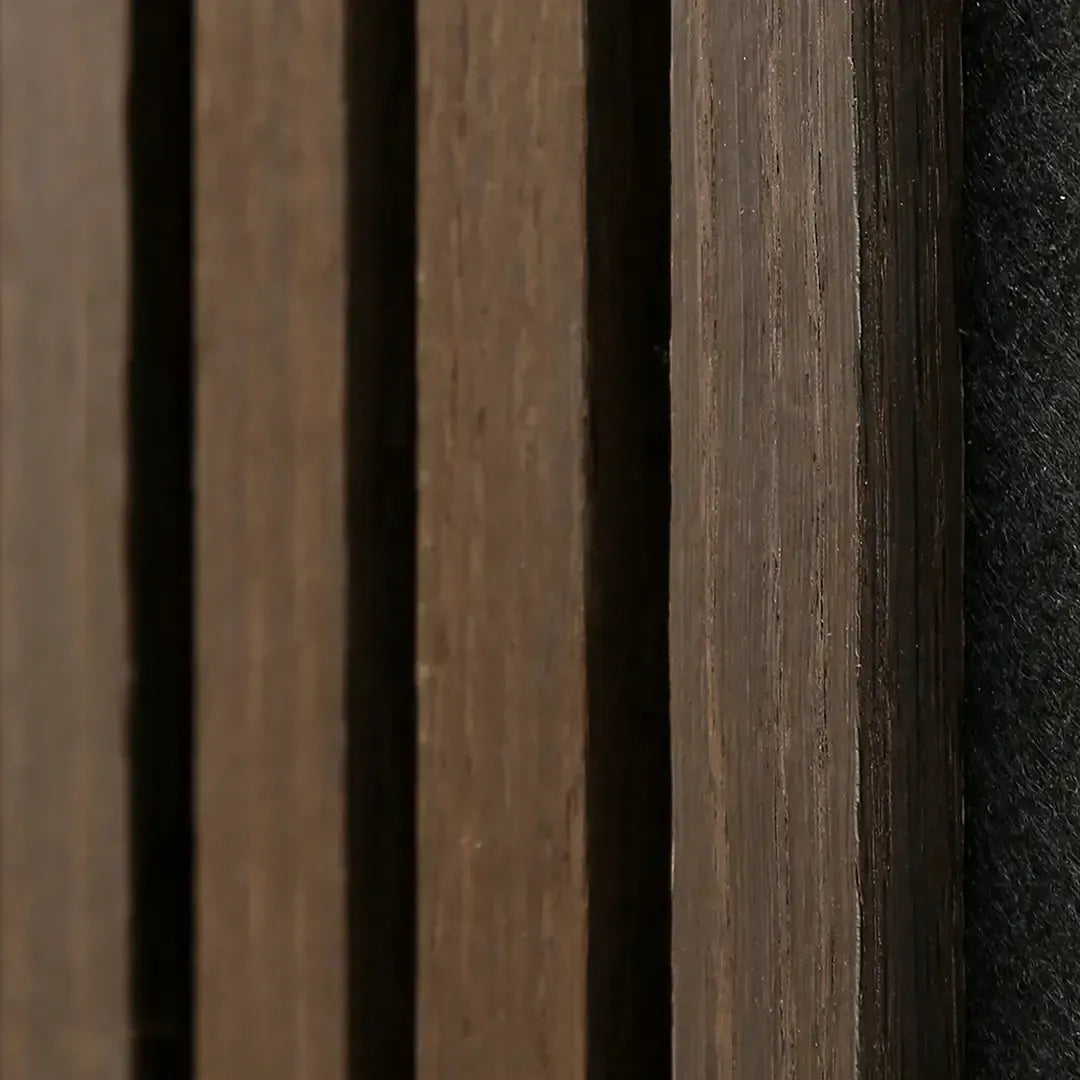
Felt or acoustic backing
A plain wood slat panel looks the part but does nothing for sound. Felt-backed acoustic panels absorb noise from footsteps, siblings, and toy chests slamming shut, which matters in a room where a nap schedule or bedtime routine depends on quiet.
Light, neutral wood tone
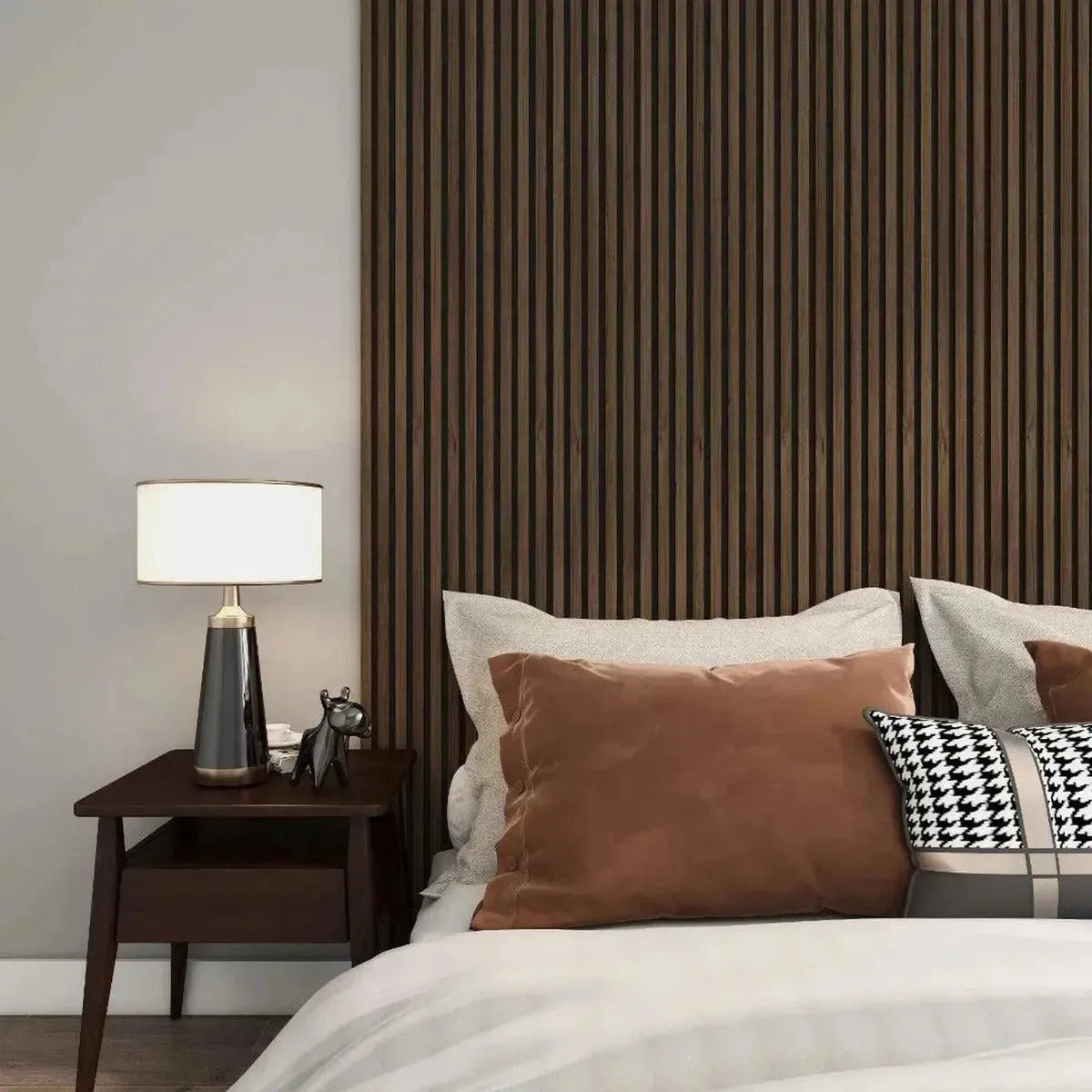
Natural oak and gray oak read calm and grow with a child better than black oak or dark walnut, which can make a small bedroom feel closed in under overhead lighting. Lighter tones also photograph better for resale listings if the room ever needs to read as a generic bedroom again.
Rounded or safe panel edges
Kids climb on furniture near feature walls. A slat profile with a smooth, low-relief edge is a safer choice than a deep 3D panel with sharp routed grooves at toddler head height.
Easy spot-cleaning
Crayon, marker, and sticky fingerprints happen. A real wood veneer with a sealed finish wipes clean far more easily than wallpaper or a matte painted wall, which is one reason slat panels are showing up in more kids' rooms in 2026 than in prior years.
Coverage that fits a single wall
Most kids' bedrooms only need one accent wall, usually behind the headboard or crib, not full-room coverage. Buying panels sized for that single wall keeps the project affordable and the install manageable in an afternoon.
Low-VOC, sealed finish
Kids spend 10-plus hours a day in a bedroom sleeping. A sealed veneer finish with low off-gassing matters more here than in a living room or office feature wall.
Top picks for a kids' bedroom feature wall
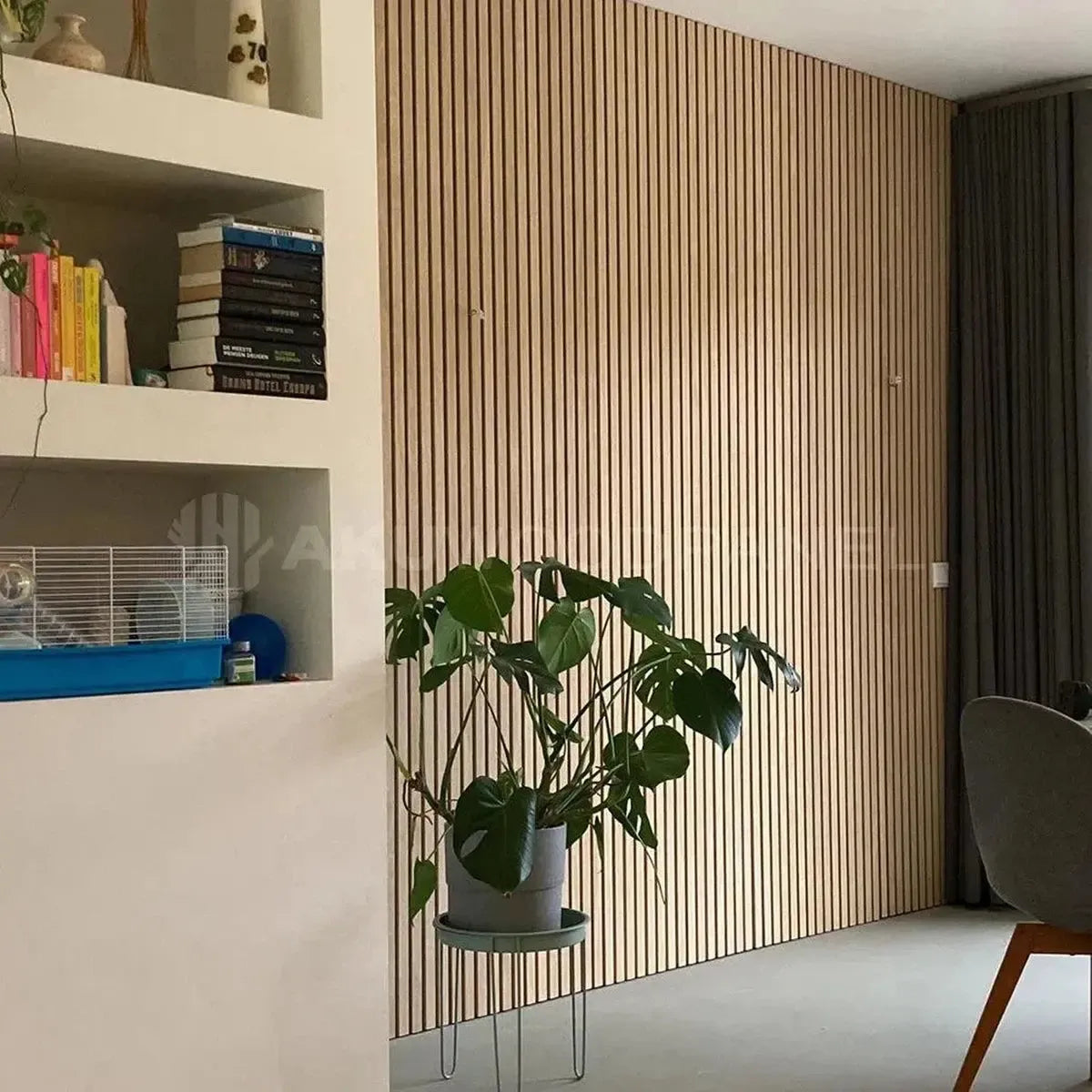
The safe pick: Acoustic Slat Wall Panel, Natural Oak with Gray Felt This is the pairing most parents land on because the felt backing does double duty — it absorbs sound and adds a soft gray tone that works with almost any kids' room palette. One wall in a typical 10 x 10 foot bedroom usually takes 8 to 10 panels to cover behind a bed. Verdict: Buy. See the natural oak with gray felt panel.
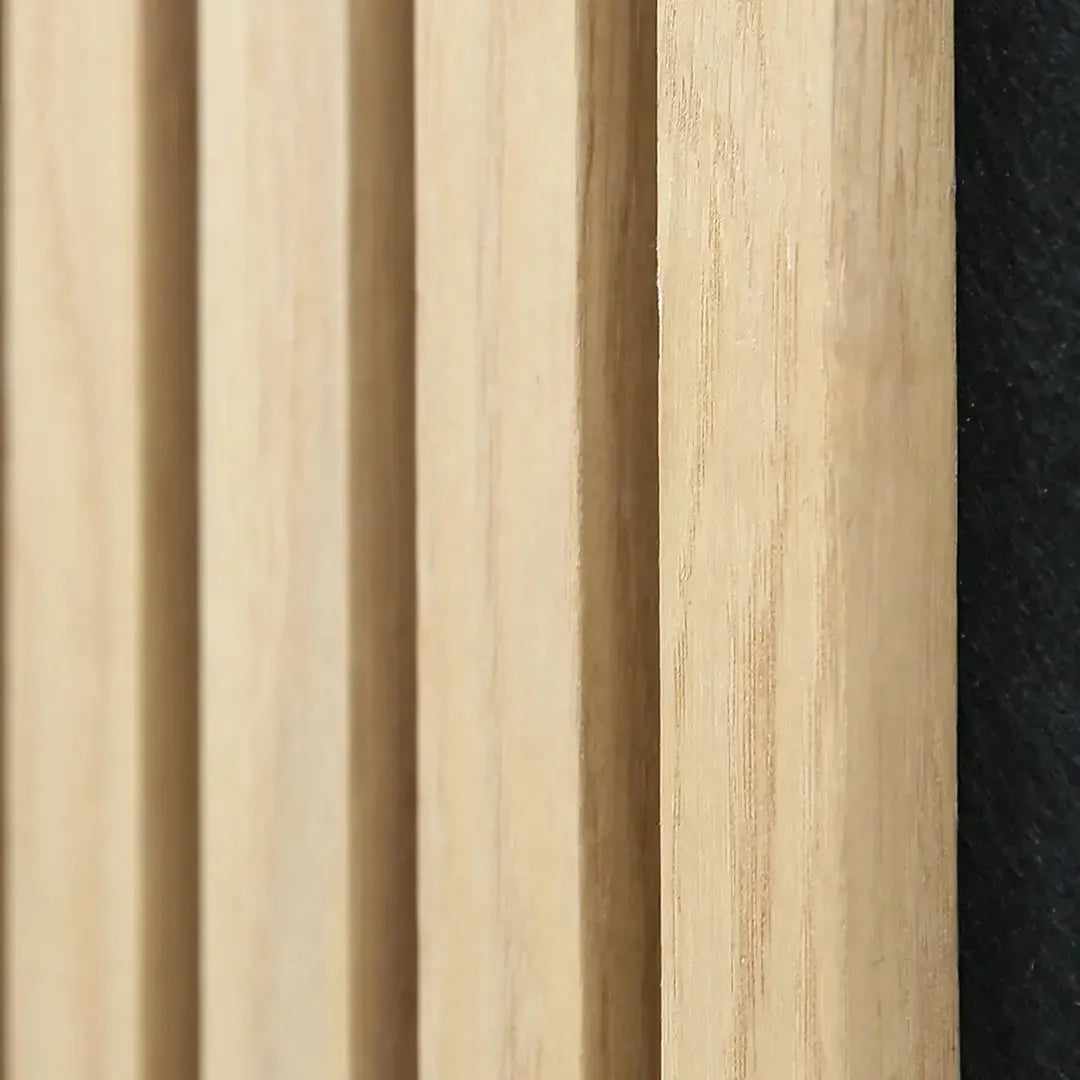
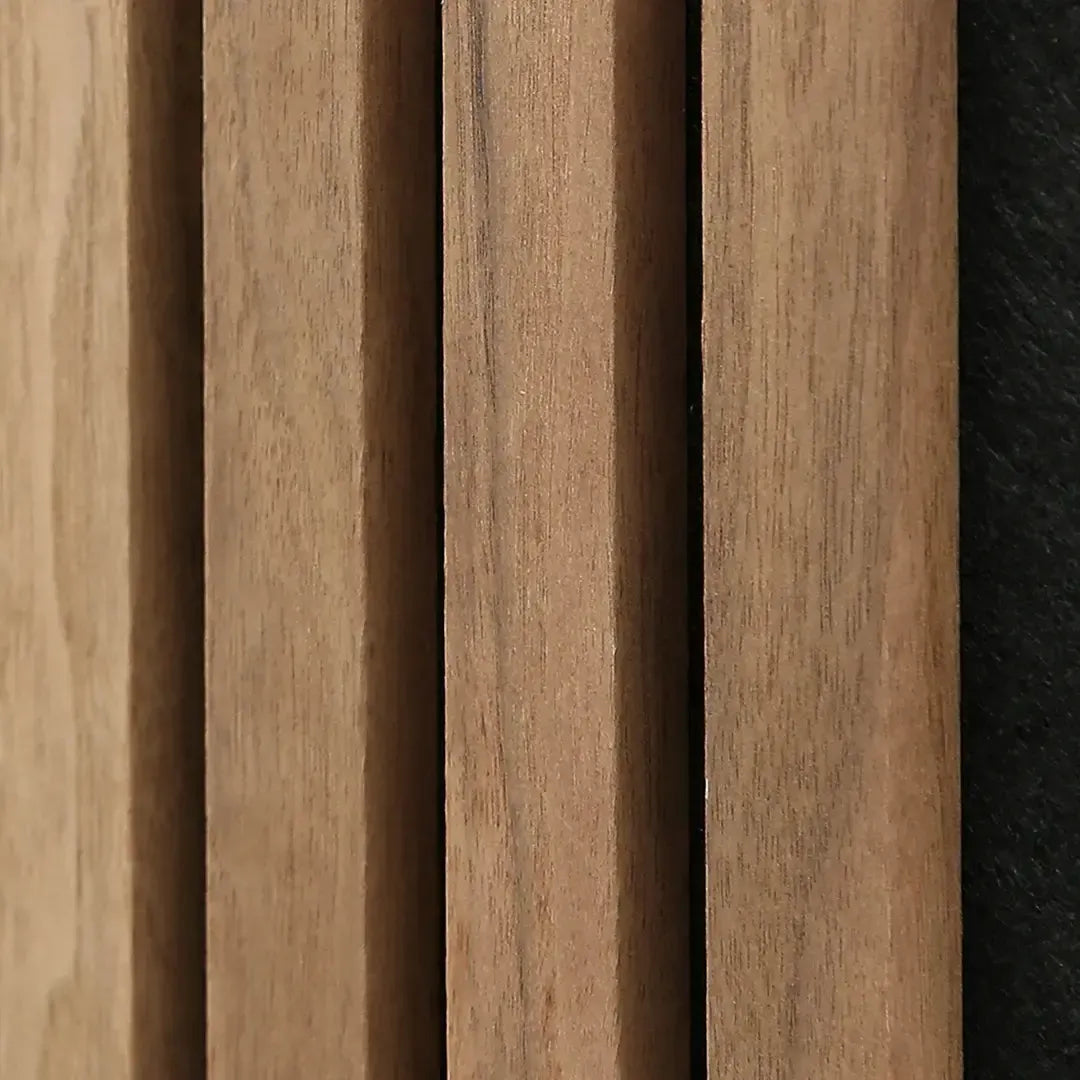
The low-risk starter: Sample Slat Wall Panel, Natural Oak Before ordering a full wall's worth of panels, a single sample piece lets you check the tone against existing furniture and flooring under the room's actual lighting — daylight and a nightlight read wood tone very differently. It costs far less than a full order and takes the guesswork out before you commit. Verdict: Buy as a first step for any parent who hasn't seen the finish in person. Order the natural oak sample.
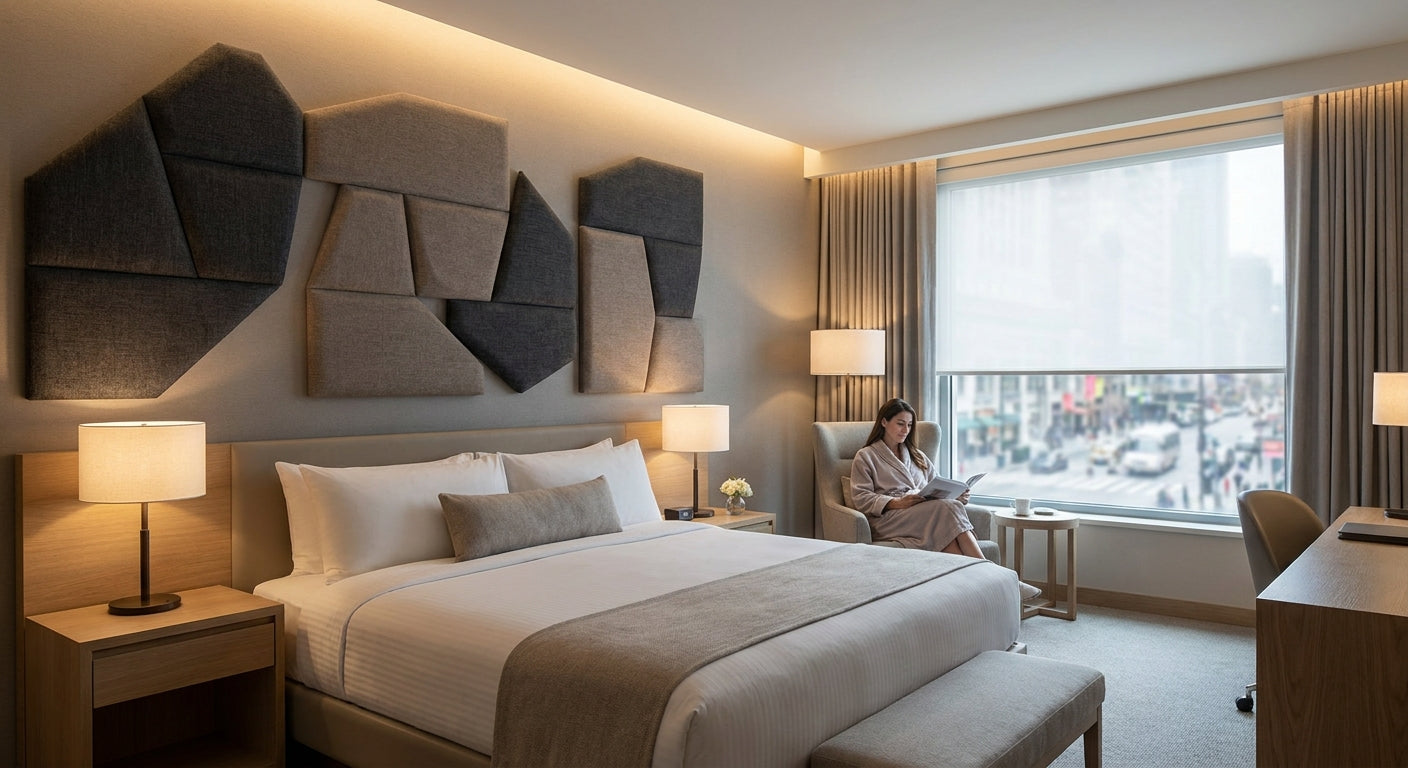
The wildcard: Hexagon Acoustic Panel, Natural Oak Instead of a straight slat run, hexagon panels break a headboard wall into a honeycomb pattern that reads more playful without going full theme-room. It suits a preteen's room better than a nursery, since the geometric layout skews a little more grown-up. Verdict: Consider if the room needs visual interest beyond a straight slat run. Check the natural oak hexagon panel.
The finishing detail: End Piece Slat Wall Panel, Natural Oak A feature wall that stops mid-panel at a corner or window frame looks unfinished. End pieces close out exposed edges so the install reads clean instead of half-done, which matters more in a kid's room where little hands will pick at any loose edge. Verdict: Buy alongside your main panel order, not as an afterthought. See the natural oak end piece.
What to avoid
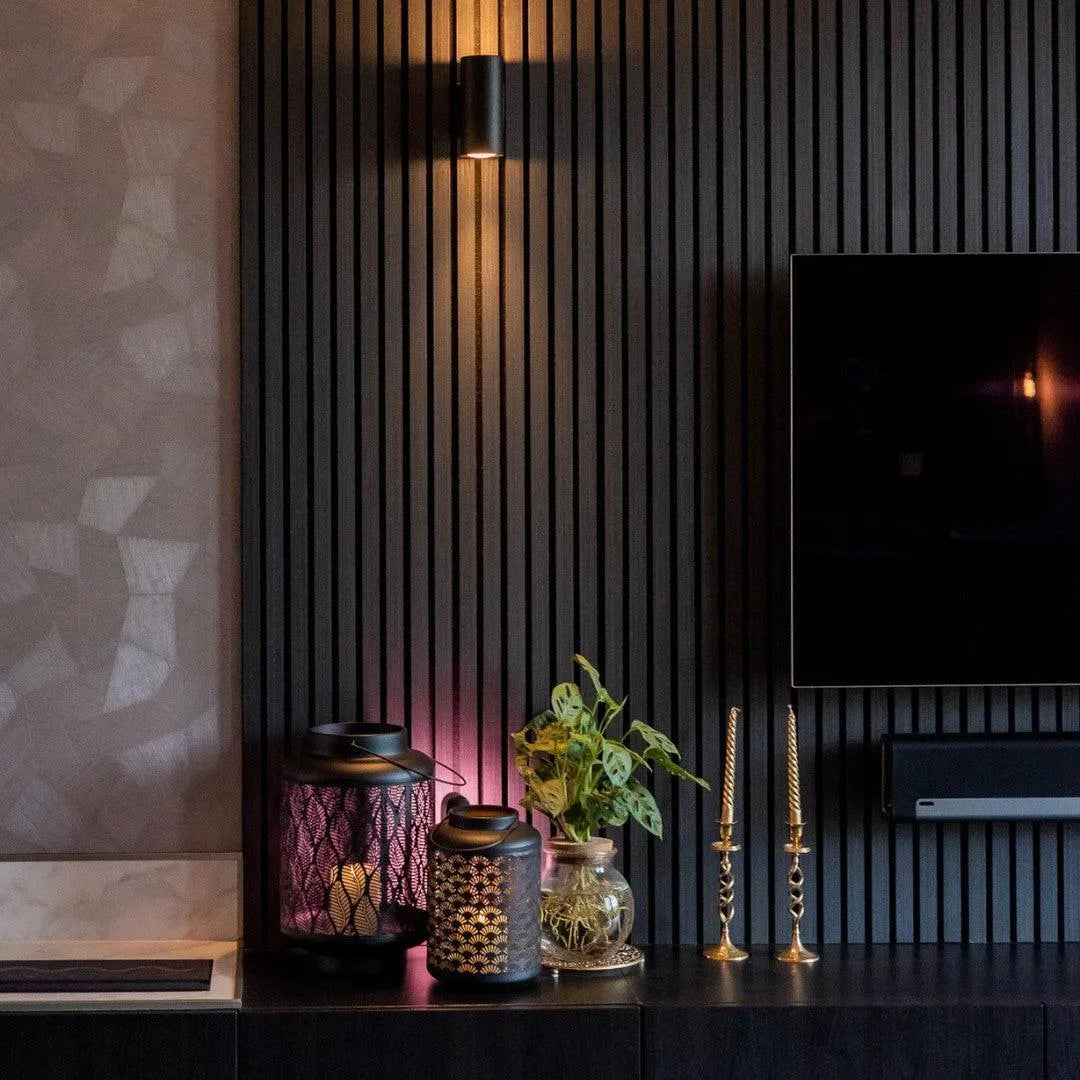
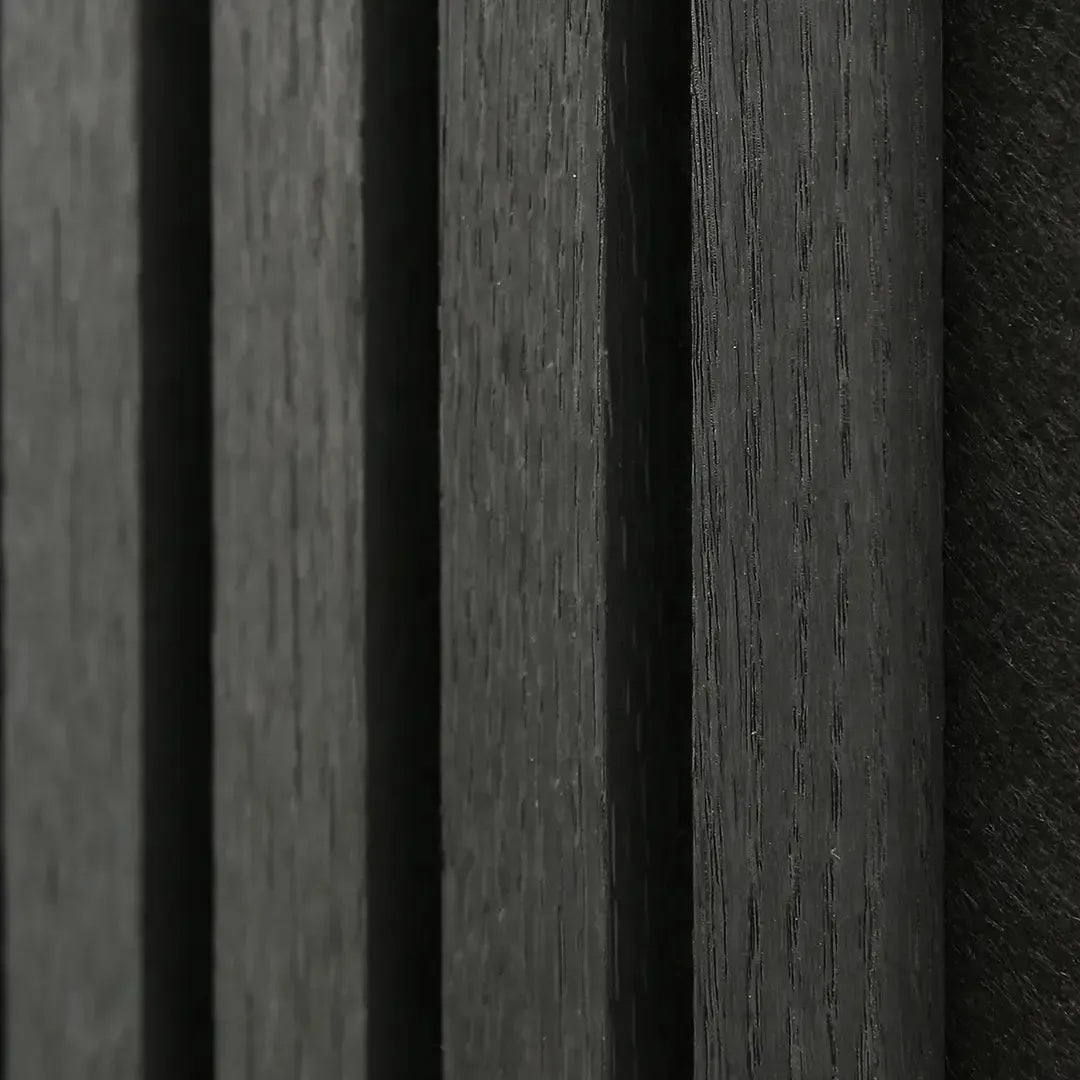
- Solid black oak as the primary tone. It looks striking in a photo shoot but absorbs light in a small bedroom and shows dust and fingerprints faster than lighter finishes.
- Deep 3D relief panels near a crib or bed. The dramatic shadow lines that work in a living room create sharper edges than a nursery needs at a toddler's head height.
- Full-room coverage on a starter budget. Covering all four walls in a kids' room costs more and risks looking like a themed hotel suite rather than a bedroom that will still look right in three years. One wall does the job.
Verdict comparison
| Panel | Best for | Acoustic backing | Verdict |
|---|---|---|---|
| Natural Oak with Gray Felt | Most kids' bedrooms | Yes | Buy |
| Natural Oak Sample | First-time buyers checking tone | No (sample only) | Buy |
| Hexagon Natural Oak | Preteen or geometric layout | No | Consider |
| Natural Oak End Piece | Finishing any panel wall | No | Buy (as add-on) |
| Black Oak (full wall) | Not recommended for this use | Yes | Skip |
FAQ
What's the best wood slat panel for a children's bedroom feature wall? A felt-backed natural oak or gray oak slat panel is the best general pick for 2026, since it absorbs sound and stays light enough not to darken a small room.
Are wood slat panels safe for a nursery? Yes, when the profile has a low, smooth relief rather than deep routed grooves, and the finish is sealed rather than raw veneer that could splinter.
How many panels does one feature wall need? A single headboard wall in a roughly 10 x 10 foot bedroom typically needs 8 to 10 standard slat panels plus one or two end pieces to finish the edges.
Do slat panels actually reduce noise in a bedroom? Felt-backed acoustic panels measurably cut echo and footstep noise compared to bare drywall, which is why they're specified for kids' rooms and shared bedrooms as much as for home offices.
Is black oak ever a good choice for a kids' room? It works better as a small accent, such as a single strip behind a headboard, than as a full wall in a young child's room, where the darker tone can feel heavy.
Can slat panels go over a textured or painted wall? Most installs go over drywall or plaster with adhesive or screws; heavily textured walls usually need a smoothing step first for the panels to sit flush.
How much does a kids' bedroom feature wall cost to put up? Cost depends on wall size and panel choice, so check current per-panel pricing on the product pages and calculate coverage from the wall's actual dimensions before ordering.
Should I order a sample before buying full panels? Yes — wood tone shifts noticeably under a nightlight versus daylight, and a sample avoids returning a full order over a color mismatch.
One last thing
The detail most parents miss in 2026 is ceiling height around a headboard wall: slat panels installed floor-to-ceiling in a room with 8-foot ceilings can make ceilings feel lower than stopping the panel run at bed-rail height with a simple top trim line. A partial-height wall, not a full one, is usually the better call for a room a child will actually sleep in for years, not just photograph well on move-in day.

 Better performance and aesthetic appeal
 In Stock