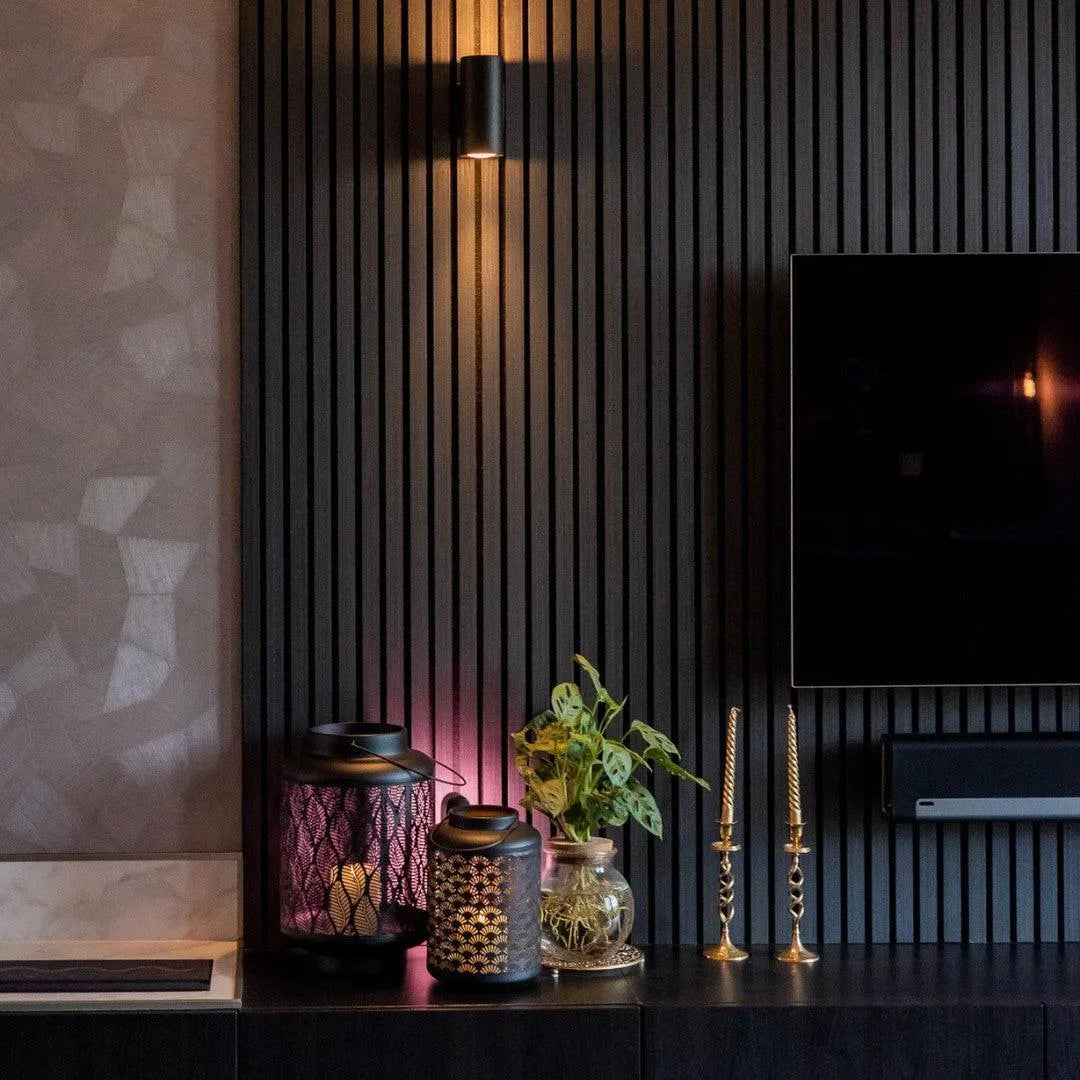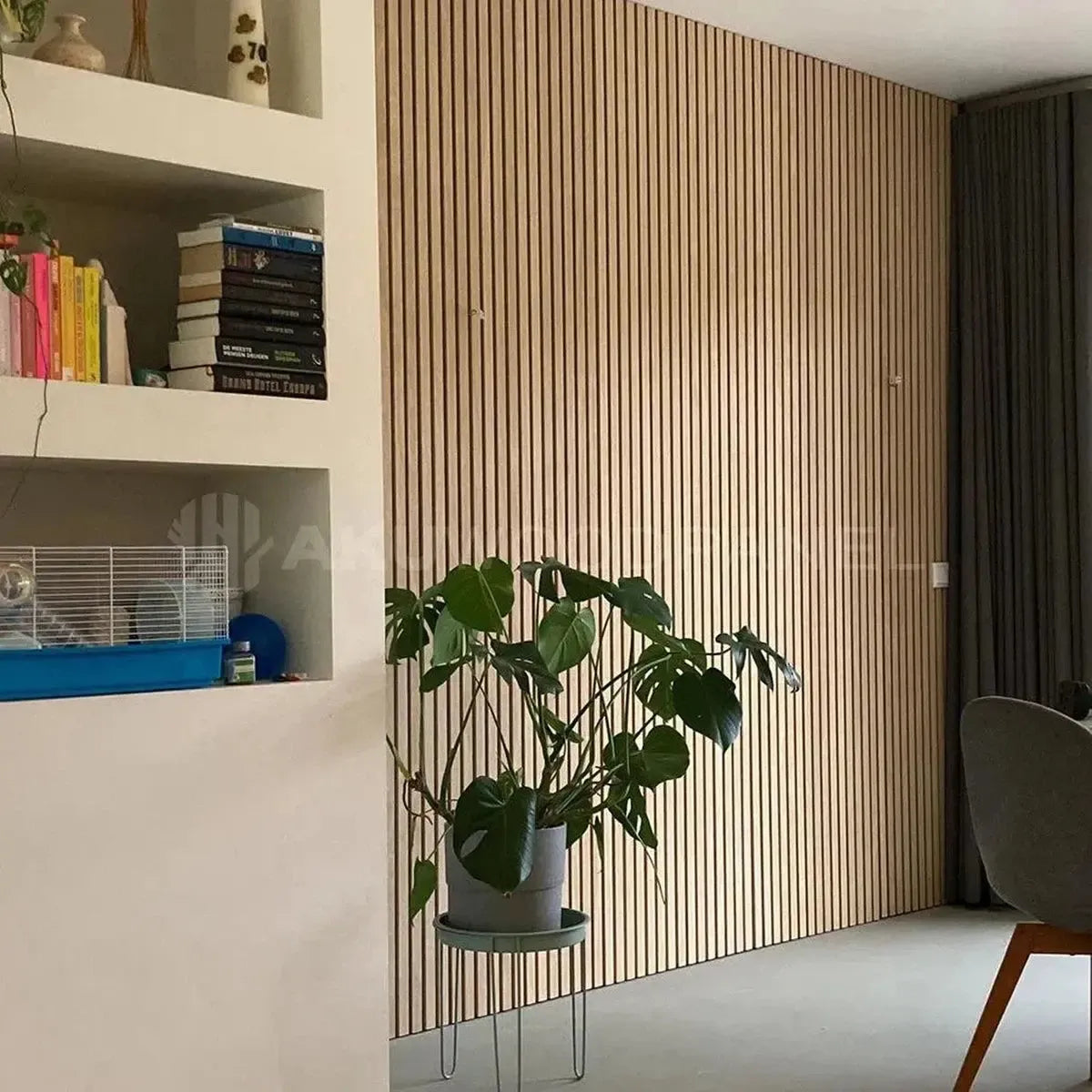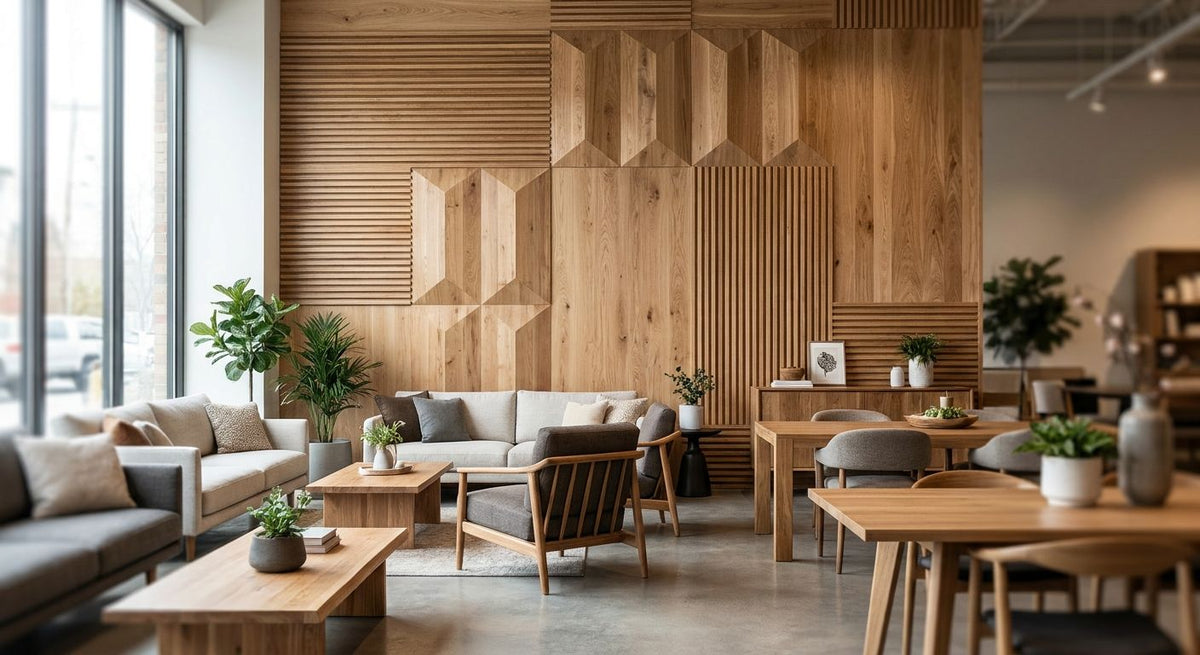
Furniture showroom wood wall panels are acoustic, wood-veneer wall coverings installed behind display vignettes and along walkways to make furniture look staged rather than dumped on a warehouse floor. A furniture showroom has different needs than a living room or office: hard concrete or polished floors bounce sound aggressively, ceilings run 12 to 20 feet, and every wall competes visually with the wood, leather, and upholstery already on the sales floor.
- Wood panels for furniture showroom feature walls work best in a finish that contrasts, not matches, the furniture on display.
- Acoustic slat panels with felt backing cut echo near hard showroom floors better than solid veneer alone.
- Panel vignette walls first, not the full perimeter -- budget goes where customers actually stop.
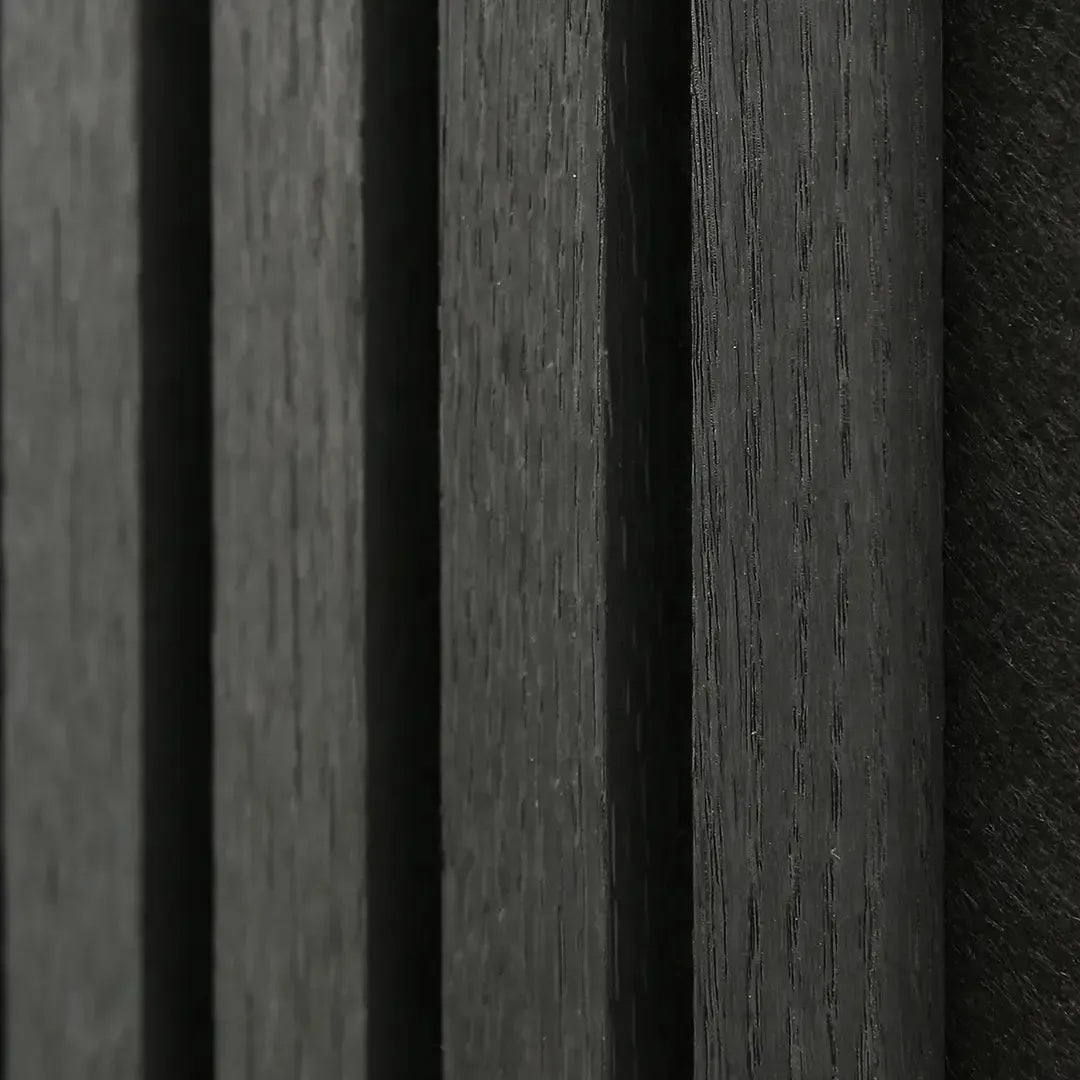
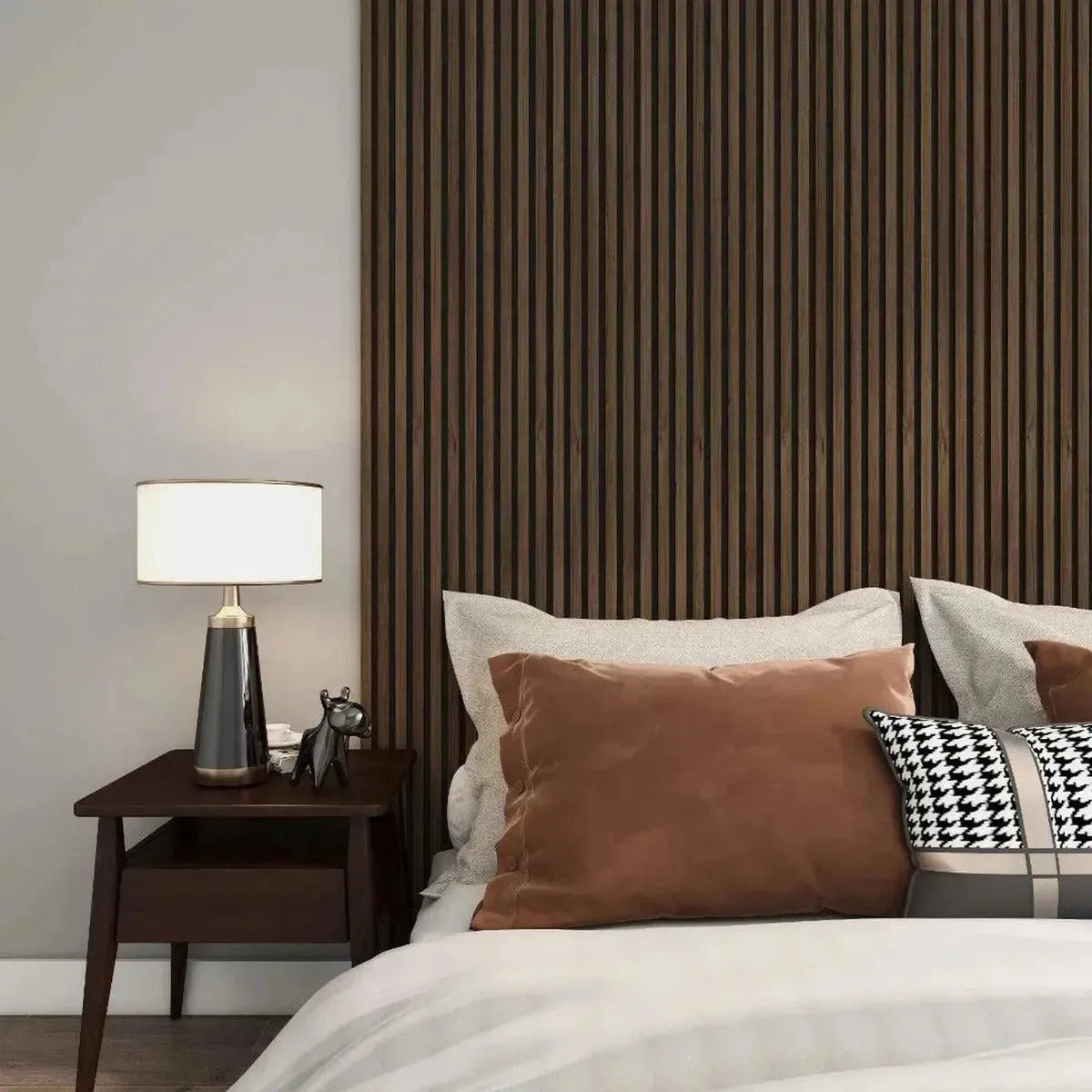
- AKU Woodpanel's Acoustic Slat Wall Panel in Walnut and Black Oak both suit dark furniture lines; verify tone against your floor sample first.
Why wood panels matter for furniture showrooms
Showroom floor plans are open by design, so sales conversations, phone calls, and foot traffic all share the same acoustic space. Hard flooring and tall ceilings amplify that noise instead of absorbing it, which is exactly the problem acoustic wood panels solve on other hard-surface commercial floors.
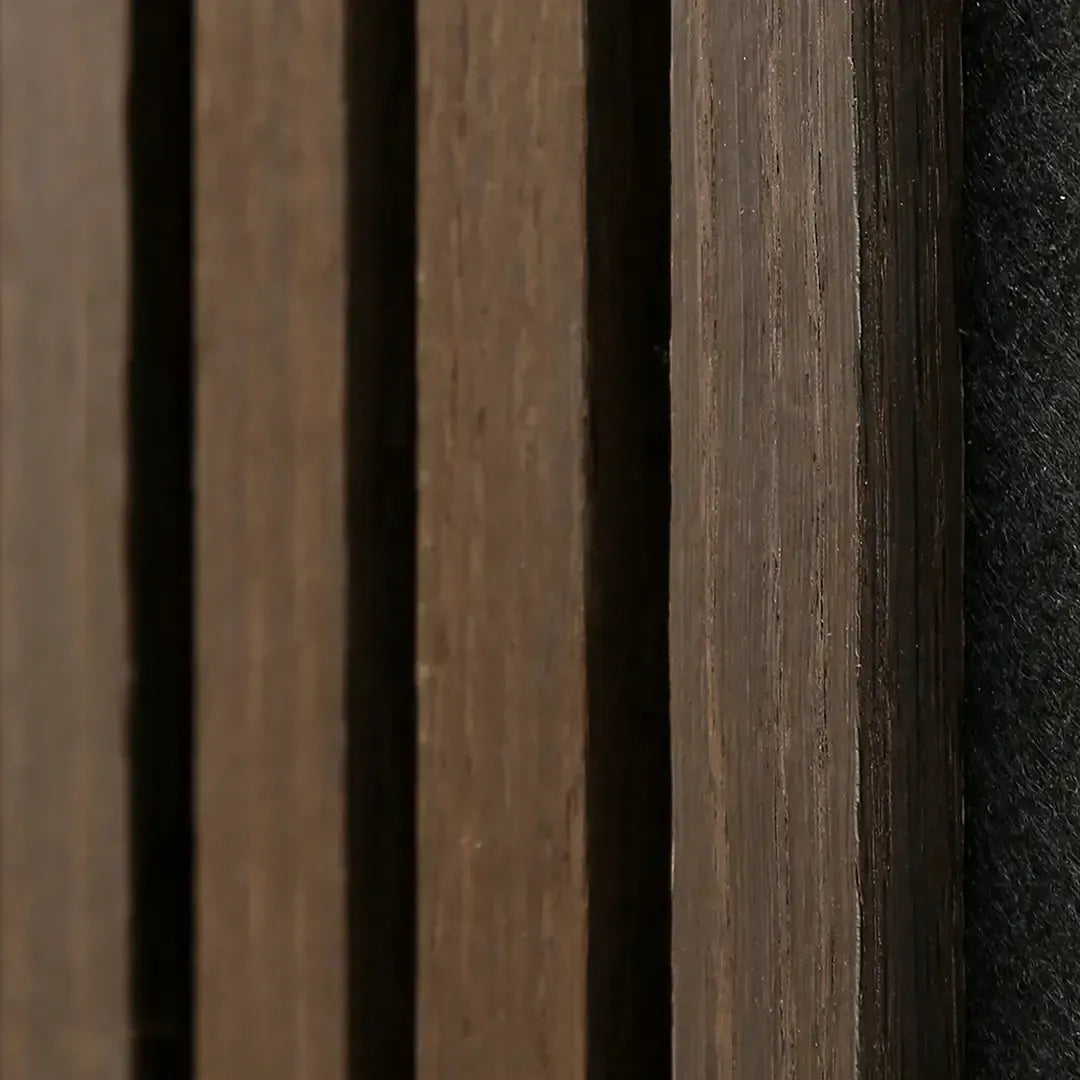
Slat and hexagon wood panels with felt backing carry an NRC (Noise Reduction Coefficient) rating around 0.75 on AKU Woodpanel's hexagon line, meaning roughly three-quarters of the sound hitting the panel gets absorbed instead of bounced back into the room. On a showroom floor where a customer is trying to hear a salesperson describe stitching on a sofa twenty feet from a delivery dock, that difference is the whole point of installing a panel wall instead of just painting it.
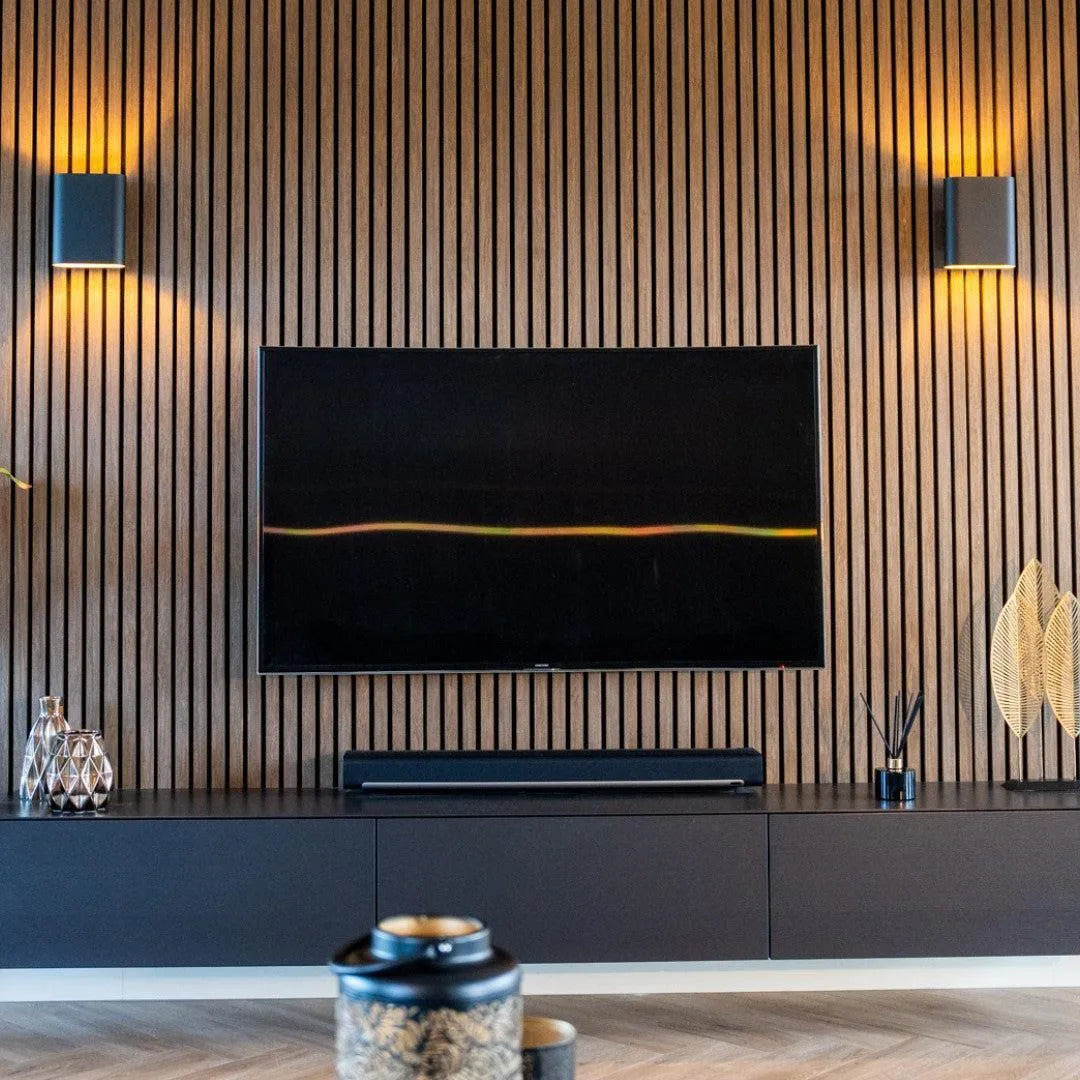
The visual job matters just as much. A Acoustic Slat Wall Panel in Walnut behind a mid-century seating vignette reads as a backdrop, not another piece of furniture competing for attention -- but only if the panel tone doesn't blend into the pieces sitting in front of it.
Measure your showroom's echo and layout first
Before ordering anything, walk the floor and listen. Furniture showrooms almost always underestimate how much a slow afternoon masks the acoustic problem that shows up the moment 30 customers are on the floor at once.
- Walk the sales floor near closing and listen for slap echo off hard flooring
- Note ceiling height at each zone -- 16-foot-plus ceilings need more panel coverage than 10-foot rooms
- Identify which walls sit directly behind your highest-traffic vignettes
- Flag areas where HVAC or loading-dock noise concentrates
- Mark storefront-facing walls that get direct afternoon sun
Choose a panel finish that contrasts your furniture line
The single most common showroom mistake is ordering the panel finish that most closely matches the bestselling furniture collection. That choice makes the wall disappear instead of doing its job as a backdrop.
- Pair light natural-oak furniture lines with a darker panel like Black Oak or Smoked Oak
- Pair dark walnut or espresso furniture with a lighter oak-toned panel behind it
- Run slats vertically on tall walls to draw the eye up and make low ceilings feel taller
- Run slats horizontally on wide walls to widen a narrow showroom aisle visually
- Order one sample box before committing to a full wall run
Prioritize acoustic performance over decoration alone
A panel wall that looks good in photos but does nothing for sound is a wasted budget line in a showroom. Acoustic performance should drive placement decisions before finish does.
- Put felt-backed slat or hexagon panels on walls closest to hard, echo-heavy flooring
- Treat walls behind the loudest zones (checkout, delivery staging, café corners) before decorative-only walls
- Corners and stairwells need targeted panel coverage, not full-room paneling
- Ceiling treatments help but wall panels behind vignettes do more for perceived quiet at customer height
- Don't assume a quiet afternoon means the acoustics are fine -- test at peak hours
Plan panel placement around vignette walls, not the whole perimeter
Paneling an entire showroom perimeter burns budget on walls nobody stops in front of. Vignette walls -- the backdrops behind your hero displays -- earn the spend first.
- Panel the wall directly behind your top three selling vignettes before anything else
- Treat the entry wall first; it sets the tone before a customer sees a single sofa
- Skip paneling over load-bearing fixtures or shelving brackets that need wall access
- Leave clearance where merchandising hardware needs to mount flush to drywall
- Use end pieces to finish any exposed panel edge instead of leaving raw plywood visible
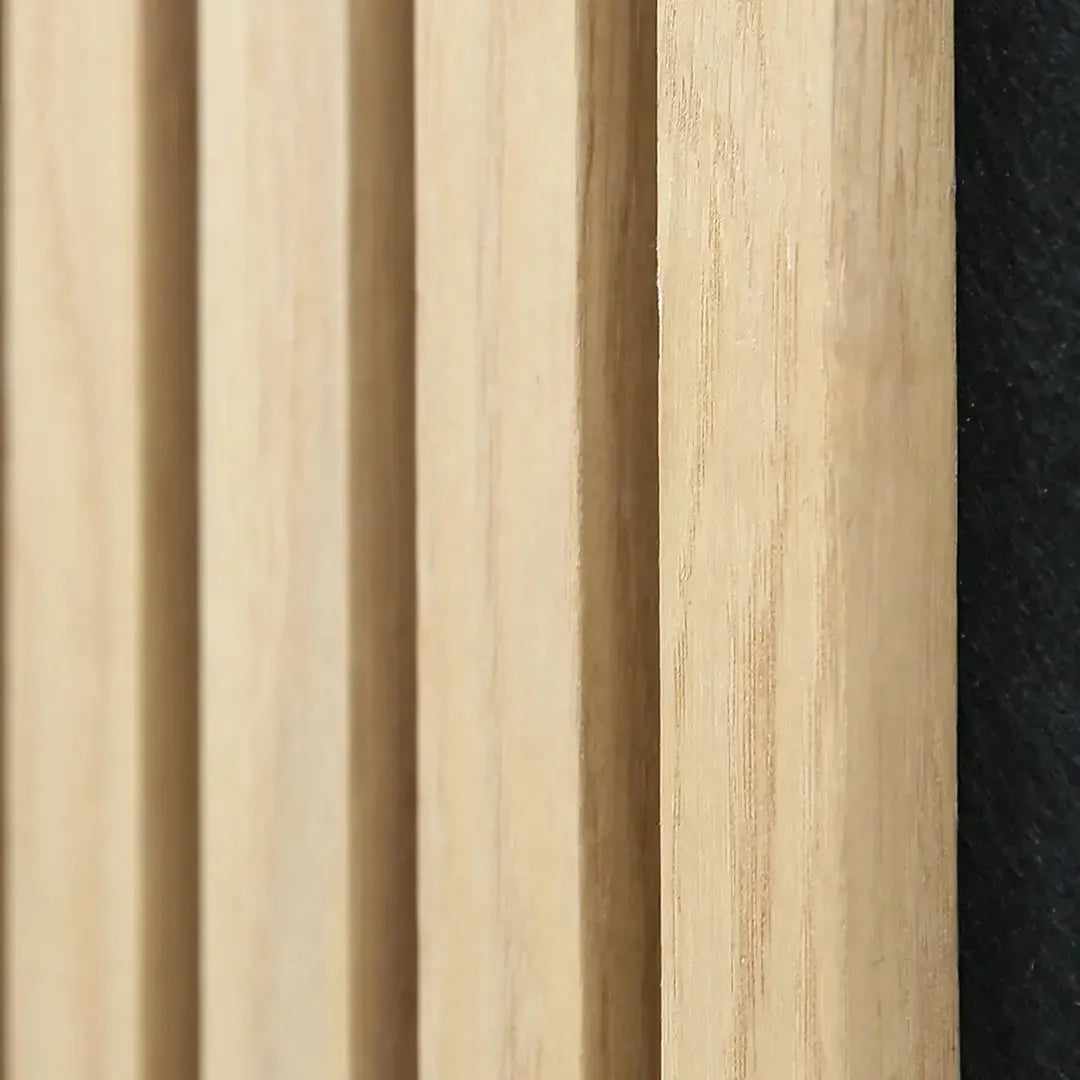
A Fluted Wall Panel in Natural Oak works well on entry walls because the vertical fluting reads as architectural detail from across the floor, not as a full acoustic treatment -- reserve slat and hexagon panels with felt backing for the walls doing the heavy acoustic lifting.
Protect panels from daily showroom wear
Showroom walls get more contact than a living room wall ever will -- furniture gets rolled past them, dollies clip corners, and storefront glass lets in sun most homes don't deal with.
- Keep panel runs clear of the paths staff use to move furniture on dollies
- Add corner trim at any high-traffic corner to protect the panel edge
- Avoid direct, unfiltered sun exposure on veneer near storefront glass -- uneven fading shows fast
- Dust with a dry or barely damp cloth; skip chemical cleaners on real wood veneer
Order samples before committing to showroom-scale runs
A showroom order is not a bedroom accent wall -- it's dozens of panels, and a tone mismatch at that scale is expensive to fix. Hold a physical sample against the actual furniture piece under the showroom's own lighting before ordering.
- Order a sample box and hold it against your top-selling furniture finish
- Check the tone under both the showroom's LED fixtures and natural daylight
- Verify contrast against the flooring, not just the furniture
- Confirm slat width and spacing reads correctly from normal customer viewing distance
Once the finish is confirmed, ordering full panel runs with matching end pieces and trim from AKU Woodpanel is the faster path to a finished wall than sourcing raw veneer sheets and fabricating slats in-house.
“If a slat panel wall matches your furniture's wood tone exactly, it stops working as a backdrop.”
Comparing panel options for furniture showroom walls
| Option | Best for | Key limitation |
|---|---|---|
| Acoustic Slat Wall Panel, Black Oak | High-contrast backdrop behind light or natural-oak furniture lines | Dark tone shows dust and fingerprints faster than lighter finishes |
| Fluted Wall Panel, Natural Oak | Entry walls and architectural detail without full acoustic treatment | Lower sound absorption than felt-backed slat panels |
| Hexagon Acoustic Panel, Walnut | Statement walls behind seating vignettes where geometry adds interest | More complex layout planning than straight slat runs |
| Solid painted drywall (no panel) | Budget walls with no acoustic or display role | Does nothing for echo and reads flat next to a wood-heavy furniture floor |
Common mistakes furniture showrooms make
- Matching panel tone to the bestselling collection -- the wall disappears instead of framing the furniture.
- Judging acoustics on a quiet afternoon -- the echo problem only shows up at peak foot traffic and gets addressed too late.
- Paneling the full perimeter before the vignette walls -- budget gets spent where customers walk past, not where they stop.
- Skipping end pieces and trim -- raw plywood edges at panel corners undercut a showroom that's supposed to sell premium furniture.
- Installing near storefront glass without checking sun exposure -- uneven veneer fading shows up within months near unshaded windows.
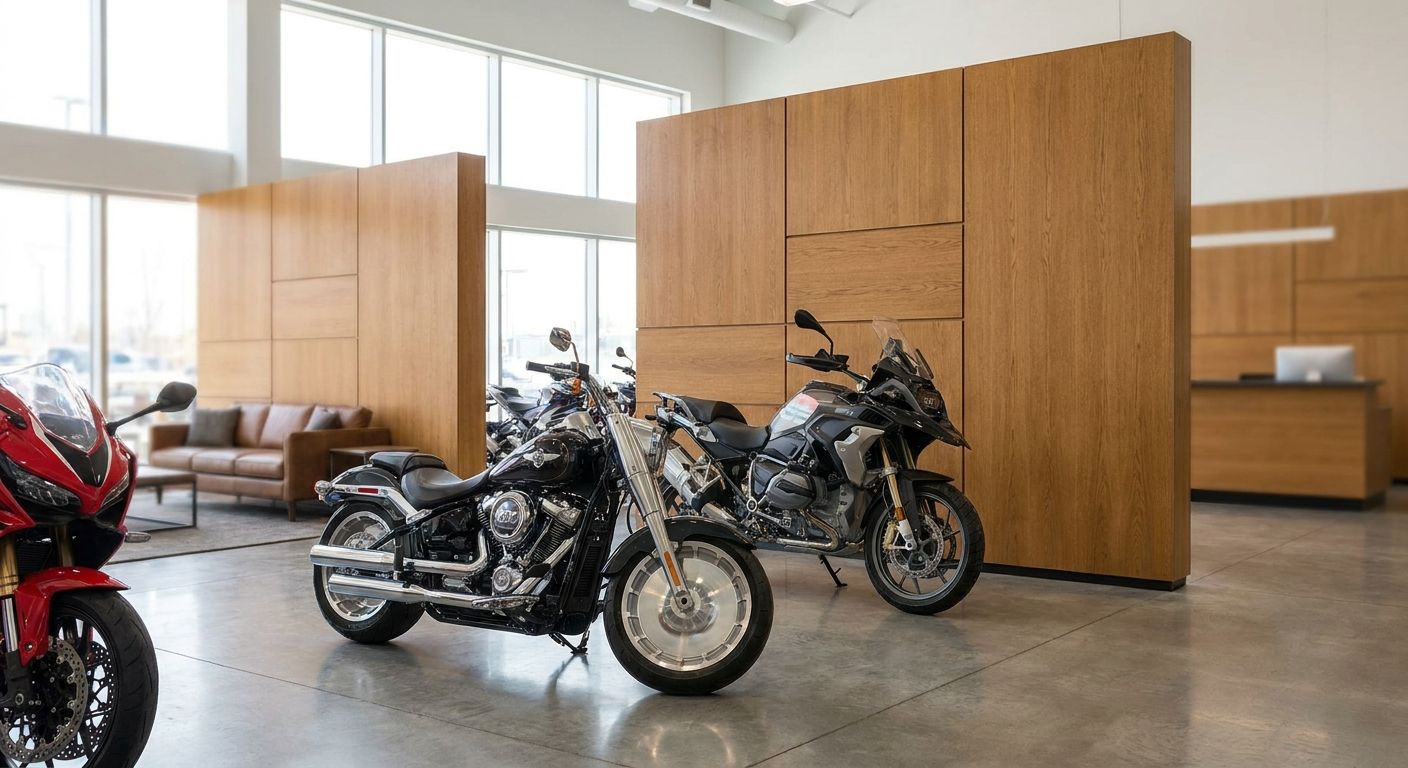
A showroom feature wall built the way a live music venue or a boutique hotel lobby treats its own acoustic walls holds up the same way: wood slat panels handled for a luxury car showroom follow the same contrast-and-placement logic, just with a different product on the floor instead of a sofa.


FAQ
What's the best wood panel for a furniture showroom feature wall?
A felt-backed acoustic slat panel in a tone that contrasts your furniture line is the strongest choice for 2026 showroom feature walls -- it handles echo from hard flooring and doesn't blend into the furniture on display. AKU Woodpanel's Walnut and Black Oak slat panels both work well as contrast backdrops depending on your furniture's finish.
Do acoustic slat panels reduce echo in open floor plan showrooms?
Yes, felt-backed slat and hexagon panels carry an NRC rating around 0.75 on AKU Woodpanel's hexagon line, meaning most of the sound hitting the panel is absorbed rather than reflected. That matters most near hard flooring and tall ceilings, where showroom noise otherwise carries across the whole floor.
Should showroom wall panels match or contrast the furniture on display?
Contrast, not match. A panel wall that mirrors the exact wood tone of the furniture in front of it reads as flat and makes the display harder to notice from across the floor.
How much wall coverage does a furniture showroom actually need?
Start with the walls directly behind your top-selling vignettes and the entry wall, not the full perimeter. Most showrooms get more visual and acoustic return from three or four targeted walls than from paneling every wall in the building.
Are wood veneer panels durable enough for high-traffic retail floors?
Yes, with basic protection -- keep panel runs clear of dolly paths and add corner trim at high-traffic corners. Direct, unfiltered sun near storefront glass is the main risk, since it fades veneer unevenly faster than normal foot traffic wears it.
Is fluted panel or slat panel better for a showroom entry wall?
Fluted panels work well on entry walls where the goal is architectural detail rather than heavy sound absorption. Felt-backed slat panels do more acoustic work and suit walls closer to hard flooring or loud zones like checkout.
Can hexagon acoustic panels work behind a furniture display?
Yes, hexagon panels with felt backing add both geometric interest and sound absorption behind seating vignettes, and the NRC 0.75 rating on AKU Woodpanel's hexagon line performs comparably to slat panels in the same room.
How do you keep panel finish from fading near storefront windows?
Avoid placing unprotected veneer panels in direct, unfiltered sun near glass storefronts -- uneven fading shows up within months in that exposure. Positioning panel walls away from direct sun lines or adding window film protects the finish longer.
One last thing
The felt backing on AKU Woodpanel's hexagon and gray-felt slat panels is doing more acoustic work than the wood veneer itself -- the NRC 0.75 rating comes from the felt layer, not the wood grain. Pick the wood tone for the eye and let the felt backing handle the ear; treating both as the same decision is how showrooms end up with a wall that looks right in photos but still echoes at 2pm on a Saturday in 2026.



 Better performance and aesthetic appeal
 In Stock