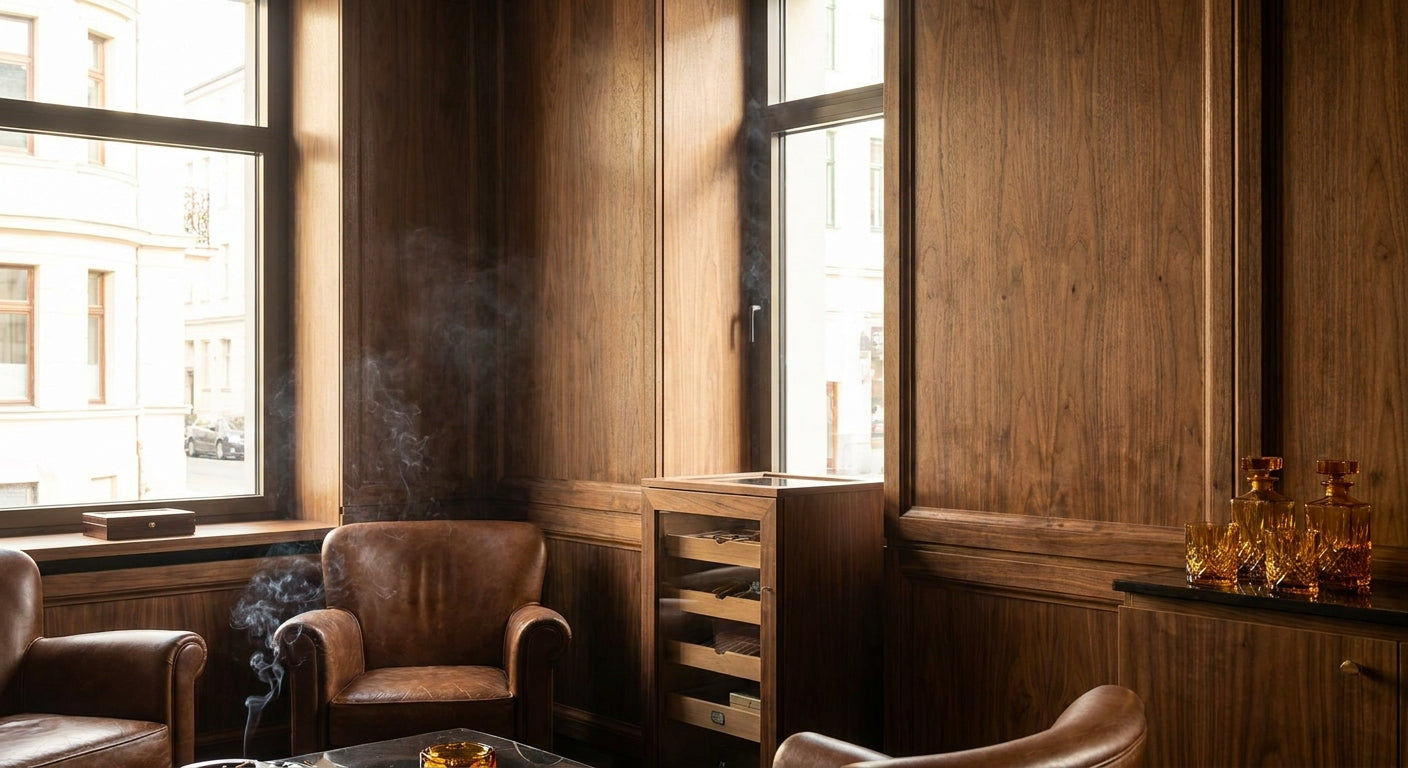
Cigar lounges live or die on ambiance: leather chairs, low light, and a wall that doesn't throw every ice-cube clink and low conversation back across the room. Wood panels for cigar lounge interiors have to do triple duty in 2026 — acoustic treatment, humidity-tolerant surfacing, and a backdrop that reads expensive without reading loud.
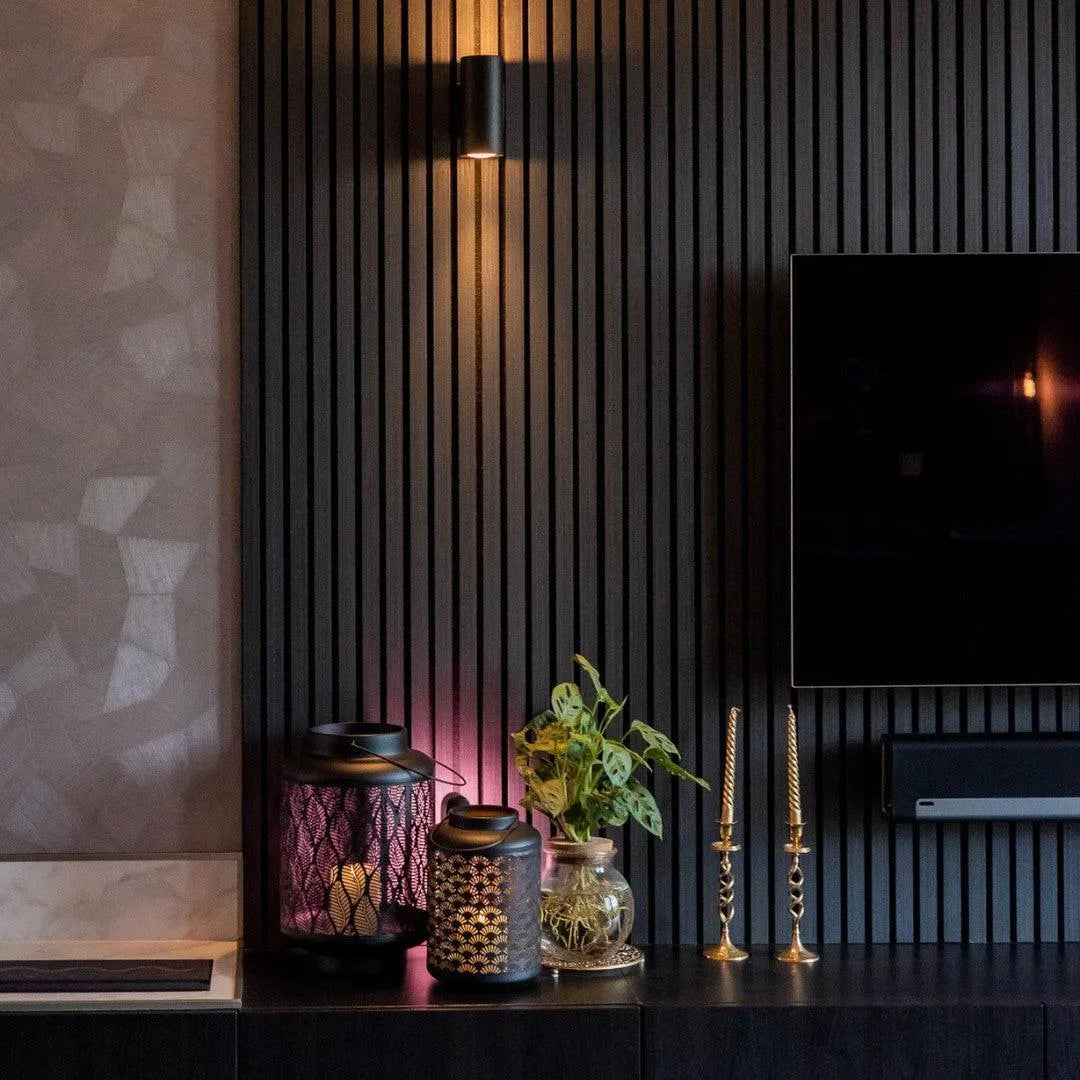
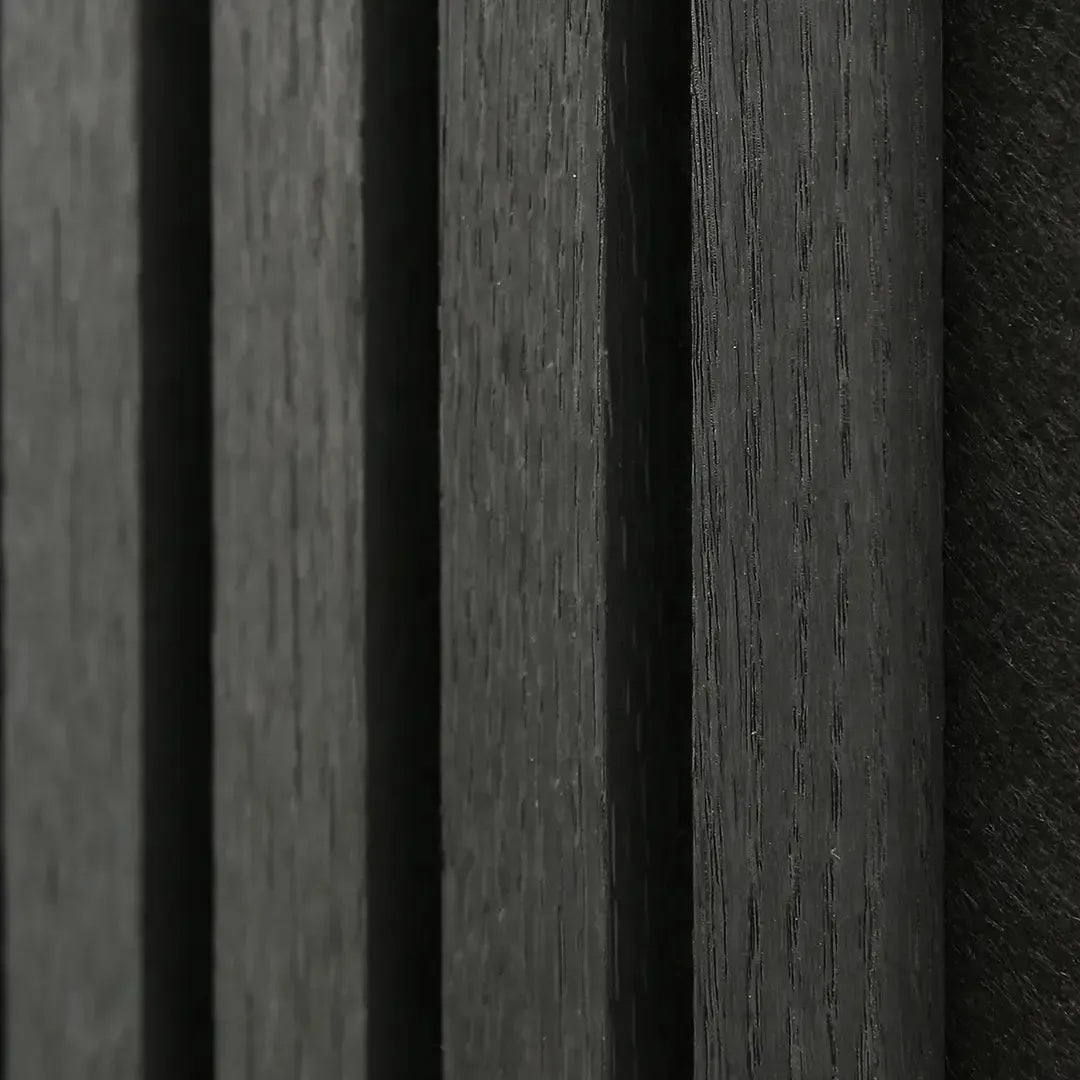
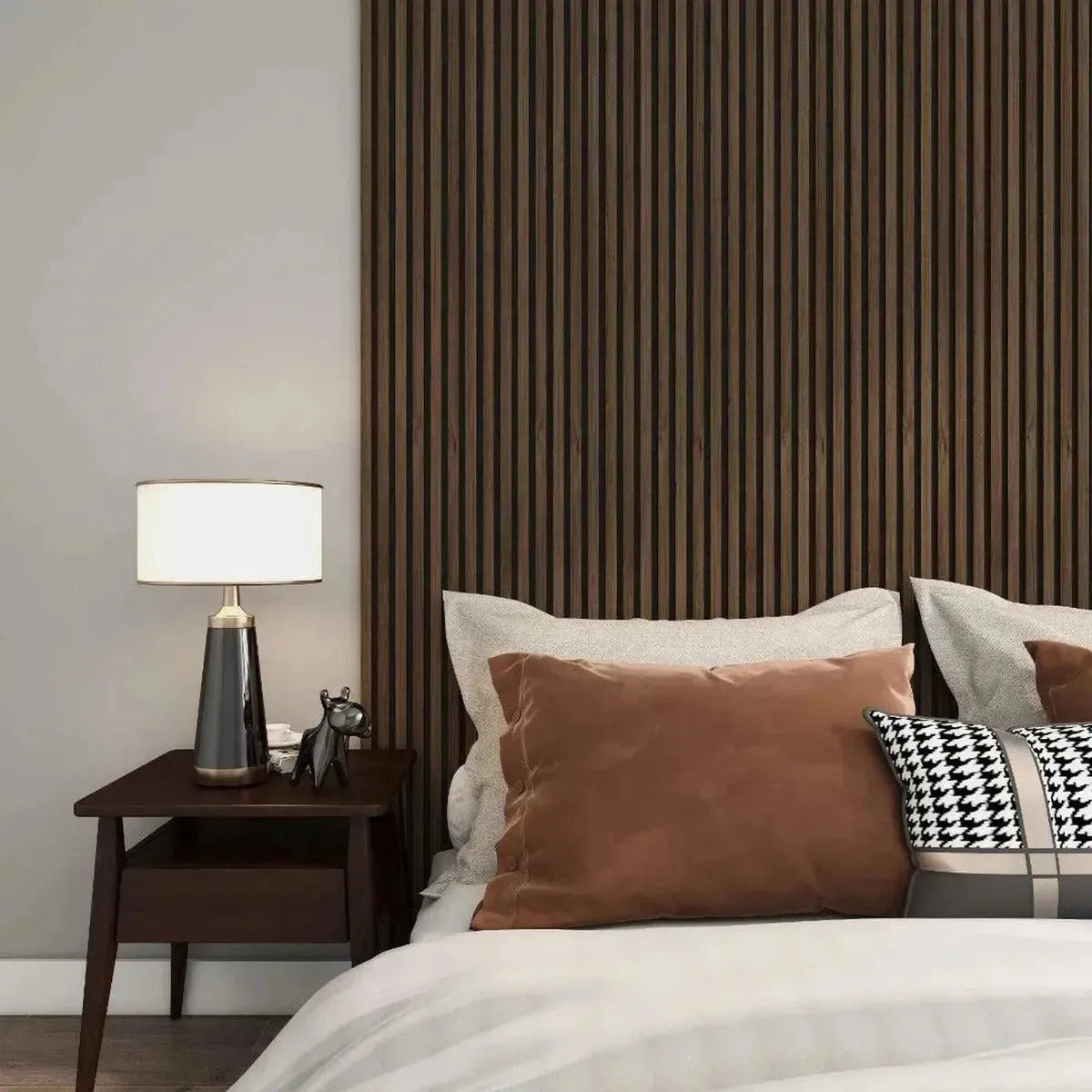
- Black Oak acoustic slat panels at $177.95 hide nicotine staining better than pale oak finishes — buy for reception walls.
- Hexagon Acoustic Panel Walnut with Gray Felt rates 0.75 NRC — the pick for humidor and tasting-nook accent walls.
- Skip MDF-core laminate slat panels in any smoking room; the printed veneer delaminates under sustained heat and moisture.
- Smoked Oak slat panels at $177.95 read darker out of the box, masking wear through 2026 and beyond.
Why this matters
A cigar lounge isn't a living room with better chairs. Hard surfaces — leather banquettes, tile floors, glass humidor doors — bounce mid-range conversation into a wall of noise the moment a room fills past half capacity. Real wood veneer over an acoustic core absorbs that noise instead of reflecting it, and it does so without looking like a recording studio bolted onto a private club.
The smoke variable changes the math too. Painted drywall yellows fast under sustained tobacco exposure, and cheap laminate panels absorb odor into the printed layer permanently. A black oak slat wall panel starts dark, so the gradual patina that comes with two or three years of cigar smoke reads as character instead of neglect — that's the calculus lounge owners are actually making in 2026, whether they say it out loud or not.
Who this is for
This guide is built for the owner or designer fitting out a boutique cigar lounge, a private members' club with a smoking room, or a humidor retailer adding a tasting nook — spaces typically running 800 to 2,000 square feet where acoustic comfort and finish durability matter more than raw square footage of coverage. If you're panelling an open-plan retail floor instead, the acoustic and staining priorities below still apply, but your color strategy will differ.
What to look for in wood panels for cigar lounge interiors
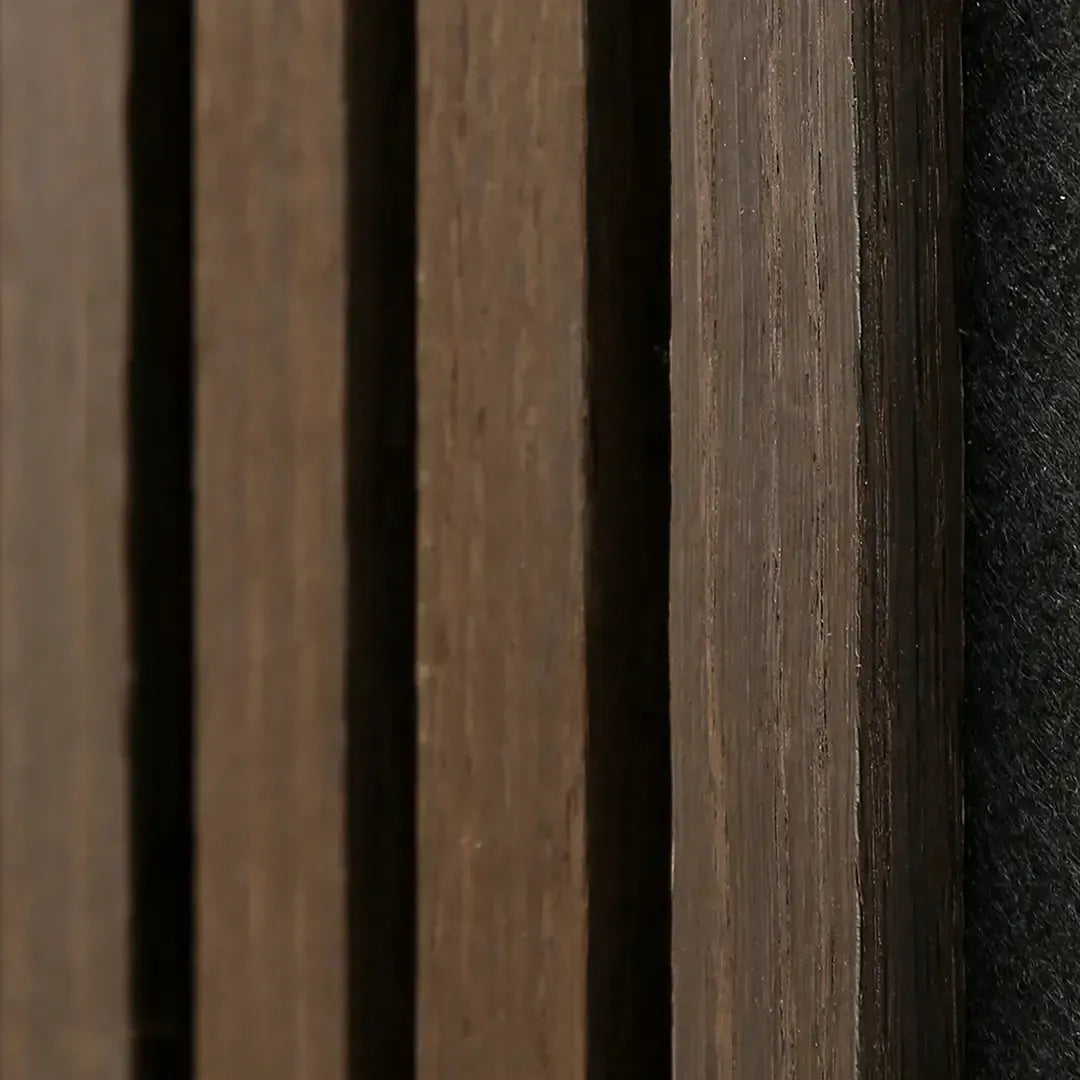
Real wood veneer over printed laminate
A lounge under warm lighting gets inspected up close — guests lean against walls, rest drinks on ledges, run fingers along grain while they talk. Printed laminate looks convincing in a product photo and flat in person under a pendant light. Real 3-sided wood veneer keeps its grain depth at any angle, which is the difference between a $200-a-night membership feel and a hotel-corridor feel.
Acoustic rating for conversation-level noise control
Cigar lounges run on quiet clustering — two or three people leaning in, not shouting across a room. Panels with a felt or acoustic-core backing cut reverberation at conversational frequencies, which is exactly what a slatted or hexagon panel with an NRC rating in the 0.7-plus range is built to do. Skip anything marketed purely as decorative with no absorption spec.
Smoke and nicotine resistance in the finish
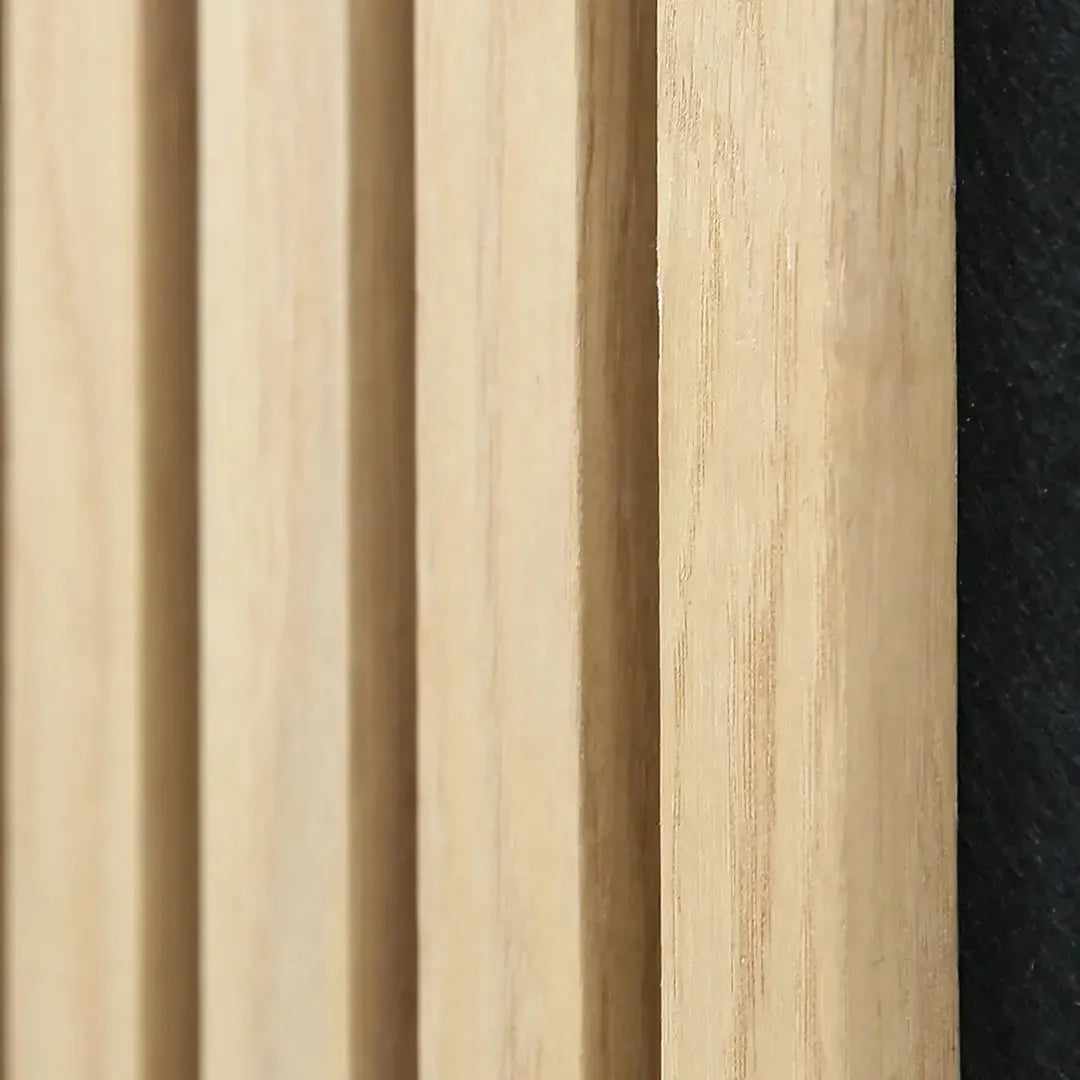
Sustained tobacco exposure yellows pale finishes and dulls semi-gloss coatings within a season or two. Darker veneers — smoked oak, black oak, walnut — absorb that discoloration into an already-dark tone instead of showing it as a visible stain, which buys years before a repaint or panel swap is even a conversation.
Color depth that reads right under low light
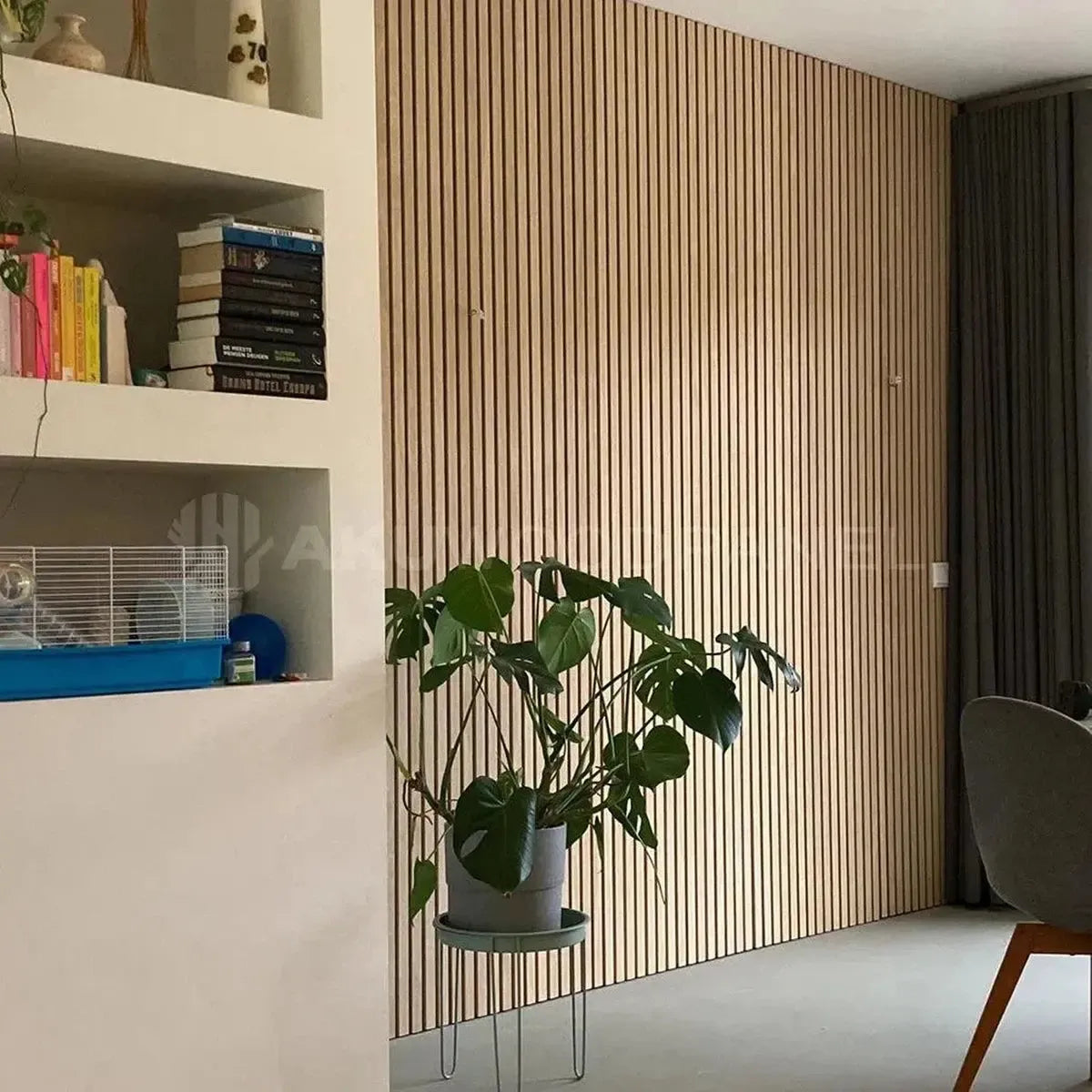
Cigar lounges run dim, warm-temperature lighting almost universally. Pale natural oak can wash out and look institutional under 2700K bulbs; walnut and smoked oak hold their depth and actually get richer as the light drops, which is the look most operators are chasing.
Panel format flexibility for humidor walls and tasting nooks
A full-height slat wall behind the bar needs different modularity than a humidor accent wall or a curved banquette nook. Tile-format panels let you treat small feature walls without buying full sheets, while hexagon panels give you a defined accent zone that doesn't require wall-to-wall commitment.
Top picks for a cigar lounge
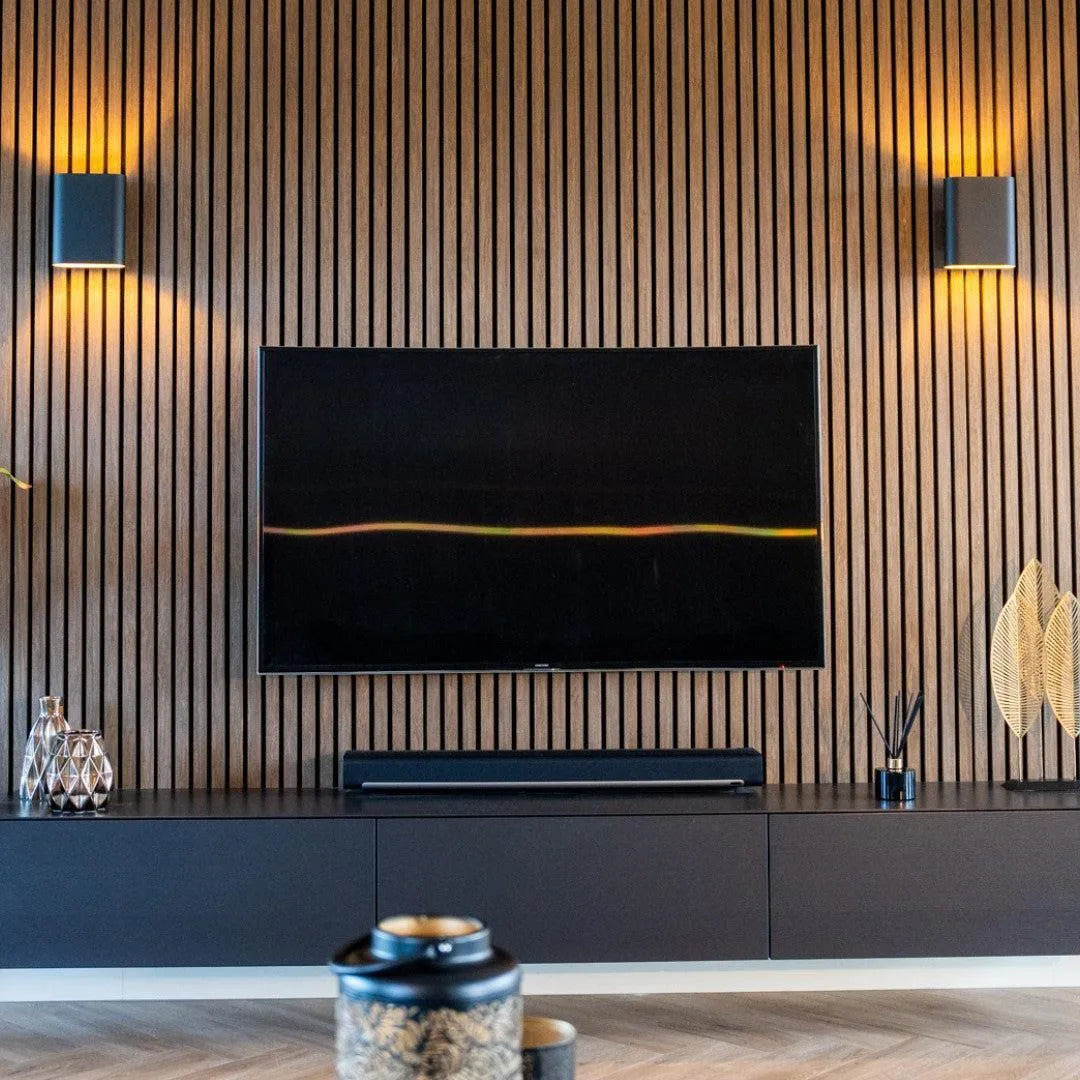
Black Oak Acoustic Slat Wall Panel — the reception-wall anchor. Premium 3-sided wood veneer, priced at $177.95, in a tone dark enough that smoke patina and finger contact don't show for years. This is the panel to run behind a reception desk or the main seating wall where guests spend the most time looking at it. Buy.
Smoked Oak Acoustic Slat Wall Panel — the budget-conscious consider. Same $177.95 price point as Black Oak but a warmer mid-tone that pairs better with tan leather than the near-black option. Works well for lounges leaning rustic-industrial rather than dark-academia. Consider.
Hexagon Acoustic Panel Walnut with Gray Felt — the humidor accent. Rated at 0.75 NRC, this hexagon acoustic panel with gray felt is the right call for a humidor wall or a tasting nook where you want a defined geometric feature rather than floor-to-ceiling coverage. It absorbs sound without demanding a full wall commitment. Buy.
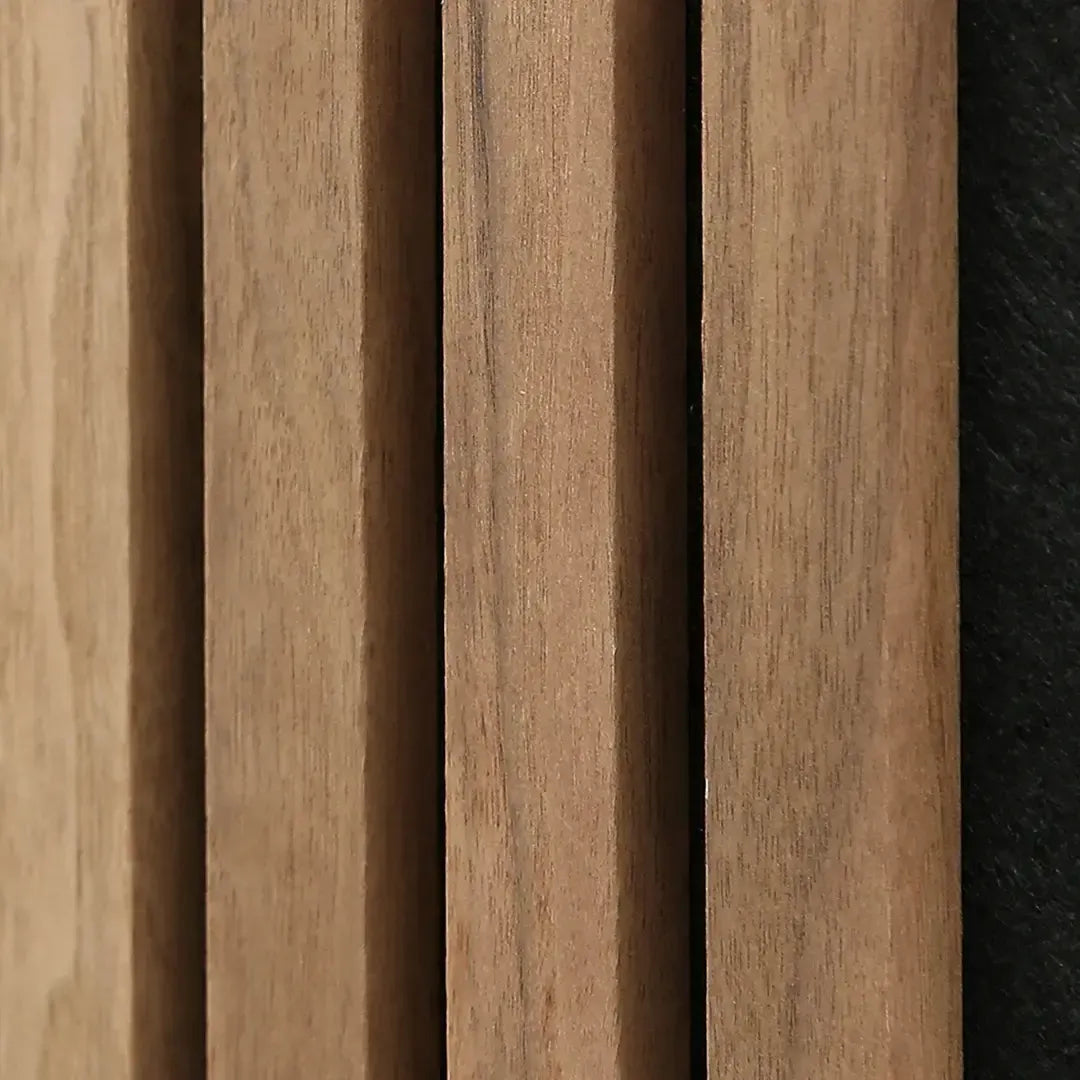
Walnut Acoustic Slat Wall Panel — the moody full-room option. A darker, richer tone than smoked oak at a higher price point, walnut works when the lounge design leans toward dark academia or a private-club aesthetic rather than a lighter retail-adjacent look. Worth a sample order before committing to a full room. Consider.


What to avoid
- MDF-core laminate slat panels. They look identical to real veneer in a listing photo, but the printed surface layer delaminates under the sustained heat and humidity swings a smoking room produces over a year of daily use.
- Felt-only acoustic panels with no wood face. They absorb sound but read as office break-room, not private club — the look private members' club interiors need is warmth first, absorption second. That balance matters more in a lounge than in an open-plan office.
- Non-fire-rated foam behind a bar wall. Anything installed near open flame sources — lighters, torch cutters — needs a fire-rated core, not a foam acoustic panel meant for a home studio.
Verdict comparison table
| Pick | Tone | Best wall | Verdict |
|---|---|---|---|
| Black Oak slat panel | Near-black | Reception / main seating | Buy |
| Smoked Oak slat panel | Warm mid-dark | Rustic-industrial lounges | Consider |
| Hexagon panel, walnut/gray felt | Mid-brown, textured | Humidor / tasting nook accent | Buy |
| Walnut slat panel | Deep, moody | Full dark-academia rooms | Consider |
FAQ
What's the best wood panel for a cigar lounge wall?
Black Oak acoustic slat panels are the strongest all-around pick for cigar lounges in 2026 because the dark veneer hides nicotine patina and the acoustic core cuts reverberation. Smoked Oak is a close second for warmer, rustic-leaning rooms.
Do wood slat panels reduce noise in a smoking lounge?
Yes, when they carry an acoustic backing rather than a solid decorative face. Panels rated near 0.75 NRC noticeably cut conversational-frequency echo compared to bare drywall or tile.
Will cigar smoke stain wood wall panels?
Pale finishes like natural oak show nicotine yellowing faster than dark finishes. Black Oak, Smoked Oak, and Walnut absorb that discoloration into an already-dark tone, delaying visible staining by years.
Is real wood veneer better than laminate for a cigar lounge?
Real 3-sided wood veneer holds up better under sustained heat and humidity than printed laminate, which can delaminate in a smoking room within a year or two of daily use.
How much do acoustic wood panels cost for a lounge wall?
Full slat wall panels run roughly $170 to $183 per panel depending on finish, while smaller tile-format panels start around $127, making feature-wall treatments more affordable than full-room coverage.
What panel works best for a humidor accent wall?
Hexagon acoustic panels are the better fit for humidor walls and tasting nooks because they define a feature area without committing to floor-to-ceiling paneling, and the felt-backed versions carry a 0.75 NRC rating.
Should a cigar lounge use dark or light wood panels?
Dark tones — smoked oak, black oak, walnut — hold up better under low, warm lighting and resist visible smoke staining longer than pale natural oak.
One last thing
Operators tend to obsess over the acoustic spec and treat color as an afterthought. Flip that. The NRC difference between a 0.7 and 0.75-rated panel is barely audible in a room full of conversation, but the difference between a pale oak wall showing visible yellowing in eighteen months and a black oak wall that still looks new in 2026 and beyond is the difference between a repaint budget and none at all.


 Better performance and aesthetic appeal
 In Stock