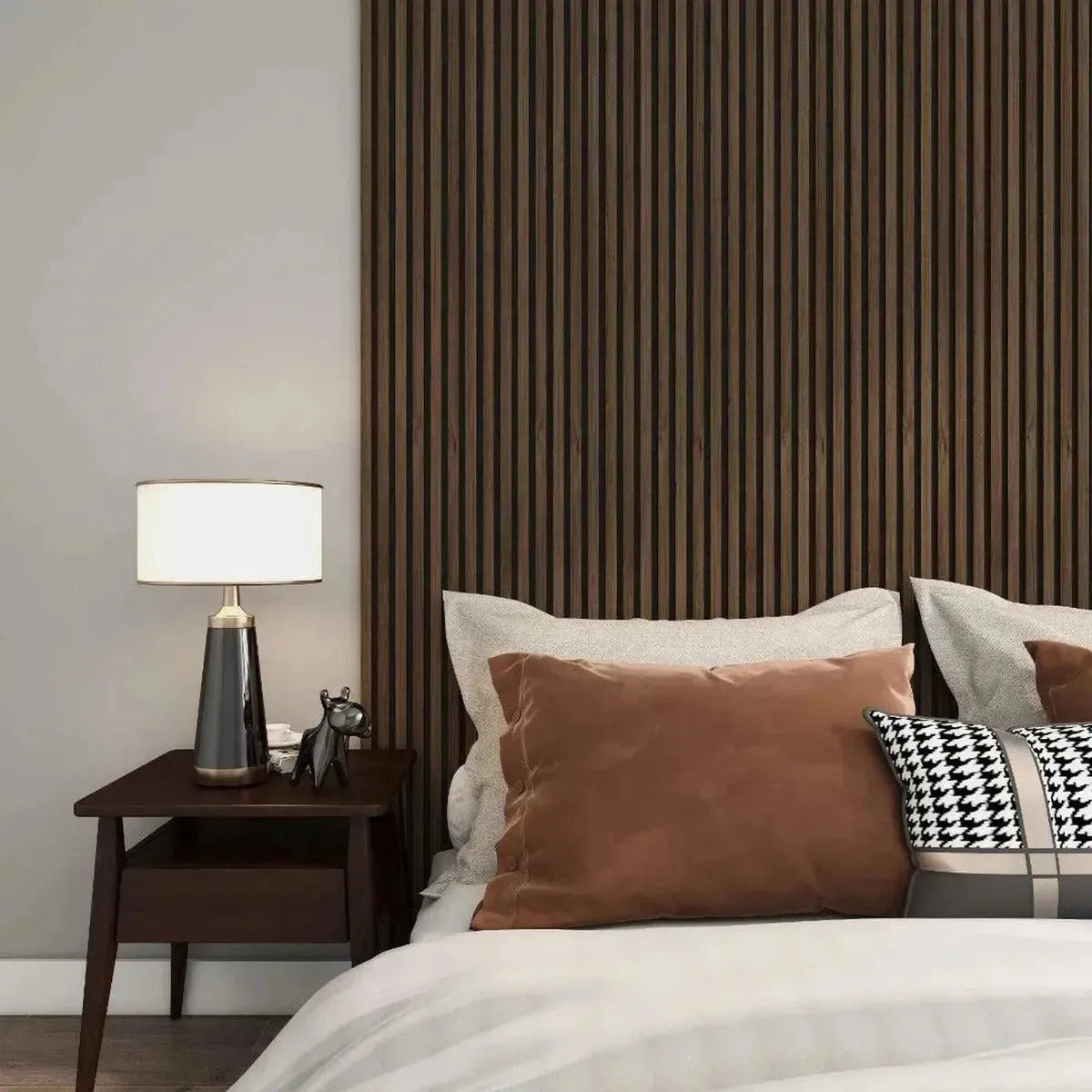
Daycare directors and preschool designers who need to cut noise, meet fire codes, and still make a room feel warm for toddlers will find slat wall panels solve all three at once. This guide breaks down what matters for nursery school and daycare interiors, ranks the panel picks that hold up under licensing inspection, and flags the finishes that look nice in a showroom but fail in a room full of three-year-olds.
TL;DR
For nursery school and daycare interiors, slat wall panels with felt backing cut reverberation in high-ceiling classrooms while giving directors a wall finish that survives daily wipe-downs. The Acoustic Slat Wall Panel in Natural Oak with Gray Felt is the safe pick for licensed centers in 2026 — real oak veneer, NRC-rated felt core, easy to spot-clean. The Smoked Oak with Gray Felt version works for centers wanting a calmer, low-glare palette in nap rooms. Skip raw untreated veneer panels near toddler height; they scuff and stain within a season. Verdict: Buy the felt-backed oak slats, Consider the smoked oak for nap zones, Skip anything without a documented fire rating for commercial daycare use.
Why this matters
A daycare room with bare drywall and a drop ceiling bounces sound like a gymnasium. Add twelve toddlers, a stack of cubbies, and a hard vinyl floor, and staff start raising their voices just to be heard over their own classroom. That's not an aesthetic problem — it's a stress and speech-development problem, and it's the reason acoustic treatment shows up more often in daycare renovation specs heading into 2026.
Slat wall panels solve this without turning a nursery into an acoustic studio. The wood face keeps the room looking like a place parents want to drop their kids off, while the felt or foam backing behind the slats absorbs the mid and high frequencies that make crying, chair-scraping, and group singing painfully loud. For a deeper look at how acoustic treatment performs in classroom settings specifically, acoustic panels for school and classroom noise control covers the frequency ranges that matter most for kids' voices.
Who this is for
This guide is written for daycare owners, preschool directors, childcare franchise operators, and the interior designers and contractors who spec finishes for them. If you're renovating a single classroom, opening a new center, or retrofitting a licensed facility that failed a noise or finish inspection, the criteria below apply directly to your walls.
What to look for in slat wall panels for nursery school and daycare interiors
Fire and flame-spread rating
Licensed childcare facilities require documented fire performance on interior wall finishes, not just a manufacturer's claim of "commercial grade." Ask for the flame-spread classification before you order, because a panel without paperwork can hold up a final inspection by weeks in 2026's tighter licensing environment.
Sound absorption (NRC) rating
An NRC of 0.70 or higher on the felt-backed core actually changes how a room sounds, cutting the reverberation that makes group activities exhausting for staff. Panels without a felt or acoustic foam backing are decorative only — they look identical but do almost nothing for noise.
Low-VOC, child-safe finish
Toddlers touch walls, chew on furniture edges, and spend hours at floor level breathing whatever off-gasses from the materials around them. A real wood veneer with a water-based finish is a safer bet than a heavily lacquered composite panel in a room where kids under five spend six-plus hours a day.
Rounded or protected edges
Slat profiles have visible grooves and edges at exactly the height a crawling infant or a running three-year-old will make contact with. End pieces and finishing trim close off exposed edges so a panel doesn't become a pinch or scrape hazard during nap-room transitions.
Cleanability
Juice, marker, glue, and worse land on daycare walls daily. A sealed wood veneer wipes clean with a damp cloth; an unsealed or raw-cut panel absorbs stains permanently within a few months of daily use.
Installation height and coverage
Most daycare rooms only need acoustic treatment from chair-rail height up to about 8 feet, since floor-level walls take the most physical abuse. Planning coverage this way also cuts material cost without losing the acoustic benefit, since sound absorption matters most at ear and ceiling height anyway.
Top picks for daycare and nursery classrooms
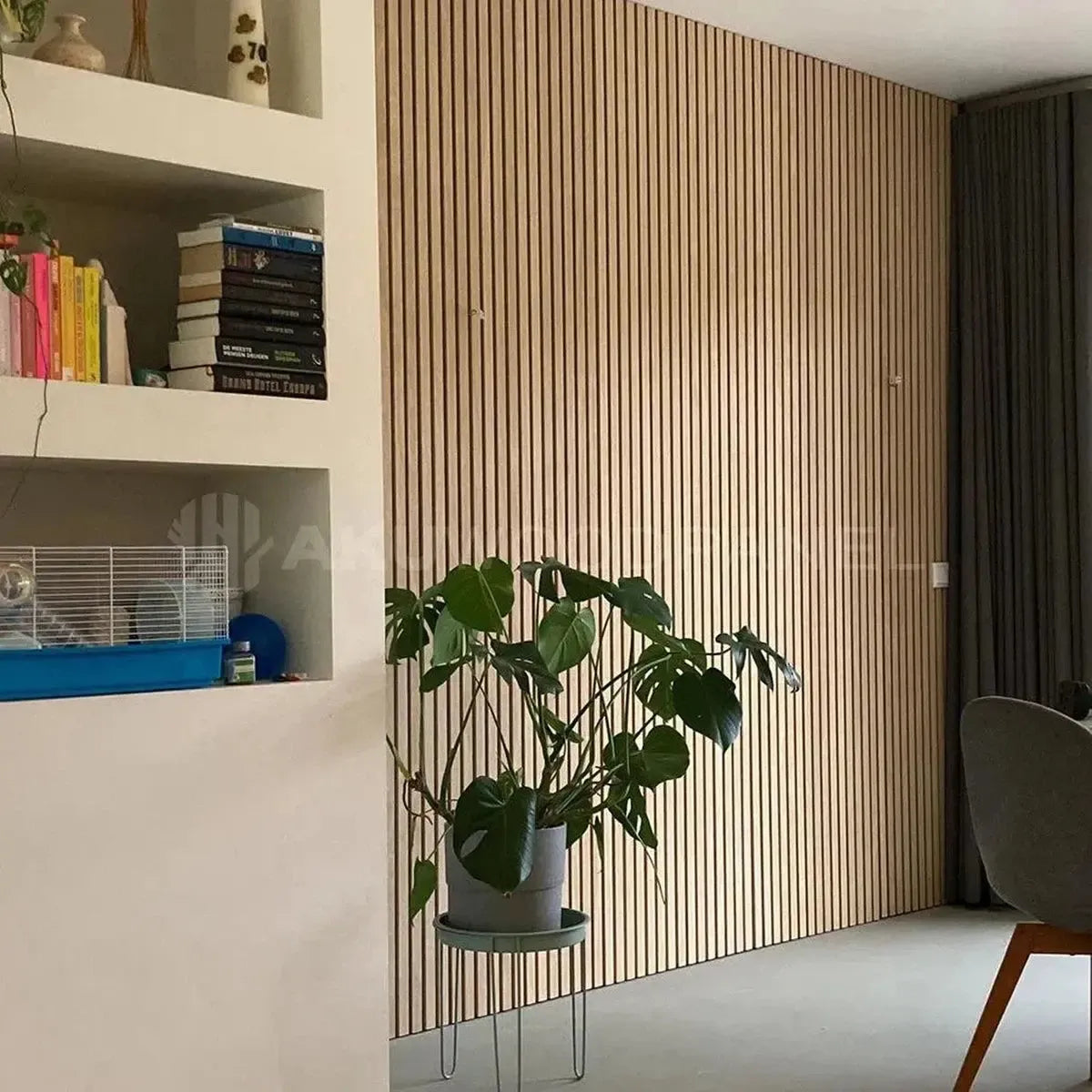
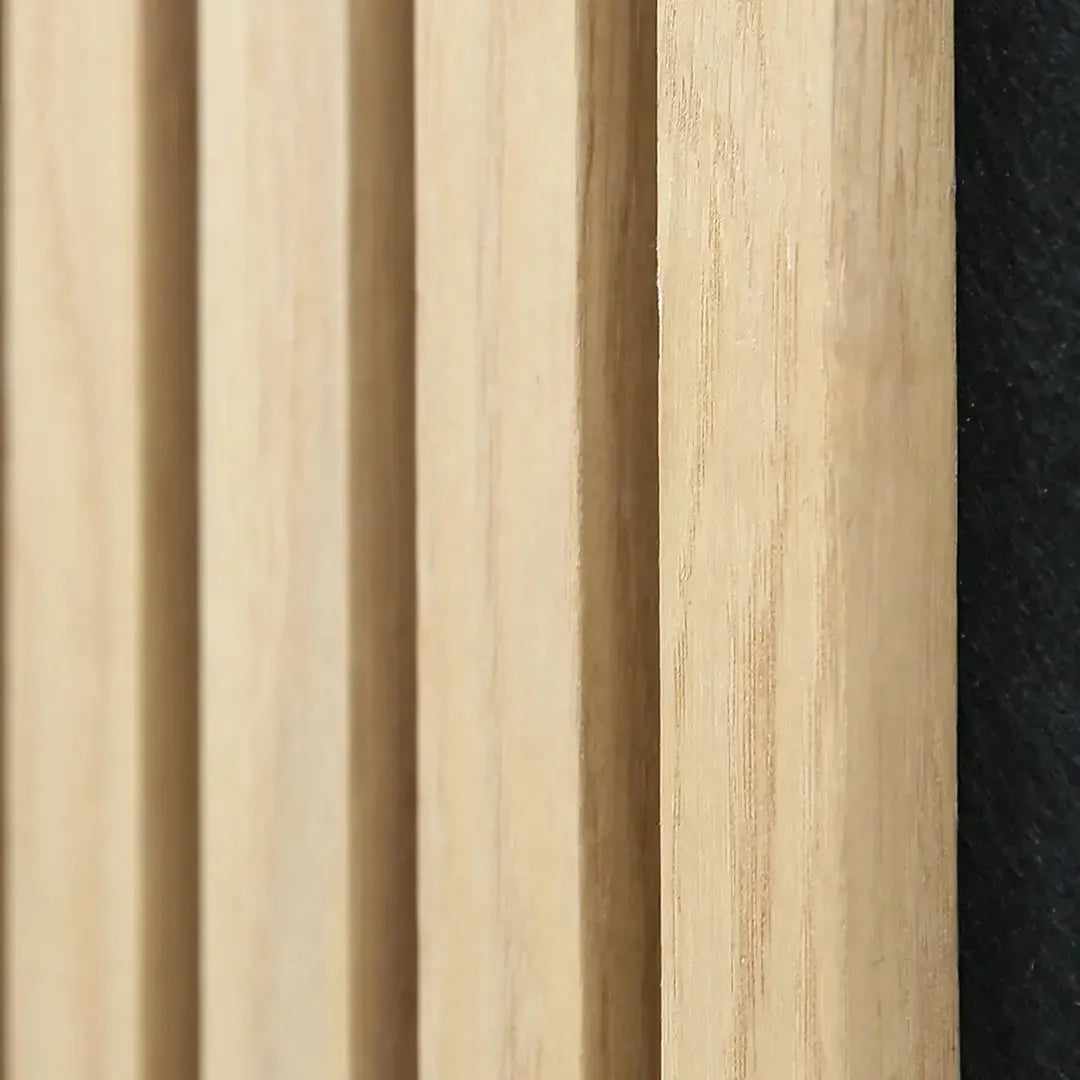
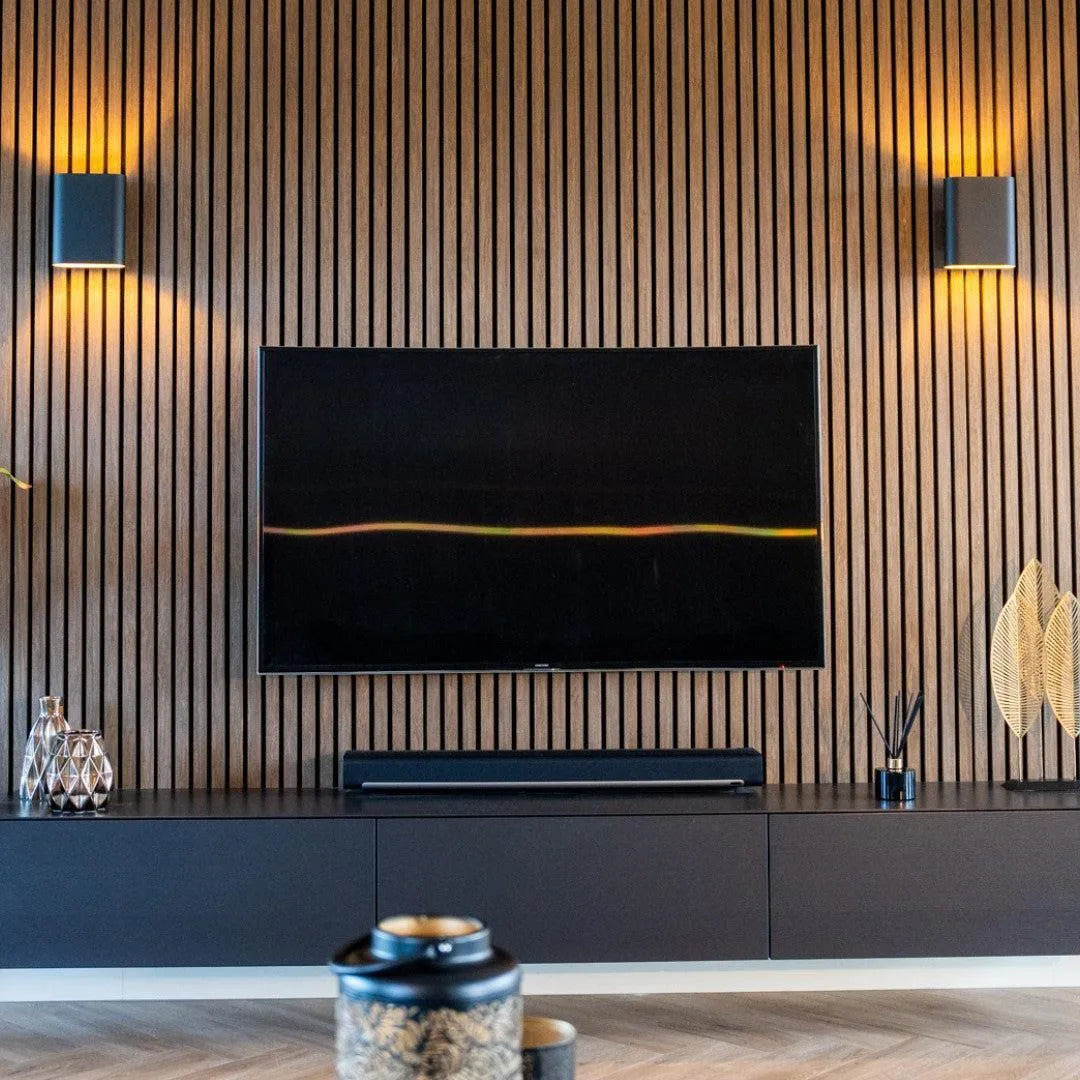
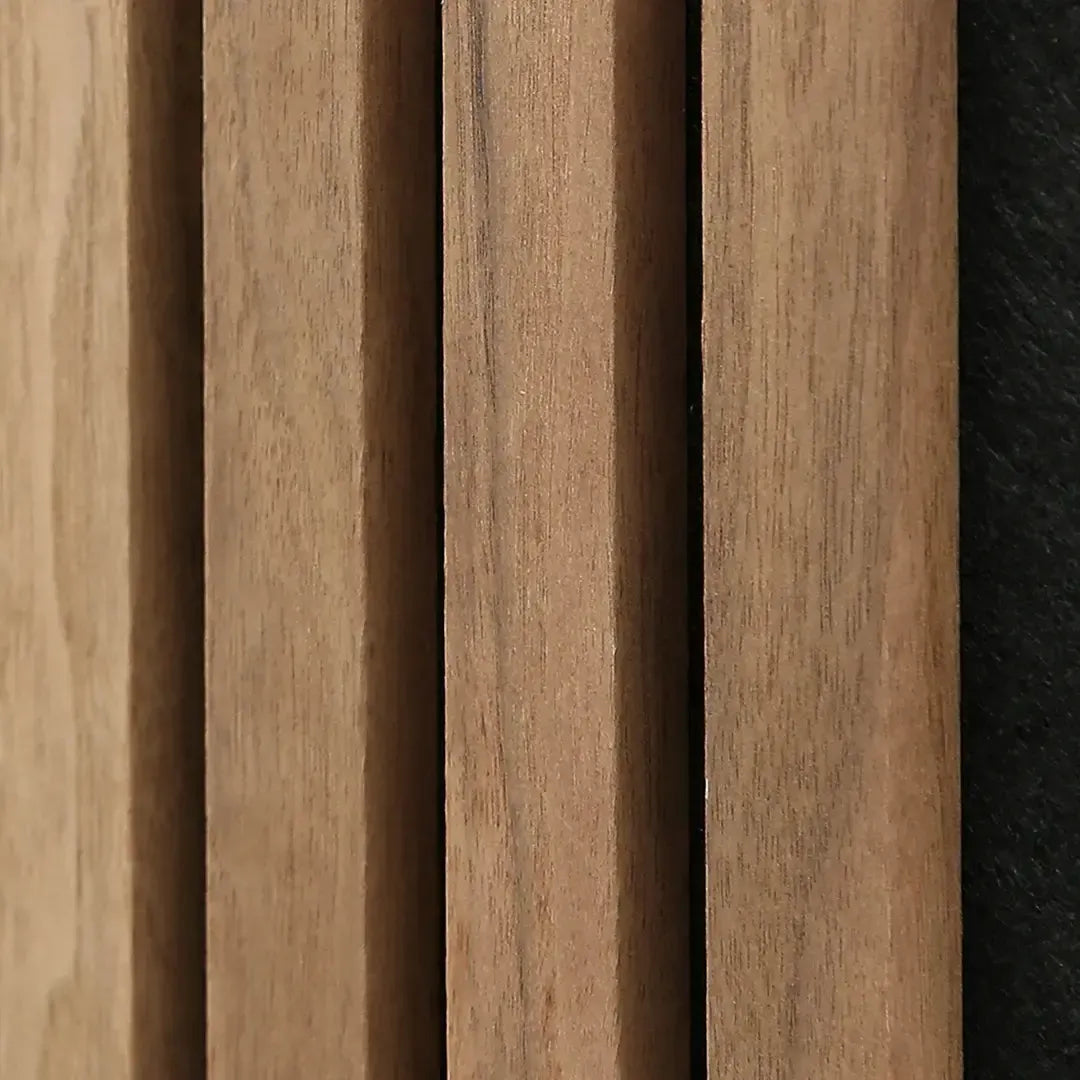
The safe pick — Acoustic Slat Wall Panel, Natural Oak with Gray Felt. This panel pairs real oak veneer with a gray acoustic felt backing built for absorption, not just looks. It's the pick most licensed centers land on for main classroom walls in 2026 because it reads warm and natural without the maintenance headaches of raw wood. Verdict: Buy.
Acoustic Slat Wall Panel Natural Oak with Gray Felt
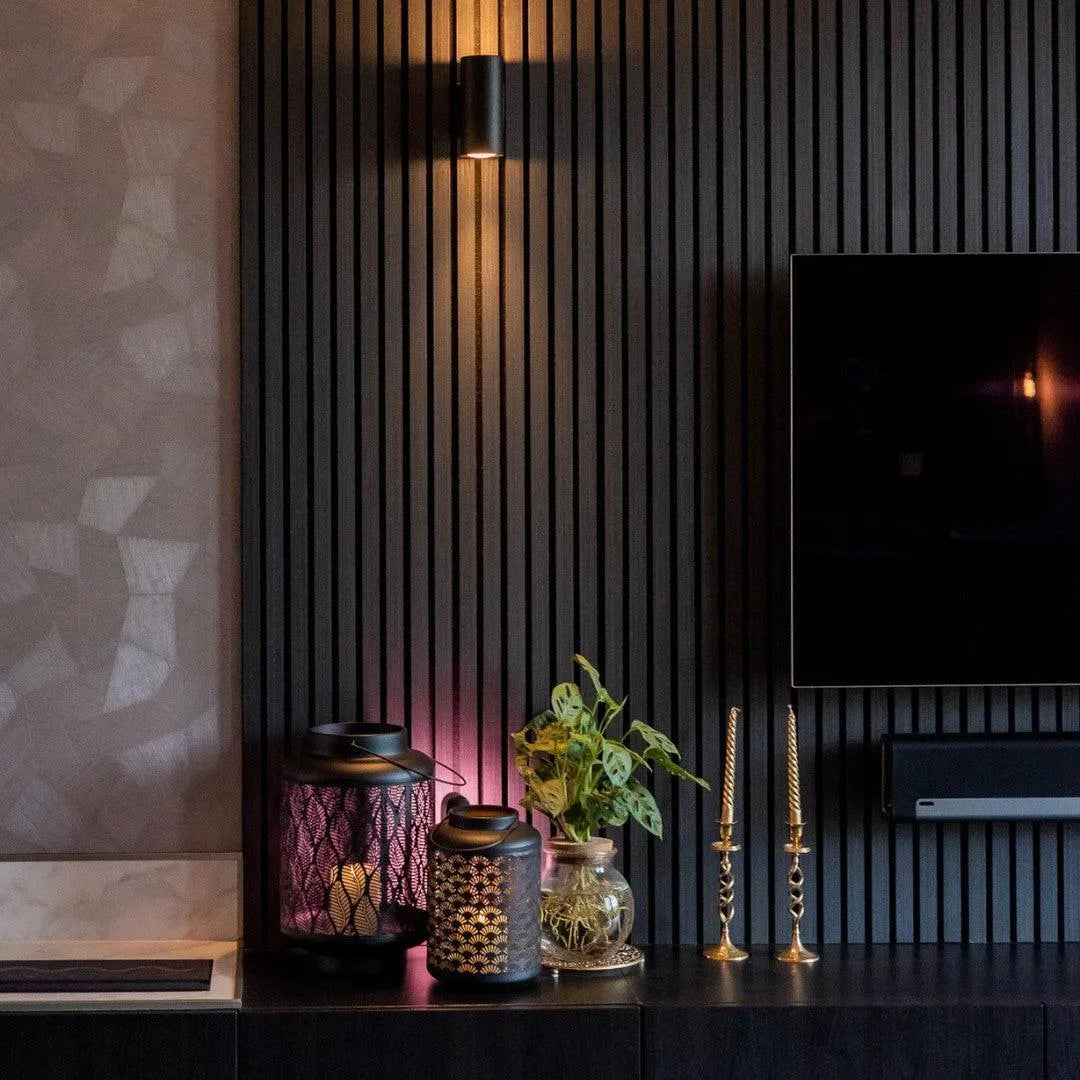
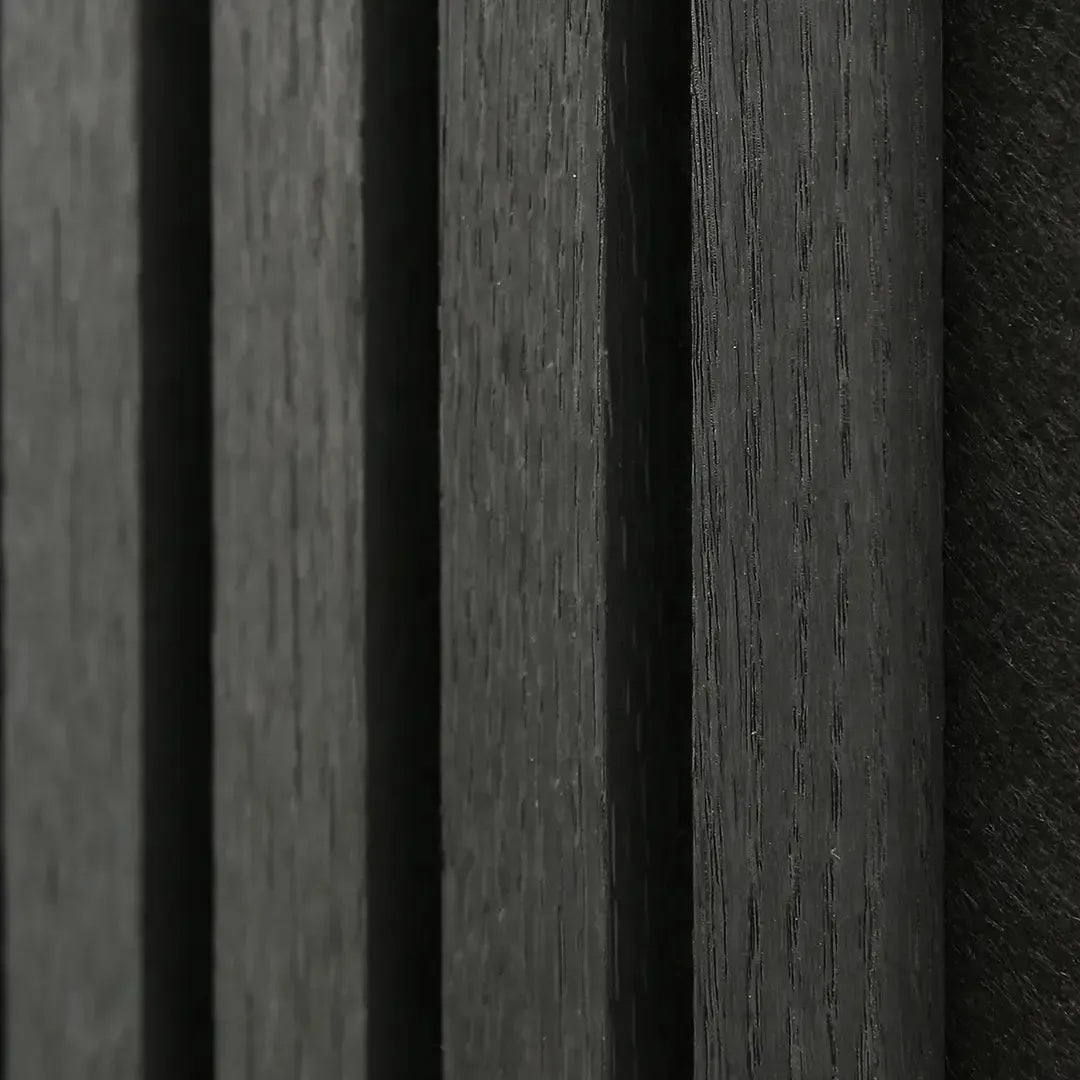
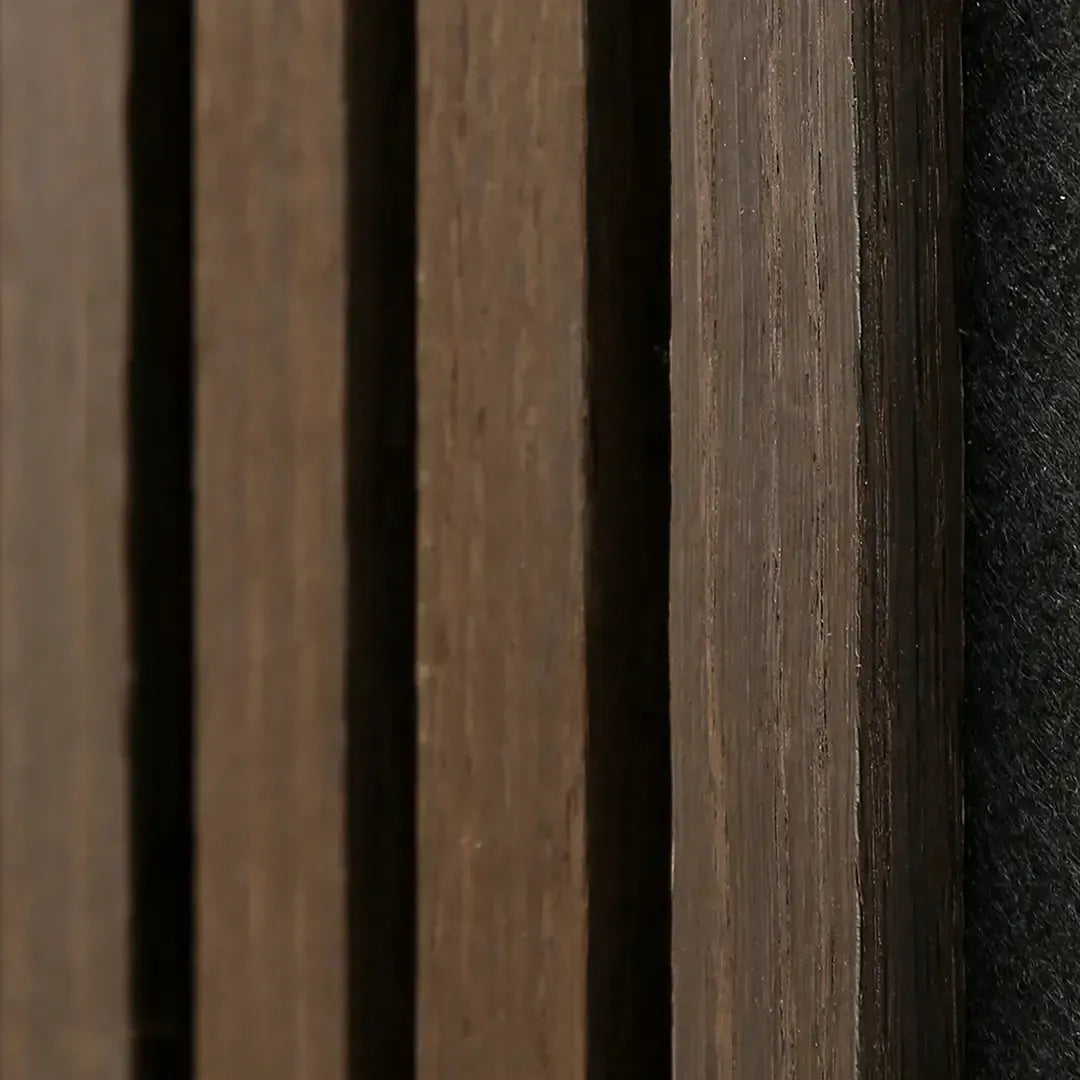
The wildcard — Acoustic Slat Wall Panel, Smoked Oak with Gray Felt. The darker smoked-oak tone hides scuffs and handprints far better than a light oak finish, which matters in a nap room or a hallway where little hands touch everything at waist height. It's a slightly bolder look for a daycare, but directors running a calmer Montessori-style program often prefer the lower-glare palette. Verdict: Consider.
Acoustic Slat Wall Panel Smoked Oak with Gray Felt
The finishing detail — End Piece Slat Wall Panel, Natural Oak. Every slat wall installation in a daycare needs a clean, non-sharp edge where the panel run stops, especially near doorways and cubby areas where kids move fast. This end piece closes off exposed slat edges so there's nothing for a sleeve, a finger, or a running toddler to catch on. Verdict: Buy.
End Piece Slat Wall Panel Natural Oak
What to avoid
- Raw, unfinished veneer near toddler height. It looks premium on day one and stained by week six once markers, juice, and hand oils get into the grain.
- Panels with no documented NRC or fire rating. If a supplier can't produce a spec sheet, don't install it in a licensed classroom — inspectors will ask, and a bare "commercial use" label from a vendor isn't enough documentation on its own.
- Full-height slat runs with no protected edges. Decorative slats look sharp in a living room; in a daycare, every exposed edge at knee height is a liability waiting for an incident report.
Acoustic upgrades are one line item in a much longer daycare compliance checklist, and directors who treat the wall finish in isolation usually get tripped up somewhere else in the buildout. The same diligence that pushes centers toward ADA compliant drinking fountains for a licensed facility applies to wall treatments too — get the fire-rating and finish documentation from your panel supplier before installation, not after the inspector asks for it.
Verdict comparison
| Panel | Fire rating docs | NRC / acoustic backing | Edge safety | Verdict |
|---|---|---|---|---|
| Natural Oak with Gray Felt | Yes | Felt-backed | Needs end pieces | Buy |
| Smoked Oak with Gray Felt | Yes | Felt-backed | Needs end pieces | Consider |
| End Piece, Natural Oak | Yes | N/A (trim) | Closes exposed edges | Buy |
| Raw unfinished veneer slats | Rarely | None | Sharp, unprotected | Skip |
FAQ
What are the best slat wall panels for a daycare classroom? Felt-backed acoustic slat wall panels in natural or smoked oak are the strongest pick for daycare classrooms in 2026, since the felt core cuts noise while the wood veneer wipes clean and holds up to daily use.
Do slat wall panels actually reduce noise in a nursery school? Yes, when the panel has a felt or foam acoustic backing behind the slats — a plain decorative slat panel with no backing material won't meaningfully lower reverberation.
Is smoked oak or natural oak better for a daycare interior? Smoked oak hides scuffs and handprints better in high-traffic zones like hallways and nap rooms, while natural oak reads brighter and works well in main classrooms with more natural light.
How much wall coverage does a daycare classroom actually need? Most centers only need panels from chair-rail height to about 8 feet, since that's where sound absorption does the most work and where walls take the least physical abuse from floor-level activity.
Are wood slat panels safe for infant and toddler rooms? They're safe when finished edges and end pieces are used to close off exposed slat grooves, and when the finish is low-VOC given how much time infants spend at floor level breathing near the walls.
Do slat panels meet fire code for licensed daycare facilities? Only panels with a documented flame-spread rating should go into a licensed classroom — always request the spec sheet from the supplier before ordering, not after installation.
Can slat wall panels be cleaned like a regular painted wall? A sealed wood veneer wipes clean with a damp cloth for most spills, but raw or unsealed panels absorb stains and shouldn't go anywhere near toddler height.
What's the difference between decorative and acoustic slat panels? Decorative slat panels are wood-faced with no backing material and offer zero sound absorption; acoustic versions add a felt or foam layer behind the slats specifically to lower reverberation.
One last thing
Most daycare renovation budgets put all the acoustic spend into ceiling tiles and forget the walls entirely — but wall-level treatment is what actually stops sound at the source, in the same room where the noise is generated, which is why more centers are specifying slat wall panels for nursery school and daycare interiors as part of their 2026 licensing renovations rather than treating acoustics as a ceiling-only fix.



 Better performance and aesthetic appeal
 In Stock