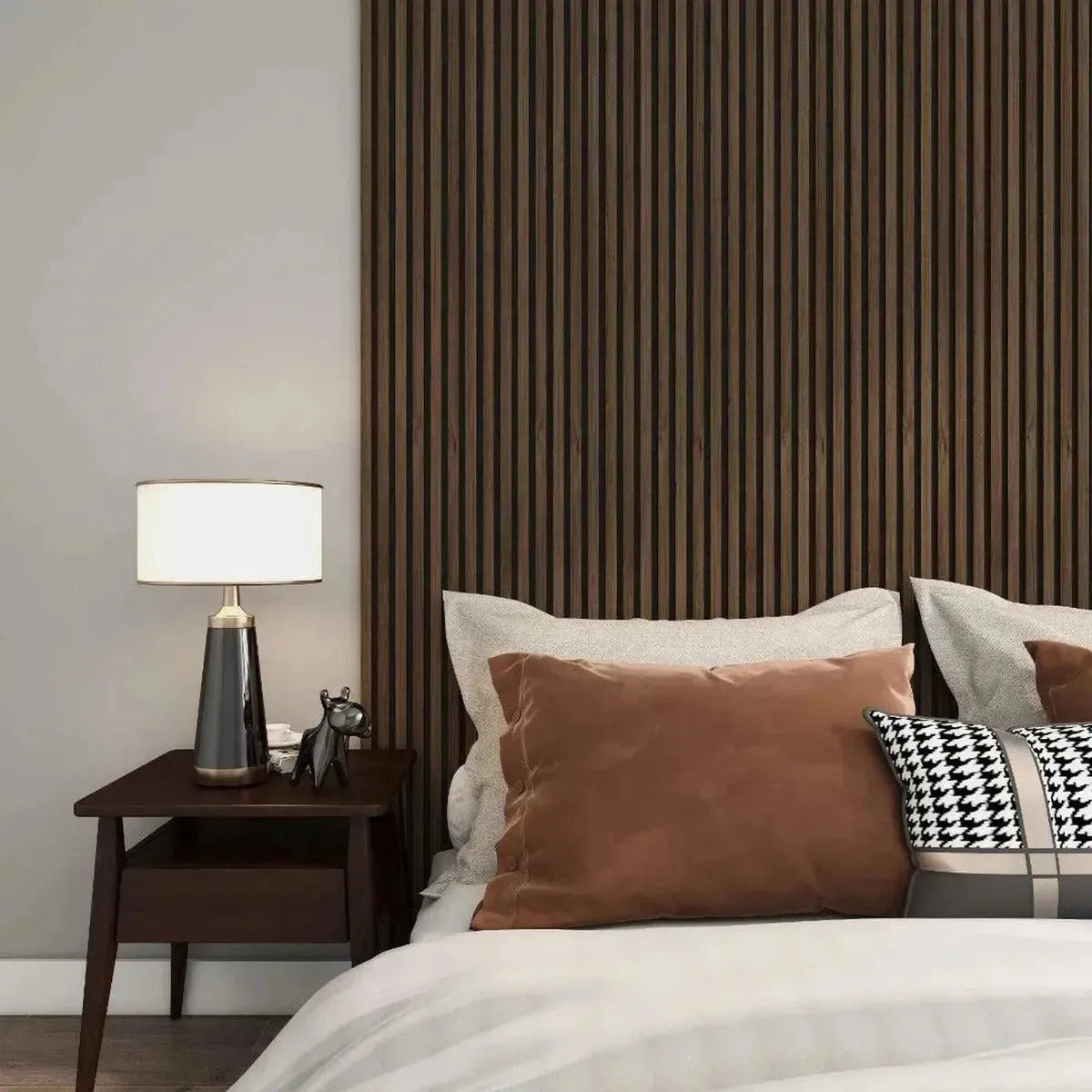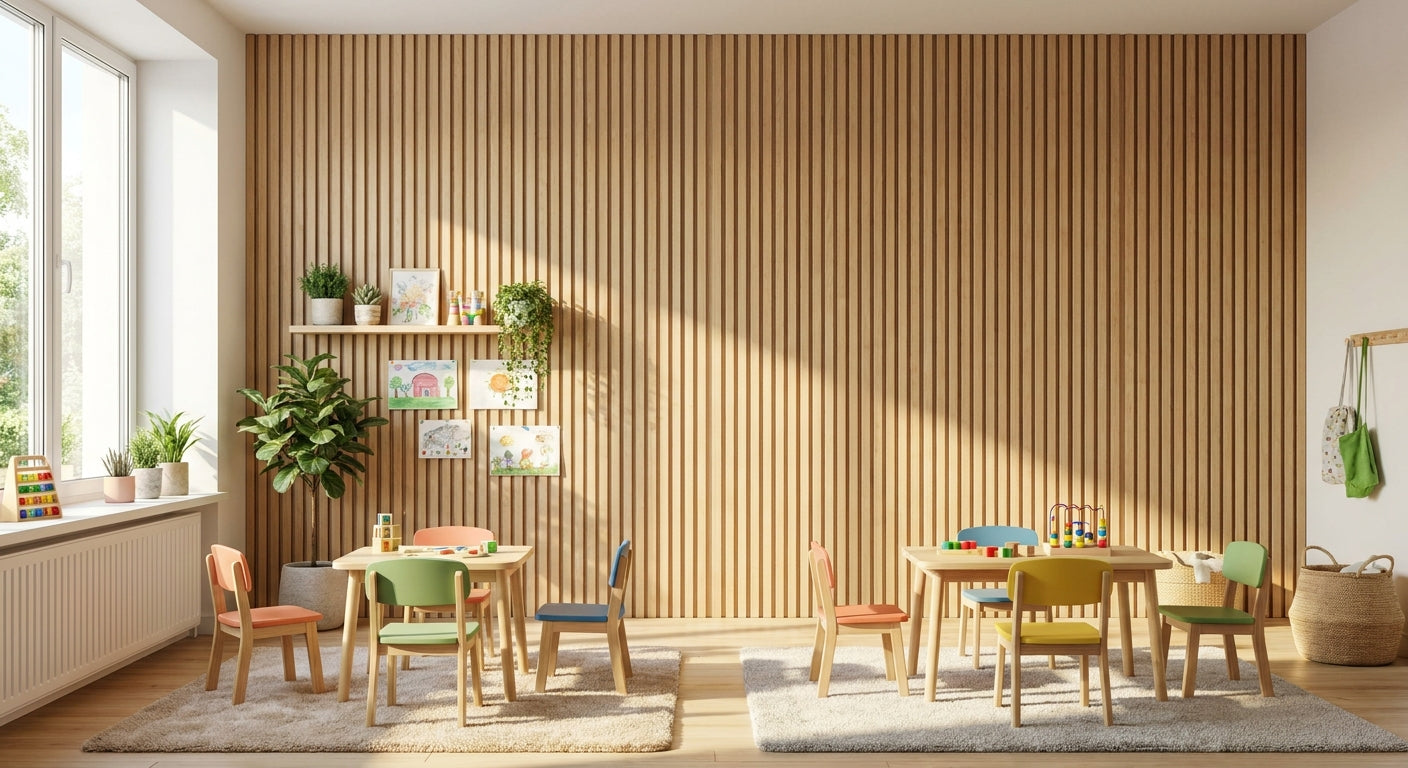
Kindergarten classrooms need walls that survive crayon marks, muffle 20 kids at once, and still look calm enough to help a 4-year-old settle down after recess. Natural oak slat wall panels solve the acoustic problem and the aesthetic one at the same time, without the sterile look of foam tiles.
TL;DR
For kindergarten classrooms, the acoustic slat wall panel in natural oak is the safe, code-friendly pick for cutting echo off cinderblock or drywall while keeping the room warm and non-institutional. Order the natural oak sample panel before committing to a full wall run — classroom lighting changes how veneer reads, and a 5x7-inch swatch on-site beats guessing from a screen. Skip anything with exposed metal trim or sharp routed edges at child height. Verdict: Buy the natural oak acoustic slat panel for feature walls, sample first, avoid glossy or metal-trimmed finishes near seating areas.
Why this matters
A typical kindergarten room runs 700 to 900 square feet with hard floors, a drop ceiling, and one or two windows — a recipe for reverberation that makes it hard for a teacher's voice to cut through 18-22 kids talking at once. Districts spend real budget on classroom acoustic panels for noise control because untreated rooms make instruction harder to follow, not just louder. Oak slat panels with a felt or acoustic backing absorb that reflected sound instead of bouncing it back across the room, and because the surface is real wood veneer rather than painted MDF, it holds up better to daily wear over a full school year in 2026 and beyond.
Who this is for
This guide is for facility managers, preschool directors, and interior designers specifying finishes for a kindergarten or early-childhood classroom — someone weighing acoustic performance, child safety, and a multi-year maintenance budget against a hard floor plan and a fixed timeline before the fall semester. If you're outfitting a single reading nook rather than a full classroom wall, the math and the picks below still apply, just at a smaller scale.
What to look for in oak slat panels for kindergarten classrooms
Rounded or beveled slat edges
Kids run their hands along walls at hip height constantly, and a sharp-edged slat profile turns into a scraped-knuckle complaint within a month. Look for panels where the individual slats have a soft radius rather than a crisp 90-degree cut, especially anywhere below 36 inches from the floor.
A felt or acoustic backing, not just decorative slats
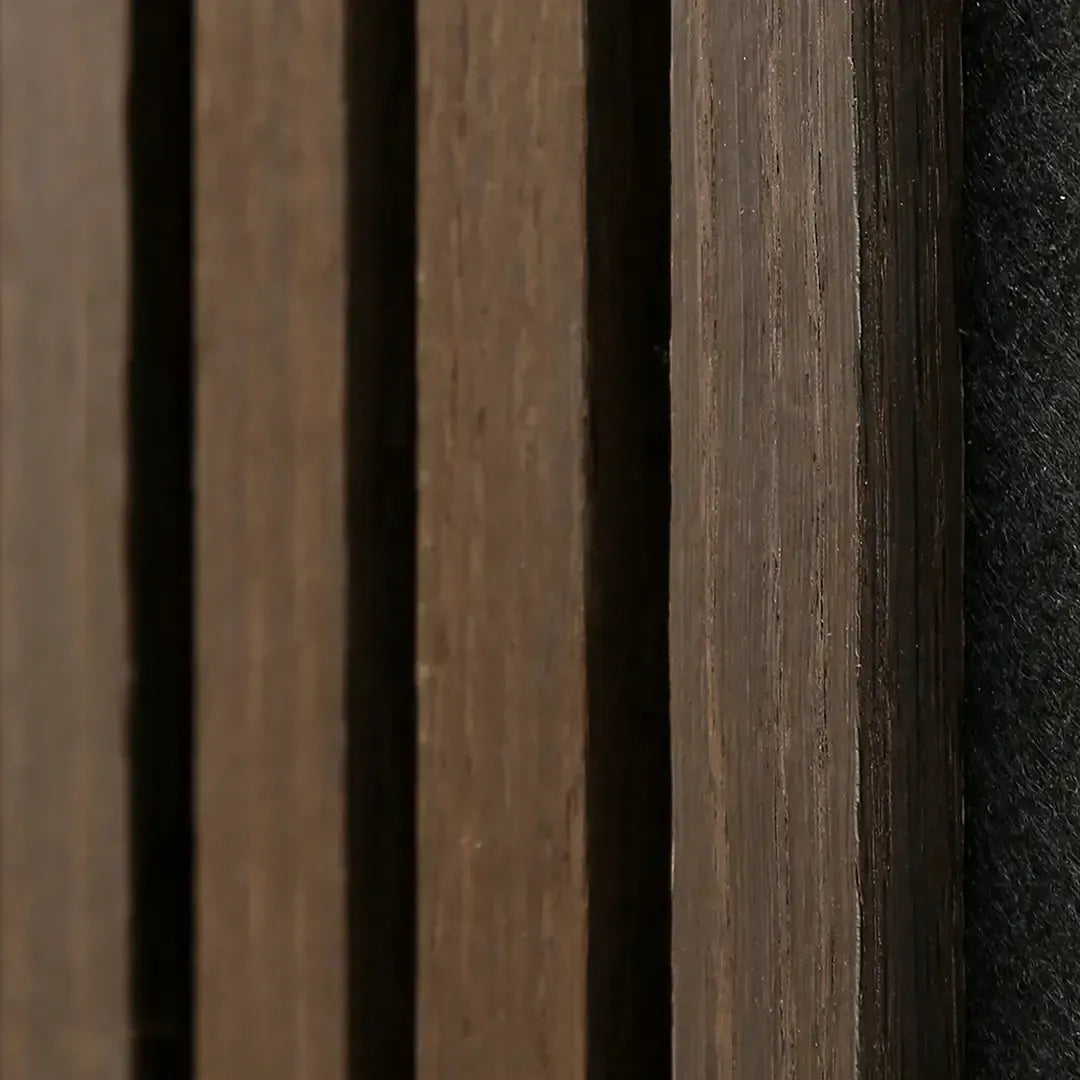
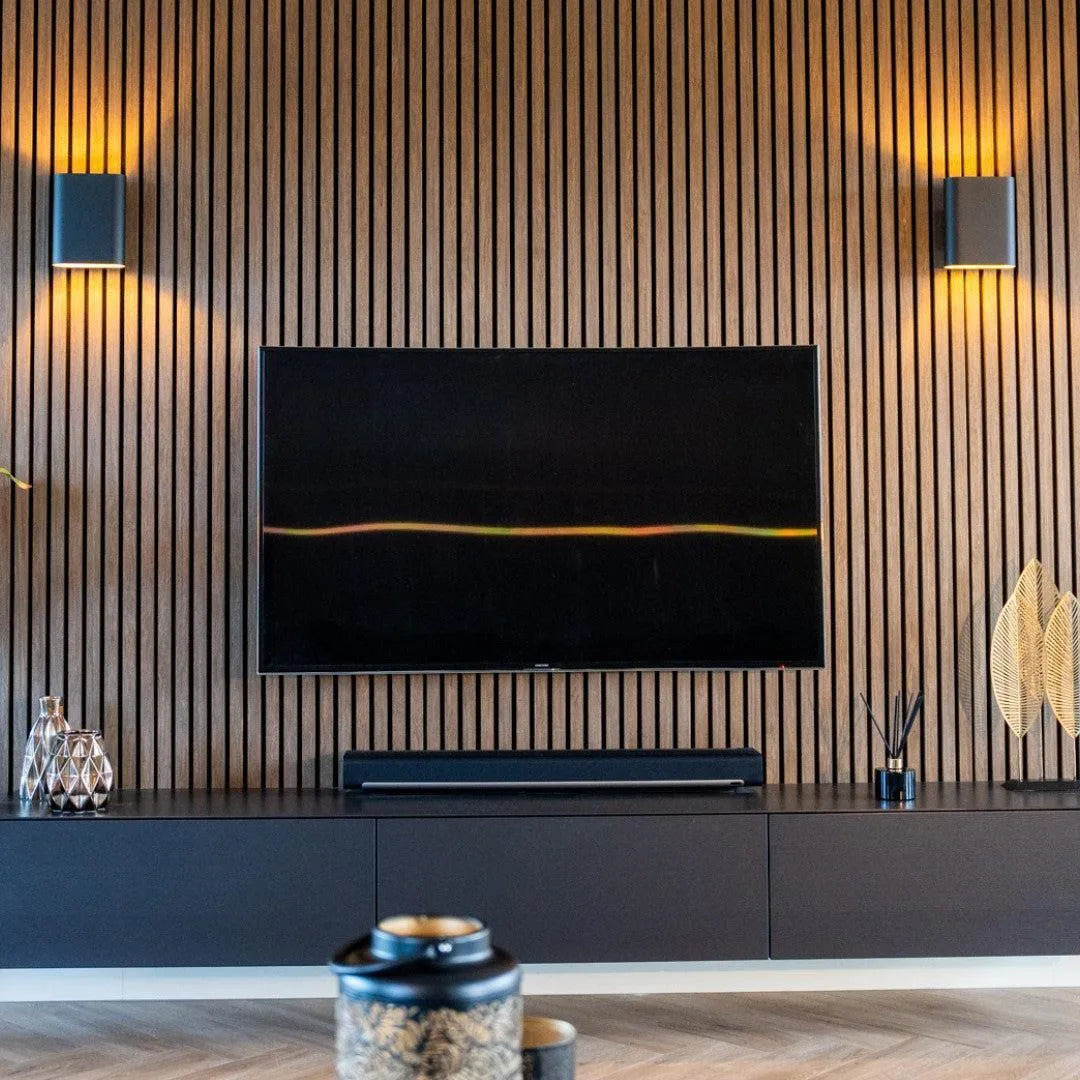
Decorative-only slat panels look identical to acoustic ones but do almost nothing for echo. The natural oak acoustic slat wall panel uses a felt backing designed to absorb sound rather than just create visual texture, which is the difference that actually matters once the classroom fills up.
Real wood veneer over painted MDF
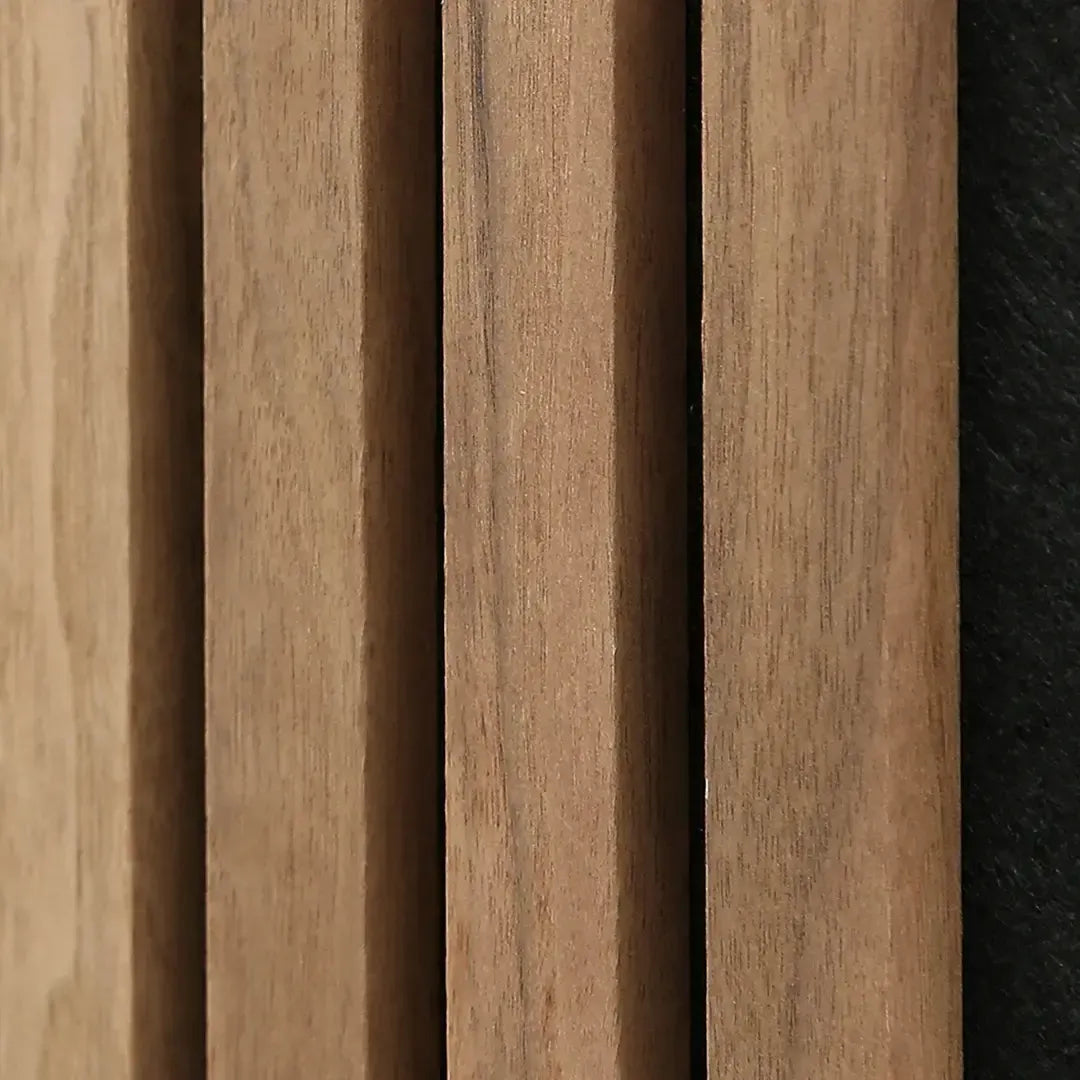
Painted or laminate slat panels chip and show wear fast under constant contact from small hands and rolling furniture. A real oak veneer takes scuffs without exposing a different-colored substrate underneath, so the wall still looks intentional in year two, not patched.
Installation height and reach
Most kindergarten walls need panels planned around a chair rail height of roughly 30-36 inches, since below that line is where backpacks, chairs, and toy bins hit the wall daily. Panels rated for full-height installation give you flexibility to run slats from floor to ceiling or stop at a protected band, depending on furniture layout.
End pieces and clean transitions
Any wall that meets a door frame, window, or corner needs a finished edge, not a raw cut slat. The end piece slat wall panel in natural oak handles that transition so the installation doesn't end in an exposed plywood edge at a height where curious fingers will find it.
Sample before you commit to a full wall
Classroom lighting — fluorescent tubes, north-facing windows, LED retrofits — changes how oak veneer reads compared to a product photo. Ordering a sample before a multi-wall order saves a re-order headache halfway through a school year.
Top picks for kindergarten classroom walls
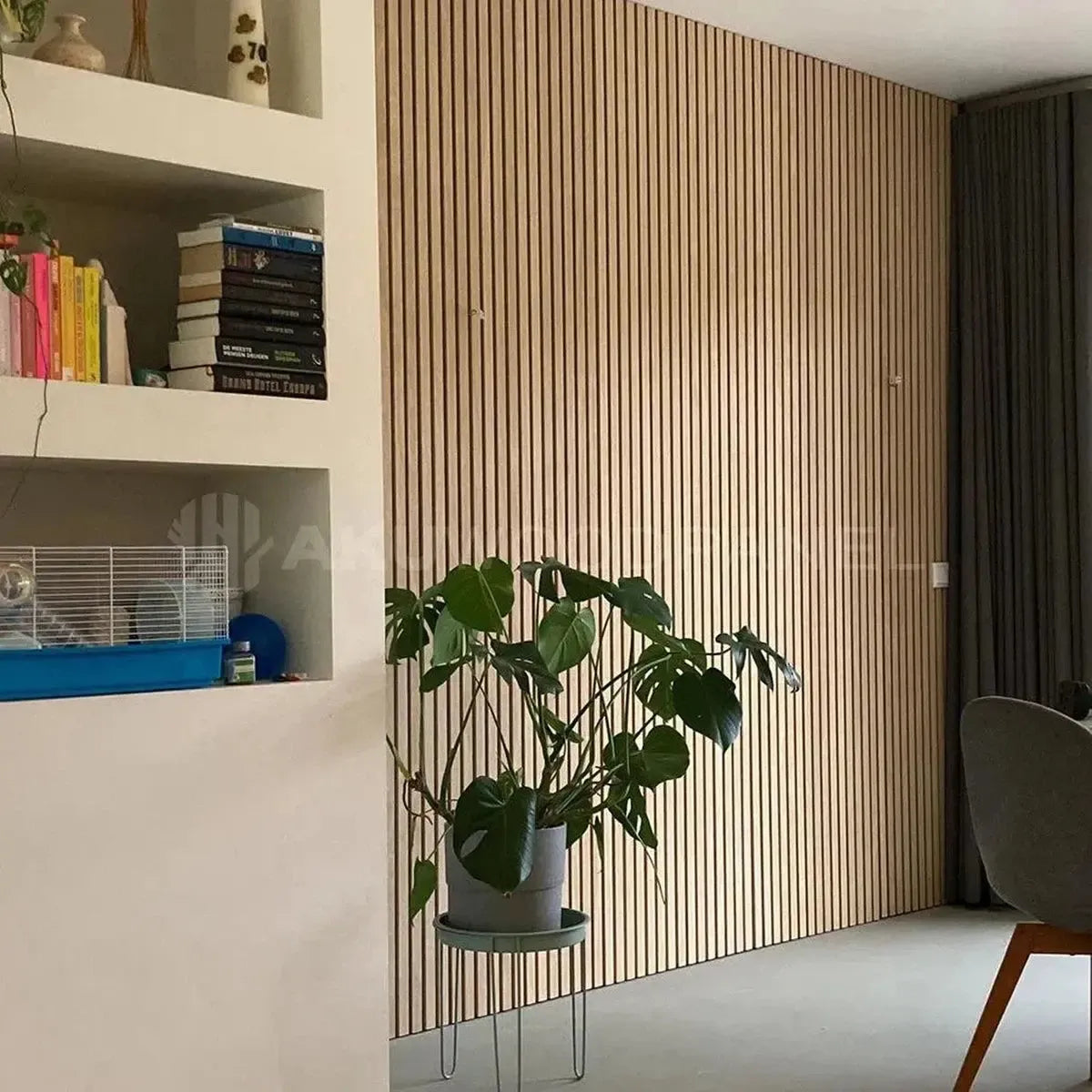
The safe pick — Acoustic slat wall panel, natural oak. This is the core recommendation for any kindergarten feature wall: real oak veneer over a felt acoustic backing, built for wall-mounted installation rather than furniture-grade use. It reads warm under both daylight and fluorescent lighting, which matters in a room that gets both throughout the day. Verdict: Buy for main classroom walls and reading corners.
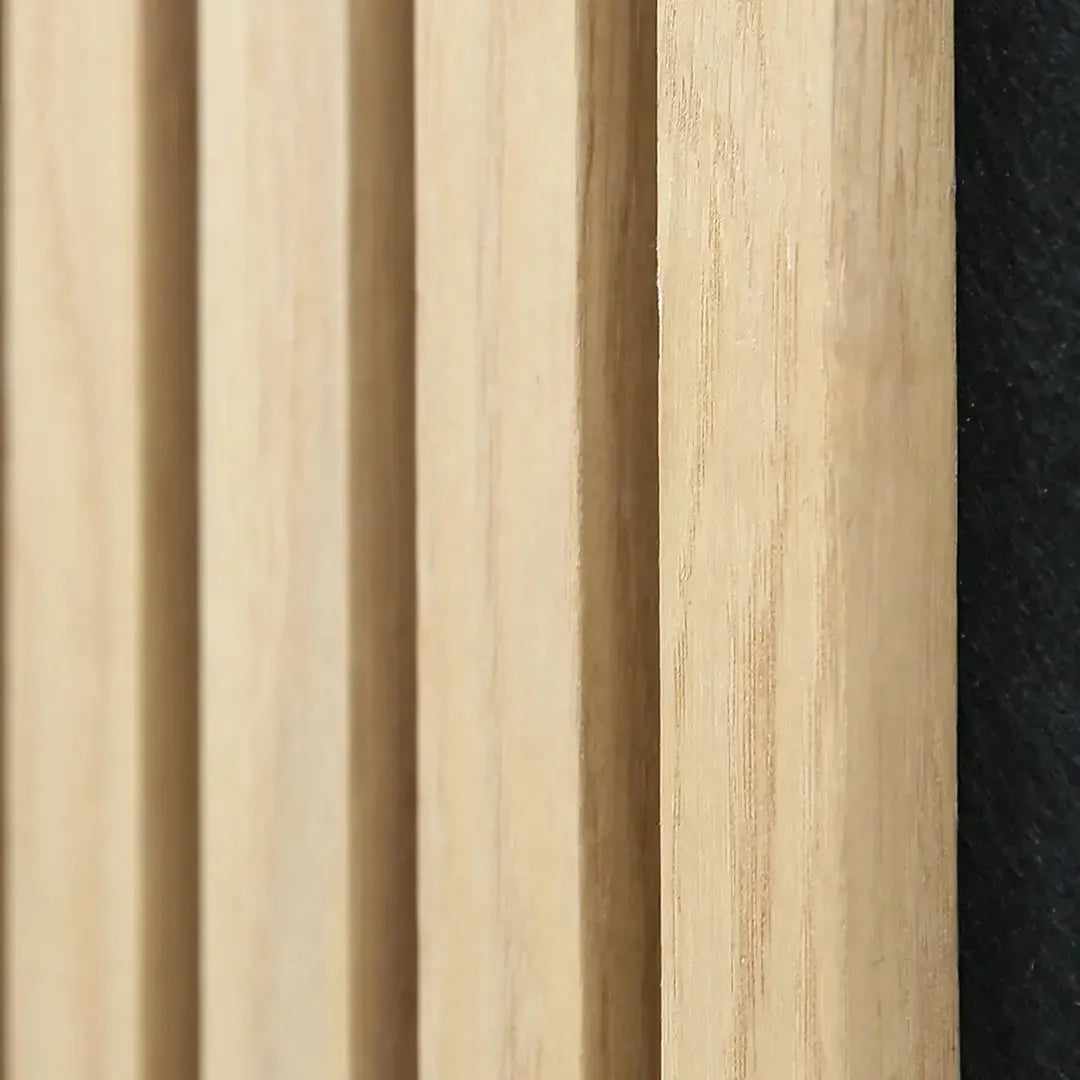
The low-risk tester — Sample slat wall panel, natural oak. A small-format swatch of the same natural oak finish, meant to sit against your actual wall before a full order goes in. Facility managers ordering for more than one classroom should run this against both morning and afternoon light before locking in quantities. Verdict: Buy as a first step for any multi-room order.
The finishing piece — End piece slat wall panel, natural oak. Handles the edge condition where a slat wall meets a corner, doorframe, or window trim, so the installation doesn't end in a rough cut at child height. It's a small line item that prevents the one detail parents on a tour actually notice. Verdict: Buy alongside the main panel for any full-wall run.
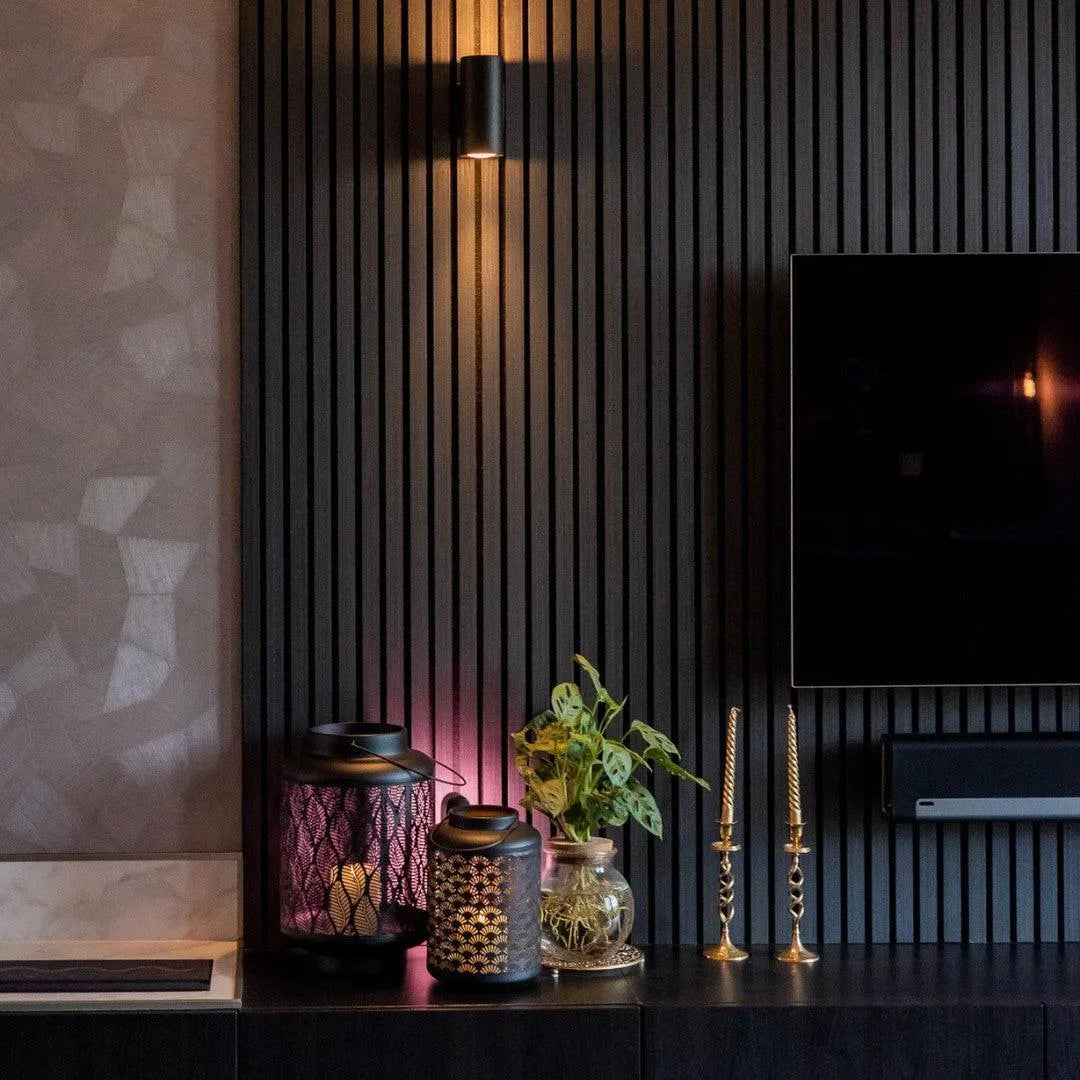
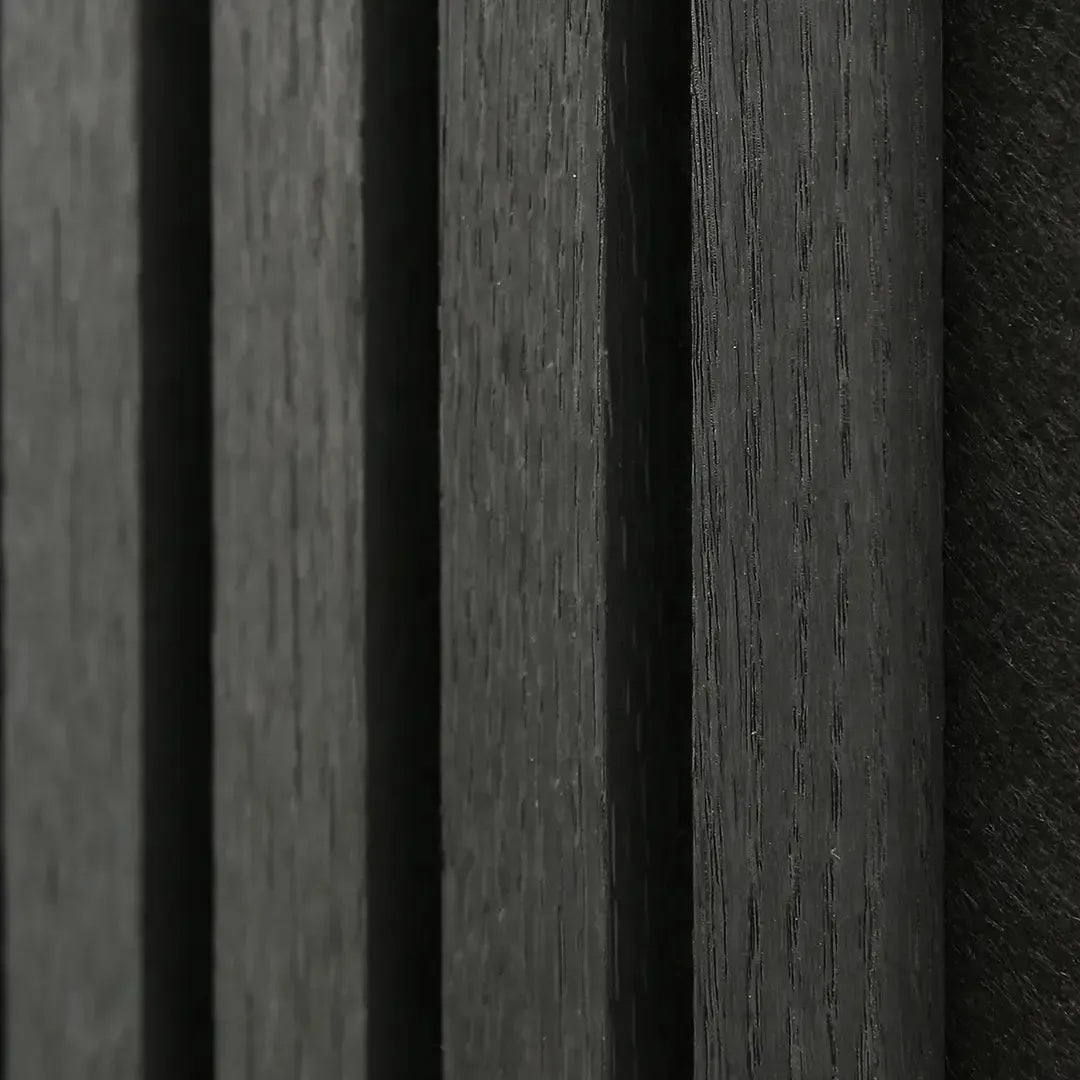
The one to skip for this use case — smoked oak or black oak finishes. These read beautifully in a lounge, restaurant, or home office, but darker finishes absorb more light in a room that already relies on fluorescent tubes, and they show chalk dust and finger marks faster than a lighter natural oak tone. Verdict: Skip for classroom applications, save for staff rooms or administrative offices instead.
What to avoid
- Panels with exposed metal clips or brackets at low height — a felt-backed wood panel should mount with concealed fasteners; visible hardware below 36 inches is a snag hazard for small hands and shoelaces.
- Full-gloss or lacquered finishes — they look sharp in a showroom but scratch visibly under daily contact and show every fingerprint smudge by week three.
- Panels marketed purely as "decorative" with no acoustic backing — they solve the aesthetic problem and leave the echo problem exactly where it was.
Verdict comparison
| Product | Best for | Key trait | Verdict |
|---|---|---|---|
| Acoustic slat wall panel, natural oak | Main classroom feature wall | Felt-backed, real oak veneer | Buy |
| Sample slat wall panel, natural oak | Pre-order testing | Small-format, true-to-finish swatch | Buy |
| End piece slat wall panel, natural oak | Corners, door frames, window trim | Clean edge transition | Buy |
| Smoked oak / black oak finishes | Staff rooms, offices | Darker tone, shows wear faster | Skip for classrooms |
FAQ
What's the best wood finish for a kindergarten classroom wall? Natural oak is the best fit for 2026 classroom installs because it stays bright under fluorescent lighting and hides chalk dust and finger marks better than darker smoked or black oak tones.
Do acoustic slat panels actually reduce classroom noise? Yes — a felt-backed slat panel absorbs sound instead of reflecting it, which matters in a hard-floored, drywall-and-cinderblock room where 18-22 kids talking at once creates constant reverberation. Decorative-only slat panels without a felt backing won't deliver the same effect.
Is natural oak better than smoked oak for a classroom? For classrooms specifically, yes — natural oak reflects more ambient light and shows less visible wear from daily contact than smoked or black oak finishes, which read darker and show marks faster.
How high should slat panels be installed in a kindergarten room? Plan around a protected band of roughly 30-36 inches where backpacks, chairs, and toy storage make daily contact, then run panels from that line up to ceiling height or stop at a chair-rail transition depending on furniture layout.
Should I order a sample before buying panels for a full classroom wall? Yes — classroom lighting varies between morning daylight and afternoon fluorescent tubes, and a small sample against the actual wall prevents a mismatched large order.
Are wood slat panels fire-safe enough for a school building? Fire code requirements vary by district and building type, so confirm flame-spread documentation with your supplier before ordering for an institutional space rather than assuming residential-grade panels meet school code.
Do I need end pieces for every classroom wall installation? Only where the slat run meets a corner, door frame, or window — a straight wall run without any transitions doesn't need them, but most classroom walls have at least one edge condition.
How much wall coverage does one classroom typically need? Most kindergarten rooms run 700-900 square feet with one or two full feature walls being paneled, usually 10-15 linear feet of coverage per wall depending on window and door placement.
One last thing
The detail most facility managers miss: order the sample panel for both the exact classroom and the hallway outside it, since corridor lighting is often colder and can make the same natural oak finish look two shades different once you're comparing them side by side during a walkthrough.

 Better performance and aesthetic appeal
 In Stock