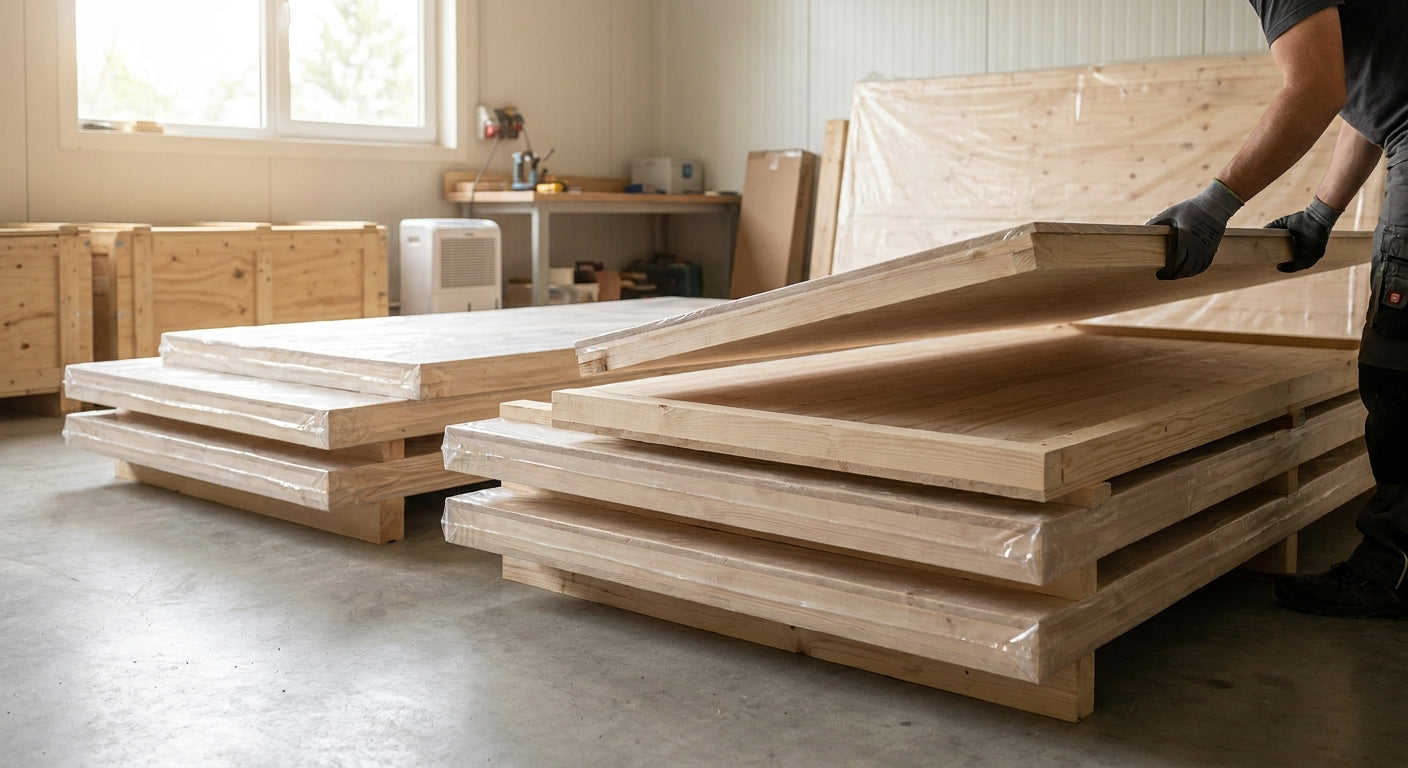
Storing wood wall panels wrong for even a week can warp the veneer, curl the edges, or leave gaps that show up the day you screw them to the wall. This guide covers exactly how to store wood wall panels before install so they go up flat, tight, and true.
- Store wood wall panels before install flat, indoors, at 65-75°F and 40-60% humidity for 48-72 hours minimum.
- AKU Woodpanel fluted and slat panels need acclimation time before installation — skip it and gaps appear within weeks.
- Stack panels no more than 10-12 high on a flat pallet to avoid bow and edge crush.
- Order a sample box first if storage space is tight in 2026 — Buy.
- Never store panels in a garage, shed, or basement with fluctuating humidity — that's the top cause of warping.
Why this matters
Wood wall panels are wood — real veneer over an MDF or plywood core — and wood moves with moisture and temperature before you ever pick up a drill. A panel that sits in a cold garage overnight and goes up on a warm interior wall the next morning will expand at the seams within days. Improper storage is the single most common reason installers see cupping, seam gaps, or veneer lifting after a job that looked perfect on install day.
The fix isn't complicated. It's discipline: right environment, right stacking, right handling, right timing. Get that sequence right and a wood wall panel install in 2026 looks the same in year three as it did on day one.
What you'll need
- A flat, level, indoor storage surface — never a garage floor or exterior porch
- A hygrometer or basic humidity monitor (under $15 at most hardware stores)
- Clean moving blankets or cardboard sheets to separate stacked panels
- Cotton gloves for handling finished veneer surfaces
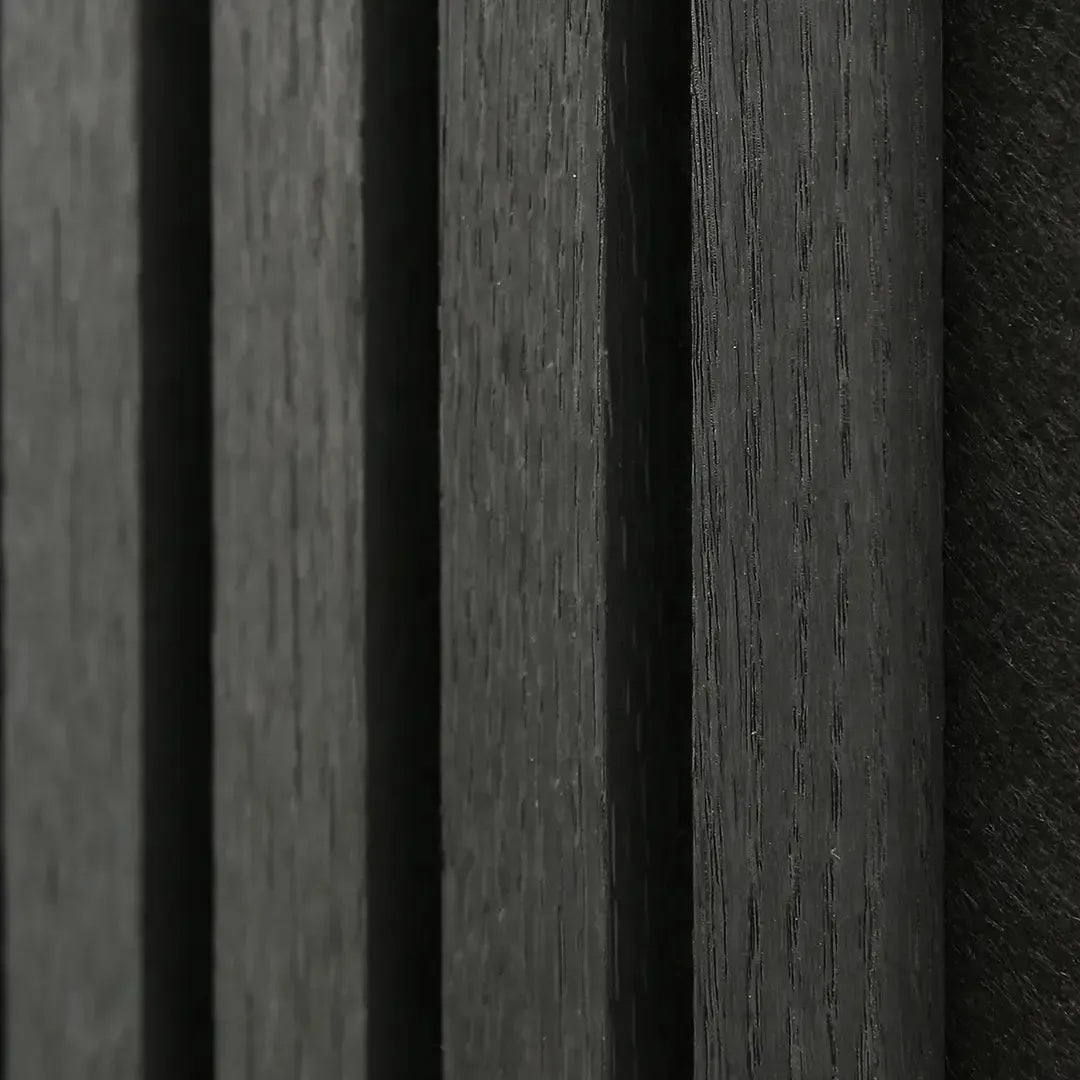
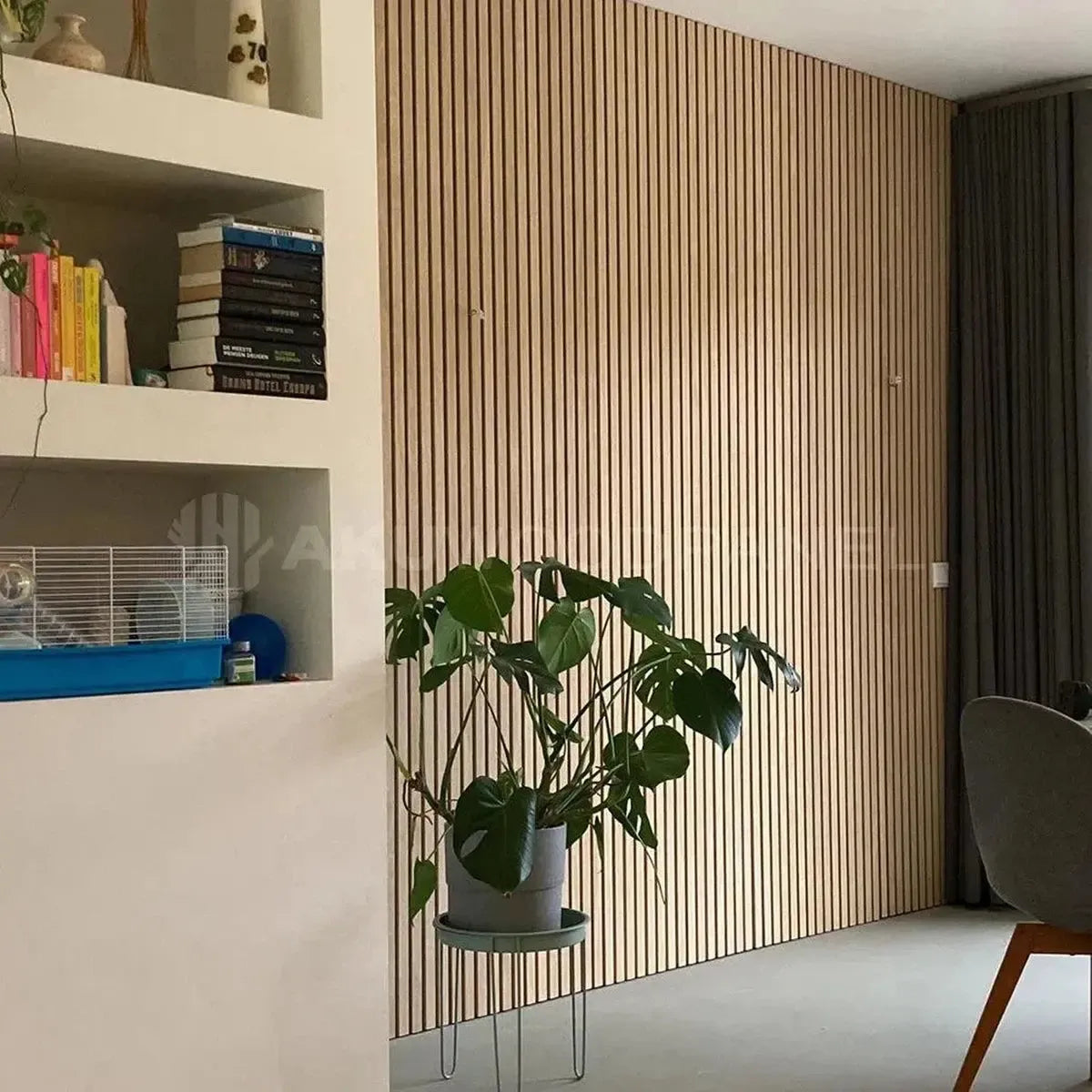
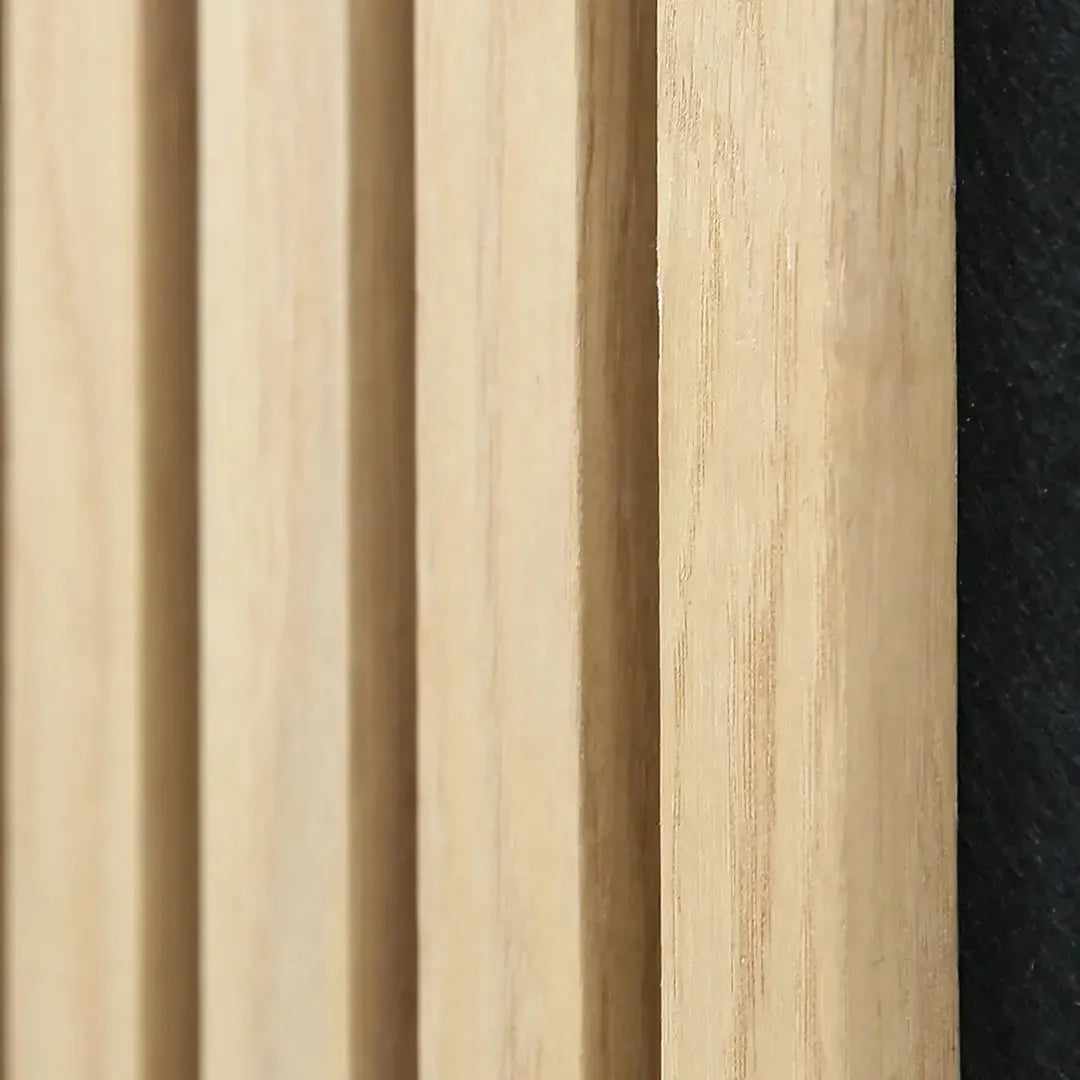
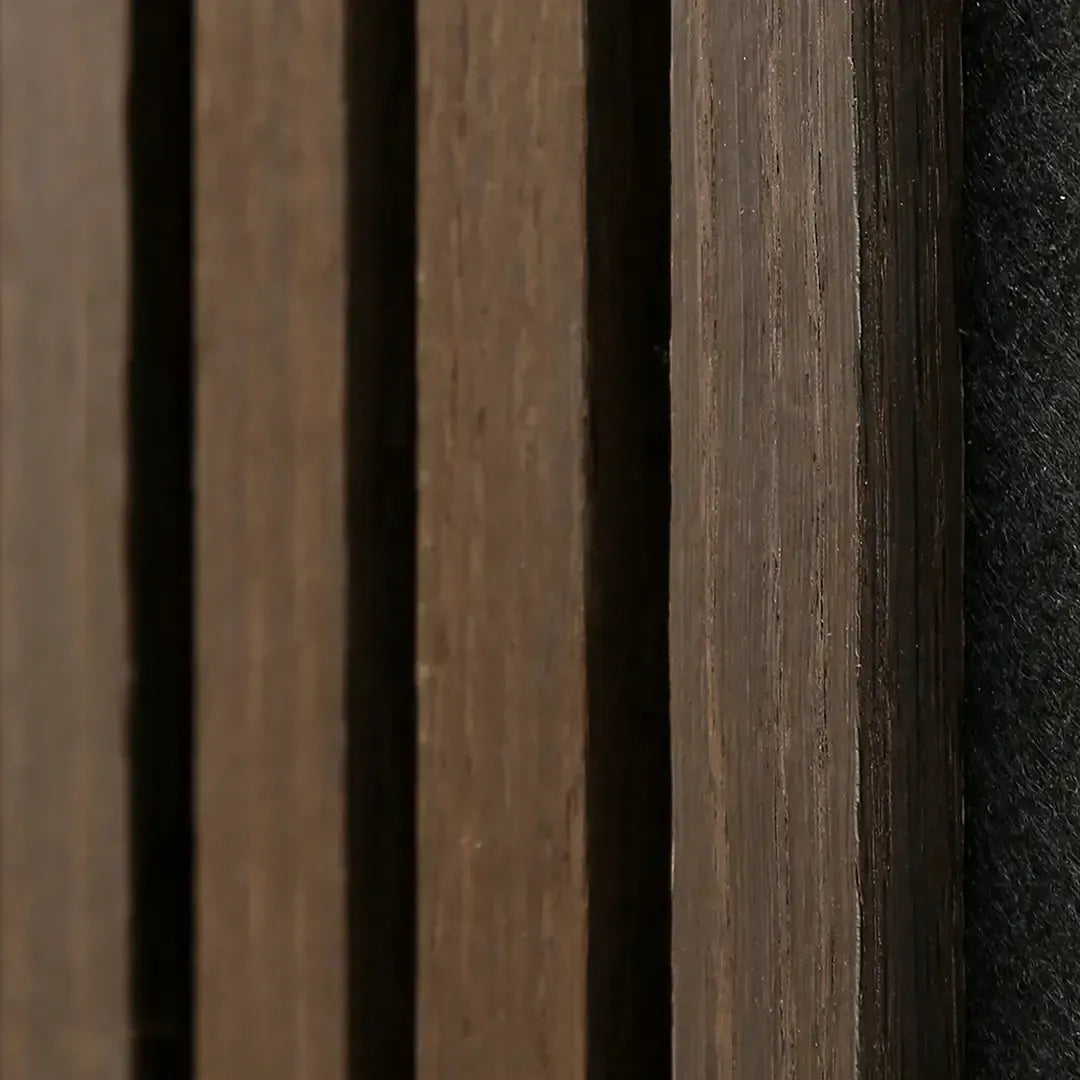
- The panels themselves — for example an acoustic slat wall panel in natural oak or similar wood wall panel product
- A tape measure and marker for tracking acclimation start dates on the packaging
- Two people for lifting anything over 4 feet long — one person carrying a full-length panel solo is how edges get dinged
The steps
1. Inspect every panel on delivery
Open the packaging the day it arrives, even if you're not installing for weeks. Check each panel for shipping damage — cracked veneer, crushed corners, or moisture stains on the packaging itself. Catching a damaged panel now means a replacement arrives before your install date instead of after. Common mistake: signing for delivery without opening a single box, then discovering damage three weeks later when the return window has closed.
2. Move panels indoors immediately
Wood wall panels should never sit in a garage, unheated shed, exterior porch, or delivery truck longer than necessary. Bring them into the actual room they'll be installed in, or the closest conditioned indoor space you have. This step accomplishes the single biggest thing you can do for a clean install: it starts the acclimation clock in the right environment instead of the wrong one. Common mistake: storing panels in a basement that floods or runs damp — that humidity swing is worse than no storage plan at all.
3. Lay panels flat, not on edge
Stack panels horizontally on a flat, level surface — a few sheets of plywood on sawhorses works fine. Panels stored on edge or leaned against a wall bow under their own weight within days, especially fluted and slat styles with thinner cross-sections. Keep stacks under 10-12 panels high and slide a moving blanket or cardboard sheet between every 3-4 panels to prevent surface scuffing. Expected outcome: panels stay perfectly flat and ready to install without a single warp line.
4. Hold temperature and humidity steady
Target 65-75°F and 40-60% relative humidity in the storage space — the same range most interior rooms sit at year-round. A cheap hygrometer tells you in seconds whether your storage spot qualifies. This step matters because wood veneer swells in humid air and shrinks in dry air; jobsite HVAC swings during a renovation are the most common culprit behind post-install gaps. Common mistake: storing panels in a room with the AC or heat shut off between visits — a 20-degree swing over a weekend does real damage.
5. Let panels acclimate 48-72 hours minimum
Before you cut or install anything, let panels sit in the installation room's actual air for 48-72 hours. This lets the wood veneer and core match the room's moisture content so it stops moving after installation. Mark the delivery date on the box so nobody skips this step under deadline pressure. Expected outcome: seams stay tight through the first heating and cooling season after install.
6. Handle with clean, dry hands
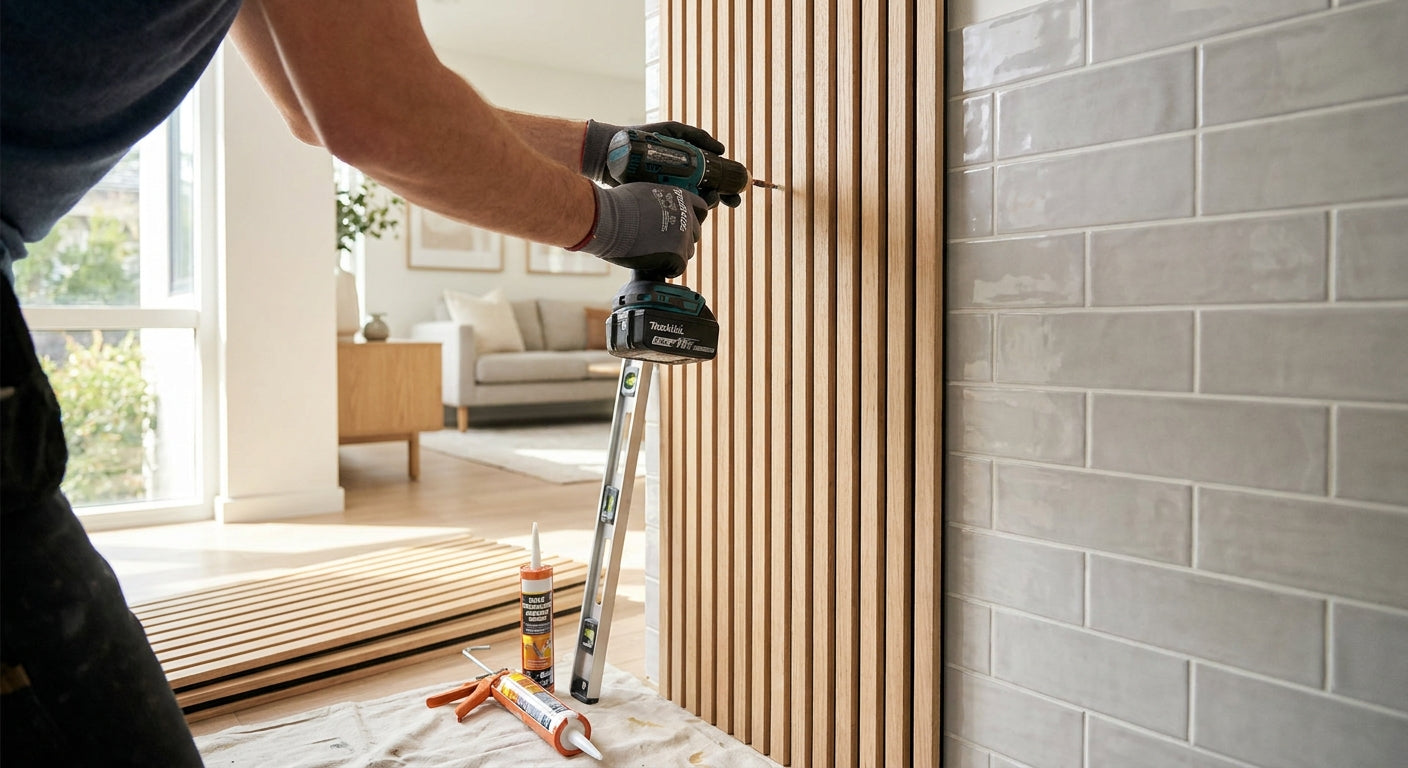
Skin oils and moisture from bare hands can leave marks on unfinished or lightly sealed veneer, especially on lighter finishes like natural oak. Wear cotton gloves when moving panels, or at minimum keep hands clean and dry. Carry panels vertically with two people for anything over 4 feet to avoid flex-induced cracking. Common mistake: dragging panels across each other to reposition a stack — that's how surface scratches happen right before install day.
7. Re-stack correctly if the project stalls
Projects get delayed. If a job pushes back weeks or months, don't leave panels in whatever spot they landed — re-check the storage environment, re-stack flat, and re-verify humidity before you eventually install. A panel that acclimated once six months ago in a different room has not stayed acclimated to this one.


Troubleshooting
Panel arrived slightly bowed. Lay it flat under light weight (stacked books or a plywood sheet) in a properly conditioned room for 48-72 hours before deciding it's defective — most minor bow from shipping pressure corrects itself once the panel acclimates.
Storage room humidity keeps swinging. A portable dehumidifier or humidifier, run for a few days before delivery, stabilizes the room faster than waiting for HVAC alone. Re-check with a hygrometer before moving panels in.
Panels smell musty after storage. That's a moisture signal, not a cosmetic issue — move them to a drier space immediately and inspect the core edges for swelling before installing.
Edge chips or dents from handling. Small chips on slat or fluted edges can often be filled and touched up; deep gouges into the veneer mean that panel goes at the bottom of a cut list, not on the feature wall.
No indoor space large enough to store the full order. Order in smaller batches timed to your install schedule instead of taking full delivery weeks early — a supplier that ships on your timeline beats a garage full of panels acclimating in the wrong environment.
Panels installed without acclimation and now show gaps. This isn't fixable after the fact for panels already fastened — replace the affected section using properly acclimated stock and treat it as the lesson for the next room.
Tools and resources
- Hygrometer/humidity monitor — under $15, non-negotiable for this process
- Flat pallet or plywood-on-sawhorses storage surface
- Moving blankets or cardboard interleaving sheets
- A full sample box of slat wall panels to test finish and grain match before committing to full storage and install
- A written acclimation log (delivery date, room, target install date) taped to the top box
What to do next
Once panels have acclimated and you're ready to move from storage to layout, the next decision is sequencing the room. A full walkthrough on how to plan a full room wood panel installation covers wall prep, layout direction, and cut order so storage time translates into a clean install day.
FAQ
How long should you store wood wall panels before install?
Acclimate wood wall panels for a minimum of 48-72 hours in the room where they'll be installed. Panels shipped in cold or humid conditions may need closer to 72 hours before the moisture content stabilizes.
Can you store wood wall panels in a garage?
No — garages swing in temperature and humidity far more than interior rooms, which warps veneer and cores over time. Move panels indoors to a conditioned space as soon as they arrive.
What humidity level is best for storing wood panels?
Keep storage humidity between 40% and 60% relative humidity. Below that range wood shrinks and cracks; above it, veneer swells and can lift from the core.
Should wood wall panels be stored flat or on edge?
Store panels flat and horizontal on a level surface, stacked no higher than 10-12 panels with a protective layer between them. Storing on edge lets thinner styles like fluted and slat panels bow under their own weight.
Do acoustic slat panels need the same storage treatment as solid wood panels?
Yes — acoustic slat panels use real wood veneer over an MDF or felt-backed core, so they acclimate and warp the same way solid panels do. Skip the acclimation step and seams open up after install.
What's the biggest mistake people make storing wall panels before install?
Installing straight from the delivery box without any acclimation period. It's the single fastest way to see gaps, cupping, or lifted veneer within the first few weeks after installation.
Can you store wood wall panels for months before installing?
Yes, as long as the storage room holds steady at 65-75°F and 40-60% humidity the entire time. Long storage in an unstable room causes more damage than a short storage window in a stable one.
The detail most people skip: acclimation isn't a one-time event tied to delivery day, it's tied to the room the panel finally gets installed in. A panel that sat acclimated in a bedroom for a week and then gets moved to install in the basement needs to re-acclimate to that new room's air before you touch a screw gun, because basements run cooler and damper than upstairs rooms even in the same house in 2026.


 Better performance and aesthetic appeal
 In Stock