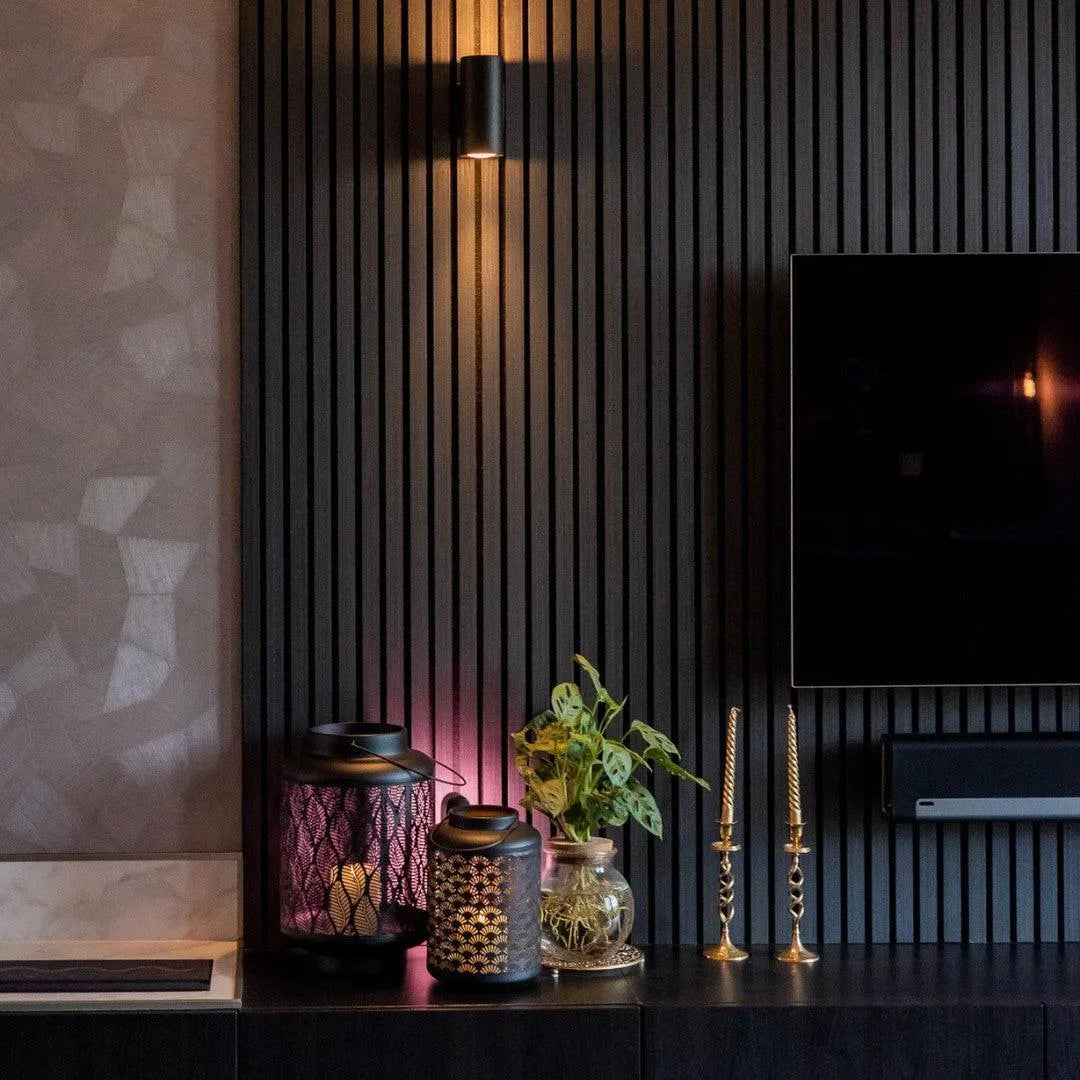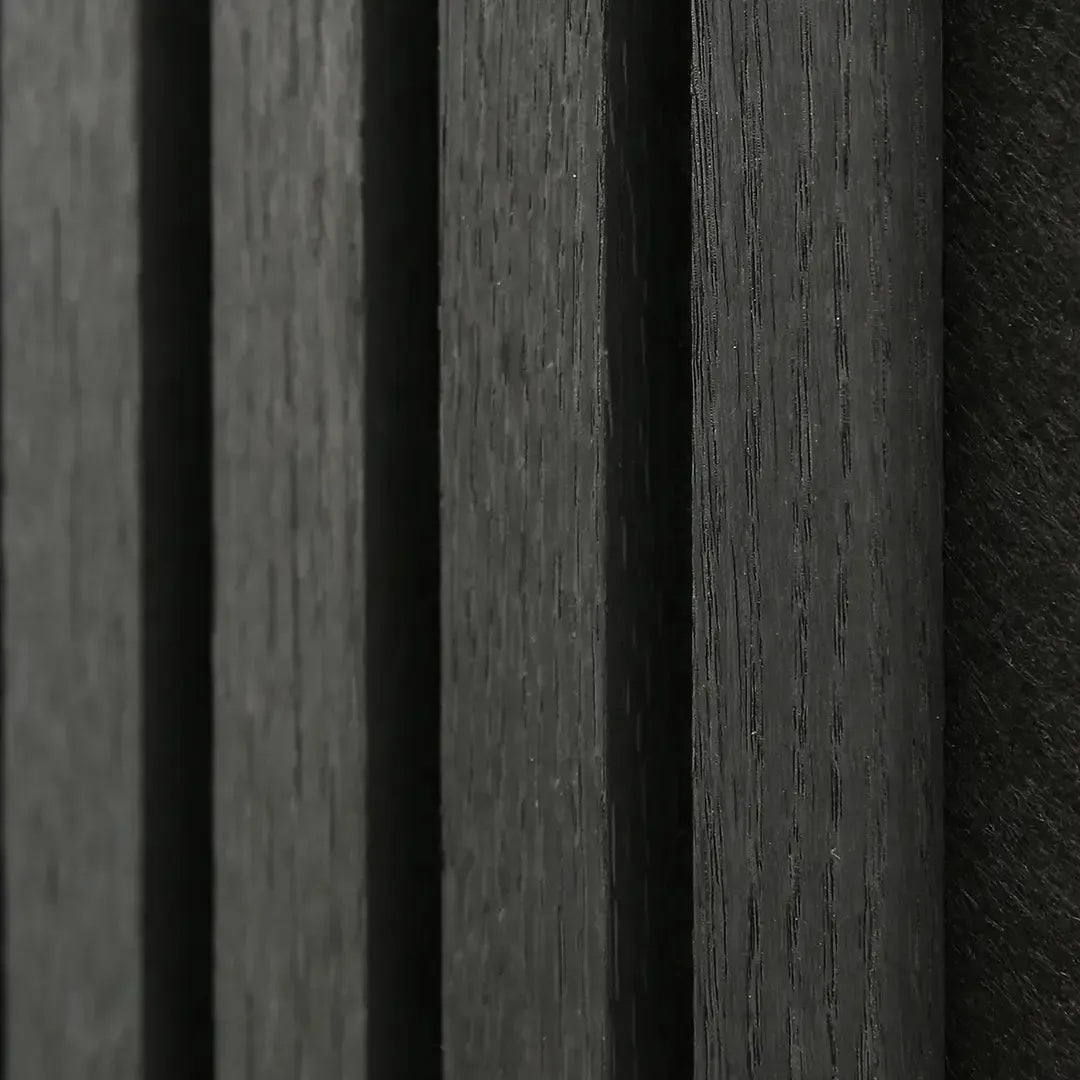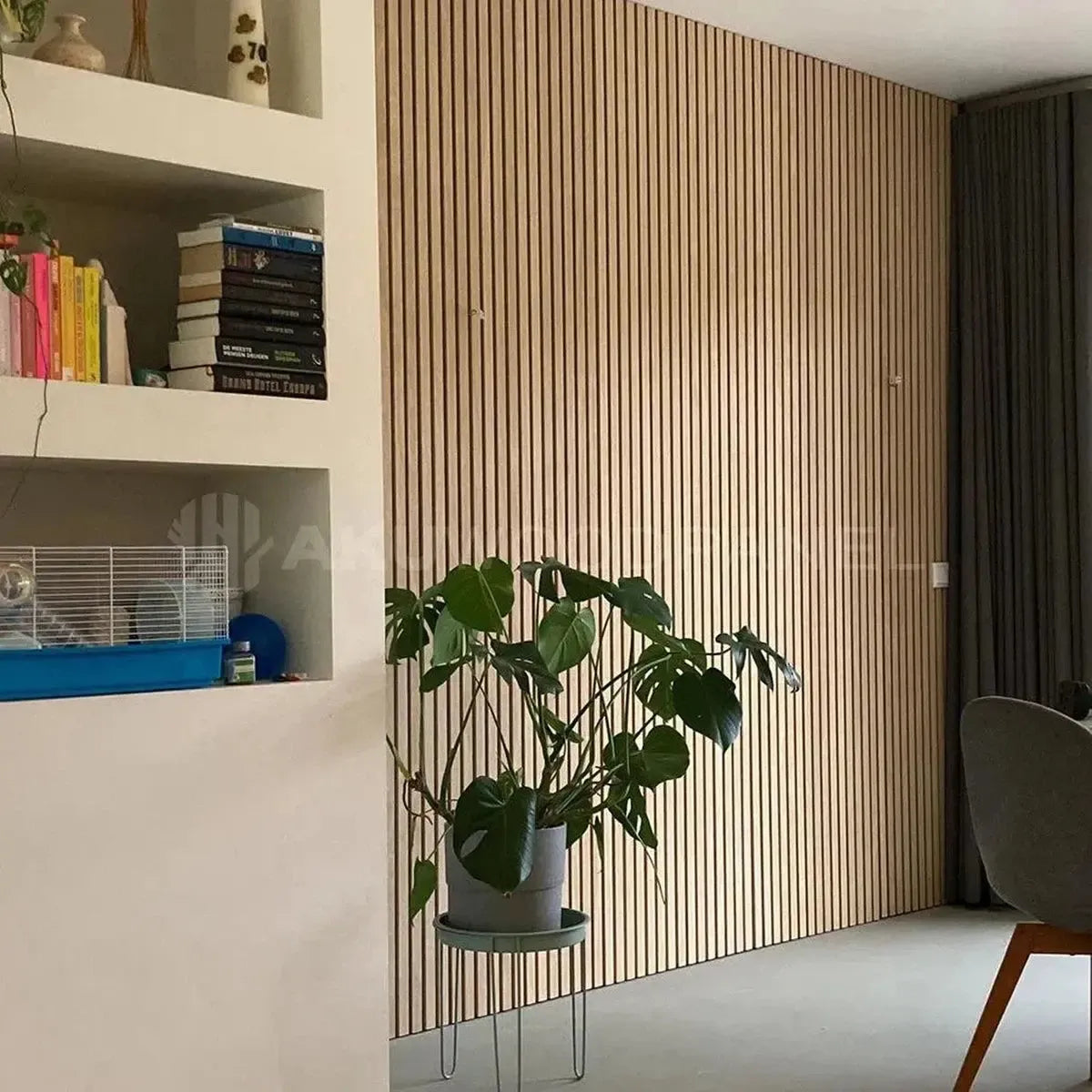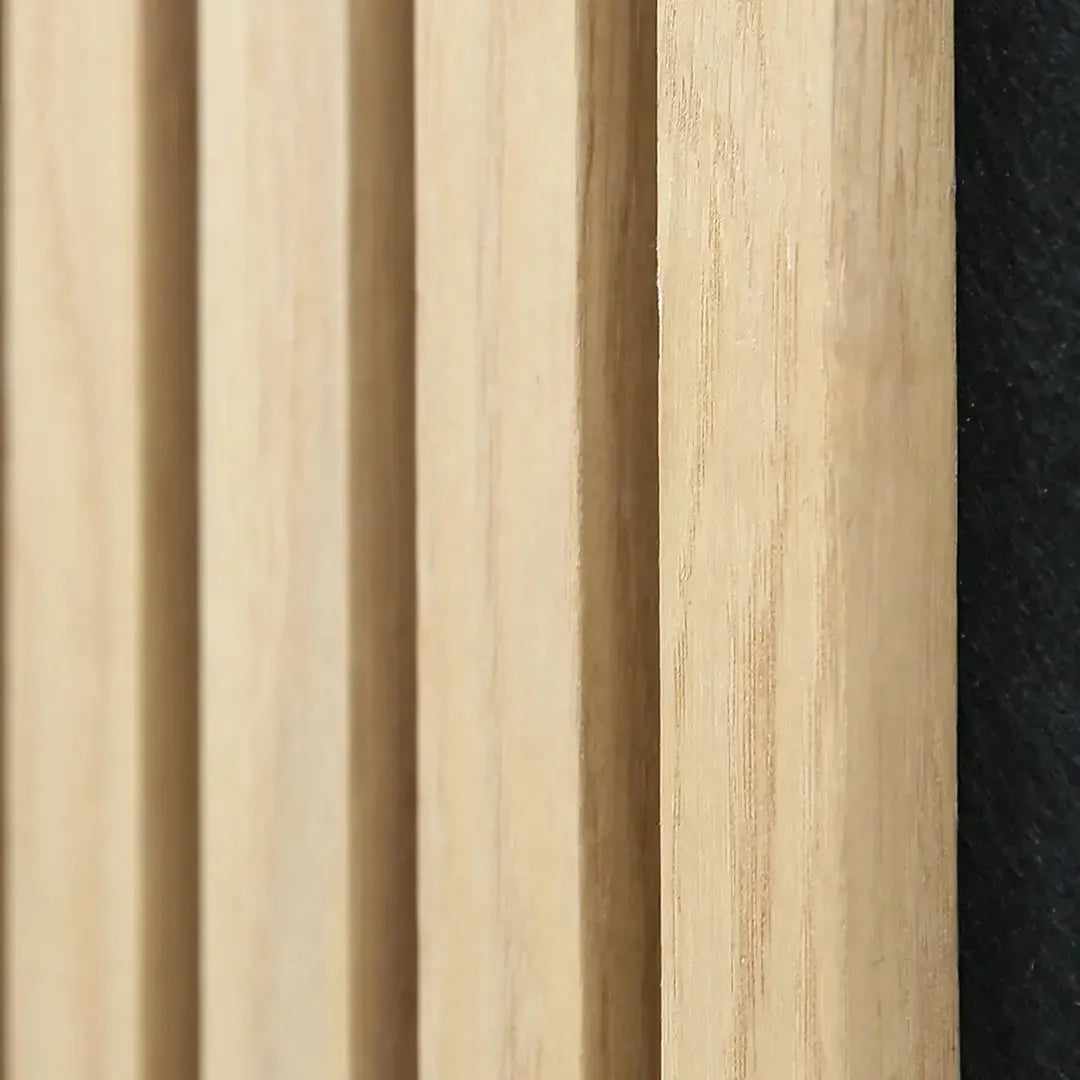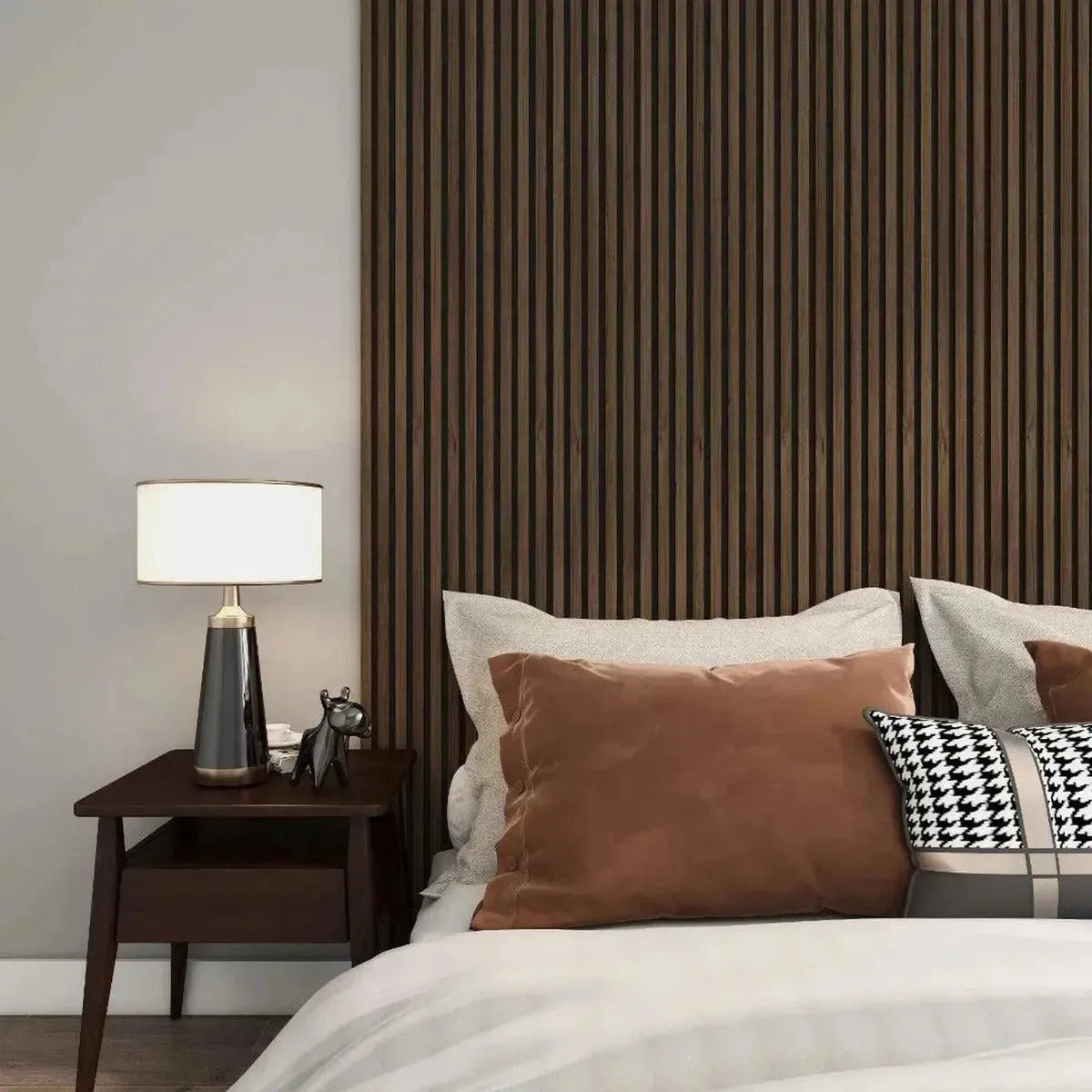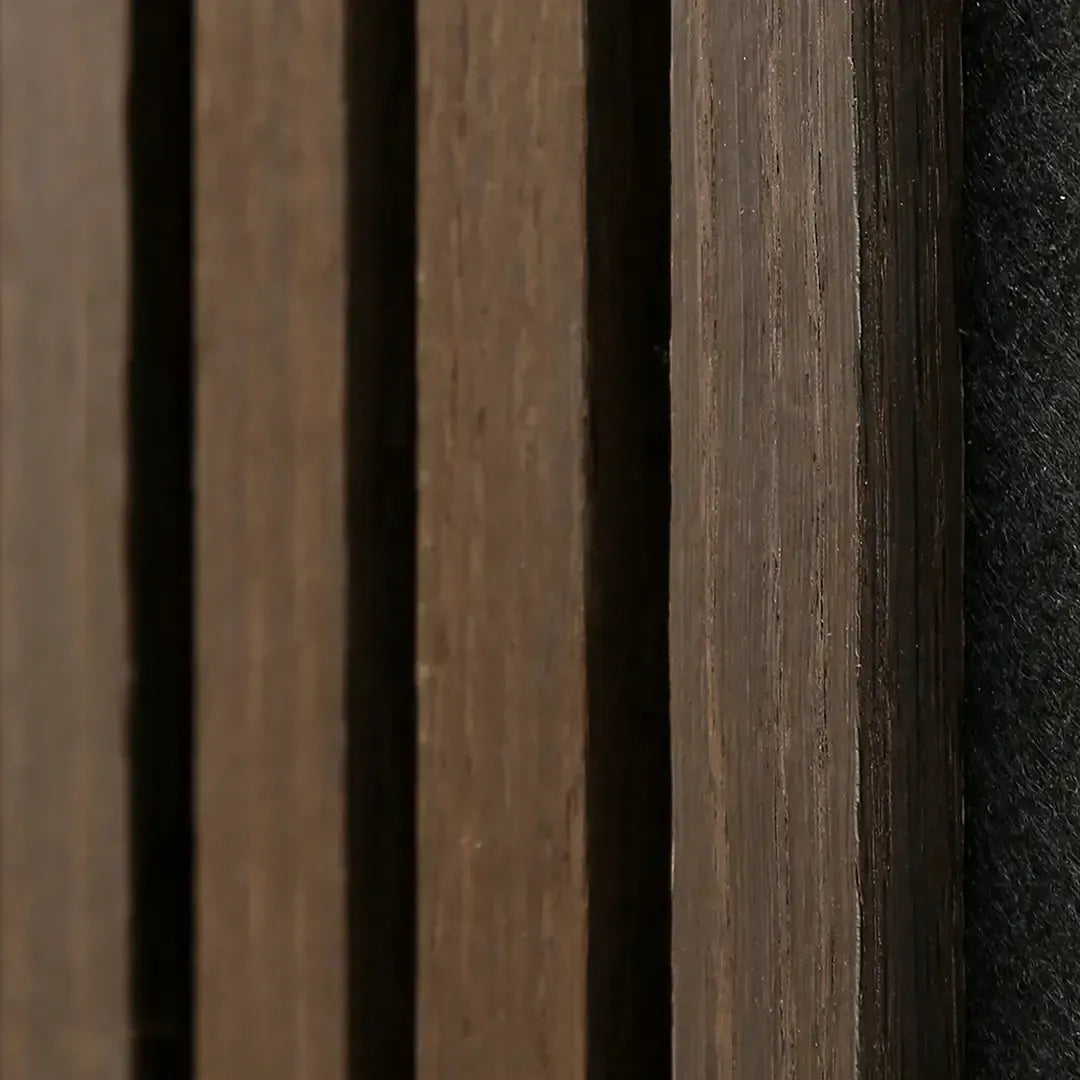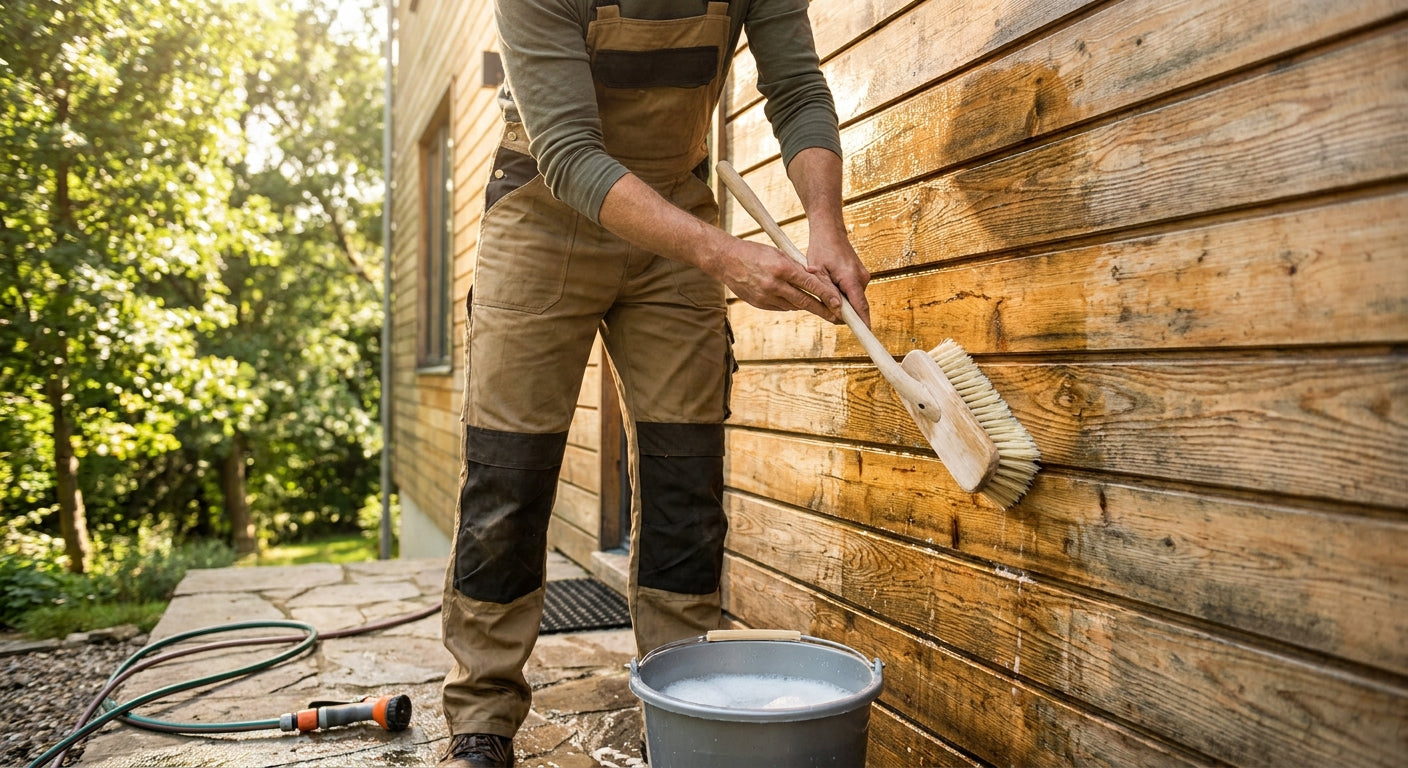
Exterior wood cladding panels take a beating from UV, rain, and temperature swings — and a five-minute rinse twice a year is the difference between panels that look sharp in 2031 and panels that gray out and warp by 2028.
TL;DR
Cleaning exterior wood cladding panels means a soft-bristle wash with pH-neutral soap every 6 months, a full inspection for gaps or fastener pop-out once a year, and a re-oil or re-seal every 2-3 years depending on sun exposure. The AKU Woodpanel exterior wall panel in Oak holds its finish longest with this routine — expect visible fading by year 3 if you skip the annual reseal. Pressure washers above 1500 PSI and bleach-based cleaners are the two mistakes that shorten panel life the fastest. Verdict: low-maintenance, not no-maintenance — 20 minutes twice a year keeps a 2026 install looking like new well into the 2030s.
Why this matters
Exterior wood panels aren't vinyl. They're a real wood veneer surface engineered to weather outdoors, which means they need the same basic care as a deck or fence — just less of it. Skip maintenance entirely and you'll see algae streaking within 18 months in humid climates, and UV graying starts showing on south-facing walls inside a single summer.
The good news: this isn't a weekend project. Most homes need under an hour of actual work, twice a year, to keep an exterior wall panel in Oak or similar finish performing the way it did on install day. The steps below cover cleaning, inspection, and the protective coating cycle that actually prevents the expensive problems — cracking, warping, and fastener failure.
What you'll need
- Soft-bristle brush or car-wash mitt (never wire or stiff-bristle)
- Garden hose with adjustable nozzle, or a pressure washer set below 1500 PSI
- pH-neutral wood soap or a mild dish soap diluted 1:10 with water
- Microfiber cloths or a squeegee for drying
- Exterior wood oil or UV-stabilized sealant rated for outdoor use
- A ladder or extension pole for anything above 8 feet
- 30 minutes for cleaning, 2-3 hours if you're also re-sealing
If you're maintaining an installed exterior panel system, keep the matching exterior panel finishing trim in Oak in mind — trim pieces trap more moisture at the joints than the flat panel face and need closer inspection each cycle.
The steps
1. Rinse the full wall before you touch a brush
A plain water rinse removes 70-80% of surface dust and loose debris, and it stops you from grinding grit into the wood grain once you start scrubbing. Run the hose top to bottom in overlapping passes, holding the nozzle about 2 feet from the surface.
Common mistake: starting with soap on a dry, dusty panel. That turns loose dirt into an abrasive paste that scratches the finish.
2. Wash with a soft brush and diluted soap
Mix your pH-neutral soap at roughly 1 ounce per gallon of water and work in small 3-foot sections, brushing in the direction of the wood grain. Grain-direction cleaning matters because cross-grain scrubbing opens tiny fibers that trap dirt faster on the next cycle.
Rinse each section before the soap dries — dried soap film leaves a dull, chalky residue that's harder to remove than the original grime. Expect a full wall of 200-300 sq ft to take 20-25 minutes at this pace.
3. Spot-treat algae or mildew stains
Green or black streaking usually shows up on north-facing walls or anywhere runoff pools, and it needs a stronger pass than general soap. Use a 3% hydrogen peroxide solution (not bleach) on a soft cloth, let it sit 5 minutes, then rinse thoroughly.
Common mistake: reaching for household bleach. Bleach strips the protective oil finish and can bleach the wood tone unevenly, which is a repair job, not a cleaning job.
4. Dry the panels and check the seams
Squeegee or wipe down flat surfaces so water doesn't sit in the slat grooves — standing moisture is the #1 driver of premature warping on exterior installs. While you're drying, run a hand along every seam and fastener line.
Look for gaps wider than 3/8 inch between panels, which signals expansion movement beyond what the install allowed for, and check that no fastener heads have backed out more than a millimeter or two.
5. Inspect fasteners and trim annually
Once a year, walk the wall specifically looking at hardware, not just the wood face. Loose or corroding screws are the leading cause of panel movement in year 2 and 3 of an install.
Swap any visibly rusted fastener for a rated exterior screw — the exterior wall panel screws in Black are built for outdoor exposure and won't streak the surrounding wood the way a standard zinc screw does over 12-18 months.
Expected outcome: a wall with tight, even seams and no visible fastener corrosion. If you find more than 3-4 loose fasteners across a single wall, that's a sign the whole run needs a fastener pass, not spot fixes.
6. Re-oil or re-seal every 2-3 years
This is the step that actually extends panel life — cleaning maintains appearance, but the oil or sealant coat is what blocks UV and moisture penetration. South- and west-facing walls in direct sun need resealing closer to the 2-year mark; shaded or north-facing walls can often stretch to 3 years.
Apply with a natural-bristle brush or lint-free cloth, working thin coats in the grain direction, and let each coat cure per the product's label — typically 4-6 hours between coats and 24 hours before the wall gets rained on.
Common mistake: applying oil over a wall that wasn't fully dry from cleaning. Trapped moisture under a fresh coat causes cloudy patches that only sand out.
Troubleshooting
- Gray, washed-out patches on sun-facing walls — this is UV graying, not dirt. A light sanding (120-grit) followed by a fresh oil coat restores the tone; soap alone won't fix it.
- Water stains that won't rinse out — try the hydrogen peroxide spot treatment from Step 3 twice, 48 hours apart, before assuming the stain is permanent.
- A panel that feels soft or spongy — stop cleaning and check for water intrusion behind the panel. This usually means a gap or trim failure, not a surface issue, and needs a repair, not more soap.
- Streaking below fastener heads — that's early corrosion runoff. Replace the fastener before the streak sets into the wood grain permanently.
- Musty smell near the base of the wall — check drainage at ground level. Panels installed too close to soil or mulch trap moisture and need a gap adjustment, not extra cleaning.
- New panels look duller than the sample within 6 months — normal early weathering. The panels will stabilize by month 9-12 as the surface finish settles; this isn't a defect.
Tools and resources
- Soft-bristle brush, hose, pH-neutral soap (weekly-use hardware store items)
- Exterior wall panel in Birch or Oak for replacement sections if a panel is beyond repair
- Exterior panel finishing trim in Oak for joint and edge protection
- Exterior wall panel screws in Black for fastener replacement
- UV-stabilized exterior wood oil, applied every 2-3 years depending on sun exposure
What to do next
If your panels are showing more than surface dirt — actual gaps, warping, or a section that needs replacing — read the full breakdown on weatherproofing exterior wall cladding panels before you touch a brush or a screw gun. Weatherproofing prevents most of the problems this maintenance routine is designed to catch early.
FAQ
How often should I clean exterior wood cladding panels? Clean twice a year — once in spring after pollen season and once in fall before winter moisture sets in. Homes near the coast or under heavy tree cover may need a third light rinse in summer.
Can I pressure wash exterior wood panels? Yes, but keep pressure under 1500 PSI and hold the nozzle at least 12 inches from the surface. Anything higher strips the protective finish and can splinter the grain on softer wood species.
Do exterior wood panels need to be resealed every year? No — most installs need resealing every 2-3 years, not annually. South- and west-facing walls in full sun sit at the 2-year end of that range; shaded walls can stretch closer to 3 years.
What's the best cleaner for exterior wood cladding? pH-neutral wood soap diluted 1:10 with water is the safest choice. Bleach and ammonia-based cleaners strip the finish and can discolor the wood unevenly.
How do I remove algae from exterior wood panels? A 3% hydrogen peroxide solution left on the stain for 5 minutes, then rinsed, clears most mildew and algae without bleaching the wood tone. Repeat once more 48 hours later if the stain persists.
Is exterior wood cladding low-maintenance compared to vinyl siding? It needs more attention than vinyl but far less than a full paint job — two cleanings and one inspection a year covers most homes. The tradeoff is a real wood surface that vinyl can't replicate.
How long do exterior wood cladding panels last with proper maintenance? With the 6-month cleaning and 2-3 year reseal cycle, a well-installed system commonly performs 15-20 years before major sections need replacement. Skipping maintenance can cut that timeline by more than half.
Should I remove and store panels in winter? No — exterior panels are engineered to stay installed year-round. Winter is actually when standing moisture and ice buildup at seams matter most, so the fall inspection pass matters more than any removal.
One last thing
The single biggest maintenance mistake isn't skipping the cleaning — it's cleaning on a schedule but never checking the seams. A wall that looks spotless can still be trapping water behind a 3/8-inch gap that's been widening since 2024, and that's the kind of damage soap and a hose will never catch.
 Better performance and aesthetic appeal
 In Stock