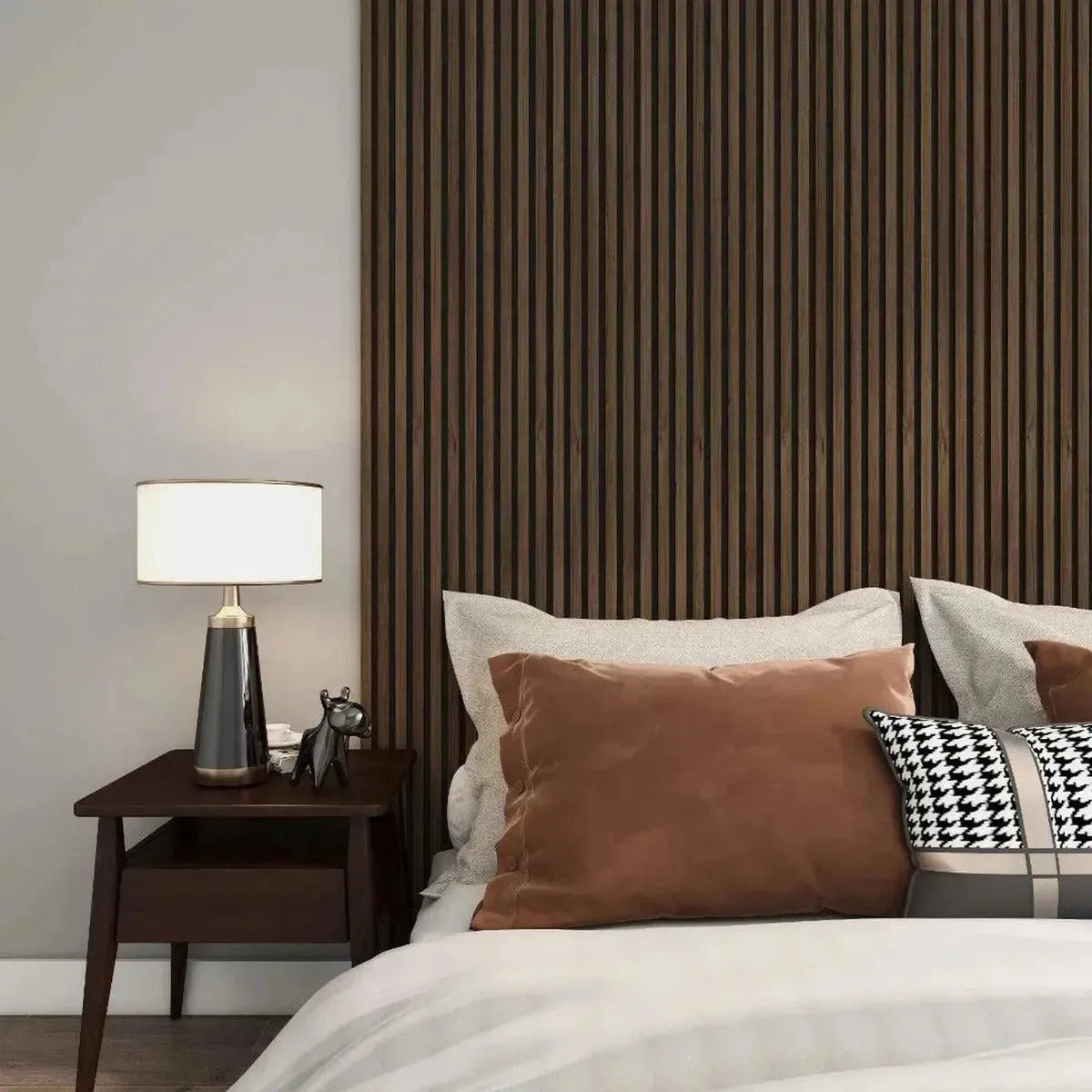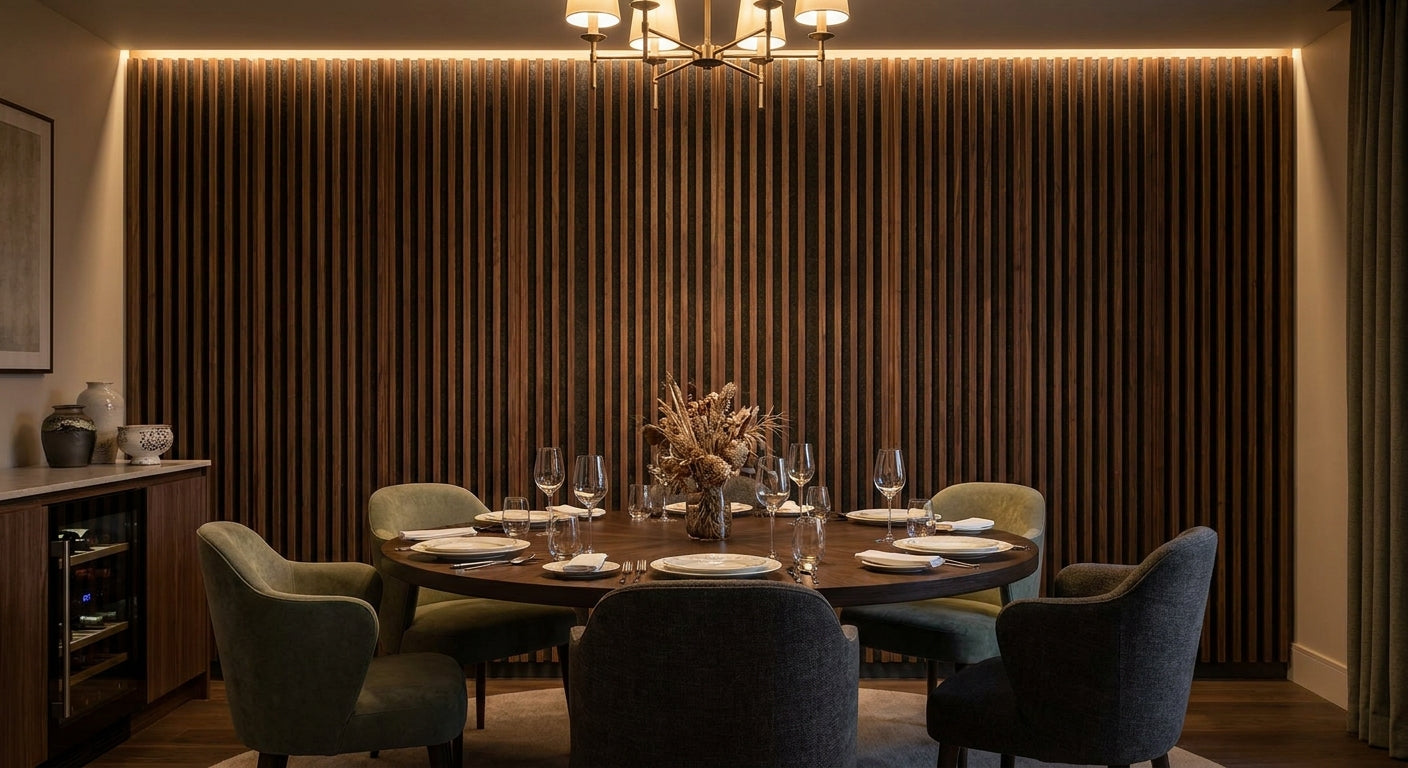
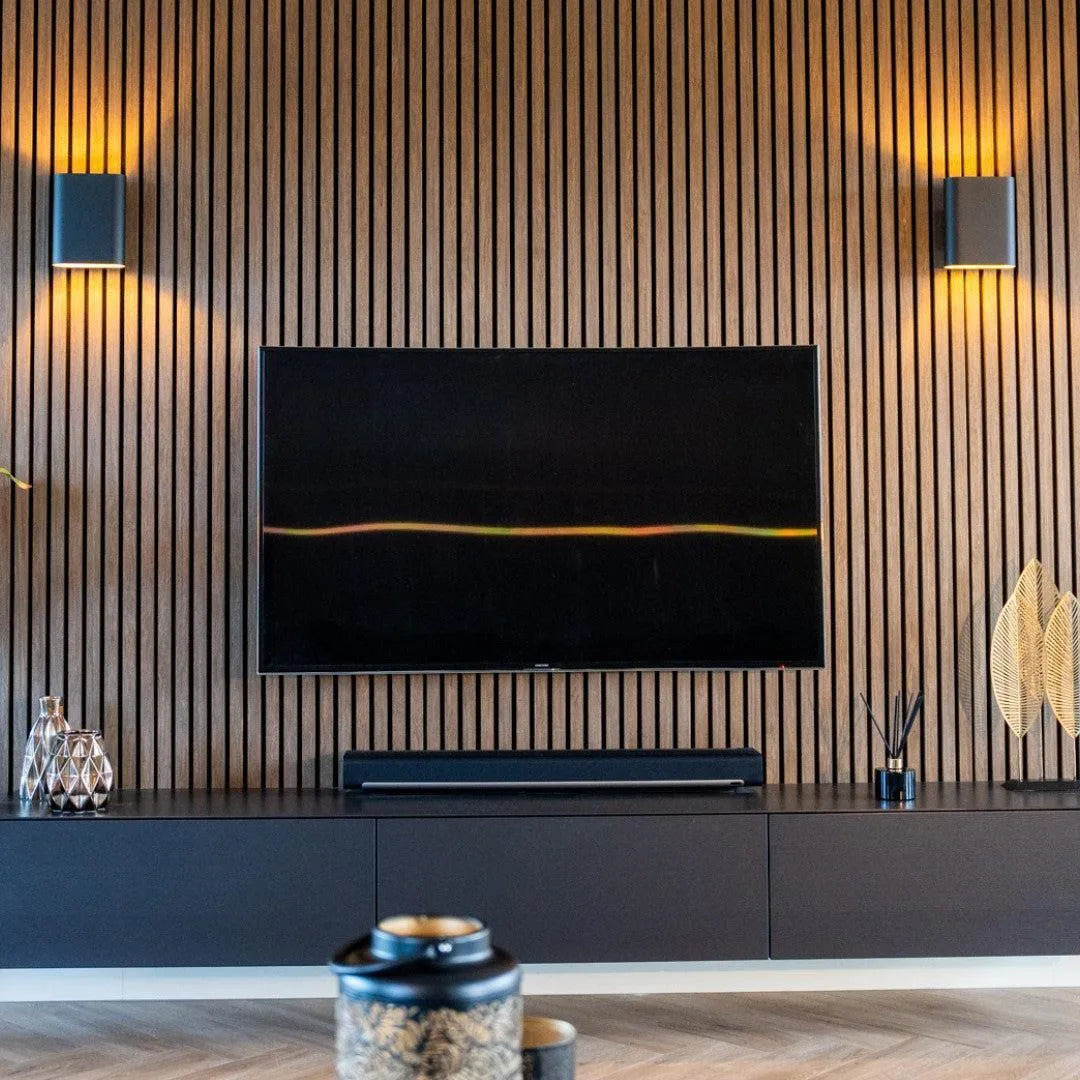
Private dining rooms turn into echo chambers fast: hard floors, glass, and drywall bounce every clink of a glass and dinner conversation into a wall of noise. Acoustic slat wall panels fix that while giving the room a finished, restaurant-grade look that a bare wall never will.
TL;DR
For a private dining room, the Acoustic Slat Wall Panel in Smoked Oak is the safe pick for 2026 — dark enough to hide wear, warm enough to soften a formal room, and it pairs with the felt backing that actually absorbs sound instead of just decorating the wall. If you want lighter tones, the Natural Oak with Gray Felt version does the same job with a brighter finish. Skip anything marketed as "decorative slat panel" with no felt backing — it looks the part but does almost nothing for echo. Verdict: Buy the felt-backed slat panel; Skip the felt-free decorative version for this use case.
Why this matters
A private dining room is a small, enclosed box — usually 10 to 16 feet on a side, seating 8 to 12 guests, with none of the soft furnishings (carpet, drapery, upholstered walls) that a living room has to soak up sound. That combination is exactly what makes echo worse in a dining space than almost anywhere else in the home or a restaurant. Homeowners and restaurant owners installing wood slat panels in 2026 aren't just chasing a look; they're solving a specific reverberation problem that gets worse with every guest added to the table. Reducing echo in dining rooms is one of the most common reasons people search for slat panels at all, and the private dining room is the toughest version of that problem because it's small, hard-surfaced, and meant to feel intimate rather than loud.
Who this is for
This guide is for homeowners finishing a formal or semi-private dining room, and for restaurant or event-space owners building out a private dining room (PDR) that needs to sound as good as it looks. If your table seats fewer than six and the room already has rugs and drapery, you probably don't need acoustic treatment — a decorative panel will do. If you're dealing with a hard-surfaced room where dinner conversation turns into a wall of noise by the second course, keep reading.
What to look for in acoustic slat panels for a private dining room
Felt backing, not just slats
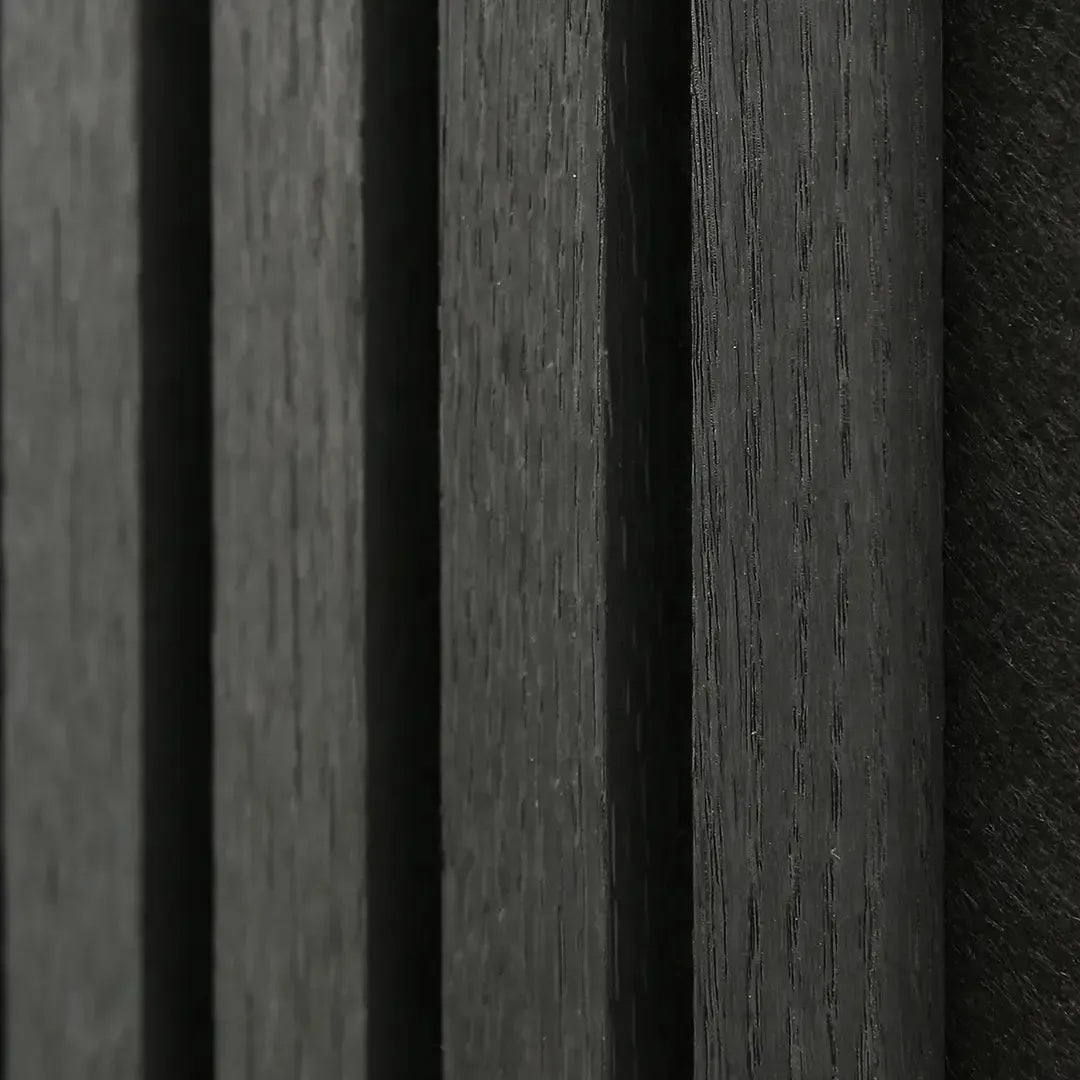
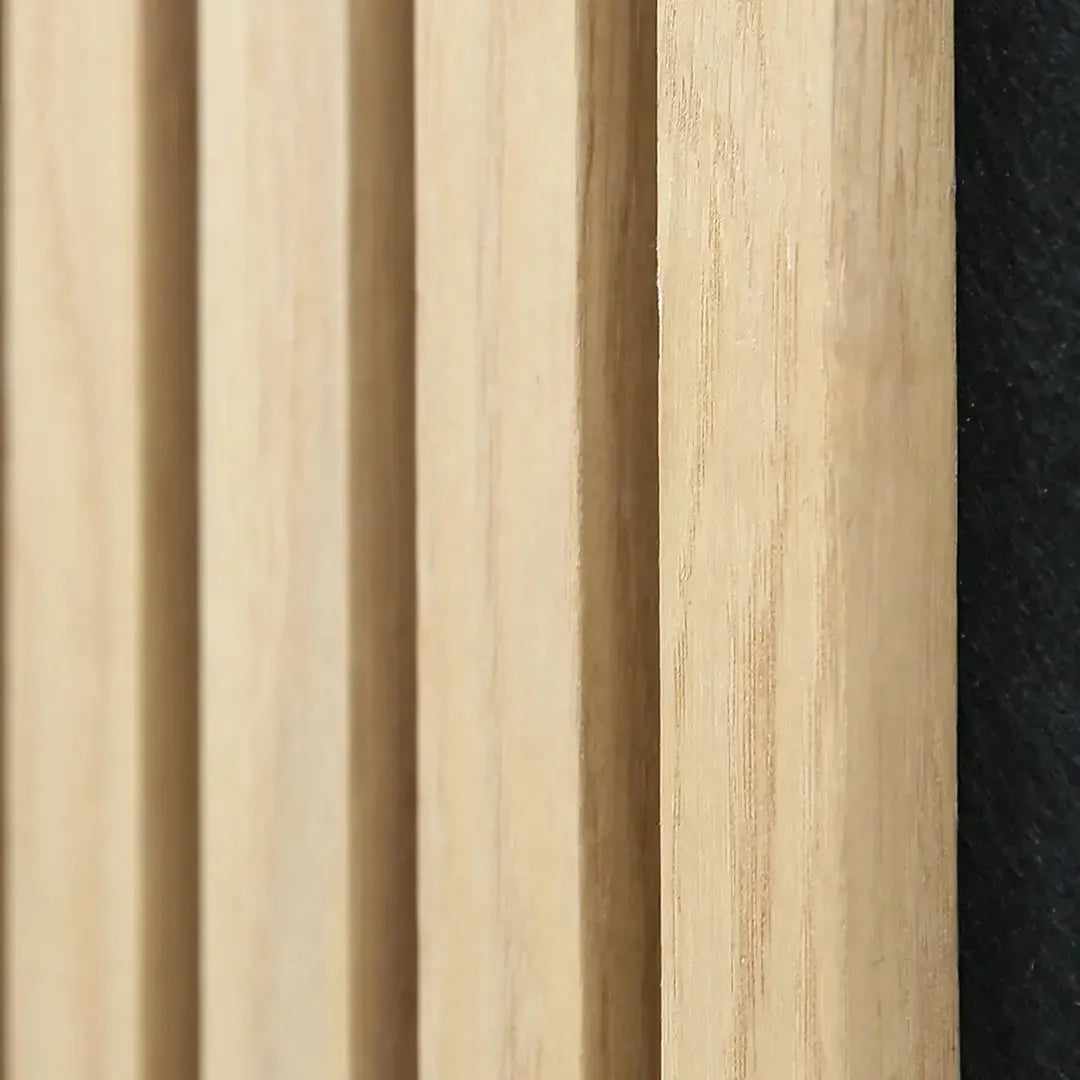
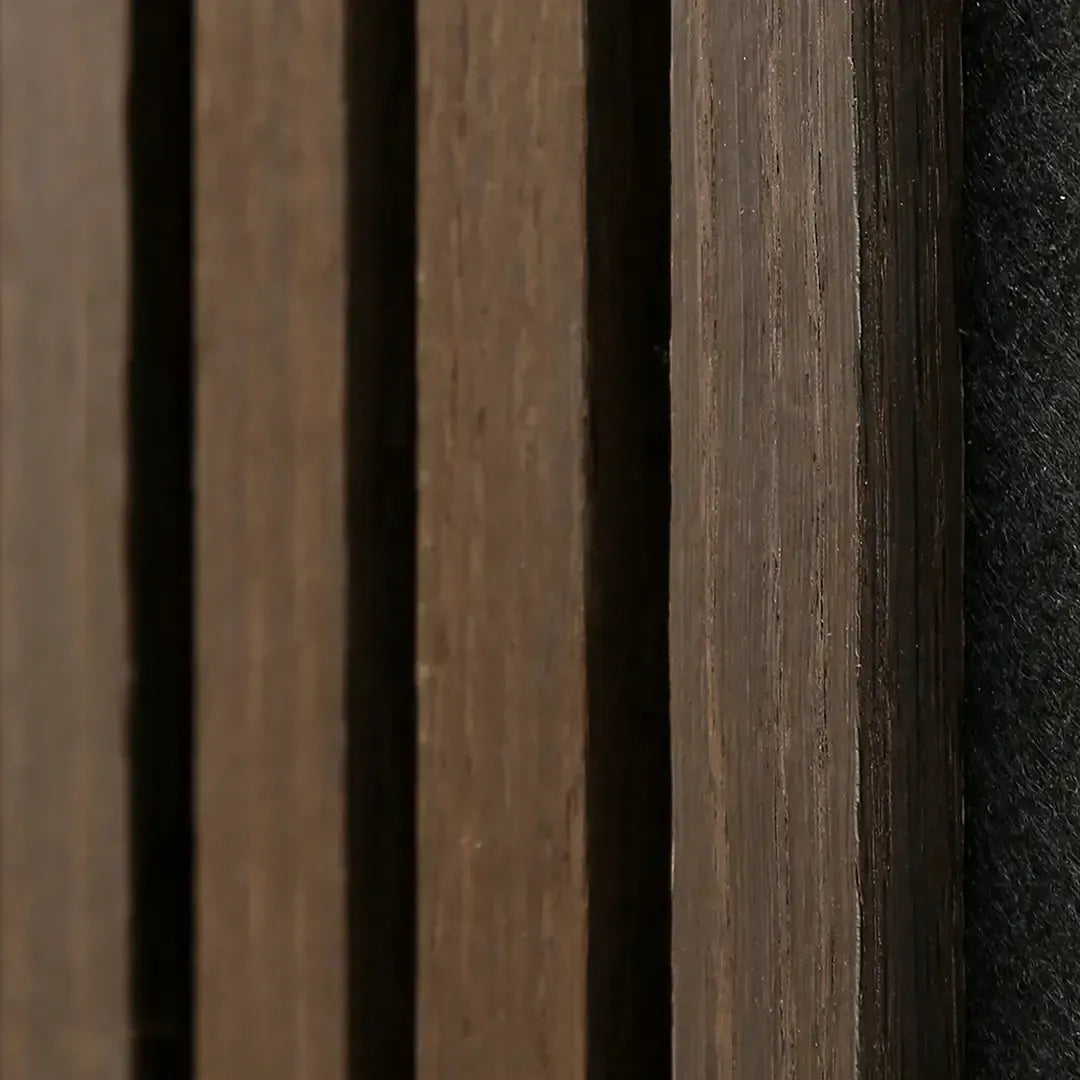
The slats are the visible part, but the felt backing behind them is what actually absorbs sound. A slat panel without felt is a decorative wood panel wearing an acoustic panel's reputation — it looks identical from six feet away but performs like plain wood paneling. For a private dining room, felt-backed construction is non-negotiable.
Veneer that survives spills and wipe-downs
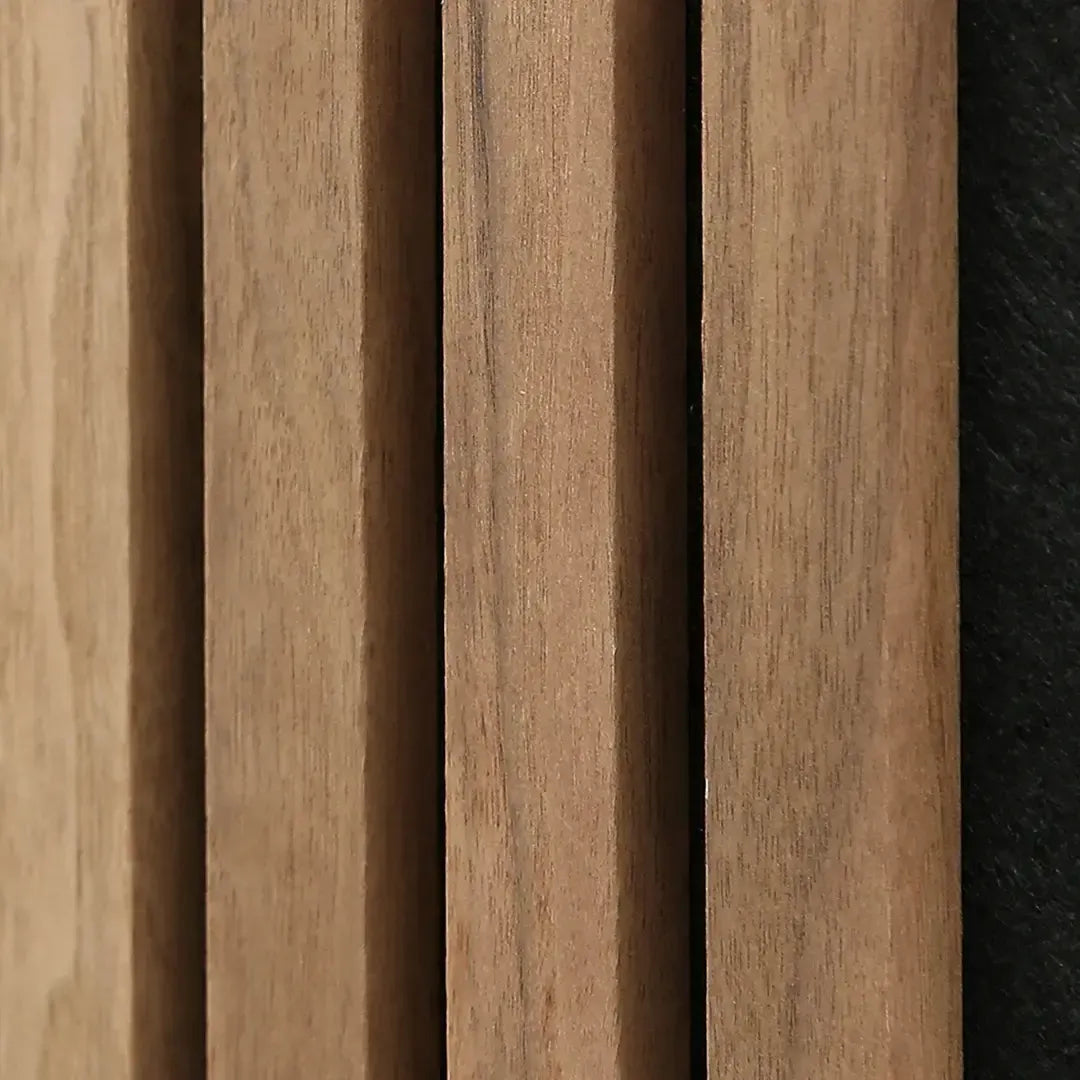
Dining rooms see wine, sauce, and candle wax. Real wood veneer over an MDF or engineered core holds up to occasional wiping far better than a painted or laminate finish, and it ages into a richer patina rather than showing scratches as bare wood.
A finish dark enough to hide wear
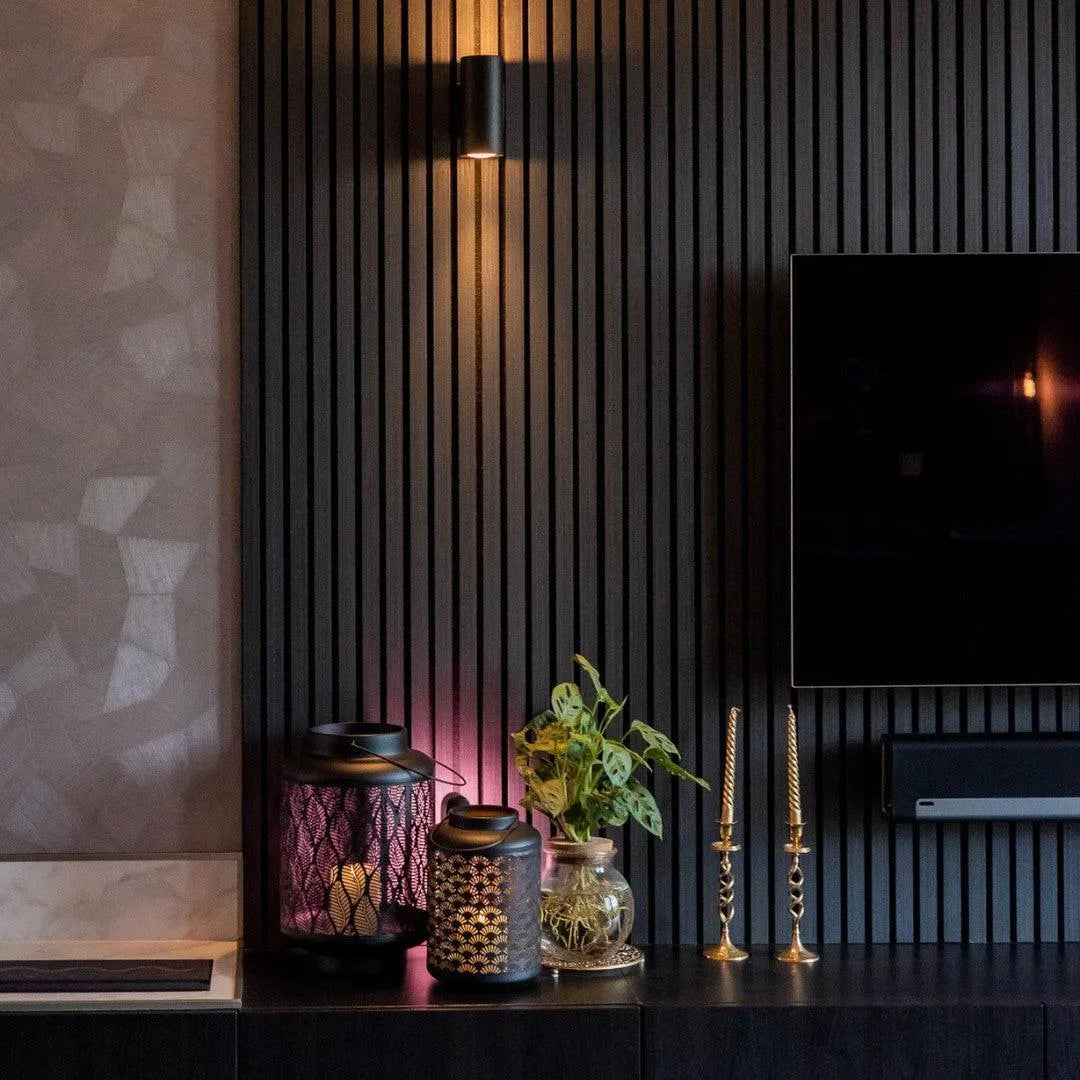
Smoked oak and walnut tones hide fingerprints, minor scuffs, and light staining better than natural oak. In a room that gets used for every anniversary dinner and client lunch, that matters more than it sounds like it should.
Coverage that matches your wall, not just your budget
Most private dining rooms don't need full 360-degree coverage — 60 to 80% of wall surface, concentrated on the largest flat walls and the wall behind the head of the table, gets most of the acoustic benefit without paneling every inch of the room.
Panel width consistency for a formal look
A private dining room reads as more formal than a living room accent wall, so consistent slat spacing across every panel matters more here. Mixed widths work in a casual den; they read as sloppy in a room meant to impress.
End pieces for a finished edge
A private dining room usually has at least one wall that ends at a doorway, window, or corner rather than running edge to edge. Matching end pieces close that gap cleanly instead of leaving a visible cut edge.
Top picks for private dining rooms
The safe pick — Smoked Oak acoustic slat wall panel Real oak veneer over felt backing in a dark, low-maintenance tone. It's the pick that works in nearly every private dining room built in 2026, from a converted den to a restaurant's back room, because the dark finish hides the wear a dining room causes faster than any other room in the house. Buy.
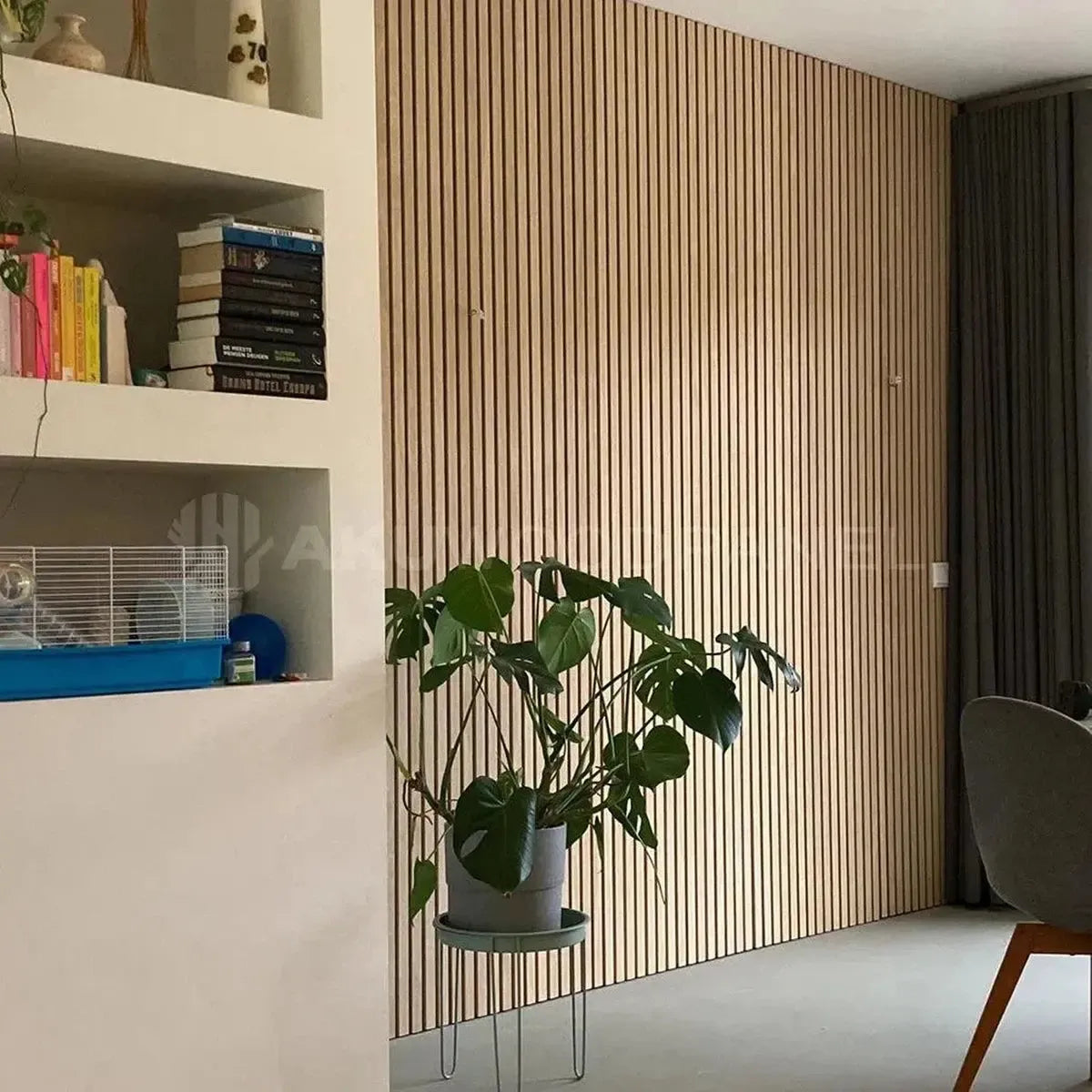
The brighter alternative — Natural Oak with Gray Felt acoustic slat wall panel Same felt-backed construction, lighter finish, gray felt that reads as intentional rather than utilitarian through the slat gaps. Better for a bright, glass-walled private dining room where a dark panel would feel heavy. Buy if your room already leans light and airy.
The upscale wildcard — Walnut acoustic slat wall panel Deeper grain and a warmer red-brown tone than smoked oak, walnut reads as the more expensive option at a glance even when it isn't priced far off the oak lines. Good for a private dining room attached to a wine cellar or bar area where a richer wood tone ties the spaces together. Consider if the adjoining rooms are already walnut or dark-toned.
The one to test first — full sample box Before committing a whole wall, get the full sample box and hold two or three finishes against your actual dining room lighting — candlelight and pendant fixtures shift oak and walnut tones more than daylight does. Buy the sample box before you buy the wall's worth of panels.
What to avoid
- Felt-free decorative slat panels. They look identical in photos but do close to nothing for echo — the felt is the acoustic component, not the slats.
- Ultra-glossy laminate "wood-look" panels. They reflect sound the same way drywall does; the point of going with a wood slat system is the absorption, and a hard laminate surface undermines that.
- Panels sized for a completely different room. A panel system built for a wide-open living room wall doesn't automatically make sense in a tighter private dining room — check panel width against your actual usable wall run before ordering, not after.
Verdict comparison
| Panel | Finish | Felt Backing | Best For | Verdict |
|---|---|---|---|---|
| Smoked Oak | Dark, low-maintenance | Yes | Most private dining rooms | Buy |
| Natural Oak with Gray Felt | Light, bright | Yes | Glass-walled or bright rooms | Buy |
| Walnut | Rich, warm | Yes | Rooms adjoining a bar or cellar | Consider |
| Felt-free decorative slat panel | Varies | No | Nowhere with an echo problem | Skip |
FAQ
What's the best acoustic slat panel for a private dining room? The felt-backed Smoked Oak acoustic slat wall panel is the best default for 2026 because its dark finish hides wear and its felt backing handles the actual echo reduction that a private dining room needs.
Is felt backing necessary or just a decorative option? Felt backing is the part of the panel that absorbs sound; without it, a slat panel is a wood-look decorative surface with little acoustic benefit. For any room with an echo problem, felt-backed construction is the deciding factor, not a nice-to-have.
How much of the wall needs to be paneled to reduce echo? Most private dining rooms see a noticeable improvement covering 60 to 80% of the largest flat wall surfaces, especially behind the head of the table, rather than paneling every wall floor to ceiling.
Do acoustic slat panels work in a room with hard floors? Yes — the wall panels are doing the acoustic work the floor and ceiling aren't, which is exactly why private dining rooms with hardwood or tile floors benefit more from slat panels than a heavily carpeted room would.
Should I order samples before buying a full wall's worth of panels? Yes. Candlelight and pendant lighting common in private dining rooms shift oak and walnut tones noticeably compared to daylight, so a full sample box check under your actual fixtures avoids an expensive mismatch.
Is walnut or smoked oak better for a formal dining room? Smoked oak is the more forgiving, lower-maintenance choice for daily use; walnut reads as more upscale and pairs better with an adjoining wine cellar or bar area. Both use the same felt-backed construction.
Can these panels handle occasional spills or wine stains? Real wood veneer over felt-backed panels tolerates a quick wipe-down far better than painted MDF, though any wood veneer benefits from prompt cleanup rather than letting a spill sit.
Do end pieces matter if my wall doesn't run corner to corner? Yes — most private dining room walls stop at a doorway or window rather than running full length, and matching end pieces close that edge cleanly instead of leaving a visible raw cut.
One last thing
The detail most people miss on a private dining room build in 2026: the wall behind the head of the table does more acoustic work than the other three walls combined, because it's directly facing the group and reflecting conversation straight back at the table. If budget only allows one wall this year, panel that one first.

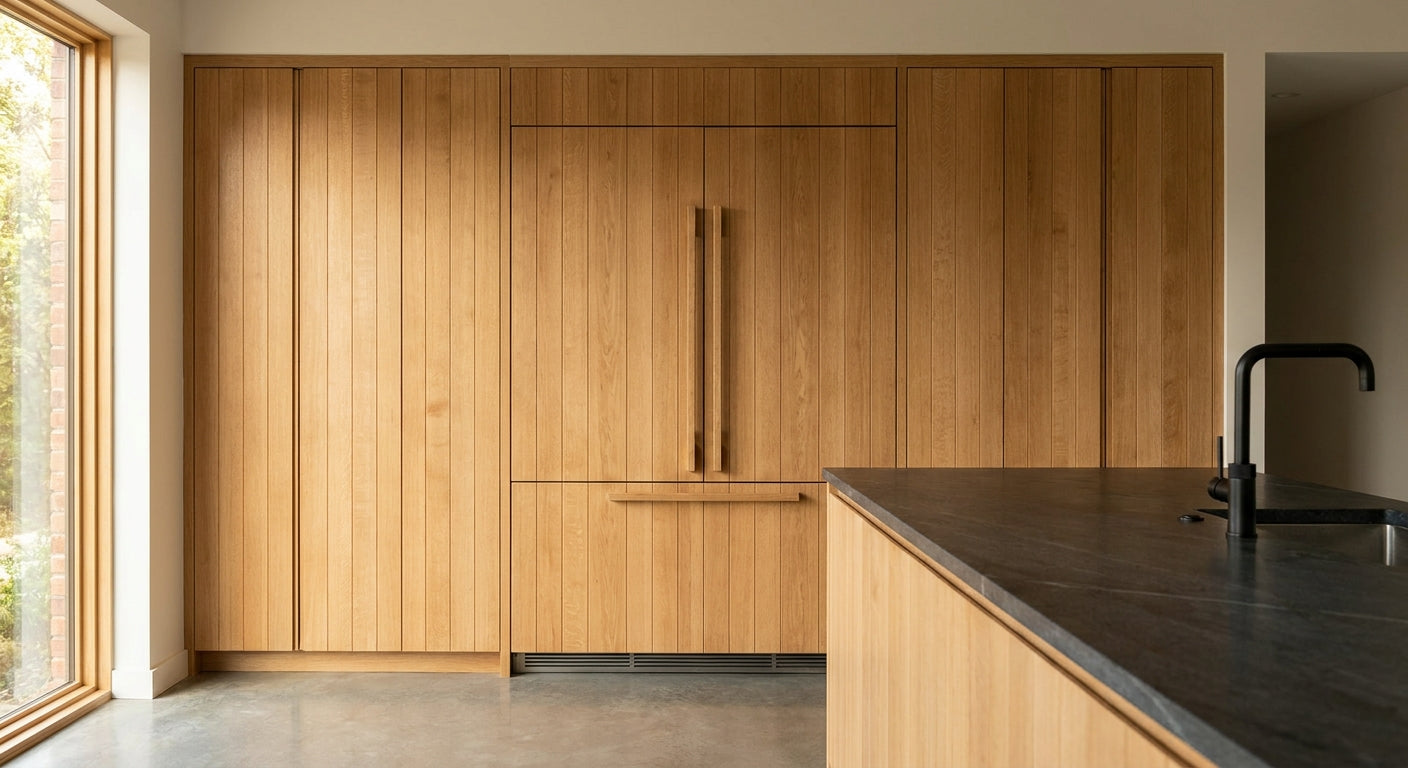

 Better performance and aesthetic appeal
 In Stock