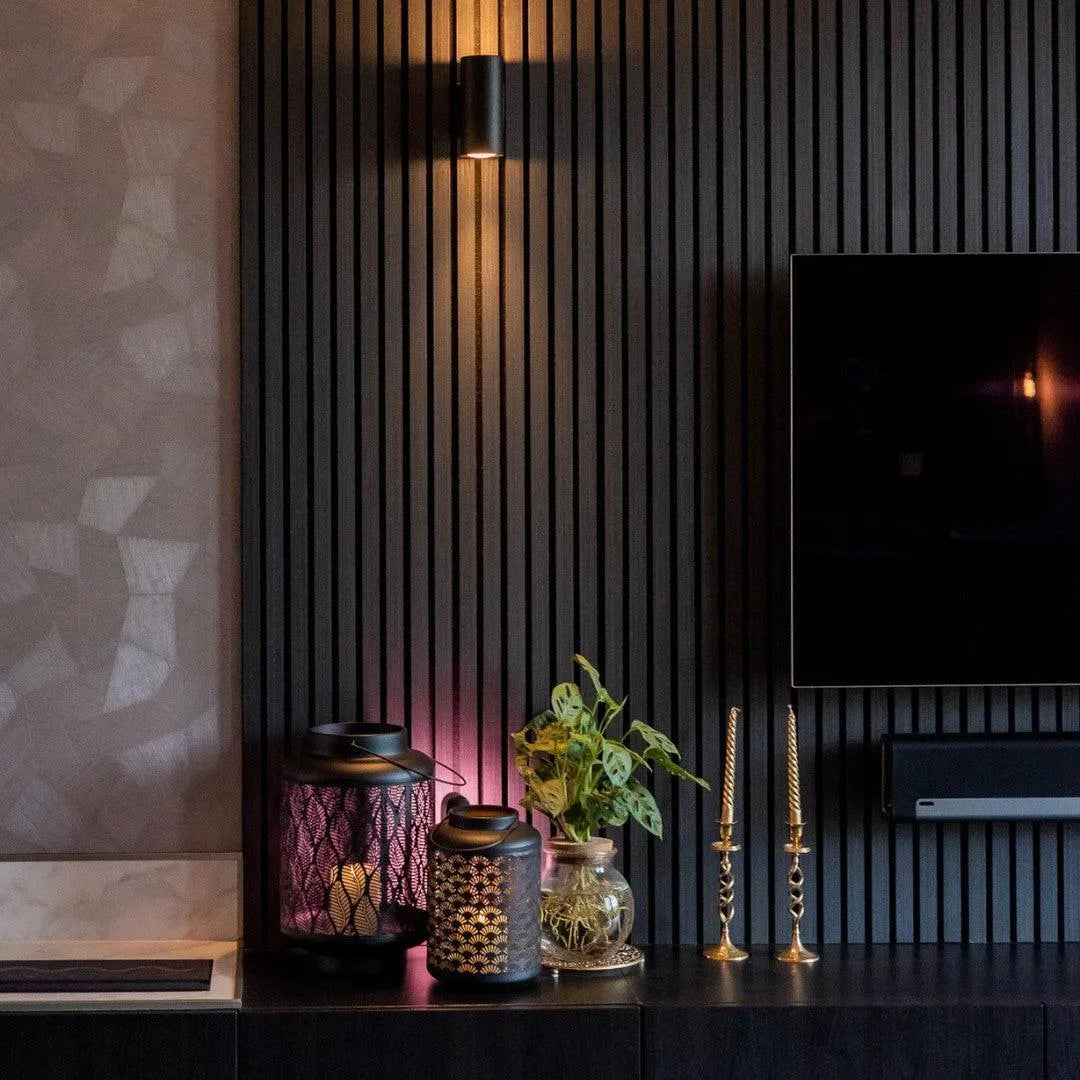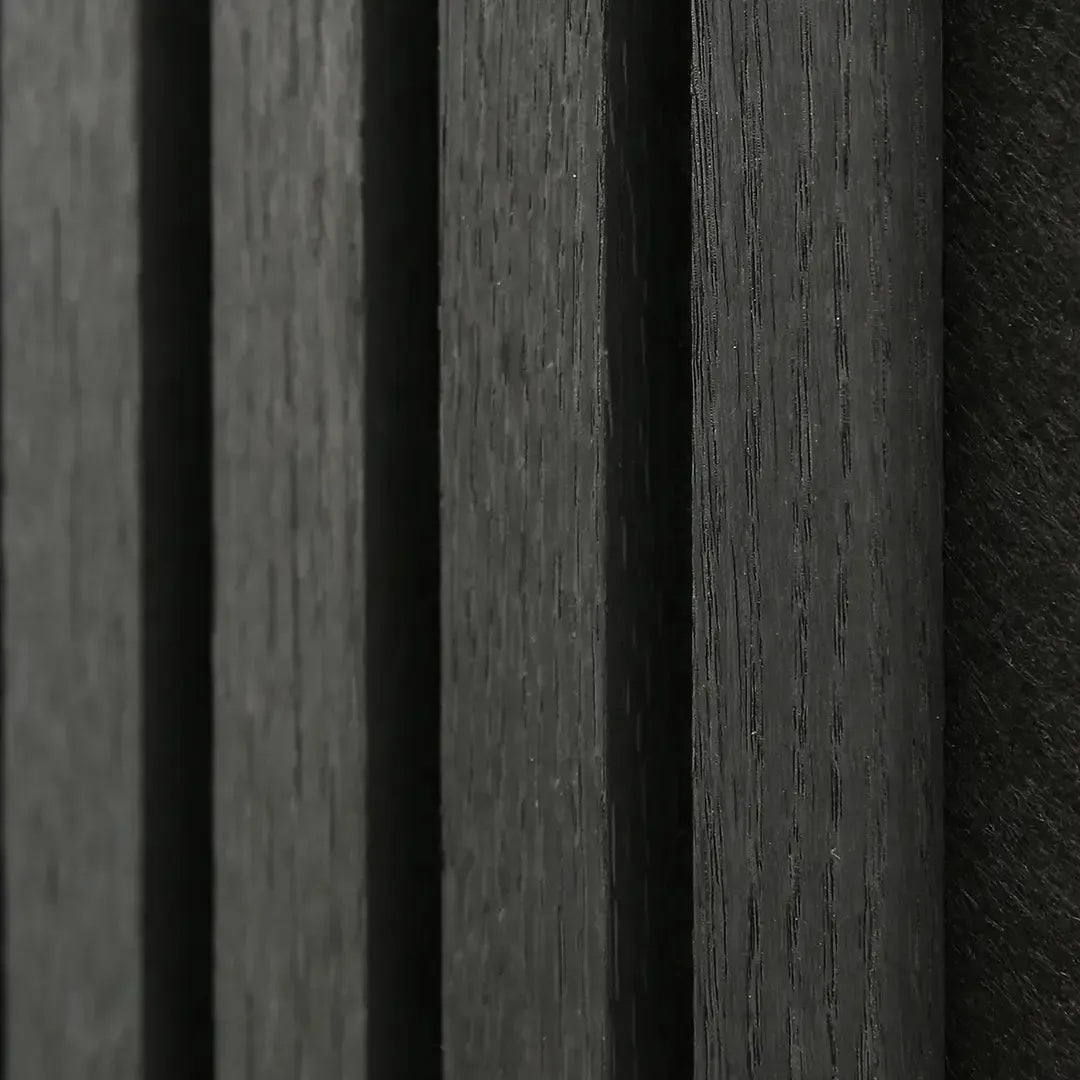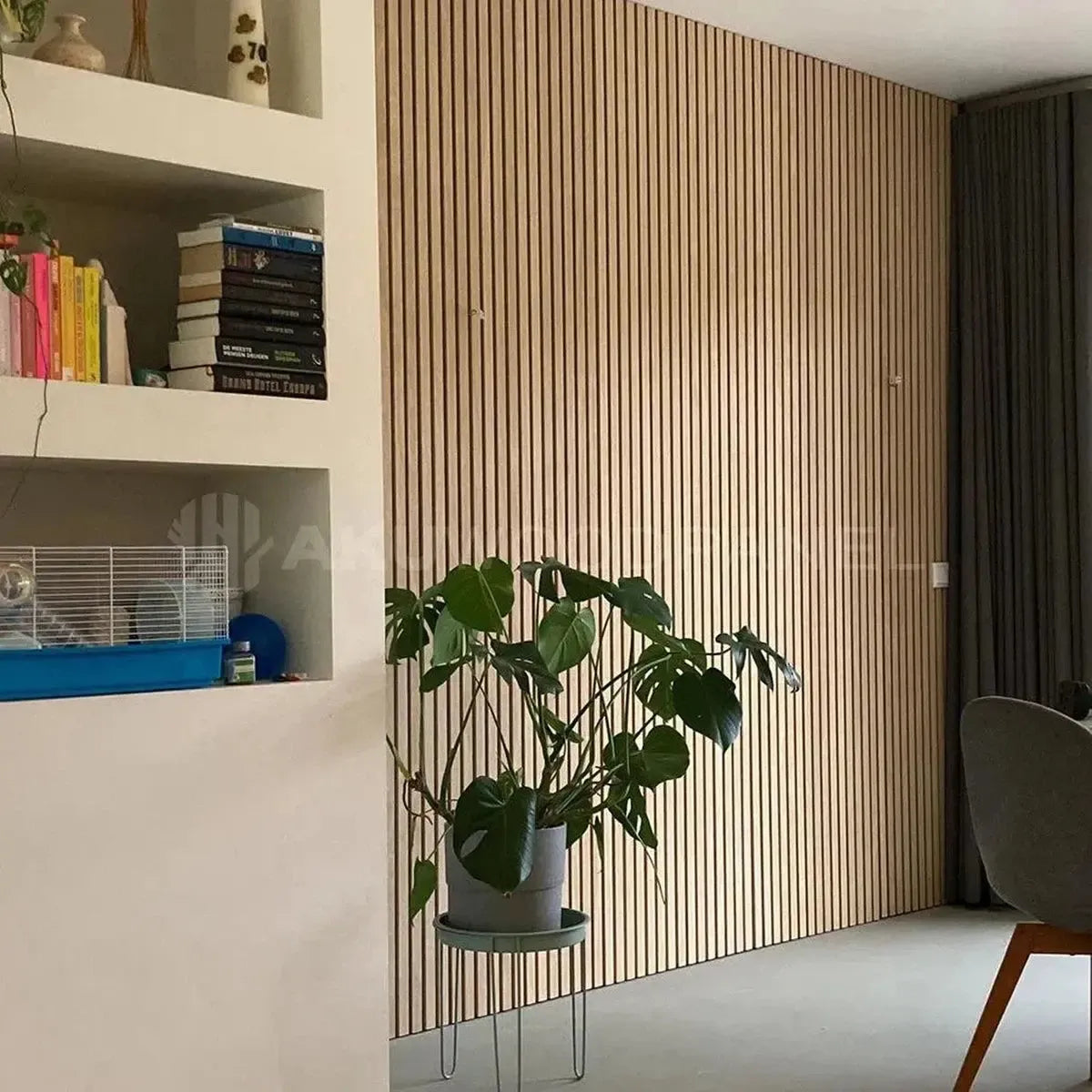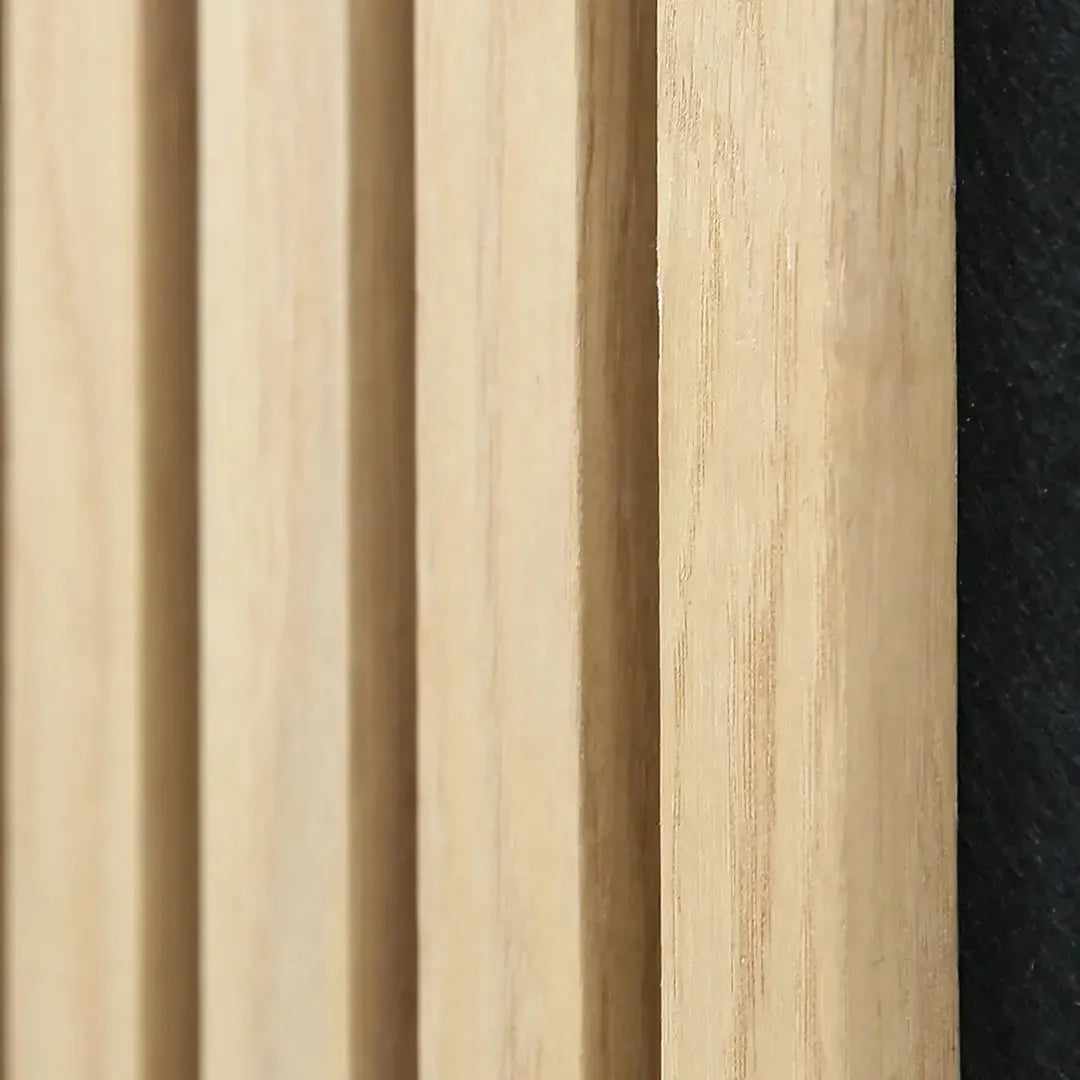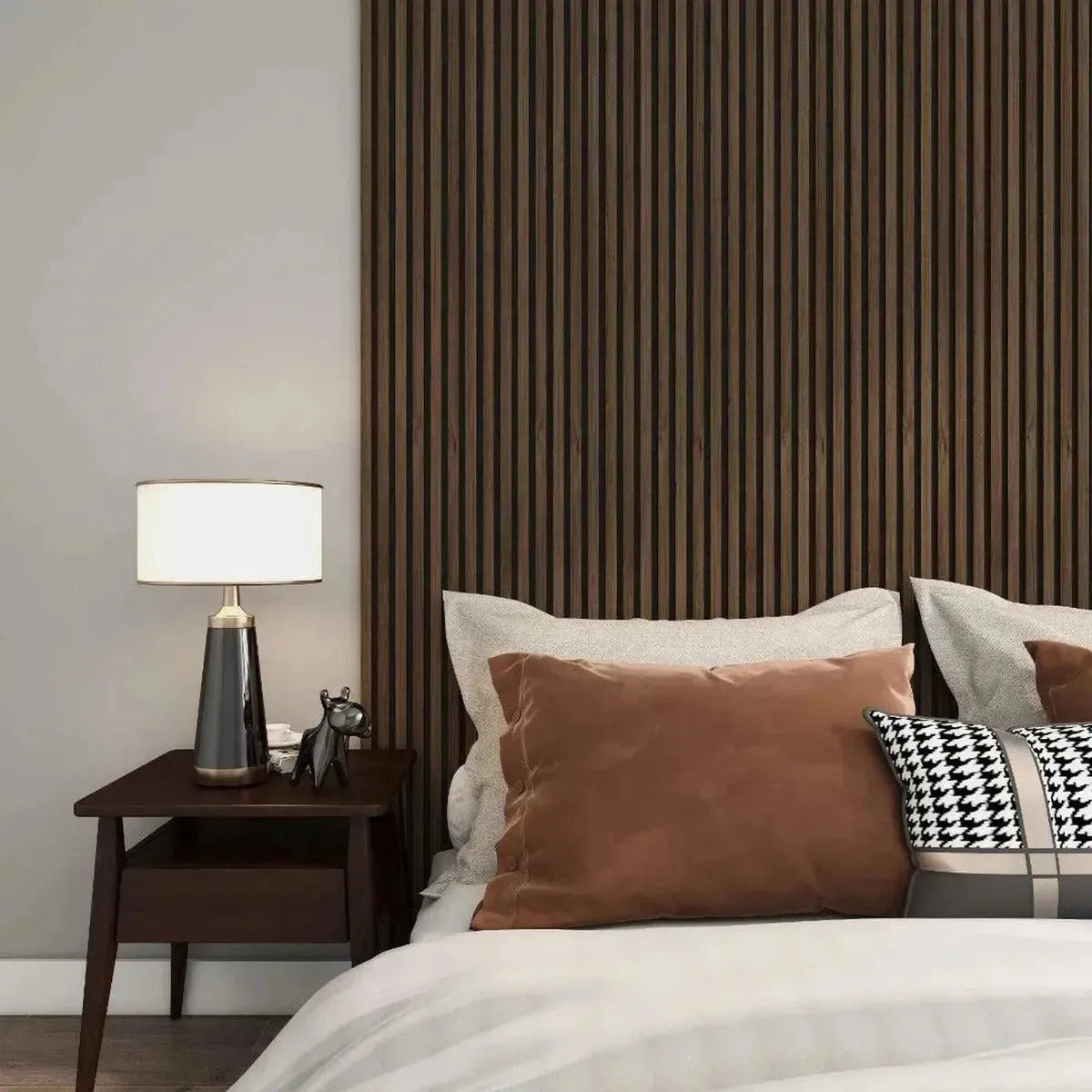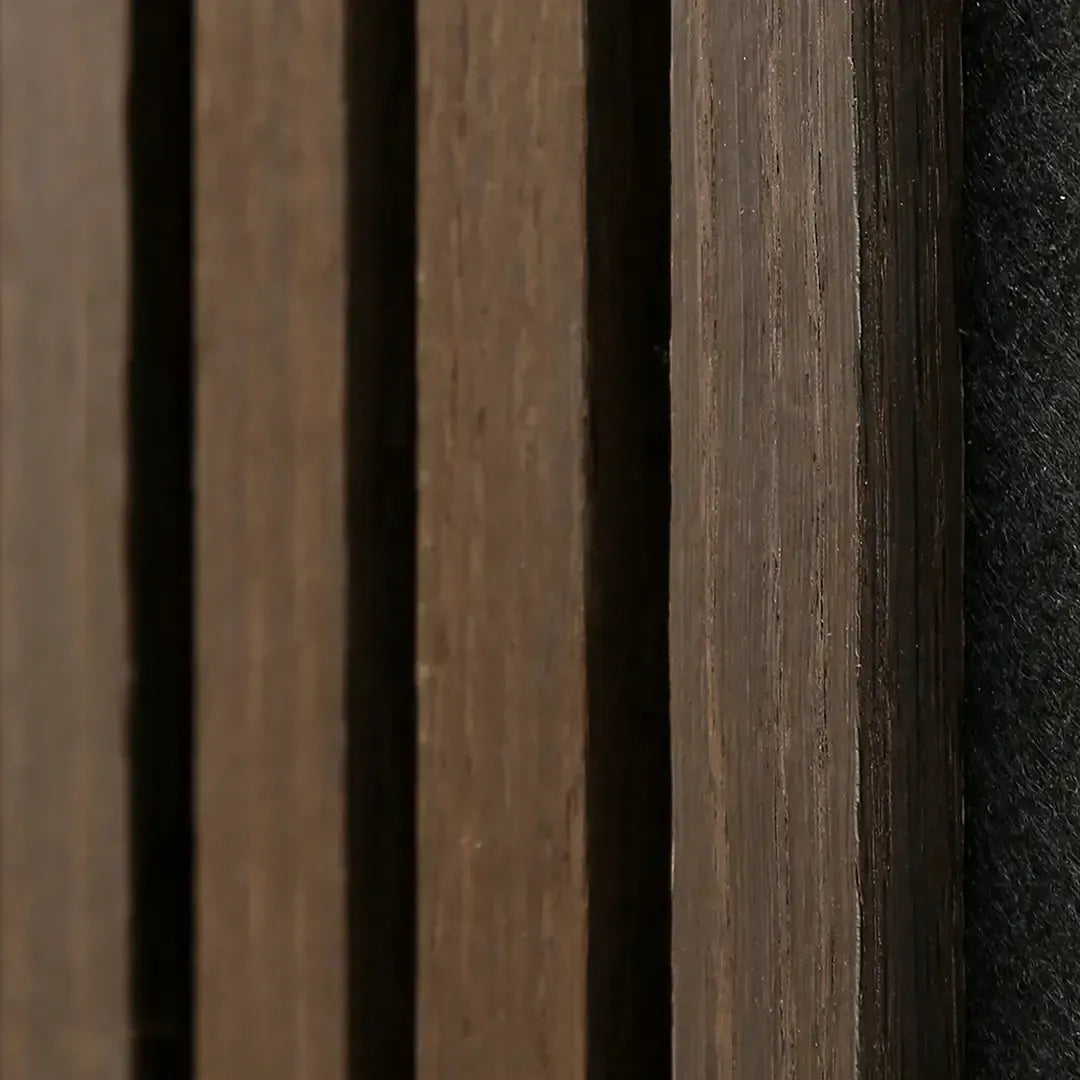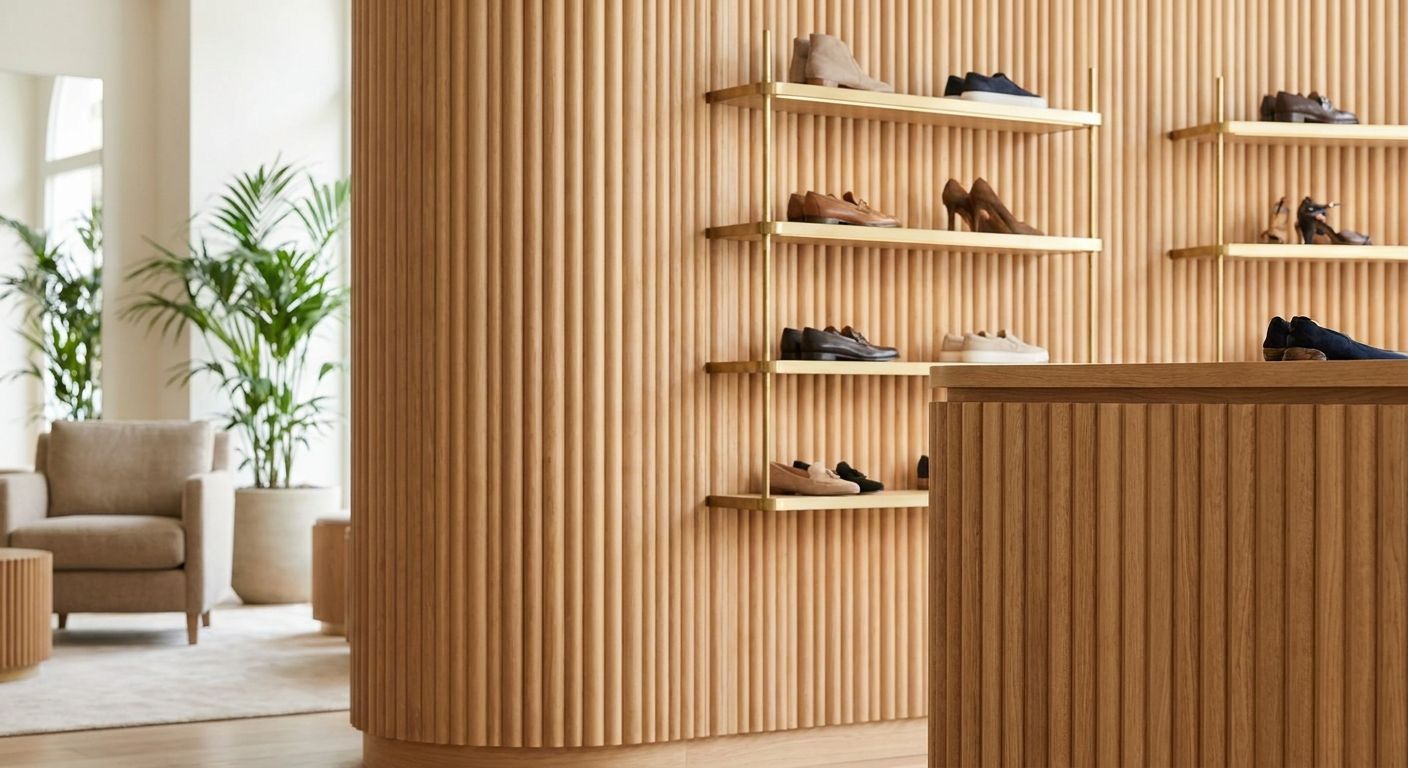
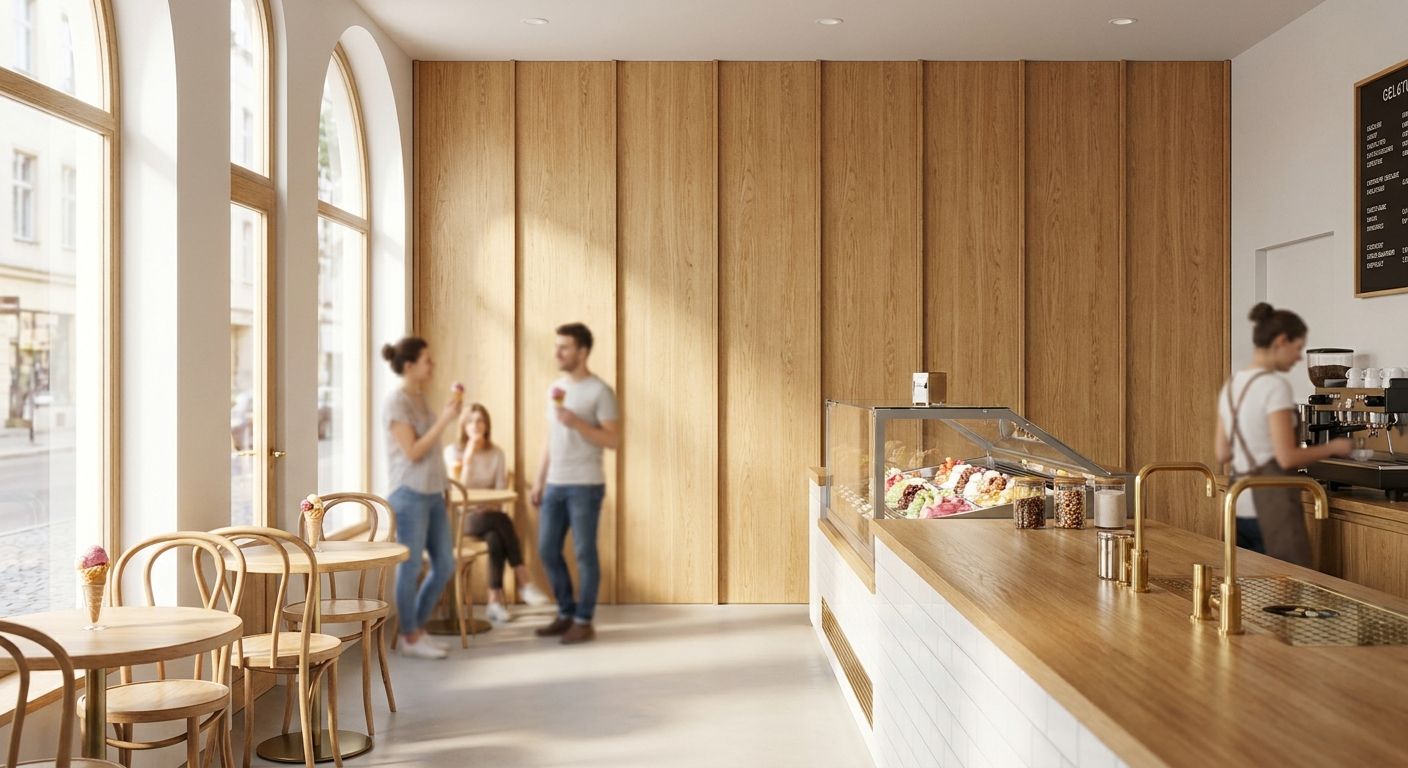
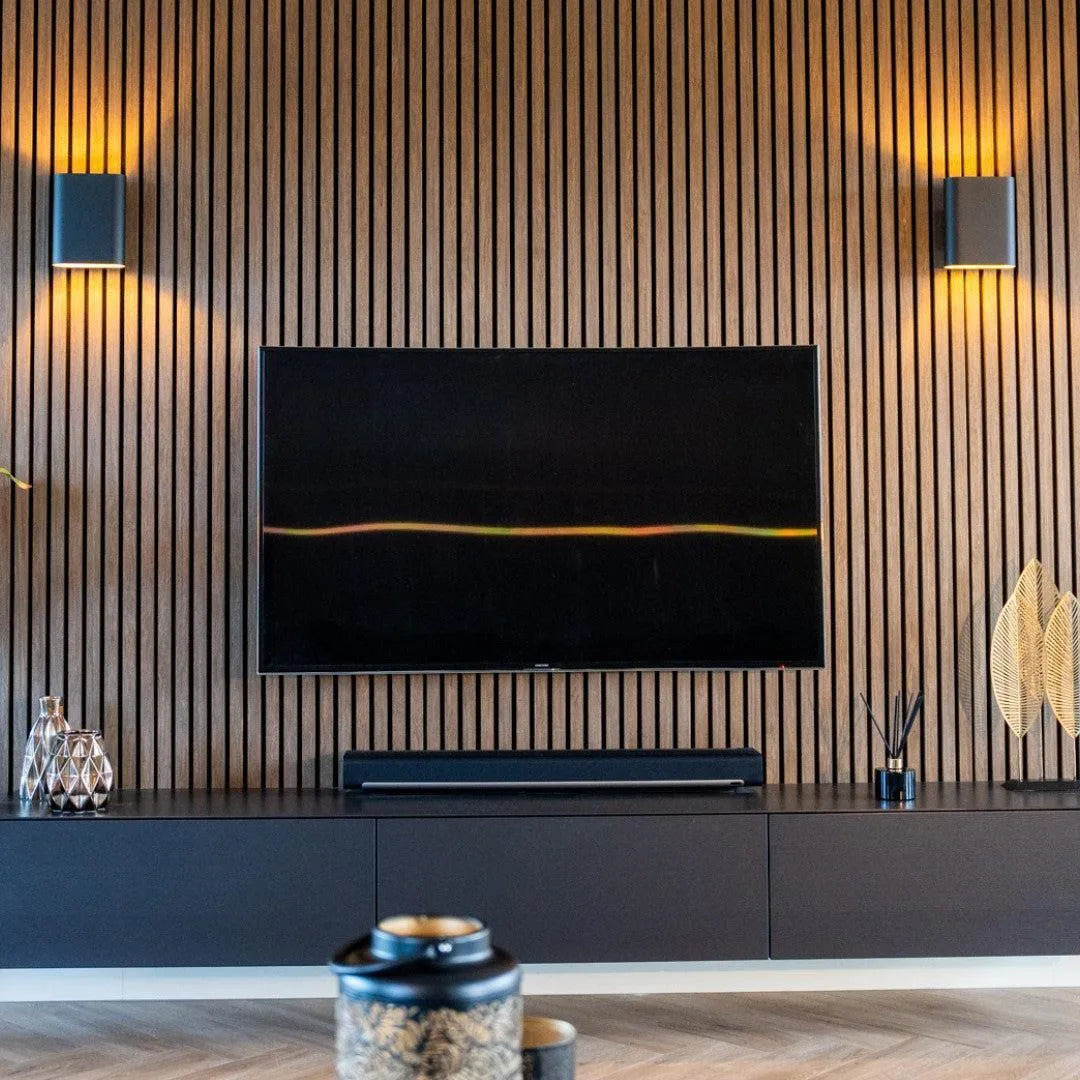
Fluted wood panels for shoe boutique interiors turn a flat sales-floor wall into a vertical-groove wood backdrop that photographs well and cuts down the echo that tile floors and glass display cases create in most footwear stores. A shoe boutique's mix of hard flooring, mirrored fitting rooms, and open sightlines needs a wall treatment that does double duty — texture for merchandising, and some sound control where fluted alone won't cut it. Fluted Wall Panel Natural Oak from Akuwood Panel works as a full accent wall behind footwear displays or a framed panel behind the register, and it's a common pick for boutiques doing a 2026 remodel.
- Fluted wood panels for shoe boutique walls add texture and cut some echo, but they are decorative, not acoustic-rated.
- Fluted Wall Panel Natural Oak suits warm, minimalist boutiques; the flexible-design Walnut version bends around curved display walls.
- Pair fluted panels with acoustic slat wall panels near fitting rooms, where felt-backed absorption actually reduces noise.
- Order a sample before a full wall run — oak tones shift under boutique spotlighting.
- Measure wall coverage and cutouts before ordering; furring strips fix uneven retail drywall.
Why fluted wood panels matter for shoe boutiques
Footwear stores lean on polished concrete, tile, or luxury vinyl because leather and suede shoes need a floor that survives foot traffic and daily cleaning — and all three surfaces bounce sound instead of absorbing it. Add glass display cases and a mirrored fitting room wall, and a boutique that reads quiet on the floor plan can sound loud once customers, staff, and register chatter are all happening at once.
Fluted wood panels solve half of that problem. The vertical grooves break up a flat wall enough to read as a designed backdrop for product photography — most shoe boutiques shoot new drops against a textured wall, not bare drywall in 2026 — and the wood veneer softens some reflected sound compared to painted gypsum. What fluted panels don't do is meaningfully absorb noise the way a felt-backed acoustic panel does. That distinction decides where each product goes on the floor plan, covered step by step below.
B2B buyers matter here too: a boutique chain rolling the same fluted wall out across several locations needs the finish and coverage math to hold up store to store, not just in the flagship location.
1. Map where sound and sightlines actually collide
Walk the store after close and note where reflected sound and bad sightlines overlap before ordering a single panel.
- Stand near the register and talk at normal volume — if it carries to the fitting rooms, that wall needs acoustic treatment, not just decoration
- Check flutter echo in tile aisles between low shoe fixtures
- Note every mirror wall; mirrors reflect sound the same way they reflect light
- Flag fitting room doors that slam against a wall shared with the sales floor
- Mark where staff naturally linger near the register — that's usually where noise complaints start first
2. Match the fluted finish to your shoe merchandising palette
Wood tone has to sit next to leather, suede, and sneaker colorways without fighting them for attention.
- Natural oak reads warm and neutral — a safe choice behind leather dress shoes and minimalist storefronts
- Darker tones suit sneaker and streetwear boutiques going for a moodier backdrop
- Never run two competing wood tones in the same sightline; pick one accent wood per zone
- Hold a sample against your actual flooring sample before ordering a full wall
- Factor your LED color temperature — warm-white spotlights shift oak yellower than daylight bulbs do
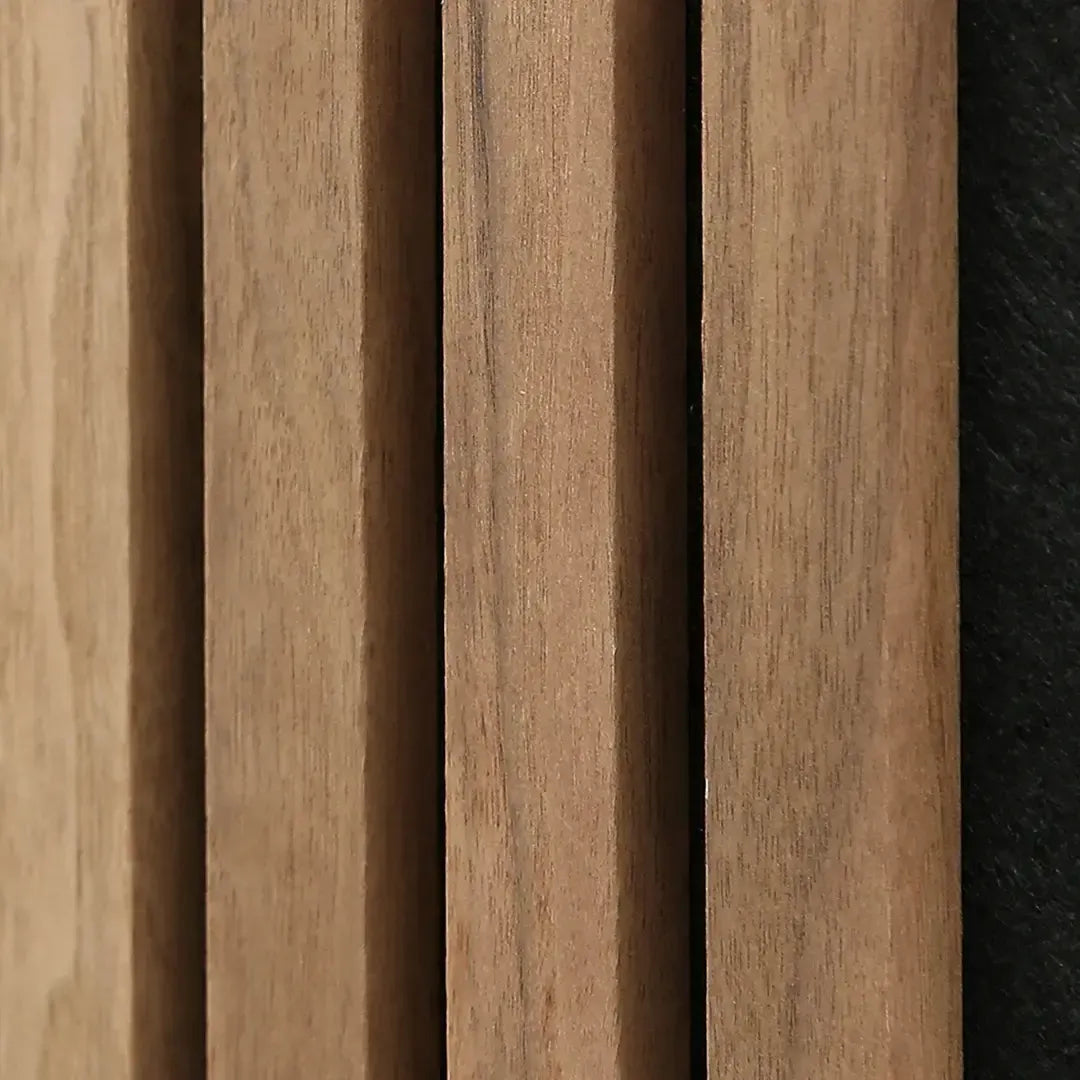
Fluted Wall Panel Natural Oak works as the safer, neutral pick for most footwear assortments. The flexible-backed Fluted Wall Panel Walnut bends around curved display walls, which matters if your boutique has a rounded window bay or a curved fitting room corridor — a flat panel simply won't sit flush there.
3. Decide flute orientation before you order
Orientation changes how a narrow or low-ceiling boutique reads, and it's a decision you make on paper, not after panels are already on the wall.
- Vertical flutes make a low-ceiling boutique read taller
- Horizontal orientation widens a narrow storefront frontage
- Mix orientations only on one feature wall — never across the full perimeter
- Let orientation follow your shelving lines instead of cutting across them
- Sketch the run on your floor plan before ordering, not after install day
4. Calculate coverage before you commit a budget
Coverage math is the step most boutiques skip, and it's the one that causes reorders mid-install.
- Measure wall height and width for every run you're paneling, not just the feature wall
- Subtract outlet boxes, switch plates, and mirror frames from usable coverage
- Add a buffer for cut waste around doorways and corners
- Treat fitting room walls as a separate order from the sales floor — the cut sizes and waste rate differ
- If you're rolling fluted panels across more than one boutique location, run the math per store; outlet counts and corner counts rarely match location to location
5. Plan cutouts around fixtures, mirrors, and fitting rooms
Retail walls are rarely blank — outlets, millwork brackets, and mirror frames all need a cutout plan before the panel goes up.
- Coordinate with your millwork installer before the panel run, not after shelving is bolted in
- Leave margin around every electrical box for the outlet cover plate
- Dodge full-length mirror frames rather than butting panel edges against them
- Use trim pieces to finish any open edge instead of leaving raw panel ends exposed
6. Add acoustic slat panels where fluted alone won't cut the noise
This is the step most boutiques get wrong: fluted panels are a decorative profile, not an acoustic-rated one. Where the walk-through in step 1 flagged an actual noise problem — usually the register wall or a shared fitting room wall — an acoustic slat panel built for retail wall displays does more work than another run of fluted panel. Felt-backed slat and hexagon options carry a measured NRC rating; fluted panels don't.
- Reserve fluted panels for feature walls and photography backdrops
- Reserve felt-backed slat or hexagon panels for walls with an actual echo problem
- Don't assume one product line covers both jobs — check the NRC spec, not just the finish
- If budget is tight, treat the loudest wall first and leave fluted panels for phase two
7. Order samples before finalizing a full wall
- Request swatch samples in every finish you're considering before ordering full panels
- Hold the swatch under your actual store lighting, not daylight near a window
- Compare grain direction against existing millwork and shelving
- Stand at typical customer viewing distance to confirm the flute depth reads correctly from the aisle, not just up close


“Fluted panels look premium on a feature wall; acoustic slat panels test as a decibel fix. Don't confuse one for the other.”
Comparing wall panel options for a shoe boutique
| Option | Best for | Install method | Verdict |
|---|---|---|---|
| Fluted Wall Panel (Natural Oak) | Warm, minimalist boutiques wanting texture without a heavy acoustic need | Mounted over furring strips or direct to drywall | Buy for feature walls and photo backdrops |
| Fluted Wall Panel (Walnut, flexible design) | Darker sneaker or streetwear boutiques with curved display walls | Flexible backing bends around curved walls | Buy where a flat panel won't fit the curve |
| Acoustic Slat Wall Panel | Boutiques with tile floors and audible echo near the register or fitting rooms | Same mounting approach; felt-backed variants add absorption | Buy for walls with a real noise problem |
| Hexagon Acoustic Panel | Small feature walls or fitting room accents needing a geometric break | Modular, tile-by-tile mounting, 32-inch panels sold four per box | Consider for accent zones, skip for full sales-floor runs |
| Painted MDF fluting (generic alternative) | Budget builds with no acoustic requirement | Direct paint-grade panel install | Skip if real wood veneer and NRC performance matter to the brand |
Common mistakes shoe boutiques make
- Skipping the closing-time echo test and going all-decorative with fluted panels on a store that already has polished concrete and glass display cases — fitting room conversations end up carrying to the sales floor.
- Fighting the LED color temperature by picking a wood tone under daylight bulbs, then installing under warm-white spotlights that shift oak yellower than expected.
- Running a full-height fluted wall behind a mirrored fitting room with no cutout plan, forcing a re-cut on install day.
- Mounting straight to uneven retail drywall without furring strips, leaving visible gaps at shoe-display eye level.
- Treating fluted and acoustic slat panels as interchangeable — a real echo problem near the register gets a decorative fix instead of an absorptive one, and the complaint doesn't go away.
FAQ
What are fluted wood panels for shoe boutique interiors?
Fluted wood panels are vertical-groove wood wall cladding used on feature walls, register backdrops, and display walls in footwear stores. They add texture and depth for merchandising and photography but are a decorative profile rather than an acoustic-rated product.
Do fluted wood panels reduce noise or just add texture?
Fluted panels soften some reflected sound compared to bare drywall, but they aren't rated for acoustic absorption the way felt-backed slat or hexagon panels are. A shoe boutique with a real echo problem needs a felt-backed acoustic panel, not fluted alone.
Is fluted wall panel walnut or natural oak better for a shoe boutique?
Natural oak works as the neutral, safer choice for most footwear assortments and minimalist storefronts. Walnut suits darker, moodier sneaker or streetwear boutiques and comes in a flexible-backed design that bends around curved walls.
Can fluted panels be installed on a curved fitting room wall?
Standard rigid fluted panels won't sit flush on a curve. The flexible-design Fluted Wall Panel Walnut is built to bend around curved display walls and bay windows where a flat panel would leave gaps.
How much wall coverage does a shoe boutique typically need?
Coverage depends on which walls you're treating — feature wall, register backdrop, or full perimeter — and each has a different cut-waste rate around outlets and mirrors. Measure height and width per wall and subtract fixture cutouts before ordering.
Are fluted panels durable enough for high-traffic retail entries?
Fluted wood panels hold up fine on feature walls away from direct foot or cart contact, but they aren't designed as a floor-level bump guard. Keep them above waist height near entries and heavy-traffic aisles.
Should a shoe boutique combine fluted panels with acoustic slat panels?
Yes, in most stores. Use fluted panels on feature walls and photography backdrops, then use felt-backed acoustic slat or hexagon panels on the walls where an actual echo test flagged a problem, usually near the register or fitting rooms.
How do you decide flute orientation for a narrow boutique frontage?
Vertical flutes make a low-ceiling space read taller; horizontal flutes widen a narrow frontage. Pick one orientation for the full run and reserve mixed orientation for a single feature wall, not the whole perimeter.
One last thing
Run the fluted panel on one wall only in 2026 — the register wall or the window bay customers photograph from the sidewalk — and put the acoustic budget into felt-backed slat or hexagon panels wherever the closing-time echo test actually flagged a problem. Boutiques that panel every wall in fluted finish for looks alone tend to retrofit acoustic panels within the first year anyway, once staff start complaining about noise near the fitting rooms.
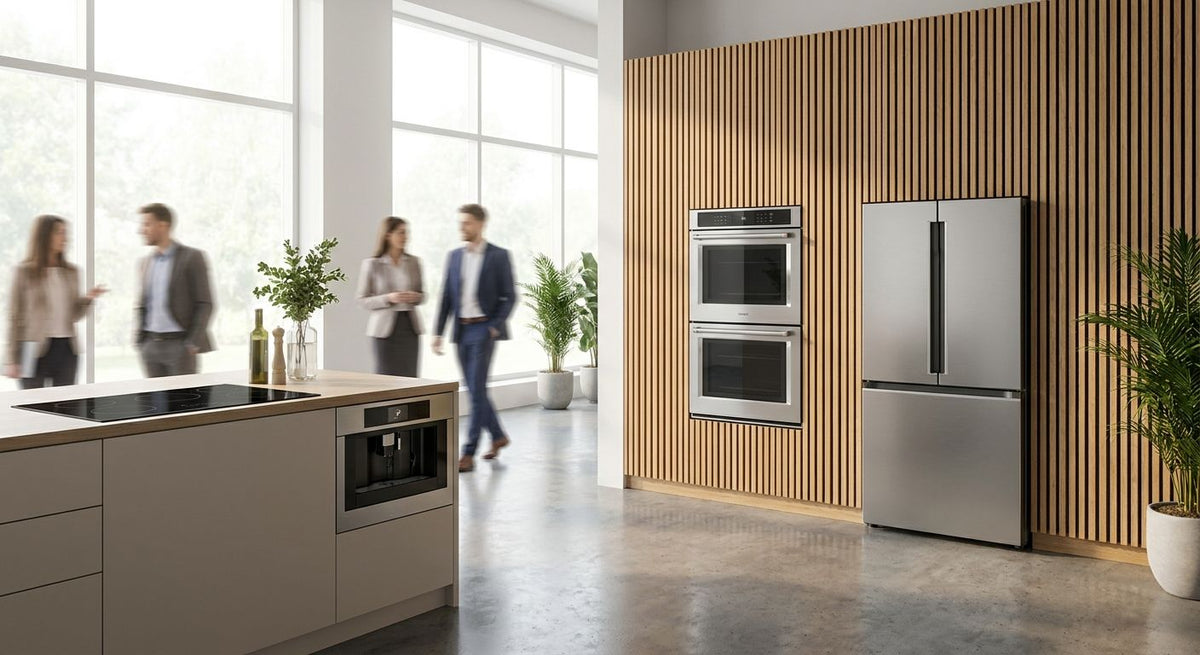
 Better performance and aesthetic appeal
 In Stock