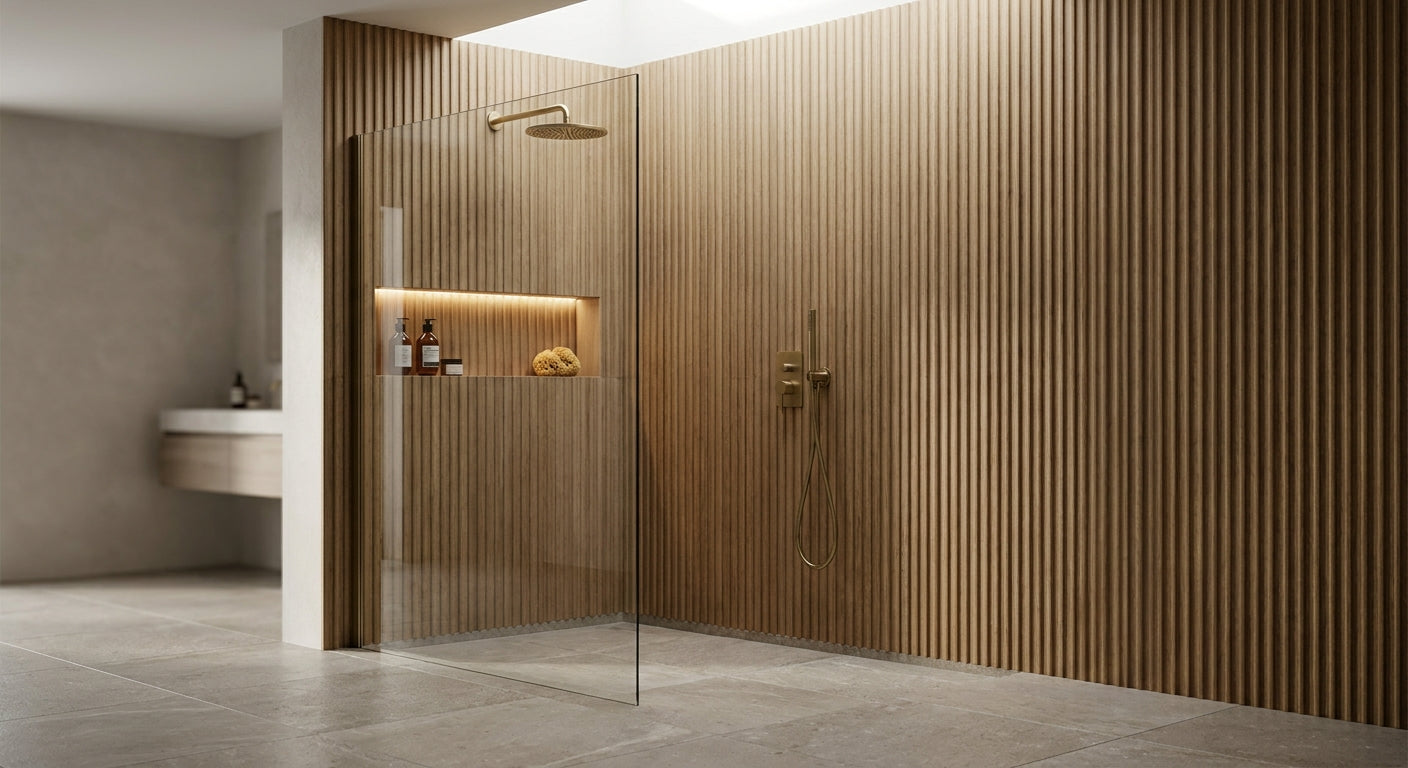
Fluted wall panels turn a flat shower enclosure into a textured, spa-like feature, but real wood veneer and direct water spray are not natural partners — this guide breaks down where fluted panels for shower enclosure walls actually belong and where they don't.
TL;DR
Fluted panels for shower enclosure walls work best on the dry side of a walk-in shower: the entry wall, the vanity-facing partition, or an accent run outside the direct spray path. The AKU Woodpanel Fluted Wall Panel in Natural Oak is the safe pick for most 2026 bathroom remodels, the Walnut version is the wildcard for darker, moody ensuites, and the Rustic Oak panel earns a look if you want heavier grain contrast. Skip mounting any unsealed real-wood veneer panel inside the direct spray zone — grooves trap moisture and the veneer will delaminate faster than a flat panel would.
Why this matters
A shower enclosure runs through wild humidity swings — ambient bathroom air sits around 50-70% relative humidity most of the day, but a single hot shower cycle can spike that to 90%+ for 15-20 minutes. Flat tile shrugs this off. Grooved wood veneer, even sealed, has more surface area and more edges where water can sit. That's not a reason to avoid fluted panels in a bathroom — it's a reason to be specific about where you put them.
Who this is for
This guide is for homeowners and renovators finishing a walk-in shower enclosure who want the depth and warmth of fluted wall panels without going full tile, and who are willing to plan placement around moisture rather than tile the entire wet zone in wood veneer. If you're picturing grooved panels directly behind the shower head with no glass barrier, this isn't that guide — read on for where it actually works.
The tradeoffs between grout lines and grooved wood surfaces get fuller treatment in dedicated coverage of fluted wall panels for bathroom shower feature walls, but the short version: grooves collect water unless the panel is angled to shed it or sealed tight against the substrate.
What to look for in fluted panels for a shower enclosure
Moisture zone placement
Decide before you buy whether the panel goes inside the enclosure's direct spray path or on a dry-side wall, because that decision determines everything else — sealant, substrate, and which finish you pick. Panels on the entry wall or the vanity-facing side of a walk-in shower see splash and steam, not direct water pressure, and that's a very different durability problem.
Veneer type and finish sealing
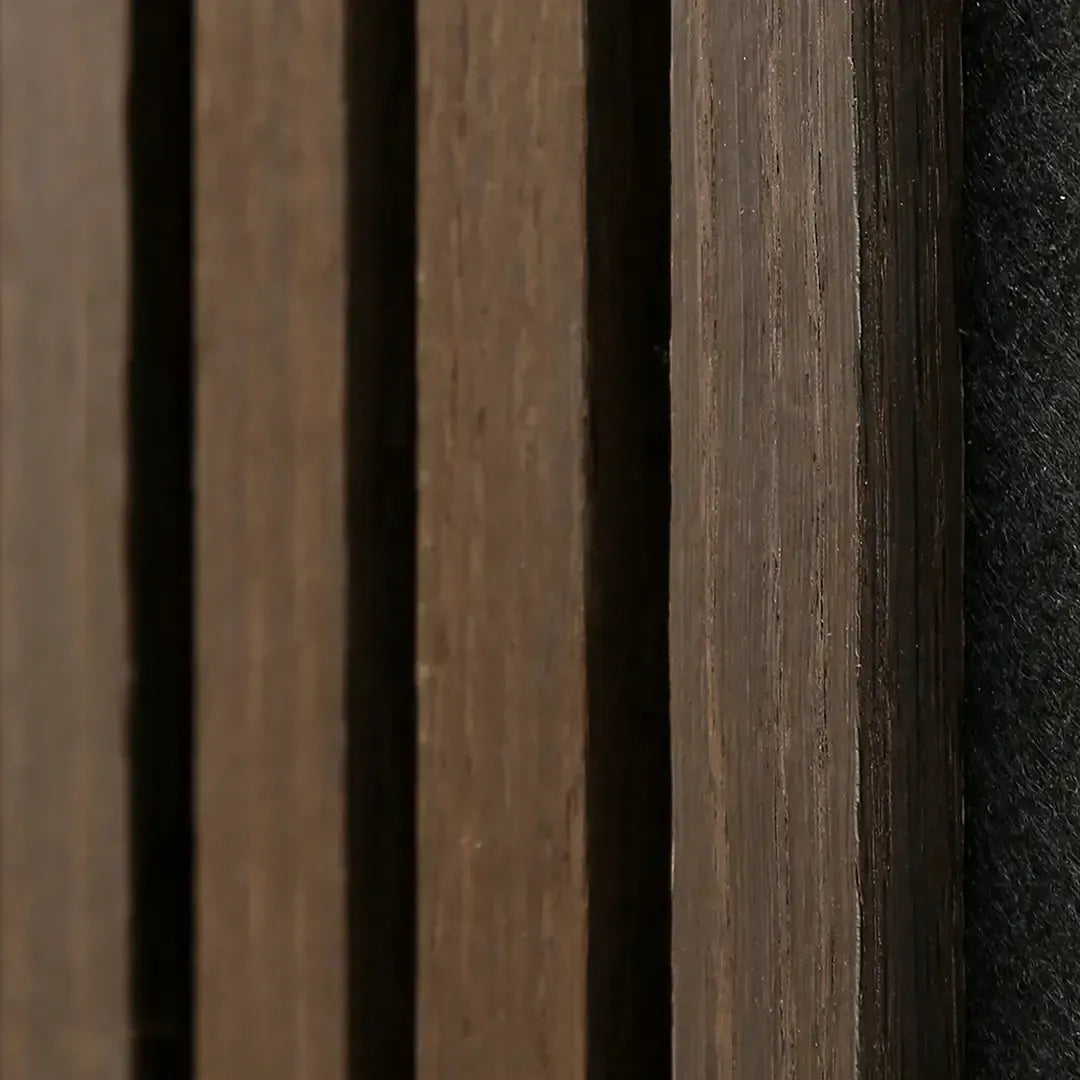
Real wood veneer needs a sealed finish rated for high-humidity rooms before it goes anywhere near a bathroom, and the seal has to reach into the grooves, not just the face. A panel that looks identical to one built for a living room accent wall can behave very differently once ambient humidity sits at 70% for hours a day.
Groove depth and vertical run
Deeper flutes look dramatic in photos but hold more standing moisture and dust in daily use. A shallower, vertically-run groove sheds water faster and is easier to wipe down after a shower, which matters more in a bathroom than it does on a living room feature wall.
Panel flexibility for curves and returns
Walk-in enclosures often have a return wall or a curved knee wall where a rigid panel won't sit flush. Flexible fluted panel formats bend around those corners without visible seams, which keeps the grooves reading as one continuous line instead of a patchwork.
Substrate and installation compatibility
Fluted panels mount to drywall or cement board differently, and a bathroom renovation usually means cement board or moisture-resistant drywall behind any wet-adjacent wall. Confirm the panel's mounting method matches what's actually behind your studs before you order.
Top picks for shower enclosure walls
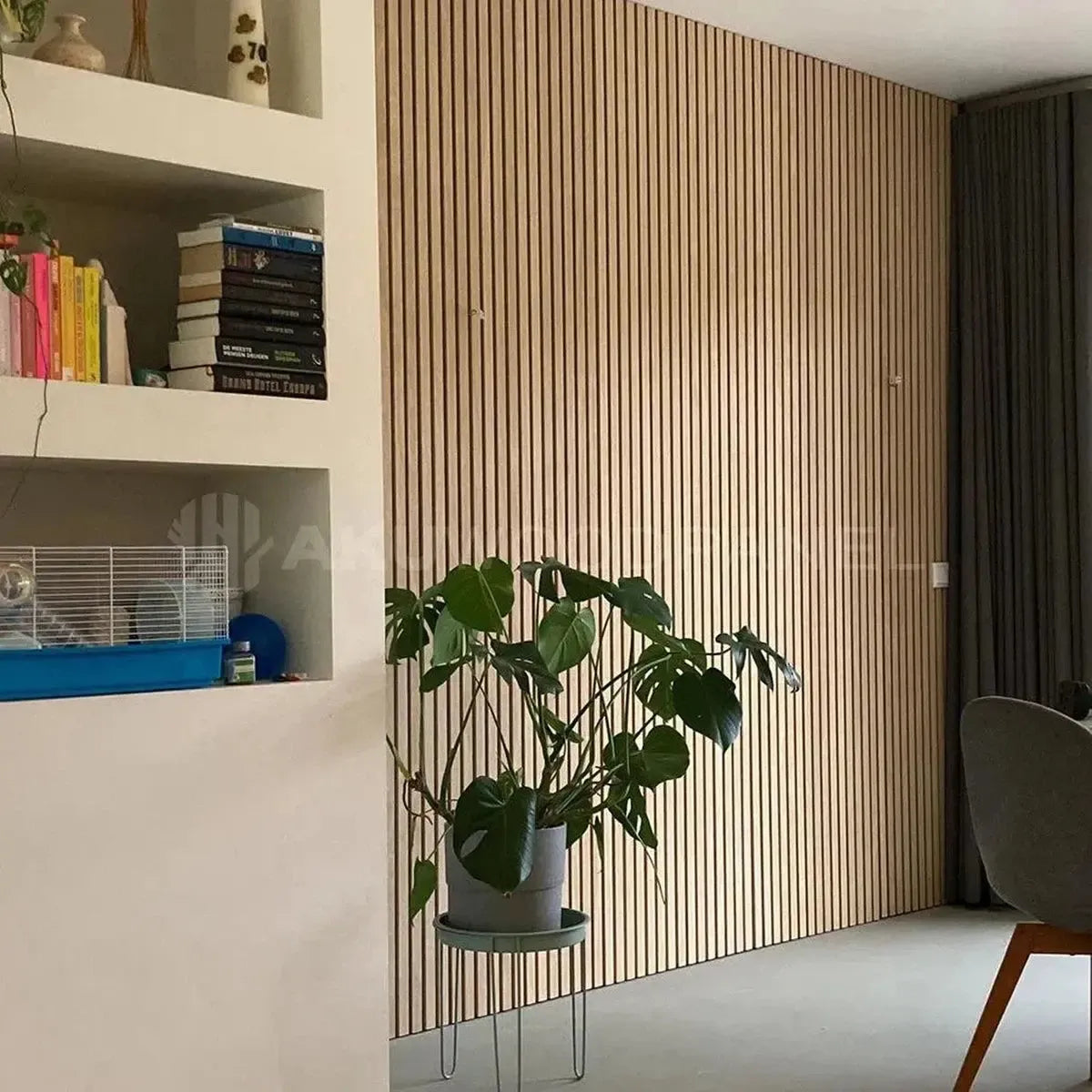
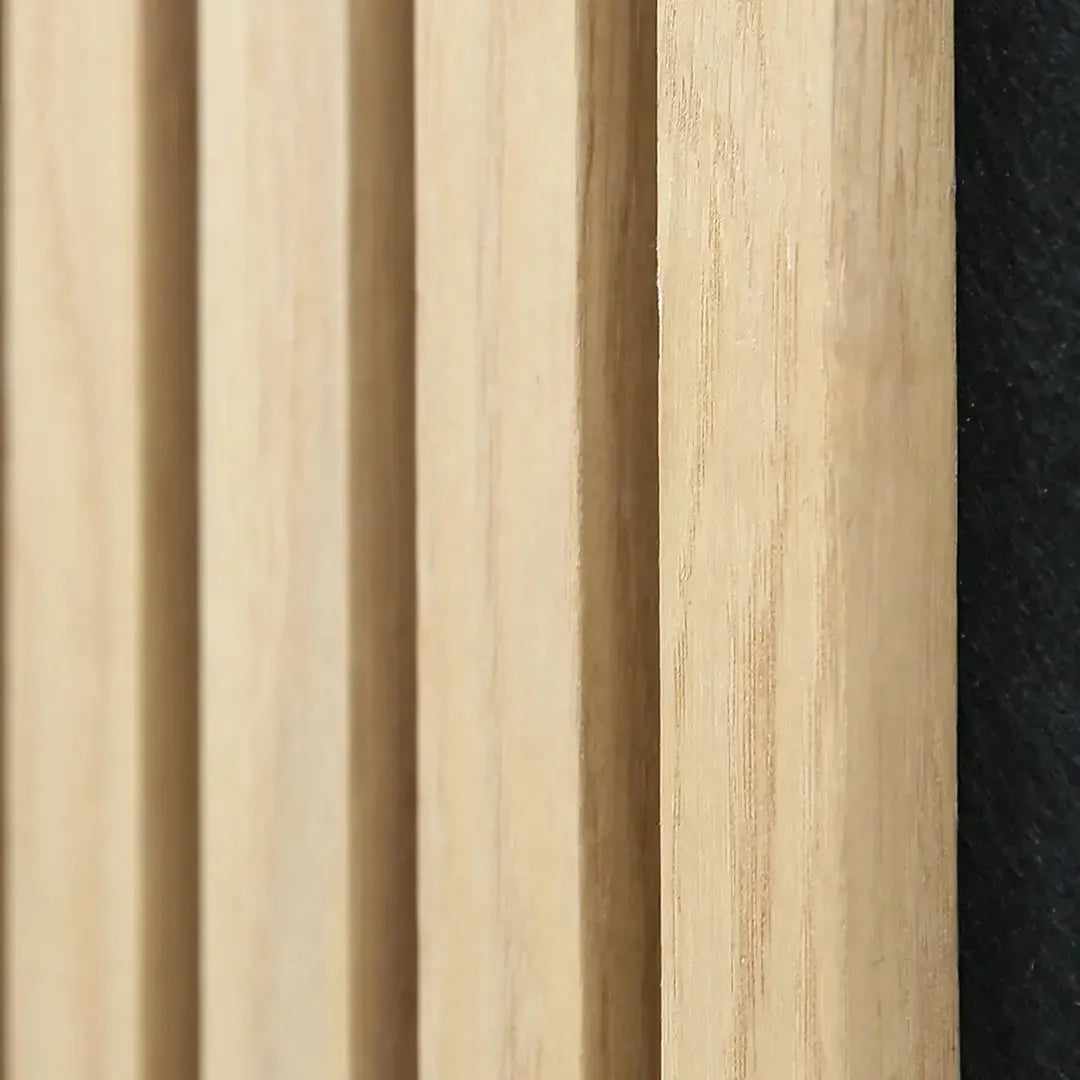
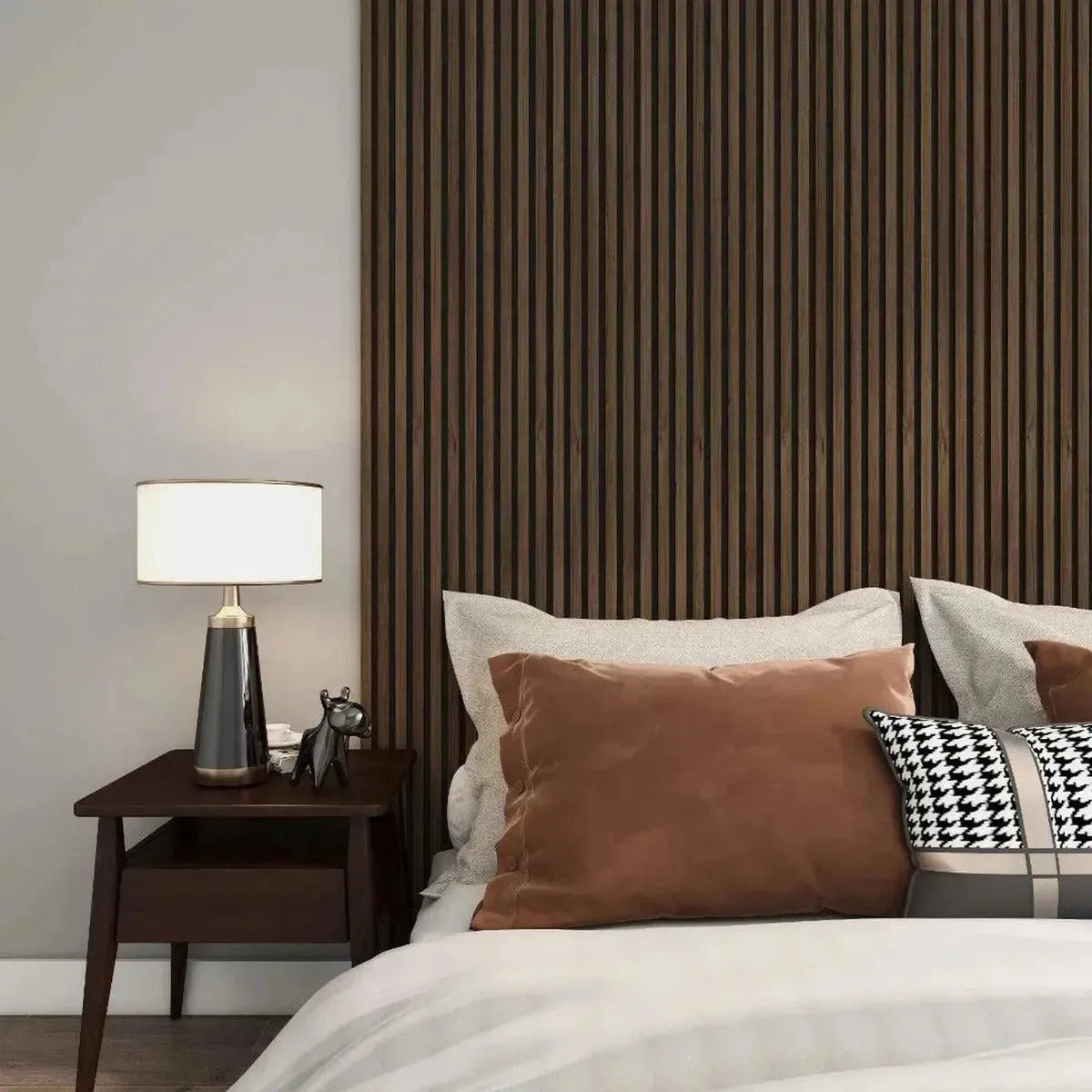
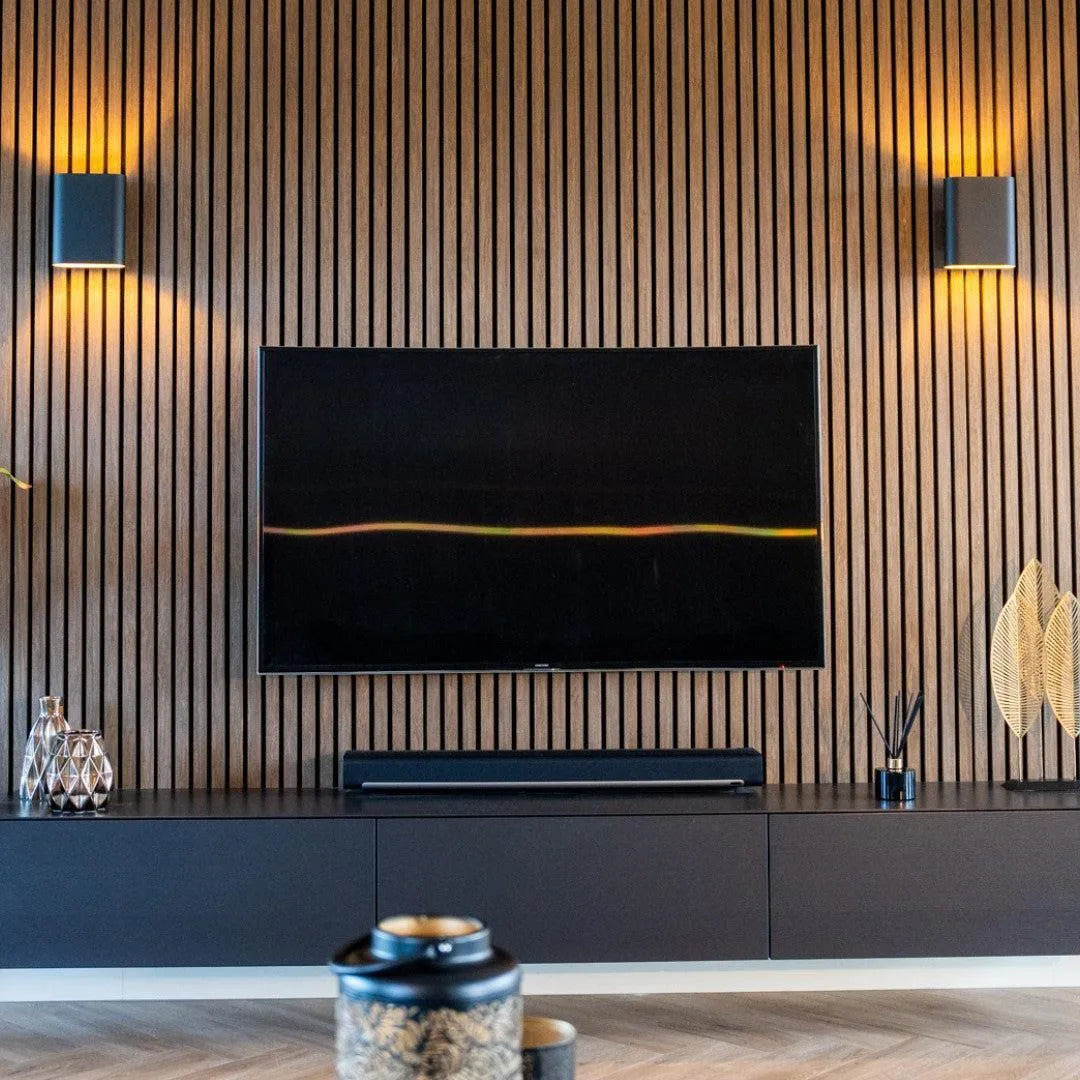
The safe pick: Fluted Wall Panel, Natural Oak Light, warm tone that reads well against white tile and chrome fixtures, and it's the easiest color to keep looking clean in a steamy room since watermarks show less than they do on darker finishes. Best suited to the entry wall or a dry-side accent run rather than the direct spray zone. Buy for a bright, Scandinavian-leaning bathroom.
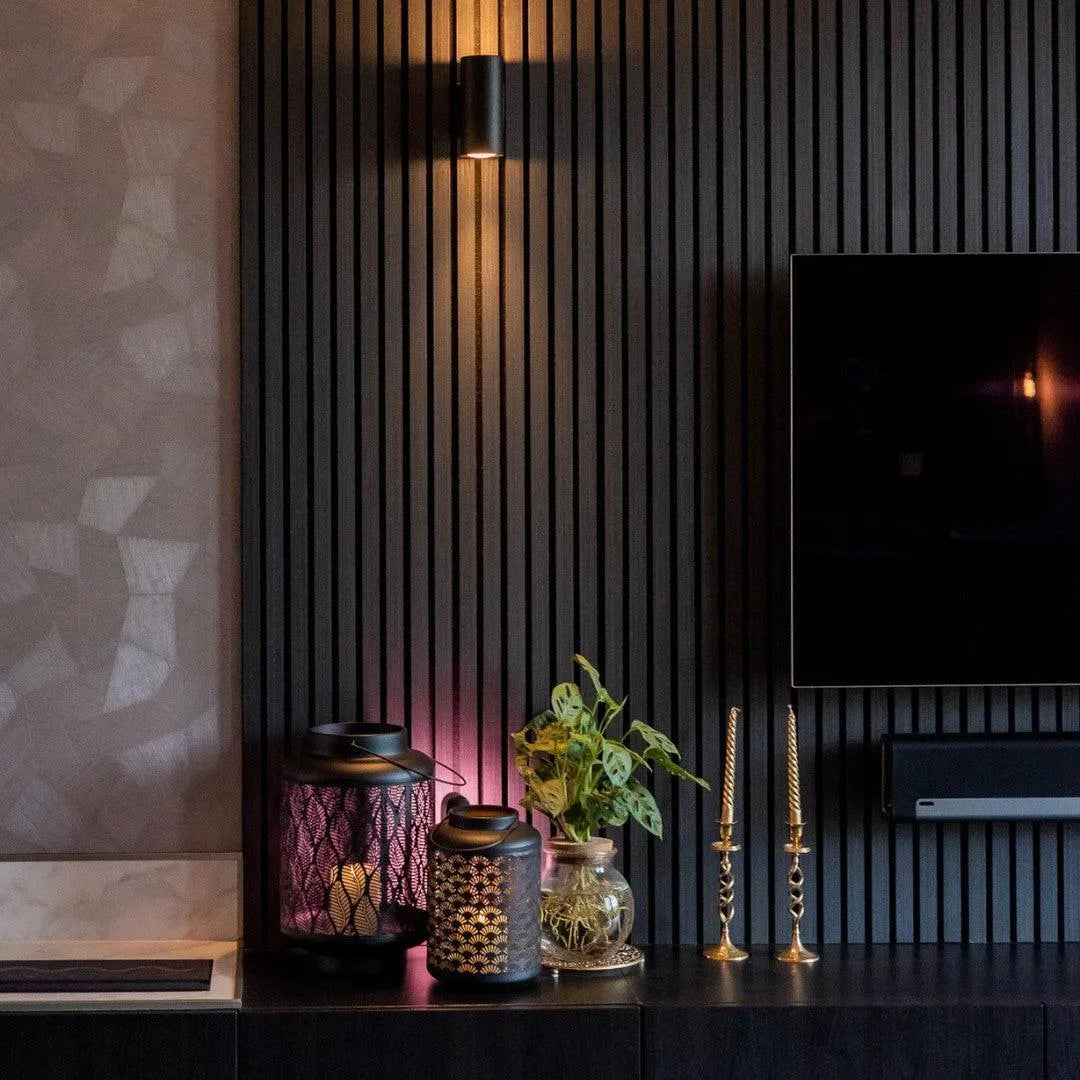
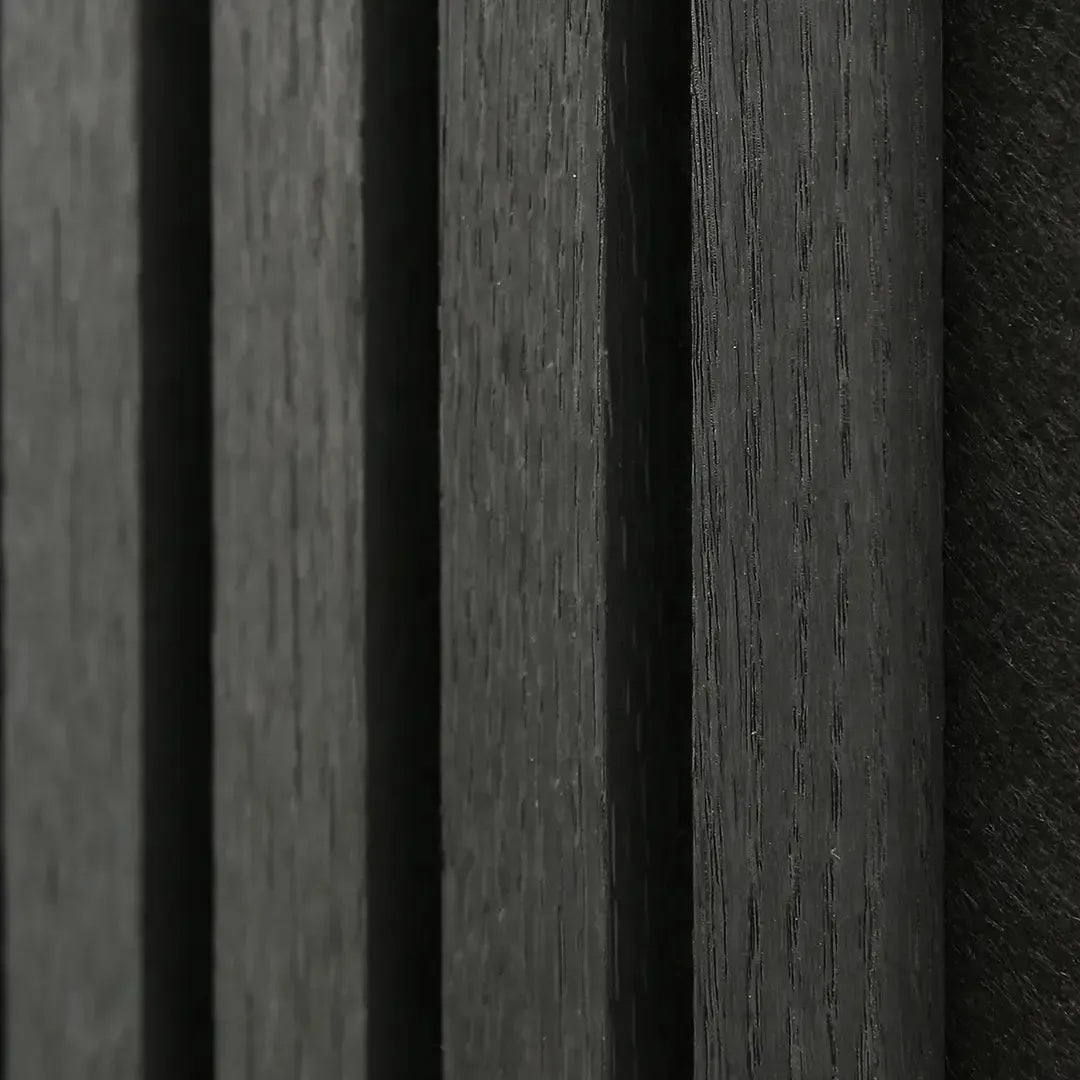
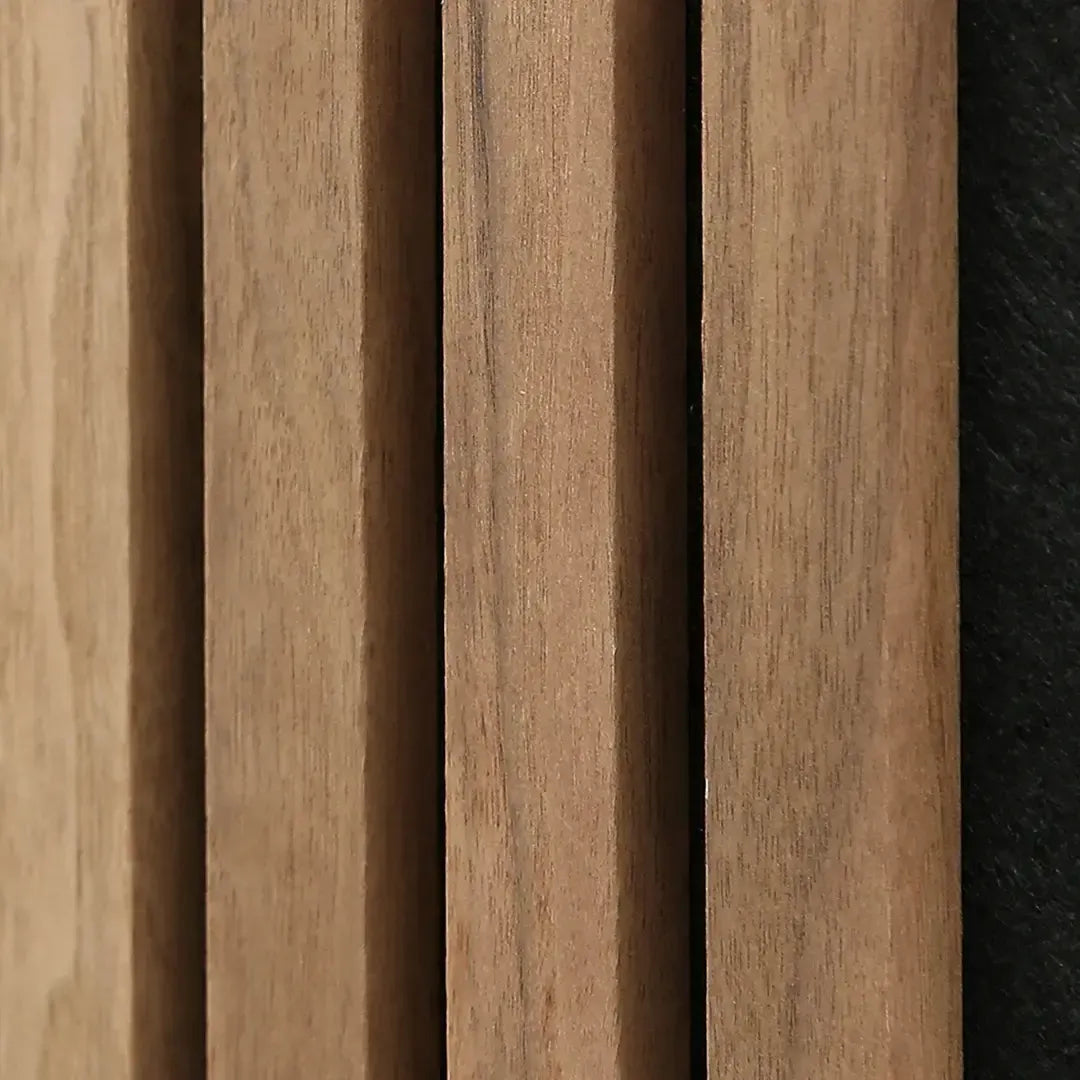
The wildcard: Fluted Wall Panel, Walnut (modern flexible design) Deep, dramatic grain that turns a shower enclosure into the room's focal point, and the flexible format handles a curved or angled return wall without a visible break in the flute pattern. Watermarks and soap residue show up faster on darker wood than on oak, so plan on more frequent wipe-downs. Consider it if the enclosure gets daily light use rather than a household of four teenagers.
The character pick: Fluted Wall Panel, Rustic Oak (modern flexible design) Heavier grain variation and visible knots give this one more personality than the standard oak run, which works well if the rest of the bathroom is minimal and needs a texture anchor. It reads better on a dry-side wall than tucked into a tight, constantly-wet corner. Consider for a feature wall facing the vanity rather than the shower floor itself.
What to avoid
- Unsealed veneer directly in the spray path. Even a well-reviewed panel will delaminate faster than expected if it takes direct water pressure every day without a bathroom-rated sealant reaching into the grooves.
- Mixing trim systems mid-wall. Switching finishing trims partway up a fluted run creates a seam that catches water and looks like an afterthought — plan the whole wall's trim before installation, not after.
- Skipping ventilation. A bathroom fan rated below 50 CFM won't clear steam fast enough to keep any wood veneer panel dry between showers, wood or not.
Styling choices compound here too. Pairing fluted oak walls with brighter ensuite lighting follows the same layered logic as pairing warm wood with metal fixtures — an LED mirror for ensuites picks up the vertical grooves in the panel without washing out the grain, which matters more than most people expect when the room only gets one light source.
Verdict comparison
| Criteria | Natural Oak | Walnut | Rustic Oak |
|---|---|---|---|
| Best wall placement | Entry / dry-side | Feature wall, low-splash | Vanity-facing wall |
| Watermark visibility | Low | Higher | Medium |
| Groove depth | Shallow-medium | Medium | Medium-deep |
| Best for | Bright, Scandi bathrooms | Dramatic, moody ensuites | Textured minimalist rooms |
| 2026 verdict | Buy | Consider | Consider |
FAQ
Can you put fluted wood panels inside a shower enclosure? You can, but they belong on the dry side — the entry wall, a vanity-facing partition, or an accent run outside direct spray — not directly behind the shower head without a fully sealed finish and solid ventilation.
Is fluted panel or flat tile better for a walk-in shower? Tile wins inside the direct wet zone because it has fewer places for water to sit; fluted wood panels win on warmth and texture on the surrounding dry-side walls where tile can feel cold and clinical.
How much humidity can a fluted wood panel handle? Most sealed wood veneer panels tolerate the 50-70% ambient humidity typical of a used bathroom, but repeated 90%+ humidity spikes from long, hot showers in a poorly ventilated room shorten the finish's life.
Do fluted panels need a special sealant for bathrooms? Yes — a bathroom or high-humidity-rated finish that penetrates into the groove, not just the face, is the difference between a panel that lasts and one that lifts at the seams within a year.
Which fluted panel color hides watermarks best? Natural Oak hides water spots and soap residue better than darker finishes like Walnut, which is why it's the safer choice for a heavily used family shower enclosure.
Can fluted panels bend around a curved shower wall? Flexible fluted panel formats are built to wrap curves and return walls without a visible seam, which matters if your walk-in enclosure has an angled or rounded knee wall.
Do I need cement board behind fluted panels in a bathroom? Any wall adjacent to a wet zone should be cement board or moisture-resistant drywall before panel installation — mounting directly to standard drywall in a humid room risks the substrate long before the panel finish does.
Is it cheaper to tile a shower or use wood panels around it? Costs vary by supplier and finish, so check current panel and tile pricing directly rather than assuming one is universally cheaper — the bigger cost driver is usually labor and substrate prep, not the material itself.
One last thing
The grooves that make fluted panels photograph so well in 2026 renovation posts are the same grooves that trap steam — the fix isn't avoiding fluted panels in the bathroom, it's putting them where steam settles rather than where water runs.
 Better performance and aesthetic appeal
 In Stock