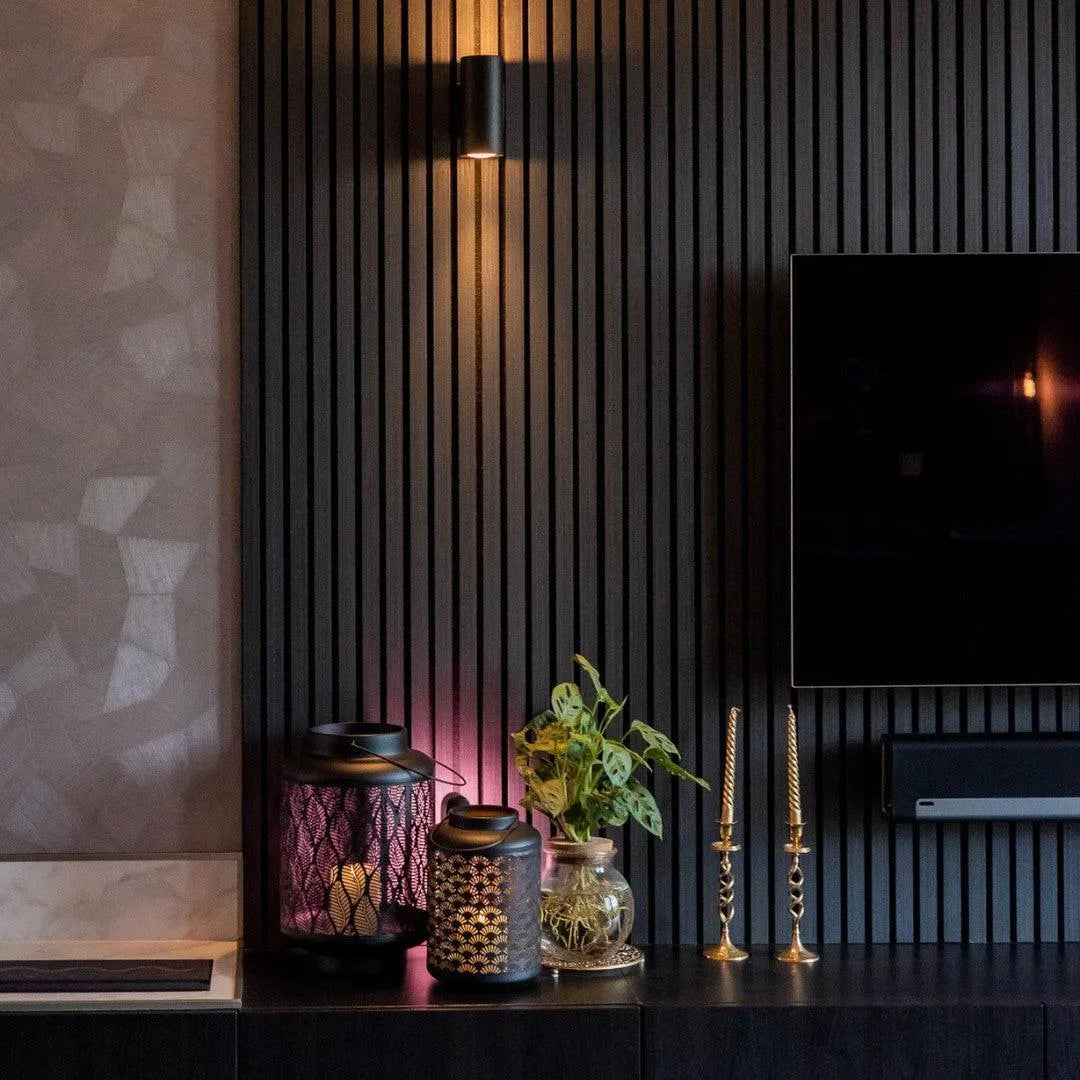
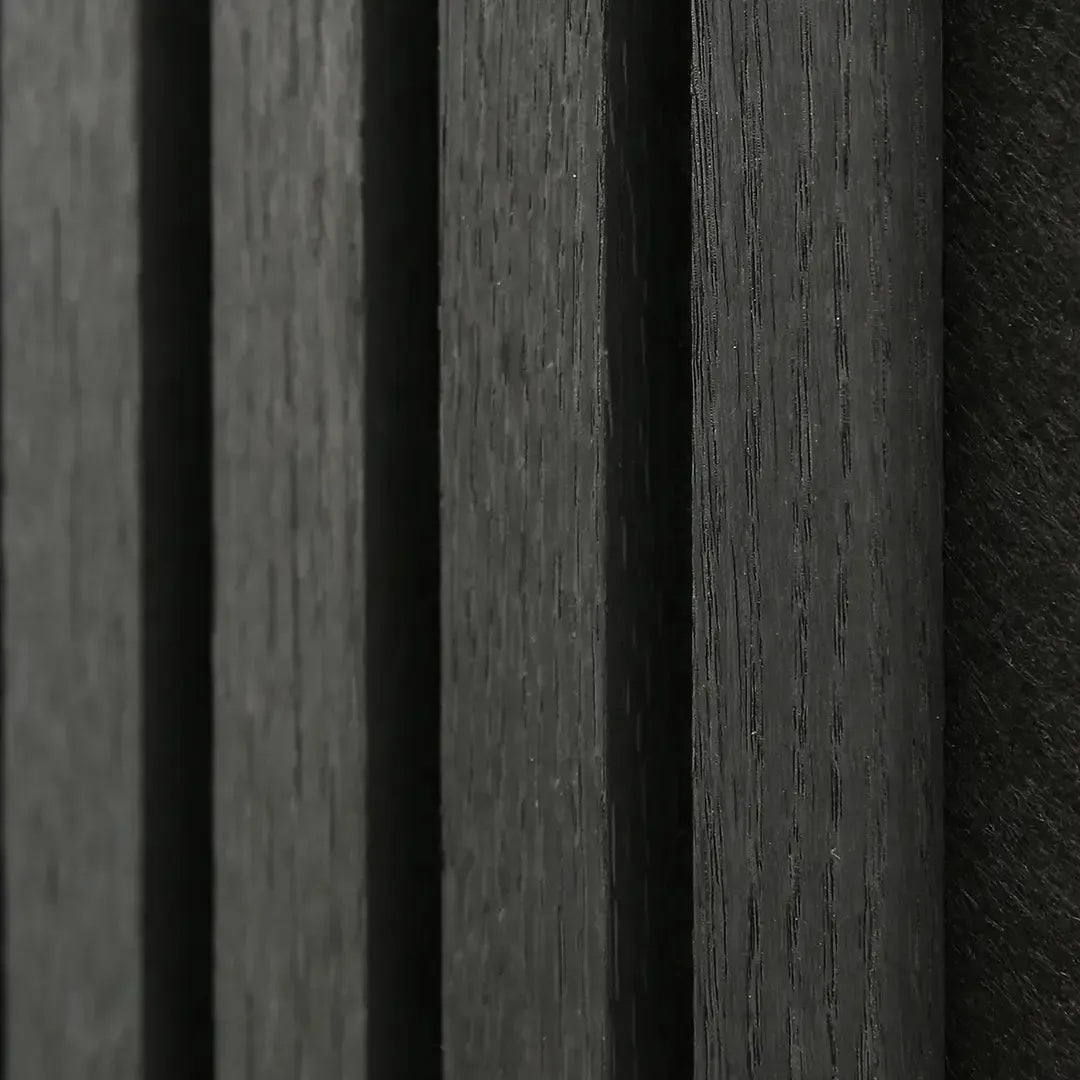
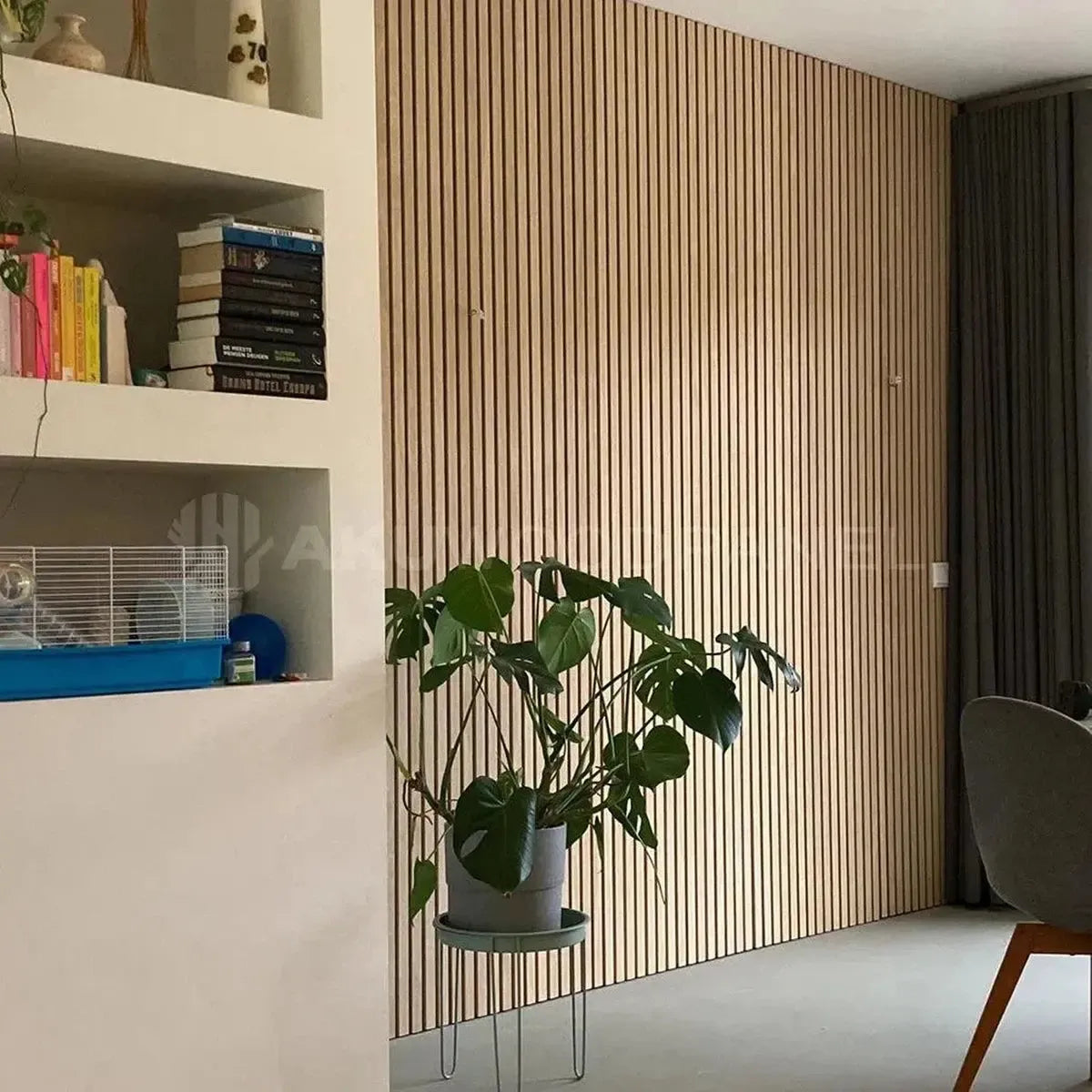
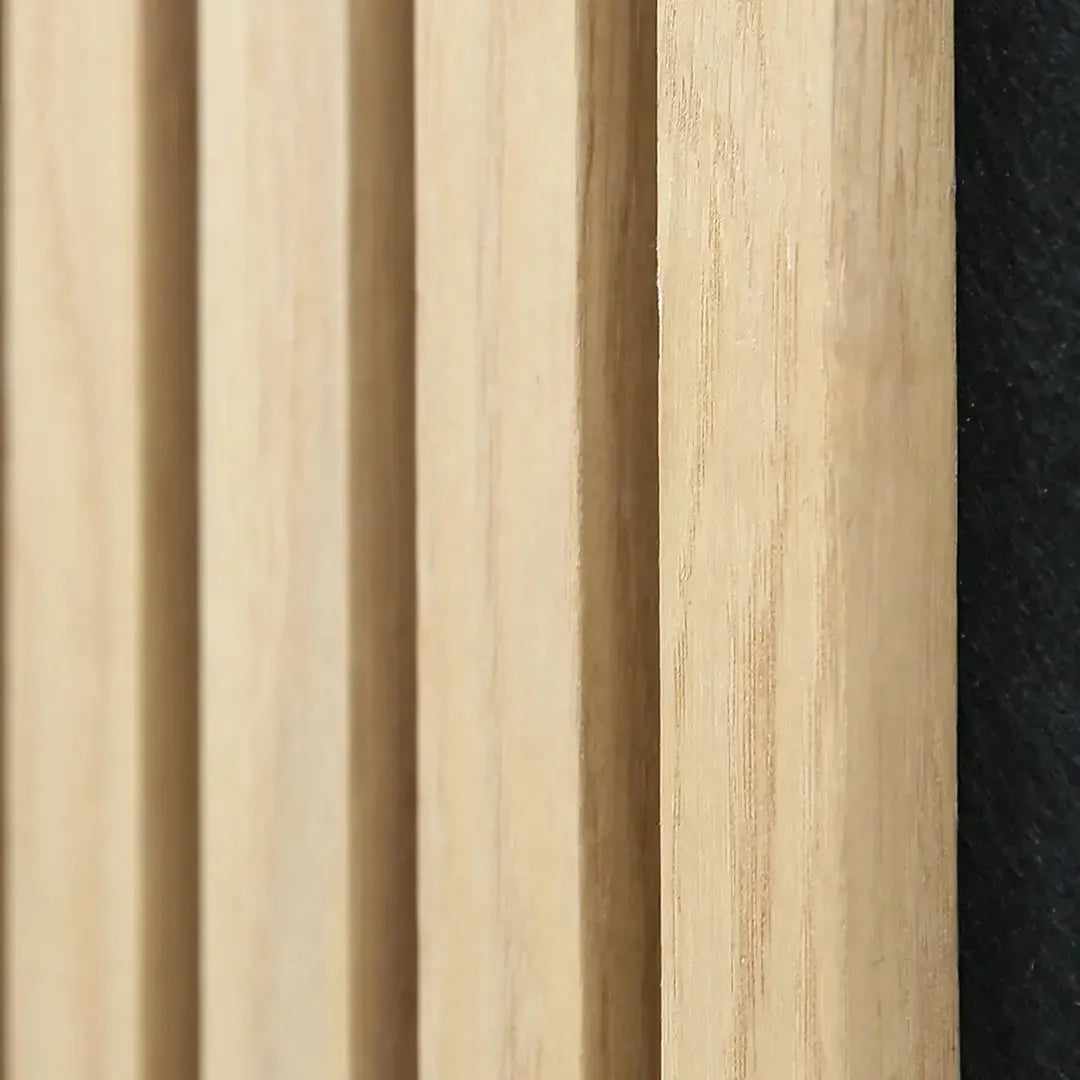
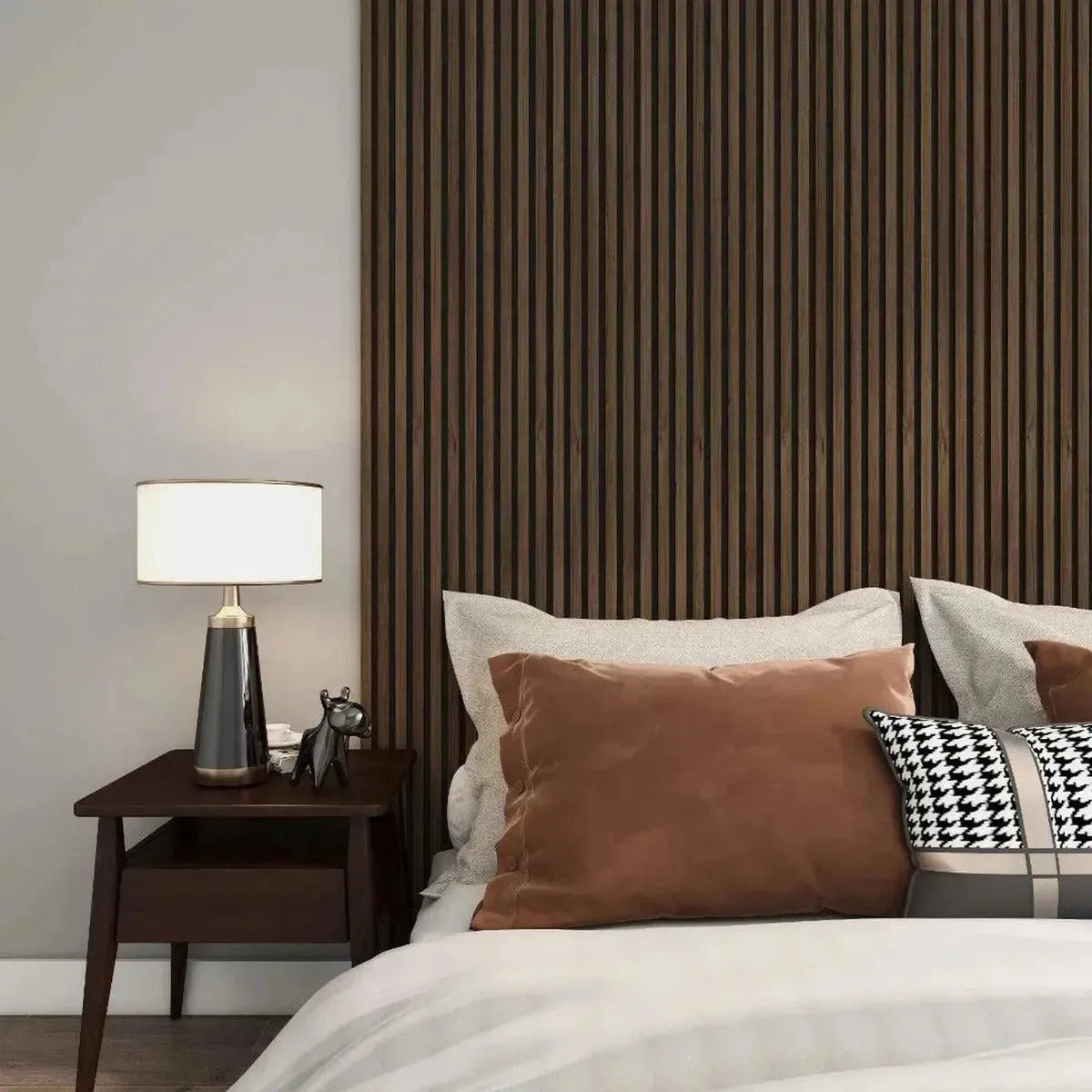
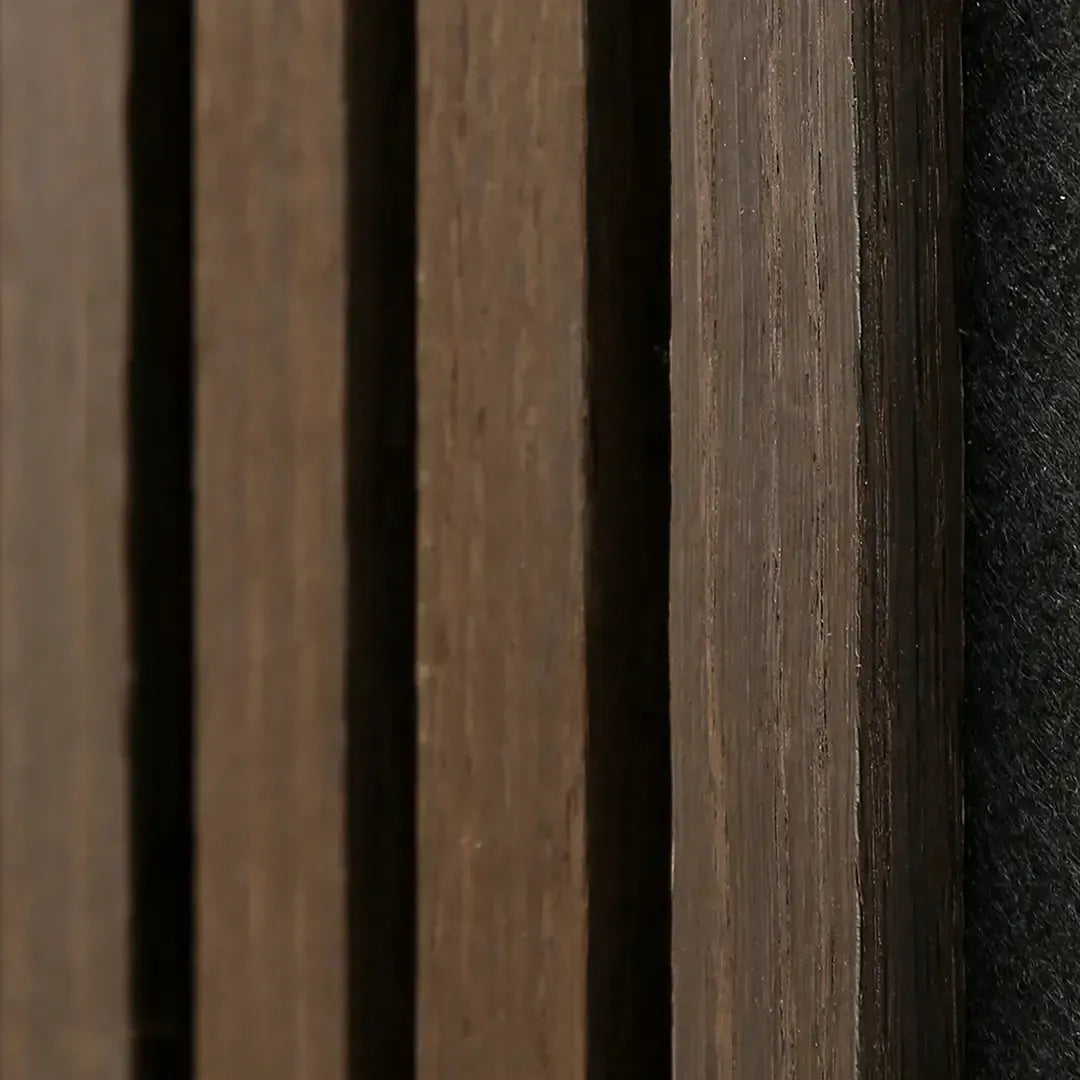
Best overall for 2026: Akuwood Panel Exterior Wall Panel Oak, a wood-grain finish for projects where the cladding is a visible design feature. Best for a gray palette: Stone Gray. Best for a dark accent: Black. Best for a lighter look: Birch. This guide compares exterior cladding for design-build contractors by finish, detailing needs and specification questions—not by unverified performance claims.
- Akuwood Panel Oak is the default exterior cladding for design-build contractors seeking a visible wood-grain finish in 2026.
- Choose Stone Gray for a gray palette, Black for a dark accent, or Birch for a lighter scheme.
- Confirm the proposed wall assembly, fastening, fire documentation and trim details before specifying any finish.
- The listed exterior panels are 94.5 inches long and sold as two panels per box.
Why this matters
A design-build contractor owns the transition from drawing to installed wall. A finish that looks right in an elevation still needs an answer for corners, openings, exposed ends and the surface behind it. For a related application, see exterior panels for covering a rendered block wall.
The 2026 choice here is primarily a finish decision, not a claim that one color resists weather or meets a building requirement better than another. Akuwood Panel lists Oak, Stone Gray, Black and Birch exterior wall panels with 3D wood-grain styling. Each listed panel is 94.5 inches long, with two panels per box. Those details help you shortlist a look and begin takeoff; they do not establish coverage, attachment requirements or approval for a particular facade.
What makes the best exterior cladding for design-build contractors?
Use these criteria before comparing finishes. They separate what you can decide from a design brief from what requires project documentation.
- Design match. Set the intended contrast against adjacent walls, windows and landscaping. Judge a full elevation, not a small finish swatch in isolation.
- Exposure fit. Identify where the cladding faces rain, direct sun or persistent moisture. Confirm the product and proposed wall assembly are suitable for that location.
- Assembly documentation. Obtain installation instructions and any fire or other documents required by the project. An exterior product name is not a substitute for an approved assembly.
- Edge detailing. Draw outside corners, top and bottom edges, openings and transitions before ordering. The visible field is only part of the finished wall.
- Takeoff clarity. Work from the actual installed coverage stated in product documentation. Panel length and box quantity alone do not tell you the square footage a box covers.
- Repair planning. Establish how a damaged section would be reached and replaced before placing cladding behind permanent fixtures or difficult trim.
In 2026, do not award a facade specification on appearance alone. The practical sequence is to select the finish, verify the assembly, resolve the details and then finalize quantities.
The diagram is a decision order, not an installation method. If a finish fails an exposure or documentation check, move back to product selection before the construction drawings lock it in.
Exterior cladding options at a glance
| Item | Best for | Standout feature | Key limitation |
|---|---|---|---|
| Exterior Wall Panel Oak | Wood-grain focal areas | Oak-look 3D wood grain | Finish choice does not establish assembly suitability |
| Exterior Wall Panel Stone Gray | Gray-led exterior palettes | Stone Gray 3D wood grain | Less direct match for a warm wood-color brief |
| Exterior Wall Panel Black | Dark accent zones | Black 3D wood grain | Not the choice for a light-toned elevation |
| Exterior Wall Panel Birch | Light wood-look schemes | Birch-look 3D wood grain | Not the choice for a dark accent brief |
These are four finish options from the same exterior panel range, not four independently tested cladding systems. The ranking answers a design-build selection question: which finish gives you the clearest starting point for a particular brief? Oak is the default when the client asks for a wood-grain exterior feature. The other finishes win when the palette calls for something more specific.
1. Exterior Wall Panel Oak: best exterior cladding for a wood-grain focal area
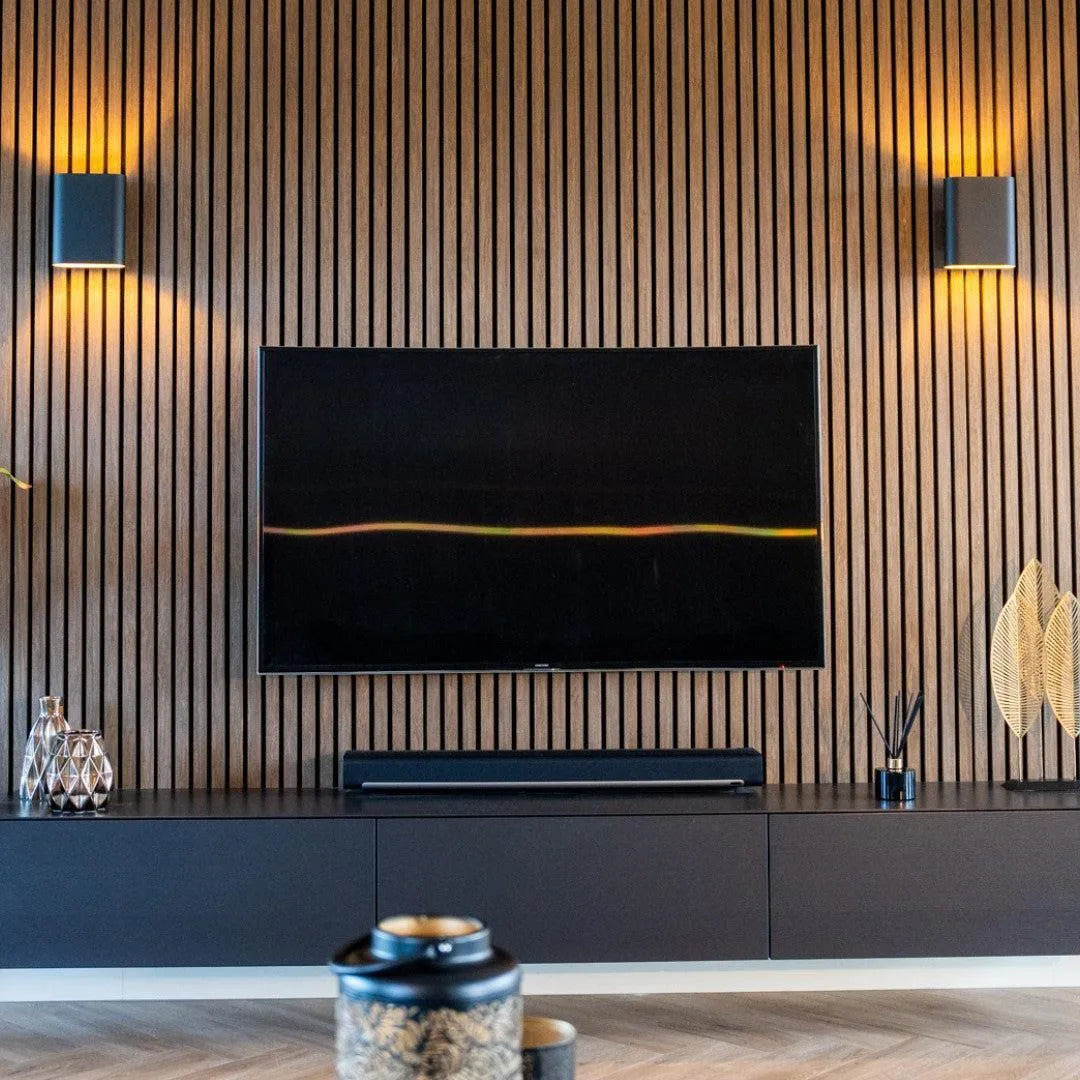
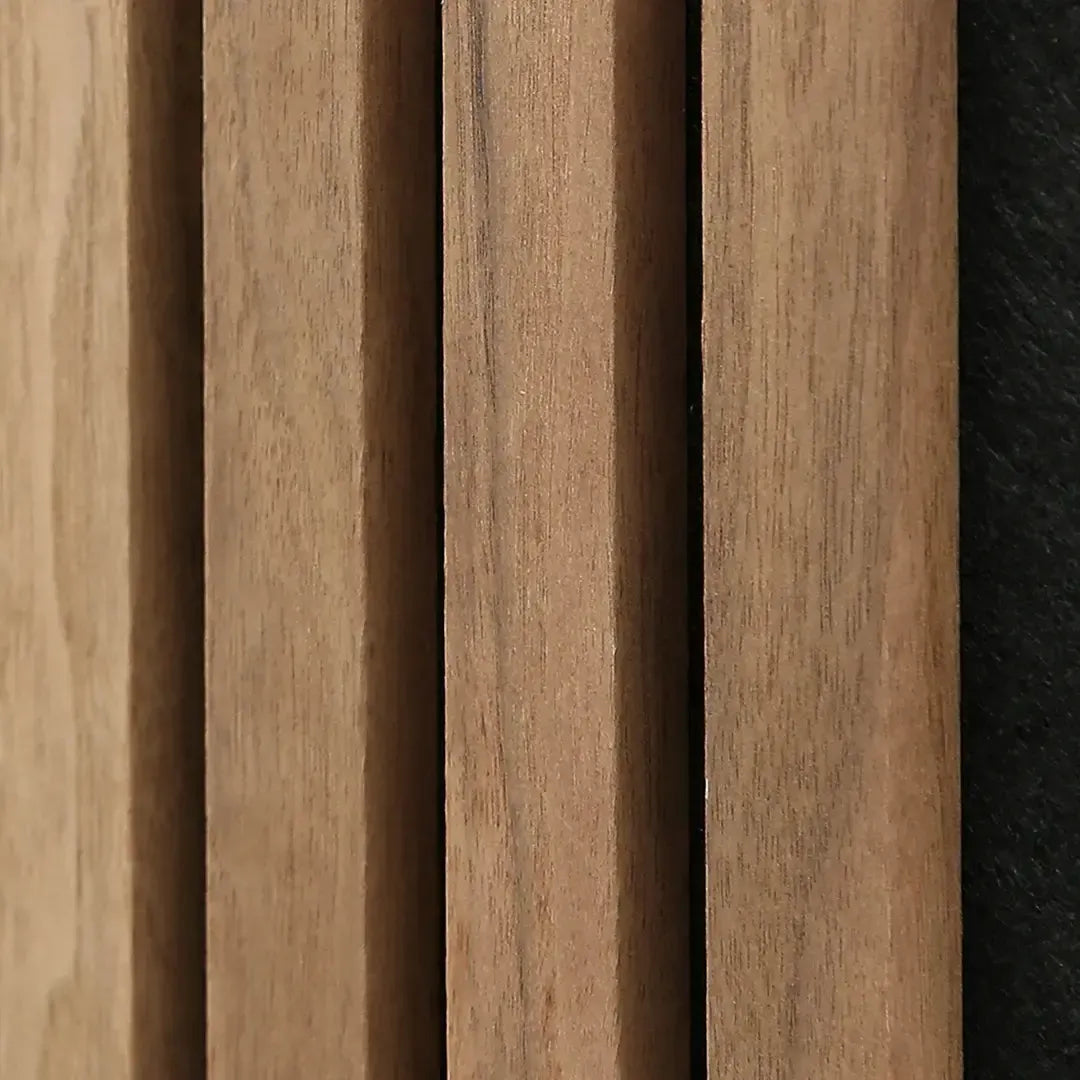
Akuwood Panel Exterior Wall Panel Oak is the strongest starting point when a wood-grain feature is central to the exterior design. Its product listing identifies a 3D wood-grain exterior panel, 94.5 inches long, supplied as two panels per box. That makes the visual intent easy to explain to a client; it does not remove the need to check the specified wall assembly.
Use Oak where the cladding is meant to be noticed: an entry feature, a defined wall plane or a garden-facing element. Keep the drawing honest about what surrounds it. Window returns, outside corners and the point where cladding ends will shape the result as much as the field panels do.
Exterior Wall Panel Oak pros:
- Clear wood-grain direction for a feature-led brief.
- A named exterior panel rather than an interior acoustic slat panel repurposed outdoors.
- Listed panel length and box quantity give your takeoff a starting reference.
Exterior Wall Panel Oak cons:
- The supplied listing does not state installed coverage per box.
- The supplied information does not establish a fire classification or approve a specific wall assembly.
Best for: Contractors presenting a wood-look exterior feature and prepared to verify the installation details. Verdict: Buy for the finish brief; hold the specification until the assembly documents are checked.
2. Exterior Wall Panel Stone Gray: best for a gray-led exterior palette
Akuwood Panel Exterior Wall Panel Stone Gray is the more direct visual choice when the elevation calls for gray rather than a warm wood color. It retains the listed 3D wood-grain styling and the 94.5-inch, two-panel-per-box format. Choose it for palette alignment, not because its color proves anything about weather performance.
On a design-build project, place Stone Gray beside the actual adjacent materials in the finish review. A rendering can show the intended contrast; a physical review settles whether the combination meets the brief. Document the chosen finish on elevations and trim schedules so a later substitution does not change the composition without review.
Exterior Wall Panel Stone Gray pros:
- Direct fit for a gray-led design brief.
- Wood-grain appearance without choosing an Oak or Birch color.
- Listed dimensions and box quantity support early material planning.
Exterior Wall Panel Stone Gray cons:
- It is not the clearest match when the client specifically wants a warm wood-color feature.
- Panel appearance alone does not resolve corners, openings or required project documentation.
Best for: Contractors coordinating cladding with a gray exterior palette. Verdict: Buy when the finish review confirms the color and the assembly checks are complete.


3. Exterior Wall Panel Black: best for a dark accent zone
Akuwood Panel Exterior Wall Panel Black belongs on the shortlist when the design calls for a distinctly dark cladding area. Its listing names a 3D wood-grain exterior panel in the same 94.5-inch, two-panel-per-box format. It is a finish recommendation, not evidence that black panels meet different technical requirements from the other colors.
Use a dark accent deliberately. Mark its boundaries on the elevation and settle how the cladding terminates at each edge. A short section with unresolved ends can create more detailing work than a larger, simpler wall plane, so confirm the layout before the order is placed.
Exterior Wall Panel Black pros:
- Direct answer to a dark accent brief.
- Distinct visual separation from lighter adjacent finishes.
- Listed panel length and box quantity allow an initial layout check.
Exterior Wall Panel Black cons:
- It conflicts with a light-toned exterior brief.
- The supplied product details do not establish installed coverage or project-specific compliance.
Best for: Contractors designing a defined dark exterior accent. Verdict: Buy for that visual use case once the wall and edge details are approved; skip it when the brief calls for a light facade.
4. Exterior Wall Panel Birch: best for a light wood-look scheme
Akuwood Panel Exterior Wall Panel Birch is the light-look option in this comparison. The supplied listing describes a 3D wood-grain exterior panel, 94.5 inches long, with two panels per box. Choose it when the intended design reads lighter than Oak and the finish review supports that choice.
Birch is especially useful as a separate option in client presentations: it lets you test a lighter wood-look direction without changing the basic question you need answered about installation. Keep the technical review separate from the color vote. Neither a lighter finish nor a familiar wood name confirms the panel's construction or its suitability for every exposure.
Exterior Wall Panel Birch pros:
- Clear alternative for a light wood-look brief.
- Named exterior panel with 3D wood-grain styling.
- Listed size and box quantity support early layout work.
Exterior Wall Panel Birch cons:
- It does not meet a brief for a black or gray accent.
- The supplied information does not specify installed coverage or an approved wall assembly.
Best for: Contractors presenting a lighter wood-look exterior option. Verdict: Buy when the approved finish direction is light; otherwise choose the finish that matches the elevation.
How we ranked these exterior panels
This 2026 ranking starts with design intent because the supplied listings identify four finishes in one exterior panel range. Oak takes the default slot for a wood-grain feature; Stone Gray, Black and Birch each own a narrower palette decision. None receives a higher technical score: the inputs do not provide comparable installed coverage, fire documentation or assembly approval.
For a contractor, that distinction prevents a common specification error. A product can be the right color and still be the wrong selection for the proposed wall until its installation requirements are confirmed. Ask for the current documents that address the actual substrate, exposure and required approvals. Then reconcile the drawings, takeoff and accessory schedule against those documents.
Which exterior cladding should you choose in 2026?
Choose Akuwood Panel Exterior Wall Panel Oak as the default when the brief simply calls for a visible wood-grain cladding feature. Choose Stone Gray for a gray-led palette, Black for a dark accent and Birch for a light wood-look scheme. Do not treat this finish ranking as a weather-resistance or code-compliance ranking.
Before sign-off, run one final check across the whole wall, not just the panel: confirm exposure suitability, the proposed assembly, attachment instructions, required project documents, edge treatment and installed coverage. For a 2026 design-build handoff, that written detail is the difference between a selected finish and a buildable specification.
FAQ
What's the best exterior cladding for design-build contractors in 2026?
Akuwood Panel Exterior Wall Panel Oak is the default here for a wood-grain feature in 2026. Select the finish against the elevation, then verify the proposed wall assembly and installation documents.
Is Stone Gray better than Oak for an exterior wall?
Stone Gray is the better visual choice for a gray-led palette; Oak is the default for a wood-grain focal area. The supplied information does not establish a technical performance advantage for either finish.
When should a contractor choose Black exterior wall panels?
Choose Black when the design calls for a defined dark accent zone. Resolve the cladding boundaries and edge details before finalizing the layout.
Are Birch exterior panels the same as interior acoustic slat panels?
No; the Birch item in this guide is listed as an exterior wall panel, while the brand also sells acoustic panels for interior applications. Specify the product listed for the intended application rather than substituting by appearance.
How large are the listed exterior wall panels?
The listed Oak, Stone Gray, Black and Birch panels are 94.5 inches long and supplied as two panels per box. Check the current product documentation for installed coverage before calculating box quantities.
Do these exterior panels have a confirmed fire classification?
No fire classification is supplied in the inputs for these panels. Obtain the documentation required for the specific project before specifying a wall assembly.
Can panel length alone determine how many boxes to order?
No. The listed 94.5-inch length and two-panel box quantity do not establish installed area; calculate quantities using documented coverage and the approved layout.
One last thing
Choose the corner detail before you finalize the panel count. A 2026 takeoff based only on the visible wall plane leaves openings, exposed ends and transitions unresolved. Show those conditions on the drawing, confirm the compatible finishing components, and order from the resulting layout—not from the elevation alone.
 Better performance and aesthetic appeal
 In Stock