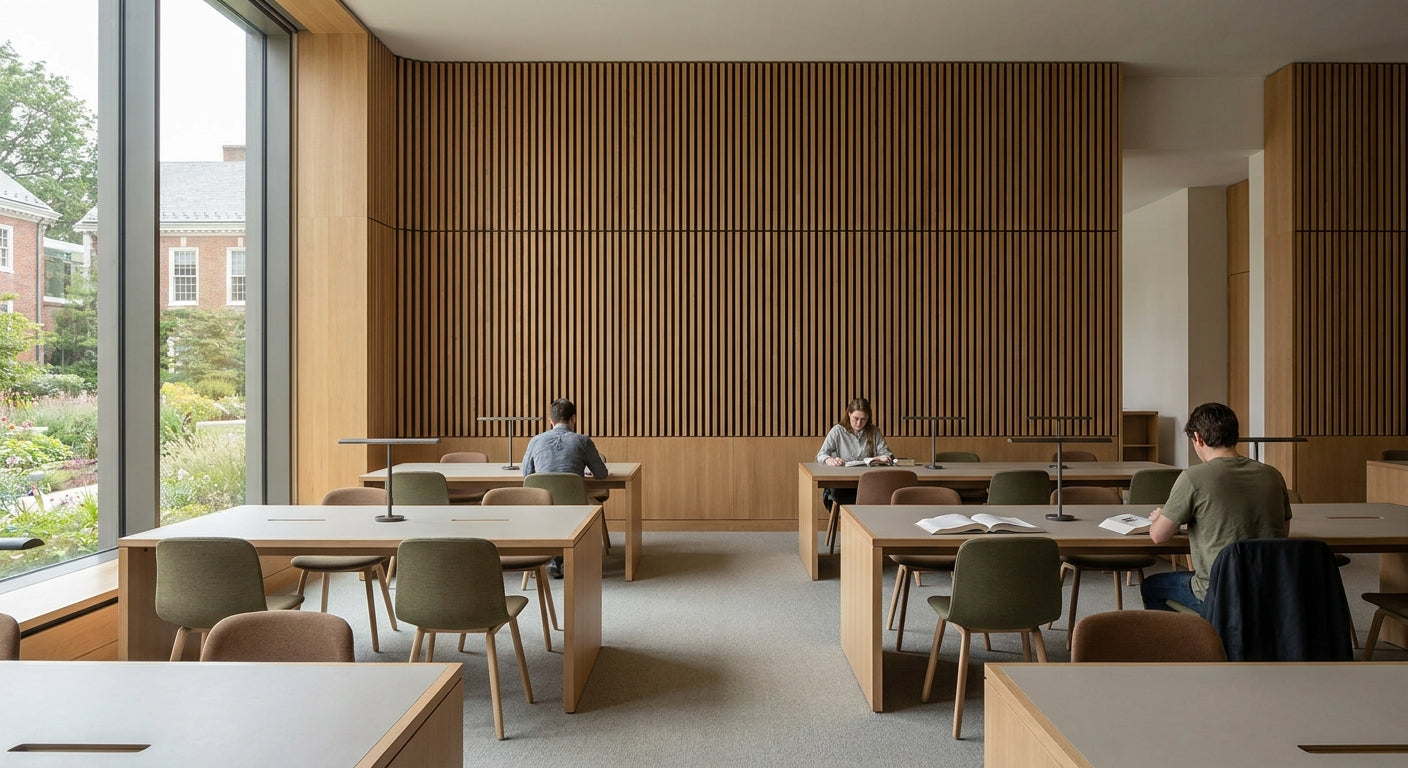
Library study rooms fail acoustically for one reason: hard, parallel surfaces bounce every whisper, chair scrape, and keyboard click back into the room. Acoustic slat panels for library study rooms fix that by breaking up reflections at the wall instead of trying to block sound that's already inside the room.
TL;DR
For library quiet rooms in 2026, the Acoustic Slat Wall Panel Natural Oak with Gray Felt is the safest buy for pure absorption at readable, non-institutional pricing. If the room runs bright with big windows or monitors, the Acoustic Slat Wall Panel Black Oak cuts glare without sacrificing absorption. Order the Full Sample Box Slat Wall Panel before any bulk purchase — a felt-backed panel that photographs well on a website can still look wrong under fluorescent library lighting. Skip anything sold as "soundproofing" without a felt or perforated backing; slats alone dress up a wall, they don't absorb much.
Why this matters
Most public libraries aim to keep dedicated quiet-study areas under roughly 40 decibels of background noise — well below the 50-60 dB you get in an open reading room with HVAC running and pages turning. Bare drywall, glass partitions, and laminate tables reflect nearly all of that sound back at patrons instead of absorbing it. A wall run of acoustic slat wall panel in natural oak with gray felt changes that by giving sound waves somewhere to go instead of bouncing.
This matters more in 2026 than it did five years ago, because library study rooms are now doing double duty as video-call booths, tutoring spaces, and small-group work zones. A room that was fine for silent reading in 2015 is now getting used for Zoom calls, and every hard surface in it amplifies the problem. Acoustic wood panels solve this without turning a reading room into a recording studio — they look like architecture, not foam.
Who this is for
This guide is for library facilities managers, branch directors, and design-build contractors specifying materials for quiet-study rooms, silent floors, and small group study pods in public or academic libraries. It assumes you're choosing between wall treatments for a room that needs to look professional to patrons and donors, not just perform well on a decibel meter. If you're spec'ing panels for a full renovation with budget sign-off required, the criteria below map directly to what a facilities committee will ask.
What to look for in acoustic panels for library study rooms
Felt or perforated backing, not decorative slats alone
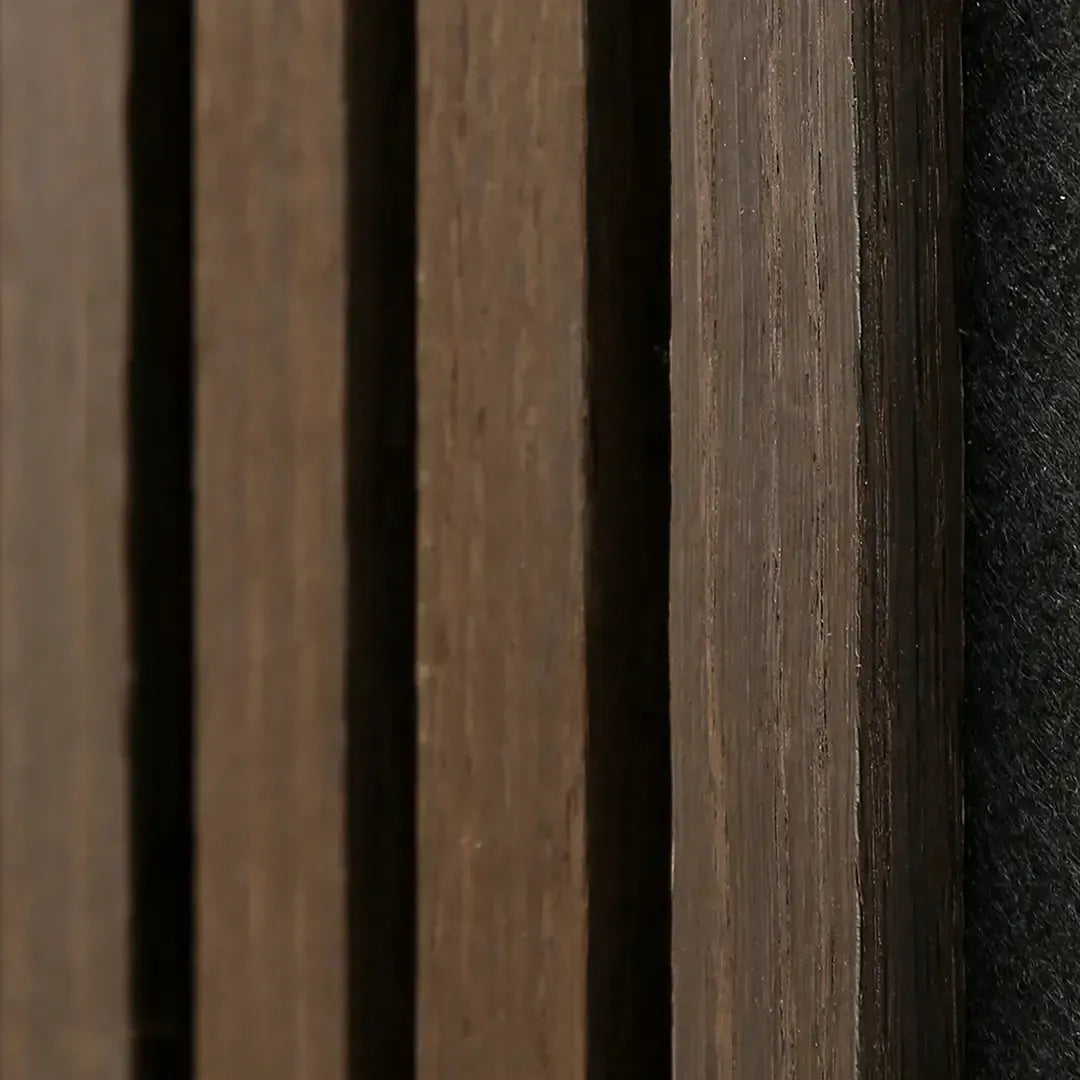
A slat panel with a solid wood or MDF backing looks the part but does very little for sound absorption — it's cladding, not treatment. Look specifically for a felt-backed construction, which is what actually interrupts sound reflection in a small room. This is the single biggest mistake libraries make when they buy on looks alone.
Light reflectance value for reading comfort
Study rooms need enough ambient light for reading without glare bouncing off screens or table surfaces. Lighter finishes like natural oak reflect more task lighting and keep rooms feeling open; darker finishes like black oak or smoked oak absorb glare in rooms with heavy window exposure or wall-mounted monitors. Match the finish to the room's light levels, not just the building's existing palette.
Panel width and groove spacing
Narrower slat spacing catches higher-frequency noise like keyboard clatter and chair legs on hard flooring, which is exactly the noise profile of a modern study room. Wider spacing reads as more decorative and less functional. For a room that's genuinely trying to hit quiet-zone noise targets, prioritize spacing over pure aesthetics.
Real wood veneer vs. printed laminate
Real veneer ages consistently and takes light differently across a wall run; printed laminate can look flat and repetitive once you've covered 10+ feet of wall. Libraries plan renovations to last 10-15 years, so veneer durability matters more here than in a residential accent wall that might get redone in five.
Fire and public-building compliance
A library is a public building, which means any wall material needs documentation that satisfies your local fire code reviewer before installation, not after. Get the fire-rating documentation in writing from the supplier before you order enough panels to cover a full room — this is the step that stalls institutional projects longest.
Mounting method for existing walls
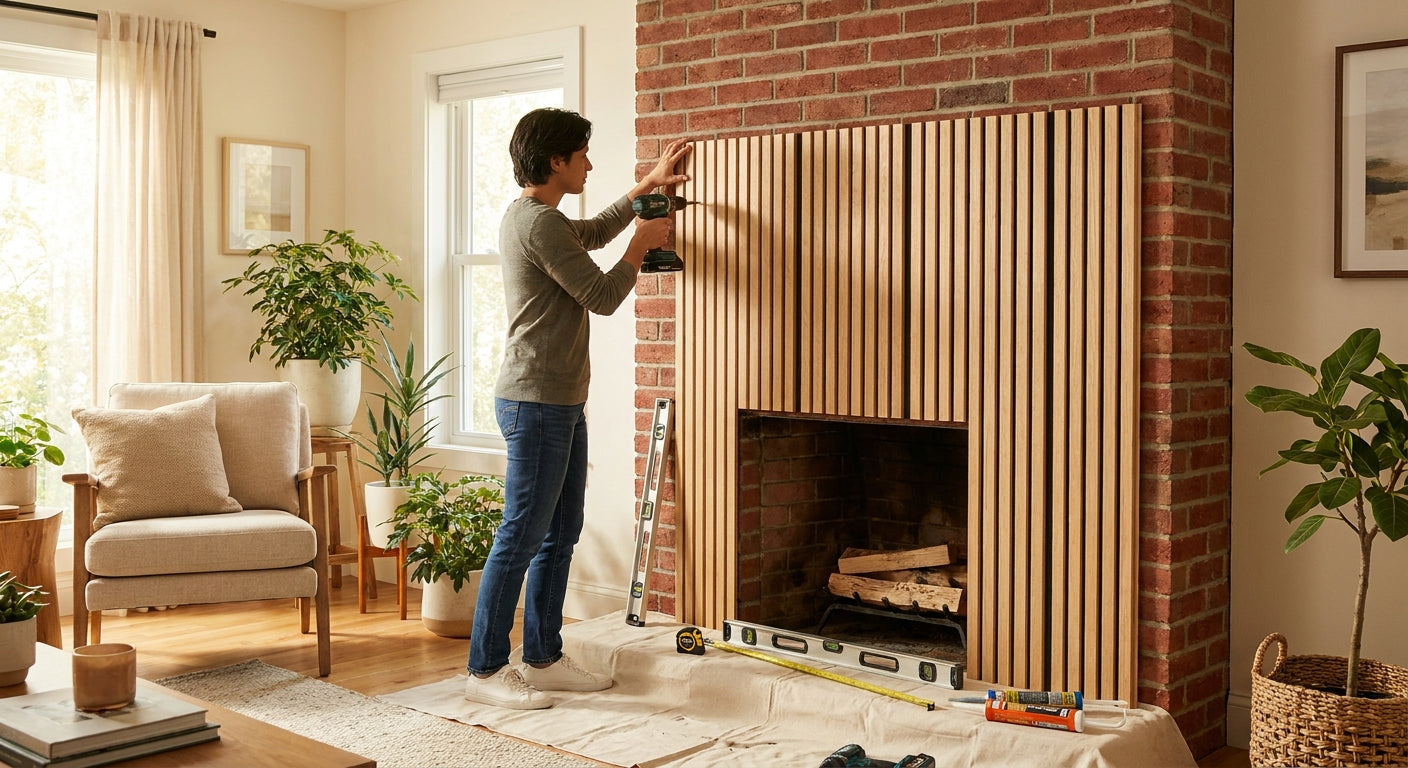
Most library study rooms have drywall or concrete block walls that can't be damaged during install or removal, especially in leased or landmark buildings. Confirm the mounting system works with your wall type and doesn't require permanent adhesive that makes future changes impossible.
Top picks for library quiet study rooms
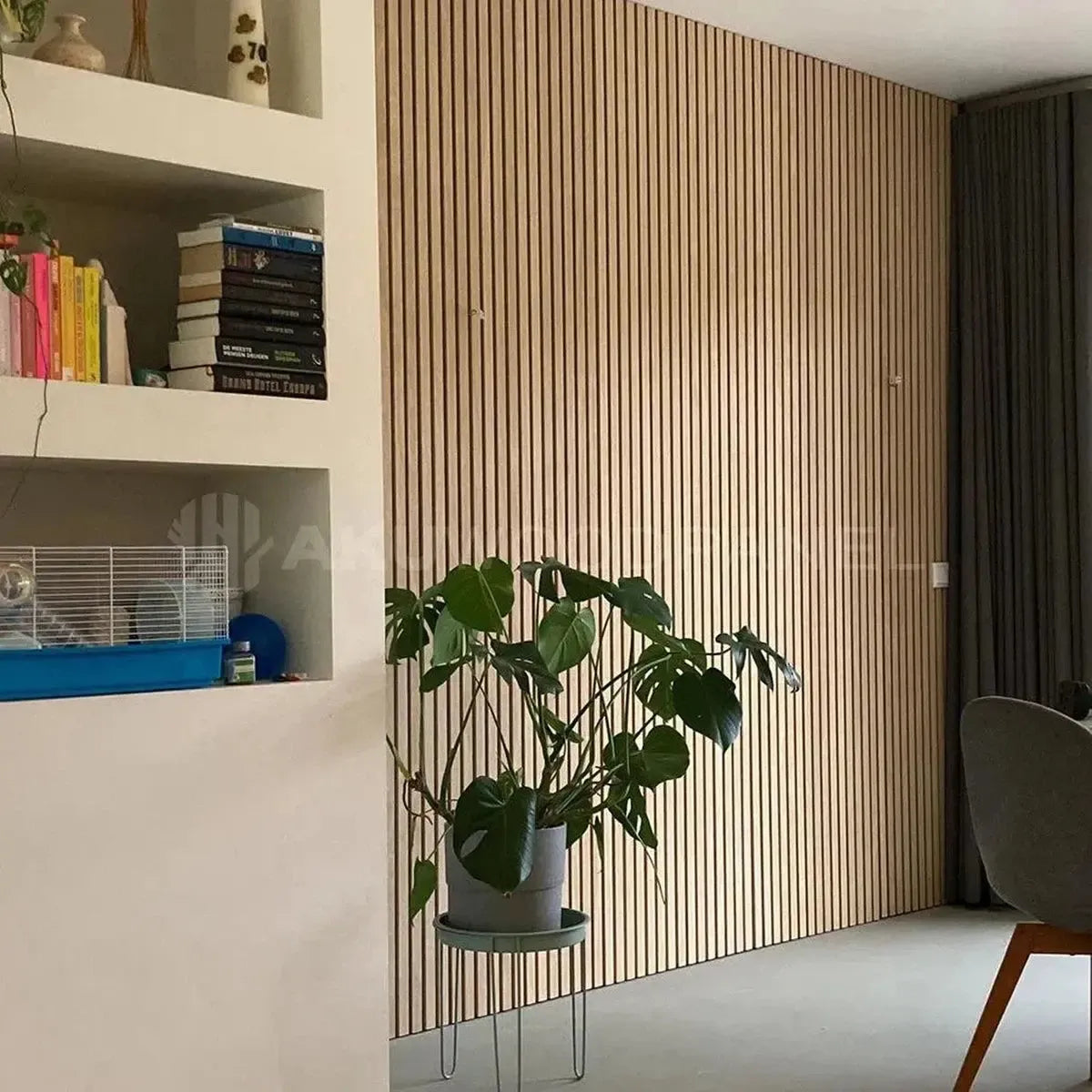
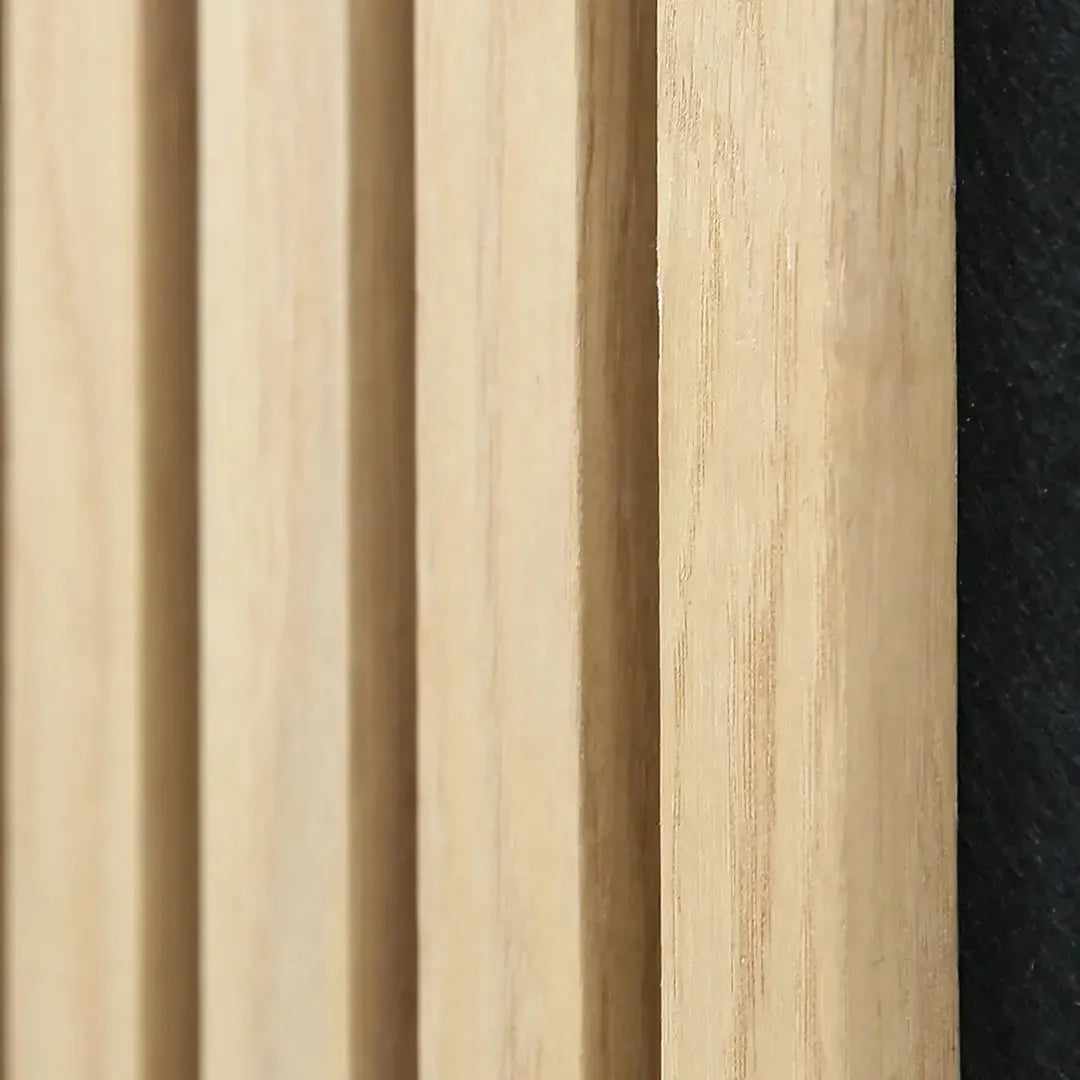
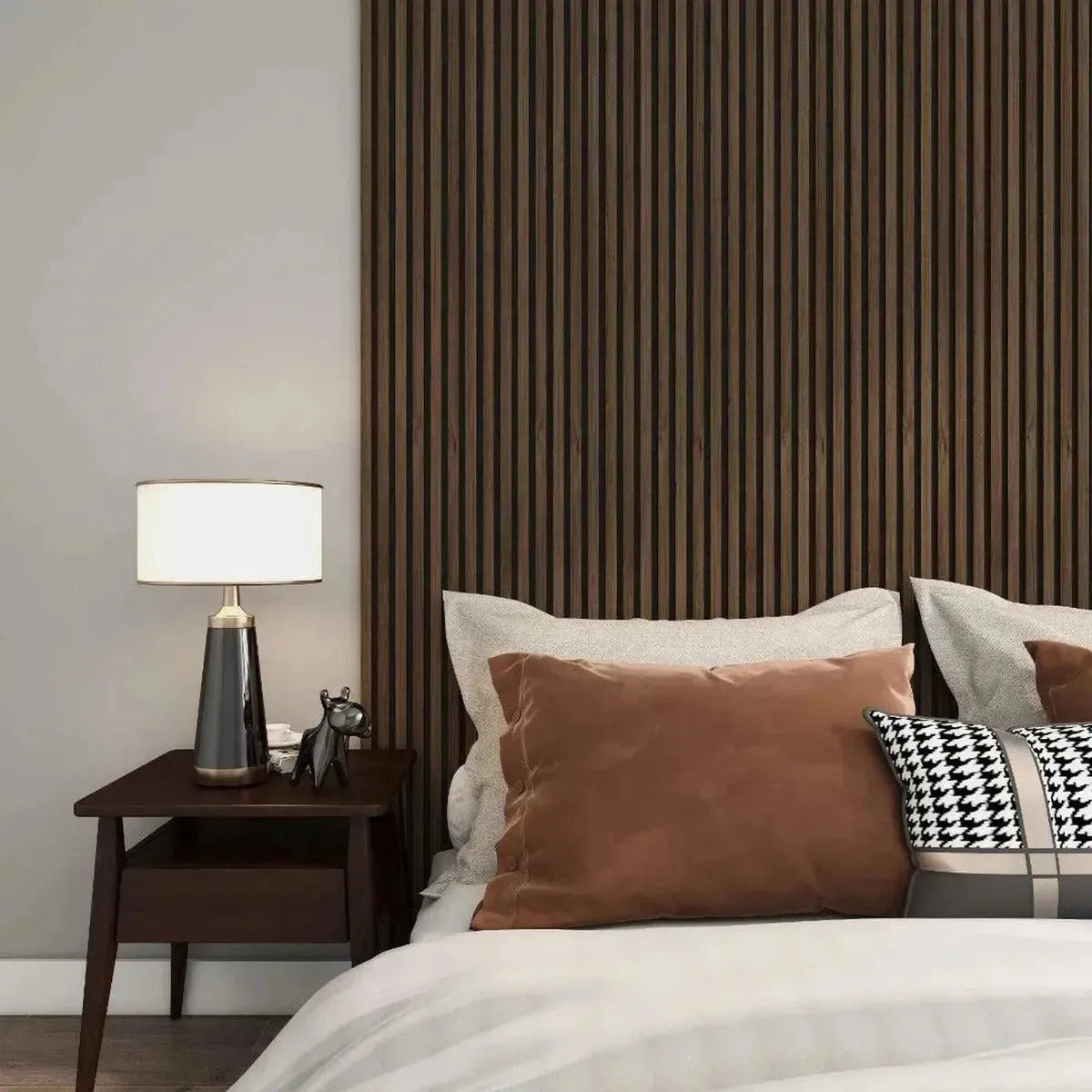
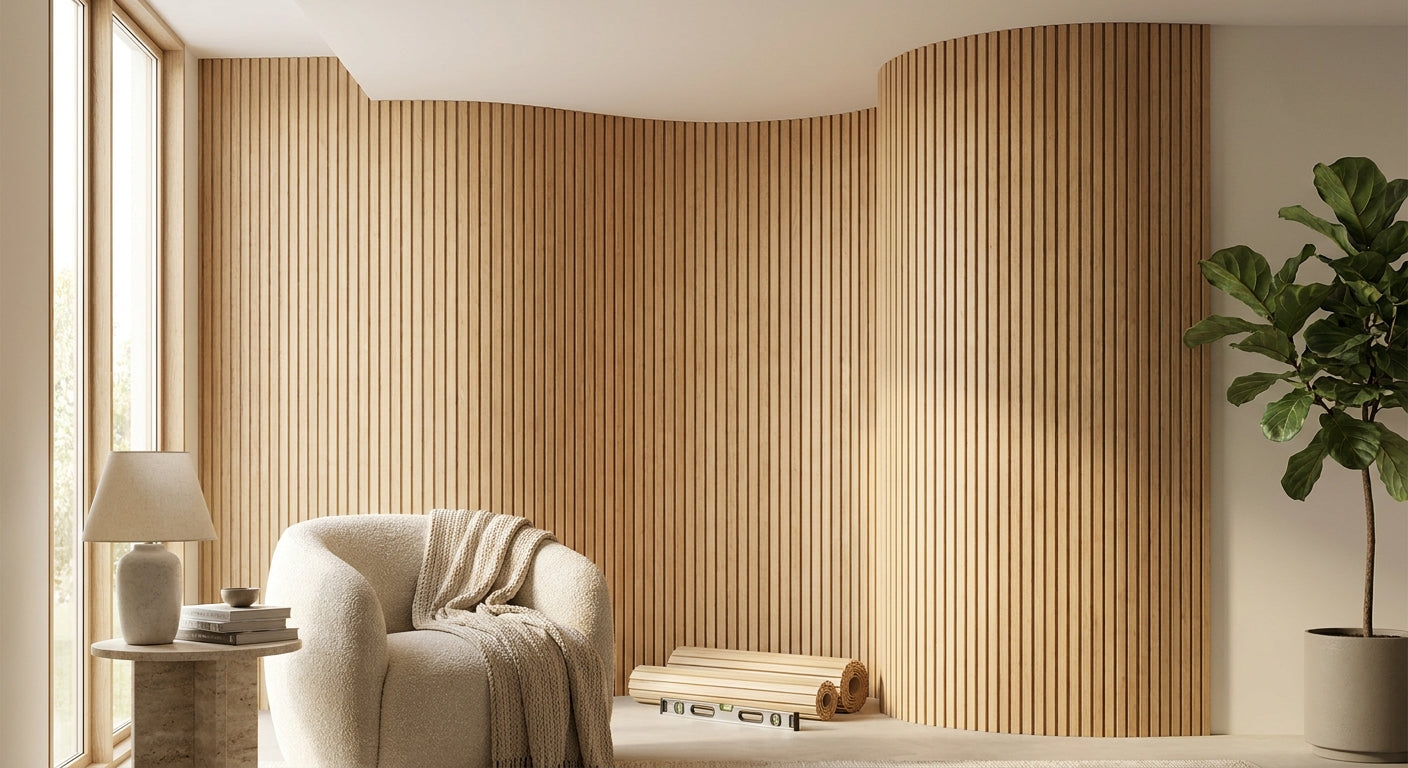
The safe pick: Acoustic Slat Wall Panel Natural Oak with Gray Felt Natural oak with gray felt backing is the default choice for a reason — it reads as warm and professional to patrons while the felt layer does the actual absorption work. It pairs well with the light oak furniture already in most library study rooms, so it doesn't clash with existing millwork. Verdict: Buy.
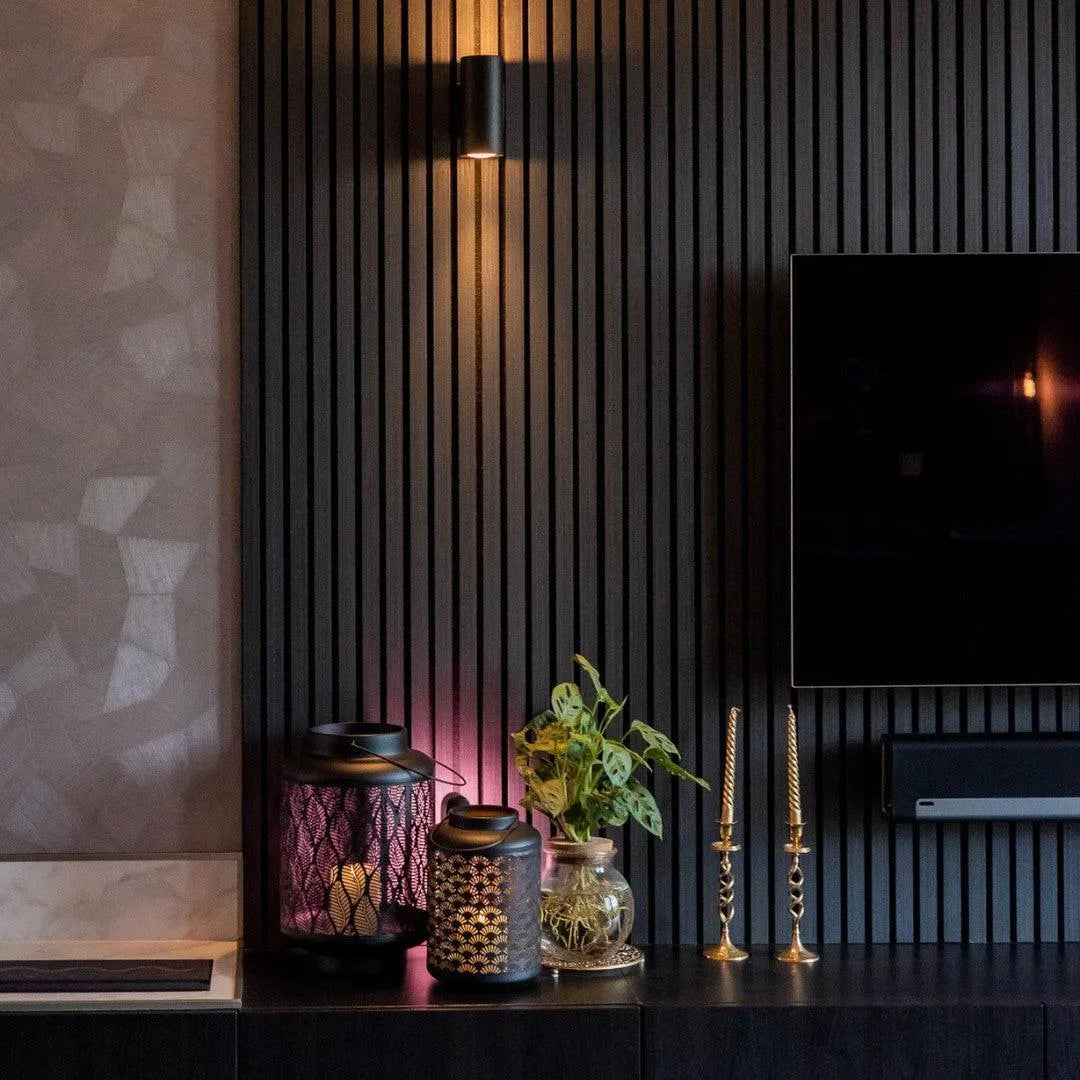
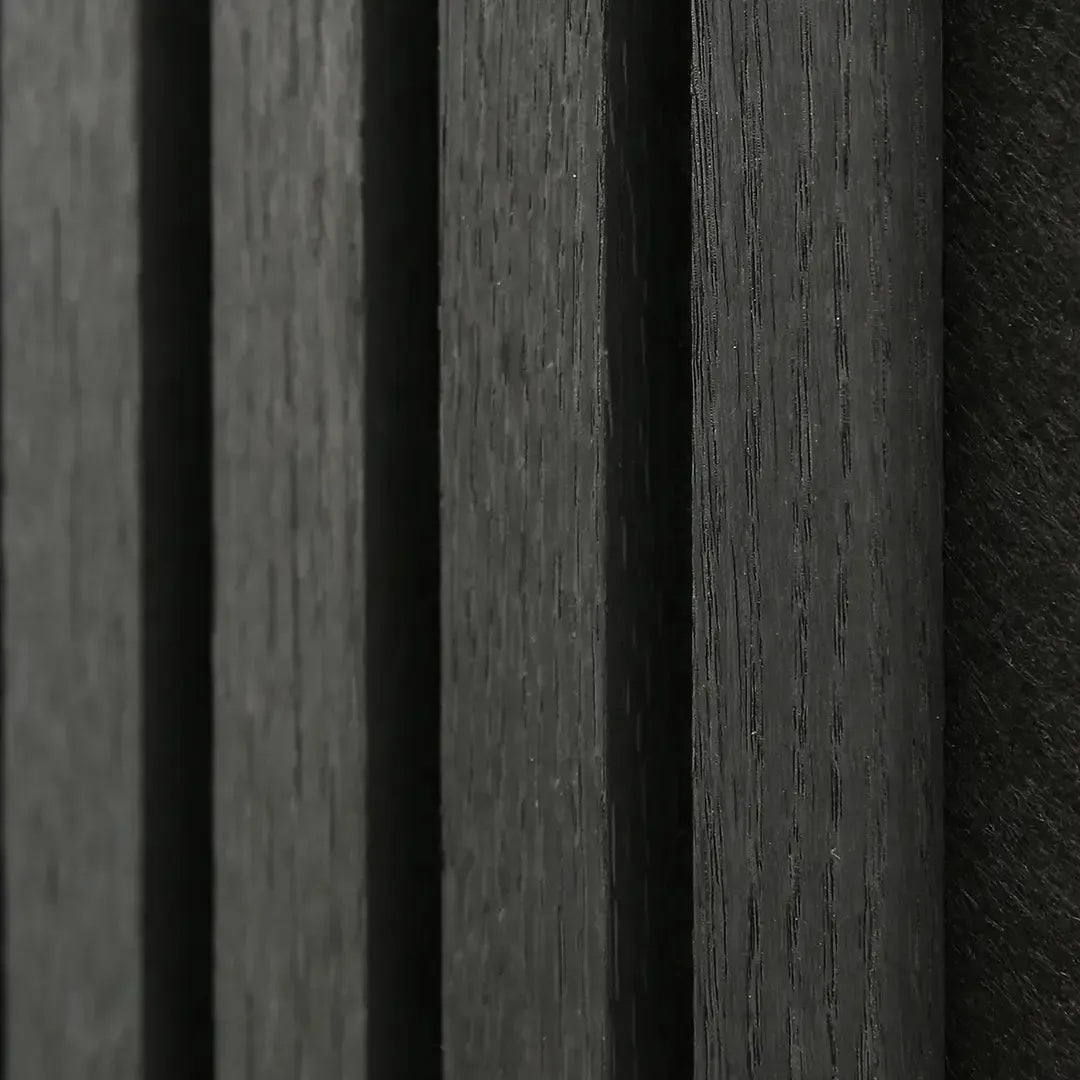
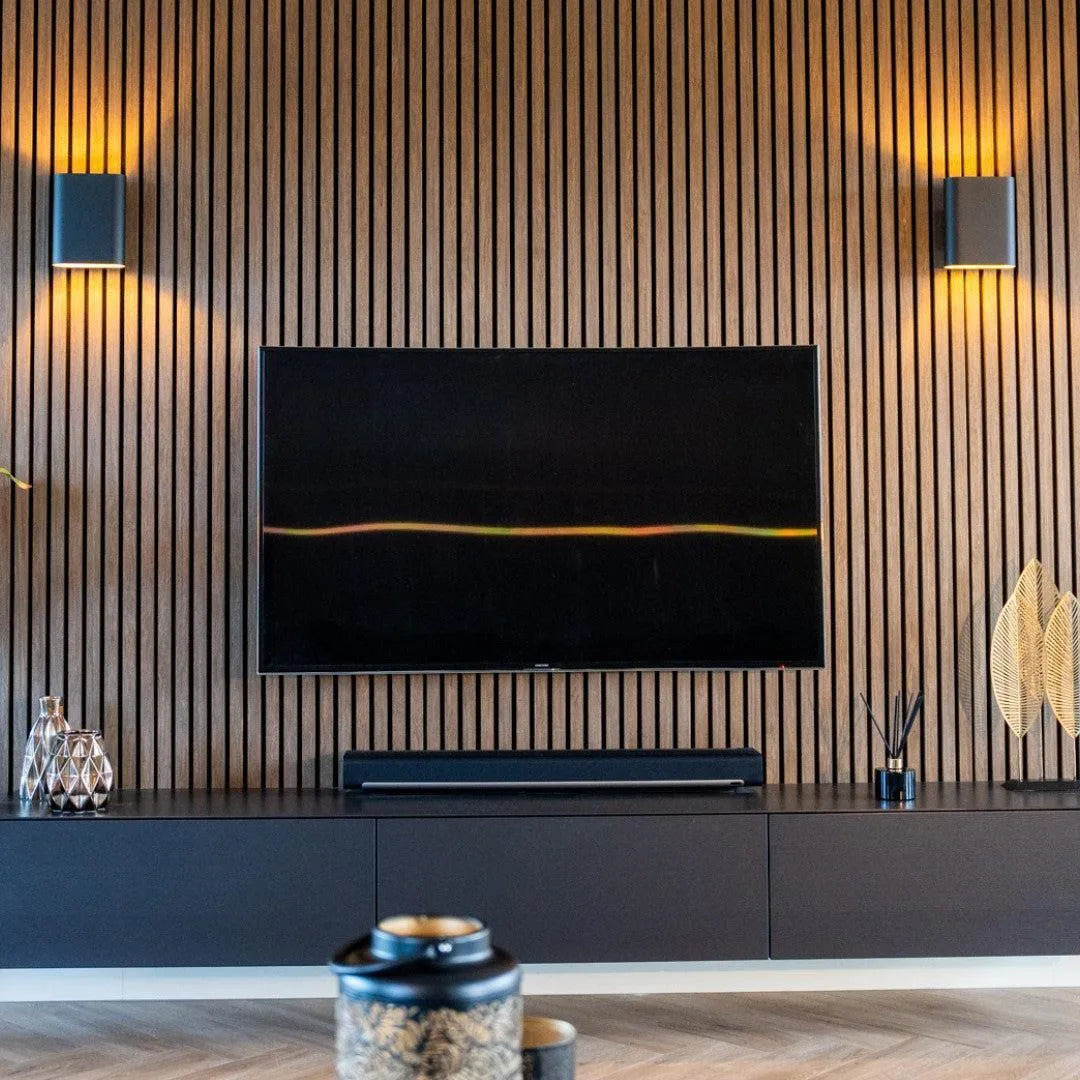
The low-glare pick: Acoustic Slat Wall Panel Black Oak Black oak cuts reflected glare in rooms with big windows, overhead monitors, or exposed LED strip lighting, which is common in renovated 2020s-era study pods. It reads more contemporary than traditional oak, which works if your library skews toward a modern renovation aesthetic. Verdict: Consider if your room already runs bright; skip it in a naturally dim room where you need the light bounce.
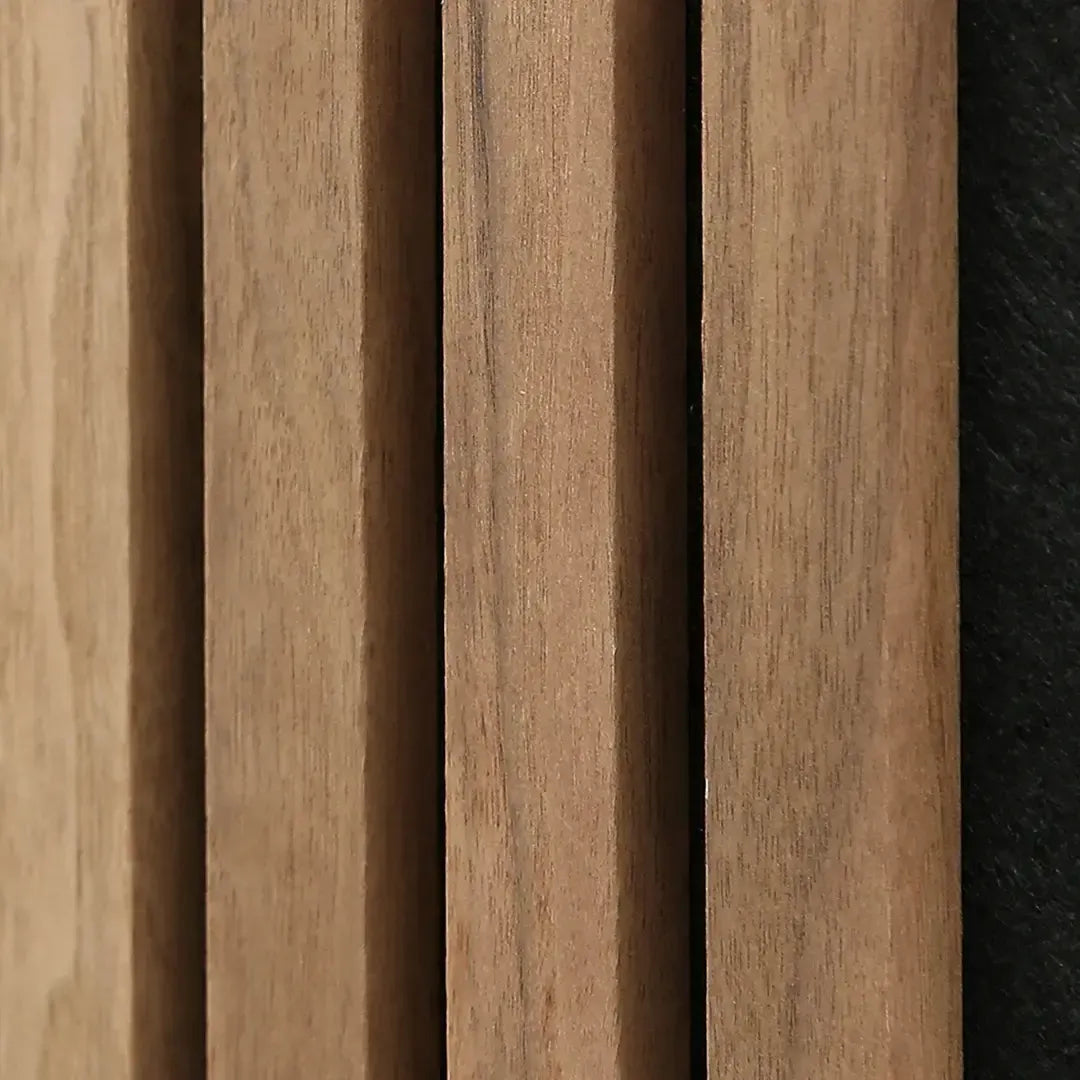
The premium pick: Acoustic Slat Wall Panel Walnut Walnut carries a richer grain pattern that reads as a design statement, which matters if the study room doubles as a donor-facing or flagship space in the branch. It costs more than oak finishes, so reserve it for the one or two rooms that need to impress rather than the whole floor. Verdict: Buy for a signature room; Skip for budget-constrained multi-room rollouts.
The risk-free pick: Full Sample Box Slat Wall Panel Before committing a facilities budget to a full room, order the full sample box slat wall panel and hold swatches against your actual wall under the room's real lighting. Fluorescent and LED library lighting shifts wood tone more than most people expect, and a finish that looked right on a monitor can read differently under a 4000K panel light. Verdict: Buy — always, before any bulk order.
What to avoid
- Decorative-only slat panels with no backing material. They look identical to acoustic versions in photos but do almost nothing for reflection or absorption.
- Glossy or high-sheen finishes. They create secondary glare off screens and reading lamps, which defeats the point of a quiet study room built for focus.
- Full-wall installs without a fire-rating check first. Reordering an entire room's worth of panels after a code rejection is the most expensive mistake on this list.
Verdict comparison
| Panel | Light reflectance | Felt backing | Best for | Verdict |
|---|---|---|---|---|
| Natural Oak with Gray Felt | High | Yes | Standard quiet rooms | Buy |
| Black Oak | Low | Yes | Bright, window-heavy rooms | Consider |
| Walnut | Medium | Yes | Signature or donor-facing rooms | Buy (select rooms) |
| Sample Box | N/A | N/A | Pre-purchase testing | Buy (always first) |
FAQ
What's the best acoustic panel for a library study room? Felt-backed slat wall panels in natural oak are the most balanced choice for 2026 library study rooms — they absorb reflected sound while keeping the room bright enough for reading. Darker finishes like black oak work better in rooms with heavy window glare.
Is wood slat paneling actually soundproofing? No — slat panels absorb and diffuse sound within a room, they don't block sound from passing between rooms. If you need to stop noise transfer through a wall, you need mass-loaded materials in the wall assembly, not surface treatment.
How many panels does a typical study room need? Coverage depends on wall square footage and how much of the room you're treating; most libraries treat one or two full walls rather than an entire room, since full coverage rarely adds proportional benefit over partial coverage.
Does panel color affect how bright a study room feels? Yes — light finishes like natural oak reflect more ambient and task light, while dark finishes like black oak or smoked oak absorb it. Match the finish to how much natural or overhead light the room already gets.
Can slat panels go over existing drywall in a library? Most installs mount directly to existing drywall or concrete block without major wall modification, which is why libraries favor this treatment over built-in acoustic wall systems. Confirm mounting compatibility with your specific wall type before ordering.
Are real wood veneer panels worth it over laminate for institutional use? Real veneer holds up better across long wall runs and multi-year library renovation cycles, where a printed laminate can look repetitive and dated faster. For a 10-15 year renovation lifespan, veneer is the more defensible spec.
What noise level should a library quiet room target? Many library facilities teams aim for background noise under roughly 40 decibels in dedicated quiet-study rooms, well below the 50-60 dB typical of an open reading floor. Acoustic wall treatment is one part of hitting that target alongside flooring and door seals.
Should every study room in a branch get the same finish? Not necessarily — reserve a premium finish like walnut for one or two signature rooms and use natural oak or black oak across the rest of the floor to control budget without sacrificing consistency.
One last thing
The detail most facilities teams miss in 2026 is lighting temperature, not panel choice. A natural oak finish that looks warm and bright under 3000K lamps can look flat and gray under the 4000K-5000K LED fixtures common in newer library renovations — order the sample box and check it under your actual room lighting before you commit to a floor-wide rollout.

 Better performance and aesthetic appeal
 In Stock