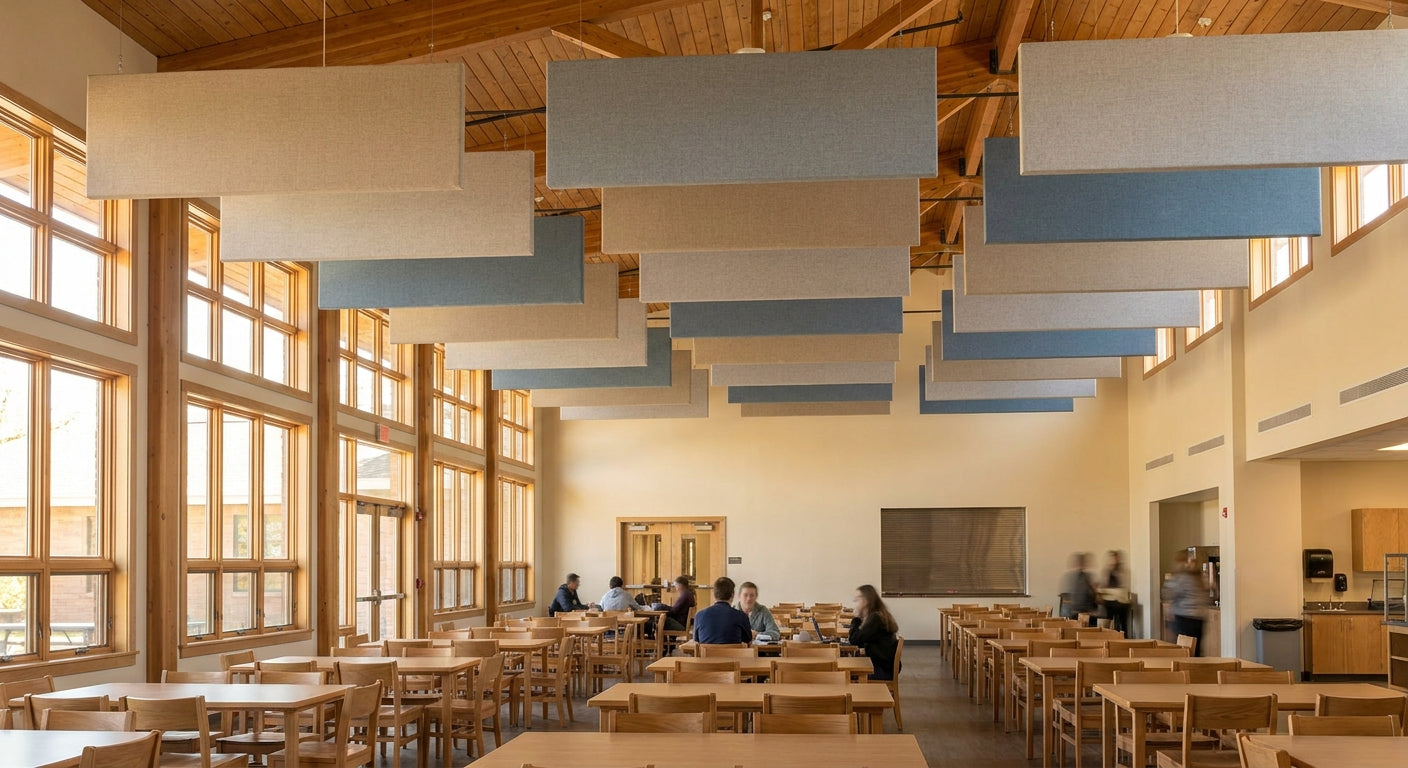
Open-plan cafeterias turn into echo chambers the moment 200 kids sit down with metal trays and hard chairs, and the fix isn't a coating of paint — it's wall coverage with a real NRC rating. This guide breaks down what a facilities manager should look for in acoustic panels for school cafeteria noise, which finishes hold up under tray traffic, and which options are a waste of budget in a room built from cinderblock, tile, and glass.
- Hexagon Acoustic Panel Natural Oak with Gray Felt hits 0.75 NRC — buy it for cafeteria feature walls.
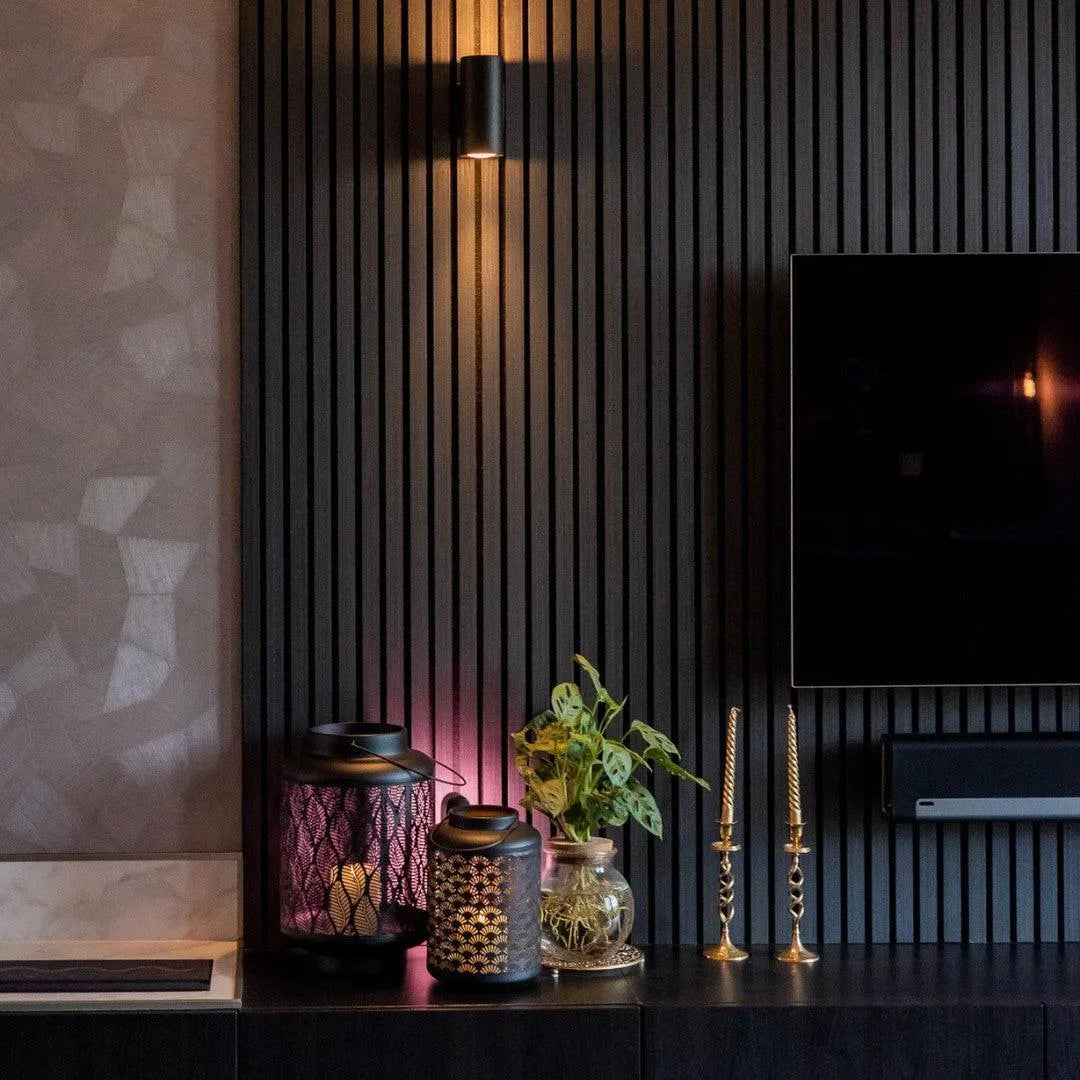
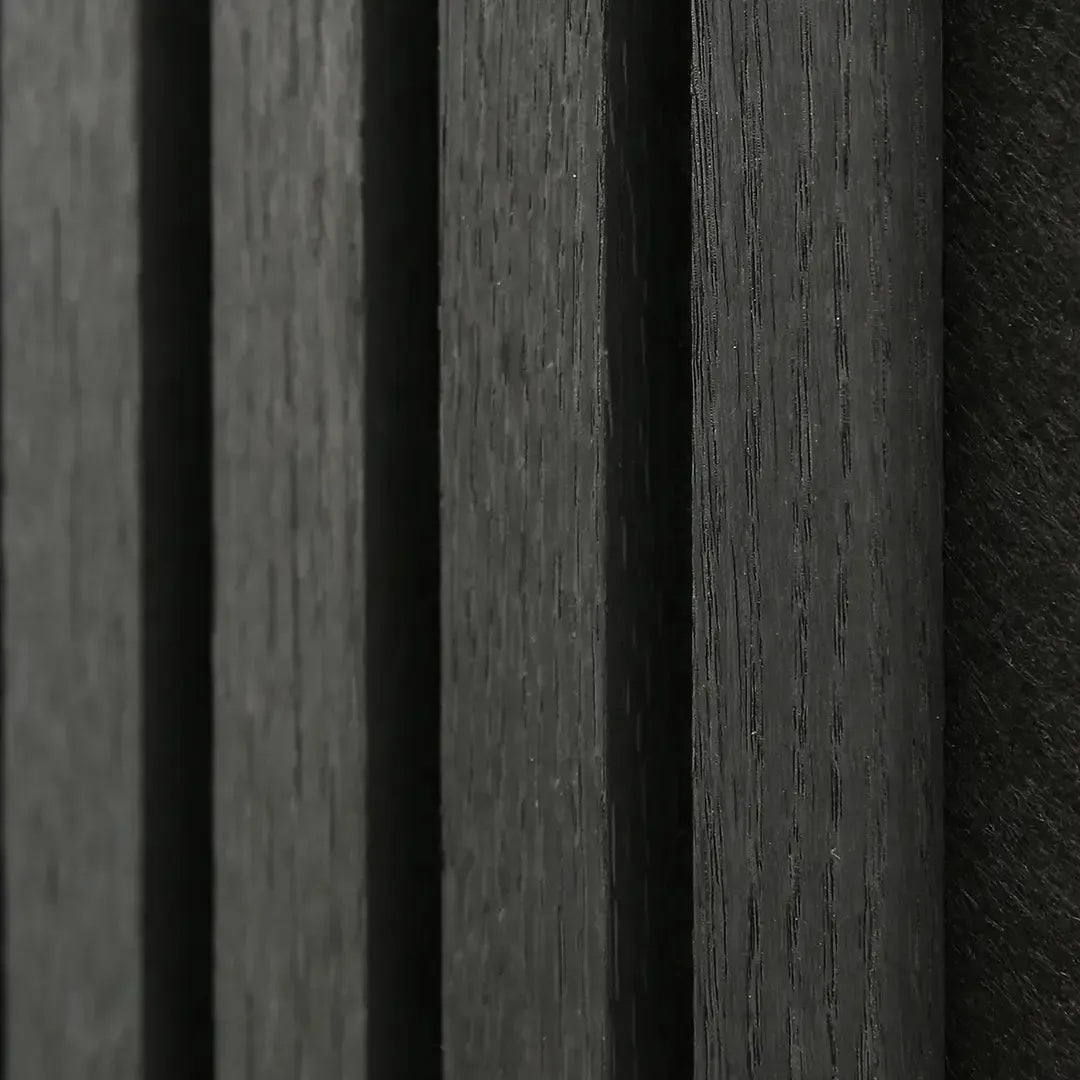
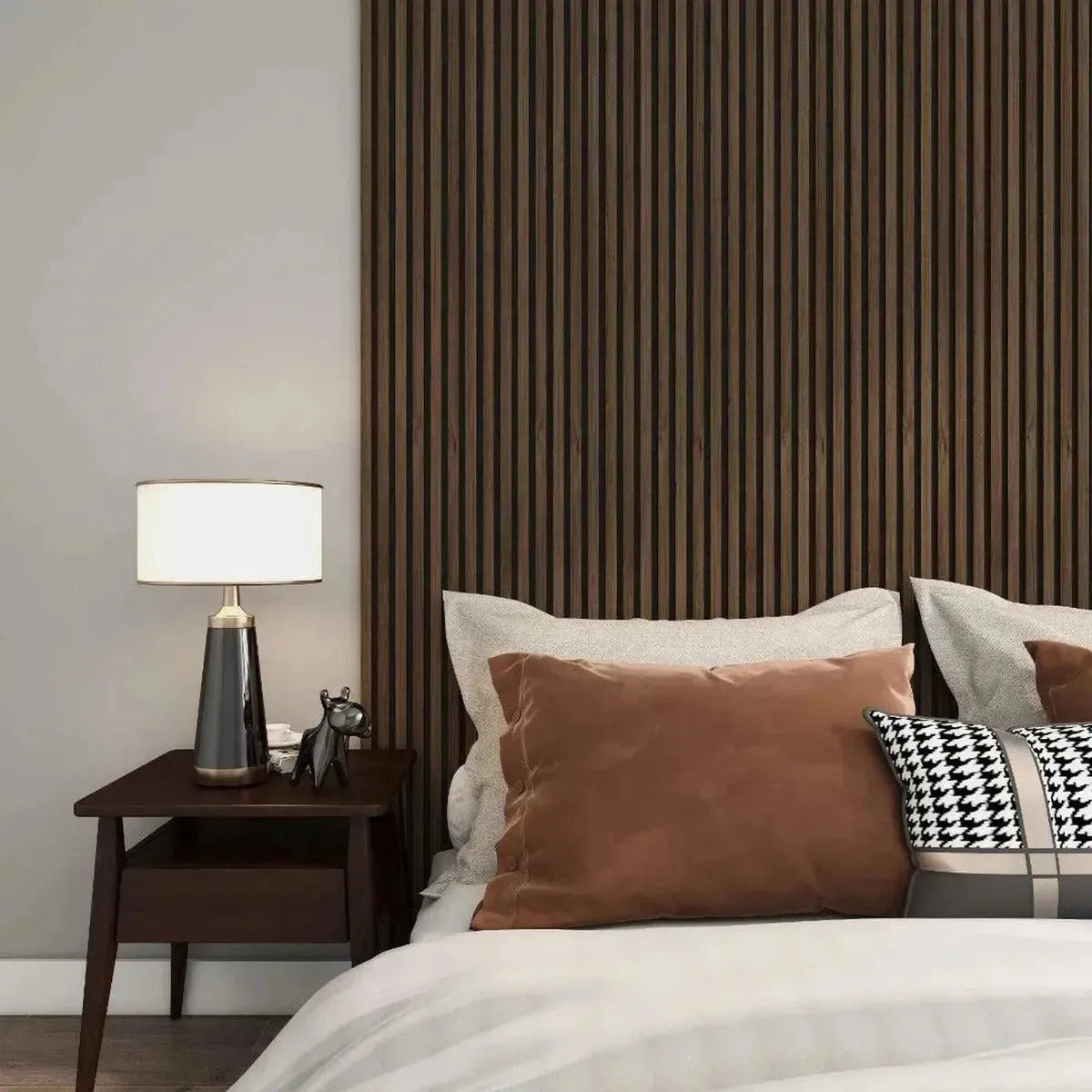
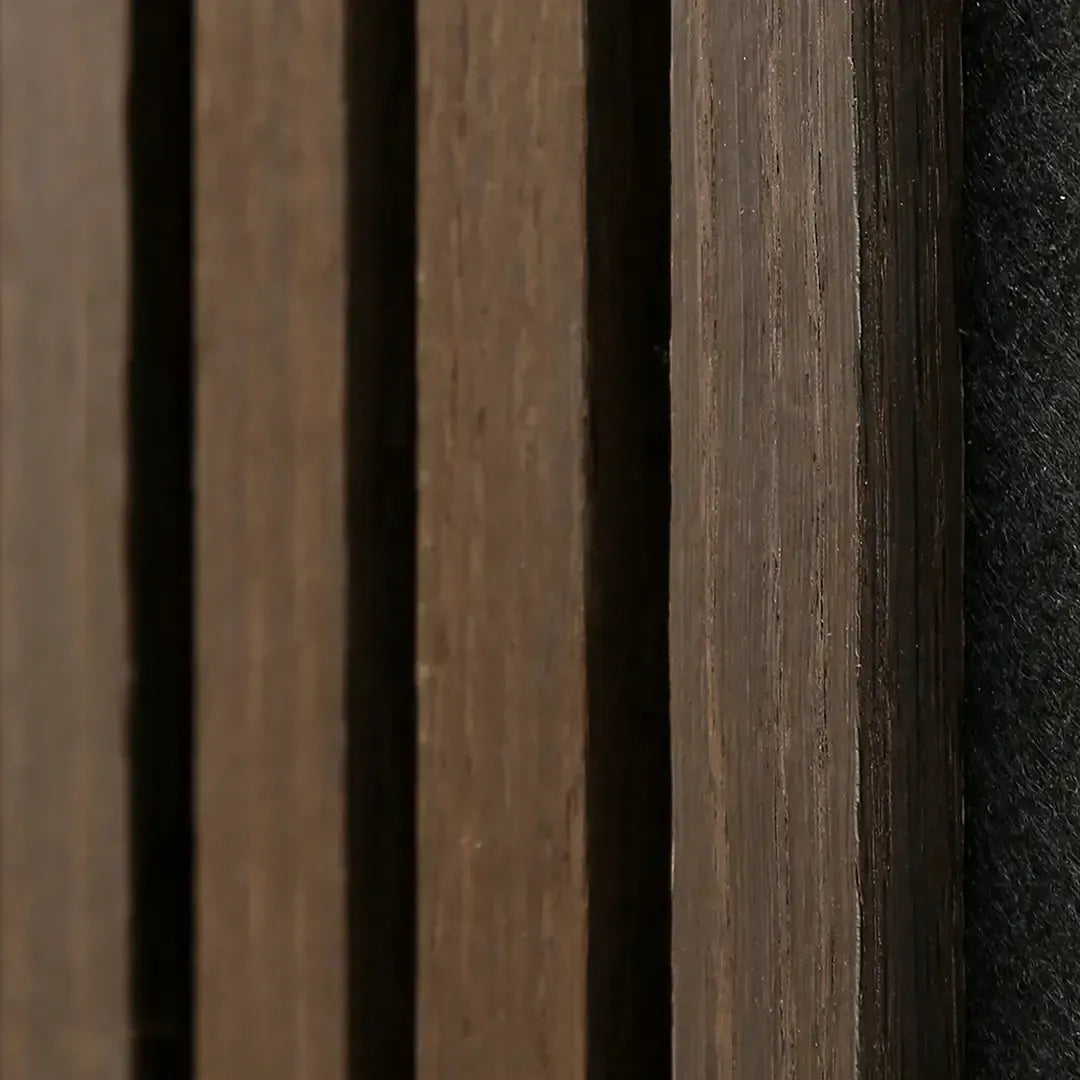
- Acoustic Slat Wall Panel Smoked Oak with Gray Felt wipes clean and hides tray scuffs — the low-maintenance pick for 2026 renovations.
- Skip felt-only panels directly behind the tray-return line; moisture and food odor sink into fabric backing.
- Tile Acoustic Slat Wall Panel Natural Oak lets you treat one wall this summer and expand next year on a school budget.
Why this matters
A school cafeteria is one of the worst rooms in a building for reverberation: 15-20 foot ceilings, painted block walls, vinyl or tile flooring, and zero soft furniture to absorb sound. Add 150+ kids talking over metal trays and the reverberation time in an untreated cafeteria commonly runs 2-4 times longer than a classroom.
That's why generic office panels or thin foam squares don't move the needle here — the room needs enough surface area treated with a panel rated for real sound absorption, not decoration. Facilities budgets in 2026 are tighter than they were three years ago, so the panel choice has to double as durable wall protection, not just acoustic treatment. A noise control plan for open-plan schools usually starts with the cafeteria because it's the loudest single room in the building.
Who this is for
This is written for facilities directors, business managers, and architects specifying wall treatment for K-12 or higher-ed cafeterias — the people signing off on a summer renovation window, not homeowners picking a feature wall. If you're comparing acoustic panels school cafeteria noise solutions against a fixed capital budget and a hard August 15 install deadline, the criteria below apply directly.
What to look for in acoustic panels for open cafeterias
NRC rating high enough for hard-surface rooms
A cafeteria with tile floors and block walls needs panels rated 0.70 NRC or higher to make a measurable dent in reverberation — anything lower gets absorbed by the room's hard surfaces before it does any work. The Hexagon Acoustic Panel with gray felt backing rates 0.75 NRC, which is the range that actually changes how a 3,000 square foot dining hall sounds at lunch rush.
Impact and wipe-down durability
Trays get dropped, chairs get shoved, and kids lean on walls. Panels need a finish that survives contact without chipping or staining, and a face that a custodian can wipe down with a damp cloth rather than one that needs spot-cleaning kits. Wood veneer faces hold up better here than raw acoustic foam or fabric-wrapped fiberglass.
Coverage efficiency for large wall runs
Cafeterias run long, uninterrupted walls — 40, 60, sometimes 100 linear feet. Panels sold in multi-packs (4 per box on both the slat and hexagon lines) let a facilities team calculate square footage and order in bulk instead of piecing together single tiles, which cuts both cost per square foot and install time.
Budget for large square footage
Treating an entire cafeteria wall-to-wall isn't cheap on a school budget, so the smart move in 2026 is phasing the install: treat the two loudest walls first, order a full sample box to confirm the finish under fluorescent lighting, then expand in a second phase the following summer.
Installation speed inside a summer window
Most schools only get 6-10 weeks between the last day of class and the first day back to finish renovation work. Panels that mount without wet trades — no plaster, no paint drying time — are the only realistic option for a cafeteria refresh timed to summer break.
Top picks for cafeteria noise control
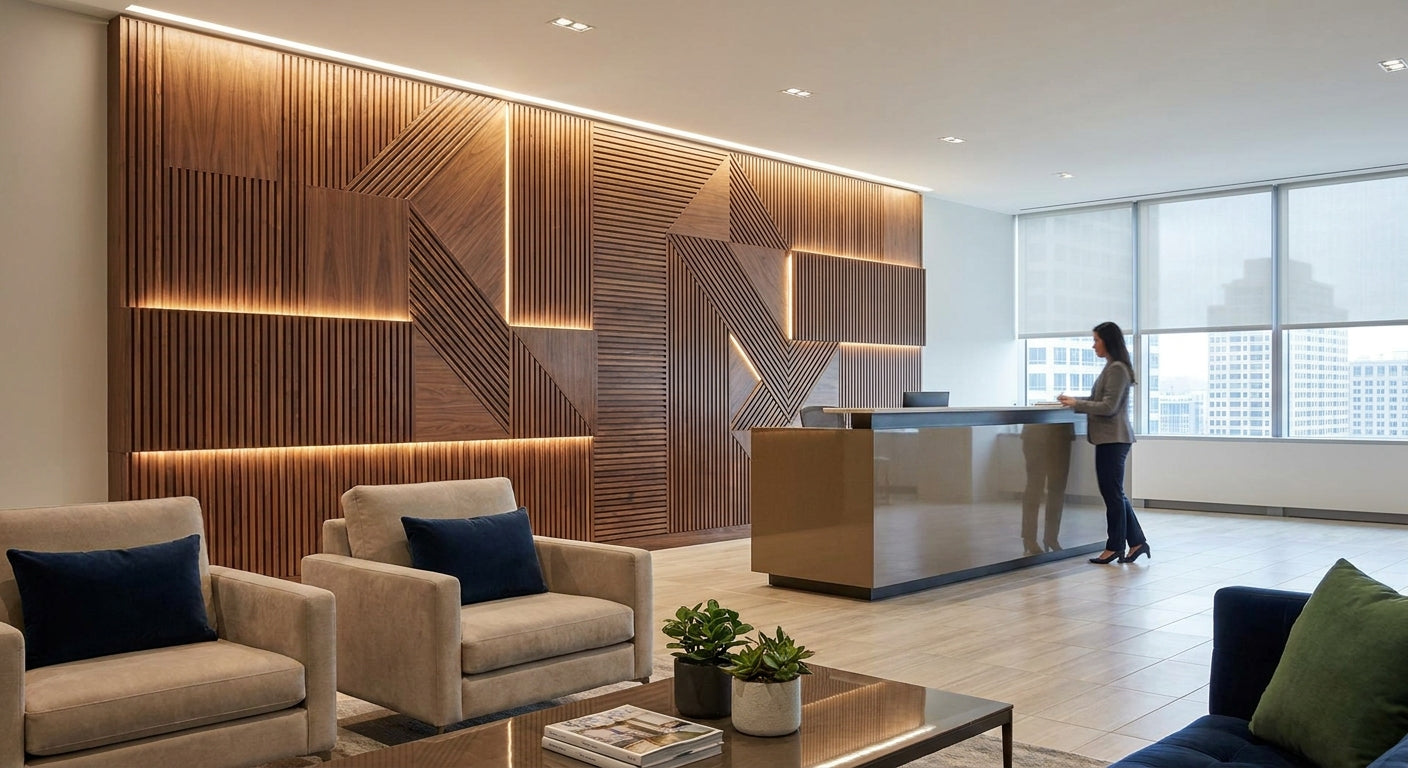
Hexagon Acoustic Panel, Natural Oak with Gray Felt — the acoustic workhorse. Rated 0.75 NRC with a 32-inch hexagon module sold 4 panels per box, this is the panel to spec when the room needs measurable absorption, not just texture. It reads as a design feature above the tray line while doing the acoustic heavy lifting the room actually needs. Buy — see the hexagon acoustic panel in natural oak with gray felt.
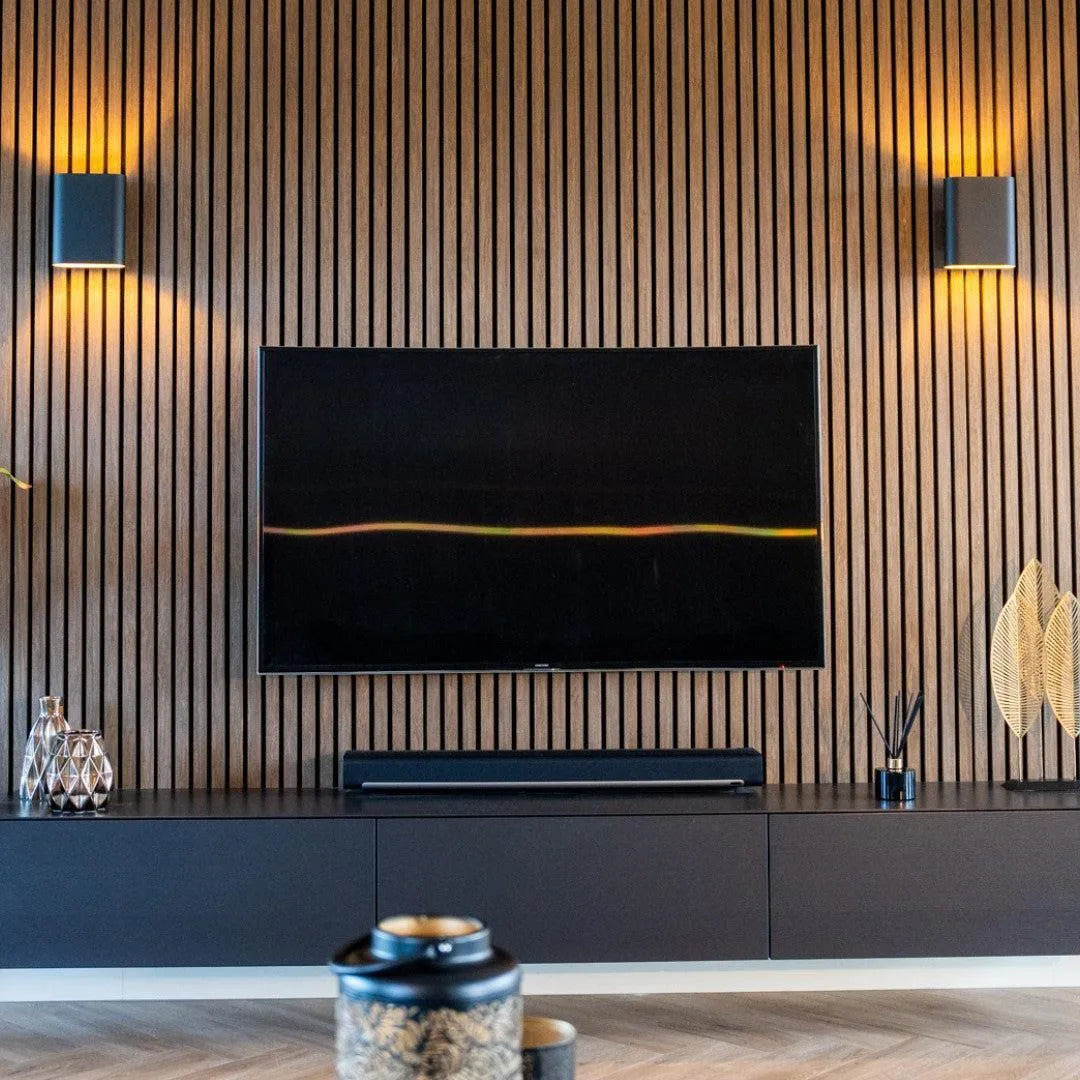
Acoustic Slat Wall Panel, Smoked Oak with Gray Felt — the low-maintenance dark finish. The smoked oak veneer hides scuffs and hand marks far better than a pale finish in a high-traffic dining hall, and the felt backing behind the slats does the absorption work while the wood face stays wipeable. Buy — check the smoked oak acoustic slat wall panel.
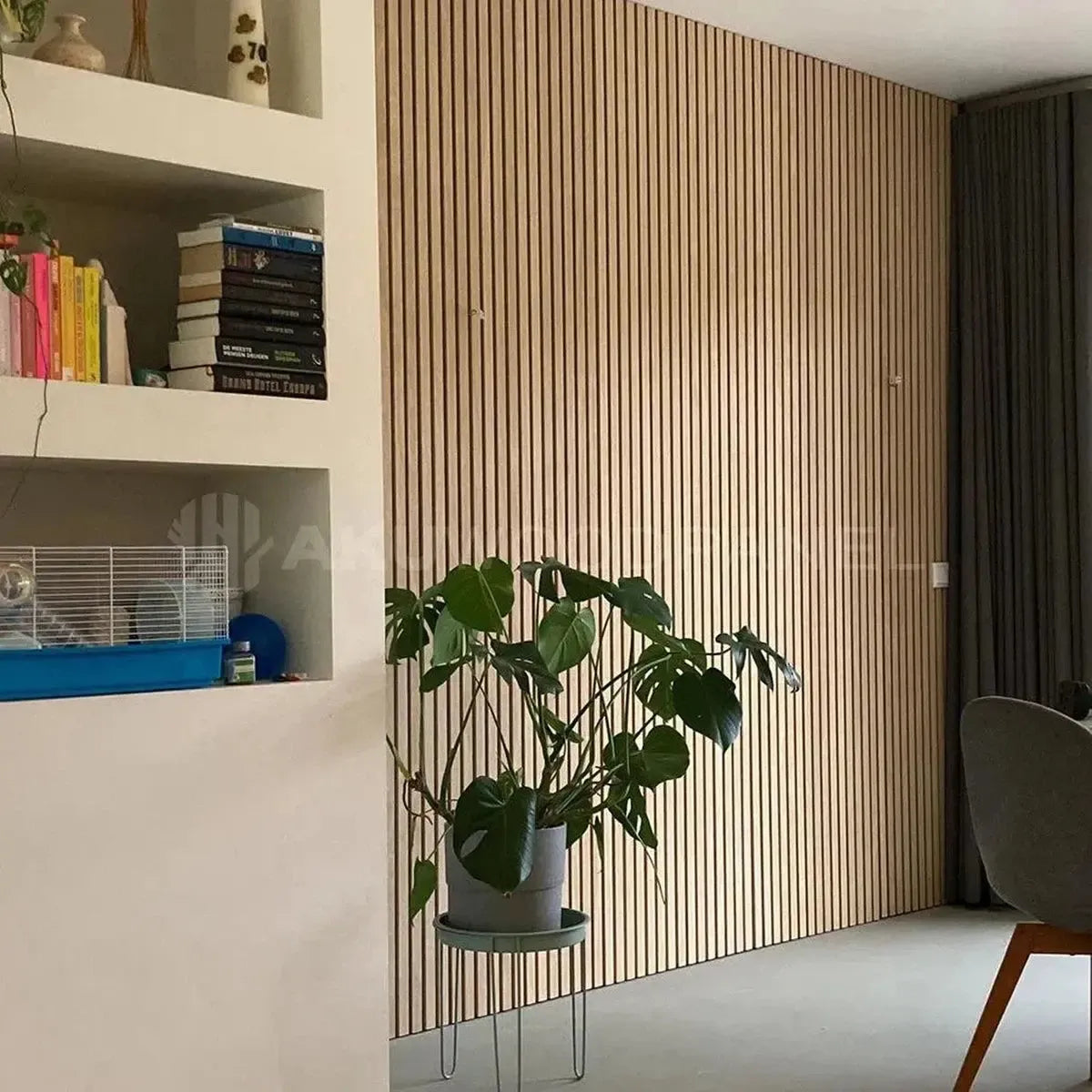
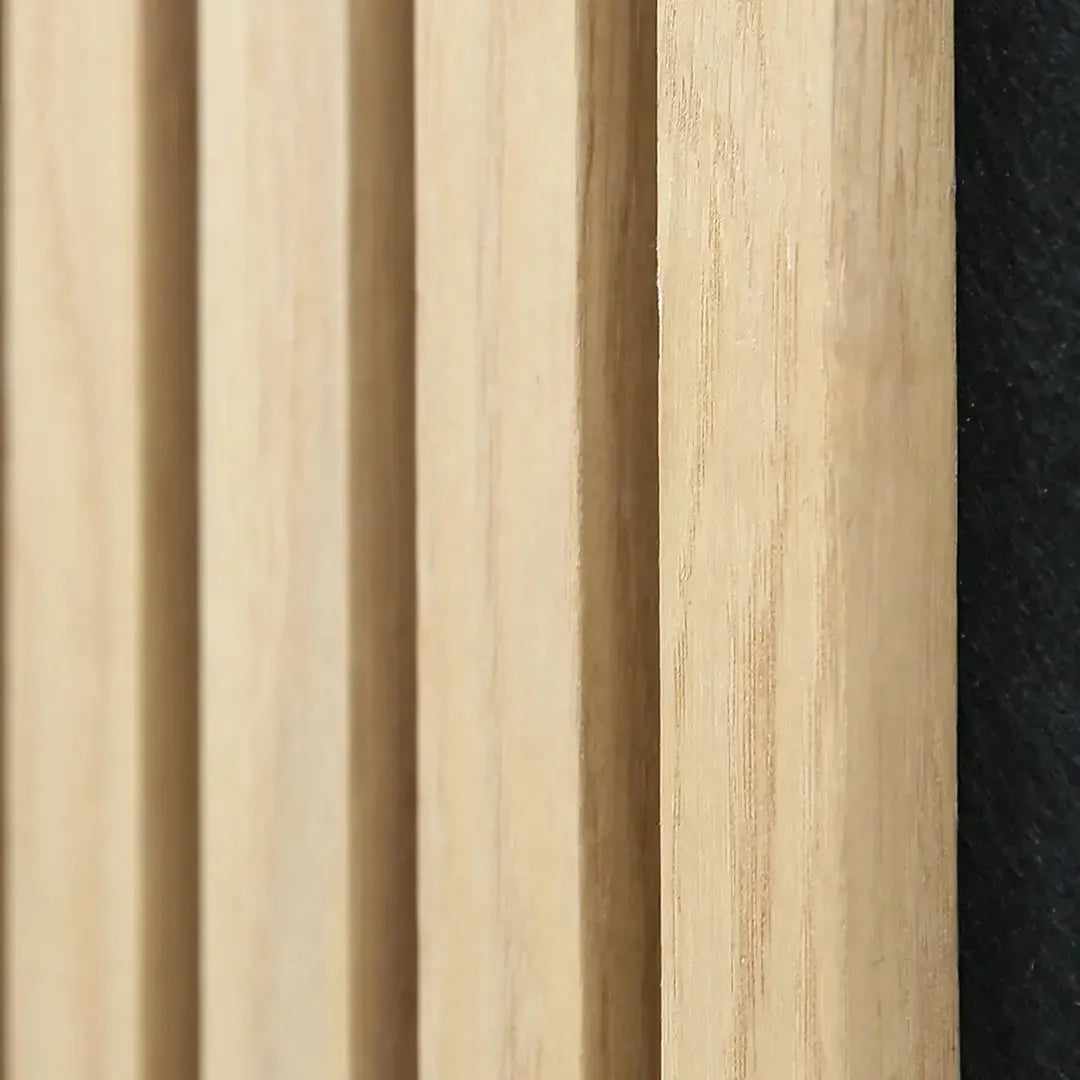
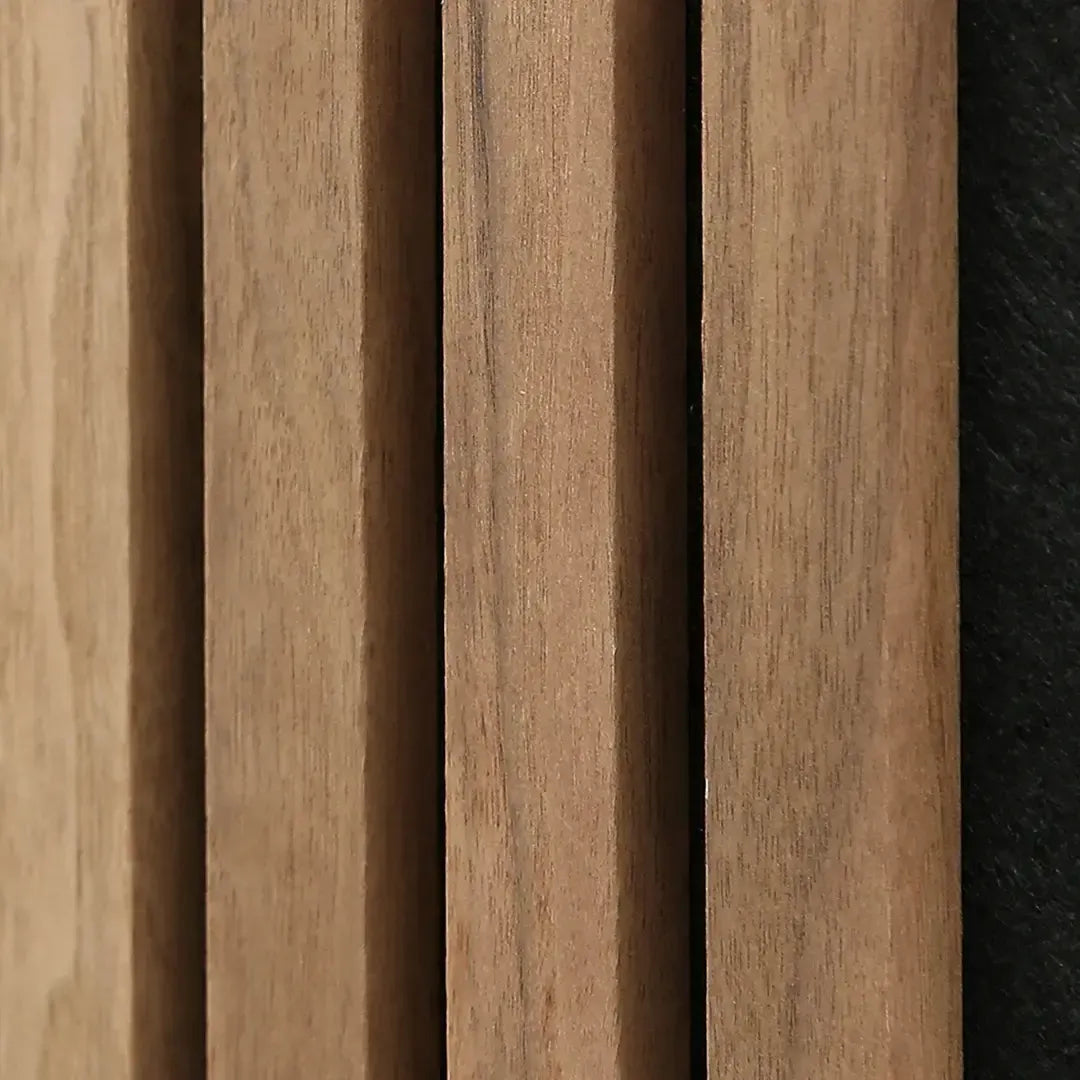
Acoustic Slat Wall Panel, Natural Oak with Gray Felt — the daylight pick. For cafeterias with large windows or skylights, the natural oak tone reflects more ambient light than the darker finishes, which matters in a room where custodial staff already fight glare off tile floors. Consider if the room gets heavy natural light; otherwise the smoked oak hides wear better.
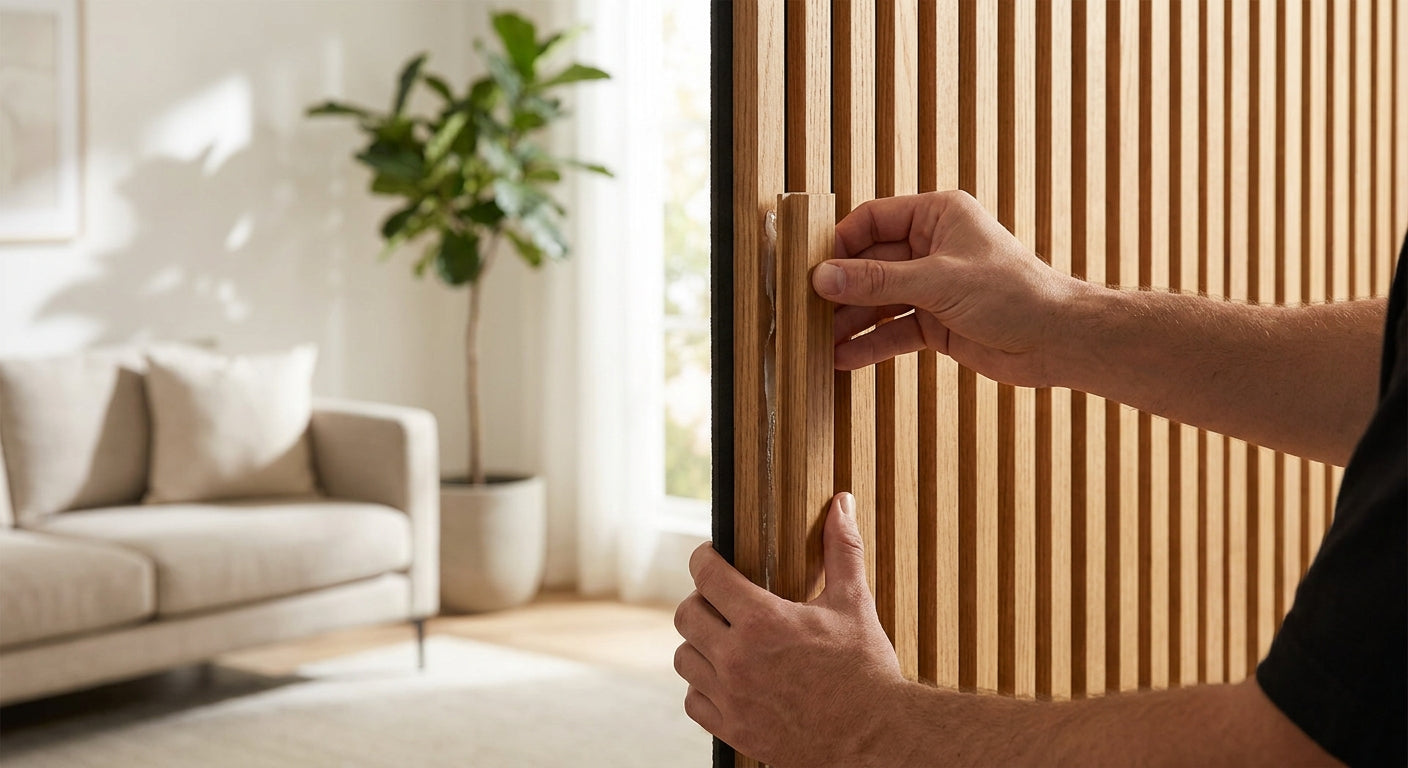
Tile Acoustic Slat Wall Panel, Natural Oak — the phased-rollout budget pick. Sold in a 4-tile box starting at $126.95, this is the option for a facilities team that wants to treat one accent wall this year and expand once next year's budget clears. Consider for a first-phase install; it's not a full-room solution on its own.


What to avoid
- Felt-only panels right behind the tray-return line. Fabric-faced acoustic panels trap grease and food odor in a spot where they get splashed daily — put wood-veneer-faced panels there instead and save the fully upholstered look for a wall further from the serving line.
- A single accent wall as the only treatment. One 8-foot hexagon cluster looks good in photos but won't change reverberation in a 3,000 square foot room — coverage has to scale with the room's hard-surface area, not the design budget.
- Skipping the sample stage. Fluorescent cafeteria lighting reads finishes differently than a showroom or a photo online; order the sample box before committing to a full wall run.
If trays are still clattering and the room still echoes after a single accent wall goes up, the problem is coverage, not the panel.
Verdict comparison
| Panel | NRC | Durability | Budget tier | Verdict |
|---|---|---|---|---|
| Hexagon Natural Oak w/ Gray Felt | 0.75 | High (veneer face) | Mid-high | Buy |
| Slat Smoked Oak w/ Gray Felt | Absorptive felt core | High, hides wear | Mid-high | Buy |
| Slat Natural Oak w/ Gray Felt | Absorptive felt core | High | Mid-high | Consider |
| Tile Natural Oak (4-pack) | Moderate | High | Low | Consider for phase one |
FAQ
What are the best acoustic panels for school cafeteria noise in 2026?
Panels rated 0.70 NRC or higher with a durable, wipeable face work best in cafeterias. The Hexagon Acoustic Panel in Natural Oak with Gray Felt rates 0.75 NRC and holds up to daily tray traffic.
How much wall coverage does a cafeteria need for noise reduction?
Treat the two loudest walls first, typically the walls facing the serving line and the seating area with the highest ceiling exposure. Full four-wall coverage gives the biggest reverberation drop but a phased two-wall install still measurably improves speech clarity.
Are felt-backed wood panels durable enough for high-traffic school rooms?
Yes, as long as the wood veneer face takes the daily contact and the felt stays behind it as an absorptive layer. Fully fabric-faced panels are not a good fit directly behind serving lines because they absorb moisture and odor.
Can acoustic panels be installed during a school's summer break?
Most panel systems mount without wet trades, so a 6-10 week summer window is enough time for a full cafeteria wall install. Confirm lead times on the panel order before locking in the install schedule.
What's the difference between hexagon and slat acoustic panels for cafeterias?
Hexagon panels create a modular geometric pattern that works well on feature walls above the tray line, while slat panels run in continuous horizontal or vertical lines that cover long wall runs efficiently. Both come with the same gray felt acoustic backing option.
How do you budget for acoustic panels across a whole cafeteria?
Start with a sample box to confirm finish and durability, then price out the two loudest walls first using the 4-panel box format. Tile-format panels starting around $126.95 per 4-pack let a school phase the rollout across two budget cycles.
Do acoustic panels need a fire rating for institutional use?
Fire code requirements vary by state and building type, so confirm the local code with your fire marshal before specifying any wall panel for a school. Commercial installs generally require documentation on fire performance as part of the permit process.
One last thing
The cafeteria almost never needs full four-wall treatment to feel dramatically quieter — the two walls facing the serving line and the highest ceiling section usually carry most of the reverberation, and treating just those first cuts the noticeable echo before the second phase ever gets budgeted. Order the sample box before the wall-full order; fluorescent cafeteria lighting shifts how smoked oak and natural oak read compared to a screen or showroom.
 Better performance and aesthetic appeal
 In Stock