Open-plan schools trade classroom walls for flexible teaching pods — and trade quiet for a constant wash of overlapping voices, chair scrapes, and HVAC hum that makes hearing the teacher next door nearly impossible.
This guide is for facilities directors, architects, and district administrators specifying acoustic panels open plan school projects need in 2026, whether you're retrofitting a 1990s open-concept building or spec'ing a new pod-based elementary school.
TL;DR
For acoustic panels open plan school noise control in 2026, wood-veneer slat panels with felt or foam backing cut reverberation time in shared learning pods without turning the room into a padded cell. The Acoustic Slat Wall Panel Natural Oak from AKU Woodpanel is the safe, code-friendly pick for most K-12 retrofits — Buy. Hexagon felt-backed panels work better in high-traffic zones where kids touch the walls, and full-height slat coverage beats scattered acoustic tile patches every time. Skip anything without a documented NRC rating.
Why This Matters
Open-plan classrooms became popular for flexibility, but the acoustic tradeoff is real: ANSI/ASA S12.60, the standard most US districts reference for classroom acoustics, recommends a reverberation time of 0.6 to 0.7 seconds in rooms under 20,000 cubic feet. Untreated open-plan pods with drywall, glass, and hard flooring routinely run 1.2 to 1.8 seconds — double the ceiling teachers can work with.
That gap is why noise complaints in open-plan schools spike every fall when enrollment fills the pods back up. A dedicated breakdown of acoustic panels for school and classroom noise control walks through the reverberation math in more depth if you want the full technical case before you go to your school board.
The fix isn't more insulation in the walls you don't have — it's absorptive surface area on the walls and dividers you do have, and that's where acoustic wood panels do the work carpet and curtains can't.
Who This Is For
This guide targets people responsible for noise complaints in flexible-classroom buildings: district facilities managers doing a 2026 capital improvement pass, architects specifying finishes on a new open-plan elementary or middle school, and PTA-funded renovation committees trying to fix one loud pod without a full HVAC redesign. If your teachers are raising their voices to be heard three pods over, keep reading.
What To Look For In Acoustic Panels For Open-Plan Schools
NRC rating, not just acoustic marketing
A panel labeled acoustic with no Noise Reduction Coefficient number is a guess. Look for felt-backed or slot-cut wood slat panels with a stated NRC in the 0.7-0.85 range — that's the band that actually pulls reverberation time down toward the ANSI S12.60 target in a typical 900-1,400 square foot open pod.
Impact and scuff resistance
School walls get backpacks, chairs, and rolling carts thrown at them all day. Solid wood veneer over an MDF or engineered core holds up to that traffic far better than foam acoustic tiles, which dent and discolor within a semester.
Fire and building code compliance
Schools are assembly occupancies, which means finish materials need to clear stricter flame-spread requirements than a home living room. Confirm fire-rated documentation before you submit a spec to your district's building department — this is the single most common reason a school procurement gets bounced back.
Installation window around the academic calendar
Districts don't get to shut a wing down for six weeks. Panels that mount with adhesive or a track system and don't require wet trades (plaster, paint drying time) let a crew finish a 1,000 square foot pod over a long weekend or a single school break.
Coverage pattern, not just panel count
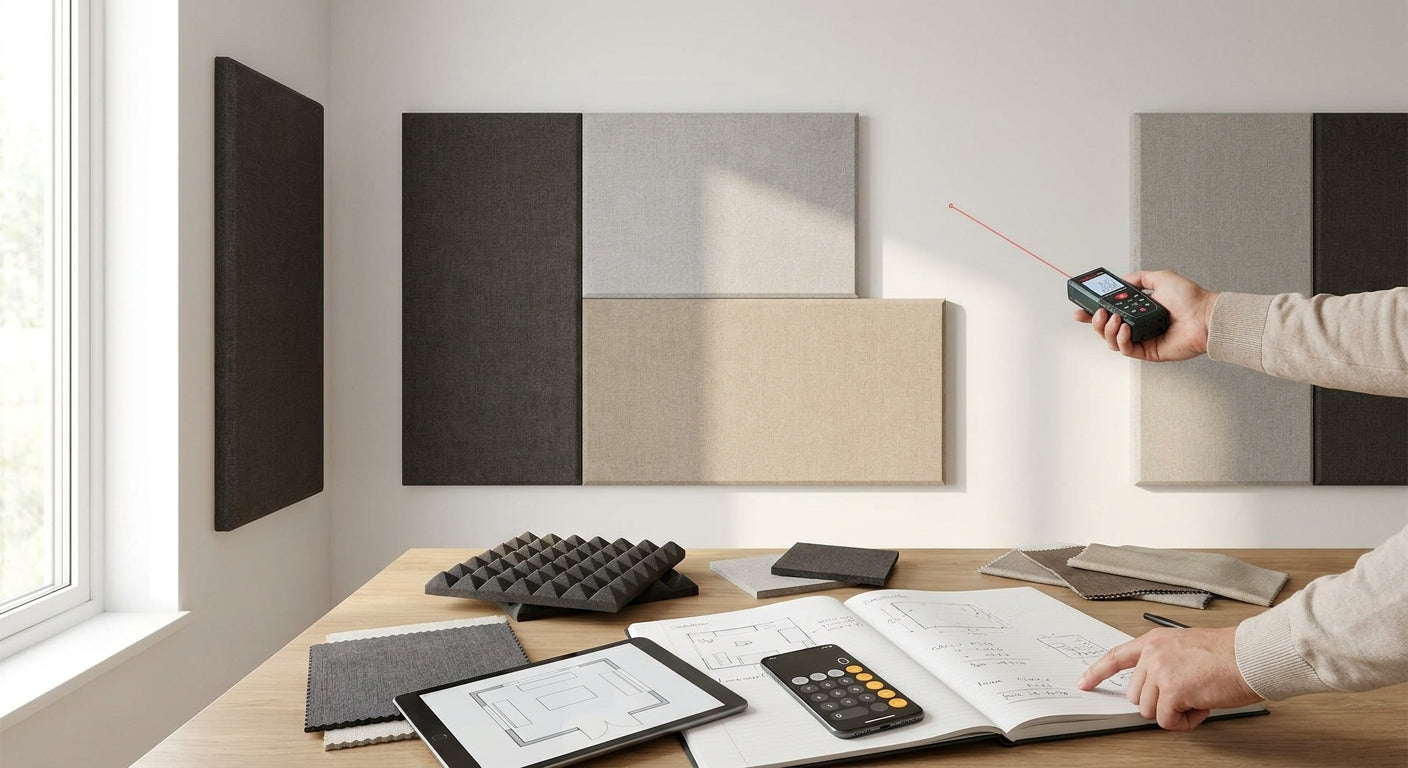
Acoustic performance comes from absorptive surface area, not from how the panels look on an inspiration board. A wall covered 60-70% in slat or hexagon panel beats a decorative accent strip covering 15% every time, even if the accent strip photographs better.
Low-VOC finish for occupied buildings
Kids and staff are in these rooms eight hours a day, five days a week. Finishes with low-VOC certification matter more here than in a residential accent wall, and it's worth asking any supplier for documentation before a 2026 school year installation.
Top Picks For Open-Plan School Noise Control
The safe pick: Acoustic Slat Wall Panel Natural Oak
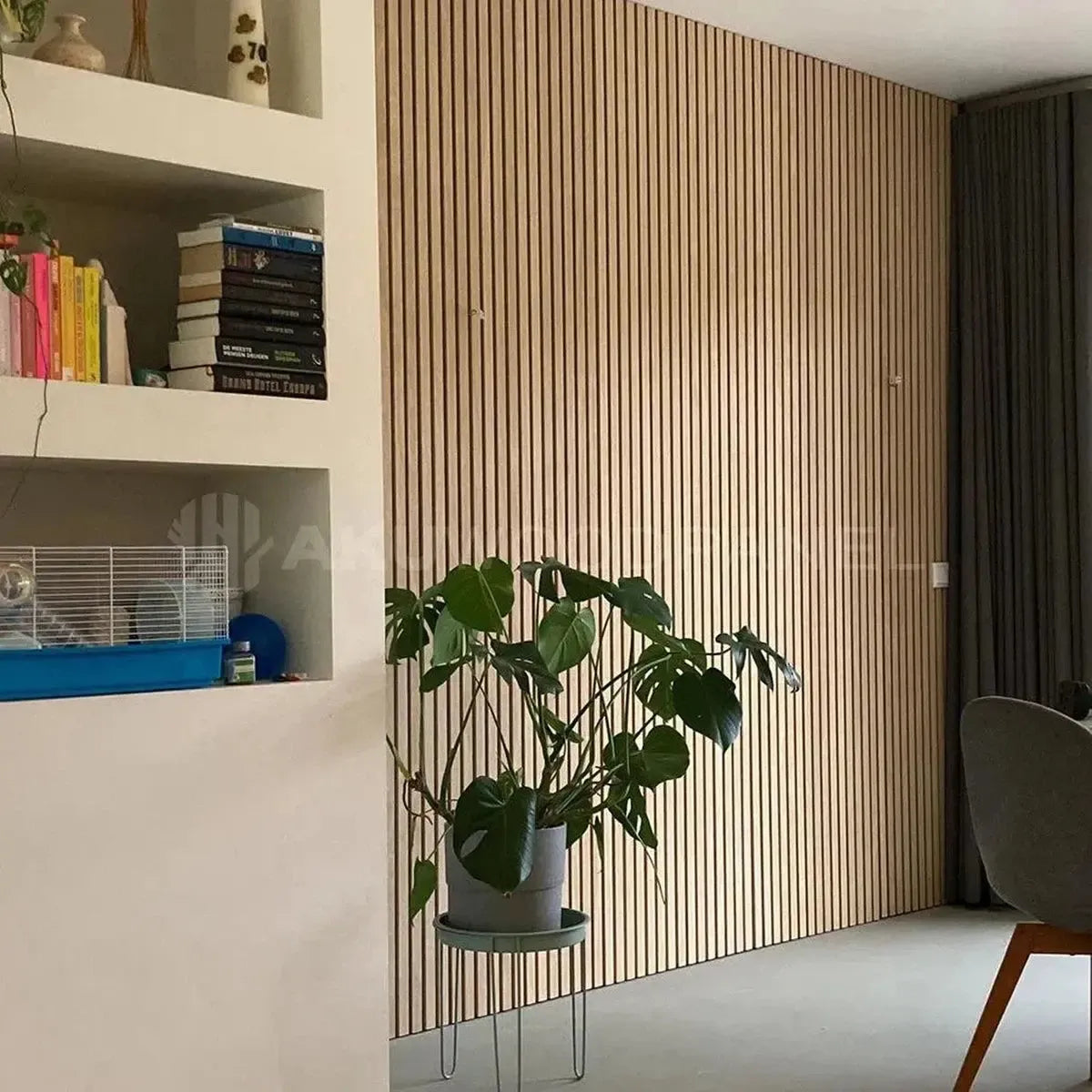
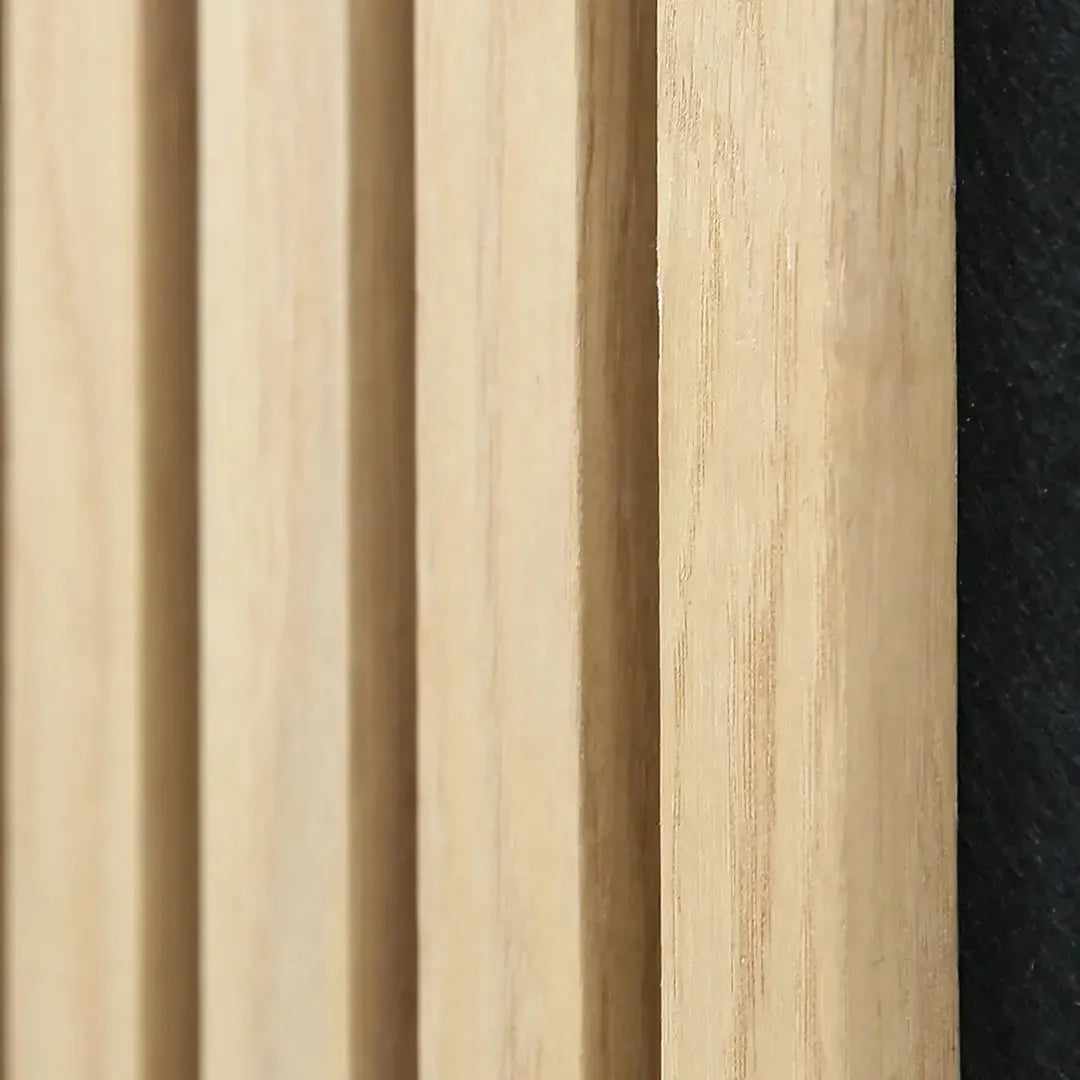
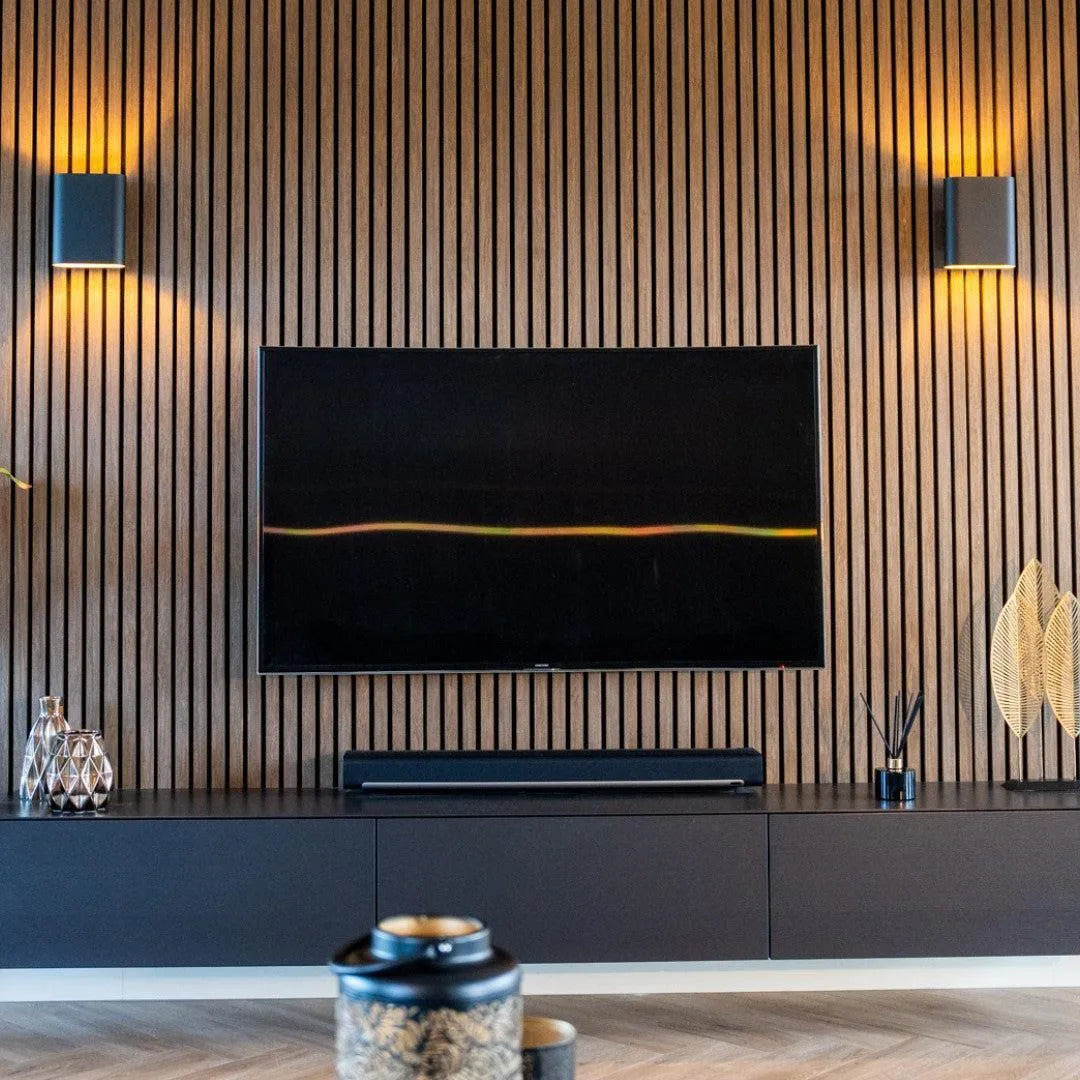
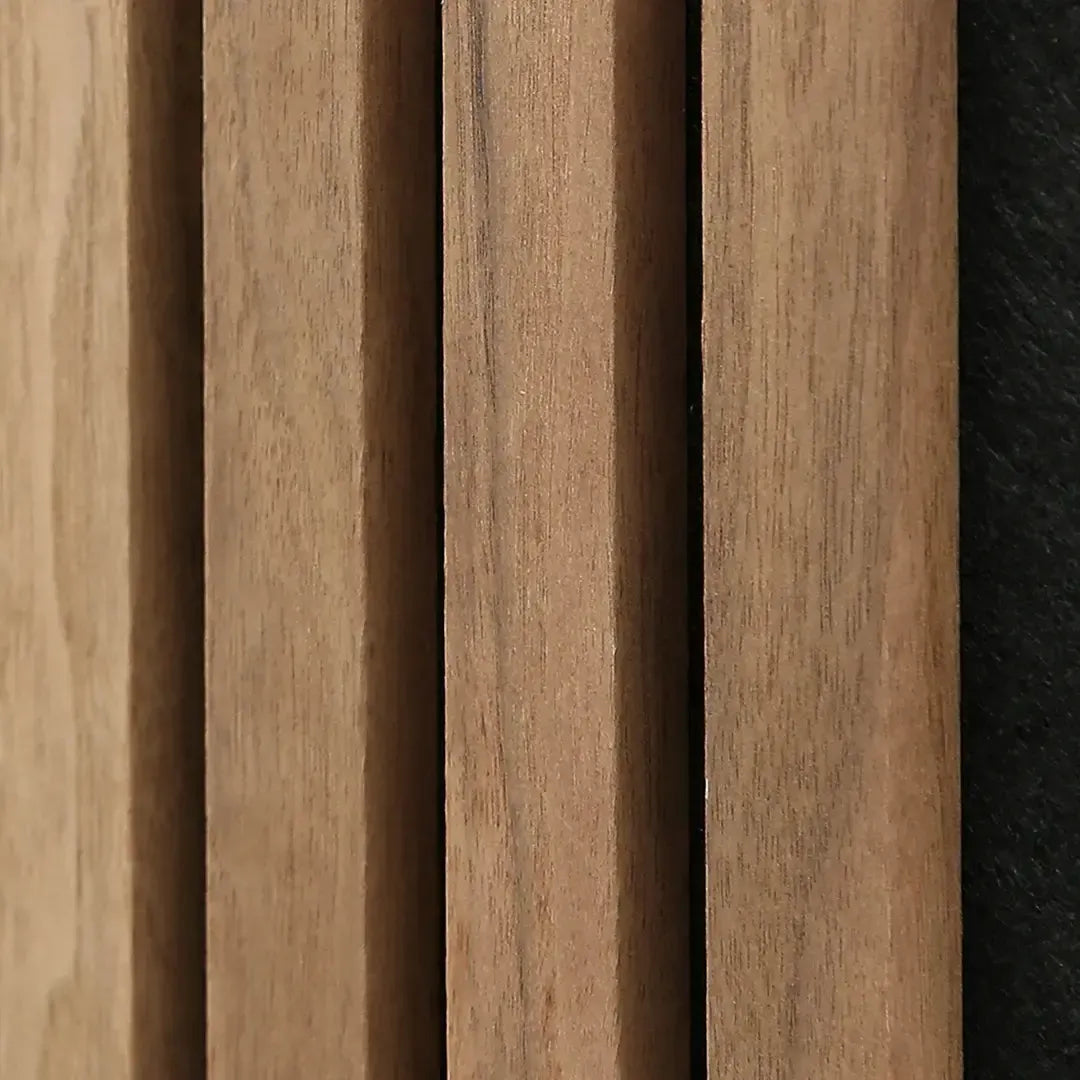
The spec that matters: wood veneer slats over an acoustic felt backing designed to absorb mid-to-high frequency noise — the register most classroom chatter and chair movement falls into. Natural oak reads as warm and institutional-neutral, which makes it an easy sell to a school board comparing finish samples. Verdict: Buy for standard pod walls and shared corridor dividers. Acoustic Slat Wall Panel Natural Oak
The wildcard: Acoustic Slat Wall Panel Black Oak
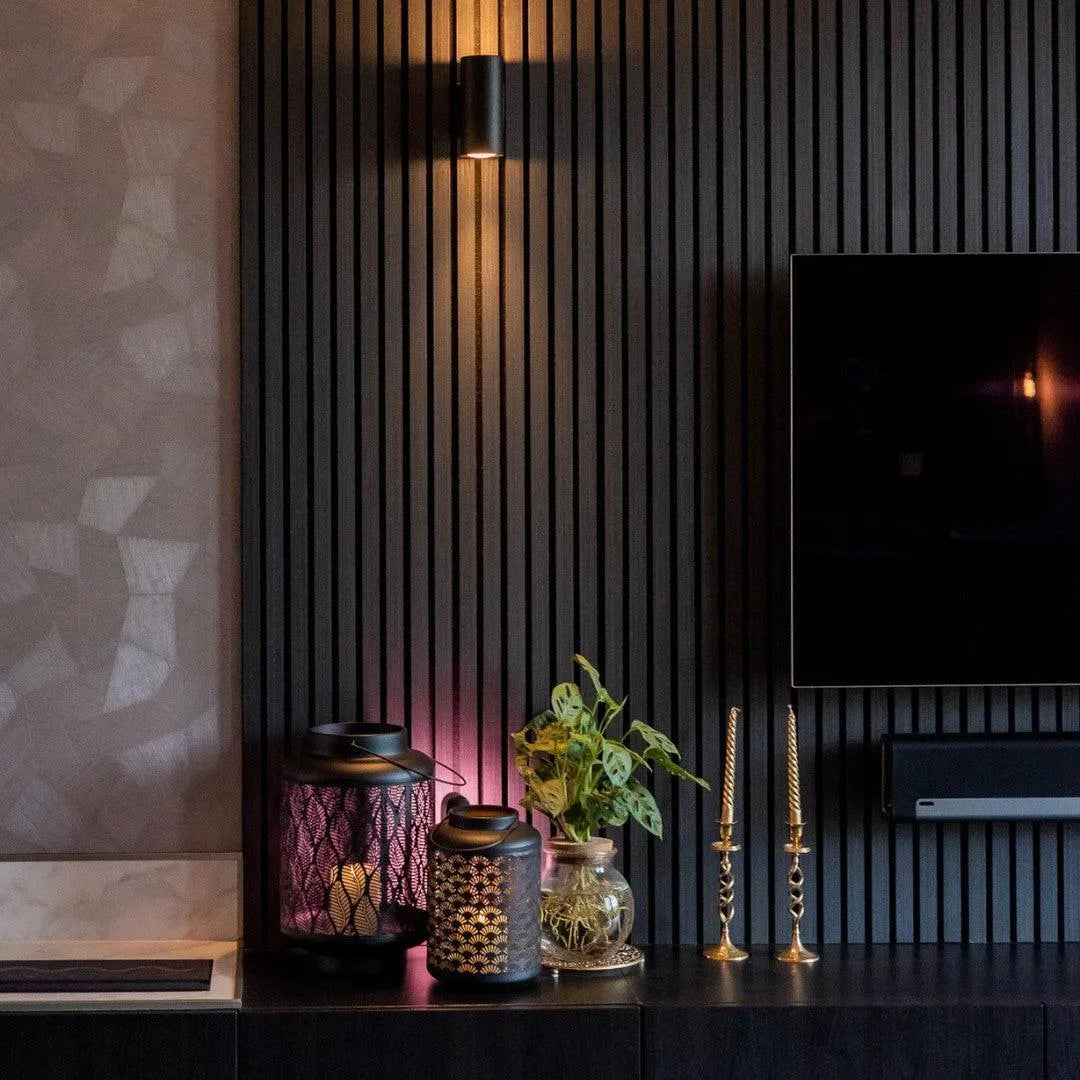
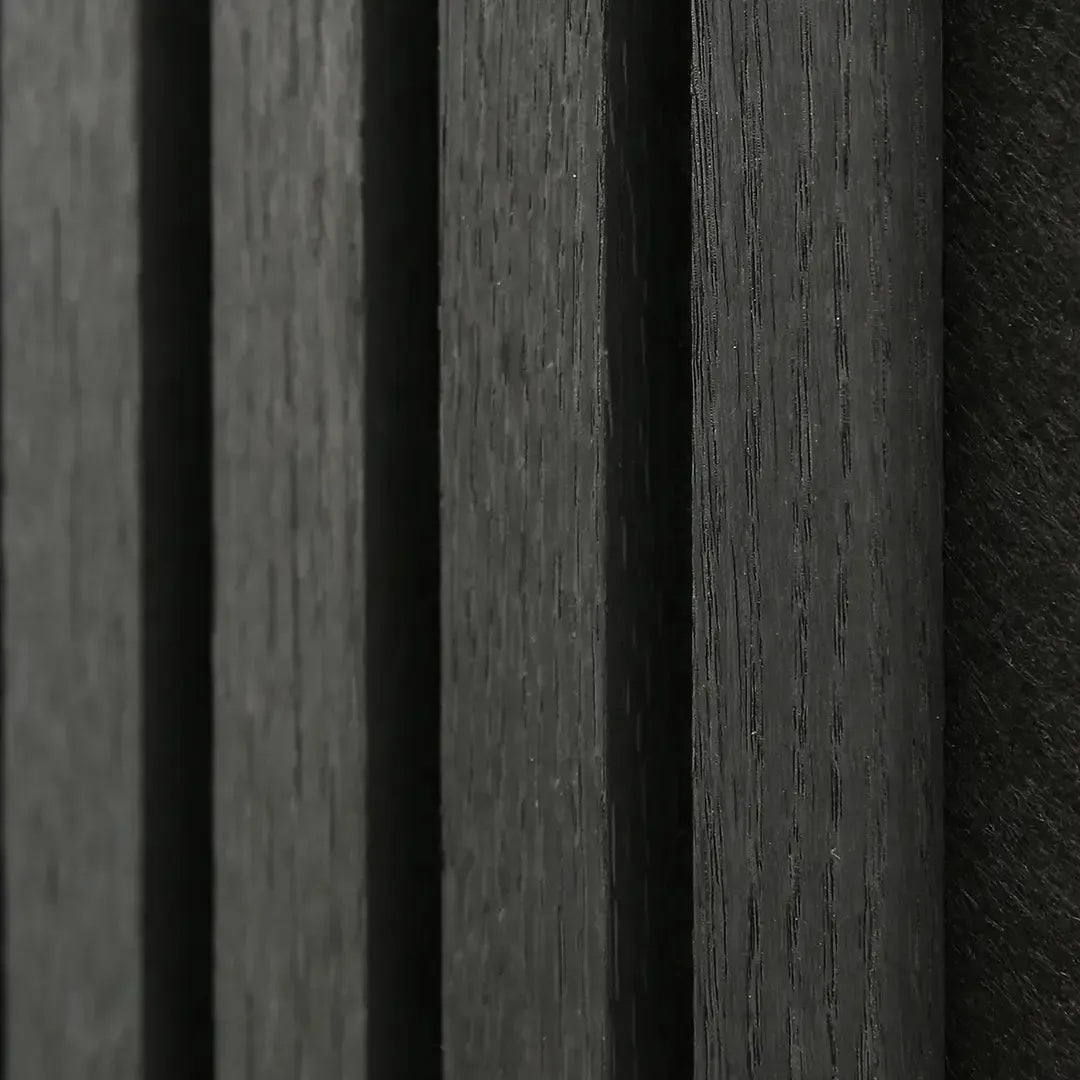
Black oak slat panels do the identical acoustic job as the natural oak version but read as a deliberate design choice rather than a retrofit patch — useful for a middle or high school library pod where the district wants the acoustic fix to also look like an upgrade. Verdict: Consider if your project has a design budget beyond pure function. Acoustic Slat Wall Panel Black Oak
The decorative-but-functional pick: Hexagon Acoustic Panel with Gray Felt
Hexagon geometric panels break up long, flat open-plan walls visually while still carrying the felt-backed absorption layer that pulls down echo. They work particularly well on partial-height dividers between pods where a full slat wall would feel heavy. Verdict: Buy for feature walls in shared reading nooks or collaboration zones. Hexagon Acoustic Panel Natural Oak with Gray Felt
The one to sample first: Smoked Oak Slat Panel
Smoked oak has a darker, more saturated grain that some districts prefer for administrative or staff-facing pods rather than classrooms. Order a physical sample before committing a district-wide order — finish tone under fluorescent classroom lighting reads differently than it does on a screen. Verdict: Consider, sample first.
What To Avoid
- Thin foam acoustic tiles marketed for offices. They look similar in a product photo but lack the impact resistance schools need and typically carry a much lower NRC than felt-backed wood slat panels.
- Spot-treating only the loudest wall. Reverberation is a room-volume problem, not a single-surface problem — partial coverage under 40% of wall area rarely moves the needle on measured reverberation time.
- Skipping the fire documentation step. A panel that looks identical to a code-compliant one but lacks flame-spread certification will get flagged during the district's building department review, costing you the installation window you planned around.
Comparison At A Glance
| Panel | Best placement | Install effort | Verdict |
|---|---|---|---|
| Acoustic Slat Wall Panel Natural Oak | Full pod walls, corridors | Low, adhesive or track mount | Buy |
| Acoustic Slat Wall Panel Black Oak | Library, high-visibility zones | Low | Consider |
| Hexagon Acoustic Panel w/ Gray Felt | Partial dividers, reading nooks | Low-medium | Buy |
| Foam acoustic tiles (generic) | Not recommended for schools | Low, but low durability | Skip |
FAQ
What's the best acoustic panel for open-plan schools in 2026? Felt-backed wood slat panels with a documented NRC of 0.7 or higher are the current standard for open-plan school pods, because they combine sound absorption with the impact resistance daily student traffic requires.
How much noise reduction do acoustic panels actually provide in a classroom? Coverage at 60-70% of a wall's surface area typically pulls reverberation time from the 1.2-1.8 second range common in untreated open-plan rooms toward the 0.6-0.7 second target set by ANSI/ASA S12.60.
Are wood acoustic panels safe for use in schools? Wood veneer acoustic panels with fire-rated documentation meet standard assembly-occupancy building codes, but always confirm the specific flame-spread rating with your supplier before submitting a district spec.
Do acoustic panels need to cover an entire wall to work? No, but partial coverage under roughly 40% of a wall's area rarely produces a measurable drop in reverberation time — coverage pattern matters more than picking the single best panel.
How long does installation take in an occupied school building? A single 900-1,400 square foot open-plan pod typically installs over a long weekend or a scheduled school break when panels mount with adhesive or track systems that skip wet trades.
Is slat wall or hexagon panel better for noise control? Both use the same felt-backed absorption layer; slat wall suits full-height walls and corridors, while hexagon panels work better on partial dividers or feature zones where you want visual breakup along with sound control.
How much does acoustic paneling cost for a school hallway or pod? Cost depends on square footage and panel type — check current pricing directly, and use a coverage calculator before ordering to avoid over- or under-buying panel runs.
Can acoustic panels mount on the concrete block walls common in older school buildings? Yes, with the correct mounting hardware and adhesive system rated for masonry substrates; confirm the mounting method with your supplier before ordering if your building has block rather than drywall construction.
One Last Thing
The reverberation problem in most open-plan schools isn't the ceiling or the flooring — it's the vertical wall surface area nobody treats because it's not the wall closest to the noise complaint. Pods with glass partitions on one side and painted drywall on the other are often the worst offenders because neither surface absorbs anything; treating the drywall side alone with felt-backed slat panel can cut measured reverberation more than a full ceiling tile replacement, at a fraction of the disruption to an active academic calendar.


 Better performance and aesthetic appeal
 In Stock